
Mpho Makhafola: You’ll look back on this time and be proud of the woman you became
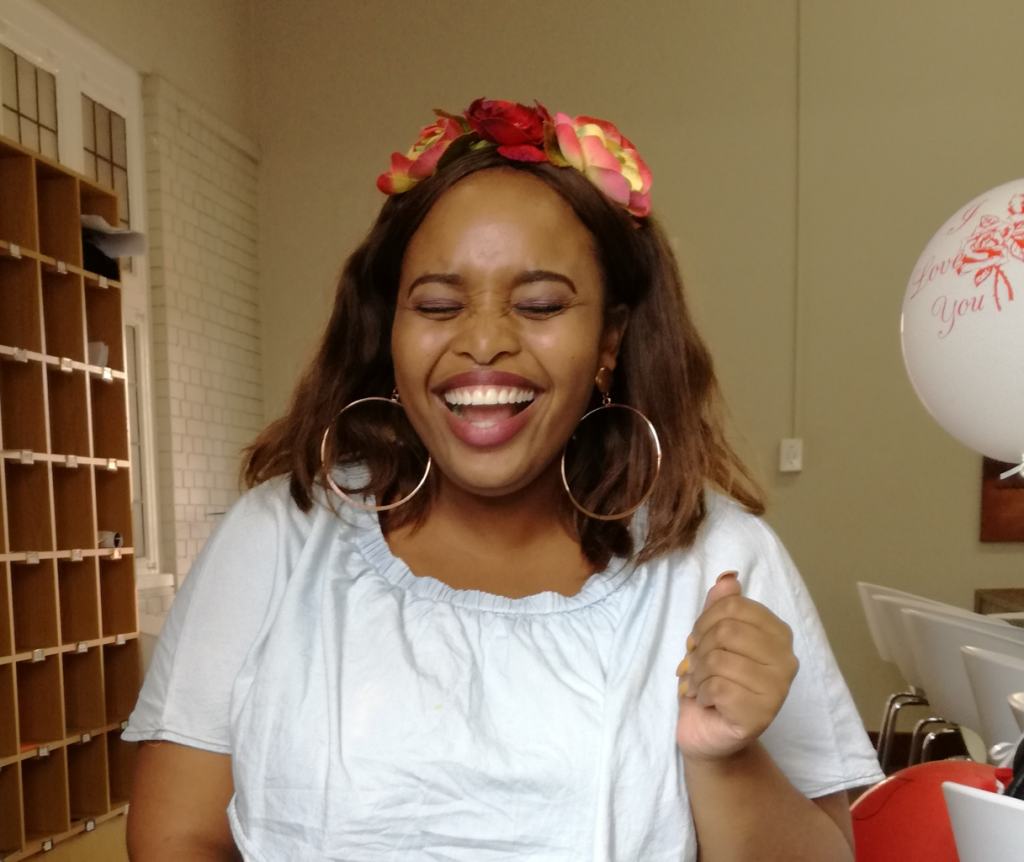
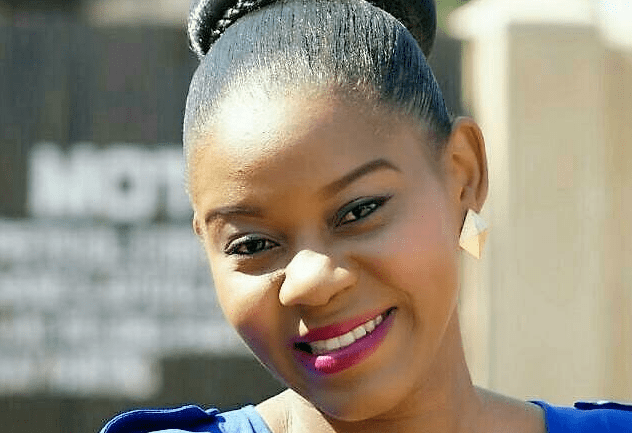
[bctt tweet=”Mpho Makhafola greatest passion in life is inspiring young women through her writing” username=”SheLeadsAfrica”] Mpho Makofola is an inspired storyteller and creator of the Young Mothers Series, a platform that grew out of her very interesting and addictive blog, I Am My Own Gift. Through the blog, she has created a safe haven for young mothers to feel accepted and loved. Mpho’s blog in a way validates the worth of young mothers as valuable members of society. It creates a sense of community, belongingness, and sisterhood as well as a safe space for young mothers to share their stories about the joys and hurdles of existing in a world that largely discriminates against them. Tell us about yourself, who is Mpho? Mpho Makhafola is a linguist who studied at the University of Pretoria (South Africa). She is also a blogger and an educator at an all-girls school in Pretoria. Her greatest passions in life include writing and inspiring young women through her blog posts and being surrounded by strong women who in turn inspire and motivate her to be great. Mpho loves a good laugh and is absolutely a girly-girl who loves having her nails did and her face beat 🙂 What is that one tipping point that caused you to create the Young Mothers Series on your blog? And are you yourself a young mum? What inspired the Young Mothers Series was all the young mothers I have the privilege to have met and engaged with. Many if not all of us have a friend or family member who is/was a young mom and I noticed just how negative society is towards these young women and how falling pregnant young has been and is still such a taboo across all races and groups. This really broke my heart because I believe that being a young mom is a challenge in itself. Why add on to that by hiding your pregnancy and loathing oneself just because society is so negative? Why not accept of one of life’s greatest gifts to women, motherhood? So the continued judgement and ostracism of young mothers pushed me to seek these young women out, document their journeys to motherhood and give them a voice to say, “Yes world, I fell pregnant young, but I am still capable of achieving my goals and pushing myself to get my education and so much more. A baby doesn’t mean the end of my life and all that is good in it”. And no, I am not a young mom myself. I initially thought this would make it hard to capture the stories of these young mom’s realistically without watering them down because I “can’t relate”. I really tried by all means to treat each feature as a new experience and always remembering that these young women deserved their truth’s to be shared as raw and beautiful as they are. [bctt tweet=”The Young Mothers Series helps young moms with whatever they are struggling with at the moment” username=”SheLeadsAfrica”] What is your favourite thing about the blog? It has to be the impact that it has had on strangers, on the featured mommy’s and even on me. Some of the responses I got still get me emotional. I had no idea of the struggles and emotional trauma some of these young moms go through because the world is so unkind to them. I mean some even had family turn against them, partners desert them and literally had no support at all throughout their pregnancies. And I’ve always been so humbled to hear that my blog has resonated with someone or given them hope in knowing that they are not alone. Besides the young mother series, I was also lucky to feature a number of amazing personalities like Fareida Metsileng (pharoahfi), a young poet Thuto Gaasenwe and I also did a blog post for NUK and Artemis brands in relation to the young mother’s series. What obstacles have you overcome in order to be the kind of woman who’s capable of reaching out to uplift other women? I’ve always said that it’s hard being a woman, we go through mountains of struggles and obstacles are constantly put in our way to break us yet we still show unbelievable strength and manage somehow to put on that lipstick and fight on. I’ve had my fair share of challenges, struggled a lot with self-image and body issues, insecurities, relationships and all of that negativity seeped into all areas of my life. My blog started out as a place to vent about my relationship frustrations and how hurt I was at that point. But God had better plans for my hard times and I managed to still heal and share on myself whilst healing women out there who shared some if not all of my sentiments. I also was raised in an underprivileged area so I always felt the need to fit in with friends and be someone I wasn’t, especially in high school. I had to really dig deep to find myself and be comfortable with who I was and where I came from and not be ashamed of myself and blame myself for things I had no control over. So I saw the need for the upliftment of women especially in our personal lives, we are often so ashamed to speak about our hurts. I decided to basically tear myself apart and to share deeply into my life in order to piece other women together one blog post at a time. [bctt tweet=”I saw the need for the upliftment of women especially in our personal lives – Mpho Makhafola” username=”SheLeadsAfrica”] What inspires you to continue your work every day? It has to be my admiration for women. I am absolutely amazed when I see women pioneering in life and breaking down barriers to achieve and be phenomenal. I just light up inside when I see a fellow sister making waves. And of course, the thought that this blog post I
Tindi Nancy: I am looking forward to promoting self employment among women
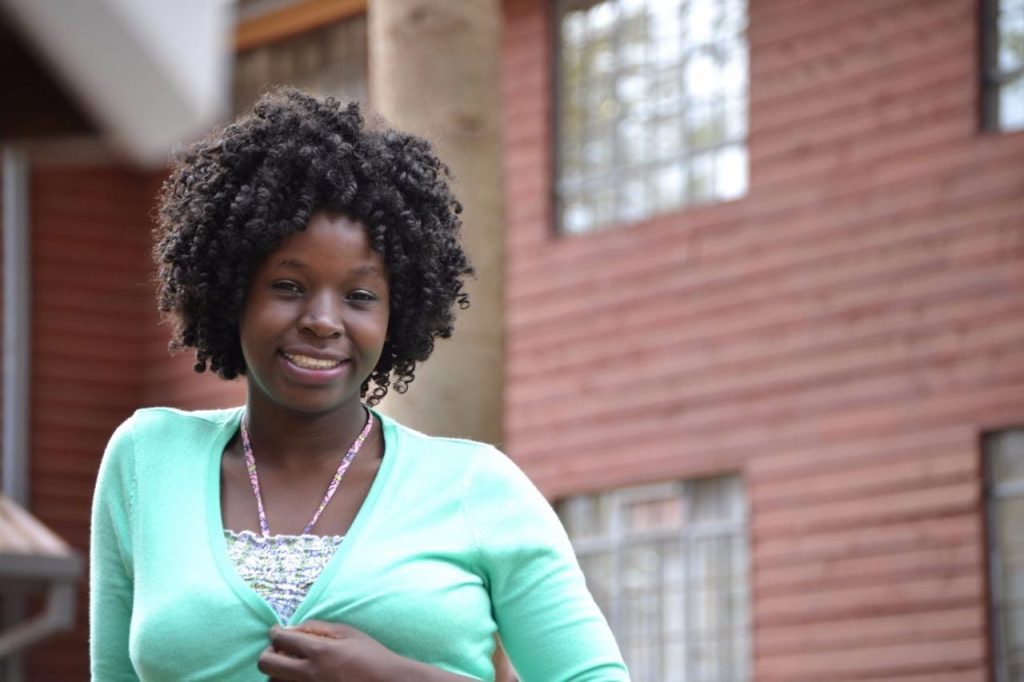
[bctt tweet=”Once in a while, a ‘wrong turn’ can end up as a new design – Tindi Nancy” username=”SheLeadsAfrica”] Tindi Nancy was born in the agricultural town of Eldoret, Kenya. Growing up, Tindi craved for independence and life away from home, so she jumped at the first chance to go to Nairobi for university. It is at Jomo Kenyatta University of Agriculture and Technology that she developed an interest in African jewelry and it turned into a side hustle. After graduating, Tindi was not so lucky in getting a job and because she was just sick of the whole job search she decided to grow her side gig into an actual business. It’s been three years since Tindi went full time and she says she has no regrets. Being an entrepreneur has made her grow in a lot of ways and she has also invested in meaningful relationships along the way. You create and supply Maasai tribe jewellery. Can you brief us on the Maasai culture and why jewellery is important to them? The Maasai are found in Kenya and Tanzania. They are known for their colorful beaded jewelry and clothes. Although the world around them have been westernized, they have refused to be influenced. They have stayed true to their traditional beliefs and customs. Women are the ones who make the jewellery and colors used represent something in the community How do you decide what you want to create? It’s all a process of demand and supply. I am always watching out for new trends and l work with my tools to create something similar. Once in a while, a “wrong turn” can end up as a new design. Another way is through customised jewellery, some of our customer’s ideas contribute to a new design. Beyond applying basic techniques, how do you evoke an emotional response to your work? By establishing a relationship with a client. Listening to them and making sure I deliver beyond their expectations. [bctt tweet=”You need to come up with new provocative designs – Tindi Nancy” username=”SheLeadsAfrica”] I reckon jewellery making requires patience especially when you are making a piece with small beads. What other attributes are important for a jewellery maker? Creativity and artistry. You need to come up with provocative new designs. As a jewelry artisan, you should also pay attention to detail because you work with small pieces and it’s those small items that affect the whole design or quality. What’s the most valuable lesson you have learnt? Consistency. It takes time to grow and be the best in something. Every failure or trip along the way is an opportunity to improve your skills. You build your network with time, and through your network, you learn the ins and outs of the business, you get to learn from their mistakes and improve their shortcomings. What materials and techniques do you favour? I enjoy working with beads, l love being surrounded by vibrant colors. It is versatile, and I get to put it on almost everything from bags to shoes as well as other accessories. How often do you release new collections? At least four times in a year. What’s your favourite solo outing? I enjoy reading every morning, I spend at least thirty minutes reading. Once in a while, I come across books that make me struggle with the choice of finishing the read or working. It’s always a tough choice. I just finished Trevor Noah’s “Born A Crime” and it was excellent. Every book gives me a new perspective of the world and because l love diversity, I struggle to answer what my favourite genre is. [bctt tweet=”Tindi Nancy’s aim is to give talented Africans a more dignified way of earning money” username=”SheLeadsAfrica”] You are launching an online marketplace in May, what are your expectations? I am looking forward to promoting self-employment among women and young people by providing them with marketing services as well as a global platform to sell their handmade products. The aim is to give talented Africans in marginalised areas a more dignified way of earning rather than for them to rely on handouts. They know how to fish, all they need is the hook! On the other hand, this will give consumers a wide range of unique handmade products from across the continent. I am also expecting Africans to support local economies by buying locally made products. When supplying crafts to boutiques, what attributes do you look for? How do you choose which boutiques to supply? The boutiques should be keen on ethical practices and it’s very important that they uphold fair trade values and value the uniqueness of every product. Mostly, they are the ones who come after me, but I have to make sure they are an ethical business and will pay on time and as agreed for the products received. Businesses need to receive their orders on time, on specification and also enjoy profitable price margins. [bctt tweet=”I make sure the price point is profitable both for the business and the artisans – Tindi Nancy” username=”SheLeadsAfrica”] As a supplier and artisan, I am very conscious about pricing. I know how it feels when a customer makes an awful offer for an item that took three days to make (earning $5 for a three-day work is insulting) so I make sure the price point is profitable both for the business and the artisans. l also make sure that l supply quality products that are worth more so I take the time to go through the products. My customers have come to terms with that side of me, so when I place an order they go the extra mile of perfecting everything. If you’d like to share your story with She Leads Africa, let us know more about you and your story here.
Kagiso Madibana: Believe in your product, Create your own hype
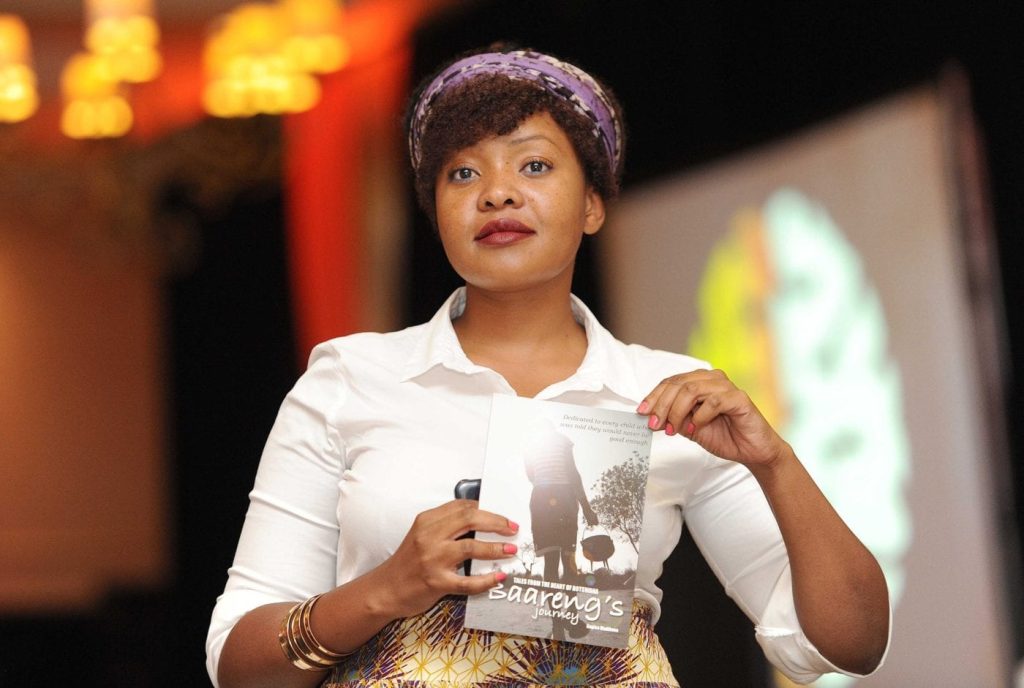
[bctt tweet=”Kagiso Madibana driving the change she wants to see with social entrepreneurship” username=”SheLeadsAfrica”] Kagiso Madibana is a social entrepreneur and a former Chevening Scholar. She was selected as a participant from Botswana for the African Union’s Youth & Gender summit. In September 2016, Mail & Guardian Africa and Gabz FM named her as one of the 50 Batswana Change-makers under 40. Kagiso is a founder/chairperson of Nayang Association. Nayang aids and empowers the underprivileged, in remote areas through a school clothing, shoes, food, and sanitary pad drive. With an MA in Communications and Media from Cardiff University, she has also worked as a Lead Researcher for Botswana with Global Integrity/Mo Ibrahim for their Africa Integrity Indicators study. Before that, Kagiso had worked as a print journalist since 2008, during that time she was selected to join the International Journalist Programme(IJP)and was placed with the Deutsche Welle in Germany. Kagiso was also a part of the Women In News Programme from WAN-IFRA. She owns a small communications company called MD Africa Communications which offers editing and proof-reading services for companies amongst other things. Last year, she self-published a fiction book, “Tales from the Heart of Botswana: Baareng’s Journey” which is available on Amazon and select stores in Botswana. What would you say is the innovative idea behind Nayang Association and starting MD Communications? Nayang and MD Communications were birthed from youth driving the change they wanted to see in their communities. In my case, spearheading the initiative was a chance to get young people involved in contributing to their communities through social work. I also wanted to inspire young people to tell their stories. I wanted us to tell stories that any Motswana or African can relate to. How did you go about growing your “brand” and impact to run a social enterprise and become self-sustaining? At the beginning, Nayang Association was dependent on donations and membership fees for us to meet our mandate. We have since moved from that to intensive fund-raising strategies which require innovative thinking and new approaches to show our growth. [bctt tweet=”Using innovative thinking & new approaches Kagiso Madibana shows the growth of her projects” username=”SheLeadsAfrica”] We organize yoga sessions, workshops and hiking sessions in the country’s hottest tourist attractions. We also collaborate with other organisations and youth ventures that want to make a difference in the community. Our biggest challenge in the first few months was consistency, something we could not have due to a shortage of funds but we worked on that and we are trying to find ways of becoming a sustainable entity. What four skills have you found yourself learning frequently since starting your social enterprise and publishing a book? I am learning to become more assertive about public speaking. Also, I am learning how to network strategically and make the right connections for any project that I am undertaking. I have accepted that I don’t know everything and I listen more, especially to people who are in the same industry. I always pick up valuable lessons on how to best improve our everyday operations at Nayang. Finally, I have learnt that delegating tasks and commending the people you work with is important for the growth of your organisation. What challenges have you faced that are unique to your business and writing a book? We had to start our project from scratch with nothing and ask the public to get involved. People are skeptical because we have had scams and a lot of community-based projects have failed due to mismanagement. So initially, it was tough to get the support and have people believe in what we wanted to do. We had to prove ourselves first so that required a great deal of financial sacrifices. [bctt tweet=”We had to start our project with nothing and ask the public to get involved @otwngal” username=”SheLeadsAfrica”] As a self-published author, I struggled to get my books into an already fraught reading nation. The reading demographic, especially for fiction books, has changed and I had to adapt. Instead of the traditional bookstores which are only available in towns and cities, I had to take my books to Choppies, a chain store that has a presence in most areas of Botswana. This of course also comes at a cost. In what ways have you diversified your product to suit your market? Especially considering the Botswana context? Nayang plans activities across Botswana as we want to bring attention to the beauty of the country. We use hashtags such as #VisitBotswana #HikeBotswana #Buildingcommunities on social media platforms because we want the average Motswana to know that they are not only contributing to a great cause but also that they are developing a sense of pride about being a Motswana. My book, “Tales from the Heart of Botswana: Baareng’s Journey” is a book of untold stories of hope. Any Motswana who grew up in Botswana is able to relate to the stories and feel a sense of belonging. My intention with the book was to inspire through fiction. Ensuring that the book is available for any Motswana to access, whether you are in Mochudi or Shorobe has been my biggest priority. In both areas, social media and traditional media have been a great platform for me and the team to reach out to the community. This is the main reason why I started the MD Africa Communications company which deals with everything from social media management to Media relations and CSR project management. With running so many projects, what do you do to unwind? I watch Isibaya and every TV show known to man, I see myself as a Shonda Rhimes someday. I look up to Ferguson Films productions as well. Reading is obviously a hobby! I also love travelling, hiking and adventure sports. Some people want to write a book or start-up social enterprises, how would you advise them? Believe in your product and create your own hype! Start, that’s always the hardest part. Funding should never be a
Second Stop on the Delicious Naija Food Tour? Ibadan
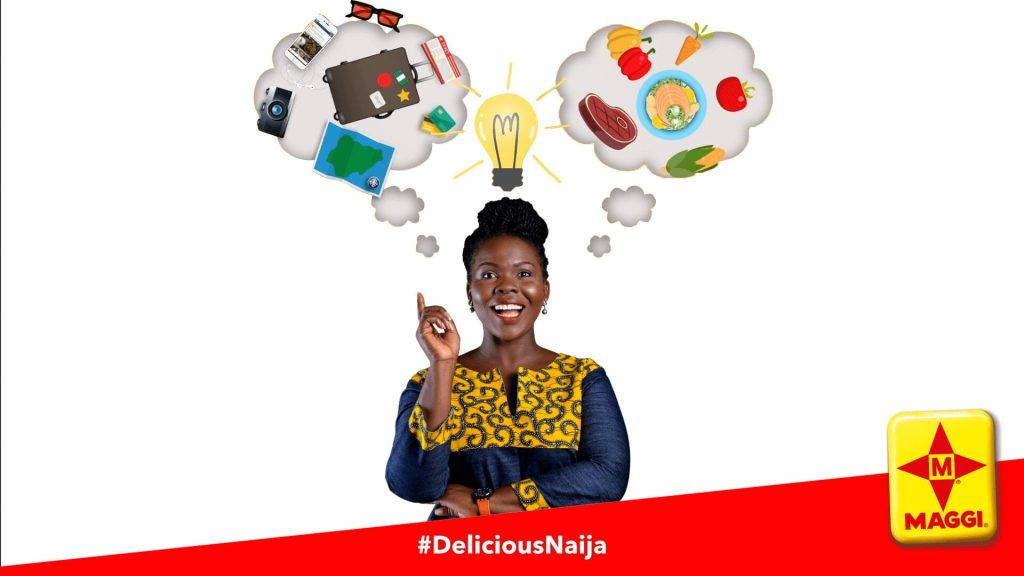
Delicious Naija is back with a trip to Ibadan, ‘the city at the edge of the savannah’ – capital of Oyo State. After a visit to Mapo Hall for a good dose of history, Bunmi is off to visit with her good friend Saka. Yes the very same warm and funny Nollywood actor & comedian Saka is Bunmi’s first host. They visit the lush Agodi Park & Garden and then move on to have a meal that is always in the same sentence with Ibadan. You guessed right: Amala! But the trip isn’t complete without making a meal traditional to Ibadan and so the MAGGI Star of this episode, Grace Obagunwa, teaches us how to make the local Ishapa soup. This mother, wife and teacher tells us the perks of being on good terms with your mother-in-law, one of which is learning traditional recipes like Pounded Yam and Ishapa Soup! The food journeys of Delicious Naija can always be watched at 7:30pm Saturday on Africa Magic (Family), at 5pm Sunday on NTA and at 5:30pm Friday on Arewa24. But if you can’t get to these, that’s okay – there’s Facebook, Instagram & Youtube to keep you updated! Go watch! Sponsored post
Fatsani Banda: Self-ship is the enemy of leadership
[bctt tweet=”Fatsani Banda’s passion comes from the desire to leave the world better than she found it” username=”SheLeadsAfrica”] Fatsani Banda is a young woman carving a path for herself in the world of global health. Born and raised in Malawi, Fatsani studied journalism and worked in a number of organisations before gaining a fellowship at the Global Health Corps (GHC). During her GHC fellowship year, Fatsani worked as a Procurement and Logistics Coordinator at Partners in Health stationed in Malawi. She helped manage a $500,000+ budget for the purchase and delivery of clinical items as well as the construction of new surgical wards. In partnership with the Ministry of Health and UNICEF, Fatsani helped implement an electronic stock management system for tracking drugs and essential commodities. Following her fellowship, Fatsani remained with Partners in Health Malawi as an Operation Manager for two years. When Ebola hit Liberia, Fatsani was spurred to action and joined the Partners in Health team in Liberia, working as an Operations Manager to support in strengthen the country’s health systems. In a former life, you worked at a bank. We’re always inspired by bold career moves, but tell us -why did you make the switch to global health? My main drive in life comes from the desire to leave the world better than I found it. Global health is a platform for me to give back to this world. Only healthy people can contribute to the development of society – even those who work in the bank have to be healthy to render their services. [bctt tweet=”Global health is a platform for me to give back to this world – Fatsani Banda” username=”SheLeadsAfrica”] When most of us think about health, we think about doctors and nurses. How are you leading efforts to solve global health challenges despite not having any medical training? When I stepped into the health sector as a Global Health Corps fellow in Malawi in 2012, I had a similar perception. Over the past five years, it has become very clear to me that factors beyond medical training are important determinants of health and access to healthcare. [bctt tweet=”Fatsani Banda shows that you can have a career in health despite having no medical training” username=”SheLeadsAfrica”] There are remote areas in developing countries that have a good number of physicians, but patients still do not get the essential drugs they need to prevent and treat disease because there is no functioning system to make this medicine accessible. This is where I fit in. My job is to collaborate with medical personnel and vendors to bridge these gaps and strengthen supply chain systems. In the aftermath of the Ebola epidemic in West Africa, many people moved away from the region. What motivated you to leave your home country of Malawi to help with relief efforts in Liberia, one of the hardest hit countries? Just as I did nothing to earn decent health services throughout my life, those born in Liberia with a dearth of health resources similarly did nothing to deserve such conditions. Perhaps because of my undeserved good fortune, I feel an obligation and a desire to help rectify inequity. It’s been so rewarding to serve the people of Liberia, whose health system was in shambles before the intervention by Partners in Health (PIH). The Ebola situation has calmed down, but you’re still working on rebuilding health systems. What does a typical day look like for you? Most developing (and even some developed) countries have entrenched health problems, and Liberia is not spared. Working with PIH to strengthen the health system in Liberia has been quite thrilling in many ways. On a daily basis, we see our interventions impacting, and often times saving, people’s lives. We provide modern healthcare options and supply essential medicine in communities which are far from the capital. What has been the most rewarding aspect of your work as a health equity leader so far? What’s been the most challenging? Progressive service delivery is what makes me happy. As part of PIH’s Operations department, I work with a team that is the hub of all functionalities of the organization. Seeing patients getting the lifesaving drugs they need in the rural facilities that we support really keeps my heart at peace! The flip side of this is the challenging part –Liberia’s road network, especially in rainy season, is very poor and is often the cause of delays in operations. Accomplishing our planned tasks becomes hard in this situation, but we have to carry on. It seems like your work, by nature, is very collaborative. What it’s like to join efforts with people across sectors and borders to improve health outcomes? The greatest ideas are the ones that are dreamed up by teams of people. When two or more people gather and brainstorm around a challenge, the probability of getting an excellent outcome is high. [bctt tweet=”Fatsani Banda: The greatest ideas are the ones that are dreamed up by teams of people” username=”SheLeadsAfrica”] I find the nature of my job very thrilling as it involves cooperating with other people who have different perspectives from mine. Together we think up and implement solutions to the difficult challenge of strengthening the health systems of Liberia. You also supervise and mentor other young health equity leaders who are following in your path. What’s the best piece of advice you share with them? Everybody has a role to play in this work. Title and rank do not matter as much as people think –anyone can step up as a leader and come up with an idea. The supervisors and managers in any work environment depend highly on their subordinates. I usually share with my team that we need bottom-up efforts, collaboration, and a commitment to long-term change to be successful. The world feels very chaotic right now, and new health and development challenges are emerging every day. What motivates you to keep working for a brighter future? We all hope for the best, but the
Tanaka Nombulelo Mandidi: My spirit is awakened with every opportunity to remind someone what their beautiful is
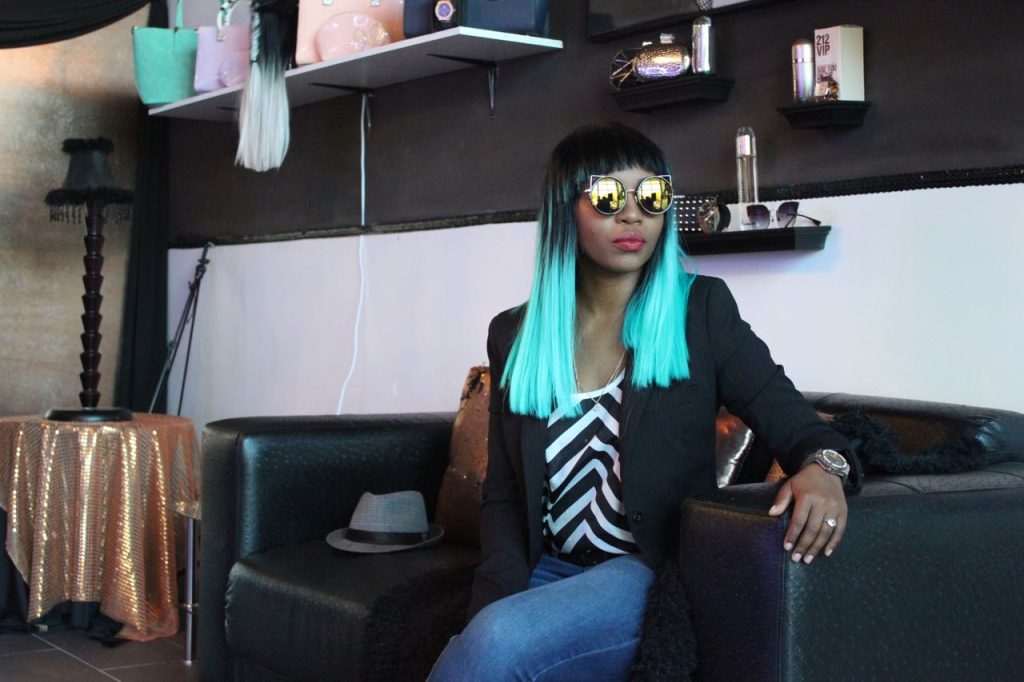
[bctt tweet=”From plaiting hair in high school to celebrating African beauty, Tanaka Nombulelo Mandidi” username=”SheLeadsAfrica”] Tanaka Nombulelo Mandidi is the creative mind behind the Cape Town-based Slay Studios, which is building its reputation in providing quality affordable products and service offerings that celebrate African beauty and heritage. She is driven by helping people take their dreams and turn them into business concepts. She is a makeup and hair enthusiast who loves to team her passions with social entrepreneurship. Tanaka considers wine her first love (apart from her husband), hates hiking and loves having a good laugh. What was the spark that led you to start Slay Studios Cape Town? I’ve always loved hair. I’ve been plaiting hair since high school and as time went on (through Youtube gurus) I taught myself more intricate styles and methods. In 2015, I had a near death experience that made me reflect on how I was spending my time. I had a successful career, was married to the love of my life and adulting was finally making sense. Yet something in the deepest depth of my core was missing. I felt a joy in my heart every time someone asked me about hair, makeup or self-awareness. And before I knew it, I had resigned from my job and stepped into what I believe God was calling me to. Society has taught us that different is not ok. That there’s a standard of beauty we should all aspire to. That #proAfro means #Antiweave. There are so many distorted truths that have been sold to women of colour and its time those truths are unravelled. That’s what Slay Studios is. A place where who you are is perfect. [bctt tweet=”Tanaka Nombuleleo Mandidi’s Slay Studios is a place where who you are is perfect” username=”SheLeadsAfrica”] What services do you offer your clients? At the Weave Bar, we specialise in all things lace -closures, frontals, wigs and customisation. We talk through exactly what the client wants so everyone walks away from the experience satisfied. Our premium virgin hair is sourced directly from India and undergoes a UV treatment before being retailed to our customers as Slay, our hairline. Currently, our services include bridal makeup or special event makeovers. Our Designer Accesories include our #eyecandy, #armcandy, #scentcandy and #clutchcandy collections. At the heart of what we do is the Slay Foundation. 10% of sales from our services and accessories go into the foundation. Sometimes we makeover young girls, or wash and care for a homeless mother’s hair. Our mission is to make a difference in one person’s life a day. Why Cape Town? It’s very hard to find a clean, modern space where African people can get their hair done without compromise. We’re so used to bad service that its normal to not like your hair when you leave. Cape Town has so much room for improvement in services provided to young, modern black women. [bctt tweet=”Tanaka Mandidi: Cape Town can improve in services provided to young, modern black women” username=”SheLeadsAfrica”] Our next target cities are Johannesburg and Harare in Zimbabwe -the latter being our attempt to staying close to home and bringing change in our home community. How has the journey been from when you decided to open up shop to now? Start up a business they said. It will be a walk in the park they said. THEY LIED. When you work for a company you’re hired to perform a specific task. With a start up, you are EVERYTHING to your business. You are the accountant, marketing director, lawyer, and stylist. Your business requires you to fulfill all those roles (or hire someone who will) for the cogs to move. And that’s where its so easy to drop the ball. It took about a year for me to figure out what I was doing and a good 5 months after resigning for me to open up the storefront. Some days are amazing. Some days aren’t. Those amazing days keep me going. Planning and vision are also very important. The details? – not so much. When the small stuff faces you, you make a quick decision and move on. The key word there is moving on. Where do you see Slay in the future? My dream is for Slay to grow, influencing fashion, beauty and having an impact on social issues. Our *top secret* in-house makeup line for women of colour is under construction. We plan to expand into the African accessories platform and exclusive virgin hair extensions line. My hopes are to interact with different women and inspire them to own their identity. [bctt tweet=”My hopes are to interact with different women and inspire them to own their identity” username=”SheLeadsAfrica”] We’re hoping to grow our team and move into a bigger space to allow for content production, hosting makeup workshops and development classes. With growing sales, we’ll have more contributions to our social impact ventures and be able to bring beauty to more women in the Western Cape and one day, all over Africa. If you’d like to share your story with She Leads Africa, let us know more about you and your story here.
Are you a pain to work with?

In every workplace, there is the good, the bad and the ugly! Some colleagues are as sweet as pie, fun as bubbles, but others can be a pain like you’re having your period cramps all over again! So, how do you know if it is you who is the difficult person or if the difficult person is someone else? Before you start pointing fingers, take this quiz and find out the kind of person you’re at work. [viralQuiz id=10]
Growing and marketing your brand via social media – The tale of 5 #MotherlandMoguls

[bctt tweet=”When used right, digital media can be harnessed to make a direct impact in the society” username=”SheLeadsAfrica”] It is not often that one catches five aspiring women in the same spot. Well, maybe it’s often, but what are the chances of finding them engaged in a fashion project to raise awareness and funds for charity? These five #MotherlandMoguls are part of the ongoing Romperade Campaign, an online fashion charity event to raise funds for Living for the Needy Foundation. SLA contributor Emma Kwenu Smith caught up with the five who have successfully grown their brands online, to ask them quick questions about the impact of social media marketing on their businesses. What’s the role of social media in charity organizations and specifically for your brand? How has social media given you exposure as a brand/charity foundation? Caritas Aryee, Founder, Tatas and Friends Foundation. You would notice that, largely, Ghanaian charity foundations have always run on traditional media. It’s easier to hear a radio ad calling for donations for the Osu Children’s home etc. rather than a social media campaign for funds. This is the exact reason why Tatas and Friends Foundation has been a game changer in the industry. We started with social media and still the story has not changed. It has been a huge boost for us, and we encourage others to do same. First off, our publicity is done via social media. It is easy to get Kenkey for the Needy, (which is our major fundraising project) trending on platforms such as twitter and IG. Since we are a charity organization, we are unable to invest in traditional media for publicity. However, through social media, we receive access to grant interviews on TV and radio. In doing so, we have been profiled alongside other solid brands on platforms such as Starr Woman Project, TedX campus, Reach for Change and many others. And to think this publicity is free! We just had to capitalize. The second bit of using social media is that we are able to reach out to people both locally and internationally to raise money. People we do not even know, reach out to us so that they can donate to the cause. It is amazing! Social media is a powerful tool, it has shaped the Living for the Needy brand and has given us a lot of exposure. How do influencers promote a brand and how rewarding is it to include them when building your brand online? Jessica Naa Adjeley Konney, Fashion Blogger, Trends&Blendsgh. Influencers have become the new voices of brands —they are already largely recognized on social media for carving a niche. At this point, they have grown an audience that is interested in every content they churn out which is great for people who would like to patronize their services. [bctt tweet=”If you’d like to speed up the process of advertising a new brand, influencers are the way to go” username=”SheLeadsAfrica”] Being an influencer myself and having featured influencers as well, I can say that the exposure they give to a brand is immense. Featuring an influencer takes many forms —you can have them use and review your products and put up posts on social media. They can also be included in events and can feature in huge campaigns so that it gains traction. How do you know which digital audience to engage with for your brand and how do you decide which social media platform to use? Constance Efua Mensah, Creative Director, EfuaStanzz Fashion. It starts with knowing the general audience target for my brand. We are more skewed towards women’s clothing but basically, all our marketing is geared towards the confident woman. In that light, it is important that we build an identity that resonates with our targeted audience. [bctt tweet=”Choosing one social media platform starts with knowing & understanding your audience” username=”SheLeadsAfrica”] Images are essential for my fashion brand —it helps clients (both potential and existing) know what my brand is capable of providing. After all, to be comfortable enough to purchase a dress, you need to see it and assess it from all angles. As such, I mostly use Instagram and Facebook as a means of communicating to my audience. Facebook has a wider reach, meaning more people see our posts and it also allows for effective picture/video sharing. Instagram also has a beautiful and simple approach to marketing. Content, particularly on Instagram, is simply more shareable, easier to understand, and far more universal than other types of content. Also, it is full of people eager to connect with a brand on a more intimate and tangible level. Does social media directly affect your client base? Lamisi, MakeUp Artist, Lamisi Artistry. Truth is, I do get over 80% of my clients via social media. The rest is through word of mouth. [bctt tweet=”MUAs need social media, people need to see your work before trusting you with their faces” username=”SheLeadsAfrica”] I leverage heavily on Instagram particularly so that people see the images —it is an excellent platform for sharing all my works. However, the industry is very competitive, as such, it is important to make sure that your images are of good quality. Else, how will you stand out and win potential clients over? For brands like Coca Cola, Vodafone etc. there may not be a very direct correlation between the sales you make and your social media investment. However, for us in the beauty industry, it’s very plain. [bctt tweet=”Social media dictates our potential client base and ultimately, it is where we get our clients” username=”SheLeadsAfrica”] The more posts on your social media pages, the better? Why? Maud Mensah, CEO, WigClub That statement is indisputable. The more you post and engage your audience, the more visible you are. However, you do not want to share too much information that it suffocates them and drives them away, and you also don’t want to share so little that they become disinterested. It is important to find the right balance for your brand. As
The super-basic practical introduction to digital marketing
[bctt tweet=”Digital marketing works, if you’re ready to make it work for you start here @Wildfusion” username=”SheLeadsAfrica”] Digital marketing is such a catchphrase today that it parades the Internets with a long line of acronyms: ROI, CAC, SEM, SEO, CPC, and so on. It gets overwhelming. But beyond all these acronyms, there is real value to it. According to a 2016 independent research [PDF] by Wild Fusion Digital Center and Pan-Atlantic University School of Media and Communication, 17% of surveyed Nigerian marketing executives will spend over 40% of their marketing budget on digital marketing in the next five years. And the prominence of digital marketing isn’t limited to Nigeria or letting off. The Content Marketing Insitute and MarketingProf’s 2016 survey [PDF] shows that 51% of marketers expect to see digital marketing budget increase in 2017. [bctt tweet=”51% of marketers expect a digital marketing budget increase in 2017, are you one of them?” username=”SheLeadsAfrica”] People are jumping on this bandwagon … The very obvious deduction is that digital marketing works. But what is it, really? To understand it, a breakdown of its component parts is in order. At the core of digital marketing is “marketing.” And at the heart of marketing is “promotion”. Digital is simply about connected electronic devices. With an eye on this, digital marketing happens every time you use connected electronic devices to reach people with your content, product, business or something else. So, is your business on social media? Yes? Then you are doing digital marketing. That’s basic. So what’s all the fuss about? Social media presence, though, doesn’t begin to touch the tip of digital marketing iceberg. It is a new type of marketing, but it expresses itself in sophisticated ways. This is a big, winding, fantastical rabbit hole and later in this series, we’ll tell you how far that hole goes. For now, what’s the fuss about it? This is no easy question to answer, but one way to understand why businesses have caught on to the idea is to inspect the benefits of digital marketing (compared to legacy marketing). Digital Marketing Vs. Legacy Marketing Top on the list is that digital marketing is much easier to start. It used to be that to market your business for the largest impact, you needed to sign an agency or have a contract with a big media corporation. Now, all you need is a functioning AdWords account and you are well on your way to maximum visibility. With the tracking capability (called analytics) baked into digital marketing, it’s easier to measure your success across different stages of your marketing. Marketing is a cumulative process and not every marketing campaign immediately leads to sales. Digital marketing lets you see what progress you are making. This is not possible with legacy marketing and you’ll often give up your marketing effort in the face of what you regard as a failure. You can make your promotion more targeted with digital marketing. If you are selling to millennial males earning N100,000 per month with interest in travel and photography, you can speak directly to them. Using search engine marketing (a type of digital marketing), you can speak to them when they are ready to interact with you -when they are searching for services like yours. It’s almost like magic. With legacy marketing, all you have to go on are blurry guesses of audience delineation. Then there is the fact that digital marketing is non-linear. Instead, it’s a two-way conversation, which leads to more authentic dialogues between you and your audience. There are more benefits of digital marketing than we can exhaust in a basic guide. So, let’s get to see how far that rabbit hole goes like we promised. [bctt tweet=”If your business is on social media, you’re already doing digital marketing but there’s more” username=”SheLeadsAfrica”] Digital marketing channels Digital marketing is more sophisticated than social media presence and the many expression of this marketing movement proves it. Here are some of them: SEO – Search Engine Optimisation (SEO) is when you improve the visibility of your business, product or website in search engine results. This process involves finding and using the right keywords in your content and copy. Email marketing – This happens when you use emails to keep your customers engaged with your brand. For instance, sending new offers or useful content. Content marketing – Creating and publishing content that stimulates interest in your product. Pay per click – Pay per click (PPC) involves paying search engines (such as Google, Bing and Yahoo) to generate direct traffic to your business or product. PPC serves up your product or business when people search for keywords related to your business. Social media marketing – Social media marketing is an extension of content marketing with an organic always-on social dialogue as seen on social media. Getting social media right requires investment in the right engagement strategy. The starting point is a social media calendar. Download a customizable free social media calendar for Nigeria here. Other channels are display ads, affiliate marketing and mobile advertising (including SMS, Ringback Tune and Lockscreen Ads) There are many more sides to this. Alas, this article is a basic guide. The purpose of this piece is to be a jump off point for your interest in digital marketing. What next? The great thing about digital marketing is that anyone can do it. All you need is the skill. And all the skills you need already exist online in one form or another. You can start now. — This article was written by Gbenga Onalaja. Gbenga is a Content Strategist at Wild Fusion, Wild Fusion is Africa’s leading Digital Marketing Agency.
Chinonye Akunne: My purpose is to help people and save lives
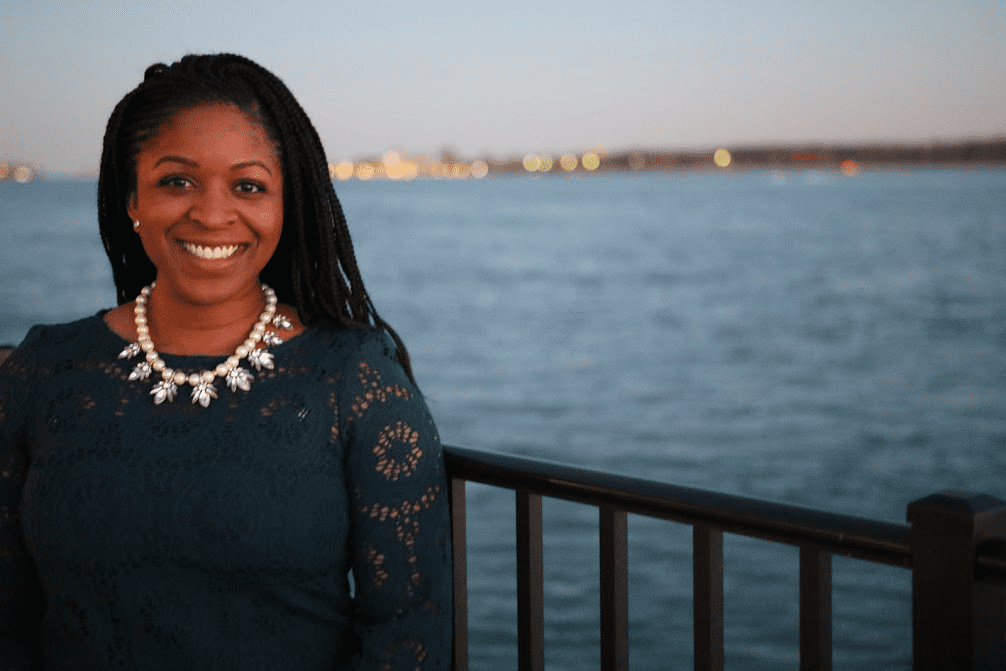
[bctt tweet=”Chinonye Akunne had unknowingly been practicing the craft of making products for years” username=”SheLeadsAfrica”] Chinonye Akunne is a Nigerian, born and raised in Columbus, Ohio. In partnership with her sister, Chinonye owns personal care company ILERA Apothecary. The company utilizes mostly organic materials, educates on health with relation to the skin and focuses on reducing the environmental impact of the cosmetic industry. Chinonye is also co-founder of educational platform Motor City STEAM, a program that aims to increase student literacy in science, technology, engineering and mathematics (STEM) with art integration. How did you come up with the name ILERA Apothecary? ILERA means “health” in the Yoruba language of Nigeria and Apothecary is Grecian for a person who sold medicine and drugs. Originally, ILERA Apothecary was called Delicate Serenity and Action Level, a women’s and men’s personal care line respectively. My family and friends gave me feedback on the company, leading to a name change and re-brand. I searched Google Translate for words such as ‘luxury’, ‘beauty’ and ‘health’. As a family company, how is the responsibility shared? What role do you play in the running of the business? My sister/business partner and I use our experience and educational backgrounds to run the business. Nneji has a Masters in Marketing, so she handles the brand of the business from social media design to marketing material. I have a Science and Manufacturing background so I handle the development process from sourcing ingredients, overseeing the batch processing up through final packaging. [bctt tweet=”Chinonye Akunne: I have always known that my purpose is to help people and save lives” username=”SheLeadsAfrica”] Since you have a degree in public health and come from a family of makers and healthcare professionals, had you always known this was what you were going to do? I have always known that my purpose is to help people and save lives. Up until 3 years ago, I was on the path to medical school. A month prior to completing my Masters in Public Health I received admission to med school and a job offer. After much thought and planning, I took the job which eventually led me to where I am now. It is interesting because I have unknowingly been practicing this craft of making products for years. As a child, I loved the DIY and beauty sections of magazines. It was from these magazines that I started experimenting with beauty. In the 4th grade, I put eggs in my hair after reading about its great deep conditioning properties. Unfortunately, I did not read the part about rinsing with cold water. I rinsed with hot water and the eggs ended up cooking in my hair, it was gross. That day, I learned valuable lessons in following instructions, properties of a chemical reaction and trying again. Practices like this lead me to create hair products in grad school such as styling gel and almond hair milk, eventually developing into ILERA Apothecary. How long did it take for the business to break even and yield profit? We officially broke even with our first wholesale order which came 5 months after I launched the original lines (Delicate Serenity and Action Level). Breaking even is the easy part. Sustaining and engaging old and new customers is the hard part and key to yielding high profits. As of today, we have not reached our target customer or profit goal. Honestly, it may be another 6 months to a year before we do. However, every single day, we are getting closer with each customer engagement and sale. That sale may be online, at one of our stockist shops, via a wholesale order or at a vending event. As a company, we are constantly strategizing and finding new ways to reach future customers, many of which do not yet know we even exist. This takes time, forward thinking and persistence. [bctt tweet=”Yielding high profits in business takes time, forward thinking and persistence” username=”SheLeadsAfrica”] What does success mean to you? To me, success is a combination of goals that ultimately leads to flexibility, peace, and growth towards being a better person. Being flexible in what hours and what locations I work are important to me. Some days I am more creative at 9pm than at I am at 9am, or have the urge to work on my dining table versus in the office. I want to be able to visit my parents on a random Tuesday without having to request work off. That is the flexibility that I envision in success. In terms of peace, it is being self-loving, mentally well and not owning debt (yes, you own not owe debt). Peace takes practice; you practice forgiveness; you practice stress management; you practice money management. Though I often don’t see it, I am growing into the success I envision every day. I am increasing my global presence through platforms such as She Leads Africa, I discuss my issues with my therapist rather than holding it in, and my family and I are currently enrolled in the Financial Peace University. These simple steps are growing me into a better and more successful person. [bctt tweet=”Chinonye Akunne: Success is a combination of goals that leads to being a better person.” username=”SheLeadsAfrica”] What advice would you give to 16-year-old Chinonye? “ChiChi (as I used to go by), Open your eyes. Listen to your mother when she blesses you with good wishes no matter how long and drawn out they may sound. Listen to your dad when he forewarns you about watching the company that you keep, ‘unsuccessful people are not friends with successful people…’ “Continue to speak your mind but make sure you finesse your words. Understand that in a few years you will forget the names of the people you are trying to impress so be yourself. The extra-curricular activities you partake in will lead you far so take note and never stop being inquisitive.” Who would you take to lunch, Oprah or Michelle Obama? Since I have to