
How to land a job with the African Union Commission
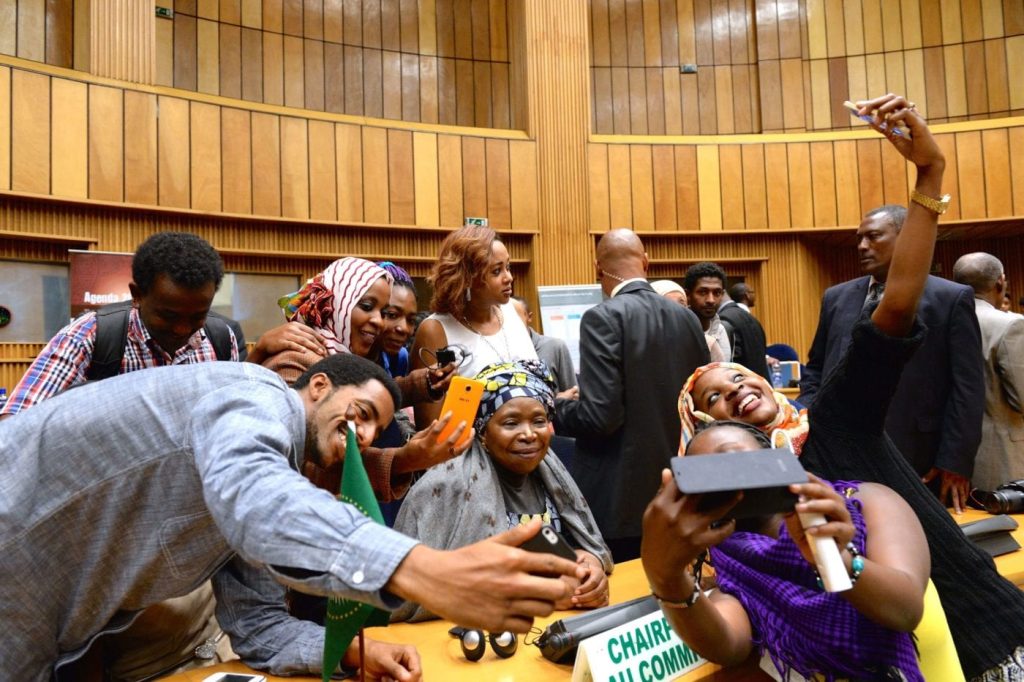
[bctt tweet=”Would you like to work for the AU? Here are some tips on how you can land a job with the AU” username=”SheLeadsAfrica”] The African Union Commission, previously the Organisaton of African Unity, is Africa’s biggest and most influential regional body. Its origins span from a time the continent was fighting against colonialism and Apartheid with African heroes such as Kwame Nkrumah, Emperor Hailie Selassie, Muammar Gaddafi, Sekou Touré, Jomo Kenyatta, Julius Nyerere and many others being its founding fathers. It’s 54 years later and the AU has won its fight against colonialism and Apartheid and has shifted its focus to the development of the continent in order to create a prosperous, people-centered Africa which is a key global player. More and more young people want to join the AU and contribute to the development of the continent. Would you like to work for the AU? Besides meeting the requirements of the job description here are some tips on how you can land a job with the AU. Be a Pan Africanist! In order to work for Africa’s largest regional organization, you have to love the continent and be a Pan-Africanist. Pan-Africanism is essentially the belief that African unity is important for the social, political and economic development of the African people. When talking about Pan-Africanism, other theories such as Black Consciousness and Ubuntu come to mind. However, this should not just be a theory, you should genuinely believe in a Pan-African Africa with a strong regional identity. Your belief in Pan-Africanism should be evident in your cover letter, make it known through the interview, and your personal and professional experiences should speak to that. Demonstrate that you have done development work in your community. This is very important. Your previous and current experiences (personal and professional) should demonstrate that you have been active in the African development space, especially in your country of origin and/or its sub-region. This shows that you aware of and can conceptualize the realities that Africa is faced with in different subjects and can make a meaningful contribution as you are in sync with the realities. Be African with an international view The African Union works with a wide variety of organizations and governments worldwide. The pool of AU staff come from different African countries and the diaspora. This means that you will constantly work with people from different countries, cultures, and backgrounds, whose working language is probably different from yours (The AU has four official working languages). You have to be culturally sensitive and be willing to learn from other people’s cultures and backgrounds. You have to demonstrate an international outlook and be forward thinking. Any international experience you might have will work out in your favour. Do not conceptualize ideas within the framework of your country origin but it should have an African and international view. Simply put do not give a single country’s view/perspective to solve continental problems. Be diplomatic Diplomacy plays a huge part in the African Union’s work so you need to be diplomatic. You need to be able to find diplomatic solutions in your work and in all your experiences. Most, if not all, of the work done at the AU is very sensitive so you need to be sensitive to others while so you need to be tactful and consider everyone’s opinions while maintaining your own. Know Agenda 2063 Agenda 2063 is the holy grail of the African Union as it is the continent’s 50-year developmental framework. It is based on seven aspirations which will result in the “Africa We Want”. Agenda 2063 works towards creating a prosperous, peaceful, people-centered Africa with a regional identity. If you want to land a job with the AU you have to know and understand Agenda 2063 and its flagship projects which are currently being implemented. For the first time, the AU’s focus is not only predominantly on peace and security but on the continent’s development and making it a key player in the global arena. Agenda 2063 does not belong to the AU but to all Africans! It relies heavily on its implementation by member states. Every single African has the responsibility to seeing this great plan through in order for the continent to enjoy the fruits of its aspirations. Thousands of people who meet the job description apply for jobs at the AU Commission but it is those who robustly believe in themselves and the continent who get the job. If you would like to get more information on vacancies at the AU Commission visit http://aucareers.org/
How to land a job with the United Nations
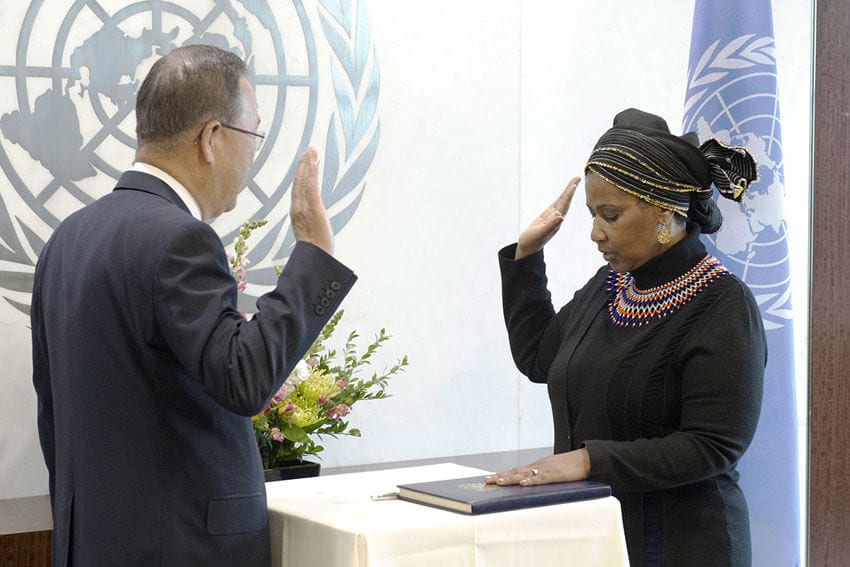
The United Nations is probably one of the most well known organisations in the world. Around the world, wherever the UN is present, it is widely regarded as a symbol of peace, cooperation and development. For someone like myself working in the development sector, landing a job at the UN is considered a major feat and one that is likely to open doors for you throughout the rest of your career. So the question is, how exactly does one go about getting a job at the United Nations? Having successfully gone through the process recently, I would like to offer a few key pieces of advice that I believe worked to my advantage. 1. Become an expert at something Whatever your qualifications are, know now that for every position you apply to at the United Nations there are hundreds, if not thousands of people with the same qualifications, or even better. So what’s going to set you apart from the competition? In my opinion, you have to be an expert at something, anything. You should also be able to demonstrate how you can use your expertise to make an impact on the job if you are hired. In my case, while the job description did not immediately ask for it, I knew that I had a flair for design and communication and so I was sure to highlight that. [bctt tweet=”In my opinion, you have to be an expert at something, anything” username=”SheLeadsAfrica”] I showed this not just in my CV but in the way my CV was designed. Also, in answering the questions in the application process, I made sure to weave this fact into my answers, and it worked. After I was hired my boss told me that was one thing that stuck in her mind. In addition, the fact that I was able to display that skill at every stage of the interview process, both on the written test and during the oral interview, was impressive. So my advice to you is, be very good at what you do. Also, have a few unexpected tricks up your sleeve. In this day and age, don’t limit yourself to any one way of doing things. Rather use your time wisely to cultivate skill sets outside of your field of work or study. [bctt tweet=”In this day and age, don’t limit yourself to any one way of doing things” username=”SheLeadsAfrica”] 2. Be bold and daring For most positions advertised at the UN, it seems that they are looking for experts with tons of experience. At first glance I think it can be very intimidating to most people, especially those in the earlier stages of their careers, who feel that they do not have the necessary profile to apply for the jobs they come across. My advice to you is to ignore the doubt and dare to go for it anyways. The position I applied for asked for at least 5 years of experience and I had only 2. But reading the job description, I was convinced that even with my limited experience I could take on the role successfully. So I set out to show that in my application. [bctt tweet=”My advice to you is to ignore the doubt and dare to go for it anyways” username=”SheLeadsAfrica”] I enlisted all the help that I could get throughout the application process. I familiarised myself with the work being done by the United Nations body I was applying to. Also, I read through tons of reports, case studies, partner organisation websites. I must have spent close to two weeks crafting the perfect application and going through it over and over until I was fully convinced that I was submitting an application that would get me the job. After I was hired, I heard from my boss that my application immediately stood out. My boss said it was complete, compelling and presented in an attractive format. By the time they realised that I did not have the 5 years of experience that they were looking for, they were already sold on my qualifications and abilities to think outside the box. That was what put me through to the next round. 3. Cultivate an international outlook For the most part, the work done by the UN strives to find out what works in one part of the world. Whether it is in terms of promoting socio-economic development, peace or security. Then trying to see how the lessons learned can be applied or reproduced in another part of the world. What that means is that if you do land a job at the United Nations, you are going to be interacting with people from different cultures and backgrounds. Together, you will find common ground so that you can do meaningful work and enact real change. Part of what I believe helped me through the application process was that I was able to display the fact that I had a very international background. Not just that, I had successfully thrived in different cultures. I had also been able to build things i.e. networks, grass-roots organisations, communities, everywhere that I had been. [bctt tweet=”Landing a job at the UN is hard, but the truth is that it is actually very achievable” username=”SheLeadsAfrica”] Finally, be determined and proactive In all honesty, landing a job at the UN is hard, but the truth is that it is actually very achievable. It’s one of those things that you have to be really determined and proactive about. Be on the lookout for new job postings on the various UN sites at least twice a month. Do your research into the different United Nations bodies you think you would like to work for. Know what they are truly about. Then, appraise your background and expertise to determine how you could really make an impact there. Seek counsel from people who have worked in the UN or other international organisations. It never hurts to get a more realistic picture of what it’s
Chido Munei: Don’t be afraid to do things your way
”Few women work in mining, technology, transport and the construction industries, even worse is that fewer women are CEO’s of large companies. I often have people asking me how I ended up in a male-dominated industry, I just smile. They wouldn’t have asked me that question if I was a man.” This what my friend, Chido Munei said when I interviewed her about her role in construction. I wanted to know about the challenges she’s faced working in a job that many consider to be for men. Chido studied architecture at The National University of Science & Technology and currently works as a senior architect for a top internationally-recognised architectural firm in Johannesburg, South Africa. Architecture requires a lot of dedication and hard work. This coupled with the inflated egos of men in school caused some of Chido’s friends to drop out. Chido talks about the important of women being as vocal as men and asking for what we deserve. What made you choose to study architecture? Originally, I chose it because I always admired it as a very creative profession. We spend most of our lives in buildings, you know. The fact that you could have something that you’ve designed in real life and people admiring it everyday was appealing. I figured it would be a good career option because the opportunities for business and the pay-offs are quite fulfilling. What’s more, at the end of the day you are creatively satisfied and proud of your work too. How did you make it as a woman in a male-dominated field? Does your gender have an impact on your performance? One of the biggest challenges for me was breaking the perceptions that certain jobs are for “males” because they require skill sets which are more associated with men than women. I believe the confidence to complete my degree in the first place is what helped me get ahead. Most of my male classmates had inflated confidence levels that I found intimidating. Majority of my capable female friends dropped out because of fear of the challenges and intimidation. Another thing that I’m really proud of myself for is how successful I’ve been at working and negotiating my way up. It can be intimidating to ask for a promotion or raise in the first place. But, I’ve been so determined that my hard work has paid off and got me to a senior architectural position. This has empowered me and given me the courage to conquer regardless of how male-dominated my industry is. So NO!, my gender has not hindered my performance in any way. You too can do this, ladies! What advice would you give to women trying to break into a “male-dominated” field? First, make sure you know and understand your field well. Competition is tough, and to be a success you need to market yourself and your brand well. Get as much experience as you can, both in the office and from construction sites. Education is not just that which you receive in school, but the skills and knowledge required of an architect is broad. I’ll advice the following; Take the initiative and be assertive: Don’t be afraid to do things your way. Believe in yourself, and in doing things your way to get your ideas out there. Practice your emotional intelligence skills because developing a thick skin and sense of humor will help get you further. Speak out and ignore the stereotypes: If you take this personally, you wont go far. There will always be people that will try to pull you down but learn to hold your head high, and just be who you’ve got to be. Men can be very vocal about what they want and we need to do same. Make it clear that you know you deserve what you’re asking for. Network, support and share ideas with other women: Surround yourself with both men and women, who are smarter than you. Participate in women forums and groups. As women, we should provide ongoing support, understanding and opportunities and in the process make new friends too. Empowering each other helps us build personal success stories in such industries. Engaging with people who inspire you, helps you develop confidence and self-respect. Get a mentor: When you have someone who encourages you to reach your full potential, you have the best business teacher and friend in the world. You can learn a lot from those already doing great things.
Looking into the stylist profession
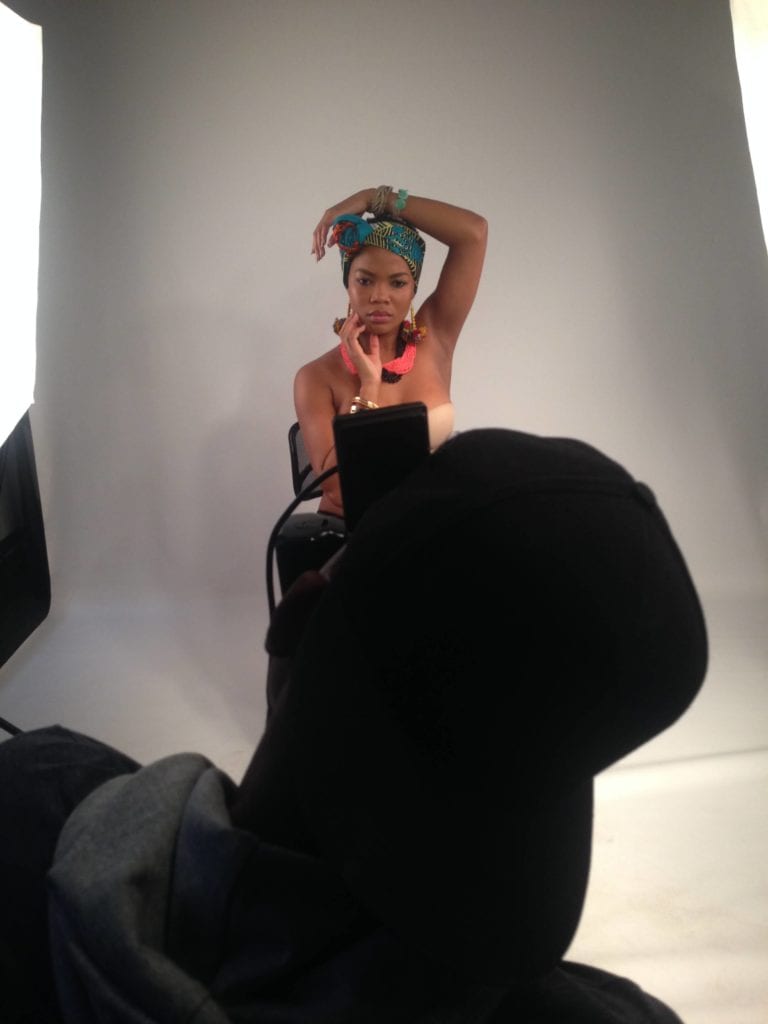
Style can be defined as; a distinctive way or method that a particular item is worn. As life would have it, not all of us are great at style, which is when stylists come to the rescue. Being a stylist is fast-becoming one of the quickest emerging careers of the fashion professions. Stylists generally source, borrow and return clothing (if not bought) for various jobs. Most importantly, stylists are there to show how the clothes should be worn. Meaning, whether a shirt should be tucked in or not, sock folded or scrunched, top off the should or not, which turquoise clutch suits a look better etc. Their jobs vary, from styling photo-shoots, events, TV-shows, music videos and celebrity appearance, just to mention a few. On these projects/jobs, they often work hand-in-hand with hair-stylists, make-up artists and designers to put together complete looks. How it works How it works is that a stylist will decide on a style or theme for the specific job then start sourcing items for it. While sourcing, there may be some boutiques or clothing stores that require a deposit to hold. This is as a form of security should the clothes not be returned or come back damaged or dirty. Others require a payment and refund when clothes are returned, while other boutiques and stores may loan clothes free of charge. Once everything has been collected for the job, the stylist will ensure that they get to the client on time, in good shape (ironed, clean, no missing buttons etc) and are ready to be used. The stylist will also source shoes and other accessories to complement the looks. Stylists can work in various publications such as magazines, on a permanent or freelance basis, where they source items for editorial photo-shoots or write articles on latest trends, personal style, do designer features and so forth. Some stylists work with models and actors on set when recording films, soapies, adverts and so forth. They co-ordinate the clothes worn and may help with props as well. Another option is wardrobe styling where stylists work one-on-one with the client in order to get rid of clothes that are no longer worn, source new ones and arrange them in such a way that everyday dressing becomes easier for the client. Show styling is another option, where the stylist will dress all the people going on stage. For example, hosts and award announcers will be styled by the stylist. One very popular profession would be celebrity styling, which is done by stylist who dress celebrities for all their appearances. Another interesting career option is Brand Consulting, where a stylist can be hired to style a collection by showing the client how it can be put together to achieve various looks for the advertising campaigns, websites and all other media. How to become a stylist So, how does one become a stylist? Having a fashion-related degree would be a great start. If you’ve studied something else and wish to start a career in styling, you could easily; Start off with trial shoots, where you work with a team that is shooting, by helping around. This will be the start of you building your portfolio. Although some companies may not want to pay, due to little or no experience, you could work for free or reach a compromise with them and request that the company at least cover your petrol/transport expenses. Build a contact book by building relationships; this will go a long way especially with referrals and word-of-mouth being such an effective marketing tool. Lastly, advertise yourself and services that you offer. Have what you do in you your social media bio’s along with an email address or phone number that you check regularly. The skills you need to become a stylist These few points could go a long way, but there are some skills that you would definitely need as well. They include; Having an eye for detail really goes a long way. Being organised will help with deadlines or when you’re working on more than one project. Doing your research when meeting with clients. Be it for a certain era, colour or mood, you will need to be well-prepared. Being aware of latest trends and styles. Also knowing when and how to use them and also, when not to. Knowing how to conceal body flaws (should the client wish to do so), or how to accentuate them, should the client want to. Having patience for when business is quiet and when clients keep sending thing back and are not happy. Being well presented, in dress, speech and how you are in general as you are a walking portfolio.
How to get started in PR with no money, no clients
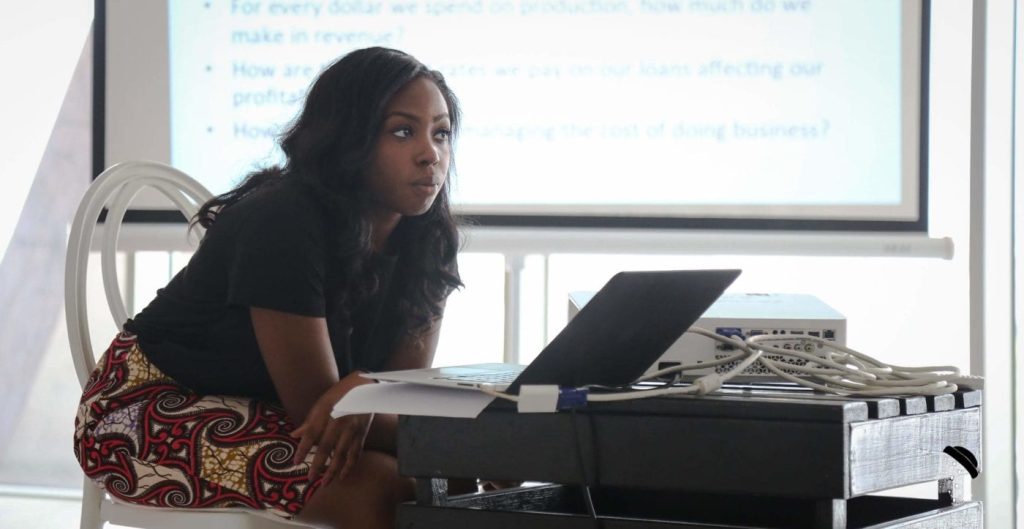
There’s a long list of business ideas that we willingly admit are hard to pull off without money, connections and clients. PR is one of them so when we got an opportunity to talk with Sasha Robyn who co-founded a PR company before starting BlogChatSA, South Africa’s first exclusive online bloggers show. Sasha’s I-may-be-a-rookie-but-I-can-do-it stance has helped her and we think it can help you too. Here’s Sasha’s easily replicable winning formula for getting started in PR. The skills you need In order to succeed in the PR industry, you need to acquire skills that will help you grow and stay grounded in the nature of the business. These skills are Leadership Communication Research Writing Creativity Most important is the last one, creativity and perseverance. While it’s still debatable whether perseverance is a skill or a trait, it’s needed to keep you on track and ensure success. Then comes the somewhat cliché word for Motherland Moguls; passion. You’ll need a strong drive to put in and offer your best to your client. This will set you aside from any other PR agency. As for the resources, get a laptop where you can create a clients’ database. This will be a list of people to whom you render services. A laptop will also help you create the social media strategy you’ll be needing to grow your company. Setting up a PR agency with no money Apparently in PR, money is not always needed to get your company off the ground. Sasha advises that an easier way to branch out into PR and make yourself known is to build on relationships and valuable contacts. Then, create an online presence for yourself and/or your business. Your business will not flourish or draw interest from the broader public if you do not make use of social media platforms. They assist in driving the business and bring clients to you who are in need of the service that you project online. When you build a website for your agency, make sure you keep it professional and simple. Getting started on networks Networks in business are important as they form part of the driving success of the business. In PR, your business thrives off the services that you provide to your clients. According to Sasha, how and where you connect with people will determine the success and efficiency of your business. Attend events/seminars that would allow you to network with people. Consider engaging in public speaking as this would allow you to brand your company on a word-of-mouth basis. It’ll also make it easy for clients to connect with you and/or your business. Source for people who have experience and knowledge in PR and can assist you in building your brand. Do your research on companies/people and the media (depending on your interest in the field). Sasha’s 5-step plan to break into the PR industry It takes a lot of dedication and determination to make your mark in PR. Whether you want to launch your own agency or find a job with another agency, these steps will help. Understand the media universe, including social media Find your niche/product/service Education/training Research local PR Agencies: learn their culture, areas of focus and how they functions. Network, Network, Network Hey South African #MotherlandMoguls, the SheHive will be in Johannesburg from November 3-6. Find out more here.
”There’s nothing like being too ambitious”: Women in non-traditional industries with Adepeju Adebajo #SheHiveLagos
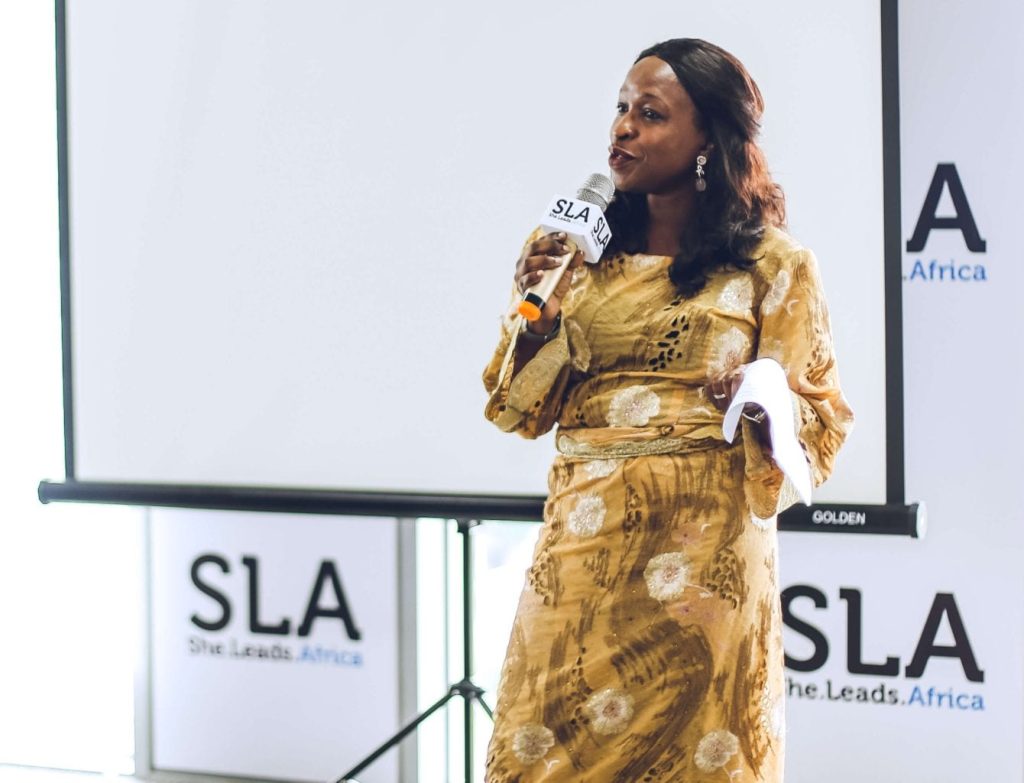
According to one of the speakers at #SheHiveLagos, Adepeju Adebajo, CEO, Lafarge Cement, it’s actually better to go through the road less travelled. Here, that road leads to non-traditional industries. Adepeju has experience in strategic planning, brand management, product development and management consulting. She believes that by challenging the status quo, you eventually create a new and fresh perspective to things you never thought of. This is where we get curious. And if you’re like us, don’t worry, here are 4 things you can do to nurture your curiosity. Do your research Explore the opportunities available in the market. Utilize them to nurture your curiosity and try new things. This can be anything really, it doesn’t matter what. Just ensure that you’re doing something different from your norm. This is what stokes curiosity. Set goals and priorities This may come off basic. I mean, who doesn’t know you need to set goals? It’s a simple yet effective way to shift from your usual comfort zone and actually get to doing something. Be focused. Plan things out and don’t allow anyone or anything heap unrealistic expectations on you and your goals. Intelligence. Diligence. Hard work Contrary to the mistaken assumption, education can give you that job you want. What it takes to keep that job is the right attitude, tenacity, discipline and a political antenna. If you have all these, you’re good to go. Quality education This might not be all it takes, but it’s a pretty well-known fact that quality education (especially in your area of interest) and creativity are interrelated. Adepeju has successfully moved across different industries, so of course we were excited to hear about the mantra she lives by. They are to kill for (well, kind of). Create your own future You are no more likely than the next generation to seek group consensus when making decisions. You simply shouldn’t be bashful about making decisions that people don’t agree with. Train a successor There’s a simple way to ensure that knowledge never stops but continues in your workplace or industry. Mentor people and raise a successor. Never be afraid to share what you’ve learned with other promising women. When you have a mentee, constantly find out what they know. It may likely be a far cry from what you’d expect. Find out if their skills are as strong as they could be and if they are not, help them in their weak areas. Be a good follower You can’t become a great leader if you weren’t a good follower and even as a leader, you’ve got mentors to learn from too. Learning from the right people, in the right ways is important. In hindsight, actions that feel right in the moment can wind up as obvious no-nos. The trick is to learn from other people’s experiences before you cross that line, because once you do, you’ll be doing away with avoidable mistakes. Treat others the way you’d want to be treated If I were to go back to the organizations I’ve worked, they would welcome me with a red carpet. That alone says a lot – treat people well. Once you reveal through your actions that people are important to you, there’s the chance that your work will be a lot easier and you will be successful.
How to be a fashion model when you’re clueless

Those who are aware know that modelling is a fast-paced exciting career that can take you to new places. But breaking into the fashion scene can be hard, especially if you’re aiming international and you’re an African girl. To find out more, we talked to Aina Fadina, a model and entrepreneur who has done in-house work for Oscar De La Renta, Alexander McQueen, Versace and more. Aina graciously shared her advice on breaking into the fashion industry and the tools any aspiring model needs. Understand the business Top models from Naomi Campbell to Jourdan Dunn have called out the challenges of being a black model and Aina agrees. “I think the fashion business is still very challenging for any model. Period. The business has changed so much but for the black model, it is a lot harder. I have seen a slight increase of black girls in editorials and commercials. Brands have finally noticed the power consumers have, however, it is still challenging.” The challenge is further complicated by the fact that models now compete with celebrities for jobs. Aina’s advice is that if you understand the business and are strategic enough, you can pull through. Tips to get into the industry There are no shortcuts to this, you’ll have to work hard while remaining smart. Aina’s top tips are, Do your homework. Study boards of the top agencies and brands to learn about the business behind fashion and network authentically. Get a mentor! In every profession, you need mentorships so find someone willing to guide you through. The power of social media If you’re broke, have no connections and still want to be a model, social media is your friend. Learn to use it to your advantage. These days, clients are going directly to talents, so you need to know how to market yourself. Also, consider getting a part-time job in fashion or entertainment industry, it can help to gain access. Maintaining relevance as a model Now once you’ve gotten into the industry and are working your way to being a top model, you still need to be on top of your game. The most important thing for Aina is being nice to your clients and agents. She says you should always check in with your agents and have great work ethics and values. Make sure you show up before your call time and always offer to stay longer if needed. Aina shared this saying, “It is nice to be important; however, it is more important to be nice.” Wise words, right? Good luck to you as you embark on your modelling career!
Hi there, new career
As a young person living in the information age, I’m glad I can ignore the norm and choose my life’s path. I like that I can decide to either go into a business or choose paid employment. Really, due to the current economic rat race, young people should dare more instead of being mere spectators. Yes, there’s the need to survive, save some money and launch business ideas but you may just need a new career. Only a few companies are willing to keep up with the energy and novelty of young people anyway. But this does not in any way mean you can’t make things work for you as a young woman. Here, you’ll find a couple of ways to make employment work for you, especially if that’s your choice: Know your stuff You’re expected to add value and make a certain contribution to whatever industry you’re in. This means you need to read, research and be up to date with trends in the industry. This way, you’ll stand out and have better chances at promotions, raises and maybe even a smart pep talk with senior management. In the event that the first two benefits never come, don’t give up just yet. Keep furnishing yourself with all possible details, attend workshops and push for training. If it appears that your employer does not see your value, you may need to search elsewhere because another employer will! Network This cannot be emphasized enough in today’s job market. A lot of doors are open for folks who never cower in a corner, waiting to be noticed. You pretty much have to get out there and talk to people. Get linked with industry experts and mentors who can walk you through this journey. The probability of your success and growth will be a lot higher than if you don’t network. If you’re an introvert, don’t let this define you. You can find unique ways to approach people and network. Use your voice Sheryl Sandberg, COO of Facebook and revolutionary behind the ‘Lean In’ mantra argues that women have taken a back seat for so long at the workplace. This is so because we are not leaning in to ask for what we deserve as much as men do. Women tend to do a lot of the work then sit at the table waiting for an applause. Hey, great things don’t come to people who sit back. You’ve got to make demands on your success. Have you seen a man’s reaction when he’s accomplished a project, no matter how small? He walks right into the boss’ office and asks for a bonus/raise/promotion. Girls, it’s about time we did just that! It doesn’t matter if you’re labelled pushy, use your voice to get want you want. And hey, the worst you can get is a ‘no’, right? That never killed anyone, you know. Develop other skills outside your mainstay If you’re a marketer, try cultivating some design skills. If you’re an accountant, blend that with finance. If you’re in the hospitality industry, get into a language school. Find skills that complement your core profession. These seemingly little things make you unique in the workplace and help your career advancement. Never stop learning, and this is an ode to the power of the internet! You could learn a so much from the comfort of your home. Self-teaching is the new thing. And who knows, you could even start a business from that. Opening your mental horizons is one of the best things you can do to yourself especially when you’re young. Have fun I know this sounds crazy when your mind is mulling over how soon you want to switch jobs or leave full-time employment. But guess what, you need to grow where you’re planted and take in some sunshine while at it. Organize your desk, do fun stuff with your colleagues, kick start an employee initiative…try out things that punch monotony and her friend boredom. You could start by being grateful that you have a source of income, then get bold at realising happy and cheerful moments. This kind of positive energy is what you’ll need to be productive. Don’t sit with the whiners, you’ll be one of them before you know it. Good luck and be well. I believe you’ll make it. And remember, shoot for the stars!
Job Opportunity: Aspen Management Partnership for Health in Sierra Leone
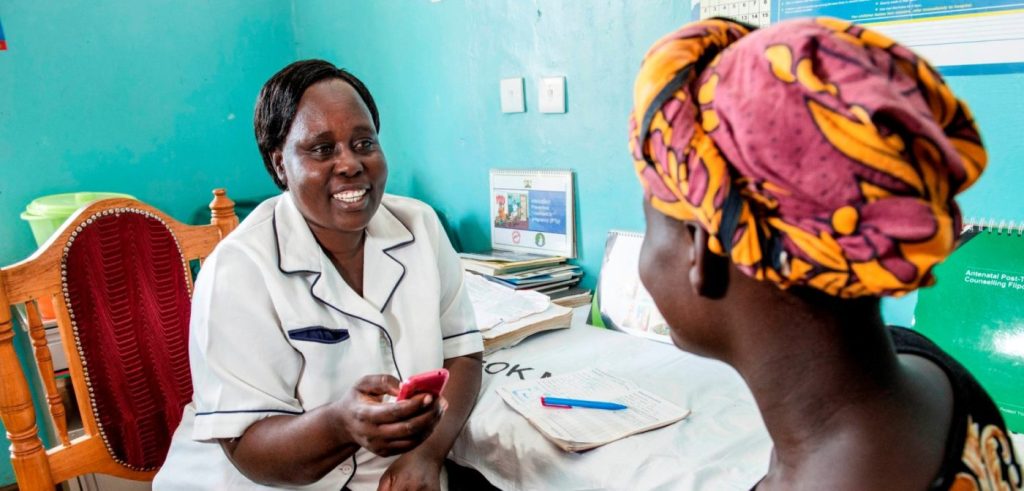
Interested in global health and big systems change? Up for an entrepreneurial challenge and making things happen from within Ministries of Health? Believe that management and leadership are essential for lasting impact? Eager to apply your private sector experience to social problems? Join AMP Health for an exciting two years! An emerging consensus among global health leaders is that stronger health delivery systems are required to ensure preparedness against future epidemics like Ebola, to continue the fight against the top killers of children and mothers around the world, and to handle the growing burden of chronic, non-communicable diseases in low-and-middle-income countries. To strengthen health systems, governments need not only technical expertise, but also robust managerial and leadership skills, and a strategic understanding of the interplay between private and public sector roles. Aspen Management Partnership for Health (AMP Health) is a program of The Aspen Institute that was formally launched in September 2015 at the Annual Meeting of the Clinton Global Initiative. AMP Health offers managerial and strategic support to Ministries of Health (MoHs) in low-and-middle-income countries to facilitate community health system strengthening. The program features include (1) two-year placement of mid-career professionals with private sector experience (Management Partner, MP) within the MoH’s community health department, (2) leadership and management training for the MP and MoH counterparts, and (3) cross-country sharing of best practices and joint problem-solving. AMP Health currently operates in Kenya and Malawi (Sierra Leone to launch in fall 2016) in conjunction with a growing partnership network that includes USAID, Office of the UN Special Envoy for Health, GSK, Merck, the Margaret A. Cargill Foundation, the Goldsmith Foundation and the Bill & Melinda Gates Foundation. Current AMP Health work: The inaugural cohort of MPs was selected in late 2015 and is embedded in the ministries of health in Kenya and Malawi. The MPs bring experience from working at McKinsey, the Clinton Health Access Initiative and other global private sector organizations. In Kenya, implementation began in February 2016 and the AMP Health country team is currently working on strengthening data use so that it can be used for analysis and advocacy to address the impact of Kenya’s recent devolution of government. In terms of engaging with partners, the team is collaborating with the local private sector and other donors as part of measures to strengthen investments in and implementation of community health. Part of this includes the creation of effective investment cases for the financing of community health. Implementation in Malawi kicked off in July 2016 where the team is working with the MoH to act on retention, productivity and performance issues – such as supportive supervision and mentoring – affecting their CHW program. In addition, the team will work to standardize services provided by CHWs, who deliver many of the interventions addressing preventable maternal and childhood diseases. The team will also develop investment cases for the Ministry of Finance and other partners to increase funding for community health. Management Partner Role: AMP Health seeks highly capable leaders to join MoHs as Management Partners. Each MP will serve as a problem-solving partner to national and regional leaders on high priority initiatives related to strengthening a country’s community health system. Based within the MoH, the MP will work closely with the head of the community health department and will report to a senior official in the MoH as well as to the AMP Health team. Specific MP work will be determined in collaboration with MoHs but could include, for example, industry analysis, program design, strategic planning, financial modeling/investment cases, operations, organizational development, marketing strategy, and/or stakeholder management. AMP Health believes in the power of strong leadership and management for systemic change. Accordingly, the MPs will benefit from personalized best-in-class leadership development training that will help them grow as leaders and effective change-makers within MoHs. MPs and their MoH counterparts will also participate in needs-based trainings and work closely with MPs from other countries and a network of local and global mentors from the public and private sectors. These events will serve as a collaborative platform to promote dialogue and best practices in leadership, management and community health systems strengthening. Qualifications: This role will require motivation, flexibility, patience, and a business-minded attitude. The right candidates will balance their proven business skills and results-driven approach with creativity, savvy, and humility. MPs should have an entrepreneurial spirit as well as a passionate interest in – and commitment to – the strengthening of health systems in low-and-middle-income countries. It is expected that the desired candidate will have the following qualifications: Advanced degree in business management (MBA) or other relevant field preferred; Fluency in English (speaking, reading, and writing); 5+ years of private sector experience, preferably with a top-tier management consulting firm; Excellent analytical and problem-solving skills, with an ability to use qualitative and quantitative data; Ability to work under pressure, respond to deadlines, prioritize competing deliverables, and be productive while working both independently and as part of a team; Demonstrated success in establishing and maintaining effective working relationships in a multi-stakeholder environment with varying levels of authority, experience in government and the NGO world would be an added advantage; Advanced skills in Excel, PowerPoint, and Word, with experience in standard statistical or costing packages a plus; Positive attitude and sense of humor; Willingness and ability to live and work in a low-or-middle-income country for two years, with national and international travel up to 25% of the time; and African nationality preferred. Benefits: The MP role offers a direct, meaningful, and high visibility path to public or private sector healthcare leadership, along with structured support from AMP Health’s partners and mentorship networks. This is an outstanding opportunity to drive dramatic health system improvements and strengthen leadership and management capacity within MoHs. The MP will be paid a competitive all-inclusive stipend. To Apply: (1) Submit the short biographical questionnaire located at http://bit.ly/1GER2eF and (2) submit a cover letter and resume by email to recruitment@ampforhealth.org. Applications for the positions in Sierra Leone due by September 02nd, 2016.
Acting career tips from Cameroon’s Nsang Dilong

Nsang Dilong is Cameroon’s rising screen star. In this exclusive chat, she shares tips on starting an acting career, ways to improve an acting career and talks on the Cameroon film industry. “Always try to perfect your craft daily either by reading books on acting, watching other actors and also practicing. It takes constant hard work and determination.” Nsang Dilong says. Nsang is a beautiful young lady who is earning her right as one of Cameroon’s rising TV stars in the acting industry. She’s had the luxury of acting in many Cameroonian movies and series like Whispers, Tchanga and Inoma, Separate Lives, Rumble and Expression. She has also acted in a handful of Nigerian movies. Outside from her acting career, Nsang is a model and philanthropist. Her humanitarian works revolve around making sure more orphans and vulnerable kids go to school. It is proof of the impact and healing she brings to most Cameroonian local communities. Here, the Tchanga and Inoma actress spoke on how she navigated her path into the industry and challenges she faces as young actress. Nsang also offered advice to other young persons who wish to take up acting as a career. On how she navigated her path into the film industry; “Well I cannot say I have fully navigated my way around the film industry. I am still in the process. It takes constant hard work and determination. Always try to perfect your craft daily either by reading books on acting, watching other actors and also practice.” On what the Cameroon film industry is like; “The Cameroon film industry is growing in great strides, very great strides. Many people didn’t believe in it, but we are taking up the challenge as young women and it’s really evolving, considering the fact that our movies are now internationally recognised.” Her advice on starting an acting career – I will tell every person, especially young girls, who wish to take up acting as a career to get an education first. – Be sure you have the passion and talent for acting. When passion meets hard work, success is sure. – Don’t expect to be movie-stars overnight. Patience and consistency are key elements in this industry. – If you can afford it, go to film schools, attend film festivals and workshops as much as you can. Read books, there are a lot of good acting books out there. Get them and read. -A great deal of learning also happens on the field. By field I mean when you are acting. Accept criticisms, read and learn on how to rise above mistakes.