
Carol Bangura: Operating a non-profit organisation and empowering girls
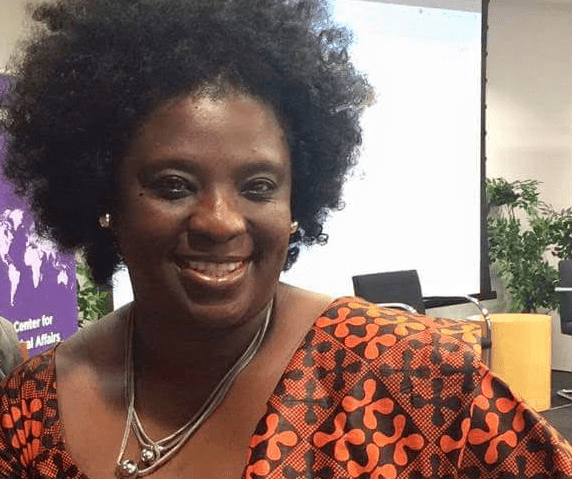
[bctt tweet=”Top skills you need to run a non-profit org from Carol Bangura, award-winning advocate” username=”SheLeadsAfrica”] Carol Bangura is an educator, advocate, philanthropist, and a published author. Carol’s professional experience includes creating culturally and linguistically appropriate education and social integration programs in the Greater Philadelphia. She’s done this for diverse immigrant and refugee women and children from countries including, but not limited to Sierra Leone (her country of birth), Liberia, Haiti, Ghana, Turkey, China, Jamaica, Mexico, and Iraq. Carol has created education initiatives for girls exposed to school related gender-based violence (SRGBV) in Sierra Leone. As someone who has worked in the non-profit sector, Carol is open to providing insight to others. Here are key takeaways from Carol Bangura’s experiences in the non-profit sector. Carve out your niche “The key piece of advice is to carve out your niche. As women, we are natural nurturers and want to save the world. My brand centers on empowering girls through education and social initiatives.” Carol Bangura has been able to create a cost-effective method of purchasing new books and shipping them locally within the US and internationally to Sierra Leone. Carol shipped the first set of books internationally to Sierra Leone in 2007 and has cultivated relationships in Sierra Leone and in the Greater Philadelphia area. Although she ended her program formally in other countries and in the United States, she still conducts informal book donations to girls (and boys) locally with partner organizations. #MotherlandMogul Tip: First take some time out to discover how you want to improve lives. What are you good at? What do you enjoy doing? Once you’ve outlined this, think of ways you can join your passion with helping others. The two skill you need to successfully run a non-profit “The skills needed in the beginning are fundraising and the ability to have doors close in your face! Everyone will not believe in your dream, you have to believe it yourself. Starting an organization takes funds. And when you’re ready to implement projects, they must go through the phases of planning, implementation, and evaluation.” In a nutshell, you should answer the questions, What are you going to do? How are you going to do it? After you’ve done it, how would you determine its success? [bctt tweet=”Carol Bangura: Soon after launching your non-profit create a strategic and financial plan.” username=”SheLeadsAfrica”] Registering a non-profit organisation “Documentation varies from state to state; and country to country. Research should be conducted to determine what is needed to register an organization. There isn’t a one size fits all checklist to start a nonprofit because it depends on the type of organization, its location, board structure, etc.” Carol’s organisation is registered in the United States and though she operates in Sierra Leone, she’s not familiar with what’s required there. In the US, every state has its own rules and then every municipality does as well. The federal government requires a 401c determination but that process is very complicated and Carol has done it in the past for others as a consultant. #MotherlandMogul Tip: If you’re based in Nigeria, Ivie Eke shares 3 major points on starting and sustaining an NGO here. What do first after launch “Prior to launching and/or within the first six months to a year, a strategic plan should be created. You will also need to create a funding plan.” The key to doing this was trial and error. For years Carol wrote grants before finally obtaining unrestricted funding to carry out her GIRLS! project. “Grant writing is daunting due to the checks and balances, but it’s not impossible to do on your own.” Carol identified planning, implementing, and evaluating as the most important skills to hone to perfection. Final words from the brilliant Carol Bangura; “Nothing comes easy, especially for us as African women who choose nontraditional roles and have the audacity to step out of the box. The pain of my past as a victim of gender-based violence fuels my passion; without passion in what can be a thankless job, you’re more likely to be burned out.” If you’d like to share your story with She Leads Africa, let us know more about you and your story here.
The story behind Startup Kano’s Women Founders Conference
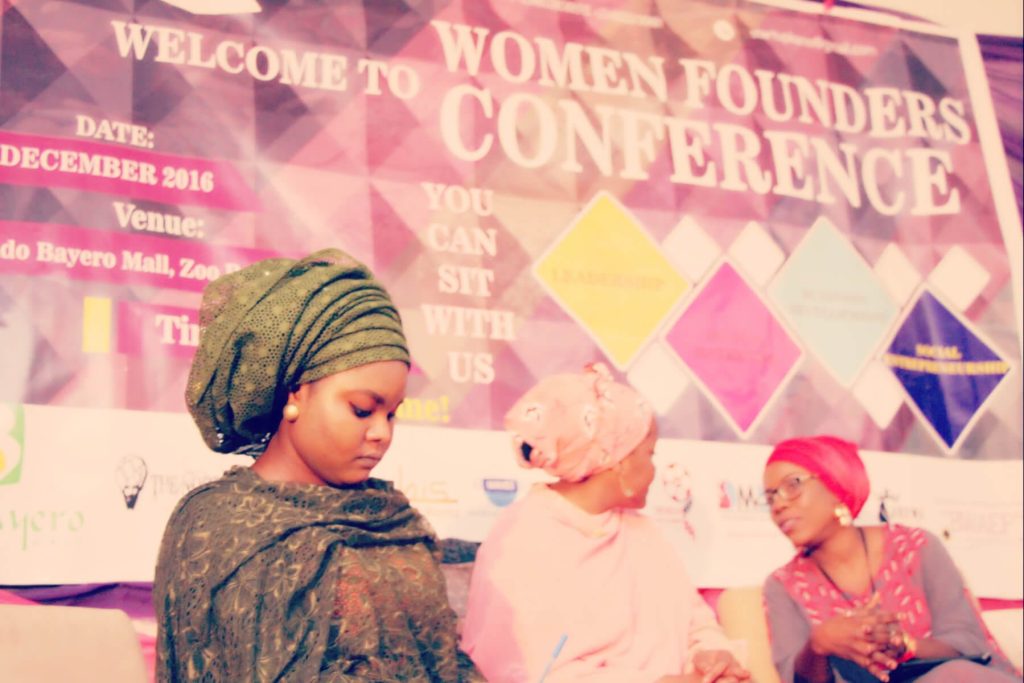
[bctt tweet=”Being a woman entrepreneur in Northern Nigeria is hard @StartupKano wants to change that” username=”SheLeadsAfrica”] I started my journey six years ago, I was 17 and it was hard because I just graduated from college. Every girl’s dream at that age is totally different, but nobody understood what I wanted to do. Yet I knew what I wanted and I have never given up. As years passed, things became even more complicated than I would have imagined, and the challenges came too. One thing that helped me was that I’m a business oriented person so I easily became a serial entrepreneur, diversifying my skills and business ventures. With the little resources I received, I made sure to give back and have helped countless women. From donations to little startup capitals, I’ve worked for free at women-focused NGOs, I have mentored girls, I did community work, and many other things that I can’t even recall because I wasn’t keeping records. Finding my team In 2015, I decided to start blogging and took my project to social media because I wanted reach more people. I wrote articles to encourage and motivate women, I gave out business ideas, free consultations, online mentoring, and more. That same year I finally met my team. We founded StartUp Kano, an organization aimed towards creating an ecosystem for creative and innovative entrepreneurs. Ahmad Bature and Abdulbasid Kabir are Google Developers. Ahmad Idris is the founder of Code Pyramid and thenortherner; Maryam Gwadabe is founder of Blue Hub, Blue Sapphire E-Solutions ICT and Business School. Then Maimuna Abubakar Anka, C.E.O Malaabis by Maimz is a fashion designer. They were tech people and entrepreneurs and I was an entrepreneur, now running my advertising company! Yet, we had the same mindset, mission, and dedication. We decided to create a special avenue for women under StartUp Kano. That was how we came up with the Women Founder’s Group, a platform for creative and innovative tech and non-tech women entrepreneurs. Launching the Women Founders Conference The Women Founders Conference is an annual event organized by The Women Founders Group for women in business, budding entrepreneurs, and start-ups. We choose this name because we needed “founders”, successful women from different fields, to come together to help raise and mentor younger women. [bctt tweet=”@StartupKano needed successful women to come together to help mentor younger women” username=”SheLeadsAfrica”] We wanted to make these women a family, we wanted them to feel included, and speak up, we wanted them to connect and network. Most importantly, we wanted them to support and stand by each other while we help them with the necessary resources and guides. The conference is a gathering exclusively attended and curated by women with the aim to bring together bright minds to deliver talks that are idea motivated and on a wide range of subjects, to foster learning, inspiration and to provoke conversations that matter among women entrepreneurs in our ecosystem. This is an opportunity for them to be among top business women, customers and decisions makers. We brought women whose efforts and impact through their brands and services over the years demonstrated business excellence and the highest standards of ethical conduct, integrity, civic and social responsibility. The first of its kind in Northern Nigeria The conference is the first event we hosted and it took us 6 months of planning and hard work being the first of its kind in the North. Northern Nigeria has been left behind in different aspects of contemporary developments and women in this respect suffer the most. My team and I realized that out of ten women in the North, eight are entrepreneurs and most of them are at the grassroots level. Looking at the international standard and practices we decided to start something that will give these women the necessary tools to compete with their counterparts worldwide. [bctt tweet=”@StartupKano found that 8 out of 10 women in Northern Nigeria are entrepreneurs ” username=”SheLeadsAfrica”] We brought together bright minds in education, industries and corporate organizations who gave expert talks. We had counselling sessions with budding and aspiring entrepreneurs so as to help them harness their skills and talents and also to equip them with necessary tools to maximize their potentials. The Women Founders Conference 2016 was lit! During the maiden Women Founders Conference in 2016 we had the likes of Engr. Hauwa Muhammad Sadique, the first Northern president of The Association of Professional Women Engineers of Nigeria as the key-note speaker. Maryam Lawan Gwadabe, an Msc holder in Network Management from Middlesex University Dubai made a presentation and demonstrated on digital skills. Hajiya (Dr) Hadiza Nuhu Yusuf talked on leadership skills with the aim to encourage women’s participation in leadership. We also had Hajia Aisha Maijamaa who is a politician among others. We hosted over 200 women, both entrepreneurs and aspiring entrepreneurs. Being a woman founder in the North is very hard. The challenges and risks, the culture and society are all factors that only a dedicated and brave woman can scale through. This is why we decided to bring older, established women to sit with the younger ones and inspire them. We believe that they have been through it all, they know the risks and challenges so they are the right people to advice other women. We also believe that if we continue with this project, we would be able to bring together women, make a great impact and give them room and opportunity to achieve their dreams. If you’d like to share your story with She Leads Africa, let us know more about you and your story here.
Osayi Emokpae Lasisi: I desire freedom and confidence for young moms
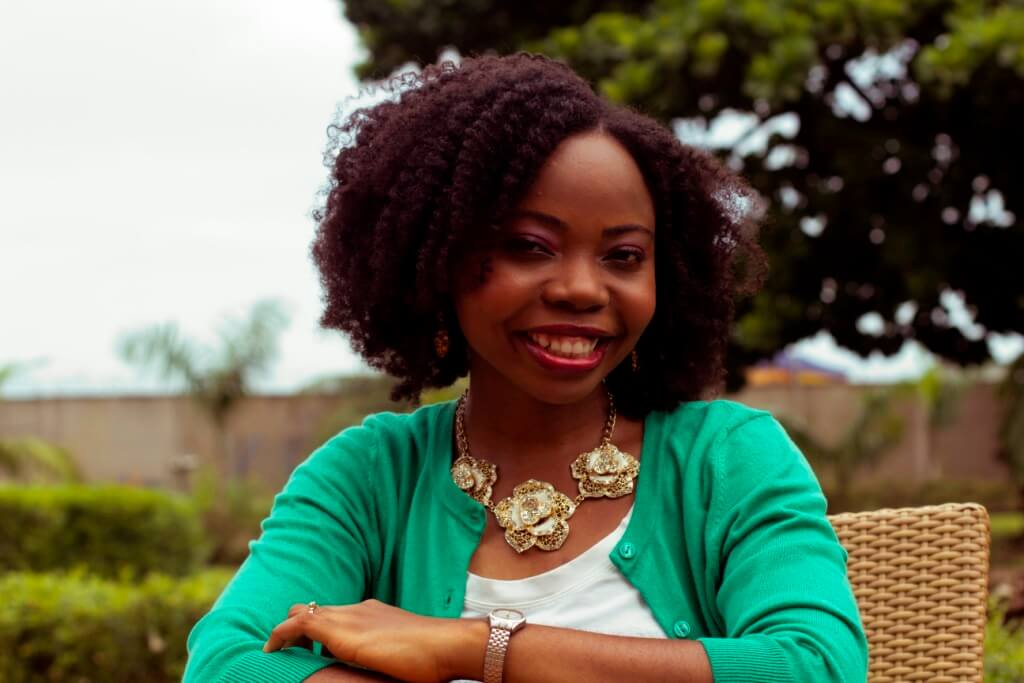
[bctt tweet=”MoneyMaking Mommies creates online courses to help moms get comfortable with technology” username=”SheLeadsAfrica”] Osayi Emokpae Lasisi is the self-proclaimed queen of helping you get attention and make money online. She is the convener of the MoneyMaking Transition Online Conference and host of the MoneyMaking at Home podcast, where she interviews experts from all over the world and helps moms with online business skills. Osayi is also the author of the “Billionaire Mindset (for MoneyMaking Mommies)”, and “7 Days to the MoneyMaking Good Life”. As founder of the MoneyMaking Mommies Academy -now with over 2000 members, Osayi helps women to develop online products that make money. In this chat with SLA, Osayi takes us behind her MoneyMaking brand and shares tips based on her experience. As a business largely based online, what tools have you employed to grow your numbers? I do speaking engagements, and social media marketing. In my experience, speaking engagements have been amazing. Whenever I’m invited to speak, I’m able to share my love for what I do with the audience. It also gives me an opportunity to connect with people, and to invite them to work with me. I’ve always been a great speaker. I enjoyed being part of the debate team at Temple University, and for many years since relocating back to Nigeria people have told me that I need to go on the radio. So when I got opportunities to speak I knew that I needed to take advantage of it and use it to grow my business. From your experience, what’s one way Motherland Moguls can get attention online? Social media marketing is the best way to engage with fans and get attention online. Social media is amazing because you can segment people and send targeted messages to those that are interested in what I have to offer. Not only is social media marketing more precise than ever, it is also extremely affordable. Find the best option that suits your business and roll with it. [bctt tweet=”Osayi Emokpae Lasisi is teaching young Nigerian moms how to generate income online” username=”SheLeadsAfrica”] Tell us more about the MoneyMaking Transition Virtual Summit. The MoneyMaking Transition Virtual Summit was the first of its kind in Nigeria. It was a 6-day online conference targeted at helping moms transition from employees to business owners so that they can spend more time with their family. Some of our speakers were Dr. Godwin Ehigiamusoe, of LAPO Microfinance Bank, Mrs. Tewa Onasanya of Exquisite Magazine, Stephanie Obi, Bankole Williams. We had over 1400 people register, and between 400-600 people participated online every single day. My approach to the virtual summit is not very different from the norm. The main thing is that I enjoy interviewing people, so those who are invited guest experts enjoy the interview and are willing to also invite their friends. Those who participate and attend the event learn from the interviews as well, without having to spend an arm and a foot. Participants were thankful for the opportunity to learn, and their hope was resurrected, during a time in Nigeria when many people were discouraged. I’ll be having another virtual summit in April. In what ways do you generate revenue from your MoneyMaking venture? We create online courses to help women (moms specifically) get comfortable with technology (using the internet etc.). These virtual summits help us to get the message out there and to help bring knowledge from all over the world to women here in Nigeria. [bctt tweet=”Being comfortable with creating websites spells freedom to Osayi Emokpae Lasisi” username=”SheLeadsAfrica”] Why did you think it was important to teach moms how to create online stores and get comfortable with the internet? Not so long ago I was asked to resign from my job, and it was challenging. But after I got over being hurt I went and created a website and started selling a product. That helped me to regain my confidence and make some money while I figured out what I wanted to do next. Being comfortable with creating websites and using the internet spells freedom to me -I can be anywhere making money, just because I have the ability to create a website and sell my goods and services. That’s the kind of freedom and confidence I desire for young moms like me. What was surprisingly easy about hosting a virtual summit from Nigeria? I was surprised that people were willing to use their limited internet access (data) to watch these videos. If you’d like to share your story with She Leads Africa, let us know more about you and your story here.
Kokonut Stylist: African fashion is simply magic!
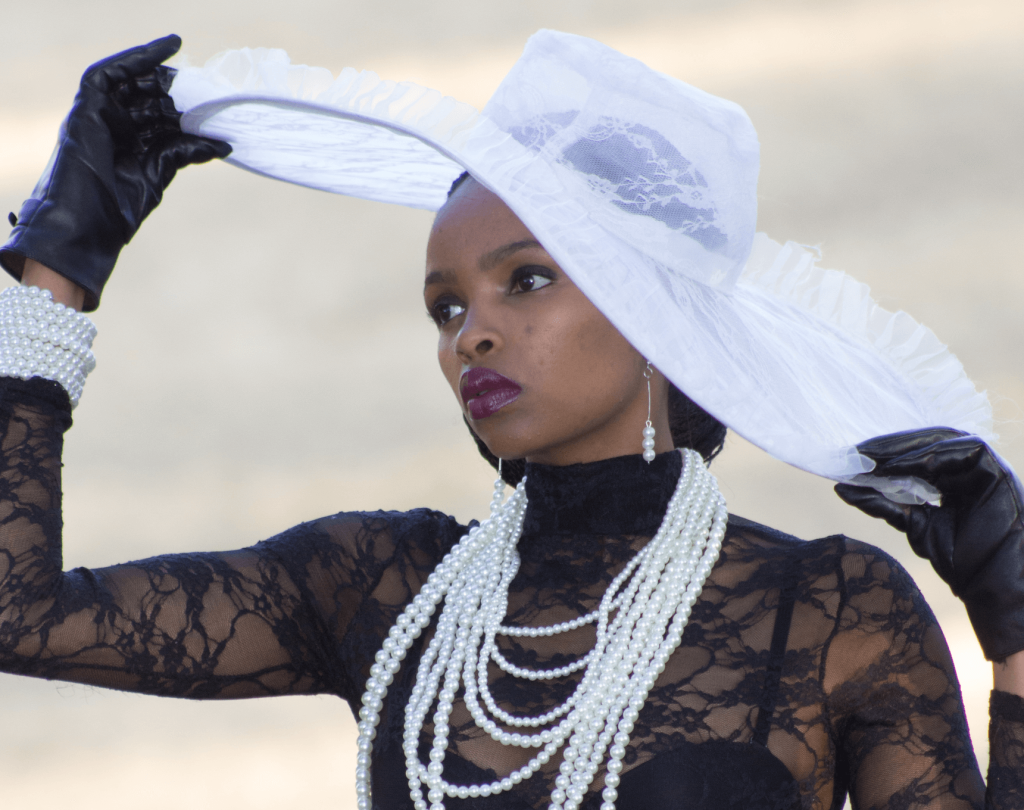
[bctt tweet=”I wanted to create something that was unique to me as a Swazi woman @KokonutStylist ” username=”SheLeadsAfrica”] Kokonut Stylist aka Nomalungelo Koko Shabangu has always been passionate about clothing. She uses Swazi traditional material and transforms it into elegant ensembles. She is a passionate and creative being with an aim of creating a lasting fashion legacy that will outlive her. Nomalungelo’s understanding of fashion came with discovering Coco Chanel, whom she thinks is the greatest fashion icon to have walked this earth. She is inspired by Chanel in her fashion journey and believes that she is the reincarnation of Coco Chanel. Why did you choose to turn Swazi traditional attire into trending fashion items that can be worn on a daily basis? The lihiya (Swazi traditional cloth) inspiration came as a result of contemporary fashion trends. As women, we are going back to our roots; rocking natural hair, wearing traditional wear as a fashion statement, etc. I remember vividly wanting to create something that was unique to me being a Swazi woman, something that had never been done before. That was how we created our Atibuye Emasisweni range of Swazi-inspired accessories that later inspired the use of lihiya in the clothing we make. Atibuye Emasisweni means what’s ours should return to us. [bctt tweet=”As women, we are going back to our roots wearing traditional wear as a fashion statement” username=”SheLeadsAfrica”] Why did you choose a career path in fashion? I think fashion chose me and it continues to choose me every day. I am a qualified IT Business Analyst, complete with a Master’s Degree in IT and I have a full-time job in IT. Fashion has been a part of my life for as long as I can remember. Starting my business was merely an organic thing, I was already blogging about fashion, styling people and organizing tailors for people long before I opened the business last year January. I was born to create beautiful fashion pieces. What is the state of fashion in Swaziland and how would you like to see it grow? Swazi fashion is exciting and we are culturally a vividly colorful nation. The exciting thing about Swazi Fashion right now is how the contemporary fashion is embracing our heritage. There’s a beautiful unorganized movement where everywhere you go, you see people beautifully dressed with hints of lihiya and this is even more overstated at weddings; it is a really beautiful thing to witness. [bctt tweet=”@KokonutStylist is a qualified IT Business Analyst with a full-time job” username=”SheLeadsAfrica”] Which designers have you collaborated with and why was it memorable? So far none because Kokonut Stylist has only been in formal business for a year this month. However, I will only be collaborating with a skilled designer from SA who does the best men’s suits now in 2017. I am excited about this collaboration because it widens Kokonut Stylist’s portfolio. We will start doing men’s apparel this year. What has been the highlight of your career thus far? It was being selected by Africa Fashion Reception to represent Swaziland in Ethiopia and Paris and having our first ever runway show at the African Union headquarters in Addis Ababa. It was so surreal and thinking about it still feels like I was perhaps dreaming. I had never walked down a runway before and I still remember how gratified I was to do that as a designer. It felt like life was affirming to me that I belonged on the runway, with models wearing my designs. [bctt tweet=”Life was affirming to me that I belonged on the runway @KokonutStylist ” username=”SheLeadsAfrica”] What advice would you like to give to young people who would like to turn their passion into a business? Be bold…VERY BOLD and empower yourself with all the skills you need to turn your passion into a profitable business. Never conform, except when it’s conforming to who you truly are as a creative person. Do you think that designers are given enough training to turn their passion into a business? I believe that as a designer, you have to find out for yourself how you can be the best in a way that best speaks to you…there is no generic solution for everyone and no one will give you training for free. Learn from only the best, teach yourself to aspire to greatness and you have to constantly want to better yourself. In terms of turning your passion into a business, we are all just winging it until we find what truly works for us and capitalize on that. Does anyone ever truly know what to do for sure? I doubt it. Art and culture form a big part of our identity as Africans, do you think it is given the value it deserves? The saddest thing about our art and culture as Africans is that it is truly given value after it’s been exploited overseas. For example, Louis Vuitton did a line on entirely African Inspired artifacts (they called it the Sahara Collection) and it has Massai Blankets, the famous Khonzekhaya bag print and it was like people were seeing for the first time. An American beauty parlor will package our clay and blog about its “ancient beauty benefits” when we have been using red clay on our faces for years! We don’t see how valuable our art and culture is until it’s sold to us and that is sad. However, even with that being the fact, it’s beautiful to observe that African creatives (fashion, contemporary, graphic designers, etc) are now largely going inwardly (back to our roots) for inspiration. [bctt tweet=”We don’t see how valuable our art & culture is until it’s sold to us @KokonutStylist ” username=”SheLeadsAfrica”] What do you think sets African fashion from the rest of the world? There is no place as beautiful, diverse and wondrous as Africa and this translates even to our fashion, Africa is, simply put, magic! If you’d like to share your story with She Leads Africa,
Sithembile Ndlovu: I’m fulfilled when I see a smile on a child’s face
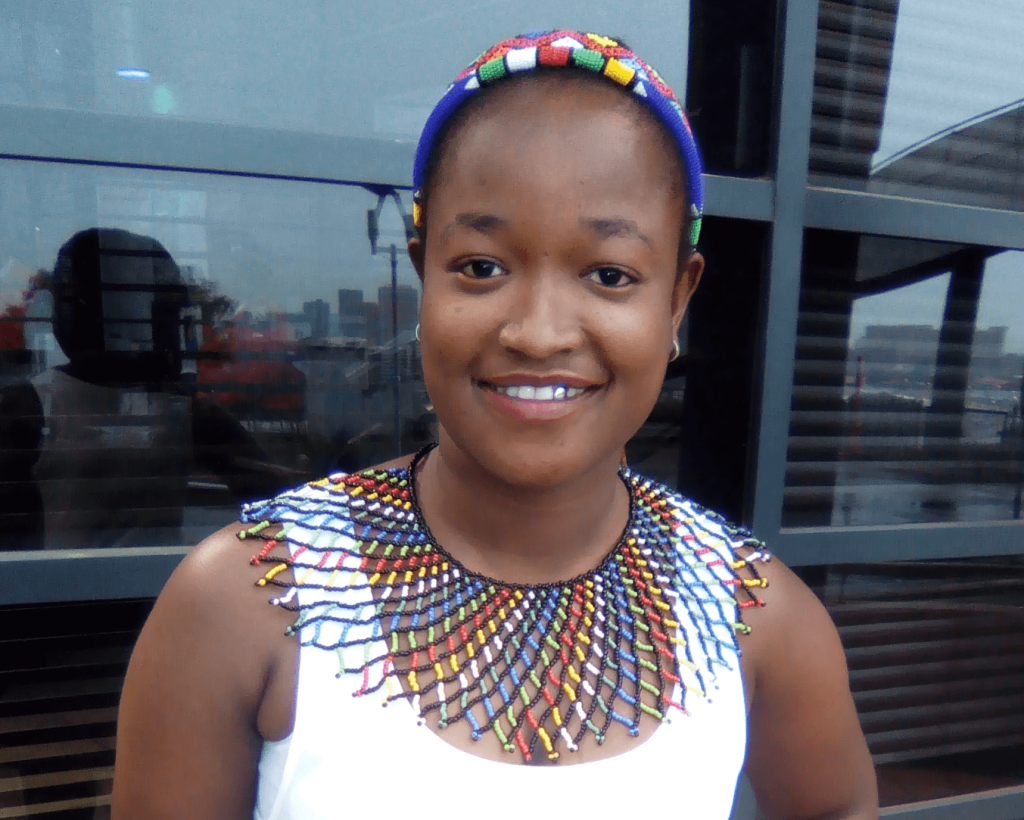
[bctt tweet=”Life trials inspired the dream, while growing up there were always funerals at home” username=”SheLeadsAfrica”] Sithembile Ndlovu is a qualified Child and Youth Care Practitioner and a young Social Entrepreneur from Dassenhoek in Kwa-Zulu Natal. She is a co-founder of Sithuthukile PreSchool and Eliny’ithuba NPO in KwaNdengezi near Pinetown. Sithembile is future-oriented and passionate about developing, restoring, advocating for as well as educating children and youth at risk. She hopes to make the world a place where women and children are safe from sexual violence. This is because she herself has been a victim of sexual violence and has experienced some of the darkest moments of her life. This did not break her, instead it motivated her to help others who have gone through similar situations as well as ensure that the same doesn’t happen to others. Read about how she tirelessly works towards fighting new HIV infections, political liberty and advancing youth leadership skills by volunteering her time to a range of organisations. Has helping the youth and children always been your dream? While growing up I dreamed of being a psychologist, I always wanted to help people but I was not specific about the age group. What inspired this dream? Life trials inspired the dream while growing up there were always funerals at home. I was born in a family of six; my parents, myself and three siblings. Unfortunately, all my siblings passed away before I even turned 10 years old and from then onwards I became the only child with no brother or sister to help me through life. In my early 20s I was sexually and violently abused and I almost lost my life. My life was falling apart and I was in and out of hospital throughout 2011. I was infected with TB and in June 2012 I lost my mother through diabetes. Life was difficult in a way that I had to be booked for counselling sessions at the Open Door Crisis Centre in Pinetown for a while. While attending these sessions I was introduced into a group of young girls who were going through similar situations. In my early 20s I was sexually and violently abused and I almost lost my life. My life was falling apart and I was in and out of hospital throughout 2011. I was infected with TB and in June 2012 I lost my mother through diabetes. Life was difficult in a way that I had to be booked for counselling sessions at the Open Door Crisis Centre in Pinetown for a while. While attending these sessions I was introduced into a group of young girls who were going through similar situations. After hearing their different stories week after week I knew I had to do something about it. It broke my heart to realise how much trauma children, youth, and women go through with all the abuse and inequality happening in South Africa. From then onwards I wanted to make a difference, to change lives and to advocate for the rights of women and children. I then decided to go back to University and study Child and Youth Development. [bctt tweet=”It broke my heart to realise how much trauma women go thru with the abuse & inequality in SA” username=”SheLeadsAfrica”] What would you like to see change in the world that would make the lives African woman better? I would like to see a change in people’s perspective about the strength of a woman. Women are taken for granted in many spheres of life resulting in gender inequality. I would like to see female excellence rising all around the world, with no gender-based violence and cruelty against women and children. I would like to live in an Africa where the peace and the security of women is a priority for everyone. [bctt tweet=”Women are taken for granted in many spheres of life resulting in gender inequality @OwakhoNdlovu ” username=”SheLeadsAfrica”] Tell me more about your involvement with Progressive Youth Africa, SADC youth network, and the Ethekwini Youth sector. Progressive Youth Africa is championed by proactive youth in the pursuit of political liberty in Africa. it is present in all 54 countries in the African continent and each country has one ambassador who then acts as a President for their country platform. I was selected as an ambassador for South Africa in 2016 and my role is to assemble highly courageous youth capable of pioneering change for a prosperous South Africa. So far I have gathered 45 young great minds from different provinces in South Africa who are undertaking amazing initiatives in their respective communities. We formed the SADC Youth Network during the YALI regional leadership centre program in South Africa in February 2016 with fellow YALI alumni with an aim to collaborate ideas to deal with social issues facing the youth in the Southern Africa region. We want to increase youth participation and representation at high-level meetings; to identify and bridge the gaps in policies and to allow the youth to participate in the formulation of policies, and to be a platform where we can discuss regional integration issues on both national and international levels. We have managed to influence more than 500 innovative young people in the Southern Africa region to join our network. I joined the Ethekwini Youth Centre after the 21st International Aids conference in Durban by invitation. I am involved in the provincial youth initiative that encourages young people to work together in order to implement the resolutions of the conference to stop HIV transmission by 2030. Particularly in Kwa-Zulu Natal as we have the highest percentage of transmission of people below the age of 35. What are your roles in these organisations? I help youth-led organisations professionalise their work by sharing my expertise and experience. I assist in reviewing business plans, funding proposals and offer mentorship to those in need. In addition, I advise and advertise available opportunities to young people and enhance self-development, I also recommend them to potential employers.
Jackie Mgido: It’s taken me years and I’m still in the infancy stages of my business
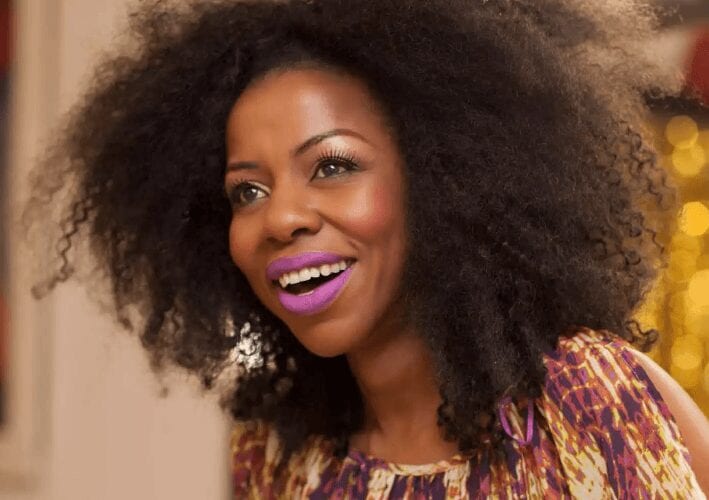
[bctt tweet=”They were thinking, “Who is this Zimbabwean that claims she knows how to do makeup?”” username=”SheLeadsAfrica”] Jackie Mgido left Zimbabwe about 24 years ago; now that’s a long time. Always a dreamer, Jackie wanted to do the unexpected and always wanted to feel fab. In the United States, she looked into what she loves best and found that was everything to with makeup and hair. But, you know that struggle with being African and having passions that are considered outside the norm. First, Jackie did what her parents wanted her to do then after that she decided to go with her passion because it just felt natural. Jackie Mgido is a talented makeup artist and founder of Vault cosmetics. Where did your passions originate? As a little girl I was very insecure, I never thought I was cute. I grew up at a time where there was a division between whites, coloured and blacks. I grew up in a time where women bleached a lot in order for them to be noticed. That’s where it all started; I also wanted to be noticed. I wanted them to say, “Hey, you’re so pretty!” but I realised early that bleaching cream wasn’t going to do that for me. Your passions sprouted from wanting to be noticed as a dark skinned girl just like the light skinned girls were noticed. What are some of the things you would teach your daughter about loving herself? I have a 9 year old daughter. I will continue to speak of kindness to her. You can teach your child confidence all you like and tell them you are who you are but if inside they don’t feel it, it’s a misdirected arrow. When you are kind to other people and people start seeing you for your heart, they really start seeing you for your beauty. Because it will just draw in those people, your popularity goes up; you attract the people that are amazing and your confidence goes up. What would you say are the fundamentals of maintaining a business and keeping it going after you have started? Connecting with your customers! They are the ones that make your business, if you lose that connection with them, then you have completely lost it. Let your customers drive whatever it is that you are selling. Yes, I am the expert but my customers are the ones that buy the stuff, so if I am not giving them what they want and what they like then it’s not going to sell. [bctt tweet=”If you lose connection with your customers, you have completely lost it – Jackie Mgido” username=”SheLeadsAfrica”] The fundamentals are: Understanding your customer Connecting with your customer Letting your customer drive your business Where do you see Vault in 5 years in terms of sustenance of your business? So far Vault has been a trendsetter, we started a revolution. Vault is fostering the mind-set of people trying to start their own businesses, the mind-set of people wearing things that they’ve never tried their whole entire life and most importantly the expansion into other countries and education. Education is key! We are going to be one of those makeup lines that are an education-based and that have hubs all over the world not just in Africa. It’s going to be one of those makeup lines where the customer also feels a sense of ownership because its important for the customer to feel like they are part of something bigger than themselves. Have you felt like changing people perception and the mind-set around makeup has been easy in Africa? I’ll speak on Zimbabwe particularly because it’s my culture, I know the people because I am part of the people. Interesting enough it is harder to show and it’s easier to show and tell. Our philosophy is, teach it, feel it then they’ll buy it. The reason Vault has grown so much in four years is because it’s been a little easier for us to show and tell. So changing the mind-set hasn’t really been that difficult because we are getting people to understand why they are wearing makeup. When, people come in we ask them why they’re wearing makeup. “Are you wearing makeup for you?” That changes everything! Who is the most interesting person you have put makeup on? Charity, she’s a newspaper vendor in Msasa, Harare who stands with a bunch of men at the traffic lights and sells newspapers. Charity had no exposure so she never thought, “If I put on a suit, high heels and glasses, I could sell more”. When we saw Charity and I told my girls we had to Vault her. Now not only does Charity have her glasses, she has her lip-gloss and she can fiercely sell her newspapers. Sometimes, she works for us at big events, handing out pamphlets to attendees. When I’m in Harare, I make time to go and see her. Which man would you love to put makeup on? All the ministers in Zimbabwe
Salome Phiri: Don’t ever be afraid to shine, greatness is your birthright
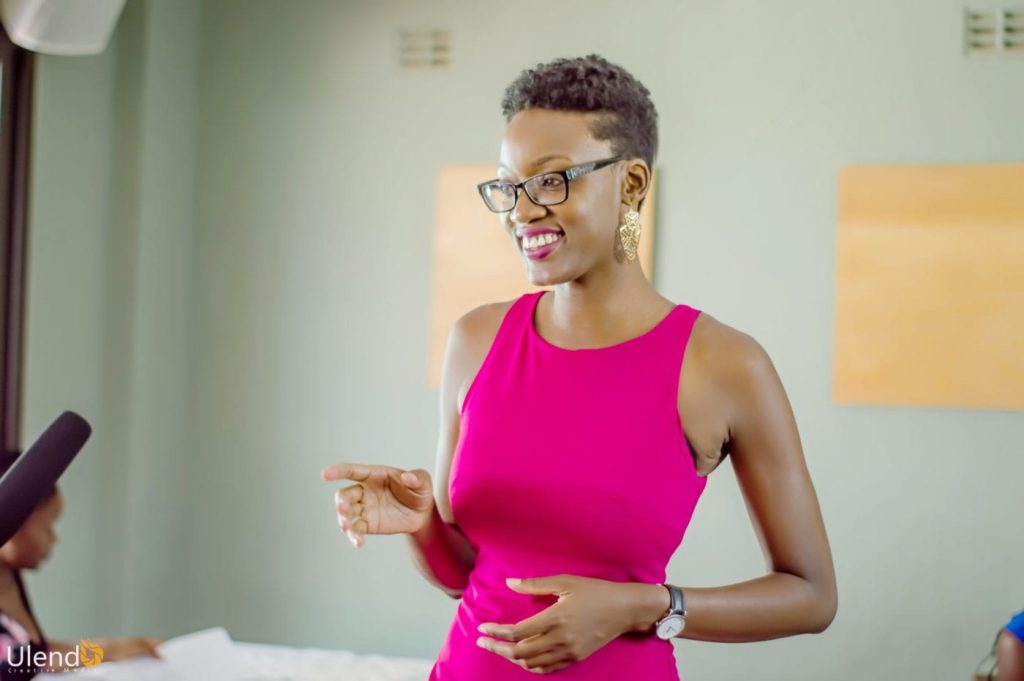
[bctt tweet=”Our vision is to build a diverse community of millennial African women – Salome Phiri” username=”SheLeadsAfrica”] African Women Redefined is an excellent example of women pulling other women along to walk in the light. Started by Salome Phiri, African Woman Redefined (AWR) is a women’s empowerment platform which creates a unique space for women to develop themselves both personally and professionally. The idea is to create a network of support that will help women embrace their uniqueness and live their lives as phenomenal women. Still less than a year old, AWR has many more exciting things in store and Salome Phiri is working hard to make the organization a success in Zambia and throughout Africa. What is African Women Redefined all about? How is the organization structured, what type of activities do you organize? At African Woman Redefined, we believe that all women are phenomenal and by embracing their uniqueness and tapping into their full potential, they can define themselves by their own standards and ultimately live purposeful lives. Our mission is to promote positive narratives about African women by celebrating, inspiring and empowering them through digital content and events that are aimed at addressing various themes which are central to the modern African woman. Our focus is to help the millennial African woman develop a strong sense of self and grow into a well-rounded and balanced individual who thrives in various areas of her life through her own efforts and with the support of other women. The AWR team comprises of myself and two other phenomenal women from different backgrounds, who share my passion and drive to contribute to the upliftment and betterment of women in our society. Together we dedicate our time, resources and expertise to achieving our common mission of changing the world one woman at a time. [bctt tweet=”Salome Phiri: At African Woman Redefined, we believe that all women are phenomenal” username=”SheLeadsAfrica”] What was your motivation for starting this social enterprise? Growing up I was a very timid and quiet child who lacked the confidence to speak up and stand out. This behaviour spilled over into my adult life and for many years I struggled with insecurity and low self-esteem. My turning point came at a time when I had experienced setbacks in my personal and professional life that left me so emotionally drained that I could no longer recognize myself. As a way to transcend the pain from these experiences, I resolved to search deep within myself and find out who I was at the core of my being and what I really wanted out of life. It was like I had finally woken up to myself. I became more confident and self-aware, and suddenly my life became more colourful, hopeful and meaningful. As I began to walk in my light, however, I noticed that many of my peers were still in the shadows –lacking a sense of identity and living unfulfilled lives. We live in a society that is predominately patriarchal and deems a woman successful if she has an education, a job, a husband, and children. This mindset has resulted in many young women making decisions that conform to societal expectations, some of which are to the detriment of their psychological and emotional wellbeing. I found this disheartening, and so my personal mission became not only to change the way society viewed its women but also to change the way women viewed themselves –as extraordinary beings that have great potential and purpose, hence the birth of African Woman Redefined. What is your vision for African Woman Redefined? How do you hope to achieve that? Our vision is to build a diverse community of millennial African women, who are secure in their identities and use their unique set of gifts and abilities to positively impact society. AWR aims to position itself in Zambia and throughout Africa as a reliable and trusted source of information where young African women can learn to embrace their unique identities; learn to harness their potential, discover their purpose, and foster relationships with other women. We aim to achieve our mission by targeting millennial women between the ages of 25 and 40. These women are likely to be professionals, entrepreneurs, creatives, influencers and change agents who continually seek personal growth and wish to inspire positive change in their communities. Your organization has been around for about half a year now. What is your biggest accomplishment so far? Our biggest accomplishment so far would be successfully organising our first major event under the theme “Be bold. Be beautiful. Be You”. The aim of the event was to bring together a group of women to connect with one another and to be inspired to live authentically and be bold in pursuit of their dreams. Despite it being our first time hosting such an event, we received great reviews from the attendees, most of whom highlighted that the event was well organized and that it had effectively achieved its objectives. Looking ahead to 2017, what can we expect to see and hear about AWR? We have loads of exciting things in store! We are currently planning our next major event that will take place in March in celebration of International Women’s day. In the long-term, we aim to expand our target market to include young women between the ages of 18 and 25 who are in college or university, and offer them mentorship programs designed to guide them through their academic careers. We also intend to grow our network by collaborating on special projects with other women empowerment platforms both locally and internationally. [bctt tweet=”Embrace your uniqueness and live your truth – Salome Phiri” username=”SheLeadsAfrica”] From your personal experiences and through the work that you are doing, if you could use this platform to share one message with young, African women scattered all over the continent what would that message? Embrace your uniqueness and live your truth. Don’t ever be afraid to shine because greatness is your birthright. The
Nigeria’s women’s bobsled team: We are just three regular girls who have now made history
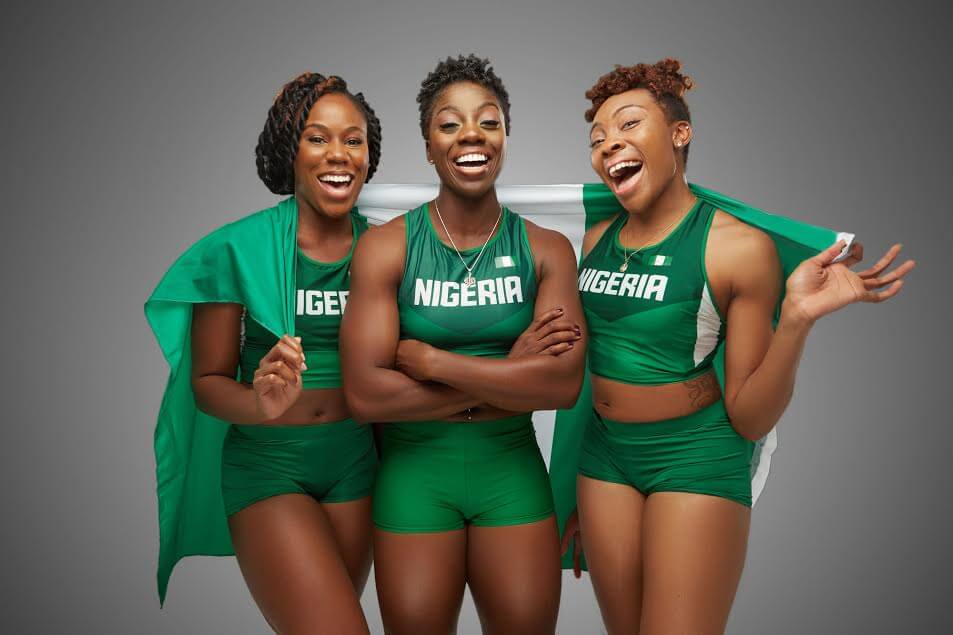
[bctt tweet=”When you are the first person to do something, there is no blueprint ” username=”SheLeadsAfrica”] No African country has represented the sport of bobsled at the Winter Olympics, but that’s about to change thanks to three women aiming to represent Nigeria. Seun Adigun, Ngozi Onwumere and Akuoma Omeoga are shaping history to become Nigeria’s first women’s bobsled team. Seun, Ngozi and Akuoma are established athletes and are engaged in many hustles. Ngozi has background work experience in the mortgage industry and is now a full-time student pursuing a Doctoral degree. Akuoma is the brakeman for the Nigerian Women’s Bobsled Team and also works as a healthcare recruiter. Seun is the driver of the team and also currently a chiropractic student. Seun is studying for a dual degree of a Doctorate of Chiropractic from Texas Chiropractic College and a Masters of Science in Exercise & Health Science University of Houston Clear Lake. Teamwork and support have been integral in giving the women of Nigeria’s bobsled team confidence as they work towards success. Why a bobsled team? How did you decide to come together to do this? Seun: After realizing that my participation as a brakeman on the United States women’s bobsled team had grown to be far larger than me, I knew this was something I had to do. I noticed my ability to potentially empower and positively influence millions of people resided in my decision to give back to the country of Nigeria. I knew I possessed the resources and connections to get it done. The sport of bobsled was looking to grow and the continent of Africa had never been represented in the sport of bobsled. Once I finalized my decision to take on this mission, I knew I would need teammates so I reached out to these lovely women, Ngozi and Akuoma. [bctt tweet=”I noticed my ability to potentially empower & positively influence people – Seun Adigun” username=”SheLeadsAfrica”] Ngozi: Bobsled chose us! Well essentially Seun chose us to be apart of her amazing vision and from then on we made the decision to embark on an experience that would grow beyond us. Seun (who is also my former coach) and I have our annual lunches, at this one particular she brought up bobsled. Honestly, I needed something new and refreshing. I had just made the decision to hang up my spikes and had come off of a trying season competing for Nigeria in track and field attempting the Summer Olympics 2016. So when Seun presented this option to me, I was stoked and pleasantly surprised. Still, this didn’t become reality for me until we actually had our first practice and touched Seun’s wooden self-made sled, “The Mayflower”. Akuoma: Bobsled came out of the blue for me. I was familiar with the sport being that a coach of mine had been involved with the sort. My participation came out of Seun Adigun asking me to join this mission. I accepted and I was the third piece to the puzzle. How has been your experiences as African women in sport? What unique challenges have you encountered? Seun: So far the experience has been very rewarding as we have been receiving endless support and positive energy as we take on this task. The most challenging thing so far has just been navigating the unknown and doing it fearlessly. When you are the first person to do something, there is no blueprint for the optimal plan of action —you just have to trust God and work through the process one step at a time. Ngozi: As a Nigerian-American woman, I have been embraced by my teammates and by other aspiring athletes, Nigerians and just women in general. Challenges will always come when you are embarking on something completely new but we have adapted very well. With With us all being women with very high demand schedules, there have been some challenges in accommodating everything but we do quite well. Also, the learning curve of learning a completely new sport has been challenging but we aim to conquer. Akuoma: My experience has been the same as it has always been. Growing up I had always been active in sports and so have many other Nigerians that I grew up with. So being a Nigerian girl in a sport was pretty normal. I think the biggest challenge with this sport in particular, is that there isn’t a lot of awareness. So taking myself along with everyone else I know on this huge learning curve has been a bit challenging. [bctt tweet=”I had always been active so being a Nigerian girl in a sport was pretty normal – Akuoma Omeoga” username=”SheLeadsAfrica”] So far you’re yet to practice on snow or with a bobsled, how confident are you in securing a place at the Olympics? Seun: I have spent time on ice as both a brakeman and a driver —and that is the most important thing. As the driver, the success of the team resides in my ability to drive the sled from the top of the hill to the bottom. I have already successfully completed two driving schools this season on two separate tracks over the course of three weeks. With that, I can now compete in a race on either of these tracks, putting us in position to start the qualification process. This is a great confidence boost for the team because we now have something to look forward to. Our confidence is additionally fueled by our relationship with one another. We trust each other and that has taken us a long way in accountability and commitment. Our wooden sled has given us the opportunity to simulate sled conditions bringing our chemistry together and reproducing race scenarios. Ngozi: I think there is much to be said about mental preparation as this plays a big part in physical preparation. Although we have not yet been on ice, we have the perfect mentor to take advice from (Seun) as she was in the same
Diana Odero: I have had years of practice travelling on a budget
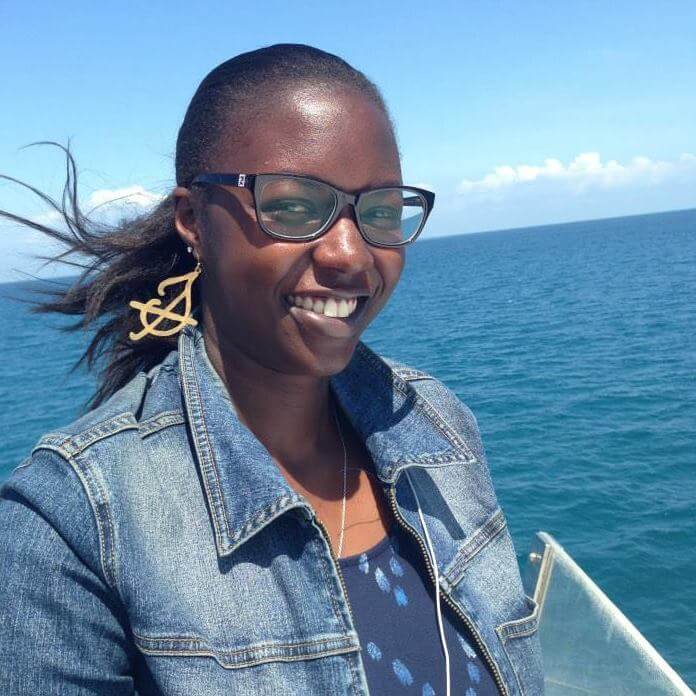
[bctt tweet=”Patience, an open mind and other skills you need to master the art of budget travel” username=”SheLeadsAfrica”] Diane Odero counts being a journalist (and contributor to SLA) among her growing list of accomplishments. She is also an avid travel lover and is able to do even though she was a student until just recently. For Diana, travel is an enriching experience and an opportunity for African women to get out there and see the world for what it actually is and not for what we think we know about the place. Travel is more than just time to re-energize, reboot, press the reset button on life, it also helps bring in some Chi back into your life. Diana has only ever travelled on her own and has found that travel can be therapeutic. Let’s talk finances, how do you find the budget to travel so widely? I save constantly! I’m just like every other young woman who likes to shop, eat out and have a pamper day once in a while but then I also love to travel. And if you know anything about travel fares, they sure don’t come cheap. So I usually compromise on most things that I would like but don’t necessarily need. I also make sure to put some money away with every income earned to keep up the saving habit. Also, I started travelling a lot while I was quite young, so I knew early on that I wanted to study abroad at some point and I was fortunate enough to do it twice for undergrad and for my Masters. I also signed up for various sky miles programs years ago, not knowing how beneficial they would be in the long run. The miles started accumulating a lot while I was in college and before I fully understood the magic of sky miles. Now those miles have come in handy in the past two years and with more flights made, more miles are earned —it’s a beautiful cycle. Lastly, I have mastered the art of finding really cheap flights. Would you believe me if I told you that my direct return flight to Italy from London only cost me £100 on British Airways? Insane. I couldn’t believe it myself, but booked it instantly before it disappeared. (Fares like those on such airlines don’t come by every day). I’ve had years of practice since my college days with my friend Fiona who would scour the web with me at wee hours of the night (best time to find flights, also best days are Tuesday & Thursday in my experience). I also realized most of the travel packages out there put out a really good deal if you research very carefully. What about visas? Have you faced any difficult travelling within or outside the continent as a Kenyan citizen? The one place I have had minor issues was in the US where the Kenyan passport isn’t as valued as others. My visa was never an issue but the way I was treated compared to other people with passports from non-African countries, was really disappointing. Nonetheless, America is still a second home to me and I know as more people of colour travel and even more Africans get out there, these unnecessary stereotypical discriminations will stop in due time. In terms of visas, the UK visa was quite the struggle to obtain particularly for school. It’s not an impossible task, they just make it ultra difficult so you need to have a lot of patience when travelling to the UK. One single step missed in the application process and you’ll be denied one as soon as your interview is done. Having applied for various visas before, I already knew what to prepare for and the dos and don’ts of the process; the lengthy process was what I had not expected at all. Within the continent, I haven’t had any problems with travel and visas so far. What five skills does every African travel lover need? Why these skills in particular? Time management skills I have never missed a flight and I’ve only ever been close to missing one once in my life. That was because I had a 7:30am flight and woke up at 5 (the time I was meant to be at the airport). I literally got there as they were closing the gate; I had to beg them to let me in because I was rushing to school to make it in time for an exam. Why I woke up late you may ask? I was up the night before until 4am —silly, I know but I really thought I would hear the alarm clock. Be very time conscious so as to never miss flights because rescheduling is such a pain and costs so much as well. Patience I’m usually a very patient person but some things can drive you insane. Traveling a lot has made me appreciate the art of being patient with people everywhere because not all places work the same as where you are familiar. You have to be patient enough to scope out the environment around you, to learn how things work instead of forcing your ways upon someone who has no idea what you mean or are doing. You need to be patient with the visa processes while going through security and customs at different ports, and you need to be patient when flights/trains get delayed over and over again. Keeping calm is much better than blowing a fuse believe me, you’ll get to your destination eventually. An open mind It’s really the only way you will enjoy anywhere you travel to including the traveling process as well. The world is a huge ball of diversity and with so many cultures living in it, no one person is the same so keep an open mind wherever you go to embrace what all these different places and people have to offer. A lot of Africans are very rigid and very
Koena Selolo: Every woman is a queen in her kingdom
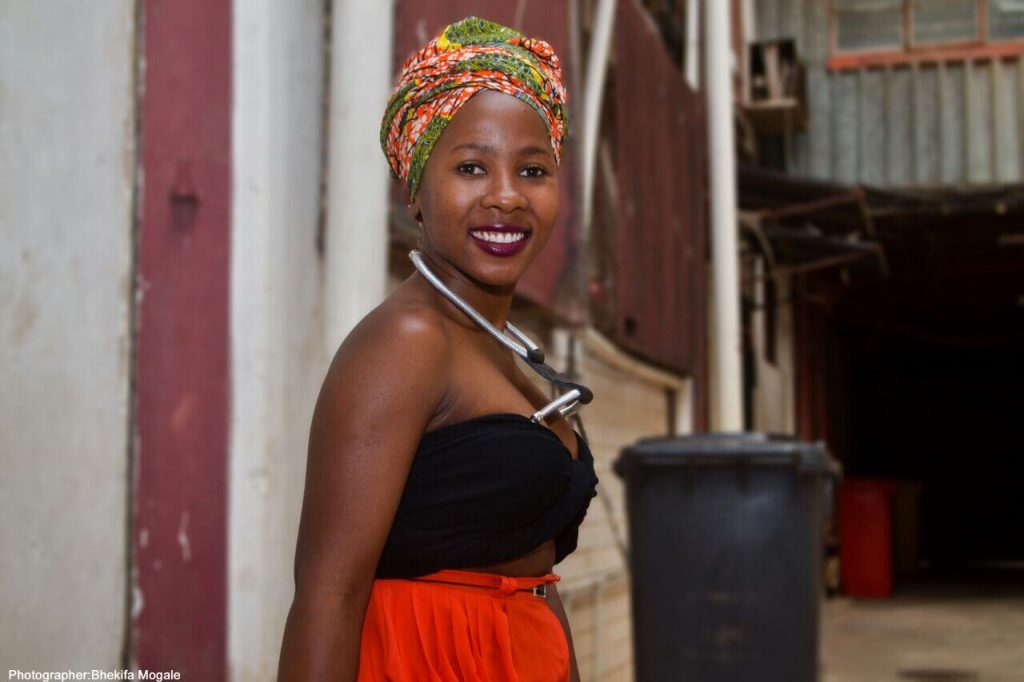
[bctt tweet=”Kgošigadi aims to create accessories that befit every queen’s beauty – Koena Selolo” username=”SheLeadsAfrica”] Born out of a family of only girls and being the youngest, Koena Selelo had great inspiration from all women around her yet she had to find her own voice. Koena refers to herself as a queen in her own “kingdom”. She is a well oozing strength and courage; Koena has managed to rise against at all material cost and whatever failures she encountered. A servant at heart and passionate about women, Koena Selolo is the founder of Kgosigadi, an accessories brand. Tell us about Kgosigadi, what does it mean in general? And what does it mean to you as its founder? Kgošigadi means a Queen in Sepedi because that’s what every woman is; a queen in their own “kingdom “. This is a brand that affirms every woman, reminding them to never leave their throne to be enslaved in another woman’s “kingdom”. I affirm this through their standard of life and preferences in how they wear their accessories. Kgošigadi therefore aims to create accessories that befit every queen’s beauty. Kgošigadi embraces every woman’s authenticity and her reign over her dominion.To me, that means I can empower women through mere accessories and acknowledging women from all walks of life. How did you become an accessory designer? I became an accessory designer from my love of making earrings from any clutter I found lying around at home. I am a creative at heart, so I would collect old buttons and wires, I also had a scrapbook and would sew my clothes etc. It was all part of my hobby. [bctt tweet=”Koena Selelo used buttons and copper wires to create her first sellable accessory range ” username=”SheLeadsAfrica”] In 2015, I made my first sellable accessory range from buttons and old copper wires and I have never stopped since. That has generated income to grow Kgošigadi as I never got funding or any capital to start. In that same year, I entered the university business pitch hosted by the The Hookup Dinner and I was a winner for Tshwane University of Technology. [bctt tweet=”My first sale generated income to grow Kgošigadi, I never got funding to start – Koena Selelo” username=”SheLeadsAfrica”] I was then part of the top 3 start-ups competing with various universities in South Africa which has been a stimulus for my growth. My somewhat naive 22-year-old eyes were opened to the competitive world of business. What is your favourite part about being an accessory designer? My favourite part about being an accessory designer is seeing my customers happy with what I have made with love for them with my hands. That to me is fulfilling. Having them post beautiful pictures on social media of themselves wearing their Kgošigadi crowns, on its own shows that the Kgošigadi tribe is full of assertive women. One can’t say Kgošigadi without understanding the true power and strength that comes with being called Kgošigadi. How do you approach a new collection? Where do your ideas evolve from? I approach any new collection first by drawing and wandering around material shops for idea inspiration. It is also important that I keep my creative juices flowing and I do this through looking at what is trending. One has to keep bettering their craft and evolving as they grow. [bctt tweet=”Koena Selelo: One has to keep bettering their craft and evolving as they grow” username=”SheLeadsAfrica”] Do you have a favorite accessory designer that you admire? My favourite accessory designer is Ntozihle, whose work ethic I admire so much more than anything! I also admire the likes of Maria Mccloy and Koketso Mohlala —Ditsaladesigns. I draw a lot of inspiration from different accessory designers, even the informal ones whom I admire for reasons such as their resilience etc. How do you define luxury? Luxury is something expensive and extravagant one can live without but can afford live with it. Would you say you’re a realist or fantasist? I am a realist and fantasist because in my world the two can co-exist if a balance is maintained. One can’t live on reality alone, one also needs to believe in the unseen. That is what faith and dreams are for. Just because it hasn’t happened doesn’t mean it won’t happen!I believe dreams are wings that one can I believe dreams are wings that one can fly, with them one can reach the unthinkable and unimaginable. What is the most valuable lesson you have learnt in life My most valuable lesson is from a Bible scripture in Joshua 1:8 that says; “Be bold and courageous”. This scripture has been the anchor that has kept me from being washed by the waves. It helped me maintain my authenticity in this business and has made has bold as a lion. When my parents still had not yet bought the whole idea of Kgošigadi out of loving concern and security, I had to be courageous —even though my courage might sometimes be interpreted as rebellion! What would you choose; lipstick or lip gloss? I’m a lipstick lady. If you’d like to share your story with She Leads Africa, let us know more about you and your story here.