
Andrena Sawyer: Flexibility is key to increasing your business lifespan

Start-ups sometimes need miracles to survive. Luckily there are superheroes who rise up to the challenge. Take Andrena Sawyer for example, she runs P.E.R.K. consulting an advisory firm that provides quality and affordable services for small to mid-sized nonprofits and businesses. Andrena is so effective at ensuring SMEs survive that in 2015, P.E.R.K. consulting, placed 1st in the AccelerateUp Business Growth Competition presented by the Maryland Small Business Development Center and Capital One Bank. This basically means that P.E.R.K consulting can serve as great model to new startups. When Andrena offered to share her story with SLA, we jumped at the opportunity. Get ready for actionable advice on overcoming funding challenges, lengthening your organisation’s lifespan and increasing revenue. Firstly how can SMEs overcome the juggernaut that is funding? Importantly, SMEs need to create effective business models that include strategies for cash flow management if they’re to navigate funding challenges. Cash flow challenges are inevitable for most start-ups, and many wait until a seeming crisis to develop a management plan. Creating a strategy before the need arises is essential for survival. In addition, it is important that SMEs have a compelling value proposition. As a Small Business Consultant, I meet passionate entrepreneurs with brilliant ideas, but the value ends at their passion. To survive the initial start-up years, the problem that a business solves should be clear to customers, investors, and partners. I firmly believe that the more informed stakeholders are, the more engaged they will be. How can organizations lengthen their lifespan? Simply, flexibility and innovation are the keys to organizations lengthening their lifespan. With the advent and increased use of social media, industries and consumers are rapidly changing. It has become more important now that founders remain flexible and informed of how their customers’ needs are changing. The focus should be on creating a culture where change is encouraged. Doing this can take an organization from a reactive to a proactive stance in marketing, capacity building, and revenue generation. How did you manage to increase P.E.R.K.’s revenue by 72.3% in one year? Primarily, the reason for the increase in revenue is that we identified our niche. When P.E.R.K. launched in 2013, I envisioned being all things to all clients. I desperately wanted my passion for community development to translate quickly to meet the needs of anyone that was interested. The challenge was that our customers were confused about our expertise, experience, and scope of work. Also, in our second year of operations, we started to refine our offerings to three key services. They include entity formation, business development, and capacity building support. This created a more targeted marketing approach, which allowed us to focus our efforts and ultimately bolster our credibility. Understanding our market also allowed us to conduct more accurate research. This helped to set competitive rates and create strategic partnerships with other key players in our industry. What advice will you give other startups looking to use P.E.R.K. as a model? There are two things I would say to startups looking to use us as a model: Be persistent. As cliché as it sounds, do not give up. Entrepreneurship can be extremely stressful, and founders may find that they initially encounter a lot of rejection. My advice is to do your due diligence by ensuring the idea is viable. Get the support of trusted mentors and advisors, and push through the challenges. Be creative. I once read that the average millionaire has about seven streams of income. There is a lesson to be learned there. If those who are thriving financially are always looking for ways to earn more, I believe that businesses can thrive in much the same way. For example, P.E.R.K. primarily provides consulting services. However, there are several other ways that we generate revenue including trainings and seminars, publications, and referrals through partnerships. As long as it is consistent with the business’ value proposition, there is no limit to how creative founders can get in generating revenue or reaching their audience. As a Sierra Leonean, are you engaged in any initiatives back home? Interestingly, even though I am not directly engaged in any initiatives in Sierra Leone, P.E.R.K. maintains a partnership with several organizations. These organizations help to mobilize young Sierra Leonean professionals in the United States and within the diaspora. In 2013, we helped launch the Sierra Leonean Empowerment Network. The network has since grown to include thousands of young professionals, many of whom are now working in Sierra Leone. Who will you say is the greatest African woman to have ever lived? Fortunately, there have been many great African women who have impacted the continent and the world. Women like Nana Yaa Asantewaa, Winnie Mandela, and Miriam Makeba immediately come to mind. However, I have been personally impacted by Leymah Gbowee’s story. As someone whose life was altered by the Liberian/Sierra Leone civil war, her story narrated in the documentary Pray the Devil Back to Hell reignited my passion for community work. Studying her work as a peacemaker who mobilized thousands of people in Liberia to put an end to the war compelled me to launch P.E.R.K. Consulting as a platform to support other change agents. Surprisingly, women like her are often thought of as just extraordinary. But her story challenged me to believe that any woman with a conviction and commitment can inspire a community to effect change. If you’d like to share your story with She Leads Africa, let us know more about you and your story here.
Helen Dausen: If used well, fear can be your propeller
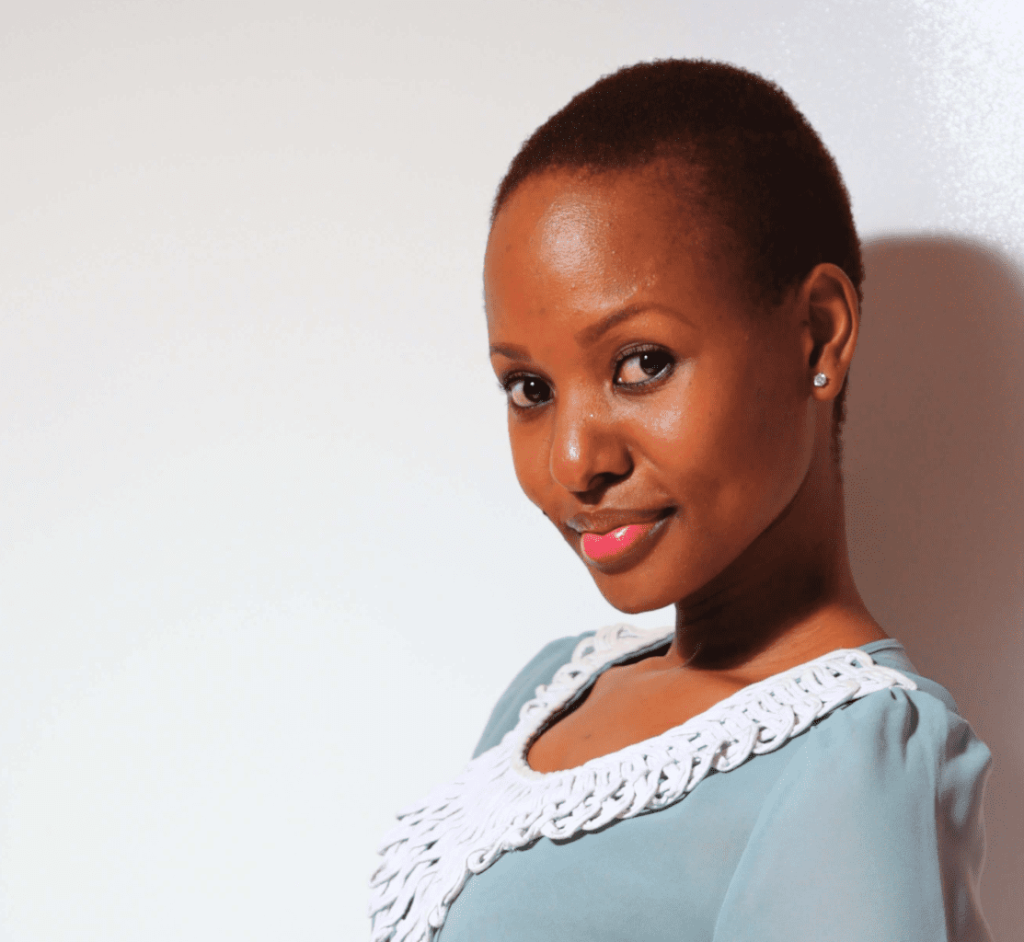
There was a time when it wasn’t easy for Tanzanian women to find a skincare product that was 100% natural and meant for the African skin. That was before Tanzanian-made African beauty brand, Nuya’s Essence came along. Nuya’s Essence is a natural bath and body care brand that handcrafts natural products from botanical oils, butter, and herbs. The product is made from the purest botanical and non-toxic ingredients there is. Largely, the ingredients are sourced locally and from South Africa, Ghana, India, and Morocco. Njeri Meja, our SLA contributor spoke to former beauty queen and formulator of Nuya’s Essence, Helen Dausen. She found out more about how Helen’s beauty queen past helped her business and the steps Helen takes to improve her hustle. What motivated you to start Nuya’s Essence? I have always been so careful about how I nourish my skin. I think I got it from my mother. As a young girl, she would apply olive oil and pure coconut oil on my sisters and I. I had also been unemployed and needed to do something about my life. While in college, I wondered if I could get a quality soap to complement my beauty care routine. So I went looking and found some DIY ideas for soap. I started mixing stuff at home and sharing recipes with friends. I would also tell them what to apply or what food to eat and the like. The idea of Nuya’s Essence first gained root in my heart in April 2013. However, we didn’t start marketing it publicly until in June 2014. How did you start? I started small with support from my parents. I began with making handmade skincare products from the backyard at home. I sold to my mom’s salon, farmers market, pop-up shops, and friends. Did being a beauty queen help your business in any way? Yes, it did. As the crowned Miss Universe Tanzania 2010, people often asked about my skin and hair-care routines. That also fueled my decision to build a skincare brand. Who is your target audience? Actually, everyone can use my products. The marketplace is saturated with products made with harmful chemicals patronized by unsuspecting African women. I wanted to create something great enough to be an option to the mainstream skincare products. Nuya’s Essence is for women looking to go all natural and adopt a healthy lifestyle. Tell us more about your range of products Our natural skincare range is formulated to work with all skin types. The ingredients are carefully selected and suited for everyone. We do not add fillers, toxic chemicals or test them on animals. Our products are recyclable, bio-degradable, eco-friendly and safe enough to be used by kids. It can be used on sensitive skin, very sensitive and mature skin. We produce them in small batches with our customers’ satisfaction in mind and they do serve the purpose. Did I tell you that they also smell amazing? Oh yes, they do! Currently, our product range includes natural handmade soaps, body oil, body butter, body scrub, 100% pure coconut oil, and raw shea butter. However, we keep working at developing new products. How have you improved yourself as an entrepreneur? I just completed a Mandela Washington Fellowship program for Young African Leaders. The intense 6-week-long program ended on the 4th of August 2016. I worked hard at it and formed great partnerships and friendships. It was a great experience and boost for my personal and business growth. I look forward to better opportunities. I have also done some training in natural/organic skincare formulation in Johor Bahru, Malaysia. There, I learnt the basics of formulating a perfect product. I still study online, read lots of books on the subject and strive to improve my beauty range or create new ones. Any challenges? How do you mitigate them? My biggest challenge so far is getting customers to believe in our products, especially women. I started using my products long before I sold them. This made me more comfortable and confident to tell other women about them. Personally, I have experienced the healing powers of plants and I have been able to achieve youthful, flawless, glowing and evenly-toned skin. However, getting clients to believe in you is hard. To tackle this, I give free samples for trials and this has worked. They usually return with their friends and this time, they actually buy. Word goes round and we’ve done well so far. How would you advice a woman looking starting something like Nuya’s Essence? Fear will always be a constant factor but if used well, can be your propeller. You may never enjoy absolute support. Money may never be enough. But girl, you can rise above it all. The trick is to start with what you have at the moment and then grow in small paces. Last words? One of my favorite successful businessmen said, “The harder you work, the luckier you get.” I believe there are so many opportunities out there. You just have to be ready to take them. Be willing to take risks and accept failure as a learning curve. The only real failure is not trying at all. After all, what’s the worse that can happen? Always believe in something. Personally, my hope and faith are in God. I am at peace with myself, my work and the people around me and that helps. I set out to glorify Him in everything I do as a person or business woman. Always have something or someone to fall back on for support. You can never go wrong with this. Want to see women you know featured on SLA? Tell us what amazing things women are doing in your communities here.
Connecting the African Diaspora through fashion and entrepreneurship

As an undergraduate at University of Pennsylvania, I was blessed with the opportunity to study abroad twice in Ghana. This was the first time that anyone in my family, since we were brought to the USA as slaves, had the chance to return to our ancestral land. While in Ghana, I was exposed to the vibrant and stunning Ankara fabrics and traditional Kente cloth. I instantly fell in love with the fashion there and it’s potential to grow beyond the shores of West Africa and take root and blossom around the globe. I was also intrigued by the prospective economic impact that fashion could contribute to the households of Ghanaian artisans. Then LaBré was born Over the past year I’ve been vigorously working to realize my goals of creating and launching an African inspired fashion line, LaBré. LaBré exists to increase economic growth in Ghana through job creation. It also aims to provide Ghanaian artisans and their products with access and exposure to the international market. LaBré primarily employs women, a population that is often the most disenfranchised. We just recently led a Kickstarter campaign which culminated into a little under $11,000 to employ more Ghanaian artisans with our company. I am proud of the fact that all of our items are handmade in Ghana by Ghanaian artisans. My inspiration comes from my ancestors At the end of the Civil War, most southern African Americans who didn’t migrate to the North made a living through sharecropping which replaced plantation slavery. This is also known as tenant farming. These systems required farmers to plant and grow crops for the owner of the land in exchange for a portion of the crop. Sometimes, it required farmers to use their labor as rent to reside on the owner’s land. Sharecropping and tenant farming has persisted in my family to my grandmother’s generation. As a result of having to be self-reliant, my grandmother grew up knowing how to plant cotton. Through sewing, she also knew how to turn the raw material into cloth. My passion and dedication to create LaBré has culminated into the inter-generational exchange of technical skills. Not only that, it continues to build upon the legacy of self-empowerment, ingenuity, and tenacity. The power of Diasporic connections Learning to deal with the challenges that come with running a business overseas, has made me appreciate the diligence of Ghanaian entrepreneurs. I’ve had to work with electric cuts, language barrier and a lack of efficient telecommunication. Add to that the fact that I’m not physically present. The networks I’ve made have been helpful. Particularly with entrepreneur Peter Paul Akanko, CEO of Kente Masters. Paul helps coordinate and implement LaBré logistical operations on the ground such as shipping, inventory, and photoshoots. In February 2016, the unemployment rate for Black American ages 16-24 was 14.5%. This is similar to the situation in Ghana. Young people aged 24 and under make up 57% of the Ghanaian population. According to the World Bank’s “The Landscape of Jobs in Ghana” report, 48% of Ghanaians between the ages of 15-24 don’t have jobs. My friendship with Peter is a great example of what collaboration throughout the Diaspora and youth entrepreneurship can produce. Telling history through fashion When you wear LaBré you aren’t just wearing beautiful clothes, you are showcasing your resistance.You’re showing that you are critical of where you invest your money, from who and where you buy, and in what you wear. The common narrative is the extraction of wealth and resources from Africa. Through LaBré I am seeking to invest in the Ghanaian economy by providing supply for the rapidly growing demand for African inspired fashion. As an African American, many of us desire to reconnect with our place of origin in meaningful ways. Through LaBré I am telling history through fashion. Our men and women summer collections are both named after Ghanaian liberation leaders, Queen Mother Yaa Asantewaa and King Badu Bonsu II. These are people who we in America grow up with no knowledge of. LaBré is committed to promoting heritage and traditional fabrics through modern design by producing a compelling fashion-forward aesthetic. I plan to build LaBré into a global Diasporic community connecting people through fashion, art, history, and culture. I am currently creating an online platform with Andre Glover of Indsic. The platform will allow Ghanaian artisans mass market and showcase their designs to a global audience and customer base. This is a grassroots effort that will work with local artisans. From the Kente weaving villages of Andanwomase and Bowire to market women in Kejetia and Tamale. I didn’t realize I would be using my International Relations and African Studies degree to create LaBré. If I could go back and give myself advice before starting my company it would be to “trust God and do it now.”
Fatima Zahra Nassik: Treat your business like a rollercoaster
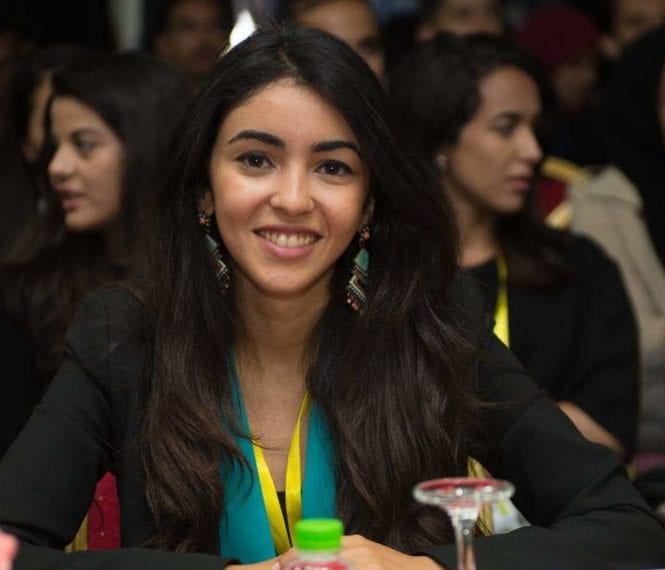
There’s nothing as inspiring to us as seeing students getting their hustle on. Talk about getting into things early. Fatima Zahra Nassik is a bomb-ass social entrepreneur from Morocco. While pursuing her studies, Fatima co-founded Enactus ENA, a platform for student and business leaders, with her friend. Fatima didn’t stop at Enactus ENA though, she also started Laymouna with Fatima-Azzahra Benfares. Laymouna is an initiative that brings fruits and healthy snacks to busy students and working people. She’s also involved in starting other ventures and still interns at the same time! Read on to find out how Fatima brings her academic savvy into her entrepreneurial life. Tell us about your organization, Enactus ENA. Why enter into social ventures? Through Enactus ENA, the idea was to show that architecture students can also have an entrepreneurial mindset. In our first year, this was basically our goal. We started organizing conferences and events like, ‘Find the leader in you’. At this event, we had interesting leaders and speakers give inspiring speeches. We also had the first edition of the Enactus Regional Summit. It gathered 8 teams from the region to share experience, knowledge and especially communicate on their projects. Through workshops where business tools and team building activities were taught, we had several on-field types of research where we spotted different needs. After many interactions on ideas that responded to those needs, Laymouna, TownOut and C-Home were founded. Tell us about your social ventures. How do you ensure that they achieve success? Laymouna is an enterprise that aims to make fruits and healthy snacks readily available to students and working people. The idea of Laymouna really came from a need that we, as students, faced in university. We decided to do something about it. We do this through innovative vending machines and stands that provide fresh and accessible choices for people who want to eat healthily. On a more ambitious level, we want to improve the food culture in Morocco. Then through TownOut, we organize trips to remote areas in Morocco. We promote them as new tourist destinations and therefore empower them economically. Finally, C-Home is an alternative construction method where we use lightweight cardboard for homeless people. The idea is to build at a lower cost and quickly too. To ensure our ventures achieve success, we give presentations of our project’s progression to an advisory board formed by many professionals and business leaders. We organize this approximately every two to three months. We also ensure our projects participate in as many competitions as possible to maximize feedbacks and improvement. Most importantly, we have Enactus Morocco as a constant counsel. What difficulty have you faced in founding and co-founding? What advice will you give other women looking to start a project together? Concerning founding and co-founding the venture, we discuss and respect each other’s opinion at every single step. Of course, final decisions are made by the CEO if a mutual agreement takes too long. I would advise women planning on starting a project together to view their ventures as rollercoasters. Ups and downs would be a recurrent feature. Aspiring entrepreneurs must see them as necessary challenges to reaching goals. Instead of being discouraged, see them as opportunities to show that things can be different and especially like you imagined. At the end of the day, you are here to create impact and value to the world. How has your organization grown since you started on it? What steps have you taken to get it to where you want it to be? The organization is growing pretty fast. Actually, we come top to mind when it comes to entrepreneurship in our university. We are looking forward to gaining more impact in the next year and to give birth to other projects. Professors and trainers have shown interest in coaching us. We’ve been contacted by many foreign partners interested in not only our events, but also our projects. For this year, we aspire also to have more projects in the field of architecture or urbanism, a domain that we master. Tell me about your experience at the Henry Ford Academy. What steps did you take to ensure that your project won the best pitch prize? My experience in the Henry Ford Academy (in partnership with IIHEM) was rewarding. Several entrepreneurs and business leaders came and we heard their inspiring stories. We had many courses from shaping the idea of a project to how to pitch it. And finally, how to finance a business venture. For three different prizes, a presentation of our project was to be made in just one minute. Since the training was in French and English, my colleague and I decided to pitch Laymouna in both languages in exactly one minute. I think the originality of the pitch is what made us win this prize as we caught the attention of the audience. Furthermore, Laymouna was the startup selected for the HFEA ICP program for a two-week consulting with IIHEM alongside VCU students who came from the US. As a freelancer and businesswoman, how do you manage all these projects? What do you do to unwind and relax? I think the answer to this question is actually passion. I am a super active person. I really believe that my actions can give a positive impact in this world. Freelancing is most of all, a way to help me gain experience in the professional field beside my studies. My passion has helped me find a way to manage these projects. It’s my strength especially in my lowest moments (rollercoaster, remember…). Personally, I believe travelling for a few days or spending time with family is the best way to unwind and relax. It helps me achieve a broader vision of where I’m going and how. Lately, I’ve started working on starting some dancing classes. I want a physical activity that includes fun. Are you still a student? Yes! I’m in my fifth year. Of course, this means I’m basically focused on internships.
Meet our Accelerator Moguls: Shuttlers

As you know the first ever She Leads Africa Accelerator Program is currently ongoing. Out of the 120 startups from across Nigeria who applied for the program, we identified 10 as the next generation of Nigeria’s brightest female entrepreneurs. These 10 selected businesses are now benefitting from our intense accelerator training. One of them is Shuttlers, a company that enables professionals access comfortable and efficient transportation to and from work using seat matching technology. Meet the three women behind Shuttlers —Damilola Olokesusi, Busola Majekodunmi, and Damilola Quadry. Frustrated by the stress commuting in Lagos as professionals, the three women decided to do something about it. What idea lead to the creation of Shuttlers? After a long week of stress commuting to and from work, Busola and I shared our commuting experience over a phone call and decided to solve the problem instead of complaining. Not too long after, Damilola Quadry moved back to Nigeria and shared the same commuting challenges. She joined the team to make commuting to and from work less stressful for professionals who share this same plight daily. We shared a common passion, drive, determination and combination of different skills from Engineering, Economics, Management & IT. Also we had been exposed to efficient transport system from Dubai, London and USA. Adding in personal experiences with commuting in Lagos, we developed a business model to solve this problem in the most efficient and cost effective manner. After several months of research, we partnered with a leasing company and had our first pilot in November 2015. – Damilola Olokesusi How has the service Shuttlers provides been received in Nigeria? Shuttlers makes use of a different model from what many are used to, the service idea has been welcomed by many individuals and companies. Due to the structure of our business model and current low capacity we are unable to cater to all the daily demands. Currently, we are working to increase capacity by partnering with more bus leasing companies/ fleet management companies to enable us penetrate areas that are pain points in the city and to meet the demand for the service. – Busola Majekodunmi What do you need to take Shuttlers to the next level? How do you plan to get there? We need financial resources in form of investment, Human Resources and commercial partnerships such as bus leasing companies, fleet management companies, bus owners and companies with staff buses and access to companies to reach professionals who need our service. We plan to perfect our product/market fit and strategically position our product/service to attract these resources. I believe we are currently on that path. – Busola Majekodunmi
Nnenna Kalu Makanjuola: I was tired of waiting for someone else to do it
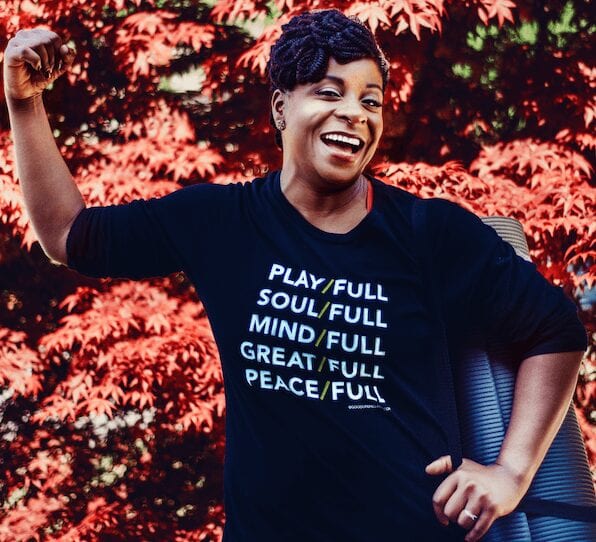
This is the age of wellness and African women won’t be left behind when it comes to health and well-being. Fed up with the lack of healthy living content geared towards African women, Nnenna Kalu Makanjuola knew she had to do something about it. So she started Radiant Health, Nigeria’s first women’s health magazine. Available on Apple and Google Play, Radiant Health is a complete guide to healthy living for today’s African woman. Currently, it is the only global African-owned health magazine focused on bringing all aspects of health and wellness under one title. The magazine also focuses in-depth on socio-cultural issues that are relevant to the well-being of every African woman or girl. We spoke to Nnenna Kalu Makanjuola to find out how African women move towards living healthy. She was graceful enough to share her favourite smoothie recipe too. Why did you feel like now was the right time for you to start Radiant Health and why you are the right person to do it? Radiant Health, quite frankly, is the magazine and health platform that I was searching for to meet my own healthy living needs as an African woman. I was constantly surprised each time I googled African or Nigerian health magazine. I found there wasn’t much in that space. This is a search I had done periodically from the time I was a student and well into my career. But somehow, it never quite occurred to me to start one…until three years ago. I was out for a long run one early morning and thinking about health care in Nigeria, as I often do. And the idea just very clearly came to me to start a health magazine. I didn’t feel the least bit qualified to publish a magazine. But by the end of that run, I had my mind made up to go for it. I thought, “why not me?” It’s fair to say I was tired of waiting for someone else to do it. Why do you think many professional African women struggle with living a healthy lifestyle? I’m reminded of a quote attributed to Chimamanda Adichie, that says “We have taken over our father’s job while retaining our mother’s responsibilities.” In talking to so many of my peers and Radiant Health readers, lack of time brought on by our increased responsibilities is a big issue. Even when the partner/spouse is supportive (and many of them are), African women still bear a heavy share of home, child rearing or other imposed traditional responsibilities. Many try to create a balance with careers and/or side businesses. Often time, it’s the health that gives, if we’re to keep up with these expectations. Equally challenging is the dearth of credible, African-tailored health content we can rely on. No matter where in the world we live, our African sensibilities, consciously or unconsciously, influence nearly everything we do including our health-seeking behaviors. But when it seems everything out there is telling you your culture is incompatible with healthy living (think food for instance), we need a platform that not only counteracts this message but guides us to live a healthy lifestyle that embraces our African essence. And that’s what Radiant Health brings to the table. What makes Radiant Health different from the other health and wellness platforms that exist on the market? I like to think of Radiant Health as a complete guide to healthy living for today’s African woman. We recognize that health is not just the absence of disease and encompasses the whole self. So in addition to health, wellness, fitness, and nutrition we also focus on the mind, spirituality, style, beauty, culture and life. We began as Nigeria’s first women’s health magazine and we’re now the only global African-owned health magazine focused on bringing all these aspects of health and wellness under one title. Our content is well researched, fact-checked and written by experts in their respective fields. We are also very driven by the social issues that impact African women. Every single Radiant Health magazine issue focuses on an in-depth socio-cultural issue that is relevant to the wellbeing African woman or girl. I’m also committed to dedicating a portion of our revenue to support well-organized local, homegrown organizations that are working on alleviating some of the most egregious social injustices faced by the African woman. Finally, we believe strongly in aligning only with advertising partners whose products are not in direct conflict with health promotion. For a startup, it hasn’t always been easy to turn down tempting offers but this is something I feel very strongly about. For your business to get to the next level, would you prefer funding or a high value mentor? Which one would you choose and why? High value mentor. There’s nothing quite like mentorship from someone who has walked the path you are trying to walk on. I don’t want to give the impression that capital is not critical to growth. It is. But even those with deep pockets still need high value mentorship to succeed. I believe with the right mentorship, the funding will always follow. I’ve been fortunate to have encountered some great mentors along the way. I should also add that a high value mentor could be a business coach or strategist that you pay for. You don’t have to wait for someone to freely take you under their wing to benefit from high value mentorship. What can we expect to see from Radiant Health over the next 6 months? Currently, our quarterly issues are published digitally and sold via in-app subscription purchase on Apple and Google Play app stores (news stands). Plans are now underway to add limited print issues in the coming months. We’ve also begun the first launch of a series of our Radiant Body Reboot fitness and nutrition program that have only been available to a select group until now. By the end of the year, we would have rolled out the complete 90-day Reboot program, which includes a done-for-you 21-day clean eating
Patricia Kihoro: Create the work you want!
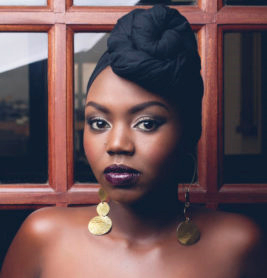
Patricia Kihoro needs no introduction. The multi-talented Kenyan singer and actress has only grown since becoming a finalist at Tusker Project Fame 3 (TPF) in 2009. Now, Patricia has produced her own musical stage show, worked with a variety of renowned musicians and performed across Europe. Through all this, what matters most to Patricia is harnessing positivity and creating a great product. “As people in the creative industry, we are always tarmacking. I got to a place in life where I decided I wasn’t going to stay in the house waiting for work so I created the work I wanted ”, Patricia says. Obviously, music is not all there is to you. Tell us about the other things you do. As an entertainer, my interest spans singing, acting, writing, stage performances and photography. In the spirit of creating work for myself, I wrote, directed and produced my own stage show, Life in the Single Lane, a narrative involving interactive storytelling, acting and singing. The name was inspired by my then single status. In this show, I had put in all my savings and was a bit nervous. The play sold out, reaffirming my belief in authenticity. Life in the Single Lane was not fiction, I was not acting, I was being me. I wanted to create a product that was original and authentic. It ended up being something that people were comfortable bringing their friends, parents and even their teenage children to watch. Evidently, the love bug bit again and it’s a wrap for Life in the Single Lane, literally. So, how much of our personal issues should we let into our businesses? When creating a product, say a play or music, my current state of mind matters a lot. I know I am my greatest enemy. But the good thing is, I was able to harness into my heartbreak positively and create a great product. You were in the Because You Said So stage show. How was it? In 2014, along with a group of friends led by Jason Runo, we staged an improv comedy show dubbed ‘Because You Said So’, a hilarious comedy improvisation stage show. Improv comedy is a form of live standup comedy that is unscripted and entails off the cuff responses to scenarios created by a host. The show has gone on to enjoy tremendous success over the past 2 years. Do you worry about everyday things other entrepreneurs worry about? I mean issues like paying bills or paying late. As a creative especially, I worry that my product may not be good enough. Tell us about your radio show. What kind of music do you play? My radio job at HBR 103.5 is something I take pride in. My show Afrocentral showcases urban and contemporary music from across Africa. I also host creatives making waves on the continent. There’s a lot of good music out there, songs that don’t enjoy any or enough airplay. This is the kind of music I play. Africans are so talented. My greatest joy is when I receive feedback from delighted listeners who call in asking more about the music or the artist. This sounds like a fun and easy job. Is it? I sometimes have to turn the internet upside down looking for music on YouTube and even reaching out to artists directly. Before HBR, I worked at 1 FM radio as a News Presenter. I would say persistence and networking have helped a lot. You’re also an actress. Tell us about it. I was cast on MNET’s production Changes (my first TV gig), Sauti and Rush TV pilots and the 1st & 2nd season of Groove Theory (Africa’s first ever musical TV series). These were not roles that were handed to me. I had to rigorously audition for each and every one of them. I have even had to audition for a role in my best friend’s production. You’re multi-talented but do you ever suffer indecisiveness, especially with what project to do and when? Unfortunately, I can never choose music over my acting, radio or vice versa. These are all abilities that make up who I am as a creative person. Of course, I become indecisive at times. Some friends have advised me to concentrate on one thing, say music. But if I did that I feel I would be selling myself short. Are you involved in other ventures outside the creative industry? Besides being involved in the creative industry, I am one of the mentors at Blaze. Blaze is a recently launched platform that empowers youths to be in control of their careers and future while helping them succeed in their specific chosen fields. It is a sub-brand of Safaricom, a leading mobile service provider in Kenya. I also mentor in media, arts, and journalism. How are you inspired? I keep a group of close-knit friends who inspire, build and challenge me to grow in my career. We want your stories! Tell us what amazing things women are doing in your communities here.
Delphine Groot: Your success as an entrepreneur is determined by your willingness to work hard
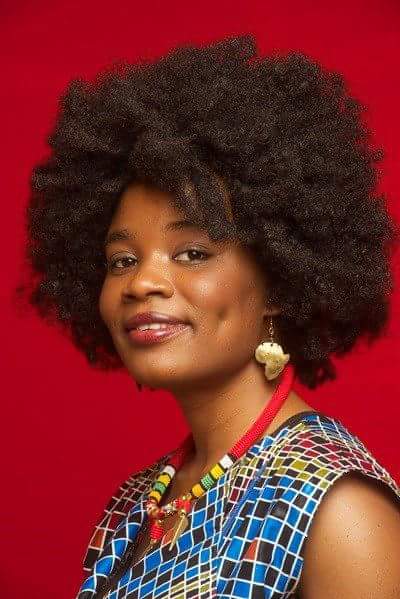
Delphine Groot had her big breakthrough into the African-inspired fashion scene in the Netherlands in 2015. That was when she had the opportunity to showcase her collection at the Locked & Loose event in Amsterdam in the summer of 2015. Organized by The Natural Hair Club, the event exposed her unique collection to a crowd of entrepreneurs, designers, sponsors, and consumers. Many of whom were impressed and this eventually generated publicity and sales for her brand, Bobo Couture. SLA contributor Uloma Ogba, spoke with Delphine on seeking alternatives to follow her passion and being a cultural ambassador for Africa in the Netherlands. How did you decide on the name “Bobo Couture”? I belong to the Bobo ethnic group, native to Mali and Burkina Faso. The Bobo people have a thousand-year-old tradition of handicrafts and textiles. When choosing a name for my fashion brand, I felt that Bobo was fitting. Bobo captures who I am and what I want to bring to the fashion industry. I bring with me well-designed and crafted clothing, and jewelry inspired by my rich African heritage. What was your motivation for starting your own business? I was born in Mali but grew up in the Netherlands and in several other African countries. So, I have seen a fair bit of the world and absorbed parts of the different cultures I have been exposed to. In university, I studied Human Geography and International Development because I wanted to understand the role of cultural exchange in global development. However, after graduation, I quickly realized that I was not suited for office work. And so, I decided to seek alternatives to follow my passion. I came up with the idea of starting my own business. I wanted to find a way to apply my studies to something that I find both practical and engaging. Through Bobo Couture, I am able to participate in the cultural exchange process. I do this by creating access in the West to the creations of local people in various African communities. For every item I sell and when I get a chance to tell the story behind its creation, I see myself playing a role as a cultural ambassador for Africa. What is the process like for you as a designer and an entrepreneur? First, I must give credit to my mother who is my business partner and provides a lot of creative input. Together, we decide on the right fabrics and designs for each collection. The goal is to showcase different aspects of our African culture that our customer base in the Netherlands can relate to and appreciate. My culture is very vibrant, colourful, exciting, playful at times, and very focused on community. I try to make sure each collection represents that in varying degrees. From reviews I have read and from your own accounts, your brand Bobo Couture is doing really well, exceeding even your expectations. How do you think you are contributing to the development of Africa as you say? All the fabrics and textiles that we work with, for the clothing and jewelry, are sourced locally. We also employ tailors and craftsmen in Mali, Togo, Kenya, and Ghana. By providing them with work on a consistent and growing basis, we contribute to their economic development and professional growth. We want our workers to take pride in the things that they produce. We also want them to know that our goal is to ensure that their work and the meaning behind it, reaches a wider audience. You recently expanded your business to set up a physical location. In addition you manage the online store and travel back and forth between the Netherlands and Kenya to import the clothes. How are you able to find balance in your life? To be honest, these days it seems like all I do is work. But I love seeing the efforts of my hard work come to fruition. In the first year of Bobo Couture, I had to give up my personal life. No going out with friends or going on vacation. Since we opened the store, even though we employ some local girls to help out, I still have to be present most of the time. The only things that keep me sane are using what little time I have to keep up with the gym and talking to my family. These provide me with the physical and moral support I need. Given your experiences, what would be your advice to aspiring entrepreneurs? If I could give one piece of advice it would be that hard work is the most important key to your success. There are going to be many challenging times ahead. But you have to try to view failures as part of the learning process to reaching your goal. Set big goals and dare to achieve them. When I started, a lot of people tried to discourage me. I heard the market was already saturated and it would be hard to stand out. Before I got an assistant, I had to transport all my clothes to and from events by myself. But I always believed in myself and in my ideas and that is what got me here today. Any final thoughts? I think a big part of why my designs sell so well is because they are a true reflection of who I am. I would never sell anything that I wouldn’t proudly wear myself. Whatever brand you choose, if it reflects you, then selling it to the public will never feel like hard work. Want to see women you know featured on SLA? Tell us what amazing things women are doing in your communities here.
Evelyn Namara: Don’t wait until you have the perfect product

Evelyn Namara is bomb-ass in just about every way. When she’s not breaking ground in tech innovation in Uganda, she’s helping women start successful businesses. We totally get why she was called a “fearless influencer of society”. Evelyn is the founder of Vouch Digital, a technology start-up building a verified digital voucher system that helps simplify the distribution of aid for international aid agencies as well as government programs. Her system helps eliminate fraud and corruption in the distribution of goods and services for cash-based programs, but before that, she worked for Beyonic Limited and Solar Sister. She is an Acumen East Africa fellow and also an IDEX fellow (January 2015 class) where she spent six months in India as part of the fellowship program working for Wings Learning Centres. Here, Evelyn shares her passion for tech and entrepreneurship with SLA and lets us know her top five tips for start-ups. What is one thing about Evelyn Namara that the world should know? I keep a counsel of close advisers who I go to when I need advice and guidance on anything. It is important for everyone to have a counsel of trusted friends who can genuinely give you guidance and also truthfully rebuke you when make terrible decisions. I have found that these people have helped me stay focused on my goals and have encouraged me when I have felt like giving up. Tell us about Vouch Digital Vouch Digital was born out of a need to find a solution to fight fraud and corruption in the distribution sector. After realizing that most systems that deliver aid to end users lack efficient systems to track transparency and efficacy, I started working on our product. Our product is a verified voucher system that simplifies the distribution of aid to different program beneficiaries. Beyond distribution, we are working on mapping beneficiaries who receive aid and do not have an identity by giving them digital identities through our system. The digital identity system allows these beneficiaries to access other goods and services such as financial services. [bctt tweet=”@vouchdigital was born out of a need to find a solution to fight fraud and corruption in the distribution sector.” username=”SheLeadsAfrica”] What needs to be done to increase the number of women in IT? STEM studies should be encouraged from the grassroots. Girls, as well as boys, should know that the choice exists for them to take up technology as a career from an early age. I believe that once we introduce STEM studies early on and put gadgets in the hands of girls as they grow up, there will be no need to “increase women in IT”. We have a problem now because some outdated education systems allow girls to believe that some courses are not meant for them. That there are some simpler and feminine courses that girls should take up and unfortunately technology is not one of them. Let’s focus on building capacity for the younger generation and open up opportunities for girls to live up to their full potential. Besides that, we need to encourage more forums that are building capacity for women in IT. One of such forums is AfCHIX which continues to impart skills development in young women in ICT. AfCHIX gives girls an opportunity to be better at their skills and thus compete favorably for jobs. It also links them to opportunities to attend conferences such as the Grace Hopper Conference which is one of the biggest women in technology conference that brings together thousands of women from all walks of life in the technology sector. As someone who helps women start businesses, what are your top five tips for start-ups? I draw my lessons from my start-up and I will share those with other start-ups. Research the field you want to serve adequately. Carry out your baseline studies and understand your field. Know the other players in the field and find a way to make your start-up stand out in terms of product offering. It’s your uniqueness that will give you an edge. Don’t wait until you have the perfect product for you to hit the market. Prototype early, test your prototype with potential customers and iterate. You learn a lot when your product is in the hands of customers and this allows you to work on early modifications before bringing out your final product. Have a target market and work closely with them. Most start-ups are not very clear on who their target market is and this creates ambiguity in building your solution. Work on knowing who your target customers are so that you build specifically for them. Build a pull of partnerships, these are key in giving you longevity. With the right partners, you can scale your start-up easily. Find those that complement your vision and work together to push your product or service. Build the right structures. This is key if you are looking to build your start-up to scale. You were an IGF Internet Society Ambassador in 2015, tell us about that. Internet Society invests in Next Generation of Internet leaders. Through its Next Generation Leaders (NGL) programme, Internet Society helps Internet professionals between the ages of 20 and 40 develop their leadership potential in technology, business, policy, and education. NGL participants gain a unique opportunity to advance their professional growth and build the experience and confidence they need to drive development in their own local communities and the larger Internet ecosystem. The Internet Governance Forum Ambassadorship Programme lies under the NGL curriculum and gives an opportunity for Internet professionals to attend the IGF and participate in the dialogue that shapes the Internet ecosystem. I applied and was accepted as a 2015 ambassador and the experience was enriching. Stand out topics for the 2015 IGF were Connecting the next billion, Net Neutrality and Zero Rating, topics that are relevant to the African continent. My interest as a member of civil society was on following and contributing to the discussions on connecting the next
I started Cartik with less than $3 to my name
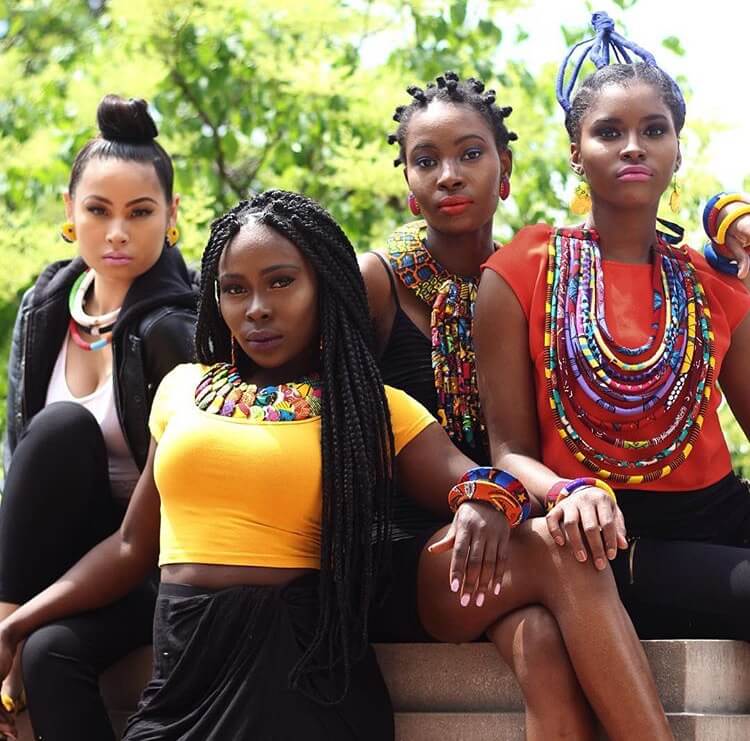
I started Cartik, an ethical fashion and social entrepreneurship brand in 2013 while studying abroad in Ghana. A significant part of my program as an International Relations major at St. Catherine’s University in St. Paul, Minneapolis, was to study abroad for a semester or a year. So, I spent a semester in Paris, France on a scholarship sponsored by the US Department of State’s Bureau of educational and cultural affairs. After my time in France, I planned to go to Ghana to study the culture, the people, and their political system. My scholarship to Ghana was declined but I was already enrolled in the program that summer. So, I worked every job I could find and saved enough money to purchase a ticket to Ghana. My tuition covered the fees and the only issue left was my survival for the rest of the semester. Struggling to go to Ghana made me realize how much I needed to make extra income back in USA. My Ghanaian experience While in Ghana, my aunt in Togo paid me a visit and we travelled back to Togo to see family. It had been 15 years since I last visited and I felt like a complete stranger in my own country. My aunt and I had gone to the market in Lomé, the capital city of Togo. As we walked through the market, all I saw was beautiful African wax prints everywhere. My aunt, being the queen of prints asked me to help select them. My interest was piqued when my aunt advised that I consider doing something with prints. In need of extra income and knowing the demand for prints in the US would be huge, I considered it. Soon, I was making inquiries in Ghana and during trips to Togo on bags and accessories with African prints. Breaking through the business world A young woman I met at the University of Ghana, Legon where I was staying, showed me some bags that I liked. Originally, I was going to just buy bags and sell them in the USA but I didn’t like some of the ones I saw. This led me to start sketching my own designs and jotting down ideas of what I’d like. Though I had no background in design and could barely draw to save my life, I was willing to try. When my time in Ghana came to an end, I had used all the money I earned to start Cartik. With $2.85 to my name and no books for the coming semester, I returned to the USA with 30 bags and some jewelry. It was an audacious move but I told myself even if I failed, at least I tried. Within two months, I had sold everything and even needed to get more products. I went from ordering 30 to 60, then 200 bags. I was running Cartik’s operations from my dorm on campus with the help of my aunt and cousins in Ghana and Togo. Growing Cartik I started getting invited to events to showcase my products as everyone on my campus and even local colleges around the city in St. Paul and Minneapolis knew about my business. In my last year in college, a friend invited me to her economic development class. As I listened to a professor speak about economic development in developing countries, I realized how everything spoken about came naturally to me. I decided that very moment, what I wanted to do with my brand. I was going to grow Cartik into an ethical fashion and social entrepreneurship brand that works with artisans in Togo and Ghana. I was going to fuse my knowledge as an international relations major into my business. Although it’s been 2 years since we started, I still consider Cartik a startup. We’ve done many local fashion shows in Minneapolis and more recently, we did something for RAW in Phoenix, Arizona. RAW is an international artist coalition group that serves as a platform for designers, musicians, etc. I truly believe I have started a brand with the potential to make a huge impact in Africa. The future? In the future, I hope to expand into producing my own African textiles, provide education and development for women and children. Also, I would love to go into cosmetics, agriculture, and start a foundation to mentor young individuals wanting to start a business. Of course, I am trying to create an altruistic brand that will stimulate economic development and prosperity. I want to create jobs and opportunities for people in Togo, Ghana and other parts of the African continent.