
Omnia and Salma: We want to connect the Sudans using culture and technology
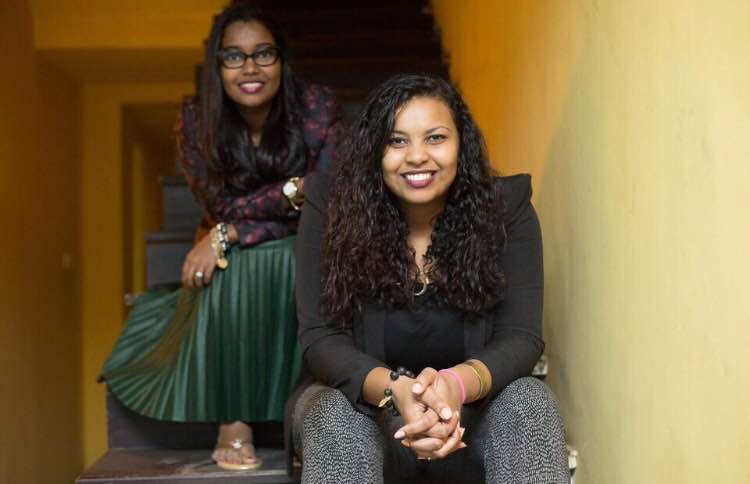
Sudan and South Sudan have been under fire for decades from the perils of civil war, famine, poverty, corruption, Islamic jihad and other crisis that affect the countries politically, socially and economically as well as culturally. Omnia Shawkat and Salma Amin Saad decided to build a contemporary platform to voice independent opinions of the diverse, intelligent, and peaceful youth that diverge massively from the mainstream that places them in tiny status-quo boxes. Omnia and Salma started the online magazine Andariya for Sudan & South Sudan in both English and Arabic to lifting our spirits, sharing contemporary analysis and opinions & promoting creative arts ideas and events. Since the launch of the magazine they’ve also launched a photography project titled “MyKhartoum” to show the beauty of the capital city with a series focused on Juba coming soon. Omnia and Salma shared with us why online media is so important, why Andariya is different and what they’ve learned about organic growth. Why do you think digital media matters in Sudan and South Sudan? Sudan and South Sudan have a shared cross-border culture that was severed along with the political ties in July 2011. The current generation witnessed a tough time of great polarization and we had no time to heal, reconcile or mend our broken matter when the political secession came upon. This need to open the road of communication is one great reason why digital media matters right now; it transcends boundaries. The publishing industry is also lagging behind due to many factors (economic, censorship, access, language etc.) and a way to overcome some of these challenges and reach and engage a wider audience that is already online, beyond even the Sudans (there is a massive diaspora population from both countries) is through the use of digital media of various types. What role would you like Andariya to play in the development of these two countries? Our mandate is purely cultural, so if we are to perfect our mandate, the cultural footprint of the Sudans on the internet will be enhanced along with more offline engagement due to the conversations that spring up online. One underlying factor is to really connect both countries (both local and diaspora communities) over intersecting cultural values, opinions & aspirations. Both Sudans are in similar development stages, and cultural development is key in advancing all the other pillars of development. What makes Andariya different from other youth-focused media platforms? There are the basic building blocks of being a bi-lingual digital cultural platform for South Sudan and Sudan. We target a larger age group- for once, the “youth” or younger generation is online and discussing matters of importance to them in a common platform that welcomes all views. More importantly, we are discussing issues that older generations have exclusively hashed out over the last few decades (i.e. identity issues, culture and acculturation, etc.) and adding our perspectives to the conversation. Another differentiating factor is our belief in using different mediums to reach diverse audiences. We’re across social media platforms but slowly growing into creating online-offline campaigns to engage more people. Can you share your favourite story from the platform and why? The way our community was formed is both interesting and inspiring; we practically found each other as if we were long lost souls. We have an incredibly harmonious relationship with more than 50 community members across the world, and we treasure this the most. For your business to get to the next level, would you prefer funding or a high-value mentor? We’d prefer to have a mentor to help us reach that next level. We’re a very hands-on platform that organically adapts to challenges and opportunities and finding a mentor who can understand the climate we operate in and growth we’re aspiring to would be invaluable. So far, we’ve taught ourselves what we discovered was needed, but a community of more than 50 people also means everyone brings wisdom and creativity to the table, so we’d like to think we’re currently being internally mentored. What can we expect to see from Andariya over the next 6 months? We’re launching a new website so we expect editorial growth. Our business model has shifted massively in the last four or five months so we’re experimenting with more offline engagement. A few online projects are also in the works. We are actively pursuing expanding our network and partnerships base both inside the Sudans and outside. What is the most important thing you’ve learned on your journey towards building Andariya? Be flexible. Organic evolution can be disruptive but can also be harmonious. Want to see women you know featured on SLA? Tell us what amazing things women are doing in your communities here.
Creating impact that works: Tips from my start-up experience in Ghana
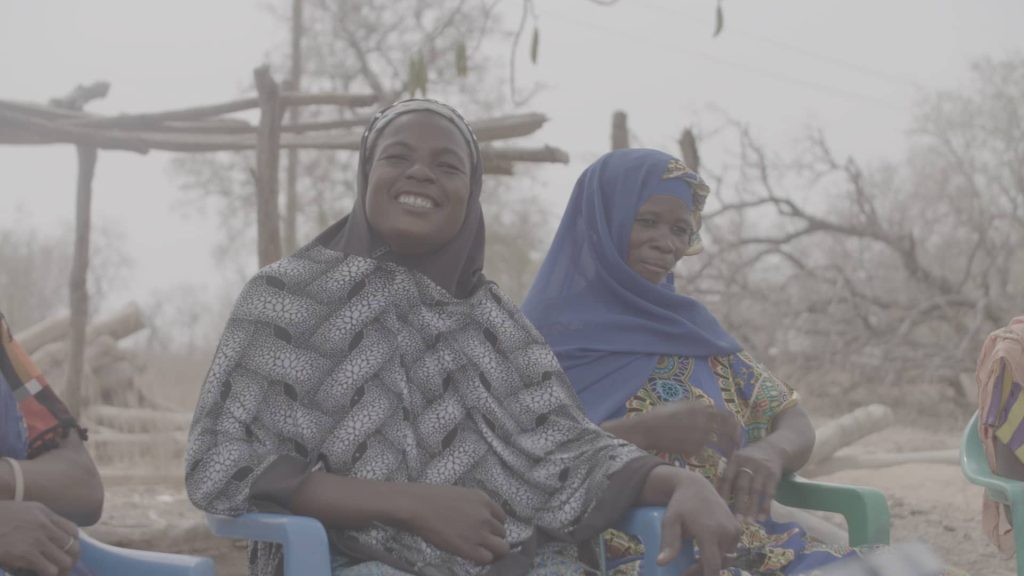
Naa-Sakle Akuete is the founder of Eu’Genia Shea, the first line of premium shea moisturizers dedicated to using 100% natural ingredients in partnership with female cooperatives in Ghana. She shares what she’s learned from working with rural communities for her natural products. When my mother founded a shea butter manufacturing company in Ghana in 1999, she had never heard the term “double bottom line.” She did, however, know that if she was going to succeed in business, she wanted to do so in an ethical manner. By partnering with pickers from female cooperatives, paying them above-market prices, and offering organic and financial training, she was able to ensure that her community thrived along with her business. Her decades of experience inspired me to start my own finished products line last year: Eu’Genia Shea. As I pore through her life’s work, applying lessons learned and trying to avoid mistakes already made, one point shines through brightly: good intentions do not always yield good results. Hopefully, some of these points will be helpful to others aiming to make mutually beneficial business partnerships in rural developing communities. Build Trust You know yourself, you understand your motives, and without a doubt, your heart is in the right place. But even if you are native to the country/region/community, how can others be assured of this goodwill if they do not know you? SNV is a Swiss nonprofit dedicated to “creating effective solutions with local impact”, in this case facilitating savings. They entered Damongo, Ghana with speeches and promises, but without any connections. The cooperatives with which we work were understandably wary. How many times have they encountered non-profits who raised their hopes only to disappear, or worse still, people claiming to have their best interests in mind, only to cheat them? They sent the confused SNV away then SNV came to my mother to explain their mission. My mother spoke on their behalf, and now SNV is a valued contributor to these cooperatives. Bottom line: Understand the legacy of the community and approach accordingly, whether through an intermediary or through years of proving yourself (which takes a bit longer, but Mum can confirm it works!) Listen There are thousands of aid organizations flooding millions of dollars into poor communities globally. Most of them have good intentions, but their money still goes to waste. For example, on one visit to our facilities in Damango, Mum occasionally saw workers without shoes. As a westerner, or a native with a westerner’s perspective, this is jarring for a number of reasons, not least of all because of the safety implications. She spoke with the women and made a point of purchasing shoes for all of the workers on her next trip to the US to ensure that no one was left unprotected. Upon her return, some women again were not wearing shoes. When she inquired about it, she discovered two things: some husbands were absconding with their wives’ shoes and some women found it difficult to maneuver in the new shoes. Had my mum taken the time to dig a little deeper originally, she would have found that buying local shoes closely fitting each woman would have helped solve both problems. Encourage them to maintain assets Now you’re partnering with a community whose needs you understand and are able to address. You’ve suggested ideas and implemented technology where appropriate; they’ve told you why half of your bright ideas aren’t quite so bright, and everything is moving along swimmingly. It’s come time to leave them for a couple weeks, months, or years… Before you leave operations in their hands, make sure you’ve given them the tools and know-how to maintain (and how often to maintain) any machinery you’ve introduced. The once shiny, now corroded Japan Motorbike rusting by our plot is a great example of something that made life easy for a couple months before falling into disrepair. Choose the right customers You’re running a business not a charity. On one end, you have Bill Gates in Microsoft era and on the other, Bill Gates in the Bill & Melinda Foundation era. You don’t have to be either extreme, but what you have to do is make enough money to keep yourself afloat and to continue the work you’re doing. If social impact causes your products to be slightly more expensive than competitors, find the customers who care. And make sure your product is worth it! At Eu’Genia Shea, not only do we pay above market wages, provide training, and give 15% of our profits back to our workers, our longevity in the industry helps ensure our products are always of the highest quality. Our customers get expertly moisturized skin, our partners make a good living, and we get to keep on doing what we love — win/win! Transparency Your aim is to do great things, so be open about it. Maybe you’re not doing quite as much as you’d like yet. For example, 15% of profits covers some of the tuition costs of our worker’s children, but not all. I’d love Eu’Genia to be able to give all the children in our communities a free education. I’d love to provide all past and future workers with a pension when they retire. I’d love to offer free daycare to workers whose children are below school age. The reality, however, is that I’m not in a position to do any of this yet. That doesn’t mean that I shouldn’t try though. Along the way, I’m sure I’ll make mistakes. But my mistakes can be learning points for me and other entrepreneurs like me. Being transparent about our goals and processes not only allows others to give us valuable feedback, but also supports the growth of all enterprises looking to make an impact. We live in a big and complicated world with many societal issues I’ve never heard of or understood. If those who are able can contribute to improve the landscape how best they know, our actions will magnify each other’s. I’m excited to
Moni Baruwa: I spend less time focusing on competition and more on differentiating my brand

What do you do when you have the travel bug and just can’t get it out of your system? Well, you start a business of course! Moni Baruwa has visited more than 25 countries, lived on 3 continents and connected with people from all across the globe. Her travels and the path of self-discovery and development led her to start her very first business venture in CountlessMiles. CountlessMiles is a travel startup that aims to transform the African’s perception of travel by curating unique, cultural and fun destination experiences within and outside the African continent. Moni shared with us some of her thoughts on the black travel movement, filling in the gaps in her startup toolkit and her jollof of choice. Why don’t you believe young Africans currently see intra Africa travel as an attractive option? Traveling within Africa requires deeper introspection. Generally, the average young African’s idea of a travel destination has been focused on places where they can shop or conduct business, or show on social media and positively impact their social status. These historically have included locations in the UK, US, and Dubai. If a destination does not fit into this, then it is not seen as appealing. So our goal is not only to make intra Africa (and global) travel more attractive, but also to change the perception of travel as a whole to a means of learning and self-development. I’ll use myself as an example. When I started solo traveling, and not just to shop or take pictures, the experiences forced me out of my comfort zone, and I developed the boldness to take risks and think bravely in ways that even a college degree didn’t offer. I believe if more of our young people have similar cultural experiences exploring other regions, cultures and ways of life, and brought home the knowledge, we would see significant impact from the community levels to the economic level. Additionally, and equally important, Africa travel is quite expensive and costs the same or sometimes more than the more “attractive” travel options like Europe, US and the Middle East, so young travelers often opt for this. It’s similar to the dilemma US travelers face when trying to choose to travel to the West Coast from the East Coast, as compared to spending less on a round-trip flight to Europe. Black Travel has become quite a popular topic in the media recently with companies like Travel Noire and Tastemakers Africa getting a lot of media attention for providing young black travelers with other options for travel and showcasing another side of the travel industry? What is CountlessMiles bringing to the conversation and adding value to the industry? This is a question I get asked a lot. It is quite amazing the work that businesses like Travel Noire and Tastemakers Africa are doing. For instance, Travel Noire has totally transformed the travel industry for black people. I remember when I traveled, I didn’t see a lot of people like me – black and more so African, so this is good progress. We have similar goals and missions in that we are changing the conversation with regards to blacks and travel. However, the approaches are quite different. Our goal at CountlessMiles is two-fold: we aim to not only change the average African’s perception of travel but also consciously add Africans to the “black traveler” community. This group of travelers is typically different from the black traveler community because they have unique barriers to travelling including issues such as obtaining visas with a non blue/maroon passport, finding travel health insurance to name a few. When I traveled around Eastern Europe and I visited Bosnia and Herzegovina, the guy at the immigration border gave me a dirty look because of my Nigerian passport. He almost gave me a hard time getting in, but because of my experience with similar issues, I was fortunately able to convince him otherwise. Similarly, in Vancouver, the receptionist at the place I stayed said he had never seen a Nigerian passport before, so they made a souvenir of my passport. I was pleasantly surprised at that but it made sense, in part because of their own lack of curiosity, but largely because Africans haven’t fully embodied the essence of traveling the way the Europeans or Australians do, and have yet to reach that far. This I believe makes CountlessMiles unique in its approach and impact – consciously encouraging Africans to travel the world in a unique way, while subconsciously opening up better tourism relationships with other countries and hopefully less visa hassles for Africans, especially West Africa. At CountlessMiles, we say “Your vacation starts with You”, because we focus on curating authentic personalized experiences for any African looking to travel, based on their budget and travel preferences. The primary service we provide, which is crafting a destination experience, is very customer-centric, while most of the competition seems to be focused on creating group trips that people can sign up for. The travel industry across West Africa is very fragmented and has many small-scale operators. How will you identify the best operators that are able to deliver the experience your customers are expecting? The great thing about experiential travel is being able to connect with the locals, the culture, and the new environment. This is the approach we take at CountlessMiles – visit the countries ourselves, get immersed in the culture, meet the locals and get information about the best offerings in the region, and build informal long-lasting relationships with potential partners. This way we are able to curate the best and most authentic experiences for clients based on first-hand knowledge and experienced recommendations. Another useful resource that has worked particularly in West Africa is leveraging on our network across the region. Luckily through my travels and life path, I have been blessed to meet people who are key influencers in various West African countries. I am working with them to develop a list of the best operators that we
Alima Bello: My fashion company was becoming an expensive hobby

She Leads Africa connected with Alima Bello, a fashion entrepreneur from Accra, Ghana to learn more about how she’s turned her passion into a full-fledged business. This is part of our series, From Startup To Grownup, which shares how young women entrepreneurs have moved beyond the startup phase and transitioned their businesses into sustainable enterprises. How did you start Bello|Edu and what did you know about business before getting started? This might sound cliché, but Bello|Edu started off as a personal need. It was hard looking for clothing or fashion pieces of my own aesthetic so I started designing my own stuff to have them made for me. This developed into designing for family friends and then later on I took a pattern drafting course to further develop my passion. I majored in business administration both in secondary and undergrad so I had theoretical knowledge in business. I was also fortunate enough to work in a family-owned company so I had a bit of experience in business management before I ventured into Bello|Edu. How long did it take for you to view your company as a serious business and start to professionalize it? Did something happen to get you to that point? I always viewed my passion as a business. But I guess what you’re trying to ask is at what stage I started treating it as business. There came a point where I had to be firm with myself and admit that it was becoming an expensive hobby and I needed to put certain things in place in order to realise my dreams. I tell myself that until I am able to lock down 300 – 500 orders per collection or season, this will remain a hobby. What bad business habits did you need to give up in order to help your business grow? Just because I like it doesn’t mean it has to make the cut. That’s a grown-up decision. This is where the business side of me has to override my creative side. I know most creatives go through this process where we tend to create or design something that speaks to us or reflects our mood at any point in time. In business however, that design piece might not be feasible and so you have to do the bold thing and drop it. And oh, I have this impulse to buy any fabric that speaks to me. Now, that’s not a smart business choice. What business investment was hard for you to make that you are now so grateful for? With my theoretical and practical knowledge I don’t think any decision was hard to make. It was just a matter of prioritising and timing. What advice would you give to young entrepreneurs interested in building a sustainable fashion business? There’s never the right time to start a business. The time is always now. Data is also very vital for your business. Keeping the number trends will let you know which smart and not so smart business choices to keep or to drop.
Smoothie Express: Bringing healthy food to the people
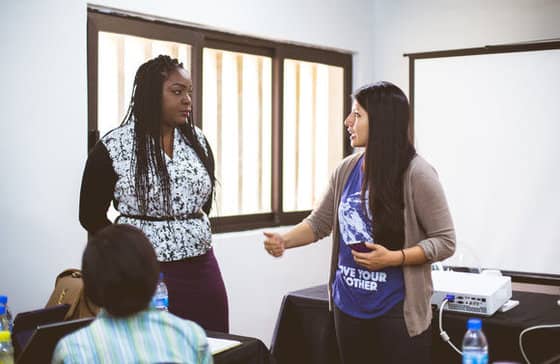
SLA quickly caught up with Tracy and Omowunmi the founders of fast growing fresh food startup Smoothie Express. They shared with us how they developed the idea for the company, how they get around volatile currencies and the best piece of feedback they’ve ever received from a customer. Where did the idea of Smoothie Express come from and how did you get it started? I was trying to do a smoothie detox and my biggest challenge was finding the right time to blend my smoothies as I was still working a 9-5 then. That’s where the idea came up, I had seen a problem that was not peculiar to me alone and I wanted to solve it. So I contacted Omowunmi and we both developed a solution for the problem hence, Smoothie Express. We first of all picked a name, Smoothie Express because we wanted to make fresh smoothies available to customers with minutes. Then we registered the company. We used our savings in starting up the company. We had to prioritize our capital expenditure because funds were limited. Why is healthy food so important to you? As adults, we have the tendency to go by our lives eating any piece of unhealthy food just to keep body and soul going. With lots of diseases coming up and ill health associated with being overweight, the best and easiest way to keep your health in check is to eat healthy. Healthy food plays an important role in our health and it’s important for me to indulge as much as possible. What is the most challenging element of running a food startup? I would say quality control for a food start up. Customers expect nothing less than perfect food/beverage not withstanding anything, all the time. So as a food company, you have to make sure there is quality control checks all day everyday. How has currency fluctuation affected your business and what are you doing to creatively manage it and keep your products affordable? We have always been a company that believes in patronizing Nigerian products. It’s been a struggle everywhere, but we have been able to manage the currency situation because of that. Although, we are struggling with increased prices for a few items. It’s such a shame how dollar still controls our economy this much. What is the best thing and the worst thing about having a business partner? The best thing about having a business partner is that, there is always someone to cover your weaknesses and loops. The worst thing about having a business partner is that you guys get to disagree a lot of times but the ability to push past it makes it worthwhile. What is the best piece of feedback you’ve ever received from a customer? Oh well. A couple of customers say we make the best smoothies in the world. If you’d like to share your story with She Leads Africa, let us know more about you and your story here.
3 young African women software developers want to give you global hair inspiration

SLA interviewed Priscilla Hazel, Cassandra Sarfo, and Esther Olatunde, cofounders of the Tress App. In this interview, they share insights on how they met, their Tress app, and their vision for their enterprise. Who are the women behind Tress and how did you all meet? We are three software entrepreneurs from Ghana and Nigeria who are passionate about using technology to improve lives. Priscilla Hazel is the team hustler and is responsible for business strategy, public relations, and keeping morale high. Esther Olatunde is the hacker within the team. She’s the backbone of our technical development and responsible for keeping the app running. Cassandra Sarfo is our resident hipster – she has a keen eye for detail, and is responsible for the user interface design and user experience of the Tress app. We’ve known each other for about 2 years after first meeting at the Meltwater Entrepreneurial School of Technology, and we’re are excited to be working on something that affects us on a daily basis. What is Tress ? Tress is a mobile app and a fun, passionate community of black women from around the world sharing and discovering hairstyle inspiration. With Tress, women can: 1. Discover new hairstyles to inspire them the next time they’re at the salon. 2. See detailed information about hairstyles such as the products used, the name of the salon, and price range. 3. Share their favourite hairstyles and get compliments and recommendations from our supportive community. 4. Follow fashionable people and discover their hair care secrets. Whether you’re rocking a weave, extensions, cornrows, braids, locs, relaxed hair, wig-caps, or anything in-between, Tress is your home for hair inspiration and information. What was the inspiration for the app? What problem are you trying to solve with the app? It’s surprisingly difficult to find accurate information about hairstyles. Many ladies have at some point walked up to complete strangers to compliment and inquire about their hair, or stalk social media accounts not only for inspiration but adequate information about the style. We wanted to bring the experience of getting answers on the mobile phone, without the hassle. So now on the app, women have access to hairstyle inspiration that is relevant to them and they have adequate information to help rock the look they want. Who is your target market? Our target market are the 100+ million black women around the world who have access to a smartphone and are crazy about hair. According to Nielsen, black women on average spend a disproportionately high share of their income on haircare products, which is 9 times more than other races. Mintel estimates the black haircare industry to be worth 500 billion dollars. We consider the market to be extremely attractive. You are currently based in Ghana, what’s your vision for Tress in Ghana? What about in Africa and globally? While we piloted the app in Ghana, where we’re currently based, Tress is available globally. We want Tress to be synonymous with anything hair: hairstyles, hair-products, hair-stylists, hair-extensions, you name it. It should be the go to place for hair related queries. What’s one of the biggest challenges you face right now? Our biggest challenge is distribution. Getting the word out there about Tress has been challenging, as well as getting the kind of community engagement we aspire to have. What would a successful Tress look like? A successful Tress will be an app that is used by practically all black women for their hair and hairstyle needs. It should be the go-to app for any woman looking to find hair inspiration, hair-stylists, and high quality hair products. Beyond the app, we’re also excited to have Tress become active in all kinds of media products for black women – television, magazines, events, and more. A successful Tress would also be an active social network of black women thriving in all aspects of their lives. Is there any other insight about being business women and entrepreneurs you would like to share? My co-founders and I have grown extremely close through working on Tress together. We have our individual and collective ups and downs, but we’ve learned to support each other mentally and emotionally, while also having fun together to maintain our sense of humour. When embarking on the entrepreneurial journey, it’s extremely important to have a great team with you that you can trust to be with you through both the inevitable disappointments as well as the exciting times. Finally, we’ve really enjoyed working on a deeply personal problem. We’re able to use our unique experiences as black women to inform the development of the company and this also helps us empathize with our users and anticipate the needs of women like us. I’d encourage more women to start business focused on solving the unique challenges we face. Black women wield a large amount of purchasing power, and their multiple businesses waiting to be started to harness that. Want to know more about Tress? You can find them here: Email: priscilla@tressapp.co Facebook: TressApp Twitter: tress_app Instagram: tress_app Blog: blog.tressapp.co We want to know what amazing things women are doing in your communities. Tell us about them here!
How to start an event planning company with no money and no clients

So you want to quit your job to start your own event planning company (or any other one) but you have no money and no clients, yet. What do you do? Have a roof over your head and food to eat Firstly, if you’re going to quit your job, make sure you have some back up. This doesn’t necessarily have to be cash, but a family or someone that is willing to maintain a roof over your head and food on your table. If you don’t have that, then you will need to ensure you have some cash back up to keep yourself going through your start up phase, this will be a minimum of a year – two years, depending on your company. This back up, in whatever form is comes is essential! It’s essential because you will need all the energy and focus to get clients and start earning an income. For an events company, you should be earning a small income within your first year to at least cover some costs. Once you’ve figured out your back up, quit your job! It will be the scariest but most liberating thing you’ve ever done, but a word of caution, you will now work 24/7. Be prepared! What makes your company unique The next step is to figure out what your unique selling point (USP) is, what sets you apart from all the other event coordinators. As JamJar, our USP is customer service, efficiency and pushing the boundaries. We are willing to go the extra mile for our customers and promise to push ourselves as we create concepts and experiences that are truly one of a kind for the customer.Once you have your USP, start using your contacts. Your first job is likely to be someone you know. If you do a good job, the word will start to spread. E-mail people you know and ask them to recommend you. Send out your company profile to people and test their reaction to your information. Be realistic and original. People can tell when you are trying too hard or being fake. Initially, you may need to take a few jobs that you do not make much money from but is worth value in terms of marketing, building your portfolio and experience for yourself. Keep note of this, however: there will become a point where you no longer need exposure, and exposure won’t pay your bills. Be aware of your business and your value and continue to reflect. Once you reach that point, own it and do not be ashamed. Listening is key Until you reach that point, continue to work, listen and learn from your jobs and experiences. Make sure the experience of working with you is memorable from when the person first takes your card to the end product. This is everything! Even when something goes wrong or you have a difficult customer, remember your response is key and will last forever. People will tell 4 out of 10 people about a positive experience but 8 out of 10 for a negative experience. Get to bookkeeping Slowly you will start to increase the number of customers you have, do your best to keep them. As you start to grow, make sure you have a good financial system, this does not have to be fancy. Keep track of what you are receiving and what you are spending. The event planning industry is one that is not heavily reliant on start up equipment – your brain and a piece of paper are all you need to be organised, efficient, and reliable, the main characteristics an organiser should have. Take advantage of this fact, it means your start up capital required is much less and you can pace the growth of your company. Share with like-minds Lastly, Collaborate. Collaboration is powerful if you are strategic. Don’t just collaborate because someone asks you to. Collaboration usually means you will foot the bill for whatever you are willing to contribute to the project, or provide your time for free. Be sure you are prepared to lose or not gain as much as you hoped. Moreover, make sure you do what you can and get the most as much as possible for your brand while working with your collaborators. Good luck starting up and enjoy the journey!
Blogger’s delight: Lee Litumbe of Spirited Pursuit

As the face and voice behind the popular travel and lifestyle website Spirited Pursuit, Lee Litumbe’s mission is simple: she is in spirited pursuit of travel, adventure, and new cultural experiences. Founded in 2014, Spirited Pursuit showcases dynamic travel stories, captivating photography, and curated city guides from culturally rich destinations. Geared towards curious and adventurous individuals seeking authentic experiences, Spirited Pursuit is quickly becoming the premier inspiration site for travelers. As a visual storyteller, Lee uses photography to shape poignant narratives centered around cultural immersion and travel experiences off-the-beaten track. Driven by Lee’s Cameroonian roots, Spirited Pursuit’s primary region of focus is Africa. Other current geographic focuses include The Middle East, Latin America, Southeast Asia, and Oceania, with some additional coverage of Europe and North America. Accolades garnered include features in USA Today, The Guardian, and Ebony magazine to name a few. Additionally, Elle Canada named Lee among the most “Inspiring Instagram Accounts that Make You Want to Travel”. With a blog that features photography, travel, adventure, and cultural experiences from you and many around the world, what led you to start blogging? To be honest, Spirited Pursuit was founded as a result of my quarter life crisis. The idea for the website began to develop after I turned 25 and realized I had no idea where my life was going. During that time, I was working a job I despised, struggling to salvage a dysfunctional relationship, and battling a severe bout of depression which all left me with dangerously low self-esteem. After spending several months curled up in bed feeling sorry for myself, my two older sisters encouraged me to get off my ass and get back to doing the things I love: traveling, taking photographs, writing, and just being creative. Those passions combined with my desire to provide a platform for others to share their transformative experiences and stories with travel are what ultimately drove me to create Spirited Pursuit. The website now serves as my creative outlet, which has given my life a renewed sense of purpose and direction. As seen on your blog, you are also a photographer, and a model. How have these hidden treasures furthered the success of your brand? I think it just comes down to others seeing themselves in what you do. African (black) women are rarely used in major travel campaigns, so it’s a conscious choice to use myself as the face of my projects. I want other young black girls and women to be able to see themselves traveling and being adventurous, while also giving readers the opportunity to connect with a real person. By using myself and my unique set of skills to capture destinations, I believe it makes my stories more relatable and attainable. It further demonstrates to my readers that if I – a young solo female traveler – can do it, so can they. Although I use myself as a subject, the narratives I produce always focus more on the place and experience, not so much me. Have you been able to monetize Spirited Pursuit? If so, through what avenues? If not, do you have plans to do so or are you not interested in monetizing? Spirited Pursuit began as (and still is) my labor of love, so initially there was no financial motivation. Early on, I made the difficult decision to keep our digital space ad free to maintain a positive user experience, choosing to accept donations at the discretion of our readers instead. However, as the platform continues to see tremendous growth, I’ve opened up collaboration and partnership opportunities to like-minded brands, tourism boards, and publishers that are interested in promoting powerful travel opportunities to our community through creative advertising. I also separately offer my creative services (content curation/creation, creative direction, consulting, photography, and writing) to other brands interested in elevating the quality of their digital content. Pursuing earnings without compromising my reader experience is important to me. I am consistently working towards finding a balance between keeping the lights on and maintaining a quality, minimally compromised, user experience.What are your plans for Spirited Pursuit? Where do you want to take the blog/ brand in the future? The goal is more travel, more stories and more inspiration – particularly within Africa and the African Diaspora. I’m passionate about building a community and platform that takes the anxiety out of traveling to Africa by creating informative and inspiring resources and guides. By curating content that shows others that Africa is not defined by the poverty, conflict, disease, and socio-political issues constantly being projected in traditional media, my ultimate goal is to attract more investment and tourism. And by attracting investment, I mean compelling and propelling business opportunities within the continent, not just charity. Beyond that, I’d much rather show you than tell you, so please stay tuned for what’s next for Spirited Pursuit and me. What advice, would you have for African women looking to further their brand through blogging or social media? The best advice I would give to others would be to speak on a topic they truly love and are passionate about; mostly because you’ll need that passion to stay motivated when things get hard (which they will) or uninspiring. If your goal is to build a large audience, focus on producing quality and original content consistently. The people you hope to connect with will naturally gravitate towards your work if it’s genuine and honest, so don’t lead with trying to make money or being “popular”. I would also encourage others to add value to the lives of their audience by solving a problem they might have, while being as creative and original as possible in the execution of their ideas. Finally, be sure to support others – particularly women. One of the biggest lessons I’ve learned on my journey is that another woman’s success is not my failure. Your win is my win, and my win is your win. Instead of viewing other women as competition, reach out and build relationships with them so they become allies; there
Xiomara Rosa-Tedla: There are benefits to starting a business with family
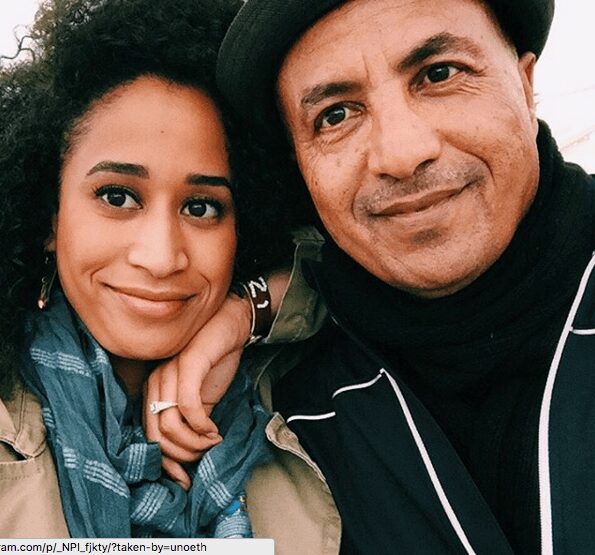
Many people ask how and why my father and I started our business. And to be honest, it was by accident. About two years ago, my father returned home from a trip visiting family in Addis Ababa, Ethiopia. After picking him up from the airport and unloading luggage, he handed me a gift— a custom, handmade leather messenger bag. Immediately, I fell in love with my new gift and sported it everywhere. From work to dinner to weekend trips, I toted my new bag all around the world. And soon after, friends, family members, and strangers started asking, “Where did you get your bag? I love it! Can your dad get me one as well?” For months the questions and requests kept coming. Even my father told me he had been getting the same questions, and suggested, “Hey, I think we have a business here. Let’s start a leather bag business!” Shortly after, the birth of UnoEth began. Starting a business from scratch is a fun creative process, where brainstorming sessions let your mind run free with ideas and opportunities for your business to grow exponentially. But as with any business, the road to success is never a straight line up. There are dips, curves and encounters with the unknown. In addition, it can be a lot of work. On the bright side, there are benefits to running a business with family. A family member as a business partner can be extremely beneficial— especially my dad. Having an equal partner with a long history (my whole life) and blood ties helps solidify communication, trust, and dedication to succeed. Neither partner wants to let the other down. From day one of creating our new business, I felt unbelievably confident in our new venture because my dad and I shared the same vision and passion for our budding brand. In addition to trust, communication, and dedication, working with family also means splitting responsibilities. As we both grow our business around our full-time jobs, we wish there was more time in the day to juggle responsibilities. We split outstanding tasks, which alleviates the stress and workload on both of us. Communication is key to maintaining strong relationships with each other, our vendors, shipping counterparts, business partnerships and most importantly, our customers. In the development of UnoEth, we’ve learned to communicate promptly to avoid creating a bottleneck in our business. Thanks to apps like Viber, we’re able to communicate easily internationally via wifi and all stay on the same page— just in different time zones.It’s incredibly important to maintain a positive, can-do attitude with a goal always in sight. As mentioned before, the road to success is never a straight line. Every business experiences road blocks and obstacles, which can deter most individuals from starting a business in the first place. But with an optimistic, focused, and goal-oriented outlook, one can overcome the temporary downfalls, cross the finish line and push on to the next stage. At the end of day, one must ask, “How bad do I really want to be successful?” And then simply just go for it! What are your thoughts on starting a business with a family member? Enjoyed Xiomara’s story ? Share the UnoEth story with your network.
Always be a dreamer: The story of Grace & other successful women
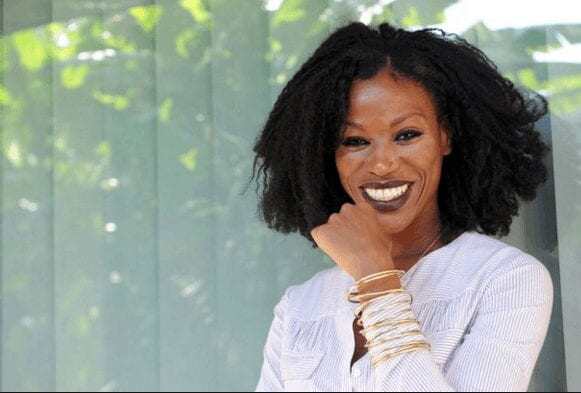
Grace is a seasoned banker with over 20 years on international banking experience in Europe as well as several countries in Africa. She boasts a successful career and a number of ‘firsts’ in her current bank. Though she at one time loved her job, the enthusiasm is waning as office politics thickens, even as she seeks a more fulfilling vocation. But Grace has another burning desire – to own her own executive events management and floral business. Having grown up in Nairobi, with her stay-home mother, being a keen gardener and floral enthusiast, Grace has a keen interest in flowers. She watched how the floral business flourished and prospered in Kenya –even at export level. Grace is also a good organizer and has a keen eye for events management, particularly corporate events. She has dreamed of having her own events management and floral business for many years – but to date, fear of financial insecurity and stepping leaving her banking job holds her back. She remains frustrated with her job and her life, yet dreams of stepping out into the world working in the area of her passion. Dreamers are daring people They dare to imagine. They dare to imagine a change; they dare to imagine a possibility. Where the audacity to dare becomes a limp hope is when the dreamer ceases to execute for lack of courage and for much of fear. But when we cease to dream and to execute our dreams, we make a folly of our hopes. Our dreams form the very essence of our desires and hope –and we owe it to ourselves, and perhaps even to the world at large, to have the audacity to execute. Ms Oprah Winfrey records that when she decided to move from Baltimore to Chicago as a Talk Show host, everyone thought she was insane, for she, a black woman, was going to the eye of the storm. Chicago was Phil Donahue land, and Phil Donahue was the king of talk show hosts. How and why on earth could Ms Winfrey do this to herself? Why would Chicago want to see a black woman hosting a talk show when they had Phil Donahue? Oh, but Ms Winfrey was a Dreamer. Ms Winfrey was not only a Dreamer but she was also a Doer. She dreamed about her tomorrow, envisioned her futurist self, and had the audacity of hope. She packed up and moved to Chicago. Her audacity delivered on to her – even far beyond what it did for Phil Donahue. Taiye Selasie’s example Let us bring it more home. I recently came across Ghana Must Go, a fascinating book by Taiye Selasie (in feature image). Reading her interviews and her book itself, I was reminded of what Selasie said in one of her interviews on the book: ‘I’m very willing to follow my imagination’. She recalls that the idea for Ghana Must Go came at a yoga retreat in Sweden and got typing. For her, the book was entirely realized. It was a book that she wanted to read, a book whose characters she had dreamt about and conceived, and a book she dared to write. She dared to dream, she dared to write, and the book has delivered much international acclaim. That’s the audacity of hope. Nicole Amarteifio’s example Some of you may have seen the web movie series An African City, created by the fabulous Nicole Amarteifio. The story goes that whilst at University, and having recently seen Sex in the City, Nicole was intrigued to imagine what an African story line may look like. The intrigue literally captivated her, and Ms Amarteifio began the journey of script writing. Research, research, research; script, script and yet more script and a few years down the line (even whilst working an international job), the final script was born. Still working a full time job, Nicole made time and used funds from her savings, friends, and family to gather actresses and all necessary resources to produce the movie, and now the rest is living history. From CNN and BBC interviews, to Forbes Africa Woman features to speaking at the Cambridge University Business School, and being contacted by numerous international TV channels for Season 2 of An African City. Small, deliberate steps. Yes, Oprah Winfrey, Taiye Selasie and Nicole Amarteifio could have fallen flat on their faces, like many others. Yet, the bottom line is that they took small, deliberate steps to actualize their dreams. Small, deliberate steps. They bring us nearer to our hopes and dreams. Images: 1. Oprah Winfrey. Fabrizio Ferri / Harpo Productions. 2. Writer, Producer, and Director Nicole Amarteifio with An African City stars Maame Adjei and Marie Humbert.