
Inclusive Healthcare in Africa: How Telemedicine Is Closing the Gap for Women
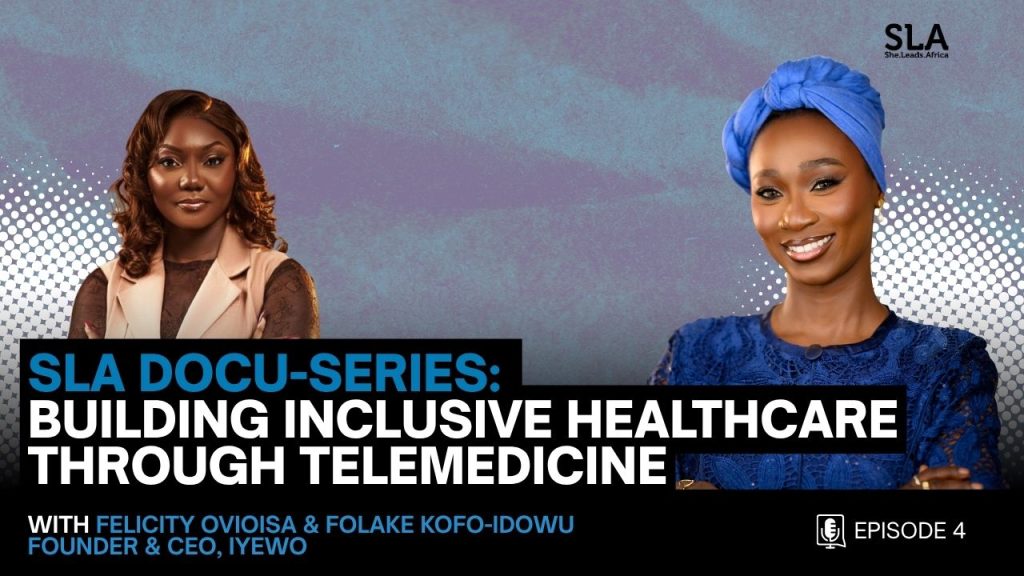
Ask any African woman about the last time she tried to get medical care for herself or someone she loves, and you’ll probably hear a story. It might be the long journey to a clinic, the hours in a waiting room, or the specialist who is three states away. It might be the appointment she put off because she couldn’t take another day off work. Healthcare access is not a side issue for women. It runs through our daily lives. We carry the load In most families and communities, women are the default health managers. We book the appointments, make the pharmacy runs and sit up with the feverish child. We care for ageing parents. Then we go to work and run businesses, often with no time left to look after our own health. Women also make up a large share of the health workforce across the continent, as nurses, midwives, community health workers and caregivers. So when the system fails, we feel it from both sides: as patients, and as the people holding the system together. Where the system lets us down The barriers are familiar: None of this is a personal failing. It’s a design problem, and design problems can be solved. What telemedicine changes In an episode of The Ambition Report, the She Leads Africa docu-series, I sat down with Folake Kofo-Idowu, Founder and CEO of Iyewo. We talked about what it takes to make quality healthcare feel like it’s one call away, wherever you live. The conversation covers how telemedicine is opening up access to doctors and specialists, the real challenges Nigerians face in getting timely care, and why inclusive healthcare has to reach beyond hospitals and big cities. It also covers the part I care most about: the role women founders are playing in leading the future of health tech in Africa. 🎥 Watch the full conversation here For women, the promise of telemedicine is practical. A consultation from your phone means no travel and less time away from work or family. It also means a chance to speak to a specialist you’d otherwise never reach, and to get care before a small problem becomes a big one. Technology alone isn’t inclusion Telemedicine is not a magic fix. Inclusion has to be built in on purpose. That means: That last point is why founders like Folake matter. When women build health solutions, they build from lived experience, and the solutions tend to fit real lives better. Our role in this You don’t need to be a founder or a doctor to shape what inclusive healthcare looks like. Here’s where we can start: The bigger picture Inclusive healthcare is about equity: whether a woman’s postcode, income or schedule decides the quality of care she receives. It’s also an economic issue. Healthy women build businesses, lead teams, raise families and move communities forward. At She Leads Africa, we believe African women should be at the centre of the solutions that shape our future, and healthcare is no exception. Watch the full episode, then tell us in the comments: what would make healthcare more accessible for you?