

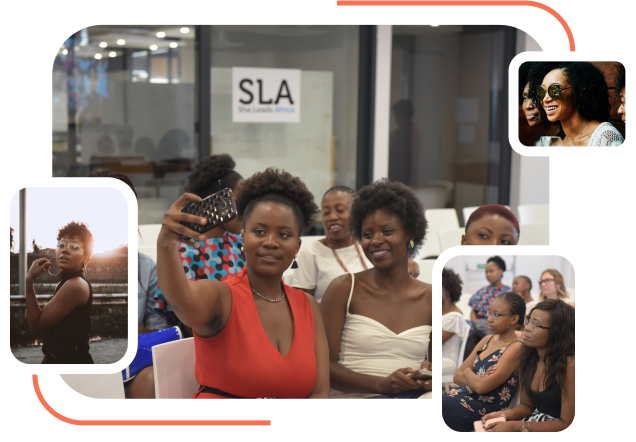
Africa’s creative economy is having a moment, and the numbers back it up. A recent Boston Consulting Group report values the sector — spanning fashion, music, film, and digital content — at around $59 billion, with real room to grow toward the roughly $2 trillion global creative market. What’s driving that growth is a combination of forces unique to this continent right now: a young population (Africa is home to nearly 890 million people under 25), rapid digital acceleration, deep diaspora networks, and a global audience with a growing appetite for African culture, sound, and style.
And at the center of this shift are women. In the fashion and design segment alone — worth an estimated $31 billion — women make up more than 60% of the workforce, climbing past 80% in countries like Kenya and Madagascar. This isn’t a niche corner of the economy. It’s a core engine of it.
What “digital creativity” looks like as an economy
A decade ago, “creative work” in Africa often meant informal, local, and hard to scale. That’s changed. Today it looks like:
- A content creator in Lagos building a loyal audience and turning it into brand partnerships and product lines
- A designer in Accra selling globally through Instagram and WhatsApp storefronts, no physical store required
- An animator or filmmaker in Nairobi collaborating with international studios without leaving home
- A beauty or fashion entrepreneur using TikTok not just to go viral, but to build a repeatable, sellable brand
This shift was on full display at this year’s Cannes Lions Festival, where an all-female delegation of West African creators — including Woof Studios Africa’s Adetutu Laditan — took the Creators Stage to make the case that African creators are no longer just producing viral moments. They’re building the commercial infrastructure — production houses, talent pipelines, distribution systems — that global brands and platforms are now trying to plug into. Culture isn’t just content anymore. It’s the product.
Where the real leverage is: skills
Skill is what turns a moment into a career. The creators who last aren’t just the ones with a good eye or a viral post — they’re the ones who understand production, brand storytelling, pricing, negotiation, and how to manage a growing digital business. That technical foundation is what makes a creative career sustainable rather than a one-time spike in engagement, and it’s the layer that training and skills programmes across the continent — including our own BoostHer programme, which has trained over 30,000 people in these exact areas — are working to build out.
This is also where funders and investors should be paying closer attention. A $59 billion sector growing on the back of a young, digitally fluent population isn’t a passion-project market anymore — it’s an asset class with real returns, provided the people building it have the technical and business skills to scale past a single viral moment. Every naira or dollar invested in creative skills training doesn’t just support one creator’s career; it strengthens the pipeline of professionalized, investable talent that the whole sector needs to grow. The opportunity for funders isn’t just to sponsor creativity — it’s to invest in the infrastructure of skill that makes that creativity durable.
Africa’s creative economy is being built in real time, by young women turning phones, platforms, and talent into businesses. The more of them who have real technical skill behind that talent, the more this becomes a sector built to last — not just to trend.
-
Digital Skills Training: The Key to Africa’s $59 Billion Creative Economy
-
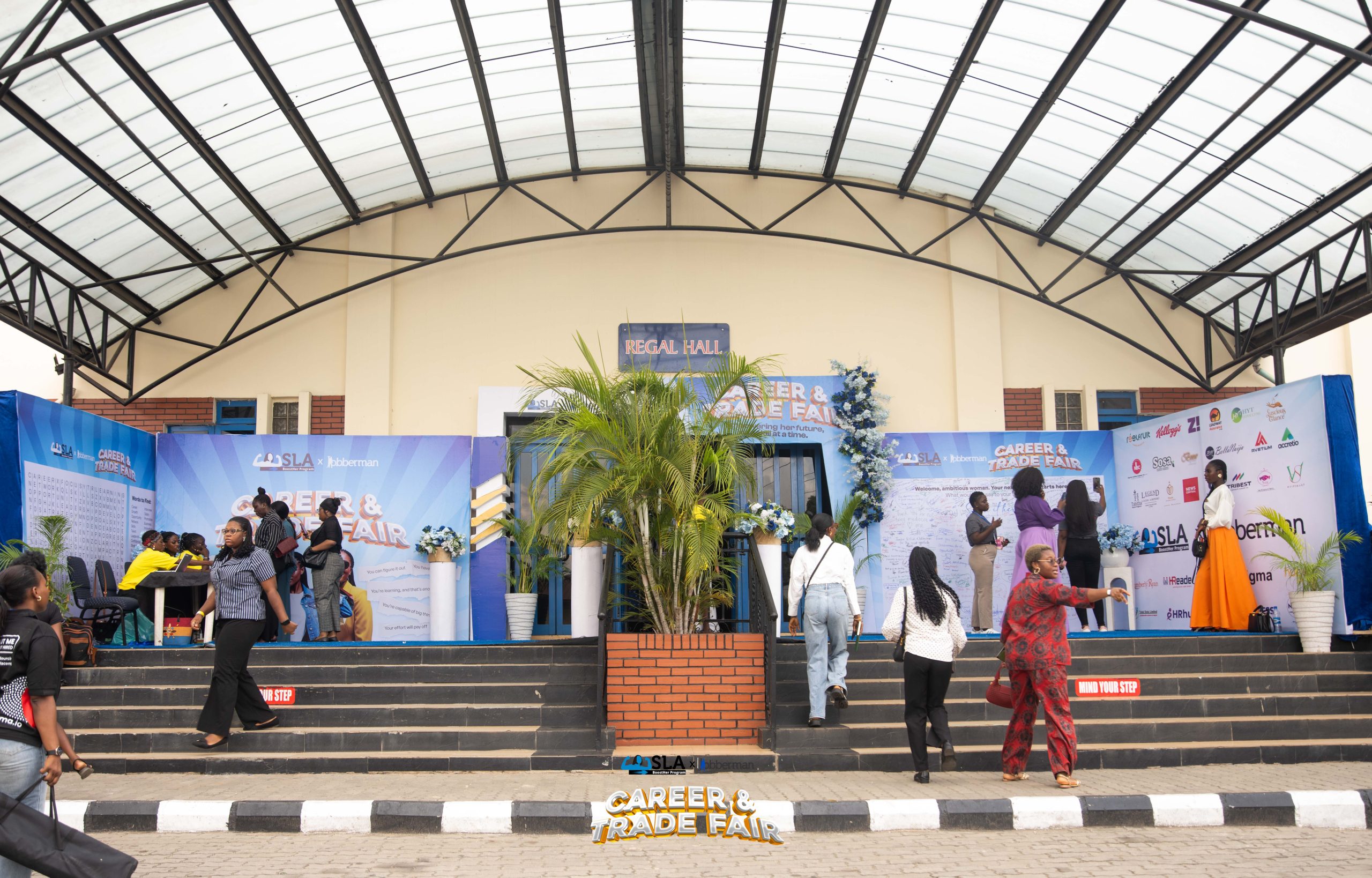
Training Was Just the Beginning: How SLA Is Building a Placement Engine for Nigerian Women
-
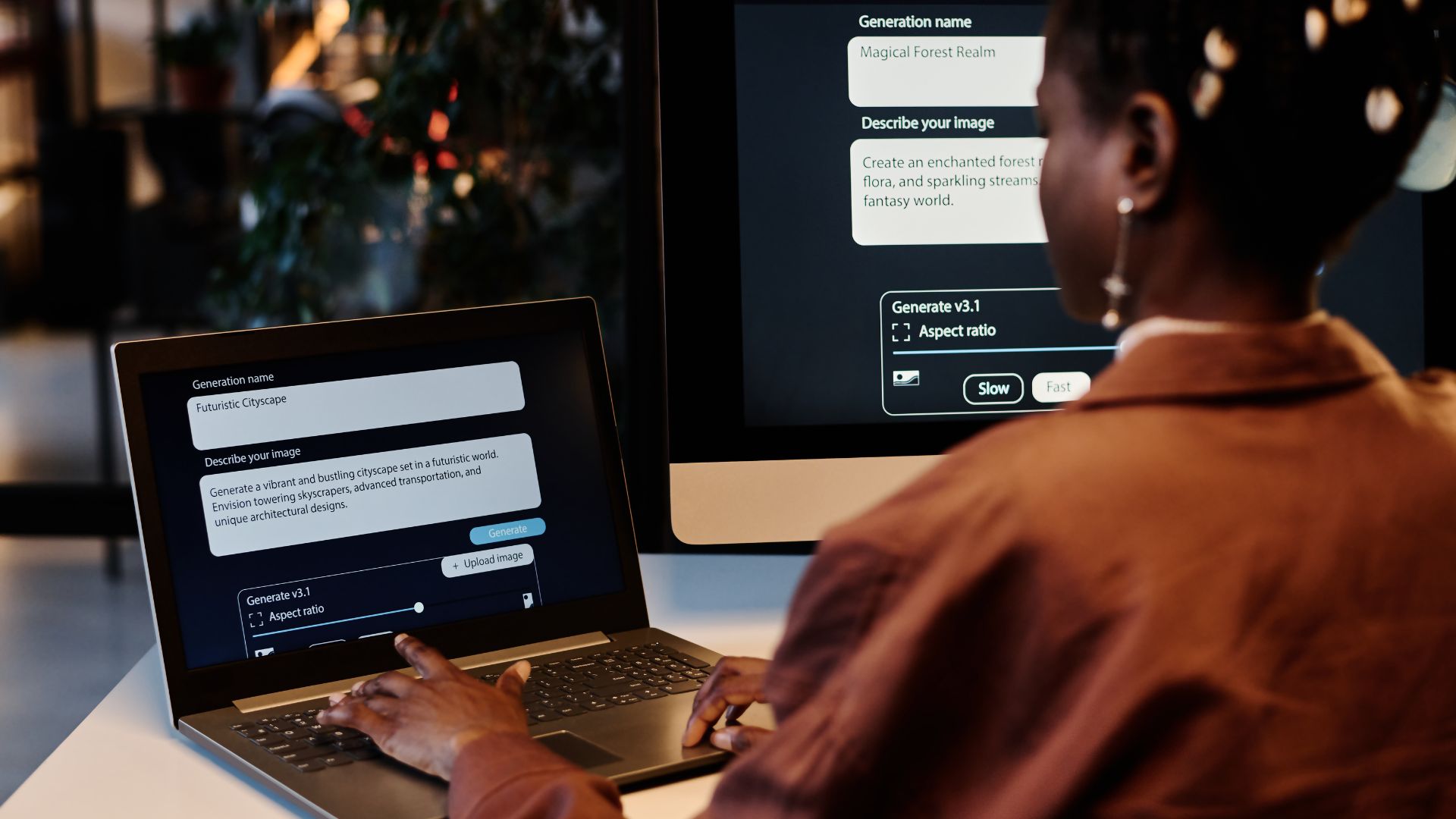
AI Didn’t Take Her Job — It Gave Her a Raise
-
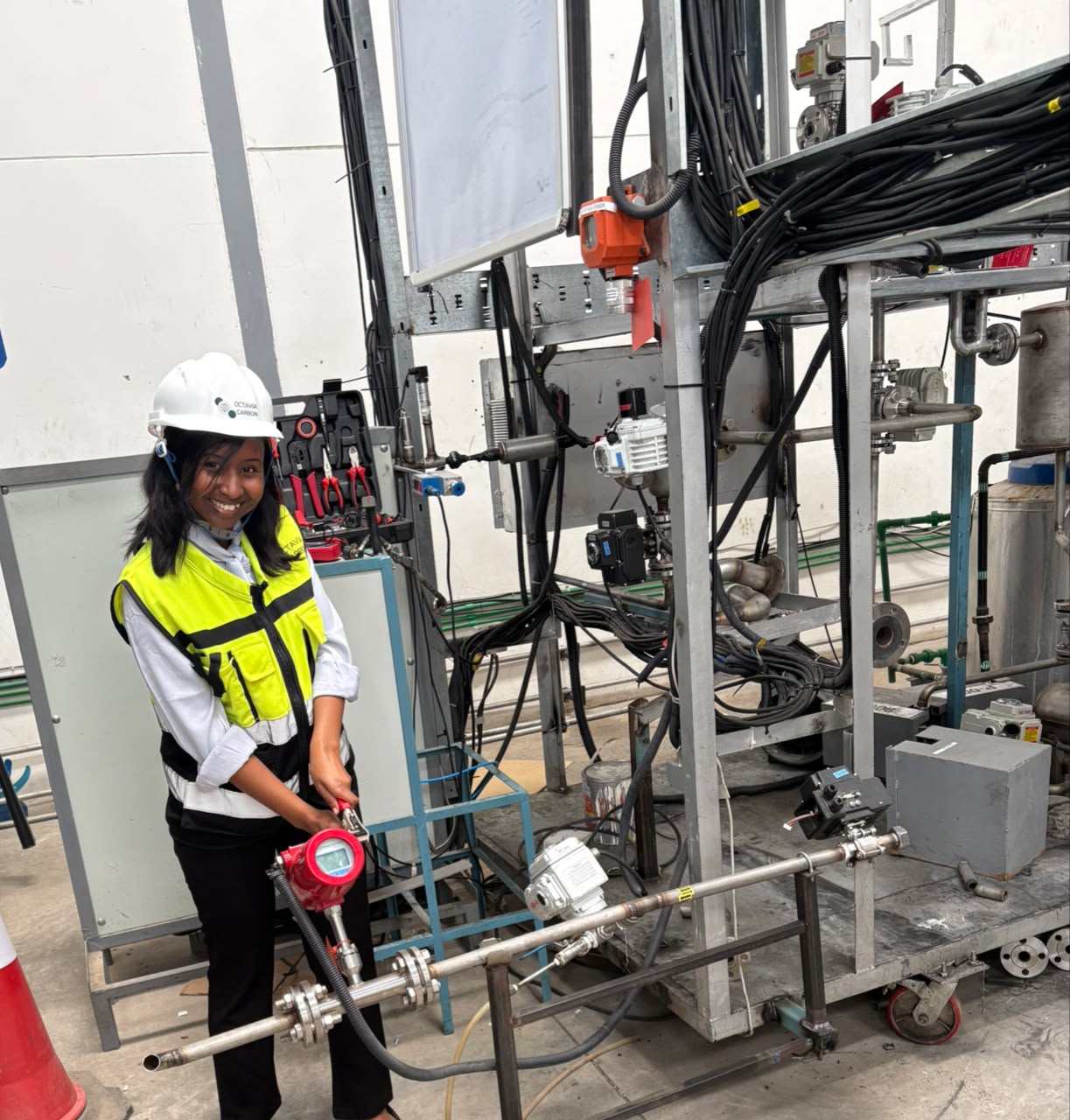
The 25-Year-Old Shaping Africa’s Place in Carbon Removal