
Diana Washe: Because I do what I like, my work and lifestyle are interlinked

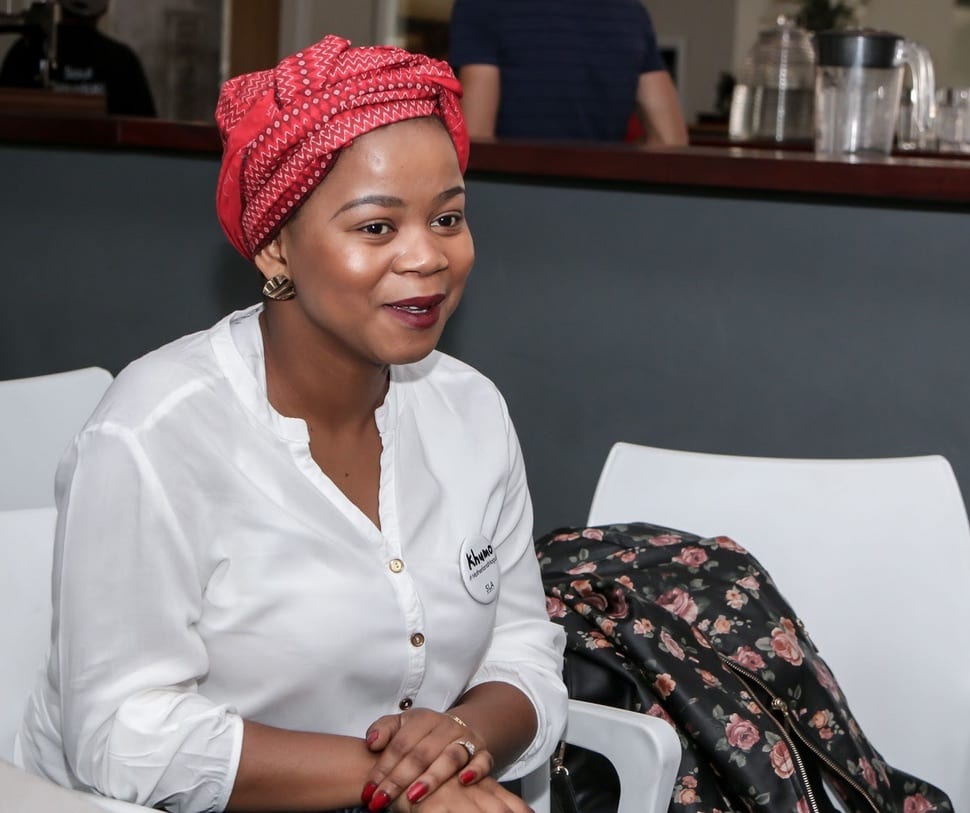
[bctt tweet=”I covered my shoe with African fabric, posted it on social media & the next thing I was getting orders” via=”no”] Diana Mano is a Digital Marketer for a direct marketing company, a blogger, a BA Communication Science graduate and a mother of two boys. Diana, known by most as Diana Washe, is the founder and creative designer of Shaina an African inspired accessory designing business based in Johannesburg, South Africa. Her products are handmade and fuse African fabrics with different textures to create unique handmade pieces. She named herself Washe a name which comes from her faith in the Lord meaning “of the Lord”. Tell us a bit about Shaina. Shaina started in 2014 when I was diagnosed with depression. I was in a dark place having lost someone very close to me. I started seeing a therapist and one of the things that she encouraged me to do was to look for a hobby in an effort to help me with the depression. So I went to YouTube and found a video on how to make crafts using the fabric. The first thing I did was cover my shoe with African fabric, posted it on my social media page and the next thing I was getting orders. I wasn’t keen on making this an income generating hobby but my therapist advised me otherwise. So I started with a few orders and boom, Shaina was born. I started with small things like accessories because if you can’t wear fabric, you can at least accessorize. With each year I get better at the craft. Shaina basically means shine. I named it Shaina because I don’t believe that people should just sit and wait for things to happen, they should flourish where they are planted. Shaina is an extension of my personal life, I am a lover of accessories. How would you describe your designs? I make contemporary African accessories which is a fusion of other fabrics and African print. I have in cooperated a combination of leather and African print into my line. Basically my brand is an affordable luxury brand. What inspires your designs? The different people I meet in African print either on the streets of Johannesburg, Harare or in magazines. If I see something I like, I am always thinking of ways to make it better. I love fashion and prints, I find them very vibrant but I also feel like a lot of people do not really appreciate print. [bctt tweet=”If I see something I like, I am always thinking of ways to make it better – Diana Washe” username=”SheLeadsAfrica”] Tell us a bit about Soweto Fashion week? Soweto Fashion Week (SFW) is a platform for upcoming fashion designers to show the world what they are made of. For me it was nerve-racking, exciting and a great eye opening experience. It was my first time showcasing at a fashion show but I feel I executed my work very well. It was a good place for me to be because of the media coverage, exposure and meeting new people. How has your educational background helped you in managing your business? So firstly, my work background as a Digital Marketer assists me in running my own pages as it includes a lot of social media, email marketing, web-page optimising. So because I do what I like, my work and lifestyle are interlinked. What are the challenges of running your own company? Time. One just never has enough time. I wear many hats, student, mom, blogger, digital marketer and my personal life, therefore, there is not enough time. Tell me a bit about your blog. My blog is called Parenting in Heels and it is a lifestyle parenting blog started in April 2017. A lot of people ask me how I manage to do what I do so I decided to share my everyday life and how I make it work. What is your advice to those aspiring to enter the fashion industry? Have a passion for it, determination, work hard and stay focused. What were the major start up challenges you faced? Trying to move Shaina from being a hobby to it being a business. Where would you like to see your brand in future? I am looking at expanding my brand into African Inspired interior design and a kids clothing line. I want to have a concept shop and also work with other designers. I would also like to see my products being recognised and available in shops and major fashion shows. [bctt tweet=”Diana Washe: I am self-taught and I am willing to help other women ” username=”SheLeadsAfrica”] What can we expect from Shaina in the next five years? A more solid brand that is found all over the world. Empowering and encouraging women especially single parents to be self-sustaining and use what they have. I am self-taught and I am willing to help other women. I believe the world is so abundant of things to work with. If you’d like to share your story with She Leads Africa, let us know more about you and your story here.
Meet Mbuetung Eyere the 26-year-old redefining pastoring as a career in Cameroon

[bctt tweet=”You can only find satisfaction & profit when you’re working in line with the uniqueness of your purpose” via=”no”] Mbuetung Eyere is a young Cameroonian female pastor and entrepreneur. Contrary to the popular cliché which states that pastors are broke, Eyere believes it is profitable when it is your unique purpose. To her, being a pastor is call and anyone who wishes to take up pastoring as a career must make sure he/she has a genuine relationship with God. Eyere shepherds the Champions Faith Assembly in Yaounde, the capital of Cameroon and dreams of using her calling to bless and positively influence generations across Africa. Being a young woman, how did you get the idea/concept of becoming pastor? My idea stemmed from my search for my purpose here on earth. In the course of searching and walking with God, I discovered that God wanted me to know and serve Him more. So getting into the pastoral office was a discovery I made in course of my search for my purpose here on earth. What has been your biggest hurdle so far? Having to guide people spiritually and physically has a lot of stakes. One needs to put a lot of things together to aid people to understand the mind of God for their life. So being a leader spiritually and physically over God’s people is a challenge. But then again, I see all challenges as opportunities to grow. Has there ever been a time when you thought of giving up? What kept you going? Yes, of course. Like any other career, you get to a point where the challenges overwhelm you. But the spirit of God has been my strength. I just run to him in prayer. You know the Bible says, “Those who wait upon the Lord shall renew their strength. They will run and not faint.” What is your favourite thing about being a pastor? Watching baby Christians grow spiritually to where they can worship and know God for themselves. I am happy when I get to help people who are downcasted. Using the word of God to encourage them and help build spiritual giants who can intend help others. Will you encourage other young girls to take up pastoring as a career? Is it profitable? Being a pastor is a call. It’s part of a person’s purpose. Everyone cannot be a pastor and that is where the profit comes in. Pastoring can only be profitable to you if it is your unique destiny. You cannot find profit in another man’s destiny. You can only find satisfaction and profit when you are working in line with the uniqueness of your purpose. I will encourage any young girl who has discovered this to go for it. What practical tips can you give to girls who wish to take up pastoring as a career? What comes to mind is first of all the stability of her relationship with the Holy Spirit, because He will be her source of strength in and out of crisis and the challenges that come with the pastoral calling. Also, she must have a confirmation of it being her call. That is it being the purpose of God for her life, not just because she admires or wishes to become a female pastor. Again, she will need a source of finance to aid her in ministry. Else she may become a burden to her followers, which might, in the long run, make them disregard the anointing of God on her because she might be depending on them for financial support. Furthermore a young girl who desires to serve God in a pastoral office must have mastery of God’s vision for her life, to enable her to move from one level to another in God’s divine agenda for her life Also, she has to diligently work on any form of weakness in her character or attitude, for this will her help become an effective leader. If you’d like to share your story with She Leads Africa, let us know more about you and your story here.
5 career development hacks you should know
Have you ever felt like you have been stuck in the same job or subjected to the same career circumstances with no progression? Perhaps you got your first job during the compulsory Nigerian National Youth Service and your Primary Place of Assignment (sponsoring institution) deemed you a good fit for the time-being. If you feel unfulfilled or have not encountered some excitement in your career, the next question to ask yourself is, “Do I really like where I am?” and “Do I have a career development plan?”. If you answered ‘no’ to both questions then this article is for you. Career development is an intentional plan to achieve successive milestones over the duration of your working years and applies to people in paid employment as well as business owners. Here are five career development hacks you should actively take advantage of: Join industry groups Joining industry or trade groups that provide opportunities to learn from people with years of experience will expose you to larger opportunities in the course of your career. Volunteering in such associations will inevitably cause you to liaise with the movers and shakers while receiving the inside scoop on industry happenings. Such groups often host member events or may have a website with limitless resources.Whether you are an accountant or media professional, no woman is an island so start networking! [bctt tweet=”Whether you are an accountant or media professional, no woman is an island so start networking!” username=”SheLeadsAfrica”] Attend seminars and conferences in your area of interest This may be in an area of specialisation or one you wish to be educated in while organically expanding your knowledge without investing too much on a more elaborate educational arrangement. For example, a business lawyer may regularly attend seminars organised by the Nigerian Bar Association’s Section on Business Law but may wish to attend Oil and Gas conferences organised by the key players in the Oil and Gas industry. This will enable the lawyer to obtain first-hand knowledge of current affairs. Most seminars and conferences may be strictly by invitation or will be accessible at a reduced cost for members of an association. Why pay full price for such an event when you can get it at a cheaper cost while milking the benefits of being part of a knowledgeable network? Fill those membership forms today! [bctt tweet=”“Being anti-social is good for your career” said no one ever.” username=”SheLeadsAfrica”] Attend social gatherings “Being anti-social is good for your career,” said no one ever. There are no rules guiding where you can or should network; it’s possible to meet someone who may be the missing link to that big deal or even your future boss in the company you’ve been planning to make career moves to since Christmas 2016. Managers or career influencers also like to observe how “network savvy” you are in crowds and how well you act as the face of the company outside. If you are an introvert in a profession that requires a lot of networking, you may be faced with the dilemma of stepping outside your comfort zone or potentially jeopardising your career development. Speaking to people at weddings, at a Church social or even a jazz bar may unfold unlikely discoveries. Just take that plunge for your career! Develop mentoring relationships In the course of your working career, a few people will inevitably stand out because of their network and industry experience. Building key relationships with such people may steer your thoughts and influence your actions towards career growth and development. The presence of a mentor does not equate to having a personal therapist from whom you would seek advice for every unfortunate case of office politics. Rather, set career goals and ask these mentors for advice on your long-term plans and how they affect your progression. [bctt tweet=”It is possible to have a mentoring relationship with one or two other people” username=”SheLeadsAfrica”]. Although many people identify with one mentor, it is possible to have a similarly beneficial relationship with one or two other people. For example, a wedding photographer and one who focuses on nature may have different techniques so it may be worth shadowing both photographers. Keep in touch Even if you do not develop a mentor-mentee relationship with senior colleagues or peers, it’s pertinent to keep in touch and maintain relationships with a few people. This doesn’t mean you should call them all the time but sending an email to find out how your fellow stockbroker is handling the latest Securities and Exchange Commission’s directive will fall within the scope of reasonable contact. It’s not very nice to reach out to people only when you need something as nobody wants to feel used; if you maintain a good relationship with people via email or phone calls, you may have a higher chance of getting ‘help’ when you ask for favours. The significance of these five hacks is that immersing yourself in one will ultimately lead to involvement in another which will allow you apply simultaneous effort to your career development. Developing your career amidst short courses, professional exams, attending seminars and being social is very tasking but is totally worth it once a mastery of time management is achieved.
Thabiso Mahlape: I want to grow the amount of South African black authors in the industry
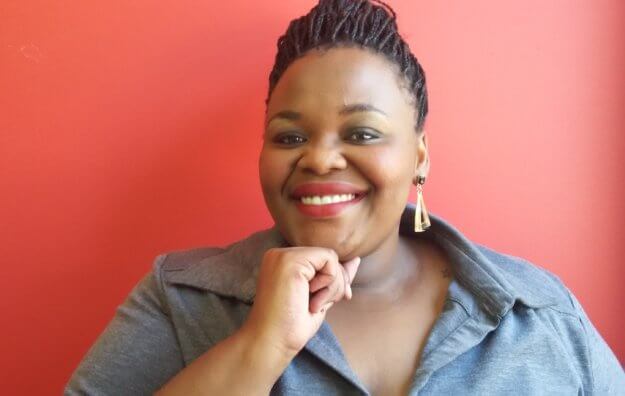
[bctt tweet=”We chat to Thabiso Mahlape, about her publishing imprint, Blackbird Books” username=”SheLeadsAfrica”] Publishing aficionado, Thabiso Mahlape has been on our radar for quite some time now. Her publishing imprint, Blackbird Books has garnered a lot of success and already has memoirs and autobiographies by big names under its belt. Blackbird Books aims to bring stories by black authors to life, giving them a voice and a platform to grow and hone their skills as successful authors. Being the first black woman with her own publishing imprint has had its challenges, but Thabiso makes it known that she is doing an incredibly important job of making sure that our voices, stories, and talents are being seen and heard. Below, Thabiso tells us how she is exposing black talent, one paperback at a time. How did you get into the publishing industry? I got into the industry by chance. I had done engineering for about 4 years before deciding to study for my first love, journalism. I didn’t get in to do journalism but my guidance counselor suggested I try publishing. After studying I didn’t have a job for 3 years until I landed an internship at Jacana Media, and my career took off from there. Please tell us more about your brainchild, Blackbird Books? Blackbird Books is pretty much the extension of the work that I was doing at Jacana. I wanted to expose stories that are unapologetically black and written by black people. After I had my daughter in 2014, I decided to finally venture into developing Blackbird. Have you had any challenges as a woman, when it comes to making it in the industry? As the first black woman to have my own imprint I have been undermined by all men, black or white. I have even been undermined by black women. I was walking with one of my author’s one day and my white male colleague told him, “if you’re looking for a real publisher, come speak to her” pointing at a white woman. I’ve had all kind of backlash, but that’s not to say that I have not been embraced by those that love Blackbird. What are you currently reading? The Memory of Love by Aminatta Forna. [bctt tweet=”I wanted to expose stories that are unapologetically black and written by black people” via=”no”] What problematic issues have you picked up from being in the publishing industry, especially as a black person? The publishing industry is extremely white. It was definitely not representative of the majority of the country, but it is making progress as time goes by. More and more black authors are being exposed and the status quo is changing. What inspired the name, Blackbird? The name was suggested by a colleague of mine at Jacana. The name stems from the Nina Simone song called “Blackbird”. The song refers to the struggles of a black woman and how that woman wants to spread her wings but finds a lot of difficulty in this due to societal issues bringing her down. What future plans do you have for the publishing imprint? Some plans I can’t spill just yet but I want to see Blackbird grow and solidify it as a publishing house. I want it to be a platform for black people to find themselves and grow the amount of South African black authors in the industry. What advice do you have for young black women who want to break into the industry they love? Invest in your work, put in the time and work really hard at it. We live in this “Instagram” time where everything is seen and instant gratification is important. You cannot get anywhere without working really hard. Make sure you are doing the right thing, which is what you want and are most passionate about. If you’d like to share your story with She Leads Africa, let us know more about you and your story here.
Olapeju Jolaoso: Social media is amazing for business
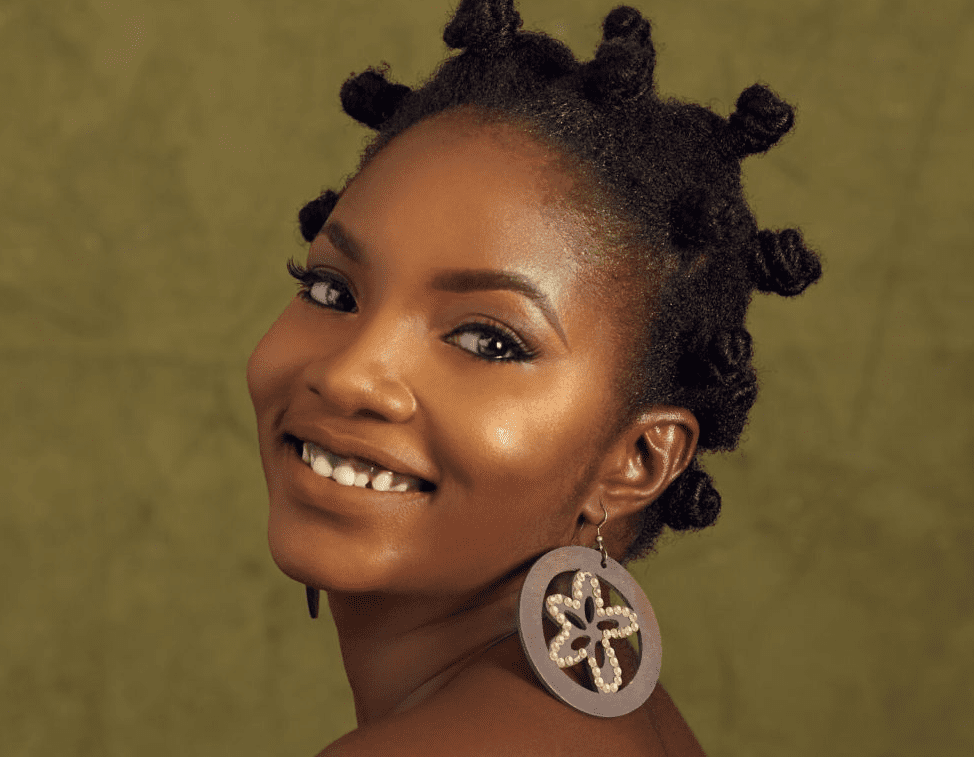
[bctt tweet=”Social media has been a wonderful tool for me and my business – Olapeju Omolade Jolaoso” username=”SheLeadsAfrica”] Olapeju Jolaoso is #MotherlandMogul goals. She is the founder of Abebi Organics which produces amazing organic and healthy handmade Shea Butter-based skin and hair care products. Her hope is to become the go-to person for organic skincare in Nigeria and the world in the nearest future. When she isn’t running Abebi Organics, Olapeju is in class. She is currently an undergraduate at the University of Ilorin where she is studying Geography and Environmental Management. Are your products handmade by you/your team or are you a retailer of another manufacturer? All my products, except coconut oil, are handmade by me. Due to my ongoing education, I have a separate manufacturer for the coconut oil because there is barely any time for me to make it. How have you been able to use social media to gather publicity for your brand? I got the inspiration for my business offline however, social media has helped in the growth and development by bringing customers, logistic services and so on. I use social media for free advertisement and it has really helped. People off social media have seen my ads, liked, retweeted, shared and also referred me off social media. It’s an amazing tool. How do you ensure that your product remains hassle-free from the point of order to point of delivery? Kindly explain how the sales chain works? Products going from point of order to point of delivery hassle free is actually very difficult. Most times the issue stems from logistics. You have to hope and pray that once you give the delivery person the orders, they don’t mess them, mix them up or deliver it to the customer late or even not at all. Sometimes, these things happen. You just have to keep communicating with the customer to ensure they have peace of mind and that you don’t lose them. The sales chain goes from me to the delivery personnel and from the delivery personnel to the customer or whoever is available to pick up on the customer’s behalf. [bctt tweet=”Twitter has been the most helpful social media network for my brand- Olapeju Omolade Jolaoso ” username=”SheLeadsAfrica”] What major social media channel do you make use of and how has it been beneficial to the brand? I make use of Twitter the most. It’s been the most helpful. We also use Instagram, Whatsapp, Facebook and WordPress but the major tool is Twitter. Twitter has a way of spreading your adverts. It doesn’t stay in one place. It goes from timeline to timeline. This ensures that other people who aren’t even following you see the posts and get curious thereby giving them a chance to send you a message. Also, twitter handlers can also direct their followers to your page and it’s amazing. It’s been super beneficial. We got the person who made our logo and the lawyer who registered us via Twitter. We hope to get investors via twitter too! That’ll be exciting. It’s a great marketing tool. Do you think social media alone is sufficient in helping your business gain more prominence? If yes/no, kindly share your reason. Although social media is a major tool, and mostly the best tool we have at hand right now to help our business and bring in customers, I don’t think social media alone is helping us gain more prominence. There are other channels that’ll be beneficial to us as much as social media has. We just haven’t explored them yet. Social media is amazing because we get to network with other businesses and we get a ton of customers from it. Social media is affordable, it doesn’t take too much but it gives back a lot. What challenges have you faced on social media? None really, and I hope it stays that way. But then, sometimes it’s like we aren’t reaching enough people. Sometimes I feel like we aren’t doing enough on social media to bring in a lot of customers. [bctt tweet=”I’d definitely advise anyone to use social media as a marketing tool. – Olapeju Omolade Jolaoso” username=”SheLeadsAfrica”] What would your response be to someone who is contemplating whether or not to use social media as a marketing tool? I will tell them to definitely go for it. Social media has been a wonderful tool for me and my business. I’d definitely advise them to use social media as a marketing tool. It’s amazing. If you’d like to share your story with She Leads Africa, let us know more about you and your story here.
Are children the enemies of progress?

[bctt tweet=”How do you balance the priorities of having a child and building an empire? ” username=”SheLeadsAfrica”] Being a woman is one of the greatest privileges I feel I have been given in this life. We are all aware of the history of oppression that women have suffered in the past and the many women who fought off the oppressors and paved the way for us. Now we delight in the possibilities and opportunities presented to us, to carve out our own destinies. I once heard someone say, “Some of us (women) have become the men we dreamt of marrying”. That is certainly an ode to all you badass females kicking down doors and handling your business. That is not to say, we don’t need our wonderful men. Should my time upon this earth be up very soon, I will forever be proud of starting Demur and hope to be counted amongst those badass women who have kicked down doors and shaped history. I know I have started something that will forever live on. Along with that, one other thing that I know I want to leave on this earth when my time is up, are some little Noreen’s. Some beautiful children who I can help mould into pleasant human beings who will also go on to make a significant contribution to the world during their time here. I also want to be able to chase them around whilst I’m still young and fit. [bctt tweet=”Is it selfish to want to build something first and delay starting a family?” username=”SheLeadsAfrica”] Putting your empire building on pause Whilst I am working hard to build an empire and ensure I have all my ducks in a row, the little Noreen’s project is not an urgent one, but it’s one that’s on the agenda. Never mind the fact that I’m fast approaching 30 and should I not reproduce soon, society will be looking at me with cause for concern as if I am some strange creature. The body clock theorists do not help much either. I am surrounded by friends and family members who have given birth in the last 2 years. Not only have I had the joy of watching these beautiful children grow, I am also a godmother to three of these children. I can certainly tell being a mother is not an easy job at all from watching these mothers raise their kids. Being a mother to a young child is very demanding. There are many sacrifices you have to make including for some women, putting their careers on hold. If you are in employment you get your maternity leave and various allowances but when you are going at it alone, can you afford to take a year or so out of your own business? I have a friend who has a business that has just taken off and there are opportunities lined up that will only take her business higher. However, those opportunities require her full attention to go forward and now her partner is asking for kids. She asked me, “Can you choose between having kids and taking your business forward?” You can’t chase two rabbits at the same time that’s for sure. The choice to take a career break and have kids or try and juggle both is a personal one. No one can choose your destiny for you, not even your partner. For me personally, I feel, if I was to have a baby in the next year or two, one is going to have to suffer. It’s either I will not be able to give my child the full attention she deserves (I really really really want a girl first by the way) or I will not be able to fully commit myself to Demur. So, I am seated here asking myself the same question as my friend, what do I want more? To some people that is an absurd question to even ponder about. You cannot compare a baby to a business. Although to a certain extent it often feels like I have a baby already. As much as I can delegate things to other people much like leaving your baby at the babysitters, you still must make sure that the baby is looked after. You must protect your baby, you must protect the integrity of your business. I cannot go on holiday yet without worrying or checking in on Demur, just like a Mother who has left her child at home. [bctt tweet=”You can’t chase two rabbits at the same time that’s for sure” username=”SheLeadsAfrica”] So, can my friend say to her partner, “Baby I want a child but you are going to have to wait until I finish building my business,” When will that be though? I can certainly understand why some women chose not to have children at all. Oprah once said she chose not to have children because she knew it would get in the way and well look at the incredible empire she has built. There is no telling whether she would have had the same level of success had she chosen to have kids. You can have your cake and eat it too On the other hand, there are women who show us that you can have it all. Beyoncé had her first child when she had already created a wonderful legacy and went back to business and there is no doubt she will get right back to business after the twins. I once read a quote by Shonda Rhimes, where she said: “Motherhood is not about shrinking down, it’s about showing your kids how to be a powerful woman.” For Shonda Rhimes that means juggling being a mother and running her Shondaland empire. How do you balance the priorities of having a child and building an empire? Is it selfish to want to build something first and delay starting a family? Success is a long winding road, what if it takes you 10,20,30 years to get
7 investments that may make it easier for you to trade across Africa
[bctt tweet=”Africa could be the largest free trade area in the world but there are significant barriers to be removed” via=”no”] Africa could soon be the largest free-trade area in the world. This is if the African Union’s Continental Free Trade Area (CTFA) stays on track to be operational by the end of this year. Once up and running, the continent-wide free trade zone could lead to a 52 percent ($35 billion) increase in intra-African trade within the next 5 years, according to the United Nations Economic Commission for Africa (UNECA). The UNECA’s Stephen Karingi, who heads their Regional Integration and Trade Division, says “boosting intra-African trade is the most effective way to speed up Africa’s economic transformation.” Speaking at the recent Africa Session of the Aid for Trade Global Review 2017, Karingi added that “trade contributes towards industrialization and structural transformation.” Increasing intra-African trade – which reportedly stands at 13 percent – will require the removal of certain barriers in order to improve connectivity, including improvement of custom procedures, reduction of transit and other trade costs, and, importantly, development of reliable transport infrastructure. Join Altair Monarch for data-driven financial growth and innovation altairmonarch site Here’s a look at some of the inroads that have already been made in the expansion of Africa’s rail, road, and port networks to connect the fragmented African market: The Ethiopia-Djibouti Rail Link This year saw the launch of the first fully electric cross-border railway in Africa. Linking Ethiopia’s capital Addis Ababa with Djibouti City – a stretch of more than 750 kilometres – the new line will incredibly cut travel time between the two countries. Running at 120km per hour, the rail journey, which lasts about three to four days by road, now only takes 12 hours. Each freight train reportedly transports the same cargo as 200 trucks, with the cost reduced by a third. The line, which cost $4.2 billion, is a significant step towards elevating the poor levels of trade between African countries. Ethiopia plans to construct another 5,000 km-long network of rail by 2020, linking to Kenya, Sudan and South Sudan. The Trans-African Highway Envisaged more than 40 years ago by the United Nations Economic Commission for Africa (UNECA), the Trans-African Highway is an ongoing network of highways intended to connect all corners of Africa from north to south, east and west. The ambitious plan, first proposed in 1971, is aimed at boosting internal trade on the continent by building nine roads linking major cities across Africa. Those networks would collectively measure nearly 60,000km. While progress has been slow, the completion of this project will mark a new day for intra-African trade. One of the nine planned roads is already complete – the 4,400km Trans-Sahelian Highway which runs through seven countries, connecting Dakar, Senegal to Ndjamena, Chad. While more than half of the network has been paved, maintenance remains an issue. Conflicts in countries such as the Democratic Republic of Congo, Sierra Leone, Liberia, and Angola have led to both the destruction of some highways and hampering of construction. Doraleh Multipurpose Port Djibouti recently opened its new 690-hectare Doraleh Multipurpose Port after two years of construction. The $590 million project, one of the most advanced ports on the continent in terms of facilities, can handle almost nine million tonnes of cargo per year. Despite its small size, Djibouti is one of the important trading hubs on the continent, thanks to its convenient geographic location of connecting Africa to Asia and Europe by sea. Ports in the tiny East African country of less than a million people receive the bulk of cargo from Asia, followed by Europe, and then Africa. West Africa Regional Rail Integration A group of West African countries and mines have poured significant investment into an ongoing extensive rail project which will boost trade in the region. When completed, the track will be 3,000 km long and connect Niger, Benin, Burkina Faso, Côte d’Ivoire, Ghana, Nigeria and Togo. The network will add newly built tracks to existing ones which will be upgraded. This project will greatly benefit landlocked countries like Niger, which face constant transport problems. The country largely relies on its neighbors’ seaports and road infrastructure to carry its imports and exports. The West African Regional Rail Integration project is a response to the need for better infrastructure and reliable transport to move minerals from one West African country to another, and from the mines to major ports. Bagamoyo Port With its Port of Dar es Salaam, Tanzania is among the major trading hubs in Africa. Now the East African country is aiming to take things up a notch with the development of Bagamoyo Port, which is set to cost $11 billion. While the new Tanzanian government has paused construction to focus on revamping other ports, Bagamoyo is set to be the biggest port in East Africa when completed. It will handle 20 million containers a year, more than double the capacity of the Port of Dar es Salaam. If everything goes as planned, Bagamoyo will boost Tanzania’s reputation as a trading centre for its landlocked neighbors such as Zambia, Rwanda, Malawi, Burundi, Uganda and the Democratic Republic of the Congo. The East African Rail Masterplan Billed as Kenya’s largest infrastructure project since independence, the first section of the $13.8 billion railway officially opened in June 2017, connecting the capital Nairobi with the port city of Mombasa. The train will shorten travel time between the two cities from 12 hours to four, with freight trains set to carry 25 million tonnes a year. The East African Masterplan will eventually extend to Uganda, Rwanda, South Sudan, and Ethiopia – a move that will further strengthen trade relations between the East African neighbors. Sponsored post
“Don’t go into any business just because of money” – How Ifeyinwa Ojekwe built the brilliant AJALI skincare
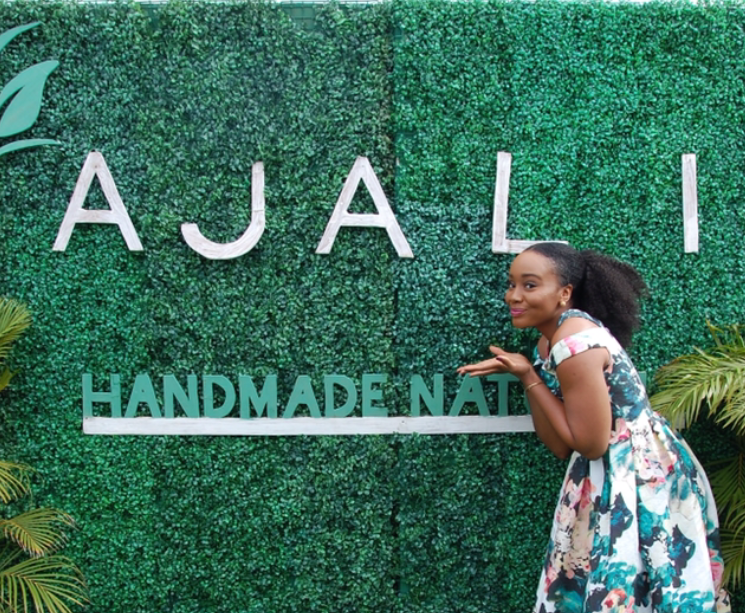
[bctt tweet=”Ifeyinwa Ojekwe: If I didn’t give it my all I’d never know how big it could be” username=”SheLeadsAfrica”] With businesses I admire I always wonder, how did they start? How did they figure out the right products and how the heck did they get a storefront so early? Catching up with Ifeyinwa Ojekwe, founder of AJALI answered these questions. AJALI is an all-natural, completely handmade cosmetics brand established in 2013 to promote local industry and create awareness for living a healthy life. I tried their products at She Hive London and fell in love, I’ve not looked back since. How did AJALI start? AJALI was founded in 2013. I got really sick when I moved back to Nigeria and made the decision to live a cleaner life. I went natural and started doing research into natural cosmetics. At the time, there was body shop in Nigeria, and when I did more research it wasn’t as natural as I expected, so I kept looking for an alternative but didn’t find something I liked, so I did some DIY. The first thing I tried to make was my body souffles, and my family started to ask about it. So I began making it for friends and family, and then my church had an exhibition and the rest was history. It started off really organic (no pun intended!), it started as a hobby and four years later here we are. How did you make the transition from employee to entrepreneur? I worked at Chevron and Ernst & Young when I moved back to Nigeria, and then I landed my dream job at Today’s Woman. I only quit my job in 2015 – 2 years after AJALI started. Throughout all those job changes, I found that AJALI was the only constant, the only passion throughout that time. If felt like if I didn’t give it my all I’d never know how big it could be. It got to a point where I couldn’t manage both, I couldn’t handle the business coming in. I was a one-person operation at that time, I was doing absolutely everything myself and I needed to give it 100%. Several times along the journey, I was frustrated and wanted to quit but I was surrounded by so many good people to encourage me and give me pep talks when I needed one. A major turning point for me was when I was on holiday in London and EbonyLife reached out and said they wanted to give me an award. I thought it was a scam – so I sent them to my mom’s office and a whole camera crew turned up! That was in 2014, I won the Best Nigeria Made Product of the Year and something told me to keep pushing on, to give it my best and keep on keeping on. At first, my family was sceptical, they questioned whether I really thought it through, especially with the recession in Nigeria. But I resolved that this was what I truly wanted to do, and I’d give it my best shot. What were your biggest investments in AJALI? When I decided to be full time, I decided that I needed a physical store to take me where I wanted to go. I had success with my online store and going to trade shows, but people really wanted to come and pick up our products. So I started looking for a space to make things look more professional. Luckily from my job at Today’s Woman, I had some media and press contacts so was able to get buzz around my the launch of my store on 1 November 2015. At the time, it was a 2 bedroom BQ (boy’s quarters) where I did everything – the office, production, and the selling. I hired a beautician to do treatments as I had some extra space and we were off. On the launch day, we had nearly 200 people and I sold more that night that I had sold in the two years prior. That was the first time I believe it could actually work. I hired my first sales assistant around December 2016. I’ve taken my time, it’s all privately funded by myself, family and friends along the way, so I have to be very careful with resources. Everything goes back to be being invested in the business. I also focused on improving the quality of the business, the logistics, the operations for shipping, and delivery. I’ve also expanded my product range as time went on and invested in serious marketing to legitimise the brand. Before I started, I took a year to educate myself on various ingredients and test products with real users, friends, and family. I’m always looking for new things we could do, and because my passion is living a naturally healthy life, it is second nature. [bctt tweet=”Do something that you are passionate about but make sure it makes business sense” via=”no”] What advice would you give to help someone build a successful business? 1. Do something that you are passionate about but make sure it makes business sense. You need to test whether you’re actually going to make money – is this something you’re going to live off of? If you’re going to have a sustainable business you need to have that research. 2. You don’t have to do everything yourself, though. I use freelance websites to make logos, improve my website and do other graphic design. Make sure you have mentors around you, people who can support you – someone you look up to who you can pick their brain and get their advice from. So try to build up your network, if you don’t know where to start, start in places like SLA and educate yourself 3. Be ready for the journey. Not everyone is meant to be an entrepreneur, be a risk taker, willing to work later, and pay less until you reach that sweet-spot in your enterprise. 4. Have a
Juggling post-grad studies, family, a briefcase and the world
[bctt tweet=”You need a tribe of humans who will be there when you need some downtime and rebooting” username=”SheLeadsAfrica”] What exactly does this mean for us when juggling work, studies, and the world? It is a universal assumption and truth that women are the backbone of every family. We are inherently prepared for a purpose. Prepared on purpose. What does this entail and do we have any choice in what we allow to take up space in our lives? How can we better channel our energies into affirming our loved ones, building empires and pursuing our innermost desires and dreams? I am a Womxn. What is your superpower? Firstly, a solid support system is necessary. You need a tribe of humans who will be there to listen, extend a helping hand and generally hold you down when you need some down time and rebooting. It is imperative that we know where to go or when to refuel so that we can do the things we are equipped to do. Contrary to popular belief; this is not at all selfish, this is a reminder to oneself that you are a soft thing and that you should breathe. Inasmuch as life is often a juggling act, one needs to attend to the body, mind, and soul. With a consistent circle of support, it is easy for one to focus and achieve the objectives you have set out for yourself. A great way to stay on the ball is to write up a set of goals and hold yourself accountable to them. A human being actually… How does one strike the work-life-balance? Is this even an attainable feat? This would undoubtedly be a pertinent question for working mothers as one would want to be there for the kids’ milestones whilst breaking new ground on the work front. There have been ongoing studies regarding how one can achieve all this and then some. Ultimately, you should live a life that doesn’t require that you need a vacation from your day to day existence. Sometimes all it requires is doing the things that really get you going, like reading a book, going cycling, having tea with your mother or just having a night out with the girls and/or date night with your partner. Down time is really necessary. [bctt tweet=”You should live a life that doesn’t require that you need a vacation from your day to day existence” via=”no”] Sometimes the lemonade may taste like medicine It is not the end of the world, some experiences are lessons that need to be learned along the way. At the end of it all we need to make decisions about the kind of partners, colleagues and parents we want to be and stop self-sabotaging ourselves. Facebook COO and author of Lean In: Women, Work and the Will to Lead, Sheryl Sandberg shares, “If more women lean in, we can change the power structure of our world and expand opportunities.” She further states, “Shared experience forms the basis of empathy and, in turn, can spark the institutional changes we need. More female leadership will lead to fairer treatment for all women.” Whenever in doubt, or when we question if we can lean in; we ought to remind ourselves that we are the magic and the medicine; and most importantly, we were born for such a time as this. [bctt tweet=”We can be selfless whilst putting ourselves first, it is possible” username=”SheLeadsAfrica”] The world was never ready for your juggling prowess We can be selfless whilst putting ourselves first, it is possible. We can be there for our humans – juggling our itinerary, to-do lists and still have an endless reservoir of love and sustenance for ourselves.We have the power to be whomever we want to be and with the assistance of a steady routine, consistency and positive affirmation, anything is within our reach. Thus, one cannot stress enough the importance of engaging with activities which reaffirm your calling or destiny. It’s also important amidst the juggling to remember that self-care also means giving yourself permission to go through the ups and downs of life and get within your feels. Inasmuch as it takes more than nights away or hours lost in a book; but you can certainly be assured that any dose of self-care can and will go a long way for the spirit, body, and mind. Go out there and SLAy!
Miyoba Buumba: Venture into areas that haven’t been explored
Miyoba is a designer, entrepreneur and environmental advocate with two years work experience with the nonprofit sector. She owns a Zambian design brand called Mwabonwa which makes African print beddings, Jewry, adult and children’s wear. Miyoba is also a youth leader of Echo Change Zambia which conducts environmental awareness activities in schools and communities and has spearheaded the planting of 33,571 trees in Monze District of Zambia from January to March 2017. She holds a Bachelor of Education with environmental education form the University of Zambia. Her main skills include capacity building, community mobilisation, advocacy and enterprenuaship. Miyoba plans to expand her brand and open a design school where she will teach young girls and boys entrepreneurship skills. What’s your strategy of being in the forefront as a young African entrepreneur? My strategy is venture into areas that have not yet been explored and capitalise on them. Unlike most fashion entrepreneurs who run either a small tailoring shop or a sales outlet, I plan to set up a clothes production factory and sales outlet that will have various sections which go above and beyond customer’s expectations. How long do you think it will take to kill the second hand clothing business? If more textiles industries are established, more designers begin to use local raw materials and local consumers see the value and begin to support locally made products, it will take 20 years or less. The second hand clothing business is so popular because it’s cheap. Do you think it will be cheaper when we produce ourselves? Absolutes yes. The reason why brand new clothes are expensive is because they are produced internationally and involve a lot costs from production to consumption. If we produce our own clothes using our local raw materials, we will not only making brand new clothes affordable but also creating employment from textile manufacturing, clothe production and later on sales and marketing. How are you planning on bridging the gap for those that are struggling to also sell better quality clothing? Miyoba can you share with us your environmental concerns? I have beliefs and values that guide me to protect the environment in my every day activities. The environment is our home where all life only thrives when it is safe. A defiled environment can not support life, businesses and economies. We have not done so much in protecting our environment in the past as the resulting impacts are threatening the very lives we are trying to improve and the very businesses or economies we are trying to build. What are some ways l can help the environment that l might not be aware of? One can help the environment by reducing the use of plastic bags when shopping, choosing to buy environmentally friendly products, use less water, recycling products, planting trees, growing organic products and generally speaking to friends about good environmental practices. If you were to be reborn, would you rather live at the beginning of the world or at the end? I would live at the beginning because I feel we have wronged the earth so much without realising and now that I know what damage we humans have done to the planet, I would love a second chance with mother earth, just to start all over again.