
Annemarie Musawale: I took my power back

[bctt tweet=”Being a single mom, academic writing seemed the best option in order to be home for my son & earn a living” via=”no”] Annemarie Musawale was born and raised in Nairobi, Kenya and she says, she’s never actually stepped one foot out of East Africa. Growing up this self-publishing author almost always had a book in her hand. Needless to say, she made up stories of her own. By the time she went to high school, Annemarie had pretty much read every book her classmates were just beginning to discover. Annemarie went to the University of Nairobi to pursue a BSc. Degree in Botany, Zoology, and Chemistry. Two years into the course, she was accepted to Makerere University to do BPharm. Leaving work as an active Pharmaceutical Technologist, 2009 was the year Annemarie Musawale became a full-time academic writer. In her own words, ‘Being a single mom, it seemed the best option in order to be home for my son when he needed me, and still earn a living. SLA contributor Rumbidzai had an opportunity to interview her and Annemarie had all these interesting stories to tell. How long does it take you to write a book? Unfortunately for me, writing my own books is not my day job. So I can only write in my spare time, which is very scarce these days. So on average, it can take me anything from six months to two years to write a book. I’m working on making time no matter what, to write daily but so far, I’m not there yet. Looking at the books or pieces you have written what is your ultimate goal? When I wrote “Single Motherhood Unplugged” almost eight years ago, it was a catharsis for me. A way to get my baggage off my back and let it go. I put the book up for sale because once it was written; I could not just throw it away. There were life lessons to be learned, a way for someone else to learn from my experience. So I let it go out into the world and find its audience. It is my one non-fiction book and I call it my ‘step-child’ because of how much I do not market it. The goal therefore with that book was…help someone else who was looking for answers. My other books are fictional in nature. They were written with a lot of love and I guess their goal has been achieved. To have someone read them, and enjoy the words; perhaps be touched by it. My ultimate goal, of course, is to make the New York Times Bestseller lists. My role model in this business is Diana Gabaldon because our paths are remarkably similar. Background in the sciences, Diana started out writing (in her late thirties) just to ‘try it’. She ended up creating characters it is difficult to let go of. Twenty years later, Diana is where I want to be, twenty years from now. [bctt tweet=”My ultimate goal, of course, is to make the New York Times Bestseller lists – Annemarie Musawale ” username=”SheLeadsAfrica”] For the sake of some of our Motherland Moguls who haven’t read your book, “Single Motherhood, what can they expect from it? They can expect it to be raw, painful to read even and completely truthful on what it is really like to have a baby on your own. I called it ‘unplugged’ because it is like those musical performances where the singer has just a stool and a guitar and whatever talent they have in their bodies. They present it to you and let you judge them on the merit of their work. In the book, I let people into my head and lay it bare for them to do with, as they will. It was a very difficult thing to do, but from the feedback I have gotten, there are people out there who needed to read it. So have a look at it with my blessing. Now that’s interesting! In your line of work is there anything you find particularly challenging? Well, the business of writing has its challenges as many writers can tell you. The first is marketing. Getting enough people to hear of your books so that they want to go look for them. The market is crowded and getting noticed is hard. Add to that the fact that my books are not the typical ‘African writers’ type of book. One of my Kenyan readers put it this way; “This book could have been written by anyone, anywhere. It is not confined by time or space.” And while I agree that that is true, I think that nobody but me could have conceived of these books the way I did. It was my unique perspective brought about by living in the ‘global village’ but residing in Kenya. For that reason though, my books don’t have a readymade market. They have too many elements that are foreign to the African psyche, and yet if it were written by a Westerner, most Africans wouldn’t have a problem with it. But the combination of being an African, writing a global book is a new idea. The upside of this is, my audience is not confined to those around me but is truly global. When I see that people from as far away as Japan, Ukraine, Russia, America, and Brazil…have clicked on my links and looked at my books…it makes me feel warm and happy. However, it also makes hosting book signings a bit difficult. When I began in this business, I was traditionally published. However, my publisher was very stingy with information to do with my book. They expected me to do the lion’s share of marketing (as most authors are expected to) without giving me feedback on what was working, what sales figures were or even paying me royalties. So I took my power back, took my books back and went the self-publishing route. This way, I have complete control
Want to be a kick-ass entrepreneur? You must first become an employee

[bctt tweet=”Not everybody can become a successful entrepreneur without undergoing some level of training” username=”SheLeadsAfrica”] Early this year, I had a conversation with a colleague, and we both agreed that the ultimate goal of most millennials was to be their own boss. According to a survey that was conducted by America’s Small Business Development Centres, over 61% of millennials believe the best job security comes from owning your own business. In my opinion, this is a welcome development. More entrepreneurs mean more job creation which in turn leads to an even distribution of wealth, hence reducing the household to poverty ratio. Having said that, it must be stated that not everybody can become a successful entrepreneur without undergoing some level of training whether as an employee or receiving formal (or semi-formal) education. It is quite impossible for you to suddenly acquire the skill set required to become a successful entrepreneur without learning from someone. Presently, there is an ongoing, albeit subtle, disparagement of people working as employees. The condescension is astonishing, you wouldn’t believe it. Employees are now seen as sell-outs; people with little or no ambition. In their haste to put down employees, most people forget that the most successful entrepreneurs in the world were once employees. And the reason for their success can be partly attributed to the skills they acquired while working under someone. [bctt tweet=”Most people forget that the most successful entrepreneurs in the world were once employees” via=”no”] I came across this quote by President Donald Trump which I think is very apt for this post, “Watch, listen, and learn. You can’t know it all yourself. Anyone who thinks they do is destined for mediocrity”. In the same vein, you can only be a great leader by being a follower. Working as an employee can provide you with tools that you need to start-up your own company. Network Business contacts and networks don’t magically land in your laps. You have to make a conscious effort to put yourself out there. By working as an employee, you are able to access the pool of professionals and resources you will need in the future. Never underestimate the power that comes from knowing people and having connections that will act as your referral sources when you do start your business. Experience This cannot be over-emphasized. One of the key reasons why most start-ups fail is because the entrepreneurs didn’t have the necessary experience or knowledge about the sector. A friend who wanted to start a clothing line had no idea what such venture would entail. Her solution was employing someone who had experience. The danger with this is that you are essentially running a business where you know nothing, thus leaving yourself open to failure. Confidence and clear communicator When you learn a skill and have mastered it (by doing it over and over again as an employee), there is a confidence that comes with the knowledge that you are a pro in that particular area. For instance, working as a sales personnel in a manufacturing company. As a sales personnel, you had to learn how to sell a product. By doing this over a period of time, you become very good at it. When you eventually start your own product line, you are already a master of sales and this brings a certain level of confidence. As an employee, you had to learn the art of good communication, what good communication looks and sounds like. Being able to communicate effectively makes a major difference, and this is a skill you will need when you start employing people. Learning the art of budgeting Truthfully, you don’t need to be an employee to learn how to budget your expenses. However, as an employee, you may have noticed that in order for a company to run effectively, funds have to be allocated for various activities. You learn how to achieve more with less, and how to organise and think creatively. This is important because not all startups have huge capital to invest. You will need to do the important stuff with the little you have. Avoid mistakes There is nothing as beautiful as learning from the mistakes of others, especially for entrepreneurs. So, as an employee, you would have noticed the flaws and the loopholes in the business. This will serve as a guide such that when you start your own company, these flaws and loopholes will be avoided. So, these are the reasons why I believe that one of the best things an aspiring entrepreneur should do before starting up his/her company is to first work for other people.
When to leave a job

[bctt tweet=”Leaving a position at the right time can be crucial towards career advancement” username=”SheLeadsAfrica”] Millennials get a bad rap for hopping from one job to the next. But, is it really that awful to leave a position when the fit isn’t right? Leaving a position at the right time can be crucial towards career advancement. There’s no benefit in staying at a job where you may be undervalued and underpaid just because of the status quo. With that being said, here are a few things you should consider before turning in your pink slip. You’re making below the industry standard Do your research on Glassdoor and find out how much people in your area and same position are making. Also, if you’re eating noodles every night and can barely make rent, that’s a telltale sign to search for another opportunity whether you’re being paid fairly or not. You deserve a job that allows you to enjoy steak and champagne every day of the week! [bctt tweet=”You deserve a job that allows you to enjoy steak and champagne every day of the week” via=”no”] There’s been a mass exodus I’m not saying to follow the crowd, but…if you’re getting farewell party emails every other day and your coworkers constantly disappear for interviews, it’s time for you to take heed. You don’t want to be that lifer at your job that’s been there for 40 years telling the newcomers stories about the good old days. Also, use your coworkers moving on to your advantage. Make those LinkedIn connections, schedule coffee meetings, and start networking because your coworkers can serve as great references for a new job. You’re performing above and beyond your job description Revisit the original job description when you applied for your position. Now, write out your current daily duties. If you’re exceeding your expectations, congratulations, you’re in luck! Use those additional tasks to build your resume and prove to potential employers that you deserve a better position. [bctt tweet=”Your (former) coworkers can serve as great references for a new job” username=”SheLeadsAfrica”] You’re stuck in the same place Most of us are ready for a promotion after a year or two, which can be a little soon depending on your company. However, if you’re receiving positive reviews, show up on time, listen to your boss ramble about her kids and you’ve been in the same spot for more than two years with no signs of a promotion, it’s time to go. You don’t fit the culture This can be crucial towards your success and happiness at your job. If you’re working in a rigid environment where suits and heels are required but you consider yourself a creative spirit, it may be time to explore other options. If you naturally don’t feel like a match for your job, why deprive yourself of an opportunity where you do? Make it a priority to devote yourself to your passion, being happy with your career, and leaving that position that’s bringing you down.
Oluwaseyitan Awojobi: I am motivated when I see people growing

[bctt tweet=”Skill empowerment has become the best way to thrive as an individual” username=”SheLeadsAfrica”] Oluwaseyitan Awojobi is the founder of Developing Afrika. Developing Afrika is an initiative set up to empower young people with skills needed to become an entrepreneur at little or no fee, thrive as entrepreneurs and establish a sustainable business. Using social media she has raised an army of goal-oriented youth a and has succeeded in helping so many others reach their goal through free training. What was your motivation in creating Developing Afrika? In an environment where there are lots of unemployed yet talented youths, the crime rate has surged. There is also a decrease in proper jobs. Skill empowerment has become the best way to thrive as an individual whether male or female. I came up with this idea in 2013 as a fresh graduate with the aim to target young secondary school students. However, due to limited resources and knowledge, I decided to put it on hold. What has helped you to carry on so far? Starting the journey now has been the most fulfilling thing I believe I have done. I am motivated seeing people grow, seeing people achieve their dreams. It hurts to hear that people who want to achieve certain things are unable to due to financial restraints or finding the right mentors. Being able to create that solution makes the difference to me. When I tell people what I do, the first reaction I get is, “What’s in it for you, what’s your financial gain?” When I say nothing they go, “There has to be something you are gaining. What kind of business model is that.” I have learned to look beyond the snide comments and focus on the goal which is to reduce unemployment and help people achieve their dreams. I believe we can make Africa a continent to be reckoned with in the world. [bctt tweet=”It hurts to hear that people who want to achieve certain things are unable to due to financial restraints” via=”no”] How did your growing up shape who you are today? I wasn’t born with a silver spoon, neither was I born poor. I didn’t have all I wanted, I still do not. However, I learnt to see opportunities in every situation. I have had disappointments just like everyone else but I have also learned to rise above them and see the beauty in life. Life is beautiful to everyone who chooses to see it so. What are your thoughts on women-owned enterprises? I believe very much in women in enterprise. I support women working for themselves, being independent, and supporting people around them. Also, I believe that irrespective of the girl power, all women must respect their husbands or partners as it has been commanded by God. Women can only learn this by learning to support themselves in their actions first not just by words. What does your average day look like? On an average day, when I’m not on the move, I’m in my shorts and top, exchanging emails and closing deals. I also spend time running my business and praising God. I try to watch interesting movies too when time permits. If you’d like to share your story with She Leads Africa, let us know more about you and your story here.
Ntombizodwa Sibanda: Contentment is the realisation of how much you already have
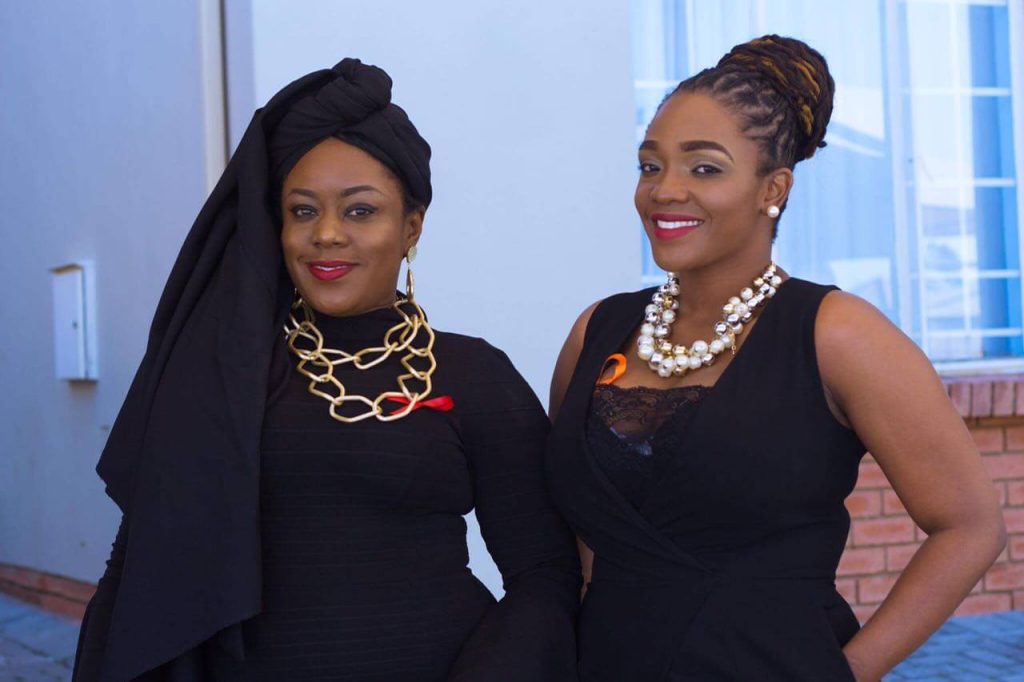
[bctt tweet=”Our ultimate goal is to holistically fulfil our guests @ZoeOmza co-founder of @TheHighTeaZA” via=”no”] Ntombizodwa Sibanda and Bonnie Chimanikire recently hosted a successful high tea event in Harare, Zimbabwe. The High Tea concept is an initiative that was co-founded by the two ladies, Ntombizodwa and Bonnie. They wanted the event to be an afternoon of encouragement, pampering and positive interaction for women. SLA contributor Makhosazana Ndlovu recently caught up with Ntombizodwa to learn more about the concept and discover their secrets to running a successful event. What inspired you to start The High Tea initiative? My partner, Bonnie and I had successfully run a campaign to assist displaced xenophobic victims in the Germiston area. After the campaign, Bonnie approached me about her vision to host a women-focused event. We agreed that we wanted the event not only to be informative, but to be an afternoon of encouragement, pampering, and positive interaction of women, which is contrary to the general negative narrative of the interaction of women. Empowerment, fashion, food. Why these themes specifically? Our ultimate goal is to holistically fulfil our guests. Our guests are encouraged to dress to the nines, we ensure that our menu and refreshments are fit for the palate of queens and carefully select our speakers with a simple mandate to encourage our women. No woman can ever get enough of these themes. How did you deal with the challenges that you faced when you first introduced the initiative? Determination: We knew what we wanted. We knew what had to be done to achieve it, and we set out to do it. Most importantly, we were prepared for the worst; which was very low numbers. But we knew that if we succeeded in executing the first one, we would have the most effective publicity (word of mouth) going forward. Support structure: We had friends and family who stood by us and gave us the necessary support and advice we needed. Prayer: Some situations were beyond us. Those are the ones we left to God to handle. And He pulled through for us… a lot of fasting and prayer comes into every edition of The High Tea. [bctt tweet=”We knew what we wanted. We knew what had to be done to achieve it, and we set out to do it” username=”SheLeadsAfrica”] Who do you work with to ensure that The High Tea events are a success? When we started, it was just Bonnie and I. However, as the vision grew, so did the need to incorporate much-needed help. The core team has grown by an extra four members, namely, Pam, Zihlobo, Gugu, and Sidumisile. We also have a large network of successful women who are originally from Zimbabwe but are resident in South Africa. They are affectionately known as the SQUAD and we rely on them for valuable advice and direction. I could never forget our friends and families who have all played various roles in assisting us to meet our goals. What impact does the events have on African women? The event is not limited to Zimbabwean women but attracts women from various African countries. This is also evident in our diverse speakers. We aim to encourage inter-dependence amongst African women. Our struggles are, after all similar, regardless of our different countries. This means that viable solutions can be found in positive interaction with each other. [bctt tweet=”We aim to encourage inter-dependence amongst African women @TheHighTeaZA” username=”SheLeadsAfrica”] What are your words of advice to young women who would like to start initiatives such as The High Tea? Regardless of how many times you have seen something being done, no one can ever do it like you. Identify your target market, identify a mentor, identify what and whom you will need to assist in bringing your vision to life, stalk them. It is possible. If you’d like to share your story with She Leads Africa, let us know more about you and your story here.
How to build a profitable creative business

[bctt tweet=”@ChristineArhu shares six tips she used to grow her creative business after a string of failed businesses” via=”no”] Congratulations! You’ve decided to take the leap to become your own boss and entrepreneur! But wait, what exactly is it you want to do? I’m guilty of not knowing what I wanted to do with my life. In college, I took liberal arts as I just kept changing my major. After college, I became a mother and therefore stayed home with the kids. This really frustrated me a lot because I was used to working and depending on myself. So I decided to start a jewelry business. That business failed as I wasn’t making any profit and I had no clue how to use social media to my advantage. So I started a VA company and that didn’t work out either! I then decided to get a real estate license and after failing the exam twice, I gave up (you see the pattern here…). I was still confused as to what I wanted to do in my life. With all the failed businesses I started, I felt like such a failure! However, I kept asking myself why I couldn’t start and have a successful business. Why do I keep failing at all the businesses I start? What do I need (besides capital) to start and maintain a successful business? Then it hit me, I was basically trying to start businesses that I had zero interest in and I was doing it for the sole purpose of making a profit. I had no purpose and zero passion. Yes making money is important, but you need to be passionate about the business you are doing. Realizing this, I sat down and really discovered what I was good at. And that was graphic and web design. So I began my journey as a Brand Designer and I haven’t looked back since. So how do you create a profitable creative business? Let’s dive in…. 1. Write your personal mission statement The reason I say to write your personal mission statement first is that you have to know why you want to be a creative entrepreneur in the first place. By doing this, it will make it easier for you to narrow down your niche and clearly define your brand. If you haven’t figured out what you want to do, write down a list of your strengths and weaknesses. Next, write down what other people ask you for help with or what they say you are good at. Then look at the two lists and see which characteristics coincide and bam you’ve found your business! Download my free personal mission statement worksheet. [bctt tweet=”You have to know why you want to be a creative entrepreneur in the first place” username=”SheLeadsAfrica”] 2. Find out who your target market or niche is It’s important to know who you are trying to attract as potential clients. Why? Because being unclear as to what your services are will bring in clients and projects that you’ll hate! When I was first starting out as social media and business coach, I took projects for the sole purpose of earning an income and ended up hating the projects! After really looking into strengths and weaknesses I was then able to narrow down my niche. Having a niche helps cut down the guess work in your services. When you are first starting out as a creative business, you will want to offer all kinds of services under the sun! By choosing a niche, you create a clear path as to where and how you want your business to grow. 3. Write your goals Writing down your goals is like writing down a road map for your business. Honestly, I prefer to write down my business goals rather than creating a business plan because once I finish writing the business plan, I file it and forget about it. With goals, I can divide them into two major parts; long term, and short term. From there I then write down my yearly, monthly and weekly goals. I constantly refer to my business goals worksheet just so I know I’m keeping track of things and know where I stand in my business. Don’t make your goals complicated either. Be realistic with your goals and think of them mini business plans. Write down everything from business expenses to your projected income. [bctt tweet=”I prefer to write down my business goals rather than creating a business plan – @ChristineArhu” username=”SheLeadsAfrica”] 4. Create, create, create What do I mean by “create”? Create products, services or packages that will earn you an income. That’s the whole point you started your creative business right?! Some ideas of products are e-books, webinars, email series, and e-courses. These are known as passive income streams for they continuously make you money even while you sleep. Services can include web design, social media management and graphic design, photography and coaching. These services are pretty self-explanatory. Wherever your strong suit lies is what you should focus on to get clients Packages are a form of services you would offer to your clients like different coaching services with different prices. These are on terms such as monthly, every 3 months, 6 months or intensives/retreats that you could do twice a year. 5. Blog Blogging is crucial for your creative business because it helps you get clients and create a following to which is very beneficial to your business. Blogging is not easy but if you put the effort and consistency it will pay off. When I started blogging, I was not consistent at all because first I hadn’t chosen a niche and I had no editorial calendar. After I was able to narrow down my niche, I then was more consistent with blogging. Knowing who you serve helps you create and research content for your blog so as to create a following and attract clients. It’s crucial to remember to engage your readers by replying back to
Lessons from Chenesai: How to be authentic organic entrepreneur
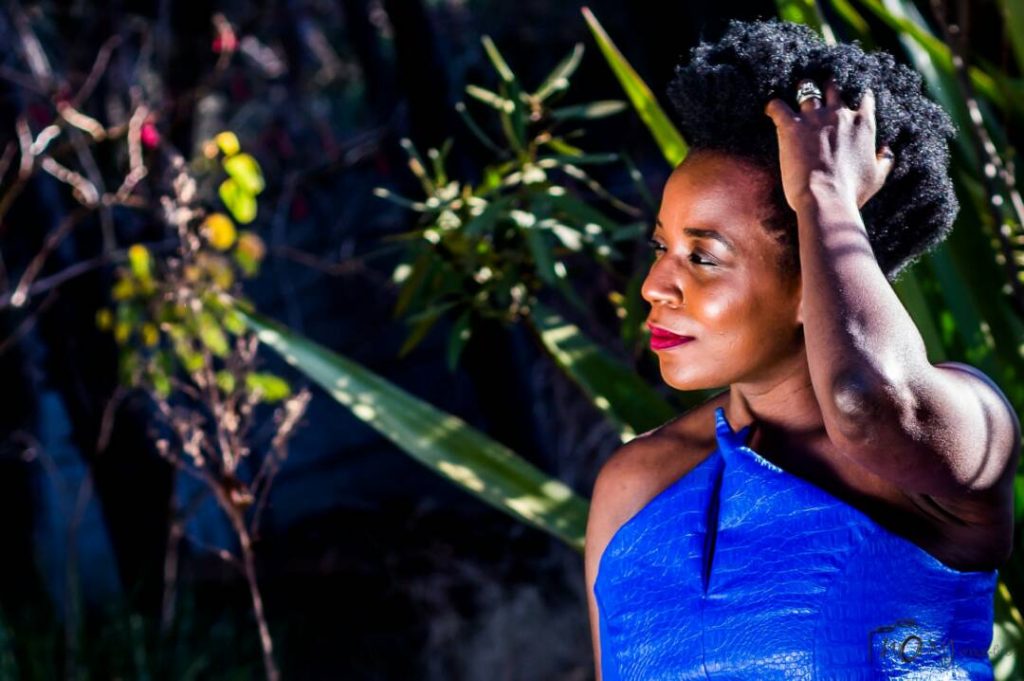
[bctt tweet=”Entrepreneurship is not just an activity, it is a lifestyle committed to the development of the dream” via=”no”] Being a successful female entrepreneur in Africa’s current economic and cultural context is an arduous journey. Calling organic entrepreneurship impossible Despite being a marginalised group, women entrepreneurs in Africa have great potential to positively impact the economy of the continent. It is time, we as women discussed credible models for emerging entrepreneurs as well as winning solutions in womenprenuership. Here are some key principles I have learnt along my path pushing the clothing brand Chenesai, it’s still a journey I continue walking in confidently despite the challenges which I emerge from more determined. I’m an avid believer of sharing skills of the trade with my fellow womenprenuers in the continent. 1. Define your vision. Vision is born from action. Engage your ideas and define your vision. One must be able to fully conceptualise how their brand will operate and relate to consumers at its pinnacle. An entrepreneurial spirit becomes paramount to sustaining this vision and seeing it through to the climax. Entrepreneurship is not just an activity, it is a lifestyle committed to the development of the dream. It is an attitude, a psychological and physiological engagement completely dedicated to achieving the ultimate goal. So, how does one afford the luxury of investing in that dream? 2. Be your own capital and collateral. Believe in yourself enough to invest mind, body, and soul in your vision. Capital remains the main challenge that continues to dominate the dialogue on entrepreneurship in Africa. The solution to this is to start where you are and with what you have, then work your way upwards. Pessimists may be quick to dismiss this view citing that a few dollars cannot start up the multi-million empires they desire. However, to be an entrepreneur you need to always see the glass half full instead of half empty. When I started Chenesai, I transformed my study into my factory. I did not even own a sewing machine, so I offered the space to a design student in exchange to use her machine for my designs. From the arrangement, I saved up to purchase my own machinery. In the four years, I have been working on Chenesai, there hasn’t been a single day where I had extra capital to bankroll my projects. I’m continuously searching innovative ways to develop at each stage as I go along, that is my capital. Quid pro quo deals are an effective way to secure services and inputs you may require. Find what services you can offer in return for products and services you need from others. Securing a loan may seem like a necessity for your business but what this essentially entails is that your activities and course are determined by your commitment to repaying the debt. Organic growth allows you to make mistakes, learn, improve and expand. [bctt tweet=”To be a successful organic entrepreneur you need to always see the glass half full” username=”SheLeadsAfrica”] 3. Be solution driven You don’t have enough time to dwell on challenges. Perfection is a myth so act! As Motswana female tech entrepreneur, Rapelang Rabana puts it, “the most powerful ideas come from solving your own problems.” It is important to never think of challenges, I live in solution mode. I had to do most of the work by myself, in the beginning, I could not afford to employ a trained designer. Instead of giving up and holding the “challenged” placard as justification for failure, I thought innovatively, tapped into the unqualified resource pool and trained my first employee from scratch. Because I personally trained her on all the essentials of my business, she thoroughly comprehends my vision and works well to complement my efforts. The idea is to consider your surroundings and continuously devise effective strategies to utilise resources and opportunities to power up your business. 4. Possess an autonomous mind Entrepreneurship is a test on your mental state. Keep your mind clear. This should be established from the onset and maintained throughout the running of the business, it must become a lifestyle. For one to be able to make effective decisions, they should have as much control of the factors in play as possible. Limit obligations and understand that it’s a long and lonely walk. Refrain from engaging in relationships, friendships, activities and commitments that will affect the course of your business negatively. Every activity you partake in must bring growth to your entrepreneurial spirit or feed into the vision in some way. [bctt tweet=”It is important to never think of challenges, I live in solution mode – Chenesai @Inspire2Aspire” username=”SheLeadsAfrica”] 5. Honour your time Put a price tag on your time, maximise every hour, minute and second of each day operating on 100% productivity. You are expected to wear different hats as you grow your enterprise, as such your time is gold. When I made the decision to venture into Chenesai, I left my job at one of Zimbabwe’s top law firms and settled on a much smaller one to afford me the time I need to invest in my dream. I now work 3 days a week and the rest of my time is dedicated to my brand. If you need to keep an 8 to 5 job, then every minute outside of work must be accounted for. Create and own your flexibility outside of the office or workplace and make the time for the business. 6. Tackle the gender barriers Finally, for now, the strategic deviation has got to be embedded in your DNA if you are looking to succeed. While we continue to work to address cultural structures that deprive us (women) of several opportunities, we do not have the luxury to wait for things to change. We need to actively find ways to get around the issues we face as women entrepreneurs. Find inspiration from your multiple roles and where you can, merge them with your passion. For example, as
Standing up for yourself: Having more confidence in the workplace
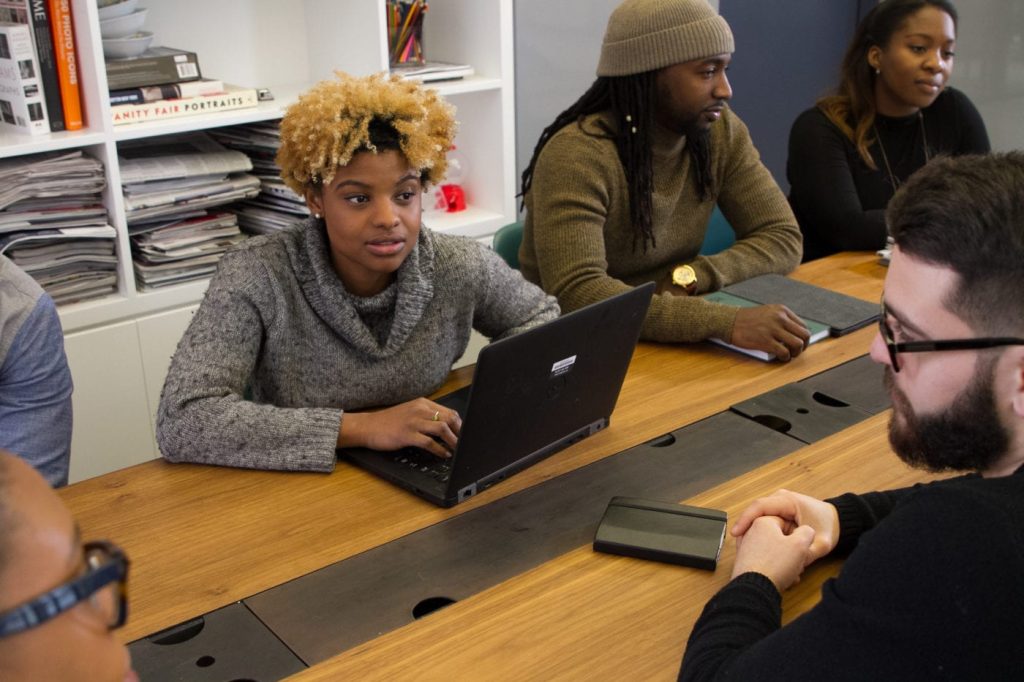
[bctt tweet=”There is power in being proud of what you do, especially when you’ve worked hard” username=”SheLeadsAfrica”] Have you ever noticed yourself submitting work to your supervisor and uttering the words “I hope you like it”? I know I have and as the words came out of my mouth I hated it. Why? It sounded as if I was unsure of the quality of my work and above all, myself. The truth is I was confident, I had done the research and written multiple drafts but I felt lowering expectations would make my supervisor like my work more. But ultimately I was cheating myself under the guise of humility but rather I was showing a lack of confidence in my work. I knew I had put in the work but I didn’t feel that it was good enough or that no matter how good I thought it was my supervisor wouldn’t feel the same. So feeling and showing uncertainty was the better option to feeling great to only receive disappointing feedback. Confidence is key Basically, I was scared to show pride for my work in case it was not well received. I’ve come to realize there is no room for that in the workplace, confidence is key. There is power in being proud of what you do, especially when you’ve worked hard. Supervisors are more receptive to work that is submitted without a doubt on your behalf. Their reliance on and expectations of you rise, and that’s a good thing. This is great when you are gunning for a promotion or raise. Your actual work will speak for you but your presentation is just as important. Sell your work as well as letting the work sell itself. There is no shame in promoting your game. It is a lesson I have come to learn. But knowing isn’t as easy as putting into action. It takes small steps. So when it comes to talking up in meetings, I no longer shy away. If you’ve got a good suggestion, don’t hesitate. Speak. It’s important that we speak up in meetings with clients or colleagues when you know the work. It will push you further and build stronger bonds with your client and show your boss exactly why you are in the position you are in. Speaking up can lead to standing out. Don’t shy away from raising your voice, especially when it counts. [bctt tweet=”If you’ve got a good suggestion, don’t hesitate. Speak.” username=”SheLeadsAfrica”] Changing your language Confidence is also necessary when you have to defend your work. We all have that one colleague who likes to push and challenge you. That shouldn’t back you into a corner. You know your work, there’s no reason to shy away when challenged. This doesn’t only make you a force to be reckoned with, it will also bolster your ability to address tough situations when the need arises. Another small step? Changing your language. Take out phrases such as “I would just like..” or “I wonder if” and replace them with stronger more self-assured words. The point of this is to come across as more self-assured with regards to your request. People are likely to respond positively to a statement that is said confidently. When sharing an opinion say it with conviction, “I would like to talk to you about..” or “I suggest that…” This enables you to get what you want when you say what you need. It yields better results in terms of ensuring efficiency from colleagues and getting your point across. Being more confident isn’t just to gain the respect of your colleagues of supervisor, it is also great for your personal and professional development. When you believe in yourself, it will show in the way you carry yourself, and your professional outputs. The more you feel this way, the brighter you will feel and that will reflect in everything you will do. Accepting compliments Accept compliments with pride. When you hear the words “Well done”, what is your immediate reaction? Shonda Rhimes states three reactions to receiving compliments in her book Year of Yes; dismissal of the compliment; shyness; and laughter/embarrassment at being complimented. At the root of this is the little voice saying, “not me, I don’t deserve this. I was just lucky”. Humility is great and all that but it honestly doesn’t hurt to show your pride when someone recognizes your awesomeness. It is not overconfidence when you accept a compliment with a thank you. We have internalized the fear of appearing confident because it appears cocky. But you’re awesome and that is okay, actually, it is better than okay. It is pretty damn great and its okay to stand in your shine. You’ve worked hard and being recognized for putting the work in is a great feeling so don’t shy away from it. [bctt tweet=”Humility is great but it doesn’t hurt to show your pride when someone recognizes your awesomeness” via=”no”] So what does it mean to be a confident woman to me now? It means speaking up when I know I have something valid to say. It is being able to back up my work when challenged. It is me acknowledging that I have reached where I am, not by default or mistake but because I am genuinely smart and talented. You are exactly where you are because you deserve to be, don’t ever doubt it.
Tejumade Adefioye-Dairo: Social media helps me reach my target market
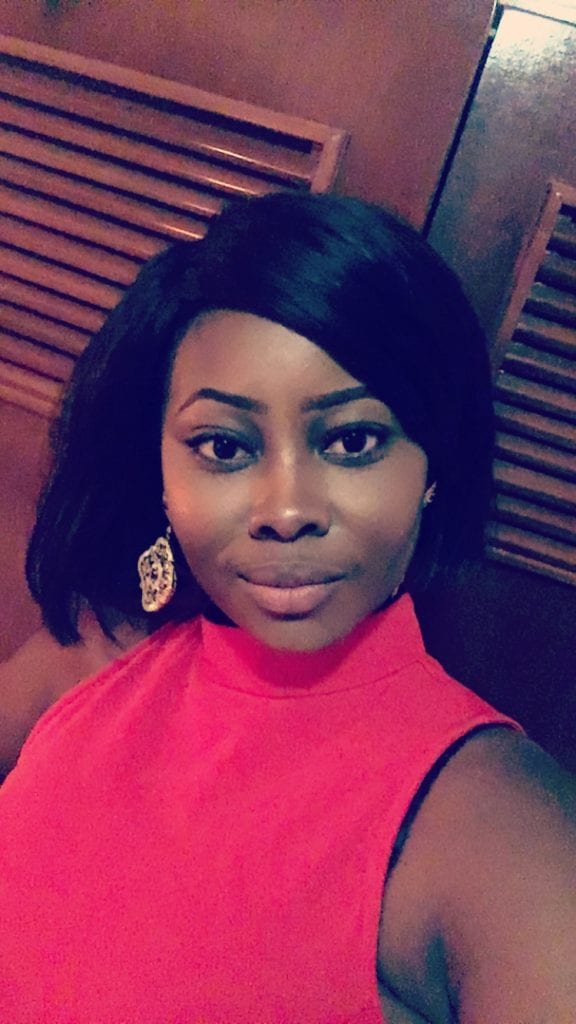
[bctt tweet=”Lazy sellers online are often competitive – Tejumade Adefioye-Dairo” username=”SheLeadsAfrica”] Tejumade Adefioye-Dairo is a graduate of Industrial Chemistry from Bowen University, Nigeria. She is also the founder of Haute Global company. Her brand, Haute Signatures specializes in the sale of handbags, shoes, jewelry, and sunglasses. When Tejumola is not thinking about new bag designs, she is looking for the next best fashion deals for her clients online. In this interview, she shares here growth from personal shopper to #MotherlandMogul and how she has used social media to grow her brand. What inspired you to start your brand? I started as a personal shopper but I got tired of traveling as a personal shopper. Also, I wanted to start a brand for Nigerians and sell at the same price or even more affordable than other international stores. How have you used social media to grow your brand’s publicity? I have profiles/pages on Instagram, Facebook, and Twitter. I put more concentration on Instagram because it gives me the opportunity to reach a larger audience and my target market is mainly on Instagram. [bctt tweet=”I have faced several challenges promoting my brand online- Tejumade Adefioye-Dairo” username=”SheLeadsAfrica”] What are some of the challenges you have faced online while trying to promote your brand? I have faced quite a number of challenges but the three biggest ones have been; Trust – Lots of Nigerians have been scammed online so they find it difficult to pay for items they have not seen. Competition from lazy people who just steal your pictures, brand it as theirs and try to rip off innocent people or buy from us and sell at ridiculous prices. Logistics problem in Nigeria. Fast delivery comes really expensive and people won’t want to buy a product of 500-5000 and have to pay as high as 2000 for delivery. Describe your product retail stages. How does your product move from your store to the final consumer after an online purchase? First, I think of and imagine a design, then I contact my manufacturer and we agree on a price. They produce the items and ship them to me. The last stage is marketing and sales. Which social media platform has been a better contribution to your sales? Instagram Are you satisfied with the current progress of your social media channels? Give reasons for your answer. No. There are still much more people who need to know of our brand. What advice would you give to someone who is intending to begin a social media business? Calm down and please keep investing your profit. If you’d like to share your story with She Leads Africa, let us know more about you and your story here.
Dark and Lovely Beauty Accelerator – Terms and Conditions
[vc_row][vc_column][vc_column_text] 1. The Promoters for The Dark and Lovely x SLA Beauty Accelerator (“the Program”) are Devorent Nigeria Limited (“She Leads Africa “) and L’Oreal South Africa (Proprietary) Limited (“Dark and Lovely Africa”) (collectively, “the organisers”). 2. The 2018 Dark and Lovely x SLA Beauty Accelerator (the“Program”) begins on 31 August 2018 and ends on 8 December 2018 (“Program Period”). 2.1 The Program consists of 3 (three) phases, namely: 2.1.1 The Application Phase: 31 August 2018 – 21 September 2018; 2.1.2 The Judging Phase: 24 September 2018 – 25 September 2018 2.1.3 The Program Phase: 1 October 2018 – 8 December 2018 3. By participating, all participants agree to be bound by these Terms and Conditions and the decisions of the Judges and/or Organisers, shall be binding and final on all matters relating to this Program. NOMINATION PHASE 4. ELIGIBILITY: 4.1 Employees, board and committee members of the Organisers, their respective affiliates in respect of the Program, their parent companies and subsidiaries, agents, distributors, sales representatives, advertising and promotion agencies and the immediate family members and/or those living in the same household of each of the foregoing are not eligible to be nominated for the Program. 4.2 Participants who wish to enter the Program (“Participants”) must be residents of Ghana, Kenya, Nigeria or South Africa who are in possession of a valid identity document. Businesses must have at least one woman aged 18-35 as a shareholder or owner, have been in operation for less than 3 years and have received no more than $50,000 in total investment; 4.2.1 must submit their application at www.sheleadsafrica.org/beauty; 4.2.2 complete, accept the terms and conditions and submit the application form at the abovementioned website by no later than 11.59pm WAT on 14 September 2018 (the Closing Date). Entries received after the Closing Date will not be counted. This also includes submission of the business’ pitch deck. 4.2.3 Applicants may apply for themselves or apply for someone else, provided that the Applicant has obtained valid consent from the Participant; 4.2.4 One entry per person. Bulk, automatically generated or third party entries are void. 4.2.5 Participants who are selected as Finalists must be able to supply up to three (3) references who can be contacted to verify the scope and extent of the Participant’s activities. References should be persons familiar with the business activities for which the application is made and should not include the Participant, or any person related to the Participant i.e. family members. 4.2.6 Potential nominees are subject to verification of eligibility and identity, which may include a background check and completion of any documentation required by the Sponsor to complete such background check, the results of which must be completely satisfactory as determined by Sponsor in its sole discretion. 4.2.7 Entries which are unclear, incomplete, and illegible or contain errors will be declared invalid. SELECTION PROCESS 5. SELECTION OF FINALISTS: 5.1 The selection will take place in two phases, namely She Leads Africa will narrow down the applications to the top 20 and then together with Dark and Lovely the top five will be selected. The judging will based on objective judging criteria listed below 5.1.1 Solution (20%): Is the company’s product solving a major problem or pain point for the customer? How well does the solution address the problem? Assessment of the proof of concept and product/market fit. 5.1.2 Team (20%): Assessing the team’s competencies, is this the best team to solve the problem the business is attempting to be the solution for. 5.1.3 Traction (15%): Is there proof of existing customers and revenue generated to date 5.1.4 Scalability (15%): Does the business demonstrate a significant capacity for future growth 5.1.5 Market size (10%): Is there a large addressable market for the company’s product? 5.1.6 Clear growth strategy (10%): Feasibility of the milestones identified by the company for the next 6 months 5.1.7 Unique Value (10%): The company’s product’s edge over other similar products 5.2 The organisers will contact the Selected Participants via e-mail by 20 September 2018. Should the selected participant not be contactable by the organisers after three attempts and by 12h00 WAT on 22 September 2018, the Selected Participants shall forfeit the program and the organisers will be entitled to select a different Selected Participant on the same conditions, except that the organisers will make only one attempt to contact each further name selected until Selected Participants are confirmed. 5. 3 Selection decisions will be communicated via e-mail by 01 October 2018. 5.4 All decisions of the Organisers regarding the Program are final and binding on all Participants and selection of all Winners is within the sole discretion of the Sponsor 5.5 If selected, Participants are required to participate and fully attend every part of the program, this includes but is not limited to; the week long boot camp in Johannesburg, weekly check-in calls, bi-weekly mentorship calls, completion of tasks given by the Organisers, final pitch week and Demo Day. 5.6 Should the entrant be selected to participate in the program, she undertakes to expeditiously provide to the organisers such information as may be required in order to establish her identity and eligibility to enter the competition, and to facilitate the coordinating of the prize. 5.7 The Selected Participants agree to keep all details they acquire during this Competition private and confidential until such time as the Organisers advise that they may disclose any such details. 5.8 Each entrant agrees and consents that the Organisers may run any background checks it deems necessary in relation to the Competition. 5.9 Selection for the program is non-transferable and there are no cash alternatives to the program in whole or in part. 6. OWNERSHIP OF SUBMISSIONS: 6.1 Acceptance of application constitutes the Participant’s’ consent to give the Organisers and its affiliates a royalty-free, irrevocable, perpetual, non-exclusive license to use, reproduce, modify, publish, create derivative works from, and display such applications, which includes but is not limited to the Participants images, videos, voice recordings, personal information submitted , the