
Facebook Live with Adepeju Jaiyeoba: Finding a purpose and choosing a career path (May. 19)

Have you been asked many times what you want to be, or do with your life, and every time, your answer has been different, or you stutter? When it comes to deciding on what career to face, some people get it right the first time, while others find themselves twirling and spinning, until they find a rhythm. Join us for a Facebook Live session on Friday 19th May, with Adepeju Jaiyeoba – White House Emerging Global Entrepreneur and Founder of Mother’s Delivery Kit and Brown Button Foundation. She’ll be talking extensively about finding your purpose and choosing a career path. Adepeju will be answering individual questions during the Facebook Live, so register below and ask your questions. [bctt tweet=”Join @pjlalah to discuss finding your purpose and choosing a career path on Facebook Live (19 May)” username=”SheLeadsAfrica”] Some of the topics we’ll cover Life after university: Your next steps 7 ways to finding your purpose Making the right professional and career decisions Facebook Live Details: Date: Friday 19th May 2017 Time: 1pm Lagos// 2pm Joburg// 3pm Nairobi Where: facebook.com/sheleadsafrica/ Watch video here: https://www.facebook.com/sheleadsafrica/videos/1885847208305257/ About Adepeju Adepeju Jaiyeoba is the Founder of ‘ Mother’s Delivery Kit ’ social venture which provides ultra affordable sterile supplies for women to use at childbirth while also increasing access to quality healthcare services, as well as Brown Button Foundation, an NGO which trains traditional birth attendants that takes more than 55% of child delivery in Nigeria. Although she’s a graduate of Law, she has a strong background experience in global health with the United Nations Foundation and background knowledge in Business from the University of Texas, Austin USA. Adepeju is a White House Emerging Global Entrepreneur honoured by President Barack Obama, and has been mentioned in the 2017 100 Most inspiring Women in Nigeria, She Leads Africa’s top 10 female entrepreneur for Diaspora Demo day, 2017 ONE African Champion, 2015 YNaija top 10 most influential Nigerians under 40 (Advocacy), and an acknowledged Global Change Leader by the Coady International Institute, Canada.
Molepane Nkopodi: I had a lot to lose but I was not ready to lose it all.
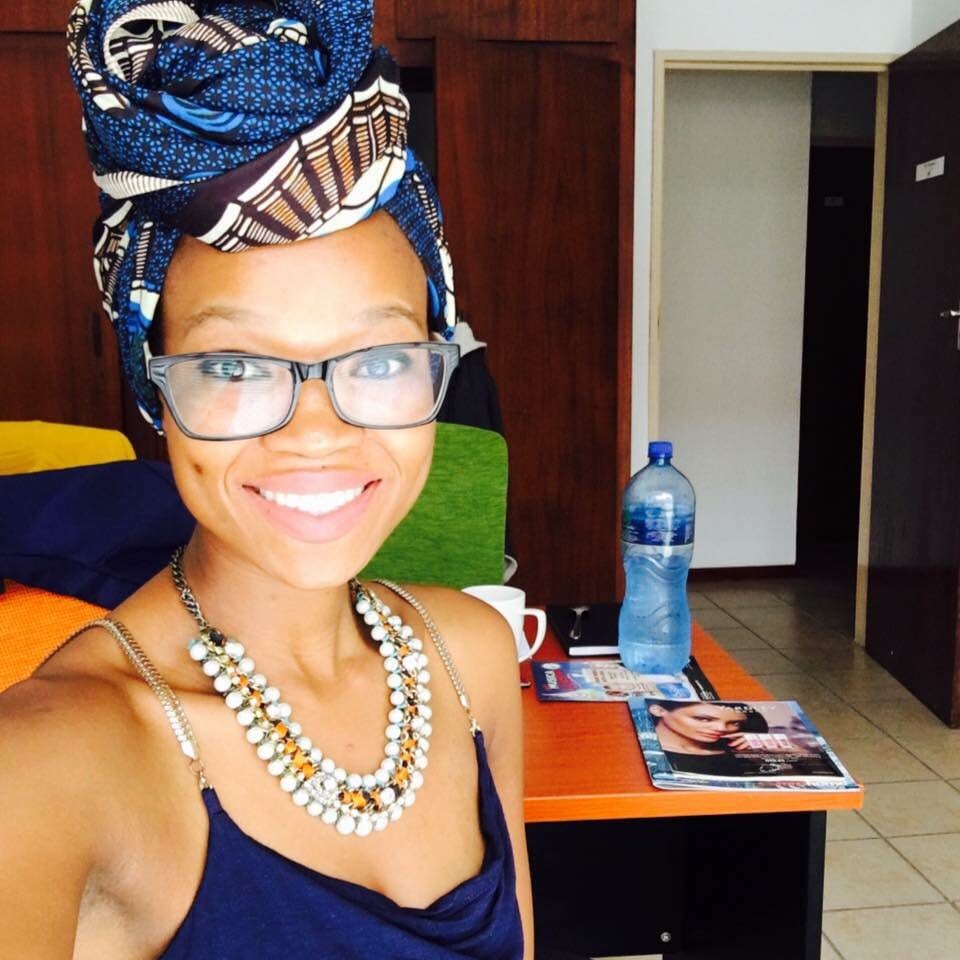
[bctt tweet=” Molepane Nkopodi, proving that young black women can win at being entrepreneurs” username=”SheLeadsAfrica”] Molepane Nkopodi, popularly known as Mo in both professional and social circles, was born in Glen Cowie, a village in Sekhukhune land and raised in various parts of Mpumalanga and Gauteng thus becoming “bundu girl wa le pantsula in surburgatory.” She is a Communications graduate from the University of Johannesburg and after five years of corporate and agency employment, she decided to face her fears and become a social entrepreneur. Mo is the founder and managing director of Darkie Communications, a start-up marketing communications agency that aims to provide tailor-made comprehensive and strategic integrated marketing solutions. She is also an ambassador for rural education and women development through the Kaelo Foundation. She says this about herself- “I have a thing for good food and wine and I’m working on my bank balance to match my wanderlust desires.” In an interview with SLA contributor Jeanette Nkwana, Molepane tells us all about herself, entrepreneurship and Darkie Communications. What does Darkie Communications mean, what desired effect did you mean for the name to have? Darkie Communications is a full house marketing communications boutique offering integrated, strategic comprehensive and tailor-made services to our clientele. The name Darkie came about after a cold call with a current client. I was operating informally with the name “Prodigal Child Concepts”. Upon our first meeting, he frankly said to me that he was “surprised” that I was black. When I asked why he said he “did not know many young darkie (black) women who could give a winning pitch over the phone”. Darkie is a 100% black owned company and we want to inspire the black child that they can dream it, they can work at it and achieve it. Especially considering that I am from a rural area where the majority of the people are poor and marginalized in terms of development. What were some of your biggest fears launching Darkie Communications and how did you overcome them? I resigned from a comfortable middle-management position because my bosses told me it was impossible for me to work for them and myself at the same time. They made me choose between working for them and running my own business, so I chose my business. I had a lot of fears, among these fears were how on earth am I going to launch a business without start-up capital. All I had were a tablet, cellphone, wifi router and lots of pen and paper. And also how was I going to pay my bills, I knew all too well that it would take a while until I sign my first client and my savings would only carry me a short distance… I survived through determination and resilience. I had a lot to lose but I was not ready to lose it all so I worked hard and chased clients for meetings. Also, I had a great support system made up of other entrepreneurs who guided me and connected me to people who would help me launch and operate Darkie Communications. Who do you look up to or follow in the communications industry and what are some of the lessons you’ve learnt from them that you can share? From the top of my head Khanyi Dhlomo of Ndalo Media; for me, she leveled the playground for young, black female entrepreneurs. She took a huge risk and regardless of the odds, she prospered. A young woman whom I see as big league player is Kealeboga Moremba of the Cyril Ramaphosa Foundation; she is young and her go-getter yet humble spirit reminds me of how much we are capable of regardless of where we come from. Like most industries, communications isn’t easy to break into. What are some of the challenges you faced and what strategies did you use to overcome them? This is definitely a “who do you know?” industry. I made it a point to attend every seminar/network session possible. Rejection was one of my biggest challenges but I learnt to not have rejection deter me from the main objective. Especially since I was starting out in Polokwane where the concept of marketing is not a huge priority. Of course, I am human and it’s cute to wallow in my misery but I never wallow for too long. I take my failure as guidance to what I may have done wrong and what I need to amend in order to break through. [bctt tweet=”‘Make sure your prospective clients understand clearly what you want to pitch to them’ -@sassy_mo” via=”no”] Funny thing is, after a few rejections, I came to realize that I was being rejected because the prospective client did not understand what I wanted to talk to them about. So I learnt that in my pitch, I would have to break down a lot of concepts (make them user-friendly because not everyone understands the new age integrated marketing concepts.) What are 3 tips you’d give to entrepreneurs trying to break into the communications industry? Network like your life depends on it- your network does contribute to your net worth Collaborate with other entrepreneurs- the comms industry is huge and you will not be the master of all aspects thereof (PR, Digital Marketing, Copywriting, Publishing, Advertising, BTL, TTL, ATL etc.) Challenge your fears, especially when it comes to putting a price on your services. Often people underestimate the amount of work that goes into marketing communications, they think we only come up for the nice PR photo shoots when it’s actually tough behind the scenes. [bctt tweet=”‘Collaborate with other entrepreneurs- the comms industry is huge & you won’t be the master of all’ -@sassy_mo” via=”no”] If you had to describe your entrepreneurial journey using a movie title, which would it be and why? It’s more of a series called Pitch. Share 3 communication/marketing strategic pointers startups can implement in their businesses. Identify your strengths, or better yet that old boring grade 8 SWOT analysis thing, do
Jobs – Finance Manager
The Role: She Leads Africa (SLA) is looking for a self-motivated, Finance Manager to help execute all of our financial goals. SLA is a premium media company for female entrepreneurs and professionals. We’ve built a community of 350,000 digitally engaged women across Africa and we are one of Africa’s fastest growing startups with features in Forbes, BBC Africa, Financial Times and CNBC Africa. Our ideal candidate is someone who can oversee all our financial functions, perfect our financial strategies, and shake the money tree real good! This role is located in Lagos, Nigeria and reports to the co-founders. Job Responsibilities: Responsible for developing and leading all aspects of the company’s financial management and financial reporting. Defines standards, policies, procedures, and measures to meet the company’s financial goals; Creates and maintains a variety of performance metrics and dashboards to ensure the optimal finance operation of the business; Conducts financial analysis and makes reports to co-founders, senior team members and investors; Manages cash flows, forecasting and all financial accounting activities; Maintains banking & accounting Relationships; Manages the company’s financial reporting process; Leads financial administration, planning and budgeting activities; Drives financial strategies to mitigate risk and loss; Ensures the company is compliant with tax authorities, understands the tax requirements, and optimizes tax obligations within compliance. Requirements: The ideal candidate will be exceptionally organized with experience using data management tools like excel. An accounting/ finance/ consulting background is a must. A desire and interest in building a happy and healthy team environment is key Experience in finance, business operations, or management consulting; ACCA, CFA, or ICAN certified; Financial modelling; Excel Knowledge of local tax remittances; Excellent communication skills; Tech-savvy; Detail oriented and organized; Self-motivated (Asks few questions and gets the job done); Prior experience working at startup is a plus*. Application process: [typeform_embed type=”embed” url=”https://sheleadsafrica.typeform.com/to/voOlkJ”] Unfortunately due to the number of applications we receive, we will not be able to contact everyone who applies. We will not be able to answer additional questions via email.
Jackline Aseyo Kidaha: God gave me a beautiful mind to inspire others to dream bigger
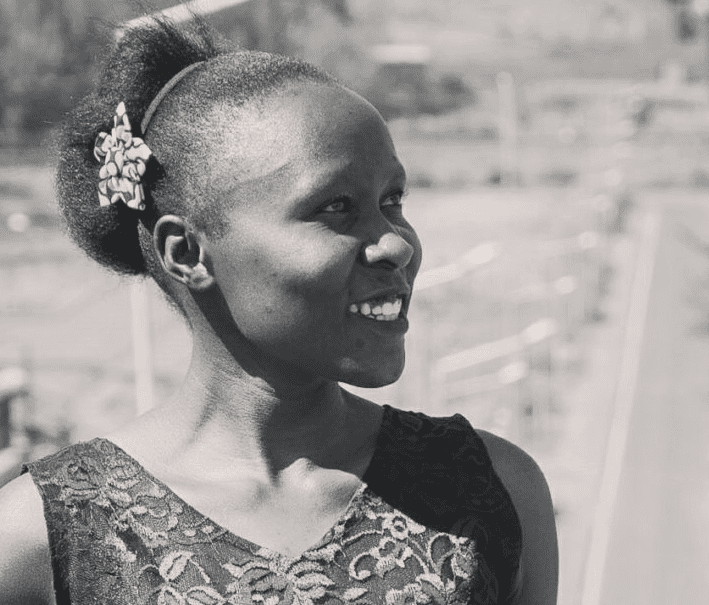
[bctt tweet=”I believe in touching one life at a time – Jackline Aseyo Kidaha” username=”SheLeadsAfrica”] Jackline Aseyo Kidaha is a Kenyan lady who founded Golden Hearts for the Vulnerable (GHV Initiative), a CBO in Kangemi, Nairobi. The 24-year-old is also the Program Coordinator at Edge Disability Mainstreaming Partners (EDMAP AGENCIES), an organisation that convenes disability mainstreaming training and workshops for government ministries and parastatals. As a young social entrepreneur still in her baby steps, Jackie believes in youth power as key actors to development and agents of positive change. Why do you say that youths are the best agents of change? Young people make up the largest population in Africa. The youth are growing up with high energy, creativity, innovativeness, and talents which I believe are key to the attainment of various Sustainable Development Goals. All this needs to be tapped into as it’s not only for individual benefit but also for the betterment of the African continent to bring up social and economic shifts. What are your expectations from this generation? Much sacrifice and aggressiveness in reaching this goal of restoring our mother continent to abundance, wealth, and diversity. The previous generation achieved the political emancipation but I expect the current youth of Africa to achieve the socio-economical emancipation. Thus this generation of young people needs to be more open-minded, proactive in identifying gaps and addressing them. Can you give SLA readers a sense of where GHV Initiative is at the moment and what plans you have for the future? GHV Initiative (Golden Hearts for the Vulnerable) in a glimpse is a registered community-based organization in an informal settlement called Kangemi (Nairobi). It was founded in March 2015 and was officially registered in March 2017. Our main goal being to empower the vulnerable groups in informal settlements with relevant information on life skills, talents and helping realize their rights as enshrined in various legal documents. This is to give them a voice to speak up, be their own decision-makers in life and be actors in development too. So far I can contently say that we are a notch higher compared to when we began as GHV Initiative. We are now equipped to challenge and ready to bridge the gaps identified in our community. More so I can frankly say that as the Founder I now have a more reliable, committed and dedicated team that I work with to ensure that we achieve the overall GHV vision. Our future plan as an initiative is setting up a centre which will compose of unique an art space; crafts making and a talent space to nurture the spirit of dancing. The centre will entail teaching crafting, dancing, communication and entrepreneurial skills to more groups. We are also strategizing on coming up with a charity clothing line/boutique within the centre where well-wishers can to donate. This will have clothes for both boys and girls from ages 5 to 16 to enhance decency and boost their self-esteem which is critical to many of them, especially those in their teenage years who are shy in relation to how they are dressed thus pulling down their self-confidence. [bctt tweet=”Our empowerment program doesn’t give fish but teaches target beneficiaries how to fish themselves ” username=”SheLeadsAfrica”] What programs do you provide and what are some of the setbacks you have faced? We have two programs so far. One is ‘Limited Edition’ which is a continuous life skill program for teenagers. It mainly seeks to equip young minds with knowledge of life, its challenges and how to overcome them by sticking to their principles. The program aims to reduce issues such as early pregnancies and unsafe sexual behaviour leading to school dropout as early as primary level. Being limited editions means that they are not easily swayed by things which will cost them their lives and not realize their dreams. The second one is ‘Nifunze Nijitegemee’ (meaning “teach me so that I can be independent”) which is a continuous empowerment program that seeks to teach practical skills. We believe in not giving the fish but teaching the target beneficiaries how to fish by themselves. This is to enable them to shift their talents and skills gained into profits thereby making them sustainable. Rolling out the programs at the beginning was a great challenge, as with any idea or innovation to be diffused both early adopters and laggards are present. Our target beneficiaries are diverse, have different mindsets, knowledge gap levels, lack of enough resources in terms of funds for facilitation and other logistics. What kind of response are you getting from the vulnerable groups you are empowering? From the activities conducted so far by GHV Initiative, we have received positive and overwhelming feedback. This has stimulated and motivated us to do more despite the challenges. We are constantly receiving calls and messages from the previous schools, children centers and hospital visited encouraging us to do these activities more often. How are you measuring the impact or effectiveness of GHV Initiative in your community? We utilize the theory of change in executing and evaluating our programs’ effectiveness. We have set a number of indicators and respective tools to measure that. For instance, in determining self-esteem among the teenagers we use the Rosenberg Self-Esteem scale which has ten brief questions that an individual is asked to respond to. After each activity conducted we monitor and evaluate the success and gaps to measure the impact of our programs. [bctt tweet=”Jackline Aseyo Kidaha is showing the world that something good can come out of the slum” via=”no”] Besides education, how else are you empowering the people of Kangemi? I personally make DIY things such as cards, hair accessories, bow ties, crocheted mats, scrapbooks and journals all with an African touch or theme. Art is cool. I believe in touching one life at a time thus teaching those around me who are still figuring out the next step in life how to make the above stuff and getting small markets for them too.
Negotiation 101 for dummies
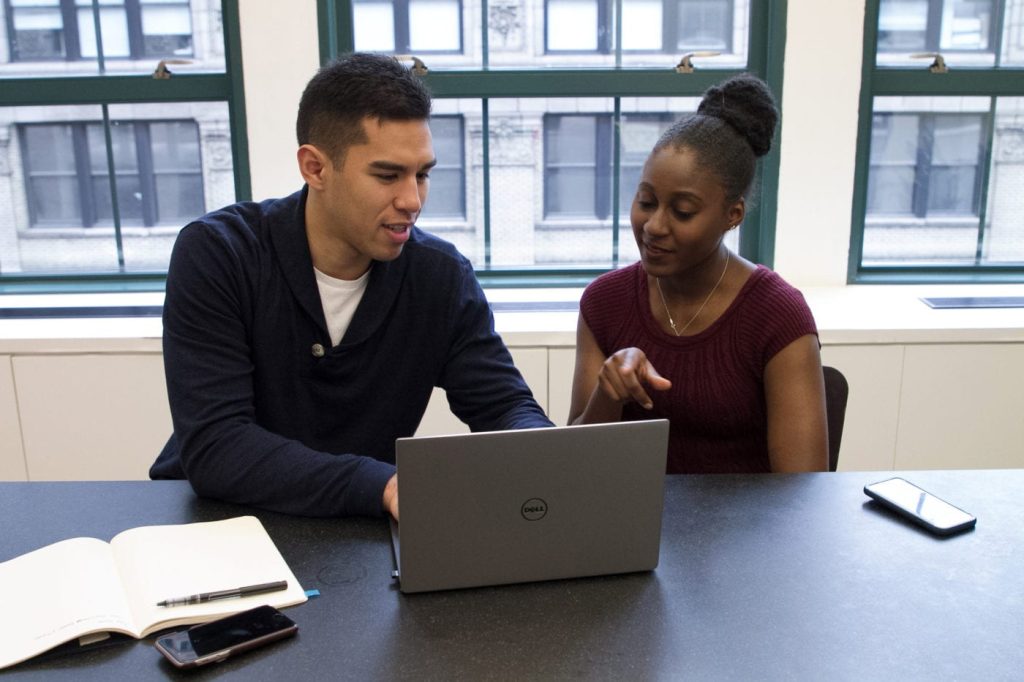
[bctt tweet=”You’ll be winning at negotiations even if you’re no good it with these tips” username=”SheLeadsAfrica”] You have been in negotiations for quite some time already. No matter how hard you try, you are confronted by a silent wall every time you attempt to find anything about the other party. Communication is not passing through and you only know your position. Worse, the tension is building up and your opponent is becoming more aggressive by the minute. What do you do? You might be tempted to give up, to stay on your position, or to concede to their requests. However, none of these options will give you what you need. This article will present you with tools to ease into negotiations and achieve a satisfactory agreement. Never state, always ask Asking questions is a way to educate and seek information. By asking questions, you show a willingness to take the other party’s opinion into consideration. You also communicate your desire to understand their situation. Questions are also a wonderful tool to make them understand your own position. Ask them what they would do in your place. Ask them hypothetical questions like, “What if I did exactly what you asked, what would be the consequences that I will face?”. It will help put their demands in perspective and show how realistic their proposal is. The power of silence Silence, when used right, is a very powerful tool it shows that you are listening and paying attention to what is being said. When silent, do not try to think about what you are going to say next or how to counter their current argument. Focus on what is being said and on making sure you have a proper understanding of the situation. When you ask a question, make sure you refrain from commenting or saying anything at all until you receive a full answer. By staying silent, you are pushing them to elaborate on what was said. This is an effective way to gather as many details as possible on an issue. Silence makes people nervous and compelled to fill in the absence of noise. The more comfortable you are with being silent the better negotiation ninja you will become. Forget about bottom lines The purpose of setting a bottom line is to protect your interest by making sure that the outcome of a negotiation will never go above what you are willing to concede. By setting a bottom line you will consider only one scenario as the least acceptable one. However, the costs of considering a unique outcome greatly outweigh the benefits of a bottom line. A bottom line cannot be changed and therefore lacks in flexibility. It will keep you away from bad deals as well as wise deals. It will also limit the influx of creative input and the making of imaginative solutions. A bottom line will cut short discussions without solving anything. Developing your best alternative Negotiating power is gained when the option of not reaching an agreement is as or more appealing than the option of reaching it. Before entering any discussion, you must think about the possibility of not reaching an agreement. What will you do if negotiations are not conclusive? What is your best alternative to negotiations? Thinking about the possible failure of discussions will help make the most out of your situation. It is, therefore, important to prepare yourself. Take a moment to brainstorm all possible alternatives to the negotiations. Out of all the ideas generated, choose a few to develop into concrete plans. Then assess which out of the developed plans is the best for your situation and select your best alternative. The more attractive the alternative, the more power you will have during the negotiations. A powerful best alternative should make you want to call off negotiations before they even started. Dismantling the other side’s best alternative Part of your preparation will involve understanding the other party. You need to gain as much information as possible on their motivations, interest, and above all, you will need to know what their best alternative is. Sometimes, if not readily available, the information will have to be obtained during the discussion process. Once you have acquired all the knowledge you need, you have to ask yourself: “Is their best alternative attractive? Is it easily attainable? Is it realistic?” If the answer to all three questions is no, then you have all negotiating powers on your side. If the answer to all three questions is yes, you will have to consider taking actions that will decrease the attractiveness of their best alternative. Most frequently, the answers are a combination of yes and no. If it is your case, you will not only have to show that your alternative is more attractive to you than theirs is to them, but also explain why their best alternative might not be the best solution. Always keep in mind that the easier it is to walk away from the discussion, the more negotiating power you hold.
5 lessons learnt from Solange Knowles
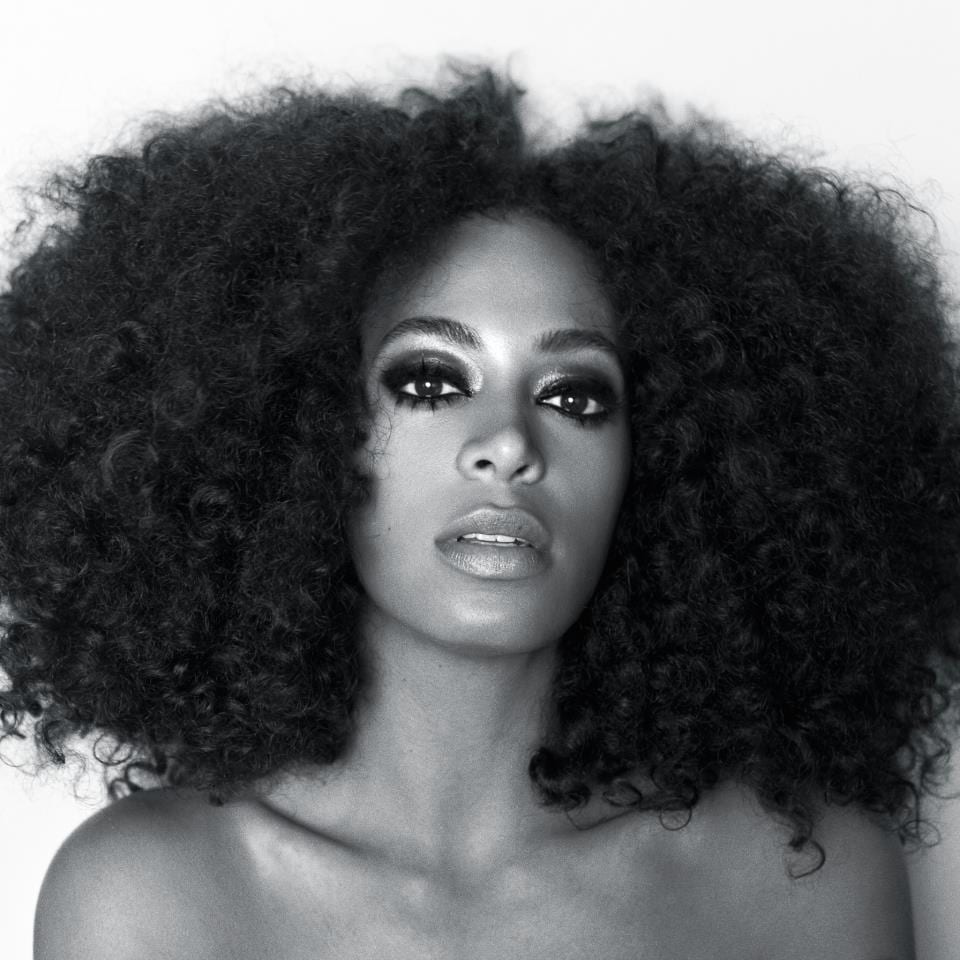
[bctt tweet=”Get a healthy dose of motivation courtesy of Solange Knowles ” username=”SheLeadsAfrica”] Solange Knowles’ recent album, “A Seat at the Table”, provides commentary on her experiences as a black woman in America and places her amongst the most talented artists of this generation. I’ve played the album over and over again since it came out, and each time I feel more empowered and encouraged as a young woman. Her melodies are woven in with stories that we can all take inspiration and a little guidance from. Here the 5 things I’ve learnt from “A Seat at the Table”: 1. “But I’m not really allowed to be mad.” It takes a lot of restraint to sing in a cool silky voice when your songs speak out about the injustices you’ve experienced because of the colour of your skin, or when you’re trying to work through the hurt and anger you feel. We often face a conflict as women; do we raise our voices and risk being labelled as loud and angry, or remain quiet with our voices barely heard. How do we effectively get our message across without coming off as the ‘angry black woman’ when we disagree with someone? I’ve come to find that people are more attentive when you speak in a composed, self-possessed voice, with your words carefully thought out. This way, you avoid hurling insults and jabs that do nothing but foster more resentment. 2. “Ain’t no apologizing for all the things you want.” Have you ever been told that your strong opinion or confidence is too intimidating? Or, God forbid, that a woman who is self-reliant and self-assured won’t find a husband? Being a Motherland Mogul means we know what we want and we go out and get it. Being labelled bossy or a control freak is the side effects of being a badass who knows her business and herself. The negative labels from the naysayers shouldn’t deter you from you doing what you want, but rather should drive you to work hard and be proud of how much you have achieved. 3. “Fall in your ways, so you can wake up and rise” Trust your intuition. That little voice in your head, she knows what’s up. Trust your instincts, who knows what glorious journeys they will put you on. When you take the time to listen to your intuition the challenges to realising your goals become minor obstacles because you know where you’re going. Your gut is your compass and it doesn’t hurt to follow it. Don’t discredit your feelings; ask yourself why you feel a certain type of way, are you content, are you doing what you love? How you feel internally shows in what you put out to the world so self-reflection and assessment will foster a more creative, intuitive and stronger you, becoming a more positive force in what you do. 4. “Be weary of the ways of the world” Have the difficult conversations. We are living in a time when people are so divided on a myriad of political and social issues. The instinct is to avoid these debates because engaging could ruffle feathers, bring friendships to question or have you never wanting to attend another family gathering. But how do we create and foster change if we don’t ask the hard questions and challenge each other? Part of this is listening to what others have to say, even when you struggle to agree or even understand their point of view. 5. “Don’t let anybody steal your magic” Celebrate yourself and your success. You’ve got a lot to be proud about, from large milestones such as graduation or a new job to the small things like finally getting to the gym. We are who we are, we’ve gotten here whether it is through chance or some detailed planning. The people and experiences we have encountered have such a profound role in shaping our ideologies and path. So don’t take it for granted. Don’t think your path is less significant because it is different from that of your friends and family. You are your own success story and appreciating that is one of the best ways to take care of yourself and keep you pushing for more.
Discover six ways to use Snapchat for business
[bctt tweet=”Ready to start using Snapchat for your business? These six tips will help you” username=”SheLeadsAfrica”] Have you thought of adding Snapchat to your marketing mix? Well if you haven’t, you should. A breakdown of Snapchat’s numbers will show you why: over 100 million daily active users, 400 million snaps per day, and over 1 billion views of stories each day. And there’s more. For the personal user, Snapchat lets you easily talk with friends, view Live Stories from around the world, and explore news with the Discover feature. It also presents huge possibilities for your business. One of the key ways for brands to connect viscerally with their customers is to share brand stories. Shared value has been known to create brand loyalty and with Snapchat being real-time, it provides a ready platform to showcase the values and cultures of your company in a personal and visual way. Find out six ways you can use Snapchat for your business in the infographic below (text follows after). 1. Cover live events You can use Snapchat for product launches or one-of-kind events like the 5,000th customer to shop in your store etc 2. Offer contests or promotions You can offer promo codes or discounts to the fans who watch your entire Snapchat story, or ask them to take a snap while holding your product. 3. Behind the scenes You could show off your company and make sure to have fun with it. Capture birthday parties, Friday afternoons or company outings. The idea is to show how your brand differentiates itself with company culture. 4. Partner with influencers Just like with Twitter and Instagram, social media influencers on Snapchat can help spread brand awareness and reach. Allow these influencers “take over” your brand’s Snap for maybe a day to help with the promotion of an upcoming event, product launch etc. These influencers will help introduce & bring their own followers to your page. 5. Publish transparency series Like we mentioned earlier, shared values help build brand loyalty. One of the best ways to do so is present a backstage company access to your customers. You’d be surprised how many people are interested in your internal processes. Cisco has done a neat job of sharing the daily goings-on in the firm with their “A day in the life of an Account Manager” series. If you are wondering what Cisco – a networking and telecommunications company is doing Snapchat – you are not alone. Telecommunications isn’t the most interesting subject to talk about, but Cisco managed to flip the script. They focused on their culture and exposed a human side of their brand. 6. Host AMA sessions Ask Me Anything sessions can be anything you want them to be. They can be about your goofy company culture or a professional conversation about trends in your industry. It could be “We just bought a N1 million camera for our production team, ask us anything” or something a little more serious like “We got 2 billion organic impressions on a campaign last week, ask us anything.” or something random, “We can tint my eyebrows with Coffee, ask us anything.” Find relevant topics you can start with your audience that will pull them in and engage them.
Unoma Okorafor: Invest in self-development. I have never met a great leader who is not a reader.
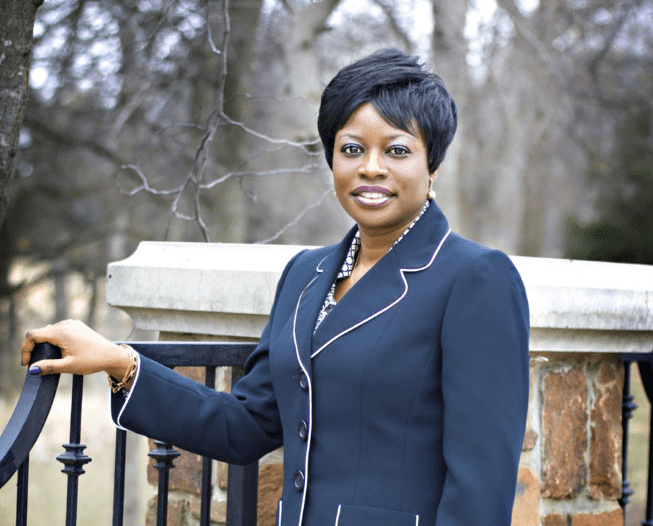
[bctt tweet=”Delete the words from your vocabulary that stop you from daring to take the next step ” username=”unondili”] Dr. Unoma Okorafor is the founder and CEO of Working to Advance STEM Education for African Women (WAAW) Foundation, a nonprofit dedicated to promoting Science, Technology, Engineering and Math (STEM) Education for African women, and working to ensure that talent is engaged in technology and innovation on the African continent. A serial and social entrepreneur, Dr. Okorafor is also founder and CEO of Herbal Papaya, a health and wellness company that manufactures organic health beverages and supplements. She is also co-founder of Radicube Technologies Inc, a Big Data Analytics company. Unoma has been a speaker and thought leader at several events including SXSW, WISE Conference, Women’s Forum and Ashoka Foundation Changemakers. She was a recipient of the 2013 Anita Borg Social Change Agent Award and was the 2016 winner of the GEM Tech Awards from ITU and UN Women. You founded Working to Advance African Women (WAAW) Foundation over a decade ago. What inspired you to take this bold step? Several factors inspired me to found WAAW Foundation in 2007 while I was completing my Ph.D. degree in Computer Engineering at Texas A & M University. At that time, I was the only woman of color in the program and my graduate education experience had been a very lonely one working mostly amongst men. I knew that I wanted to be an engineer and had the ability to be a great one, but I wished there were more women in STEM to support each other. Additionally, I saw the huge impact technology could have in lifting entire communities out of poverty. I could see the rapid technological advances that were in the pipeline. For instance, I saw the advent of Google, PayPal and Amazon and some of my research was around the technologies that powered these huge companies and the impact they had on e-commerce, telecommunications, and the financial industry. The images I saw in the media did not reflect the Africa I grew up in and the Africa I envisioned in the future and I realized at that point that if we could empower African women with education in Science and Technology and teach them to innovate and solve problems in their communities using technology, we could turn around the plight of our entire African continent. It was a huge dream considering that at the time I was still a graduate student with two young children. However, I decided it was better to start and even if we could only impact one girl in Africa it was better than doing nothing. It has been inspiring to see how WAAW Foundation has grown. In the last decade, what are some of the major milestones that WAAW has achieved? What impact would you say that WAAW has had on the way that STEM education is delivered in Nigeria and on the number of girls choosing to study STEM? Like I mentioned WAAW started as a dream while I was a graduate student with no substantial resources to invest and no experience with running a fully-fledged organization. The first year we launched our website, we offered to sponsor one $500 scholarship for an African girl studying a STEM-related discipline at a University in Africa. It was all my husband and I could afford from our meager graduate student stipend. But this experience opened my eyes to the huge need and the relatively small amount of resources and funds needed to bridge this gap. That first year we received over 400 applications. We were overwhelmed and I recruited my mother to assess the applications and select the one we felt was the most deserving. But there were so many who needed a small lift. Application after application, I shed tears as I read about AIDS orphans, child mothers, abandoned girls who were struggling to make it through school, doing well with excellent grades who just needed a little support. I was inspired to keep pushing. To date, WAAW has provided over 30 Scholarships to university girls in STEM, reached over 500 girls through our STEM residential camps, trained over 200 university-to-secondary mentors in 17 university chapters across 10 African countries and we impact almost 20,000 youth each year. In Nigeria, we have continued to engage with the community to push against societal norms that tell girls that a STEM education is not feminine. We have worked with government ministries, secondary school teachers, communities and especially parents of girls to educate them on the huge benefits of STEM education for girls. WAAW is looking to partner with Federal Ministries of Education, Science and Technology to re-invent what STEM education should be and retrain our teachers to incorporate hands on, locally available resources to promote innovation in the classrooms. For all the girls and young women currently on the fence about whether a career in STEM is the right choice for them, what advice would you give to them? First of all, let me say that we are not necessarily promoting the idea that a career in STEM is the right choice for every girl. Our broad message is that we are in the middle of a technological revolution where technology is pervasive in every facet of our lives and will be even more so in the future. Consider the recent research that states that 90% of jobs created in the next 20-30 years will require some sort of skill in STEM. That means that people who have STEM skills will have a huge advantage over those who don’t. Whether they are applying those skills in core technology or in healthcare, finance, agriculture, business, transportation. I think that girls should participate in creating those technologies so we can solve some of the critical issues facing us. [bctt tweet=”We’re in the middle of a technological revolution, people with STEM skills have a huge advantage” via=”no”] WAAW is currently partnering with African Women Engineering Leadership and Entrepreneurship (AWELE) Academy to
Kat and Lezita: Building a brand based on treating yourself
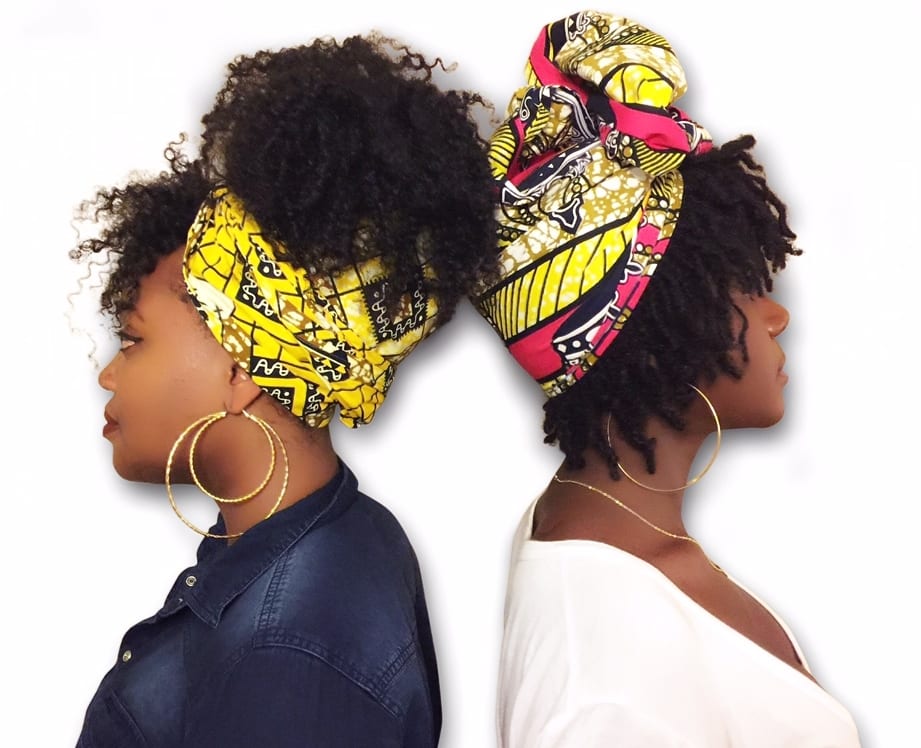
[bctt tweet=”One of THEE most important tools of success is simply staying true to yourself” via=”no”] Diving into the uncharted waters of starting a business is no easy task. But attempting to encourage women to treat themselves to self-love while you do it could be nearly impossible. However, the founders of the Unapologetically Single gift box, Kat and Lezita, managed to do so, and for that we needed to know how. Both founders who have backgrounds in fashion and retail, play a role in carefully selecting the items in the boxes to ensure the products align with their mission to make women feel great about themselves whether they’re single or in relationships. After scrolling through the Unapologetically Single market, it’s clear that Kat and Lezita created these gift boxes for a market that most retailers sleep on, literally. Give us an overview of Unapologeticallysingle.com. Kat: We want it to feel like a lifestyle destination where women can come and talk about love, life, and everything in between. We also have a market where we feature items lovingly curated with single women in mind. What drove you to create UnapologeticallySingle.com? Lezita: It was the end of August in 2016 and I was on the way to buy my 3rd baby shower gift and my 1st bridal shower gift of the year. As I was walking around the store looking at the gift registry, I immediately started to think, “I’m 29 years old and I’m not in a relationship nor am I interested in kids at the moment. What if no one ever celebrates me?” After I left the baby store, I immediately called Kat and we started to brainstorm. Six months later, Unapologetically Single was officially born. Kat: I was tired of being judged and feeling less than just because of a status. We graduated from college, have great jobs, take care of ourselves and people still feel they can knock you down by saying things like: “You still aren’t married yet?” “That’s why you’re single.” “Pretty, successful and single! You must be crazy.” Our site is not meant to bash men or relationships. We want to create a place to celebrate single women of color, and not continue to inundate them with tips on how to not be single or constantly tell them what they are doing wrong. We want to encourage them to live their lives unapologetically single and to enjoy the process. [bctt tweet=”Kat & Lezita push back against the pressure to ‘settle down’ with UnapologeticallySingle” via=”no”] What do you feel are the most successful tools you used to build your brand? Lezita: One of THEE most important tools of success to me is simply staying true to yourself and representing your brand how you want to. It’s so easy to look at what the next company or brand is doing and you may find yourself trying to compete. To me, that’s a losing battle and it’s exhausting. When you stay true to who you are and what you want your brand to be, people will gravitate towards that authenticity. Also, for the obvious reasons, never take rejection or negative opinions personal. A lot of times it’s so easy to feel slighted and hurt when someone doesn’t like your idea or they don’t necessarily want to work with you. I can’t tell you how many times I’ve shared my ideas with someone and their reaction was LACKLUSTER or downright rude to say the least lol. Everyone can’t see your vision and that’s ok. Rejection will never dictate your success AND/OR your worth. Always keep pushing. What resources would you recommend for Black woman who are self-employed? Kat: Honestly, it has been a real learning experience for me. I just try to follow a lot of small business accounts and bloggers who have been where we are and who are not afraid to share their struggles and how they’ve overcome them. One of my current favorite resources is the page Brand, Build and Launch with Arsha Jones. It’s a group with like-minded members that are supportive and freely share any tips that will help you build and grow a brand. It’s a really positive community and I’ve been inspired to keep pushing from the women there. Lezita: NETWORK LOCALLY! It’s so easy to want to reach out to your Instagram and Twitter favorites to network, however, always keep the local organizations in mind too. Go to that alumni meeting that you’d never normally attend or get involved in city events! You’d be surprised the people that can inspire you or even invest in you just by participating in local events. I’m a woman in my mid 20s who would love to create my own business but I have no idea where to start. What’s your best advice towards doing so? Kat: Like Nike says, “Just Do It.” Lezita and I have had so many great ideas but we could never seem to get started. Initially, it can be overwhelming and easier to just sink back into your normal routine or that cushy 9-5, but once you take that initial leap (create a website, buy product, etc.), it’ll be hard to turn around. Lezita: Start out by writing down your goals in pencil (because they will change) and from there set a timeline. There is no right starting point for anyone, but having a timeline will help to keep you on track and in line. Also, be extremely open to change. When Kat and I first started discussing what we thought our business should look like, it was nowhere near where it is today. What is your target audience and what challenges have you faced that are unique to your market? Lezita: Our target audience is women from the ages of 21 and up. The biggest challenge has been defining single. When some people see the words “Unapologetically Single”, they’re automatically off-put because they “got a good man at home” or because they don’t want to identify as being “ the lonely, single girl.” We’re constantly brainstorming ways to get the message across that “ Unapologetically Single” doesn’t
Career Lessons from Toolz

Tolu Oniru (popularly known as Toolz) is a big name in the Nigerian media industry. She was born into the royal Oniru family. Toolz is an on-air personality, talk show host and radio presenter. Currently, Toolz hosts The Midday Show on Beats 99.9 Fm and anchors her show called The Juice. Everyone knows she is one of the best when it comes to radio presenting. But what exactly sets her apart from her colleagues? What drives her? How has she being able to create a name for herself in the media industry over the last few years? Here are four career lessons we can learn from her: Hard work “Hard work does not necessarily guarantee success, but no success is possible without hard work.” – Dr T.P. Chia While hard work might not necessarily guarantee your success; it definitely improves your chances of being successful in your career. I define it “as that extra effort you put into achieving your desired goal.” Toolz has carved a niche for herself, created a name and built her image through her relentless effort and hard work. Be passionate about your work “Working hard for something we don’t care about is called stress; working hard for something we love is called passion.” – Simon Sinek The Merriam-Webster dictionary defines passion as “a strong feeling of enthusiasm or excitement for something or about doing something.” Passion for one’s work goes a long way in having a successful career. Toolz’s passion for celebrities, entertainment, music, and media has helped grow her career. She loves what she does and she makes sure she puts her best into it. Whether she’s airing the Midday show or anchoring the juice, you can tell from how enthusiastic she is about her job from the way she relates with her audience. Whatever career path you find yourself in, ensure that you have a passion for your work and use it as a source of motivation and direction. Be willing to start There are so many ‘what ifs’ in the career field. “What if things go wrong? What if I am not cut out for this? What if I make a mistake on air?” I am guilty of this habit too; I worry about the ‘what ifs’ before giving myself a chance to start. Before Toolz moved back to Nigeria, she worked with MTV Europe and Walt Disney pictures. These two companies gave her the confidence she needed to go far in her career. In an interview with The Daily Mail, she talked about how her interest in broadcasting grew as she worked at a radio station in London. That prompted her movement to Lagos in 2009. So no matter what career path you are aiming for, give yourself a chance to start. You will be surprised how far you will go. “If you take another step, and another, you will be surprised to know how far you can go from the point you thought was the end.” Have a support system According to socialwork.buffalo.edu, a support system refers to “a network of people- friends, family, and peers that we can turn to for emotional and practical support.” In an excerpt from her interview with The Daily Mail, Toolz said, “my family have been supportive, but they don’t really get involved – my father wanted me to be a doctor/lawyer, so he wasn’t particularly thrilled with my decision to get into entertainment. Now he sees me on TV, in magazines, hears me on radio and he respects how hard I have worked.” Having a good support system goes a long way in building one’s career. They are the people who encourage, support and stand by your side; they do not give up on you. In this present time where people seem to burn out easily, having a strong support system can help keep you going even when you want to give up.