
Motherland Mogul playlist: Women’s History Month Edition

Shout out to all the ladies in the house!!! It’s Women’s History Month and it’s that wonderful time of year when we get to recognize all of the incredible women who’ve made an impact on the world, our countries and our communities. It’s that time of the year to strategize on how to improve the conditions for women across the globe. No Women’s History Month would be complete without a playlist of fist raising, hip shaking anthems to inspire and motivate us to keep working for equality and opportunities for women everywhere. Here are some of our favorite songs that you should keep on repeat this month. Lira – Rise Again Beyoncè – Grown Woman Stella Mwangi – Identify Yourself Queen Latifah – UNITY BLU3 – Strong Woman Destiny’s Child – Independent Women ONE Campaign – Strong Girl Brenda Fassie – Good Black Woman Whitney Houston & Chaka Khan – I’m Every Woman Alicia Keys – Girl On Fire Becca – African Woman Aretha Franklin – Respect What are some of your favorite inspiring and motivating songs by women? Let us know and we’ll add them to the list.
Come what may…business must go on

To all intents and purposes, many economies on the continent have seen a slowdown. Businesses are being tested for resilience, they are being pushed to the edge, and the strength and acumen of their value chains are being tested. But come what may, businesses must go on. They may not thrive as they when the economy was buoyant, but they must continue in earnest. As I think about these times, two things come to mind. The need to build a strong brand to have a sustainable and viable business in and out of a slowdown. The need to continually prepare and plan to scale your business around the core business activity at the earliest possible opportunity. Building a brand. Building a business What is the difference between a brand and a business? A business is an enterprise that creates an opportunity to trade and generate revenue. A brand is made up of intrinsic values, quality and characteristics that endear clients and aspirational clients to the business. I always say when starting a business, it is crucial to focus on building the brand first, so that you can have a viable, sustainable business in the medium to long term. And building a brand is not child’s play. A business brand is almost always made up of the personal and business values of the CEO. Especially for a small business, it is almost impossible to separate the personal brand of the CEO from the business brand. These become indistinguishable given that the CEO is the face of the business, and most likely the primary client-facing representative of the business. For the business owner and CEO, this brings home the need to reflect on, define and articulate your personal and business values right from the outset. This delivers you your business brand. Understand and define what you are trying to achieve with your business and what values are aligned with that personal and business aspirations. Then, commit to live those values – through how you operate your business, how you choose and interact with clients, the quality of your services and products, how you recruit and engage with staff, how you present yourself to the world – presentation skills, public speaking skills, networking, and personal style. When we focus on these from the outset, we endear clients, and essentially revenues, to our business, create brand loyalty, and, come what may, in and out of recession, we enjoy a level of brand loyalty. Scaling your business Most business start with one core idea, concept, initiative, but there is always an opportunity to scale and expand that business. Think of a fashion brand that starts initially producing clothes, then start to produce and sell accessories, then later on goes into interiors, and maybe even then a lifestyle venture such as a restaurant. What enables such a business to do that successfully is the power of their brand. When a brand is strong, it has a following, and clients will seek out that brand for every aspect of their daily needs. It’s an intentional decision. Many global corporations and their CEOs at one point decided to develop their personal and business values (=brand) to keep their clients and customers hooked. In the event of an economic slowdown or economic upturn, their business, through their brand strength, remains a viable and sustainable enterprise. You can do it! The price of business and entrepreneurship is uncertainty, and the prize is a vision fulfilled, success even in the midst of uncertainty. Someone recently shared with me a precise lesson in living. They said, if we knew the times and seasons, if we knew exactly what would happen to us or our business next month, next year or in 3 year, we would not need faith, we would not need to be resilient. It is often the uncertainty in business and the ambition and determination to curb that very uncertainty that fuels the drive to success. Risk taking buoyed by a strong brand can bring some comforting business stability. When we strive to become better than we are, everything around us becomes better, too – Paulo Coelho, The Alchemist
Creating impact that works: Tips from my start-up experience in Ghana
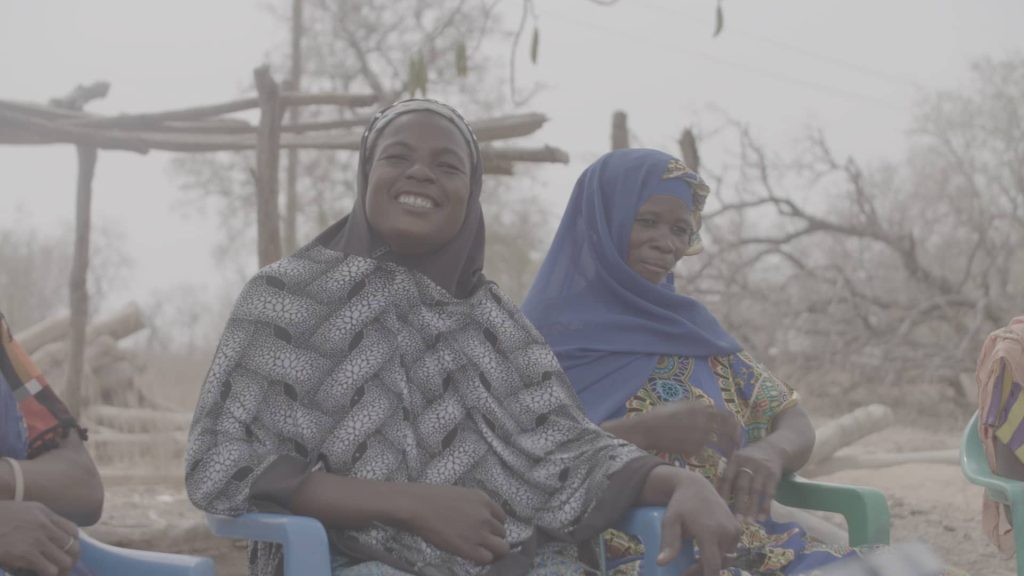
Naa-Sakle Akuete is the founder of Eu’Genia Shea, the first line of premium shea moisturizers dedicated to using 100% natural ingredients in partnership with female cooperatives in Ghana. She shares what she’s learned from working with rural communities for her natural products. When my mother founded a shea butter manufacturing company in Ghana in 1999, she had never heard the term “double bottom line.” She did, however, know that if she was going to succeed in business, she wanted to do so in an ethical manner. By partnering with pickers from female cooperatives, paying them above-market prices, and offering organic and financial training, she was able to ensure that her community thrived along with her business. Her decades of experience inspired me to start my own finished products line last year: Eu’Genia Shea. As I pore through her life’s work, applying lessons learned and trying to avoid mistakes already made, one point shines through brightly: good intentions do not always yield good results. Hopefully, some of these points will be helpful to others aiming to make mutually beneficial business partnerships in rural developing communities. Build Trust You know yourself, you understand your motives, and without a doubt, your heart is in the right place. But even if you are native to the country/region/community, how can others be assured of this goodwill if they do not know you? SNV is a Swiss nonprofit dedicated to “creating effective solutions with local impact”, in this case facilitating savings. They entered Damongo, Ghana with speeches and promises, but without any connections. The cooperatives with which we work were understandably wary. How many times have they encountered non-profits who raised their hopes only to disappear, or worse still, people claiming to have their best interests in mind, only to cheat them? They sent the confused SNV away then SNV came to my mother to explain their mission. My mother spoke on their behalf, and now SNV is a valued contributor to these cooperatives. Bottom line: Understand the legacy of the community and approach accordingly, whether through an intermediary or through years of proving yourself (which takes a bit longer, but Mum can confirm it works!) Listen There are thousands of aid organizations flooding millions of dollars into poor communities globally. Most of them have good intentions, but their money still goes to waste. For example, on one visit to our facilities in Damango, Mum occasionally saw workers without shoes. As a westerner, or a native with a westerner’s perspective, this is jarring for a number of reasons, not least of all because of the safety implications. She spoke with the women and made a point of purchasing shoes for all of the workers on her next trip to the US to ensure that no one was left unprotected. Upon her return, some women again were not wearing shoes. When she inquired about it, she discovered two things: some husbands were absconding with their wives’ shoes and some women found it difficult to maneuver in the new shoes. Had my mum taken the time to dig a little deeper originally, she would have found that buying local shoes closely fitting each woman would have helped solve both problems. Encourage them to maintain assets Now you’re partnering with a community whose needs you understand and are able to address. You’ve suggested ideas and implemented technology where appropriate; they’ve told you why half of your bright ideas aren’t quite so bright, and everything is moving along swimmingly. It’s come time to leave them for a couple weeks, months, or years… Before you leave operations in their hands, make sure you’ve given them the tools and know-how to maintain (and how often to maintain) any machinery you’ve introduced. The once shiny, now corroded Japan Motorbike rusting by our plot is a great example of something that made life easy for a couple months before falling into disrepair. Choose the right customers You’re running a business not a charity. On one end, you have Bill Gates in Microsoft era and on the other, Bill Gates in the Bill & Melinda Foundation era. You don’t have to be either extreme, but what you have to do is make enough money to keep yourself afloat and to continue the work you’re doing. If social impact causes your products to be slightly more expensive than competitors, find the customers who care. And make sure your product is worth it! At Eu’Genia Shea, not only do we pay above market wages, provide training, and give 15% of our profits back to our workers, our longevity in the industry helps ensure our products are always of the highest quality. Our customers get expertly moisturized skin, our partners make a good living, and we get to keep on doing what we love — win/win! Transparency Your aim is to do great things, so be open about it. Maybe you’re not doing quite as much as you’d like yet. For example, 15% of profits covers some of the tuition costs of our worker’s children, but not all. I’d love Eu’Genia to be able to give all the children in our communities a free education. I’d love to provide all past and future workers with a pension when they retire. I’d love to offer free daycare to workers whose children are below school age. The reality, however, is that I’m not in a position to do any of this yet. That doesn’t mean that I shouldn’t try though. Along the way, I’m sure I’ll make mistakes. But my mistakes can be learning points for me and other entrepreneurs like me. Being transparent about our goals and processes not only allows others to give us valuable feedback, but also supports the growth of all enterprises looking to make an impact. We live in a big and complicated world with many societal issues I’ve never heard of or understood. If those who are able can contribute to improve the landscape how best they know, our actions will magnify each other’s. I’m excited to
6 ways to build your personal brand

Personal branding is that mythical thing where you decide you want to be famous and have a reality TV show with your family, right? Umm…not exactly. Simply put, it’s the perception that people have about you after your interactions on a regular basis – be it a business meeting, social gathering or from your online presence. After other people form their perception, the question for you is what they observe about you, what you want them to remember? If the answer is no or you’re not sure, here are a couple of tips to help you build a personal brand that you can be proud of. 1. Define your brand The first step is to know who you are, your personal goals, mission and what you want to be known for. We all have different passions and ambitions so having a personal brand isn’t exclusively for public figures. If you want to be computer programmer, what are the unique skills you want to be known for? If you want to become a popular stylist, what style and approach do you bring to your clients so that they remember you? Once you define that, develop a personal mission statement that summarizes who you are, what you do, who do you do it for, and how do you deliver value in a way that no one else does. 2. Start Building Your Reputation Once you’ve developed your personal mission statement, now is the time to let people know about it. Take time out to network, go to forums within your industry, and find opportunities to interact with different people both socially and in business. Personally, I always set a target each month of people I would like to interact with. I also create a target list of the business workshops or events in my area of expertise that I want to attend in order to build my skills and meet new people. This way, I get to grow and represent my brand as well. 3. Get Advice Amid all this networking and building visibility, it can be easy to get carried away and forget to find potential mentors or advisors. Mentors can help you focus all those ideas you have running through your mind, and hopefully share advice that can keep you from making common mistakes. Not all mentors need to come from your area of expertise. It can be good to find someone with a totally different background than you who can give you an external point of view and general leadership advice. 4. Know Your Stuff If you are going to start claiming to be an expert in an area, then you should definitely be an expert in an area. That doesn’t mean you can’t continue to learn and grow, but you should have a good idea of where your talents lie and how you’re going to build upon them. Get to know your weaknesses, identify your strengths and work to become the best person in that area. Your goal is to become the first person people think of when they have a problem they want to solve or are looking for an expert, so make sure you’re ready for the opportunity when they come calling. 5. Maintain Your Connections After you do all of the hard work to start to build a reputation and connect with relevant people in your industry, you also have to put in the effort to keep up with your brand new contacts. Use social media and blogging to keep your brand in the right places and the right publications. Set up a system where you’re sending follow up emails to every business card you collect or person you meet at conferences. As you maintain your connections, then they’ll be more likely to recommend you for new opportunities or open up their network further. 6. Keep Learning and Improving Your Skills Have you noticed a common pattern here? Just because you decide to become an expert in something and build your personal brand around it doesn’t mean your job is finished. If you want to maintain relevance in the market and stand out for the long term then you need to make sure you’re always on top of relevant trends and continue to add new skills to your toolkit. In conclusion, becoming well known in one area of expertise is so important for Motherland Moguls today. When you can’t rely on a job to employ you forever, we all have to be masters of our fate and keep our options open. Hope these tips gave you a good road map to starting building your personal brand and showing the world all you have to offer.
5 tech tools for blogging bosses
If you’re a blogger, you probably know how time-consuming managing a blog can be. You need tech tools for blogging because between editing your pictures just right, resizing them for Facebook, Twitter, and Instagram—and making sure your posts are typo-free—one can become frazzled very quickly. Blogging bosses cannot afford to be stressed out. We must maintain an air of effortlessness at all costs. So, here are a few of my favorite tech tools that take care of the annoying parts of the blogging business so you can keep focused on the big picture. Fiverr Delegate, delegate or delete; that’s my mantra. If something will take up more time than I have available, I find a capable person to handle it or I delete the idea. Find a programmer to do those annoying CSS edits to get your blog looking just right, or hire the perfect graphic designer to breathe new life into your blog images. Fiverr has it all, and for $5 a pop, you can too. No wahala! Tomorrow App How many times have you been stumped trying to figure out where you wrote your to-do list? Okay, maybe you’re organized and your lists are always within reach, but, there’s nothing like being able to see all your to-do’s, personal and professional, in one place and never run out of paper! Tomorrow App is a simple app without distractions. Just put in a to-do item and tap to cross the item off the list when it’s completed. If you don’t get to it, it automatically transfers everything over to the next day. I’m a staunch ‘paper and pen’ girl, but this Tomorrow App on my phone is a lifesaver! PicMonkey I take most of the pictures for my blog, ThisAfropolitanLife. Photography is on my list of creative pursuits. As much as I try to make sure I take pictures good enough to post without edits, sometimes I fail and a little touching up is necessary. PicMonkey is a quick and effective online tool. No need to download anything, just upload and edit away. For blog graphics and more involved designs, I use Canva. Canva Between Facebook, Pinterest, Twitter, Instagram and all the other social media platforms, one can be tasked with a nightmare of a job; adjusting one single photo into dozens of different sizes, just to make sure they display properly. Canva makes this easy and eliminates the stress. They have pretty pre-designed templates in all social media sizes you need. It’s a one-stop-shop to make all your blog graphics come to life. Grammarly There’s nothing more off-putting than an errant typo or grammatical error on a blog post. Don’t loose readers, tighten up your prose with Grammarly; a free tool that catches typos and grammatical errors. It’s like having your own personal editor or English professor within reach. Just upload your document or post and watch Grammarly work its magic.
Young women and marriage: 3 conversations we keep having

Some days ago on a road trip to IITA Ibadan for my company’s annual retreat, there was this huge debate between what I have chosen to call the new school modern family values enthusiasts and the old school traditional family values enthusiasts, over married women and their career choices/decisions. It was a long and interesting conversation, voices were raised, opinions flew back and forth, words were exchanged (although with no ill intents), feelings and sentiments were bruised, perspectives were vehemently challenged and even faith was questioned. At the end of the trip (and as such the conversation), there was no victor and no vanquished, proving (yet again) that: Opinions are formed over time, experiences and the accumulation of a body of knowledge and it takes more than one heated conversation to get people to change those opinions. Back to the reason we are all gathered here today, I think that because of my age, most of the conversations I have with family, friends, acquaintances and even colleagues are pivoted around, you-guessed-right! Marriage. So, while we talk business, entrepreneurship, career and our shared ambition to take over the world, we should also take a moment to address the pink elephant in the room. So, tag along while I attempt to dissect some of the concerns we young women have when it comes to the institution of marriage. The validity of aspiring to marriage With Chimamanda Adichie’s 2013 TED talk (made even popular by Beyonce’s inclusion in the song, Flawless) finding its way into mainstream culture and conversations, we women are gradually being liberated from that flawed conviction that marriage is the gold standard and a ‘mark of success in life’. While this can be called progress in some ways, it also has its downsides. Hold on, let me explain. The feminist-driven academic and journalistic culture celebrating today’s “liberated” women, also in some ways, seeks to suppress a natural need for family that most women have. In recent times, there has been a blizzard of anti-marriage sentiments shared vocally among the female folks especially across social media platforms like Twitter and Facebook. And this is largely because most of them do not want to be seen as aspiring to marriage but hand on heart – and this is quite controversial. I do not know of one woman who does not want to have her own husband and possibly children to come home to after a long day at work. When discussing the issue in an open and public platform, most young women would be quick to put up an air of indifference with respect to marriage but get her alone and the story would be entirely different. There, I’ve said it! (But let’s not forget that this is an entirely unscientific view based only on my circle of friends, acquaintances and interactions with random people). Therefore, my take on this issue is rather simple: as much as marriage is not the holy grail of womanhood, I think wanting to be married and subsequently aspiring to it, is valid! As such, you are allowed to be intentional about it, as you are with work/business. (For more on this please try reading this from Dr. Meg Jay). The dichotomy between marriage and work In 2011, the COO of Facebook Sheryl Sandberg made a statement that went viral; “The most important career choice you’ll make is who you marry.” I only came across this statement last year and it was insightful for me because it reaffirmed a conviction that I have always held and still hold; that the man I marry would take me one step closer to my biggest dreams. Before going further, I should clearly state that I have nothing against stay-at-home mums. On the contrary, any woman who readily gives up the fancy skirt suits and board meetings for house cleaning and grocery shopping has my respect. However, I do not think that marriage and even motherhood has to be a stumbling block on a woman’s pathway to progress. Society typically expects the woman to lean back and make only those career moves that are convenient for her status as a married woman but that does not always have to be the case. Family is a collective and shared responsibility placed equally on both the man and the woman even though both have to function in different capacities. With proper planning, communication and understanding between partners, I believe it is possible for both to raise a decent family without anyone’s dreams or goals suffering for it. This is where Sheryl’s statement becomes important. Because for this to happen and for this system to work, you need a man who acknowledges the validity of your dreams, believes in the weight of your ambitions and is ready and willing to support you towards reaching your goals regardless of what that ‘support’ might involve. So yes, married or single, you are allowed to aspire to heights unimaginable in your personal and professional life and marriage if done right, would serve as a catalyst and not a distraction. Knowing when enough is enough! There are reports that say that every fourth Nigerian woman suffers some form of domestic violence in her life time. The worst forms of these are usually battering, trafficking, rape and homicide. And it seems only sensible that I lend my voice to this recurring social menace that is plaguing our society, the institution of marriage and women in particular. This is however not to say that men do not suffer domestic abuse or to disregard that possibility. On this issue, there really isn’t so much I have to say that would be entirely new to you but this, LEAVE! If you unfortunately find yourself in an abusive relationship, before you consider any other solution or any form of therapy, get yourself out of that situation and environment. No man is allowed to hit you out of love or in an attempt to discipline you or for any other reason that you may want to let yourself believe.
Moni Baruwa: I spend less time focusing on competition and more on differentiating my brand

What do you do when you have the travel bug and just can’t get it out of your system? Well, you start a business of course! Moni Baruwa has visited more than 25 countries, lived on 3 continents and connected with people from all across the globe. Her travels and the path of self-discovery and development led her to start her very first business venture in CountlessMiles. CountlessMiles is a travel startup that aims to transform the African’s perception of travel by curating unique, cultural and fun destination experiences within and outside the African continent. Moni shared with us some of her thoughts on the black travel movement, filling in the gaps in her startup toolkit and her jollof of choice. Why don’t you believe young Africans currently see intra Africa travel as an attractive option? Traveling within Africa requires deeper introspection. Generally, the average young African’s idea of a travel destination has been focused on places where they can shop or conduct business, or show on social media and positively impact their social status. These historically have included locations in the UK, US, and Dubai. If a destination does not fit into this, then it is not seen as appealing. So our goal is not only to make intra Africa (and global) travel more attractive, but also to change the perception of travel as a whole to a means of learning and self-development. I’ll use myself as an example. When I started solo traveling, and not just to shop or take pictures, the experiences forced me out of my comfort zone, and I developed the boldness to take risks and think bravely in ways that even a college degree didn’t offer. I believe if more of our young people have similar cultural experiences exploring other regions, cultures and ways of life, and brought home the knowledge, we would see significant impact from the community levels to the economic level. Additionally, and equally important, Africa travel is quite expensive and costs the same or sometimes more than the more “attractive” travel options like Europe, US and the Middle East, so young travelers often opt for this. It’s similar to the dilemma US travelers face when trying to choose to travel to the West Coast from the East Coast, as compared to spending less on a round-trip flight to Europe. Black Travel has become quite a popular topic in the media recently with companies like Travel Noire and Tastemakers Africa getting a lot of media attention for providing young black travelers with other options for travel and showcasing another side of the travel industry? What is CountlessMiles bringing to the conversation and adding value to the industry? This is a question I get asked a lot. It is quite amazing the work that businesses like Travel Noire and Tastemakers Africa are doing. For instance, Travel Noire has totally transformed the travel industry for black people. I remember when I traveled, I didn’t see a lot of people like me – black and more so African, so this is good progress. We have similar goals and missions in that we are changing the conversation with regards to blacks and travel. However, the approaches are quite different. Our goal at CountlessMiles is two-fold: we aim to not only change the average African’s perception of travel but also consciously add Africans to the “black traveler” community. This group of travelers is typically different from the black traveler community because they have unique barriers to travelling including issues such as obtaining visas with a non blue/maroon passport, finding travel health insurance to name a few. When I traveled around Eastern Europe and I visited Bosnia and Herzegovina, the guy at the immigration border gave me a dirty look because of my Nigerian passport. He almost gave me a hard time getting in, but because of my experience with similar issues, I was fortunately able to convince him otherwise. Similarly, in Vancouver, the receptionist at the place I stayed said he had never seen a Nigerian passport before, so they made a souvenir of my passport. I was pleasantly surprised at that but it made sense, in part because of their own lack of curiosity, but largely because Africans haven’t fully embodied the essence of traveling the way the Europeans or Australians do, and have yet to reach that far. This I believe makes CountlessMiles unique in its approach and impact – consciously encouraging Africans to travel the world in a unique way, while subconsciously opening up better tourism relationships with other countries and hopefully less visa hassles for Africans, especially West Africa. At CountlessMiles, we say “Your vacation starts with You”, because we focus on curating authentic personalized experiences for any African looking to travel, based on their budget and travel preferences. The primary service we provide, which is crafting a destination experience, is very customer-centric, while most of the competition seems to be focused on creating group trips that people can sign up for. The travel industry across West Africa is very fragmented and has many small-scale operators. How will you identify the best operators that are able to deliver the experience your customers are expecting? The great thing about experiential travel is being able to connect with the locals, the culture, and the new environment. This is the approach we take at CountlessMiles – visit the countries ourselves, get immersed in the culture, meet the locals and get information about the best offerings in the region, and build informal long-lasting relationships with potential partners. This way we are able to curate the best and most authentic experiences for clients based on first-hand knowledge and experienced recommendations. Another useful resource that has worked particularly in West Africa is leveraging on our network across the region. Luckily through my travels and life path, I have been blessed to meet people who are key influencers in various West African countries. I am working with them to develop a list of the best operators that we
7 habits to help you have a good day…everyday
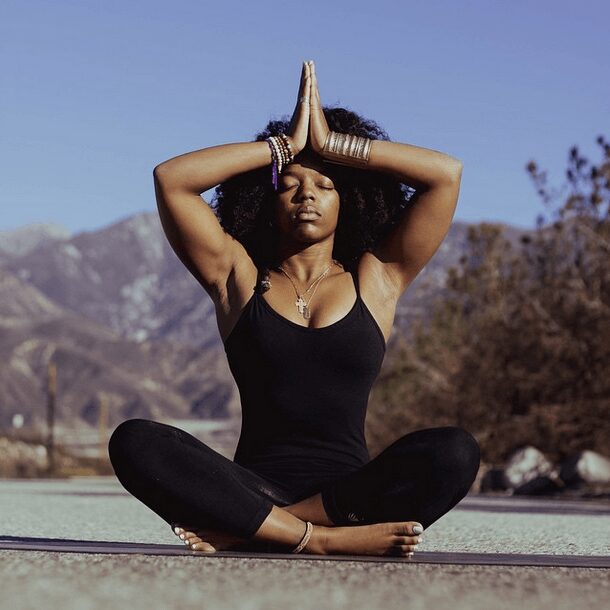
Do you sometimes sluggishly drag yourself out of bed on a Monday morning? To stay on your A game, you have to cultivate certain habits to increase energy and productivity for the week ahead. These seven habits are a sure fire way to give you the needed boost to start your day right. 1. Get enough sleep Being able to wake up early in the morning has its perks, one of which is better control over your schedule for the day. If you can wake up early in the morning – awesome! If not, that is also okay. People have different sleep patterns and rhythms. Whether you’re a night owl or an early bird, the most important thing is that you find what time you are most productive at and invest your hours into that period of the day. The trick however, is to either go to bed early so you can wake up earlier in the morning or go to bed late and wake up later in the day, but in accordance to your schedule for the day. Some of the benefits of getting adequate sleep include a strengthened immune system, improved focus and better mood. Overall, you want to strive for that balance where you get enough sleep while being able to do your work when you function best. 2. Exercise The benefits of exercising daily are innumerable. Exercise helps you fight diseases, increases your energy throughout the day and improves your mood by releasing the hormone serotonin. Biologically speaking, here is how this logic works: exercise increases your heart rate, which functions to pump oxygenated blood to your tissues and organs. A few side effect include an increased brain function and focus as well as an increased oxygen flow to the muscles providing adequate energy to do work. Having trouble sleeping at night? Get some aerobic exercises in before bed, then thank me later. However, don’t feel you have to go overboard when exercising. A 10 minute jog, a walk, or any cardio workout will do. The key is to go slow and steady at first, then increasing the tempo over time until it becomes a habit. For starters, just grandma-shuffling through any of these also counts as exercise, as long as it gets your heart racing. 3. Pray or meditate Prayer and meditation are a form of alternative therapy. Prayer has been in existence since the beginning of time and there is increasing evidence from decades of scientific studies that it works! Irrespective of your religion, the efficacy of prayer and meditation undoubtedly supersede the effectiveness of medications, especially when dealing with ailments of the body and mind like depression or anxiety. Harvard physician Herbert Benson in his book The relaxation response discusses the correlation between health and prayer. At such times, the body’s stress level decreases from the lowering of the heart rate and the body’s metabolism to decreased blood pressure and a calmer and more regular breathing rate. On a similar note, Dr. Andrew Newberg, director of the Center for Spirituality and the Mind at the University of Pennsylvania conducted a study of Tibetan Buddhists in meditation and Franciscan nuns in prayer where he found that prayer and meditation increase levels of the body’s “happy” hormone, dopamine. The goal is to set time aside in quietness, withdrawn from distractions to just focus on yourself and connect with a spiritual being. 4. Eat breakfast Breakfast is indeed the most important meal of the day. Just as cars need fuel, breakfast also plays a similar role in helping increase alertness throughout the day. Without breakfast, people may become irritable, lack energy or focus. 5. Drink warm water and lemon If you’re unable to eat breakfast, gulping down a cup of water and lemon before dashing out can help you get a head start on a productive day. The warmth of the water aids in digestion and the lemon provides the body with Vitamin C, which gives the immune system an added boost, balances the body pH and clears the skin of blemishes. So if you’re not able to have breakfast, this is a surefire way to re-hydrate and energize you before your next meal. Just don’t swallow the lemon! 6. Affirm yourself Look in the mirror and smile at yourself for about 15 to 30 seconds. Yes, I know it sounds silly, but try it. Alternatively, if you feel embarrassed doing that, look in the mirror and speak to yourself words of affirmation like: “I am beautiful” “Today is going to be a great day’ ‘I am an amazing individual” “I have what it takes to succeed”. Whatever mantra you choose to chant to yourself is guaranteed to not only boost your self-esteem, but also give you confidence throughout the day and help you overcome challenges as they come by. Words have power and can influence your mood. Choose them carefully. 7. Make a list of your top three goals Make a list of the top three goals you intend to achieve for the day. You may have a long list of tasks that you plan to achieve, but worrying over those will get you nowhere. Narrowing down this list to three major goals will help you organize your day better, stay focused and get the most important off your list. Habits take a while to form and require repetition. But these rituals are guaranteed to help you reach those goals no matter how difficult they may seem at first.
Product review etiquette for bloggers
There are many perks that come with blogging, but none so welcomed as the ubiquitous product review. That is, receiving free products from a company to review on your blog in exchange for an honest review or advertorial. Some bigger blogs, in an ad network, are paid to do product reviews and smaller ones sometimes aren’t. It all depends on how you position yourself. If you’re able to successfully grow a loyal following, brand managers and publicists will notice and come knocking at your door. The only rule everyone must follow is full disclosure. Tell your audience if you received products or payment in exchange for a review. If done right, your readers won’t mind and will support your hustle. Beyond the full disclosure rule, here are a few etiquette points bloggers should follow to keep their sponsors happy and to position themselves for financial growth. Treat your sponsors like clients They are your clients, even if they aren’t paying you in cash and are providing you with free products. No rough handling, please! Care, attention to detail, and a basic understanding of their business goals puts you at an advantage for future business. Respond in a timely manner After you’ve done some preliminary research on the company to speak intelligently about their products, give them a call or respond back to their email as soon as possible. Ask yourself if the product is a good fit for your blog If not, let them go easy. Don’t burn bridges so the publicist keeps you in mind for future projects. Give the sponsor a definitive time for publishing their review Give a firm date even if it is months ahead and meet your deadlines. Plan your blog posts ahead of time or give a realistic estimate of the time it will take you to craft a blog post or film a YouTube video. Stay committed and make good on your deadlines so you don’t keep your client in the dark, waiting. Make the product review honest and relatable but don’t kill your client’s business Find kind ways to be positive about your client’s product. Yes, you can be honest with your audience and positive about a product you don’t necessarily care for at the same time. It’s all in how you word it. Your goal is to serve your clients and be honest to your audience while exposing new brands to them—not kill business. If you are having a hard time crafting a positive post, communicate this with your client, tell them what you would change about this product to make it better. (Brands love constructive feedback especially from influencers like yourself.) Tell them about the review you will post and if you’re willing, work with them to craft a post that works for both of you. You always have the last say on what goes up on your blog. Be grateful Thank them for selecting you to review their products and keep in touch so that your blog/brand stays top of mind for future projects. Bonus: After the review goes live, provide your client/ sponsor with post stats. They’ll thank you for the extra attention to detail and customer service.
9 non-cliché ways to celebrate International Women’s Day
International Women’s Day is upon us! On March 8th, women all over the world will be celebrated as part of International Women’s Day. Every year, this day comes and goes, and sometimes we don’t even notice it. Or for those of us that do, we spend it doing the same thing – girl’s night! Spa day! Now, there’s nothing wrong with any of these things, but for you, this year is a little different. Why, you say? Well, because this year, you have us at SLA to show you a new way of doing things to mix things up. Below are 9 ways you can celebrate International Women’s Day this year in the least cheesy, least expensive, most fun way possible. Spend time with your mum Mothers are great, and honestly, they won’t always be there. This International Women’s Day, make the most of the time you have with the wonderful woman who bore you. Take her to her favourite restaurant, watch a movie with her, cook with her – however it is you usually bond. You’ll be surprised by how much she’ll appreciate your spending time with her, and more importantly, how much you’ll learn from being with her. Parents have feelings just like us, and doing this would definitely create a greater bond between you two. Celebrate with women you admire If you have a mentor (which you all should have, but more on that later), this is the time to reach out to her. Mentor-mentee relationships should not be one sided with you always taking from your mentor. You should consciously seek ways to add value to the life of your mentor as well. On that day, treat your mentor to lunch or a coffee date. If there’s someone else you admire who you haven’t yet built the mentor-mentee relationship, then this is a great opportunity to do so! Not only would the person be flattered by your thoughtfulness, you will also get the added bonus of a great conversation with someone you look up to. Give back to other women Get involved at an NGO or social enterprise that is all about empowering women and girls. Alternatively, you could even volunteer at your local community centre or help out at church. The point is to find ways to reach out to women in your community who are in need of help or rehabilitation, and there are many opportunities to do just that. Accomplish a personal goal Remember that thing? That important-but-oh-so-scary thing that you’ve been procrastinating on? Yup, you know exactly what I’m talking about, it just came to your mind now. Yeh, so get.it.done. There is no better way to celebrate than accomplishing a seemingly daunting task. The more difficult it seems, the better. Let your triumph be your gift to yourself this International Women’s Day. Invest in your career This year, Accenture is hosting an event to discuss issues centered on women in the workplace. If you’re in New York, Dublin or Sydney you can attend any of the sessions. Also, the event will also be broadcast online, so regardless of where you’re located, you should check it out. For those of you interested in consulting, this is a great opportunity to connect with Accenture consultants and recruiters, even if you’re not able to physically attend the event. Visit a local women’s day event near you Between networking mixers, concerts and art exhibitions, there is a Women’s Day Event in literally every city. So much so that the UN has made our lives easier and compiled a list of all these events here. The theme this year is #PledgeForParity, and so a lot of the events will raise awareness to the pay difference seen between men and women. There will of course be other issues involving inequality that will be addressed as well, but this would be a great time to learn some more about the problem and what we have to do to reverse it. Support other women There are many wonderful women doing powerful things, and we can all find ways to support their enterprises! This Women’s Day, visit that gallery run by that woman whose art you admire, splurge on that outfit by that designer you adore, download that innovative, game-changing app! If you need inspiration, feel free to draw from one of the many entrepreneurs we’ve spotlighted here at SLA. Fortunately, there is an surge in talent and this trend is something we all want to see continue. Learn about impactful women I know, I know. I promised you a fun list, and here I am bringing homework. Since when was learning ever fun? But hang on there, it really depends on how you do it. Get a group of friends and make it a fun, interactive activity. (Games night anyone?) Play a game of trivia and discover who among you knows the most about famous women civil rights activists. Here, I’ll even give you a few key starting points: Maya Angelou, Funmilayo Ransome-Kuti, Gloria Steinman, Nina Simone, Chimamanda Adichie. Winner gets bragging rights, and a bag of treats! Spend it alone – Treat yourself by doing absolutely nothing If you want to stay at home, basking in the presence of your awesomeness that is totally fine with me. Just make sure you commit and go all out while you’re at it. If it’s going to be you and a book, don’t just stop there. Grab that book and curl up with a hot cup of tea, hot chocolate, biscuits – whatever your favourite comfort food is. If your thing is Netflix, you’re in luck, House of Cards will be back by then, so you have a long day of political drama ahead of you. But even better, you can watch a movie that passes the Bechdel Film Test. This year, do things a little differently. Celebrate the powerful women in your life and yourself for being just that – powerful.