
10 inspirational quotes from women leaders for when the going gets tough

Starting and running a business, nonprofit, or working towards being in a position of leadership can be frustrating and onerous over time. We usually start out excited, ready to take on the next challenge of actualizing a vision, only to lose that spark over time. Besides getting external moral support, an important factor is learning how to constantly motivate yourself. If you’re finding it difficult to stay inspired and keep the vision alive, you are not alone! Read the following advice from these inspirational women that have made or are making waves in various fields of leadership that also understand your plight. 1. “The size of your dreams must always exceed your current capacity to achieve them. If your dreams do not scare you, they are not big enough”- Ellen Johnson Sirleaf. Sirleaf is the current president of Liberia and the first female head of state in Africa. After being forced into exile during the 1980 military coup, she returned to speak against the regime, then later contested for the presidency in 2005. In 2011, she was part of trio of inspirational women awarded a Nobel Peace Prize for her work with women’s safety and rights. 2. “Take criticism seriously, but not personally. If there is truth or merit in the criticism, try to learn from it. Otherwise, let it roll right off you” – Hillary Clinton. Clinton served as the 67th U.S. secretary of state in from 2009- 2013. She is the leading Democratic Presidential nominee for the upcoming American 2016 election. 3. “When we speak, we are afraid our words will not be heard or welcomed. But when we are silent, we are still afraid. So it is better to speak.” – Audre Lorde. Lorde was a Caribbean-American poet, civil rights activist, and feminist. Her writings addressed racial prejudices, homophobia, and male privilege, amongst other things. She empowered her readers to address prejudice they were faced with and also celebrate differences in race and class. 4. “Learn from the mistakes of others. You can’t live long enough to make them all yourself” – Eleanor Roosevelt. Roosevelt was the first chair of the UN Commission on Human Rights and played an active role in American politics as First lady. 5. “If you don’t like something, change it. If you can’t change it, change your attitude. Don’t complain” – Maya Angelou. Angelou is an award winning poet and author of seven published autobiographies, numerous essay collections and poetry. She is internationally acclaimed for her memoir, I Know Why The Caged Bird Sings. 6. “Normal is not something to aspire to, it’s something to get away from” – Jodie Foster. Foster is an American actor, director, and producer who has worked in films and on television. A recipient of several awards, she is often been cited as one of the best actresses of her generation. Her latest work involve directing episodes for Netflix original, Orange Is the New Black & House Of Cards. 7. “Don’t wait around for other people to be happy for you. Any happiness you get you’ve got to make yourself.” – Alice Walker. Walker is a Pulitzer Prize-winning American author and activist, she wrote the critically acclaimed novel The Color Purple. 8. “If you just set out to be liked, you would be prepared to compromise on anything at any time, and you would achieve nothing.” – Margaret Thatcher. Thatcher was Britain’s first female prime minister serving three consecutive terms in office. A dominant figure of conservative ideology during her time in her office, Thatcher created a conducive environment for entrepreneurs to thrive. By cutting taxes and regulation, she empowered people financially, and ultimately helped revitalize the British economy. 9. “You’re not obligated to win. You’re obligated to keep trying to do the best you can every day” – Marian Wright Edelman. Edelman is an American activist for children’s rights and is the president and founder of the Children’s Defense Fund. She has been an advocate for disadvantaged Americans her entire professional life advocating for causes like pregnancy prevention, parental responsibility for educational values, and reducing the level of violence presented to children etc. 10. “As a girl, you should not be someone who tries to fit into a glass slipper. You should shatter the glass ceiling” – Priyanka Chopra. Chopra is an Indian film actress, singer and a UNICEF Goodwill Ambassador amongst other things. A former Miss World (2000), she is has advanced tremendously in her acting career and is the first Bollywood actor to play a lead-role in an American TV show (Quantico). How about those words of inspiration? These Moguls clearly have things on lockdown – maybe not yet, as learning in life is a continual process. Nonetheless, they have been there, (or are still in the process) done that, and understand your plight, just as much. So pick yourself up, dust off the discouragement and take another shot at your goals. To be most effective, grab a post-it note, or whatever medium is most convenient and visibly write down the most essential quote for your current success roadblock. The key is to have this quote ingrained in your memory through repeated exposure instead of trying to retain all the information at a go. Repeat this as often as is needed and see it make a difference.
Five types of employees you want to fire immediately

We all have that one person in our squad or team that we could live without. They want the worst for you, but you want the best for them. You want a team as synchronized Travel Noire‘s, they want a mosh pit. You’re thinking savings, they’re thinking spending. In short, you two are on different pages. And so you fire them, which is what any reasonable person would do if they cared about saving their business venture. And if you have the below mentioned five employees on your team, please fire them all before they poison the well. 1. The Social Media Butterfly These are people who wake and sleep on social media. Give them a day to research five smoothie ingredients for a new flavour, and all they’ll come with are a bunch of IMDB tab sheets and a desktop background image of Idris Elba. 2. The Raver Everyone has a bad day, but that doesn’t mean we should scream like banshees at work. Home, yes. Work, no. No on wants to work with someone who stresses them all day, every day with strident remarks or caustic put-downs. 3. The Warlord These are career trouble makers, and all-around instigators. They’re ready to fight at the slightest perceived provocation, sowing seeds of discord in the office. If you dream of fostering a collaborative and friendly work environment, then caution them to cut it out, and if they don’t, give them the sack. 4. The Know-It-All Spews a never-ending stream of suggestions and unsolicited advice, but barely listens to second opinions nor take corrections. This kind of attitude breeds resentment and could spell trouble for your company if they’re their job requires them to liaise with clients. Encyclopedias are books, as in inanimate objects. So if your employee fancies themselves one, you have every right to be worried. And what do we do with worrisome employees? We fire them. That’s right, we fire them. 5. The Indecisive is afraid of mistakes and wants to run every full stop by you. They can’t take any initiative, and need constant reassurance and feedback. If you enjoy baby-sitting adults, keep them. If not, let them go or you’ll be doing their job and yours. Who else will you fire? Any personalities we didn’t mention? Care making a list?
Networking 101: 5 tips for your next networking event

Attending networking events may seem like an intimidating experience. But, it does not have to be, if you prepare in advance and follow the tips below. 1. Arrive on time This is especially important for networking events with no any speakers or program outline. You’ll more time to meet people as they arrive. 2. Name badge to the left When given a name badge, wear it on your left side so that it does not get crumpled or turned upside down as you shake with your right hand. You’re welcome! 3. Business cards at all times The most important tip! Having business cards on you is a must when attending networking events. Before you leave the house, repeat this mantra: keys, money, phone, business cards. You can easily print your own with blank business cards from the office supply store. Be sure it has your current industry or areas of focus on it. What’s more, you can even use your business cards to jot down the contact details of a person you wish to follow up on. 4. Conversations To begin, ask them how they are affiliated with the event ? Or, how they heard about the event? Make sure they’re open ended, so they’re are forced to make full sentences as opposed to yes or no answers. 5. Stand out Choose events that will increase your professional network, so attend industry events in your industry or in a field you wish you break into. If there are speakers are going to be in attendance, look them up online to prepare questions for the question and answer session. In a more informal setting, you can inquire about the speakers’ professional or educational background. Also note that it is important to highlight things you may have in common: If you attended the same school, or from the same city/state, mention it. Do your homework, and you’ll have a memorable networking experience.
6 career lessons you can learn from South African singer Lira

Not many singers can say they have sung Nelson Mandela’s favorite song to him on his birthday, have performed with the whole world watching during the World Cup, or sold-out tours in the U.S.A. But, South African singer-songwriter, Miss Lira, can! With various awards and critically acclaimed albums on her shelf, Lira has plenty career advice we can watch and learn from. 1. Be open to inspiration Lira talks about personal influences and explains the effect Stevie Wonder has had on her growing up: “Music unifies people and expresses feelings they might not be able to articulate. That made me want to be a songwriter. I thought, if there’s any reason to write music, that’s a good enough reason right there.” Inspiration for a career or a business can come from reading , observation and listening to others. Being open-minded can really open new doors for you. 2. Choose what makes you feel good “I used to be an accountant, and chose to become a musician. And that whole transition, going from earning a great income to starting a career as a musician… I was like, am I out of my mind? What was I thinking? But I just wanted to feel good. On a daily basis, I wanted to feel excited about life and my plans.” If what you do for a living is not fulfilling, if it’s not what makes your heart beat faster, it’s not too late to chase after your career dreams. 3. Work with what you have A great quote from Lira: “Do what you can, with what you have, where you are right now.” You may not have it all at once, but you’ve already got something. Lira lets us know it’s most important to keep going, and not let temporary circumstance weigh us down. 4. Explore your options Lira’s American fans had been reaching out online, requesting her to come sing in The States. But prior to her huge U.S. tour, Lira took some time to check out the scene, and did a mini-tour of 5 shows in different states. “We had sold-out concerts. There was quite an interest in what I had to offer.” Trying out venues and styles of delivery for your service or product can help you specify your professional approach and guide your career direction. 5. Allow yourself to break away from pressure In a 2013 interview, Lira explained that after 9 years of non-stop work, she wanted to take some time out: “I want to be able to just be, and not feel pressure for a while.” Encourage yourself to work as hard as your time allows you. And when necessary, after long, busy days, a little time to decompress will have you back on your grind extra strong. 6. Find power in humility Lira tells us she can find beauty in Africa, America, in Europe, in the East, but: “There’s something that Africa can offer to the world, that the world needs today. There’s an element of humility that we have, that I feel the world has forgotten. We still have a sense of community.” Taking values from your home front into your business can help you keep track of both your personal and professional growth. If what you’ve learned growing up is accurate to how you want to do business now, that’s something you want to keep close. What other lessons have you learned from this power house’s journey? Share them with us.
My mentor helped me learn my worth & start my business

It was the worst of times–I was jobless, broke, and in despair. Then I met a woman who told me to own my skills and know my worth, in that order. She is now one of my amazing mentors, and an inspiration for my organization, The Fairy Godsister, Inc. Mentorship is significant to career success and personal advancement. Mentoring is a relationship between two individuals, in which a more experienced person imparts insight, wisdom, and guidance that can be leveraged to help a less experienced person progress in their professional, personal, or academic development. In my career, I have had an opportunity to meet wonderful women who have empowered me to accomplish great things. As such, I have always enjoyed networking as a fantastic way to expand the cache of individuals in my rolodex. But simply increasing your number of acquaintances is not enough. Join a Network There are networks whose primary purpose is to help match you with a mentor that is the right fit for your goals and ambitions. Do some research, and identify a few that are of interest to you. Then, reach out! Here’s a tip: Before you begin your search, define a few goals that you would like a mentor to help you accomplish. This exercise will enable you to quickly filter out organizations that do not provide mentors that speak to your needs. Affiliate networks If you already work at a company, find out if there is an affinity network for women. If so, join one or five, and engage with the members in the network. Find someone who is more senior than you, whose position you may one day like to have, and ask that individual out for coffee to discuss their experiences. This is an organic approach to developing an advocacy relationship with someone at your workplace. Leverage your network The good thing about networking is meeting people; the bad thing is not following up. To avoid the pitfalls of this, make it a goal to find one potential mentor at every opportunity where you meet people. Set relationship building as a priority and find individuals from whom you can learn. I have developed relationships with individuals simply because I reached out to follow up with an email to ask for a phone call or coffee after an event or upon reading their LinkedIn profiles. A coffee, two dinners, and a Facebook/LinkedIn later, you now have a healthy relationship with someone who you will learn from and can leverage to your advantage. Final tip Mentoring is a mutually beneficial relationship, so before you reach out to someone, consider how you may be able to assist them as well. In our organization, we have found that many of the mentors report great benefits from their roles. They learn things about themselves through their relationships with their mentees. So, when considering finding a mentor, be prepared to be a teacher as well as a student. In conclusion, the relationships that are built through networking opportunities are seldom maintained beyond a few follow-up emails, resulting in a wasted resource. You need to build relationships, and most importantly, identify an advocate who will become a mentor. Yet, I know that finding the right mentor is not always easy. In fact, studies indicate that historically, women have reported greater challenges in finding mentors than men. This has led to the development of a number of networks and programs who aim to connect women with female mentors. The Mentoring Women’s Network, and The Fairy Godsister are two such groups.
Craft the perfect email for everyone in your office

In part I of emailing like a boss, I provided a checklist with the correct structure to slay all of your professional emails. In part II, I discussed how to tweak your content to suit you reader, be it a colleague, employee, boss, or client/customer. Understanding your reader is essential to getting an effective response. You wouldn’t talk to your sister in the same way you talk to your father. That’s foolishness, especially in an African household. This same principle applies to your email. Knowing your reader is important as it establishes their position and affects the tone of your message. Let’s dissect workplace roles and how to tailor your email for each one. Colleagues: Teamwork makes the dream work Be a great team player, do your part, and communicate in a productive manner. Find ways to personalize each message even when sending generic emails. This way, you aren’t victim to the bystander effect, where no one responds because everyone got the email. Communicate to everyone one individually. Be open, driven, and progressive towards an equal compromise . Employees: People want to be led by a visionary A person with a clear vision and passion for success is the best person to work for. Whether you know this or not, people choose to work for you because they believe your vision can and will get them paid. If that isn’t trust, I don’t know what is. Try using words that indicate appreciation and urgency to get a task done. Upper Management, ie. Boss: Busy, Busy, Busy! One vital thing to know about the lives of your boss and upper management is that they are far too busy taking care of the company to waste time reading emails that beat around the bush. In fact, you have the subject line to capture their attention. As an employee sending an email to upper management, your email has to be exceptionally purposeful, brief, and relevant. Every word and sentence counts so no need to repeat or go too far with descriptions (unless that is the task at hand). You can find seven fabulous tips to help you send emails to your boss here. Remember, potential employers are even busier than the management you work for. Why? Because they do not know you. So give them a reason to want to know you. Clients / Customers: Great customer service leads to profit Let’s face it, we love our customers because we exist to cater to them. And this catering comes with a price: communicating personally with a clear purpose is key to sustaining and building your brand loyalty. Always use positive framing. Listen and respond to your customers in a timely fashion. Give your customers what they want, which is to be understood. Acknowledge their comment and respond directly to their words. Because remember, a business is nothing without its customers. Have you used any other tips to save you from the proverbial African disgrace when writing email? If so, feel free to share them with us.
The fork in the road: Choosing the right business structure

Once you have decided to start your new venture, it is imperative that you choose the right business structure for your company. Do research to find out if you should register as a sole trader, a limited liability company, or a partnership. Don’t rush to the Corporate Affairs Commission to register an LLC because your friend did and their business is profitable. If in doubt, this piece will help you to make the right choice. Sole proprietorship (“the lone walker”) A sole proprietorship is owned and managed by one individual—the owner. The owner is liable for the business’s financial obligations. For example, in some jurisdictions, as a sole proprietor, your business profits and losses are included in your personal tax returns. Consequently, if your new venture experiences losses, such losses may offset your income from your “day job.” The drawback of this structure is that you’re liable for your new venture’s liabilities. Which means is your personal assets (houses, cars, jewelry etc.) are on the line if you fail to repay a debt or run into financial trouble. If you love working alone and do not mind being personally liable for your business, this may be a good option for you. But note that raising funds for your business as a sole trader will be difficult.Banks and institutional investors tend to shy away because of the risk of losing their investments if your business goes south. Partnership A partnership is appropriate if your new venture is owned by two or more individuals. Partnerships are named differently in different jurisdictions and vary in structure, which dictates you and your partner(s) liability. For example, under a general partnership, you and your partner(s) are responsible for the financial liability and daily operations of the venture. On the other hand, a limited partnership constitutes a general partner and a limited partner. A general partner owns and assumes the liability of the partnership, whereas the limited partner is the investor (the limited partner only provides the money!). The limited partner does not participate in the daily operations of the new venture and is not liable for the new venture’s debt. Generally, a partnerships have a better chance of raising funds from banks and institutional investors than sole proprietorships. More on partnerships Thoroughly review the different partnership structures in your jurisdiction and determine what works best for venture, then if necessary negotiate with your business partner(s) and sign a contract. Even if your partner is your best friend. Have these questions at the back of your mind when drafting the contract: What is your business continuity plan if your partner leaves or dies? What role will each partner play? Do you want only one partner taking decisions on behalf of the company (e.g. taking out loans)? How will you resolve conflicts between partners? (Stay away from litigation!) There is no better time to agree on the terms of the partnership than during the early stages when everyone is excited about the venture. Sign the agreement during the honeymoon phase as it will be extremely challenging to agree on anything during the divorce phase. Corporation Like partnerships, corporations vary from one jurisdiction to another. Nonetheless, corporations are generally separate entities from their owners, and personal assets not at risk. However, there are some exceptions where a court could pierce the corporate veil and make make owners liable. As with partnerships, banks and institutional investors are more likely to consider issuing loans or making investments. Corporations also have the benefit of raising funds by issuing stocks. Limited Liability Company A limited liability company has one or more partners (depending on the jurisdiction) and combines elements from partnerships and corporations. For example, all partners in a limited liability company can all participate in the daily operations of the business, but partners are not personally liable for the venture’s debt. What’s more, LLCs can raise funds from institutional investors and get bank loans. Nonetheless, this veil of protection against liability is lifted if you personally guarantee the venture’s debt. You want to keep a clean slate? Here’s how to do that… Once you have chosen a business structure, it is imperative that you register it with the relevant regulatory authorities. Contrary to popular belief, the Lagos Internal Revenue Services can track your Lagos-based business if your business fails to make relevant tax payments. Moreover, you do not want to give potential investors the impression of one who evades regulatory processes. Some practical steps to registering your business 1. Choose a name for the business. 2. Check with the Corporate Affairs Commission that the name is still available. In some jurisdictions, this search can be conducted online. 3. If it’s available, register the name or reserve the name (some jurisdictions allows for name reservations for 30 days). 4. After the name is confirmed, draft your legal documents e.g. Partnership Agreements, Memorandum & Articles of Association, etc. The Memorandum & Articles of Association should enumerate the purpose of the new venture, the name of the partners and their percentage ownership, the office address etc. 5. Register your company with the relevant tax authority and get a tax identification number. 6. If applicable, apply for a business permit/license. In sum, the business structure you choose determines the extent to which you will be personally liable for your business debt, your tax liability, your responsibilities as a business owner as well as the required regulatory filings. This is one of the most important early stage decisions you will make as a business owner so think through it carefully and decide what works for you! In the next segment, we will discuss legal considerations when raising funds for your new business. Have a question to ask? Write to us! We are listening. Follow this series with Part 1 of Efe’s Legal Corner on The Best Way To Resign Your Job To Start Your Business.
10 TED talks by African women that will inspire you this year

Chimamanda’s Danger of a Single Story remains the most popular TED Talk on Africa of all time. The talk boasts more than 9 million views on the TED website and 1 million+ views on YouTube. I researched other African women sharing great insight on the TED stage and found 10 of the best that was produced in 2015. Here are 10 African women who gave inspiring Ted Talks last year: Memory Banda At 18, I was most concerned with getting the latest Iphone. Memory Banda on the other hand, successfully influenced the Malawi parliament to raise the legal marriage from 15 to 18. After watching her sister get pregnant at 11, Memory vowed to defy the traditional practice of kusasafumbi, a practice in which young girls are forced into marriage once they begin menstruation. Now an avid girl’s rights activist, Memory shows a glimpse of her strength and resilience in this passionate speech about girls right to choose at the TEDWomen 2015 conference. Taiye Selasi Discounted by some as a “First World Problem”, Taiye’s Selasi asks the question, “Where are you from?” in reference to migration around the world. Taiye has lived in four continents, and her critically acclaimed book “Ghana Must Go,” details the complexity of human identity. MaameYaa Baofo Although Nollywood has established itself as an industry to be reckoned with in Africa, many African parents are still unlikely to be thrilled with a child actively choosing acting as a desired profession. MaameYaa Baofo, a New-York based Ghanaian actress, is also gifted orator. In this talk, she uses her experience of pursuing acting despite discouragement from others to discuss the importance of being your authentic self without apology. Zodidi Jewel Gaseb Zodidi is a Namibian woman who discusses the impacts of Western beauty ideals on women through her personal journey of wearing her hair natural. She was inspired to grow out her naturally kinky hair after she realized that her daughter perceived her long flowy extensions as the standard of beauty. She challenges negative stereotypes about black hair in this short but poignant video: Yawa Hansen-Quao “Your voice is your Power” is the key message of this inspiring video by Ghanaian born and US raised Yawa Hansen-Quao, the leader of the Leading Ladies Network (LLN). Her talk aligns with the ethos of the LLN, an organization dedicated to encouraging young women to participate in entrepreneurship and leadership. Mallence Bart-Williams Malence is the founder of Folorunsho, a Not-for-profit organization that she says is “not a charity”. Mallence believes charities in Africa foster the rhetoric of poverty and dependency on the West. She briefly explores the impact of post-colonialism on African countries as the impetus for her collective which connects a group of street boys aged 14 – 20 living in the slums of Freetown, Sierra Leone Lion Base and encourages them to be self-sufficient through creativity: Ola Orekunrin Becoming one of the youngest medical doctors in England at the age of 21 was just the tip of the iceberg for Ola Orekunrin’s promising career. She went on to create The Flying Doctors initiative, West Africa’s first emergency air ambulance service. The success of her initiative earned her a New Voices Fellow at the Apsen Institute and a Young Global Leader title by the World Economic Forum in 2013. In this TEDxTalk, she address the sexism women in business and positions of power experience, despite their noteworthy achievements. Afua Hirsch An experienced journalist, Afua Hirsch is the social affairs and education editor for Sky News. In this refreshingly honest video, Afua asserts that we do not live in a post-racial society as there are still several stereotypes associated with blackness. She refutes the popular “ I don’t see colour” rhetoric by explaining that we cannot transcend racial tension and microaggressions without having honest conversations about race. Ekua Armah Ekua was a senior at the University of Southern California majoring in health promotion and disease prevention students at the time of this speech. As a public and women’s health educator, Armah discusses using social media as a transformative tool to enhance women’s lives. Salima Visram Visram is the founder of the social enterprise, Solour Backpack. The problem: school children in certain rural areas in Kenya do not have access to lights and electricity to complete their school assignments, thus creating a vicious cycle of poverty. To address this issue, the backpack company leverages the power of the sun by outfitting their backpacks with solar panels which provides electricity to the school children at night. In this TedxTalk, Visram discusses children’s inability to stay in school and the work we can do to prevent this. What were some of your favourite speeches in 2015? Do you plan on giving a speech or TED Talk this year? Do share with the community.
Dziffa Ametam: Tools and tips for building an e-commerce site

From Amazon to Alibaba to Jumia, ecommerce has taken the global retail market by storm. Data suggests the trend is here to stay. With internet penetration improving across Africa, we expect ecommerce industry to expand. Dziffa Ametam of Dziffa is on a mission to create an online marketplace for authentic handmade African goods. For any one who had spent time on the continent Africa, this is no easy feat. Internet speed and pricing are two of several hurdles ecommerce business have to surmount. In this piece, Ametam shares tips that have helped her build her business, and pitfalls to avoid. Can you give us some insight to some of the important tools you started out with? 1. Stick To Your Principle At Dziffa, our principle was simple: sell authentic handmade African goods that add value to our local economy and expand the global reach of our local artisans. We started by combing Ghana for artisans who made high quality goods from locally sourced raw materials. We partnered with them, providing professional photography, branding, and marketing services free of charge. As they had nothing to lose, they agreed to the partnership, and that helped stock the site with products that are aligned to our principle of creating a store with authentic African goods. 2. Focus on the Supply Chain Most ecommerce sites fail because they are unable to meet demand. It was very important for us to maintain consistency by fulfilling all orders. This sounds very basic but it is actually the hardest part of our job. We work with artisans from various regions and each has his or her own challenges with getting the products to us on time. I moved to Ghana to ensure that all orders, no matter how small, would be fulfilled. Fulfilment is crucial to turning curious customers to loyal customers. Someone could buy a bookmark out of curiosity, but if she received it on time and is satisfied with it, she just might become a loyal customer. Plus, her friends will know about her new discovery. Pitfalls to avoid Getting heavily involved with manufacturing. Because we work hand in hand with artisans, we are always tempted to get involved with the manufacturing process. This was a big distraction in the very early days of Dziffa. We would get consumed with the manufacturing process that we didn’t have time to focus on our core responsibility, which is selling. What are some tools you started without that you soon realized were necessary? Social Media, Blogs, and Magazines. Stories matter and we underestimated the power of storytelling in the very early stages of Dziffa. We communicate to our audience through our weekly blog post and bring them along with us on our journey. We reach out to magazines to share our discoveries. We also leverage social media to brand and sell beyond our immediate market,Ghana. What is your advice for aspiring entrepreneurs trying to get into the e-commerce space? 1. Do your research I cannot stress this enough. As an entrepreneur, every mistake you make is costly. Do your research or speak to someone who has been down a similar path. Make sure you thoroughly research the market you are going into and fully understand the opportunities and challenges. 2. Embrace the struggle Entrepreneurship is not easy. You will be faced with a lot of challenges. Embrace the struggle; they teach you a lot about yourself and your potential. Remain persistent and always remember why you chose this path. You can learn more about Dziffa? You can find out more on her website and social media pages – Facebook and Instagram. Want to learn more about ecommerce or running an ecommerce business? Comment below and let us know.
The best comebacks for the 7 worst workplace mistakes
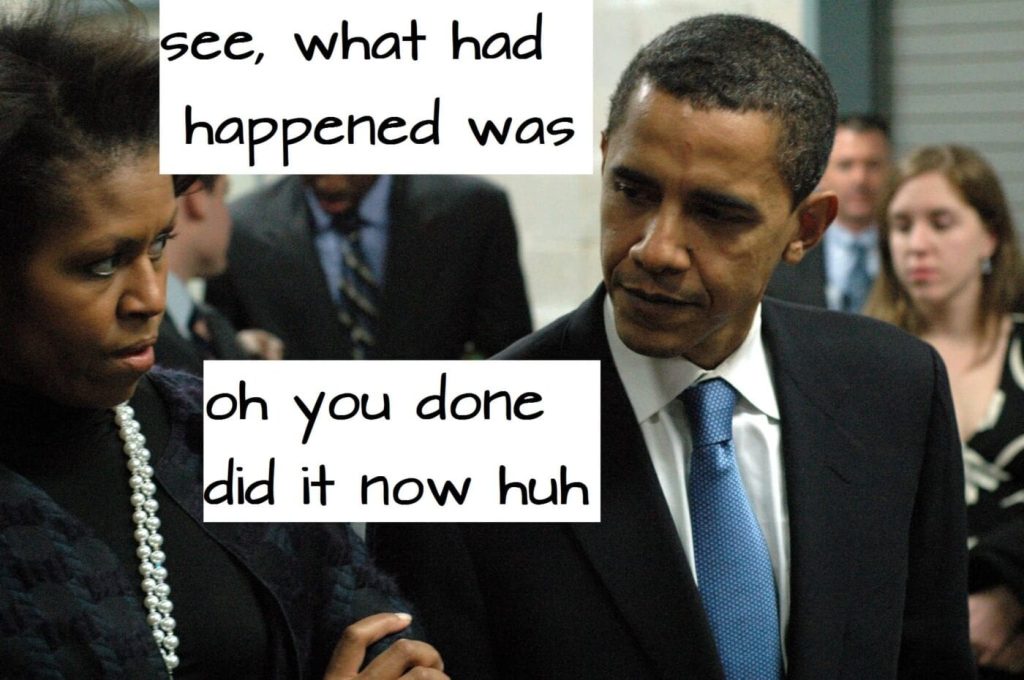
Mistakes happen. But what do you do after a mishap? Since different mix-ups require different solutions, we have put together a come back list for these 7 common work place mistakes. They might help cut you some slack. 1. You miss a very important meeting When you come in, don’t act as if you did not forget. You might be smooth, but people will notice. Slide in quietly and take your boss to the side. Tell her you honestly forgot and that you’ll adjust right away. Don’t speak if you’re not up on the subject. Rather, listen and take notes so that you can work back from there after the meeting. Take note of upcoming meetings and write them down immediately so that next time, you’ll be the first one in the room. Prepare yourself cautiously and never repeat this in the future. Before you know, no one remembers that one time you forgot. 2. You made quite the typo Your boss asked you to send a crucial e-mail regarding an important deal, and you used the verb? Let it be. Messed up a time-schedule? Correct it. But then, there are the real pain-in-the-behind typos. Let’s say you got a little enthusiastic and spelled your biggest clients last name ‘Yerk’ as J-E-R-K. Normally, this does not happen to you, so don’t beat yourself up – what’s done is done. Send out an email with an apology. Keep it light – perhaps you could humorously point out how close these letters are to each other on ALL of our keyboards. 3. You ate someone’s sandwich This is super disrespectful. Someone was counting on that. We can’t help you here. 4. You had the best time at the office party …And may have told your handsome co-worker that “you love a man in a uniform”. And now you can’t remember whether you kept talking after that… Oh dear. You’ll still have to walk into that office, so you better come correct and look a hundred when you do. Be fresh and in a good mood when you enter, and when someone comments on your frills from the night before, you say: “I’m sure you had a great time. Wasn’t I charming?” or “Man, that was some champagne”. 5. You deleted a document that you can’t get back anymore You better pray. The century of technology has provided us with so many comforts – but my, oh my, with it comes the stress of saving, saving-as and… well, losing. If this problem is beyond your technical skills, get someone who can fix it for you. 6. You’ve gotten into it with your co-worker He’d been on your nerves for weeks and now it’s come to an altercation. He said some things and so did you, and now it’s hard to concentrate around each other. If you guys can’t solve this issue together, tell your boss. Either go together and address the issue in a respectful and mature manner, or book some solo time with your boss to discuss what you think might be a solution to the problem. 7. You lack sleep and therefore empathy You’ve been putting in extra hours and it’s made you cranky as can be. Although you try to leave that at home, people notice you’re not in a happy mood. If you can, take a day off, or work from home for a day. Being in a different, lower-pressure environment might help you snap out of the funky mood. Get some sleep. Eat a decent meal. Do a fifteen-minute work out, and right before bed, read a few pages from your favorite book. Then watch yourself turn up at the job refreshed. After all, rent’s up and you need this money. These tips should help save the day. And if they do, send us some jollof too. Also, if you have other tips for making an office come back, please share the SLA community.