
Tshepy Matloga: Recognition is the best motivator
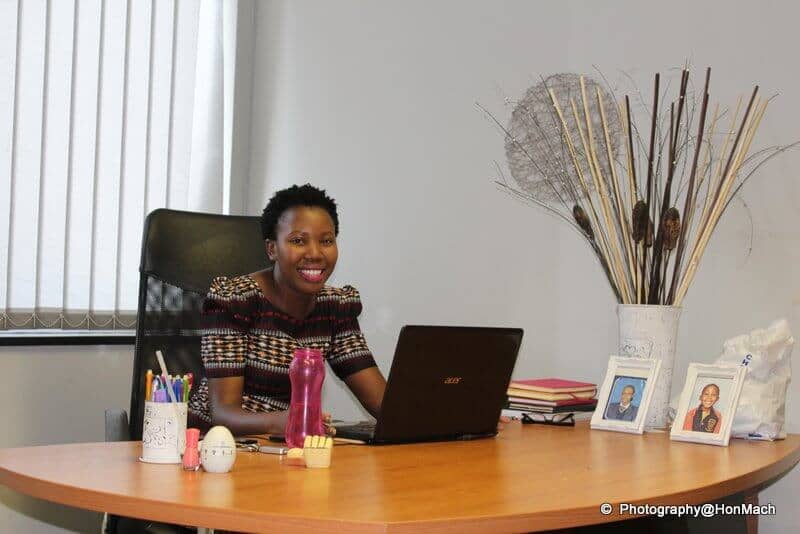
South African journalist Tshepy Matloga started making frequent visits to Malawi in 2014 when she noticed the lack of business magazines with Malawian content. Tshepy jumped at the chance to address this gap by launching Inde, a business and lifestyle magazine aimed at Malawian women. Here, Tshepy shares tips on setting up shop in another African country and speaks on being voted a top South African inspirational youth. You’re South African, why did you decide to start a publication in Malawi? More than a year ago I became a frequent visitor in Malawi. I was charmed by how serene and peaceful the country is compared to the hustle and bustle of South Africa. As a journalist by profession myself, some of the things I collect are magazines and it baffled me that I could not find a single publication that was about women and the business landscape in Malawi. Yes, there are so many publications in Malawian shops but they are all South African publications coming here packaged with South African content. I also met my partner here who happened to be in the media too. When I ran the idea past him, we both decided to bring to life Inde magazine in March 2016. “Inde” is a Chewa word meaning “yes”, Inde Magazine is Malawi’s only business and lifestyle magazine. What is the business climate/culture like in Malawi and how is it different compared to South Africa? The business landscape in Malawi is extremely different than the one in South Africa. I am used to a fast paced business environment and I have found Malawians to be very relaxed, there’s no hurry here whereas in South Africa time is money. With that said, I think my biggest challenge was having to slow down my normal work pace so that I didn’t become too overwhelming. I however like the Malawian walk-in policy, you can just rock up at a company with no appointment and request for a meeting and if the person is available they will make time to hear you out. That part has made things easier for me because I came here with no business contacts. What tools do you use to extend the reach of Inde magazine? Social media has been very helpful in this regard. Then, Malawians are generally friendly people and it being a small community, word of mouth also goes a long way. I have also been trying to partner with local events so that the brand is exposed even more What other projects do you engage in outside Inde? My public relations firm, Chronicles Media Group is present in both South Africa and Malawi. Outside Inde, Chronicles Media group also offers PR services such as corporate communications, social media management, brand management and events. Besides PR and the magazine, I blog for a South African organization called Leadership2020 where I write about my life journey, from growing up in the village of Botlokwa in the northern part of South Africa to running my own company. You recently made Youth Village’s list of the top most inspirational youth in South Africa, how does that feel? Recognition is the best motivator. To be young and know that in the few years that you have been on this earth you have impacted lives is a sign that you are going into the right direction. Everyone who knows me well knows that I have struggled to get to where I am today. From Botlokwa, packing my bags and going to university even though I knew very well my mother could not afford the fee; to struggling to find employment, and when I eventually did find one I did not like it; to starting my business with a few thousands I have saved from freelancing jobs. I have to admit it was a curvy road. So with that said, it is things like such recognition that remind me that the journey was and is worth it. What advice will you give to young African women looking to start a business in another African country? I’d say the beauty of venturing into another country is that you are new there so it makes it easier for you to identify gaps and thus fill them up. Africans are generally friendly people therefore making it easier for a new person to just get lost into the communities and be part of them. But, I have to say markets are not the same. In another country you might find yourself having to adjust your prices and make them lower to make your services/products affordable to the locals. If you’d like to share your story with She Leads Africa, let us know more about you and your story here.
Ogechi Okelu: Making traditional Nigerian snacks sexy
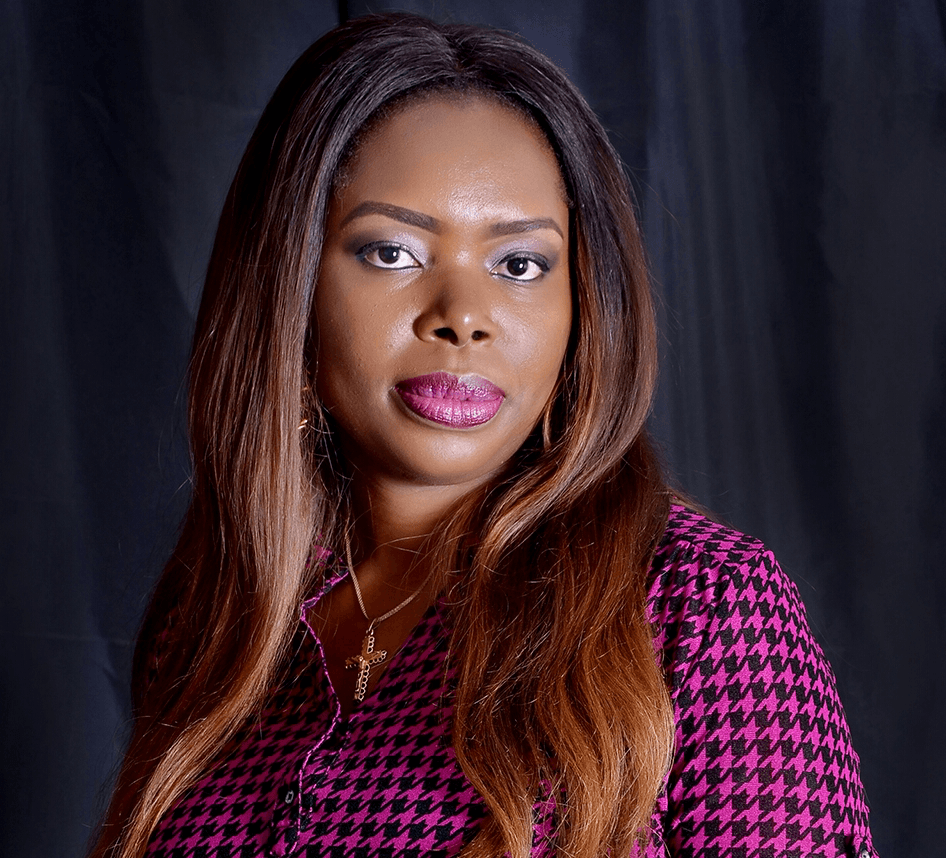
Ogechi Okelu’s love for food creativity led her from a career as a pharmacist to a desire to recreate indigenous Nigerian snacks. Many Nigerians grew up eating snacks which were only largely available in rural areas but Ogechi is repackaging local snacks in healthy and hygienic ways through her small scale food factory to help reach more people. She shared her thoughts with SLA on where traditional foods fit in with weight loss and on her journey so far. Why start a business with indigenous snacks? Nigeria has a wide variety of healthy and creative snacks and meals. These have been lost over time and are not in high demand among the urban and elite groups. This is mainly because of the preparation process and packaging but also due to Westernisation. I’m working on recreating some of these snacks in a healthier and more appealing way for the world to enjoy. Tell us a bit about Kozee My brand has been registered as a trademark and it’s called Kozee. My first product is my brand of kulikuli. Kulikuli is an indigenous snack made from groundnut paste that is quite popular in the northern part of Nigeria. I grew up eating this lovely snack. It is really versatile and can be eaten alone or in combination with other meals. Typically, people eat it broken into soaked garri but modern foodies use kulikuli as salad or parfait toppings, blended into smoothies and also to spice roasted beef or chicken. I am currently at the last stage of registration with NAFDAC, the Nigerian body that is responsible for the registration and quality control of food, drugs and cosmetics in Nigeria. They ensure that standard quality is maintained at all times and that standard operating procedures are adhered to by carrying out site inspections at factories and also running quality control tests on products at their labs. Where do indigenous and traditional foods fit in weight loss and healthy living? The main challenge with weight loss is portion control. We have a wide variety of traditional foods that are rich in fibre and minerals and are not over processed. A lot of our local foods however, have not been scientifically analysed, so we can’t be certain as to how many calories they contain or their nutritional value. This drives a lot of people who are particular about weight loss and healthy living to buy the imported products that have clear nutritional facts written on them. Researching on and repackaging our traditional foods will encourage more people to patronise Nigerian products and therefore boost the economy. How has your background as a pharmacist helped your hustle? As a pharmacist, I have learnt a lot about the importance of quality control and microbial contamination and this has helped me set high standards for myself, my factory and my product. Kulikuli has been made for centuries in the rural areas by hard working women who use a lot of manual processes from start to finish. This makes it difficult to produce large quantities of kulikuli in a healthy and hygienic way. I have been able to substitute a large part of the manual process using food grade machinery. I am also a pharmaceutical sales person, this has taught me a lot about sales, marketing and running a business. Where do you see Kozee in the next year? I currently deliver only in Abuja but am in talks to supply other major cities in Nigeria. I want my products to be available for purchase across Nigeria and hopefully abroad in the nearest future. What is your passion and how do you sustain it? I am a foodie who is also very passionate about healthy living. My passion for healthy food keeps me focused on coming up with creative ideas that I believe can help redefine our traditional and indigenous foods. If you’d like to share your story with She Leads Africa, let us know more about you and your story here.
Nengi Omuku: They are surprised I’m a small girl showing large canvases
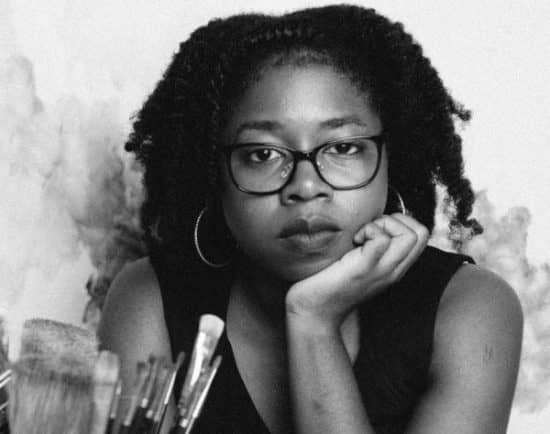
Nengi Omuku is an emerging Nigerian artist making her mark in the contemporary art world. After attending the Slade School of Fine Art, University College London, she’s gone on to showcase her work in exhibitions across the globe including the prestigious annual Armory Show in New York as part of the 7th edition of the 2016 Armory Focus: African Perspectives, an invitational section on Pier 94. She has received multiple awards for her work including the British Council CHOGM Art Award, which was presented to her by Her Majesty Queen Elizabeth II in 2003. Nengi shares with us her favorite artists, proudest moment in her career and her hopes for the future of African art. Who are some of the artists you admire most? Who did you look up to when studying art in school? Ben Enwonwu was an inspiration for me at art school. He was a role model and an alumnus of the Slade School of Fine Art, which inspired my decision to also study at the Slade. I admire Wangechi Mutu’s work, which highlights themes related to women. Yinka Shonibare has an incredible body of work, which flawlessly captures his sense of humour. Then there’s Chris Ofili; there’s a simplicity and sensuality about his recent paintings that I relate to. When do you feel like you create your best work? What setting is it? Are you at home or in a studio? Painting at home has never really worked for me, because a lot of my paintings are quite large. I work best in a dedicated studio space, surrounded by paint and pigments. Alternatively, a garden would work just fine. When it comes to a geographical location, I could be dropped anywhere in the world and I will be inspired to make. All the work that I make comes directly from experiences that I have had and every space offers new experiences. How is it being a woman in the art world, would you say that there’s some gender inequality or are there some challenges that you would say only female artists face or is it not as bad as other industries? A gentleman came to the first solo show I had in Nigeria and was genuinely surprised that I was a ‘small girl’ showing large canvases. He expected to meet a man! There are lots of articles being written about gender inequality in the global art world about how female makers aren’t as recognized as their male counterparts. There’s no doubt that men have dominated the art scene in Nigeria and elsewhere, but at the same time I don’t find that daunting. We are all just players in the same game. So I’ve thrown myself into the pond like everyone else, because our limits are only imagined. What has been your proudest moment in your career? Winning an art competition and getting to meet the Queen of England was an amazing experience. She encouraged me to continue with art and as a young person, that’s just something you don’t forget. The other awards that I have received as a result of my work have also been very encouraging. There’s no better feeling than being rewarded when you push for more from something that you’re passionate about. What are your hopes for the future of African art? I look forward to increased visibility for artists that live on the continent alongside the proliferation of art spaces. Another hope is that the concept of ‘African Art’ grows and expands to reflect the dynamic and diverse work of artists who live and create on the continent and its diaspora. You can follow Nengi on Instagram @nengiomuku to learn more about her work and travels through the art world.
How to build an online media company on a start-up budget
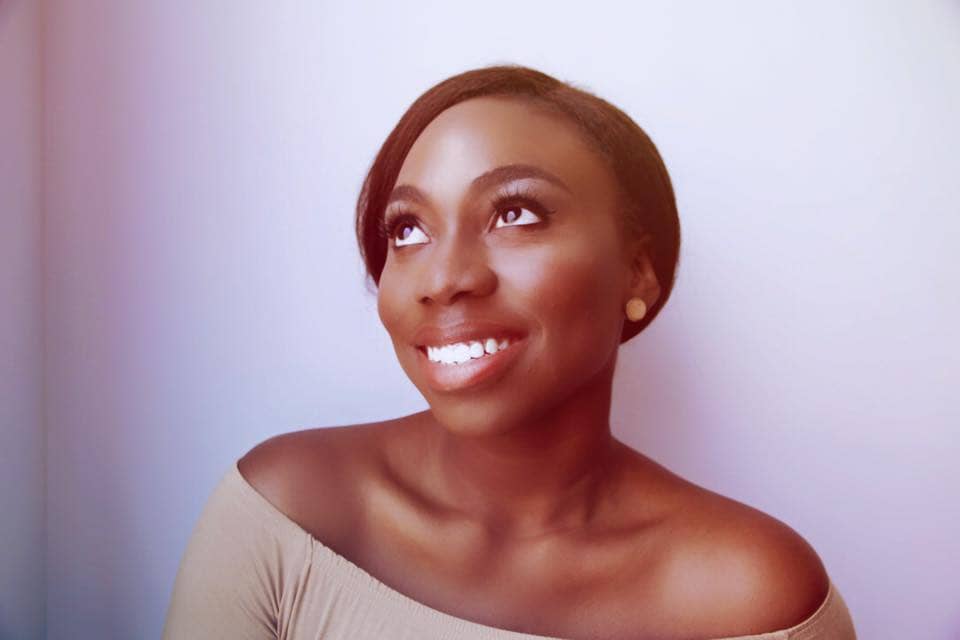
Before launching Ayiba Magazine, I searched online for existing African-authored content sites targeted at young Africans and was scant to find any doing what I had in mind. I launched Ayiba with the goal of providing a platform that showcased African change makers around the world who were disrupting tired narratives through media, technology, and innovation. I didn’t just want to start a blog, instead I wanted to build a network of writers that covered content from across Africa and the Diaspora in a way that connected our generation. If we look at mass media outlets that cover Africa, we have the BBC, CNN, and Al Jazeera, amongst others, but none of them are African owned. I have always asked myself why there are no prominent African owned media outlets that cover content from across Africa. A long-standing argument in development has been that all the books written on Africa are authored by old white men. Well, we’ve entered a new Digital Age and the same thing remains true about a large percentage of the content found online. Of course that is increasingly changing, but it’s due to sites like Ayiba, channels like Arise TV, and others in the new media ecosystem. I believe Ayiba is important for the media landscape because our readers are our writers. We create content to inspire young Africans that is written by young Africans. What sets us apart is this authenticity and the fact that we constantly strive to cover content from all over Africa – not just the usual suspects of Nigeria, Kenya, Ghana, and South Africa. Over the past three years, there are five key strategies that have allowed our platform steadily scale. All of them relate to content creation because as the say “content is Queen.” Or do they say King? Anyway, from day one, we have focused on generating diverse and quality content because we know that is how we will one day grow to millions of readers. A girl’s gotta dream! Our strategies are: Building a well-managed virtual office: Since our team lives across three continents and four time zones (and is often moving between locations), we have had to create virtual processes for everything we do. We’ve refined and streamlined our digital work environment using a combination of platforms, including Slack, Google, Facebook, and Dropbox. Building a diverse team: When recruiting, we don’t limit our search. All that matters is that the talent is tapped into global media and has a voice. It’s because of the diversity in our team that we manage to cover stories from all over the world and are able to land features with so many diverse subjects. Training new talent: We can’t always expect to find the best ready-made talent. Sometimes we have to nurture the talent we seek. Our editorial team is committed to working with our contributors to produce quality content that meets the standards Ayiba has set for itself and that our readers have come to expect. Creating content partnerships: A major aspect of the Digital Age is the sharing and redistribution of information. Ayiba contributes to this by republishing and cross-publishing content, as well as cultivating distribution channels for our content. We would like to see more collaboration in the African new media ecosystem. Designing an aesthetically pleasing site: Your content can be ace, but if your site looks amateur, readers will be less likely to stick around. WordPress themes are inexpensive and can easily be customized to meet your needs. I highly recommend them. Of the points listed, talent acquisition has certainly been the most challenging hurdle. However, since we recruit talent from both the Diaspora and the continent, this increases our talent pool. In the Diaspora, we reach out to our founding team alumni networks at Mount Holyoke College and Yale University. In Africa, we use Opportunity Desk to post our internship and fellowship programs. The internship program is for all roles outside editorial and runs for three months at a time, while our editorial fellowship is for up to six months. Ayiba emphasizes training homegrown journalistic talent. Our environment is fast-paced, yet focuses on quality of content rather than quantity. Our editors work directly with our interns and fellows to improve their craft, providing a partnership from which both parties benefit. Some fellows choose to stay on after their fellowship, which has been great, but most leave to pursue other great opportunities. However, all benefit from an experience that has improved their writing ability. One tip I can give on recruiting in a start-up is to make sure that whoever you bring into your team buys your weakness and sells you their strength. This means the team needs to be balanced by whoever you decide to bring on board. Each individual should neutralize the weaknesses of the team as a whole with their strengths. That’s the best way of keeping a lean team that delivers. We recently published our first print issue, which was well-received. In fact, it was invited to exhibit at the first African Art Book Fair at the Dak’Art Biennale in Senegal. It was a challenging and time consuming process, but the whole team learned a lot. The best part is that we were able to create and distribute our print issue to five continents with less than $100 spent on the project. We did this by: Recruiting talented design students who were looking to expand their portfolios to include magazine spreads. Using a pay-per-issue print service like Blurb, so we didn’t have to order in volume or handle delivery. Using creative commons like Flickr for stunning high quality non-copyrighted images. If you are unable to recruit designers, I would advise purchasing template bundles from sites like Creative Market or Themeforest and modifying them to suit your aesthetic. Adobe InDesign is quite easy to learn and YouTube is a great resource. In under two months, my team with little experience in print publishing, pulled together a beautifully designed 60-page print issue
Seapei Mafoyane: Fill yourself up with hope, belief and pure audacity
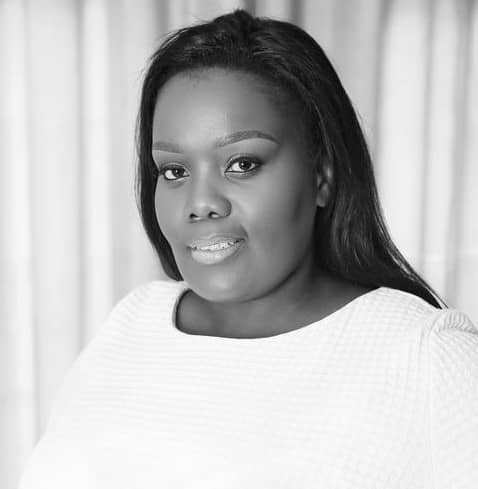
Small business is seen by many in South Africa as the saving grace in the fight against unemployment and with the track record of small business success, measured interventions to bolster this sector receive a lot of attention. One such intervention is Shanduka Black Umbrellas (SBU), a business incubation programme in South Africa that is focused on supporting small black business on its path to achieve sustainability. SBU is arguably the top business incubator in South Africa, recognised for the solid interventions it is making to corporatize black businesses. 2015 was a watershed year for the incubator, as it celebrated six years in existence and won the Randall M. Whaley Incubator of the Year Award at the National Business Incubation Association in the United States. To top it all off, they appointed Ms. Seapei Mafoyane as the new Chief Executive Officer. Seapei is a bold woman who believes that South Africa needs sustained long-term impact interventions to make notable strides in small business development. She defines this as her mission in her role as CEO. SLA contributor Asanda spoke to her to understand how she sees the small business landscape in South Africa going forward and most importantly, the role SBU will play in the years ahead. Asanda: You have spent a significant amount of your professional career in strategy and financial services, how did you make your way to small business development in the not-for-profit space? I worked in strategy and the financial services in various capacities for my entire career and this was in line with my undergraduate degree in the sciences. I came into direct contact with the small business development area during my MBA studies at Wits Business School a few years ago. My research focused on an area that was not explored at the time, the challenges facing black female entrepreneurs in South Africa. It was during this time that I realised I had to be selfish and follow my heart. So you could say my dissertation led me to Shanduka Black Umbrellas. Everyone is talking about small business development and how it can be the saving grace for the current economic climate is South Africa, why do you think it is receiving so much attention? I think we have the buzz that we have now in South Africa because of the realisation of the dire needs in this country in terms of entrepreneurial activity and the economy as a whole. Sustained security of the black person is no longer in the employ of the white person. Black people can now dare to dream. The challenge is to ensure that it is not just a buzz but that we have a coordinated approach from the various stakeholders that will ensure that we start seeing the upside to it. What role has Shanduka Black Umbrellas played in the past to grow black business? Shanduka Group has played a key role in setting the stage for the face of black business in the country. They led the pack in the establishment of a black-owned investment holding company in S.A. and it was a natural progression to have a foundation that focuses on both small business development and education. What sets SBU apart is the clear focus that says, ‘we know we cannot be everything to everyone.’ So we chose to respond to the need of 100% black-owned businesses, which also happens to be the greatest area of need in terms of entrepreneurial activity in the country. The businesses that are incubated at SBU are what we call the ‘cream of the crop’ in terms of entrepreneurial potential. We incubate businesses that will be sustainable so that they can improve the economic conditions in the country. Our focus is not on survivalist businesses, but game changers and high impact entrepreneurs that can grow into large corporations and employers. Over the last five years, SBU’s statistics have shown that out of the 100 business owners that walk through our doors, only 5% of them get to be incubated. This is because we have a clear focus on long-term sustainability and choose to support businesses, which can meet our strategic objectives which are aligned to the country’s National Development Plan (NDP). What sets your business incubator apart from other incubators in the country? We conducted extensive research on the trends in small business development and we found that 84% of small businesses fail within the first 24 months of operation and out of that, 90% are black businesses. Reducing the failure rate especially of black business is extremely important and that is why we have our mandate to respond to this group in particular. When a business is accepted into our extensive 36-month program, they need to create a minimum of four jobs during that time. Other structures in South Africa on the other hand create on average 1.2 jobs and when you look at other developing nations, the figure sits at 3.3 jobs over the same period. Our other focus is to ensure that at least 50% of the businesses that graduate from our program are sustainable. The national average of success currently stands at about 20%. SBU have maintained a statistic of 70% graduation sustainability over the last few years. What has the business incubation industry and government not done well thus far? What has not been done well is the maximising of all the available resources in the system to help execute the mandate. The value chain for small business is still very disjointed and if we are to make the progress needed, this needs to change. What are your priorities as the Chief Executive of SBU? No doubt sustained long term impact. However there are a few things that need to happen for that to be realised. We want to not only see businesses doing well but as they graduate, they need to stay a part of the alumni of successful businesses which others starting up can look to for advice, mentorship and potentially market
Girls Talk London: Rebranding what it means to be a young woman in the UK
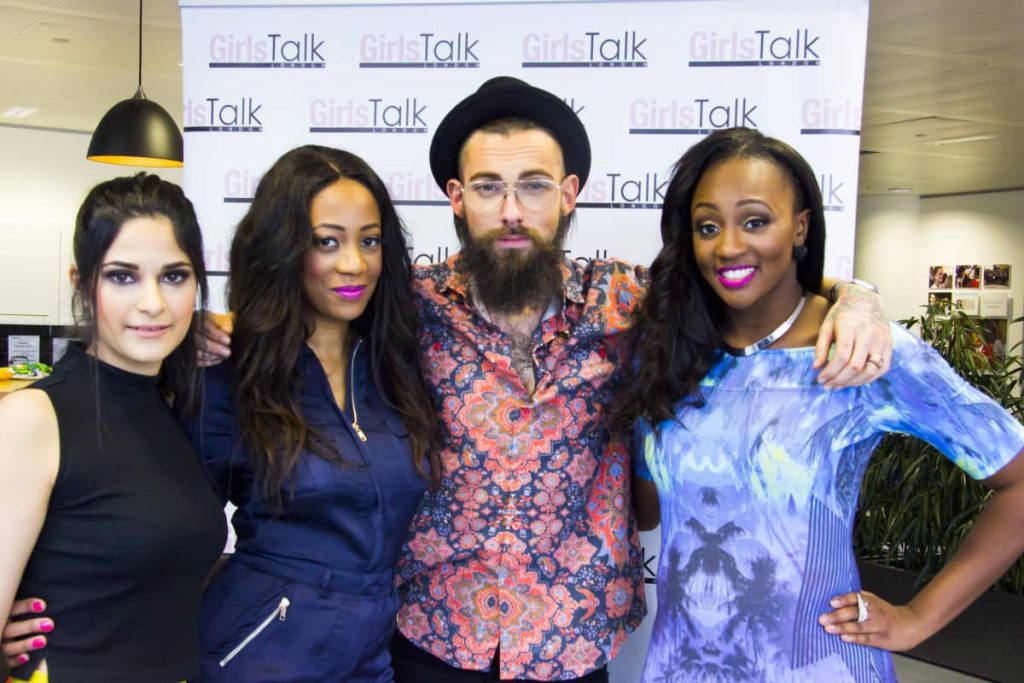
All across the world girls and young women are looking for spaces to express themselves and have their voices heard. While the issues may be different, digital media is providing the platform for young women to create what they wish they could see. Vanessa Sanyauke and Remel London, diaspora women based in London, have come together to create Girls Talk London and talk about the issues facing young women in the UK. Vanessa and Remel shared with us how they’ve gotten corporate leaders to see the value in their organisation, the networking tips they’ve used to connect with high profile guests like Adele’s stylist and the best African restaurant in London. Why is Girls Talk important to young women in the UK? Vanessa: At present in the UK there is not one single talk show that targets young women. We do not have a platform to talk about trending topics that affect us or hear from guests that are of interest to our everyday lives. Girls Talk is made for the everyday young woman in the UK and the hosts have open and honest conversation about current social media trends and have special guests and experts on fashion, beauty, work, relationships & life who give the viewer life hacks and tips to implement in their lives. This show rebrands what it means to be a girl in the UK and the hosts are non-judgemental advocates for women’s issues and rights. Remel: Young women need positive role models and I think that we showcase exceptional talented women from different walks of life and industries that they can aspire to be like. How did you build the business case for corporate partners to see the value in Girls Talk? Girls Talk London the organisation, connects FTSE 100 businesses with female talent-young girls and professional women. The business case is that a great deal of our corporate partners have less than 20% of staff who are women and even less at executive board level. We are the middle-woman and bring talent to them and help them to increase diversity. The UK government has introduced reporting measures which starting this year that requires any business with over 250 employees to report the salary and bonuses of male and female staff. This is another incentive for businesses to really address the gender pay which is currently at 19%. The fact that the government is putting pressure on businesses to treat their female staff better helps businesses see the benefit of working with us. How have you gotten high profile people to serve as guests on Girls Talk? We have built a reputation of professionalism and excellence in all that we do so most speakers can see that we are organised and they will be looked after when they speak at an event. Also, most high profile women are tired of being the only women in the roof and are actually passionate about doing all they can to get more women in their sector so selling the benefits of speaking at our events is not always that hard for us. What networking and relationship building tips can you share with our audience looking to connect with high profile people? You need to show that you are professional and organised so we’d encourage having a website or information packs which provide detail about your work and mission. For speakers and sponsors always show your gratitude for their time and be able to explain what you can do for them. Be confident and concise-high profile people always have limited time so try and avoid long emails and conversations by being clear and straight to the point. What are the hardest parts of getting Girls Talk off the ground and how are you looking to fill in the gaps? The hardest part in getting the talk show off the ground is building an audience. It takes time to grow so we are focusing on our mission, content and produce a show to the highest quality. We fill a gap in the market because we cater to all young women in the UK as our hosts come from all backgrounds including African, British and Asian as well as having a Dean as a host we are able to reach out to male viewers too. In addition, our show helps improve the lives of our viewers because interview guests who are experts in business, careers, fashion and beauty. It is not just about a group of women gossiping! If you had the choice between a powerful mentor and significant business funding, which one would you choose and why? Vanessa: Oh this is a tough one! I would say a powerful mentor because knowledge is priceless and if you have a powerful mentor the money will surely follow with their direction and support. Remel: I personally have a lot of plans and ideas of how I would like to continue to support young women and create opportunities for young people so I would choose business funding. What’s your vision for Girls Talk and what can we expect to see in the next 12-18 months? Remel: I would love to see Girls Talk go on an international tour visiting different countries to inspire girls all over the world but also interview inspirational women from all over the world. Vanessa: My vision for the show is for us to expand our audience —we want an international audience and we are looking at partnerships and sponsorships already for series 3 so watch this space! Fast Five with Vanessa Favorite Afrobeat singer? Tiwa Savage Best African restaurant in London? Wazobia on Old Kent Road Makeup must have? Blusher Favorite woman in business? Oprah Topic you’re most excited to talk about on this season of Girls Talk? I am really excited about the interview with Adele’s stylist and also our show on Kim Kardashian and Amber Rose and the sexualisation of women on social media. Fast Five with Remel Favorite Afrobeat singer? Moelogo Best African restaurant in London? Sweet Hands Makeup must have? Concealer!!! Favorite woman in business? Oprah
Kalinè: You don’t need the ideal situation before you do something with your talent

Singer, pianist, composer and producer – Kalinè is an artist of many talents. The Berklee College of Music graduate inspires her fans through her genuine and unique lyrical style while navigating the Nigerian musical industry as an independent artist. After getting her start in the industry ten years ago, she has remained a self-managed artist who believes that the beauty of not being on a label or represented has given her the power to make decisions about her musical career—what she wants to do and how she wants to do it—all of which have molded her as the artist that she is today. She Leads Africa spoke with Kalinè about her journey as an artist and entrepreneur and why honesty is her favorite form of inspiration. You published a piece on your blog Self-Managed- 9 Reasons why you should be your biggest cheerleader. Why did you decide to self-manage as opposed to hiring someone to do it for you? The ideal situation would be to have a support system in a formal way, or to have a team. However, I got to a point where I was looking for people, as opposed to being found. It is a lot better to be found by a manager as opposed to looking for one or paying for one. This is because they are coming on board knowing exactly what you want to do and they have a passion for what you are doing. I’ve learned to be discerning about who I want on my team as well. I have come into my own, and embraced the challenge that a self managed artist has and I try to use that to encourage others by saying, you don’t have to have the ideal situation before you do something with your career or talent. That is how the self-mantra was formed; by embracing it and seeing the beauty in it—until the right person approaches me. We all know that building a brand is filled with everyday challenges, some big and some small and aggravating. What’s your favorite challenge that you have tackled and what did you learn from this experience? Patience is the biggest thing for me. In this industry it used to be so difficult for me to see other people making a success of their talents and passions. I’ve learned that patience is the most important thing. Everyone has their own journey, their own timelines and trajectories. There is no use being anxious or worried about what is going to happen. I strongly believe that I will get to where I want to go. I must be patient about with the recourses I do have. Since you self-manage, this must also mean that you manage your own social media sites? If so, how have you built an online community around your brand? What advice would you give to other entrepreneurs around building passionate fans and active online communities? Be true to yourself. Be authentic and genuine, whether on Instagram or Facebook or Twitter or Soundcloud. I try to give valuable advice or useful and relevant information to my followers and supporters, while constantly remembering to be myself as I do so. It is also good to have goals for each platform. Your Instagram followers are very different from your Facebook followers, likewise your LinkedIn followers. Figure out, what exactly do followers want to gain from the different platforms? It is a learning process, and a trial and error. From your social media pages, I can see that you’re inspiring your followers in everything that you do—whether it’s singing or blogging. How do other activities that you partake in, inspire your work? Photography, reading, social messages, conversations, and social issues inspire my blogging and songwriting. At Berklee School of Music I studied film and music scoring. I’ve written music for commercials, and teach piano to little kids. Being an artist is a full time job. Everyday there is something to do—from social media, to practicing for a show, to styling, and to rehearsing. What female artists do you gain inspiration and or empowerment from? Adele, her honesty inspires me. Lianne Lahava, Laura Mvula—to name a few—teach me to stay true to myself and to write from an honest place. How do you define yourself and your music, in terms of today’s climate? If you come to one of my shows, you will hear reggae, highlife, pop, R&B and classical elements. The common thread that runs through all of my songs are honesty and elements of truth and authenticity through my repertoire. I am influenced by too many things to really put myself in the box. I think that is where the world is headed—no longer really saying. Everyone is going into various genres; as the Internet and social media become more accessible around the world, we are all going to make music that we love and we know we will communicate to our followers and our fans. What tips do you have on negotiating how much you get paid, how do you determine doing a free show or not? It all depends on the type of gig, and how many minutes they want you to perform; how many songs they want and the number of instruments needed. All are determining factors and more—styling, makeup, and hair—help me to determine how much to charge. However, creativity is relative. Some people have a budget. When you get to a point where you are trying to negotiate then other things come in, such as whether it is for a good cause or if it will be really good exposure for you or performing in front of an audience that you do not get to perform in front to often; or even someone saying, I will cover your costs but not pay your labor fees. There’s also the situation where you have the opportunity to leverage off the people who ask you to perform—if they can open some doors for you, or introduce you to certain people and not pay
Remi Owadokun: I started with N10 and now have customers in 7 countries
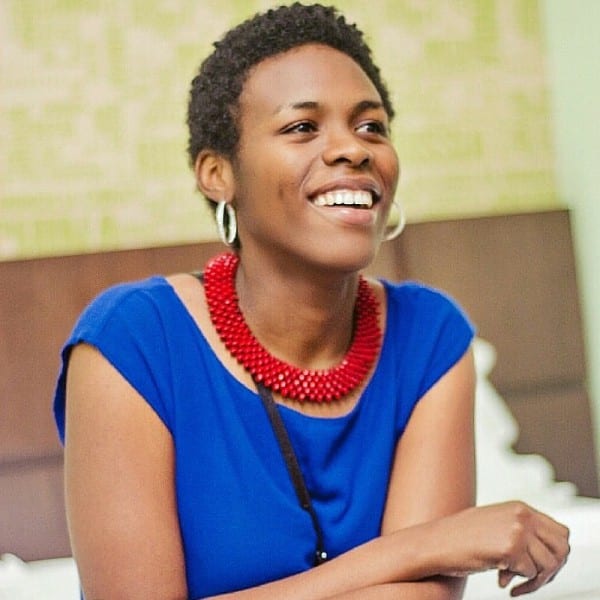
Remi Owadokun used a major life change to kickstart her online business as a weight loss coach and nutritionist. She also used that motivation to start an online video series that spreads health consciousness in a fun and interactive way. Remi shares with us her thoughts on what’s keeping young women healthy, how she started her business with only N10 in her wallet and how she’s planning to take her business global. Why did you start the Total Makeover Program? I started the Total Makeover Program when I made the decision to change my life and lost 40kg. During this process my life was transformed emotionally, financially, spiritually and mentally and I wanted other women to experience this power as well. The first thing that came to mind was simply to blog about my experience because many people who knew me wanted to know how I did it. How many people do I want to tell? So one weekend I sat down and started compiling my experiences. Once my blog was up I started sharing it via email to friends and family. When I went out and people asked me about my health transformation I always referred them to my blog. It was meant to start and end there but I started getting a lot of feedback from people who wanted me to keep writing. There were people who had started their weight loss journeys simply by reading my story and I started getting emails from people who wanted me to coach them. I initially said no because I was not comfortable with people coming to me or me going anywhere. But one day, a lady emailed me and said; “Please coach me, we never have to meet, just email me meal plans and exercise plans.” That was when it occurred to me that I could turn this into an online business. I imagined that if one person was interested, I could get more people interested too. Why do you think most young professional women struggle with living a healthy lifestyle? Many young women are misinformed about what good health means and how they can maintain a healthy lifestyle in today’s environment. Most people assume that someone who is healthy is slim. This is not always the case, there are several “fit looking” people who are unhealthy. They eat junk, don’t sleep well and are constantly stressed. Most people assume that by just eating right and exercising, you will automatically be healthy. There are many factors that contribute to being healthy and whole. You can eat all the greens in the world and exercise 2 hours a day, if you are a bitter, angry person, you are upsetting your biological make up. You can actually find rare cases where an individual eats all sorts of crap but because she is happy and fun loving may end up being in a healthier state than most. Being healthy and living a healthy lifestyle requires a more holistic approach that most ignore. The tendency is to focus on just one area of life and ignore the rest. What makes Total Makeover Program different from other health startups? Most health start ups focus solely on exercise and diet. At TMP we focus on two things: primary and secondary foods. Primary foods are things that feed us but don’t come on a plate like love, relationships, career, spirituality, education, etc. Secondary foods are the items we actually eat on our plates every day. We know that there is no point trying to control your diet if you don’t focus on the things that trigger you to eat. If we can fix the triggers then we worry less about your understanding of food. Most people are emotional eaters but most start ups never focus on the emotions. People eat when they are happy, sad, angry, stressed, etc. For some people a fight with the significant other that displaces them and sends them into over eating. For others it is boredom, being stuck in traffic, or a fight with their boss. I don’t see the point in telling people if they are ill equipped to deal with their emotions when stressful situations arise. I want to avoid the situation where someone I’m working with faces the same triggers and they revert back to their old habits and get so disappointed that they don’t want to try again. Life can be unpredictable and it is unhealthy and unwise to build our lives based on the happenings around us that are outside our control. At TMP we empower you to take full control of the only thing you truly have control over, YOU. For your business to get to the next level, would you prefer funding or a mentor? Which one would you choose and why? I started this business with N10 in my wallet and built it to where it is without needing to look for funding. I would pick mentoring any day as I have always had mentors and I understand the role they play in my life and how they have created opportunities for me. Proper mentoring provides value that will eventually translate to money. As a thought leader and as a mentor, I find that people who have worked with me are more impacted by the time spent together than anything else. Money will finish, then what next? What can we expect to see from Total Makeover Program over the next 6 months? I have coached a little over 80 men and women 1-on-1 in 7 countries in the last 20 months. There is a limit to the amount of people I can coach 1-on-1 , so I am currently creating an online course where people all over the world can download, partake and achieve results without having me there full time. I recently became an international best selling author for my book “How I lost 40kg” when I hit the number 2 spot only 8 hours after it’s release on Amazon. My next book is due in December and I hope to hit number 1. I am also starting the
Nneji Akunne: We are truly passionate about each customer
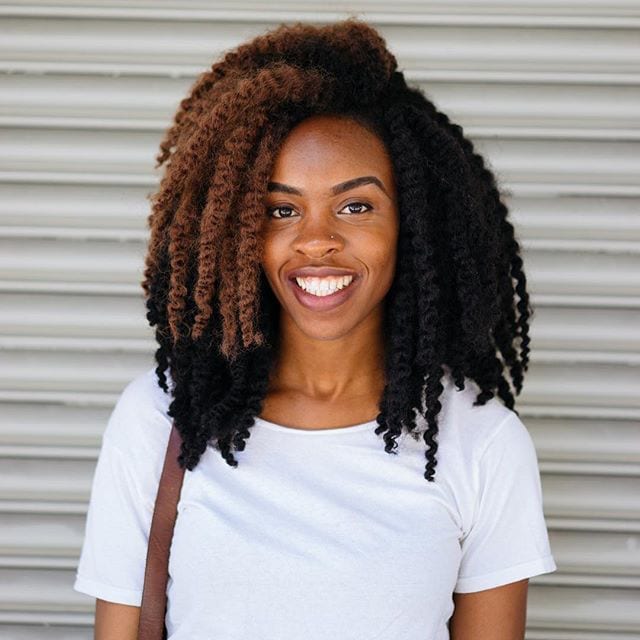
Inspiration can come from anywhere and when Nneji Akunne and siblings weren’t satisfied with the skin care options that were available to them, they decided to develop their own. With experience as a Sustainability Fellow for H&M Germany and marketing consultant for smaller startup brands, Nneji has used her experience to develop ILERA Apothecary, a luxury personal organic skin care line. Why did you start ILERA Apothecary? We started ILERA Apothecary because we sought transparency in the personal care industry. Making our own products for personal use and seeing how effective they were made us wonder why other products within the industry needed so many ingredients to do the same job. We looked as far back as 10,000 BC on more traditional practices, where Ancient Egyptians used elements from the earth to heal and protect their skin, and realised that the foundation of natural beauty came from the ingredients in the products used each day. Why do you think organic and natural personal care is important and matters in the beauty industry? What you put in your body is just as important as what you put on it. We are so blinded by big corporations marketing and advertising that sell us “younger looking skin” that we don’t pay attention to the ingredients used in each product. Because the FDA does not currently regulate the ingredients of beauty products in the U.S. with the same thoroughness done in the E.U., it’s up to consumers to read and understand each product’s labels; which in reality is something that’s not always done. When you choose organic skincare, you’re choosing products whose ingredients work with the natural systems of your skin, not the scientific formulas that have been tested on animals to produce results unrelated to human beings. Organic and natural personal care companies like ours that are truly passionate about each customer, carefully spell out the ingredients used in all products offered and the reasoning behind them. What makes ILERA Apothecary different from other personal care startups? ILERA Apothecary aims to educate our customers about their overall health. It’s one thing to simply promote a more natural skincare regimen but, as stated before, what goes inside of your body is important as well. We take a more hands-on approach and speak about the health of the individual from all areas like diets, mental health and lifestyle. All skin types are not created equal and while it would be easy to sell the same product to every customer as they come, we offer consultation services where we can get to know the customer better and understand their skin and lifestyle needs. What is your favourite product and why? Both of our personal favourites is the unscented body butter. I (Nneji) am all about the touch and feel of the skin along with being able to determine my scent for the day. For Chinonye, the body butter leaves her skin feeling so rich and smooth day and night which is very important since she has dry skin. For your business to get to the next level, would you prefer funding or a high-value mentor? High-Value Mentor. I say this because funding would only be able to take us so far. With a mentor, not only would the individual be able to provide us with networks we may not have been granted access to, but also the insight and experience of a seasoned mentor are worth way more than money can buy. What can we expect from ILERA Apothecary over the next 6 months? We are looking to expand the brand into international markets and entering into more retail spaces. We are also working to expand our product offerings to include a separate men’s line. While our products are currently unisex, we want to cater to the specifics of a man at all life stages. What is the most important thing you’ve learned on your journey towards healthy skin and body care? Understanding the importance of planning for the future right now has shifted our lives tremendously. We always heard that your body is your temple and it should be treated as such but it wasn’t until we began testing products to sell that we truly understood that notion. Skin is the body’s largest organ that serves to protect your insides from the outside world. Where you live, what you eat, and what you do on a daily basis can determine the type of life you’ll live once you get further in age. Living healthy and active lifestyles are our goals as we age and taking care of our skin is one of the first steps in making that happen. Want to see women you know featured on SLA? Tell us what amazing things women are doing in your communities here.
Omnia and Salma: We want to connect the Sudans using culture and technology
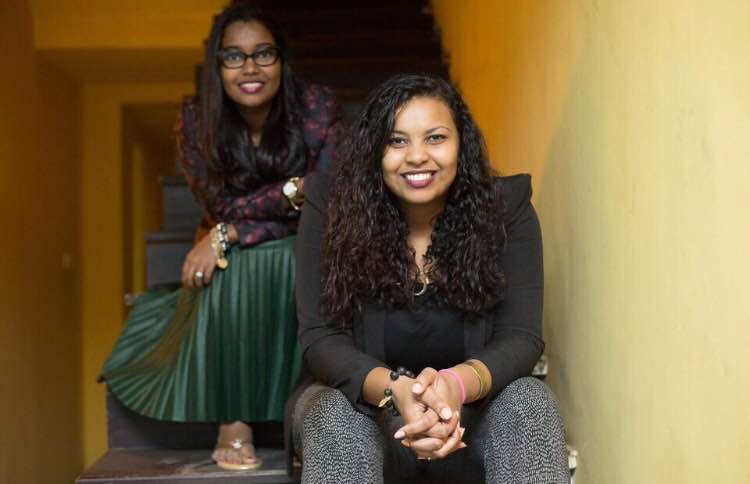
Sudan and South Sudan have been under fire for decades from the perils of civil war, famine, poverty, corruption, Islamic jihad and other crisis that affect the countries politically, socially and economically as well as culturally. Omnia Shawkat and Salma Amin Saad decided to build a contemporary platform to voice independent opinions of the diverse, intelligent, and peaceful youth that diverge massively from the mainstream that places them in tiny status-quo boxes. Omnia and Salma started the online magazine Andariya for Sudan & South Sudan in both English and Arabic to lifting our spirits, sharing contemporary analysis and opinions & promoting creative arts ideas and events. Since the launch of the magazine they’ve also launched a photography project titled “MyKhartoum” to show the beauty of the capital city with a series focused on Juba coming soon. Omnia and Salma shared with us why online media is so important, why Andariya is different and what they’ve learned about organic growth. Why do you think digital media matters in Sudan and South Sudan? Sudan and South Sudan have a shared cross-border culture that was severed along with the political ties in July 2011. The current generation witnessed a tough time of great polarization and we had no time to heal, reconcile or mend our broken matter when the political secession came upon. This need to open the road of communication is one great reason why digital media matters right now; it transcends boundaries. The publishing industry is also lagging behind due to many factors (economic, censorship, access, language etc.) and a way to overcome some of these challenges and reach and engage a wider audience that is already online, beyond even the Sudans (there is a massive diaspora population from both countries) is through the use of digital media of various types. What role would you like Andariya to play in the development of these two countries? Our mandate is purely cultural, so if we are to perfect our mandate, the cultural footprint of the Sudans on the internet will be enhanced along with more offline engagement due to the conversations that spring up online. One underlying factor is to really connect both countries (both local and diaspora communities) over intersecting cultural values, opinions & aspirations. Both Sudans are in similar development stages, and cultural development is key in advancing all the other pillars of development. What makes Andariya different from other youth-focused media platforms? There are the basic building blocks of being a bi-lingual digital cultural platform for South Sudan and Sudan. We target a larger age group- for once, the “youth” or younger generation is online and discussing matters of importance to them in a common platform that welcomes all views. More importantly, we are discussing issues that older generations have exclusively hashed out over the last few decades (i.e. identity issues, culture and acculturation, etc.) and adding our perspectives to the conversation. Another differentiating factor is our belief in using different mediums to reach diverse audiences. We’re across social media platforms but slowly growing into creating online-offline campaigns to engage more people. Can you share your favourite story from the platform and why? The way our community was formed is both interesting and inspiring; we practically found each other as if we were long lost souls. We have an incredibly harmonious relationship with more than 50 community members across the world, and we treasure this the most. For your business to get to the next level, would you prefer funding or a high-value mentor? We’d prefer to have a mentor to help us reach that next level. We’re a very hands-on platform that organically adapts to challenges and opportunities and finding a mentor who can understand the climate we operate in and growth we’re aspiring to would be invaluable. So far, we’ve taught ourselves what we discovered was needed, but a community of more than 50 people also means everyone brings wisdom and creativity to the table, so we’d like to think we’re currently being internally mentored. What can we expect to see from Andariya over the next 6 months? We’re launching a new website so we expect editorial growth. Our business model has shifted massively in the last four or five months so we’re experimenting with more offline engagement. A few online projects are also in the works. We are actively pursuing expanding our network and partnerships base both inside the Sudans and outside. What is the most important thing you’ve learned on your journey towards building Andariya? Be flexible. Organic evolution can be disruptive but can also be harmonious. Want to see women you know featured on SLA? Tell us what amazing things women are doing in your communities here.