
Hyjiah Mariam Conde: Low self-esteem is not given enough attention
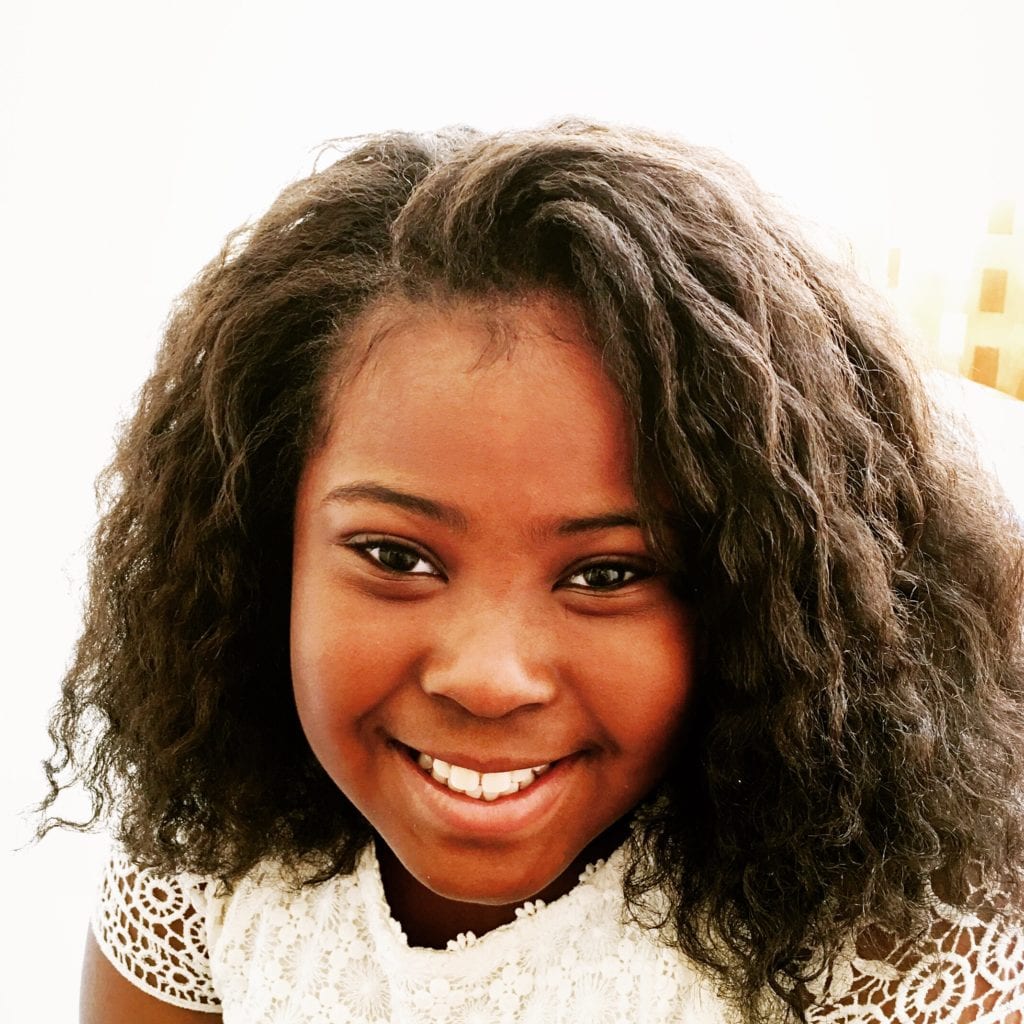
I’m inspired by a girl who goes by the name, Hyjiah Mariam Conde, as young as she is, she has learnt the art of self love. She was bullied in school for her ethnic background, skin color & unique body image, but instead she decided to do empower herself. Hyjiah started her own nonprofit organization called SuperGirlzland. The purpose was for Hyjiah to be the voice to all the girls who have been emotionally and mentally bruised by being bullied. I had the opportunity to interview Hyjiah and this is what she had to share. [bctt tweet=”I want to shout so that the whole world may hear my vision and voice.” username=”SheLeadsAfrica”] Hyjiah you are an inspiration, you have been bold enough to stand up and be the voice of the youth. Is there anything you are afraid of? Thank you so much for your kind words. I would have to say the only thing that I’m afraid of would be GOD, as I feel that’s the only one I need to fear. Is there a reason you chose South Africa in particular, to kick start your charity? I actually kick started my charity in the USA where I’m from and expanded to South Africa and now West Africa, Guinea. I chose South Africa because I have a few connections there who are a part of my charity. Most importantly, I noticed that girls there were not allowing their confidence to shine through. So Hyjiah you are all about making other girls happy and special. What makes you happy? What makes me happy is being of service to others through my charity work. Seeing others filled with joy makes me happy. I saw an interview of you and you were talking about how you have become popular. How has that popularity changed you as a person? I don’t really see myself as popular. As a leader I believe that popularity isn’t important. Leadership and being compassionate are very important. I never changed. I’m the same person from 4 years ago when I started my vision. Can you share with us how far you are with the other interests you want to pursue like choreography, singing and maybe writing. I’m still working on recording my single which I wrote with my big brother. My dancing I do that mainly on the weekends. I love to dance it helps me to express myself. As for my writing I love to write. My book is set to launch soon and I’m already working on book number two. Do you have a plan in place of how you are going to achieve all your goals? My plan is to take it step- by- step. I keep notes on what’s next for me. So much of what I want to do is stored in my brain, so I have to keep notes of it all and GOD will help me achieve it all. I am just stunned! Honestly, with all these activities going on you are also an Ambassador and a member of a couple of groups. How do you manage your time? I prioritize really well, so I never burn myself out. I love staying busy, I’m very energetic and love to participate in so many things. I do take time for myself because I am still a kid. My mother, who is my manager, helps me prioritize things. Can you give a brief pitch to potential sponsors telling them why they should assist Supergirlz Land. Low self-esteem is not given enough attention. It’s a disease like any other sickness, which needs direct attention & support. Low self-esteem can be caused by bullying, poverty and lack of education; which at times result in suicide. Help me help them as we help one another to save our young girls, one at a time. Fun question! Would you rather be able to whisper or only able to shout? Pick one. I want to shout so that the whole world may hear my vision and voice! Have you overcome a low self esteem? Share with us how you did it. If you’d like to share your story with She Leads Africa, let us know more about you and your story here.
Nancy Gacheri: I have always had a passion for coming up with a business that would leave a mark in the Kenyan industry
Nancy Gacheri is the 25 year old director of Best Shoes Kenya (BSK), and a Bachelor of Business Information Technology graduate. Currently she is working as a Sales and Marketing Manager for Sunstar Hotel in Nairobi, Kenya. Nancy is passionate about entrepreneurship and strives to leave a legacy of positive change in everything she does. She currently blogs for Life after campus (http://whatelseaftercampus.co.ke/news/) and finds satisfaction in helping others. [bctt tweet=”The customer is the most important person in my business” username=”SheLeadsAfrica”] Who is Nancy? I am a God fearing, industrious, outgoing and well rounded young lady. I’m passionate about entrepreneurship and motivated by the need to bring the change I want to see in the world. What is Best Shoes Kenya? Best Shoes Kenya was established in May 2016. It is a footwear manufacturing startup company which uses locally sourced materials. We manufacture men casual and official leather shoes, as well as school wear. Our mission is to attain sustainable growth in business through the production of quality, affordable and classy shoes. We are a wholesale and retail shoe company situated at Membley estate Ruiru. How did you find a gap in the market for your business? The shoe industry in Kenya has seen most of its products coming from foreign countries. This pushed me to channel my entrepreneurship skills into shoe production. The need to produce quality and lasting Kenyan shoes is the motivation behind BSK. What are three key business lessons you have learnt since running BSK? I had to learn to separate business cash flow from my personal savings, by having a separate bank account. This means also setting it up legal through registration. The customer is the most important person in my business, they can either grow it or bring it down. Plan first, then act. A business plan is a key stepping stone to a successful venture, without one you just are planning to fail. How has the market responded to Best Shoes Kenya? At first it was really difficult because the local market perception is that Kenyan products cannot be of good quality. But with time, we have been able to gain a loyal client base. Most of which are repeat customers or referral customers. How do you balance your full time Sales and Marketing job and running the BSK business? This has been my greatest challenge up to date. My full time job is from 8 am to 5 pm and from work I head home where my workshop is, to see the day’s production. It has taken so much personal discipline and sacrifice, and it has cost me a social life. I dedicate most weekends to Best Shoes Kenya and to responding to various customer queries and follow ups. I am looking forward to running the business full-time, after raising a significant amount of cash to purchase the necessary machinery for production enhancement. What are two challenges you have faced and overcome at BSK? Market penetration was the greatest challenge due to poor product perception. The myth that locally made products are not good quality. But through the production of high quality products, which meet customer satisfaction, we were able to establish a loyal client base. Balancing between my full time job and running a business used to drain my energy significantly. But with time I have been able to strike a balance. What keeps you inspired to run your business each day? I am my own motivator, and I desire to become a change agent. The dream is to see BSK on the next level, as I explore my entrepreneurial spirit and positively impact lives. What is your three year growth plan for BSK? The three year plan for BSK is to be a front-runner of locally manufactured shoes in Kenya and the greater African market . To grow to have a ternary for leather, soles and all needed for the production of shoes. To begin a HUB which will promote the entrepreneurial spirit among Kenyans, and hopefully inspire the youth to realize their goals. In one sentence, how would you want to be remembered? I want to be remembered as someone who pursued her dreams and did not just get comfortable with living, until she brought about the change she wanted to see. Instagram: @gitsherry Facebook: bestshoeskenya Twitter: NancySheri Are you in the shoe manufacturing industry? Let us know more about you and your story here.
Mmabatho Mokgadi: I want to see Colorsofthearth among the list of top tea brands across Africa
Mmabatho Mokgadi from Soweto, Johannesburg, South Africa, Is the founder of Colorsofthearth. An organic loose leaf tea company specializing in herbal and fruit blends. Currently she is also a full- time student at the University of South Africa, completing her second year towards a Bachelor of Arts degree in Human Science and Social Services. Mmabatho loves yoga and is passionate about tea, particularly the medicinal components of herbal plants. When she is not reading on community psychology and the functioning of public services in South Africa, she is running her business from home. [bctt tweet=”I have a good support system from friends and family who encourage me” username=”SheLeadsAfrica”] Who is Mmabatho? I am the founder and tea tailor of Colorsofthearth. Currently I’m studying full-time at the University of South Africa, doing my second year towards a Bachelor of Arts degree in Human Science and Social Services. I’m passionate about tea, particularly the medicinal components of herbal plants. My current read is on Prof Maurice M. Iwu’s “handbook of African medicinal plants”. I enjoy yoga, great food and I’m always up for an adventure. What is Colorsofthearth? Colorsofthearth is an organic loose leaf tea company, with teas sourced locally and internationally. I specialise in handcrafted fruit tea blends (using spices, herbs and dried fruits) and herbal tea. How did you find a gap in the market for your business? When I established Colorsofthearth in 2015, all I knew was that I loved tea. As a result I had lost weight drinking yerba mate, white tea and green tea and my skin was looking healthier. I wanted to share this insight with people. I have extensive knowledge of the product because I used to work for one of South Africa’s leading tea franchises, The Tea Merchant. During this time I grew to learn that tea repairs and builds from the inside out. Even after I left The Tea Merchant the love for the tradition of tea continued. Soon I began making my own blends, playing around with herbs and dried fruits. When friends came over I would serve them the tea I made and they liked it a lot. A close friend of mine encouraged me to start my own business, saying that I’m “the tea person” because there’s nothing I didn’t know about tea. The tea industry is growing rapidly and I want to see Colorsofthearth among the list of top tea brands across Africa. How has the market responded to Colorsofthearth? In February 2017 I took Colorsofthearth to the South African Broadcasting Company canteen and the response was positive, there was a lot of interest and support. I have also exhibited at Market Esque in Soweto, but this crowd was different because most people were not interested in tea. I’m aware that people still have a certain stereotype about tea, which is: it is boring and should be consumed only if you are sick. But, I can say though that the response has been more positive than it has been negative and there is ample room for improvement and growth. What are three key business lessons you have learnt since running Colorsofthearth? Persistence How to manage finances The importance of market research. How do you balance your studies and running Colorsofthearth? I write out weekly and daily schedules which help me distribute time evenly. Although at times I give more attention to school work when I have assignments due or i’m preparing for exams. In addition to that, I use resources on SLA’s website regarding balancing studies and running a business. Overall I have a good support system from friends and family who encourage me and keep up to date with my progress. What are two challenges you have faced and overcome as Colorsofthearth? In 2016 I lost all hope and drive to keep Colorsofthearth running after my contract ended as a sales assistant at a kids clothing store. This happened a few months after I established Colorsofthearth. I could not afford the apartment I was staying in and had to move back home. The move did not make it easy. I was back home, no call backs for interviews and a failing business. It was challenging financially to keep Colorsofthearth running. But, In January of 2017 I decided to step out of my “hopelessness” mode and took it upon myself to finish the things I had started. Firstly, complete my undergraduate; I registered with UNISA and applied for funding, which was approved. I remember the excitement that came with the prospect of finally getting my degree! Secondly, I needed to pick my business up again. I had to go back to the drawing board and determine why I registered my business in the first place. I soon realised it was because of my passion for tea and the desire to create and provide a product that is healthy, sourced locally and refreshing. Communities like She Leads Africa helped me gain my self confidence and purpose again. [bctt tweet=”Feel the fear and do it anyway”, a mantra I live by daily. It’s also the title of Susan Jeffers’ book” username=”SheLeadsAfrica”] What keeps you inspired to run your business each day? My mother, my vision board and prayer. What is your three year growth plan for Colorsofthearth? My plan in the next three years is to supply hotels, restaurants and delis around Johannesburg and across South Africa. Either employ one person or find a partner that I can work with in running the business. Have an iced tea range. Build an online store with worldwide shipping. Travel and form relationships with tea plantation farmers in Africa: Kericho Kenya, Satemwa Malawi and Tanzania. In one sentence, how will you like to be remembered? A holistic wellness brand. Instagram: @colorsofthearth Facebook: colorsofthearth Twitter: @colorsofthearth Are you in the tea business or aspire to be? Let us know more about you and your story here.
Oluwaseyi Bank-Oni: Digital Marketing Is Taking Over Rapidly
[bctt tweet=”Everyone can afford to take advantage of digital marketing services.- Oluwaseyi Bank-Oni” username=”SheLeadsAfrica”] Oluwaseyi Bank-Oni is currently the Senior Account Manager at Nigeria’s foremost digital marketing agency, Webcoupers. She has successfully worked with several brands and has helped them achieve digital footprints on the web. In this interview, Oluwaseyi gives us exclusive insights into why small business owners need to incorporate digital marketing services into their sales strategy. Tell us a bit about yourself & your background I’m a 25 year old branding powerhouse! A slightly eccentric creative genius, obsessed with the color pink and a Nigerian woman on the rise. I spent my childhood and high school years in Nigeria after which I moved to the States for the first half of my undergrad. I then moved to Canada where I completed my Bachelor’s degree in Economics as well as a certification in Business Analysis. Followed by a few years of work in the financial sector. Eventually I became quite jaded, packed my bags, and moved to France last year to attend Business School where I received my MBA with a specialization in Marketing & Brand Management. I just relocated to Nigeria a few months ago, and I am currently the Senior Account Manager at Nigeria’s foremost digital marketing agency, Webcoupers. Why did you decide to come back to Nigeria? I never wanted to leave in the first place! Nigeria has been experiencing a brain drain for a while now but all we do is complain. Those abroad refuse to return while those on the ground want to flee! So who is left? A lot of people don’t see the digital landscape in Africa as viable and I knew I had to play a role in changing that narrative in my own little way. You are either a part of the problem or a part of the solution. I decided it was time to become a part of the solution. That being said, having 24/7 access to pounded yam may or may not have played a role in my decision. Having worked on several marketing campaigns for major brands, what would you say to those who are yet to optimize digital marketing to grow their businesses? It’s 2017 and there is a 99.99% chance that your target market is online, what are you doing? From personal experience, I find a lot of key decision makers in Nigerian businesses are not as open minded as they would like to think. They would rather play it safe and splurge on traditional modes of advertising which don’t even produce trackable results, while neglecting the digital side. That’s not to downplay the importance of non-digital mediums but can you tell me how many people viewed a particular physical billboard yesterday? Probably not. But I can tell you how many people viewed an online ad banner, clicked on it and made a purchase after seeing it! That’s the power of digital. Businesses are literally stagnating their growth by refusing to key into digital marketing vehicles. [bctt tweet=”Digital Marketing is scalable to fit any budget. – Oluwaseyi Bank-Oni” username=”SheLeadsAfrica”] What are the various aspects of digital marketing services that small business owners can leverage on? The wonderful thing about digital marketing is that it is scalable to fit any budget. From the frugal university student selling jewelry on the side to earn extra income, to the massive multinational firm spending the big bucks to drive sales, everyone can afford to take advantage of digital marketing services. Social media Without getting too technical, I’ll discuss a few simple ways SMEs can utilize digital marketing to drive sales. It goes without saying that establishing a social media presence and providing engaging content is imperative. Word of mouth We all know of “Word of Mouth”, but what needs to be leveraged is “Word of Mouse”. This is essentially free advertising by connecting with and building a network of brand loyalists who will help spread the word about their products or services online. With over 70 million Nigerians using the internet, the click of a mouse on social media can get you in front of your target consumer faster than any mouth can. Targeted ad’s Another way is by running targeted ads on social media platforms. You don’t need a big budget or a formal education to get these up and running. Most social media platforms offer a lot of free learning resources to assist you in getting your campaigns up and running. Easy-to-use tools like canva can aid you on your creative journey where you can design colorful engaging ads to appeal to prospective clients. SEO Ensure your website is SEO optimized. SEO stands for Search Engine Optimization, and what that means is you want to boost the visibility of your brand when words relating to it (keywords) are searched for. There’s a popular saying that the best place to hide a dead body is the 2nd page of Google. Seriously, no one checks there. It is estimated that 75% of users never scroll past first page results; The first page is where all the action is and this is where your business needs to be. This does not happen overnight and takes a bit of dedication. But, by using relevant keywords, consistently churning out pertinent content and also having links to your website shared on other sites, small businesses can boost their SEO ranking to drive traffic and sales. If you’re not too keen on trying these out yourself, enlist the services of a digital agency and get on it fast! Some people think digital marketing is expensive. What is the average amount that a small business owner needs to run a digital marketing campaign? There are so many myths surrounding digital marketing. I frequently ponder on where they emanate from. There is no “average” amount as strategies and requirements vary from business to business and campaign to campaign. For example, you can run online ads for various types of campaigns for less
Assil Diab: Being an Arab Muslim female painting the streets is not always applauded
Assil Diab, is a Sudanese visual artist, graphic designer and graffiti artist based in Doha, Qatar. She is the first female graffiti artist emerging from Qatar and Sudan. Assil graduated from Virginia Commonwealth University in 2011 with a Bachelor of Fine Arts Degree in Graphics Design. She also holds a diploma in Digital Marketing and a Diploma in Advanced Social Media Marketing & ORM. Known as ‘Sudalove’, today her work consists of mixed media and painting canvases using nothing but spray paint, “Graffiti on Canvas”. Assil’s first solo graffiti project was with SDI Marketing in Qatar where she was commissioned to paint at the Renaissance Hotel in Qatar for Cirque Eloize’s Press Conference. One of her great achievements was when she joined internationally known French-Tunisian artist El Seed in a Calligraffiti Project to paint one of the largest graffiti projects in the world in the Salwa Road Tunnels. Feature photograph by: Ahmed Shaheen  [bctt tweet=”I’m a very quite person in general but once I start talking, it’s through that can” username=”SheLeadsAfrica”] Photograph by: Tariq Mohammed Al-Fatieh When you are tagging you are basically speaking to the world through street art. From the responses you have had so far do people actually get the message? Being an Arab, Muslim female painting the streets is not always applauded. I’m a very quite person in general but once I start talking, it’s through that can.Graffiti is visually appealing because it is public art. It’s literally putting your art, thoughts, and feelings in people’s faces. Public art has the power to evoke thought and start dialogues. It is my way of communicating with society. Tell us about the very first time you decided to hit the walls. What was the first tag and how was it received? I started doing making art on paper and painting on t-shirts and shoes in my early teens. Then about three years ago, at the age of 25, I began taking it up as a profession. I used to see graffiti everywhere while riding the metro in New York- where I was doing my internship as a photographer & graphic designer in Brooklyn. I was fascinated by graffiti, with all its shapes and colors. I loved what I was seeing on the streets and I wanted to be a part of it. I’ve always liked challenging myself to see what I could do. So in 2013 I joined Public Works Authority ‘Ashghal’ and Qatar Museums Authority. I joined on a 4-month long internship to assist Tunisian-French calligraphist, El Seed, in painting the Salwa Road Tunnels; and that’s where I picked up a spray can for the first time. I have never put the spray can down since those intense 4 months of graffiti. My first exhibition was in VCU-Q Bookstore where I sold 9 paintings of 13 in just two days. The paintings were painted using nothing but spray paint aka “Graffiti on Canvas”. I later switched my signature from my original name assil.diab to SudaLove. Which is my way of expressing my love and represents my home country, Sudan. Photograph by: Ahmed Shaheen  There can be negative connotations associated with graffiti. What do you wish people knew? Graffiti is not just for men. It’s not all about hip-hop, or gang-related, and it doesn’t have to be illegal. Most people don’t take it seriously and fail to see it as a profession. In fact, most of my work is commissioned, so I do get paid for it. Also, often, people confuse mural art for graffiti or vice versa. There is a difference. There are no governing laws or rules to graffiti. Graffiti Is faster/quicker. But, there’s a lot of thought process & sketching when it comes to mural art, also, you don’t tend to use only spray paint when painting a mural. Do you ever collaborate? I’m working on a collaboration right now actually. I’m working with three local artists painting Aspire in Doha, Qatar. The first time I worked with these guys was in December 2016 painting in Katara. Besides these two collaborations I have only done exhibition collabs- where we all showcased our work on canvas in a particular hotel or gallery. Photograph by: Tariq Mohammed Al-Fatieh Approximately how much time do you devote to art? From the time I wake to whenever I need to go back to sleep. If I am not painting, I’m thinking about a sketch way before it needs to go up on a wall or canvas. My surroundings are full of art. I spend even more time looking at art, visiting museums, galleries, events, sketching and writing emails at least two hours a day talking about art. Or responding to emails that involve or commission artwork. [bctt tweet=”Even on the days when I don’t feel creative, I still have a consistent work ethic” username=”SheLeadsAfrica”] Are you still working on fashion as well? Yes, I get special, sometimes unusual requests for T-shirt designs. As a fashion designer, I do not specialize in one category of apparel- I hand paint T-shirts, shoes and hats. I’m also working on a collection of Sudanese women’s “teyabs” using contemporary designs for the younger generation. In 2010, I worked as an intern fashion photographer at Katya Moorman’s Style Defined NYC in Brooklyn, New York. I was also assisting with the design of the marketing materials for Better Than Kate, an award winning street style blog. In addition to taking various courses in fashion design, my graphic design degree provides the required skills for fashion. Photograph by: Tariq Mohammed Al-Fatieh What is your creative process is like? I practice a lot of sketching in my little black book. Sometimes I’ll scan a sketch and enhance it on illustrator or a similar program. Sketching helps me grow and develop. I get inspired by everything – religion, politics, travel, culture, earth, feelings and reading. When I’m interested in developing a new technique in graffiti, specifically, I go out and find a wall to practice on until it’s mastered. Even on the
Winifred Onyemaechi: I would like to be remembered as the lady who changed the face of farming in Africa
Winifred Onyemaechi is a farmer and the CEO Nature’s Kitchen Limited. She has a background in Business Administration and Management from the Institute of Management and Technology, Enugu. Winifred has also earned a certificate in Entrepreneurship Management from the Enterprise Development center of Pan Atlantic University, Lagos. With 8 years working experience in customer service and operations in the banking sector. Winifred recalls that when she was in banking, she barely had time for herself. This lack of time affected her food choices negatively. Often not having time to go source fresh meat to be slaughtered and cooked. This dilemma gave Winifred some insight into a gap in the market; fresh meat/ poultry which is easily accessible to families and people in the hospitality industry. This is how Nature’s Kitchen was born. She cites her major strength as her tenacity. “I don’t take no for an answer” in addition that she believes her other strengths include her ability to multitask and plan ahead. [bctt tweet=”when making decisions, I choose the option that scares me the most” username=”SheLeadsAfrica”] Who is Winifred Onyemaechi? Winifred Onyemaechi is a wife, farmer, agricultural entrepreneur and the CEO of Nature’s Kitchen Ltd. I worked in the banking industry for 8 years and then resigned to focus on Nature’s Kitchen. What is Nature’s Kitchen? Nature’s Kitchen is an agricultural business that produces and distributes meat/poultry to families people in the hospitality industry. We are dedicated to ensuring that our meat is processed under very hygienic conditions, compared to what is usually obtained in the local market/abattoirs. How did you find a gap in the market for this business? Nature’s Kitchen was born out of a desire to ensure that people /families buy and consume fresh agricultural products and bi- products, conveniently. When I was in the banking sector, I barely had time for myself. I would always prefer to make my meals with fresh chicken. However, it used to take me about 3 to 4 hours to select the chicken and have it slaughtered at the local market. When I chose to go to the meat shops the chickens they sold were either stale imported chickens or locally grown chickens that have been stored for more than 2 months- therefore losing its freshness. I saw this as a problem and started making enquiries about how people got fresh chicken and I realized that a lot of people faced the same problem as I did. So, when it was time to resign from the bank I decided I would in my own little way provide fresh chicken to families and individuals. We have since evolved from poultry to goat and snail meat as well. How do you make sure that your meat/poultry is of the highest standards? There are a number of things we do. We mainly conduct continuous staff training, because we aim to ensure that the highest hygiene standards are followed; from rearing to packaging of products. We have checklists that guide our processes. What are the three key business lessons you have learned since running Nature’s Kitchen? Patience: this is an important virtue in business. I allow my business to grow organically; business is like life- it has a natural flow to it. I have learned to have patience with staff, customers and suppliers, and even with the business holistically. Being involved: an agricultural entrepreneur has to be hands -on. One does not just invest money, delegate and supervise remotely. Learn and know the nitty gritty of it all. Our business requires our time. Courage: face whatever it is that seems like the hardest decision to make. For instance, when making decisions, I choose the option that scares me the most. That works for me. What are two main business challenges you have overcome while running Nature’s Kitchen? Debts from family and friends: in typical African, society, family and friends have an entitlement mentality; hence being able to get payments for services rendered is normally a challenge. I used to face this challenge as well among my extended family and friends. However this has been overcome as I have learnt to keep business and family separate. Handling pressure: I have learnt how not to be overwhelmed with the myriad of obstacles which emanate from both internal and external factors that impinge on the business daily. What is your three year growth plan for Nature’s Kitchen? Primarily, we want to quadruple production and distribution, both in terms of number and variants offered. In addition, we want to be a household name/brand in meat (especially poultry) production in the whole of Nigeria. What inspires you each day to keep running your business? In spite of the daily challenges we face, the daily feedback from satisfied customers on how our services help impact their lives positively keeps us going. In one sentence, how would you like to be remembered? I would like to be remembered as the lady who changed the face of farming in Africa. Facebook: @nature‘s kitchen limited Instagram: @naturezkitchen Do you aspire to be in the farming business? Let us know more about you and your story here.
Mpho Maseko: Take risks or you will never know
Mpho Maseko was born in Swaziland and raised by a single mother. She completed her primary education in Swaziland and her secondary education was split between Malawi, Blantyre and Nelspruit. Her higher education started in Durban, then she completed her Bachelor of Business Administration in Johannesburg. Currently she has 14 years of work experience from Customer Services to Human Resources Development. Ripinde Virtual Admin was founded in 2015 after she resigned from her full time job because of a family influenced decision. In the process of finding her feet she quickly learnt that self belief is the key to growth. Goal setting and time management strategies help her accomplish the things that matter. Most of the time that means redirecting her energies into things that will add value in her life. [bctt tweet=”Goal setting and time management strategies help Mpho Maseko accomplish the things that matter” username=”SheLeadsAfrica”] What is the most influential factor that has contributed to your company’s success? The most influential factor that has contributed to Ripinde Virtual Admin’s success is the drive behind the brand. We value success and always strive for excellence in everything we do, no matter how small the tasks may be. As a virtual admin firm what are the challenges you face as you have to deal with companies that have different ways of doing things? The challenges we face as a Virtual Admin service provider vary from one client to the next. For example, 80% of our clients are small businesses that range from a one man show to a maximum of 15 employees on payroll. Understanding and managing people is a very important aspect in this industry. We conduct a profile analysis of each client, and through communication with our clients, we are able to deliver according to each client’s expectations- we do not have a one size fits all service. Essentially, to get clients requesting some of your services such as bookkeeping and business management there has to be trust. How do you ensure that your firm is trustworthy? Our four values sit at the heart of everything we do . We respect our business, we value excellence, we are customer-focused and we serve with integrity. We have a strategic support team ranging from certified payroll administrators, bookkeepers, and business administrators, and they all ensure that we provide quality and professional customer service. We gain trust from clients through managing and instilling confidence. By taking our clients through the process of explaining how we work and ensuring that we have understood the scope of work. Most of our clients come from referrals and we can only be certain that we are doing a great job. Do you ever decline client requests? Yes, we have declined a client request before. We have processes in place to protect our clients and ourselves as the service provider. Unfortunately we do not start work without an agreement in place- signed by both parties. We have had clients before that want us to begin without the correct measures in place, and we have burnt our fingers before and now we know better. Do you consider yourself a risk taker? Risk taker? I have learnt that in business you have to take risks or you will never know and if you do not know how do you move forward? When you launched Ripinde Virtual Admin, you basically gave up on the security of having a full time job to start your business. Did you resign after Ripinde had started? I resigned and then started my entrepreneurial journey. I love the journey because I get to set my own schedule and make my own rules. Brave! So was there a backup plan or were you just confident that this was going to work? I had no back up plan, I had no choice but to make it work. And moments of doubt, how do you conquer those? I do not make decisions when in doubt, never. I realised that doubt is not unique to me and that it can be disruptive. So in those moments I accept that I need to relax, distract myself by taking time out to play, talk to myself and seek wisdom from my mentor – my husband. Why is it important to not sweat the small things in life? Worrying about things that are not important can take over your life, limit the chances of your success and cause health issues. When I don’t sweat the small stuff I find that I’m more confident to deal with the bigger stuff. Any entrepreneurial tips on how to avoid a burnout? Healthy eating & exercise Always do your best and don’t take anything personal Establish boundaries – personal and business Stay true to your boundaries and values Remind yourself why you started your business, and how far you have come Manage your time Change your routine – work from different environments, meet & learn from new people Be bold and take time off to relax What’s the most interesting thing you’ve seen or read this week? I recently learnt that there is a website that enables students to raise funds for their education – crowd funding for students. Its amazing! Loved this story? Let us know here!
Carol Nyazika: Ndanaka is not just a beauty brand, it’s a lifestyle brand
We last spoke to Carol Nyazika 10 months ago, when she was still in the process of launching Ndanaka. Ndanaka is an au-natural lifestyle brand with products predominantly from Zimbabwe and other African countries. It brings together a variety of beauty elements and infuses them into one. Hence their tag line, A Fusion of Beauty. Revisiting our last sit down this is what she had to say about it. How was the seed planted? I started Ndanaka in 2011 when people were not really talking about natural products. Ndanaka started as a lifestyle blog and YouTube channel that promotes natural skin and hair care. I was suffering from dry skin and my mothers skin was breaking out due to menopause. All the products she was using were not working for her, so I started mixing up a few ingredients that she could try. I then trained as a formulator and are now qualified to create products. How did the name, Ndanaka, come about? I gave my brand a Shona name because there are so many products with either French or foreign names we can hardly pronounce but we learn to. The word or statement, Ndanaka, has several translations and can mean ‘I am beautiful’ or in slang, ‘I’m good now’. Fast forward to 2017… Ndanaka was launched in January and it took four weeks. The process included: formulation, procurement, manufacturing, packaging, marketing and eventually making it available to the public. What attracted you to this industry? My initial drive and motivation was seeing my mothers confidence return when she felt beautiful and happy with her appearance. Later on, my mum would say, “You keep running away and going into other industries and even though you excel in those, you are not using your God given gift”. Before, I was scared of entering the beauty industry because of the labels that sometimes come with it, but eventually I decided to give it a go. God gives us the power to profit, so I believe that now I am using my God given gift. How was it like leaving your full time job to start a business in a struggling economy? It’s interesting and the economy pushes you a bit more because now you are literally eating what you kill. I have nothing to fall back on so I have to learn to budget and also work very hard to generate sales. But, it is not only about me, but our service providers as well. Even though the economy is struggling, we are forward thinking and putting sustainable structures in place. Structures that cover our cost to meet demand. The company is self-funded. Like any business our profits are still going back into the business and we are grateful that we have managed to increase our profit every month ever since we started. We work from home, where we have a work station or lab and a garage that we converted into a storage. Because I am a trained formulator, I make my own products. It is therefore easier to come up with new products that our clients require or ask us to make . We started off with four products and we now have seven. How has the market responded to your brand? The response has been overwhelming. We started selling on the 28th of January, since then it’s been a whirlwind. The demand is growing within Zimbabwe and other countries like Kenya, Zambia, Tanzania, South Africa, Australia, New Zealand and the UK. In our first week of operation, we sold out in four days and our first retailer sold out in the first week. We are now currently in three retail shops and working to increase our presence across the country and into different markets. We aim to maintain good quality products as we continuously build, evolve and grow. What challenges have you faced with the launch of Ndanaka? Not meeting demand. However, we started taking this into consideration when pricing and formulating our products. At the end of the day we aim to provide an affordable brand because we understand our vision and goals. Another setback is packaging. We are still not where we want to be but it is all a work in progress and we understand that. With the issue of unavailability of cash in Zimbabwe, how are you managing to run your business? We have all methods of payment – most people pay cash, our second biggest method of payment is Ecocash (a mobile money transfer powered by Econet), swipe then transfers. We make sure we have nothing to hold our customers back from purchasing our products. We work with what we have, always searching for a solution and not letting the current hardships set us back. How does your brand support the Zimbabwean economy? Besides paying my taxes, I try to work with Zimbabwean companies and service providers as much as I can. Printing and graphic design is done locally. Some of my ingredients are sourced in rural Zimbabwe, therefore creating jobs. I am also pushing for my brand to be recognised internationally as a Zimbabwean brand. What personal traits are necessary to run a business like Ndanaka? Resilience Confidence in one’s product Ability to constantly evolve Good listening skills A good support system Be good at delegating Ability to take criticism A hunger to learn What advice would you give to your younger self? Just start – figure it out as you go. Have a skeleton and add flesh as you progress. Do not be afraid to ask. Be humble enough to ask for help and its okay if you dont know. Be curious about everything. Always have a contingency plan. Be resilient. People will always say something about you. Don’t take it personal. Feel your feelings – feel challenged, sad but move on- keep going. Try and be authentic – do what comes naturally to you. Try and be supportive of others. Put the work in and do what it takes to
Tsitsi Mutendi: I am the Queen of Start-Ups
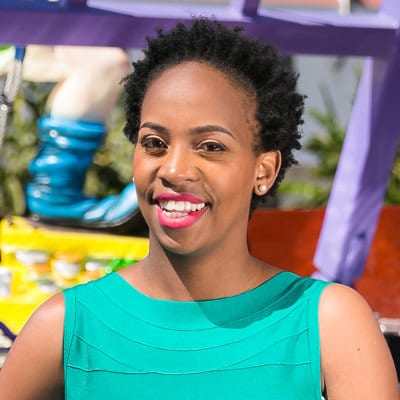
[bctt tweet=”Entrepreneurship has its pro’s and con’s but it has taught me responsibility” username=”SheLeadsAfrica”] Tsitsi Mutendi, founder of Jewel Magazine, Mucha and Mufaro dolls is a girl from Masvingo, born in Harare and partially raised in the UK. She spent eight years of her childhood in the UK before moving back to Zimbabwe. Tell us a bit about Tsitsi Mutendi I decided earlier on in life that I was more suited for entrepreneurship than I was to a career. Mostly because I enjoy starting things. I love creating new companies or entities and seeing them succeed and/or learning from their failures. My entrepreneurship journey started when I was 24, back then I wanted to be a fashion designer. I have had the privilege and honour of creating different products and taking them to a market. How was Jewel Magazine born? Jewel started in February 2011 after I lost my child. I loved reading magazines and decided to create my own that would be an outlet for the different ideas I had. Ideas to inform women about things that could help them empower themselves. The first issue went to print in June 2011 and came out in July. I wanted a magazine name which reflected what I thought of women and what they should think of themselves. I couldn’t think of any other name better than Jewel. To me women are like precious Jewels, sometimes they are covered in the earth, growing roots and preparing to germinate, sometimes you have to dig deep to find them. Do you have any plans of reviving Jewel? Jewel for me was a journey; it’s unfortunate we got to a place where we couldn’t print it anymore because we kept breaking even. The decision to stop printing was hard because I felt like I was giving up on my baby and no mother wants to give up their child. I think Jewel is one of those product pieces in the journey that has made me grow stronger. It has brought me more focus, and has always had the power to renew my will and vision to move forward. Unless we can bring Jewel back bigger and better than it was, without having to shelve it again, I think for now it will always be a part of Zimbabwean history. Tell us a bit about Mucha Fashion Mucha was born before Jewel. I love African print fabric and loved what West Africans were doing with it at the time; It was so modern and chic and no one in Southern Africa was doing it.It involved a lot of creativity with fabric and garments, and most of our clients allowed us to revamp their wardrobes. Unfortunately, I had to let go because the market became saturated and there was a lot of replication. What is Danz Media all about? It is our flagship product company which has been running for many years. So many great products are housed under it. For example, my husband, Daniel Mutendi’s Nama’s award winning children’s book, Tsuro na Gudo: Misi yese haifanani. We have also produced other Shona educational books, and continue to work with organisations and schools. I love Danz media because it allows me to be creative and to explore different media platforms. How did Mufaro come about? Mufaro came from wanting a soft cushy doll for my daughter. I could not find it in shops so I learnt how to make one. Wanting to venture into the toy market only came after realizing no one else was doing it and the opportunity was there. So my husband and I decided to attend the Spiel Warenmesse toy fair in Nuremberg which was held in February 2011, to exhibit our Mufaro Dolls. It is the biggest toy fair in the world and it ran for six days. Africa is very much underrepresented in the toy industry, so it was an amazing learning experience for us. We are in the process of implementing and working with the different partners that we met when we were there. Where is the Woman of Legacy Foundation now? I stopped running the foundation as a stand alone organisation but instead focused on corporate social responsibility. I invest in other women and provide individual and organisational mentorship. We provide scholarships as a family, not only to students who excel academically, but those we feel will invest in tomorrow. [bctt tweet=”Entrepreneurship is not easy but gives one the flexibility to choose when to work” username=”SheLeadsAfrica”] What are your entrepreneurial journey highlights thus far? The ability to spend time with my family. Entrepreneurship is not easy but gives one the flexibility to choose when to work. Meeting so many remarkable women. It’s not when you start profiling women, knowing who they are, and learning why they do what they do ,do you truly realise how powerful we are as women. Risk taking. I don’t know what a comfort zone is. Entrepreneurship has taught me that risk taking is not for sissy’s, neither is it something that you should be afraid of. Most of the lessons I have learnt are because I have taken chances. I wouldn’t change my entrepreneurship journey and I definitely wouldn’t get a job. What are your top entrepreneurship lessons? Entrepreneurship has its pro’s and con’s but it has taught me responsibility. You never stop learning really. It has also taught me that I am the master of my own destiny. No amount of capital or investment is going to make a crappy idea work, you have to go out there and put in the work. At times you might not know if you are going to reap or how you are going to pay the next bill but it’s still important to stay true to your dream or vision. How do you prioritize your time between being a mother, wife, entrepreneur? I work with my husband and we both work from home- so our children see us all the time. I also have a good support system. It includes my
Bulelwa Mpinda: What you received in prayer, maintain in prayer
“God has not postponed your elevation you have just paused your prayers”- Bulelwa Mpinda Bulelwa Mpinda is the Chief Executive Officer of Young and Spiritually Inspired. As a young woman from South Africa who is in love with God, she aims to lead through her experiences and testimonies. A woman who is completely invested in the lane created for her, Bulelwa loves nature, traveling, art galleries, poetry and writing. “I am a friend, a daughter, a sister, mentor and God’s Reflection” she says. Bulelwa, can you briefly take us through your journey from past to present? I am Bulelwa Mpinda a young woman aged 26, who is a daughter of the Most High God and the Chief Executive Officer and Founder of Young and Spiritually Inspired. At the age of 3, I was adopted into the Mpinda family- the most loving, God fearing family. Prior to that I had stayed with different foster parents and at an orphanage. Growing up I found my self in love with writing, reading and loved watching Oprah! Little did I know that was preparing me for my destiny. Due to lack of funds, after I matriculated I went straight into the work space. During that time I developed a keen interest in writing about issues relating to the youth, and so I decided to start a Facebook page and God lead it into a NGO which I called: Young and Spiritually Inspired. Young and Spiritually inspired is a youth empowerment organisation which uses the digital space to help bring the lives of young people into alignment with God. What unites us best is the Love of God. [bctt tweet=”We don’t impose change, we inspire and live the change that we want to see – Bulelwa Mpinda” username=”SheLeadsAfrica”] Christianity as a weapon to change the world. How have you been received so far by your target audience? The key is to love people and to remain humble before you add titles to who you are. People relate to real people, the organization is the vessel through which we speak the truth of Gods love. For instance, by reading about or attending our events many young people discover a new perspective to solving their issues. People have received us very well. We don’t impose change, we inspire and live the change that we want to see. The trick is to love God, be humble and let actions speak louder than words. 1 Timothy 4:12 Okay, before we go any further, how does an introvert manage to lay a foundation for a youth forum? How do you reach out to the youth? I remember the days where I would battle with God about placing me on this path of leadership. It seemed insane that an introverted woman would be seen as fit enough to lead something of this nature. But, God knew that He needed to work with my self -esteem, so He placed me in a position where I would need to confidently embrace the leadership role. When I was adopted by the most loving family who taught me about Him, God knew “Jeremiah 29:11” would be the signature of my life’s testimony. God called me into Leadership in 2011 after I had just finished my Matric. At the time I loved poetry and writing,which I think was God’s way of helping me sharpen my craft for what was to come. I never expected to create Young and Spiritually Inspired. In the early stages I battled with the concept of owning it. I’d literally shy away from this enormous task at hand because my comfort zone felt safe; this was a place where no one knew anything about me. One thing our youth needs to learn is that owning any brand or business does not disqualify humility. This awareness has kept me sane throughout the 6 years of running this movement. People need to resonate with you as a human before you add titles, therefore, be authentic, be you. I never tried to out run God by trying to fit in with what is called the “You can’t sit with us class”. I believe that one can’t inspire change when you isolate others, you need to mingle with those who strive to attain your goal. People gravitate towards genuine souls, who they can talk to and confide in. When you ask young people to speak out about their struggles you are essentially asking them to be vulnerable. How does Young and Spiritually Inspired emotionally protect these young people? Young and Spiritually Inspired has created a forum of very real people. We don’t judge your experiences, we direct you to the Author and the Finisher of our faith only through love. We had a collaborative event with a lady from Kenya. The event was primarily for women, and during that event we heard testimonies of women who had been to prison, women being abused and going into depression etc. Essentially, Young and Spiritually Inspired has created a community of genuineness. At the end of the day people will never speak up if the feel uncomfortable. Vulnerability in Christ is the best way to go. The more we share our stories, we realize we are healing someone else through our testimony. Bulelwa Mpinda, what will the world look like when you realize your YSI vision? Our ultimate purpose is to lead a higher standard of life. The world will meet a Redeeming Saviour. Our light will expose people to Jesus and they will realise that they don’t need to settle in abusive relationships or situations that cause suffering. They need only to be guided by the standards of the Bible. We want to eradicate the misconceptions around Christianity and being in Christ. We aim to travel throughout Africa and the globe to share our message with people. To help them realize that God is not allergic to their mess, but He can transform them, Revelations 12:11. The world through the eyes of Young and Spiritually Inspired is healed from the pains and baggage we carry. People will love themselves more and