
Adebimpe Akinbuja: Producing safe chickens for consumption
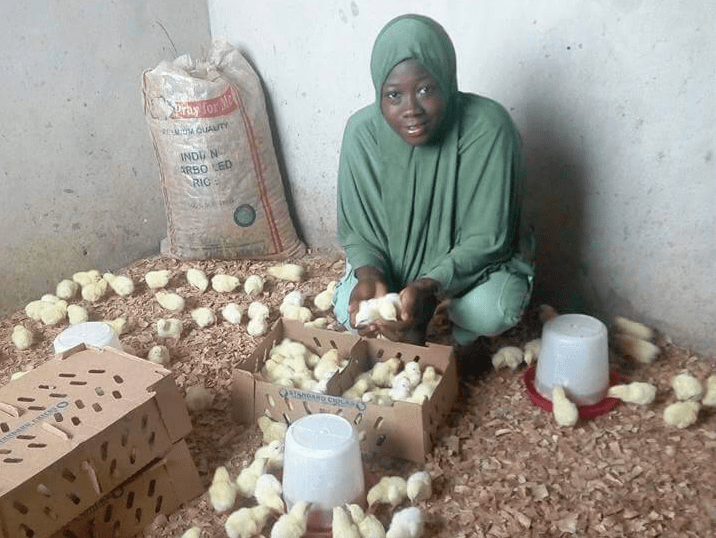
[bctt tweet=”I made up my mind to create employment for myself & grow it so that others will have jobs too” via=”no”] To ace our hustles, we need to be alive and in good health otherwise, we won’t be able to make the impact we desire. This is why we need to eat good food, quality food that will not impede our health in any way. This young woman, Adebimpe Oladunjoye Akinbuja is doing something about the quality of chicken available for consumption. She studied animal production and health at Ladoke Akintola University of Technology ( LAUTECH) and is putting this into her hustle. It’s no wonder that when she saw the challenges in the sector, Adebimpe decided to change the narrative in her own way. How did you find yourself in the poultry business? At first, it was simply because I saw the alarming rate of unemployment in the country. My senior colleagues were graduating but were not having something tangible to do for over a year. I made up my mind to create employment for myself and grow it so that people around me will have a job out of it too. After creation, I discovered there was more to do. My landlord in school then operated a cold room. One day he told us about how we are gradually dying from the things we eat. He told us that the frozen foods we eat are being preserved using an embalming chemical, formalin. He spoke as if we didn’t have a choice but to keep consuming this ‘dead-body fluid’ (in pidgin accent) and continue to die gradually. I took that information a little further and decided to produce chickens that will be safe and healthy for the consumption of humans. That is amazing! What are the challenges in this business line? I’ve had to face challenges from technical, to financial, to environmental, market, transportation and the major one has been power. And I’m still facing some of them till date. There is perception that the Poultry business is too risky, what is your opinion? People say they hate poultry business because chickens die a lot. They believe it is a risky business. Yes, poultry business is highly risky and chickens die but every business has risks, what should be focused on is risk mitigation. With a good business model, appropriate poultry house, good biosecurity practice, a learning mind and God’s blessings you will be a successful poultry farmer. [bctt tweet=”The poultry business is highly risky but every business has risks, rather focus on risk mitigation” via=”no”] What other opportunities abound asides rearing the chickens? Poultry business is filled with lots of opportunities. We have egg production, meat production, live chicken production, transportation, poultry housing and equipment, processing and marketing, training and consultancy. Do you think the Nigerian system is favourable to this line of business? I would say no because in Nigeria, we still struggle with the problem of power and this is eating into the profit of farmers. We also have issues of hatcheries not been transparent enough. And importation of frozen chickens still affects the sales of fresh chicken in Nigeria. [bctt tweet=”In Nigeria, we still struggle with power cuts and this is eating into the profit of farmers” username=”SheLeadsAfrica”] What is your advice to young women interested in building a poultry business? Learn. Find yourself a coach and a mentor and let them show you the way. Ask questions and network with other poultry “agripreneurs”. If you’d like to share your story with She Leads Africa, let us know more about you and your story here.
Lebogang Mashigo: Our role is to present platforms for discovering, expressing, empowerment and connecting
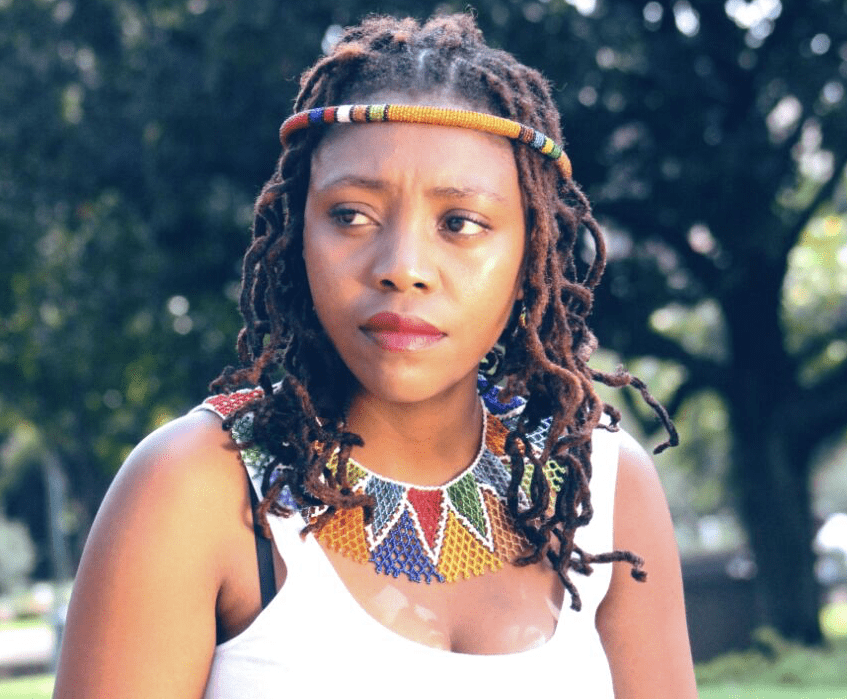
[bctt tweet=”At first it was about numbers but now our focus is about quality and impact” username=”SheLeadsAfrica”] Lebogang Mashigo is a 27-year-old social entrepreneur from the former KwaNdebele region, currently Thembisile Hani, of South Africa. She is the founder and director of Nubreed Company and Music Institute. She is a YALI (Young African Leaders Initiative Alumni in Business and Entrepreneurship, a Monash South Africa Lead (MSA Lead) fellow and was named the Mail & Guardian’s top 200 Young South Africans 2016. Lebogang is very passionate, brave and believes in her strength and that of others. She has been nominated twice for the Women Real Architects of Society Awards. Lebogang has also been profiled on Mzansi Insider, On the Spotlight with Ashraf Garda as well as on Kicking Doors with DJ Sbu on CNBC Africa. She Leads Africa contributor, Kutlwano Mokgojwa catches up with her on all things Art, Music and youth empowerment. What role does Nubreed have in the community and how does it fulfil that role? Our role is to present platforms for discovering, expressing, empowerment and connecting. We started a just a music project that gave music lessons. Today we have become more than just a music project. We educate, discover, empower and partner with young people and communities for change. What effect does empowering the youth with music have? How has that inspired you to venture into the Visual Arts and Life skills? Coming from a rural area where little is happening to stimulate young people growing up in the region of former KwaNdebele, I didn’t want to change the world, but I understood that young people are gifted and they can express themselves through music, it made sense to start NuBreed the music institute. We are not changing people but we have inspired young people to be confident, to go after their dreams, to discover opportunities within the music/arts industry. Through workshops and many events, we host, young people, connect from those in the industry and learn from them. Working with young people helped us to discover other talents and needs which propelled us to create other platforms for visual arts, life skill workshops and business workshops. It is all part of our mission to educate, empower and develop. We now host the biggest annual talent show in June called KwaNdebele Got Talent where we call for auditions and in June young come from all over the region to showcase their talents and compete for a big cash prize and other development opportunities. [bctt tweet=”Our role is to present platforms for discovering, expressing, empowerment & connecting @NubreedMI” via=”no”] How has Nubreed been welcomed into the community, what relationships have you formed and how do these relationships help the organisation? NuBreed is a recognised brand that is associated with youth, Change and Empowerment. We have been welcomed with open arms in the community. We work with other community structures, we’ve worked with schools, churches and other NGOs. However, we still see room for more networks. How old is your target market and what socio-economic challenges do they face? As the music institute, we’ve worked with many young. At first, it was about numbers but now our focus is about quality and impact. So I will say we are growing our impact. [bctt tweet=”We’re not changing people but have inspired young people to go after their dreams” username=”SheLeadsAfrica”] What kind of syllabus does your organisation follow and how has that helped with your partnership with the University of South Africa? NuBreed uses the UNISA music syllabus to teach our students, we have UNISA accredited teachers and we do UNISA Music exams twice a year. This enables our students to receive UNISA music certificates and earn university credits. Your organisation is a non-profit entity, how does that affect your operations in terms of funding and how do you manage the financial pressure? Funding has been a big challenge. We are not formally funded. We have received donations from individuals now and then. But this has encouraged us to develop our own fundraising programme in-house. We enter competitions for funds and we are always looking for partnerships. Now we are looking for opportunities to expand. All this is inspired by our need to sustain NuBreed. What personal lessons have you learnt through your leadership of Nubreed? Personal lessons: It is important to say no to some ideas. [bctt tweet=”It is important to say no to some ideas @leewaMashigo” username=”SheLeadsAfrica”] If you can spend a day in the life of anyone, living or dead, who would it be? I would really like to be Oprah for a day. I would build art schools in rural areas. If you’d like to share your story with She Leads Africa, let us know more about you and your story here.
Cynthia Okuwashaka: Everyone has a talent inherent they can work on
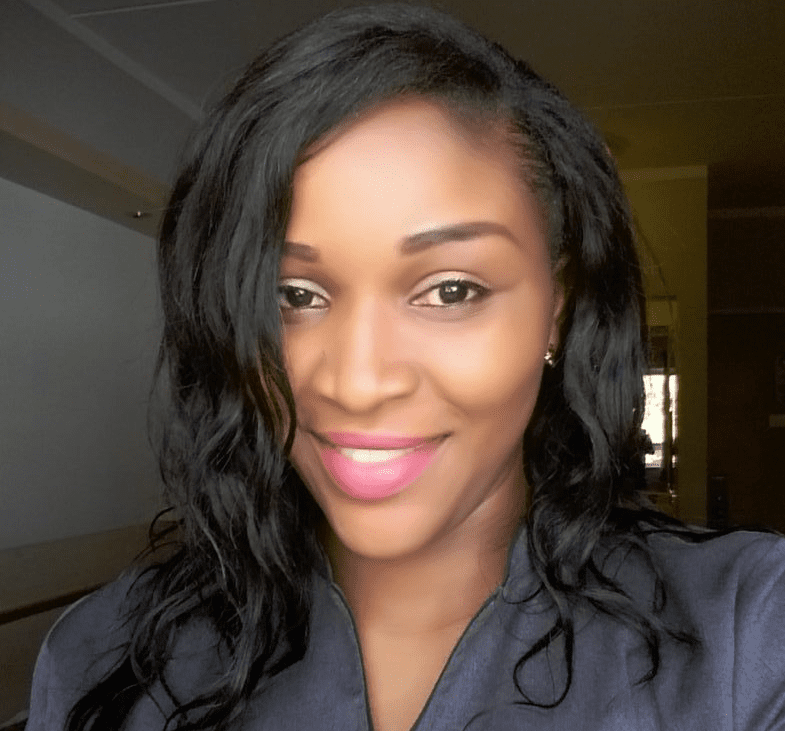
[bctt tweet=”I try as much as possible to come with something new to make myself stand out” username=”SheLeadsAfrica”] Cynthia Okwuashaka craving her own financial independence started out as an apprentice in a nail studio. Thereafter, she went on to acquire training in hair making and makeup artistry. All these skills she acquired while studying the English Language in University. A few years later, she enrolled at the Opral Benson beauty school and has now become a certified massage therapist. Cynthia worked in several beauty lounges and finally at Four Points before resigning to start her own business Spaquil Beauty Therapy, a mobile spa, and wellness business in November 2015. Since then, she hasn’t looked back. For Cynthia, she finds peace and fulfillment when she is able to help her clients get relief from aches they feel before the session. In addition, earning her own income in a decent way brings even more fulfillment. How did you come about the knowledge that you could self-sponsor yourself through the university rather than be financially dependent on anyone? I had the opportunity of meeting a friend’s sister who told me she supported herself through school fixing false nails. So I said to myself if she could do it so I can. That’s how I started working at a nail studio and went on to learn hair making too. Why did you leave your job at Four Points to start your own business? Four Points for me was a phase I knew from the onset will pass so when the time came, I had to leave. I have always pictured myself as my own boss and my years there were to gain experience so when it’s time for me to setup mine I will do it and be successful at it. [bctt tweet=”…there’s so much fulfillment in making your own money in a decent way” username=”SheLeadsAfrica”] How do you manage competition in your business? Knowledge they say is power, I try as much as possible to come up with something new to make myself stand out. You are a graduate of English language, how does your discipline impact your business? In the area of communication, my discipline has given me an edge as people see therapists as secondary school drop outs. When I have a conversation with my clients, they get to see a different side of me. Sometimes, they then ask why I had to settle for a therapist instead of working in line with what I studied in school. I tell them I have a passion for therapy. [bctt tweet=”I know for sure one step at a time gets me closer to my goal.” username=”SheLeadsAfrica”] What plans do you have for the future? Like I said, knowledge is power so am working very hard to get more training in my field of practice. What is your advice for girls from indigent homes who feel they can only survive by being financially dependent on men? Where do they start from? First of all, they will need to make a decision about the kind of life they want and work towards it. Dependency cripples, and there’s so much fulfillment in making your own money in a decent way. Crafts pay off in the long run and everyone has a talent inherent they can work on and pray as well for God to bless and prosper. The journey of starting one’s own business and growing it is a very tough one, where do you get the inspiration to continue in down times? I would say my passion for massage therapy is what keeps me going, Spaquil Beauty Therapy was birthed in November 2015 and I have had the opportunity of traveling to South Africa for training in less than 2 years of starting up. And when I think of the difference I can make in the lives of people with my healing touch I keep going no matter what. I know for sure one step at a time gets me closer to my goal. You moved from making hair and being a nail technician to a makeup artist and now a massage therapist. It seems you have worked longer as a massage therapist. Is it that you are passionate about this than the other trades and why? Massage for me is my sole calling in life, it goes beyond touch, I find peace and fulfillment when am able to help my clients get relieved of aches they feel before the session. I see myself as a small doctor (lol). How do your parents feel about your accomplishments so far being a certified therapist and running a successful business at 29? My parents have always given me support. In fact, my father who is very educationally inclined actually gave me the go ahead to learn vocational skills while I was still at the university. Today, they are happy and proud of me which is the joy of every parent to see their child or children succeed in life. If you’d like to share your story with She Leads Africa, let us know more about you and your story here.
Everlyn Nguku: Textile design and fashion technology is amazingly dynamic
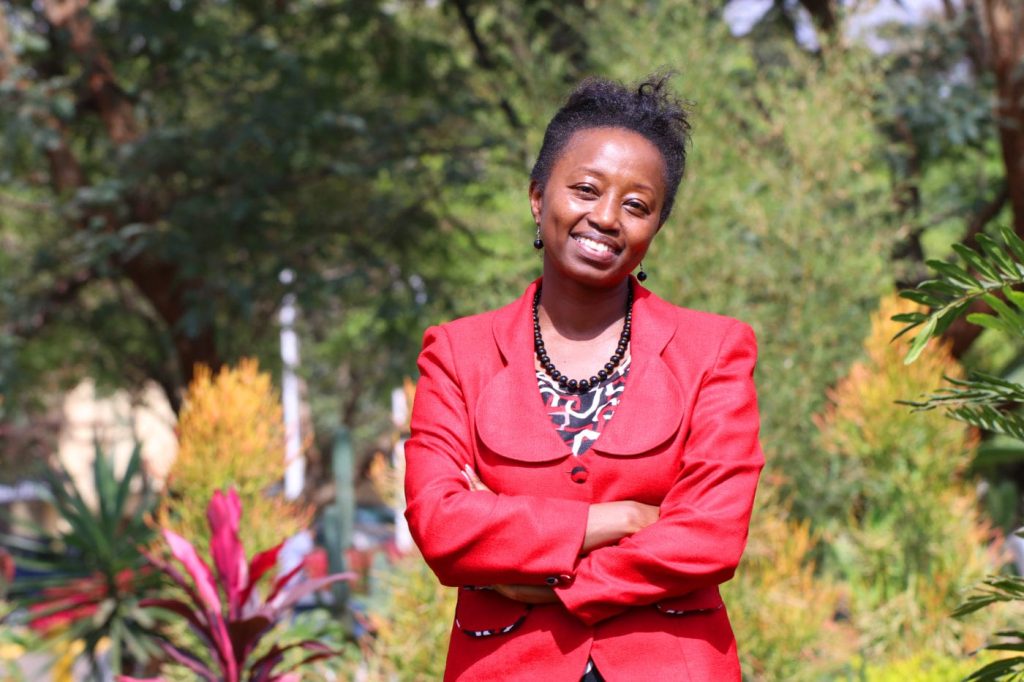
[bctt tweet=”Meet Everlyn Nguku the woman setting Africa on a new journey toward advanced textile manufacturing” via=”no”] Everlyn Nguku is one of Kenya’s few and little-known textile scientists. She was more of the artsy type growing up. But while she was in University studying fine arts, her interest shifted to a more scientific angle. Unbeknown to her at the time, this shift in interest would catapult Everlyn to establish East Africa’s first silk quality control laboratory, and set Sub-Saharan Africa on a new journey toward advanced textile manufacturing. What exactly does a textile scientist do? A textile scientist specialises in various areas including; new technologies related to fibres, innovative textiles; textile chemistry, polymer and fibre science, processing, fabric development, quality issues among others. Textiles are multidisciplinary in nature. How did you come across this as a career? I did not start out as a Textile Scientist. I studied Fine Arts for my first degree and looked forward to a career in teaching design or design related activities (I am the “creative” in the family). However, as I studied my course, my passion for fabric and pattern shifted to fabric construction. I was intrigued and keen to understand the technical aspects of fibres and fabric. I then did my masters and the study focused on four natural textile fibres. This was the beginning of my journey with silk and science at International Centre of Insect Physiology and Ecology (ICIPE). I began to look at textiles beyond the design element. My Ph.D. focused on silk properties. I had to understand the science behind the silkworm that produces the silk, processing technology and quality of the resulting fibre. You are researching on the African Silkworm; tell us a bit about that? My work actually revolves around the domesticated silkworm Bombyx mori, although there are several commercial species of silkworms. B. mori is the most widely used for silk production; it is reared indoors and feeds on the mulberry leaves. This activity is referred to as sericulture, which is the practice of raisings silkworms to produce raw silk- the yarn obtained from cocoons spun by the worms. I take an interdisciplinary approach and multi-faceted research of silk that focuses on optimizing silkworm rearing techniques, and cocoon production, with a key focus on fibre quality and value addition initiatives for the production of various quality silk products. The research explores the mechanical behaviors of the silk fibre, which are key building blocks in the production of quality silk fabric. We also design silk fibre testing procedures to assess and systematically study the quality factor, tenacity & elongation, friction and wear traits. How many women are involved in this research? Within the institution, I am working with five female technicians who undertake rearing of the silkworms and processing of the cocoons and raw silk. A textile industry needs more professionals who understand the science and the business sense in manufacturing and processing the raw material, how can Africa tap into this? The industry is labour intensive and has the potential to offer significant employment opportunities. There is a need to equally invest in the skills and qualifications of people and promote the technical qualifications for people in the textile and apparel industries. African Universities do offer degrees and masters in textile design and fashion technology. What can be done to ensure that more of these graduates become the backbone of this industry? This sector in Africa is amazingly dynamic; however, it appears to be fragmented. Consequently, its potential remains largely unexploited possibly due to organizational weaknesses within the industry. In order to integrate graduates into the industry, there is a need for governments within the continent to prioritize the sector, unlock the potential, overcome existing problems of the textile industry and address issues that hinder the growth of the manufacturing industry. This strengthens and improves the entire textile industry and value chain for it to be competitive and remain relevant. In addition, possibly review the rules on textile imports especially the influx of cheaper clothing which seem to hamper the local industry in Africa. The industry should also recognize the potential of textile design and fashion technology graduates and the dynamisms they inject into the growth of the commerce and therefore need to nurture and engage this local talent. Some of the challenges you face revolve around ignorance and general disregard of research from a policy level. How are you pushing to get more attention on this issue and more government investment and commitment to grow the textile industry in Kenya? I am a member of Kenya Bureau of Standards (KEBS) Technical Committee on Blankets, Nonwovens, Threads, and Fibres. This is a forum that presents an opportunity to interact with the main industry stakeholders on issues related to textiles, standards and to an extent policy. Who would win in a fight, Wonder Woman or Black Widow? Hmmm…I had to look up the Black Widow…. didn’t know much about her ? All the same, my take is Wonder Woman. If you’d like to share your story with She Leads Africa, let us know more about you and your story here.
Caron Williams: The hip-hop maven behind The Plug Magazine

[bctt tweet=”It’s a balancing act offering our audience what they want to read & what we feel is an important story” via=”no”] By now, everyone in the industry knows the lovely Caron Williams. Hailing from Cape Town, this beauty has been in the creative industry for years and has now added “Editor” to her resume. The Plug, the new and freshest hip-hop online magazine has really changed the game in such a short amount of time. The Plug gives you the need to know and the latest on all things hip-hop, fashion and urban culture –locally and abroad. This magazine has been an incredible platform, giving us in-depth insight into our favourite local and international artists in a fresh and innovative way. As a young Black woman, Caron is breaking the barriers of a male-dominated industry, paving the way for young creatives. Having turned her knack for hip-hop into an incredible publication, Caron has clearly become a powerhouse in the making, in her own right. In this short interview, Caron gives a sneak peek into how she grew the magazine, being a woman in the industry and what the future holds. What inspired you to start The Plug? I’ve always been incredibly passionate about hip hop, urban culture and fashion and becoming an Editor has always been my dream. The Plug Mag was the brainchild of 6th Avenue Group, they approached me regarding becoming the Editor of their online publication before it was founded and I agreed. Have you found that being a woman in the industry has proven to be difficult? If so, what kind of setbacks do you have? Being a black woman in any male-dominated industry definitely comes with immense challenges, but the truth is, the game is hard for everyone. You have to be tough to be in this industry and willing to put up a fight every day. Regardless of your gender, if you don’t know who you are, aren’t clear about your vision and aren’t willing to put in the work, the game will chew you up and spit you out. I’m not fazed by being a woman in this industry because I can hold my own against the best in the game and this is only the start. I want to be the best and I’m going to be the best, no stereotype about by gender will deter that. [bctt tweet=”The reception is inspiring & shows the SA hip hop community is hungry for powerful content” username=”SheLeadsAfrica”] I know that you also have a knack for fashion, can we see a publication of the sort from you again soon? Anna Wintour and the late Franca Sozzani are my idols. Fashion has always been my first love and a passion I’d love to return to. Establishing my own fashion publication is something I definitely aspire to do one day and the success of The Plug Mag is essential for me to reach that point. South Africa has such incredible designers and fashion talent, which deserves to be celebrated. Speaking of fashion, what are your must-have items this season? Definitely my camo bomber, Army green overall, deep maroon lip colour and a great pair of boots. The publication has grown tremendously this past year – how has that been for you and your team? It’s been a thrilling experience. It started off as a passion project from a group of creatives who truly love hip-hop, fashion and the culture as a whole, so to see how much it has grown and resonated with people is truly incredible. We have so much we still plan to do with The Plug because we truly want to transform the local urban cultural landscape, so the response has been encouraging. On a personal level, it has been a challenging but fulfilling experience. How is the future looking for The Plug? Any chance you will switch to a print publication? We have so many exciting plans for The Plug Mag. We’re immensely ambitious with our plans. Watch this space… [bctt tweet=”Editor, @CaronWilliams_ chats with us about how The Plug is transforming the local urban cultural landscape” via=”no”] As a woman in a male-dominated industry (hip-hop), you have basically become the answer for consumers who want to know more about what’s happening in the industry, how does that feel for you? It’s an interesting position. It’s always a balancing act offering our audience what they want to read and what we feel is an important story that needs to be shared with the culture. The reception to the content we’ve put out has been very inspiring and demonstrated that the SA hip hop community is hungry for powerful and engrossing content. What advice do you have for people who want to start their own thing? Passion is the foundation of any great venture; it’s what drives you when things get challenging. You truly need to have a clear vision of what you’re trying to achieve and how you plan on doing so. You have to understand that great projects and brands take the time to build and that you have to be in it for the long haul. Over and above everything, you really just have to work hard and put in the hours. Outwork everyone, study the game, study your peers and become versed in the industry you’re trying to penetrate. You also have to surround yourself with people who are as passionate and driven as you are, and people who have been in the game longer than you have been so you can learn from them. Be realistic about what you want to achieve; people are often very idealistic about startups. Even if it’s what you’re passionate about, it’s still going to be hard work. Build a network, sell people on your vision and don’t be afraid to make mistakes. [bctt tweet=”Build a network, sell people on your vision and don’t be afraid to make mistakes” username=”SheLeadsAfrica”] Which songs do you currently have on repeat? I’ve had Mick
Dr Kel: The Healthertainer
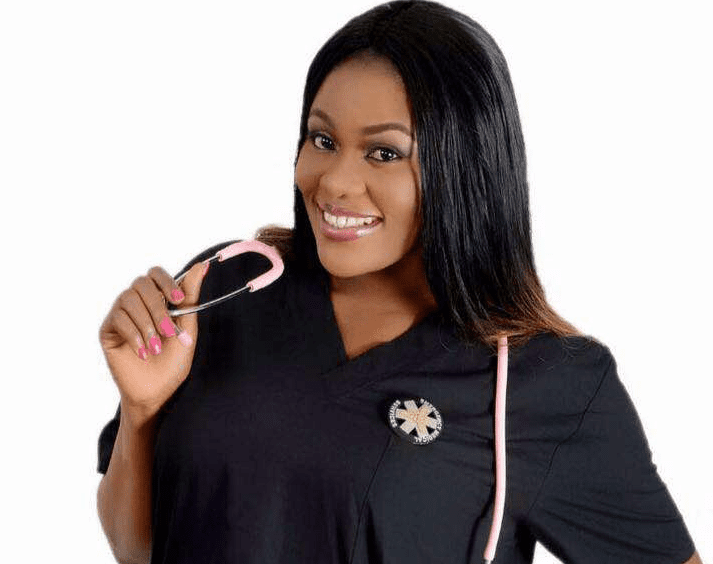
[bctt tweet=”I can proudly say that the word ‘healthertainer’ is from me – Dr. Kel @Healthertainer ” username=”SheLeadsAfrica”] If you do not know Dr. Kel on social media, I really wonder where you have been. She is the vibrant young lady who provides medical information in a fun and catchy way on Instagram, Twitter and Facebook. SLA contributor Ugochi got talking with her and she shared about her journey. Dr. Kel bagged her M.B.B.S Degree from Imo State University in 2014, did her Internship Program at 445, Nigerian Airforce Hospital, Ikeja Lagos and served at the Government House Clinic, Lokoja, Kogi state. And of course, she was retained there after the completion of her NYSC. Who wouldn’t retain such a bundle of talents? Let’s meet her! How did you evolve to be this social media phenomenon? I had always had a flair for entertainment and social media and I got involved in a few entertainment activities while in school. I was always active on social media ( HI5, Facebook, Myspace, Tagged, Keek) and it was all for fun until medical school got really serious and I had to disappear for a while. After I graduated, I had more time for the internet but this time I didn’t want it to be just for fun, I wanted to educate people on basic health issues, add more value and impact lives with my social media presence. I thought about starting a health platform where I would teach health and health related topics but I wanted to do something different from the norm. This meant health information delivery in the most entertaining and relatable fashion possible and this birthed the word: Healthertainer, a perfect blend of health and entertainment. I can proudly say that the first mention of the word “Healthertainer” on the digital media space was from me. [bctt tweet=”I didn’t want social media to be just for fun, I wanted to educate people on basic health issues” via=”no”] Asides being a doctor, what else do you do? (Chuckles) Please don’t call me Jack of all trades after I am done with this question. Lol. I have a registered start-up company which is a consulting agency that offers services to non-governmental organizations and organizations alike. We organize themed events, creating concepts and originating ideas for these events as well as supervising/implementing them. Serving in Kogi State provided a fertile platform for my startup to thrive. During my service year, I handled a couple of successful projects which were really innovative and outstanding in the state. “The Preemie Walk & Talk” for Tiny Beating Hearts Initiative, to celebrate World Prematurity Day, “Governor Yahaya Bello Walk For Peace” for Youths For Peace And Security Nigeria, to celebrate the 365 Days in Office of the Executive Governor of Kogi State “Annual Medical Outreach” for Ogori Grand Progressives Initiative, to celebrate the Ovia Osese Festival in Ogori Community, Kogi State The above is my offline hustle. On social media, I have another “workshop”. I am a Digital Media Strategist and a Social Media Influencer. I focus mainly on Medico-Social issues and trending topics which appeal to my target audience and I turn it into educational viral content which I push from my social media platforms. I have quite a robust platform with over 36,000 followers on Instagram, over 8,000 on Twitter who are interested in Health. I ride on these platforms to further promote my clients’ products and services. [bctt tweet=”It’s not an easy endeavour combining medicine and other side hustles @Healthertainer” username=”SheLeadsAfrica”] How do you manage all the causes you’re involved with, work and your health platform? Truth be told it’s not an easy endeavour combining Medicine and other side “hustles”. Nonetheless the key elements of determination and focus have helped me achieve the height I am at the moment and keeps driving me towards the future. My primary focus is on my clinic duties (for now, until I blow, lol). In between seeing patients, I find time to work on my proposals, clients orders, concept generation, idea expansions and content for my page. It is all about “balance”. I remember when I was working on my first CSR Project – #HepFreeZone last year. I somehow managed to find time to solicit for funds, plan and carry the event whilst doing my 9am – 6pm routine. Phew! Same with the projects I carried out for my clients and the outcome for each of these projects were commendable, I must add. I am currently working on another project which will kick off any moment from now, and I know I’ll have to work my magic somehow to find time in between work or after work to do all the necessary things. You seem to run all these smoothly? “Smoothly,” you say? Wow. I take that as a compliment because most times I am all over the place and forgetting somethings I should have gotten done or neglecting some others. “Smoothly” isn’t quite the word, but somehow I manage to get it all done eventually. I sit back after each feat and I wonder how I pulled it off. Truth be told it’s not an easy endeavour combining medicine and other side “pieces”, but we have to try. Let’s talk about social media, how important is it to business today? Oh yes! Social media has its perks. It is an effective tool for business as it helps you grow an audience and prospective clients. However, every entrepreneur has to be wary of “false impressions”. You need to target your audience and reach prospective clients/consumers. Sometimes it is not about the number of followers you have, but the quality of followers. Make sure you are reaching out to the right people. Not just the “spectators” and “consumers” but also the investors and prospective clients. Social media has given me a lot of exposure. People can easily follow my works and share them thereby expanding my network of followers. Social media has also provided me a cheaper and
Bessie Duke-Odu: The Flair Hair Academy was born out of my refusal to rest on my oars
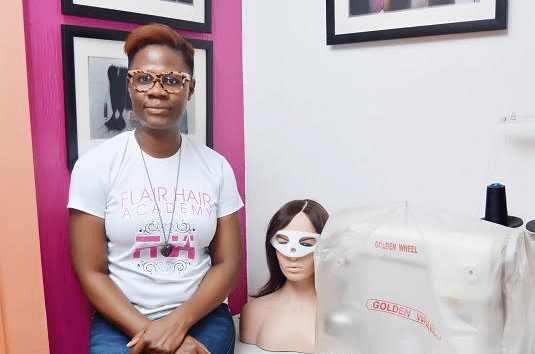
[bctt tweet=”Africa has come of age and needs to get industrialized hence sharing my expertise through the Academy” via=”no”] Bessie Duke-Odu is the Proprietress and Lead Posticheur at Flair Hair Academy (Nigeria’s foremost Human Hair Academy). With a degree in Microbiology, she started off merchandising human hair and hair accessories and in 2010. The Bessie consciously decided to delve further into the research, manufacturing procedures and processes of human hair. She is Korean-trained by the renowned John Korea Hair School in South Korea. Bessie has also acquired degrees from various institutions in Germany, the United States, China and the United Kingdom. Bessie Duke-Odu is also a World Bank Scholar, an alumna of the prestigious Enterprise Development Centre (PAN-ATLANTIC UNIVERSITY), a professional member of the Complementary Therapist Association (UK) and is listed in the Embody Magazine UK as a qualified service provider. Can you tell us what most people don’t know about you? Hmm…that’s a broad one. Over the top of my head, I’d say my tenacity. I rarely give up on things or people. I’d rather buy furniture from IKEA where I can lay the manual out flat, assemble the bolts and every other fitting accessory and work my way to the finished look. You have a degree in Microbiology, why did you go into merchandising human hair and hair accessories? Now, that sounds like two extremes but I guess I naturally flowed to my inherent side. As early as when I was 8-9 years old, I could weave hair and I picked that up by just watching. At the time when I started merchandising, running the hair and accessories enterprise gave me the ample time to tend my new baby and adjust to motherhood without the pressures of a paid 9-5 whilst still being economically viable. What lead you to start Flair Hair Academy? Flair Hair Academy was born out of my refusal to rest on my oars, challenging status quo as it were. Essentially with the knowledge acquired over time, floating a range of wholly made in Nigeria hairline would’ve been exclusive to me. But Africa has come of age and needs to get industrialized hence sharing my expertise through the Academy. What’s one thing about your industry that you didn’t expect before getting into it? As the progenitor in this, it has its first mover advantages as well as disadvantages. Acquiring knowledge has been hugely capital intensive. Nonetheless, every accomplishment begins with the decision to try as successful self-actualization lies just outside your comfort zone. [bctt tweet=”Every accomplishment begins with the decision to try – Bessie Duke-Odu” username=”SheLeadsAfrica”] You’ve been trained in South Korea, China, Germany, and the United States, can you tell us a bit about that and why you decided to choose these countries? Absolutely, I realize that knowledge is power but it takes my enthusiasm to keep pulling that switch. From my research, I discovered that Korea played a huge role during the early years of world industrialization especially after wig making moved to the East. All the named countries have what is unique to them and I am glad to give enrollees a good mix. As an ardent learner, I never restrict my self-development to capital or anything else. I would rather trade in my phone or other paraphernalia to learn a new skill than to walk around with all of that unskilled. I also recognize that going to YouTube to feed off all sorts is an option but I made a conscious and informed decision to research and invest; knowing that a small amount of knowledge can mislead people into thinking that they are more expert than they really are. [bctt tweet=”I’d trade in my phone to learn a new skill than to walk around with all of that unskilled” via=”no”] What kinds of services do you offer? Our bailiwick is in training, handing down well-researched hair manufacturing skills to people who value their development. We train people on how to set up mini hair factories, improve existing salon services, upscale human hair businesses from just buying and selling to production capacity thus reducing to the barest minimum importation on finished hair goods into the country/continent. We also offer contract manufacturing to hair vendors. Our courses include Machine Wefting, Wig Making, Human Hair Texturing, Hackling, Wig posting, Preparation of raw hair, Handtied Wefting, Human Hair Processing and Human Hair dyeing. We have an upcoming Wig Making Workshop this July and enrollees will learn the history of Postiche, how to ventilate a closure, frontal, full wigs, create templates, lace repairs and so on, all from scratch. We help them develop their value proposition and build a sustainable business model canvas. At Flair Hair Acamedy, we have had enrollees from Cameroon, Kenya and within Nigeria. Practically anyone (novice or hair guru) can go through our training and learn the ropes effectively. What do you think makes Flair Hair Academy different from others? Simply put, our resolve for greatness and constantly outdoing ourselves. What movie did you watch recently that stood out to you? Aww…. Definitely “Me Before You”. I teared up and got very emotional. It is a must watch. Look for it! Sponsored post
Mbali Zondo: Surround yourself with people who you admire
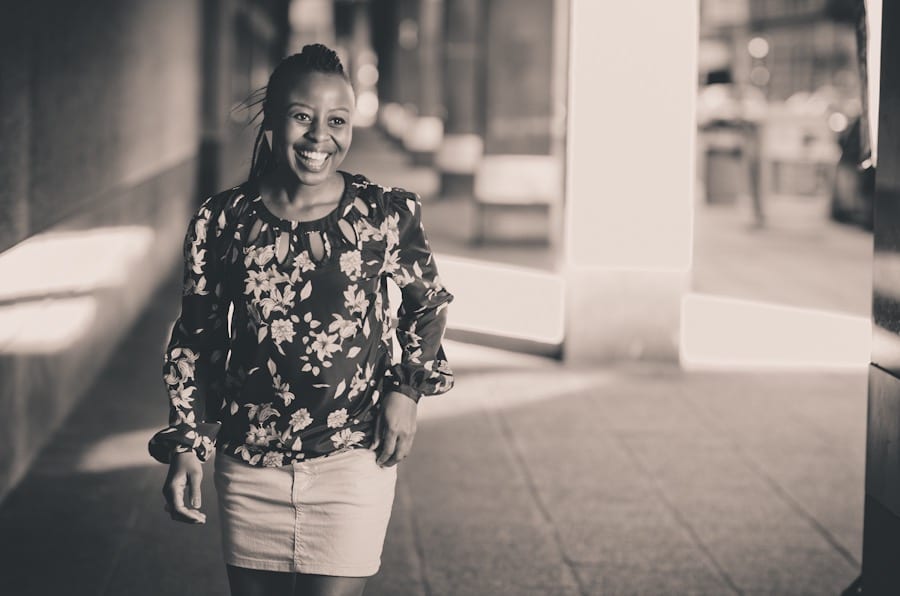
[bctt tweet=”Do your homework before networking. Make sure you have introduced yourself to the host if you can” via=”no”] PR doyenne turned award-winning director Ava Duvernay famously said: “when you’re in your lane there’s no traffic”. Mbali Zondo’s remarkable career journey is a testament to this truth. She continues to cement her place in the world of public relations having worked on global brands such as Apple and Clinique. She does it all with the kind of poise, humility and grace attendant with royalty. Her enthusiasm for people and technology and how they all come together to direct meaningful conversations about brands through public relations is truly inspiring. She has walked the graduation stage 3 times for disciplines such as marketing and communications from prestigious institutions such as the University of Pretoria. Not even 30 yet, she continues to startle her peers with her forward thinking approach to creating lasting brand legacies in the digital space. She has the determination, grit, and power to continue to be a game changer in the PR world. Success is not a ‘one-size-fits-all’ and Mbali defines this her own way, through her individual journey. In her work, she continues to remind us all that reputation matters, and that building big brands require long-term, strategic thinking, and a little PR magic. Why did you choose P.R as a career path? Growing up, I did not know what PR was, let alone that it could be done as a career choice. All I know was that I wanted to express my creativity and be amongst interesting people at events. I’m a visual person and I wanted to be featured in magazines or to work with people who worked for magazines. What are two of the most important lessons you’ve learnt about yourself through your career journey? Trust your skills but don’t be afraid to improve on them in order to be recognised as an expert in your field. Surround yourself with people who you admire because this forces you to raise the bar when it comes to excellence. Tell us about a professional situation when the odds were against you, and how you overcame this? Part of PR is organising media events. I remember organising an annual lifestyle event and the whole event was scheduled to be outside. This event was scheduled for the end of September and I didn’t take into account that the summer rains in Joburg start at that exact time of the month. As fate would have it, there was rain predicted for the whole day for the day of the event. I overcame this situation because, with my background with having had used many suppliers before, I was able to call a supplier who gave me a personal referral to a supplier who puts up stretch tents. Due to having that personal relationship, I was able to negotiate to have the stretch tent set up and ready a day before the rain hit Johannesburg. Needless to say, my team was very impressed that I could think on my feet and get a quick turnaround time with a new supplier. [bctt tweet=”Success is not a ‘one-size- fits-all’. Success is subjective” username=”SheLeadsAfrica”] If your life were a movie title what would this be? Mad Max (with Tom Hardy and Charlize Theron). This movie highlights determination, grit, and power in an unexpected and challenging situation. Although battered and bruised in the end, Charlize’s character comes out victorious and succeeded in her mission. What does sisterhood mean to you? To me, sisterhood means uplifting other women and sisters without feeling envious of the other woman’s gift or talent. It’s about supporting each other beyond our backgrounds and standing up for one another. What do you know now, that you wish you knew 5 years ago? I wish I had known 5 years ago that everyone has a unique path for a reason and that achieving success is not a ‘one-size-fits-all’ shoe size. Success is subjective. I also wish I had known that financial literacy is important and that saving up to buy a house is a long process. For those who find networking daunting, what are 3 tips you can share? When it comes to networking if you can take a friend, do so because networking becomes easier when you do it with someone you know and feel comfortable with. When you are comfortable, networking becomes easier. Share your professional contact details with new connections and stay in touch with them when you can. They will appreciate your efforts of investing in the relationship. Do your homework before networking. Try and find out who will be on the guest list so you can initiate conversations with people who may have mutual interests with you. Also, familiarise yourself with the purpose of the event and make sure you have introduced yourself to the host if you can as [bctt tweet=”Trust your skills but don’t be afraid to improve on them” username=”SheLeadsAfrica”] What skills should every P.R professional have in their “bag of tricks”? Writing: Every PR Professional needs to be able to write as you will often find yourself in situations where you need to write content, messaging documents etc. Be prepared. Presentation skills: You need to be able to present ideas or host an event with media, therefore, learning how to present is crucial to PR. Adaptability: PR is an industry that changes often and as much as you can be organised, sometimes, not everything goes according to plan. A good PR professional needs to be able to adapt accordingly to any situation to remain relevant and resilient. What is your morning get up and go song? It has to be Nina Simone: Four Women. This song gives me the confidence to start the week. What are your plans for the next 5 years professionally? Over the next 5 years, I’d like to do the following: Be featured in the 40 under 40 Forbes list. Complete a Master’s degree in Creative Brand Leadership. Travel
Elizabeth Akanbi: Make mistakes, learn, grow and do better
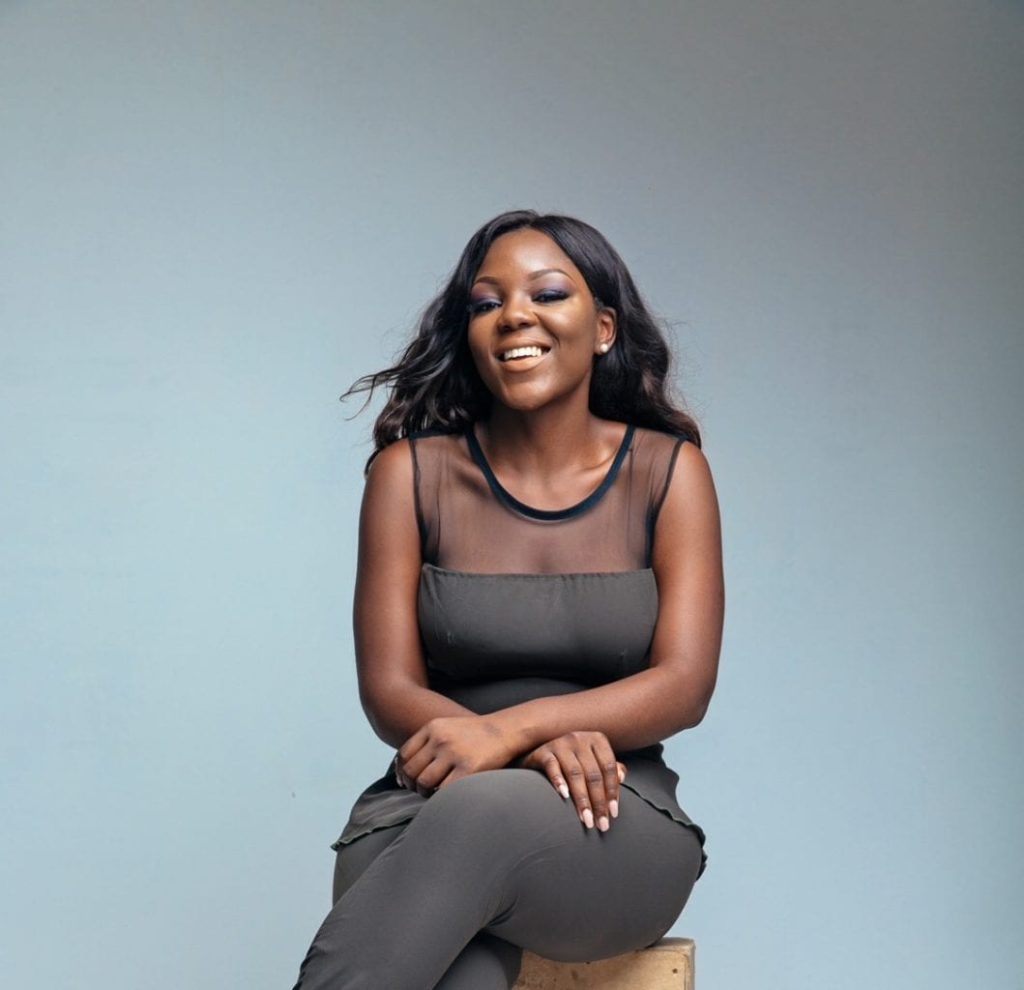
[bctt tweet=”We aim to reach women that have a passion to become game changers” username=”SheLeadsAfrica”] If there’s something she’s known for, it’s adding value to other women’s lives. With over 7 years experience across different industries, Content creator and Marketing communications professional, Elizabeth Akanbi is Founder and Managing editor of For Working Ladies, an online career lifestyle hub for women. With a strong passion of understanding people’s journeys to success she uses this knowledge to inspire, empower and motivate individuals. Asides equipping women with inspiring and motivational content Elizabeth is passionate about sharing the African culture through art, food, music and social events. As such she co-founded a lifestyle brand, The Social Bloc which runs periodic social events in the UK to highlight the African culture. What inspires For Working Ladies? I have always desired a mentor, someone to tell me how to make decisions, someone to give me career advice, tell me the risks of starting a business, I’m sure you know what I mean right? But I have never been fortunate to have one. I would search the internet day and night looking for answers to my questions, read loads of articles, career profiles and then draw a conclusion on the topic. I knew I wasn’t the only person going through this and needed to create a platform where you could get career/entrepreneurship tips, read about other women that have taken your path and just daily lifestyle content. Why an online platform? Because the world is going digital and people are constantly on their phones so I saw this was the best place to share content and reach our audience. For Working Ladies is a career lifestyle hub for women created to motivate, inspire and give guidance. What kind of content do you provide and what women does your business aim to reach? Our content mainly focuses on career and entrepreneurship, however, we also share lifestyle content also. We aim to reach women that have a passion to become game changers, we want to equip them, motivate them and be that big sister that says we have your back. What innovations and future plans are you looking towards for your business? 2017 is the year that I hope to take For Working Ladies offline and create interactive events. Things are still in the pipeline; I am excited and currently looking for speakers and brands to partner with for our first interactive event. Asides from events we hope to start delivering content in new and fresh ways as the behavior of people are changing and they want more than just written content. Tell us about your greatest challenge as well as your greatest achievement so far? My greatest challenge has been creating content that is new, fresh and relevant on an ongoing basis. There is so much content out there that it is necessary to give people a reason why they should read yours. Luckily I have an amazing team of contributors who are constantly creating fresh and relatable content for women. My greatest achievement so far has been keeping this content-based site going for over a year, being the only editor, managing the digital marketing, overseeing over 15 contributors whilst working. It takes a lot of time and dedication; there have been times where I have gotten so tired of proofreading and writing that I just want to give up. I am working on building a team so that as a brand more can be achieved. What business tools have helped you in running your business successfully? My daily tasks consist of sending emails, a lot of emails! mainly to contributors and also to people I am interviewing. I am literally always stuck to my phone/Mac refreshing my inbox, it can be a headache but it has to be done. The best tool that has helped me in managing emails is Boomerang for Gmail, it allows you to schedule emails, receive notifications to follow up on an email and also receive a notification when they have read the email. It’s a really user-friendly plugin! There are so many great features, we have an article on our website about it. [bctt tweet=”Learn from every mistake, because every experience and encounter is there to teach you” username=”SheLeadsAfrica”] What personal values have guided you as an entrepreneur? Hard work and consistency. Results don’t just come; you must be intentional and put the work in. The first step is making the commitment but the next, which can be the hardest is consistency coupled with hard work. Also as Oprah said, “Learn from every mistake, because every experience and encounter, particularly your mistakes, are there to teach you..” It’s okay to get it wrong, it’s okay for that partnership to breakdown, it’s okay for that idea not to work out, but in all of that experience what did you learn? I try my best to analyse every experience I have had and learn from it. Without mistakes how would we learn? Make mistakes, learn, grow and do better! From your business name, it is safe to say you have nothing for the unemployed ladies? We have something for every female, whether employed or not. Our main focus is career and entrepreneurship, however, we touch on lifestyle, fashion and much more content that is relevant to all ladies. Everyone has something they want to achieve in life, a dream they want to pursue, something they are working on and we want to be part of that journey in inspiring, encouraging them that they can achieve whatever they set their mind to do. [bctt tweet=”Don’t allow the distance between where you are and where you want to be scare you” username=”SheLeadsAfrica”] Advice for entrepreneurs about to throw in the towel? Why did you start in the first place? Sit down and have a deep think. Remember your why at every low point and allow it to push you. Don’t allow the distance between where you are and where you want to be scare you,
Ifrah Arab: This is just not a joke for me
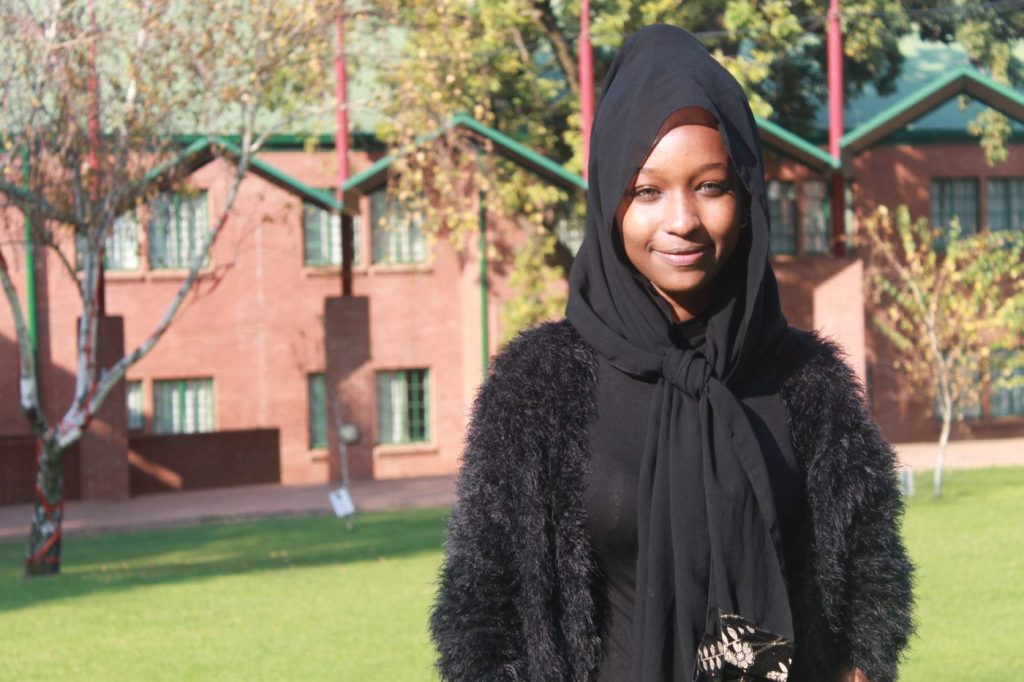
[bctt tweet=”We faced a lot of challenges being in a conservative community they weren’t ready to accept change” via=”no”] Ifrah Arab is only 20 years old, but she is on a mission to alleviate poverty and inspire more women much older than herself into enterprise. Through this effort Ifrah was a 2016 Anzisha Prize finalist and a 2016 Echoing Green semifinalist quite a mean feat. Ifrah grew up in Garissa town, a conservative community where women were never encouraged to have economic independence. In 2015, when her mother passed away, Ifrah felt the need to uplift mothers in her community. She founded SuperMom, a door to door distribution network that gives Kenyan women in disadvantaged areas access to quality and essential consumer products. Within two years of operation, she now has 50 women now selling products door to door earning an income and making household items accessible to thousands. Ifrah hopes to draw in 2,000 women in the next two years and double their incomes. How many commodities is SuperMom now selling door to door in Garissa County? We sell a whole range of products. Our main ones are consumer goods which include sugar, salt, flour etc. mainly basic everyday use consumer products, clean green energy, sanitary products and health products. Garissa has a relatively large Muslim population some of whom are conservative when it comes to women working. Has SuperMom encountered any challenges around this with the community? Yes, we faced a lot of challenges mostly because of, as you said it, being a conservative community they weren’t ready to accept the change. Most of them saw it as a breach of culture and all that and we faced a lot of opposition. [bctt tweet=”Ifrah Arab personally interacts with the women in her SuperMom network.” username=”SheLeadsAfrica”] How are you overcoming this challenge? We overcome this challenge by using a new tactic. We decided to first approach the community elders, religious leaders, local women groups and made them understand our mission. This made it easier for us to then penetrate the larger community because now we had people they trust endorsing us. You were a 2016 Anzisha Prize finalist, how has this experience improved your outlook and operations at SuperMom? I learnt a lot from the Anzisha Prize. I met different young people from Africa who shared the same vision of making Africa great. They were all young problem solvers aged between 15 and 22. It was wonderful being able to meet and build networks with people of the same mindset and share ideas. You were also a semifinalist in the Echoing Green Fellowship of 2016? What are some of the lessons you learnt from that process? I wasn’t able to make it to the finals for Echoing Green but the feedback they gave me after the selection process has helped SuperMom grow. We were able to take in all the advice we got from them and that was really great. What are some of the most successful pitching techniques you use when seeking funding for SuperMom? When I am pitching SuperMom I always make sure I am clear and the audience clearly understands what SuperMom is all about. I also make sure to always show traction. What we have done so far to earn that trust. I always give my story too. It makes people understand the reason why am doing this. That it’s just not a joke for me. [bctt tweet=”When I am pitching SuperMom I always make sure the audience clearly understands” username=”SheLeadsAfrica”] What keeps you going? I personally interact with the women in our network. Every time I hear any of the women talking about how SuperMom has improved her life it motivates me to do more. What big plans do you have in store for SuperMom? The problem we are trying to solve is not unique to my community. Several other marginalised communities in Kenya face the same problem. My vision is to expand and reach these other communities. We are also not covering all the products needed so also to form more partnerships so as to increase the number of products in our catalogue. What’s the one thing you would not leave the house without? My phone. If you’d like to share your story with She Leads Africa, let us know more about you and your story here.