
Samira Sanusi: You can still have dreams, goals and ambitions while living with Sickle Cell disease
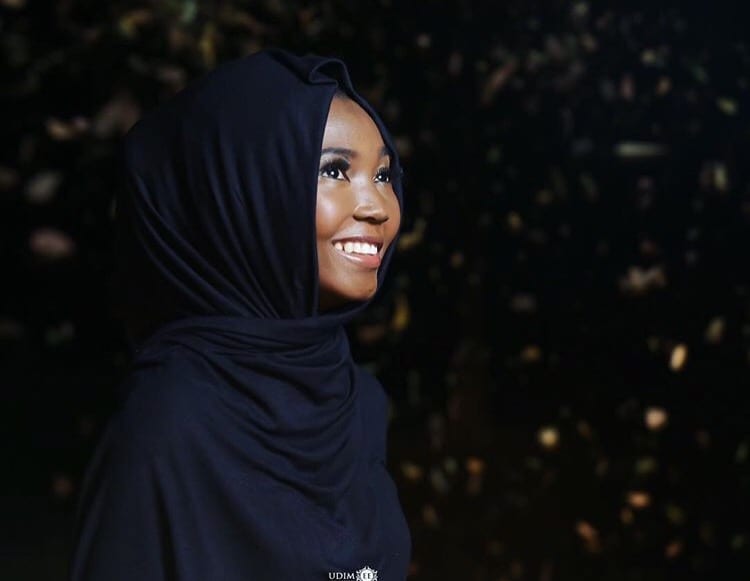
[bctt tweet=”Samira Sanusi: The misconceptions of people living with Sickle Cell are stigmatizing” username=”SheLeadsAfrica”] Samira Haruna Sanusi is a Nigerian writer and Sickle Cell awareness advocate. Samira is the President of the Samira Sanusi Sickle Cell Foundation, an Abuja-based NGO. She is also the author of “S is for Survivor”, a memoir about her personal experiences with Sickle Cell Anemia and getting cured. Her upcoming book titled “I Wrote This For You” is a collection of prose, poetry, philosophical quotes and short essays which will be published later this year. In this interview, She Leads Africa fellow Tonye Setima-Benebo chats with Samira Sanusi on living with Sickle Cell disease. After 6 years on wheelchair, 28 surgeries, chemotherapy and a bone marrow transplant, Samira has learned a lot from her life struggles and is eager to share her testimonies with the rest of the world. Read more on Samira’s story of hope, survival, and strength below. What are some of the misconceptions of people living with sickle cell disease? The misconceptions of people living with Sickle Cell Disease (SCD) are many and have become stigmatizing to warriors living with the disease. Many people believe warriors do not grow up into adulthood, or that if they do, they eventually outgrow the disease. Many people including healthcare providers see warriors as attention or drug seekers who are trying to feed a painkiller addiction. However, with limited pain management options, warriors are forced to rely on strong painkillers. Now the consistency of the pain crisis sometimes means the patient has to be on pain medication for a long period of time. Who were your greatest supporters during your crisis? My greatest supporters were my family. They have seen me struggle with the crisis, limitations, and treatments. Being the ones who are always there means they really see the effect and understand the magnitude of the disease. Friends were also a great support and offered help in their own little way. How has Sickle Cell affected your personal life? Sickle Cell has affected my personal life in great ways -good and bad. I’ve had 28 surgeries, collected a lot of scars, dealt with health complications related to SCD and a sizable amount of PTSD. At the same time, this disease has been the best thing that has happened to me, without which I wouldn’t be who, I am today. Can you tell us what you do on a daily basis to stay healthy and out of the hospital? A typical daily routine includes taking my daily medication, staying hydrated by drinking at least 2 litres of water, avoiding stress and strenuous activities and adjusting to weather conditions and other factors that might trigger a crisis. [bctt tweet=”Samira Sanusi: I want my book to make people feel less alone in their Sickle Cell journey” username=”SheLeadsAfrica”] You wrote a book “S is for Survivor”, what was your intention for the book? My intention of writing “S is for Survivor” was to tell a story once painful and untold, and to make sense of my past and pain. Books were my toys and companions during my childhood, and so many stories I read in books connected me to human experiences that made me feel less alone. In the end, I wanted to do that, to be able to touch lives and reach out to people who’ll read my book and have hope or feel less alone in their journey. Tell us about your foundation. My battle with Sickle Cell Anemia is what inspired me to start the Samira Sanusi Sickle Cell Foundation to help people living with the disease. The foundation raises funds for organizations and clinics that provide Sickle Cell patients with care, aid, and treatment. We organize awareness programs in several parts of Nigeria to educate and sensitize people on the disease. This awareness covers how the disease impacts the lives of sufferers and care-givers alike, its complications, and the importance of genotype testing before deciding to have children. Its focus also includes creating awareness on the cure for Sickle Cell disease and finding ways to make it accessible for patients in Nigeria. The foundation is committed to supporting the Nigerian government in accelerating provision for management and treatment of Sickle Cell complications, as well as enlightening citizens about the disease, and most importantly, making informed decisions to avoid more Sickle Cell births. What would you say to a teenage girl living with Sickle Cell disease? To a teenage girl living with SCD, I would say, you are more than a disease and stronger than you think. You can still have dreams, goals, and ambitions. It might not look like the picture in your head, or happen at the same pace as everyone, the important thing is to live fully and out loud and fight against all the odds. [bctt tweet=”Samira Sanusi’s foundation enlightens Nigerians about Sickle Cell disease” username=”SheLeadsAfrica”] What is your best memory so far? My best memory so far would be getting cured of Sickle Cell Disease, the day felt like my birthday, a new beginning to a pain-free, health complications and limitation free life with endless possibilities. I don’t think anything can ever top that, being cured of a disease that is still considered as a death sentence. If you’d like to share your story with She Leads Africa, let us know more about you and your story here.
Lukunse Betty Paulls: I want to create awareness about the history and culture of Africa
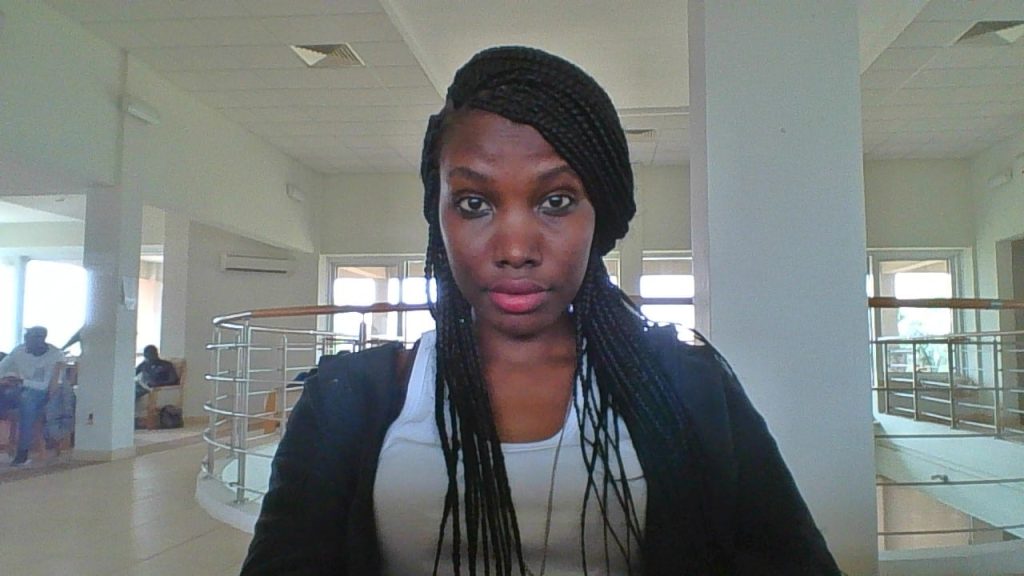
[bctt tweet=” There is nothing as satisfying as watching a seed you have planted grow @LukunseBettyPaulls” username=”SheLeadsAfrica”] At 21, Lukunse Betty Paulls has already accomplished more than most women her age could even dream of. The Kampala native who is currently working towards her degree in Business Administration at Ashesi University in Ghana, is also a model, blogger and writer. Most recently, she added the title of social/cultural ambassador to her resume. What began as a simple idea to find a way to showcase the richness and diversity of African culture has turned into Mutima_Wangu, an online platform that seeks to create awareness about the history and culture of Africa in different settings. Over the past year, Lukunse has directed a lot of effort towards growing the platform. She’s orchestrated everything from picking the concept, finding models and photographers and even doing a bit of creative directing herself. In her own words “Africa is rich (in culture), let us never forget that”. For someone so young, you already have quite a list of accomplishments under your belt. Could you share with our readers your story so they understand your journey and how you have managed to take on all these roles successfully? I don’t see them as many achievements but thank you. To be honest, I still feel like my journey has only just begun. I started writing at fourteen, even though my writing still hasn’t garnered much publicity. I self-published my first poetry collection in early 2015, and the other two books shortly after joining Ashesi. As for modelling, I had my first photoshoot ever in June 2015. It was a great experience and the support I received from my manager and the filmmakers at the Uganda National Theatre was overwhelming. I’ve done a bit of modelling and had a few photo-shoots since moving to Ghana as well. I started blogging on and off since January 2015 and have only recently decided to start blogging more consistently and using that as a platform to share my voice and my work. And finally, about being a cultural ambassador, I guess that came about when I realized I could not focus on modelling without combining it with something else. For me, that something was art. I have no intentions of being a runway model. I have always focused more on the more commercial aspect of modelling than the typical struggle of making it as a runway Queen. And I decided that if I was going to take the commercial route, I wanted to do it in a way that would be beneficial to society. Bearing all this in mind, I went through a period of soul-searching and consulting with my mentors Kobby Graham and Dean TK, and through this the idea for Mutima_Wangu was born. I checked out the website for Mutima_Wangu and I think it’s really impressive how you are working to develop a platform that not only showcases but celebrates the diversity of African cultures. How did you come up with the concept and what are you hoping to accomplish through this platform? The idea for Mutima_Wangu first came to me in my philosophy class. I’m a firm believer in acting on an idea the moment it is conceived and so I knew I had to do something about it. But I also realized that I could not do it on my own, so I started looking for photographers on campus and sharing my idea with them until I found one who was willing to work with me. Next, I scouted potential models for the project. For Mutima_Wangu, it was never about finding the girl or boy who was perfect for the runway, it was more about finding the person whose composure suited the craft. Through this project, we are teaching people what being African means to us and we demand to be heard. Our ultimate goal is to create awareness about the history and culture of Africa in different settings. [bctt tweet=”Our goal is to create awareness about African history and culture @LukunseBettyPaulls” username=”SheLeadsAfrica”] What is the process like for curating the content on the platform? How do you identify the topics that are discussed, what is the research process like and how do you decide on what aspects of the topic are important enough to be showcased and how? To be honest, the process is not hard. I personally think that there is a lot of content to choose from. I also believe that I am naturally creative. So when an idea pops up into my mind, I note it down. I also get ideas from my sketches, from lectures I attend, from the literature I read and the images I see, from conversations with my neighbors and from observing people I meet. My sources of inspiration are limitless and once an idea is conceived, I work on expanding it and bringing it to life. Throughout this process of creation, I remind myself that there must be story, a lesson, a history, a piece of information that the idea delivers to the intended audience. In the end, it must be art. What have been some of the biggest challenges you have faced in running this social enterprise? So far the biggest challenge has been sourcing funds for the project. We are in the process of devising the best strategy to get sponsorship to drive Mutima_Wangu forward. I did not realize how expensive this project would be when I started it. But after completing our first shoot, and seeing the number of people who would like to be part of this project, especially those who would feature as models, I quickly realized that it was going to cost more than I had expected. It takes a lot of time and effort to come up with a concept and implement it, it takes time to style all the models, to bring the concept to life the way I envision. There are costs involved in shooting, directing the project and securing the
Biabu Shaffi: The difference in winning and losing is most often, not quitting! So, don’t quit.
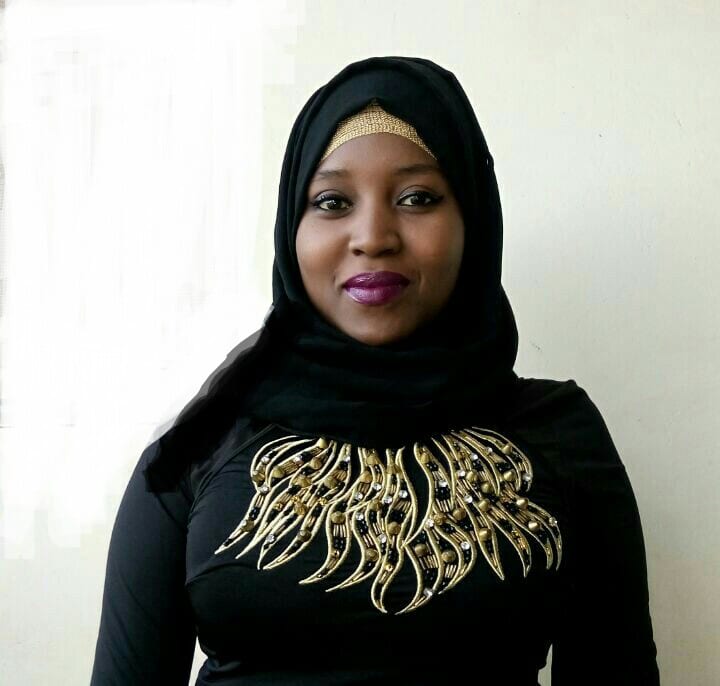
[bctt tweet=”If you have identified a problem, look for a solution & turn it into a business @BiabuShaffi” username=”SheLeadsAfrica”] From the coastal part of Kenya, Biabu Shaffi is among many things a passionate baker and a cooking enthusiast, always looking to try new recipes. For the past 3 years, she has been baking cakes, cookies, and other pastries to earn an extra shilling which she has used to fund her degree in Business Management. After being approached by several family members and friends looking to find suitable housekeepers, Biabu realized that there was a gap in the market and she decided to fill that gap by launching Pristine Housekeeping Agency. Through Pristine, Biabu hopes to establish a one-stop shop that Kenyans can look to for all their household needs: cleaning, babysitting, shopping…you name it, Pristine will offer it. What’s her mantra? Biabu believes that if you have a passion, you should pursue it. What was the inspiration behind the birth of Pristine Housekeeping Agency? The idea of running a housekeeping agency came from a comedy series entitled “Devious Maids” lol. There is this character called Marisol Suarez, who started an agency for maids. People go to her to look for maids. Initially, I thought I could do the same but after some consideration, I decided not to –I didn’t see the need then. But then one day, it happened that my cousin, my sister, and aunt were looking for house-helps and they just couldn’t find one that would fit their need(s). And there I was, again, thinking, if I start a housekeeping agency, train the ladies/gents on the basics, like how to clean the house, do laundry, cooking etc. I would really be making money. Then I remembered that people here travel to other countries, especially the Middle East, to clean houses for money and some end up getting hurt, others even get killed. So, Pristine will also be creating/providing employment to the unskilled, jobless youths and women and in the long run, grow a skilled community, end crime and poverty. What was the need you saw lacking in the Kenyan housekeeping industry that made you want to pursue this idea? In your view, what is it about Pristine that sets it apart from other similar ventures? First the Kenyan housekeeping industry only concentrates on commercial buildings –like offices, malls and supermarkets, hospitals, and hotels. Not one person has thought of venturing into house cleaning services, NONE! Pristine will do the household chores for you. From cleaning, cooking, shopping to babysitting. Lots of people look for professional house-helps –one that can do the house chores without needing someone breathing down their neck. I haven’t seen any agency like Pristine except when seeking employment in the Middle East. Pristine’s vision is to be the best housekeeping agency in Africa by 2030. How far have you gotten with the development of your idea into a fully functioning agency? What would you say have been some of the biggest challenges that you have faced along the way? Winding up on the proposal, working on the logo and registration. I am done with the name search so I am waiting for the response. So far, the challenge I have faced is time. I must juggle in between my full-time employment, cake orders, school, volunteering and researching on Pristine. It has been and is still is a very big challenge. Finances too have been a challenge as I use my savings to get things done, so hopefully, I will get some funding or someone with a good deal to invest in my business. When it comes to opening a business, where/who would you say you have received the most support from? How have you been able to capitalize on that? I have a colleague, who is also my mentor, who said that gone are the days when people started businesses just to make a profit and become wealthy. These days it is more about “what problem are you solving?” or “what are you doing for the society?”. I saw a need in my community, the need for good and professional help, and I believe that we, at Pristine, are going to satisfy that need. [bctt tweet=”Challenges are opportunities in disguise @BiabuShaffi” username=”SheLeadsAfrica”] Starting a business can be a daunting process for many young women. As someone who is currently going through the process, what would be your advice to other young women in your shoes looking to embark on a similar adventure and become business owners? Yes, it is a daunting process. Especially if you have a full-time job and other things running. What I can just tell other women out there is; Never give up! Challenges are there to make us stronger. In fact, challenges are opportunities in disguise –grab them and face them head on. You know why you started, and what you are looking at achieving in the short and long run. And always remember that the difference in winning and losing is most often, not quitting! So, don’t. With regards to Pristine Housekeeping, what would you say are your top three goals for 2017 and how are you planning to accomplish them? Get registered as a limited liability company by March – I have started on the registration process and I am at least half way. Recruitment and placement of at least 20 youth and women – I will be training them at my home before I secure a perfect place for this –I am also working on the plan. Funding/Donors/Investors – This is in order to be financially stable and/or get an investor. You are also in the process of completing your degree, how are you managing to handle it all, finishing school, starting a business and presumably trying to have a social life and pursue your other passions. I am a very good multitasker and all this is because I am self-motivated. In other words, my passion drives me to work harder and move, despite loving my nap times,
Tshenolo Sebogodi: I found something many yearn for, fulfillment!
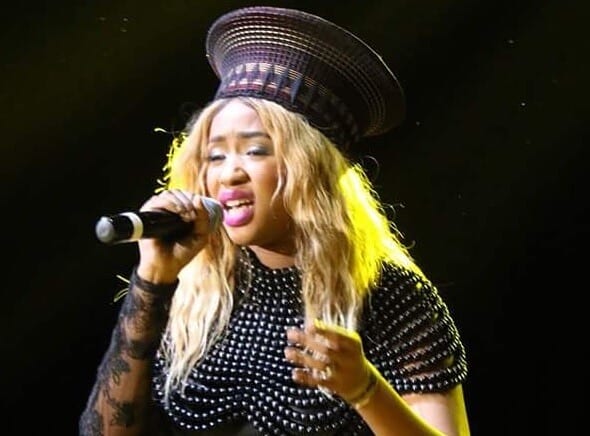
[bctt tweet=”More than anything I believe I was called to do this, I have found my purpose.” username=”SheLeadsAfrica”] Most of us are familiar with Afro-jazz which is a style embedded in the African traditional music and dance. On the other hand we also have AfroSoul, it’s fairly new and its a blend of African Folk and urban Soul. Tshenolo Sebogodi was raised in this type of genre. She grew up in a township called Montshiwa in Mafikeng, North-West South Africa and generally she is a lover of arts especially music, of course. Despite being a law graduate, the optimist is pursuing a career as a songwriter and Afro Soul/Jazz singer. Tshenolo definitely has big dreams for herself and she says it’s made possible by her child and husband who are her biggest cheerleaders. Tshenolo is also a true believer who lives by faith and with the support she has, there is every reason for her to keep going. Tell us about your album Journo. What is the story behind this name? Journo is my upcoming debut album that consists of songs that l wrote myself. The title Journo depicts articles and journals about my life experiences and those around me in a musical form. It was inspired by the transformations we all go through in life. I seek comfort in music, so all songs have a significant meaning from a particular period in my life. The album is very inspiring and motivational. It talks about hardships we all go through of feeling inferior, being afraid of dreaming , being afraid to have a voice and most importantly not conforming to society’s expectations. It talks about how great each of us are and how we’re all capable of achieving our goals. Also, it highlights the beauty of each season we go through in life and embracing every moment, even the bad times. Have you always loved the art of music? I have always loved the art of music from a very early age and have known all my life that I was born to do this. I was born in a very musical family and was exposed to classical music but fell in love with jazz music when I started performing 10 years ago. My family is also academic, I then had to take a break from active performing to obtain my LLB degree. Even during years of schooling, I knew the end goal was to be a My family is also academic, I then had to take a break from active performing to obtain my LLB degree. Even during years of schooling, I knew the end goal was to be a full-time musician, that’s what kept me going. It was a bit of a shock to everyone when I put aside my qualification to pursue the art of music, still is to most. [bctt tweet=”It was a bit of a shock when I put aside my qualification to pursue music – Tshenolo Sebogodi” username=”SheLeadsAfrica”] How has your life changed since you started your music career? My life changed dramatically when I officially began my music career. It was a pivotal time in my life, more like a make or break situation. My faith, my ability and even my talent was tested. The period of transformation from being a normal individual and completing studies in record time to pursuing music full time was a drastic change. I was obviously expected to practice law and possibly be a judge one day, but that was not what I was called for I believe. In that period, I was questioned by many and was told that I live in an imaginary world of my own. Not only did I have to fight to get my music career off the ground, I had to seek inspiration from within and fight for what I believe in when everyone else thought I am living in dreamland. More than anything I believe I was called to do this, I have found my purpose. With all the challenges and backlash received I found something many yearn for, fulfillment. I have so much joy in my heart, things still aren’t easy but I wake up each day looking forward to another chance to reach my goals. You had the opportunity to perform at the 4th annual Mahikeng Jazz Festival alongside the most revered legends in SA music, how do you do it? When I get the opportunity to perform at jazz festivals such as the Mahikeng Jazz Festival/Mapungubwe Jazz Festival to name a few, I perform along side legends. It does get overwhelming at times, I mean these are people I look up to and have been following for years. It gives me affirmation that I am heading towards the right direction. I definitely still observe and take tips and learn how they perform so that I’m able to be a legend one day. You have gained a lot of support from family, friends, and even strangers. What does this support mean for your journey as an aspiring Singer? Although self-belief comes first, getting support from my loved ones means everything. It means the world when your support structure is solid. There’s so much uncertainty that comes with the job, it really is crucial to have those that have your back no matter what. It took my family and most of my friends time to understand and eventually lend their support. There had to be a family intervention before my parents eventually understood, my husband had to help me take them through it. Today my family and friends are my biggest supporters and I draw strength from their words of encouragement. Getting support from strangers was overwhelming in the beginning, unlike family, they don’t have to listen to me. When I see strangers paying attention and enjoying my music, I get goosebumps and literally get more inspired to give it my all. It truly does boost my confidence on stage and as a songwriter. I just want to get better
Caroline Numuhire: If you want to be a human rights advocate, just do it
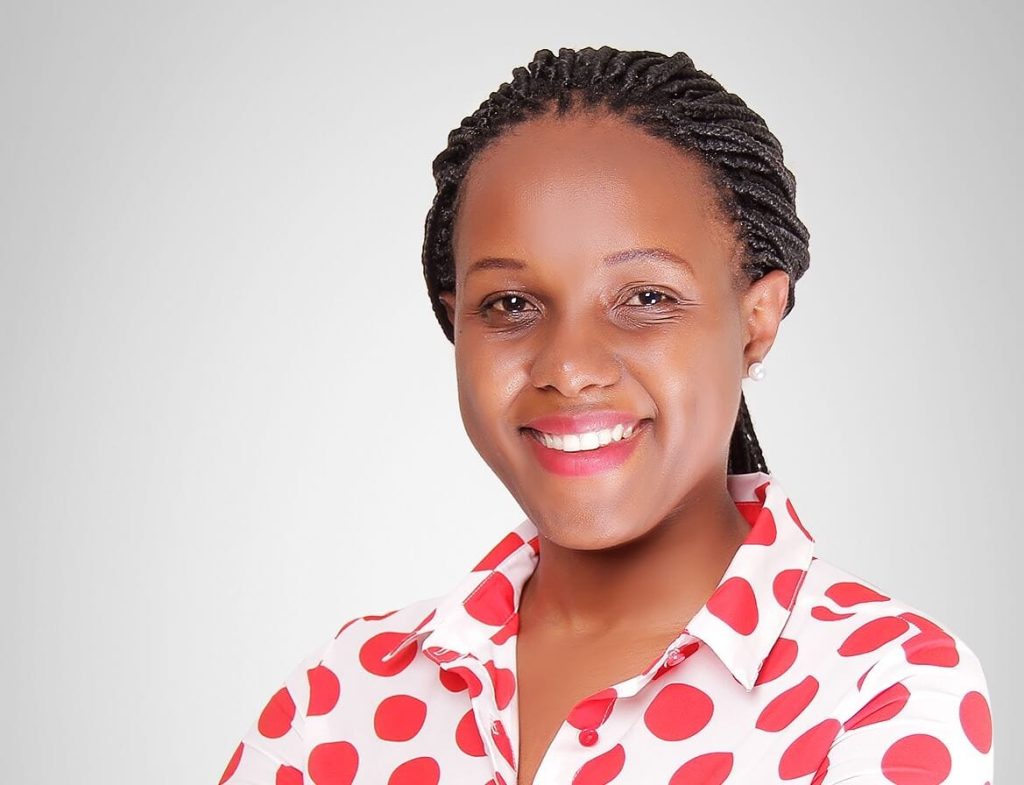
[bctt tweet=”Work on your gifts and then the universe will grant you wisdom to shine.” username – Caroline Numuhire=”SheLeadsAfrica”] Global health and creative writing go hand in hand for Caroline Numuhire. From Kigali, Rwanda, Caroline got her start in global health as an intern with Save the Children Rwanda. She went on to address childhood malnutrition as a Global Health Corps (GHC) fellow at Gardens for Health International (GHI) in 2014 before joining GHC staff as a Program Associate last year. Caroline regularly contributes to ECOFORUM and Environmental Africa in addition to penning inspirational short stories. She is currently working on a novel and pursuing a Master’s degree in Global Health Delivery at the University of Global Health Equity in Kigali. You are both a global health practitioner and a writer. How do you juggle your main hustle and your side hustle? Is there overlap in these seemingly disparate worlds? My professional life in the global health domain matters a lot to me to feel fulfilled as a human being as this is my contribution to build a more just world. I enjoy sleeping at night knowing that I spent a day achieving a good goal. If I was ever asked to pick one job, it would be a hard decision because I am passionate about my work as well as my writing. I always feel lucky to live in a world that allows me to practice both. When I believe in a cause or a profession, it becomes so easy to handle it because I understand why I invest every drop of energy and I ensure that I find time to juggle and work on my passions. The reason why I (agronomist and writer) smoothly fit in global health is because it is not and has never been an isolated technical field. Communication, writing, and public speaking are some of the key tools that allow me to be an effective advocate for global health issues. There’s still a huge need to write about these issues that are affecting humanity. Agriculture, nutrition, and the environment are often overlooked aspects of health and wellbeing. Why are you passionate about these issues? The simplest answer would be that I have an educational background in agriculture, rural development, and global health delivery. But the true answer is more complex. Sometimes when we talk about good health, we think about the absence of diseases and when it comes to wellbeing, we picture cash in our minds! In Rwanda, communities of farmers are the first victims of climate change effects and of malnutrition. In the early days of my career, one of the startling realities I faced in the field was that farmer communities suffer from malnutrition while they produce all the beautiful and healthy food that we consume and consequently they face poor health outcomes. In my eyes, it was an obvious facet of social injustice that I had to dedicate my efforts to. You work with Global Health Corps fellows in Rwanda, many of whom are new to the health sphere and even to living and working on the African continent. What’s been your most challenging experience in this role so far? The biggest challenge of my work is to work with smart, energetic and result-driven young people who want to observe the impact of their fellowship right away. It requires a form of art to help them understand that once you sow a tree seed it takes days, weeks, and most of the time years to yield flowers and then fruits. And your most rewarding? The most rewarding part is to see fellows graduating from the fellowship as empowered, more resilient leaders who are ready to continuously change the face of poverty and inequity wherever they are heading. It is a true transformation! [bctt tweet=”Caroline Numuhire says ‘Don’t fear that there are so many human rights advocates already – they are not YOU’” username=”SheLeadsAfrica”] Professional women are often stereotyped and coerced into looking, acting and being a certain way. How do you stay true to yourself in the face of societal pressure to conform? Oh, that’s a poisonous disease! Yes, we live in a society with predetermined norms. Yes, we want to experience the feeling of belonging. Yes, we have so many excuses, right? In the last 20+ years of my life, I have played the card of likability. You know what? I lost, miserably. Just because I failed to please the only person who matters to me: myself. It’s so easy to be a submissive, scared, shy, soft, incompetent, slow, lazy woman (beauty being tolerated!) and be accepted, included and appreciated. But if your inner voice tells you that you are something else, then be exactly that person. For yourself. Don’t fear making men feel insecure because of their own weaknesses. It’s not your role. If you want to look sexy, smart and happy, be sexy, smart and happy. The formula is simple. I intimately know that I’m an energetic, hard-working, empathic and imperfect girl and I totally, shamelessly and unapologetically embrace myself. What other people think of me is their own right but not a business I manage. A woman has to value herself and if you don’t know how you can start reading or watching Louise Hay’s meditation videos as well as learning about other women who understand the secret of true self-love. What advice would you share with other young leaders who want to use their gifts to make a difference in the world? First of all, work hard on your gift. The world will respect you if you respect your gift. We are all talented. God created us with tremendous reserves of amazing aptitudes and gifts. Just find your own, refine it and it will blossom to heaven. Epictetus said, “If you want to be a writer, write”, so if you want to be a human rights advocate and you believe that this is your call, your life purpose, just do it. Just do it and dare to believe
Jacqueline Shaw: Pioneering a movement for “fashion made in Africa”
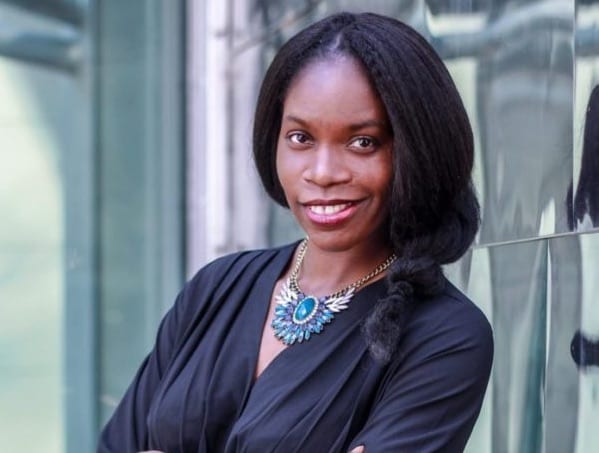
[bctt tweet=”I was inspired by the possibility of creating something new @jacquelineMshaw” username=”SheLeadsAfrica”] Jacqueline Shaw is the Founding Director of Africa Fashion Guide (AFG), a social enterprise and fashion sourcing agency. She has worked and designed for various fashion companies around the world. Companies such as PUMA, Russell Athletic, Ocean Pacific, Fila and Chilli Pepper to name a few. AFG is a unique platform that promotes and supports the supply chain of Africa’s fashion and textile industry. AFG supports SME’s by offering online courses providing them with relevant skills, knowledge, understanding and opportunities to network in the African market. Jacqueline is also a published author. She wrote, curated, produced and self-published the coffee table book “FASHION AFRICA- The Visual Overview Of Contemporary African Fashion”. The book launched at The Fashion Africa Conference, which brought together key industry leaders from African fashion and ethical fashion. Since the conference’s launch, there’s been an array of high-street brands and retailers such as ASOS, H&M, NEW ERA as well as press including Financial Times, Guardian and more attending this conference. SLA contributor Neo Cheda recently met up with Jacqueline and here’s what Jacqueline had to say. What inspired you to get involved in this industry? I have always loved textiles and as a child, I used to sew and make clothes for my toys from scraps of fabric. I believe I was inspired by the possibility of creating something out of something else. Getting close up to hand-made textiles for me was a dream. I feel some textiles should not be cut or passed down but celebrated with stories for generations to keep their craft alive. What would you say is the innovative idea behind Africa Fashion Guide? We are a team of disruptive innovators. As a recent CNN Africa report said, “A disruptive innovation is an innovation that shakes up an existing market”. I have worked in a market dominated by Asia and am presenting a new market to this industry, one that has been overlooked and considered “dark”, “poor”, “bad in quality”, and “unable to perform”. I believe that Africa is a continent of future leaders. Hence at Africa Fashion Guide, we have pioneered a movement for “fashion made in Africa” and not just that but ethically, sustainably and responsibly. What challenges have you faced in the fashion industry? Fashion in itself is an industry that takes a lot more than it gives. One really has to prove themselves and that can take years. But above all, you have to maintain the belief in yourself to do well as you can face a lot of rejections too. There are also general challenges of systems and finance invested to support the industry. I found that working out of the continent, I am challenged to persuade the general industry of the African opportunity and to get them to invest in that. [bctt tweet=”Fashion in itself is an industry that takes a lot more than it gives – Jacqueline Shaw” username=”SheLeadsAfrica”] How have you managed to stay the champions within Africa’s fashion supply chain? We do not do fashion shows but we are here to talk business and to get the message across that Africa is, has been and will always be open for the fashion business. We have also focused on sustainability. I personally made it my effort to research, investigate and network with this community. I am even called to talk about this internationally. With a Masters in Ethical Fashion and then completing an MSc in Social Research, I understand the importance of understanding the market and sustaining that market through responsible sourcing. Lastly, because we are consistent in what we do, we have gathered a strong following and a lot of respect too. We are not newbies to the field but have spent time digging deep to build the right foundation for building up our company. [bctt tweet=”@jacquelineMshaw here to talk business & let people know that Africa is open for fashion ” username=”SheLeadsAfrica”] Advice to young women looking to venture into the fashion world: Network: Build a strong community of people, supporters, mentors and those with skills you don’t have. Always be willing to learn, be humble and know that real wisdom comes from acknowledging that you don’t know everything. Grow a steel spine because there’s a lot you will have to overlook and ignore. Many opinions could make or break you but the key is to believe in yourself. Read up on everything to do with your craft whilst perfecting it because as a mentor once told me, “The best leaders are the biggest readers”. If you’d like to share your story with She Leads Africa, let us know more about you and your story here.
Patience Nkosi: I’m obsessed with making women look extraordinary

[bctt tweet=”In business, one needs to do thorough research and have a plan before executing their idea – Patience Nkosi” via=”no”] Patience Nkosi, makeup artist and founder of PashyN, affectionately known as Pashy, is a small town girl with an unstoppable passion for transforming and enhancing how women look and feel through makeup. Pashy is obsessed with making woman look extraordinary by eliminating self-consciousness in young women one brush stroke at a time. She believes that if you look good, ultimately, you do better. After completing her BSc in Computer Science, Pashy found that her true calling was in makeup. SLA contributor Jeanette Nkwana talked all things beauty, business, and PashyN with her. Have you always wanted to go into the beauty industry? It is true when they say that certain situations only happen because they are all part of the process of leading you to your true path. Being in the beauty industry was never really my plan. I somewhat “stumbled” upon an opportunity which led me to my destiny, a founder of a beauty brand & makeup artist at PashyN. What challenges did you face going into a market (that you have previously worked in) as an entrepreneur? Starting a company isn’t as easy as it may seem. One needs to do thorough research and have a good plan before they execute. One major challenge I came across amongst many others was acquiring startup capital, a setback which delayed my progress. Who do you look up to in the industry and how do you identify with him/her? I’m such a groupie of so many of international makeup artists. I follow them on Instagram, some have worked with famous international celebrities. Makeup artists like Jack Emory, Alexandra Annele, Sonja Deluxe to name but a few inspire me. I draw my inspiration from them and try to incorporate that in my own craft. Literally, I’d spend hours and hours on YouTube checking out their stuff. They pretty amazing. What is the biggest misconception people have about what you do and how do you address it? [bctt tweet=”Beauty is NOT standard, it moves, transforms and differs from person to person -Patience Nkosi (PashyN)” via=”no”] Society has placed us with the burden of enormous expectations of what beauty seemingly is or should be. The popular phrase, “true beauty lies in the eyes of the beholder” speaks to me in volumes. To my understanding, this implies that beauty is NOT standard. It moves, transforms and differs from person to person. Therefore no woman needs to be validated by society norms. Makeup is not a way to hide a woman’s beauty but rather to enhance the beauty that already lies in her. Many women that had never had a single touch of makeup applied on their faces today wear makeup simply because I had taught and made them understand this phrase. You are now an official ambassador for Elizabeth Arden, how did this come about? My first ever job was in retail where I found myself working as a cosmetics generic. Five months in the field, I worked for one of the world’s leading prestigious brands, Elizabeth Arden. Today I am proud to say, in a period of just over a year, I became an award winning Elizabeth Arden Brand Ambassador. This was after long hours of hard work and determination. I set goals and I achieved them, being a go-getter worked in my favour. In our field of work, we are given sales targets which we are expected to meet on a monthly basis. Targets set according to how the counter would’ve performed in the previous year ultimately rounding off to a yearly target. In my first year of being with Elizabeth Arden, my sales performance skyrocketed and I had grown the counter just over and above 60% from the previous year. My performance led me to where I currently am, an Elizabeth Arden Ambassador. What did you do to become a makeup artist? I’ve been trained under Elizabeth Arden as a beauty advisor with the right skills set for a clear understanding of skincare and makeup. However, most of the advanced makeup I practice was self-taught. I believe one can never stop learning therefore, I do dream of someday enrolling in an international makeup institution where I can further my skills. [bctt tweet=”I believe one can never stop learning. – Patience Nkosi (PashyN)” via=”no”] What is the most fulfilling aspect of what you do? Too often we find that we women tend to have a low self-esteem. This may be due to events from their past or present that make us forget to look after the one thing that speaks volumes when we walk through the door, our canvas, the face. A person buys your face before they buy you. It is the reaction a woman shows when she finally get to realises how beautiful she is through my art that’s most fulfilling when it comes to my work. Knowing that I’ve changed one’s perspective about themselves and giving them a dose of confidence in their looks makes my heart complete. It drives me to reach my absolute potential with each client. If you had a time machine and could travel back in time, what would you do differently and what would you do the same? If I had a time machine and could travel back I’d probably believe in and trust myself a little more. I’d use my God-given talents to my advantage as opposed to shying away from them. My teen years were probably the best times of my life and I wouldn’t exchange that for anything, I would relive that time of my life any day. What can we expect from PashyN three years from now? Expect the unexpected. Our ultimate goal at PashyN is to be amongst one of the best leading brands, and with time we can only believe that shall come to pass. Three years, I believe, gives us enough time to build a solid
Mpho Makhafola: You’ll look back on this time and be proud of the woman you became
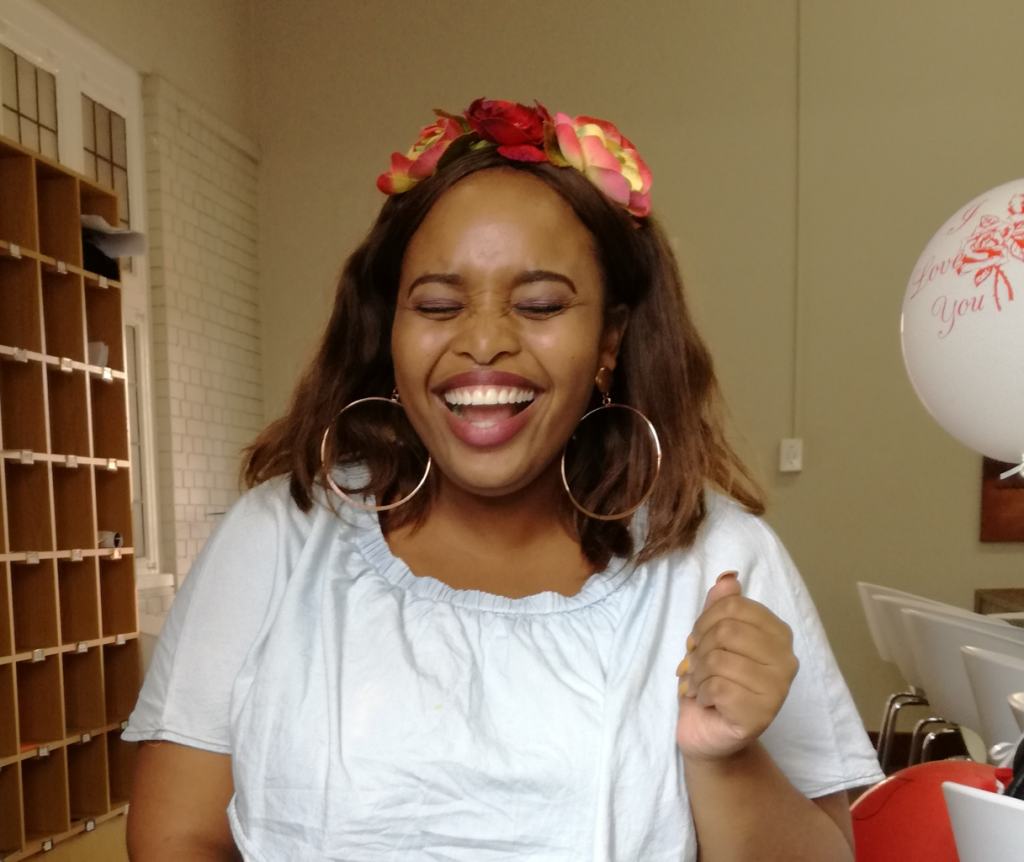
[bctt tweet=”Mpho Makhafola greatest passion in life is inspiring young women through her writing” username=”SheLeadsAfrica”] Mpho Makofola is an inspired storyteller and creator of the Young Mothers Series, a platform that grew out of her very interesting and addictive blog, I Am My Own Gift. Through the blog, she has created a safe haven for young mothers to feel accepted and loved. Mpho’s blog in a way validates the worth of young mothers as valuable members of society. It creates a sense of community, belongingness, and sisterhood as well as a safe space for young mothers to share their stories about the joys and hurdles of existing in a world that largely discriminates against them. Tell us about yourself, who is Mpho? Mpho Makhafola is a linguist who studied at the University of Pretoria (South Africa). She is also a blogger and an educator at an all-girls school in Pretoria. Her greatest passions in life include writing and inspiring young women through her blog posts and being surrounded by strong women who in turn inspire and motivate her to be great. Mpho loves a good laugh and is absolutely a girly-girl who loves having her nails did and her face beat 🙂 What is that one tipping point that caused you to create the Young Mothers Series on your blog? And are you yourself a young mum? What inspired the Young Mothers Series was all the young mothers I have the privilege to have met and engaged with. Many if not all of us have a friend or family member who is/was a young mom and I noticed just how negative society is towards these young women and how falling pregnant young has been and is still such a taboo across all races and groups. This really broke my heart because I believe that being a young mom is a challenge in itself. Why add on to that by hiding your pregnancy and loathing oneself just because society is so negative? Why not accept of one of life’s greatest gifts to women, motherhood? So the continued judgement and ostracism of young mothers pushed me to seek these young women out, document their journeys to motherhood and give them a voice to say, “Yes world, I fell pregnant young, but I am still capable of achieving my goals and pushing myself to get my education and so much more. A baby doesn’t mean the end of my life and all that is good in it”. And no, I am not a young mom myself. I initially thought this would make it hard to capture the stories of these young mom’s realistically without watering them down because I “can’t relate”. I really tried by all means to treat each feature as a new experience and always remembering that these young women deserved their truth’s to be shared as raw and beautiful as they are. [bctt tweet=”The Young Mothers Series helps young moms with whatever they are struggling with at the moment” username=”SheLeadsAfrica”] What is your favourite thing about the blog? It has to be the impact that it has had on strangers, on the featured mommy’s and even on me. Some of the responses I got still get me emotional. I had no idea of the struggles and emotional trauma some of these young moms go through because the world is so unkind to them. I mean some even had family turn against them, partners desert them and literally had no support at all throughout their pregnancies. And I’ve always been so humbled to hear that my blog has resonated with someone or given them hope in knowing that they are not alone. Besides the young mother series, I was also lucky to feature a number of amazing personalities like Fareida Metsileng (pharoahfi), a young poet Thuto Gaasenwe and I also did a blog post for NUK and Artemis brands in relation to the young mother’s series. What obstacles have you overcome in order to be the kind of woman who’s capable of reaching out to uplift other women? I’ve always said that it’s hard being a woman, we go through mountains of struggles and obstacles are constantly put in our way to break us yet we still show unbelievable strength and manage somehow to put on that lipstick and fight on. I’ve had my fair share of challenges, struggled a lot with self-image and body issues, insecurities, relationships and all of that negativity seeped into all areas of my life. My blog started out as a place to vent about my relationship frustrations and how hurt I was at that point. But God had better plans for my hard times and I managed to still heal and share on myself whilst healing women out there who shared some if not all of my sentiments. I also was raised in an underprivileged area so I always felt the need to fit in with friends and be someone I wasn’t, especially in high school. I had to really dig deep to find myself and be comfortable with who I was and where I came from and not be ashamed of myself and blame myself for things I had no control over. So I saw the need for the upliftment of women especially in our personal lives, we are often so ashamed to speak about our hurts. I decided to basically tear myself apart and to share deeply into my life in order to piece other women together one blog post at a time. [bctt tweet=”I saw the need for the upliftment of women especially in our personal lives – Mpho Makhafola” username=”SheLeadsAfrica”] What inspires you to continue your work every day? It has to be my admiration for women. I am absolutely amazed when I see women pioneering in life and breaking down barriers to achieve and be phenomenal. I just light up inside when I see a fellow sister making waves. And of course, the thought that this blog post I
Tindi Nancy: I am looking forward to promoting self employment among women
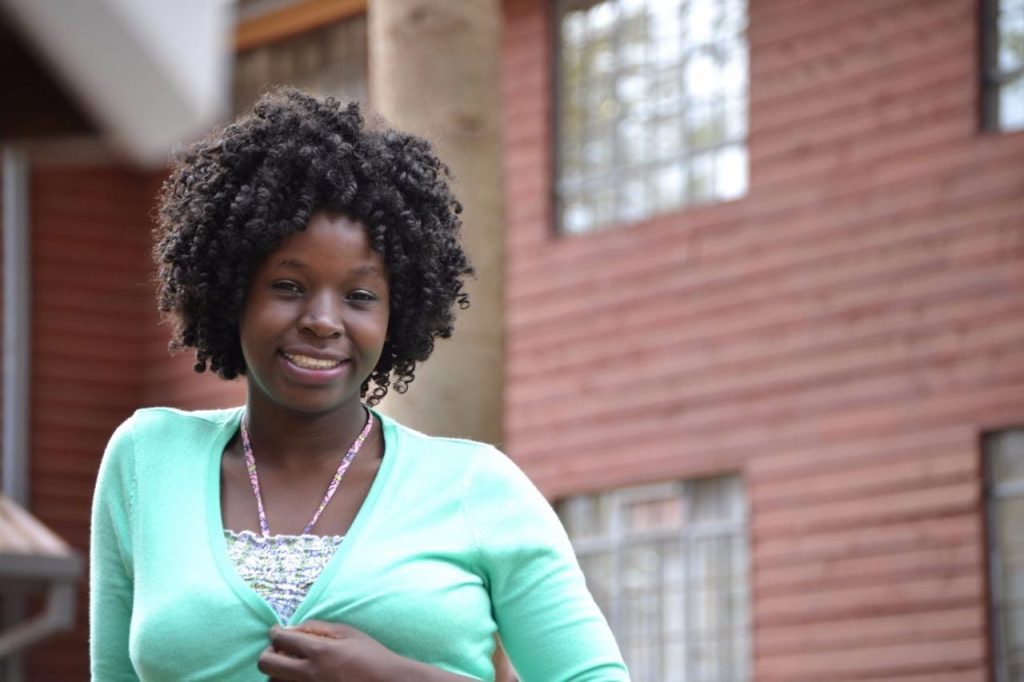
[bctt tweet=”Once in a while, a ‘wrong turn’ can end up as a new design – Tindi Nancy” username=”SheLeadsAfrica”] Tindi Nancy was born in the agricultural town of Eldoret, Kenya. Growing up, Tindi craved for independence and life away from home, so she jumped at the first chance to go to Nairobi for university. It is at Jomo Kenyatta University of Agriculture and Technology that she developed an interest in African jewelry and it turned into a side hustle. After graduating, Tindi was not so lucky in getting a job and because she was just sick of the whole job search she decided to grow her side gig into an actual business. It’s been three years since Tindi went full time and she says she has no regrets. Being an entrepreneur has made her grow in a lot of ways and she has also invested in meaningful relationships along the way. You create and supply Maasai tribe jewellery. Can you brief us on the Maasai culture and why jewellery is important to them? The Maasai are found in Kenya and Tanzania. They are known for their colorful beaded jewelry and clothes. Although the world around them have been westernized, they have refused to be influenced. They have stayed true to their traditional beliefs and customs. Women are the ones who make the jewellery and colors used represent something in the community How do you decide what you want to create? It’s all a process of demand and supply. I am always watching out for new trends and l work with my tools to create something similar. Once in a while, a “wrong turn” can end up as a new design. Another way is through customised jewellery, some of our customer’s ideas contribute to a new design. Beyond applying basic techniques, how do you evoke an emotional response to your work? By establishing a relationship with a client. Listening to them and making sure I deliver beyond their expectations. [bctt tweet=”You need to come up with new provocative designs – Tindi Nancy” username=”SheLeadsAfrica”] I reckon jewellery making requires patience especially when you are making a piece with small beads. What other attributes are important for a jewellery maker? Creativity and artistry. You need to come up with provocative new designs. As a jewelry artisan, you should also pay attention to detail because you work with small pieces and it’s those small items that affect the whole design or quality. What’s the most valuable lesson you have learnt? Consistency. It takes time to grow and be the best in something. Every failure or trip along the way is an opportunity to improve your skills. You build your network with time, and through your network, you learn the ins and outs of the business, you get to learn from their mistakes and improve their shortcomings. What materials and techniques do you favour? I enjoy working with beads, l love being surrounded by vibrant colors. It is versatile, and I get to put it on almost everything from bags to shoes as well as other accessories. How often do you release new collections? At least four times in a year. What’s your favourite solo outing? I enjoy reading every morning, I spend at least thirty minutes reading. Once in a while, I come across books that make me struggle with the choice of finishing the read or working. It’s always a tough choice. I just finished Trevor Noah’s “Born A Crime” and it was excellent. Every book gives me a new perspective of the world and because l love diversity, I struggle to answer what my favourite genre is. [bctt tweet=”Tindi Nancy’s aim is to give talented Africans a more dignified way of earning money” username=”SheLeadsAfrica”] You are launching an online marketplace in May, what are your expectations? I am looking forward to promoting self-employment among women and young people by providing them with marketing services as well as a global platform to sell their handmade products. The aim is to give talented Africans in marginalised areas a more dignified way of earning rather than for them to rely on handouts. They know how to fish, all they need is the hook! On the other hand, this will give consumers a wide range of unique handmade products from across the continent. I am also expecting Africans to support local economies by buying locally made products. When supplying crafts to boutiques, what attributes do you look for? How do you choose which boutiques to supply? The boutiques should be keen on ethical practices and it’s very important that they uphold fair trade values and value the uniqueness of every product. Mostly, they are the ones who come after me, but I have to make sure they are an ethical business and will pay on time and as agreed for the products received. Businesses need to receive their orders on time, on specification and also enjoy profitable price margins. [bctt tweet=”I make sure the price point is profitable both for the business and the artisans – Tindi Nancy” username=”SheLeadsAfrica”] As a supplier and artisan, I am very conscious about pricing. I know how it feels when a customer makes an awful offer for an item that took three days to make (earning $5 for a three-day work is insulting) so I make sure the price point is profitable both for the business and the artisans. l also make sure that l supply quality products that are worth more so I take the time to go through the products. My customers have come to terms with that side of me, so when I place an order they go the extra mile of perfecting everything. If you’d like to share your story with She Leads Africa, let us know more about you and your story here.
Kagiso Madibana: Believe in your product, Create your own hype
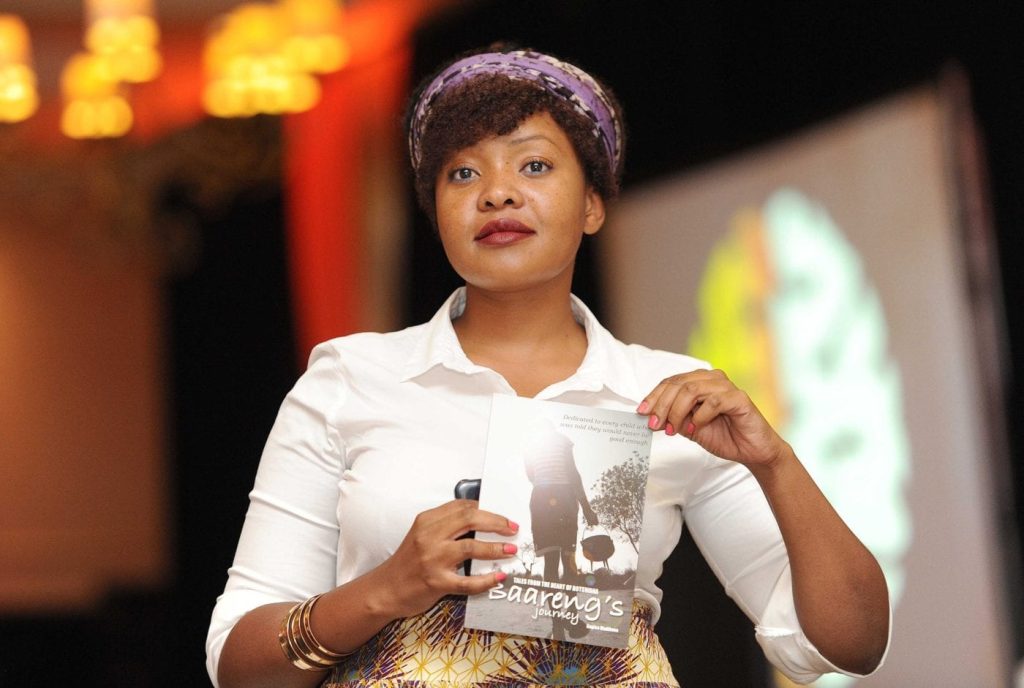
[bctt tweet=”Kagiso Madibana driving the change she wants to see with social entrepreneurship” username=”SheLeadsAfrica”] Kagiso Madibana is a social entrepreneur and a former Chevening Scholar. She was selected as a participant from Botswana for the African Union’s Youth & Gender summit. In September 2016, Mail & Guardian Africa and Gabz FM named her as one of the 50 Batswana Change-makers under 40. Kagiso is a founder/chairperson of Nayang Association. Nayang aids and empowers the underprivileged, in remote areas through a school clothing, shoes, food, and sanitary pad drive. With an MA in Communications and Media from Cardiff University, she has also worked as a Lead Researcher for Botswana with Global Integrity/Mo Ibrahim for their Africa Integrity Indicators study. Before that, Kagiso had worked as a print journalist since 2008, during that time she was selected to join the International Journalist Programme(IJP)and was placed with the Deutsche Welle in Germany. Kagiso was also a part of the Women In News Programme from WAN-IFRA. She owns a small communications company called MD Africa Communications which offers editing and proof-reading services for companies amongst other things. Last year, she self-published a fiction book, “Tales from the Heart of Botswana: Baareng’s Journey” which is available on Amazon and select stores in Botswana. What would you say is the innovative idea behind Nayang Association and starting MD Communications? Nayang and MD Communications were birthed from youth driving the change they wanted to see in their communities. In my case, spearheading the initiative was a chance to get young people involved in contributing to their communities through social work. I also wanted to inspire young people to tell their stories. I wanted us to tell stories that any Motswana or African can relate to. How did you go about growing your “brand” and impact to run a social enterprise and become self-sustaining? At the beginning, Nayang Association was dependent on donations and membership fees for us to meet our mandate. We have since moved from that to intensive fund-raising strategies which require innovative thinking and new approaches to show our growth. [bctt tweet=”Using innovative thinking & new approaches Kagiso Madibana shows the growth of her projects” username=”SheLeadsAfrica”] We organize yoga sessions, workshops and hiking sessions in the country’s hottest tourist attractions. We also collaborate with other organisations and youth ventures that want to make a difference in the community. Our biggest challenge in the first few months was consistency, something we could not have due to a shortage of funds but we worked on that and we are trying to find ways of becoming a sustainable entity. What four skills have you found yourself learning frequently since starting your social enterprise and publishing a book? I am learning to become more assertive about public speaking. Also, I am learning how to network strategically and make the right connections for any project that I am undertaking. I have accepted that I don’t know everything and I listen more, especially to people who are in the same industry. I always pick up valuable lessons on how to best improve our everyday operations at Nayang. Finally, I have learnt that delegating tasks and commending the people you work with is important for the growth of your organisation. What challenges have you faced that are unique to your business and writing a book? We had to start our project from scratch with nothing and ask the public to get involved. People are skeptical because we have had scams and a lot of community-based projects have failed due to mismanagement. So initially, it was tough to get the support and have people believe in what we wanted to do. We had to prove ourselves first so that required a great deal of financial sacrifices. [bctt tweet=”We had to start our project with nothing and ask the public to get involved @otwngal” username=”SheLeadsAfrica”] As a self-published author, I struggled to get my books into an already fraught reading nation. The reading demographic, especially for fiction books, has changed and I had to adapt. Instead of the traditional bookstores which are only available in towns and cities, I had to take my books to Choppies, a chain store that has a presence in most areas of Botswana. This of course also comes at a cost. In what ways have you diversified your product to suit your market? Especially considering the Botswana context? Nayang plans activities across Botswana as we want to bring attention to the beauty of the country. We use hashtags such as #VisitBotswana #HikeBotswana #Buildingcommunities on social media platforms because we want the average Motswana to know that they are not only contributing to a great cause but also that they are developing a sense of pride about being a Motswana. My book, “Tales from the Heart of Botswana: Baareng’s Journey” is a book of untold stories of hope. Any Motswana who grew up in Botswana is able to relate to the stories and feel a sense of belonging. My intention with the book was to inspire through fiction. Ensuring that the book is available for any Motswana to access, whether you are in Mochudi or Shorobe has been my biggest priority. In both areas, social media and traditional media have been a great platform for me and the team to reach out to the community. This is the main reason why I started the MD Africa Communications company which deals with everything from social media management to Media relations and CSR project management. With running so many projects, what do you do to unwind? I watch Isibaya and every TV show known to man, I see myself as a Shonda Rhimes someday. I look up to Ferguson Films productions as well. Reading is obviously a hobby! I also love travelling, hiking and adventure sports. Some people want to write a book or start-up social enterprises, how would you advise them? Believe in your product and create your own hype! Start, that’s always the hardest part. Funding should never be a