
Sade Salami: Trying to beat personal best is a factor in growth

Anyone who knows even a little about Dyslexia knows the journey isn’t without certain challenges but Sade Salami overcame it and excelled in her studies. The Media Arts, Music & Sound Recording graduate and Founder, Fresh Strawberry Management is committed to taking control of her own destiny. Fresh Strawberry, an events company has worked with reputable names in the media, fashion and entertainment industries. We caught up with a brave and passionate Sade to get the scoop on some invaluable business advice, her mentoring activities, other projects and plans for the future. Leaving home with no plan or money at the age of 16 is a brave choice, how did you survive? It definitely wasn’t easy and was a major challenge, so I had to take it one day at a time. Back then making sure my basic needs (such as food and shelter) were taken care of, was my main and sometimes my only concern. As I got older, I survived by setting goals and planning. This kept me ready and focused at all time. What’s the secret behind Fresh Strawberry’s growth? I would say knowing when to adapt and move in our market and being consistently good, has been a major key to Fresh Strawberry’s growth. Trying to beat one’s personal best, is also another factor in our growth. We always push ourselves to do the best we can. Another contributing factor to our growth, would be that we have had good people working in our team over the years, people who buy into the vision and who have drive. I don’t think we could have done it all without them. I’ll also add that it’s very important to be prepared. Opportunity happens all the time, however the difference in being successful and not, is being prepared and knowing how and when to maneuver in all situations. Tell us about Status London, why did you decide to venture into reality TV? Status London came to fruition from a conversation I had with my younger brother. We noticed that there are not many UK-based reality shows, which focus on black people. I also felt it was important to tell a different story, as to what is already out there and to show the range of personalities in our community. I’ll also be honest in saying that reality TV is a guilty pleasure of mine. So I wanted to see if this is something my production team could do, if so let’s do it. As a mentor, what are four things you look for in young people before mentoring them? The first thing would be see if they are willing to help themselves, you have to have self motivation. Secondly all my mentee have been curious about life, and have a strong passion for finding their place in the world. All of my mentees have also been open to trying different things. And lastly a positive attitude is a must, if they can teach me something too I also appreciate that. It not just about me showing or advising them, as I like to learn too. What other steps will you take to inspire the next generation and change the negative perception of black people in the media? Keep doing what I do, as I can’t say right now what’s my next steps are. I’m passionate about black people in the media, so I believe my products and businesses will always be in line with trying to change the negative, singular stereotypes and narratives that currently exist of black people. What can we expect from Fresh Strawberry and Sade in the next year? For Fresh Strawberry, you can expect expansion. We know there will be huge growth within the company and with regards to our presence within the events industry. If you’d like to share your story with She Leads Africa, let us know more about you and your story here.
Laurie Frempong: Why I self-manage my modeling career
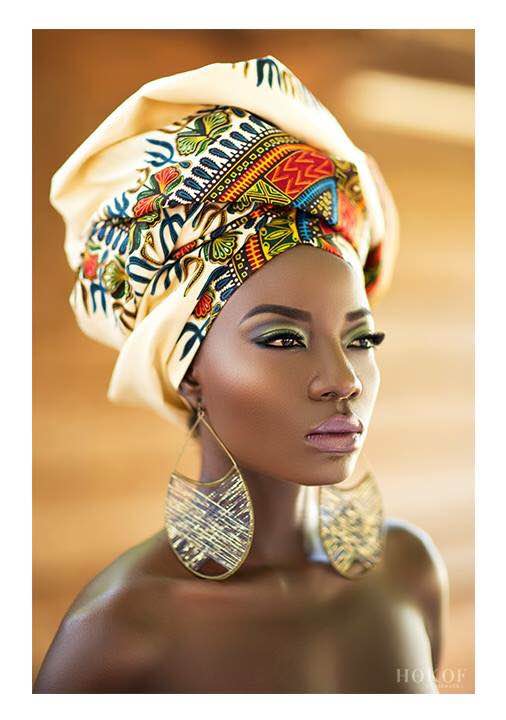
When it comes to the modelling industry, Ghanaian model and fashion blogger Laurie Frempong is her own boss. She manages her career, finds her own jobs, negotiates payments and acts as her own PR. This model has been self–managing since she was discovered at a casting for Project Walkway Ghana nearly four years ago. Over the years, Laurie has secured editorial, swimwear, print, runway and commercial modelling contracts without a manager or an agency. She would be first to admit that balancing self-management and a modelling can be very tough but with determination, one can achieve anything. What led you to self-manage your modelling career? After being discovered and gaining exposure at the Project Walkway Ghana, I went into full-time modelling but in Ghana, there are no real modelling agencies and models signed under agencies had to go out and search for jobs. There was no need having a manager who would not assist me in anyway, yet expect to be paid. So I chose to manage my own career. This was not easy especially since I had to combine management with modelling. Both jobs are full-time so there are days my management skills would be lacking and there are days my modelling skills would be lacking. This was at the very beginning though, now I have developed a skill to balance both jobs so as to not lack in both areas. As a self-managed model, how do you find work? What jobs have you done over the years? Well in order to find work, I had to build a brand and that was what I did. I am identified with my natural hair and my colourfulness. After this, I found work through recommendations; attending castings —which are very few in the country, and via social media. I take my work very seriously and always give my best on the job so people contact me for a job knowing they are getting nothing but the best. I have worked many brands and shows like Afua Biney, Kiki Clothing, Woodin, Lema Press, Ernest Chemist, Zedi & Cross Alikoto Clothing, Nallem Clothing, Papa Oppong, Steve French, Wusuwa’s Diary, RIP Runway, Legon Fashion week, Catwalk for Orphans among others. What are the challenges you face as a self-managing model in the industry? How do you overcome these challenges? When I chose this path, I knew it was not going to be easy. Given the fact that Ghanaians are still warming up to modelling as a career, I knew I would face challenges. But I was still hopeful and determined to go through with my choices no matter what. Challenges I face include; – Non-payment for jobs well done. – Getting paid less than what was negotiated. – Missing out on castings because these opportunities are communicated directly to modelling agencies. For the payment challenges, I have rectified it by using a rate card. The rate card has details of how much a model charges depending on the type of job wanted. This card takes into consideration the number of hours involved, etc. This way when I am approached by a client, they know exactly what to expect. With the issue about the castings, there is nothing I can do about it other than investing in myself, updating my portfolio and branding myself so well that I will not depend on these castings. Would you say self-management is better than having another person manage you? Well, there is nothing like being your own boss but to some extent I will say having a manager has its pros. For instance, if I had a manager, I will have more time to focus on becoming the best model since I would not have to worry about the negotiating of contracts and payments. Are there many self-managing models in the industry? What advice would you give to a self-managing model? There are as many freelance models as there those who are under management in the industry. The advice I would give to a self-managing model like me is – self-management is not easy but nothing good comes easy. So stay focused; build your brand and portfolio, set goals and work towards them and most importantly learn to use social media to market your brand. Also when starting out, many people would try to take advantage of you so build your negotiation skills and be firm at all times. What do you enjoy most about what you do? Every single thing. This career allows me to express myself in so many ways and be true to myself. I also love seeing the product of my hard work. After all the stress, when I see the final work and it looks amazing, I am happy. What’s the strangest thing you’ve ever done as a model? Recently, I had to do a runway for a fashion graduate, Steve French. The concept was to act like a mad person on the runway. It was one of the most creative shows ever. Which international brand would you like to model for and which concept would it be? Vlisco. An editorial spread and a fashion film. The fashion film will tell a story about the history of African Prints. And I would be the model styled in some iconic Vlisco designs since its inception. I also dream of being a Victoria’s Secret model. That will be a dream come true for me. Want to see women you know featured on SLA? Tell us what amazing things women are doing in your communities here.
Is there a correct way of handling conflict in start-ups?
To answer the question, no. There isn’t a right way to handle conflict. Processes in start-ups are never linear, especially in the beginning stages. So when a disagreement arises between members of the start-up, there’s almost always a third party involved to resolve the issue. People are different, and can also react to situations very differently. Processes and policies put in place in big corporates solve this issue. But when issues arise in start-ups, processes and policies are thought of. What can start-ups do in the early stages to handle conflict? Acknowledge that conflict will occur Having to acknowledge that it will happen might seem cynical. But because people are different, the acknowledgement helps the start-up be realistic. Getting recognition in the beginning stages of a start-up is usually key. The beginning stages also include getting your product and service out to your target audience. At this stage, handling conflict by creating processes would be the least of your worries. Or so you may think. Being in an organisation that was being run like a start-up before —I’ve seen that if there is no process behind handling conflict, operations may come to a halt, especially if you’re working in a small team. Handle conflict according to its levels To fast track my advice on how to handle disagreements between people, it’s important to first rate the level of conflict. The different levels could be a low, medium or high. It may also be hard to rate the different levels. How would a start-up actually measure which conflict is more important than the other? This, I believe, is at the discretion of the organization. Identify each level and put processes in place to handle each level. Handle low or medium level disagreements internally within a few days or even hours. But a high level conflict means that a third party can be brought into resolve it and only the people involved should be addressed so that operations continue. Culture fit With any organisation, a culture fit between team members is important. People have different personalities, attitudes and different ways of reacting to situations. However, it is still very important to bring people into your start-up that know and understand the value of what the start-up is trying to achieve. Eliminate continuous conflict by involving people that believe in the values of the start-up. Align your goals and values with that of the start-ups to become the right person to work with. This way even if conflict does arise, as it always does in any organisation, people know what their purpose of being in the organisation is. With knowing and understanding the value of being in the organisation, the resolution stage can be much easier situation to reach.
Gabby Malope: I have a life toolbox for every challenge

From regaining the ability to walk after an accident left her in a wheelchair to training subsistence farmers in agriculture, Gabby Malope has a lot of life and business experience under her belt. When she spoke with SLA contributor Makalela, Gabby spared no details on how she found her way to becoming a facilitator, her foray into counselling and how she believes she’s walking the footsteps of her role model. Tell us about yourself. I am very bubbly by nature, I love traveling a lot and meeting new people. As a child, I never got opportunities to express myself so growing up, I couldn’t wait to experience life’s challenges and battles. I was always protected by my twin brother. His passing away left me broken and very sensitive. In 2007, we were both involved in a car accident that took his life and left me disabled. My life took a downturn due to the accident. I was declared unfit to work or function in any corporate environment. People always told me I should stay in faith and that I will be all right. I never took them serious until in 2010 when a huge miracle happened. One night, I was sleeping and woke up to go to the bathroom. When I stepped out of bed, I fell to the ground. I was so happy, I screamed with joy because I could walk again. I shouted so loud, neighbours came running in thinking something terrible happened. That was the day I found my favour with God. Since then, I live my life like tomorrow will never come, each day is a gift for me. How did you get into being a facilitator and what has been your experience running a business? In 2006, I was working for an NGO called Siyaphila Youth Support Services. It was led by young people under the leadership of Mrs. Nondumiso Phaahla. The main focus was dealing with HIV and poverty alleviation projects. My strength was with peer education, I just loved talking to my peers because I knew the peer pressure we were facing at that time. Even after the accident, I still went to work while on a wheelchair. That was until 2012 when I was invited to come do some motivational speaking in one of the City of Tshwane Events. Someone after speaking asked me if I had ever thought of being a facilitator because he saw that in me. One day, I decided to register a company that will help me be eligible to offer my facilitation skills. Then I realized that I needed to get trained to be a better facilitator so I shopped around for companies that offer that. I found one, then I enrolled. Shortly after finishing the training, a lady called me to ask if I could speak isiZulu. She was looking for people who can train 500 people in KwaZuluNatal in isiZulu languages. The phone call changed my life for good. Ever since, I have been a training specialist in farming while managing the farm I produce crops from. As for my experience, I had to get equipped to be able to deliver quality work. So I took agriculture courses to be prepared for any challenges. I currently run a training academy of agriculture in Vastfontein in pyramid Hammanskraal. I always have to be on top of the production because if you take your eyes off, you lose a lot. The farm has to produce more and more every year and the training centre has to grow every year. So far, the journey has been quite exciting. Why did you decide to go into counselling ? It was after the ordeals that I went through. When people hear my testimony, they often ask me how I managed to pull through. Mostly, these people were ladies who were troubled by their daughters who were in my age group. They needed answers and I would always counsel them before going to my peers. That grew even more when I joined the Hatfield Christian church to study at the Life Training School (LTS). A few of the courses that I did helped me to grow in the field of couselling. This was combined with the training I got from the Foundation for Professional Development (FPD) and the Department of Health. How do you determine which products to grow on your farm? The market and consumer always guides us on what to produce more than anything. We produce cash crops because as a farm, we must produce what will be able to carry daily running costs of the farm. The farm workers also need to be able to earn a living. We produce big crops such as green peppers, cabbages, onions, chillies, beetroot and potatoes, which takes more time that spinach. The response to market makes it easy for us to farm a lot of produce. Other crops are seasonal and that makes it hard to produce them every season. We also donate some of our products to the care homes and orphanages. That’s more like our corporate social responsibility within our area. What is your greatest strength? I have a toolbox of my life for every challenge. I have a tool that fixes any specific challenge. Also, I grow from the challenges that I come across so I never run. When the beast is in my yard, I stand and carry my cross. Who would you say is your role model? My uncle Mula Peter Malope. He worked for few years then, he took his savings and bought a combie. Ever since, he has been running his business. He has even opened a shop. He never worked but made his dreams come true. To this day, he is still running the taxi business. Most of us in the family no longer have mothers and fathers. Our parents were never there so he had to care for our livelihood. My uncle stood by his words when he said we will never be
Ellen Vannessa Chironga: Look past the fact that you don’t have enough money
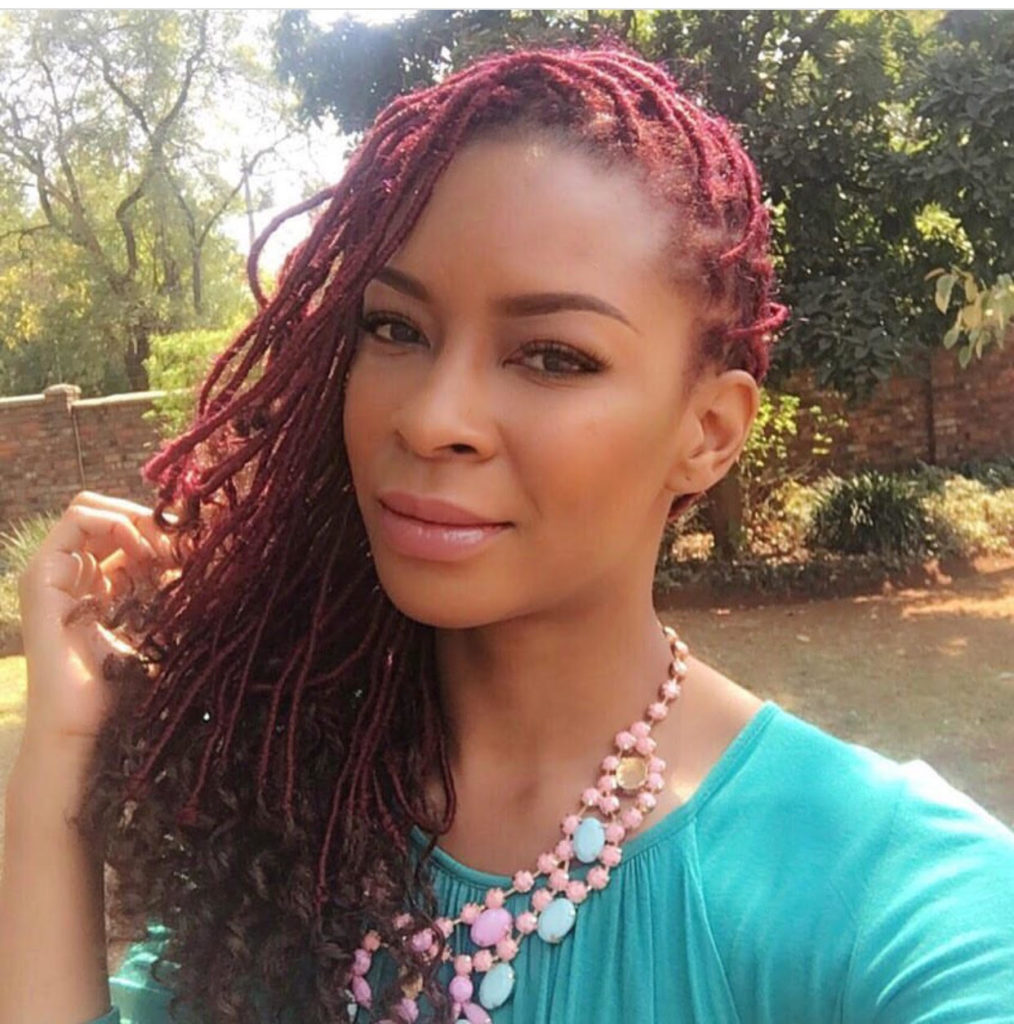
Thirty-year-old Ellen Vannessa Chironga, already has an interesting trail of business ventures. One would think with her own designer handbags (LGS bags), lingerie (Peep Collection) and a day-care center for children (Aayah’s Play Centre in Waterfalls, a suburb of Harare), Chironga has her hands full. But, the young Zimbabwean entrepreneur is also the beautiful brains behind the natural skincare product NaturElle, specifically made for people who suffer from acne. Vannessa, who refers to herself as a skin specialist, is daughter to the prominent business man, Phillip Chiyangwa. Contrary to popular belief, things were not handed to her on a silver platter and her business was not a hand me down from her father. We caught up with Vannessa in Harare to hear about NaturElle. Tell me about NaturElle NaturElle is a skincare product made from natural ingredients, which I started from my kitchen after my battle with acne. It is one of the few products that I have used which has shown results in a short time. Not only does it target acne, it targets other skin conditions like eczema and over time evens out the skin tone. I started making the product at the end of November (2015) and because it was Christmas time, we packaged it as a soap ball in wrapping paper. I started advertising my product and found out that people received it very well and so I officially started distributing in 2016. My target market is mainly teenagers, but I have other clients in their late 20’s and mid to late 30’s who also suffer from adult acne. To date, I can say I have seen 90% positive results from my clients and only 10% were not satisfied, or they were not patient enough to wait for their results. It’s heart-breaking when you have someone tell you that your product is not working. Currently, NaturElle has at least one distributor in the cities and towns of Bulawayo, Kwekwe, Gweru. Harare, the capital city, has two including myself. We have other distributors in South Africa and the UK. NaturElle is the best way to make money on the side as a distributor. What inspired you to start NaturElle? I was going through an acne phase and had resorted to using natural-based products on my face, mixing up things in my kitchen and trying to make something that worked for me. So I bumped into a locally produced ingredient (my secret ingredient) which worked really great on my skin but was too harsh. I decided to create a milder version of it by adding a little bit of aloe vera, honey, and cocoa to the special ingredient and that’s how NaturElle was born. I tried the mixture for two months and I saw a great improvement in my skins texture and appearance. It’s important to understand that we all have different skin types and results differ from one person to the other. Why did you decide to set up in Zimbabwe? I came back from the UK three years ago. I thought about the next best thing and how I can maximise on the environment I was in. So after my wedding, and having quit my job, I decided to go for it. I have always dreamt of working for myself and being successful. Working for my dad was a pivotal foundation for me. I learnt a lot from him about business and life in general. We all can’t run away from Zimbabwe, someone has to stay and make things right. I would consider leaving only for the kids, and because I want the best for them. But if and when things get better, I will definitely be the pioneer of whatever it is that is to come. What is your business day like? Well, we all know that in Zimbabwe you cannot afford to sleep, you always have to think of ways of being innovative. I am always thinking of new ways of being creative. On a typical day, I look at trends, social media and ways of diversifying my product. Especially since I also recently launched the day moisturiser. I introduced this product after noticing that a lot of my clients always asked me what they could apply after using the face wash. Is there anything in your educational background that helps you in managing your business? Definitely. I did a double Major in Drama Theory and Business Management at Bath Spa University and a Masters in Marketing and Advertising at Coventry University both in the UK. These have helped me greatly in doing my business. I believe in quality and producing something fresh. One area that we lack in Zimbabwe is advertising. It’s still very expensive, because not many people do it. One can get a ridiculous price such as $25 per second for adverts in the broadcast media. How do you keep Vannessa grounded? I have an outspoken personality and a drive like my dad, so I need my family to keep me in check. Mostly, my husband reigns me in and he is super humble. Most of all, I remember that God is my source and strength. I realise that without Him, I am nothing and would never have come up with these ideas on my own. What are the challenges of running your own company at such a young age in Zimbabwe? It’s been a long journey and a lot of hard work. People assume that the journey was easy for me because my father is Philip Chiyangwa. But not at all. As soon as I started my own family, I became a woman and had to hustle my way through. There was no backing of finances for me to start the business, I just had to think outside the box. What lessons or advice would you give to other young women wanting to start their business in a difficult economic context like Zimbabwe? Look past the fact that you do not have enough money. Not having starting capital always demotivates people and makes them
Regina Opondo: The Kenyan civil society sector is very exciting
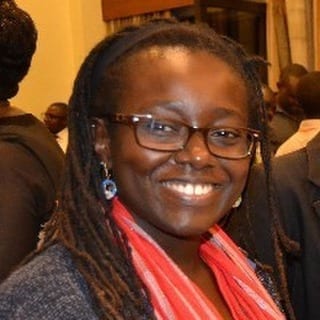
Regina Opondo wears so many hats in the Kenyan civil society sector. She is the Executive Secretary of CRECO, a consortium of 23 civil society organisations in Kenya, Co-Convener for the ‘Kura Yangu Sauti Yangu movement, a platform for political dialogue around Kenyan elections, a Deputy Convener for the Civil Society reference group in Kenya, among others. Regina believes that women work best together and dismisses the saying the women are their own worst enemies. She also says women tend to do very well in civil society as compared to other sectors. If you’ve ever considered starting a career in civil society, this one has lots of gems for you. Why civil society and not a different sector? I always knew that I wanted to help people especially on human rights issues, and for me the civil society was the only way. The civil society sector is also very exciting. There is always something new every day, and there is a feeling of family as we all work together towards specific good. Do you think are the barriers to women’s progress in the sector? I would say there is minimal barrier as women with technical expertise in the sector tend do very well as compared to other sectors like the government and the cooperates. To some extent though, there is the social barrier. I think it is sometimes quite a challenge balancing between work, family and the civil society work. The sector is quite demanding as it requires more hours at work, traveling now and then, active activism and advocacy. Most women with families in the sector have had to tone down after on active participation in their work and are not as active as they were before. They are forced to take less work and take care of other social responsibilities. Does being a woman-led organization give leverage in winning donor funds? I would say yes and no. Yes, because it makes it easier when one is dealing with women-led donor organisations. I have always believed that fundraising is about building relationships and how you relate. You see for women, there are so many things to share. We talk about challenges and how to handle them and freely give advice when needed. Hence, it is easier to pitch agendas and ideas to women for funding. With men on the other hand, it is hard to build relations as relating with some can be quite a challenge. No, because the playing field is the same and the quality of work is what matters. What are your views on the relationship between civil society organisations and the government? There is a general feeling of mistrust and open hostility that manifests itself differently in many African countries, and in Kenya to be specific. The current government has not allowed the civil society organisations (CSOs) to operate freely and there is the new bill in parliament to amend the Public Benefit Organisations Act. The PBO Act aims at protecting freedom of association and allows civil society organisations doing public benefit work to operate under one single Act. The Kenyan government though, has refused to put a commencement date on it. Has your ethnicity ever affected your advocacy work? To some extent it has, as others always believe that since one comes from a specific ethnic community, they are automatically inclined to a specific political party. Hence, they do not tend to be keen on important issues raised but judge your actions, as genuine as they are. What do you do in your free time I love art and craft, watching movies, reading fiction and swimming. I have to try keep fit you know 😉 Any advice to upcoming women leaders? I would say, look for good mentors to serve different purposes in life whether career, spiritual, family and even technical. After you succeed, remember to give back that which has been given to you. Want to see women you know featured on SLA? Tell us what amazing things women are doing in your communities here.
Sherifah Tumusiime: I love betting on women
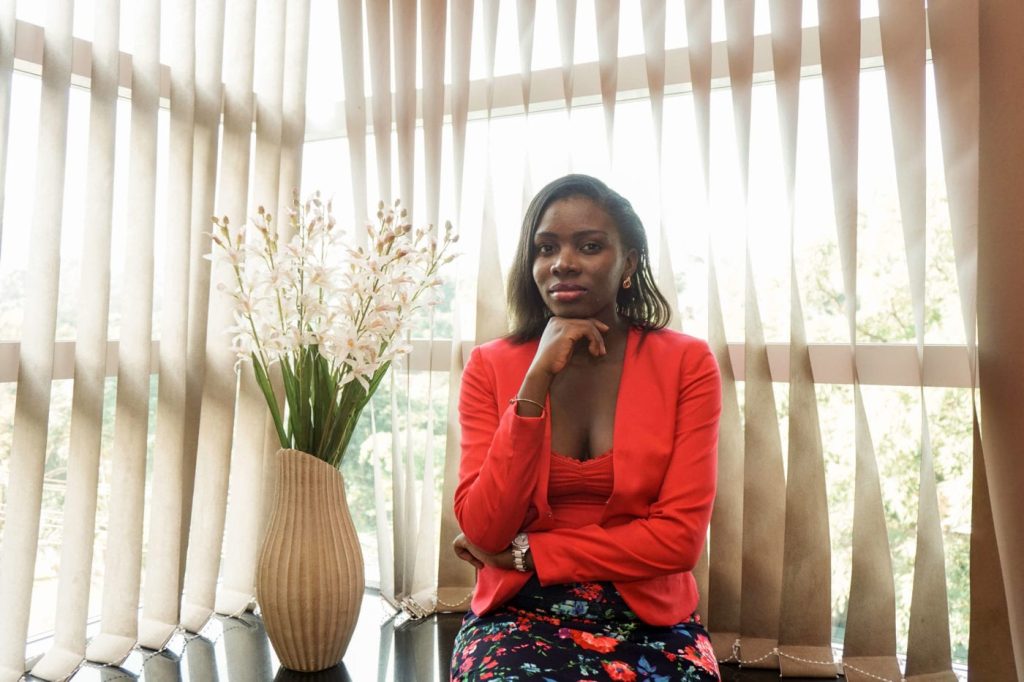
Sometimes, the best reason to start a store is because you’re a shopaholic. At least that’s what Sherifah Tumusiime says. Computer scientist turned entrepreneur, Sherifah’s Baby Store UG is the first specialty retail e-commerce website for baby products and apparel in Uganda. In addition to this hustle, Sherifah is also the CEO of Zimba Group, an AdTech company that provides technical and software solutions for SMEs. When SLA caught up with Sherifah, we learned what skills multi-taskers need to thrive and what retirement looks like for the Motherland Mogul. How did you find your way into entrepreneurship? I’ve always had an affinity for entrepreneurship I think. My first ever venture was selling breakfast waffles to people in my mum’s office. I was 16 at the time. I’d asked her for an increase in my allowance and she challenged me to think of a way to use whatever I had at my disposal in the house to make money. We had an idle waffle maker so I got cooking and she got selling. Tell us more about Baby Store UG. Why start a store selling baby products and apparel? I started the Baby Store in 2012, I have always wanted to have a store —I am a shopaholic. I love shopping. Having a baby informed the decision to make it a baby store. I started out selling on Facebook and delivering out of the boot of my car in 2012, but that got hectic. I was overwhelmed by orders, so I set up a physical store in a mall in the middle of town. I was still fully employed as well. Then the overhead costs of the physical location got too high, I was hardly available, and the shop wasn’t really making money. I closed it and moved everything to storage but orders still came in, so I went back to delivering. Then I had the brilliant idea to move from Facebook to a space I could control, my own website. Why do you think the shop wasn’t making money even as orders still came in? It was a problem of mismanagement. I didn’t have enough time to do things like stock taking and inventory sourcing since I was still working full time. How do you manage running all your hustles? Honestly, extreme multitasking. I am always doing many things at a go. It also helps that most of them are aligned in a way and that I am extremely passionate about them. I believe that if you have the will, there is always a way. What three skills does a woman need to be an extreme multitasker? Time management and punctuality. That is really key. If you are not in charge of your time then everything will fall apart easily. Discipline, ensure that you complete a task when you set out to do it. Attitude, which is not a skill per say but one needs to maintain a positive disposition always. Otherwise, it’s easy to get bogged down by everything that will come your way. What cheers you up during the days when you’re down? That’s a no-brainer. My daughter. As Zimba Women provides business capacity for women entrepreneurs, what have you found women entrepreneurs get wrong when it comes to technology? It is not what women get wrong but rather a lack of awareness. Most women just simply do not know how technology can be used to better their businesses and I’m not talking about complex things. For example, just using excel for your book keeping. There are even templates for all sorts of businesses but few people know this and this is an issue that cuts across both sexes but more so for women. There is also a fear of tech. We are afraid of what we do not understand so most women who don’t understand technology are inherently afraid of it. I think because tech is still a mystery to most. There’s a lot of work to be done demystifying technology and it’s workings to women. When do you see yourself retiring? I don’t think I can “retire” or at least, not in the way most people do it. There’s still so much work to be done. Especially uplifting the women on this continent. I see myself still working with women entrepreneurs. At the end of it all, I’ll probably end up as a Venture Capitalist, investing in women-owned businesses. I love betting on women. If you’d like to share your story with She Leads Africa, let us know more about you and your story here.
Emma Maame Efua Tandoh: Our business only exists because of those we serve

The coolest startups are those that offer services particularly targeted to other startups. Emma Maame Efua Tandoh started Outspoken Edge in 2015 to offer digital marketing services for entrepreneurs looking to scale up their businesses. It gets even better, Outspoken Edge focuses on women-led businesses. Say yes to girl power! Since it’s inception, Emma has guided Outspoken Edge to new heights which she credits to what she learned at SheHive Accra earlier this year. Outspoken Edge has also been part of the Tony Elumelu Entrepreneurship Programme. We learned about digital marketing in Ghana and what proud moments feel like when you’ve achieved a lot. What’s the digital marketing scene like in Ghana? How does Outspoken Edge fit in (or not)? The digital marketing scene has undergone a transformation in Ghana. Over the years, it’s seeing a lot of new players, including Outspoken Edge, which I founded in May 2015. What differentiates us from the others is our focus on startups and SMEs. We realized that a lot of our competitors were focused on providing services for big businesses and multi-nationals. There was an opportunity for us to make an impact because there are a growing number of burgeoning entrepreneurs who had great ideas and would need help scaling their business. As a entrepreneur myself, I had a first-hand experience of how hard it is to want to stay lean but also market and scale your business as quickly as possible. So, its always easy to understand the peculiar needs of the brands and businesses we manage. Why did you decide to focus on providing services for women-led businesses? Let’s face it, over the last year, we’re hearing a lot about women in agriculture, women in tech, women in business. Clearly, a lot more women have taken up the challenge and are ready to lead in their respective fields and charter their own courses through entrepreneurship. Over the last few years, economists and academics have trumpeted and continue to agree that women entrepreneurs are an under-tapped force that can rekindle economic expansion. So, the question is, why not women-led businesses? At Outspoken Edge, we simply saw a gap in the market and seized an opportunity to make impact. We (women) are the future of business, we’re the future of our respective economies. We believe if we can help one woman effectively scale their business online using digital tools, then that’s progress. If we can help more, that’s success. Why do you think you were chosen to be part of the Tony Elumelu Entrepreneurship Programme? The 2016 cohort of the Tony Elumelu Entrepreneurship Programme is made up of men and women from diverse backgrounds in Africa. These are entrepreneurs who are challenging the status-quo and with their exploits, products and services. They are leading a new generation of Africans who have the grit, tenacity and attitude to transform their continent. Outspoken Edge is no different from these businesses. What helps us stand tall is our passion and commitment to our work. Also, our resolve to leave a legacy and inspire others on the same journey to be great and make an impact in our communities and in the world. You mentioned that SheHive Accra helped grow your business. Tell us how SheHive Accra was really a turning point in my career, I must say. I had Outspoken Edge registered in May of 2015 but for several months, I was afraid to take the plunge into full-time entrepreneurship. I knew this was definitely what I wanted to dedicate my life to but there were questions and concerns, lots of them. In January, when I heard She Leads Africa was going to be in Accra, I quickly applied. Over a week, armed myself with so much practical and useful business development, financial and marketing knowledge. It was exhilarating. I met other women entrepreneurs from Ghana and other countries and we shared our experiences and challenges. One of my biggest takeaways was a session on marketing where we were taught how to put together a marketing research survey. We worked in groups and were asked to put our questions to the test by going out individually to speak to potential businesses and clients. This wasn’t just a great way to test the knowledge that had been imparted but also to reach out and speak to real people and with my survey questions. I was able to sign up a new client for Outspoken Edge after just 40 minutes of interviewing a shop manager in one of the malls in Accra. SheHive Accra was that jolt I need to get my business off the ground. The experience was one of my best this year and I’m most grateful for the new opportunities and partnerships. Having achieved quite a lot already, what would you say you’re most proud of when it comes to your work? Proud moments for me are when I get great feedback from clients. Our business only exists because of those we serve. So, it’s always great to receive great testimonials and feedback from the brands we work with. If you’d like to share your story with She Leads Africa, let us know more about you and your story here.
Hajer Kammoun: I’ve always been engaged in multitasking
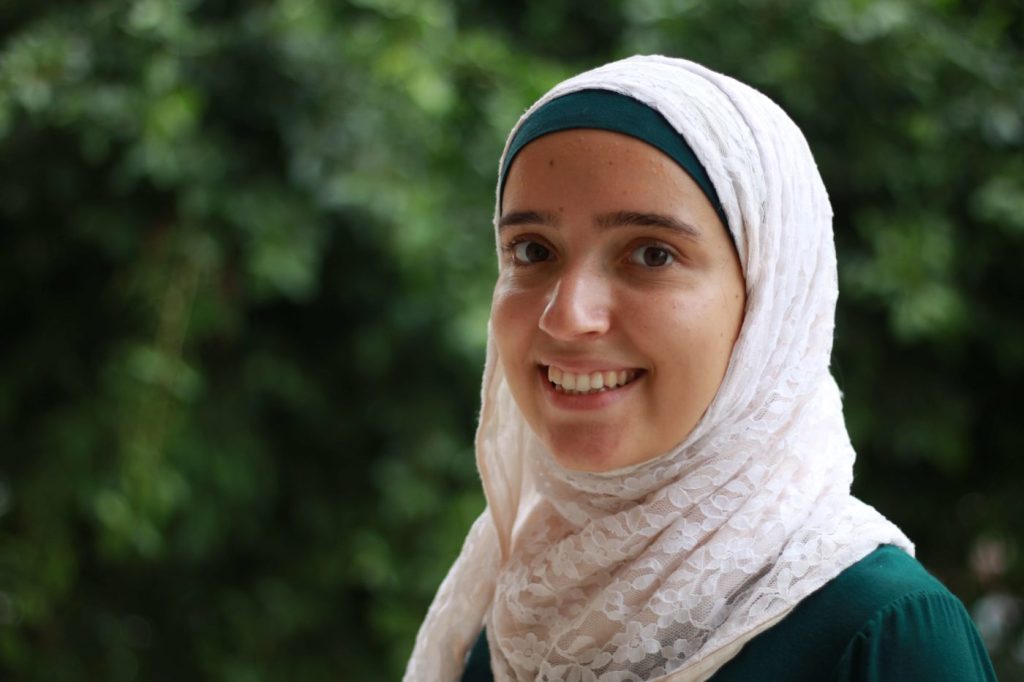
You know, sometimes you meet people that just make you want to sit down and reconsider your life’s objectives. Hajer Kammoun is one such person. She’s a medical student, a member of the International Association of Medical Students (Assiociamed), runs a school magazine, has participated in the SUSI program and is aiming at launching a social enterprise this year. It doesn’t stop there. Hajer also plays the lute and is an active member of the Junior Chamber International (JCI) with which she directs the ‘HopiClown’ project which brings clowns to hospitals to cheer up sick kids. Hajer is now trying to revolutionise the Tunisian educational system through her upcoming social enterprise. Read on to get the biggest dose of inspiration you’ll receive this week. Let’s start with the ‘Hopiclown’ project, how did you come to be the director it? I always wanted to be a member of a ‘Clowns in a Hospital’ group. Since I didn’t find one , I wanted to create my own team. I had in my mind a new approach which was to engage youth and give them an opportunity to all experience being clowns. This was to unlock their potential, challenge them, organize them as a team (for many of them, it was their first time preparing and presenting shows in public), show and present them in public and have fun. All while creating happiness and bringing hope and joy of living to patients in hospitals. I presented my idea and strategy to Junior Chamber International (JCI), a nonprofit organization of young active citizens age committed to creating impact in their communities. While some of the members approved the idea of organizing an event that targets children, the majority were against it. They thought the whole idea of us doing clown shows would be ridiculous and that it’d be better to hire professional clowns for this project. They thought it would be impossible for us to cheer up sick children because it requires experience. But, I wasn’t convinced! I was so driven by the dream of being with my clown family and drawing smiles on children’s faces that the only thing I had in mind was to find another strategy to do it. What did you do to overcome this challenge? First, I had to get permission and know more about any challenges we could facing. Then, I wrote a letter asking to the Chief of Pediatric Service. On our first round, I went with my sister, two JCI members and a friend to a hospital. We took with us some gifts and decoration bought from our own money. I also brought my lute with me. Even though we weren’t dressed as clowns, we talked to children and to their parents and made them laugh. I played my lute for them and we sang all together. This experience taught us a lot about working with sick children and their parents. We learnt things we would do again and things we’d have to avoid, the best gifts and the way we should give them… Most importantly, we saw the joy in the eyes of children and the happiness shared between parents as we performed. This proved me again how important my clowns in a hospital project would be. Still, I had to ensure that I, and anyone involved in my project, were able to deal with sick children and understand their psychology without making any unnecessary errors. To motivate and create my team, I organized an open event, a training called ‘HopiClown’ in collaboration with a pedopsychiatrist, Mrs Sarra Bousleh and a comedian actor and producer, Mr. Wissem Slimene. Did the training help with finally establishing ‘HopiClown’? People who assisted loved the first training , many of them got comfortable with the idea of being clowns or at least with being disguised as fairies, cats, etc. I was able to grow my team by many members. We then had another training with Mr. Slimene to show us how to put on a clown’s play. From that day on, we became a large team organizing full clown shows with theatre, music, dancing, storytelling, team games and more. The gift we get each time we put on a show, is the joy we see on the faces of children and their parents. We’ve one put on a show after the death of a baby and managed to change the atmosphere 180 degrees. I love how we create this huge impact while at the same time developing our skills and having a lot of fun too! I now have a large clown family who have put on great shows with their amazing skills. Moreover, they keep asking me each time we meet about the next event. People I’ve never met before have contacted me to ask for my help with putting up shows in carcinology service and the elderly home of Sousse. Why did you decide to start a magazine in your secondary school? There were three things that gave me this idea. First, wherever I am I want to leave my fingerprint. I want to make it so when I leave, I’ve made a change in the environment so it’s not the same as when I entered. So, I had it in my mind to leave something to my school. Second, one month before I started working on the magazine, a group of Belgians came to our school. I witnessed how different their perspectives of us compared to our reality as young Tunisian students. I thought that it’d have been much better to have something to show them. Like a product of our school that informs about us, our culture, our talents, our ways of living, our thoughts etc. Third is that we never had a school magazine before, so I thought it was high time we made one. This is how I got the idea to combine students’ skills to create a product that will last forever in our school, a magazine. We used the income
Ijeoma Oguegbu: The aim is to disrupt Africa’s informal learning industry
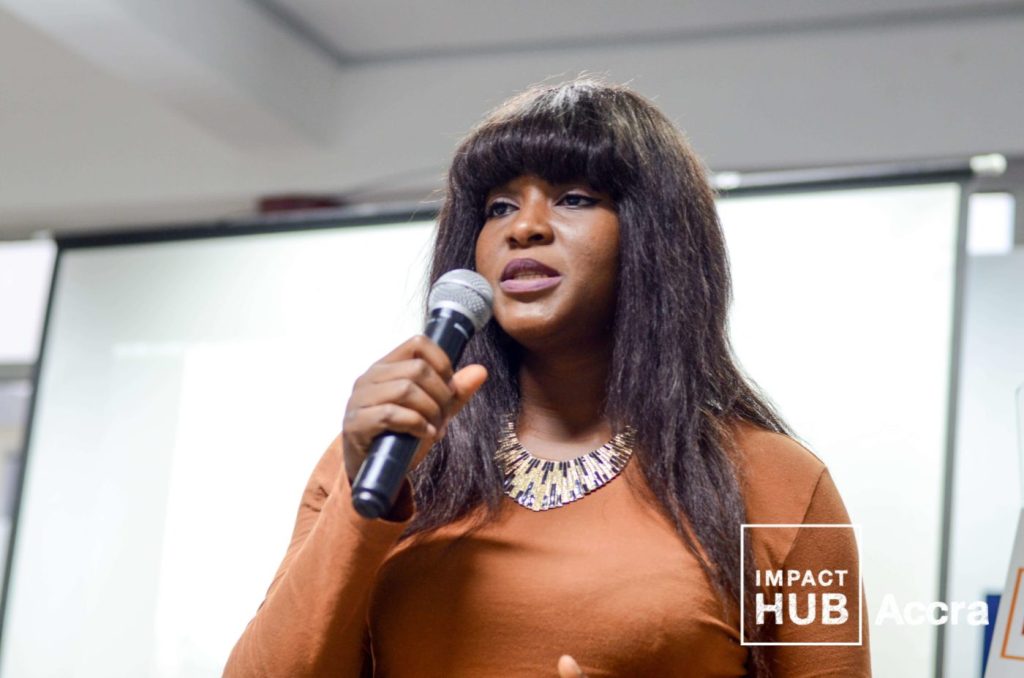
Experience is the best teacher, they say. For Ijeoma Oguegbu, not-so tasty pastries from a store lead her to think of ways to improve training and skill acquisitions in SMEs. From there, Ijeoma co-founded Beavly, an online marketplace connecting people to top professionals in their sector for knowledge-sharing. In this exclusive chat with SLA, Ijeoma shares her dream of African women tech investors and offersers her advice for other young women going into the tech sector. The keyword is patience and preparation. What gap were to trying to fill in the African market with Beavly? The idea came to me through an experience. I bought some terrible snacks from a recently opened pastry shop close to my house. Feeling deep concern and worry for the lady who had obviously made a huge investment into becoming a business owner, I pondered why she didn’t have the necessary skills or employees to make better pastries. This sparked my passion and interest. After further investigations, I discovered that despite the popularity of informal learning, people still experience pain and difficulty in discovering training offers from professionals. This is an age old tradition, yet problem is, offers are often publicized through ineffective ways such as social media, newspapers and classifieds. I got together with my co-founder and then we came up with a solution —Beavly. The aim? Disrupt the informal learning industry in Africa and facilitate skill acquisitions in small industries. How long did it take to build up and what was the process? I took us approximately 5 months to build and launch the first version of the platform. We went through a validation process, using interviews, survey and some cold calling to validate the problem hypothesized. Feedback after validation, encouraged us to go ahead and create a solution. Also, it greatly opened up huge insights into what kind of value we could create for both sides of our users —professionals and trainees. Not longer after, we were invited to take part in TheSFactory program in Chile; giving us access to $15,000 equity free grant. A startup accelerator focused on empowering female entrepreneurs; and powered by the renowned Start-up Chile. At the end of the program we launched Beavly, on February 6 in Nigeria. Beavly is an online marketplace that connects people to top professionals, to learn alongside them in their workplace. People get inspired, gain practical knowledge and hands-on experience; all through interacting physically with the professional . What challenges did you face initially? When we launched the platform, getting the first few users to sign up was tough. Our target users care about brand value, in relation to trust, satisfaction and quality of service. As we were just starting out we had to put in extra effort, to make the first few connections and build a reputation. Also, we were a team of two with a lot of tasks to handle and roles to fill. Nevertheless, we were able to scale through and maximise our capabilities. Sometimes you realize through experience that constraints often drive innovation. How receptive is the tech space in Africa to women in the sector? Through both my experiences at the MEST Africa program in Ghana and being an entrepreneur in Nigeria —I would say it has been supportive. With the recent hype to encourage women in technology, massive opportunities have opened up. It has made it easier to approach people and perhaps, shed just enough light for us to flourish. Though, I still get the typical reaction of awe when I introduce myself as a software developer. Admiration is being given to women who venture into this space. According to you, what needs changing in the tech scene in Africa?/ What can be done better? It would be great to see a rise of African female tech investors. I’m talking venture capitalists, angel investors, and huge investment funds managed by women. Raising investment for a startup is hard, but it’s even more challenging if you are a woman and from Africa. You have a lot more to prove. I love what Kathryn Finney is setting out to accomplish using Digitalundivided, after having a particularly interesting experience while raising investment. We need more people like this popping up in Africa; and a greater number of programs like the SLA Accelerator and TheSFactory for women to shine. I believe it will expand opportunities to raise funds and most importantly build relationships to share contextual knowledge particular to Africa. Also, I strongly feel there should be better support from the government to encourage tech innovation whether inform of partnerships, setting up more tech hubs or grants. Any advice for other women going into the sector? Be strong. Stay focused and undeterred towards your goals. Building a startup is hard work, most times you don’t start reaping real benefits for say 3-5 years. During this time you have to find ways to keep your passion and motivation alive; master the art of patience. Prepare for rejections and setbacks. Take a learning outlook, and utilize them to create hacks that work to improve yourself. Startup life is a rollercoaster, gender limitation or not, it depends on if you can hold on for the long haul and reap the great benefits. Want to see women you know featured on SLA? Tell us what amazing things women are doing in your communities here.