
Relaxer is not the villain it’s made out to be, but it isn’t innocent either. The chemistry itself is powerful, not evil. What decides whether your hair struggles or shines afterward comes down almost entirely to technique: how the product is applied, timed, and cared for once it’s rinsed out. That’s the relaxer truth most people skip past when they’re hunting for something to blame. Hair damage, more often than not, comes down to misuse, not the cream sitting in the box.
What a Relaxer Does, in Plain Terms
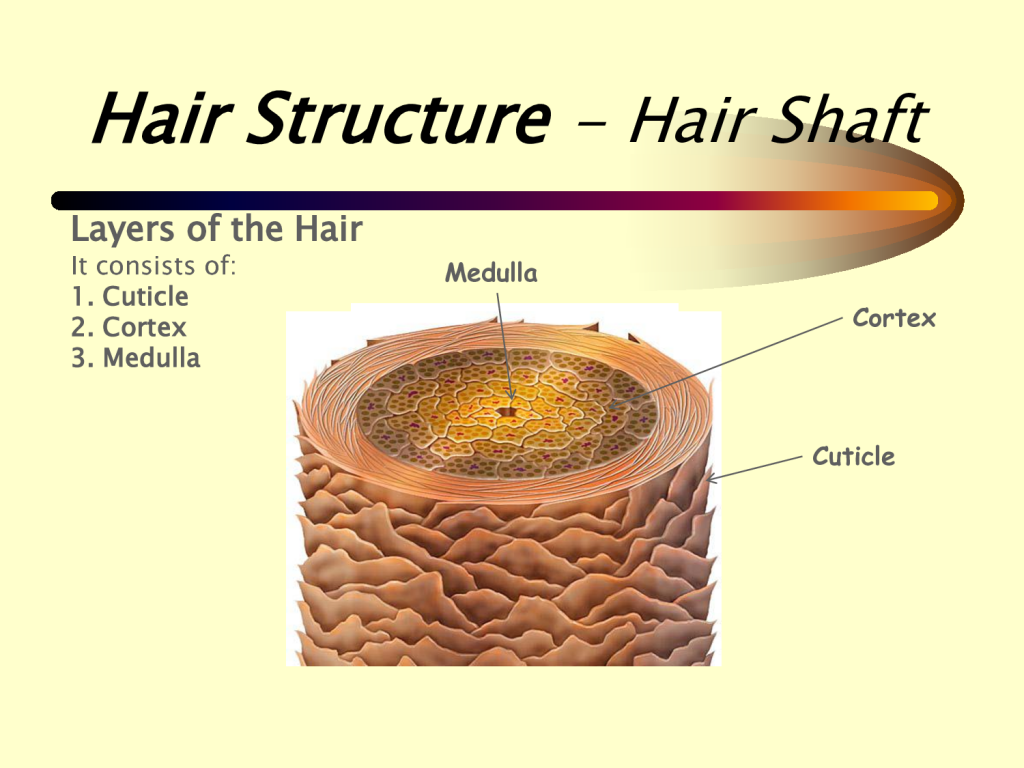
Afro-textured hair gets its coils and curl pattern from disulfide bonds running through the hair shaft, tiny chemical links holding each strand in its natural shape. A relaxer uses strong active agents, usually sodium hydroxide (lye) or calcium hydroxide (no-lye), to break down many of those bonds so the hair can be reshaped straight.
Once the hair is straightened, a neutralizing shampoo stops the chemical action and brings the hair’s pH back to a stable range. This step matters more than most people realize; it’s what stops the relaxer from continuing to work on the strand after you’ve rinsed. But here’s the part that doesn’t get said enough: those broken bonds do not grow back or reform. The structure has been permanently changed. That’s not a scare tactic; it’s just chemistry, and it’s why relaxed hair behaves differently. And it needs to be handled differently from hair that’s never been chemically touched.
The Four Myths Worth Retiring
Let’s clear up the relaxer myths that keep circulating in salons and comment sections, because half of what people believe about relaxer damage isn’t actually how the chemistry works.
“Relaxer Stops Your Hair From Growing”
Many people believe that applying chemicals to the scalp stops hair growth at the root, or even causes hair loss. It doesn’t. Growth happens inside the follicle, underneath the scalp, and relaxer never reaches that deep. It only acts on the hair shaft that’s already grown out. What people are actually experiencing when their hair “isn’t growing” is a length retention problem: the ends are breaking off almost as fast as new hair comes in, so the overall length never seems to change. That’s breakage, not hair loss, and the difference matters because the fix for each one is completely different.
“No-Lye Relaxers”
Many people assume lye-free relaxers are mild and completely safe. They use different active ingredients: calcium hydroxide mixed with a liquid activator, which creates lithium or guanidine carbonate. And they do tend to be less irritating to the scalp. But they’re still strong chemical treatments. They can also deposit calcium buildup on the hair strand over time, leading to dryness and dullness if you’re not using clarifying or chelating shampoos to clear it out periodically.
“If It Does Not Burn, It Is Not Working”
This is one of the most harmful myths in hair care, and it’s the one that sends people to the salon chair with scalp burns. Some people believe a tingling or burning scalp is proof the relaxer is straightening the hair effectively. In reality, burning simply means the chemical is irritating the skin on your scalp; it has nothing to do with how straight your strands are becoming. Leaving a relaxer on longer just to chase that sensation causes scalp burns and chemical breakage, not better results.
“Relaxed Hair Can Never Be Healthy”
It’s entirely possible to keep length, shine, and strength while relaxed. Healthy relaxed hair exists; it just asks for a disciplined routine built around moisture, protein balance, and gentle handling. And for anyone weighing their first relaxer: this isn’t really a case of relaxer being “bad for natural hair” in some blanket sense. Natural, untreated hair isn’t automatically healthier; it’s just structurally different, and it needs a different kind of care once it’s been chemically processed.
What Relaxers Genuinely Do Cost You
You do trade off some of the hair’s natural tensile strength when you choose to relax it. Because the disulfide bonds are permanently altered, treated hair can’t snap back from stress the way natural hair does.
The line of demarcation, the exact spot where new natural growth meets previously relaxed hair, is a permanent weak point. If relaxer overlaps onto hair that’s already been treated during a touch-up, that overlap point is where breakage happens. The chemistry demands precision, and mistakes carry a real price.
Why Two Women Get Opposite Results From the Same Cream
Two people can walk into the same salon, use the same box of relaxer off the shelf, and walk out with completely different outcomes. One has shoulder-length, moving, healthy strands. The other deals with excessive shedding and thinning edges. The difference comes down to three operational variables.
- Application Technique: Applying the product quickly and evenly, while avoiding overlap on previously relaxed hair, prevents cumulative structural damage. A trusted product like Mega Growth Relaxer helps when you follow the guidelines on strength selection and processing time to the letter, rushing this part, or guessing at timing instead of watching the clock, is where most of the damage actually starts.
- Frequency: Stretching touch-ups to between eight and twelve weeks gives the scalp a break and means you’re only processing thick new growth, which keeps overlap risk low.
- Aftercare: Relaxed hair drinks up moisture and needs consistent protein replenishment. Working a nourishing product like MegaGrowth Deep Conditioner into wash day helps restore balance and keeps strands fortified against everyday wear and tear.
What Healthy Relaxed Hair Actually Looks Like
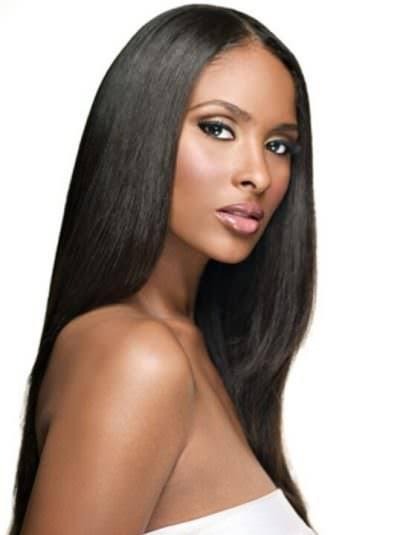
Healthy relaxed hair isn’t bone-straight, stiff, or lifeless; that’s often over-processed hair being mistaken for “well relaxed” hair. It has body, it moves, it bounces a little when you shake your head, and it feels soft rather than crunchy, even fresh out of the salon.
Wet, it should stretch slightly without snapping instantly. Dry, it should hold a smooth, even texture from root to tip, with no rough patches at the demarcation line. You’ll notice minimal shedding on wash days and very few split ends; proof that chemically treated hair and long-term health aren’t opposites, once the process is respected.
FAQs
Is relaxer bad for your hair?
Relaxer is a strong chemical treatment that permanently changes the hair’s internal structure, which makes it more fragile than untreated hair. It isn’t inherently bad when applied correctly, but misuse, overlapping, over-processing, or skipping aftercare leads to real, sometimes irreversible damage.
Does relaxer stop hair from growing?
No. Relaxers act on the hair shaft, not the follicle, so they don’t touch your growth cycle at all. Any lack of length usually comes down to breakage at the ends. Stretching touch-ups to every 8 to 12 weeks and staying consistent with aftercare is usually enough to see real length retention over time.
Can relaxed hair be healthy?
Yes. Healthy relaxed hair comes down to proper application timing, avoiding overlap on previously treated hair, and sticking to a moisture-rich maintenance routine. It’s discipline, not luck.