
Aina Fadina: I wanted to see a change in mainstream media

In a time where virtually anyone can discovering their production skills using their mobile phones, webseries have become a means to address the lack of diversity in mainstream media. I for Africa is one such series that features and celebrates African-inspired innovators across different industries. Its founder, entrepreneur, fashion model and creative director, Aina Fadina recently chatted with SLA about the series, which is now in its third season. What was the spark that leads you to create I for Africa? Living in NYC, I was surrounded by so many talented and innovative creatives, entrepreneurs, and innovative thinkers inspired by Africa, and I thought they needed to be celebrated. As I traveled around the world, I noticed the same examples. I realized there was something here. I felt that it was important to change the narrative of what mainstream media was reporting about Africans and immigrants. It’s important to change the narrative of our stories and the people telling African stories around the world. With so many web series, how do you stand out? The engagement with guests on the show is in a very relaxed format that draws the viewer in to the conversation. It is a conversation between two friends talking about what inspires them and motivates them to be pursuing their ventures. Additionally, the program highlights the transatlantic journey of people from different ports inspired by Africa. What defines someone inspired by the African continent? How do you brainstorm episodes and people to interview? Have you faced any difficulty finding personalities to talk to for the series? Someone inspired by Africa is in the manner in which they choose to celebrate the continent through their creative ideas. It’s the connection of the heart and soul to the continent. With coming up with episodes, I reflect on who I am inspired by personally and professionally. My finger is always on the pulse of what is happening, so it makes it quite easy to think about who to interview. Finding someone to interview is actually quite easy for me. I have a lot of friends who have recommended other creative friends. People have been very kind to say yes. There are so many dope people doing phenomenal things, so brainstorming is quite easy. An interview depends where I am, if I am able to connect to the people, and if they have a project coming out. Overall, coming up with a list of people isn’t challenging at all because there are so many creatives inspired by Africa. Did you have to learn any new skills to host a web series? I have experience modelling international. For modelling, I took commercial acting classes, which allowed me to transition to hosting. I have developed an acute understanding camera presence, engaging with people in the same space and how to engage with the camera. What has been the one I for Africa episode that stands out to you? They all stand out for me, every person I have interviewed has inspired me in so many ways. If I had to choose, perhaps it’ll be the first ones I shot in South by South West. Once we were done, I realized this is what I wanted to do. It also showed me that the path of content production wasn’t an easy one, but I wanted it. I wanted to see a change in mainstream media, rather than complain about it, I needed to create a solution. Taking that first step to create something is what stands out to me. Starting something isn’t hard; the challenge is how you chose to continue. As someone who travels a lot for work, which African city holds the most cheerful memories for you? Tough one…I have loved every African city for various reasons. Lagos fills the core of my existence. Cape Town challenged me the most from a psychological perspective. It was there that I met two friends —who became brothers— who welcomed me with open arms. Accra speaks to my soul. Cotonou brings beautiful childhood memories. If you’d like to share your story with She Leads Africa, let us know more about you and your story here.
Stressed? 4 ingenuous habits that will make all the difference

Your head is aching, too many things to do in so little time… You had so much work at your desk and had to skip lunch… You can’t remember if you had water to drink all day… It’s Friday but you can’t say TGIF because your side hustle for the weekend still has some loose ends to be tied up. Therefore, no gym this weekend… Whew! So much stress, so little rest… Hey Motherland Mogul! We are all about your business and career success but we do not want you to pass out in the process…or develop poor health conditions. The beauty of your hard work today is being able to inspire the younger generation years down the line when you’re grey. If you’re not here or in good health, who will? We want to be a part of your success story and as such, your overall well-being is important to us. If you’re stressed, these daily habits could help. Your health doesn’t have to be a barrier to reaching that business goal. Always have breakfast no matter how little. Research has shown that breakfast is the most important meal of the day and prevents unnecessary snacking. Also, avoid skipping meals and eat right. Take it easy on the carbs whilst increasing fruit and vegetable intake. Then make sure you drink water, lots of it. Manage your time properly at work to boost effectiveness and reduce being stressed. This helps to boost effectiveness and reduce being stressed. Work time isn’t the time to engage in office gossip or be on social media so be warned. You should also always ensure that you finish one task before engaging in another All work and no play makes Jill a dull girl Engage in relaxing activities after work and during the weekend. Reading SLA articles perform the dual function of educating and entertaining you. Otherwise, you could go swimming, dancing, travelling or any other thing to take the edge off. Exercise regularly It does not have to be too intense, regular walks are good for reducing cholesterol levels. Take the stairs more and get involved in outdoor activities.
4 business lessons I learned from my mother (and aunties)

No one works as hard as an African mother. I should know because I was raised by one. You see them everywhere, trying to build new businesses from the farm, to the market place, to distributing companies and high-rise malls, to boardrooms and to the top of multi-national companies. Mothers are the epitome of perseverance, the backbone of our society, really. Mom aside, I was also brought up by more than five aunties! I know there are some entrepreneurial tips that we all need to follow from these marvelous older women. These are age-old tips that work anywhere, and have seen our mothers and their mothers through tides of disasters and of plenty. Reputation In business, your reputation is everything. Without a good reputation, your future businesses are worthless really. This is greater than branding, dear ladies. A reputation speaks to your character, and is bound to outshine all however much you brand yourself or your company. It is the core of who you are. Get a good reputation and guard it with everything you have. Be a woman of your word, conduct your affairs with dignity, have good products and services. You know…reputation. Appeal to self-interest in business This is where most aspiring #MotherlandMoguls go wrong. I get that we are emotional beings but when making a deal, never play to mercy or pity. A Motherland Mogul never grovels, not when you know you can bring something to the table. And it does not matter whether it is the centerpiece or the whole darn table. If you always find a way to ensure the other party can benefit, the deal is yours. That is how barter trade worked for years. If it was good enough for our ancestors, it should serve the purpose well for us. Afterall, we are here due to them. Keep people guessing The easiest way to fall in a rut is being predictable in business. While there is some good in being consistent, predictability points more to actions than products or services. It encourages you to get out of your comfort zone and actually be out there. It means partnering up with people that are not like you and learning new things. Why else do you think women form small funding groups that bring together people of various professions and backgrounds? If it works for your personal life, why can’t it do so in business? Always keep an air of unpredictability. That way, no one ever sees you coming and the traps are definitely fewer. Never retreat, never surrender Our mothers run the household. No matter how big it is, no matter how much work is, you are sure that your mother will leave everything at the door and be your mother. If there is punishment to be delivered, it will be delivered. And she never lets her children see her overwhelmed or tired. Why is it then, that when some of us go to work, we carry unnecessary baggage that distracts us the whole time? Then we actually end up doing nothing at work. We end up frustrated and are grumpy to our families when we go back home. Some household issues like worrying when laundry will be done or planning the meal for the next day calls for some serious time management. And when you’re at work, let it be no retreat, no surrender for things that are worth it. We often look for business strategies elsewhere while in truth, they are right in front of us. Staring right into our faces, like our mothers often do. And yes, the pun was very much intended.
6 ways to turn your business dream into a reality

Chasing a business dream requires a deliberate and focused sense of concentration on set goals. Don’t you hate-love those successful people who make success seem so easy? Wouldn’t it be great if you could bring their magic to your own life? Imagine walking into a multi-million dollar event to a standing ovation. Everyone is clapping and the spotlight is on you, the bombass CEO of your own company. Sounds like a dream, right? Snap out of it! It’s time to live that dream. First, there’s the parody of that person who takes the giant step of starting her own business. Now, years have passed and the enthusiasm has dwindled because she’s held on to the same approach. Don’t be her. If you must make the leap, be sure the potential rewards are huge and satisfactory. Otherwise soon, you’ll be complaining like Jane who went into selling clothes because Maryann’s boutique was blossoming. It’s a simple, sad fact that the vast majority of entrepreneurs would rather invest in whatever business idea is currently trending than create their own dreams. Yes, we all need inspiration but success doesn’t come by pursuing someone else’s dream. You want to become the next Oprah Winfrey? Cool, but you need to learn to do what you love better, faster and more often. Where am I going with all of this? Simple. Define your dream Do you have a business idea? How big is your goal? Think back. How long have you nurtured this idea? How sure were you in it, when it was birthed in your mind? It’s so easy to look around at people who have achieved business success and say, “Oh she achieved that height because she’s special, it’s just the way she was made.” Okay, saying this may make you feel a bit better, but like Lupita Nyong’o once said, “Your dreams are valid too.” Yes girl, they are! Vision The idea, big or small, must be laid out in detail. Achieving your dreams does not have to be easy, but you need to be able to know, at any moment, where you are headed. Set goals with timelines. Here’s my example, by January 13th, 2017, I shall have set up a firm on the 14th floor of East Grove Towers with a portfolio of 120 clients. Time to werk. Get to work The nature of the idea must require an intense sense of concentration. An example would be a goal-driven SLA contributor. Ideally, she is a brilliant lady who is detailed, pays attention to research and is not afraid to be sassy. This is someone who can devote the energy required to get the work done. Now apply that to your business. Outsource expertise You must be willing to make the best of resources to get work done. If you have the innate abilities of a genius kid, beautiful! (Also, lucky you) Otherwise, leave the work to experts. This is especially important in sensitive areas like sales, finances or technical implementation. That dream of you wearing 20 hats and running everything yourself should remain in lala-land. You’re awesome but you’re not Super Woman. Send yourself future letters or emails This might sound crazy but stay with me. There are great websites and apps that allow you write yourself emails due to being delivered say, in three months. I love starting my letters this way, “Dear future me, by now you must have scored that East Grove Tower office and earned enough for a holiday in Maldives. Where are we at now?” See, not hard. Believe it or not, these letters are a great source of motivation and accountability. Share your dream with 5 people You need regular enough feedback from sincere people. This way, you can constantly adapt and make progress toward your goal. These people should call you out when you fail on your business plans. They should challenge you to be the best you can be. Choose the No BS’er friend who will taunt you to action. Finally, if you must be successful, you’ve got to work hard, very hard. The way you go about it is the difference between good and top-of-the-ladder great. While working hard, remain positive. Positivity is a virtue common to successful people. It’s that cultivated sense of success. We have Walt Disney to thank for this quote, “Dreams come true… only if we have the courage to pursue them.” What steps are you taking in achieving your business dreams?
6 South African women killing it as we celebrate #WOMENSMONTH
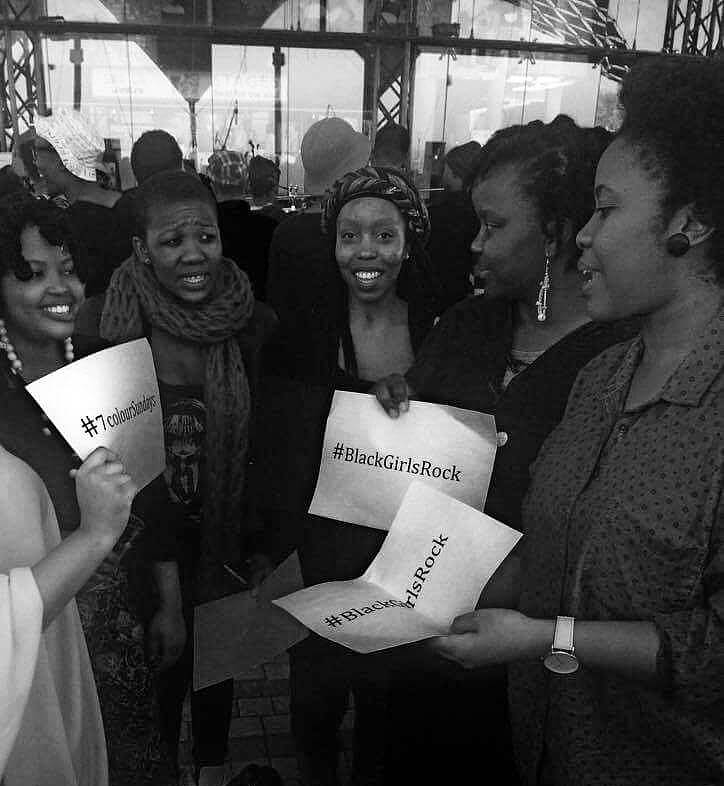
Gwa thinta abafazi, wa thinta imbokodo! This means, “You strike a woman, you strike a rock.” Currently, it’s women’s month in South Africa but I think the party shouldn’t start and end there. The month should celebrate and honour women in our entire continent, This should include women who are powerhouses and moguls, whether in communities and the business world. Let’s talk about some history. On August 9, 1956, thousands of women marched to Pretoria. It was to fight for their rights to freedom of movement without documentation, referred to as passes, along other segregation laws. In commemoration of women’s rights today, questions still remain debated over the role of women in society. This especially concerns women in positions of power. Six decades later, women continue to fight. This time, we fight a different fight. Evidently, we have MotherlandMoguls who carry a dumbbell with one hand and a mine of gold in the other. Today, we want to celebrate not just the woman in South Africa, but in Africa. She is an instinct-driven entrepreneur, who will be featured on Destiny Magazine, Forbes Africa, Forbes Woman and the likes. She is on her way to becoming the leading lady of a nation. She has a vision, creates networks and positively influences other young women. Now, let’s take a look at 6 young women killing it in South Africa: Mpho Khati Mpho Khati of Indlovukazi is a vibrant woman who celebrates herself through modelling. She invented the word ‘thick-thighing’ as a plus size model and is also an Instagram influencer. Mpho’s to watch for. Palesa Kgasane Palesa Kgasane is a young lady in her early twenties, born in cape town and raised in Bloemfontein. Amazingly, she’s the curator at Mzansimoodboard, a writer, and creative director. She also designs her own clothes. Khanya Mzongwana (aka Yulu Ishii) It is said that a woman’s place is in the kitchen and she makes it her business. Khanya, the foodie entrepreneur, is called the queen of pop-up restaurants. She’s the co-owner of Off The Wall pop-up restaurant. She is also a recipe developer and food stylist. Panashe Chigumadzi Panashe Chigumadzi is the author of Sweet Medicine. She’s also the founder and editor of Vanguard Magazine, a black feminist platform for young black women coming of age in post-apartheid South Africa. Also, Panashe is a storyteller interested in the narratives of black and African women. Tumelo Mothotoane As a television and radio broadcaster, Tumelo started locally with a woman’s programme called Sistas on Soweto TV. She moved to being a news anchor at the SABC. Now, she’s gracing the worldwide screens with being an international news anchor and correspondent for Russia today TV. Lumka Msibi Lumka Msibi is a 25-year-old qualified and international award–winning Aeronautical Engineer. She’s a global speaker and Entrepreneur from Soweto in South Africa. Regardless of the system in places that may hold women down, Lumka rises above limits. She creates the most compelling content, business industries, and communities. Commendably, this woman rises above societal pressure that dictates what a woman shouldn’t talk about. Here’s the thing A woman alone is success personified and she matters. She is not a statistic but she creates ground-breaking statistics. The stereotype that women are catty and always fight each other is old and needs to go. As women, we need to constantly remind ourselves that we’re flawless. We need to create circles of support platforms to generate a revolution of power among sisters. Now, Motherland Moguls, be your own kind of woman this month. Your career goals and strategies are valid. Start improving your business, and yourself! Kill it and make your entity your mark.
5 ways to keep your clients coming back to you
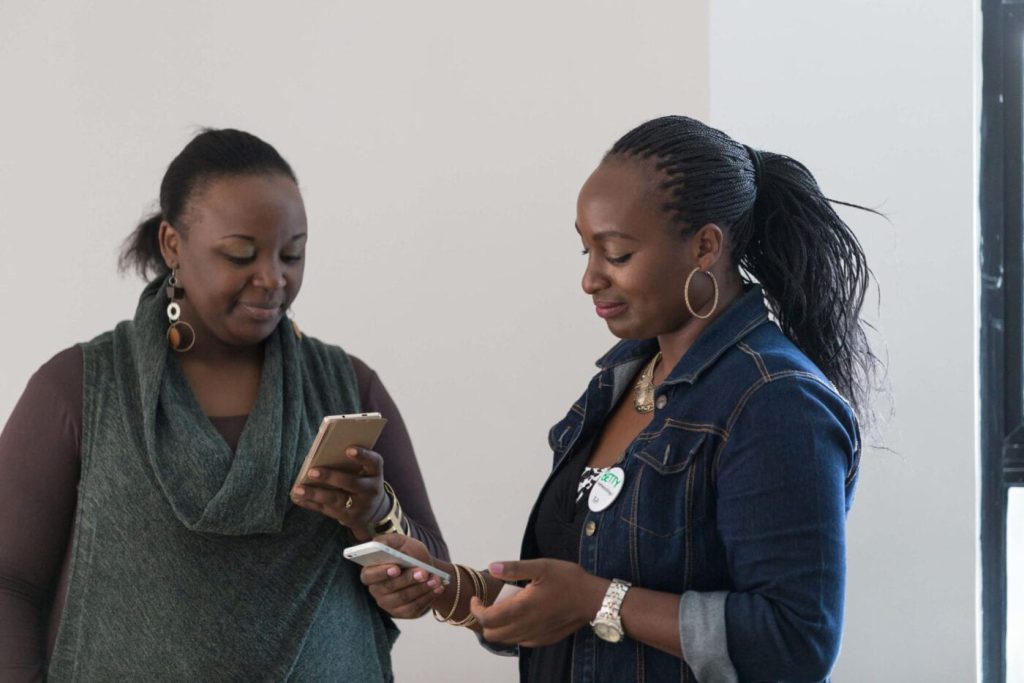
I love writing, writing my plans, thoughts and even notes to God. Interestingly, most times it leads to me asking Him questions and of course getting answers…some of which I’d like to share with you today. This is a world of similarities. Multiple businesses offering pretty much the same product or service. Several businesses all scrambling for the same consumers. Not surprising then that one of the major questions on the minds of business owners is, “How do I keep my clients coming back to me for repeat business?” Just how does one keep clients from falling for the seductive ‘lyrics’ of competitive businesses?’ So here we go *drumroll* here are useful tips to keep your clients hooked heart, body and soul to your product or service. Keep track of your clients; with your business purpose in mind Remember as an entrepreneur, your major objective is to provide solutions. This means you need to be truly concerned about the people who currently need your solution –whether they know they need it or not. Being concerned about your clients should naturally lead you to keeping track of them especially with regards to the purpose of your business. Sounds like plenty English to me right now…time to break it down. Say you run a hair salon, your business purpose is to keep your client’s hair always on fleek. To do this, you need to keep track of your clients to ensure that their hair-dos always represent. This could mean sending that special client reminders to swing by your salon for a new do… the last one you did for her two weeks ago should be getting old and rough. In the reminder, you can even suggest new styles she can try based on her preferences and shape of her face and send pictures to her. What this does is give your client the feeling that you care for her and how her hair looks. She is not only reminded of when to change her hair-do but with time, she’ll stop thinking about her hair because she knows you’ve got her covered! You’ll remind her when she needs to come by, you’ll share styles with her and you’ll do them well. I don’t know about you but for me, this is one sure tip to keeping your client from even thinking of patronizing competitive salons. Know your thing and let your customers see you as an expert Do you sometimes compare your business to others in the industry? Do you notice the gaps between where you are and where they are? Don’t worry, it’s normal. This should not deter you or make you feel incapable of keeping your clients. The important thing to focus on as you try to close the gap is that “one thing” that attracted your current clients to you in the first place. There is something you are very good at…something that you are a tested- and-proven expert of. I can hear you asking yourself already, “But how do I know this?” Okay, imagine one of your current clients is talking with a friend about your service. What would be the biggest wow about your business that would make her friend say, “Oh I want to try this lady?” If you can answer this, congrats! You’ve found what you are the expert of! For one example, Banke Meshida-Lawal of BM Pro is amazing with making her client’s eyes POP!! Make it a point of duty that everyone that meets you, leaves with the conviction that you know your stuff. More importantly, that they feel a connection with you! People like to be in safe hands that they trust. Even if they try other businesses, as long as your knowledge is deep and there is a connection, they’d soon realize it and come back to you. Be humble and honour your clients You humble yourself when you know and act like the client is boss. This way you always desire to deliver excellent service to the client always. Even when the client is upset and spitting out venom, you should seek first to understand before sharing your point of view…if you really must. Offer your product/service in the way your customer likes and would feel respected. For example, prompt response to emails from clients, calling clients back when you miss their calls, creating offerings that fit their needs and preferences or even simply saying thank you for payments. Always speak respectfully to your clients and also about your clients, especially when discussing them with your staff. This is important because how you refer to clients when speaking with staff impacts the way they will speak to them in future. So if you say, “This client can be annoying”, the next time the client calls, your staff unconsciously has less patience with them. This can ultimately lead to the loss of that client. Don’t become a financial burden When you offer excellent customer service and are passionate about your clients and their development with respect to our business purpose, you will most likely create new and deeper relationships with them. Some of which even grow into friendships….this is really a good thing. However, at all points you need to ensure financial respect is maintained between you and your clients. No matter the relationship, avoid situations that make your clients feel they are patronizing your service because they just have to help you. It can be emotionally tasking and with time, they will run! Never download all your business and/or personal problems to clients so they feel obligated to help out. Clients may also feel obliged to patronise you if have lent you money that you can’t pay back. Talk about a messy situation. Be consistent Knowing your stuff brings clients to you and makes them feel safe. Being humble, respectful and keeping track of your clients ensures your business is top of mind for them and guarantees repeat business. Ensuring financial respect exists ensures all parties remain friends over time.
4 things you need to know about social entrepreneurship

Before Jesse Williams’ woke speech and Kendrick and Beyonce’s performance at the BET awards, there has been a growing consciousness around business. Maybe like myself, you have been wondering about social entrepreneurship, a growing field in its right that is gaining gang attention. It has been hard for many to pinpoint exactly what a social entrepreneur is. However, there some things you can look at to be able to know the kind of business you are and if you stand a chance at being a social enterprise. It’s about people Social entrepreneurs, beyond the glory of coming up with an amazing product and service, are highly inspired by the people they are trying to assist. Their products and cutting edge solutions are a response to problematic issues in society no matter the sector. It is almost like having the heart of Mother Theresa but the drive of Oprah. Outside just trying to get that paper, social entrepreneurs ensure that they meet the needs and improve communities in the same vein. These businesses are motivated primarily by caring about social change and reaching as many people as possible. It’s about innovation Social innovators are always looking for solutions to pressing societal issues . As a result, they have to come up with new, sustainable and inventive ways to respond to these issues. Social enterprises move past the textbook responses and find ways to help people and these solutions should be long term. If people need food, a social entrepreneur won’t be thinking about giving out handouts but also about training them to have their own eco-friendly gardens so they could grow their own produce whilst protecting their environment. Ladies, you don’t have to be Florence Nightingale. But you can look for opportunities or approaches that have not yet been adopted in your market and implement them at home, hashtag thinking globally, acting locally. It’s about collaboration It just makes sense to do it with a squad. Social entrepreneurs not only build strong connections with people but also with other companies, entities or individuals to reach a greater number of individuals. Some social entrepreneurs are purely not for profit and so have to think outside of the box to ensure they are making waves in the community. This can’t be done alone. You have to look at others who might have the expertise to take your efforts further so you can get in formation. It’s about passion It would be awesome to help people, get cheddar and change lives. Yet it will be hard if you are not actually passionate about people or the solution you are trying to build. Social entrepreneurs are both community conscious and business savvy. So, you are bound to face challenges and constantly develop new ways to improve your enterprise. If you are not really into it, you are likely going to harm the people you are trying to save. So, if you know you care about business and driving social change concurrently more than pizza, you probably are a Motherland Mogul and a social entrepreneur.
Common business challenges…and how to overcome them

You’ve started a business, probably one that’s 6 months old. You’ve achieved the significant part of your dreams but what to do when your business becomes a stubborn child? Whatever you do, don’t look it in the eyes or try to confront directly. We’ve got ways to overcome some common challenges associated with start-ups to help. Finances This is a broad category that I will break down into capital, cash flow and frugality. When it comes to capital, the source that you pick matters. Going along with family and friends will definitely be easier but may not challenge you to see little gaps in your business plan. Unless of course, your family or friends are well versed with the business world. Considering an investor or venture capitalist that funds start-ups would be a good way to go about it. Investors have prerequisites and question aspects of the business plan prior to the receipt of the capital. This in turn builds a certain level of confidence as you start out. Savings are another option that can keep you out of debt initially. But whatever you do, ensure you have passed the plan through mentors in business who can analyze your business plan and anticipate any red flags. So will it be Aunt Kabuga, an independent investor or savings? Your pick. In terms of cash flow, tracking revenue versus expenses is paramount. Even without extreme accounting expertise, it is important to track your books of account…what you pay suppliers, employees, your sales team and what you are raking in return as revenue and eventually attain as profit. Frugality as an overall pointer of finances cannot be overemphasized. When starting out, you are essentially bootstrapping to keep expenses on the low. Find affordable suppliers, use wise but pocket-friendly sales tactics, and cut down on luxuries. Market research I find that this is one of the most underrated business issues. We are living in a world of massive data yet, many businesses fail to do their homework well before starting out. You may have the big business idea figured but you must be willing to anticipate and forecast market trends. Or else, you could end up building the business in your head than at the actual marketplace. Research involves a variety of mechanics and even better, a combination of these mechanics. You will need some hours on the computer and in some cases, may have to buy data to check on competitor information. The target market will be your next best source of information. You need to sell something that people need. Sometimes, people don’t know what they need till you sell it to them, so you could check on that too. Research also involves anticipating various changes that could affect the business and mitigating against such. Prioritization Do you build a fancy website, set up a cool office hub or start out by working from home? A number of businesses are encumbered by unnecessary expenses as they set up shop because they lose focus on priorities. A detailed business plan will map out areas that need fundamental attention and those that can be invested in later. Otherwise, you will keep having revenue that you can’t amounts to nothing. It also helps to frequently ask the question, “If I were to eliminate one thing in my business right now, what would it be?” Prioritization also depends on your principal motive of starting the business. Were you genuinely seeking to make money by serving a need in society or were you escaping the 8 to 5 employment vortex? The former is a lot more solid and while the latter is valid too, you might be surprised that as you start out your business, you need an 8 to 8. Pricing The way a business prices its commodities when starting out is critical. Many proprietors price too low initially and do so emotionally. After the low penetration price, the business begins to crawl weakly and are forced to effect a surge which consumers may not have anticipated. It then becomes harder to gain loyalty. Pricing rationally and suffering from an initial low market share would have been much easier. As Maya Angelou said, “Ask for what you want and be prepared to get it.” Besides, only you can relate to the hours you put into the business. Therefore, charge accordingly, not desperately or emotionally. The one-man guitar show Are you taking on too many roles that you need help? This can take on a heavy toll on your business. While it’s alright that initially you are the strategist, salesman, accountant and admin, consider getting some professional help once in a while. When you can afford some more, hire great talent to sort you out. The two important aspects you really need to consider, especially if they are not your core specialization, are legal and accounting expertise. Too much time in business could make some relations suffer as you play a one-man guitar show. You also need to maintain your support network of family and friends. We wish you success in all your businesses as you work through the challenges and would love to get your thoughts and contribution on the topic!
“Be realistically audacious” : Teniola Adejuwon on the 500 StartUps accelerator experience
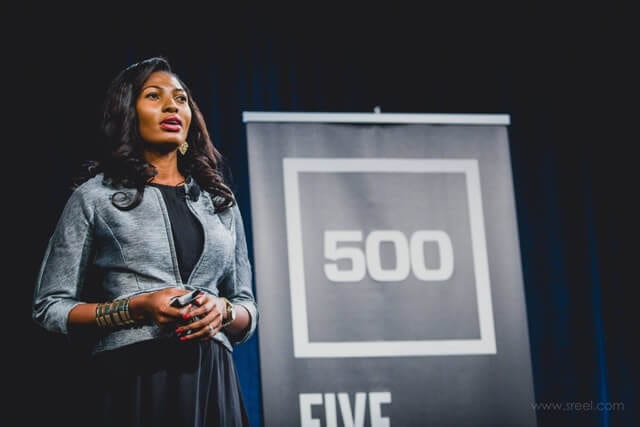
Podozi.com is a beauty ecommerce platform that gives African women access to both local and international beauty brands. Co-founders, Teniola Adejuwon and Wale Babatunde, recently completed a 4-month accelerator programme with 500 StartUps, a leading venture capital fund in Silicon Valley. To date, 500 StartUps has invested in over 1,500 businesses across 50 countries worldwide. Every year, thousands of businesses apply either through a formal application or referral, and after passing 5 or 6 rounds of interviews are accepted onto the programme. Podozi was one of 50 startups accepted for the most recent cohort ‘Batch 16’. With the programme, Podozi worked in Silicon Valley, learned how to take their business to the next level and received a net investment of $100k. In this interview, Teniola shares her experiences with 500 Startups and gives some advice for aspiring entrepreneurs. How did you get involved with 500 Startups? It came as a total surprise. Last year, we were introduced to 500 Startups through an investor who was a personal contact. As my mentor Tara Fela-Durotoye always reminds me, your network is your networth. Previously, the investor had mentioned that although they typically focus on Series A funded businesses or higher, they really liked the Podozi business. So we agreed to keep in touch for when the business grew bigger. Applying to 500 Startups was an aspiration of ours, which we planned to pursue in the future. About a year later, we got an email introducing us to 500 Startups, and that was it. How has being part of the 500 Startups programme helped develop Podozi? We recently completed the programme, so it’s still very early to articulate the full benefits, but being part of the 500 network is like being part of a global family. It’s a lifetime thing, where you grow and evolve. We were exposed to people and ideas from across the world. While we have formally finished the programme, we continue to keep in touch with our batch and the other businesses in the community via a group email. We have a well of resources to draw from and access to mentors who we can reach out to for advice. Throughout the programme, we had opportunities to pitch to hundreds of investors and peers in the startup ecosystem. One of our pinnacle moments was presenting Podozi during the closing ‘Demo Day’. Being able to articulate our brand raised our profile with international peers and investors, which also helped our profile in Nigeria. Also, to be eligible for the programme, we had to (re)incorporate as a U.S. company which gave us access to U.S. specific venture networks and investors. Tell us more about your experience in Silicon Valley as part of 500 Startups Batch 16? Living in California was an interesting experience. Given the 8-hour time difference, we were working from 9am to 7pm U.S. time, then worked after hours to service Nigeria alongside our colleagues back home. It was a demanding but authentic experience of what it means to run a truly international business. All businesses in our batch worked from the same office in San Francisco. This helped develop a spirit of camaraderie, collaboration and shared learning, which is not always a given in most accelerators. We travelled to Los Angeles, New York and other cities across the U.S. which gave us exposure to international best practices and processes. Once you get established processes in place, you’re able to serve your customers better. I’ve always been an advocate of this and Podozi advocates this too. While it’s not always possible to please everyone, I remind my team to put themselves in the customer’s shoes. Empowering the customer is crucial, and something businesses on the continent tend to miss. What advice would you give to aspiring startups and entrepreneurs? Cultivate an attitude of excellence. Being entrepreneurial isn’t about calling yourself the CEO, you need to have a long-term mindset. My first company, Beauty by Nature, ran the Beauty Business Masterclass series. We would teach attendees that no matter whether you’re a nail technician or a self-taught makeup artist, you need to develop your craft and put the right structures or systems in place to support it. That is the difference between a sustainable business and one that burns out quickly. Also, it is not only about funding. Successful entrepreneurs are convinced beyond reasonable doubt about what they are doing. In the past I’ve seen African startups get deterred early on by investor questions about about basic things like their business model or business numbers. If you are not convinced about your product, it will be difficult to enter in, let alone survive in Silicon Valley. It can become quite distracting when your brand gets bigger and your profile increases, so you need to keep focused. As one of my mentors says, ‘the media, awards and accolades will come; just do your work’. What tips would you recommend for making a successful application to an accelerator? Firstly, do your homework. There are funds and accelerator programmes that may be targeted to your industry or geography. Be aware that while some of them are global, their funds might be localised to specific regions. Then, develop a proof of concept. Ideas are a dime a dozen, so don’t just go about touting ideas. Don’t simply try to replicate an idea that works in another country, ensure that it’s relevant to your market. My mentor, Mrs Ibukun Awosika says, “Be the expert of your business – know your numbers and keep your books tidy”. Businesses sometimes rush to launch an app without considering the consumer behaviour in their locality or whether they have the capacity in-house to maintain such. In e-commerce the big question is traction! It’s all about your metrics. Third, be humble enough to admit what you don’t know and be ready to learn quickly. Utilise your resources, prepare in advance and ask as many questions as possible, there’s a wealth of resources out there like Quora to keep you
Anthropology in Business: Using insights into human behavior and culture to improve your business
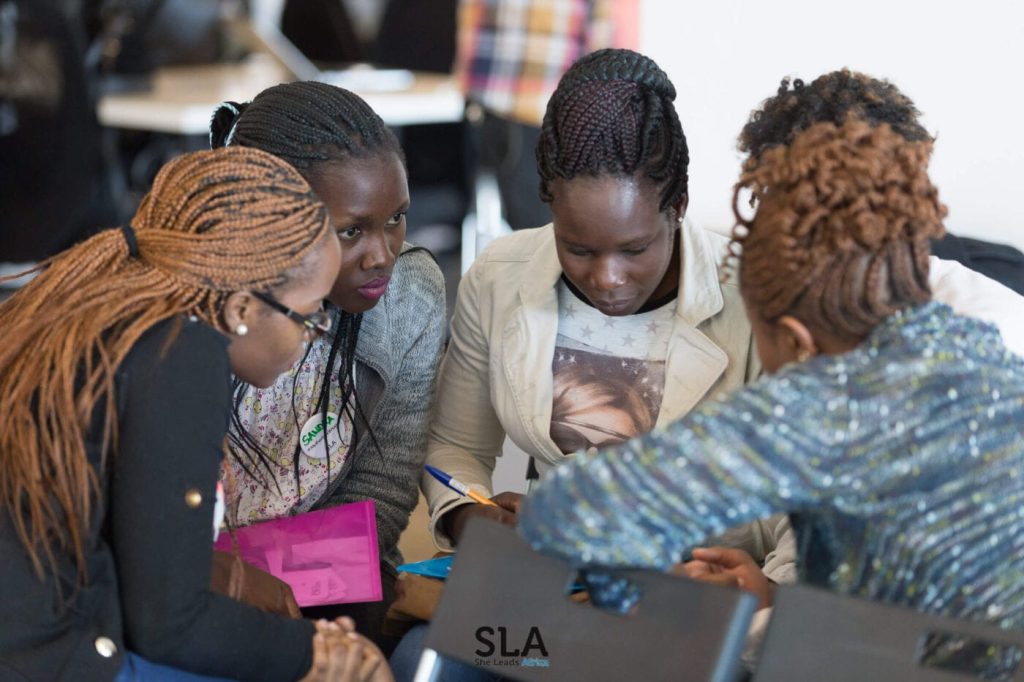
“To succeed in the business of the future, we have to become the very people we’re trying to reach.” – Brian Solis Anthropology is the study of people or the human condition in order to gain insight into patterns of behavior or culture. Anthropologists have been practicing the art of cultural immersion for many years. Rather than simply observing from an outsider’s perspective, cultural immersion involves inserting oneself into and fully engaging with the culture of the group being studied. The goal of cultural immersion is to try to find answers to questions like, “How do people or groups construct meaning?”, “How does it function within the context of their daily lives?” As the world becomes increasingly globalised, there is a need to understand not just the people in our communities and those communities closest to us, but also people much farther away. You do not have to be an anthropologist to realise that to truly comprehend the reality of others’ lives, you must be able to view them through a lens that isn’t clouded by ethnocentricity. Put simply, to effectively communicate and engage with others we must be willing to put ourselves in their shoes and try to see the world from their perspective. This same principle is becoming increasingly relevant in the business world. What customers want vs. what they think they want Microsoft, Google, Intel, Procter & Gamble and Philips. Can you guess what all of these companies have in common? They all have a team of anthropologists on their payroll! Have you ever found yourself watching a commercial and having no clue what product was being advertised? But once the product was revealed, you realise that the commercial had somehow piqued your interest and succeeded in selling it to you. Have you stopped to wonder why more businesses are choosing to adopt this kind of indirect marketing and advertising approach? Well, businesses are catching on to the fact that that there is a divide between what customers want from a product and what companies think they want from the same product. As it turns out anthropology has a lot to say about human behaviour and cultural patterns. To remain competitive, both domestic and international businesses constantly rethink their strategies to better fit their environment. Being able to identify and explain patterns of consumer behaviour is essential to the success of any business. So to is knowing where within the wider cultural context these consumers are located. As anthropologists and market researchers Patricia Sunderland and Anita Denny stated in their 2007 report, “From our vantage point, markets are not constituted of segments of people with specific and profiled “needs”. Rather they are constituted by systems of interwoven meanings and practices that may or may not have resonance for a product, brand or experience”. What does this mean for your business? The key take away messages for all Motherland Moguls from this should be, Let anthropology guide and shape your marketing strategy. Facts and figures are important, but you must look beyond and strive to understand the relationship between your market(s) and the culture(s) in which it is situated. Use cultural immersion to your advantage by participating in the testing of your product, brand or experience. This is a surefire way to create a sustainable relationship with your clients and to ensure that you truly understand each other’s wants and needs. Did you find this article interesting? Please share your thoughts by leaving a comment below.