
Pearl Lebusho: I don’t want young people to make the same mistake I did
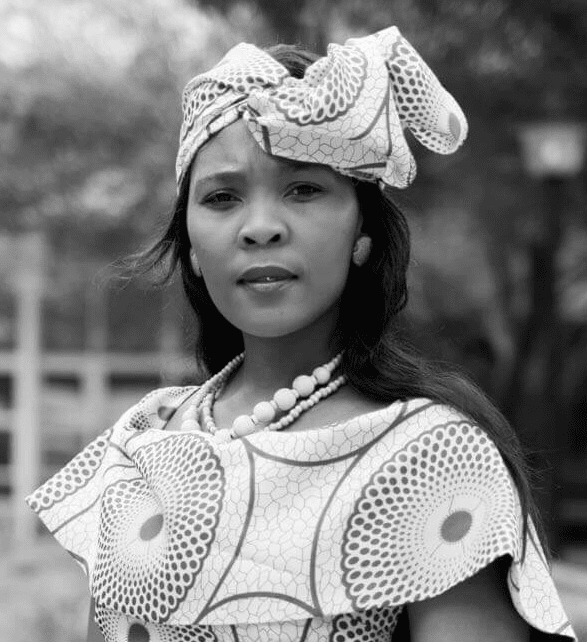
[bctt tweet=”I had only one pair of jeans to wear to college and that motivated me to work extra hard” username=”SheLeadsAfrica”] Pearl Lebusho may have left university twice yet she devotes her time to ensuring girls stay in school. Coming from a rural community, Pearl knows first hand how schools can leave girls poorly informed on what to expect at university. Driven by her passion to help young women from disadvantaged backgrounds, Pearl started the Miss Free State Schools Pageant. Miss FS Schools Pageant is a learning and social reformation programme that inspires and encourages young girls in South Africa’s Free State province through beauty pageants. This builds a community of models and supports girls who see modelling as a career. When Pearl isn’t busy with the pageant, she helps girls attend the Matric dance (aka prom night) by providing dresses. She speaks candidly about dropping out from university and growing her social ventures. You have mentioned that you don’t have a university degree but have pushed others to getting theirs. Tell us about it I dropped out of university twice. The first time was in 2003. I enrolled for a qualification in Information Technology (B. Com IT ) at the University of the Free State. I was accepted. However, I had no clue of what that course entailed as I was from a previously disadvantaged school where we did not have career guidance or development. The qualification was not what I expected. To start with, I had no background of accounting and computer from school. I failed my major course and NSFAS took their loan back. My mother could not afford my fees as she was going through a divorce then. What did you do next? I had to be enrolled to a college the next year. My granny had to pay for my studies out of her little pension money. I had only one pair of jeans to wear to college and that motivated me to work extra hard. That year, I got the best student of the year award. I further completed my certificate in web design in 2004 and NQF Level 5 system support engineer in 2007, both in IT. I was forced to work and study to make it possible. My granny encouraged me to finish the qualification even though I was no longer interested. Then bang, it was the best idea because it got me a job. But you were not happy with your 9-5, why was this so? It was not enough that I was in a job. I was not happy, not only because I did not enjoy the work but because my heart was crying for the young people who were coming from the same background as mine. I was scared that they would make the same mistake I made. In 2008, I started my school visits where I would speak to Matric students in schools and send them bursary applications. That was not enough as it was not resolving the core of the problem —why young people find themselves in wrong or unfulfilling careers. I continued to assist others with career advice but as I was not qualified to do so, I knew I had to get trained. [bctt tweet=”My heart was crying for the young people who were coming from the same background as mine” username=”SheLeadsAfrica”] Now, I am an accredited career guidance practitioner and have assisted thousands of students through my foundation, It’s Possible. I am now looking into having a Degree and PhD in Psychology and be a registered with the Council of Psychologists in SA. What has held you back from returning to university? First, time management. In 2010 for the second time, I enrolled at the University of the Free State and I was accepted in the faculty of Humanities to study a degree in Psychology. I was also a newly-wed wife and a new mother of a 1 year old boy. With little money to afford a helper and stuck in a demanding job, I dropped out again. This time because I did not calculate my risks and plan my time. I made a loan to finance my studies and all that cash was flushed in the toilet when I did not finish my studies again. However, I managed to finish and obtain the accreditation certificate in career development. Another issue is finances. I have now three children that I need to pay school fees for and three younger siblings who are at university that I am also expected to support. I am currently trusting God for my breakthrough so that next year, I can have financial assistance to fund my studies. The reason why I say I do not have a degree and do not mention my other college qualification, is because I want to see myself one day with my degree in Psychology. I want to be registered as a professional councillor so that I can fully advice young people about their careers and on the importance of choosing the right qualification. Also, I want to own a walk-in centre where kids will have access to such information. I see myself referred to as Dr. Lebusho in the near future. [bctt tweet=”The reason why I say I do not have a degree, is because I want to get my degree in Psychology one day” username=”SheLeadsAfrica”] Tell us about the Matric dance, how do you ensure the project goes smoothly? Where do you collect dresses from? The Matric dance is a project that I started in my Matric year. I had a friend who was a top performer in our class. As she was from a disadvantaged family, she could not afford to attend the Matric dance. She did not have clothes to attend the dance with so I approached her and asked if she would not mind me lending her my evening dress. She agreed and I did exactly that, we bought her a cream relaxer and her sister did her hair.
Sharon Adeleke: I may be Davido’s sister but I make my own money

While some may know her first as superstar Davido’s sister, Sharon Ademefun (nee Adeleke) is a #MotherlandMogul in her own right. She is the brains behind Rona Wigs Studio, a business that makes hairpieces and extensions. Sharon taught herself how to make wigs by watching YouTube videos. She is extremely focused on her business, busting the myth that coming from a wealthy home means a woman doesn’t have to work. Sharon shares her business and life experiences with SLA contributor Priscilla. She offered advice for anyone looking to start up something, as well as single ladies working their hustle. Sharon also lets us know why by the third year, your business should be able to stand on its feet. Let’s meet the Sharon that won’t pop up in a Google search I watch a lot of TV. I love watching TV when I am home. Secondly, you won’t find my kids on the net, I don’t put them on the net. I also love staying at home, I don’t go out much. If I do go out, it must be very important. I love to cook a lot even though I don’t have much time for it. What are your hobbies and how do they influence your business? My hobbies are wig-making (laughs) and sleeping. Truly, making wigs is my hobby and my passion. It was a prayer point for me that I do something I love and be able to feed myself with it. I would say that I am lucky, because I wake up each morning with excitement about my work, and it is great. Why and how did you get into wig-making? When I had my first child, I was on a lot of bed rest and I needed to make my hair. I found this lady on YouTube and I asked her to make my hair and it was really good. She used closures and they came out nice. When I had to go back to the States and needed to do another, she suggested I make a wig. But later on, I needed her to do more and she was not coming through so I just told myself, “What is in wig-making?” I got on YouTube and watched videos of wig-making and pretty much taught myself to make wigs. I made for myself at first, and my friends wanted me to make for them. That was how I got into making wigs. In the States, I started seriously going to wig-making workshops. The day I had my son, there was this big wig maker, Tokyo Stylez holding a training. Tokyo Stylez makes wigs for the Kardashians, and when I heard about his training, I literally got off my bed to attend it. I had to ask my aunt to handle things at home. What was it like at the beginning and which moments have defined your business? When I started, I was working from home. I had clients and they loved my wigs and its quality. I went for several trainings but even then, they don’t tell you everything. My friend who used to make wigs for me back then even gave me some tips. At a point, I had taken over my house and my husband basically said, “We have to move you out“. That was how I moved into the shop. Some of the defining moments of my business have been the times when I wanted to quit and then, I get a flood of orders. I have had other businesses. Right before I started Rona Wigs, I had just shut down one business. But with Rona Wigs, I find myself coming back when I almost want to leave. It’s God who has been making it all happen. From one person, my staff has grown to seven people. And by November/December this year, we will be two and a half years old. Another defining moment for me was a time when I had about 150 orders waiting for me and they had all paid 100%. What was nice was that they waited, considering the Nigerian instant gratification thing. How has your husband influenced your business and how do you balance both work and family? It has not been easy, especially at the beginning. Most times, I will be gone from about 8am till about 11pm or 12 midnight. Initially, he complained because of the times I was gone. Sometimes, I didn’t get to see my kids. I had to do a lot of placating, but he picked up the slack at home while I was gone then. He also did the entire work at the new studio for me as he is into interior development. My husband has always been supportive and that is important. Now, I have learnt to cut back and delegate work. After all the time spent at the beginning training my girls, now I know they can work without me looking over their shoulders. Although, with the upcoming new project, I know it might be like the beginning again. Now I think my husband knows that it is only for a while till things are on their feet. I don’t believe you should be a slave to your business. The first 1 or 2 years after take off will be tough. But if by the third year, you still have to always be there, then maybe your success model is not right. Your personal happiness matters because when you are happy, everything around you goes fine. It’s also important that you have someone who supports your dreams. Many women do not reach their full potentials because they are somewhat hindered by their husbands. So for single entrepreneurs, it is important you marry someone who is aligned with your dream and will help you achieve them. How has been an Adeleke influenced your business? It has its advantage and its disadvantage. For starters, people are curious and they want to see Davido’s sister working. So curiosity brings them in first. While that helps in a way, I don’t use that as a base. I treat all customers alike and while they might not buy something that first day, they usually return another day due to the warm
Sade Salami: Trying to beat personal best is a factor in growth
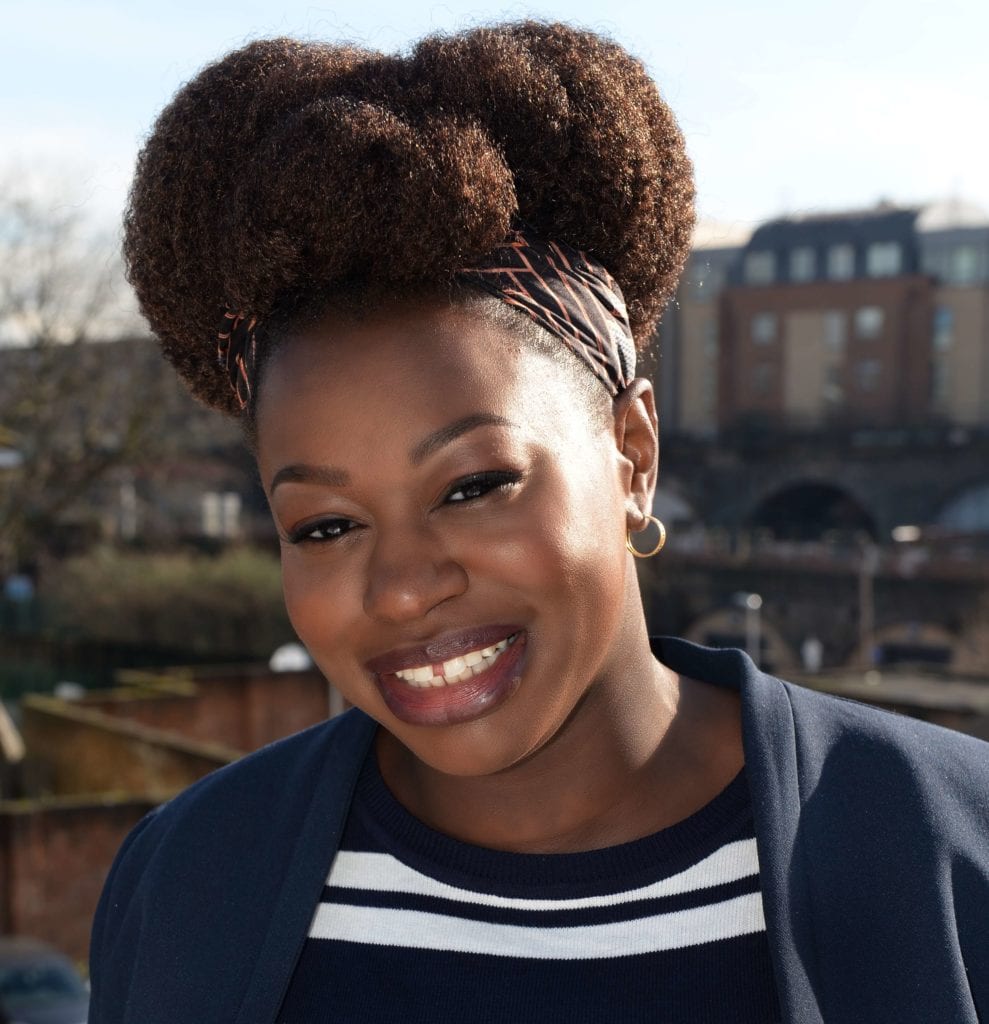
Anyone who knows even a little about Dyslexia knows the journey isn’t without certain challenges but Sade Salami overcame it and excelled in her studies. The Media Arts, Music & Sound Recording graduate and Founder, Fresh Strawberry Management is committed to taking control of her own destiny. Fresh Strawberry, an events company has worked with reputable names in the media, fashion and entertainment industries. We caught up with a brave and passionate Sade to get the scoop on some invaluable business advice, her mentoring activities, other projects and plans for the future. Leaving home with no plan or money at the age of 16 is a brave choice, how did you survive? It definitely wasn’t easy and was a major challenge, so I had to take it one day at a time. Back then making sure my basic needs (such as food and shelter) were taken care of, was my main and sometimes my only concern. As I got older, I survived by setting goals and planning. This kept me ready and focused at all time. What’s the secret behind Fresh Strawberry’s growth? I would say knowing when to adapt and move in our market and being consistently good, has been a major key to Fresh Strawberry’s growth. Trying to beat one’s personal best, is also another factor in our growth. We always push ourselves to do the best we can. Another contributing factor to our growth, would be that we have had good people working in our team over the years, people who buy into the vision and who have drive. I don’t think we could have done it all without them. I’ll also add that it’s very important to be prepared. Opportunity happens all the time, however the difference in being successful and not, is being prepared and knowing how and when to maneuver in all situations. Tell us about Status London, why did you decide to venture into reality TV? Status London came to fruition from a conversation I had with my younger brother. We noticed that there are not many UK-based reality shows, which focus on black people. I also felt it was important to tell a different story, as to what is already out there and to show the range of personalities in our community. I’ll also be honest in saying that reality TV is a guilty pleasure of mine. So I wanted to see if this is something my production team could do, if so let’s do it. As a mentor, what are four things you look for in young people before mentoring them? The first thing would be see if they are willing to help themselves, you have to have self motivation. Secondly all my mentee have been curious about life, and have a strong passion for finding their place in the world. All of my mentees have also been open to trying different things. And lastly a positive attitude is a must, if they can teach me something too I also appreciate that. It not just about me showing or advising them, as I like to learn too. What other steps will you take to inspire the next generation and change the negative perception of black people in the media? Keep doing what I do, as I can’t say right now what’s my next steps are. I’m passionate about black people in the media, so I believe my products and businesses will always be in line with trying to change the negative, singular stereotypes and narratives that currently exist of black people. What can we expect from Fresh Strawberry and Sade in the next year? For Fresh Strawberry, you can expect expansion. We know there will be huge growth within the company and with regards to our presence within the events industry. If you’d like to share your story with She Leads Africa, let us know more about you and your story here.
Gabby Malope: I have a life toolbox for every challenge
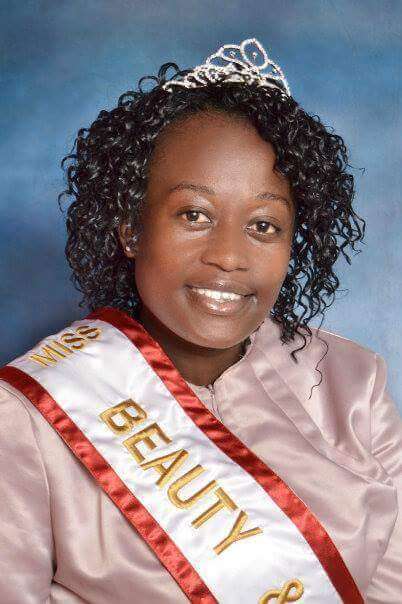
From regaining the ability to walk after an accident left her in a wheelchair to training subsistence farmers in agriculture, Gabby Malope has a lot of life and business experience under her belt. When she spoke with SLA contributor Makalela, Gabby spared no details on how she found her way to becoming a facilitator, her foray into counselling and how she believes she’s walking the footsteps of her role model. Tell us about yourself. I am very bubbly by nature, I love traveling a lot and meeting new people. As a child, I never got opportunities to express myself so growing up, I couldn’t wait to experience life’s challenges and battles. I was always protected by my twin brother. His passing away left me broken and very sensitive. In 2007, we were both involved in a car accident that took his life and left me disabled. My life took a downturn due to the accident. I was declared unfit to work or function in any corporate environment. People always told me I should stay in faith and that I will be all right. I never took them serious until in 2010 when a huge miracle happened. One night, I was sleeping and woke up to go to the bathroom. When I stepped out of bed, I fell to the ground. I was so happy, I screamed with joy because I could walk again. I shouted so loud, neighbours came running in thinking something terrible happened. That was the day I found my favour with God. Since then, I live my life like tomorrow will never come, each day is a gift for me. How did you get into being a facilitator and what has been your experience running a business? In 2006, I was working for an NGO called Siyaphila Youth Support Services. It was led by young people under the leadership of Mrs. Nondumiso Phaahla. The main focus was dealing with HIV and poverty alleviation projects. My strength was with peer education, I just loved talking to my peers because I knew the peer pressure we were facing at that time. Even after the accident, I still went to work while on a wheelchair. That was until 2012 when I was invited to come do some motivational speaking in one of the City of Tshwane Events. Someone after speaking asked me if I had ever thought of being a facilitator because he saw that in me. One day, I decided to register a company that will help me be eligible to offer my facilitation skills. Then I realized that I needed to get trained to be a better facilitator so I shopped around for companies that offer that. I found one, then I enrolled. Shortly after finishing the training, a lady called me to ask if I could speak isiZulu. She was looking for people who can train 500 people in KwaZuluNatal in isiZulu languages. The phone call changed my life for good. Ever since, I have been a training specialist in farming while managing the farm I produce crops from. As for my experience, I had to get equipped to be able to deliver quality work. So I took agriculture courses to be prepared for any challenges. I currently run a training academy of agriculture in Vastfontein in pyramid Hammanskraal. I always have to be on top of the production because if you take your eyes off, you lose a lot. The farm has to produce more and more every year and the training centre has to grow every year. So far, the journey has been quite exciting. Why did you decide to go into counselling ? It was after the ordeals that I went through. When people hear my testimony, they often ask me how I managed to pull through. Mostly, these people were ladies who were troubled by their daughters who were in my age group. They needed answers and I would always counsel them before going to my peers. That grew even more when I joined the Hatfield Christian church to study at the Life Training School (LTS). A few of the courses that I did helped me to grow in the field of couselling. This was combined with the training I got from the Foundation for Professional Development (FPD) and the Department of Health. How do you determine which products to grow on your farm? The market and consumer always guides us on what to produce more than anything. We produce cash crops because as a farm, we must produce what will be able to carry daily running costs of the farm. The farm workers also need to be able to earn a living. We produce big crops such as green peppers, cabbages, onions, chillies, beetroot and potatoes, which takes more time that spinach. The response to market makes it easy for us to farm a lot of produce. Other crops are seasonal and that makes it hard to produce them every season. We also donate some of our products to the care homes and orphanages. That’s more like our corporate social responsibility within our area. What is your greatest strength? I have a toolbox of my life for every challenge. I have a tool that fixes any specific challenge. Also, I grow from the challenges that I come across so I never run. When the beast is in my yard, I stand and carry my cross. Who would you say is your role model? My uncle Mula Peter Malope. He worked for few years then, he took his savings and bought a combie. Ever since, he has been running his business. He has even opened a shop. He never worked but made his dreams come true. To this day, he is still running the taxi business. Most of us in the family no longer have mothers and fathers. Our parents were never there so he had to care for our livelihood. My uncle stood by his words when he said we will never be
Ellen Vannessa Chironga: Look past the fact that you don’t have enough money
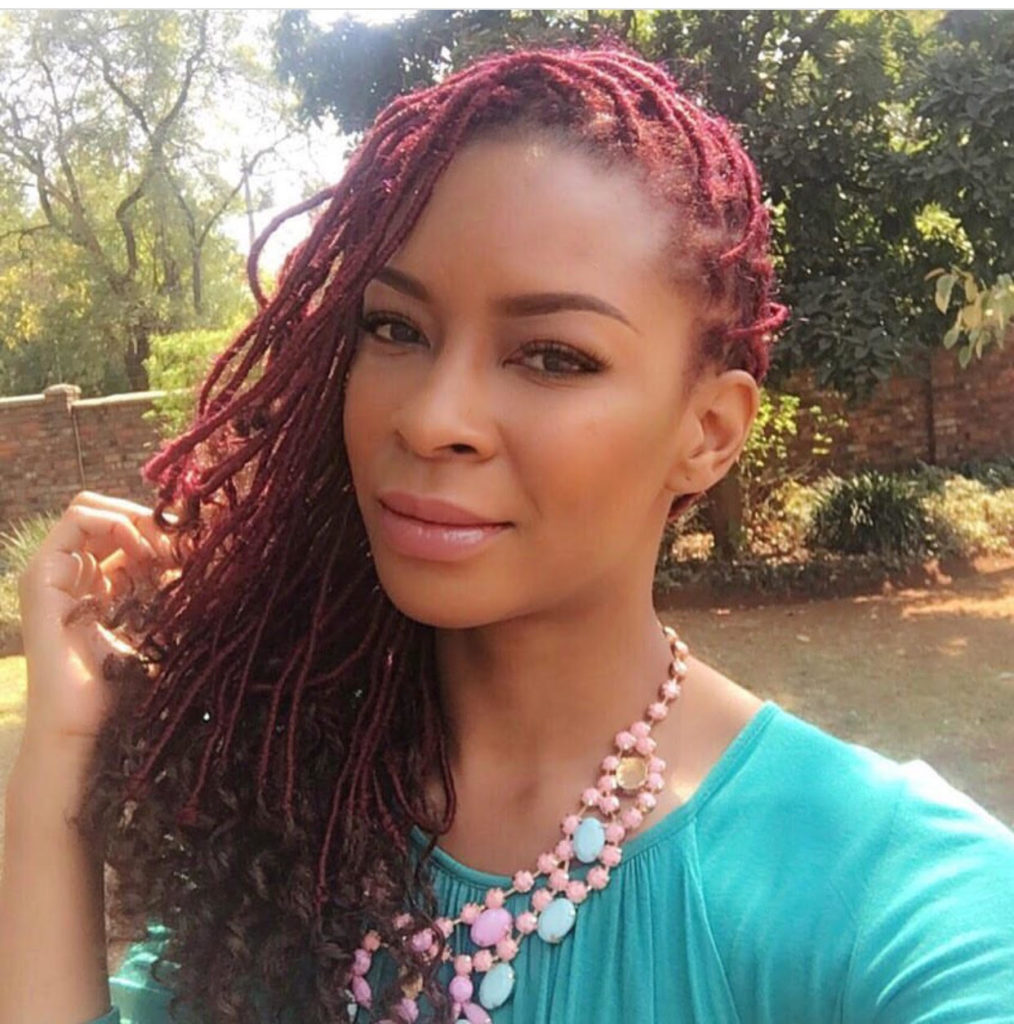
Thirty-year-old Ellen Vannessa Chironga, already has an interesting trail of business ventures. One would think with her own designer handbags (LGS bags), lingerie (Peep Collection) and a day-care center for children (Aayah’s Play Centre in Waterfalls, a suburb of Harare), Chironga has her hands full. But, the young Zimbabwean entrepreneur is also the beautiful brains behind the natural skincare product NaturElle, specifically made for people who suffer from acne. Vannessa, who refers to herself as a skin specialist, is daughter to the prominent business man, Phillip Chiyangwa. Contrary to popular belief, things were not handed to her on a silver platter and her business was not a hand me down from her father. We caught up with Vannessa in Harare to hear about NaturElle. Tell me about NaturElle NaturElle is a skincare product made from natural ingredients, which I started from my kitchen after my battle with acne. It is one of the few products that I have used which has shown results in a short time. Not only does it target acne, it targets other skin conditions like eczema and over time evens out the skin tone. I started making the product at the end of November (2015) and because it was Christmas time, we packaged it as a soap ball in wrapping paper. I started advertising my product and found out that people received it very well and so I officially started distributing in 2016. My target market is mainly teenagers, but I have other clients in their late 20’s and mid to late 30’s who also suffer from adult acne. To date, I can say I have seen 90% positive results from my clients and only 10% were not satisfied, or they were not patient enough to wait for their results. It’s heart-breaking when you have someone tell you that your product is not working. Currently, NaturElle has at least one distributor in the cities and towns of Bulawayo, Kwekwe, Gweru. Harare, the capital city, has two including myself. We have other distributors in South Africa and the UK. NaturElle is the best way to make money on the side as a distributor. What inspired you to start NaturElle? I was going through an acne phase and had resorted to using natural-based products on my face, mixing up things in my kitchen and trying to make something that worked for me. So I bumped into a locally produced ingredient (my secret ingredient) which worked really great on my skin but was too harsh. I decided to create a milder version of it by adding a little bit of aloe vera, honey, and cocoa to the special ingredient and that’s how NaturElle was born. I tried the mixture for two months and I saw a great improvement in my skins texture and appearance. It’s important to understand that we all have different skin types and results differ from one person to the other. Why did you decide to set up in Zimbabwe? I came back from the UK three years ago. I thought about the next best thing and how I can maximise on the environment I was in. So after my wedding, and having quit my job, I decided to go for it. I have always dreamt of working for myself and being successful. Working for my dad was a pivotal foundation for me. I learnt a lot from him about business and life in general. We all can’t run away from Zimbabwe, someone has to stay and make things right. I would consider leaving only for the kids, and because I want the best for them. But if and when things get better, I will definitely be the pioneer of whatever it is that is to come. What is your business day like? Well, we all know that in Zimbabwe you cannot afford to sleep, you always have to think of ways of being innovative. I am always thinking of new ways of being creative. On a typical day, I look at trends, social media and ways of diversifying my product. Especially since I also recently launched the day moisturiser. I introduced this product after noticing that a lot of my clients always asked me what they could apply after using the face wash. Is there anything in your educational background that helps you in managing your business? Definitely. I did a double Major in Drama Theory and Business Management at Bath Spa University and a Masters in Marketing and Advertising at Coventry University both in the UK. These have helped me greatly in doing my business. I believe in quality and producing something fresh. One area that we lack in Zimbabwe is advertising. It’s still very expensive, because not many people do it. One can get a ridiculous price such as $25 per second for adverts in the broadcast media. How do you keep Vannessa grounded? I have an outspoken personality and a drive like my dad, so I need my family to keep me in check. Mostly, my husband reigns me in and he is super humble. Most of all, I remember that God is my source and strength. I realise that without Him, I am nothing and would never have come up with these ideas on my own. What are the challenges of running your own company at such a young age in Zimbabwe? It’s been a long journey and a lot of hard work. People assume that the journey was easy for me because my father is Philip Chiyangwa. But not at all. As soon as I started my own family, I became a woman and had to hustle my way through. There was no backing of finances for me to start the business, I just had to think outside the box. What lessons or advice would you give to other young women wanting to start their business in a difficult economic context like Zimbabwe? Look past the fact that you do not have enough money. Not having starting capital always demotivates people and makes them
Sherifah Tumusiime: I love betting on women
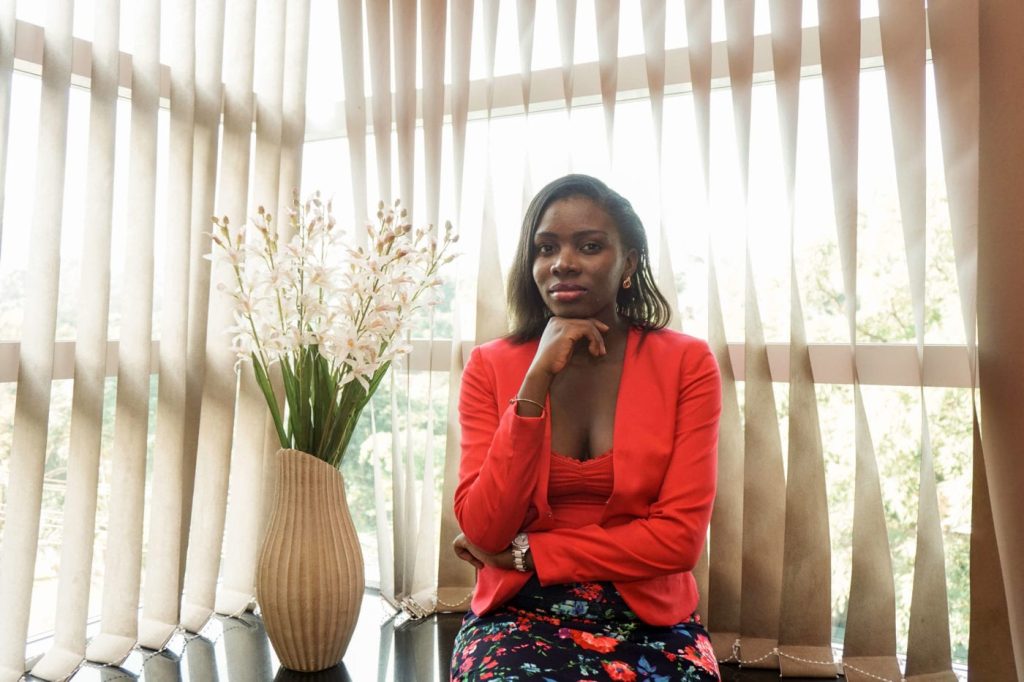
Sometimes, the best reason to start a store is because you’re a shopaholic. At least that’s what Sherifah Tumusiime says. Computer scientist turned entrepreneur, Sherifah’s Baby Store UG is the first specialty retail e-commerce website for baby products and apparel in Uganda. In addition to this hustle, Sherifah is also the CEO of Zimba Group, an AdTech company that provides technical and software solutions for SMEs. When SLA caught up with Sherifah, we learned what skills multi-taskers need to thrive and what retirement looks like for the Motherland Mogul. How did you find your way into entrepreneurship? I’ve always had an affinity for entrepreneurship I think. My first ever venture was selling breakfast waffles to people in my mum’s office. I was 16 at the time. I’d asked her for an increase in my allowance and she challenged me to think of a way to use whatever I had at my disposal in the house to make money. We had an idle waffle maker so I got cooking and she got selling. Tell us more about Baby Store UG. Why start a store selling baby products and apparel? I started the Baby Store in 2012, I have always wanted to have a store —I am a shopaholic. I love shopping. Having a baby informed the decision to make it a baby store. I started out selling on Facebook and delivering out of the boot of my car in 2012, but that got hectic. I was overwhelmed by orders, so I set up a physical store in a mall in the middle of town. I was still fully employed as well. Then the overhead costs of the physical location got too high, I was hardly available, and the shop wasn’t really making money. I closed it and moved everything to storage but orders still came in, so I went back to delivering. Then I had the brilliant idea to move from Facebook to a space I could control, my own website. Why do you think the shop wasn’t making money even as orders still came in? It was a problem of mismanagement. I didn’t have enough time to do things like stock taking and inventory sourcing since I was still working full time. How do you manage running all your hustles? Honestly, extreme multitasking. I am always doing many things at a go. It also helps that most of them are aligned in a way and that I am extremely passionate about them. I believe that if you have the will, there is always a way. What three skills does a woman need to be an extreme multitasker? Time management and punctuality. That is really key. If you are not in charge of your time then everything will fall apart easily. Discipline, ensure that you complete a task when you set out to do it. Attitude, which is not a skill per say but one needs to maintain a positive disposition always. Otherwise, it’s easy to get bogged down by everything that will come your way. What cheers you up during the days when you’re down? That’s a no-brainer. My daughter. As Zimba Women provides business capacity for women entrepreneurs, what have you found women entrepreneurs get wrong when it comes to technology? It is not what women get wrong but rather a lack of awareness. Most women just simply do not know how technology can be used to better their businesses and I’m not talking about complex things. For example, just using excel for your book keeping. There are even templates for all sorts of businesses but few people know this and this is an issue that cuts across both sexes but more so for women. There is also a fear of tech. We are afraid of what we do not understand so most women who don’t understand technology are inherently afraid of it. I think because tech is still a mystery to most. There’s a lot of work to be done demystifying technology and it’s workings to women. When do you see yourself retiring? I don’t think I can “retire” or at least, not in the way most people do it. There’s still so much work to be done. Especially uplifting the women on this continent. I see myself still working with women entrepreneurs. At the end of it all, I’ll probably end up as a Venture Capitalist, investing in women-owned businesses. I love betting on women. If you’d like to share your story with She Leads Africa, let us know more about you and your story here.
Emma Maame Efua Tandoh: Our business only exists because of those we serve
The coolest startups are those that offer services particularly targeted to other startups. Emma Maame Efua Tandoh started Outspoken Edge in 2015 to offer digital marketing services for entrepreneurs looking to scale up their businesses. It gets even better, Outspoken Edge focuses on women-led businesses. Say yes to girl power! Since it’s inception, Emma has guided Outspoken Edge to new heights which she credits to what she learned at SheHive Accra earlier this year. Outspoken Edge has also been part of the Tony Elumelu Entrepreneurship Programme. We learned about digital marketing in Ghana and what proud moments feel like when you’ve achieved a lot. What’s the digital marketing scene like in Ghana? How does Outspoken Edge fit in (or not)? The digital marketing scene has undergone a transformation in Ghana. Over the years, it’s seeing a lot of new players, including Outspoken Edge, which I founded in May 2015. What differentiates us from the others is our focus on startups and SMEs. We realized that a lot of our competitors were focused on providing services for big businesses and multi-nationals. There was an opportunity for us to make an impact because there are a growing number of burgeoning entrepreneurs who had great ideas and would need help scaling their business. As a entrepreneur myself, I had a first-hand experience of how hard it is to want to stay lean but also market and scale your business as quickly as possible. So, its always easy to understand the peculiar needs of the brands and businesses we manage. Why did you decide to focus on providing services for women-led businesses? Let’s face it, over the last year, we’re hearing a lot about women in agriculture, women in tech, women in business. Clearly, a lot more women have taken up the challenge and are ready to lead in their respective fields and charter their own courses through entrepreneurship. Over the last few years, economists and academics have trumpeted and continue to agree that women entrepreneurs are an under-tapped force that can rekindle economic expansion. So, the question is, why not women-led businesses? At Outspoken Edge, we simply saw a gap in the market and seized an opportunity to make impact. We (women) are the future of business, we’re the future of our respective economies. We believe if we can help one woman effectively scale their business online using digital tools, then that’s progress. If we can help more, that’s success. Why do you think you were chosen to be part of the Tony Elumelu Entrepreneurship Programme? The 2016 cohort of the Tony Elumelu Entrepreneurship Programme is made up of men and women from diverse backgrounds in Africa. These are entrepreneurs who are challenging the status-quo and with their exploits, products and services. They are leading a new generation of Africans who have the grit, tenacity and attitude to transform their continent. Outspoken Edge is no different from these businesses. What helps us stand tall is our passion and commitment to our work. Also, our resolve to leave a legacy and inspire others on the same journey to be great and make an impact in our communities and in the world. You mentioned that SheHive Accra helped grow your business. Tell us how SheHive Accra was really a turning point in my career, I must say. I had Outspoken Edge registered in May of 2015 but for several months, I was afraid to take the plunge into full-time entrepreneurship. I knew this was definitely what I wanted to dedicate my life to but there were questions and concerns, lots of them. In January, when I heard She Leads Africa was going to be in Accra, I quickly applied. Over a week, armed myself with so much practical and useful business development, financial and marketing knowledge. It was exhilarating. I met other women entrepreneurs from Ghana and other countries and we shared our experiences and challenges. One of my biggest takeaways was a session on marketing where we were taught how to put together a marketing research survey. We worked in groups and were asked to put our questions to the test by going out individually to speak to potential businesses and clients. This wasn’t just a great way to test the knowledge that had been imparted but also to reach out and speak to real people and with my survey questions. I was able to sign up a new client for Outspoken Edge after just 40 minutes of interviewing a shop manager in one of the malls in Accra. SheHive Accra was that jolt I need to get my business off the ground. The experience was one of my best this year and I’m most grateful for the new opportunities and partnerships. Having achieved quite a lot already, what would you say you’re most proud of when it comes to your work? Proud moments for me are when I get great feedback from clients. Our business only exists because of those we serve. So, it’s always great to receive great testimonials and feedback from the brands we work with. If you’d like to share your story with She Leads Africa, let us know more about you and your story here.
Ololade Oladipupo: My mother inspired me to start Esmadelle
Mothers are so awesome, we don’t need to say that twice. Consider this, you’re young, creative and itching to earn your own income using your talents. Yet, you have little or no idea of what to do or how to get started. Ololade Oladipupo has been there and done that. As the creative designer of Esmadelle, Ololade was able to make strides in her Motherland Mogul journey thanks to the huge support from her mother. Recently, SLA contributor, Kofoworola Ayodeji tracked down Ololade for what turned out to be a heartwarming conversation. She shared with Kofoworola her inspiration, as well as the process of getting started with a fashion designing business and growing it into a profitable one, right from home. Not long ago, I attended a friend’s wedding in Lagos and it was real fun. Although there was more than enough to bite and chew and drink, I had to notice the wedding dress —it was simple yet very stylish and charming. Quickly, I inquired about the dress. And what I found was that the dress, which I had thought was from the “overseas” or perhaps from a big player in Africa’s fashion industry, was made by one young and aspiring fashion designer in Lagos. Tell us about yourself My name is Ololade Oladipupo. I’m the creative designer of Esmadelle, a female apparel clothing line. It’s a female apparel brand which started in 2012 and is focused on every woman of every age and way of life. How did you develop the courage and optimism to become an entrepreneur in a country where many young people have given up on their dreams because of a lack of opportunities? I am a lover of arts, and the big secret is: I might not have ended up as a fashion designer if not for my mum. She gave me the motivation. It was my mother who provided me with the first sewing machine with which I started my career, before expanding. She gave me the much needed courage to enter the fashion industry, thereby giving my dream a big lift. You’ve got quite an interesting startup story. How did it all begin? Even as a Microbiology graduate of Olabisi Onabanjo University (OOU), I started working from home as a tailor. I was mainly into casuals then. People loved my work and me, this helped with the much needed initial rise. Though Esmadelle started in 2012 as Lahdele, along the line, we had to change the brand name due to some circumstances. Now, we have expanded into making bridals too and also into training aspiring fashion designers. Your designs are stylish and charming. What inspires them? I am inspired by everything. I draw inspiration from a myriad of elements like nature, arts, and culture to create designs that are unique. Fashion is everywhere. We can’t deny that. And, I never felt I had a choice because it seemed natural to me to want to always translate my ideas into fashion. Everyone is looking for how to express themselves and show their personality. I think I am able to translate mine into fashion. Fashion designing, like all other ventures has its peculiar challenges. Tell us about your challenges so far Like many other aspiring entrepreneurs, the biggest challenge to expanding my business is finance. I hope to surmount that. What are your plans for Esmadelle? Especially in the areas of expansion and mentorship Even though my business is still evolving, my vision is global awareness for my brand. I want my creativity to stream through Africa to the rest of the world in a most unique style. We would also be moving into Esmadelle’s new workshop next month when it will be officially opened. Currently, I have two workers, and five students who are due for graduation later in September. How would you advise young women looking to being their own bosses? It doesn’t matter how small your business is in the beginning, just make sure you’re living your dreams. Let no obstacle stand in your way; chase your dreams vigorously and you will be making a difference in the world. Are you willing to share your thoughts? I’m eagerly waiting to hear from you.
Double Dees: All women need to own lingerie
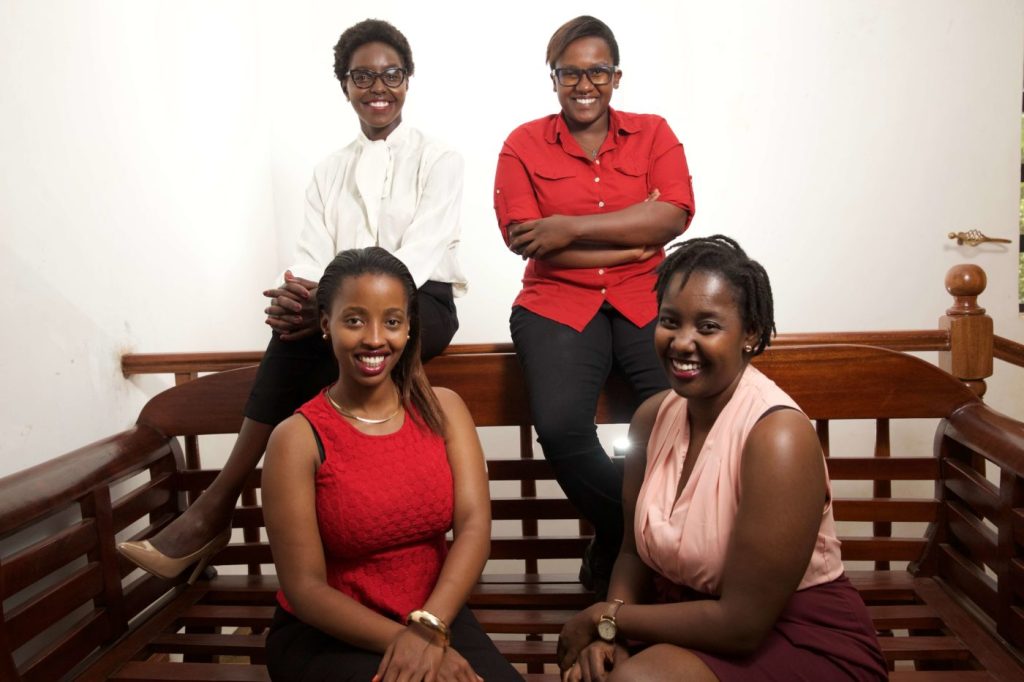
We have to admit, we’re kinda envious that Kenyan ladies get to enjoy first picks of the gorgeous lingerie from Double Dees. Double Dees is a Kenyan-based lingerie company that grew from the need to solve the problem of good underwear for busty gals. Double Dees exclusively focuses on providing high quality, alluring and affordable intimate apparel and swimwear for ladies with large busts. We’re talking DD+ cup size. The four friends behind the company; Charity Migwi, Constance Tipis, Stella Langat, and Wanjiru Njoroge are slowly changing African women’s view of underwear. Here, they debunk myths about underwear (did you know the initial reason behind thongs and G-strings?) and working with more than one co-founder. We’re now sold on why we shouldn’t be wearing mismatched underwear. We have to ask, what does the statement on your website ‘Hiyo size yako hatubebi’ or ‘Hiyo size yako hakunanga’ mean? This is Swahili for “We don’t carry that in your size”; a statement always made by bra vendors when you ask them for a bra that is DD+ cup size. What four things do African women get wrong when it comes to underwear? 1. Out of sight, out of mind! Our conservative African culture greatly influences African women’s view of underwear. At a young age, African girls are made to deprioritize underwear as just a piece of clothing that must remain concealed. Most carry this perspective into adulthood where the term “lingerie” becomes yet another abstract concept. 2. Does it work? Many African ladies wear underwear out of necessity. Their primary concern is that the panty conceals while the bra supports. This is unlike Western ladies who wear underwear as fashionable, statement pieces. 3. Classy vs. trashy war! Many African ladies are torn between the “classy vs. trashy war” when shopping for underwear. This emanated from misconceptions about specific types of underwear. For example, thongs and G-strings are regarded by most, as trashy underwear. While in essence, they were designed to help give women wearing light-fabric garments a seamless look. 4. The cost-benefit analysis! Why invest in a piece of clothing that is concealed 85% of the time? This is a universal problem. Many ladies are unable to think beyond the financial aspect when shopping for underwear. They fail to recognize the psychological benefits of wearing high-quality, alluring underwear. Let’s talk about #BraTales. Why did you start this? #BraTales is a platform we created for ladies with DD+ cup size to share their personal bra-shopping experiences. These stories capture humorous to heart-wrenching bra-shopping experiences that every busty lady can relate to. What are your favourite kinds of lingerie? What kind of lingerie should every woman have regardless of size? Do we really have to decide? We think every woman needs to own all of them. However, if we really had to choose, we would confine ourselves to these five basic styles: chemise (slip), babydoll, corset/bustier, garters, and matching bra-panty. Although, similar in appearance, chemises and babydolls differ in functionality. A chemise can be worn under regular clothing or as a nightwear whereas a babydoll serves a more sexy/flirtatious function. A corset (bustier) cinches one’s waist while garters hold up one’s thigh-high stockings. None of these competes with the regular old matching bra and panty set. We think Marylin Monroe’s popular phrase should have been, “Give a lady sexy lingerie, and she will rule the world.” A real lady knows not to leave the house wearing mismatched underwear ☺. There are four of you, how do you effectively manage your business? Any tips on working with more than one co-founder? We learnt earlier on that having and remaining true to a common goal was pertinent to managing our business effectively. We capitalize on each individual’s strengths, as these compensate for our unique weaknesses. Charity handles the company’s finances, Constance sales and marketing, Stella external affairs, while Ciru handles design and production. We have three tips; Respect is pivotal to acknowledging each person’s opinions, especially when these opinions contradict one’s own. Democracy in voting on any decision affecting the overall standing of the company. Demarcation of roles; splitting responsibilities ensures that each founder remains accountable for a specific function of the organization. Tell us about your Bra’nch. What was the process of starting that and how well was it received? We held our first Bra’nch on the 6th of August, 2016, as a way of showing appreciation to our repeat and new clients. We plan to make it a Double Dee’s tradition by hosting one every alternate month, as it was a hit with our clientele. Each Bra’nch will have a different twist, so be on the look out for us on October 1. Can you give us a sneak peek into your first exclusive collection? What can Kenyan ladies expect? “The Founder’s Collection” will feature pieces that reflect each founder’s personal style. Charity’s style embodies her work hard, play hard attitude, whereas Constance’s style reflects her flirty-adventurous persona. On the other hand, Stella’s style is playful yet elegant while Ciru’s style is more demure and functional. Want to see women you know featured on SLA? Tell us what amazing things women are doing in your communities here.
Elizabeth Bisher: I solved my problem then turned it into an opportunity

Ever had a business idea from your own experiences? We’re sure you’ve had several as a #MotherlandMogul. A good number of us leave our ideas as just that but Elizabeth Bisher took hers a step further. Concerned with losing weight after weaning her first child, Elizabeth stumbled upon electrotherapy. She went on to start Slim Therapy as a means to share her own brand of health and wellness. Slim Therapy has grown to be the first locally-owned weight loss franchise in Kenya. Through Slim Therapy, Elizabeth now helps other people reach their health goals through alternative weight loss treatments and nutrition and lifestyle coaching. Elizabeth’s vision is to provide employment through Slim therapy’s expansion- driven franchising platform. What’s the story behind Slim Therapy? Slim Therapy started with my own need to lose weight after weaning my first child. My weight spiked as he passed the eight-month mark. I began ballooning, pardon my expression! That is how I felt and became. I was naïve and knew very little about personal health and wellness. I was quite unaware that the food I was eating was affecting my body until I had gained over 12 kilos. This, I came to realize was true for a lot of women. I tried several methods to lose weight, which did not work effectively. I had a knee injury and back sensitivity, therefore I needed to be careful on experimenting with a different solutions. In my quest to lose weight and gain wellness, I discovered electrotherapy. I was hooked —it helped me build muscle mass and lose fat without doing impact exercise. It was ideal for me. My friends noticed my transformation and were curious. This is how Slim Therapy was born. I solved my problem and turned it into an opportunity. Slim Therapy has helped many individuals, especially those with reduced mobility to achieve health goals through alternative weight loss treatments and nutrition and lifestyle coaching. What did it feel like to launch something new in Kenya? It was daunting, scary, exciting and challenging, to say the least. Being an SME with little market share, I solve one challenge after the other. I had to use my resources effectively and work smart. Most importantly, I get to effectively communicate this new alternative to weight loss, and can swear that it works. After all, I was the living proof. If there was a communication gap, the information would have been filled with rumours and innuendos. We learned to counter this by always being open and honest with our clients. Fortunately, this led to more and more people willing to try it. And with the growing number of success stories, the information spread especially by word of mouth. It’s been 6 years and I do not regret a thing. Franchising of weight loss companies seems a novel idea in Kenya. How are you making it work? Aside fast food chains and clothing lines with foreign ownership, franchising has been a fairly new concept in the Kenyan market. There are no specific franchise laws in Kenya. Therefore, we relied heavily on existing commercial laws, including the Trade Marks Act (the Slim Therapy name and logo is Trade Marked) and the Copyright Act. These gave us a guideline of the legal requirements. Also, through personal research and on guidance from my mentor, we came up with a model fit for the Kenyan market. How does Slim Therapy incorporate franchising? Two years into running the first branch, the demand for our services was overwhelming in other regions within Nairobi and in towns in Kenya. I wanted to find a way to satisfy this demand, without compromising on management and quality of service. Of course, I knew it would impossible to be in all these towns at the same time. Interestingly, one of my clients came to me with a serious interest in running a similar clinic in Mombasa. And so we came up with franchising as an option. This would ensure that we gave the same quality of service despite having different managements. They rode on the credibility of the existing brand and we provided training, machinery, advertising and continuous support to them. Quite recently, we opened our third branch in Karen, Nairobi, under the same model. We are very proud. Tell us about some of the women who work with you. The women I work with are brilliant women who have overcome a lot of adversity to be where they are today. Some of my staff were from disadvantaged backgrounds but that actually served to spur their self confidence and abilities to learn and grow. Most of my employees require mentorship and confidence-building. I encourage them to keep pursuing their dreams and following their destinies by exposing them to new challenges and providing training for them. I have tried to build these traits by encouraging them to speak publicly. And to also express themselves eloquently in both written and spoken language at all times. In this vein, I encourage my employees to pursue their own business aspirations and mentor them to their full potentials. Some have natural talent and just need a boost. How can African women achieve the same success as you have? Firstly, it’s better to know that everyone’s journey is different. Do not try to be an imitation, you are unique and should strive to be. You do not have to reinvent the wheel. And even in using existing concepts, beat your own path. Secondly and very important, find a mentor. Understand that a mentor is not someone who makes the decisions for you. They are not your crutch. They are people to help you decide if your vision is compelling enough. Or send you back to the drawing board. And lastly, as much as you follow your passion, business boils down to profitability. Your business idea may be good, but if the market isn’t ready for it, be flexible. Think outside the box and be ready to adapt to changes. Tell us about receiving the Top 40 under 40 award. How did it motivate and spur you on? The morning the Top