
Lisa Chiriseri: Some people get offended at my confidence in reaching goals

When you’re a young, black woman trying to make a change in the world, there will be people who don’t take you seriously. If you’re petite and are blessed with that strong melanin that makes you look ten years younger than you are, chances are you’ll be taken even less seriously. This is a problem Lisa Chiriseri has had to deal with often. Lisa is a Zimbabwean social entrepreneur who has run social initiatives since she was in university. Now back in Zimbabwe, she’s running several projects and a start-up. Here, Lisa tells us about her social initiative program – Street Exit Strategies and her energy project for women. Lisa also lets us know why women need to support each other and why she returned to her country to help in the re-building process. Most young Zimbabweans who study abroad don’t come back because of the issues at the homefront. Why did you come back? I had so many reasons to come back home. In my first year schooling abroad, I started a social initiative in Zimbabwe which I ran from school. But I always came home during the holidays to help the team on ground manage it. Secondly, though Zimbabwe wasn’t out of the woods economically at the time I graduated, there were prospects of improvements since we had just dollarized. The economy seemed to be stabilizing and we had the GNU (Government of National Unity). I was determined to be a part of my country’s rebuilding process and I’ve stuck it out for the past 5 years since I returned. How were you able to manage this social initiative in absentia? I believe in the indisputable synergy of a passionate team. When you have committed team members like I had, things tend to go well. Also, while away, with online communication, a good friend literally ran the initiative. Tell us about this social initiative. What was it about? It was called Street Exit Strategies, which is actually the name of my current registered trust, under which I run lots of other projects. It was basically a soup kitchen and rehabilitation centre. We focused on teens and young adults, especially those who were kicked out of homes and centres once they turned 16. So, we focused on rehabilitating them, reconciling them with their families and helping them continue with their O levels and tertiary education. We’ve got several inspiring stories to tell of our efforts. One of the guys we took off the streets and helped through O levels just completed his secondary education. Another is concluding his Master’s program at the University of Western Cape. And oh, there’s still another who just completed his degree in Political Science at the University of Zimbabwe. Do you still run the soup kitchen? We run it on a case by case basis because, in 2013, organizations running soup kitchens reached a collective decision to stop supporting people on the streets. More people just kept cropping up on the streets. Struggling people who had homes starting showing up on the streets looking for support and we needed to be more accountable. It felt like we were forcing people to go to school, forcing them to attend rehab sessions and peer mentorship programs. However, we continued with referrals to drug and alcohol rehabilitation centres and also providing family planning advice. What other projects are you currently involved with? I’m currently working on a gas-related project called Women in Energy. It’s a known fact that for a resource that’s mainly utilized by women, the energy sector is a rather male-dominated industry. Women need heat to cook, and some walk for kilometers to get firewood. Imagine the energy and time wasted! Exposure to fumes from unsafe firewood and paraffin also have adverse health implications. In the rural areas, you find women with gray films over their eyes, cancer of the lungs and other ailments that could have been avoided. I’m out to change that by providing clean, safe and affordable energy sources to these women. As a young girl, did you always know this was something you’d do? I’ve always been passionate about helping the disadvantaged. I didn’t know it was something I’ll be doing full-time. Actually, it only dawned on me recently, when I tried working a full-time consultancy job and I hated it. I realized it wasn’t for me, I simply couldn’t work at something that benefitted someone I didn’t even know, or whose objectives I knew nothing about. I always knew I wanted to help people and I’ve always had a way of balancing several projects at a time. What would you tell that young woman who’s involved in a career she’s not too keen on, but also afraid to venture out? I would say reach out, it’s really surprising how useful people can be if you tell them about your passion. Ask for pointers and referrals, but be very selective on who you talk to about your ideas. When you get the opportunity, introduce yourself and exactly what it is you want to do. Networking is also very important. Who you know is everything! The world has evolved and people are much more open to helping young women. There are organizations, groups, and activities making access to information and networking easy. Take your time, get as much information as possible then confidently step out. There’ll never be a perfect time so you’ve got to start anyway.
Rutendo Chilenge: Our relationship with clients goes beyond the economic

There can never be enough events management companies as we Africans love our events. Motherland Moguls in events management have added little bits to differentiate their brand. Take incorporating floristry and gardening into events, for example. Rutendo Chilenge is the founder of Majestic Gardens, a registered events company in Zambia. She is also the woman behind Chitenge and Wine, a chill picnic and live performance that has become a platform for indie artists and musicians. Rutendo shares with SLA contributor Itumeleng, her other ventures and how she got her start as a florist. Tell us, what business ventures have you gone into? For the past 6 years I have been running an events company which is legally registered in Zambia called Majestic Gardens. Majestic Gardens is an outdoor event venue hosting weddings, bridal parties, wedding photography, music video shoots and any events that require an outdoor venue. What was the attraction for you? Why go into events management? Majestic Garden’s first event was in 2012. At that time I was unemployed and took this as an entrepreneurial opportunity to change my life. For a long time in Zambia, halls -a more expensive option- were the only outdoor events venues available. At first, the attraction to entering events management for me was the love of gardening. I inherited this gift from my mother. Majestic Gardens has only grown and grown since I started it. Now, our venues have the capacity for between 250 to 400 people. What is the one thing that makes your events special? We get to know who the clients are, get one-on-one interactions which the clients and give a personal touch to the events. We build relationships based on trust and understanding with clients. This goes beyond the economical aspect of the business. Beyond the service, Majestic Gardens is also a memory. I try to give my clients the best regardless of who much they can afford. What is the most memorable event you have hosted? A bridesmaid was proposed to at a pre-wedding photo-shoot held in our gardens. She was not expecting her fiancé to sneak up on her from behind flowers. I love that I was a part of their happiness! Tell us about Chitenge and Wine. How did it come about? Chitenge and Wine is an Afrocentric picnic idea that my late brother and I adopted from Nairobi’s Blanket and Wine event. It was a novel idea in Zambia and so we grabbed it. It is centered around the Chitenge cloth and for every ticket, our guests get a bottle of wine and a chitenge. The concept is to encourage the combination of passion and the African spirit in young people. Our focus is to help young people, especially artists understand that they can reach any height even as Africans. Interestingly, most of our guests are budding artists and we provide a platform for their talent and passion. What’s the long term goals for your businesses? For Chitenge and Wine, I would like to see it go to different towns in Zambia. This is so that we can learn about different cultures in the country. I would like it to be a major tourist event, so that tourists coming to Zambia do not only visit Livingston. I see Chitenge and Wine as one of the events listed on tourist brochures in Zambia. I would like to see Majestic Gardens grow so big that it is moved to a larger venue that is able to host multiple events at the same time. I would also like to see Majestic Gardens grow into a floral culture resource centre that trains people on gardening. Gardening goes beyond sweeping. What is the biggest lesson that you have learned from being an entrepreneur? I have learned hard work and discipline. There are times that money does not come in and the only thing that propels you to continue is your passion. What drives you? I love to positively impact people in whatever it is I’m involved. And that’s a whole lot, you know. You currently live in Addis Ababa, Ethiopia, what is the one thing you appreciate about this country? It rains a lot in Addis. I love the potential that the country has to expand its floral culture. Ethiopia can grow and export so many exotic flowers that cannot be grown in other regions of Africa due to the climate. It is flora that we can only imagine in my home country. If you were to be given super powers, which powers would you want and why? I have lost loved ones to sickness and conflicts. So it’s definitely going to be healing powers. Also, If I could, I would help people through the pain and devastation of conflicts. Want to see women you know featured on SLA? Tell us what amazing things women are doing in your communities here.
Stressed? 4 ingenuous habits that will make all the difference

Your head is aching, too many things to do in so little time… You had so much work at your desk and had to skip lunch… You can’t remember if you had water to drink all day… It’s Friday but you can’t say TGIF because your side hustle for the weekend still has some loose ends to be tied up. Therefore, no gym this weekend… Whew! So much stress, so little rest… Hey Motherland Mogul! We are all about your business and career success but we do not want you to pass out in the process…or develop poor health conditions. The beauty of your hard work today is being able to inspire the younger generation years down the line when you’re grey. If you’re not here or in good health, who will? We want to be a part of your success story and as such, your overall well-being is important to us. If you’re stressed, these daily habits could help. Your health doesn’t have to be a barrier to reaching that business goal. Always have breakfast no matter how little. Research has shown that breakfast is the most important meal of the day and prevents unnecessary snacking. Also, avoid skipping meals and eat right. Take it easy on the carbs whilst increasing fruit and vegetable intake. Then make sure you drink water, lots of it. Manage your time properly at work to boost effectiveness and reduce being stressed. This helps to boost effectiveness and reduce being stressed. Work time isn’t the time to engage in office gossip or be on social media so be warned. You should also always ensure that you finish one task before engaging in another All work and no play makes Jill a dull girl Engage in relaxing activities after work and during the weekend. Reading SLA articles perform the dual function of educating and entertaining you. Otherwise, you could go swimming, dancing, travelling or any other thing to take the edge off. Exercise regularly It does not have to be too intense, regular walks are good for reducing cholesterol levels. Take the stairs more and get involved in outdoor activities.
Kate Mayeye: I’m the Kenyan designer who is inspired by Nigerian fashion
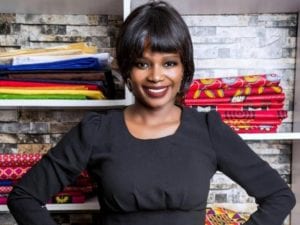
Kate Mayeye is a Kenyan fashion designer and the CEO of African Fabric & Designs Kenya Ltd. Kate is inspired by her love for unique African prints and, in particular, the Nigerian fashion industry. Recently, she had the rare chance of styling an award-winning Nigerian actress, Angela Okorie for three high profile, red carpet events. Kate shares with SLA her love for fashion, the opportunities it provides and how she is introducing a different fashion culture to Kenya. Why African Fabric & Designs Kenya Ltd? I love to stand out, and showcasing Africa’s unique culture has given me that opportunity. I am looking to place the African print on the world map. It would gladen my heart to see other people, not just Africans, embrace it. Why are you drawn to the Nigerian fashion industry and how did you come across it? I am married to a Nigerian. My husband and I love the impeccable finishing on designs made by Nigerians. I also wanted to introduce a different fashion culture in Kenya, and Nigeria has been the perfect reference as she is at the forefront of the African fashion market. Nigerians are the ‘who’ to watch for when it comes to fashion styles and trends in Africa. How did you get the chance to dress Angela Okorie? Were there any challenges? Angela Okorie was in Kenya a few months ago. The occasion was the pre-production of a dramatic comedy starring her, Mike Ezuruonye, Huddah Monroe and Mumbi Maina among others. Former Miss Kenya 2014, now actress and producer, Juliet Ochieng had approached me concerning the Nigeria-Kenya collaborated movie titled Brother Jekwe. I was the costume designer for the movie which Juliet also co-produced, my job was to provide outfits and accessories to support the narrative. The biggest challenge in dressing Angela was her busy filming schedules. Our fittings sessions were practically non-existent but I’m glad things turned out great. What would you say to a fashion designer whose dream is to dress celebrities? In dealing with celebrities, be cautious. Focus on what they want, but make suggestions on what best fits. Be sure to communicate what you can or can’t do. Simply, be honest. What do you look out for in selecting fabrics? When selecting a fabric, I look out for the uniqueness of the print, the thread count, colour-fast quality and the strength of the fabric. I don’t condone shrinkage or fading when it concerns my fabric. If you were on a deserted island and could only take one piece of clothing, what would it be? Well, let’s see. I would definitely take a Dera. It’s multipurpose. What challenges have you encountered in your business? Perfecting customer order has always been a challenge, especially when you have to depend on hired hands. But we learn and grow daily with every experience. The biggest challenge remains power blackouts. Traffic, courier clearance bottlenecks, and of course unforeseen circumstances are also issues we’ve had to deal with. What advice will you give to young African women looking to start a business? Every business owner requires a huge passion, commitment, and a strong support system. Be your own motivator, some days are going to be tougher than others but you can do it. With God on your side, it can only get better. 2 year plan? Tell us about it I’m working on business expansion, opening up more outlets to showcase our amazing designs. These designs would feature locally produced prints and materials that represent the different African cultures. What other projects are you involved with besides African Fabric and designs limited? I am a partner with an events and social media management company, DiMaye Media and also a one-third partner in a supplies and Maintenance firm- Tatu Dallas Supplies and Maintenance Ltd. Which celebrity did you love designing for? Every client is a star in my eyes. They are my celebrities. If you’d like to share your story with She Leads Africa, let us know more about you and your story here.
4 business lessons I learned from my mother (and aunties)
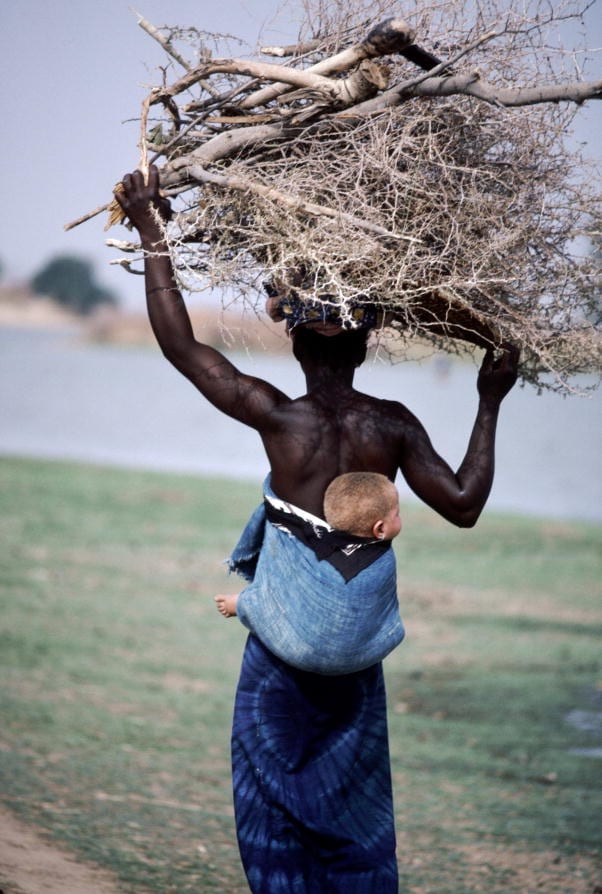
No one works as hard as an African mother. I should know because I was raised by one. You see them everywhere, trying to build new businesses from the farm, to the market place, to distributing companies and high-rise malls, to boardrooms and to the top of multi-national companies. Mothers are the epitome of perseverance, the backbone of our society, really. Mom aside, I was also brought up by more than five aunties! I know there are some entrepreneurial tips that we all need to follow from these marvelous older women. These are age-old tips that work anywhere, and have seen our mothers and their mothers through tides of disasters and of plenty. Reputation In business, your reputation is everything. Without a good reputation, your future businesses are worthless really. This is greater than branding, dear ladies. A reputation speaks to your character, and is bound to outshine all however much you brand yourself or your company. It is the core of who you are. Get a good reputation and guard it with everything you have. Be a woman of your word, conduct your affairs with dignity, have good products and services. You know…reputation. Appeal to self-interest in business This is where most aspiring #MotherlandMoguls go wrong. I get that we are emotional beings but when making a deal, never play to mercy or pity. A Motherland Mogul never grovels, not when you know you can bring something to the table. And it does not matter whether it is the centerpiece or the whole darn table. If you always find a way to ensure the other party can benefit, the deal is yours. That is how barter trade worked for years. If it was good enough for our ancestors, it should serve the purpose well for us. Afterall, we are here due to them. Keep people guessing The easiest way to fall in a rut is being predictable in business. While there is some good in being consistent, predictability points more to actions than products or services. It encourages you to get out of your comfort zone and actually be out there. It means partnering up with people that are not like you and learning new things. Why else do you think women form small funding groups that bring together people of various professions and backgrounds? If it works for your personal life, why can’t it do so in business? Always keep an air of unpredictability. That way, no one ever sees you coming and the traps are definitely fewer. Never retreat, never surrender Our mothers run the household. No matter how big it is, no matter how much work is, you are sure that your mother will leave everything at the door and be your mother. If there is punishment to be delivered, it will be delivered. And she never lets her children see her overwhelmed or tired. Why is it then, that when some of us go to work, we carry unnecessary baggage that distracts us the whole time? Then we actually end up doing nothing at work. We end up frustrated and are grumpy to our families when we go back home. Some household issues like worrying when laundry will be done or planning the meal for the next day calls for some serious time management. And when you’re at work, let it be no retreat, no surrender for things that are worth it. We often look for business strategies elsewhere while in truth, they are right in front of us. Staring right into our faces, like our mothers often do. And yes, the pun was very much intended.
6 ways to turn your business dream into a reality

Chasing a business dream requires a deliberate and focused sense of concentration on set goals. Don’t you hate-love those successful people who make success seem so easy? Wouldn’t it be great if you could bring their magic to your own life? Imagine walking into a multi-million dollar event to a standing ovation. Everyone is clapping and the spotlight is on you, the bombass CEO of your own company. Sounds like a dream, right? Snap out of it! It’s time to live that dream. First, there’s the parody of that person who takes the giant step of starting her own business. Now, years have passed and the enthusiasm has dwindled because she’s held on to the same approach. Don’t be her. If you must make the leap, be sure the potential rewards are huge and satisfactory. Otherwise soon, you’ll be complaining like Jane who went into selling clothes because Maryann’s boutique was blossoming. It’s a simple, sad fact that the vast majority of entrepreneurs would rather invest in whatever business idea is currently trending than create their own dreams. Yes, we all need inspiration but success doesn’t come by pursuing someone else’s dream. You want to become the next Oprah Winfrey? Cool, but you need to learn to do what you love better, faster and more often. Where am I going with all of this? Simple. Define your dream Do you have a business idea? How big is your goal? Think back. How long have you nurtured this idea? How sure were you in it, when it was birthed in your mind? It’s so easy to look around at people who have achieved business success and say, “Oh she achieved that height because she’s special, it’s just the way she was made.” Okay, saying this may make you feel a bit better, but like Lupita Nyong’o once said, “Your dreams are valid too.” Yes girl, they are! Vision The idea, big or small, must be laid out in detail. Achieving your dreams does not have to be easy, but you need to be able to know, at any moment, where you are headed. Set goals with timelines. Here’s my example, by January 13th, 2017, I shall have set up a firm on the 14th floor of East Grove Towers with a portfolio of 120 clients. Time to werk. Get to work The nature of the idea must require an intense sense of concentration. An example would be a goal-driven SLA contributor. Ideally, she is a brilliant lady who is detailed, pays attention to research and is not afraid to be sassy. This is someone who can devote the energy required to get the work done. Now apply that to your business. Outsource expertise You must be willing to make the best of resources to get work done. If you have the innate abilities of a genius kid, beautiful! (Also, lucky you) Otherwise, leave the work to experts. This is especially important in sensitive areas like sales, finances or technical implementation. That dream of you wearing 20 hats and running everything yourself should remain in lala-land. You’re awesome but you’re not Super Woman. Send yourself future letters or emails This might sound crazy but stay with me. There are great websites and apps that allow you write yourself emails due to being delivered say, in three months. I love starting my letters this way, “Dear future me, by now you must have scored that East Grove Tower office and earned enough for a holiday in Maldives. Where are we at now?” See, not hard. Believe it or not, these letters are a great source of motivation and accountability. Share your dream with 5 people You need regular enough feedback from sincere people. This way, you can constantly adapt and make progress toward your goal. These people should call you out when you fail on your business plans. They should challenge you to be the best you can be. Choose the No BS’er friend who will taunt you to action. Finally, if you must be successful, you’ve got to work hard, very hard. The way you go about it is the difference between good and top-of-the-ladder great. While working hard, remain positive. Positivity is a virtue common to successful people. It’s that cultivated sense of success. We have Walt Disney to thank for this quote, “Dreams come true… only if we have the courage to pursue them.” What steps are you taking in achieving your business dreams?
Sibahle Khumalo: Balancing a baking business with my studies in Genetics

For some us, side hustles only became real when we started our careers. For others, it starts much earlier. Sibahle Khumalo is a university student and a #MotherlandMogul. Between studying to complete her degree in Genetics, she bakes and sells cakes. Sisi Lwandle recently caught up with Sibahle for a chat where she discovered what it takes to balance studies and entrepreneurship, and what Sibahle views as success. How did the idea for your baking business come about? It was actually my mother who had the idea of me starting a baking business. I learnt how to bake muffins and cupcakes from my mom and I had tried baking cookies and brownies before, but I had never baked a “big cake” as I called it. So, early last year I was feeling brave and I searched on the internet for a good chocolate cake recipe. To my surprise we had most of the ingredients I needed in the house. I just had to buy a round cake pan, after which I proceeded to bake my chocolate cake and decorate it. It was the best chocolate cake I’ve ever tasted and everybody in the house was so surprised to see that I could bake a delicious cake in just one try. My mother loved it so much she took it to work the next day to share with her colleagues and they loved it to. She then told me that I could actually start my own small baking business and from then I started modifying the recipe and practicing to bake it perfectly. After some time I started advertising my creations on Facebook and well one thing led to another and I found myself starting my own small business. Where did your capital funding come from? How were you able to start up? My capital funding came out of my pocket as I have a part-time job as a coach at a local high school. I used the little money that I had to buy equipment and even now I use some of the business’ profit to build the business. Slowly but surely my dream of having my own bakery is coming together. You’re studying a degree in Genetics. This is a complete contrast to the industry of your current business, where and how do they both fit into your future plans? That’s a very good question. I plan on continuing my studies and going into medicine as it has been my life long dream. At the same time, I plan on growing my bakery business to the extent where I don’t have to work myself but have staff working for me, I’m planning for it to become a passive form of income. As a full time student, how do you juggle academic responsibilities and the demands of your growing business? I won’t lie, it’s very tough. Sometimes I find myself having to turn down customers because of writing tests or exams. Other times, I find myself stressing and not having enough time to study. But with the help of my mom and aunt I get everything done in time, which usually means going to bed at midnight. How has being an entrepreneur and student affected your social life? I’m surprised it hasn’t affected it too drastically, I still have time for my friends and family. It just takes a lot of pre-planning for things to work. So now I actually have a use for calendar/journal. What advice would you give to other university students who wish to become entrepreneurs? Go for it! There’s nothing worse than just keeping business ideas in your head, start small and grow your business from the ground up. Understand that success isn’t something that happens overnight, but know that all the hard work will pay off soon. And also, be prepared to have to choose sometimes between your education and your business. If you won the lotto right now, what would you do? If I won the lotto I would open my own bakery/cafe. And I’d also treat myself to a long deserved holiday, baking can get really tough. What motivates Sibahle Khumalo? Making my customers happy, there’s nothing better than putting a smile on someone’s face. What is your favourite aspect about being an entrepreneur? Being able to say, “I have my own business” has to be my favourite part! But, what I love the most about being a black female entrepreneur is having the platform to inspire other people. How do you define success? Success is the result of an ongoing process of bettering yourself and working on your goals. Which company or business person inspires you? Buddy Valastro, the owner of Carlo’s Bakery, most commonly known as the Cake Boss. Want to see women you know featured on SLA? Tell us what amazing things women are doing in your communities here.
Top tips on human resources from two Sierra Leonean experts

The Sierra Leonean economy is in dire need of a streamlined and engaging workforce. Edleen B. Elba and Fullah Musu Conteh are two professionals in the Human Resource field helping to develop, recruit and retain talent in various sectors for the Sierra Leonean workforce. Edleen is a Chartered Human Resources Analyst who owns JobSearch, a human resources management company while Fullah is co-founder and managing human capital consultant at human capital solutions firm TV-PG. In this article by Moiyattu Banya caught up with both ladies and got them to share some tips on building human capital for any business. It is a known but sad fact that the average job seeker in Africa is a young person. Add to this the African Development Bank’s prediction of a youth bulge on the continent. This just begs the question, how will African countries cope with the increase of young people who will far outweigh available opportunities? In post-conflict countries like Sierra Leone, that rate is even higher. According to the 2013 Status of Youth Report released in Sierra Leone, over 70 percent of young people live under a dollar a day. The country’s unemployment rate is at 60 percent and is one of the highest in West Africa. Ladies, how important is setting up an efficient team? What key attributes should young women possess for business? Edleen: Your team is critical. Hire employees with the right attitude. They may not be the most qualified or experienced but you can always train them. People with integrity and those who care about their personal development and business growth are likely to be more committed and therefore, more productive. Fullah: Be professional at all times with your team. When it comes to your team and standards, be professional. Culturally in Sierra Leone, the lines tend to blur between professional and personal relationships. This situation, if not well-handled, can diminish one’s image as a leader. Case in point, as a start-up, you may have set systems in place and your policies may be top-notch. However, consistent adherence can be a challenge when clear-cut boundaries are not set. Evaluate your leadership style, and ensure your team is in agreement with your expectations. Always check for non-compliance to policies and structures, address the culprits and help them improve on compliance. However, if they still don’t fit in, let them go, irrespective of who they are. What would you consider critical for a young woman setting up a business? Fullah : Understand your business market. Understand your competitors, know what the market needs, lacks or has in abundance – then strategically come in. To this end, you can create a niche that caters to your passion and also the market. Use that knowledge to find mentors who can help you reach your goals and potential customers/clients. Know when to take a step back and when to aggressively push with a service or product. While at it, align with international best practices and contribute to Africa’s consistent growth. It’s best to do away with the standard TIA aka “This is Africa’s way” by ensuring that you adapt to best business practices for your clients’ sake and personal prestige. The bar should be raised, always. Let’s talk about the dream team. How can one effectively manage a team without breaking it? Edleen: Share your vision! I would say, share your vision with your employees and give them responsibilities. If they are actively involved in the decision-making process, they are more likely to believe they are a vital part of the business. Also, it is important to have open communication channels. This is essential to any relationship. Be fair, give regular and effective feedback. How do we maintain personal control in the face of business expansion? Fullah: Know and understand your strengths and weakness. Once you do, find ways or people who can help close that gap. For example, I am a transformational person and monotony bores me to distraction. Owing to this, I do not consider myself a sales person as I am terrible at selling my organization’s new products and services. To address this weakness, I have a strong team consisting of a competent operations person and a passionate business development individual. I design products and services while the operations person follows through with implementation. The role of the business development individual is to get clients while I work quietly behind the scenes to make us all happy. Want to see women you know featured on SLA? Tell us what amazing things women are doing in your communities here.
5 Zambian women doing amazing work that Linton couldn’t be bothered to

Unless you have made a vow to stay off of social media and the news, you’ve surely come across of the hashtag #LintonLies. #LintonLies trended for a few days last month after actress and producer Louise Linton wrote her “How My Dream Gap Year in Africa Turned Into a Nightmare” piece. It was a recent addition to the White Savior trope and was filled with so much inaccuracies about Zambia that African twitter had to say something. The hashtag #LintonLies was created in response and forced Linton to remove her book from Amazon. While Louise was clawing her way through the jungle and chasing off humongous spiders in her mind, she could have simply picked up her cell phone and asked Zambian women to help her tell the real story. Write it, film it, market it. The reality though is that Zambian women aren’t waiting for their stories to be told for them to be deemed worthy. They have charge and are doing a darn good job of it. Even though more can be done to improve the lives of women in Zambia ( that’s another discussion for another day) those who stand up and make a change should be applauded. Here is a list of Zambian women that are engaging in entrepreneurial bombassery that likes of Linton could learn from. Zambian women aren’t known to simply sit and let things happen, they are the women that are running businesses and changing the entrepreneurial landscape of the country. Samba Yonga Founder of communications powerhouse Kuatenga media, Samba is a media communications specialist whose work has showcased Zambia to the world on various platforms, local and international. Kuatenga’s latest work is The Tikambe Natulande TV show , a youth-led program focusing on issues of sexual and reproductive health and rights (SRHR) in Zambia. The Tikambe Natulande show focuses on educating young Zambians without losing them, showcasing stories they can relate to and answering even the most embarrassing questions. Questions like: “What would you do if your religious leader asked you to sleep with him to solve a problem?” Known for her great style and her deep laugh, Samba is passionate about unearthing authentic Zambian stories. She does not shy away from stories no matter how uncomfortable. Samba also challenges challenging harmful beliefs and narratives respectfully while delving into preserving our languages and cultures. Quite a feat! If you are ever in Lusaka and hear of a cool cultural event, Samba has probably worked tirelessly behind the scenes. Yet she may also just be the lady at the market next to you buying finkubala. Monica Musonda Queen of entrepreneurship bombassery. This woman is revolutionizing the way young Zambians eat (cue the satisfied rumble of the stomachs of university students). She is the founder of Java foods whose main goal is to provide convenient, affordable and nutritious foods made from local products. This successful commercial lawyer set up the food processing company in Zambia in 2012. Since then, Monica has been pretty transparent about what it takes to be an entrepreneur on the Zambian scene. She is also open about leadership issues and often hands out solid advice. Monica and Java foods are all about churning out nutritional foods that tackle the problem of malnutrition in countries like Zambia (by producing a nutritious porridge consisting of sorghum, millet and soya, for example). Java foods engages with small-scale farmers to provide them with grains through a self-sustainable system. Monica encourages young women entrepreneurs to not be afraid of starting their journey. Do you have an idea? Get started, and don’t be afraid to ask for help along the way. MaFashio Sekayi and Tukiya are two stylish entrepreneurs from Zambia, styling and profiling with their blog MaFashio. The sisters are very popular and are good at putting together great outfits, interestingly enough via thrifting. Instead of making style out of reach by only wearing designer things that a young Zambian girl may likely not be able to afford, MaFashio show that thrifting is a great source of pieces waiting to be handpicked. They began with simple street style, but these two have fast become the go to for styling, makeup artistry and photography. They have also being a part of great social initiatives and looked good while doing it. From styling the techie guys at Tech Hub Bongo Hive, to sitting in at Zambia Fashion week, the MaFashio brand is growing. MaFashio showcases great Zambian talent but staying true to the reality of living in Lusaka. Now, Sekayi and Tukiya are not fashion airheads who only live and breath fashion. They are young women who are working on various projects behind the scenes (like finishing uni amongst other things. Congratulations!) Cathy Phiri If you scrambled to get the newest issue of Trendsetters when you were in high school in Zambia, then you probably know who Cathy Phiri is (especially if you also wore that sky blue and navy blue skirt daily to school, you know which one, Roma stand up!). Cathy Phiri has been in the Zambian media game for a long time, starting in 1995 when she and her sisters started up a non-governmental organization in Zambia called Youth Media which led to to the development of the award-winning newspaper (later magazine), Trendsetters. After years in the business, winning awards and working as Media 365 (the company at which she is managing director) Cathy has a new show called HerStory. HerStory helps Zambians look at various issues from different angles. Media 365 is a dynamic creative and communications agency that focuses on communication strategies, audio-visual campaigns, marketing, and research services for social change and development. Cathy has focused on educating the masses on HIV/AIDS but with HerStory she is diversifying. Now she’s diving into discussing the political situation in Zambia, the Blesser/Blessee phenomenon amongst other stories. The premise is that Zambian women can and will weigh in on what is happening in their society fearlessly. Having been a part of popular shows like the
The why and how to being an inspirational leader
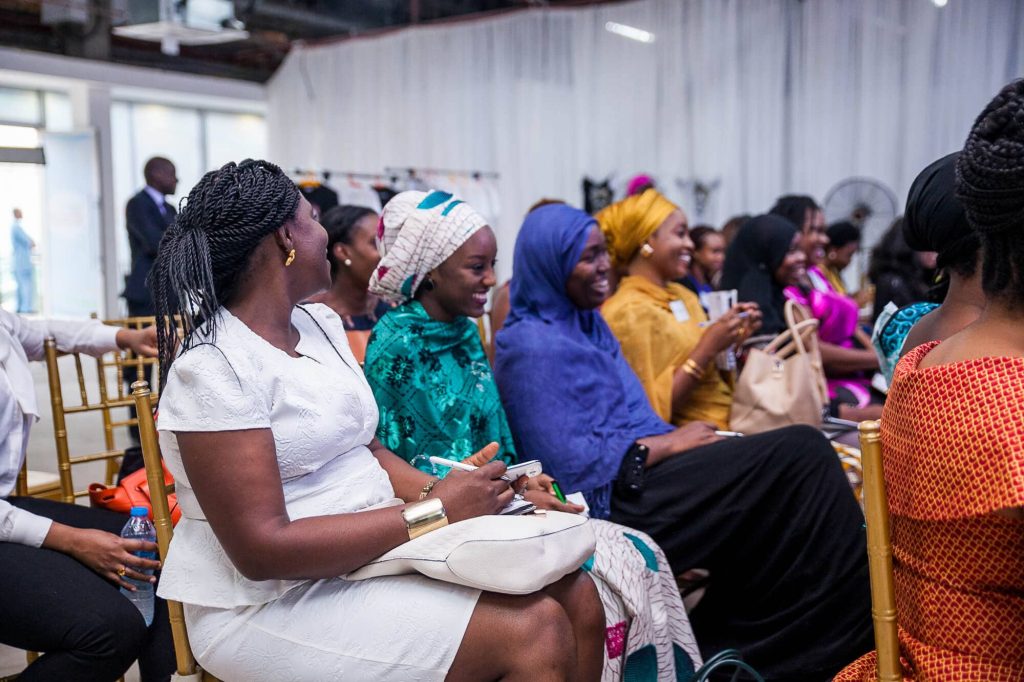
Let me start by telling you about Julia. After eight years of operations and more than 25 members of staff, Julia was frustrated and exasperation. She deemed that the business was just not viable and decided it was finally time to shut things down. Dwindling revenues and consistently spiraling costs were largely to blame. But it was all supposed to have been so easy. After graduating from University with a LLB, Julia decided that, having studied Law to please her parents, she could now start living her own dream. Julia got qualified and set up her own Montessori kindergarten. Soon enough through word of mouth and referrals, pupils came in. But year in and year out, pupil numbers were not growing as Julia had expected. Teachers too were not as inspired and motivated in their work as she needed them to be. Julia herself needed inspiration. Now, imagine a world where people wake up inspired to go to work. A world where your employees genuinely look forward to the start of business day. Where they look forward to interacting with their colleagues and leader daily. In this world, your employees are constantly and authentically excited about interacting with clients. They see themselves as relevant and are ready to offer premium solutions to the needs of clients with a listening ear and attentive heart. Imagine that. Wouldn’t it be really amazing? In my point of view, this would be seriously valuable. I think we should all seek to make our businesses and workplaces like that imagined one above. I am convinced that one of the ways you can do that is to lead with purpose and direction. You need to know your why of your business, live the why of your business in your operations, and inspire with the why of your business. The Why Let’s start with ‘why’. Why exactly are you in business? What is so distinctive about your business and your organization that it would potentially draw clients and employees to your door step? There are some organizations that people just fantasize working with. There are others that are the preferred service providers of many. There is a reason for this both employee and client deem these organisations to be especial service providers. They are seen as having a unique way of doing and serving. There is something distinctive about their brand and therefore their business. This isn’t something left to chance. The most sought after brands are relentless in their efforts to be responsive to client and employee needs and wants. They clearly understand why they are in business and who they are in business to serve. They are also equally obsessive about serving clientele effectively and efficiently according to their brand values, and doing so consistently and constantly. The How I wonder if Julia, the head of the school above, had thought deeply about the ‘why’ of her business. I also wonder if she had thought deeply about how she would have to operate her business to satisfy that why. Julia probably hadn’t thought deeply about what it takes to create the kind of school that she wanted. This list is lenghty, from organizational values and culture, to parent/school engagement, to away days for teachers, to school administrative policies, to continuous learning for herself and her teachers so that they become authorities in their field, to developing an executive presence for herself. In any business, there are vital peripherals which we must pay attention to. These are beyond the product and service that you sell. The decisive business leader ensures that their business operates at a place of inspired joint value for all its stakeholders. They ensure that their organization is a continuously learning, improving and responding. They ensure that their business is continually enhancing their capabilities, services and products -and inspiring and motivating staff as it does so . And that takes courage It takes courage to inspire, when you inspire you will suggest innovative ways of doing and thinking for the better. In presenting new ways of thinking and of doing, the business leader challenges the status quo. That is why leading effectively often requires courage. Most people will need tremendous inspiration to offer their best and effect an otherwise dormant potential. It will take courageous leadership to draw out that potential. It was TS Eliot who said that only those who will risk going too far can possibly find out how far they can go. The privilege and responsibility of business leadership is in taking calculated risks, within and in spite of your resource constraints, to see how you can more effectively serve and respond to your clients and your team’s needs. That takes courage. But courage is ineffectual without purpose and direction. This is why in business we must know our ‘why’, and gather the courage to demonstrate that why through our how.