
Nnenna Kalu Makanjuola: I was tired of waiting for someone else to do it
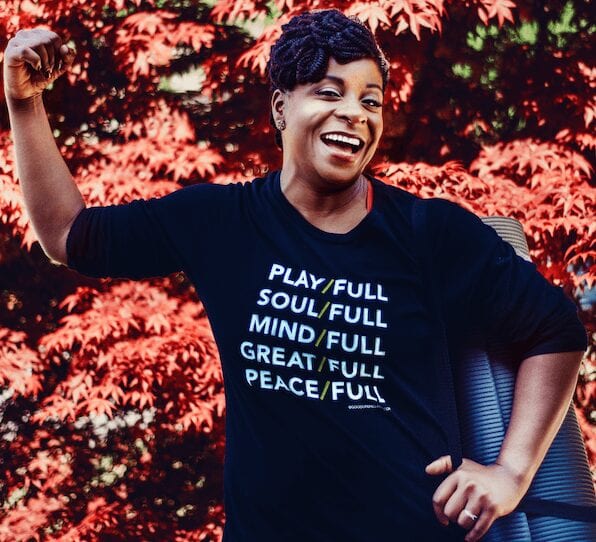
This is the age of wellness and African women won’t be left behind when it comes to health and well-being. Fed up with the lack of healthy living content geared towards African women, Nnenna Kalu Makanjuola knew she had to do something about it. So she started Radiant Health, Nigeria’s first women’s health magazine. Available on Apple and Google Play, Radiant Health is a complete guide to healthy living for today’s African woman. Currently, it is the only global African-owned health magazine focused on bringing all aspects of health and wellness under one title. The magazine also focuses in-depth on socio-cultural issues that are relevant to the well-being of every African woman or girl. We spoke to Nnenna Kalu Makanjuola to find out how African women move towards living healthy. She was graceful enough to share her favourite smoothie recipe too. Why did you feel like now was the right time for you to start Radiant Health and why you are the right person to do it? Radiant Health, quite frankly, is the magazine and health platform that I was searching for to meet my own healthy living needs as an African woman. I was constantly surprised each time I googled African or Nigerian health magazine. I found there wasn’t much in that space. This is a search I had done periodically from the time I was a student and well into my career. But somehow, it never quite occurred to me to start one…until three years ago. I was out for a long run one early morning and thinking about health care in Nigeria, as I often do. And the idea just very clearly came to me to start a health magazine. I didn’t feel the least bit qualified to publish a magazine. But by the end of that run, I had my mind made up to go for it. I thought, “why not me?” It’s fair to say I was tired of waiting for someone else to do it. Why do you think many professional African women struggle with living a healthy lifestyle? I’m reminded of a quote attributed to Chimamanda Adichie, that says “We have taken over our father’s job while retaining our mother’s responsibilities.” In talking to so many of my peers and Radiant Health readers, lack of time brought on by our increased responsibilities is a big issue. Even when the partner/spouse is supportive (and many of them are), African women still bear a heavy share of home, child rearing or other imposed traditional responsibilities. Many try to create a balance with careers and/or side businesses. Often time, it’s the health that gives, if we’re to keep up with these expectations. Equally challenging is the dearth of credible, African-tailored health content we can rely on. No matter where in the world we live, our African sensibilities, consciously or unconsciously, influence nearly everything we do including our health-seeking behaviors. But when it seems everything out there is telling you your culture is incompatible with healthy living (think food for instance), we need a platform that not only counteracts this message but guides us to live a healthy lifestyle that embraces our African essence. And that’s what Radiant Health brings to the table. What makes Radiant Health different from the other health and wellness platforms that exist on the market? I like to think of Radiant Health as a complete guide to healthy living for today’s African woman. We recognize that health is not just the absence of disease and encompasses the whole self. So in addition to health, wellness, fitness, and nutrition we also focus on the mind, spirituality, style, beauty, culture and life. We began as Nigeria’s first women’s health magazine and we’re now the only global African-owned health magazine focused on bringing all these aspects of health and wellness under one title. Our content is well researched, fact-checked and written by experts in their respective fields. We are also very driven by the social issues that impact African women. Every single Radiant Health magazine issue focuses on an in-depth socio-cultural issue that is relevant to the wellbeing African woman or girl. I’m also committed to dedicating a portion of our revenue to support well-organized local, homegrown organizations that are working on alleviating some of the most egregious social injustices faced by the African woman. Finally, we believe strongly in aligning only with advertising partners whose products are not in direct conflict with health promotion. For a startup, it hasn’t always been easy to turn down tempting offers but this is something I feel very strongly about. For your business to get to the next level, would you prefer funding or a high value mentor? Which one would you choose and why? High value mentor. There’s nothing quite like mentorship from someone who has walked the path you are trying to walk on. I don’t want to give the impression that capital is not critical to growth. It is. But even those with deep pockets still need high value mentorship to succeed. I believe with the right mentorship, the funding will always follow. I’ve been fortunate to have encountered some great mentors along the way. I should also add that a high value mentor could be a business coach or strategist that you pay for. You don’t have to wait for someone to freely take you under their wing to benefit from high value mentorship. What can we expect to see from Radiant Health over the next 6 months? Currently, our quarterly issues are published digitally and sold via in-app subscription purchase on Apple and Google Play app stores (news stands). Plans are now underway to add limited print issues in the coming months. We’ve also begun the first launch of a series of our Radiant Body Reboot fitness and nutrition program that have only been available to a select group until now. By the end of the year, we would have rolled out the complete 90-day Reboot program, which includes a done-for-you 21-day clean eating
Patricia Kihoro: Create the work you want!
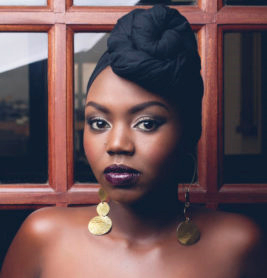
Patricia Kihoro needs no introduction. The multi-talented Kenyan singer and actress has only grown since becoming a finalist at Tusker Project Fame 3 (TPF) in 2009. Now, Patricia has produced her own musical stage show, worked with a variety of renowned musicians and performed across Europe. Through all this, what matters most to Patricia is harnessing positivity and creating a great product. “As people in the creative industry, we are always tarmacking. I got to a place in life where I decided I wasn’t going to stay in the house waiting for work so I created the work I wanted ”, Patricia says. Obviously, music is not all there is to you. Tell us about the other things you do. As an entertainer, my interest spans singing, acting, writing, stage performances and photography. In the spirit of creating work for myself, I wrote, directed and produced my own stage show, Life in the Single Lane, a narrative involving interactive storytelling, acting and singing. The name was inspired by my then single status. In this show, I had put in all my savings and was a bit nervous. The play sold out, reaffirming my belief in authenticity. Life in the Single Lane was not fiction, I was not acting, I was being me. I wanted to create a product that was original and authentic. It ended up being something that people were comfortable bringing their friends, parents and even their teenage children to watch. Evidently, the love bug bit again and it’s a wrap for Life in the Single Lane, literally. So, how much of our personal issues should we let into our businesses? When creating a product, say a play or music, my current state of mind matters a lot. I know I am my greatest enemy. But the good thing is, I was able to harness into my heartbreak positively and create a great product. You were in the Because You Said So stage show. How was it? In 2014, along with a group of friends led by Jason Runo, we staged an improv comedy show dubbed ‘Because You Said So’, a hilarious comedy improvisation stage show. Improv comedy is a form of live standup comedy that is unscripted and entails off the cuff responses to scenarios created by a host. The show has gone on to enjoy tremendous success over the past 2 years. Do you worry about everyday things other entrepreneurs worry about? I mean issues like paying bills or paying late. As a creative especially, I worry that my product may not be good enough. Tell us about your radio show. What kind of music do you play? My radio job at HBR 103.5 is something I take pride in. My show Afrocentral showcases urban and contemporary music from across Africa. I also host creatives making waves on the continent. There’s a lot of good music out there, songs that don’t enjoy any or enough airplay. This is the kind of music I play. Africans are so talented. My greatest joy is when I receive feedback from delighted listeners who call in asking more about the music or the artist. This sounds like a fun and easy job. Is it? I sometimes have to turn the internet upside down looking for music on YouTube and even reaching out to artists directly. Before HBR, I worked at 1 FM radio as a News Presenter. I would say persistence and networking have helped a lot. You’re also an actress. Tell us about it. I was cast on MNET’s production Changes (my first TV gig), Sauti and Rush TV pilots and the 1st & 2nd season of Groove Theory (Africa’s first ever musical TV series). These were not roles that were handed to me. I had to rigorously audition for each and every one of them. I have even had to audition for a role in my best friend’s production. You’re multi-talented but do you ever suffer indecisiveness, especially with what project to do and when? Unfortunately, I can never choose music over my acting, radio or vice versa. These are all abilities that make up who I am as a creative person. Of course, I become indecisive at times. Some friends have advised me to concentrate on one thing, say music. But if I did that I feel I would be selling myself short. Are you involved in other ventures outside the creative industry? Besides being involved in the creative industry, I am one of the mentors at Blaze. Blaze is a recently launched platform that empowers youths to be in control of their careers and future while helping them succeed in their specific chosen fields. It is a sub-brand of Safaricom, a leading mobile service provider in Kenya. I also mentor in media, arts, and journalism. How are you inspired? I keep a group of close-knit friends who inspire, build and challenge me to grow in my career. We want your stories! Tell us what amazing things women are doing in your communities here.
Delphine Groot: Your success as an entrepreneur is determined by your willingness to work hard
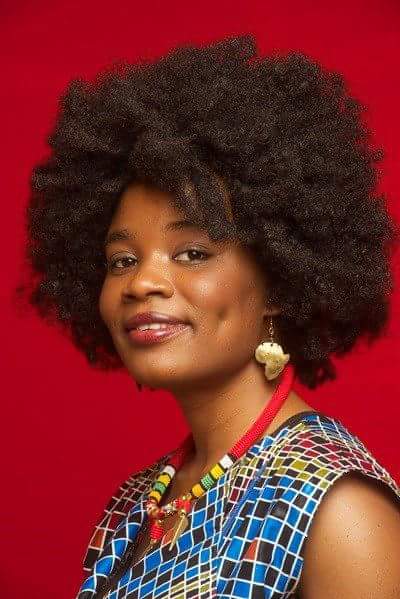
Delphine Groot had her big breakthrough into the African-inspired fashion scene in the Netherlands in 2015. That was when she had the opportunity to showcase her collection at the Locked & Loose event in Amsterdam in the summer of 2015. Organized by The Natural Hair Club, the event exposed her unique collection to a crowd of entrepreneurs, designers, sponsors, and consumers. Many of whom were impressed and this eventually generated publicity and sales for her brand, Bobo Couture. SLA contributor Uloma Ogba, spoke with Delphine on seeking alternatives to follow her passion and being a cultural ambassador for Africa in the Netherlands. How did you decide on the name “Bobo Couture”? I belong to the Bobo ethnic group, native to Mali and Burkina Faso. The Bobo people have a thousand-year-old tradition of handicrafts and textiles. When choosing a name for my fashion brand, I felt that Bobo was fitting. Bobo captures who I am and what I want to bring to the fashion industry. I bring with me well-designed and crafted clothing, and jewelry inspired by my rich African heritage. What was your motivation for starting your own business? I was born in Mali but grew up in the Netherlands and in several other African countries. So, I have seen a fair bit of the world and absorbed parts of the different cultures I have been exposed to. In university, I studied Human Geography and International Development because I wanted to understand the role of cultural exchange in global development. However, after graduation, I quickly realized that I was not suited for office work. And so, I decided to seek alternatives to follow my passion. I came up with the idea of starting my own business. I wanted to find a way to apply my studies to something that I find both practical and engaging. Through Bobo Couture, I am able to participate in the cultural exchange process. I do this by creating access in the West to the creations of local people in various African communities. For every item I sell and when I get a chance to tell the story behind its creation, I see myself playing a role as a cultural ambassador for Africa. What is the process like for you as a designer and an entrepreneur? First, I must give credit to my mother who is my business partner and provides a lot of creative input. Together, we decide on the right fabrics and designs for each collection. The goal is to showcase different aspects of our African culture that our customer base in the Netherlands can relate to and appreciate. My culture is very vibrant, colourful, exciting, playful at times, and very focused on community. I try to make sure each collection represents that in varying degrees. From reviews I have read and from your own accounts, your brand Bobo Couture is doing really well, exceeding even your expectations. How do you think you are contributing to the development of Africa as you say? All the fabrics and textiles that we work with, for the clothing and jewelry, are sourced locally. We also employ tailors and craftsmen in Mali, Togo, Kenya, and Ghana. By providing them with work on a consistent and growing basis, we contribute to their economic development and professional growth. We want our workers to take pride in the things that they produce. We also want them to know that our goal is to ensure that their work and the meaning behind it, reaches a wider audience. You recently expanded your business to set up a physical location. In addition you manage the online store and travel back and forth between the Netherlands and Kenya to import the clothes. How are you able to find balance in your life? To be honest, these days it seems like all I do is work. But I love seeing the efforts of my hard work come to fruition. In the first year of Bobo Couture, I had to give up my personal life. No going out with friends or going on vacation. Since we opened the store, even though we employ some local girls to help out, I still have to be present most of the time. The only things that keep me sane are using what little time I have to keep up with the gym and talking to my family. These provide me with the physical and moral support I need. Given your experiences, what would be your advice to aspiring entrepreneurs? If I could give one piece of advice it would be that hard work is the most important key to your success. There are going to be many challenging times ahead. But you have to try to view failures as part of the learning process to reaching your goal. Set big goals and dare to achieve them. When I started, a lot of people tried to discourage me. I heard the market was already saturated and it would be hard to stand out. Before I got an assistant, I had to transport all my clothes to and from events by myself. But I always believed in myself and in my ideas and that is what got me here today. Any final thoughts? I think a big part of why my designs sell so well is because they are a true reflection of who I am. I would never sell anything that I wouldn’t proudly wear myself. Whatever brand you choose, if it reflects you, then selling it to the public will never feel like hard work. Want to see women you know featured on SLA? Tell us what amazing things women are doing in your communities here.
Kimberley Masimbe: I never design something I cannot wear myself
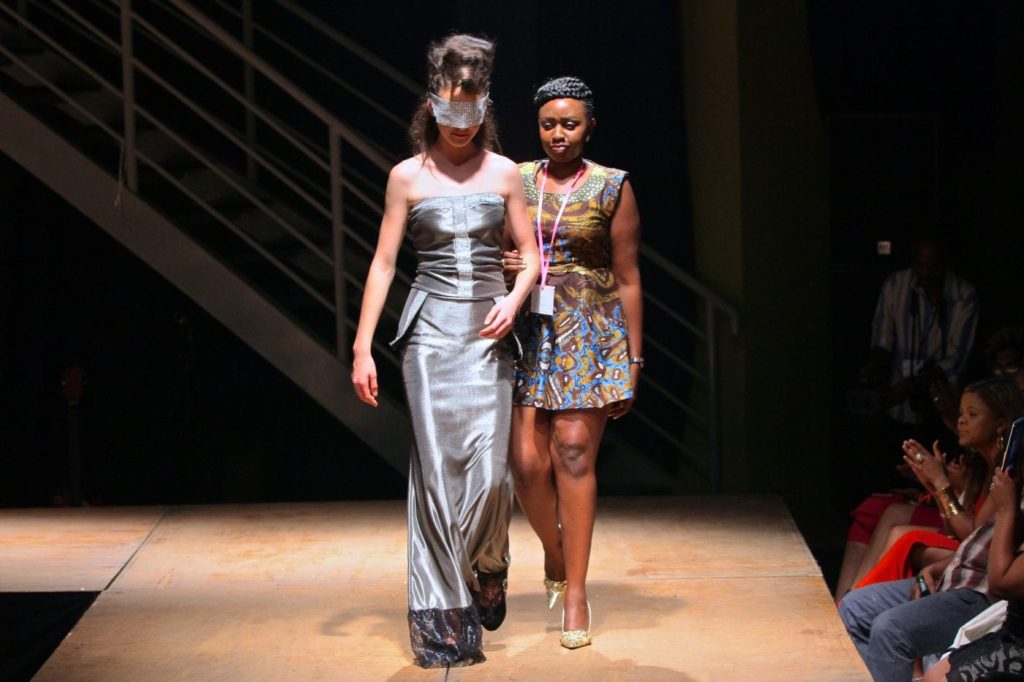
Four years ago, 29-year-old Kimberley Masimbe stepped out into the fashion industry with her chic Afrocentric vintage clothing line, House of Kiki.M. She started out running her business in a room in her parents’ house. Kim still recalls that the room was filled with inspirational pictures, fabrics, and a little table where she did her drawings. Glenda Makumbe, our SLA contributor caught up with Kim as she talks about House of Kiki.M and her passion for wearable designs. Tell us a little about yourself, Kim I was born and raised in Zimbabwe where I attended a multicultural school. I was blessed with being able to travel a lot at an early age and that significantly helped me grow personally and shaped who I am. I am very fashion conscious and I can say that has informed my kind of designs. I never design something I cannot wear myself. And oh… I love and collect hats too. Why fashion? Soon after college, I was going through a phase of self-doubt but one thing was certain —I wanted to create my own fashion statements and design wearable clothes. I used to sell second-hand clothes (bale) at Avondale flea market here in Harare. I would revamp the clothes by adding a personal touch to them. However, House of Kiki.M started after I won a young designer’s competition. My friends’ sister organized a fashion week in 2012 but because I couldn’t afford the entry fee, she asked that I enter for the young designer’s competition. We had to produce five garments and though it was my first time designing something, I won. I had been drawing and doing a few sketches so I had an idea of what I wanted to do. I have always been good at drawing and it runs in the family. My mum was a seamstress and my aunt was a poet so creativity does run in my bloodline. How would you describe your designs? Vintage…yes, vintage is the word. I love things from the past. I love giving things a different twist through beadings and attention to intricate details. What inspires your designs? I try not to follow current trends as I am inspired by the people who came before me. Brands from way back like Coco Chanel do it for me. What is your typical business day like? No gainsaying, my typical day is filled with appointments and fittings. How has your educational background helped you in managing your business? I did a course on media and communications and that has been helpful. But I’m looking at doing a fashion and design course at the Harare polytechnic. I have always been good at drawing as I come from a generation of artists. I never realized it until much later. What’s exciting about Zim fashion at the moment? I’m excited by the different fashion hubs opening up, the new designers trying to break barriers and the desire to promote Zimbabwean fashion. What are the challenges of running your own business as a young woman in Zimbabwe? Some people don’t take you seriously, especially if you don’t hang out with the creme de la creme of the society. Recently though, people have tried finding out my achievements and what I am currently up to. How do you keep yourself grounded? I try to stay true to myself, stay close to family and really value relationships. What would you tell a young woman wanting to start a business in a difficult economy like ours? Go for it. Know exactly what you want, then get a mentor to help you make the process easier. And never give up on your dreams. Lastly, what should we expect from House of Kiki.M in the next five years? I would like to have my brand in some of the local and regional department stores like Edgar’s (regional), Barbour’s (national) and boutiques in other cities. Eventually, I’d love to branch out to other Southern African countries. Having my designs on runways is the ultimate dream and I’m working towards it. Also, I look forward to branching into other areas like interior design and natural-based cosmetics. *If you are in Harare be sure to catch Kim Masimbe on the 3rd of September. If you’d like to share your story with She Leads Africa, let us know more about you and your story here.
Charmaine Maphutha: All you need is focus

We give you the details about NGOs, now it’s time to talk to someone who works in the field. Charmaine Maphutha is a vibrant 22-year-old from Limpopo province, South Africa. While Charmaine studies at the University of Johannesburg, she also runs the Bopedi Hope Foundation. The Bopedi Hope Foundation was founded by Charmaine and two other women who wanted to make a difference by helping the needy. Makalela Mositsa spoke to Charmaine on her passion for helping the disadvantaged. Tell us about Bopedi Hope Foundation Bopedi Hope Foundation was founded by 3 girls, including myself. Our focus is giving to the disadvantaged. Currently, we provide sanitary pads, school shoes, clothes, toiletries and anything else identified as really needed. Our sole intention is to give hope. Our vision is to help as many children as possible, instilling hope and eventually taking some to school. Having a children’s home in Sekhukhune is also in the works and in our future plans. What inspired the foundation? I was inspired by an organization involved in giving meals to children in universities. I saw how dependent students were on the feeding scheme. It meant so much to them to receive meals that they probably didn’t know they would get. I immediately knew helping people was something I needed to do. Also, as a student teacher at Lekhini School in Limpopo, I got to meet students that inspired me. There, children from different backgrounds and households came to school because they wanted to better their future. One of the students once mentioned to me the de-motivation of having to study in classrooms that had no windows and sometimes no doors! That was when I started thinking about how to help these students with things the government couldn’t provide them. I thought to myself, “What if I could give them things that will help them live comfortably”. Wow…what else motivated you? I also had an interaction with a young lady who told me how she had to choose between buying a bag of potatoes and buying a packet of sanitary pads. This made me even more motivated to help. What advice would you give to someone looking to lending a helping hand? First, you need focus. You may never complete a task if your head is all over the place. Secondly, take things slowly. One project at a time, so your recipients are satisfied with whatever you decide to offer them. And lastly, do not make premature announcements, that way you won’t leave disappointed people at your wake. Red or white wine? Which would prefer and why? Red dry wine. Of course, because it contains procyanidins, compounds commonly found in red wine known for protecting against heart diseases. What would be a perfect day out for you? Good food and good company. Sharing creative ideas with people is my idea of a perfect day. Meeting people with different personalities and socio-economic barriers is cool, you know. I also find peace running the organisation. It’s something very dear to my heart. It opens my heart to want to give even more. Want to see women you know featured on SLA? Tell us what amazing things women are doing in your communities here.
Jeanette Theu: When you try to be like someone else you limit yourself
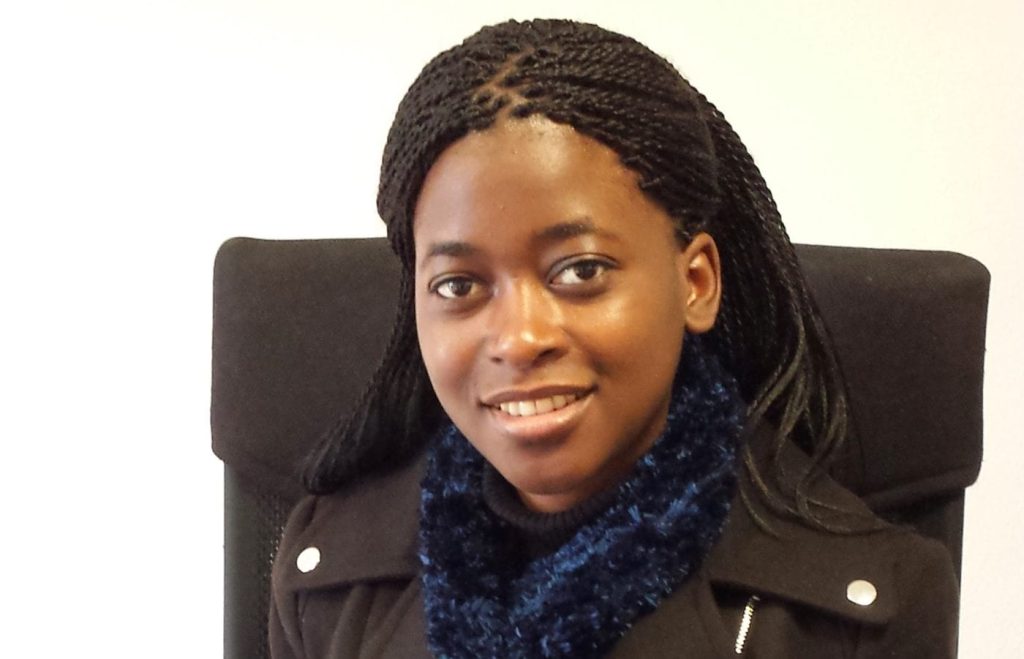
Women in tech will likely remain a buzz word for a while. Tech is one of those industries that everyone would like to see more of a gender balance in. Jeanette Theu is one woman trying to correct that balance. The marketing manager for MTN Business Private Sector, Jeanette has experience in both the enterprise and startup worlds. In her pursuit of greatness and helping more people, she started a non-profit organization, GirlCode with her best friend. The organization aims to help bridge the gender gap inherent in the IT industry. Jeanette shares with SLA her non-profit startup, GirlCode, and her thoughts on women in the tech industry. How did the idea of GirlCode come about? GirlCode was originally the idea of my best friend, Zandile, who organized the first GirlCode hackathon in 2014. I helped with the arrangements and onwards, we started brainstorming on how we could turn helping women through hackathons into a non-profit organization. The idea materialized in 2015 when we registered GirlCode as a nonprofit organisation. The idea has grown since we first started. We now see GirlCode not only as a vehicle for empowering young women through hackathons, but also a vehicle for creating programmes to teach young women how to code. We’re also planning on growing our brand to start having corporate challenges, and implementing the Women Go Digital initiative. With the hackathon happening this year, our aim is making it bigger and better. We’ve enjoyed sponsorships from great partners like Standard Bank, Entelect, MTN, and Microsoft. Also, JoziHub has granted us their co-working space to hold the hackathon. What is it like working with your friend? I think being co-founders with my friend is not such a bad thing as we get to spend a lot of time working together. We understand each other, but working a full-time job in addition to running GirlCode can get a bit daunting. So, it’s important working with people who can constantly motivate and push you to do better. I feel very motivated working with her. We’ve known each other for over a decade which makes it easier to be transparent. What are some of the challenges that GirlCode faces? The main challenge we faced at the beginning was trying to get sponsorships. People get excited at the fact that it’s an initiative for women in the IT space. But it’s a bit challenging getting them to actually put in the extra effort to help. However, it’s been great having people actually wanting to help with the initiative. Some of our partners have been involved in trying to get our next hackathon off the ground. Some others are helping to get more girls in the IT industry. It’s been inspiring to see these companies making a difference in helping girls bridge the gap. How do you approach corporate organizations? Do you go in directly or approach the right person to help? For us, it is finding that one person within a company that would be our ambassador. Someone who would be our voice within the company and fight for us 100%. We’ve been fortunate to have a couple of these people in the various corporates we’ve approached. They believe in what we do and try their best to help us. What has been the motivating factor in making sure that GirlCode becomes a success? It’s about making a difference in someone else’s life and bringing each other up. It’s all about using the knowledge we have for the greater good. What are your thoughts on the level of involvement of women in technology in Africa? How can we get more women interested in technology? We are making small strides but still have a long way to go. We have powerful women in the tech industry and I think they can also give back in some way. More women in the industry need to pull some of the girls up by offering advice. We need mentors. We need women to empower young girls. We try our best at GirlCode but we need the seasoned/successful women to guide young girls in pursuing this career. More women should work on making a change in their respective fields and encourage other women. Any advice you’d give to young women/girls wanting to join the tech industry and becoming the next Jeanette? In terms of wanting to be the next Jeanette, I’ll paraphrase something I heard Shonda Rhimes say, ”If you try to be like someone else you will always be second best, but you can always be the best you.” When you try to be like someone else you actually limit yourself. Yes, it’s important to aspire to be like someone, but always be true to yourself. We want to know about women in your communities doing amazing things! Tell us about them here.
Peggy Ballou: Young women should create vision in their career

Sometimes, busy professionals need specialised one-on-one training to boost their businesses. That’s where the boutique coaching comes in. Boutique coaching is the art of discovering the best in people and getting them to utilise it. In Ivory Coast, Peggy Ballou is at the forefront of talent management and human capital. She is the founder of Social Achievers, a non-profit organization which aims to develop personal and professional skills in high school students in Ivory Coast. Peggy spoke to SLA about young women creating vision in their career while sharing top tips on improving career skills. What does it take to run a boutique coaching and human capital firm? Running a boutique coaching and human capital firm in Ivory Coast is a challenging experience. Especially when only a few have basic knowledge of the services you offer. A boutique firm is one of a small size and/or narrow line of service. In our case, we specialize in career coaching for professionals in their mid-career, on one hand. On the other end, we help SMEs strategically plan and manage their human resources. Our ultimate goal is to provide advisory services on the strategic function of HR as opposed to the traditional view of staff and payroll administration most business owners have. Managing a business of this sort requires experience, innovation, perseverance and excellent communication skills. I personally work from home and my team consists of a virtual assistant and a community manager. Sometimes, I work in a client’s office with other independent consultants. The biggest challenge is to get the first clients, especially corporate ones. I spend most my time educating and nurturing the prospects on the importance of our services to improve the results and performance of their staff. I do this by networking, writing articles in HR Magazines and doing public speaking. How have you sustained your business through the years? I have been in business since September 2013. I started while I was still living in Canada. I was running it in parallel with my corporate job, at nights and during weekends. I a humble beginning, and in 2015, I took a leap of faith, quitting my job. I went back to school to obtain my coaching certification and started working on my business full-time. I am still at the beginning of my entrepreneurial journey and still have a lot to learn. However, I have personally grown considerably over the past few years and learnt a lot on the do’s and don’ts in the process. For 2016, my main focus is to systematize and streamline my business in order to scale it and make it sustainable. What is your model for human capital development? I see the human capital (talent) management as a 360° integrated process as the image below: Very often, organizations, especially SMEs, don’t strategically plan and align their staff with the business objectives. They place less emphasis on employees development. We are here to help in different aspects of the human capital management from the workforce planning to the talent acquisition; from training and development to succession planning. Our vision is to make human capital the most important asset of organizations by maximizing the potential of each individual contribution in meeting the business objectives. Why is human capital the heart of a business? How can young entrepreneurs leverage human capital? Human capital is the set of knowledge, experience, and talent that people have and can benefit an organization. As entrepreneurs, we know how important it is to hire the best employees and put the right persons in the right position. When starting out, entrepreneurs don’t have enough resources to invest in the human capital. But they could leverage human capital by identifying and selecting staff according to the potential and natural talents of each person. They don’t need to rely solely on just past experience. To attract the best people, young entrepreneurs should think of career development and advancement opportunities in their companies. It’s also recommended to invest 1% of the revenues in staff training and development. That investment will improve the overall performance of the organization. How can young women improve on their productivity at work? For me, productivity is the ability to produce the best result possible in the shortest amount of time. As young women, we often have to balance work with family duties. Hence, it’s important that we are organized and focused on productivity. At work, it’s crucial to identify what are the main priorities and focus on what matters the most. It takes discipline and dedication. Productivity also implies systematization. Whenever possible, young women should create systems in their work and personal life (checklists, templates, various spreadsheets, automated email responses, menus, pre-made grocery lists etc.) and establish routines. Finally, it’s important to note that motivation is a driver of productivity so young women should find purpose. They should create a vision in their career and life to stay motivated and keep their productivity level at his best. If you weren’t in your current profession, what would you be doing? I would be a diplomat or an ambassador! Did you enjoy this article? Sign-up for our newsletter to get even more amazing content directly in your inbox. Click here.
Nthabiseng Nkosi: Working from home is the norm now in South Africa

Ah the dream. Managing a business and team successfully from your home. Nthabiseng Nkosi is living it. Together with her husband, Nthabiseng built and now runs a proudly South African design agency called Jutsu Design. Even though Jutsu’s first clients were friends and family, the agency now offers services ranging from web design, digital solutions, mobile apps to photography. SLA caught up with Nthabiseng to learn more about Jutsu and managing a business from home. Nthabiseng, tell us, how did Jutsu Design come about? Jutsu Design started out as a concept to build a small design agency that would offer affordable designs through the line services for SMME’s. My then boyfriend, now husband, and I worked on building a name for us – Jutsu. The name ‘Jutsu’ came about as a result of the team being avid anime fans. ‘Jutsu’ is a Japanese word meaning technique or skill. Once the name was decided on, the company was then officially registered in 2011. Friends and family were our first clients and we grew from there. Fast forward to five years, the company offers web design, digital solutions, mobile apps as well as photography. Jutsu also developed our first two title sequences for e.tv’s Heist and SABC 1’s Dreamworld. How large is the Jutsu Design team? What are the challenges of managing your team? Jutsu Design is a team of a husband, wife, web developer, PR manager, freelance writer, and photographer. The team was initially made up of four members when we started out in 2011. Two members left to pursue other career paths and the rest of us continued with business. One of the major challenges we face at Jutsu is keeping up with the workload. Most times, it gets a little too much to handle, but we try to meet deadlines. In the earlier years, it was difficult, but every project has been a learning curve. Did work from home from the start? How did you manage that? Being a micro- enterprise, Jutsu Design has always operated from home. We are able to save money that would otherwise have been used for rent. We keep costs at a minimal because our company is small. How do you create awareness or reach clients for Jutsu ? The funny thing is, we don’t. We get new clients through word of mouth from our loyal clients. We have a website up and that too has been working for us. Active promotion of our company might mean getting extra hands and moving to bigger premises. How do people react to your working from home? I think working from home is the norm now in South Africa. Some people can be a little envious, but it takes a lot of self-discipline to be self-employed. You may think you have all the time to just chill and work later, but you actually don’t. How do you draw the line between work and running a home? At first, it was extremely difficult working from home. I used to want to make excuses with that, but with deadlines closing in on me, my head would spin. So, I have learnt to be a lot more disciplined. If possible, I work half days on Mondays to Wednesdays. Thursdays and Fridays, I do house chores; laundry, cleaning etc. This schedule works for me as I do not have a housekeeper. But if things get too hectic, with meetings and events to attend, I leave house chores to the weekend. What’s the best way to unwind when your office is also your home? My husband and I sometimes, go on dates, engage in fun activities and fetch our little one from the crèche. I have my spa days and he has his boy’s night outs with his friends. We try to do this once or twice a week. If you’d like to share your story with She Leads Africa, let us know more about you and your story here.
Christine Kanana Mukira: Passion, the secret ingredient for a yogurt-making startup

Christine Kanana Mukira is a young entrepreneur with an academic background in law, business administration, and office management. Kanana quit her NGO job to start a yogurt-making business in Nairobi, Kenya. Maureen Murori, our SLA contributor paid a visit to an enthusiastic Kanana who shared her dream of having a one-stop shop for fresh, natural, products straight from the farm to her clients’ kitchens. It’s early Saturday morning. After beating the Nairobi traffic, I head to meet a lady whose yogurt business is gaining roots. She had promised to let me in on what keeps her going even when business goes south. Christine Kanana Mukira meets me at the entrance to an estate in Ngara. It is situated on the outskirts of Nairobi central business district. We sit outside her shop, which she co-owns with another business owner. While Kanana’s specialty is the production of natural yogurt, her friend makes fresh fruit juice. “I don’t think I’m an entrepreneur,” Kanana worriedly tells me as she settles into a chair opposite mine. After pleasantries and small talk to break the ice, she relaxes and takes me through her entrepreneurial journey. Kanana had always had an entrepreneurial spirit, way before her current yogurt business. Back in 2013, she used to own a poultry business but had to leave Nairobi when she got a job with an NGO. She worked in the social development world and enjoyed helping community members. But this was not to be for long, she wanted something different. “I needed a new challenge”, Kanana told me. After three years, she had had enough of being an employee. She quit and went back into running her own business. This time, it was yogurt making. Why yogurt? “After some research, I was concerned about the ingredients used in making yogurt, things easily found in supermarkets like milk powder, lots of sugars and flavours,” Kanana says. “I wanted to create a product that used purely natural milk and natural sugars.” According to Kanana, her yogurt is made of pure milk, natural vanilla plant, strawberries, and natural sugars. Her six-month-old business which started with just three litres of milk has since grown to over forty liters a week, and demand is still growing. ”To get to forty liters a week was not easy”, Kanana admits. She said were it not for her passion, she would have given up a long time ago. When she first started out, she was fortunate to not only find a reliable and affordable fresh milk vendor but also customers who believed in her new product. Without prior knowledge or skills, Kanana says she had to practically do everything from sourcing for milk, collection, producing yogurt, and even sales. However, she learned quickly how to get some of the workloads off her shoulders. With the increasing yogurt demands, she was able to convince her vendor to deliver milk at her shop once a week, or as demand increased. The challenges so far No sooner had she tackled the delivery challenge than another popped up. She realized that sometimes, customers did not drink as much yogurt as she had produced. Because she didn’t use preservatives, by the end of a week, she had to give out yogurt for free before it could go bad. The weather can also be a challenge for her business. “When it is cold, as it is now, not many customers drink yogurt. They prefer hot beverages,” Kanana said. She has since reduced the number of litres she makes per week especially during the rainy season in Nairobi. Is she seeking to become wealthy from the business? Although she acknowledges that capital can be a challenge for some entrepreneurs, she quips “a business idea is capital in itself.” “Wealth is the ultimate goal for every entrepreneur,” Kanana states, “but passion is the driving force, and love for the business makes it even easier and more enjoyable!” She cautions entrepreneurs not to be in haste to make profit from a startup. Business is a risk and stability usually begins between the sixth month and the first year, and for some, even longer. Eventually, only the passionate and patient remain strong enough to watch their business take shape. Future plans Kanana wants to expand to the sale of more natural products so she can encourage people to adopt healthy lifestyles. Since her business is located within an estate, she hopes to be the source of all natural products for homes within the locality. “My dream is to have a one-stop shop where I can sell fresh, natural, products straight from the farm to my client’s kitchen,” says the enthusiastic entrepreneur whose inspiration comes from her entrepreneurial parents. Kanana believes that natural products will help fight some of the nutrition-related chronic diseases such as obesity, diabetes, among others. Kanana says that customers often ask for fresh milk, and she is thinking of diversifying into that direction. Although many supermarkets have introduced milk dispensers, Kanana says this is not a challenge for her. After all, the stores specialize in skimmed milk, while she will go for whole milk which she says has more nutritional values for children, pregnant women and the elderly. Advice for other entrepreneurs Kanana urges upcoming entrepreneurs to ensure the right location for their businesses. This way, customers can easily access your product. And also, you’d enjoy proximity to raw materials needed for production. As for friends, the young entrepreneur says, “in business, you will lose or gain friends. Some will support you, and others will not even want to be associated with you.” How it all ended One good thing about interviewing entrepreneurs is that you get to taste their products or to take souvenirs home. I was in luck today. I was served some natural strawberry yogurt. It was thick, smooth, fruity and delicious! Tell us what amazing entrepreneurial things women are doing in your communities here.
Nontobeko Tshabalala: Working towards being a woman worth watching
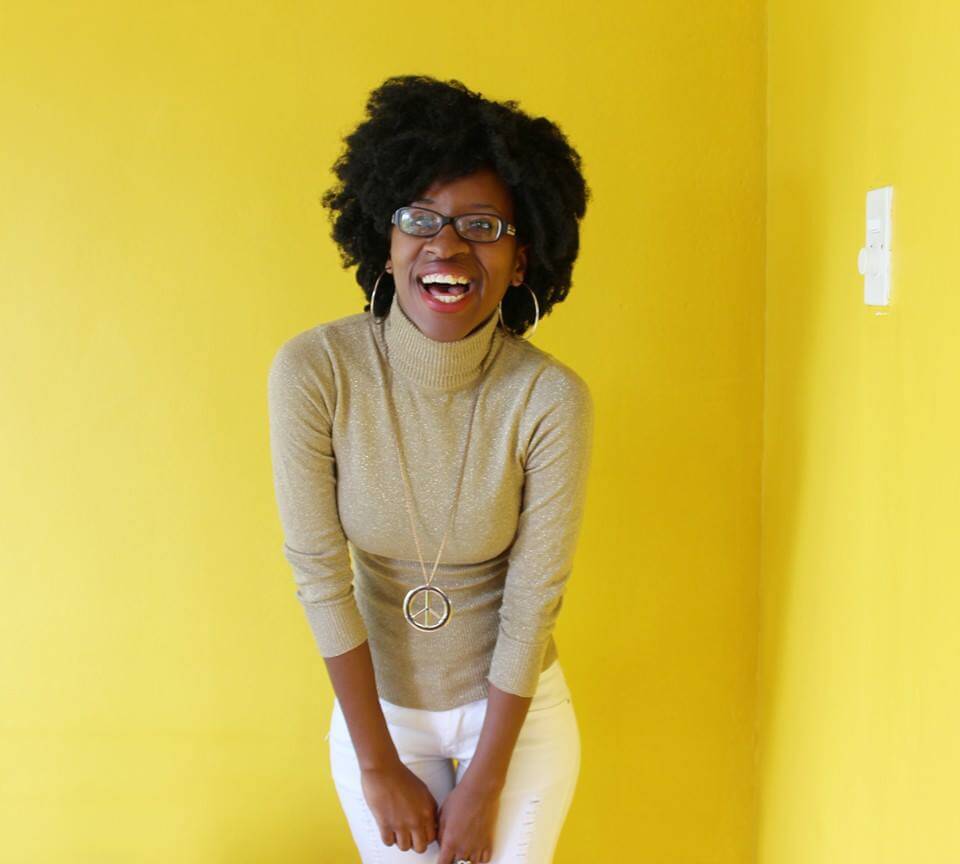
Young people hold the answers to achieving sustainable development in Africa. These wise words come from Nontobeko Tshabalala. Nontobeko is from Swaziland, she is a journalist, blogger and social media extrovert. She believes that good writing enhances the experience of life and is working towards fulfilling that. Nontobeko is passionate about the youth and their involvement in making worthwhile contributions to the discourse around issues such as gender disparity, Afrocentricity. Nontobeko talked with our SLA contributor, Itumeleng Mphure on becoming a woman worth watching. How did you get into journalism? For the longest time, I wanted to be a lawyer but when I got to grade 12 I didn’t think that I would be happy as a lawyer in 30 years’ time. Then I had a conversation with my father and he told me that there can only be satisfaction in a salary if there is job satisfaction. So I applied for journalism at the Durban University of Technology because I love reading and writing. I went to a Technikon where they teach practical skills. What lead me into journalism is actually the reason why I wanted to be a lawyer for the longest time. It is because I can make strong arguments and find evidence to back it up. Which publications have you written? Before I moved to Ethiopia I was working at the Swazi Times as features editor and I am still a weekly columnist for Swazi News. I have also worked at the Sunday Tribune (Durban) and Soul Magazine (South Africa). What’s the best you have written so far? Every time I write an article I write it as though it’s the best I will ever write. When Lupita Nyongo had just won an Oscar and received a lot of publicity I wrote a piece about how it’s important to see dark girls in the limelight so that girls who look like that know that it’s okay to be dark. I wrote this article because there was a big debate over Lupita’s dark skin. Makila James who is the US Ambassador to Swaziland took that article back home for her family to read because she felt that it resonated with every black person. It is time for Africans to accept their different tones of their skin colour. What are you most passionate about? I want to lend my voice to the continued liberation of women. I don’t have a definite plan of where exactly I see myself in the future but I know that my passion will lead me to a place where I can advocate for women. What’s currently on your mind? Furthering my studies. My professional experiences surpass my academic qualifications and that makes me feel uncomfortable. Right now I am at the African Union (AU) and the tables I am sitting at require me to further my studies. What lead you to joining the AU? I have the constant desire to be better and improve myself so when the call for the African Union Youth Volunteer Programme came, I applied and now I am serving as the Special Assistant to the Chairperson of the African Union Commission. I was chosen as one of the Media Institute of Southern Africa’s (MISA) Women to Watch in 2014 but I am constantly working towards being a woman worth watching. What’s your fondest beach side memory? It was in Mozambique. I went to apply for a visa to France and I had lunch by the sea side. It was a very stressful day but I eventually got my visa. I had lunch at the seaside and also took a walk. It was so calming and that’s what I remember most about it. Want to see women you know featured on SLA? Tell us what amazing things women are doing in your communities here.