
Lornah Achieng: What it means to be a Christian fashion blogger
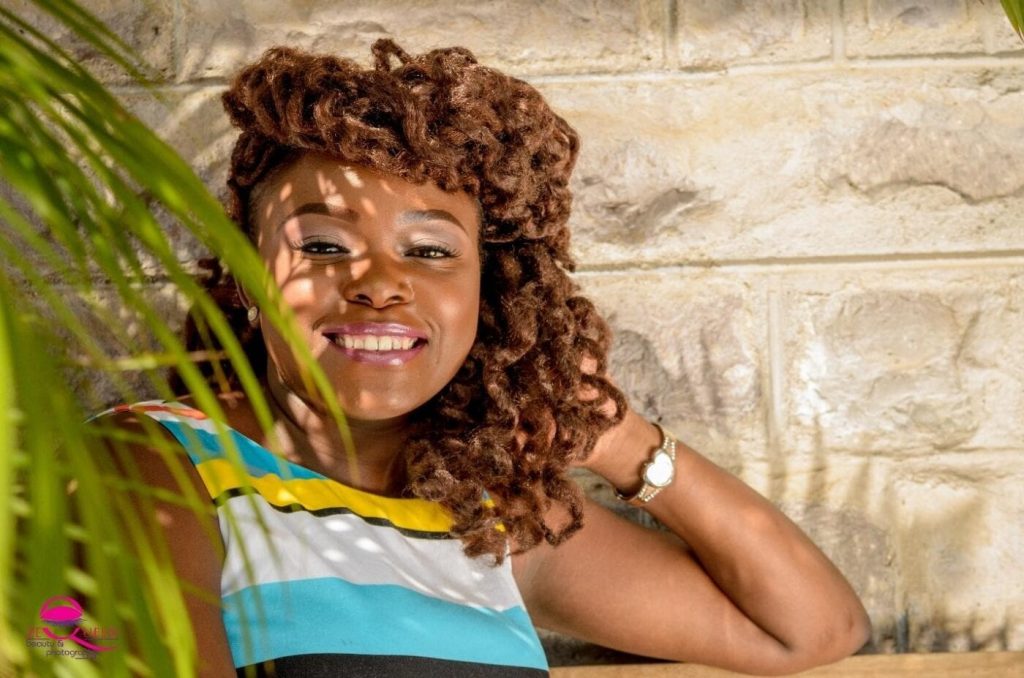
The faith industry is large and booming but it’s not limited to the pulpit. We have Christian books, a growing Christian movie industry and also Christian bloggers. Born and raised in Kenya, Lornah Achieng is a faith, fashion and lifestyle blogger. She says she started the platform to share life experiences and discoveries from the Bible -which she considers the core of her foundation. Through her blog, Lornah aims to inspire people to learn more about God, modest fashion, and inner beauty. SLA contributor Zipporah caught up with Lornah to uncover the inner workings of a faith blogger as well as other projects Lornah is involved in. Why the Cherries Vineyard blog? What inspired you to start? Cherries Vineyard was inspired from the book of John 15:1-8 which describes Jesus as the true vine. We are the branches and God is the vine-dresser. Actually the name came out when I was contemplating which blog title to use, and my mind landed on “Cherries Vineyard”. At first, I thought it was a captivating sweet name but through the years I’ve come to understand that it is a spiritual process. It was after that realization that I got the scripture, it is really amazing how God orchestrates things . When did your interest in fashion and blogging start? Honestly growing up, I was never keen on details and fashion per se. My sister is the one who made me realize the passion within. She used to correct me on the combination of clothes I wore and she still does once in a while. Through her, I was able to discover my love for fashion. What have been your greatest achievements? I can say being able to come out as a Christian blogger! Because I realized my passion is writing and being able to share the truth on my blog is quite daunting! You know people can at times be scared to speak the truth for fear of being rejected. Also through blogging, I have been able to grow spiritually. Like I said before, to me blogging is a spiritual process where I am able to learn more about being authentic. I can’t take people from where I have not been, I have to first be that which I encourage my readers to be. This has pushed me to mature and grow. To me that is an achievement. Tell us more about your interest in digital marketing I studied a Bachelor of Business and Information for my undergraduate and that is where my interest in marketing was cultivated. Currently, I do marketing and work with different brands offering them digital marketing strategies. What defines modest clothing to you? Personally, modest clothing is more than just a mere dress code. It not being religious or old-fashioned, rather, it is a way of expressing true love towards God by aligning ourselves to His standards –holiness. When we get to understand that our beauty doesn’t come from outward adornment of fine clothes but inner disposition of our heart, then dressing modestly becomes a matter of our relationship with God. With God there is purity and a renewed mind, this is automatically reflected in how we dress. Describe your style Simple, modest, elegant and classy if that is not mouthful. Who are your favorite icons that embody modesty? I’ll say the women of the past. First look at Peter 3:5 then, anyone whose modesty comes from within. Nash Amber of Set Apart style is also one among many inspiring bloggers who are ambassadors of true modesty. Do you have any future plans? My future plan is to impact lives with values and spread the truth about modesty. I want people to know that true modesty starts with the heart first before the clothing! Want to see women you know featured on SLA? Tell us what amazing things women are doing in your communities here.
Adedoyin Jaiyesimi: People tend to trivialise the writing process
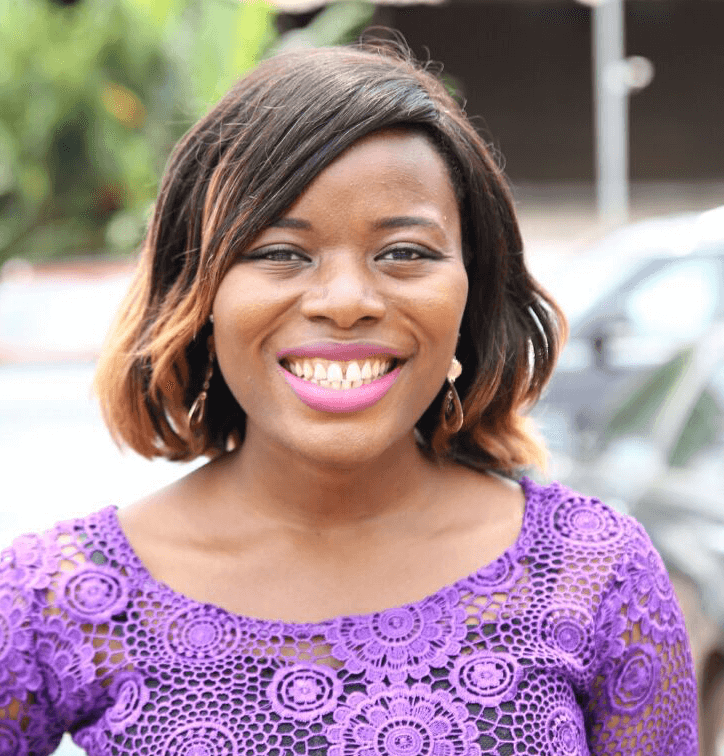
Adedoyin Jaiyesimi writes and edits books, manages blogs and creates content for websites. Through her coaching and training platform, The Sparkle Writers Hub, she is helping other writers achieve their writing dreams. So far, some of her trainees have moved on to start successful blogs while others have been able to gain access to platforms to showcase their work. Adedoyin fills SLA in on not just the excitement of writing, but what she is doing about it, for herself and other writers. How can a writer turn her craft into a profitable business? Turning your writing craft into a business starts with having a plan. What kind of writer do you want to be? What range of services do you want to offer? Do your research and find the niche you can excel in. There are people who stop at editing and proof-reading while others take it further by writing web copy and coaching other writers. Once you identify the services you are able to offer, you should talk to an intellectual property lawyer to know the steps to take to protect the content you produce. You also need to think about how you will publicize yourself and your work in order to build your client base. Build the right structure and most importantly, get people to work with you. As you get more clients you will discover that you can’t do it all by yourself, especially if you want your business to grow. What are the right principles to turn a small idea into a profitable business? I would say the number one principle is passion. You need to be passionate about what you are doing otherwise, the business will fizzle out. Then there’s the part of creating value. For any business to be profitable there has to be some value that is being added. This is essentially the ‘why’ of your business and it goes beyond money. What need is the business meeting? How does it improve the lives of people? One thing I have learnt over the years is the importance of building a brand and not just a business. You must be able to connect with your clients and deliver on your brand promise. This involves going the extra mile. It also involves making the choice to be excellent in your delivery of service and be innovative. Have you faced any challenges that are unique to your trade as a writer? How did you overcome them? Yes, I have. They are so many, to be honest. One of the challenges writers face is managing writer’s block. When I first started out, I was a lazy writer and I used to write only when I was inspired. You can’t run a profitable business as a writer if you only write when you are inspired. So I had to discipline myself and learn how to come up with creative content whether I am inspired or not. It was tough, but I’m glad I went through that process. Another challenge I faced was putting the right price to the services that I offer. Something that I used to hear a lot when I started was, “Is it not just to edit the content on my website? Why are you charging this amount?” There is a way people tend to trivialize the writing process especially when you are able to deliver quickly. I did a lot of trial and error before I could find the price that I was comfortable with charging because there is no industry standard. Now, I have set prices for every service I offer. I’ll add one more because like I said, they are many. Putting the right structures in my business was challenging. Creative people don’t like structure. We just go with the flow. This will hinder the growth of your business. So I had to take the time to put the right structures in place. I registered my business name, Content Craft, opened a business account, set up a proper accounting system and so on. It’s not perfect yet but we have a process for most of the operations we carry out. Realistically, in what ways can an African woman live off writing? There are many ways an African woman can live off writing. Like I tell the writers that I coach, you just need to be creative and be able to identify the gaps that exist. When I started out, what I knew how to do best was to write articles and edit magazines. Now my expertise has grown to creating and editing books, managing blogs, writing web/ social media copy and creating content for social media. So the possibilities are endless. If you want to live off writing, you can become an editor, you can be a content creator, you can be a copywriter, you can write voice over scripts, you can write content for training materials and so on. As you improve your skill, you can also earn money from coaching other writers and organizing training sessions for businesses and individuals. How do you help other writers achieve their dreams? Is it through mentorship or any other means? I created a platform called The Sparkle Writers Hub and our main aim is to help everyone who has a desire to write to achieve their writing dreams. We work with all kinds of writers; the ones who have a nudging in their heart and those who have started writing but want to take their work to the next level. We offer a basic training program where we teach writers the basics of writing and how to attract readers. We also offer a more intensive coaching program where we work one on one with writers to achieve their goals. Since we started, some of our trainees have moved on to start successful blogs while others have been able to gain access to platforms to showcase their work. What will be the name of your first book and what will it be about? The
Aysha Tofa: No business idea scares me
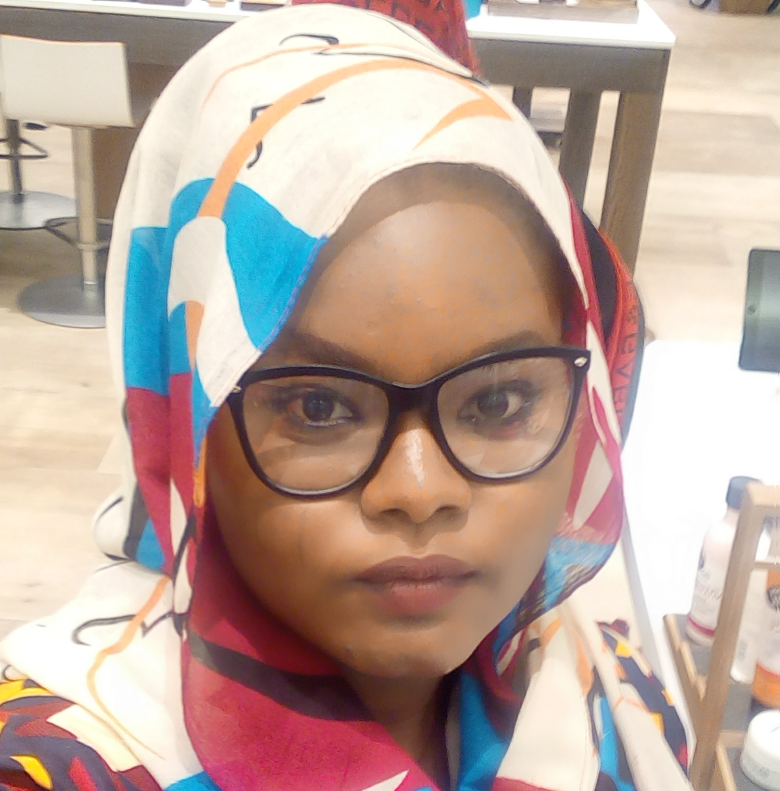
Aysha Tofa is a 24-year-old entrepreneur who is not afraid to try her hands on several, diverse business ideas. She discovered her passion for business as a young girl in college and even now, is an inspiration to many young women in Northern Nigeria, where she resides. Aysha shares with SLA her experience and the driving force behind her entrepreneurship. How did you become an entrepreneur? My first brush with the business world was in my 3rd year in college. I often bought clothes to sell to other students and my friends. However, my biggest and scariest opportunity was when a friend was getting married. I had assured her I could supply 400 pieces of fabric for family and friends even though I had no idea how. Fortunately, things panned out; I made good of my word and some good money too. That first big opportunity opened up more business doors as I invested the profit in other ventures. At the time I was done with school, I was already a known name -an entrepreneur in her own right! You are an entrepreneur involved in a lot of things. Tell us about them. Yes, I am involved in a lot of businesses. My scope covers just about everything – textiles, traditional caps, electronics, properties, food, fashion, etc. I also own an advertising company called Waves Advertising Limited. I am, in fact what they call a hustler in the Nigerian parlance. I believe that for any business idea, no matter how novel, a detailed research would tell me exactly what to do. Away from business now, we understand you had a project called Pink Waves. Tell us about it. Pink Waves was another of my many projects. Our focus was on creating awareness on the cancer scourge, starting with northern Nigeria. Twice, we were on Voice Of America’s radio show, Yau da Gobe, to discuss the project. We reached out to influential people, government agencies and organizations soliciting support and sponsorship, but that never came through. It was a good project but sadly, it had to be put on hold. How are you inspired? I have a solid support system. My parents believe in me and that alone keeps me going. I want to keep making them proud. How do you keep yourself going as an entrepreneur? I read books on both successful and failed businesses. Through them, I have learned and mastered the act of taking risks. For someone who has tried her hands on many things, I believe failure in business can be a learning curve. The entrepreneurial route can be tough, but I try to be as focused and patient as possible. What is the business climate like in Northern Nigeria where you live? Are there challenges? How are you overcoming them? Around here, people are more amenable if you are able to convince them of a product’s usefulness. But of course, a prevalent preference for quantity over quality negatively affects sales. Also, due to religious and cultural beliefs, there’s the erroneous belief that successful women tend to be arrogant and may never find husbands. Notwithstanding, I never let these things stop me from reaching my dreams. I believe an empowered woman is not only a gift to her family but the society at large. What is your driving force? Through my various ventures, I want to inspire other women to reach heights they never thought possible. The ultimate goal is to add value to my society and I am taking it, one day at a time. If you’d like to share your story with She Leads Africa, let us know more about you and your story here.
Kate Mayeye: I’m the Kenyan designer who is inspired by Nigerian fashion
Kate Mayeye is a Kenyan fashion designer and the CEO of African Fabric & Designs Kenya Ltd. Kate is inspired by her love for unique African prints and, in particular, the Nigerian fashion industry. Recently, she had the rare chance of styling an award-winning Nigerian actress, Angela Okorie for three high profile, red carpet events. Kate shares with SLA her love for fashion, the opportunities it provides and how she is introducing a different fashion culture to Kenya. Why African Fabric & Designs Kenya Ltd? I love to stand out, and showcasing Africa’s unique culture has given me that opportunity. I am looking to place the African print on the world map. It would gladen my heart to see other people, not just Africans, embrace it. Why are you drawn to the Nigerian fashion industry and how did you come across it? I am married to a Nigerian. My husband and I love the impeccable finishing on designs made by Nigerians. I also wanted to introduce a different fashion culture in Kenya, and Nigeria has been the perfect reference as she is at the forefront of the African fashion market. Nigerians are the ‘who’ to watch for when it comes to fashion styles and trends in Africa. How did you get the chance to dress Angela Okorie? Were there any challenges? Angela Okorie was in Kenya a few months ago. The occasion was the pre-production of a dramatic comedy starring her, Mike Ezuruonye, Huddah Monroe and Mumbi Maina among others. Former Miss Kenya 2014, now actress and producer, Juliet Ochieng had approached me concerning the Nigeria-Kenya collaborated movie titled Brother Jekwe. I was the costume designer for the movie which Juliet also co-produced, my job was to provide outfits and accessories to support the narrative. The biggest challenge in dressing Angela was her busy filming schedules. Our fittings sessions were practically non-existent but I’m glad things turned out great. What would you say to a fashion designer whose dream is to dress celebrities? In dealing with celebrities, be cautious. Focus on what they want, but make suggestions on what best fits. Be sure to communicate what you can or can’t do. Simply, be honest. What do you look out for in selecting fabrics? When selecting a fabric, I look out for the uniqueness of the print, the thread count, colour-fast quality and the strength of the fabric. I don’t condone shrinkage or fading when it concerns my fabric. If you were on a deserted island and could only take one piece of clothing, what would it be? Well, let’s see. I would definitely take a Dera. It’s multipurpose. What challenges have you encountered in your business? Perfecting customer order has always been a challenge, especially when you have to depend on hired hands. But we learn and grow daily with every experience. The biggest challenge remains power blackouts. Traffic, courier clearance bottlenecks, and of course unforeseen circumstances are also issues we’ve had to deal with. What advice will you give to young African women looking to start a business? Every business owner requires a huge passion, commitment, and a strong support system. Be your own motivator, some days are going to be tougher than others but you can do it. With God on your side, it can only get better. 2 year plan? Tell us about it I’m working on business expansion, opening up more outlets to showcase our amazing designs. These designs would feature locally produced prints and materials that represent the different African cultures. What other projects are you involved with besides African Fabric and designs limited? I am a partner with an events and social media management company, DiMaye Media and also a one-third partner in a supplies and Maintenance firm- Tatu Dallas Supplies and Maintenance Ltd. Which celebrity did you love designing for? Every client is a star in my eyes. They are my celebrities. If you’d like to share your story with She Leads Africa, let us know more about you and your story here.
Thembelihle Terry-Lynne Zulu: Every woman needs a big sister

The idea of women helping other women, benefits both parties and demonstrates just how powerful every woman can be with the right support. Thembelihle Terry-Lynne Zulu, through Girl Grandeur Zimbabwe which she co-founded, is going the extra mile to encourage women to pursue their dreams. Here is what she is doing to support other women. How have you used your personal challenges to inspire other young women? Women shouldn’t be shamed for sharing their pains, struggles and life experiences. No woman deserves to be slammed or termed ‘attention-seeking’ or ‘too sensitive’ for sharing her story. Our stories need to be told because in them is the hope for survival for every woman. My life’s journey epitomizes, to a great extent, the challenges faced by the African girl child. I have been through most of the issues plaguing young women, from abuse to pregnancy, and everything else in between. I once wrote on my personal blog, “I went through some mistakes so that you don’t have too.” Walking young women through their ordeals is a mutual healing process as it helps me as much as it does them. Tell us more about Girl Grandeur Zimbabwe, how did it come to be? As the first of five girls, I considered it my duty to help my sisters make the right life choices. Gradually, this mentoring circle grew to include their friends. Our goal is to help every woman, especially the young ones access safe and comfortable adult counsel. We need them to be able to do this without the fear of being judged or unduly reprimanded. To address this, Girl Grandeur Zimbabwe has a mentorship program for business newbies, as well as a Big Sister program for the little girls. In addition, to debunk the myth that women are naturally unable to work together, we created a platform that has some semblance of a sisterhood. Here, women come together in an informal setting to discuss issues relevant to them, share opportunities, advertise their businesses and have meaningful debates about womanhood in Zimbabwe. How does a social club in Zimbabwe function? Girl Grandeur Zimbabwe may not be the first social club for Zimbabwean women, but our approach is the first of its kind. We have branched out into various income generating programs and it’s a constant learning process. The club is accessible to every young woman in Zimbabwe, subscription fees are affordable and within reach. Our structure includes a board, a committee, and ordinary members. Our diversity reveals the implicit beauty of our differences and we are determined to do much more. How do you provide support when needed? Through our several social media platforms, we invite Girl Grandeur Zimbabwe members to contribute to planned projects or offer free services. For example, one of our members in Harare identified a pregnant homeless woman who needed help. To alleviate her plight, we brainstormed on possible support solutions. Our growing membership increases the need to incorporate a wide range of issues facing every woman. We work closely with other NGOs while monitoring progress through the appropriate authorities. As a co-founder, what advice will you give any woman looking to start a business with someone else? When starting out, it’s easy to go for people who are within your reach and that’s usually kith or kin. In getting the right hands, be drawn to people who are not only passionate about your vision but who have proved that they can deliver results. You won’t always end up with the ones you started out with and you need to be okay with that. Appreciate small beginnings and don’t mess with the growing process. Among other things, Girl Grandeur aspires to bridge the generational gap between mothers and daughters. How can young modern women overcome this gap? A friend once suffered vaginal thrush but couldn’t tell her mother for fear of receiving retribution. There’s no gainsaying the fact that mothers need to create more time for their daughters. These days, more women work as hard and long as most men. And so, inadvertently abandon the formative training of their children to maids, nannies, the media, peers and even Google. Some parents have been distracted by the cash-stretched times but good parenting isn’t just about money. Making time for your children is paramount – you can’t put a price tag on a thing like that. Tell us about your relationship with your mother, was there any tension? How was it resolved? When is there never any tension between mothers and daughters?! As a young girl, I didn’t understand half of the policies she’d put in place. As cliché as this sounds, as I grew older, I began to understand why she did what she did. Now, I understand that she didn’t ‘hate’ me but had to curb some of my rebellious tendencies. Open and honest communication is key to the mother-daughter relationship. I strongly believe that when a child understands the reason(s) for a reprimand or punishment, he/she is more unlikely to repeat offense. What do you love best about your mother? I consider my mother a warrior! A warrior who never let societal beliefs stop my sisters and I from finding our identities and flourishing in them. In retrospect, she understood that everything I did was in preparation for who I was to become. Never did she ask me to be who I was not. If you’d like to share your story with She Leads Africa, let us know more about you and your story here.
Carmen Attikossie: I want Cartik to contribute to a better Africa
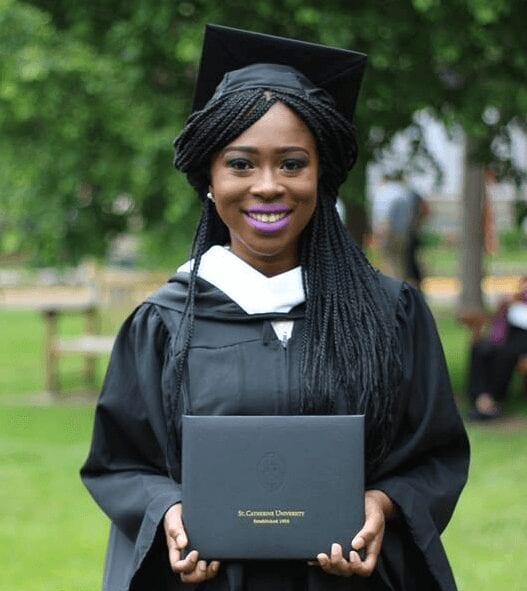
In these days of ubiquitous African wax prints, only a few businesses stand out. One of them is Cartik, a brand started by Carmen Attikossie. Carmen used her links to her homeland of Togo, along with new networks formed while studying in Ghana to start a fashion label that uses African wax print. Here, Carmen gives us insight into Cartik, explains why she plans to venture into agriculture and schools us on the Nana Benz. What sort of artisans does Cartik you work with? I work with artisans from all walks of life in Ghana and Togo. In Togo, there is an artisan village in the capital city Lomé and when I started Cartik, my aunt took me there. I met artisans who were shoemakers, leather-workers, jewelry-makers, etc. I took my time, picked the artisans I wanted to work with and went from there. In Ghana, I had the opportunity to travel to Kumasi, and I met some artisans at Bonwire, Kente village. Throughout the time I was Accra as a student, I took my time to search for individuals who were skilled in bag-making and were interested in making my designs. There was difficulty in finding these artisans and I spent weeks and months trying to find the right individuals to bring my designs to life. Most of the artisans I work with are people who have either left their countries due to conflict or lack of jobs and have settled in Ghana or Togo. They are young individuals who have graduated from university but due to lack of employment, they picked up artisan skills and are looking to have a steady income. I like working with these young individuals because I am young myself. As a university graduate, I understand the difficulty of receiving a degree and not finding work in your field or employment in general. Today, I work with a small group of artisans in Accra and in Lomé, I still work with artisans at the artisan village. What is the fashion scene in Togo like? Togo is a small country and the fashion industry is slowly gaining momentum with the likes of Grace Wallace. Grace is a Togolese-Nigerian fashion designer that is well known throughout Togo and in West Africa. Lomé, the capital city known to be a hub for African prints. Many people travel from Ghana, Cote d’Ivoire, Senegal and other countries just to buy prints at Assigame , the biggest market in Togo. Tell us about your experience studying in Ghana. I went to Ghana on a study abroad programme at my university. In Ghana, I stayed on campus at the University of Ghana and lived in the international student hostel. My experience there was phenomenal. I did not want to leave Ghana, I even asked my school if I could stay for another semester but I was not given the opportunity. Honestly, I felt comfortable in Ghana. I grew up in the USA so when I was there everyone thought I was from the USA. Many people were shocked to know that I’m from Togo. My classmates and professors were always surprised when I spoke Ewe, one of the languages spoken in Ghana and Togo. They couldn’t believe that after 15 years in the USA I can still speak Ewe so well. I made new friends, learned a little bit of Twi and experienced life as a student in an African country, something that I’ve always wanted to do. I also volunteered at Future Leaders, an organization that takes disadvantaged kids off the streets of Accra and provides them with the basic tools of education. I taught science to 5th and 6th graders in Teshie, Ghana. At Future Leaders, I helped initiate a plan for women and microfinance and got involved in many other aspects of the organization. As someone who has received scholarships, do you have any advice for other young African women looking to gain a scholarship? Google is your best friend, go to networking events if you can because you never know who might be there and what connections and networks they have. When writing scholarship essays or filling out grant applciations, start early and take your time. Also, make sure to have others look over it. Looking for a scholarship is a like looking for employment. You want to take time to research and plan how to write your scholarship essay. You mentioned that you want to venture into agriculture. Why agriculture? Once Cartik is out of its startup phase and is well established and known, I want to delve into agriculture. At the moment the only steps I’ve taken is to do more research on African agriculture. I became interested in agriculture after reading Africa Unchained by George Ayittey in college. That book taught me the importance of agriculture in Africa. The rural population in many African countries hold the wealth to Africa’s prosperity and that is agriculture. If we spend time investing and educating the rural population on better and efficient farming techniques, I believe would be on our way to alleviating some of the problems we have. From what I’ve learned in college, at times rural areas in African countries are neglected when it comes to development. If we provide rural populations with access to healthcare, education, development for women and children, the possibilities will be endless. Can you tell us a few things about Togo that other Africans don’t know? – Togo is home to the Nana Benz women. The Nana Benz are a group of women who began their journey as textile traders during the time of French colonization. These women came from nothing and rose to fame, power, and fortune because of the wax prints. They were ambitious, hardworking entrepreneurs and leaders who contributed greatly to the economic growth of Togo. The lives and stories of the Nana Benz women have been preserved in a book called Nanas Benz: Parcours de Vie. The English translation would be, “The lives of Nanas Benz”. The
Hayat Essakkati: I believe in Africans growing their own continent
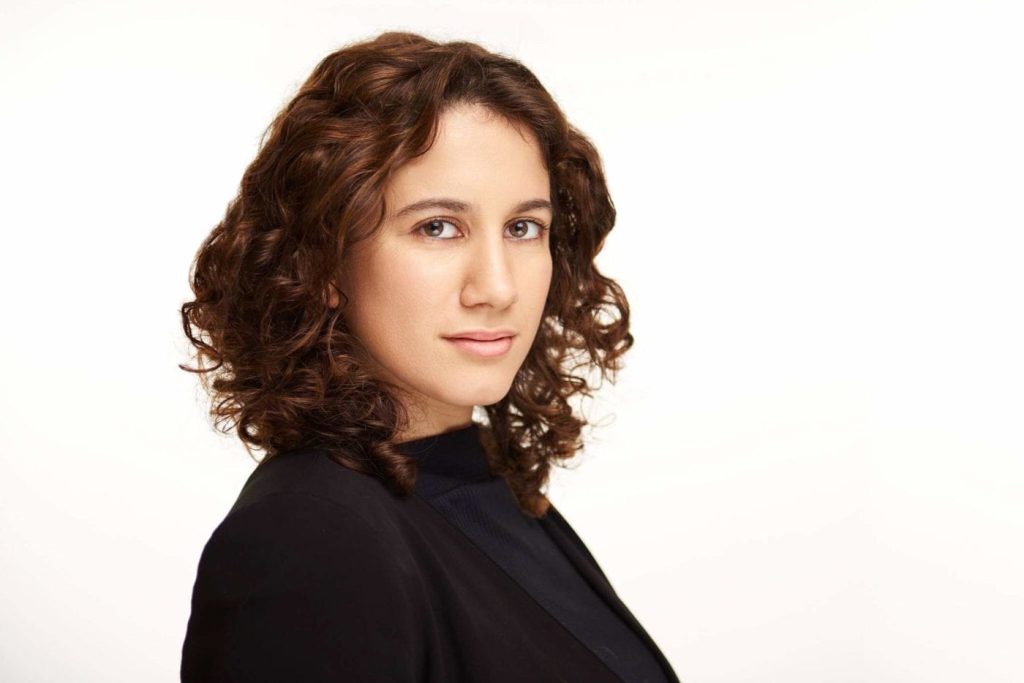
Won’t it be great to have a one-stop shop where investors can be guided through establishing their businesses in foreign countries? Good news is there’s an organisation that provides such services for Morocco, Maroc4Invest (M4I). It’s principal/director Hayat Essakkati is passionate about women and Morocco’s development. Here she shares her insight on expanding internationally and how her work experience has shaped her as entrepreneur. When lead you to start Maroc4Invest? I started Maroc4Invest (M4I) in June 2015. When I was working for the International Finance Corporation in Morocco, I realized that foreign investors were increasingly interested by the Moroccan market. The market was/is faring very well, both economically and politically in contrast to its unstable neighbouring countries. On top of that, there has been an increase in the number of companies expanding their activities in Africa and a majority of them are changing their thinking in relation to doing business in Africa. They know the Africa-to-Africa business channel is more effective than Europe-Africa or US-Africa. Morocco has become the ideal location for doing business in Africa. This has lead me to start my company as I believe in Africans growing their own continent. What kind of services do you offer? Are they aligned with your academic background? Maroc4Invest enables foreign investors to penetrate the Moroccan market using a multitude of services. Our services are aimed at taking clients through the process from company registration to ultimately running their operations in Morocco. The idea behind the company is straightforward: to navigate the business world in Morocco, you need insider’s information and access. Maroc4Invest is a one-stop shop with the objective of making foreign investors feel at home by minimizing their risks. They’re aligned with my academic interests. My Master’s thesis is titled, ‘National Use of International Norms: Morocco’s Implementation of the IFI pressures’ and on top of that I’ve written numerous papers on Morocco’s sectors. I have always been interested in the impact of foreign entities on Morocco’s economy. You have offices in three continents, can you share tips on expanding a business internationally? What challenges did you face? The most important aspect of international business, in my perspective, is running your administration correctly. You can’t be in all 3 continents at the same time so making sure your processes run smoothly without a daily administrative to-do list will prove very useful in the long term. I prepared it adequately, talking with friends and people who’ve already went through the same process before opening the offices. I’d suggest choosing countries you know very well. Holland and the USA are countries I know very well, so it makes sense. How large is your team and how do you go about selecting members for it? Our team has been growing and we expect to reach 10 in-house consultants by the end of the year. We have also developed a group of experts I can tap into on any occasion. Tell us about your experience with the World Bank Group and the African Development bank. Have these shaped you as an entrepreneur? I started my own companies to fund my college from the time I was 18 years old to be able to pay my college and expenses. I also worked in international organizations. It was more out of a sense of urgency rather than wanting to penetrate a certain market. After my studies in the US, I started working with the World Bank on topics that interested me; strengthening youth civil society and entrepreneurship in the Arab region. I could keep my entrepreneurial spirit while working as I had the right managers. The same goes for when I was working for the International Finance Corporation. The key thing is to make sure to surround yourself with good managers/colleagues that know your strengths and understand how to tap in to them. What do you think the rest of Africa should know about Morocco? Morocco is fully reliant on its human wealth. It has no natural resources, making the country’s success depend completely on its men and women. If you’d like to share your story with She Leads Africa, let us know more about you and your story here.
Dorinda Mawuenya Matey: It never started as a business, I was just sharing my passion

Dorinda Mawuenya Matey is a natural hair enthusiast and entrepreneur who turned her love for natural hair into her profession. She started the “We Naturals Team” as a Facebook page to share her discoveries and knowledge about her hair journey. In time as her followers grew, they needed more than just advice; they needed quality products to grow healthy hair. Dorinda saw this as an opportunity to turn her passion into a profession. Currently, her company is one of the leading hair products brand in Ghana and Nigeria. We Naturals has 19 employees and 68 retailers in Ghana, 39 in Nigeria and one in Cote d’Ivoire. What ignited the spark to start the We Naturals Team? When I started my natural hair journey in 2011, I was completely lost. I had no idea how to handle my hair and eventually relaxed it again. In 2013, I went back to natural hair, I realized it was much easier this time as I was reading a lot about my hair and experimenting with different hairstyles, products and regimen. On my first anniversary, I decided to start a Facebook page (We Naturals) to share all that I’m learning to help make the journey easier for others. It never started as a business; I was just sharing my passion. The business We Naturals came in after my followers on Facebook started asking about products. I saw an opportunity in there and started selling other brands until I started making my own products. How did your followers react when you started making hair products? They were excited and received it very well. We won’t be where we are today if it wasn’t for our very amazing followers and customers. Our very first sale was made on Facebook. What was unexpected when you started We Naturals? Well, I realized people will do anything to undermine others just to get ahead. You have to be diligent not to compromise on your integrity and focus on your goals to keep moving forward. What creative strategies did you use to acquire funds to start the business? I had funds from a 3 year life investment policy I started in 2011. Because I had this money, it was fairly easy for me to get going when I decided to start selling products. It wasn’t enough to do everything, but it was a good start. Did you get the products right on the first try or did you have to do more trial and errors? We often do a lot of trials until we are satisfied with the efficiency of the product, the consistency, scent, colour etc. We have a production team who make the products, they’re then sent to labeling and quality control before it moves to store. We experiment on employees, friends and family. We sometimes also request for product testers from social media who also serve as our final testing point before the product is introduced. Why do you focus on only natural hair products? Do you have plans on making products for relaxed hair? The company started off with my passion for natural hair, because of that the products were automatically perceived to work for only natural hair. However, most of our products can be used for all types of hair, though in some cases with slight difference in method. Have you had any formal education pertaining to your choice of career? Yes I have a certificate in Natural Products Formulation from the USA. I had to learn how to make the products from a credible institution to be able to make quality products. I have experience in business and marketing which come in handy. What do you enjoy most about what you do? I love reading positive feedback from our customers. Fortunately about 90% of all the feedback we receive is positive and they come in very often. Every single time I receive a positive feedback, I smile. It makes me really happy because that is one more person we have provided a solution to, not just sold a product. How did you distinguish yourself from your competitors? Our primary target groups are individuals on a healthy hair journey, mainly the natural hair journey and these are people who are looking for results. Our business is built on selling solutions, not just products. We solve hair problems and I believe this is what our credibility is built on. I am passionate about making the hair journey for all my customers a delight so I always go out of my way to help them find solutions. That is what automatically sets us apart, the genuine passion to make our customers happy always. Describe a typical day at work. No two days are ever the same with me. It depends on what needs my attention the most but generally I go over accounts with the sales team and allocate monies for various things that need to be taken care of. I then go into production, mainly supervising and sometime making products myself when necessary. I handle our social media platforms personally so I am on and off social media throughout the day responding to questions, sharing contents and taking orders. I also check for orders on our website and respond to emails. I go to our store to check on stock and bulk orders going out, as well as inspecting products especially labeling and responding to complaints and other issues. What difficulties did you face expanding to other African countries? What was surprisingly simple? The major difficulty we faced and are still facing in Nigeria, is the exchange rate. The Naira keeps falling and we end up losing money through exchange. With the Francophone countries, I will say the language barrier has slowed our efforts but we are taking necessary steps to resolve these issues. What was surprisingly easy was how quickly Nigerians accepted our products. What are your goals for the company? Our goal is to be the number one in Africa not just in product quality, market
Rafiat Kasumu: I was literally weaving history

The kente cloth of the Ashanti is one of the most recognisable African fabrics worldwide. We’ve seen kente dashikis, kente wax print and now kente graduation stoles. Rafiat Kasumu is a Nigerian-American who developed a love for kente while working with kente weavers in Kumasi, Ghana. Rafiat took this love to the next level by co-founding Kente Master which seeks to expand the international reach of Ghanaian kente weavers. Here, Rafiat schools us on international social impact and the importance of maintaining the tradition of kente weaving. What was the spark that lead you to start Kente Master? Kente Master started as an idea amongst a group of my peers and I who participated in University of Pennsylvania’s joint International Development Summer Institute (IDSI) with KNUST in Ghana. While I was in undergrad, I was fortunate enough to be one of 15 UPenn students selected to go. There, I was placed in a small group of students who worked directly with local kente weaving associations daily to help scale their businesses and practices. It was a life changing experience! Thanks to it, I fell in love Ghana’s culture and history. The most profound moments of this experience were when I heard about the history of kente from the weavers themselves. I witnessed it’s traditional production from thread to final product, and got to try my hand at weaving traditional kente cloth. I was literally weaving history and this was the spark! Learning about the significance of kente –down to the meanings of colors and patterns– really opened my eyes to how important this craft is. From that moment on, I knew I wanted to be a part of the movement to expand this craft internationally. Not only the significant story of kente needs to be spread. International social impact might be a new term to some, what exactly does it mean? Sure, “social impact” is a broad term that has been used a lot over the years by different organizations and within different contexts. Because of this, the definition of social impact is continuously in flux. It is really determined by that institution in that given time. Kente Master is a social enterprise that promotes African entrepreneurship by servicing premium Kente graduation stoles to major universities abroad. For us , “social impact” is the positive impact an action has on a community or society. At Kente Master, we create international social impact through the connections we facilitate between local Kente weaving associations in Ghana and top universities in the United States. These connections provide greater opportunities for local entrepreneurs to scale their craft and businesses. With the influx of inauthentic and over-priced kente textile merchandise coming from China and other non-traditional manufacturers, these opportunities are essential for local Ghanaian entrepreneurs. What steps do you take towards economic self-empowerment for the weavers you work with? As I mentioned, Kente Master is all about economic self-empowerment of the artisans and weavers we work with. As an organization, we do not change any of the current business practices of the various weaving associations we work with. Rather, we give them an online platform as well as resources to market and sell their products and goods globally. Economic self-empowerment of the weavers is also tied to the fact that they are still able to use the traditional weaving methods of kente. These methods are passed down from generation to generation. For weavers, self-empowerment is the notion of knowing they can continue their craft the way their ancestors taught them as well as knowing that their clients value these traditions. Share with us a brief history of kente weavers. Is the tradition as prestigious as it presumably was in the past? Sure! To understand the history of kente weavers, you must first understand kente itself. Kente cloth is the finished product of a traditional form of weaving that originated in Ghana from the Ashanti Kingdom. It is a fabric made of interwoven silk and cotton strips that has a really unique texture. According to Ashanti legend, centuries ago the first piece of kente was sewn and was given as a gift from two weavers to an Ashanti king as a symbol of royalty and wealth. Since then, the brightly woven kente has been passed down through generations of esteemed royal families, with each symbol and colour standing for a particular meaning. As the years went by, kente became widespread beyond royalty and was used to mark important stages of life in Ghana, such as weddings and baby naming ceremonies. Today, its significance to these important passages of life has transcended both continents and cultures. Kente stoles are now, among other things, seen as a wearable staples of a collective heritage in the United States. In Ghana, the craft is as prestigious as it was in the past, as skilled artisans still customize kente for important ceremonies. Abroad, we found that though people may wear kente stoles at graduations, many may not know the origin or creation process of the cloth. Kente Master was created to solve this critical gap so that students at universities abroad understand this unique tradition and know that their stoles were made in Ghana. Who are the clients that go for Kente graduation stoles? Great question! Some of our past customers have been the black cultural centers of universities and individual student organizations that identify with the African Diaspora such as multicultural Greek organizations, Black Student Leagues, or African Student Associations. But, we’ve also had clients that fall outside of these groups. Really, kente stoles are for anyone who wishes to stand out at their graduation by wearing a customizable piece of graduation regalia! Do you work with any universities in Ghana or other African countries? Yes! During its early stages, Kente Master was selected to participate in the World Bank-backed Kumasi Business Incubator (KBI) at the Kwame Nkrumah University of Science and Technology (KNUST). This program equipped us with tools we needed to turn our innovative idea into a
Nok Nora Duany Bassey & Aprelle Duany: We wanted South Sudanese children to access education
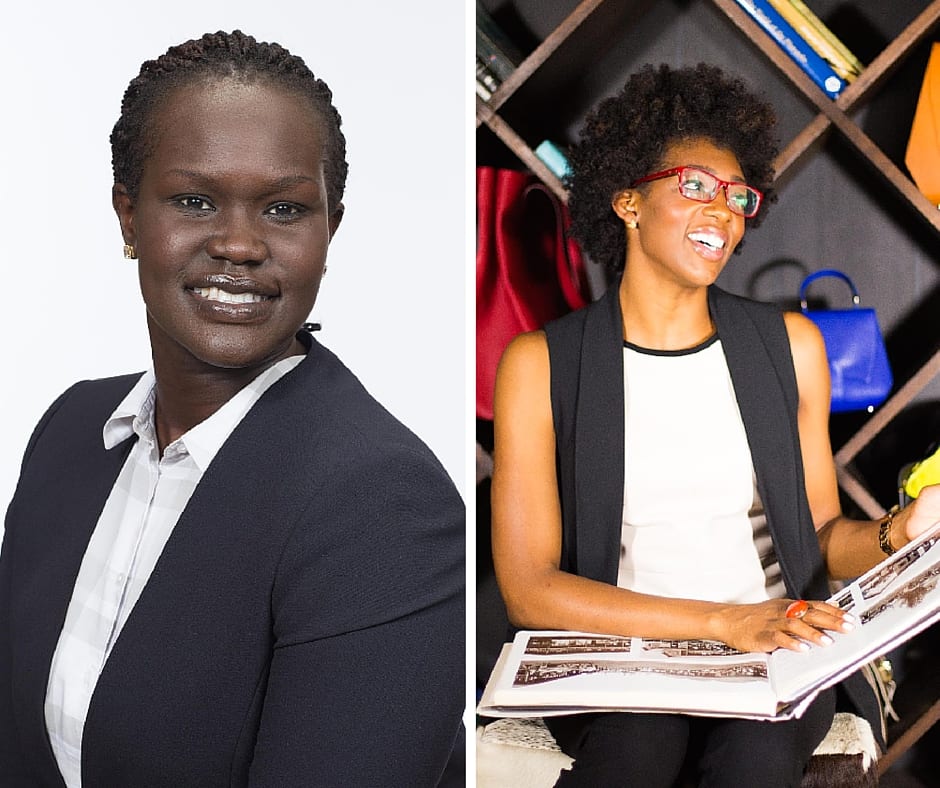
South Sudan is the world’s youngest country. Despite the ongoing conflict, it’s status provides many opportunities for business. Sister-in-laws Nok Nora Duany Bassey and Aprelle Duany joined forces to create The American School of South Sudan (TASOSS) in order to provide much needed high quality early childhood education. Nok’s background is in finance and Aprelle is a fashion designer but both wanted the best for their native and adopted homeland. Below the founders share their greatest challenges, hopes and advice for creating a business in the midst of conflict. Liz: Nok, can you tell me a little about how you came to leave South Sudan and live in the US? Nok: We left South Sudan immediately after the civil war started and came to Bloomington, Indiana where my parents were graduate students at the time. Even during that period, my parents remained really connected to the conflict and worked on the peace process. My dad used to spend six months in Kenya or wherever he could in the bush in South Sudan and then six months in the US to check on the family. I had three brothers and a sister so there were five of us with my mother. She did a lot of advocacy work with churches from the US but there was always a narrative in the household that, “When there is peace we will go home.” And that narrative stuck. So literally when peace came in 2005 after the CPA was signed, I went back after 21 years of being away. My father was already in Juba and we first went to the North, to Khartoum. I remember thinking, “Why haven’t I been here?” A Sudanese classmate from Georgetown was showing me around and everything was so developed. We spent Christmas there and I flew to Juba in time for New Year’s and when I arrived there was completely nothing. I remember getting into the back of a truck to go to my childhood home where I was born. There were no roads. Everything was still under construction. My father had been there for a week and was working to set everything up but it had been abandoned for twenty years. When he came back home they had a found a corpse there and many dead animals. Coming back, I remember this feeling of excitement but also of anger. I thought to myself that I would never go back to the North until I had played some part in developing South Sudan. Coming back forever changed me. I finished my graduate studies in 2006 and moved back to South Sudan permanently. Liz: How was the transition moving back? Nok: Of course it was difficult but it was such a mix of emotions. There was a lot of excitement. So many South Sudanese were moving back after a long time. Over 4 million people were displaced during the war so there was an influx of different South Sudanese from all over the world. Everyone was so encouraged and inspired. I remember drums beating at nights and elders telling stories. People were finally moving freely and everyone was happy. My mom would say, “This really is what peace is: freedom.” We were all building things from scratch and anything that you wanted to do in South Sudan was possible. My father would tell me, “If you miss something you had in the US ,build it here.” I was so inspired and encouraged seeing the work being done for us to have our own country. Of course it was also a big culture shock and it took time and patience to take everything in. Liz: What about you Aprelle? How was it for you moving to Juba? Aprelle: Moving to South Sudan was a difficult transition for me. I left my family and comforts of New York City to support my husband, who like his sister Nok, wanted an opportunity to redevelop his home country. As a new wife and mom, there were many cultural differences that I was not expecting. In addition to the lack of development and language barriers, the environment was difficult to ease into. Overtime, I began to meet new people and gain a better understanding of why South Sudan faced generations of challenges, which held the country back. South Sudan was not an easy place to thrive, but everyday I would meet people who were so passionate about changing the country into a place where they could call home, it was inspiring. At that time, I also began to appreciate the simplicity and beauty of life and I began to explore areas where I could also contribute. Liz: So once you were based in Juba, how did the idea to create a school come about? Aprelle: The school was inspired by my daughter Jinai. The idea became actualized over lunch with Nok, myself, and a few friends. Children in Juba were often isolated in their compounds without an opportunity to engage with other children, which is key to healthy childhood development. One of the things that I wanted for my daughter was a sense of community where she could play and learn. Additionally, Nok and I both benefited from education in our lives from a young age and we wanted to create opportunities for young South Sudanese children to access education. Nok: Yes, oftentimes, people were sending their kids to Kenya or Uganda for school. Young women like myself left kids with their grandparents in other countries. It was heartbreaking. We finally had peace and families were being split again after so many years of being unstable. There were not many schools to support kids in Juba. We initially decided to start a nursery school because Jinai needed one. We started with one classroom and one student. The first day we held an Open House and a few people passed through but Jinai was the only student enrolled for the first two weeks. So everyone was looking over Jinai saying, “Oh, she’s coloring!