
SLA’s Career Strategy Guide
Heard about a career strategy but not sure how to go about it? We’ve talked about this before. How can you not have a career strategy? SLA contributor Tamaan Wilkinson, schooled us on the importance of having a career strategy. You need to know off heart the steps that you’ll be taking to become the boss of your career. This new guide will help you strategically plan and achieve your career goals. Topics this guide will cover: Setting your career vision Determining the skills you need for your career What to do if you don’t know what your career goals are It’s all because, we want this to be you: Complete with worksheets, space for reviews and lots of ideas for helping you get that career that you’ll love, this guide is must have for all women who want to be #MotherlandMogul bosses. Getting access to this guide is easy: just fill out the form below to join our community and get access to this guide, as well as AWESOME weekly content. SLA’s Career Strategy Guide Sign up for free access! First Name Email City Country –AfghanistanAlbaniaAlgeriaAmerican SamoaAndorraAngolaAnguillaAntigua & BarbudaArgentinaArmeniaArubaAustraliaAustriaAzerbaijanBahamasBahrainBangladeshBarbadosBelarusBelgiumBelizeBeninBermudaBhutanBoliviaBonaireBosnia & HerzegovinaBotswanaBrazilBritish Indian Ocean TerBruneiBulgariaBurkina FasoBurundiCambodiaCameroonCanadaCanary IslandsCape VerdeCayman IslandsCentral African RepublicChadChannel IslandsChileChinaChristmas IslandCocos IslandColombiaComorosCongoCook IslandsCosta RicaCote DIvoireCroatiaCubaCuracaoCyprusCzech RepublicDenmarkDjiboutiDominicaDominican RepublicEast TimorEcuadorEgyptEl SalvadorEquatorial GuineaEritreaEstoniaEthiopiaFalkland IslandsFaroe IslandsFijiFinlandFranceFrench GuianaFrench PolynesiaFrench Southern TerGabonGambiaGeorgiaGermanyGhanaGibraltarGreat BritainGreeceGreenlandGrenadaGuadeloupeGuamGuatemalaGuineaGuyanaHaitiHawaiiHondurasHong KongHungaryIcelandIndonesiaIndiaIranIraqIrelandIsle of ManIsraelItalyJamaicaJapanJordanKazakhstanKenyaKiribatiKorea NorthKorea SouthKuwaitKyrgyzstanLaosLatviaLebanonLesothoLiberiaLibyaLiechtensteinLithuaniaLuxembourgMacauMacedoniaMadagascarMalaysiaMalawiMaldivesMaliMaltaMarshall IslandsMartiniqueMauritaniaMauritiusMayotteMexicoMidway IslandsMoldovaMonacoMongoliaMontserratMoroccoMozambiqueMyanmarNambiaNauruNepalNetherland AntillesNetherlands (Holland, Europe)NevisNew CaledoniaNew ZealandNicaraguaNigerNigeriaNiueNorfolk IslandNorwayOmanPakistanPalau IslandPalestinePanamaPapua New GuineaParaguayPeruPhilippinesPitcairn IslandPolandPortugalPuerto RicoQatarRepublic of MontenegroRepublic of SerbiaReunionRomaniaRussiaRwandaSt BarthelemySt EustatiusSt HelenaSt Kitts-NevisSt LuciaSt MaartenSt Pierre & MiquelonSt Vincent & GrenadinesSaipanSamoaSamoa AmericanSan MarinoSao Tome & PrincipeSaudi ArabiaSenegalSeychellesSierra LeoneSingaporeSlovakiaSloveniaSolomon IslandsSomaliaSouth AfricaSpainSri LankaSudanSurinameSwazilandSwedenSwitzerlandSyriaTahitiTaiwanTajikistanTanzaniaThailandTogoTokelauTongaTrinidad & TobagoTunisiaTurkeyTurkmenistanTurks & Caicos IsTuvaluUgandaUnited KingdomUkraineUnited Arab EmiratesUnited States of AmericaUruguayUzbekistanVanuatuVatican City StateVenezuelaVietnamVirgin Islands (Brit)Virgin Islands (USA)Wake IslandWallis & Futana IsYemenZaireZambiaZimbabwe Opt in to join the SLA Community Submit Congratulations! Now go be the CEO of your career! Get your guide HERE .
‘Go the extra mile, because it’s usually empty’: Why you should Do it Now Now

[bctt tweet=”How @DoitBayo is bridging the gap between who people are now and who they want to be” username=”SheLeadsAfrica”] Do it Now Now is a crowdfunding platform that has the social development of Africa at its core. Founded by Bayo Adelaja, a research assistant at the London School of Economics, Do it Now Now helps supports social entrepreneurs in their quest to make a positive impact across Africa. Bayo also hosts frequent StartUps for Africa events on Google Campus, in the heart of London’s Silicon Roundabout. We caught up with Bayo to find out a bit more about the Do it Now Now journey and the importance of social entrepreneurship right now. Where did the passion for entrepreneurship come from? I love working at the LSE, the work is great and so are my colleagues but I’ve always had that entrepreneurial spirit within me. The only way I could do that was by stepping out of my comfort zone and saying this is who I am, who I want to be and I’m not going to let anyone talk me out of it. I had been talked out of it in the past when a company that was trying to buy another start-up I had tried to steal my idea. At that point I wasn’t good at saying I needed help or a support network to guide me on the journey. I realised that most people don’t have that support. They also lack the skills, knowledge and connections. I thought to myself, wouldn’t it be great if I could help people to bridge the gap between who they are and who they want to be? What is Do It Now Now? Do it Now Now is a crowdfunding platform with an incubator attached to it. We help people raise up to £10,000 ($12,000) from their friends, family and other interested parties. Do it Now Now helps businesses organise their campaigns, their perks and rewards, the marketing, the budget, everything. We work with the startup from A to Z, giving them all the support they need over the course of a year to help them build a healthy, scalable and sustainable business. [bctt tweet=”We help people raise up to £10,000 from their friends, family and other interested parties” username=”SheLeadsAfrica”] My job at the LSE has helped a lot as. I saw that there was a gap between the amount of work that aid organisations can do and the amount of development needed on the continent. Social entrepreneurs and start-ups can be more flexible, quicker on the ground with more local knowledge of the community that they’re in. That’s a huge advantage, and an opportunity for them to link up with other organisations in Africa who might be able to support them in one way or another. We also partner with incubators on the continent such as the Kumasi Hive, working with tech entrepreneurs in Ghana. How does the fundraising process work? You raise money with us and we help you grow. Then, we expect you to donate 20% of your gross income or £500 ($600), whichever amount it higher, to the charity that you chose at the beginning of your campaign. Do it Now Now collects commission that enables us to run the programme. We also have Startups for Africa, the free version of the programme which brings together people who are interested in growing their businesses, fostering collaborations and getting a conversation started. We want to show people that it is possible to be a purposeful, conscious person and have a business that is not just about the money, but about people and causes; it’s a heart thing. Money is great but being part of a community that cares about people and supports you is so much better. How can social entrepreneurs be successful on the continent? Do it Now Now is based on this principle: start now, plan now, do it now and do it well. Get on your feet and keep moving. So many of us have a good ideas that will change Africa but we spent too much time planning and researching. We’ve been relying on potential for years, if not decades. I want people to see that it’s not difficult at all to be a purposeful business. Social entrepreneurship is a fantastic way to support Africa’s development and still support yourself financially. I’m not here to simply line my pockets and die rich, I’m here to help people and improve life on the continent. [bctt tweet=”I want people to see that it’s not difficult at all to be a purposeful business” username=”SheLeadsAfrica”] If we have businesses that are strong, healthy and doing positive things it becomes good PR for Africa. Be passionate about your business, your people and the rest of the world will see it too. We need to recognise who we are, where we come from and build what’s needed —no one is going to do that for us. Africa is not a token, it’s not something you do on the side, you need to treat it with the respect that it deserves. How do you balance a full time job and running Do it Now Now? Well, I work about 80 hours a week: I wake up at 5am to build my business then go to work at 10am. Then I sleep and do it all over again, because I’m super passionate. Someone once told me ‘go the extra mile, because it’s usually empty’. If we just pivot the purpose of business we can make a truly sustainable and long-lasting impact. [bctt tweet=”‘Go the extra mile, because it’s usually empty’ – how to make your mark” username=”SheLeadsAfrica”] How can a budding social entrepreneur get started? Pick a problem and pick it wisely. It has to be something you’re passionate about, otherwise you’ll quit. You’ll quit quickly and you’ll leave people in the lurch. Pick something small and specific, then you can then blow it up and make it big. Always work with other people and look out for collaboration opportunities.
Building a community of black women in Amsterdam
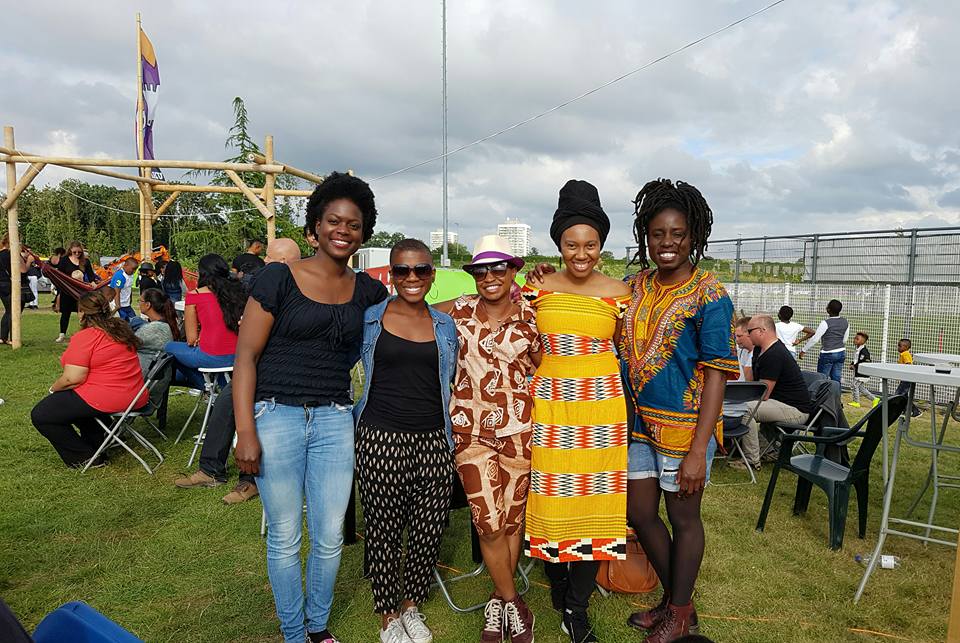
[bctt tweet=”Black women everywhere need to congregate to celebrate our dopeness and support each other” username=”SheLeadsAfrica”] “Black women are made out of brown sugar, cocoa, honey and gold And the strength of ten thousand moons” #Blackgirlmagic is one of the top trending hashtags of 2016. Created by CaShawn Thompson, “Black Girl Magic” illustrates a feeling that some of us have known all along, that black women are universally awesome and it is impossible to count all the ways that we are dope, inspiring and mind-blowing. I am a firm believer in the idea that black women everywhere, at every opportunity, ought to congregate to celebrate our dopeness, to support each other in living out our fullest potentials and to find ways to be there for each other. If we don’t have our backs then who will? The Amsterdam experience When I moved to Amsterdam in 2011, beyond the beauty of the city and the openness and sense of freedom I experienced, one thing that also struck me was how “white” the city was. Now I’m not saying that it was a negative experience from the beginning, but the truth is that most times I was the only black girl in my classes at the University of Amsterdam, in a café in the city centre or at my job…and it got lonely really quickly. When I would encounter another black person, it felt like finding an oasis in the desert and I would try to make the most of the encounter, unsure of when it would happen again. During these times I often wondered where the black people in the city congregated and if there were any spaces in the city where I could just walk into and not feel out place. I eventually came to the conclusion that there weren’t and so I set out to find or co-create a space where black women in Amsterdam could feel safe and secure enough to meet and share stories from their personal and professional lives with like-minded women. [bctt tweet=”The Amsterdam Black Women’s Network was formed to provide community for black women” username=”SheLeadsAfrica”] As the saying goes, “Seek and you shall find” Almost 4 years after I moved to Amsterdam, through luck and determination, one evening I found myself sitting at a table with four amazing, talented and courageous black women from America, Jamaica and Bermuda. We had all been looking for the same thing since we moved to Amsterdam and by the end of our discussion, that evening the foundations of the Amsterdam Black Women’s Network had been formed. In a year, our numbers grew from the 5 founders to a community of over 100 women in and around the greater Amsterdam Area. We recently asked some of our members to share their experiences since they joined the group and these are some of the stories we gathered. It’s been hard to feel part of a community “Co-creating Amsterdam Black Women was a way for me to connect to other like minded women from all over the world, and also help to provide a community where we can share experiences and resources. Our group is becoming about collaboration and support for all of us and I’m here for that. I love that we are now starting to connect and help each other in all our different endeavours.” “What I love most about this group is how it brings together all these dope black women who are doing great things who can serve as a source of friendship, inspiration and support for each other! So excited to see us grow together.” “I have lived here for seven years and have tried everything to meet awesome black people but it’s been hard to feel part of a community. This is something I really need in my life and it comes at a great time. Thanks again for taking initiative. Also it’s so great that the group is so inclusive. It’s important that people feel safe in such a group.” “There’s something special about being able being able to turn up in a foreign land and find a community with whom you know you’ll be understood and accepted, where you’re just allowed to be your unadulterated self.” “I like the multi-faceted events, i.e. book clubs, going to the club, brunch, shopping, visioning, etc. I also like that I get to meet black women from all parts of the diaspora: UK, Netherlands, US, France, Germany, etc.” [bctt tweet=”Our motto is simple: Connect, Belong, Soar – Bringing #blackgirlmagic to Amsterdam” username=”SheLeadsAfrica”] Our motto is simple: Connect, Belong, Soar We are here to create a space where black women can be amongst others who fully share and understand their experience. With the Amsterdam Black Women’s network, we envision a community that is centred on empathy and support that provides a non-judgemental space of communion for those who enter. We want to facilitate growth and support of goals while nurturing inner strength. We aim to be a space of service and advocacy. It’s not easy juggling full-time jobs, families and other commitments while trying to build a group that achieves all of the stated objectives and strives to become a staple in the black community in Amsterdam. But from the sounds of it, we are well on our way and so we will keep putting in the work because #blackgirlmagic. If you are ever in Amsterdam, please look us up on Facebook, Instagram or email us. We would love to welcome you into our little family, show you our Amsterdam and most importantly ensure that you have a place that where you can go that feels like home.
Lessons we can learn about building a social brand from Seatbelts&Openspaces
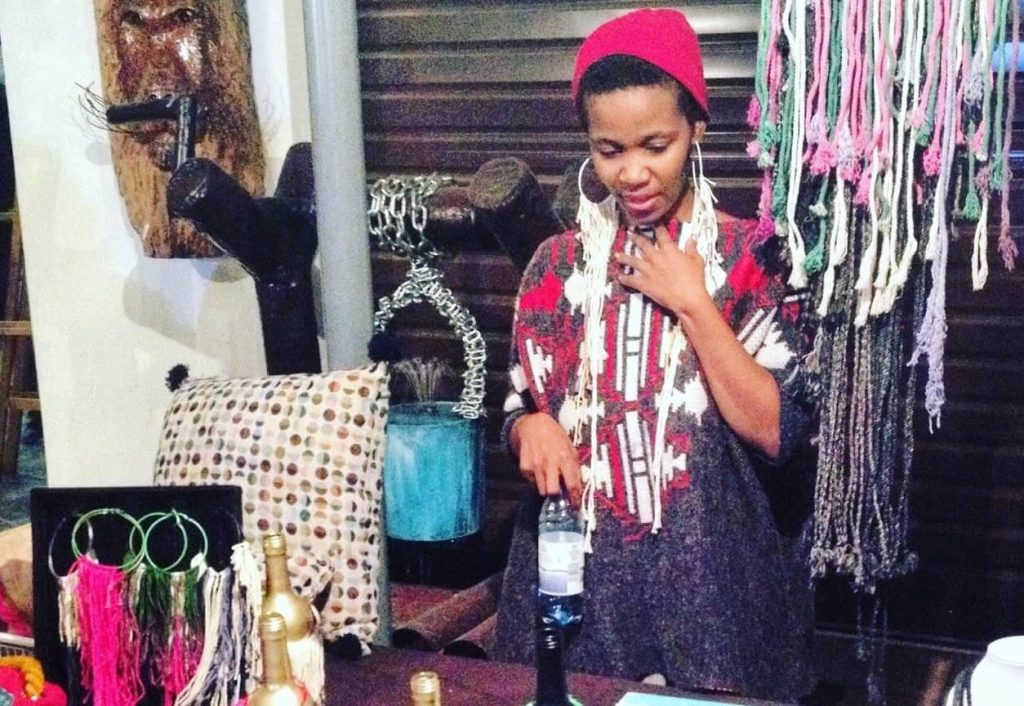
[bctt tweet=”It is important to incorporate a social issue that can be part and parcel of the story behind your brand” username=”SheLeadsAfrica”] Social branding is important in trying to build enterprises that are btoh sustainable and socially responsible. We can learn a few lessons from Seatbelts&Openspaces CEO, Thuto Sekate. Seatbelts&Openspaces is an ethically social brand which produces sustainable merchandise including up-cycled arts and crafts, clothing, and décor made from organic material, old clothes, trash and scrap material. 1. What influences your brand? For Thuto, a #MotherlandMogul making vintage clothing with environmentally friendly products, her influence is from her past. “Seatbelts&Openspaces is a result of an ethical father and mother. My dad once worked for an NGO that dealt with social issues, then moved on to work for a can recycling company. Later, my mother started a glass and paper recycling company while I was still a minor. So caring for the environment was naturally drummed into me.” In university, she had the experience to cover a topic of sustainable fashion. This exposed Thuto to her calling to address her social issue of choice through eco fashion. When building a social brand, it is important to incorporate a social issue that can be part and parcel of the story behind your brand. 2. Clearly define your brand Through her platform, Thuto directly addresses environmental issues, making clothing from waste or recyclable material. She also upcycles, with ethical practices such as using natural dyes like coffee and tea in her production. Thuto’s focus is incorporated in every fabric and material she makes which is clearly visible in whatever she sells. Through her style of fashion, Thuto reduces the carbon footprint by handcrafting her work. There is a conscious effort in her work to ensure that her brand clearly associates itself as environmentally conscious and friendly. [bctt tweet=”Thuto Sekate directly addresses environmental issues through Seatbelts&Openspaces” username=”SheLeadsAfrica”] 3. Learning from others “I am definitely following other social brands, both fashion for their trends and just eco brands for the information of staying eco conscious.” Thuto learns a lot from more developed socially responsible brands that help her find better ways to structure her business. This way, she can improve her process and technique as well as raising her integrity associated with being a “woke” brand. 4. There will be challenges still, SLAy In countries like Botswana, building a eco friendly brand is not common or well known as part of the business process. So not everyone will understand immediately your work. “Awareness of the cause is still building up in Botswana, so very few people understand the deeper meaning of the brand. The educational part of the need for such a brand needs to be built before we can successfully make a significant social impact. I guess that’s why Seatbelts&Openspaces is a need. Our attempts are to close that gap of understanding and rocking the brand while creating employment opportunities for the youth. Mostly the balancing of profit and good will.” Beyond looking to make a profit, your brand has to look at long-term sustainable solutions to ensure it meets its targets and impacts its community positively. [bctt tweet=”Building a social brand requires realizing that you improving your space in one way or another” username=”SheLeadsAfrica”] 5. Be a game changer Building a social brand requires realizing that you are different and improving your space in one way or another. Your platform can influence others on how they perceive social challenges around them, especially now in Africa. “The possibilities are endless for us, we are the actual future. With the amount of “woke” young people in my circle alone, my faith in humanity is restored daily. Photographers, weavers, bloggers, doctors, lawyers, accountants, online store owners are each tackling different social issues. From documenting poverty in photos, offering artisanal skills to the less fortunate, selling art made by locals all over the world at fair prices, giving locals an opportunity to grow beyond borders or awarding free medical services, with the help of crowdfunding. We do need to make profit, but it should not be at the expense of others.” Seatbealts&Openspaces does not shy always from realizing the task of changing the narrative on consciousness in business in the Motherland. Neither should you.
Rosaline Kariuki: There will never be a better time to be an entrepreneur
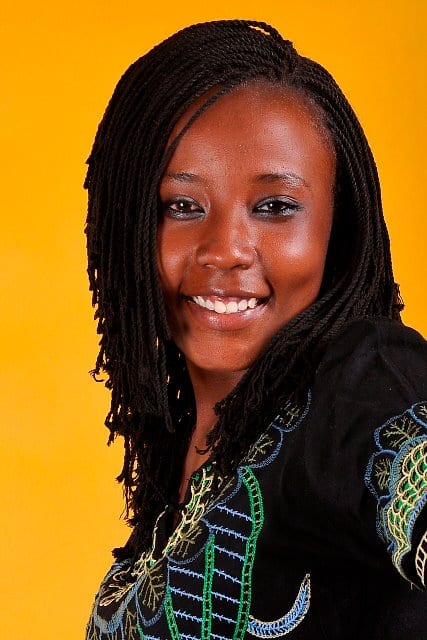
[bctt tweet=”I want to do small things for kids, but in a big way – Rosaline Kariuki” username=”SheLeadsAfrica”] I have had the pleasure of knowing Rosaline Kariuki since childhood. I’ve admired Rosaline as an amazing enterprising lady and recently imbibed some of her wisdom over froyo. Rosaline is a lawyer by profession. For a long while, her mind was fascinated by case laws, contract proceedings, ‘caveat emptors’, ‘de factos’ and ‘ipso jures’. However over time, Rosaline’s heart chose business. And as with all resilient, passionate, all-the-way-up hustlers, business chose her right back! Before we get to the crux of the business story, what was your childhood dream? Has that been the same all through or did you change some things along the way as you grew up and discovered yourself a little bit more? I always wanted to be a dancer, thanks to the influence of Channel ‘O’. Then in the usual progression of life, that evolved to a writer. However, there was no J.K. Rowling in my time who inspired me as such. After that, I moved on to the dream of owning and publishing a children’s magazine. Think of this as an enlightening kids magazine, giving them their voice where they get to write, showcase their skills, creativity and pretty much cover anyone with genuine interest in kids who would like a platform or a way to contribute. Finally, I settled on being a childrens’ lawyer. You really have a passion for children, Rosaline. Where are we now with the dream? Yes, kids! I want to do small things for them but in a big way. I figured that the ladder to a lot of ideas that I had for them would need me to climb up by sticking to the legal profession. So with my new-found energy and charm for business, I realized that I could use the proceeds to set up something for them on the line of quality medical care. The current providers are mostly overpriced, queues are long and rarely does a wonderful story spin out of these hospitals, private ones included. Don’t get me started on public hospitals. That’s brilliant! I think that good medical care has a long way to go and not just in Kenya, but in a lot of developing countries in Africa. After mulling over business ideas, what did you first settle on? I started by helping my mom set up a snack shop next to a major university in Kenya, Catholic University. I have always loved sandwiches and smoothies! If you want to take me on a date, you better get a perfect recipe for those two! [bctt tweet=”My first business was like a kindergarten teacher on day one holding me through the ABCs” username=”SheLeadsAfrica”] I was engaged there for a couple of months before getting into tenders for school suppliers. This first business taught me a lot: it was more like a kindergarten teacher on day one holding me through the ABCs. I perfected my entrepreneurial rocket launch pad, it was also a test of my courage for business and my very first baby. On to the tender business, would you share how that is coming along? So far so good, and so rewarding. My company is called Petmil General Supplies, or PMG in short. I tender to schools supplies in the range of cereals, dry food and stationery. It is bulk business and is very promising. My dad has been a major mentor especially for stationery supplies, having been involved in a similar business when I was small. My younger brother is my partner and I am looking to grow this and then strike another venture, the serial entrepreneur style. [bctt tweet=”Whatever it is that you are passionate about, stick to it long enough to make it happen” username=”SheLeadsAfrica”] Would you like to go deeper into the lessons and what other Motherland Moguls can learn from you? Oh yes! Always stick to the plan: My idea was to be a healthy snacks vendor but we found ourselves trying lunch meals. This shifted focus and by far has been my biggest lesson. Whatever it is that you are passionate about, stick to it and focus long enough to make it happen. Financial: For what you think you’ll need to start out as capital, double that. The buffer is necessary as other operating expenses or hidden expenses crop up and can be a tad overwhelming. Vision & employees: Your employees need to see your vision, understand it and buy into it. Even if not all, at least one. This keeps them on toes, gives them a direction and motivates them in times of uncertainty. Sometimes, it will be only one employee, the loyal kind. Such handle the business when you are away or have other commitments to take care of. Outsourcing: Get help or you’ll burn out. I burnt out a few months into the business because I was doing everything when I could actually outsource some help. Accounting/website design/social media…any functions that you can pay a reasonable fee to be taken care of will ease up your schedule for business development. Personal: There will never be a better time to be an entrepreneur. We are the change makers and this is the time. We are much like the American baby boomers who our kids will be talking about 20 years to come. I will die an entrepreneur. Want to see women you know featured on SLA? Tell us what amazing things women are doing in your communities here.
Wheel a mile in my chair: Living life to the fullest
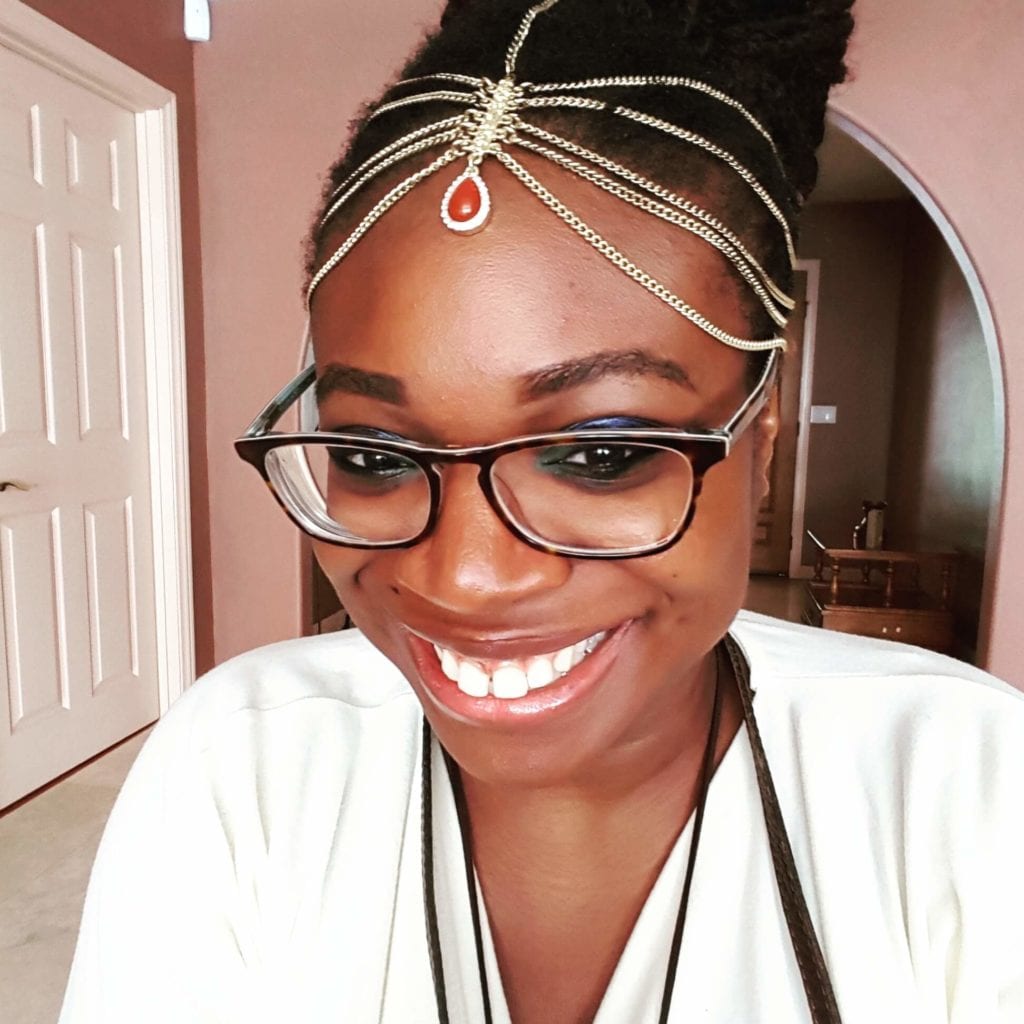
[bctt tweet=”Overcoming the pain of loss is an intricate process that requires time” username=”SheLeadsAfrica”] Wheel a mile in my chair…what comes to mind when you hear this clever turn of phrase? It definitely needs greater clarification. You’ve heard the expression; walk a mile in my shoes right? Well, I am making a bold attempt to draw out specific lessons from my experiences living with a spinal cord injury and being confined to a wheelchair —and that lesson is, appreciating life whatever situation one might find themselves whilst overcoming the crippling devastation from pain and loss. Have you ever stared at the ceiling contemplating what turn your life has taken? Have you ever dragged yourself out of bed in the hopes that today will differ from the previous hours of excruciating boredom and listlessness? Each minute seems to pass by with minuscule expectation of reminders of the little joys in life; of a purpose…or dreams once shared. At times, people look around and feel a deep, ‘justified’ dissatisfaction with their current situation. Despite the job, house, relationship, rate of family expansion, choice or non-choice of partner, non-existence of a lover, even the absence of precious ‘me’ time. Countless minutes are spent trying to comprehend how things are not progressing like they should. How one day a person can feel like they are on the apex of a mountain and the next, plunge themselves into helplessness and despair. I am no stranger to moments such as these and I am a hundred times certain that you aren’t either. I challenge you to view the title of this article as a truth View it as definitive sentiment. A mantra that can possibly shape, nay alter your perspective during the troubling times. Those palpable moments of paralysing doubt, soul-crushing fear and nagging bouts of self-loathing and self-pity. [bctt tweet=”Wheel a mile in my chair is a mantra that can alter your perspective during troubling times” username=”SheLeadsAfrica”] Striving for perfection is certainly no fool’s errand. Experiencing all these turbulent, crippling emotions is natural. But dwelling and revelling in them will not only hinder personal growth but actually contribute to the perceived obstacles that seem to be ripping your dreams and aspirations to shreds. My life used to have a somewhat defined path; a certain structure that could fit all my hopes, dreams and desires. I wanted to have a cushy job by the age of 25 and a car with a chauffeur. A nice little ‘nest egg’ for rainy days and free time to write, read, practice bikram yoga and chill on the beach with my amigos. Alas, it took a drastic, unexpected, catastrophic detour. Gone were those carefree days. As soon as the doctor gave the tragic diagnosis and said the wheelchair would be my new mode of transportation, I had to recalibrate my understanding of my circumstances. How could I possibly overcome this type of loss? What tools of the mind would be strong enough to defeat this level of excruciating agony? First course of action was to open the floodgates to let my turbulent emotions through. Express every dark thought buried under hazy recalls of the traumatic events surrounding my injury. I needed to purge everything in a safe place —to my therapist, mother, father, sister and brother. Next, I decided to focus on recuperating, retraining my brain to carry out simple tasks of sitting up, changing position in bed with great caution, preventing my atrophying leg muscles from weakly falling and hitting the handle rails of the ‘cosy’ hospital beds. Each task became a challenge, an opportunity to overcome the reality that I was experiencing at the time. [bctt tweet=”Everyday was a struggle but I had too much to live for.” username=”SheLeadsAfrica”] No more dwelling in pits of depression and defeat I had an exercise schedule with goals to achieve. I tried to celebrate the little things like deciding to take the brave step to wear make-up or flirt with a cute occupational therapist. The possibility of seeing myself as a sensual being that could be loved seemed inconceivable. Everyday was a struggle but I had too much to live for. The outpouring of love and support from well-wishers served as fuel to facilitate the process of healing and restoration. Months of intensity, working through the neuropathic pain so I could start ticking things off my bucket list. Live in Southern California, go to Universal Studios and ride a roller-coaster for the first time since 4/21/14; go to Warner Bros and experience the joys of filmmaking, meet all the famous people that are making a difference; perfect my writing skills. Geographically, my list extended to the Napa Valley, Sausalito, San Francisco, Vegas, ATL, San Jose and Rancho Santa Fe. My world opened up drastically and the spots of darkness grew smaller as the light of hope began to overshadow them. [bctt tweet=”The key to dusting off the “funk” was to allow the waves of emotions to wash over me” username=”SheLeadsAfrica”] Dusting off the funk The key to dusting off the “funk” was not to revel in it but to allow the waves of emotions to wash over me. Pushing forward to better moments helped heal me from the inside until joy emanated from every single pore. Overcoming the pain of loss is an intricate process that requires time. By drawing on different sources of strength, both internal and external, moments of doubt and helplessness became few and far between. Experiencing all these things is part and parcel of human condition. By looking beyond the darkness to the ray of hope at the end of the tunnel, peace and tranquillity can and will be achieved. Love. Laughter. Camaraderie. Literally enjoying your simple pleasures. Conquering the demons in and out of the mirror will be an attainable feat for any courageous individual trying to restore the shattered pieces of their souls back together.
Twitter Chat with Alina Vinogradova: The importance of programming for African start-ups (Nov. 24th)
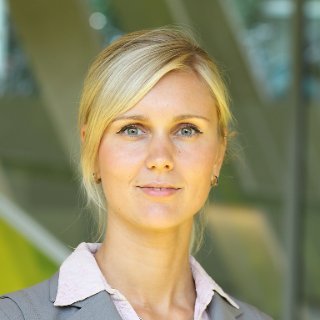
African start-ups are coming up across the continent, but the investments and programming needed to ensure their growth aren’t always there. What needs to happen for the number of investments and programming for African start-ups to increase? What should investors and venture capitalists be doing to increase the strength of the African start-up space and what can entrepreneurs themselves be doing to attract the right kinds of investments? Given She Leads Africa’s accelerator program and our recent Demo Day, SLA is working hard to address these questions. Along with our partners from VC4Africa, Work in Progress, and others, SLA is working to ensure African entrepreneurs have the tools & resources they need to reach their goals. Join SLA & Alina Vinogradova of VC4Africa on Nov. 24th, for a discussion on the importance of programming for African start-ups, whether it’s accelerator programs, incubators, pitch competitions or anything else that exposes African start-ups to investors and mentors. In particular, we will focus on why we need more programming focused on African women entrepreneurs and encouraging their growth across the sector. Follow She Leads Africa on twitter and use the hashtag #SLAChats to ask your questions and participate in the discussion. Topics that we’ll cover: The toughest barriers to African entrepreneurs accessing finance, investors & venture capitalists The importance of platforms where female African entrepreneurs have direct access to investors Closing the gender difference in access to finance for African entrepreneurs What African women should keep in mind when seeking out financing for their start-ups Twitter chat details Date: Thursday Nov. 24, 2016 Time: 12pm London // 1pm Lagos // 3pm Nairobi Location: Follow She Leads Africa on twitter and use the hashtag #SLAChats Help us spread the word: [bctt tweet=”Join @SheLeadsAfrica & @VC4A for #SLAChats on Nov. 24 on the importance of programming for African start-ups” via=”no”] About Alina Vinogradova Alina develops and manages startup support programs implemented by VC4A as part of larger donor-funded initiatives, such as Work in Progress! Project or World Bank’s Pan-African Accelerator. She builds out VC4A’s network of strategic partnerships with various African startup ecosystem players and is constantly looking for fit between organizations, their objectives, and the goals of the VC4A community. Alina holds MSc in Business Economics from Baltic State Technical University in St. Petersburg and an MBA from Amsterdam Business School (UvA). Prior to VC4A she spent over 10 years working in various commercial roles in the private sector in both emerging and developed markets, with B2B marketing, sales & business development being her core expertise areas.
Emma Wenani: Deep down, I always knew I would be successful
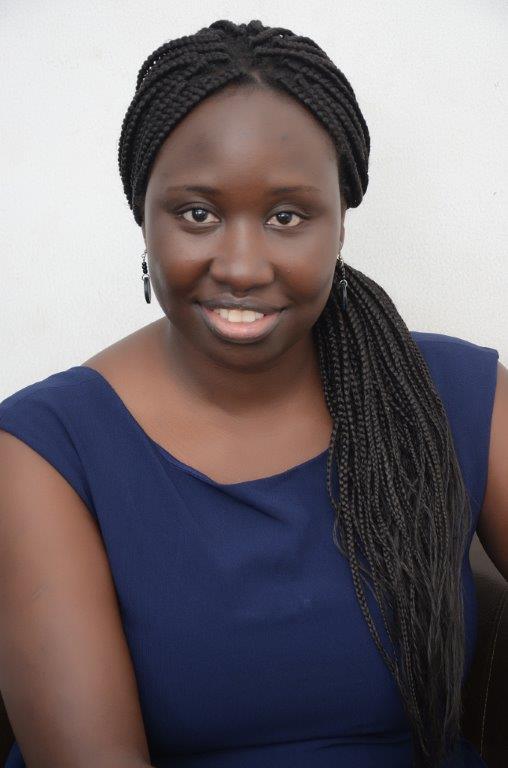
Emma Wenani is the Director, Human Resources at Global Media Alliance (GMA), a leading communications company in West Africa. Together with her team; they manage the HR processes for over 300 staff members across 9 business entities. Emma embodies the idea of women in corporate leadership, but her career now is nothing close to what she wanted to do with her life while she was growing up. She shares more about that, her leadership experience and the challenges for women in leadership. What was your dream job as a kid? Why? I wanted to be so many things at the same time. At some point I wanted to become a model because they looked so prim and proper and very well mannered. Then I wanted to be an air hostess so I could travel the world; I still want to travel the world, but as a tourist. Then at yet another point, when one of the top cardiologists in Kenya died from heart disease, I decided I was going to be a surgeon. For the longest time I was working to be a doctor, but when I really discovered what careers were (I guess one eventually does grow up), I knew I wanted to become a teacher, I still believe that I will teach one day. I wanted to teach because of one of my primary school teachers, Mrs. Katingima. To date, she is my all-time favourite teacher because she taught us and loved us. I admired her; there was something about how much she wanted us to succeed that made going to school very easy. I wanted to be a teacher like Mrs. Katingima so I could teach my students with as much passion as she taught us. How did you find yourself where you are now? I will summarize it somewhat and say I do believe I am where I belong. I never thought that I would be pursuing a career in human resources, but this is where I find myself and I love it. When I was doing my undergraduate studies, I joined a student organization on campus called AIESEC. AIESEC is the largest student-run organization in the world, which was keen on inculcating in us the importance of working towards realizing our leadership potential. It was there that truly, my passion for talent, training and people was unearthed. I was involved in a number of roles that gave me the opportunity to lead teams, attend conferences in different countries with like-minded leaders, facilitate conference sessions etc. It was clear that anything and everything that involved working with people and in talent management was something I would pursue. After 6 years of being in HR and 2 years specializing in HR studies at Masters Level, I can comfortably say that I am home. What woman inspires you and why? I admire Kenya’s First Lady Margaret Kenyatta; I admire everything about Her Excellency. How simple yet powerful she is, how much thought goes into her ceremonial and occasional outfits, her causes and the passion she puts into them. I admire that she not only says she is going to do something, but puts her all into it. A leader should not only delegate but should also show others that they can do what they say they are going to do. The effort and work she has put as founder and patron for the Beyond Zero campaign, aimed at stemming maternal mortality must be lauded. I look forward to meeting H.E. Margaret Kenyatta one day, to tell her that I admired her from afar, and to say thank you on behalf of current and future mothers for sharing her story and truly living her promise. What do you consider your biggest success? I don’t know whether I would term it as biggest success but I am proud of the woman I have become. I have always been ambitious and deep down I always knew I would be successful. But, I do not take for granted the opportunities that I have had in the pursuit of my dreams that have made me excel in my career. 10 years ago, if anyone told me that in 2016 I would be a Director of one of the most successful media companies in West Africa, I would not have believed them. But here I am, many miles away from home, away from my family, away from what is familiar but flying the Kenyan flag high and representing it in my new home, Ghana, smiling deep down and being content with the woman I have become. I am still a year behind my dream of being CEO but I am proud of who I am today. Tell me about a time you failed as a leader? I cannot put a finger to any moment that I may have beaten myself up for failing. One of the things that scares me the most and would be a failure on my part, would be not leaving a legacy or having a good successor. If for example, I have to leave my work place and no one notices or feels my absence or I am not able to leave a good transition history, I would have failed as a leader. What do you think is the most significant barrier to women leadership today? Today, more women are empowered to take on executive leadership roles than in the past. Obviously we still have a long way to go because the percentage of male executive leaders still outnumbers women’s by a huge margin. One of the barriers to women leadership is the struggle with the idea of neglecting family as they climb up the corporate ladder. Women are natural caregivers. Therefore, we always have to think of how our families will be affected if we take on more responsibilities at the workplace, and what support, if any, will be offered by organizations whether in the formal or informal sector. How do we create a balance between taking a seat at the table and still remain competent home makers? If you’d like to share your story with She Leads Africa, let us know more about you and your story here.
How to land a job with the United Nations
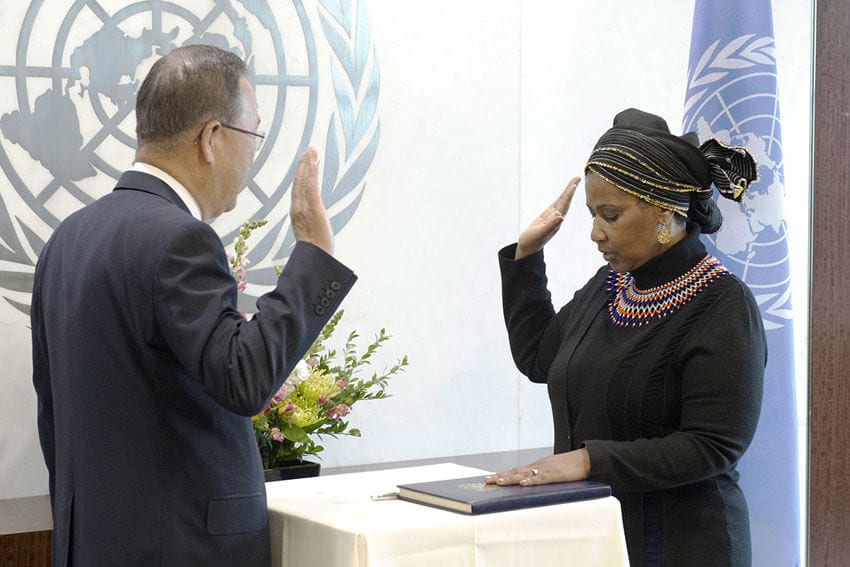
The United Nations is probably one of the most well known organisations in the world. Around the world, wherever the UN is present, it is widely regarded as a symbol of peace, cooperation and development. For someone like myself working in the development sector, landing a job at the UN is considered a major feat and one that is likely to open doors for you throughout the rest of your career. So the question is, how exactly does one go about getting a job at the United Nations? Having successfully gone through the process recently, I would like to offer a few key pieces of advice that I believe worked to my advantage. 1. Become an expert at something Whatever your qualifications are, know now that for every position you apply to at the United Nations there are hundreds, if not thousands of people with the same qualifications, or even better. So what’s going to set you apart from the competition? In my opinion, you have to be an expert at something, anything. You should also be able to demonstrate how you can use your expertise to make an impact on the job if you are hired. In my case, while the job description did not immediately ask for it, I knew that I had a flair for design and communication and so I was sure to highlight that. [bctt tweet=”In my opinion, you have to be an expert at something, anything” username=”SheLeadsAfrica”] I showed this not just in my CV but in the way my CV was designed. Also, in answering the questions in the application process, I made sure to weave this fact into my answers, and it worked. After I was hired my boss told me that was one thing that stuck in her mind. In addition, the fact that I was able to display that skill at every stage of the interview process, both on the written test and during the oral interview, was impressive. So my advice to you is, be very good at what you do. Also, have a few unexpected tricks up your sleeve. In this day and age, don’t limit yourself to any one way of doing things. Rather use your time wisely to cultivate skill sets outside of your field of work or study. [bctt tweet=”In this day and age, don’t limit yourself to any one way of doing things” username=”SheLeadsAfrica”] 2. Be bold and daring For most positions advertised at the UN, it seems that they are looking for experts with tons of experience. At first glance I think it can be very intimidating to most people, especially those in the earlier stages of their careers, who feel that they do not have the necessary profile to apply for the jobs they come across. My advice to you is to ignore the doubt and dare to go for it anyways. The position I applied for asked for at least 5 years of experience and I had only 2. But reading the job description, I was convinced that even with my limited experience I could take on the role successfully. So I set out to show that in my application. [bctt tweet=”My advice to you is to ignore the doubt and dare to go for it anyways” username=”SheLeadsAfrica”] I enlisted all the help that I could get throughout the application process. I familiarised myself with the work being done by the United Nations body I was applying to. Also, I read through tons of reports, case studies, partner organisation websites. I must have spent close to two weeks crafting the perfect application and going through it over and over until I was fully convinced that I was submitting an application that would get me the job. After I was hired, I heard from my boss that my application immediately stood out. My boss said it was complete, compelling and presented in an attractive format. By the time they realised that I did not have the 5 years of experience that they were looking for, they were already sold on my qualifications and abilities to think outside the box. That was what put me through to the next round. 3. Cultivate an international outlook For the most part, the work done by the UN strives to find out what works in one part of the world. Whether it is in terms of promoting socio-economic development, peace or security. Then trying to see how the lessons learned can be applied or reproduced in another part of the world. What that means is that if you do land a job at the United Nations, you are going to be interacting with people from different cultures and backgrounds. Together, you will find common ground so that you can do meaningful work and enact real change. Part of what I believe helped me through the application process was that I was able to display the fact that I had a very international background. Not just that, I had successfully thrived in different cultures. I had also been able to build things i.e. networks, grass-roots organisations, communities, everywhere that I had been. [bctt tweet=”Landing a job at the UN is hard, but the truth is that it is actually very achievable” username=”SheLeadsAfrica”] Finally, be determined and proactive In all honesty, landing a job at the UN is hard, but the truth is that it is actually very achievable. It’s one of those things that you have to be really determined and proactive about. Be on the lookout for new job postings on the various UN sites at least twice a month. Do your research into the different United Nations bodies you think you would like to work for. Know what they are truly about. Then, appraise your background and expertise to determine how you could really make an impact there. Seek counsel from people who have worked in the UN or other international organisations. It never hurts to get a more realistic picture of what it’s
What to do if you are aiming for a board seat
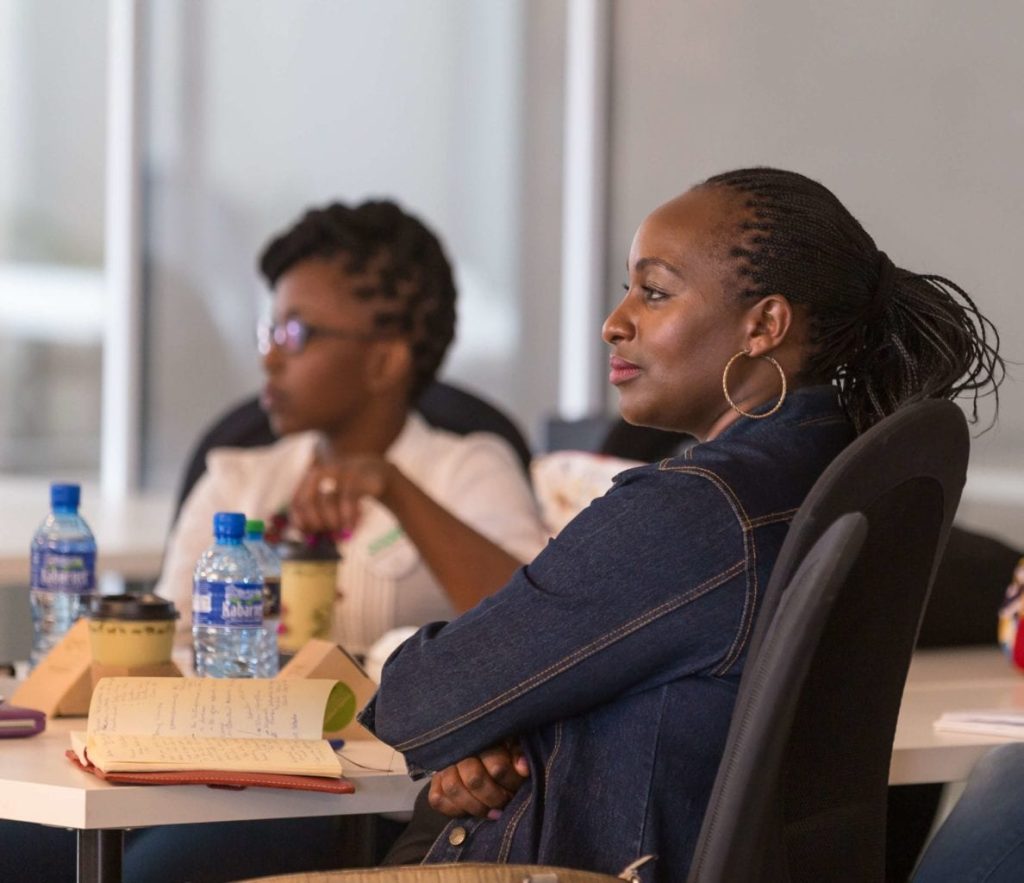
[bctt tweet=”A board position is not out of your reach if you play your cards right.” username=”SheLeadsAfrica”] Landing a seat on a corporate board is a well grounded career path for any successful woman executive. Not only will it expose you to a quality network of high profile individuals but it can also be a viable way to use your experience and skills to serve at a very high level. Serving as a director can also be a good post retirement gig. According to a report by Africa Development bank (AfDB), women make up only 14.4% of boards of blue chip companies in Africa. If you want to get on a board of directors at some point in your career you have to be intentional about your career experiences. Here are six tips that can help you tick this well-regarded role off your career bucket list. 1. Consider your motivation Being a board of directors is prestigious and can open lots of other opportunities for you. However, you should want it for the right reasons. It is more than the prestige and the status. A more noble reason would be wanting to make a valuable contribution using the skills and experience you have amassed during your career. Being clear about why you want a seat is very important because you will be able to answer questions such as which positions that you are interested in, what your value proposition will be and how your interests, experience, strengths align to a director position. You will then be able to establish your goals and the strategy that will get you there. [bctt tweet=”Being on a board of directors is more than the prestige and the status” username=”SheLeadsAfrica”] 2. Work on your personal brand and gain work experience Landing a seat at the table is is usually reserved for older executives who have several years of experience in their field. You have to earn extensive experience in your field. Embrace every opportunity to work with a board of directors, even if it means just presenting or serving in an advisory role. To improve your chances of landing this role, establish yourself as an expert in your field. Be visible by taking up speaking engagements, building a blog and a community around your brand. Review how the careers of successful board members progressed. How did their careers progress and what can you emulate? A simple search online will get you good answers on these questions. 3. Start networking These positions are not advertised so it is important for you to know people in similar roles. It is board members who already serve on company boards who are approached for similar roles. Connect and develop relationships with board members. Get help from them on how to how to craft your CV for a board seat. Let them know that you are interested in a position if it comes up. That way, when the next position opens, you might just get recommended for it. 4. Don’t be afraid to start small You probably won’t start off on a board of a public company. You will have to start off by serving on a smaller company board or a start-up. Even the small roles might still be hard to find and you will have get your name out there and let people know that you are interested in such roles. Volunteering for a board position at a local non-profit might be your gateway to your career aspirations. 5. Start your own business Entrepreneurs are attractive people for roles on a board of directors because they have worn too many hats in their career. Starting and running a successful business equips you with a lot of skills ranging from goal setting, strategic planning, financial acumen, industry knowledge, problem solving, that are invaluable to a a board. [bctt tweet=”Did you know that entrepreneurs are attractive people for roles on a board of directors?” username=”SheLeadsAfrica”] Most people who were able to get board positions at an early age did so because of a successful business that they helped set up and grow. So why not do the same? 6. Training There are several courses you can consider to improve your skills. It is important to note that you will not be hired for a board position solely on the basis of training. Find out where your weaknesses are and compensate these with formal training. For example, if you’re short on financial skills and corporate governance, you could consider getting training in those areas. There are also specific courses for aspiring directors that you could pursue. Women stand a bigger chance and there’s a higher demand by stakeholders to have more diverse boards. A board position is not out of your reach if you play your cards right.