
Spicing up your hustle if your passion has grown cold
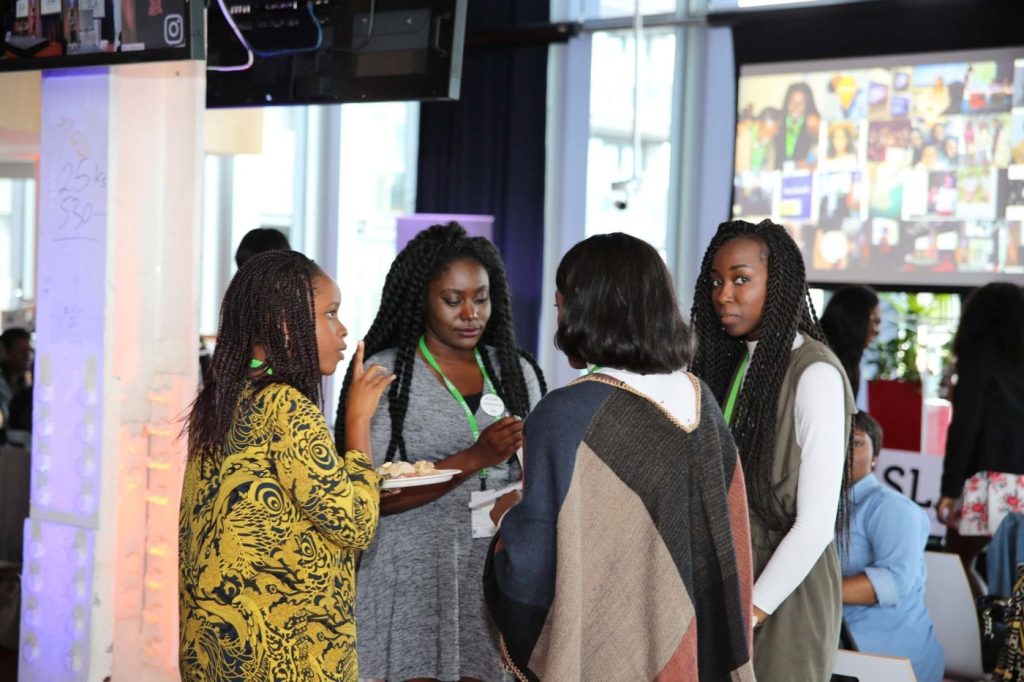
[bctt tweet=”A lot us have moments in our career/business where there just seems to be no inspiration” username=”SheLeadsAfrica”] Let’s be honest, you have probably hit a moment in your hustle where you think; If only I could just live in my bed for the rest of my life. Well, rest assured you are in good company, because of a lot us have a moment in our career, business or social project where there just seems to be no inspiration. Well, if you happen to be going through that, here are some tips that might help 1. Take a break Its most likely that the work you are currently doing has either become so routine or overwhelming that you have not had a moment to step back and evaluate or just break from your labour. It is absolutely necessary to take some time off. If you can manage it, email and phone less to refocus on the priorities of the work you do and gain well needed energy to do it better. When constantly engaged in the small details of how you work, you miss the opportunity to step back and have a bird’s eye approach to give you a sense of clarity and purpose to what you do. If you can’t manage a vacation, try to allocate some time to doing less engaging activities “after hustle hours” to re-energize and recuperate so you can apply yourself better tomorrow. [bctt tweet=”If you can’t manage a vacation, try to find time for less engaging activities after hustle hours” username=”SheLeadsAfrica”] 2. Get some online inspiration Other than watching Solange’s videos on repeat, there are amazing videos that can help bring some passion into your life. There are avenues like TED talks from amazing African people doing incredible work. Since you might not be able to attend an expensive conference or have the time for it, the internet offers many lit resources too when looking for exceptional people to learn from. 3. Hang with the squad Having a solid established friendship circle on dial can really help when you are having a rough time. You do not need to talk about the issues you might be having, however it helps to be in a more relaxed environment and focus of the lack of passion you might be feeling. Meeting people who might be passionate about other activities around you could ignite it in you and leave you feeling inspired. Even if you don’t leave feeling woke, you had an awesome time out and a good laugh which always helps. [bctt tweet=”Meeting people who might be passionate about other activities around you could ignite” username=”SheLeadsAfrica”] 4. Volunteer No, its not about your CV. Looking for causes that you truly care about help you remove attention from the grind. These causes are always passion initiators. Humans do well when we feel we are contributing to our community. It might not be necessarily anything monumental, however causes related to your area of expertise or interest can push you to think outside of yourself and needs and focus on others. This will bring a new found purpose to anything you do —even the mundane job. Volunteering can also help you gain new skills to break the routine of your daily work. 5. Talk about your passion Focusing on the things that excite versus the things that don’t, helps you move attention from the negative vibes. Falling into the trap of constant complaints won’t help break the wall you might be facing. Try to think about the things that thrill you. Doing this may inspire you to find ways to do those things; like reaching a new income target or getting new clients. You’ll likely to see the silver lining more than everything else that makes you feel uninterested. [bctt tweet=”Constantly complaining won’t bring inspiration your way but these 6 steps will” username=”SheLeadsAfrica”] 6. Take up a class Most of the time we look for hardcore courses, however that probably don’t bring the motivation you might be looking for it. It will also look a lot like your current job. I challenge you to do something that might not benefit you in terms of the work you are involved in, like a dance/zumba or a language class. If you really can’t help it because you are a boss lady, go for a leadership course or communications class, something that will open up your mind and bring some diversity into your routine. These will help get you into the right kind of mindset for the work you are doing plus you get to meet new people and learn a new thing. Challenge yourself to do new things. So next time, don’t let the lack of passion get you down, you have many great avenues to start it going again. Keep on SLAying!
Rebecca Kanoerera Munyuki: Leaders lead from within, regardless of their position

[bctt tweet=”@RebeccaKano is a woman who simply refused to accept average” username=”SheLeadsAfrica”] You know the famous Shakespeare quote: “Some are born great, some achieve greatness, some have greatness thrust upon them”? I am obsessed with hearing stories of how those who achieved greatness did it. Rebecca Kanoerera Munyuki is a great example of a woman who simply refused to accept average. She resolved that if it was possible to achieve greatness, she was going to be one of the ones who achieved it. I sat down with her to chat about her inspiring journey. You truly have humble beginnings. You started as a childcare giver, to working as a call centre agent, and then working for an international company. During your time at IBM South Africa, you held various management and key leadership roles. You ran their ‘Deal Hub’, then moved to marketing, covering multiple software technologies for Middle East, Africa and Turkey. Not to mention you served as chairperson for IBM Women in South Africa network group. What went into realising your personal greatness? Firstly, it is important to say that I actually don’t have to have it all figured out. Sometimes I stumbled into success. That’s not to say that I didn’t prepare and bravely accepted the opportunities that came and continue to come my way. This is what worked for me. If I had to give three keys of what got me here I would say: While you are figuring things out, make sure you stick with things and finish with excellence. You never know where opportunities come from. Mentors anchored me. You need people to encourage you and keep you accountable. Look for tangible models of how to get where you want to go. Even if you think you are doing something that no-one has done before. There is always someone out there who can model, if not your exact career path, at least a set of skills you will need to get there. This is why I am so insistent on women and Africans telling their stories. There is always something that someone can learn from you. [bctt tweet=”There is always someone out there who can model a set of skills you will need ” username=”SheLeadsAfrica”] When I left Zimbabwe and spent some years in America, I certainly didn’t know I’d be where I am now. Studying ICT was never in my plan. I always tell people not to ‘despise the day of small beginnings’ (which is from verse from the Bible and a useful thing to remember). One thing I admire about your journey is: it wasn’t linear. We see you now as a woman who has been successful in the tech space, but tech wasn’t your background. How did you chart a course in a space that I feel can be very exclusive? Keeping an open mind has been critical for my development. Thinking of your career opportunities in silo’s can limit you. After working for a bit, I realised that I wanted to enter the tech space. When I decided this, I didn’t only look for jobs in tech. I also seized opportunities that were tech-adjacent. For example if you want to work in tech, don’t just apply to traditional IT firms. Consider companies that may have a tech department and try get in there. [bctt tweet=” Thinking of your career opportunities in silo’s can limit you.” username=”SheLeadsAfrica”] You told me the story of a time when you were up for promotion. What should have been a great moment became a nightmare. Approval was held back because someone preferred a different candidate. After going through reviews and interviews, you were appointed. Your career journey was obviously not smooth sailing. How did you handle workplace opposition, and not take it personally. Also how do you continue to work with people who may have been difficult or who doubted your capabilities for a role? I have a philosophy for the companies I work for: They are my client and I am theirs. Ultimately I need to contribute to the success of the business results. In leadership and collaborating with colleagues and stakeholders, find a way to work towards a common goal no matter how diverse we may all be. While I can’t convince everyone to like me or believe in me, I make it a point to deliver. Also, in my case it was important to keep perspective. While there were people against me, I had mentors, team members and senior leaders who were incredibly supportive. [bctt tweet=”I have a philosophy for the companies I work for: They are my client and I am theirs” username=”SheLeadsAfrica”] Recognize the difference between potential and being capable. Potential is an intangible measure of the capacity you have inside to do a certain thing. Capability is usually measured by the tangible things you have already done. In trying to win people over, don’t just tell them you have potential. Show them why you are capable. Use past accomplishments to show you are capable, even if it’s a big step up. Also have willingness to learn and a teachable attitude. When taking up oversight of a team of people who are potentially hostile, be extremely deliberate in creating a new culture. Have one on one meetings; even if you are the leader, realize you are the new person. Do proper introductions, and get acquainted with the team. Learn the culture first before you change it; only impose ideas once you understand the context. Create systems and protocols to live by; make sure these processes are company standard to cut down on arguments. Never hide issues; Be deliberate in addressing things as and when they come up. Dealing with others’ criticism is tricky, but often we can be our own worst critics, right? You took an unconventional route to get into the tech space. Were there times where you didn’t feel qualified for promotions you received? Oh yes! An example is when I was looking to get into a more senior position, so I
Would you move abroad in pursuit of the career of your dreams?
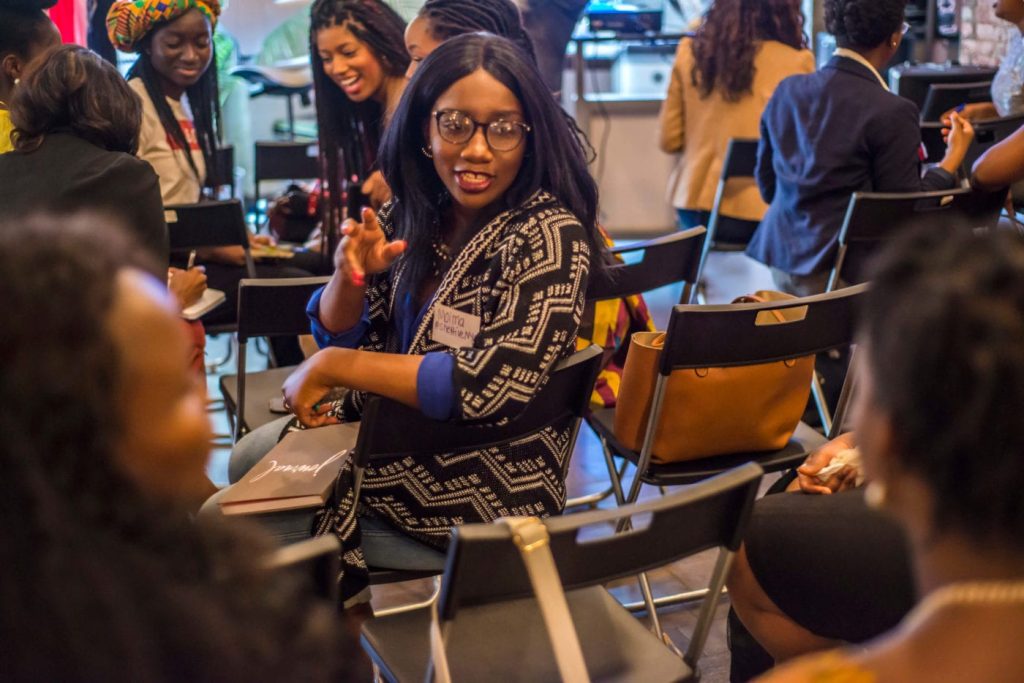
[bctt tweet=”Adulting is a journey of OMG laced with moments of YAAAAAAS and degrees of ‘I can do the thing’” username=”SheLeadsAfrica”] I’m pretty sure many of us reach a point in our lives where we reevaluate some of our life choices. We finish high school and get accepted into tertiary institutions and study what we think we would like to be for the rest of our lives. But who knows what they really want to become when they’re a teen choosing their core subjects whilst dealing with puberty, boy drama and growing pains? Adulting and its woes Adulting and traversing the world of work is a journey of OMG laced with moments of YAAAAAAS and varying degrees of ‘I can do the thing’. So when the going gets tough and mind starts racing, one does consider that the grass may be greener on the other side. Releasing guilt and embracing our efforts as enough, and mistakes as lessons is often our biggest challenge and triumph. If I was granted the opportunity to go abroad in pursuit of a career that I want, well… Bye Felicia We have all at some point felt like everything is working against us and not with us. A lot of us align ourselves to the internalized propaganda that exists in order make us doubt our intuition and the choices which we dare to make. We can no longer silence the need for new and greater possibilities that exist outside of our paradigm. Presented with the opportunity to go abroad I would defs jump onto that bandwagon. [bctt tweet=”Presented with the opportunity to go abroad I would defs jump onto that bandwagon.” username=”SheLeadsAfrica”] Don’t need no hateration, holleration There is absolutely no place for nursing prolonged feelings of doubt in this vocation dancery. For the longest time, women have continuously denied themselves the opportunity to flourish because they can. There has almost always been a reason why one should think things through and why one ought not to go ahead and flex on that new portfolio. We need to block out the negativity and the trolls that continue with the ‘pull her down’ syndrome. For this reason, we also ought to take time for small consistent acts of self-care and self-kindness which will grant us the daily ability to can. When one has opened oneself to the endless growth opportunities at their disposal there are a few things one needs to look into. These include what is more pivotal between a remuneration structure and job satisfaction? What are you willing to do regarding the roles and responsibilities which may come with the position? Will you be able to handle the responsibilities which come with the chosen career path? [bctt tweet=”We need to block out the negativity and the trolls” username=”SheLeadsAfrica”] We are reminded over and over again, the importance of setting boundaries and respecting our limits. But sometimes we ought to push just a little harder, for a bit longer. Sometimes we must just be strong and pull ourselves towards ourselves until we conquer the proverbial Mount Frustration-Doubt-Anxiety. ‘J’ is for job; but also for jet setter So if I were offered the opportunity to go work abroad and pursue an accolade-worthy career, I would not think it through twice! Even if there may lie challenges ahead and irrespective of the adjustments I would have to make and despite any reservations; I am sure of one thing. It. Gets. Better. This doesn’t even warrant an explanation. Then the only thing left to do would be to… WERQ! [bctt tweet=”I am sure of one thing. It. Gets. Better. Then the only thing left to do would be to… WERQ! ” username=”SheLeadsAfrica”] Conscious growth and dedication to a cause may require all of the patience, trusting the process and effort 100%, all the damn time! The understanding that sometimes we may not feel like doing the work, but we will anyway and the effort will be worth it —tenfold! At the end of it all; we will feel more enriched and empowered than we ever thought we might be. So, if you have a chance to move abroad don’t even think twice. Go get that career of your dreams!
Congratulations!! Here is your degree and 15 extra pounds

[bctt tweet=”We were warned about the Freshman 15. It was the Senior 15 that no one told us about.” username=”SheLeadsAfrica”] Am I the only one who wants a special refund from my alma mater for the additional pounds it added to my body? I can’t be the only one…please tell me you guys understand the struggle! That special struggle where you wish you could rewind time and not eat a whole tub of ice cream at 3am to compensate for failing that exam. Or the countless celebratory late-night dinners with friends for making it through the semester. Or if you were like me, you treated yourself for even the slightest victories! (I woke up for my 8am class today and actually went to class! I deserve a cupcake #TreatYoself) In the defence of all our alma maters, we were heavily warned about the Freshman 15. It was the Senior 15 that no one told us about. The stress eating mixed with having no time to work out, left most of us walking across the stage on graduation day with our brains full of knowledge, our hearts full of hope for the future, our pockets weighed down by student loans…and our hips a little more rounder with 15 extra pounds. So now here you are, a year or two out of college and wondering how to get your college body back. Or you are a mother of two or more adorable children and even though you love those precious kids, you low key give them the side eye for stealing your pre-motherhood body. All hope is not lost ladies, we shall overcome. Here are 5 unconventional tips to help you us get your our body back. 1. Accept that your body is changing as you grow I know! That’s a hard pill to swallow, but we don’t have the same metabolism as we used to when we were 16. The sooner we accept that and move on, the better. You know how we try to stay up late till 2am to prove to these youngins that we are not grandma’s? A lot of us treat our metabolisms like that, we live in denial, refusing to accept that our body is taking five hours to burn the puff puff we ate earlier. Embrace the fact that your bedtime is now 9:30pm and embrace your new metabolism. Accept the body you have now, love it, own it and werk at it. 2. Unfollow the Instagram fitness models Well not all of them, but some of them have to go. These Instagram fitness models are supposed to motivate you, not duplicate you. [bctt tweet=”These Instagram fitness models are supposed to motivate you, not duplicate you. ” username=”SheLeadsAfrica”] Stop comparing yourself to the model who doesn’t have a regular 9-5 and can afford to devote three hours a day to staying fit. Or the girl who has a personal chef who cooks healthy meals for her. Instead, find people who actually mirror the life you live. Follow the mom of five who incorporates working out into her busy mommy schedule. Or if you are a recent graduate juggling two jobs and you want to be fit, find some motivation that looks like you. 3. Find ways to UNINTENTIONALLY burn fat If you wait to love exercising in order to reach your fitness goals, you will be waiting forever. The reason most of us hate exercise is because of the effort and the brain fuel that it takes. First you gotta find a gym, find some cute work out clothes (because the calories don’t count unless you are wearing Beyonce’s athletic line). And then you now have to find a gym buddy who wont flake on you at the last minute. Oh and don’t forget finding the perfect playlist and then actually remembering to bring your headphones along with you to the gym. Did that tire anyone else out?? The loop hole is to trick your brain into burning fat without it thinking you are exerting effort. Take the stairs instead of the elevator Park further to your job and walk to work. Do 20 squats before bed. Buy a jump rope and actually use it. 4. Food is not your enemy I know its easy to blame food as your jeans fit tighter and tighter, but food is not your enemy. Its actually your greatest ally in your quest to get your body back. [bctt tweet=”Food is actually your greatest ally in your quest to get your body back” username=”SheLeadsAfrica”] Understanding your metabolism is the first step. Not only does our metabolisms slow down as we grow older but if you are a #MotherlandMogul, then your days have also gotten busier. AND making matters worse, majority of us spend our work day sitting behind a desk, we are rarely in motion in our 9-5. This highlights the importance of eating well. Its the one thing we can do consistently, so do it well. 5. You are the only one keeping you from your #BodyGoals I know I started this off by blaming my alma mater, but the truth is ladies, we are the only ones who could get our bodies back. [bctt tweet=”The main thing to remember is that you are your own body goals” username=”SheLeadsAfrica”] You hold the key (DJ Khaled voice). And the main thing to remember is that you are your own body goals. You should love your body so much that you only want YOUR body back. Not Teyana Taylor’s body, even though she is all kind of goals right now.
Josephine Forson: At Tekura, quality means everything!

[bctt tweet=”Tekura started in 2000 with only two local artisans, crafting baskets under a mango tree” username=”SheLeadsAfrica”] Josephine Forson founded Tekura, an interior decor enterprise, in 2000 with only two local artisans, crafting baskets under a mango tree. By 2009, she was exploring other art forms made from locally sourced materials developed by artisans within the community. In partnership with Ghana’s Forest Research Institute and the Forestry Commission, Tekura sources reclaimed wood (off-cuts and dead wood) from forest plantations in Ghana for their furniture pieces. Tekura designs have been exhibited in USA and Europe, and have won the Africa Growth Institute of South Africa’s Trade Sector Award in 2008. Behind the scenes, Tekura is run by a mother, father and daughter team, and is inspired by the rich, diverse cultures of Ghana. Tekura is a family business run by a mother, father and daughter team. What do you think are the advantages and disadvantages of working closely with family? And when it comes to decision-making, whose call is it? Working closely together as a family has and continues to propel our loyalty and commitment to our brand and business. This makes pooling of resources much easier and everyone is empowered to bring along their own skills to grow the business. Like any family business that cherishes unity, we were concerned external investments would trigger a takeover. But with our well-structured succession plan, we will soon be on our way to going public. We’re grateful to God for Tekura’s success but what’s great is the opportunities and potentials for higher achievements. Our success mix is hard work, perseverance and love. The direction of policy is led by the board of Tekura. The Managing Director leads the daily consultative decision-making process. Your daughter, Audrey, is the manager of Tekura, what’s the biggest business disagreement you’ve had with her? And how are business skirmishes handled? Disagreements are essential for growth. It can be hard for us to agree on the definition of the various markets for our product lines. [bctt tweet=””Disagreements are essential for growth” – Josephine Forson, founder Tekura” username=”SheLeadsAfrica”] Something like this could be a major issue if you don’t make room for frequent team discussions and consulting with industry experts for fresher views and advice. Aside from Ashanti and Fanti cultural artistry, where else do you find inspiration for your unique pieces? Our inspiration goes beyond the cultures of Ghana. We pride ourselves in the rich cultures and heritage of Africa like the Fulani, Fang and Guoro. And since we’re in a land of beauty and natural wealth, we express all of these —who we are as African people through our furniture, handicrafts and other pieces. You mentioned in an interview how difficult it is for artists in Ghana to protect their furniture designs from forgery or reproduction, what’s your advice to aspiring furniture makers? Nobody likes copycats but we all in one way or the other have to deal with them. For us at Tekura that means staying ahead of others, focusing on innovative design and not compromising on quality. [bctt tweet=”Nobody likes copycats but we all in one way or the other have to deal with them” username=”SheLeadsAfrica”] Climate change is an issue on everyone’s lips. As a furniture company reliant on wood from reforested woodland, what role does Tekura play in sustaining the forests and in turn its business? Tekura is committed to keeping its environment safe and so we have a strict policy not to cut down trees in order to do our work. Our work involves recycling wood, and working with the Forestry Commission to collect and transform waste wood. A lot of African business struggle with quality control and consistency. How does Tekura ensure standard procedures are being followed at every stage of the design process and that every piece reaches customers in perfect condition? At Tekura, quality means everything! It’s not been easy but over the years we have engrained a kind of obligation in everyone to ensure the highest level of excellence and quality. This has been through supervision and other forms of checks and balances right from pre-production stage until the final product. What does the future hold for Tekura? The prospects for Tekura are great. Our partnerships with World Fair Trade Organization (WFTO) and the Centre for the Promotion of Imports (CBI) from developing countries has been successful as Tekura has penetrated global markets, particularly in the US and Europe. Also, Tekura’s space in the local market has grown and achieved great strides. There are so many opportunities out there with changing trends, markets and even competition, and that excites us. Tekura’s vision is to be the world’s go-to brand for hand-crafted furniture and décor. If you’d like to share your story with She Leads Africa, let us know more about you and your story here.
Making #MotherlandMoguls money savvy: The big bad B-word of personal finance

[bctt tweet=”Smart budgeting is how you get rid of the guilty feelings that come from spending” username=”SheLeadsAfrica”] “Budgeting is fun!” Said no one ever…oh wait; that’s actually what renowned Personal Financial Management Guru Bob Lotich says. The first time I read that I laughed myself silly and with good reason. However, the more I read his thoughts the more I understood what he was talking about. You know that feeling you get when you spend money that you don’t have, to do something that is probably not that important, like buying yourself a new pair of stilettos. That feeling that lets you know that in a couple of days or weeks you’re going to regret spending your money like that? It will probably come to you when you don’t have cash for fuel a couple of days to payday. Or when you have to borrow money for lunch or fare, or both to take you through the last stretch of the month. That’s when you remember the money you spent on those stilettos and how absolutely unnecessary it was. Guilt, that’s what that feeling is called and budgeting is how you get rid of that feeling. It’s liberating to know that you are buying a new pair of shoes or a new dress or going out for a drink when you know that you set aside some money specifically for that purpose. Either you do, or you don’t Generally, when it comes to budgeting people fall into three broad categories. You either don’t do it at all and you spend as need or want arises. Or, you budget only for the fixed major expenses like mortgage, rent, school fees etc. Or you’ve got budgeting OCD as far as your money is concerned and you have to know exactly how every shilling you have is going to be spent. [bctt tweet=”Generally, when it comes to budgeting people fall into three broad categories.” username=”SheLeadsAfrica”] I fall in the second category as most people, where any other expense that is not considered major falls under the ‘’miscellaneous’’ box. I have come to learn that my miscellaneous box is where my money disappears to. It’s the hole in my pockets so to speak, every small expenditure planned or unplanned falls here. Most financial management experts will tell you the first rule of budgeting is to know where your money is going. Now, this is a tedious process and can be far from fun. It’s going to need some discipline, but you can do it. Know where your money is going If you have never sat down to look at what your spending looks like on paper you will be shocked at what you discover. Start by using one or two months —possibly even three for good measure, take note of every shilling spent. [bctt tweet=”The first rule of budgeting is to know where your money is going” username=”SheLeadsAfrica”] Not only the big stuff but the little stuff as well, every time you buy airtime, every time you buy a bottle of soda for yourself or someone else or any time you have to get something for your children, whether you knew about it in advance or didn’t. This is the cash that slips through the cracks and easily goes without notice. At weekly intervals sit down to put it all together and see what your spending looks like. This is the first step of budgeting. Once you have this on paper, cluster the expenditure into the major categories: household expenditure, bills, entertainment etc. This process is important because once you have this picture in your mind, you will know where you’re overspending or you’re likely to overspend. Then, you’ll start making decisions on what needs to be cut off so that what goes out is equal to or less than what comes in. Knowing how much you spend on an item on a weekly or monthly basis will also help you know when you can take advantage of some great offers when you shop in bulk. Are you ready to give this a go? Have a look at these exciting downloadable budget spreadsheets to get you started. Thank me later.
Kgadi Mmanaka: I’m a self-acclaimed “possibilitarian”

[bctt tweet=”Kgadi Mmanaka’s photo should appear beside the dictionary definition of possibility” username=”SheLeadsAfrica”] Kgadi Mmanaka has made it her life purpose to plan the “seed of possibility” in the minds of people. Now we get why she calls herself a possibilitarian. At just 21 years old, Kgadi is heavily involved in equipping and inspiring people in her community especially around development and solving socio-economic issues. When she’s not inspiring people with her speaking, Kagid runs The Possibilitarian Group, See Beyond the Clouds Foundation and KM-CDS, a strategy consulting company. She’s also a certified Associate Fellow of the Royal Commonwealth Society, an organisation working to promote values of Commonwealth citizens. Tell us about your childhood. Born and bred in Ga-Matlala Ga-Ramalapa, a rural village in Limpopo, I am the fifth and last in my family. I’m also the first to fill out an application form to study further after Matric. I grew up in an abusive and violent home, an environment that gave me all the “good” reasons why I will amount to nothing in life. Growing up, I was a loner that was always depressed and felt so small around my peers. My turning point came when I was in Grade 8 (I was 14 years old), when I made a vow to myself that I want to make sure that whatever choice I make in my life will get me to a point whereby I can come back and make a change at home. I wanted to live my life as far away as possible from my comfort zone. At that point, I was really tired of being labelled poor and of waking up to bogobe ka meetse (pap and water) everyday. I knew that the tendency that has run through my family for ages can and will stop with me. I was the link between the past and the future. That vow that I made when I was 14 drove me to become the top Matric achiever at my school. Today, when my family sends, “Please call Electricity” messages I can reply them with the voucher. I never want to return to where I’m from (my childhood) again but I will honour it forever. [bctt tweet=”I was really tired of being labelled poor and of waking up to pap and water everyday” username=”SheLeadsAfrica”] “Kgadi Mmanaka the possibilitarian”, why do you call yourself that? A possibilitarian is a person who knows that no matter how dark the clouds may be, there’s still the brightest sky up in there. A possibilitarian is a possibility thinker, has positive attitude towards life and gives a positive interpretation of a negative event that happens to them —they choose to see possibilities. Finally, a possibilitarian refuses to be defined by circumstances. If you could wake up in someone else’s body, who would you pick and what would you do? I would pick any person who has superpowers to convince the students at higher learning institutions that there are other ways to send a message or rather communicate their demands besides the destruction of property (learning infrastructure). For I think, the more the property is destructed the less chances of being granted their wishes i.e. free education. This regardless of the fact that they did the maths and free education is feasible. As much as I understand what they’re fighting for, I am against the destruction of property because that doesn’t only delay the processing of their demand, but also the academics. A new strategy is needed that still emphasizes the demands but that doesn’t destruct the property nor delay academic activities. [bctt tweet=”A possibilitarian has positive attitude towards life” username=”SheLeadsAfrica”] “See beyond the clouds” is a very powerful name, tell us more. See Beyond the Clouds is a foundation I founded to create an enabling environment that is rich in information, support and resources for youth in rural and township areas to better their lives and the society. I was inspired to establish it for I have realized that past mistakes, failures and underprivileged background often-times are the reasons why most people’ dreams are diluted and why they give up in life. The mandate of the foundation is to create possibilities to help them “see beyond their clouds” and whatever attempting to dilute their dreams. The foundation seeks to transform youth from being job-seekers to job creators by introducing entrepreneurship as a long-term solution to unemployment through the Enterprise Development program. We also aim to increase higher education enrolment by exposing school and and out-of-school youth to post schooling opportunities and and information through the Career Development and Mentorship programs. Lastly, the foundation seeks to equip youth with computer skills and make internet services available through the ICT skills program. With all these, the foundation seeks to help them See Beyond the Clouds. [bctt tweet=”Kgadi Mmanaka’s foundation creates possibilities to help youth see beyond the clouds” username=”SheLeadsAfrica”] What have you always wanted? Did you ever get it ? I’ve always wanted to live my life as far away as possible from my comfort zone. To make choices that will get me to a point whereby I can come back and change the economic status at home. For me this is a process and not an event. Recently, I’ve just turned 21 and when I was reflecting, I was so proud of the choices I have made so far. Honestly, I can say I am off my comfort zone. I am determined to let those vows be the blueprint of my life. Congratulations, you were selected as one of the 60 emerging women leaders that participated in Vital Voices mentoring walk SA. How did you make it? Basically a mentoring walk is an event whereby emerging women leaders (mentees) are partnered with established women leaders (mentors) along industries. It creates an opportunity where time is spent together to give the mentee an opportunity to learn from the mentor and establish the mentorship relationship for the year ahead as they “walk in the park”. This
Twitter Chat with Taffi Ayodele: Pitching your business to investors

You’ve got the idea for your business down and you’ve even started making sales. You are ready to grow your business, but the funds simply aren’t there. Lack of financing and where to look for it is one of the biggest setbacks for entrepreneurs and access to it can make or break a fledgling business. One solution to the “where to look for investors” problem is pitch competitions and other established programs that – once you get into them – bring the investors to you. Now all you have to do is woo said investors. But how do you go about finding these programs? How do you apply to one? How do you make the most of the opportunity? And how do you ensure your pitch stands out once the investors come around? Join us Thursday Nov. 17th for a Twitter chat with Taffi Ayodele, the co-founder of Thando’s, a fashionable African footwear brand. Thando’s participated in SLA’s 2014 Pitch Competition and were the 3rd place winners. Utilizing skilled African artisans, Thando’s creates comfortable, foldable and beautiful flats for the busy woman. Follow She Leads Africa on twitter and use the hashtag #SLAChats to ask your questions and participate in the discussion. Topics that we’ll cover: How to find out where the investors will be Finding, applying & making the most of pitch competitions & accelerator programs Preparing to pitch to investors Thando’s journey & how they have grown since 2014 Twitter chat details Date: Thursday Nov. 17, 2016 Time: 12pm NYC // 6pm Lagos // 8pm Nairobi Location: Follow She Leads Africa on twitter and use the hashtag #SLAChats Help us spread the word: [bctt tweet=”Join @ThandosShoes for #SLAChats about pitching to investors Nov. 16 at 6pm Lagos time” via=”yes”] About Taffi Ayodele Taffi Ayodele holds an MBA specializing in Global Business and Entrepreneurship and a BA in Economics from NYU. Taffi was recently appointed to the Board of Trustees of New York University and serves on the Global Initiatives and Student Life committees. Prior to Stern, she served as Director of the Office of Executive Initiatives at the New York State Dormitory Authority where she developed Authority-wide diversity programs and initiatives to broaden procurement opportunities and increase utilization of women and minority-owned businesses. Together with her partner, J.G. Ayodele, Taffi founded Thando’s. Their mutual love for Africa, art and each other, inspired them to create an innovative footwear line that facilitates a modern woman’s busy lifestyle while supporting African artists.
7 other viable fashion career paths

[bctt tweet=”A career in fashion is a lot more than just having good style” username=”SheLeadsAfrica”] We’ve seen how fashion can be an empowering tool for women. There are several layers to explore with a fashion career. It’s a lot more than just having good style, and it poses several opportunities for one to exploit. You could have a strong love for fashion and wish to make a career out of it, but not be sure you want to go down the path of fashion designer. Because that’s so mainstream? Well, there are several other viable career options to explore. Here are 7 outlined below: 1. Fashion Stylist This is a very lucrative path for one who is prepared to take it on. Despite how glamorous it sounds, it’s a lot of hard work that requires a good eye for detail and an understanding of your client’s needs. You’ll be working with designers, music producers, magazines etc. The life of a fashion stylist is crazy hectic, just ask Ifeoma Odogwu of Hyperfashun. Crazy schedules, tight deadlines, a cut-throat industry; so if you’re not built for pressure, ditch the thought. You can either work freelance or as an attaché. Starting out as a freelancer, you can’t expect to charge up a storm for your services. However, as you build your clientèle and reputation you are able to gradually increase your fees. [bctt tweet=”The life of a fashion stylist is crazy hectic, if you’re not built for pressure, ditch the thought” username=”SheLeadsAfrica”] 2. Fashion Illustrator There are much fewer fashion illustrators in the industry but it is a path that holds great promise. This is a path that requires specific skill with pencil and with the brush, with colour and with imagery. As a fashion illustrator, you get to work with fashion houses and magazines to create drawings and paintings bringing the client’s vision to life. Claire Idera, the London-based fashion illustrator explains that there is a lot more to illustration than simply having the ability to draw silhouettes. Furthermore, one must have the ability to extract the essence of the client’s imagination and portray it with paper and colour. If you’ve got the artistic skill and comprehensive ability to become a fashion illustrator, you’ll certainly be in high demand any time soon. 3. Fashion Editor Are you thinking Anna Wintour? The title of fashion editor is no small feat. You must be able to write, obviously and you must also be able to wear the hat of fashion director. Predicting fashion trends come with the territory so it goes without saying that you must be super stylish and understand fashion to a T. You’ll be supervising photo shoots, writing and editing fashion articles, selecting high-quality photos for publications. You’ll need to pay your dues in the industry so starting out as an intern in fashion or with a magazine is always a good idea. [bctt tweet=”If you want to be a fashion editor, starting out as an intern is always a good idea” username=”SheLeadsAfrica”] 4. Fashion Photographer In Nigeria, most people think the only moneymaker for photographers is wedding shoots or coverage. Welcome to the world of greats like Kelechi Amadi-Obi. Besides having top-notch photography skills, the aspiring fashion photographer must be organized and deeply creative. It is your job to set the tone, create the best lighting and texture that will breathe life to the fashion or art pieces on a shoot. You should also be fashion-savvy and have the ability to think on your feet. Photographers have their work featured on fashion and lifestyle websites, blogs, print magazines, digital campaigns etc. And hey, besides the sweet paychecks you get the repute of discovering new faces in fashion like Olajumoke Orisaguna! 5. Fashion Model Women like Fatima Siad are killing it on the runway. If you’re not one to be behind-the-scenes then this is a great career prospect for you. To break into the industry, you need to have a combination of looks and attitude. If you photograph well and have striking features including a fit bod, this might be a career for you. You’ll need to put together a portfolio and find good representation with reasonable terms. Laurie Frempong has taken the more challenging route of being her own PR/Manager. Perks of the job include travelling, working with big name designers and gaining self-exposure especially if you already have an exit strategy in mind. [bctt tweet=”To break into the fashion industry, you need to have a combination of looks and attitude.” username=”SheLeadsAfrica”] 6. Buyer A buyer’s job is most interesting. Working for fashion stores, boutiques, and big fashion chains, the buyer is responsible for handpicking the pieces that go into retail. This is done through a basic understanding of consumer psychology; observing what items customers are most interested in buying and predicting what items will be on-trend in the next season. As the middleman between suppliers and customers, a fashion buyer must have the ability to multi-task, have a great customer approach and be super intuitive. There’s also a lot of travel involved. 7. Visual Merchandiser Last but not least, is the visual merchandiser. This is a subtle role that no one ever really gives too much thought to except it’s an essential part of fashion marketing. When you walk into a store, what are the first things you notice? The layout looks exquisite, doesn’t it and for some reason, the sales items are all the way behind? Well, that’s the merchandiser at work. Their job is to create an appealing outlook and prioritise the placement of pieces for optimal visibility, especially those items that need to be selling. [bctt tweet=”The role of a visual merchandiser is actually an essential part of fashion marketing” username=”SheLeadsAfrica”] Michelle Duwe, Visual Merchandising Manager of Topshop SA explains that to go down the path, you would need to have loads of energy, creativity and enthusiasm to dress up the mannequins in the display window and sort out all the fittings. Let us know
Vinolia Singh: What you should do before you drop the mic and resign

[bctt tweet=”Both negative and positive feedback play an important role in anyone’s career ” username=”SheLeadsAfrica”] A few weeks ago I was chatting with a friend who had recently left her job. When she left, her boss told her that he wished she had clearly expressed the extent of her unhappiness before she resigned. That sounded familiar. I had heard the same thing a few days prior when I ended a business relationship I was in. This bothered me because I realized that if I was being honest with myself, I probably didn’t know how to navigate some uncomfortable conversations. So I sat down with Human Resources executive Vinolia Singh, who is the group head of HR technology at Imperial. She has been involved in HR for over 15 years. Having worked with companies like Multi-Choice and Discovery (South Africa), there was no-one better to get advice from. Firstly, what does being a ‘woman in the workplace’ mean to you? Personally I don’t ‘see’ gender. I see women as being team members, and equal value adding contributors like their male counterparts. So in meetings and core discussions women should strip the gender out of the conversation and view themselves as credible experts on the subject matter and voice their opinions, ideas and thoughts. Be factual, show the evidence and where possible, quantify your arguments. If your argument is challenged, remain emotionally in control and debate again with the facts. However, women do bring a different set of skills in the workplace. This is often one that is more nurturing and approachable. In today’s world of work I see a focus on developing and enhancing employee’s capabilities to drive innovation and creativity. With this in mind, I think women are naturally designed to be leaders. [bctt tweet=”I think women are naturally designed to be leaders” username=”SheLeadsAfrica”] I shared the story of why I decided to do this article with you. For many people, voicing discontent is uncomfortable. No one wants to look like they are a ‘whiner’. Can you speak to this fear of being seen as ‘high maintenance’? It is import to realize that both negative and positive feedback play an important role in anyone’s career. The difference in both aspects of feedback is the level of EQ with which one approaches the feedback. With feedback that is seen as negative, be extremely mature and professional as to how you give and receive such feedback. If you are unhappy with something, don’t complain without a reason. Raise it as a concern and clearly state the impact the issue has on your role, and business delivery. In addition, when you a raise a concern or unhappiness, have a proposed solution to fix the situation. The solution may be accepted or rejected by your manager. The goal is for them to see you are trying to find a way forward. Always understand and have the ability to read your manager. Determine the best times to raise negative issues. Don’t try to do so when they are not in a good mood as it can result in an undesirable outcome. Don’t also expect to have all the answers. If something is bothering you, raise it at an appropriate time. Admit: “I don’t have the answer, but I’m hoping we can navigate through this together!” Practically, what does a good way to voice discontent look like? Prepare adequately for the discussion Be deliberate with your discontent; don’t assume they should know you are unhappy Be realistic with your expectation to resolve your discontent Once again, the timing of when you raise this is critical. Don’t leave the discontent unaddressed, or until you have emotionally checked out. Once raised give your manager time to respond, be patient. Pay attention to your tone when raising your discontent and the intent thereof. What’s a common mistake people make when they want to resign? Often employees play around with resignation, or use it as a substitute and tool to negotiate their salaries. Be very cautious as it can back fire if this is your intent. I’ll use two scenario’s to illustrate this: Scenario one: Employees threaten to resign and hope that their manager will convince them to stay. The employer meets their demands, which are often related to financial increase. A few months later they try the same thing. There comes a point when the manager can predict such behaviour and the employee is seen as a nuisance. Scenario two: Employee resigns with the hope to expect a counter offer. The manager accepts the resignation. The employee has overestimated their value, or not taken the time to state it. This didn’t work out according to the employees plan and then a few days later the employee retracts the resignation. In a nut shell, the way one chooses to resign or uses resignation as a power tool has a direct impact on their reputation. Stay clear of using resignation as a weapon for ulterior motives. Be serious and take all considerations into account when you decide to resign. [bctt tweet=”Stay clear of using resignation as a weapon for ulterior motives.” username=”SheLeadsAfrica”] Some people who are reading this are managing people themselves. What advice do you give them to avoid being blind-sided by resignations from discontent team members? As a manager you are leader. Part of being a leader is the ability to have the foresight to predict an employee’s happiness or discontent in their role. The only way to get such foresight is to invest time in your people. Get to know what gets them ticking or holds them back from doing their very best. Play to the strengths of your team. If you understand your team at a personal level, you will easily be able to pick up when they are unhappy. Then approach them and discuss your observations. [bctt tweet=”Be very cautious about using resignation as a tool to negotiate salaries” username=”SheLeadsAfrica”] Be brave and have that courageous conversation. More often than not employees appreciate such leaders. It is