
Hi there, new career
As a young person living in the information age, I’m glad I can ignore the norm and choose my life’s path. I like that I can decide to either go into a business or choose paid employment. Really, due to the current economic rat race, young people should dare more instead of being mere spectators. Yes, there’s the need to survive, save some money and launch business ideas but you may just need a new career. Only a few companies are willing to keep up with the energy and novelty of young people anyway. But this does not in any way mean you can’t make things work for you as a young woman. Here, you’ll find a couple of ways to make employment work for you, especially if that’s your choice: Know your stuff You’re expected to add value and make a certain contribution to whatever industry you’re in. This means you need to read, research and be up to date with trends in the industry. This way, you’ll stand out and have better chances at promotions, raises and maybe even a smart pep talk with senior management. In the event that the first two benefits never come, don’t give up just yet. Keep furnishing yourself with all possible details, attend workshops and push for training. If it appears that your employer does not see your value, you may need to search elsewhere because another employer will! Network This cannot be emphasized enough in today’s job market. A lot of doors are open for folks who never cower in a corner, waiting to be noticed. You pretty much have to get out there and talk to people. Get linked with industry experts and mentors who can walk you through this journey. The probability of your success and growth will be a lot higher than if you don’t network. If you’re an introvert, don’t let this define you. You can find unique ways to approach people and network. Use your voice Sheryl Sandberg, COO of Facebook and revolutionary behind the ‘Lean In’ mantra argues that women have taken a back seat for so long at the workplace. This is so because we are not leaning in to ask for what we deserve as much as men do. Women tend to do a lot of the work then sit at the table waiting for an applause. Hey, great things don’t come to people who sit back. You’ve got to make demands on your success. Have you seen a man’s reaction when he’s accomplished a project, no matter how small? He walks right into the boss’ office and asks for a bonus/raise/promotion. Girls, it’s about time we did just that! It doesn’t matter if you’re labelled pushy, use your voice to get want you want. And hey, the worst you can get is a ‘no’, right? That never killed anyone, you know. Develop other skills outside your mainstay If you’re a marketer, try cultivating some design skills. If you’re an accountant, blend that with finance. If you’re in the hospitality industry, get into a language school. Find skills that complement your core profession. These seemingly little things make you unique in the workplace and help your career advancement. Never stop learning, and this is an ode to the power of the internet! You could learn a so much from the comfort of your home. Self-teaching is the new thing. And who knows, you could even start a business from that. Opening your mental horizons is one of the best things you can do to yourself especially when you’re young. Have fun I know this sounds crazy when your mind is mulling over how soon you want to switch jobs or leave full-time employment. But guess what, you need to grow where you’re planted and take in some sunshine while at it. Organize your desk, do fun stuff with your colleagues, kick start an employee initiative…try out things that punch monotony and her friend boredom. You could start by being grateful that you have a source of income, then get bold at realising happy and cheerful moments. This kind of positive energy is what you’ll need to be productive. Don’t sit with the whiners, you’ll be one of them before you know it. Good luck and be well. I believe you’ll make it. And remember, shoot for the stars!
I started Cartik with less than $3 to my name
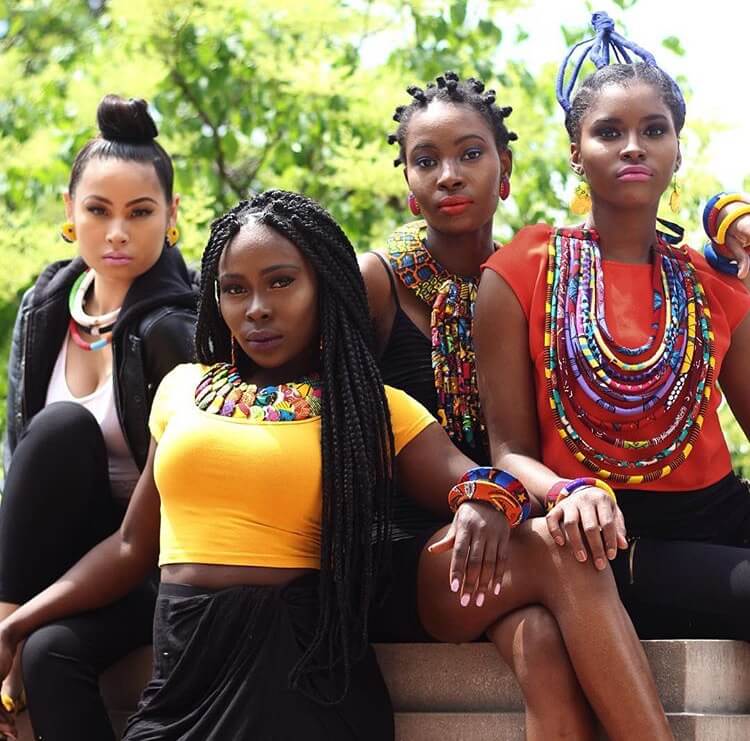
I started Cartik, an ethical fashion and social entrepreneurship brand in 2013 while studying abroad in Ghana. A significant part of my program as an International Relations major at St. Catherine’s University in St. Paul, Minneapolis, was to study abroad for a semester or a year. So, I spent a semester in Paris, France on a scholarship sponsored by the US Department of State’s Bureau of educational and cultural affairs. After my time in France, I planned to go to Ghana to study the culture, the people, and their political system. My scholarship to Ghana was declined but I was already enrolled in the program that summer. So, I worked every job I could find and saved enough money to purchase a ticket to Ghana. My tuition covered the fees and the only issue left was my survival for the rest of the semester. Struggling to go to Ghana made me realize how much I needed to make extra income back in USA. My Ghanaian experience While in Ghana, my aunt in Togo paid me a visit and we travelled back to Togo to see family. It had been 15 years since I last visited and I felt like a complete stranger in my own country. My aunt and I had gone to the market in Lomé, the capital city of Togo. As we walked through the market, all I saw was beautiful African wax prints everywhere. My aunt, being the queen of prints asked me to help select them. My interest was piqued when my aunt advised that I consider doing something with prints. In need of extra income and knowing the demand for prints in the US would be huge, I considered it. Soon, I was making inquiries in Ghana and during trips to Togo on bags and accessories with African prints. Breaking through the business world A young woman I met at the University of Ghana, Legon where I was staying, showed me some bags that I liked. Originally, I was going to just buy bags and sell them in the USA but I didn’t like some of the ones I saw. This led me to start sketching my own designs and jotting down ideas of what I’d like. Though I had no background in design and could barely draw to save my life, I was willing to try. When my time in Ghana came to an end, I had used all the money I earned to start Cartik. With $2.85 to my name and no books for the coming semester, I returned to the USA with 30 bags and some jewelry. It was an audacious move but I told myself even if I failed, at least I tried. Within two months, I had sold everything and even needed to get more products. I went from ordering 30 to 60, then 200 bags. I was running Cartik’s operations from my dorm on campus with the help of my aunt and cousins in Ghana and Togo. Growing Cartik I started getting invited to events to showcase my products as everyone on my campus and even local colleges around the city in St. Paul and Minneapolis knew about my business. In my last year in college, a friend invited me to her economic development class. As I listened to a professor speak about economic development in developing countries, I realized how everything spoken about came naturally to me. I decided that very moment, what I wanted to do with my brand. I was going to grow Cartik into an ethical fashion and social entrepreneurship brand that works with artisans in Togo and Ghana. I was going to fuse my knowledge as an international relations major into my business. Although it’s been 2 years since we started, I still consider Cartik a startup. We’ve done many local fashion shows in Minneapolis and more recently, we did something for RAW in Phoenix, Arizona. RAW is an international artist coalition group that serves as a platform for designers, musicians, etc. I truly believe I have started a brand with the potential to make a huge impact in Africa. The future? In the future, I hope to expand into producing my own African textiles, provide education and development for women and children. Also, I would love to go into cosmetics, agriculture, and start a foundation to mentor young individuals wanting to start a business. Of course, I am trying to create an altruistic brand that will stimulate economic development and prosperity. I want to create jobs and opportunities for people in Togo, Ghana and other parts of the African continent.
Kimberley Masimbe: I never design something I cannot wear myself

Four years ago, 29-year-old Kimberley Masimbe stepped out into the fashion industry with her chic Afrocentric vintage clothing line, House of Kiki.M. She started out running her business in a room in her parents’ house. Kim still recalls that the room was filled with inspirational pictures, fabrics, and a little table where she did her drawings. Glenda Makumbe, our SLA contributor caught up with Kim as she talks about House of Kiki.M and her passion for wearable designs. Tell us a little about yourself, Kim I was born and raised in Zimbabwe where I attended a multicultural school. I was blessed with being able to travel a lot at an early age and that significantly helped me grow personally and shaped who I am. I am very fashion conscious and I can say that has informed my kind of designs. I never design something I cannot wear myself. And oh… I love and collect hats too. Why fashion? Soon after college, I was going through a phase of self-doubt but one thing was certain —I wanted to create my own fashion statements and design wearable clothes. I used to sell second-hand clothes (bale) at Avondale flea market here in Harare. I would revamp the clothes by adding a personal touch to them. However, House of Kiki.M started after I won a young designer’s competition. My friends’ sister organized a fashion week in 2012 but because I couldn’t afford the entry fee, she asked that I enter for the young designer’s competition. We had to produce five garments and though it was my first time designing something, I won. I had been drawing and doing a few sketches so I had an idea of what I wanted to do. I have always been good at drawing and it runs in the family. My mum was a seamstress and my aunt was a poet so creativity does run in my bloodline. How would you describe your designs? Vintage…yes, vintage is the word. I love things from the past. I love giving things a different twist through beadings and attention to intricate details. What inspires your designs? I try not to follow current trends as I am inspired by the people who came before me. Brands from way back like Coco Chanel do it for me. What is your typical business day like? No gainsaying, my typical day is filled with appointments and fittings. How has your educational background helped you in managing your business? I did a course on media and communications and that has been helpful. But I’m looking at doing a fashion and design course at the Harare polytechnic. I have always been good at drawing as I come from a generation of artists. I never realized it until much later. What’s exciting about Zim fashion at the moment? I’m excited by the different fashion hubs opening up, the new designers trying to break barriers and the desire to promote Zimbabwean fashion. What are the challenges of running your own business as a young woman in Zimbabwe? Some people don’t take you seriously, especially if you don’t hang out with the creme de la creme of the society. Recently though, people have tried finding out my achievements and what I am currently up to. How do you keep yourself grounded? I try to stay true to myself, stay close to family and really value relationships. What would you tell a young woman wanting to start a business in a difficult economy like ours? Go for it. Know exactly what you want, then get a mentor to help you make the process easier. And never give up on your dreams. Lastly, what should we expect from House of Kiki.M in the next five years? I would like to have my brand in some of the local and regional department stores like Edgar’s (regional), Barbour’s (national) and boutiques in other cities. Eventually, I’d love to branch out to other Southern African countries. Having my designs on runways is the ultimate dream and I’m working towards it. Also, I look forward to branching into other areas like interior design and natural-based cosmetics. *If you are in Harare be sure to catch Kim Masimbe on the 3rd of September. If you’d like to share your story with She Leads Africa, let us know more about you and your story here.
“Your natural hair makes you look unkempt”
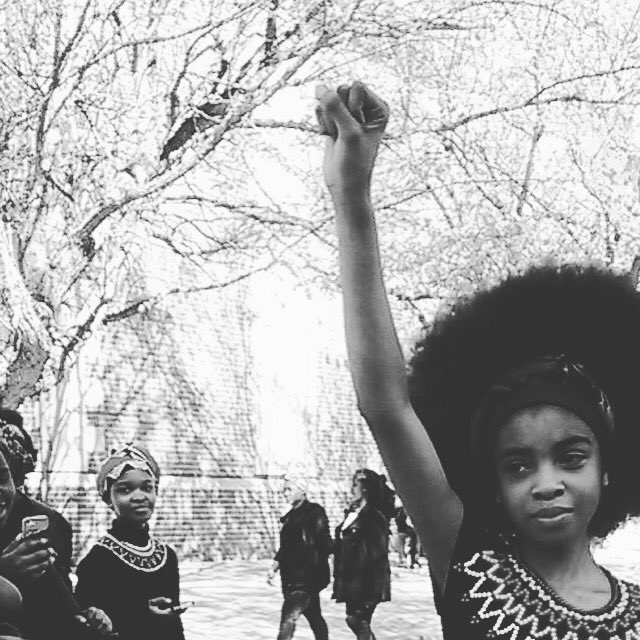
In case you haven’t heard, something amazing happened in South Africa. Just recently, the pupils of Pretoria Girls High protested over subliminal racist rules at the school. Apparently, the school basically told these young girls that their natural hair and Afros make their uniform look “unkempt”. In a world where black women and girls continue to defy the odds and accomplish feats in business and career, our hair cannot continue to define us. It’s been a decade since India Arie reminded us that we are not our hair. Yes, we understand that typically, our natural hair is incredibly thick. We know it is lush, ravishing, gorgeous and most likely, voluminous. We also understand that our hair does not lie flat like straight hair. In a society that associates hair that is straight or has loose curls as ”tidy”, we obviously don’t fit. Yet, having natural hair should never be a crime and it’s high time we (Africans included!) stopped hating on natural hair. I mean, what’s wrong with deciding to wear your hair without a relaxer? When will the world understand that all hair is equal? Healthy hair can be natural, straightened, coloured or chemically treated! Back to the issue at Pretoria, the students have also claimed that the rules in place don’t allow them wear inherently Black hairstyles. They are not to wear Bantu knots, braids, dreadlocks too! News of protests from the students against the school’s arbitrary rules have gone viral. A petition titled, ‘Stop Racism at Pretoria Girls High’ that has garnered over 14,000 asks that; – The school’s code of conduct does not discriminate against black and Muslim girls; – Disciplinary action against teachers and other staff members implementing any racist policy and/or racist actions – Protection for the learners who protested to ensure they will not be victimized. Meanwhile, the hashtag #StopRacismAtPretoriaGirls has been trending on Twitter. This message from a teacher to a parent takes the cake: Let’s hear what you think about the natural hair debate. Should the way you keep your hair define you? Should educational institutions have the power to decide how girls keep their hair?
4 tips for selling yourself on the spot, effortlessly!

I once had a position that involved cold calling people —without a script or template— and selling a product. I had no previous sales experience, and as you can imagine it was a complete disaster. The experience helped me realize that selling was a powerful art-form that I had seriously underestimated. It also gave me some good insight for when it came to finding ways to ‘sell’ myself to people I want to connect with. Whether you are an entrepreneur making connections, job hunting, or trying to win over co-workers, you need to know how to sell yourself. Many of us have no problem delivering a killer elevator pitch, or eloquently presenting our ideas. The problem comes when we have to convince everyone; why us? While being prepared is crucial, you may not always have the luxury of preparing. When put on the spot it’s easy to revert to a one size fits all prepared speech. To help with this I’ve come up with an acronym to ensure you can adapt on the spot. You need to think FAST. It’s not a template for a monologue but rather a few things to bear in mind in your conversation. Fit Getting the right ‘fit’ is about reading your audience, and deciding what skills or achievements would be relevant in that context. Yes, you are a #MotherlandMogul and you have LOTS of accomplishments, but is it necessary to list them all? Think from their perspective, and only include things that will help your pitch. Also mention things that you are working on doing, and not only past accomplishments. The Harvard Business Review points to a study which found that your potential could be as persuasive as your accomplishments. They note, “people are much more impressed, whether they realize it or not, by your potential than by your track record.” The study asserts that “when people seek to impress others, they often do so by highlighting individual achievements. Despite the intuitive appeal of this strategy, we demonstrate that people often prefer potential rather than achievement when evaluating others.” Keep it truthful and do not sell dreams, but don’t be afraid to use your on-going/future projects as well. Add value Essentially, you want them to realize they need you or at the very least your relationship can be valuable. Are there areas that you can collaborate with them in? Problems that you can solve? Demonstrate that you have grasped their needs, and paint a picture of just how you are positioned to solve them. If on the spot you have no prior knowledge, just ask what the needs are. What you want to avoid is going on about things that may not be relevant to them. Separate Unless you have a totally original idea or skill set, you must give compelling reasons as to why yours is different. Separate yourself from competition by mentioning the unique qualities/experiences that enhance your value. Salespeople would refer to this as a Unique Selling Proposition. Entrepreneur.com’s Small Business Encyclopedia illustrates this with some examples, “Charles Revson, founder of Revlon, always used to say he sold hope, not makeup. Some airlines sell friendly service, while others sell on-time service.” Whatever your personal USP is, make sure it actually adds value. Real estate coach Kevin Ward reminds us, “The goal is not just to be different. The goal is to add value to people in a different way.” (*For a humorous visual reminder of why different isn’t always useful, take a look at the Twitter account @WeWantPlates.) Tie it up So now you have won them over and you have buy-in. Remember, the goal of ‘selling’ is to make a sale.Wrap up your conversation by setting clear ways to follow through. Ending a conversation with:“We’ll chat more later” won’t cut it. Make sure you collect! Set dates, get signatures, do what you came to do. Don’t let a good sales pitch go to waste!
Three ways to build an awe-inspiring career
Within the past year, I have asked a number of young people in Nigeria about their career and the responses have been overwhelmingly similar; they hope to be successful at whatever they do. But beyond just being successful at what you do, leaving a legacy that stands the test of time in your chosen career is simply amazing. For me, it is the way to go if you would leave visible footprints on the sand of time. So how do you achieve that? Use your career to solve problems Whatever your career is —whether you’re a singer, entrepreneur, writer, civil servant, lawyer, healthcare professional, artist, engineer— it should a source of blessing to others. I mean your career should be the solution to that problem that keeps many people awake in the dead of the night. Simply put, whatever career you have chosen should be to impact the lives of as many people that come your way. That’s why I can’t agree less with Denzel Washington who once said; “At the end of the day, it’s not about what you have or even what you’ve accomplished. It’s about what you’ve done with those accomplishments. It’s about who you’ve lifted up, who you’ve made better. It’s about what you’ve given back.” As a writer, I craft words to make the readers of my articles see beyond their horizons, to make them leave the zone of despair and connect with their dreams. Similarly, as a transformational speaker, I make people think less of what and what does not work in their lives and instead, create the kind of future they prefer to live in. After all, the future is not uncontrollable despite what many people believe. You can deliberately build the future you want. Stay in the know, always If you’re going to build a great career, it doesn’t come easy. I’m not saying it’s impossible, I’m only stressing the fact that it’s requires a lot of hard work. You know nothing good comes easy. The hard work here means you’ll have to be up-to-date as far as your field or industry is concerned. To stay in the know, you must be a voracious reader consuming all the latest stuff. The world is moving at a pace and if you are not fast enough, you might not catch up. You have to keep yourself abreast of the latest developments in your line of career. From hard copy books to E-books, there are lots of useful information on the internet. Attending conferences, fellowships, meet-ups, workshops, seminars will also give you the kind of exposure you need to move your career to the next level. There, you would hear from the leaders in your industry, network with the people that matter, and leverage on new opportunities. They are a great way to build an inspiring career. Take the risk, be unique It doesn’t matter what kind of career you have chosen, you have the right to make the huge difference that no one has ever made. But whether that will happen or not depends on you. It all depends on whether you really want to establish a never-to-be-forgotten career record. Take a look at this ageless quote by Robert F. Kennedy; “There are those that look at things the way they are, and ask why? I dream of things that never were, and ask why not?” If you want to build a great legacy for yourself, you will not only have to go the extra mile, you will also need to be a trailblazer. While others in your line of career are asking “why,” you should go ahead and ask “why not.” Always think out of the box— be innovative. And it doesn’t matter how challenging it seems, make sure you don’t feel comfortable with the status quo. Try out new ideas at all times. Your purpose and passion and vision are unique, so should your career As a young entrepreneur, use your business to solve problems, connect people with their dreams and leave a lasting legacy. As an artist, use your drawings and paintings to tell stories that inspire others to work on their dreams. As a musician, let your music give hope to the hopeless and lift up the downtrodden. It doesn’t matter what you do, you can still make your career a huge source of inspiration to the many people you come across. But there’s a price to pay, you have to stay in the know and take risks. You might not end up as Folorunso Alakija, Ibukun Awosika, or Tara Durotoye, you can end up better. Your name will also go down in history as one of the greatest of all time in your chosen field. It doesn’t matter what career path you have chosen, you can do it, too. It’s in you; you only have to bring it forth! Go ahead and build an awe-inspiring career and the world will be better for it. What are your thoughts? I’m eagerly waiting to hear from you.
Charmaine Maphutha: All you need is focus

We give you the details about NGOs, now it’s time to talk to someone who works in the field. Charmaine Maphutha is a vibrant 22-year-old from Limpopo province, South Africa. While Charmaine studies at the University of Johannesburg, she also runs the Bopedi Hope Foundation. The Bopedi Hope Foundation was founded by Charmaine and two other women who wanted to make a difference by helping the needy. Makalela Mositsa spoke to Charmaine on her passion for helping the disadvantaged. Tell us about Bopedi Hope Foundation Bopedi Hope Foundation was founded by 3 girls, including myself. Our focus is giving to the disadvantaged. Currently, we provide sanitary pads, school shoes, clothes, toiletries and anything else identified as really needed. Our sole intention is to give hope. Our vision is to help as many children as possible, instilling hope and eventually taking some to school. Having a children’s home in Sekhukhune is also in the works and in our future plans. What inspired the foundation? I was inspired by an organization involved in giving meals to children in universities. I saw how dependent students were on the feeding scheme. It meant so much to them to receive meals that they probably didn’t know they would get. I immediately knew helping people was something I needed to do. Also, as a student teacher at Lekhini School in Limpopo, I got to meet students that inspired me. There, children from different backgrounds and households came to school because they wanted to better their future. One of the students once mentioned to me the de-motivation of having to study in classrooms that had no windows and sometimes no doors! That was when I started thinking about how to help these students with things the government couldn’t provide them. I thought to myself, “What if I could give them things that will help them live comfortably”. Wow…what else motivated you? I also had an interaction with a young lady who told me how she had to choose between buying a bag of potatoes and buying a packet of sanitary pads. This made me even more motivated to help. What advice would you give to someone looking to lending a helping hand? First, you need focus. You may never complete a task if your head is all over the place. Secondly, take things slowly. One project at a time, so your recipients are satisfied with whatever you decide to offer them. And lastly, do not make premature announcements, that way you won’t leave disappointed people at your wake. Red or white wine? Which would prefer and why? Red dry wine. Of course, because it contains procyanidins, compounds commonly found in red wine known for protecting against heart diseases. What would be a perfect day out for you? Good food and good company. Sharing creative ideas with people is my idea of a perfect day. Meeting people with different personalities and socio-economic barriers is cool, you know. I also find peace running the organisation. It’s something very dear to my heart. It opens my heart to want to give even more. Want to see women you know featured on SLA? Tell us what amazing things women are doing in your communities here.
Jeanette Theu: When you try to be like someone else you limit yourself

Women in tech will likely remain a buzz word for a while. Tech is one of those industries that everyone would like to see more of a gender balance in. Jeanette Theu is one woman trying to correct that balance. The marketing manager for MTN Business Private Sector, Jeanette has experience in both the enterprise and startup worlds. In her pursuit of greatness and helping more people, she started a non-profit organization, GirlCode with her best friend. The organization aims to help bridge the gender gap inherent in the IT industry. Jeanette shares with SLA her non-profit startup, GirlCode, and her thoughts on women in the tech industry. How did the idea of GirlCode come about? GirlCode was originally the idea of my best friend, Zandile, who organized the first GirlCode hackathon in 2014. I helped with the arrangements and onwards, we started brainstorming on how we could turn helping women through hackathons into a non-profit organization. The idea materialized in 2015 when we registered GirlCode as a nonprofit organisation. The idea has grown since we first started. We now see GirlCode not only as a vehicle for empowering young women through hackathons, but also a vehicle for creating programmes to teach young women how to code. We’re also planning on growing our brand to start having corporate challenges, and implementing the Women Go Digital initiative. With the hackathon happening this year, our aim is making it bigger and better. We’ve enjoyed sponsorships from great partners like Standard Bank, Entelect, MTN, and Microsoft. Also, JoziHub has granted us their co-working space to hold the hackathon. What is it like working with your friend? I think being co-founders with my friend is not such a bad thing as we get to spend a lot of time working together. We understand each other, but working a full-time job in addition to running GirlCode can get a bit daunting. So, it’s important working with people who can constantly motivate and push you to do better. I feel very motivated working with her. We’ve known each other for over a decade which makes it easier to be transparent. What are some of the challenges that GirlCode faces? The main challenge we faced at the beginning was trying to get sponsorships. People get excited at the fact that it’s an initiative for women in the IT space. But it’s a bit challenging getting them to actually put in the extra effort to help. However, it’s been great having people actually wanting to help with the initiative. Some of our partners have been involved in trying to get our next hackathon off the ground. Some others are helping to get more girls in the IT industry. It’s been inspiring to see these companies making a difference in helping girls bridge the gap. How do you approach corporate organizations? Do you go in directly or approach the right person to help? For us, it is finding that one person within a company that would be our ambassador. Someone who would be our voice within the company and fight for us 100%. We’ve been fortunate to have a couple of these people in the various corporates we’ve approached. They believe in what we do and try their best to help us. What has been the motivating factor in making sure that GirlCode becomes a success? It’s about making a difference in someone else’s life and bringing each other up. It’s all about using the knowledge we have for the greater good. What are your thoughts on the level of involvement of women in technology in Africa? How can we get more women interested in technology? We are making small strides but still have a long way to go. We have powerful women in the tech industry and I think they can also give back in some way. More women in the industry need to pull some of the girls up by offering advice. We need mentors. We need women to empower young girls. We try our best at GirlCode but we need the seasoned/successful women to guide young girls in pursuing this career. More women should work on making a change in their respective fields and encourage other women. Any advice you’d give to young women/girls wanting to join the tech industry and becoming the next Jeanette? In terms of wanting to be the next Jeanette, I’ll paraphrase something I heard Shonda Rhimes say, ”If you try to be like someone else you will always be second best, but you can always be the best you.” When you try to be like someone else you actually limit yourself. Yes, it’s important to aspire to be like someone, but always be true to yourself. We want to know about women in your communities doing amazing things! Tell us about them here.
Yoliswa Cele: To improve your career, absorb everything like a sponge
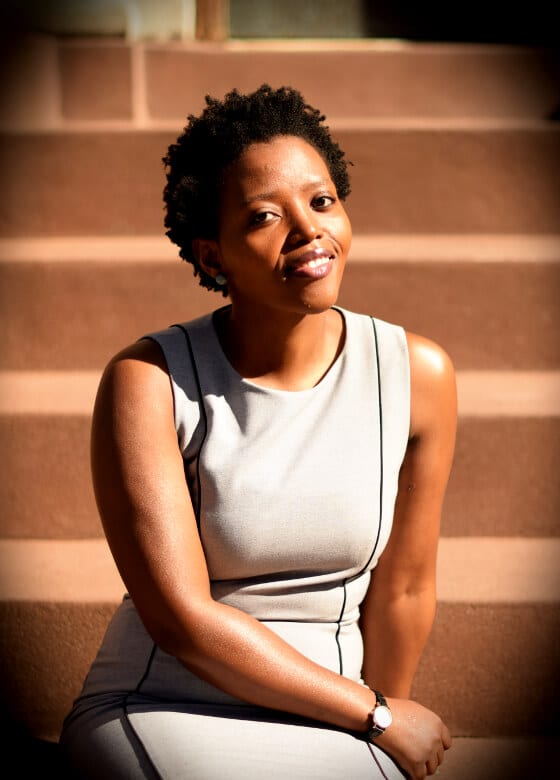
So, you want to know about working abroad, embarking on a new career or being a currency exchange entrepreneur? Look no further, we have someone who knows a lot about all three. Yoliswa Cele is a South African-born entrepreneur. She is also the co-founder and CEO of Ndosi Strategies, a start-up firm based in New York. Through Ndosi Strategies, Yoliswa provides accessible development services, curating partnerships, and international platforms. The firm presently enjoys relationships with partners and clients in the US, UK, and across Africa, specifically, South Africa. Here, Yoliswa answers questions on improving your career born from her years of experience. What challenges should one prepare for when venturing into either a known or new field of business? The spirit of self-sufficiency and triumph over adversity is the core of entrepreneurship. That spirit is innate in Africans, particularly its women. Jumping into a new territory will always require a certain level of research, strategizing and guts. These days, via social networks, and the general internet, we all have the capacity to research. Do a research on your field of interest. Learn about the dominant figures and trends. Attend related events to familiarize yourself with the network. Always be available for networking events, panels and receptions. Once there, interact with people on all levels within that space, from interns to Directors. During the learning process, everyone has something to offer. Make a strong impression by asking thoughtful concise questions that project your own interest in expanding in the industry. Most importantly, show the desire to learn. Follow up with emails, connect on LinkedIn, pay attention to the types of news/articles circulating around the field. Make contacts and seek mentorship if need be. Work to build a support network within the industry to ensure that you make the best decisions, and are included in any opportunity circulations that can further facilitate your professional development. What advice would you give a young professional woman looking to being a currency exchange entrepreneur and having to move to a different country? The international exchange rate is significant to doing business abroad. Benefits are real and most likely will be the incentive to move to foreign job markets. In that kind of situation, it’s important to maintain your awareness of the focus on bettering your circumstances. Make sure that your own goals or purpose for emigrating in the first place, aren’t lost in any romanticized fantasy about doing business abroad. Going into more wealthy economies can be distracting because the lifestyle and environment are new. But don’t get distracted with the flash. Be focused and committed. Business is subject to rules, regulations, and the financial terms that exist in each location. Internationally, you have to make yourself aware of the differences between African economies and foreign ones. This will help you take advantage of the ways they complement, or conflict with, each other. Use your purpose and observations, to strategize the best course of action for each stage of your business growth. Utilizing the huge amount of affordable/free businesses development resources at our disposal —from free social media marketing, to website domains that are the price of a Starbucks latté, to make real growth in your presence, profile, profit and notoriety. There are tons of stepping stones for aspiring entrepreneurs. Social media is a virtual bridge connecting all corners of the world. For example, if you are getting into the global market with the hopes of selling a product, a better first step economically, might be to opt for an e-commerce vs. attempting to rent a psychical shop, and taking on a hefty rent bill every month. Working around the currency difference takes a thorough analysis and resourcefulness. What should an intern or a professional pre-empt in terms of applying skills rather than just knowledge? I don’t know if there are exact or specific skills one should possess when starting out. But I would say, be a sponge. Absorb everything around you during your internship. Work hard, but also work smart. This means asking questions, showing interest, and being consistent in your work. Go over and beyond to stand out in an internship environment. It will without a doubt bring you strong skills and relationships when moving forward professionally. If you’d like to share your story with She Leads Africa, let us know more about you and your story here.
A day at SheHive – More than just entrepreneurship
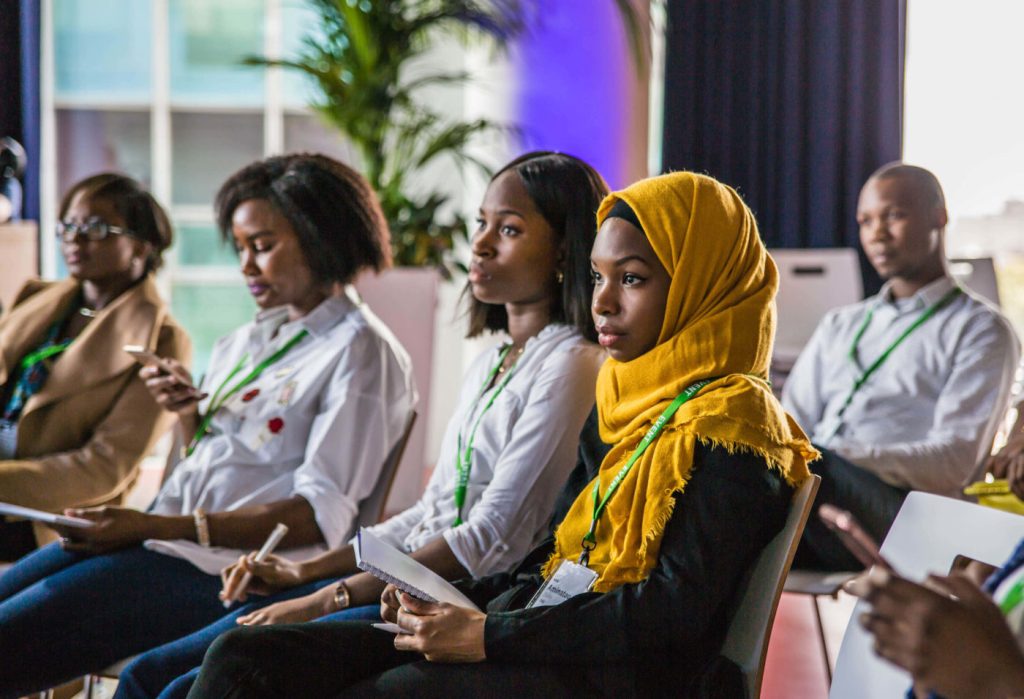
10.15 am: I’m back at Facebook HQ for another packed day of activities and more #blackgirlpower. Today’s session started with a fun task as well, Afua gave us a briefing and asked us to come up with a 30 seconds ad for SheHive and She Leads Africa. It could be acted out, spoken word format or even a song….this called for a rap battle 2.0! 10.35 am: Well, this task proved how resourceful and creative we can be because in 5 minutes, the Motherland Moguls came up with so many ways to show how SheHive was the bomb dotcom! 11.00am: The first session of the day started with Zeze Oriaikhi-Sao, the founder of Malee, a natural cosmetic brand out of Joburg (our last stop for SheHive this year) a brand on its way to global dominance. She told us about the Malee journey from inception to dream come true! Whilst also sharing 30 things she learnt from building her brand. One lesson I picked up from her talk is, to believe in yourself and your dream. 11.55 am: SLA contributor Abiola and I seized the opportunity to do a short interview with Zeze talking about her support system and what the future holds for Malee. 12.05pm: The social media guru Imad Mesduoa’s talk on ‘how to build your professional profile’ was underway and I was beyond psyched to be a part of the audience! I have been following Imad since the legendary elections in Nigeria last year…and over time have come to accept him as a #NaijaBoy at heart, that’s for sure. His Naija lingo during his talk proved that! After Imad’s talk, it was lunch time so people mingled and networked as usual. I had the pleasure of sitting with a couple of girls from across Africa and could actually feel the true pan-Africanism vibe. The topic of Zimbabwe came up and of course, Mugabe. A Zimbabwean lady was gave us insights into the economic climate in the country at the moment. We also discussed ideas of what the main issues are in Africa and how we can bring about changes. Who says SheHive is just about entrepreneurship! 2.00pm: Lunch over, I grabbed Imad for a quick interview where he discussed getting out of your comfort zone early on. Doing this demonstrates to future employers that you are capable of taking up new challenges and it improves and adds to your skills bank. 2.10pm: If you’ve heard of IrokoTV, then this may be partly because of Jessica, the PR mastermind and founder of Wimbart. She spoke to us about what it means to master the PR game and how timing is really strategic to your business. Try and familiarize yourself with key calendar dates relevant to your brand industry and get ahead of the news cycle to get your brand in the media sphere. 3.30pm: Well I did promise more of Queen Bey, and aside from Jessica slaying her presentation with some epic Queen Bey elements, Ade Hassan gave us a different Bey love. So, the founder of the revolutionary nude lingerie company has clients like Jdunn and Beyonce and us darker-skinned ladies have nothing but love and thanks for this entrepreneur. Ade also walked us through the journey that led her to start Nubian Skin, her lingerie and hosiery brand. Key thing I picked up from her story is, the right people in your support network are important because they are the ones who give you the needed push that could end up actualizing your dreams. She also mentioned how extremely important it is to draft a confidentiality agreement when talking to consultants about your brand at the early stages. Your idea could be a goldmine! 4:30pm: I managed to interview Jessica and Ade about their businesses, also got them to give relevant advice to startups. So Motherland Moguls, don’t forget to check us out on YouTube for some awesome tips coming soon! At this point ShopTheHive had officially begun. This initiative was set up to have MMs sell their products and network with potential partners and investors. Double win!! They got a chance to go on stage to tell us a bit about their business, free publicity for the win…Triple win! 5.00pm: I noticed a journalist crew doing their thing and as a Journalism minor I took advantage of the opportunity and got insights into how they operate. I also got some key advice from Victoire Eyoum, whom I later found out is the Editor-in-Chief of Voxafrica, a pan-African TV station. 5.45pm: After some last minute contact sharing and taking lots of pictures —was nice to be in front of the camera for a change— I headed back to Euston for my train journey home feeling all kinds of inspired and motivated. Definitely worth my time and waking up super early in the mornings!