
4 simple hacks for combining motherhood & entrepreneurship
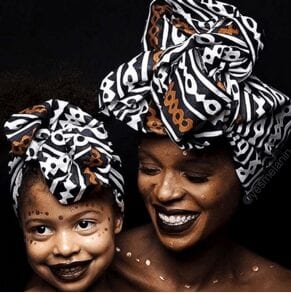
Having been an entrepreneur running a market research firm for eight years, I did not give too much thought to how I would handle motherhood and work. Juggling, creating value, and keeping a keen eye on productivity were already familiar hurdles I had already crossed — or so I thought! Very early into a somewhat complicated pregnancy, I knew that I would have to change certain aspects of my orientation if I was ever to be productive again; I don’t mean that as a hyperbole. Along with warmly welcoming motherhood, I was left wondering whether I could continue the business I had built. While it has been and still continues to be a wobbly journey to finding my footing as a CEO mommy, here are several tips I’ve picked up along the way, which can help to keep the lights on even as your little bub requires more and more from you. 1. Compartmentalize your life Divide your days and hours into blocks and devote 100% of your time within any specific block to whatever task you’ve assigned it. One of the great things about being a business owner is the flexibility it allows — you are not restricted to a strict schedule of work. If you have to make dinner by 6pm, play peek-a-boo with bubba till 8pm, and then hit that laptop till 11pm, then do it. Trying to answer emails while playing peek-a-boo is the key to being frustrated and burning out. Whatever you set out to do, try to be present for the time assigned to it. 2. Delegate with gusto It will not be perfect and it may take longer, but it will be done and sometimes that’s what’s most important. At work, break tasks into little bits and ask colleagues, friends, family — anyone— to help you get those little bits done. At home, take the time to build a support system and don’t be shy to accept help from loved ones or to voice requests for domestic help — even if help doesn’t come in exactly the same format as it would if the task were completed by you. There will be times when your spouse does not buy exactly the same diapers baby wears or the nanny does not feed the little one at the right time, but at least those tasks are done, and that truly is the big picture. 3. Ditch perfectionism You will drop the ball. You will drop the ball more than once. There will be very little explanation (outside of yelling, “Can’t you see how busy my life is right now?”). Give yourself a little time to get back to your old levels of productivity. Allow some lax time for deadlines and let those depending on you know that there will be just a little give or take. It is perhaps more important than ever to set yourself a task list except this time, success will look like crossing off two-thirds (or maybe even half?) of your list rather than the 100% get it done amazon that you are. 4. Prioritize Sleep In this crazy world were everyone seems to be rushing to and fro, and there are incredibly much more tasks getting added than getting done, it may seem frivolous to be rigid about your beauty sleep. It is not. Many studies have shown that sleep is one of the best ways to clear the mind (thereby increasing productivity), reduce stress, replenish depleted energy, and more (another is exercise). It can even help with weight loss! If you are lucky and able, schedule in power naps and let everyone in your office know that you are not available during those hours. If you cannot, try to schedule in catch up naps during the weekend. Try just 20 minutes at a go for starters, and then increase gradually as you feel more confident about your sleep priority. In the final analysis, what truly matters to all of us is that our loved ones are proud of us and proud of the person we’ve become along the way. No matter what your choices, your child will most likely look over your body of work and be proud of the courage it took to follow your dreams and fulfill your potential. So don’t be afraid to explore and find your own rhythm —in whatever quirky combination— so long as it works for you and your family, then you will already be quite a success and inspiration!
How to answer these 2 key interview questions

[bctt tweet=”Get a better understanding of who you are before you set out for that interview” username=”SheLeadsAfrica”] Before you attend any interview, you need to prepare adequately. Research the company and review the details of the position you applied for. Evaluate your expertise and strengths, and ways in which you can use your skill set to be an asset to the hiring organization. Anticipate how you will confidently answer questions asked. This preparation will help you get a better understanding of who you are, and enable you to clearly outline your competencies, qualifications and goals. First impressions are very important in the hiring process. In order to stand out from the competition, you need to make a lasting impression. This is not only determined by how you carry yourself, but also the way in which you respond to questions. Here is how to answer two key interview questions: 1. “Tell us about yourself” This is a common question. So, where do you even begin? Do you treat the question as if you are on a date and start talking about your interests, dislikes and whatnot? Stop. HR doesn’t want to know about where you grew up, the kind of hardships you went through to get to the position you are in today, or the number of siblings you have. When asked this question, you have to first focus on your academic background and professional experience. Give a brief overview of the two. For example: My name is Anastacia Kihoti, a communications graduate from Africa Nazarene University. I am currently a customer service manager with four years of experience working for SMEs and large organizations in the service industry in East Africa. Additionally, I have more than two years of experience in inbound and outbound campaign management in call centres… [bctt tweet=”How to flawlessly answer the common interview question; Tell us about yourself” username=”SheLeadsAfrica”] The next step is to talk about your career progression as well as what you have learnt or achieved through the years. Capture the HR’s attention by mentioning the accomplishments that you are most proud of. For example: As the customer service manager, I managed a team of fifty customer service representatives in introducing call centre systems by developing customer interaction and voice response systems, and executing user acceptance test plans. I came up with a strategy to get the job done within two weeks and successfully completed it at a lesser cost than that of outside consultants… Finally, you should give a summary of what you want your next career step to be. Make sure this logically ties in to the responsibilities of the position you are interviewing for. For example: I am looking to move away from customer service to coaching and developing team leaders and agents, managing the daily running of a call centre and driving performance of the team leaders to meet the business KPIs… 2. What are you looking for in a new position? In a recent email exchange with a job candidate, who was asked this question during an interview, he said, “I didn’t know what to say but the first thing that came to mind was ‘More money’. I regretted it as soon as I had said it because of the look I got from the HR. Although he didn’t say my reason was wrong, I got the feeling that I had blown my chances. How should I handle such a question in the future?” Well, we are all looking for greener pastures but mentioning money as the first thing may put off a recruiter. It makes it seem as if that is all you care about. Although money is important, don’t let it be your first response. [bctt tweet=”Mentioning money as the first reason you’re looking for a new job may put off a recruiter” username=”SheLeadsAfrica”] Start by mentioning that you are looking for a job which has the potential for advancement. Talk about the desire to work in an environment where you will be challenged and in which you can grow your skills while being mentored. Highlight the experience you expect to get from the position. One of the most important things you can do is gain as much experience as possible from every job you get. If you strive to work in a place that you’re excited to go to every morning or where you’ll be mentally stimulated, be honest about it. Tell the recruiter that those are the crucial aspects you want in a new position. What are some other ways you have navigated these key questions? What other questions often give you pause at interviews? Let us know.
5 proven ways to improve your personal brand
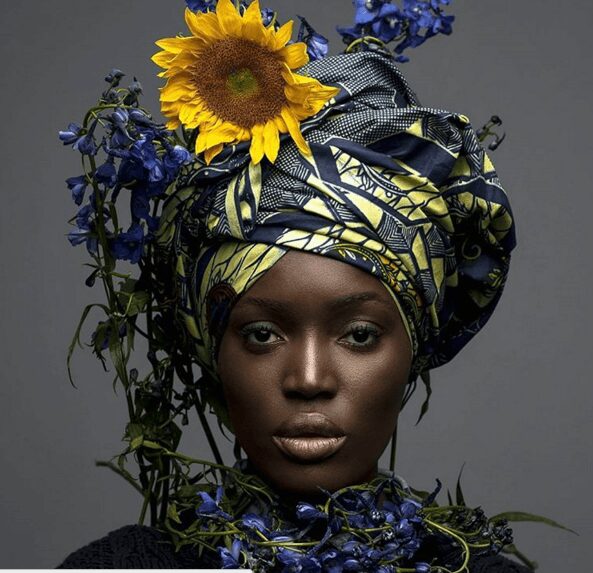
What exactly is a personal brand? There is no official definition but it’s artful combination of your expertise, talents and skills as well as the platforms that you use to present these. Many people focus only on their personal brand when they’re looking for a job, but the work doesn’t stop there. As a young professional, you can continue to find new opportunities and establish yourself in the job market by keeping your personal brand updated, fresh and in front of the right people. Whether you are in your first job after youth service or a brand new entrepreneur looking to establish credibility in the market, below are 5 things you can do today to build and sustain your personal brand. 1. Define your brand What do you want to be known for? Are there certain attributes that you want to be linked to? What is your area of expertise? What are you passionate about? Once you establish this, you will be able to clearly define your brand. Be specific. Choosing a general subject matter like “lifestyle” will not make you stand out of the crowd. According to Inc. Magazine, with a niche focus, you’ll have more opportunities to prove you know what you’re talking about. While your potential audience might be slightly smaller, it will also be that much more relevant. 2. Social media presence Social media platforms are great tools for promoting your personal brand. Make sure that the content on your profiles is consistent across the board and aligns with your brand. Flesh out your LinkedIn profile. Contribute to conversations on Twitter. Delete or untag yourself from questionable pictures on Facebook. Post regular updates about issues you care about on all three. Be careful about the images and videos you upload to Instagram. Remember that all the content you post online contributes to your personal brand. 3. Write Take advantage of writing opportunities. This allows you to not only share your knowledge but also establish yourself as an expert in your field. You can start by guest blogging for blogs that you admire. If you want to write more frequently, you can start your own blog or create a personal website. An added advantage of having your own website is that it increases the rank for your name on search engines. You can also reach out to newspapers and magazines, and write opinion articles to be published in them. 4. Network Networking is important in building and growing your personal brand. Engage with other people in your industry both online and offline. Participate in online professional discussions and forums. Attend networking events and be ready to make connections with, share and learn from the people you meet. According to Forbes, your personal brand is strengthened or weakened by your connection to other brands. Find and leverage strong brands that can elevate your own personal brand. 5. Speaking engagements Speaking at different events gives you an opportunity to demonstrate your expertise and meet new people. It also builds a rapport and trust with your audience. This will allow you to not only communicate effectively with them but also to grow your network. Interacting with people this way differentiates you from your competition and increases your credibility. Cultivating your personal brand is not an overnight task. Like everything else, it takes patience, perseverance, proactivity and a lot of time. Don’t just limit your personal branding to online tools like LinkedIn and your website. Get out into the world and find opportunities to keep growing and connecting via media interviews, networking events and conferences. Happy branding! Images of and from Folashade Adeoso. Follow her here and here.
Who run the world?: How African women are changing the way we see Africa
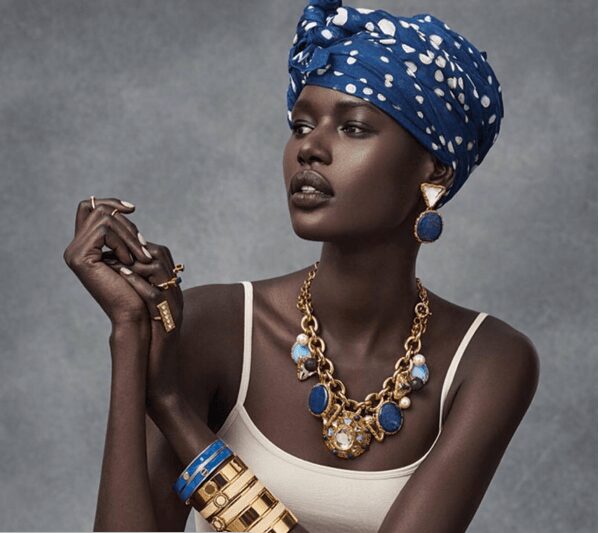
In the last few days of June 2015, a hashtag, #TheAfricaTheMediaNeverShowsYou was trending on Twitter. Within a week, it had been used 54,000 times. Fed up, and in an effort to defy the negative and monoculture stereotypes of Africa, Africans at home and in the diaspora started tweeting vibrant pictures of African landscapes, architecture, food, fashion, and art. These tweets tell a different story of Africa – one told by Africans themselves. The campaign was reportedly started by @WestAfricanne, a 17-year-old “aspiring journalist and photographer” and “proud African”. Diana Salah, known by her followers as @lunarnomad, is a 22-year-old American-Somali student and early supporter of the campaign told Fusion: “I got involved because growing up I was made to feel ashamed of my homeland, with negative images that paint Africa as a desolate continent. I used to get questions ranging from ‘were you born in a hut’ to hurtful comments about disease and poverty.” Poverty, conflict, and marginalization are certainly deep-rooted problems across the continent, but showcasing only these aspects has resulted in what Chimamanda Adichie calls “the danger of the single story”. Here are some of the many ways in which African women are combating stereotypes and prospering against all odds. We’re blowing up runways Iman and Alek Wek, hailing from Somalia and South Sudan respectively, are two supermodels who, with their dark and lovely complexions, disrupted the accepted standard of beauty. By sheer example, they paved the way for other dark-skinned women to feel beautiful and comfortable in their skin. Iman is now famous for creating cosmetics for her dark-skinned sisters and Alek Wek has her own handbag line. Since their come up, models like Liya Kebede of Ethiopia, Ajak Deng and Ataui Deng of South Sudan, Yasmin Warseme and Fatima Said of Somalia, Betty Adewole of Nigeria, Hereith Paul of Tanzania, Maria Borges and Roberta Narciso of Angola, Malaika Firth of Kenya, and Anai Mali of Chad have all made advances on the runway scene. But it doesn’t stop there. African designers are also starting to take the world by storm. Nigerian Deola Sagoe uses traditional prints and fabric in her designs, elevating African cloth with a modern twist. A stylistic trademark, Sagoe’s creations are often layered outfits. She has received nods of approval from the likes of Oprah and Will Smith. Folake Folarin Coker is another Nigerian designer and founder of the international brand Tiffany Amber. Coker’s cultural duality is visible in her designs. Twin sisters, Ayaan and Idyl Mohallim, hail from Somalia. Together they founded their brand Mataano (which means twins in Somali) and their debut collection launched in 2009 getting them an interview via Skype on Oprah. Since then, they’ve received attention from Vogue Italia, Essence Magazine, and CNN International. We’re rebuilding countries If you’re into architecture, you might have heard of Olajumoke Adenowo. This Motherland Mogul found herself at the University of Ife at just 14 years old, got her first architectural degree by 19, was working and designing her very first building by 23, and three years later endeavoured to start her own firm. Twenty years later, the 46 year old has worked on the design and construction of over 70 buildings. Her resume spans institutional buildings, estates, offices, auditoriums, and homes. Adenowo’s firm, AD Consulting Limited is internationally known and she even has her own radio show dedicated to mentoring women. One of the most successful Nigerian architects, Adenowo continues to rebuild Nigeria’s landscape with her vision. We run countries now As of June 2015, the Motherland has had four female heads of state. Dr. Ameenah Gurib-Fakim, a biodiversity scientist, was sworn in as the 6th president of the island nation of Mauritius. Dr. Gurib-Fakim now joins the ranks of Joyce Banda of Malawi (2012-14), Catherine Samba-Panza of Central African Republic (2014-), and Ellen Johnson Sirleaf or “Ma Ellen” of Liberia (2006-). Banda became president of Malawi after the death of its then president Bingu wa Mutharika. During her presidency, Banda sold the presidential jet to feed over 1 million people starving from food shortages. As an interim president, Samba-Panza was selected to govern her country during a nearly year-long power struggle between Christians and Muslims that has displaced about a quarter of the population. Sirleaf, the first elected African female head of state and an inspiration to Samba-Panza, inherited a post-conflict Liberia. Her efforts to rebuild the country and her advocacy for women’s rights made her one of the three people to win the Nobel Peace Prize in 2011. What about you? What makes you a part of #TheAfricaTheMediaNeverShowsYou?
Why we need business education in the African market

When considering female micro-entrepreneurship in sub-Saharan Africa, I often remember the stark images of the women of Yaba market in Lagos. Some of the market women sell food produce, others focus on the textile business and a greater number work as the “Jacquelines” of all trades. I often wonder if they designed and wrote out a business plan before they started their respective ventures and how they and their businesses have survived through the years. More importantly, I think about what can make their businesses more profitable and sustainable. During my last trip to Nigeria, I spent a few hours buying gifts at Yaba market and engaging different micro-scale womenpreneurs. My goal was to gain insight as to how these women got started in business, how their businesses were structured and what their biggest needs were. Unsurprisingly, many women talked about limited access to loans and credit. However, I was more struck by the desire of many of the women to get an education. The conversations inspired me to think of creative and effective ways to empower women in the market with customized business skills and education. I dug deeper to gain a clearer understanding of what can be done to empower these women, many of whom didn’t complete secondary school but still had a strong desire to obtain some formal education. The biggest challenge to getting formal education for many of these women was time, money and the opportunity cost of leaving their businesses for extended periods of time. Many women simply could not leave their kiosks during business hours to attend class at a school that would most likely be far away. While auditing a Coursera class on Social Entrepreneurship, I applied the Principles of Design to the problem. My solution: take the training and education to the women. I crafted a model that will function as a daily or weekly lunch-and-learn, allowing micro-womenpreneurs leave their kiosks for forty-five minutes to an hour and take skills-focused business classes at a location within the market infrastructure. To increase the chances of success, the program must be skills-focused and be offered in bite-sized digestible format. Many of these women manage shops, stalls and boutiques; hence they need an education that is timely, tailored and convenient. Listed below are the reasons that having a skills-focused business school in the market will be beneficial to small-scale women entrepreneurs: Timeliness and applicability of information Given the focus on skills-based learning and real time application of information, women can learn about how to build a budget and exercise their knowledge of different commerce topics on their businesses the same day. Their learning is further complemented by their respective business challenges, which can serve as case studies from which everyone else can learn. Additionally, women can real time advice from their teachers, mentors and fellow womenpreneurs. Creation of a Womenpreneur ecosystem A market-based schooling approach creates a network of entrepreneurial women who come together to share business experiences, engage with business lessons, and form a coalition. This creates a support system whereby women can rely on each other for support or even micro-credit; an ecosystem where women can share issues they are having in their businesses and find ways to learn from each other’s experiences promises to create trust among the women. Women may also discover that they are serving different levels of the business chain and may decide to integrate or partner; hence creating potential value to be realized in efficiency gains. Convenience and flexibility It is difficult to convince a middle-aged woman who is the breadwinner of her family to leave her kiosk for hours at a time to attend school. However, if that education is right there in the market and is fitted into mini-education sessions, it creates a more compelling and readily available opportunity. Bringing education to the micro womenpreneurs creates the flexibility that has been missing in obtaining an education. The Girl effect Many of the women I’ve seen running shops over the years tend to have some help from another younger woman. Usually, it’s a daughter or a niece or a relation of some sort. Some of these relationships with younger women can be structured as apprenticeships with defined learning outcomes, which further fuel the entrepreneurial spirit of the young women. Coupling that structure with formal education (right there in the market) can create a powerful domino effect for years to come. A program of this nature can take many forms. There are number of parties from the private, public and non-profit sectors who could come in as partners. From a funding perspective, the program can be sponsored through philanthropy, whether from an NGO, the government or a Private Corporation. It can also be structured as a public-private partnership. While there are obstacles facing women entrepreneurship, most of these are in fact solvable. Education continues to be a primary issue, however, with some creative thinking we can develop meaningful responses and improve these solutions as ideas further develop.
Navigating the catch-22: Successfully fundraising for your business

Once you have successfully registered your new venture and executed your partnership agreements, the next phase is getting your new venture up and running. For some, this might not be an issue as you probably have sufficient savings and contributions from family and friends to commence this new venture. For others, the fundraising process begins! Fundraising is not a task for the faint hearted, as it requires a high dose of patience, perseverance, tolerance, and politeness. However, while the fundraising process might require a heightened tolerance for frustration, it is imperative that you think beyond the fundraising process. For example, you should not accept a potential investor’s offer simply because that investor has agreed to give you all the funds you need to scale your new venture without thinking through the possible impact that potential investor may have on your new venture or ownership structure. This segment details some important points that you should consider during your fundraising process. 1. Don’t let the cat out of the bag prematurely During the fundraising process potential investors will ask you to share information about your new venture so that they can make an informed decision on whether or not they can provide you with the funds you require. Indeed, you have to furnish them with some of the information they seek. Nonetheless, it is important you strike the right balance between your fundraising needs and safeguarding your new venture’s confidential information. You have worked hard to develop your new venture and create a niche for yourself, as such, while you may be in desperate need to fundraise, you should also think beyond the fundraising phase by safeguarding your new confidential information. Moreover, of what use will the funds raised be if at the end of the fundraising process your new venture’s secrets has been disclosed to potential competitors who are now offering the same exact product you wanted to offer? You owe it to yourself and your new venture to protect your new ventures’ confidential information such as the “know-hows” of your new venture, the trade secrets, and all other information that makes your new venture unique. Thus, before you commence deep discussions about your new venture with a prospective investor, it is imperative that you sign a non-disclosure agreement (even if that prospective investor is a friend!). Your non-disclosure agreement should: (i) be executed by all parties that you want to be bound by the agreement, (ii) identify the right legal entities and/or individuals that are intended to be bound while also indicating that representatives and affiliates will be bound, (iii) provide remedy in the event of breach, (iv) include a definition of what constitutes confidential information, (v) address the term of the non-disclosure agreement and what happens at the end of the term, i.e. whether the investor has to return the confidential information to you or destroy it. Indeed, executing a robust non-disclosure agreement with an investor does not prevent such investor from breaching the agreement. As such, protect your new venture by taking the extra step of researching each potential investor to ensure that such investor is a respected and professional player in the market. 2. Think carefully, pick selectively You must carefully select an investor. Yes, the order of the previous sentence is intentional! In a world where financing is not infinite, entrepreneurs often feel very lucky to find an investor who is willing to invest in their business. While the feeling of immerse gratitude is not misplaced, it is imperative that entrepreneurs also carefully select their investor. Do your due diligence on your potential investors! Remember, an investor’s investment is never “free”! It often comes with numerous strings attached. Oftentimes, these strings are good strings in that they bring value to the new venture. For example, the investor may require you to adopt environmental, social, and governance policies, or anti-money laundering policies. Such requirements are valuable additions as such changes could translate to higher returns for your new venture. As such, before signing those dotted lines, entrepreneurs should consider the investor’s track record and reputation in the industry, the investor’s proposed economic rights and governance rights and whether such economic rights are proportional to the investor’s proposed investment, the factors the investor considered in arriving at its valuation. Think of your investors as long-time business partners—you may be married to them for a long time. So, think carefully and pick selectively! 3. Don’t jump to the finish line So you are extremely excited that you have selected the right potential investor and strongly believe that the potential investor will invest in your new venture within a few months. Indeed, you trust your intuition on this because your intuition always leads you to the right path. As such, you believe that the next logical step is to email all your new venture agreements (shareholders’ agreements, share purchase agreements etc.) to the potential investor while they conduct their final review process so as to streamline the process. Please Don’t! Wait until you hear from your potential investor that they have decided to strike out “potential” from the words “potential investors.” There is no point jumping to the finish line and investing resources by drafting agreements that may not be eventually utilized. Moreover, your investors might have a preference for providing the definitive agreements. To summarize, the fundraising process is not a task for the faint-hearted. While you may have an urgent need for working capital, you should also ensure that you safeguard your new venture throughout the process. The success of your new venture also rests on your ability to protect your new venture’s confidential information. In the next segment, we will discuss the non-disclosure agreement in detail. If you would like insights on a particular topic, write to us! We are listening.
How to be a badass? 5 Epic lessons from our favourite TV Moguls and their creator Shonda!

Unless you have been living under a rock, or generally lack interest in everything pop culture related, you’ll have seen or heard about one of these shows: Grey’s Anatomy, Scandal, Private Practice or How to Get away with murder. The brain behind all of these television gems is Shonda Rhimes, the most powerful woman in television. She’s the first African American woman to run three consecutive shows on television’s most expensive real estate: Thursday night. More than being an incredible writer, Shonda is also an example of what it means to be a badass leader and how to turn your dreams and aspirations into reality. She wrote a book recently called ‘Year of Yes’ and it is not only incredibly moving and hilarious. It also teaches many lessons about getting to the top in your respective field. Here are 5 lessons from Shonda and her incredibly written female lead characters: Annalise, Olivia and Meredith. Annalise Keating – Think on your feet For those who follow HTGAWM (How to get away with murder), if there’s one thing we can learn from Annalise it is the ability to think on your feet. She is the fast-talking attorney on the show and is quick to come up with arguments to defend her clients. She ultimately created the twisted story that let her students get away with the murder of her husband. Though a bit dirty and twisted, I still think there is a lesson here. In whatever field you are in, immerse yourself in it, so that you can draw from different aspects when you need to. Annalise knows the LAW. Therefore, she knows how to get around it and make it work for her. You want to be an entrepreneur, but do you know the rules of the game? When you find yourself in a difficult situation, it’ll be those moments you had invested in knowing your craft that will get you through. Do the work, and when you do, be better than Annalise, and use it for good. Olivia Pope – He is not the sun, you are Arguably one of the most drawn out love stories in television history took a turn for the crazy when Olivia moved into the white house to be Fitz’s girlfriend. For those of you who don’t understand why this broke all of our hearts, it would be the equivalent of President Clinton moving Monica Lewinsky into the White House as his girlfriend at the height of the scandal. Yes, it was that crazy. Although there is no doubt that Olivia loved Fitz, what became clear as she lived out the role of First Lady was that it was not who she was and she had the courage to do what she knew she had to: end it and move out. The truth is, sometimes love is not enough. Your life goals need to be aligned with your partners, otherwise you will be betraying yourself. He is not the sun, you are! We need to internalise this to be the Motherland Moguls we can be. There will be times when you will have to make sacrifices, but you should never have to sacrifice yourself. Remember that .ladies, and choose wisely. (Preferably not a married president like Olivia. Let’s try to keep it drama-free.) Meredith Grey – It takes a Village The saying ‘no man is an island’ has taken on new meaning as I have spent the past 11 seasons watching Meredith Grey go through all sorts of heart shattering life events in Grey’s Anatomy. Most recently (spoiler alert), she gets attacked by a patient and loses her hearing and her ability to move for weeks. She has 3 small kids! How will she survive? The answer is simple: she has a village of people who will do whatever it takes to look after her. As I wiped my tears watching all of her friends step up to look after her and her family, I was reminded of how she did the same for each and every one of them at a different time. It makes sense. We cannot rise to the top alone, we need to realise that the people around us have a serious effect on our ability to reach our goals. Get your immediate circle right. And the best way to do that is to be the type of friend you wish you had. This will heavily pay off in the future. Life is full of uncertainties and we cannot control what will happen. All we can do is put ourselves in the best position possible to deal with whatever life throws at us, and a huge part of that is the people you can call on no matter the situation. Do you have those people? If not, are you that person to anyone? From creator, Shonda Rhimes – Dreaming is for losers This point for me was very difficult to internalise. I am a dreamer, it is in my blood. The phrase: ‘dream come true’ is featured on my blog over a gazillion times. Shonda as the badass leader that she is really burst my bubble on that one. The people who get things done are not the dreamers, they are the doers. Shonda explains: ‘I wanted to be Nobel Prize-winning author Toni Morrison. That was my dream. I dreamed and dreamed, and while I was dreaming, I living in my sisters basement (FYI dreamers always end up in a relative’s basement). I actually couldn’t be Toni Morrison because she already had that job and wasn’t planning on giving it up! One day I read an article that said it was harder to get into USC film school than Harvard business school. I could carry on dreaming or I could do. At film school, I discovered an entirely new way of telling stories… a way that flipped this switch in my brain. Years later, I had dinner with Toni Morrison. All she wanted to talk about was Grey’s anatomy. That
20 powerful Chimamanda Adichie quotes for today’s boss women
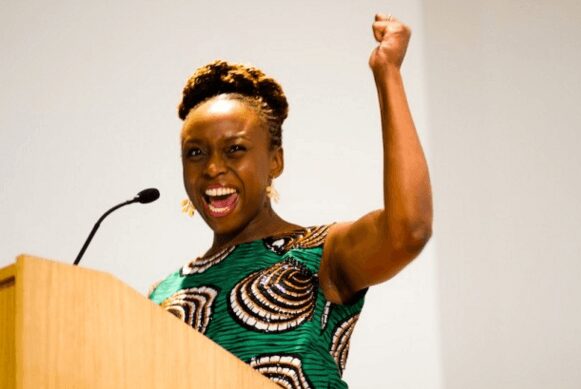
Nigerian writer, speaker, and activist, Chimamanda Adichie, is beloved by many. The award winning novelist and Ted talk sensation is fiercely revered for being a thought leader on Africa and contemporary African politics. With her recent feature on Beyonce’s self titled album, Beyonce, many have come to know her for talk, “We should all be feminist”. But Adichie speaks on more fronts than one, from the personal and private to the institutional and public. Below, we share 20 of our favorite quotes by Adichie that shed light on some of the topics and issues today’s boss women care about: being our true and best selves, navigating social roles, confronting gender and racial injustice, love and relationships, the motherland, and of course, money and being a creative. While short, each quote is steeped deep in history and context and is worth pondering over. On being a powerful woman 1. Never ever accept ‘Because You Are A Woman’ as a reason for doing or not doing anything. 2. I want to be respected in all of my femaleness because I deserve to be. 3. Minister to the world in a way that can change it. Minister radically in a real, active, practical, get your hands dirty way. On life 4. Your standard ideologies will not always fit your life. Because life is messy. 5. Please do not twist yourself into shapes to please. Don’t do it. If someone likes that version of you, that version of you that is false and holds back, then they actually just like that twisted shape, and not you. And the world is such a gloriously multifaceted, diverse place that there are people in the world who will like you, the real you, as you are. 6. The truth has become an insult. On Men, Love, and Relationships 7. Masculinity is a hard, small cage, and we put boys inside this cage. 8. Of course I am not worried about intimating men. The type of man who will be intimidated is exactly the type of man I have no interest in. 9. Please love by giving and by taking. Give and be given. If you are only giving and not taking, you’ll know. You’ll know from that small and true voice inside you that we females are so often socialized to silence. Don’t silence that voice. Dare to take. On injustice 10. Racism should never have happened and so you don’t get a cookie for reducing it. 11. The real tragedy of our postcolonial world is not that the majority of people had no say in whether or not they wanted this new world; rather, it is that the majority have not been given the tools to negotiate this new world. On Gender and Feminism 12. I am trying to unlearn many lessons of gender I internalized while growing up. But I sometimes still feel vulnerable in the face of gender expectations. 13. Some people ask: “Why the word feminist? Why not just say you are a believer in human rights, or something like that?” Because that would be dishonest. Feminism is, of course, part of human rights in general—but to choose to use the vague expression human rights is to deny the specific and particular problem of gender. It would be a way of pretending that it was not women who have, for centuries, been excluded. It would be a way of denying that the problem of gender targets women. 14. Culture does not make people. People make culture. If it is true that the full humanity of women is not our culture, then we can and must make it our culture. On Africa and being African 15. I recently spoke at a university where a student told me it was such a shame that Nigerian men were physical abusers like the father character in my novel. I told him that I had recently read a novel called American Psycho, and that it was a shame that young Americans were serial murderers. 16. They themselves mocked Africa, trading stories of absurdity, of stupidity, and they felt safe to mock, because it was a mockery born of longing, and of the heartbroken desire to see a place made whole again. 17. Because although there’s a lot of gender bullshit in Nigeria, I think women in the west have a lot more invested in being liked. And being liked if you’re female means a certain thing. So in workplaces, women who are bosses in Nigeria are fierce. The people who work for them, men and women, respect them. But, these are women who very keenly perform gender stereotypes when they go back home. And if they give a public interview, they have to say, ‘My husband supported me and allowed me to …’. On Money and wealth 18. Creative writing programmes are not very necessary. They just exist so that people like us can make a living. 19. There are many different ways to be poor in the world but increasingly there seems to be one single way to be rich. 20. How can we resist exploitation if we don’t have the tools to understand exploitation. Which of your favourite quotes by Chimamanda did we miss?
7 unusual signs that you might just be a go-getter
From the get-go, society encourages young people to learn quickly and strive to lead. We’re bombarded by mainstream notions on what it means to be a go-getter —a true leader. And, although these notions are true to some extent, they don’t necessarily encapsulate all qualities of bad-ass leaders in today’s millennial-driven world. So, here is a list of 7 uncommon traits of impactful leaders and go-getters. 1. You’ve got a lot of fears Fear is usually seen as a painful weakness and an inhibitor to leadership. Ironically, it probably has the opposite effect on you. Fear grounds you to reality. It makes you practical and risk-adverse. Fear acts a constant reminder of your limitations, but also reminds you that there are ways to work around them. Fear empowers you. You’ve got high standards for yourself and those around you. You dream big. The stakes are higher and you may not have many resources at your disposal. But the role of fear in your life makes you incredibly ingenious, inventive, and a go-getter. 2. You’ve failed often and failed hard Failure and fear go hand-in-hand. In the realm of impactful leaders and entrepreneurship, success is difficult and rarely guaranteed. Although failure might be likely, you don’t let the possibility stop you. The great thing about being a 20-something is that you’ve got time and opportunity on your side. If you aren’t failing occasionally or at all, you’re doing something wrong. A life without failure is a life without risk. A life without risk is a life without measurable success. And is that a life really worth living? 3. “Disorganization” is your middle name You probably have a written schedule that you never follow. You’ve got work assignments and projects strewn across your apartment. Your mind is a composition of deadlines, reminders, and goals to accomplish – high hopes and dreams. You weirdly find order out of your chaotic life. The fact that you have a multitude of commitments makes you feel like you’re on track. Even if it’s in an unorganized way. 4. You’re not the loudest voice in a crowd But you’ve often got something important to say. In any setting, what you comment on resonates with people, even if your voice doesn’t carry through the room. People tend to listen intently to those that speak softly or only on occasion. With speaking, less is often more and you always use that to your advantage. 5. You hold unique perspectives You always offer advice or insight that diverges from mainstream ideology. And although it makes you worrisome that your thoughts never align with what most people think, they’re often always valued by your peers. People often ask you for advice and it usually catches you by surprise. You’re not convinced that you’re the leader in a group but almost always you’re nominated to take the role. You probably don’t realize you have a propensity to lead, but others probably do. 6. You put people first A leader only gains presence through the conviction of her followers. You know this all too well. The defining quality of a true leader is one who leads to allow others to take their place one day. You hope to pass on what you’ve learned and are passionate about to the next generation. 7. You have no idea where life is taking you Confused, disoriented, and possibly disillusioned with occasional quarter-life crises sounds a lot like you. You don’t have all the answers and you’re still on a steep learning curve. You don’t exactly subscribe to the 5-Year Career Plan and that’s OK with you because the world is your oyster, and you can do just about anything with it. A life of mystery and unknown opportunity is what you’ve always sought out. You’re not sure if the goals you have now will be the same in the next two years. But you don’t mind because you live in the present. And, you live to lead. Are there any unconventional attitudes or beliefs of go-getters that we didn’t list? Share them below.
Lucy Quist, CEO of Airtel Ghana: Have huge dreams and be extremely ambitious
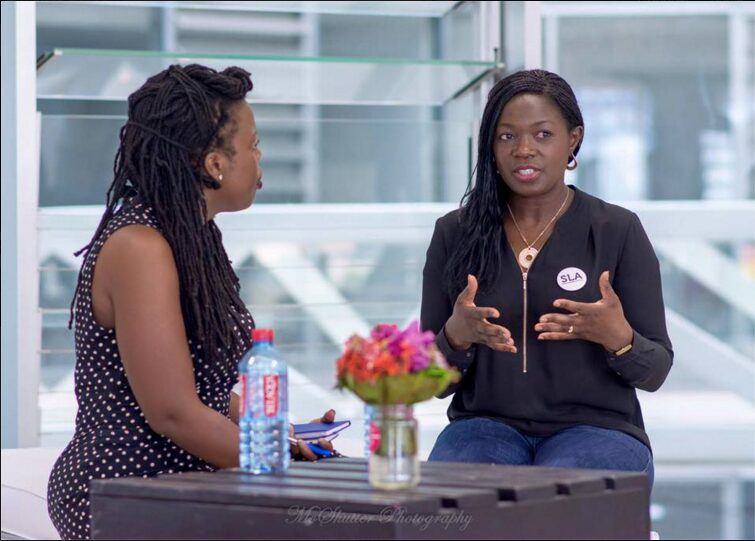
Lucy Quist is a Ghanaian business leader whose commitment to Africa’s youth is palatable. CEO at Airtel Ghana, she is the first Ghanaian woman to lead a multinational telecommunications company. Trained as an electrical and electronic engineer, Lucy has received numerous awards for her vision and strategic planning for the expansion and integration of various telecoms businesses in Ghana and also across the continent. Lucy Quist (LQ) sat down with SLA Co-Founder Afua Osei, at She Hive Accra, where she shared powerful insights on leadership and integrity. After her talk, Femi-Abena Senola (FS), former Vodafone manager and She Hive Accra content intern, spoke with her about more personal matters – from her family to her role models and her legacy. In this candid interview, we learn about the goals and dreams that truly inspire this global leader to continue her work. FS: Hi Lucy, Thank you for joining us at She Hive Accra. Lucy, boss, what are you most proud of? LQ: You’re welcome. I’m extremely proud of my family and my kids. My kids have demonstrated so much independence. I am also proud of the fact that over the years, I have been able to demonstrate to Ghana and the world that leadership is not a function of gender. I believe that black women, African women, are able to lead big businesses. FS: What quotes sums up your career to date? LQ: Impact driven by integrity, excellence and generosity. FS: Who is the first person that pops into your head when you think about leadership? LQ: Tidjane Thiam. He is the CEO of Credit Suisse. I have never met him but really admire his professional record. He inspires me to sustain a global path in my career. From what I know about him, he was at McKinsey, then he became a sector Minister in his home country, Cote D’Ivoire. After a while he left the ministerial job to become the CFO of Prudential, then rose to become the CEO. Because he did such a great job at Prudential, Credit Suisse poached him. On the world hearing that a black African man was becoming the CEO of Credit Suisse, the share prices of Credit Suisse automatically went sky high. I think he is a man of full of integrity and that also resonateswith me. We talk about changing Africa; we talk about creating the Africa we believe in. We know all our entrepreneurs are really important but it is equally important to have visibility in big businesses. When you look at revolutions that have taken place in the western world, aside the economic ones, they were all led by corporations, by businesses which means that companies change the human story. As Africans, we must be willing to play the corporate games, not play it for personal gain but play it for positive change. FS: What are three things people would be surprised to know about Lucy? LQ: That I don’t have a favourite food, the thing is I like variety. I may want this today at another time, I may want something else. The second thing is that I really like to sing. FS: Really? I’m surprised. LQ: I love [ love, love,] to sing. I really look forward to being part of an organised singing group one day, whether it be part of a choir or a band, etc. I look forward to the opportunity but I do not have the time right now. If you’re going to work with other people, you must fully commit. I look forward to a time when I can make that commitment, but I am very passionate about singing. FS: So we can look forward to Lucy the professional singer maybe? LQ: Absolutely. FS: And the final thing we’d be surprised to know about you? LQ: Final one: I feel very global, I really believe you can make a life anywhere. I tend to believe that I can live anywhere. There are a number of places I feel at home at, from DRC to Europe to Ghana, etc. FS: During your presentation, you stated that you could not have achieved what you did/do without support from your team and you made reference to your husband who has been very supportive. Many think that this may be the case because you met each other at a young age. Would you like to shed some light on this? LQ: I was not very young actually; I was about 26 when we met and we got married a few years later. At that point I was mature enough to know what I wanted, who I wanted to be with and what values were important to me. FS: Do you feel that if you met a different person your life would be different? LQ: It is an unbreakable yes and I’ll give you concrete evidence: Before I met my husband, I had never heard of INSEAD [the business school]. I knew I wanted to pursue an MBA, but at the time I had no idea which school to choose. My husband said to me: “Lucy, you’re the kind of person who goes to INSEAD”. And I was like what school is that? And he said, it’s a wonderful school, one of the best in the world for MBAs. The rest is history. He literally sent me there. There are so many examples and instances where he would lead and say to me this is what you need to do, go, go, go. FS: OK, moving on to next question, what advice would you give an African woman at the start of her career? LQ: Have huge dreams, be extremely ambitious, develop a consistent routine, make sure you’re known for some great things and make sure your name pops into people’s minds. Be very confident in what your dreams are and the rest of the world will conspire to get you there. FS: What’s one app on your phone that you cannot live without? LQ: Facebook FS: Really you still use