
Sharon Kadangwe: No competition without innovation

[bctt tweet=”You won’t find anyone else who will be as honest with you as you are with yourself” username=”SheLeadsAfrica”] Model….. what comes to mind is the svelte size zero figures, catwalks, high fashion and of course the G_L_A_M_O_U_R! And usually when we talk about Runway Fests, its all about the gorgeous models working the runway and less of the amazing superstars behind these events. With that said we decided to challenge the norm and spotlight a poet, writer, model and entrepreneur from Blantyre, Malawi who goes by the name Sharon Kadangwe. Sharon has a degree in Counselling Psychology but is also passionate about fashion, arts and empowering girls. She has been modelling professionally since 2012 and has appeared in fashion shows in Blantyre and Lilongwe. Sharon has also appeared in several themed photoshoots and adverts for Airtel and Nedbank. Her interest in the fashion industry grew beyond modelling over time as she became one of the founders of the Winter Ankara Fashion Expo (WAFE) an annual street fashion show which occurs in Blantyre and started in 2015. Is it possible for a teen starting her modelling career to just breakthrough without undergoing a training of some sort? It depends. In other circumstances some of the best models have just been scouted in the street. Scouted means they are seen by someone who works in the fashion industry and then from there their careers start, they then train as they work. Most international models start their careers like that, locally we have Jack Thunde who was scouted in South Africa. You then have another group of models who make it because they are hard-working and passionate and they get training. In our industry, it’s not everyday that someone is scouted so you would have to train and practice if you want to find jobs as a model. What makes WAFE different from other festivals? Everything about WAFE is unique. The name is unique, where it occurs is unique and how we do it is unique. We are the first fashion show in the history of Malawi to be held on the street. The Winter Ankara Fashion Expo (WAFE) is an event that we created after we realized that most fashion shows in Malawi were centered around the capital city and the summer season. We hold it at the end of July, which is the end of the cold/winter season in Malawi and we have it on Victoria Avenue. The reason why we chose that particular street is because of its history and the significance it has in the present day. We also wanted to have an event created by Blantyre, for Blantyre that anyone could enjoy. Which is the most important, strong headliners or strong supporting acts? Great question. Being someone who’s been on both sides (attending and planning an event) I would say headliners are important but supporting acts can also make or break the headliner. The tricky part is in finding both strong headliners and strong supporting acts at one event. The aim of WAFE is also to promote youth entrepreneurship within the fashion industry. Is it going according to how you envisioned it? Yes. It has. Response from the event so far has been positive not only from the attendees but the designers. We have been able to provide a platform for different types of designers, especially upcoming ones. Models we have auditioned and trained have gone on to parade in different shows and campaigns all over Malawi. That’s what we wanted to do; give people a platform to people so that they grow and develop with the skills they learn and empower others to do the same and that chain keeps going until the industry expands and grows and I believe with time that will happen. [bctt tweet=”You can’t have competition without innovation – Sharon Kadangwe” username=”SheLeadsAfrica”] How competitive is the industry? It’s competitive, challenging and slowly responds to change. I believe most of the competitiveness comes from selfish ambition and greed. If we had a lot more people willing to collaborate with others to grow the industry things would move at a faster pace. But at the same time you can’t really call it competitive when people don’t come up with their own creative ideas they just copy what others do. You can’t have competition without innovation. You’ve had much experience with festivals now. What seems to get easier with time? Hahaha, I wouldn’t say 2 years is a lot of experience but I have definitely learnt a lot about myself, what I can do, how people think, how to work with others and how to talk to people from all walks of life. The only thing that becomes easier is seeing where you made mistakes and being willing and able to fix them. We have had a lot of disappointments and setbacks over the past 2 years and being able to pick yourself from that and forging ahead is also something that comes with time. What doesn’t get easier is the same thing; experiencing a setback, making a mistake and getting disappointed. It goes both ways. Managing events is an unpredictable industry. You can plan everything to the last second but anything can happen. Nobody ever expects bad things to happen, but they do. What matters is how you deal with them Can you share with us your greatest work related accomplishment I have a few accomplishments that I’m proud of but at the top of my list would have to be featured on africa.com, I was given an opportunity to talk about WAFE and all the things I do. I also performed poetry and gave a talk to female students at the S.H.E empowered retreat for girls last year. It was amazing to have such an opportunity, when I was in school I hoped for such events to happen and so I’m really glad I was able to share my story and my art to other young ladies. Fun question! Do you ever talk to yourself? When and
#LiftAsYouClimb-Takeaways from SheHive DC
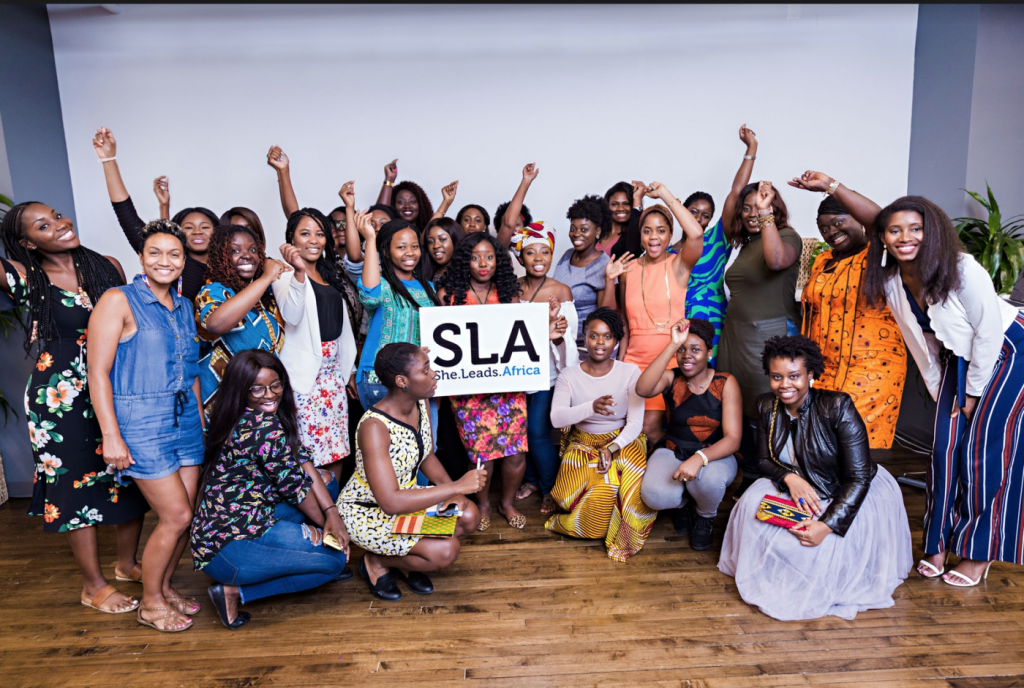
[bctt tweet=”There’s a seat at the table for you and me. Lift as you climb” username=”SheLeadsAfrica”] In my junior year of college, I sat in the White House. I sat at the edge of my seat as I listened to women of color ranging from Chief of Staff members to representatives from economic policy and public engagement. These powerful women talked about experiences and lessons that they had learnt as White House Staffers, and as I took in everything, I appreciated the opportunity to sit, listen and learn. I experienced a similar feeling of respect and gratitude as I sat surrounded by amazing black women at the SheHive DC conference this past weekend. There is something powerful about hearing from people who wield successful and influential positions, people who see themselves in you and who you can see yourself in. That being said, here are three key takeaways from the conference centered on your value proposition and how you can learn from others. The takeaways are: track your data, don’t be afraid to ask for informational interviews and lift as you climb. I hope you learn something concrete that you can apply to your career, business, and life just as I did! [bctt tweet=”There is something powerful about hearing from people who wield successful & influential positions” via=”no”] How you can provide value In the “Building Partnerships” workshop with Afua Osei (co-founder of SheLeadsAfrica), Afua talked about one of the ways that her organization proved their value proposition effectively. In their proposals and potential partnerships, they were able to collect and measure relevant data. They could pinpoint exactly how much value they added to potential partners and sponsors based on data that they tracked including statistics like how many more followers they could bring to an organization’s social media presence. Our world is increasingly becoming a more data-driven one, and the ability to measure data and showcase it in digestible ways will open doors to building partnerships and attracting sponsors in your business. A cool resource I want to share from a YouTube channel that I follow(shout out to TechChange!) that looks at everyday datasets and visualizes it is Piktochart. Piktochart is an easy way to visually represent data that you collect and it can help you start thinking more about collecting and representing your data! [bctt tweet=”The ability to measure data and showcase it will open doors to attracting sponsors in your business” username=”SheLeadsAfrica”] Learning from the people around you Another valuable tool, that should come in handy is the informational interview. I first learnt the concept of informational interviews through one of my mentors (shout out to Davia!) Informational interviews are essentially interviews where you seek out and ask for an opportunity to meet people you admire and want to learn from. At SheHive, Denise Horn, who is currently head of corporate communications at Turner Broadcasting, also emphasized the importance of connecting with people through informational interviews. A tip was to also ask these people for two other people within their circle that you can connect with! During my job search, my mentor connected me to so many people doing amazing work in various sectors in her circle. These interviews gave me clarity on what I wanted to pursue career wise and the things that I was passionate about. It was amazing how people I didn’t know were eager to help me learn from them. I hope that you too will also seek out people that you want to learn from. Don’t be shy when it comes to asking questions and asking for informational interviews! And finally one of my favorite takeaways from the conference: “There is a seat at the table for you and me. Lift as you climb.” My friend, Adoley, and I coined this quote as our takeaway from the conference. (And won a bottle of wine for it too ayee) I am a product of the people who invested in me. The people who made time and shared their knowledge and experiences with me. Recently, I have been reflecting about the kind of footprint I want my life to leave as I transition from my undergraduate experience. And it’s one that embodies the theme of #liftasyouclimb. The idea of trying to be a woman who actively encourages women around you. Someone who willingly shares tips, advice, and experiences, and connects people to others within your network when necessary. A lot of times, in our attempt to achieve success, we forget about other people that we can carve out time for and support to reach similar successes that we have had. We all have experiences that others can learn from and it’s important that, when we are able to, we share our experiences with others in a way that is constructive and beneficial. [bctt tweet=”We all have experiences that others can learn from & it’s important to we share them with others” via=”no”] Thanks to SheHive DC for that reminder. Track your data, don’t be afraid to ask for informational interviews and lift as you climb.
Handling “many eggs” in one basket: How to manage the hustle

[bctt tweet=”Several eggs in your hustle basket? Here’s how to be effective ” username=”SheLeadsAfrica”] You have a great full-time job but because of passion and interests, there are many other eggs in your hustle basket. It’s becoming a struggle to be on top of your game in your different work zones and this is a huge pain point for you. How the can you be more effective and ace each hustle? Proper planning So you’re a lawyer by day but also run online bi-weekly legal training sessions for your Facebook community? Or you’re a bank employee during the week and an event planner during the weekends? You need to plan ahead. What are the things you need to achieve per week or per month in each work zone? How can activities be spread across to enable you to perform them efficiently? For instance, you may need to take out a day to plan weekly/monthly activities. You will also draw out a schedule of when to perform specific tasks and follow through. A good plan is a foundation for work effectiveness. [bctt tweet=”A good plan is a foundation for work effectiveness” username=”SheLeadsAfrica”] Time management It’s one thing to have a plan and it is another to follow through. Yes, you need to follow through otherwise you’d keep going round in circles. This means deliberate scheduling of planned activities and allocation of timelines. Most times, we waste time on activities that do not in any way help towards our big picture. This makes our other work zones suffer. So you get on Instagram looking at lovely pictures, fashion statements and couple goals when you are supposed to be writing a book, 5 minutes, 30 minutes, 1 hour? Wehdone ma, when do you think you’d finish that book? You need to start prioritising. Of course, you can take part in other activities but it shouldn’t be at the expense of your A-game. Delegation/outsourcing By now, you must have realised that you cannot do all. Either because you do not have enough time or you do not have enough expertise in certain areas. You can achieve this by employing interns or entering a partnership with another business. I can hear someone say, “but that would cost money”. Well, it may not always be free but could cost you something which is not necessarily money. Once you’ve identified the areas you need to delegate or outsource, then you need to get creative with payment options. What then can you offer the person rendering you a service? If you are an accountant, you could offer to manage their books. If you’re the lawyer offering online legal sessions, you can offer legal training to the Facebook or Whatsapp community of the expert you are delegating to. The idea is to get creative in delivering value because trust me, you need help and you may not have all the money to pay. [bctt tweet=”Get creative in delivering, you need help and you may not have all the money to pay” username=”SheLeadsAfrica”] Automation You should automate certain tasks. It makes things faster and saves you much needed time. For instance, you need to upload content on various social media platforms. Instead of going from one to the other, get an app that helps you reach all at the same time. Or you work in a bank but bake for your clients too and you still want to be mixing your dough manually? Dear Motherland Mogul, you do not have time for that, invest in the right equipment. Please automate certain tasks so that it can increase your efficiency in other areas. Remember, asides work you still have other areas of life where your attention is needed: religion, relationship, social impact. [bctt tweet=”Automate certain tasks so that it can increase your efficiency in other areas ” username=”SheLeadsAfrica”] Adequate rest You also need to rest and engage in leisure activities. If you do not have good health or you are not well rested, there is no way that you can focus and act efficiently on the job. You need to be deliberate about your health and wellbeing. Eat well, rest well, have fun and when it’s time to work, go make us proud. We are here cheering you on!
Ginika Okafor: I wanted to create colourful products that are uplifting in every way

[bctt tweet=”Being an entrepreneur is no child’s play in Lagos – Ginika Okafor, founder Yili Footwear ” username=”SheLeadsAfrica”] Ginika Okafor is a lawyer, art lover and a Motherland Mogul showing that young Nigerians can wear #MadeinNigeria with pride. In between trying new foods, visiting new countries and experiencing their culture, Ginika designs and creates footwear. Her brand Yili is fun, colourful and Nigerian-made. Ginika is secretly an adrenalin junkie, so you may catch her either bungee jumping or sky diving (but just make sure her dad doesn’t read this). Here she shares with us the challenges of sourcing local materials in Nigeria and sums up what it means to be an entrepreneur in Lagos in three words. Why did you decide to start Yili? I love colours. I like to be surrounded by bursts of colours and as a result I infuse a lot of colours in my everyday outfits and surroundings. With this in mind, I started Yili because I wanted Nigerian-made and sourced footwear, which infuses bursts of colours in its aesthetics. Furthermore, I notice colours have positive effects on moods and I wanted to create colourful products that are uplifting in every way. This is why you find most of Yili slippers are combinations of different bright colours. Also, there is an option for customers to choose the particular materials and colours that will go with our existing designs. This makes each footwear more personal, unique and more meaningful to each customer. How have you (or do you) overcome challenges that your business faces? One of the many obstacles I faced so far is the sourcing for materials locally. We get our leather from the local markets, and what is available this week may be sold out the next. I overcome this struggle by widening my local contacts. This means I travel across Nigeria in search of good local manufacturers selling quality materials. This also affords me the opportunity to see different parts of country and to better understand the culture and everyday living experience of many Nigerians. Also, due to the exchange rate crisis, the prices of a lot of our raw materials have increased in price thereby forcing us to increase our prices. In this forex instance, I can’t really do much but hope the price of forex comes down. All in all, I have learnt to continue to push through in spite of various obstacles. #andyetshepersisted. [bctt tweet=”Sourcing for local materials have taken Ginika Okafor to very interesting parts of Nigeria ” via=”no”] Can you share the process of sourcing for materials as a 100% made in Nigeria brand? Our products contain different materials from leather to adire to calico etc. What many people don’t know is different parts of the country specialise in different goods/material. Take ake adire for instance. The best adires are found in Abeokuta. So, when I’m buying my adire I don’t buy it Lagos; I travel to Abeokuta, speak with different families and vendors that have produced adire for decades. I learn from them on what is new, how they come up with new designs and so on. This applies to all the materials we use. Sourcing for local materials have taken me to very, very interesting parts of Nigeria and I hope to tell the different but amazing stories in a memoir one day. Where do you see Yili in the next two years? Expanding. This expansion includes opening a local manufacturing plant, having our own standalone stores in in Lagos, Abuja, Port Harcourt and Kano as well as in three African countries. We would like to partner with various independent retailers to stock our products. However, we want to ensure that whichever store we stock in must understand the ethos and vision of the brand. Also, we want customers to be able to order Yilifootwear from our website and have it delivered anywhere in the world. What do you think is necessary to take Yili to the next level? We need funding. Expanding the business requires a lot of money we don’t have now even though we are open to investors. Also, we believe having a e-commerce website will not only give the brand the visibility it need but it will improve accessibility too. We are currently working on our website, once that is up and running anyone can order Yilifootwear and we be shipped worldwide, thereby expanding the brand presence globally. What’s your favourite Yili footwear design? The Max slippers because I named it after my eldest sister who has been a huge support and inspiration in my life. #loveyouMaks What three words describe being a young female entrepreneur in Lagos today? Being an entrepreneur is no child’s play in Lagos. It is a wilderness out here and every day is the survival of the fittest. That said, being an entrepreneur (especially a female entrepreneur) can be described thusly Perseverance Hardworking Hopeful If you’d like to share your story with She Leads Africa, let us know more about you and your story here.
How to land a job in a top bank: When the A’s are no longer enough

[bctt tweet=”Those grades are great but they aren’t enough to get you that job in a top investment bank” via=”no”] Let me paint a picture for you. GCSE 9A*’S. A-Level 4A*S. University 1st class in Business and Economics. Founder of a Banking society in university. An avid reader of FT, The Economist etc. Sounds like a good resume of a banking employee right? WRONG! Or shall I say not necessarily. Sorry to burst your bubbles if you are reading this and this is you and you are thinking you have done enough. (Chances are you are, I mean all the Motherland Moguls are all geniuses who talk about Marxism and liberalism at their Saturday lunches.) The truth is those grades are great, but they are necessary ingredients, not sufficient ones. So how can you stand out? Here’s what I have come to find from my experience in a top investment bank and by speaking to the people I work with. Three tips that will help you…good luck! 1. Networking as cliché as it sounds is the quickest way to accelerate your application People go and on about the power of networking. I go to many conferences and the section I dread the most is the 20 minutes they shove in at the end for ‘networking’. You may be reading this agreeing with me. Sister, I feel ya! But let me share something with you. I have been in my industry for a couple of years now and I have never gotten an opportunity the conventional way. Everything has come as a result of a simple conversation with someone who I connected with. Networking is not speed dating! You do not have to speak to everyone. Find one or two people to connect with in an authentic way and follow up!! This is where most people drop the ball. When I moved into the Securities division at my firm it was a shock to many. How did you do it? Well an MD asked three of us to email him for coffee after a recruitment event. The next day I set it up. We spoke, we connected and after a few months, he hired me. What I later realised was I was the only one who followed up with him. [bctt tweet=”Nobody likes a jack-of-all-trades master of none, here’s how to stand out” username=”SheLeadsAfrica”] 2. Know your WHY and have a story To a large extent, one of the reasons I wanted to go into the corporate world was so I could rock a Chanel suit and 6inch Loubs, sit in a glass office and tell people what to do. Jessica Pearson from Suits to be specific. (Don’t judge me! Everyone has their fantasies!) However, when asked why you want to go into your chosen corporate field in an interview never ever give a cliché (or dumb) answer. For example: ‘With my combination of subjects I felt this will be a great industry for me’ Yawnnnn. Or, ‘I have always been passionate about banking and how the industry works. I kept a piggy bank since I was young and care bout savings’. Lol, sister please take several seats. People like to work with interesting people. Think about the interviewer- poor guy. Seeing person after person is really boring! Bring some of your personality into the room and position the conversation in a way that gives you the control! For example: ‘I never imagined I would work in banking, to be honest. I’m really interested in infrastructure –especially coming from a third world country- and how infrastructure can enhance development. What I realised though was that there were many great developers, but no one has any idea how to finance large projects. Concepts like debt financing, credit and loans kept coming up and so it sparked my curiosity. I began to speak to people and it became clear that rather than join the queue of people waiting to get their projects financed, I could go to other side and start helping them figure out how they could do so through different financial instruments…’ blah blah blah Do you see the difference? You’ve now given the interviewer something to ask you more about and you can control the conversation. Chances are he doesn’t know much about infrastructure in third world countries so the interview (usually 30 min) becomes an opportunity for you to teach him something new! [bctt tweet=”To convince someone to give you a cherished spot in their firm -you need to be an intentional person ” via=”no”] 3. Do not be a jack-of-all-trades master of none I have some sister reading this who has trekked up and down the Himalayas, organised a UN conference, run a small business on the side and volunteered in a home all in the summer before their application to banking. Sorry, sister! Are you the only one??? Relax. Nobody likes a jack-of-all-trades master of none. To convince someone to give you that cherished spot in their firm -you need to come across as an intentional person. Don’t just pile on achievement after achievement, be clear on the reasons why you do what you do and what part of you these activities are developing. Are you adventurous and love a good challenge? Then let your activities show that. Do you love to spend time learning about the problems of the world? Then do things to show that. Don’t be a follow-follow. A question you will definitely get asked is what you enjoy outside of work. Give a genuine answer! Imagine spending 12-hour days with a very serious person who cannot talk about anything other than work. Snooze fest! This is what the interviewer is thinking about! Would I want to pull an all-nighter with you? So ladies in general, it’s pretty simple- be yourself and be unique. The good grades and achievements are great, but the ‘softer skills’ I always argue will trump those every single time. [bctt tweet=”So to land that job, It’s pretty simple-
Mwiche Siame: Influence and leadership is much more than having a “position”
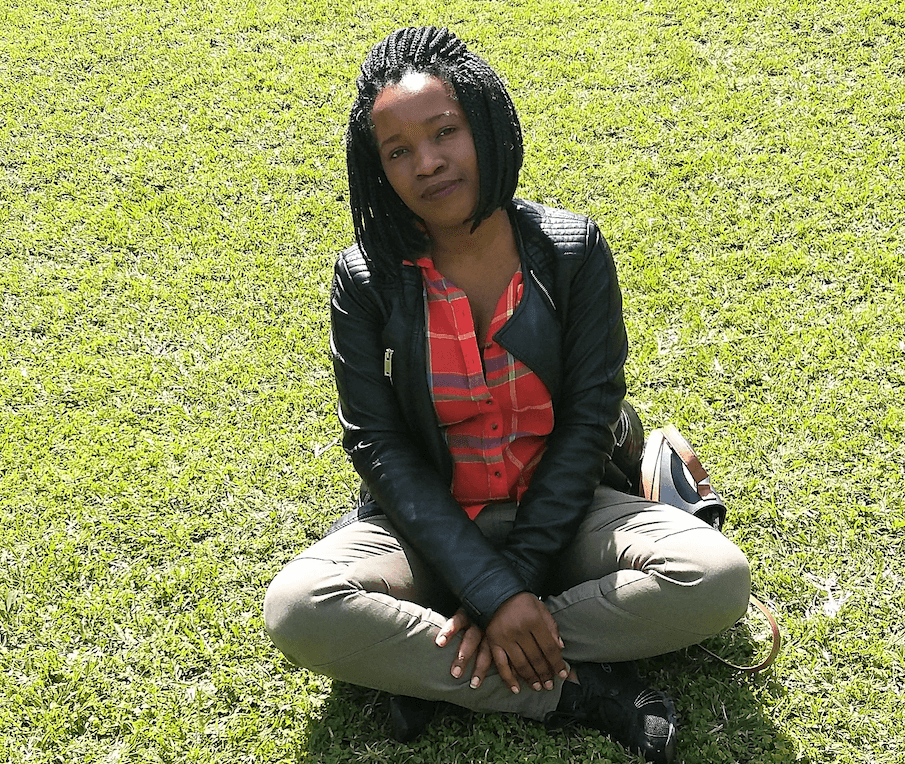
[bctt tweet=”Mwiche Siame’s drive to work in health came from a place of having lost close family & friends to HIV” via=”no”] Mwiche Siame grew up in the small town of Kitwe, Zambia. As a Global Health Corps fellow, Mwiche worked at the Ministry of Health Zambia as a Senior Research Associate. She stayed at the Ministry of Health and is currently working as a Strategic Information Officer in the Ministry’s Department of Policy and Planning. Her work involves ensuring that health workers obtain training in data quality and use of data/health information for decision making. Previously, Mwiche completed her Bachelor of Science degree in biology at the University of Zambia, becoming actively involved in the AB (abstain, be faithful) club, which focuses on HIV/AIDS prevention. In this club, she and other college students travelled to primary and secondary schools to give lectures and mentor students about the risks of HIV/AIDS. She worked for the Macha Research Trust, which is a nonprofit organization with the mission of improving healthcare through research. In 2011, she continued her education at the graduate level, obtaining a degree in epidemiology with her thesis research focusing on prevention and treatment of risk factors of malaria in pregnant women. Why did you decide to work in the health sector even though you didn’t study medicine or train to be a health professional? I studied biological sciences and could have worked in another sector but I strongly felt that I could still make a difference in global health. Initially, I worked in a lab for infectious diseases, focusing on malaria. After about five years, I decided to go back to school and study public health. When I went back to doing lab work I struggled to find my place. I decided to become a Global Health Corps fellow and then it became very clear that I needed to get back to my first love, which is working in HIV from a public health angle. In college you worked on HIV prevention. How did you mobilise other students to get involved and take action? I was a passionate student leader and an advocate of HIV prevention among my fellow college students and those in secondary. My drive to work in health came from a place of having lost close family and friends to HIV. I was able to share personal experiences with others on how HIV impacts young people and also on reproductive health, specifically among young women. And you were placed at the Ministry of Health in Lusaka as a Global Health Corps fellow. Did you expect to stay there beyond your fellowship year? Absolutely not! I had no idea what my next career would be three months before the fellowship ended. The opportunity was unforeseen but I was in the right place at the right time and I took it. What has surprised you about working for the Ministry of Health? I initially did not have a clear understanding of why the system was so bureaucratic, and now that I have worked there I know better and appreciate the need to have such a structured system. When people think of health, we often think of medicine and tools rather than data. Why does data collection and analysis matter for health outcomes? I often have to explain my relevance at the Ministry of Health as I am neither a doctor nor a nurse, especially to my grandmother! I work in the Department of Policy and Planning and work primarily on quality improvement of health services through data use. Data collection and analysis matters as it is the backbone for measuring performance and is the basis for decision making and policy formulation in health. Without data, there is no evidence! And without evidence, there is no strong justification to have interventions that improve health outcomes. People often think that leaders are the ones who are out on the front lines protesting and leading rallies but we know that’s only one type of leadership. What’s your own personal leadership style? My leadership approach is strategic and participative. It entails encouraging each member of the team to maximise their strengths and be active in making a change. I feel that influence and leadership is much more than having a “position” – it’s more about deliberate efforts to pool the knowledge and experience of all players. A multi-sectoral approach is critical. Can you tell us about a mentor who really impacted you? My grandmother! She did not have a college education, was married at 15 years old, and has had many health challenges, but she still remains a leader in her own right against all odds. She has taught me a lot about life and given me career advice based on following my heart, being true to myself, and challenging myself to do and be better. Her hard work and advocacy for women’s empowerment has been a great source of inspiration to me. What’s your favourite way to relax and renew your energy when the fight for health equity gets tough? I love music – singing and listening to music relaxes me. I am fortunate to have a strong support system of friends and family to talk to and hang out with, and this helps a lot. Also, I do take some time to meditate and pray too, and that keeps me grounded and present. If you’d like to share your story with She Leads Africa, let us know more about you and your story here.
Being your own boss as a freelancer

[bctt tweet=”You need to fully get your hustle on and sell yourself whenever you get the chance.” via=”no”] Welcome to the freelance life. First off, I’ve noticed a Nigerian trend where too many young people are obsessed with the title of CEO on their name cards, and less committed to undertaking the hard work that comes with working for oneself. In an economy that may or may not be in a recession, the conventional employment sector is overburdened as too many people clamor for scarce resources. For some others, the strings of a 9-to-5 or round-the-clock job working for someone else is just not appealing. Let’s be straight up, here. Freelancing is not an easy path to navigate but there are serious perks to it if you’re actually good at what you do, and if you’re prepared to put yourself out there. There is such a wide range of freelance occupations which includes writers, graphic designers, animators, accountants, MUAs, hair stylists, recruiters, lawyers, models, real estate agents and more. Statistics tell us that about a third of all working Americans are freelancers. In several parts of Africa, we can expect that more people are also taking up freelance work. There are several perks to working as a freelancer: Your time is flexible You’re your own boss You get to select the projects that interest you All that sounds super great, so let’s balance it out. There is a downside…there is no guaranteed income stream. This is true especially when you’re just starting out. It means you need to fully get your hustle on and sell, sell, sell yourself whenever you get the chance. Some periods may be a lot better than others. Sometimes, you’re absolutely swamped with work and at other times, you’re almost begging for work. How to boss it? Network! Whenever you meet new people or talk to old friends, tell them about what you do. People are always looking for freelancers but you wouldn’t know if you don’t spark up the conversation. Be super organized It’s important to respond to clients in a timely manner and to keep adequate records. It helps to have a to-do list and to set hours when you must get things done. Brand yourself online and offline Use social media to showcase your skills and highlight your personal brand. Work on a splendid offline portfolio too, get all your marketing tools in check. Look for opportunities on social media Forget looking only at the traditional sources! I personally have been exposed to more opportunities on social media. Twitter is a great tool to find work and engage with other freelancers as yourself. I personally love the freedom that comes with being able to plan around my own time, to travel while I work, to work at odd hours. Just remember, you need to be practical about your goals and expectations, and you need to put considerable time and effort in to get to your ideal place. Kindly share your tips and experiences from working as a freelancer with us.
Webinar with Odunayo (PushCV): Writing your cv and cover letter for your dream job (July 13)

What do the first six seconds of your CV say to a recruiter? If you’re attending many job interviews but never get a call back from employers, we’re about to solve your job hunt misery. It doesn’t matter how smart you are, or how much skills you possess, having a bad CV and NO cover letter can end your chances for a job in no time. [bctt tweet=”Learn all you need to know from @OdunEweniyi about rewriting your CV and cover letter. (July 13)” username=”SheLeadsAfrica”] Now, whether you’re planning to write your CV yourself or get a professional writer, you also need to understand the difference between your CV and cover letter and know how to construct and present both to potential employers. We’ll be chatting with tech founder and Chief Operations Officer of PushCV – Odunayo Eweniyi on Thursday, July 13th, about how to get the attention of recruiters, through your CV and cover letter. Odunayo launched PushCV for both employers and job seekers – to fully harness the power of technology in the search for the perfect candidate or the perfect job. Register for this webinar below. Some of the topics we’ll cover Techniques for Job application Rewriting your CV and cover letter How to get the attention of a recruiter in 6 seconds (Presentation) Interviewing processes every job seeker must know of Webinar Details: Date: Thursday, July 13th, 2017 Time: Lagos 1pm // Joburg 2pm // Nairobi 3pm Place: We’ll send you the link to watch once you register Watch here: About Odunayo Odunayo Eweniyi is the Chief Operations Officer of Sharphire Global Limited – which owns subsidiary companies like PushCV, Piggybank.ng and FrontDesk. Odun, as she is called, is very passionate about education, employment and most importantly, female empowerment, which enabled her to work with her team to build products to achieve that goal over the past 4 years. She graduated with a first class degree in Computer Engineering from Covenant University. She loves to write a lot, and when she’s not working or eating, she’s watching TV shows.
Ipinayo Ade-Akingboye: Know the difference between a business and a hobby

[bctt tweet=”I wouldn’t say self-taught but I didn’t have any formal training in photography – Ipinayo Ade-Akingboye” via=”no”] Ipinayo Ade-Akingboye likes to think of herself as a creative. The short #MotherlandMogul studied Architecture in the University of Lagos but is currently a wedding and portrait photographer based in Lagos, Nigeria. Ipinayo is often playing Candy Crush but finds time to run her photography hustle. She was a Finalist for the Etisalat photo competition in 2012 and was nominated for Eloy awards Female Photographer of the year. Ipinayo also participated in the Fayrouz L’original competition and her team came second. Was there a specific time when you realised that photography is a viable career choice? Hmm, all I can say for sure is that I really enjoyed every time I was shooting. It became something I didn’t mind doing for the rest of my life. I chose photography as a career choice when I concluded my NYSC. Although I had been shooting for about 3 years professionally, it never really was full time. If I had exams coming up or school obligations, I would not take jobs. But so far, I have been able to start photography full time this year and I am enjoying it. You’re also an architect, how do you combine your knowledge of architecture and photography, if ever? Well, architecture taught me discipline and how to solve problems. Before I start a session or organize one, I ask myself certain questions like; Who is it for, What is it for, What solution or experience is it meant to provide? That’s all from my architectural experience. Are you self-taught or do you have formal training in photography? Would you say one option is better than the other? I wouldn’t say self-taught but I didn’t have any formal training in photography. I have these amazing friends who used to let me follow them about while they were shooting. They helped me a lot when I had questions. How long did you have to learn and perfect your craft before you could earn a living through your photography? I can’t really put a time stamp to that cause we are always learning, I have not stopped learning. I think anyone at any stage can earn money through photography. It all depends on the kind of work you’d like to be known for, the quality you put out and the type of clients you want. How have you worked on differentiating your brand so it stands out? I believe when you are on a journey to find out who you really are, no matter what it is that you do, your work will speak for you. [bctt tweet=”When you’re on a journey to find out who you really are, your work will speak for you” username=”SheLeadsAfrica”] What’s your dream photography project? My dream project is to travel round Nigeria and shoot a particular subject that comes in different shapes and sizes but all places have them in common. What should a young African woman who’s interested in photography do to make her hustle successful? She has to know the difference between a business and a hobby. She should surround herself with people who don’t think her dreams are too big and most of all, she should stay true to who she really is. With creative people (and that includes many freelancers) the line between a business and hobby can sometime be blurry. Sometimes what started out as a hobby can transition into a business, so it’s very important to understand the rules. A key feature of a business is that it’s operated for profit. You often engage in a hobby for sport or recreation, not to make a profit. To demonstrate a profit motive for your business, first of all make sure that you keep excellent records. It may help your case if you can keep track of some of the following information: The amount of time you put into the business The percentage of your total income that comes from the business The reason for any losses Changes and improvements you’ve made to the business Evidence of your own knowledge in the field A record of any past business successes including any profits made in earlier years The current and anticipated future value of any business assets. Both need to be differentiated because they help you know exactly what you want and where you are headed. There is nothing wrong with making photography a hobby, I mean thats how I started. When I decided I wanted to make a living off it, it became a business for me. [bctt tweet=”It’s important that your client is comfortable around you, it allows you bring out the best” via=”no”] What’s a typical day like for you? I personally try as much as possible to meet my clients before the day of shooting so there is a certain level of comfort already. However, this doesn’t happen all the time. Other times, I try to chat them up when they are getting their make up done and all. It is very important that your client is comfortable around you, it allows you bring out the best in their portraits. Photography is not a cheap hobby, what can a budding photographer do to save money with regards to equipment etc? Get a day job? Lol! I have so many colleagues that have/had day jobs so they could save up to get necessary equipments for them to start on their own. A professional camera costs between N850-N1.5m now, body only. Also, not everyone would get the well paying clients immediately but you have to keep up. You have to be at alert so when its your turn, you are ready with no excuses. If you’d like to share your story with She Leads Africa, let us know more about you and your story here.
Olufunke Baruwa’s 10 tips on career longetivity
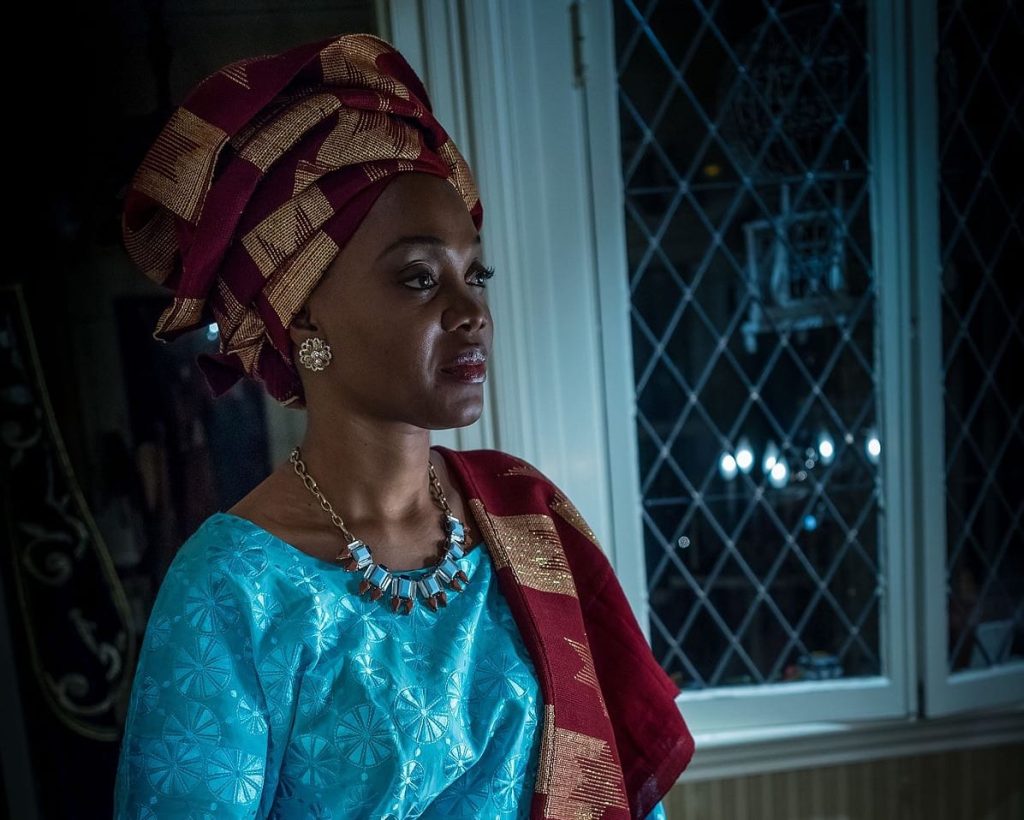
[bctt tweet=”I didn’t choose my career path, rather it chose me” username=”SheLeadsAfrica”] Olufunke Baruwa is named as one of the ‘17 women changing the world’ by the Institute for Inclusive Development at its 2015 Colloquium held at the Harvard Kennedy School of Government in Cambridge, Massachusetts. She is a Nigerian gender and development practitioner, feminist and public speaker with a particular focus on women’s leadership, gender relations, and governance. Olufunke currently sets the strategic vision and mobilizes resources as the Chief Executive Officer of the Nigerian Women Trust Fund – a technical and financial resource for women in politics and decision making in Nigeria. She has been widely recognized for her work with Nigerian Women’s Trust Fund by The Guardian and other publications. She is also a member of the Women Waging Peace Network. SLA contributor Anuli sat down with Olufunke to understand her success thus far in governance, shed strong light and guide millennials committed to career longetivity. 1. Find your calling or let your calling find you “I started out with the private sector, I wanted to be a successful woman in the corporate world (when my dream of becoming a medical doctor faded) but then I got a job with the defunct Petroleum (Special) Trust Fund (PTF) in 2000 as a Program Officer (Roads). My time there showed me first-hand how the social sector really impacts on the life of the ordinary Nigerian. I fell in love with that line of work and subsequent postings as a civil servant have taken me to where I can directly influence government policies and interventions for the good of the vulnerable; women and children. However, on October 5, 2002, I got a second shot at life. My aha moment came when I worked in the MDGs Office for almost 10years as Gender Advisor…that was where I really found my calling and here I am today and there has been no turning back.” [bctt tweet=”Do a soul search and find that path you know you are led to go and never turn back! ” username=”SheLeadsAfrica”] 2. Passion: love what you do “My father is a retired civil servant. Though not a senior officer, his dedication and love for his job was infectious. It didn’t pay much and I never imagined I’d end up in the civil service but like I said, my career path chose me. So, I decided to be better than him. The difference between a job and a calling is passion. A job will put food on the table, get you life’s luxuries, take you to places and all, but a job that’s a calling will give you fulfilment in addition and endless opportunities! Ever wondered why some successful people are unhappy and miserable even when by all standards we judge them as ‘made’? Your love for your job will influence people and bring you big responsibilities beyond your wildest imagination!” 3. Dedication and commitment “Even the Bible says that a man who is diligent in his ways will stand before Kings. Be committed and dedicated to what you do, no half measures. Let it radiate and influence everyone around you to sing the same tune when it comes to you. Never rest until the task is done.” 4. Integrity and focus “If you don’t stand for something, you’ll stand for nothing. While the public service can open you to great opportunities, it can also offer other attractions that can make you compromise your values – it comes with the territory. There will be many opportunities for compromise, you must stay focused and look at the big picture. Ask yourself some critical questions like: Is this why I am here? Why should I settle for less? One of my mentors always says ‘I can negotiate my views, but never my values’ that has also been my mantra.” 5. Be ambitious “The first time someone told me I was ambitious, it broke me. I thought it was a bad trait until I checked the word in the dictionary and found that it meant: go getter, determined, striving. It also meant –ruthless, pushy. So, find the word that you want to describe your ambition and go for it. I chose – determined, go-getting, striving. Don’t let the negative definition of a word define you. Define yourself!” 6. Create a niche for yourself “Distinguish yourself, be indispensable. One of the dangers of the public service is that efficiency is difficult to measure and because of that, one can get easily drawn into the regular routine of ‘soldier go, soldier come; barrack remains’. Don’t fall for that. Whether you are appreciated, rewarded or not, keep getting better, keep improving yourself, keep outdoing yourself – soon, someday, it will pay off. I am still a work in progress… It’s very easy in the civil service to fall into the doldrums of the regular. Be irregular. Find an area in government even within your office that you are passionate about. Do research, read, study, improve yourself. Be the best in that field that they can’t do without you.” 7. Find a mentor “I am privileged to have many mentors, most of them women who have gone ahead to defy the norm and distinguished themselves. I’ll only talk about 4 of them here. Deputy Secretary General to the UN, Amina Mohammed gave me my first and greatest break, she saw something in me that no one else did and I’ll be forever grateful that God used her to shape me. I owe most of what I am today to God and her little talk with me in 2005 ‘It’s not rocket science Funke, you can do it!’ Erelu Bisi Adeleye-Fayemi always pushes and supports me to do more, be more and always says ‘you’ll go places Funke’ Dr. Oby Ezekwesili taught me to never negotiate my values. I always use her favourite quote ‘I can negotiate my views, but I can never negotiate my values’ Dr. Amina Salihu inspires me every day, she breaks the norm in every