
Patricia Kihoro: Create the work you want!
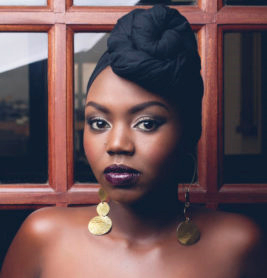
Patricia Kihoro needs no introduction. The multi-talented Kenyan singer and actress has only grown since becoming a finalist at Tusker Project Fame 3 (TPF) in 2009. Now, Patricia has produced her own musical stage show, worked with a variety of renowned musicians and performed across Europe. Through all this, what matters most to Patricia is harnessing positivity and creating a great product. “As people in the creative industry, we are always tarmacking. I got to a place in life where I decided I wasn’t going to stay in the house waiting for work so I created the work I wanted ”, Patricia says. Obviously, music is not all there is to you. Tell us about the other things you do. As an entertainer, my interest spans singing, acting, writing, stage performances and photography. In the spirit of creating work for myself, I wrote, directed and produced my own stage show, Life in the Single Lane, a narrative involving interactive storytelling, acting and singing. The name was inspired by my then single status. In this show, I had put in all my savings and was a bit nervous. The play sold out, reaffirming my belief in authenticity. Life in the Single Lane was not fiction, I was not acting, I was being me. I wanted to create a product that was original and authentic. It ended up being something that people were comfortable bringing their friends, parents and even their teenage children to watch. Evidently, the love bug bit again and it’s a wrap for Life in the Single Lane, literally. So, how much of our personal issues should we let into our businesses? When creating a product, say a play or music, my current state of mind matters a lot. I know I am my greatest enemy. But the good thing is, I was able to harness into my heartbreak positively and create a great product. You were in the Because You Said So stage show. How was it? In 2014, along with a group of friends led by Jason Runo, we staged an improv comedy show dubbed ‘Because You Said So’, a hilarious comedy improvisation stage show. Improv comedy is a form of live standup comedy that is unscripted and entails off the cuff responses to scenarios created by a host. The show has gone on to enjoy tremendous success over the past 2 years. Do you worry about everyday things other entrepreneurs worry about? I mean issues like paying bills or paying late. As a creative especially, I worry that my product may not be good enough. Tell us about your radio show. What kind of music do you play? My radio job at HBR 103.5 is something I take pride in. My show Afrocentral showcases urban and contemporary music from across Africa. I also host creatives making waves on the continent. There’s a lot of good music out there, songs that don’t enjoy any or enough airplay. This is the kind of music I play. Africans are so talented. My greatest joy is when I receive feedback from delighted listeners who call in asking more about the music or the artist. This sounds like a fun and easy job. Is it? I sometimes have to turn the internet upside down looking for music on YouTube and even reaching out to artists directly. Before HBR, I worked at 1 FM radio as a News Presenter. I would say persistence and networking have helped a lot. You’re also an actress. Tell us about it. I was cast on MNET’s production Changes (my first TV gig), Sauti and Rush TV pilots and the 1st & 2nd season of Groove Theory (Africa’s first ever musical TV series). These were not roles that were handed to me. I had to rigorously audition for each and every one of them. I have even had to audition for a role in my best friend’s production. You’re multi-talented but do you ever suffer indecisiveness, especially with what project to do and when? Unfortunately, I can never choose music over my acting, radio or vice versa. These are all abilities that make up who I am as a creative person. Of course, I become indecisive at times. Some friends have advised me to concentrate on one thing, say music. But if I did that I feel I would be selling myself short. Are you involved in other ventures outside the creative industry? Besides being involved in the creative industry, I am one of the mentors at Blaze. Blaze is a recently launched platform that empowers youths to be in control of their careers and future while helping them succeed in their specific chosen fields. It is a sub-brand of Safaricom, a leading mobile service provider in Kenya. I also mentor in media, arts, and journalism. How are you inspired? I keep a group of close-knit friends who inspire, build and challenge me to grow in my career. We want your stories! Tell us what amazing things women are doing in your communities here.
4 dating ideas for busy girls

Like it or not, it happens. You finally decide to do something about this awesome business idea or project, you get immersed in it, then you begin to get tired as this somehow takes over your life. Suddenly, you look up and realize you have no significant other or anything close to it. You’ve been out of school for about a decade or so which means you’re in your late 20s or early 30s. So, you sort of forget how these things are done. I know it’s not exactly science, but dating demands some effort. Putting in the grunt work now while you’re still young, is so worth it to find the ‘right’ one for the next phase of your life. Here are my top four tips for dating as a busy single girl, whatever it is you do and no matter how old you are. Ask for introductions Ask your family and friends for referrals. Be downright shameless if you have to! These people know you better than anyone else and will help you meet suitable, pre-vetted people. You know, like in the same way having someone pass along your resumé can help. This is an effective way to expand your existing circle. Though there’s no guarantee that this would work but who knows, you might just end up with a new friend or gist buddy. Be creative with the little time on your hands No, really. Get innovative. It doesn’t have to be anything nerve-wracking but literally, get yourself out there. I’d say take this glorious moment of singlehood when your life isn’t jam-packed with commitments (except, of course, making truckloads of money). You may even start giving off that irresistible vibe of a person with passion. You then become the more attractive to potential dates. If you’re an introvert like me, going out might be pretty difficult and I’d suggest doing only things that make you comfortable. These ideas prove that love doesn’t really cost a thing or much: – Volunteering – Free concerts – Go to the movies – Attend weddings…I know it’s cliché but still. – Go out with friends – Attend birthday parties You never know where the right people might find you. Online dating … don’t rule it out yet It’s hard to deny the fact that online dating isn’t just the new normal —it also works. Of course, like all good things, relying on online dating has its downsides. So, I’d say be careful (you’re too smart to be scammed, girl). Be sure to keep your expectations in check. Remember, even a bad date can be a good learning experience. Invite the best. Cut off the wrong people You’re already so busy and can’t afford the luxury of having the wrong person around you. Don’t be one of those people who hang around, enduring disrespect, taking inconsistent calls or texts, hoping that one day this person will change. Give yourself a little tough love and delete the wrong person(s) from your life. You don’t have to convince anyone of your worthiness. Trust yourself and let go of the insecurities and soon, you’ll know what to do and who is right for you.
5 lessons I learnt about navigating the entrepreneurial roadmap with Nieros Oyegun

At SheHive London, Nieros Oyegun, principal and head of Corporate and Financial Advisory at W8 ADVISORY gave an insightful talk about navigating the entrepreneurial roadmap. Here are five things I learned that I’m sure will be useful to you too. 1. It starts with an idea For any entrepreneur out there, the first step they took towards starting their business is coming up with an idea. This may seem like the most basic step but thinking about a product that is marketable is key to overcoming the hurdles that will come in the future when it comes to financing and growth. So to start off, you need to figure out what you are going to be selling, how you will be selling it and who your target market will constitute of. 2. Understand the environment It is important to understand the environment you will be doing business in. Ask yourself, whose market share are you taking up with your startup and what are the opportunity costs. You need to pick out your competitors and understand their habits, they are factors that could contribute to determining your growth rate and customer base. 3. Approach investors Cold-calling investors is not the way to go. Try and build your contacts and get someone to introduce you to potential investors. When pitching to investors, keep your pitch skeletal and to the point. Try and demonstrate why you think your product is marketable and how it can make your way to profitability. In essence try and think like an investor and understand the risk-investor matrix of your business. Also, make sure that when you leave investor meetings, you clearly understand expectations from both sides and where you stand. This is because there is always the risk of buyer’s remorse with the investor, they may decide not to go ahead with funding the business. So do not relax until the money is in your account! 4. Find a partner A one person startup usually hinders investment opportunities. This is because it is difficult for one person to take on all the roles in a company. Therefore investors are more skeptical of putting resources into such a business. Finding the right partner and their potential long term contribution to your business can aid you in getting investors. 5. Consider self-funding When it comes to funding your business, look into self-funding through your savings, applying for grants and accelerator programs first. If you bring in a partner, you should be cautious of how much equity in your business they control. It is sometimes the case with start-up businesses that at the early stages, the partner is active in helping set up but once the business is up and running, their role is limited so having a huge percentage of equity is disadvantageous to you. Institutional investors are the later options to look into for funding.
How to be a fashion model when you’re clueless
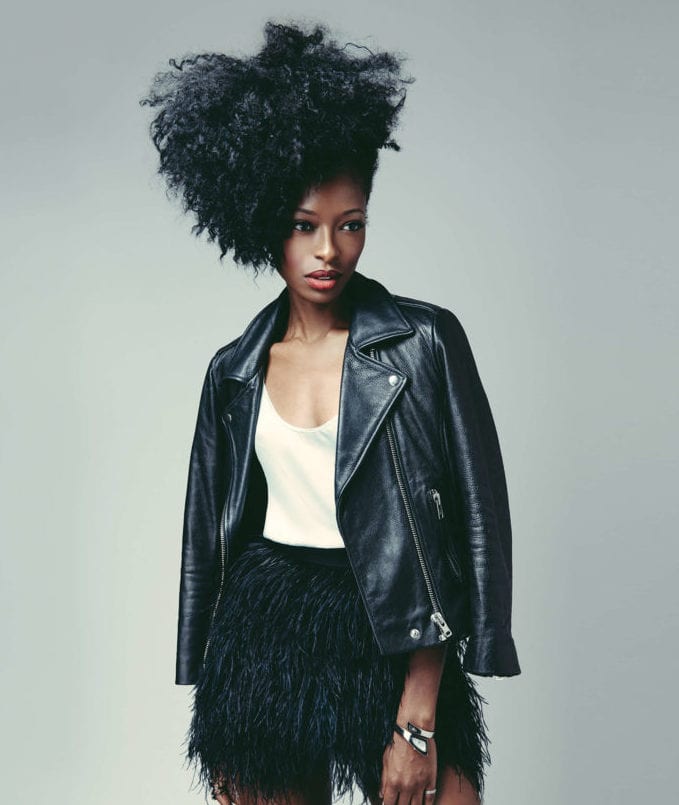
Those who are aware know that modelling is a fast-paced exciting career that can take you to new places. But breaking into the fashion scene can be hard, especially if you’re aiming international and you’re an African girl. To find out more, we talked to Aina Fadina, a model and entrepreneur who has done in-house work for Oscar De La Renta, Alexander McQueen, Versace and more. Aina graciously shared her advice on breaking into the fashion industry and the tools any aspiring model needs. Understand the business Top models from Naomi Campbell to Jourdan Dunn have called out the challenges of being a black model and Aina agrees. “I think the fashion business is still very challenging for any model. Period. The business has changed so much but for the black model, it is a lot harder. I have seen a slight increase of black girls in editorials and commercials. Brands have finally noticed the power consumers have, however, it is still challenging.” The challenge is further complicated by the fact that models now compete with celebrities for jobs. Aina’s advice is that if you understand the business and are strategic enough, you can pull through. Tips to get into the industry There are no shortcuts to this, you’ll have to work hard while remaining smart. Aina’s top tips are, Do your homework. Study boards of the top agencies and brands to learn about the business behind fashion and network authentically. Get a mentor! In every profession, you need mentorships so find someone willing to guide you through. The power of social media If you’re broke, have no connections and still want to be a model, social media is your friend. Learn to use it to your advantage. These days, clients are going directly to talents, so you need to know how to market yourself. Also, consider getting a part-time job in fashion or entertainment industry, it can help to gain access. Maintaining relevance as a model Now once you’ve gotten into the industry and are working your way to being a top model, you still need to be on top of your game. The most important thing for Aina is being nice to your clients and agents. She says you should always check in with your agents and have great work ethics and values. Make sure you show up before your call time and always offer to stay longer if needed. Aina shared this saying, “It is nice to be important; however, it is more important to be nice.” Wise words, right? Good luck to you as you embark on your modelling career!
Delphine Groot: Your success as an entrepreneur is determined by your willingness to work hard
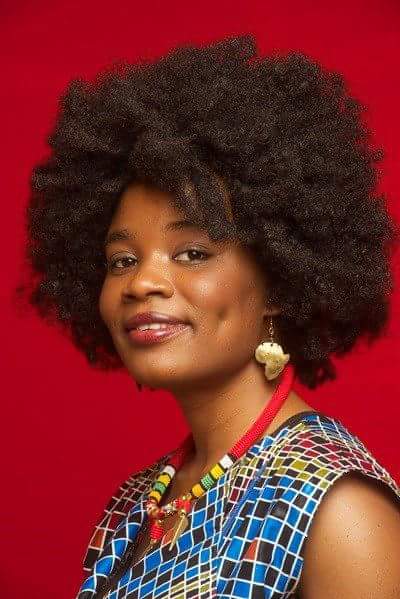
Delphine Groot had her big breakthrough into the African-inspired fashion scene in the Netherlands in 2015. That was when she had the opportunity to showcase her collection at the Locked & Loose event in Amsterdam in the summer of 2015. Organized by The Natural Hair Club, the event exposed her unique collection to a crowd of entrepreneurs, designers, sponsors, and consumers. Many of whom were impressed and this eventually generated publicity and sales for her brand, Bobo Couture. SLA contributor Uloma Ogba, spoke with Delphine on seeking alternatives to follow her passion and being a cultural ambassador for Africa in the Netherlands. How did you decide on the name “Bobo Couture”? I belong to the Bobo ethnic group, native to Mali and Burkina Faso. The Bobo people have a thousand-year-old tradition of handicrafts and textiles. When choosing a name for my fashion brand, I felt that Bobo was fitting. Bobo captures who I am and what I want to bring to the fashion industry. I bring with me well-designed and crafted clothing, and jewelry inspired by my rich African heritage. What was your motivation for starting your own business? I was born in Mali but grew up in the Netherlands and in several other African countries. So, I have seen a fair bit of the world and absorbed parts of the different cultures I have been exposed to. In university, I studied Human Geography and International Development because I wanted to understand the role of cultural exchange in global development. However, after graduation, I quickly realized that I was not suited for office work. And so, I decided to seek alternatives to follow my passion. I came up with the idea of starting my own business. I wanted to find a way to apply my studies to something that I find both practical and engaging. Through Bobo Couture, I am able to participate in the cultural exchange process. I do this by creating access in the West to the creations of local people in various African communities. For every item I sell and when I get a chance to tell the story behind its creation, I see myself playing a role as a cultural ambassador for Africa. What is the process like for you as a designer and an entrepreneur? First, I must give credit to my mother who is my business partner and provides a lot of creative input. Together, we decide on the right fabrics and designs for each collection. The goal is to showcase different aspects of our African culture that our customer base in the Netherlands can relate to and appreciate. My culture is very vibrant, colourful, exciting, playful at times, and very focused on community. I try to make sure each collection represents that in varying degrees. From reviews I have read and from your own accounts, your brand Bobo Couture is doing really well, exceeding even your expectations. How do you think you are contributing to the development of Africa as you say? All the fabrics and textiles that we work with, for the clothing and jewelry, are sourced locally. We also employ tailors and craftsmen in Mali, Togo, Kenya, and Ghana. By providing them with work on a consistent and growing basis, we contribute to their economic development and professional growth. We want our workers to take pride in the things that they produce. We also want them to know that our goal is to ensure that their work and the meaning behind it, reaches a wider audience. You recently expanded your business to set up a physical location. In addition you manage the online store and travel back and forth between the Netherlands and Kenya to import the clothes. How are you able to find balance in your life? To be honest, these days it seems like all I do is work. But I love seeing the efforts of my hard work come to fruition. In the first year of Bobo Couture, I had to give up my personal life. No going out with friends or going on vacation. Since we opened the store, even though we employ some local girls to help out, I still have to be present most of the time. The only things that keep me sane are using what little time I have to keep up with the gym and talking to my family. These provide me with the physical and moral support I need. Given your experiences, what would be your advice to aspiring entrepreneurs? If I could give one piece of advice it would be that hard work is the most important key to your success. There are going to be many challenging times ahead. But you have to try to view failures as part of the learning process to reaching your goal. Set big goals and dare to achieve them. When I started, a lot of people tried to discourage me. I heard the market was already saturated and it would be hard to stand out. Before I got an assistant, I had to transport all my clothes to and from events by myself. But I always believed in myself and in my ideas and that is what got me here today. Any final thoughts? I think a big part of why my designs sell so well is because they are a true reflection of who I am. I would never sell anything that I wouldn’t proudly wear myself. Whatever brand you choose, if it reflects you, then selling it to the public will never feel like hard work. Want to see women you know featured on SLA? Tell us what amazing things women are doing in your communities here.
Evelyn Namara: Don’t wait until you have the perfect product

Evelyn Namara is bomb-ass in just about every way. When she’s not breaking ground in tech innovation in Uganda, she’s helping women start successful businesses. We totally get why she was called a “fearless influencer of society”. Evelyn is the founder of Vouch Digital, a technology start-up building a verified digital voucher system that helps simplify the distribution of aid for international aid agencies as well as government programs. Her system helps eliminate fraud and corruption in the distribution of goods and services for cash-based programs, but before that, she worked for Beyonic Limited and Solar Sister. She is an Acumen East Africa fellow and also an IDEX fellow (January 2015 class) where she spent six months in India as part of the fellowship program working for Wings Learning Centres. Here, Evelyn shares her passion for tech and entrepreneurship with SLA and lets us know her top five tips for start-ups. What is one thing about Evelyn Namara that the world should know? I keep a counsel of close advisers who I go to when I need advice and guidance on anything. It is important for everyone to have a counsel of trusted friends who can genuinely give you guidance and also truthfully rebuke you when make terrible decisions. I have found that these people have helped me stay focused on my goals and have encouraged me when I have felt like giving up. Tell us about Vouch Digital Vouch Digital was born out of a need to find a solution to fight fraud and corruption in the distribution sector. After realizing that most systems that deliver aid to end users lack efficient systems to track transparency and efficacy, I started working on our product. Our product is a verified voucher system that simplifies the distribution of aid to different program beneficiaries. Beyond distribution, we are working on mapping beneficiaries who receive aid and do not have an identity by giving them digital identities through our system. The digital identity system allows these beneficiaries to access other goods and services such as financial services. [bctt tweet=”@vouchdigital was born out of a need to find a solution to fight fraud and corruption in the distribution sector.” username=”SheLeadsAfrica”] What needs to be done to increase the number of women in IT? STEM studies should be encouraged from the grassroots. Girls, as well as boys, should know that the choice exists for them to take up technology as a career from an early age. I believe that once we introduce STEM studies early on and put gadgets in the hands of girls as they grow up, there will be no need to “increase women in IT”. We have a problem now because some outdated education systems allow girls to believe that some courses are not meant for them. That there are some simpler and feminine courses that girls should take up and unfortunately technology is not one of them. Let’s focus on building capacity for the younger generation and open up opportunities for girls to live up to their full potential. Besides that, we need to encourage more forums that are building capacity for women in IT. One of such forums is AfCHIX which continues to impart skills development in young women in ICT. AfCHIX gives girls an opportunity to be better at their skills and thus compete favorably for jobs. It also links them to opportunities to attend conferences such as the Grace Hopper Conference which is one of the biggest women in technology conference that brings together thousands of women from all walks of life in the technology sector. As someone who helps women start businesses, what are your top five tips for start-ups? I draw my lessons from my start-up and I will share those with other start-ups. Research the field you want to serve adequately. Carry out your baseline studies and understand your field. Know the other players in the field and find a way to make your start-up stand out in terms of product offering. It’s your uniqueness that will give you an edge. Don’t wait until you have the perfect product for you to hit the market. Prototype early, test your prototype with potential customers and iterate. You learn a lot when your product is in the hands of customers and this allows you to work on early modifications before bringing out your final product. Have a target market and work closely with them. Most start-ups are not very clear on who their target market is and this creates ambiguity in building your solution. Work on knowing who your target customers are so that you build specifically for them. Build a pull of partnerships, these are key in giving you longevity. With the right partners, you can scale your start-up easily. Find those that complement your vision and work together to push your product or service. Build the right structures. This is key if you are looking to build your start-up to scale. You were an IGF Internet Society Ambassador in 2015, tell us about that. Internet Society invests in Next Generation of Internet leaders. Through its Next Generation Leaders (NGL) programme, Internet Society helps Internet professionals between the ages of 20 and 40 develop their leadership potential in technology, business, policy, and education. NGL participants gain a unique opportunity to advance their professional growth and build the experience and confidence they need to drive development in their own local communities and the larger Internet ecosystem. The Internet Governance Forum Ambassadorship Programme lies under the NGL curriculum and gives an opportunity for Internet professionals to attend the IGF and participate in the dialogue that shapes the Internet ecosystem. I applied and was accepted as a 2015 ambassador and the experience was enriching. Stand out topics for the 2015 IGF were Connecting the next billion, Net Neutrality and Zero Rating, topics that are relevant to the African continent. My interest as a member of civil society was on following and contributing to the discussions on connecting the next
Hi there, new career
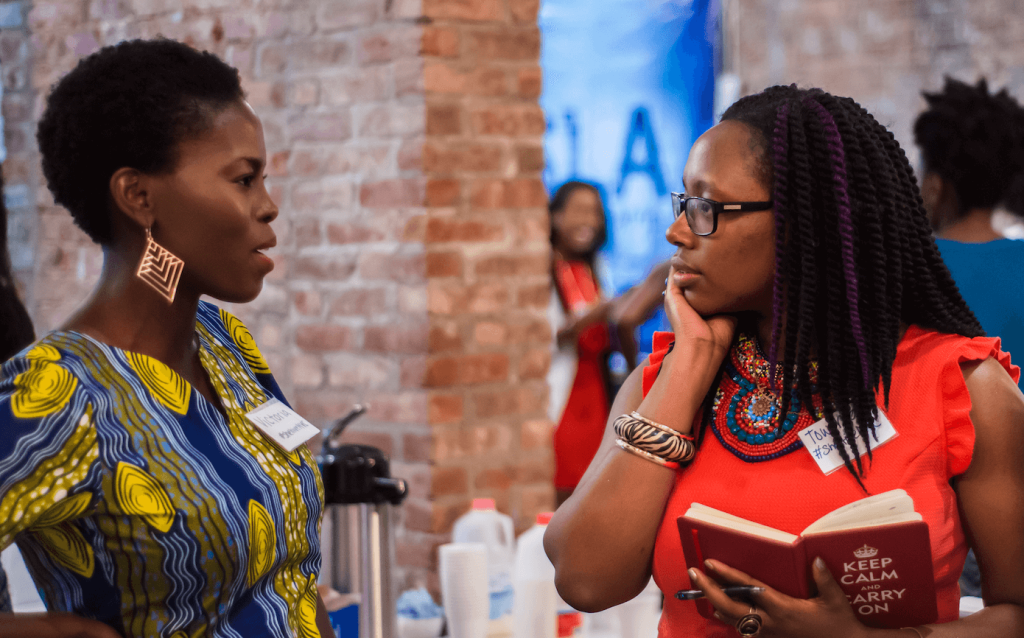
As a young person living in the information age, I’m glad I can ignore the norm and choose my life’s path. I like that I can decide to either go into a business or choose paid employment. Really, due to the current economic rat race, young people should dare more instead of being mere spectators. Yes, there’s the need to survive, save some money and launch business ideas but you may just need a new career. Only a few companies are willing to keep up with the energy and novelty of young people anyway. But this does not in any way mean you can’t make things work for you as a young woman. Here, you’ll find a couple of ways to make employment work for you, especially if that’s your choice: Know your stuff You’re expected to add value and make a certain contribution to whatever industry you’re in. This means you need to read, research and be up to date with trends in the industry. This way, you’ll stand out and have better chances at promotions, raises and maybe even a smart pep talk with senior management. In the event that the first two benefits never come, don’t give up just yet. Keep furnishing yourself with all possible details, attend workshops and push for training. If it appears that your employer does not see your value, you may need to search elsewhere because another employer will! Network This cannot be emphasized enough in today’s job market. A lot of doors are open for folks who never cower in a corner, waiting to be noticed. You pretty much have to get out there and talk to people. Get linked with industry experts and mentors who can walk you through this journey. The probability of your success and growth will be a lot higher than if you don’t network. If you’re an introvert, don’t let this define you. You can find unique ways to approach people and network. Use your voice Sheryl Sandberg, COO of Facebook and revolutionary behind the ‘Lean In’ mantra argues that women have taken a back seat for so long at the workplace. This is so because we are not leaning in to ask for what we deserve as much as men do. Women tend to do a lot of the work then sit at the table waiting for an applause. Hey, great things don’t come to people who sit back. You’ve got to make demands on your success. Have you seen a man’s reaction when he’s accomplished a project, no matter how small? He walks right into the boss’ office and asks for a bonus/raise/promotion. Girls, it’s about time we did just that! It doesn’t matter if you’re labelled pushy, use your voice to get want you want. And hey, the worst you can get is a ‘no’, right? That never killed anyone, you know. Develop other skills outside your mainstay If you’re a marketer, try cultivating some design skills. If you’re an accountant, blend that with finance. If you’re in the hospitality industry, get into a language school. Find skills that complement your core profession. These seemingly little things make you unique in the workplace and help your career advancement. Never stop learning, and this is an ode to the power of the internet! You could learn a so much from the comfort of your home. Self-teaching is the new thing. And who knows, you could even start a business from that. Opening your mental horizons is one of the best things you can do to yourself especially when you’re young. Have fun I know this sounds crazy when your mind is mulling over how soon you want to switch jobs or leave full-time employment. But guess what, you need to grow where you’re planted and take in some sunshine while at it. Organize your desk, do fun stuff with your colleagues, kick start an employee initiative…try out things that punch monotony and her friend boredom. You could start by being grateful that you have a source of income, then get bold at realising happy and cheerful moments. This kind of positive energy is what you’ll need to be productive. Don’t sit with the whiners, you’ll be one of them before you know it. Good luck and be well. I believe you’ll make it. And remember, shoot for the stars!
I started Cartik with less than $3 to my name
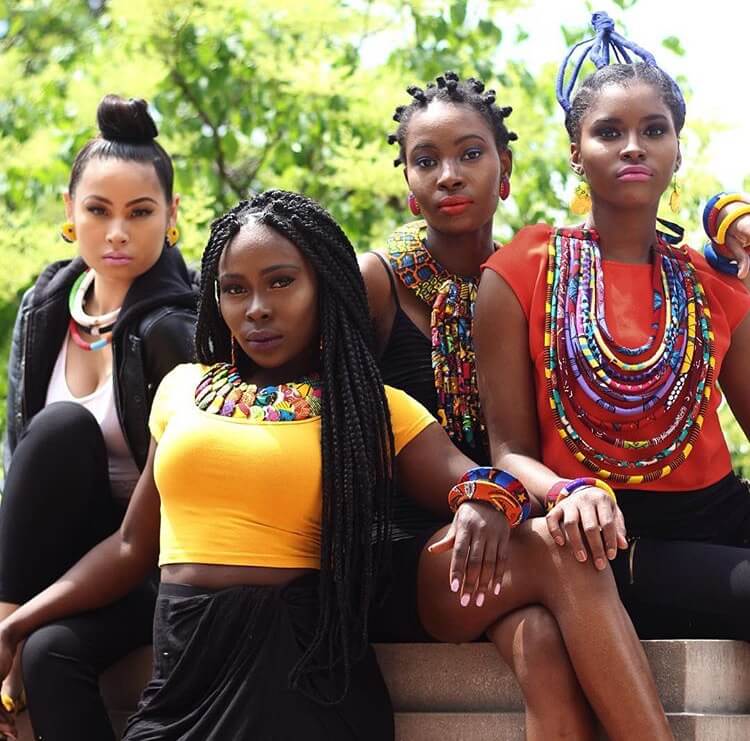
I started Cartik, an ethical fashion and social entrepreneurship brand in 2013 while studying abroad in Ghana. A significant part of my program as an International Relations major at St. Catherine’s University in St. Paul, Minneapolis, was to study abroad for a semester or a year. So, I spent a semester in Paris, France on a scholarship sponsored by the US Department of State’s Bureau of educational and cultural affairs. After my time in France, I planned to go to Ghana to study the culture, the people, and their political system. My scholarship to Ghana was declined but I was already enrolled in the program that summer. So, I worked every job I could find and saved enough money to purchase a ticket to Ghana. My tuition covered the fees and the only issue left was my survival for the rest of the semester. Struggling to go to Ghana made me realize how much I needed to make extra income back in USA. My Ghanaian experience While in Ghana, my aunt in Togo paid me a visit and we travelled back to Togo to see family. It had been 15 years since I last visited and I felt like a complete stranger in my own country. My aunt and I had gone to the market in Lomé, the capital city of Togo. As we walked through the market, all I saw was beautiful African wax prints everywhere. My aunt, being the queen of prints asked me to help select them. My interest was piqued when my aunt advised that I consider doing something with prints. In need of extra income and knowing the demand for prints in the US would be huge, I considered it. Soon, I was making inquiries in Ghana and during trips to Togo on bags and accessories with African prints. Breaking through the business world A young woman I met at the University of Ghana, Legon where I was staying, showed me some bags that I liked. Originally, I was going to just buy bags and sell them in the USA but I didn’t like some of the ones I saw. This led me to start sketching my own designs and jotting down ideas of what I’d like. Though I had no background in design and could barely draw to save my life, I was willing to try. When my time in Ghana came to an end, I had used all the money I earned to start Cartik. With $2.85 to my name and no books for the coming semester, I returned to the USA with 30 bags and some jewelry. It was an audacious move but I told myself even if I failed, at least I tried. Within two months, I had sold everything and even needed to get more products. I went from ordering 30 to 60, then 200 bags. I was running Cartik’s operations from my dorm on campus with the help of my aunt and cousins in Ghana and Togo. Growing Cartik I started getting invited to events to showcase my products as everyone on my campus and even local colleges around the city in St. Paul and Minneapolis knew about my business. In my last year in college, a friend invited me to her economic development class. As I listened to a professor speak about economic development in developing countries, I realized how everything spoken about came naturally to me. I decided that very moment, what I wanted to do with my brand. I was going to grow Cartik into an ethical fashion and social entrepreneurship brand that works with artisans in Togo and Ghana. I was going to fuse my knowledge as an international relations major into my business. Although it’s been 2 years since we started, I still consider Cartik a startup. We’ve done many local fashion shows in Minneapolis and more recently, we did something for RAW in Phoenix, Arizona. RAW is an international artist coalition group that serves as a platform for designers, musicians, etc. I truly believe I have started a brand with the potential to make a huge impact in Africa. The future? In the future, I hope to expand into producing my own African textiles, provide education and development for women and children. Also, I would love to go into cosmetics, agriculture, and start a foundation to mentor young individuals wanting to start a business. Of course, I am trying to create an altruistic brand that will stimulate economic development and prosperity. I want to create jobs and opportunities for people in Togo, Ghana and other parts of the African continent.
Kimberley Masimbe: I never design something I cannot wear myself
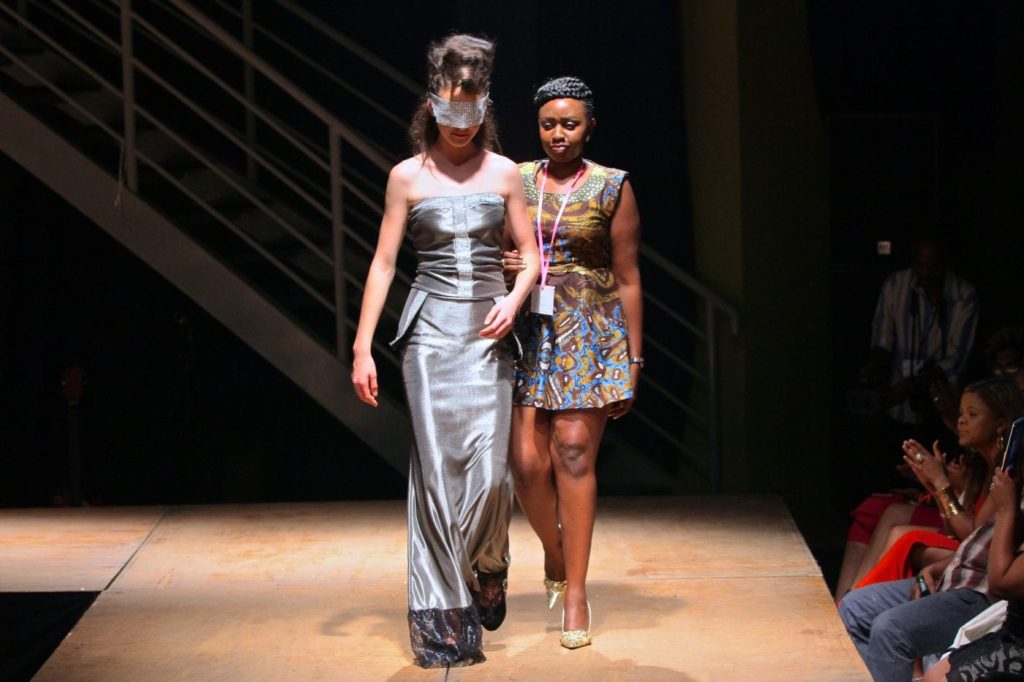
Four years ago, 29-year-old Kimberley Masimbe stepped out into the fashion industry with her chic Afrocentric vintage clothing line, House of Kiki.M. She started out running her business in a room in her parents’ house. Kim still recalls that the room was filled with inspirational pictures, fabrics, and a little table where she did her drawings. Glenda Makumbe, our SLA contributor caught up with Kim as she talks about House of Kiki.M and her passion for wearable designs. Tell us a little about yourself, Kim I was born and raised in Zimbabwe where I attended a multicultural school. I was blessed with being able to travel a lot at an early age and that significantly helped me grow personally and shaped who I am. I am very fashion conscious and I can say that has informed my kind of designs. I never design something I cannot wear myself. And oh… I love and collect hats too. Why fashion? Soon after college, I was going through a phase of self-doubt but one thing was certain —I wanted to create my own fashion statements and design wearable clothes. I used to sell second-hand clothes (bale) at Avondale flea market here in Harare. I would revamp the clothes by adding a personal touch to them. However, House of Kiki.M started after I won a young designer’s competition. My friends’ sister organized a fashion week in 2012 but because I couldn’t afford the entry fee, she asked that I enter for the young designer’s competition. We had to produce five garments and though it was my first time designing something, I won. I had been drawing and doing a few sketches so I had an idea of what I wanted to do. I have always been good at drawing and it runs in the family. My mum was a seamstress and my aunt was a poet so creativity does run in my bloodline. How would you describe your designs? Vintage…yes, vintage is the word. I love things from the past. I love giving things a different twist through beadings and attention to intricate details. What inspires your designs? I try not to follow current trends as I am inspired by the people who came before me. Brands from way back like Coco Chanel do it for me. What is your typical business day like? No gainsaying, my typical day is filled with appointments and fittings. How has your educational background helped you in managing your business? I did a course on media and communications and that has been helpful. But I’m looking at doing a fashion and design course at the Harare polytechnic. I have always been good at drawing as I come from a generation of artists. I never realized it until much later. What’s exciting about Zim fashion at the moment? I’m excited by the different fashion hubs opening up, the new designers trying to break barriers and the desire to promote Zimbabwean fashion. What are the challenges of running your own business as a young woman in Zimbabwe? Some people don’t take you seriously, especially if you don’t hang out with the creme de la creme of the society. Recently though, people have tried finding out my achievements and what I am currently up to. How do you keep yourself grounded? I try to stay true to myself, stay close to family and really value relationships. What would you tell a young woman wanting to start a business in a difficult economy like ours? Go for it. Know exactly what you want, then get a mentor to help you make the process easier. And never give up on your dreams. Lastly, what should we expect from House of Kiki.M in the next five years? I would like to have my brand in some of the local and regional department stores like Edgar’s (regional), Barbour’s (national) and boutiques in other cities. Eventually, I’d love to branch out to other Southern African countries. Having my designs on runways is the ultimate dream and I’m working towards it. Also, I look forward to branching into other areas like interior design and natural-based cosmetics. *If you are in Harare be sure to catch Kim Masimbe on the 3rd of September. If you’d like to share your story with She Leads Africa, let us know more about you and your story here.
“Your natural hair makes you look unkempt”
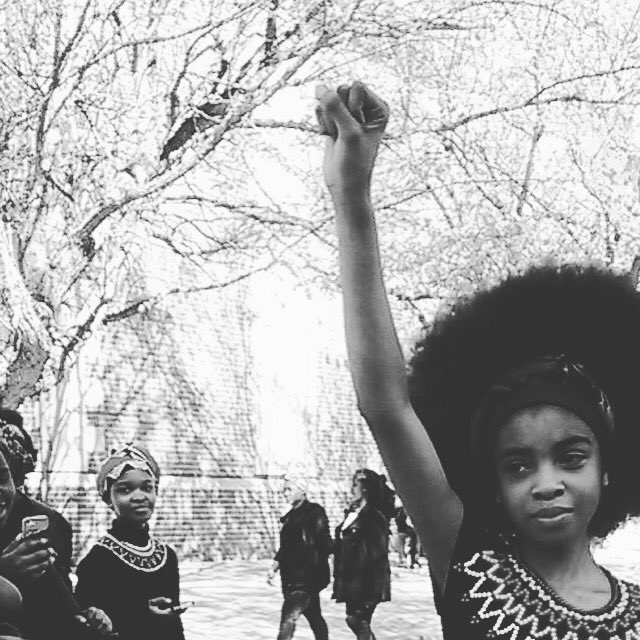
In case you haven’t heard, something amazing happened in South Africa. Just recently, the pupils of Pretoria Girls High protested over subliminal racist rules at the school. Apparently, the school basically told these young girls that their natural hair and Afros make their uniform look “unkempt”. In a world where black women and girls continue to defy the odds and accomplish feats in business and career, our hair cannot continue to define us. It’s been a decade since India Arie reminded us that we are not our hair. Yes, we understand that typically, our natural hair is incredibly thick. We know it is lush, ravishing, gorgeous and most likely, voluminous. We also understand that our hair does not lie flat like straight hair. In a society that associates hair that is straight or has loose curls as ”tidy”, we obviously don’t fit. Yet, having natural hair should never be a crime and it’s high time we (Africans included!) stopped hating on natural hair. I mean, what’s wrong with deciding to wear your hair without a relaxer? When will the world understand that all hair is equal? Healthy hair can be natural, straightened, coloured or chemically treated! Back to the issue at Pretoria, the students have also claimed that the rules in place don’t allow them wear inherently Black hairstyles. They are not to wear Bantu knots, braids, dreadlocks too! News of protests from the students against the school’s arbitrary rules have gone viral. A petition titled, ‘Stop Racism at Pretoria Girls High’ that has garnered over 14,000 asks that; – The school’s code of conduct does not discriminate against black and Muslim girls; – Disciplinary action against teachers and other staff members implementing any racist policy and/or racist actions – Protection for the learners who protested to ensure they will not be victimized. Meanwhile, the hashtag #StopRacismAtPretoriaGirls has been trending on Twitter. This message from a teacher to a parent takes the cake: Let’s hear what you think about the natural hair debate. Should the way you keep your hair define you? Should educational institutions have the power to decide how girls keep their hair?