
How to be a teen coach when you have no money
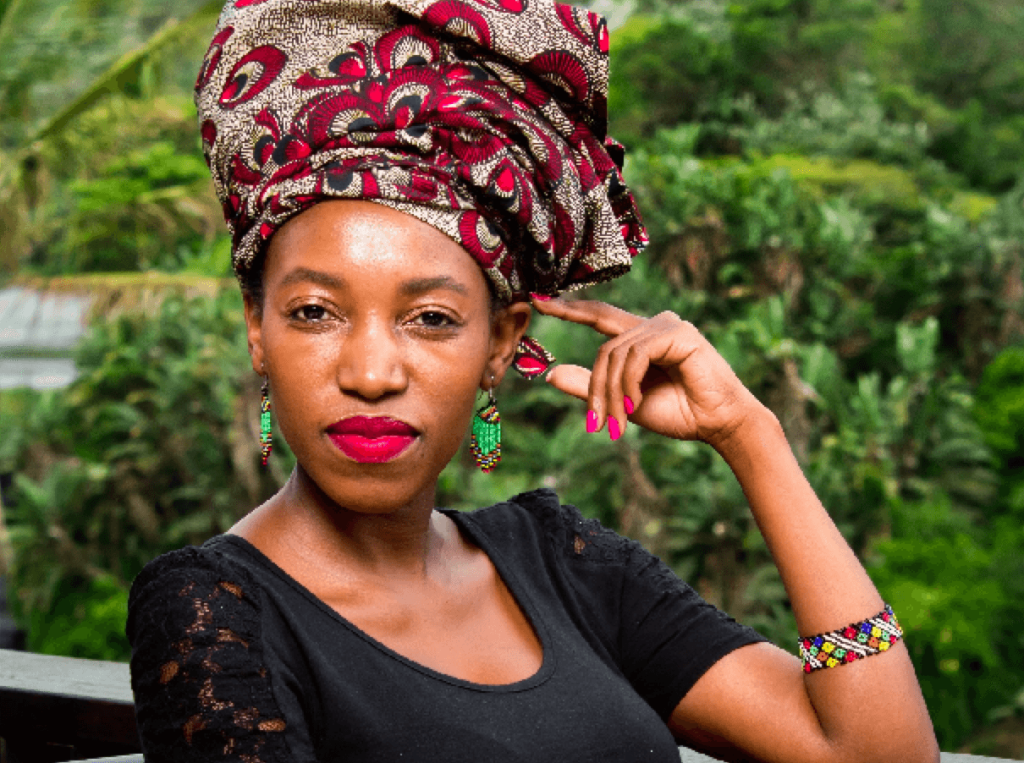
If you want to be a teen coach and you’re not sure where to start, you may want to pay attention to this. Nomveliso Mbanga is a teen coach and mentor. She is also a youth public speaker & facilitator, storyteller and the founder and managing director at Mayine Development Institute, a start-up based in South Africa. “I can identify with poverty but I identify more with defying the odds and creating your own legacy through hard work and patience.” Nomveliso says. SLA contributor Goistemang asked Nomveliso what advice she’d give to young women looking to start a business as a coach/mentor with little money and this is what Nomveliso had to say. Understand your skills First you need to know what you can do and what you are good at, plus any natural gifts. Choose an area that is of your passion and that you know very well. Build good relationships with people and follow good ethical practices. Don’t be afraid to learn new things What worked in starting Nomveliso’s own business was learning past experiences. She was willing to make mistakes. Personal development is key when you keep learning and trying out different methods. Easy and comfortable will usually give normal results and won’t give anything worth applauding. You need to know what you want to achieve. I want to create full transformation spaces for teenagers who will learn to understand that they are responsible for their personal growth and success in life. That made me come up with out of the ordinary methods to give me my desired results. I wanted to set up my business differently from other coaches. I didn’t exist before and I manage to create my own niche in the field. Cherish your network In my case, I started with no money only because I had already built a following in youth development work. Through them, I tested a few models that gave me results. So, it was easy to trust that I could do it on my own as I have done it all in corporate and community space before. Family and friends are also very important, they will uplift you in tough times. The biggest challenges come from self Self-doubt kicks a lot harder than challenges from others. One rejection can set you back and make you scared to approach new potential clients or partners. You need to know how to snap out of discouragement quickly. Know how to manage competition in a healthy way so you can keep improving your work instead of getting discouraged. Be true to yourself. Don’t try compete with anyone. Work in your own pace as long as you give your all. Keep learning and reading. Save, save, save! Another challenge is cash flow. You must always keep and save what you get as you’ll never know for sure when the next payments will come in.
Safaa Ouchen: You’re going to succeed over those trying to break you

With the rise of social entrepreneurship, more and more Motherland Moguls are using entrepreneurship to address economic and social problems. One of these women is Safaa Ouchen. In 2013, Safaa started Enactus ENA with her friends to address social and economic problems through entrepreneurial action. Here, Safaa clues us in on how she ventured into social entrepreneurship, how she plans to be part of Morocco’s solution and why the haters never matter. How did you get into social entrepreneurship? Social entrepreneurship is a passion I discovered when I was 17 years old through my work with Anoual Association. Anoual is a NGO in Kentira, Morocco that aims to develop our community in the field of education and to supports the development of social entrepreneurship. Since then, I’ve always been aware of the economic and social problems in Morocco. When things started to get worse -with rising unemployment and millions living below the poverty line- I knew I wanted to be part of the solution. In 2013, with an amazing team, I founded Enactus ENA (Ecole Nationale d’Architecture, French for National School of Architecture). Enactus ENA focuses on the power of community development and the entrepreneurial spirit. My work with Enactus has given me the chance to deepen my knowledge about social entrepreneurship in Morocco and how business skills can be used to improve lives. What is Enactus? How did it come about? Enactus is an international nonprofit organization dedicated to inspiring students to improve the world through entrepreneurial action. It represents a network of 36 countries around the world with more than 1,740 university programs, and works with more than 69,000 students. Enactus provides a platform for teams of outstanding university students to create community development projects that put ingenuity and talent at the center of improving their livelihoods. Guided by educators and supported by business leaders, students take the kind of entrepreneurial approach that empowers people to be part of their own success. We work on projects in three main fields: health and well being, architecture and tourism. Enactus was started with your friends, what steps have you personally taken to grow Enactus? It was during an internship on a construction site that I noticed workers didn’t have decent or respectful shelter to sleep in. What they had was made of lightweight material, which can cause serious health problems. Adding to that, their insufficient salary didn’t allow them afford the basic needs for themselves and their families. After analyzing this problem, I scheduled a meeting with four of my teammates. Then I shared my project idea; a hut made of cardboard. Cardboard is cheaper but resistant and can make sustainable lodging. Together, we brainstormed and came up with more ideas to make the project even better. Then I assigned my team to do more research on implementing the project. Tell us more about your cardboard housing initiative. My team responded positively to my idea of finding innovative solutions instead of waiting for others to take the first step. We then came up with more strategies to increase positive outcomes: Training workers to build these cardboard huts so they can work with us in order to increase their incomes. Selling these huts made of cardboard to construction companies. Establishing a production chain that will ensure both descent housing for the workers and a stable income for people who will build the booths. It’s been 10 months since I started working on this social venture. My team and I have been through a lot of challenges due to the lack of information concerning the cardboard. It was difficult coming up with a prototype, building it and fulfilling the goals we defined at the beginning. How has your background as an architect affected or helped you at Enactus? As an architect I learn that results don’t come quickly and it needs time. When I’m working on a social problem now, I have learned that complaining about the results that don’t come quickly never changes anything. So, I keep an eye out for a better way. I’m always on the lookout for new activities and new procedures, while keeping both short-term and long-range objectives in mind. What is the one thing you dream of reaching? How do you plan to get to it? I believe that I’ve never wanted to do just one thing. I wanted to do all the things! While growing up, I learned that most of the successful people succeed because their potential is concentrated on a specific thing. On the other hand, the people that failed did so because their potential was spread out in too many directions. One of my biggest passion and dreams is to launch my own business and create positive impact in my community. This is the reason I created my social business which aims to solve the problem of temporary housing for workers. My experience in social entrepreneurship and social work has been so helpful in developing my business. Now, I’m actively planning out how to achieve accomplish each task on my ‘dream plan’. What advice would you give young women looking to start an international NGO? Go ahead and start it. You might meet people who are going to try to break you and tell you that’s not going work. Don’t pay attention to them. You’re going to go over them and you’re going to succeed. My other piece of advice is, to forge connections with people inside and outside your communities. This is in order to build a network that going to connect you to different profiles. You’re probably going to need them while setting up the organization. Want to see women you know featured on SLA? Tell us what amazing things women are doing in your communities here.
Lisa Chiriseri: Some people get offended at my confidence in reaching goals

When you’re a young, black woman trying to make a change in the world, there will be people who don’t take you seriously. If you’re petite and are blessed with that strong melanin that makes you look ten years younger than you are, chances are you’ll be taken even less seriously. This is a problem Lisa Chiriseri has had to deal with often. Lisa is a Zimbabwean social entrepreneur who has run social initiatives since she was in university. Now back in Zimbabwe, she’s running several projects and a start-up. Here, Lisa tells us about her social initiative program – Street Exit Strategies and her energy project for women. Lisa also lets us know why women need to support each other and why she returned to her country to help in the re-building process. Most young Zimbabweans who study abroad don’t come back because of the issues at the homefront. Why did you come back? I had so many reasons to come back home. In my first year schooling abroad, I started a social initiative in Zimbabwe which I ran from school. But I always came home during the holidays to help the team on ground manage it. Secondly, though Zimbabwe wasn’t out of the woods economically at the time I graduated, there were prospects of improvements since we had just dollarized. The economy seemed to be stabilizing and we had the GNU (Government of National Unity). I was determined to be a part of my country’s rebuilding process and I’ve stuck it out for the past 5 years since I returned. How were you able to manage this social initiative in absentia? I believe in the indisputable synergy of a passionate team. When you have committed team members like I had, things tend to go well. Also, while away, with online communication, a good friend literally ran the initiative. Tell us about this social initiative. What was it about? It was called Street Exit Strategies, which is actually the name of my current registered trust, under which I run lots of other projects. It was basically a soup kitchen and rehabilitation centre. We focused on teens and young adults, especially those who were kicked out of homes and centres once they turned 16. So, we focused on rehabilitating them, reconciling them with their families and helping them continue with their O levels and tertiary education. We’ve got several inspiring stories to tell of our efforts. One of the guys we took off the streets and helped through O levels just completed his secondary education. Another is concluding his Master’s program at the University of Western Cape. And oh, there’s still another who just completed his degree in Political Science at the University of Zimbabwe. Do you still run the soup kitchen? We run it on a case by case basis because, in 2013, organizations running soup kitchens reached a collective decision to stop supporting people on the streets. More people just kept cropping up on the streets. Struggling people who had homes starting showing up on the streets looking for support and we needed to be more accountable. It felt like we were forcing people to go to school, forcing them to attend rehab sessions and peer mentorship programs. However, we continued with referrals to drug and alcohol rehabilitation centres and also providing family planning advice. What other projects are you currently involved with? I’m currently working on a gas-related project called Women in Energy. It’s a known fact that for a resource that’s mainly utilized by women, the energy sector is a rather male-dominated industry. Women need heat to cook, and some walk for kilometers to get firewood. Imagine the energy and time wasted! Exposure to fumes from unsafe firewood and paraffin also have adverse health implications. In the rural areas, you find women with gray films over their eyes, cancer of the lungs and other ailments that could have been avoided. I’m out to change that by providing clean, safe and affordable energy sources to these women. As a young girl, did you always know this was something you’d do? I’ve always been passionate about helping the disadvantaged. I didn’t know it was something I’ll be doing full-time. Actually, it only dawned on me recently, when I tried working a full-time consultancy job and I hated it. I realized it wasn’t for me, I simply couldn’t work at something that benefitted someone I didn’t even know, or whose objectives I knew nothing about. I always knew I wanted to help people and I’ve always had a way of balancing several projects at a time. What would you tell that young woman who’s involved in a career she’s not too keen on, but also afraid to venture out? I would say reach out, it’s really surprising how useful people can be if you tell them about your passion. Ask for pointers and referrals, but be very selective on who you talk to about your ideas. When you get the opportunity, introduce yourself and exactly what it is you want to do. Networking is also very important. Who you know is everything! The world has evolved and people are much more open to helping young women. There are organizations, groups, and activities making access to information and networking easy. Take your time, get as much information as possible then confidently step out. There’ll never be a perfect time so you’ve got to start anyway.
How to make money as an artist in Nigeria
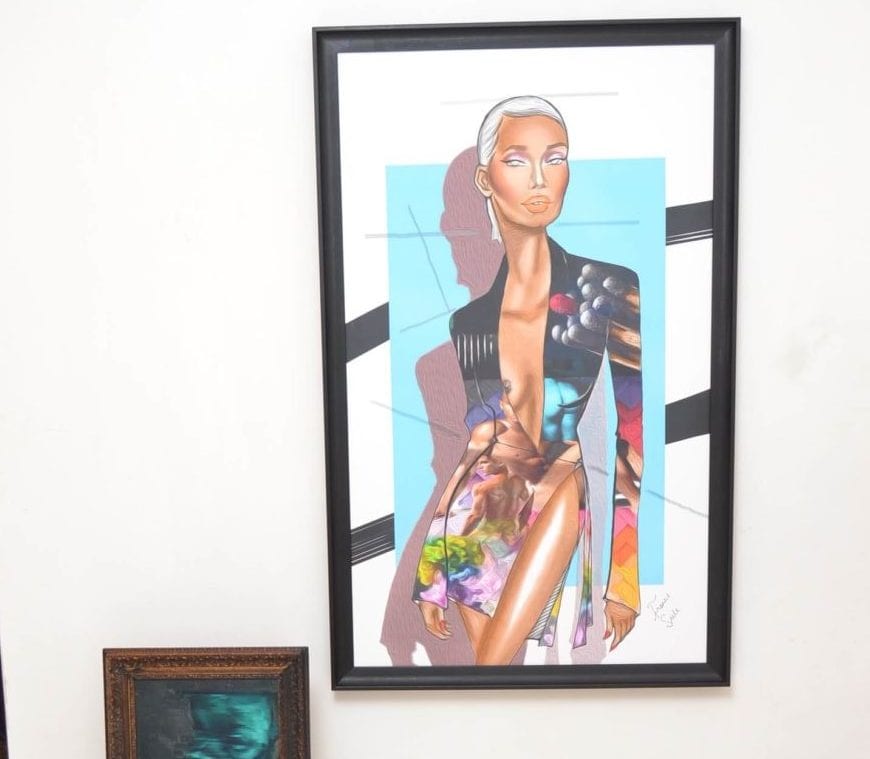
You must be familiar with the image of the starving artist in Nigeria who doesn’t get recognition until she dies. Were you discouraged from studying the arts because it was believed to be an unlucrative industry? Or maybe because you were a girl? Well, what if I told you they were wrong? You don’t agree? Here’s my argument – if you’re artistically inclined, why settle for broke when this image below could just be you? In many countries across the world, artists make their living from selling art. However in Nigeria, it is often difficult for artists to break into commercial success. If you are still not sure how this article can help, stay with me. I’ll show you how to start making that money while holding on to your creativity. Create a unique brand Your brand needs to have a selling factor that is personal to you as an artist, be it your style, your market, your subject. Check out Francis Sule for example, who uses a highly illustrative style in his work. Have a day job A lot of artists hole themselves up in their studios expecting their ‘dope’ work to speak for itself. You see girl, your work isn’t going to speak without you doing some talking. A day job that lets you meet people and maintain a flexible schedule is a good idea. I work as a graphics designer in a sports entertainment company and that helps me meet a lot of people. Another case in point is Stacey Okparevvo who works as a yoga instructor. Hire a talent manager/art agent. Most artists are not really business savvy, they’re just not very good at marketing their own work! Think about it, if they were to be left on their own, galleries would probably be making far less money. We hear of veteran artists with agents and managers taking care of business, but most new artists don’t care for such ‘luxuries’. The truth is it is not so difficult getting people do to do these things for you. David Oamen is one of the few people who does something along those lines in Nigeria. Sell affordable art There is actually nothing wrong with selling affordable art. A number of artists are creating and selling affordable stuff. For example, Art of ajet, Mode, and lawyartist are examples of artists who sell art, phone cases and so on, online. You can do phone cases, T-shirts, logos, mugs, book covers, snap backs, the possibilities are endless. Network network network Ah, yes, artists network. Are you serious about making commercial hits? Then you surely have to go out and meet people. Ayoola has a huge network across the world and is a friendly chap. AAF and ArtContemporary also artists who organise networking events for other artists. Collaborate outside your field Again this may feel a little too tasking, but you need to go outside your comfort zone to sell your art. Collaborating with fashion designers and musicians is a great way to make collaboration work for you and bring in constant work. Set up a store at Jakande Yes, I said Jakande! What were you expecting though? A lot of foreigners and Nigerians visit Jakande with the intention to buy art. And if your art is affordable and your brand amazing, you’re sure to find great customers there. If I were you, I’d get someone to handle sales, and may even sell my work myself. Contact galleries across the world Galleries worldwide are usually looking for new artists. Don’t rest on your oars girl, contact them, be at the top of your game. Art21, Omenka, and Rele are some of the galleries in Lagos. Finally, the arts business might be a tricky one. I’m not sure what the defining factors of a ‘good’ art piece are but I do know that for every work you create, you’ll need to be authentic and true to who you are. Strive to create pieces that you actually love. And make lots of money along the way.
Why you should network with your peers, not just your mentors

We have a tendency to approach a career as a “ladder” –always looking upward to the next promotion or raise. There’s no doubt that networking with advisers has benefits, but it shouldn’t simply be limited to your mentors or role models. When you’re young, “networking” often means meeting people more influential than you are. However, it’s not only important to cultivate relationships with people who are influential, but also to make connections with those who will become influential. The idea of networking with your peers isn’t a new one, but it’s astounding how few people do it. Networking is a word that makes many people groan, yet it is essential to thriving personally and professionally. But when done right, networking should be fun—relationships, both personal and professionals, should always be reciprocal, not transactional. Whether you’re 23 or 63, no one is superior or inferior to you. In cultivating these connections, recognize that we contribute equally not identically. By connecting with people at similar career stages, we can gain access to information and help hone each other’s skills. Lift as you climb. Here are a few tips to help you reap the benefits of networking with your fellow millennials: 1. Create a community network of peers When was the last time you went out with colleagues for lunch or coffee? How often do you reach out to your contacts? While we’re all inundated with emails and texts, we can always make the effort to reach out—even if it’s just a brief email or phone call. Keeping the lines of communication open means that you’re engaged and interested in someone’s personal and professional development, and more likely than not, they’ll also be interested in your own journey. Short on time, but want to maximize opportunities to re-connect with friends and colleagues or meet new people? Consider organizing a dinner party or coordinate an activity like a group fitness class or art exhibit. It’s an opportunity to have fun while you build trust through network. 2. Think aloud Millennials are the most adaptable, creative generation in history. Wisdom isn’t all about age. It would be foolish not to tap into this generation’s innovative spirit. When I’m looking for ideas, the first people I ask are my friends because they come from diverse perspectives. They’re artists, psychologists, policy analysts, financiers, and more. While we might not be in the same industries, hearing a range of opinions from different backgrounds helps me refine my own ideas and think outside the box. The best “aha” moments often come from the most unexpected sources. They also introduce me to opportunities that I might not otherwise come across if I’m thinking narrowly about my own field. 3. Ask questions You’ll never get what you don’t ask for. While your peers might not be in a hiring position, they might be able to offer valuable insights on everything from upcoming opportunities to the office environment. Looking for a job at a particular organization? Comb your peer networks to ask about the perspectives of any friends working there. Entry- or mid-level professionals might notice things that senior staff is oblivious to. 4. Stay grounded It’s easy to get star struck by people who’ve spent decades climbing to the top and have accrued a daunting list of achievements and accolades. Connecting with people your own age can help put life into perspective. That 22-year-old who just won a Pulitzer or got accepted into a major Ph.D. program? He or she can probably tell you about the many failures they’ve encountered on the road to success. Talking to your peers can keep you grounded by providing more realistic expectations of your progress in achieving your goals.
Who you’ll meet at SheHive London – Charles Sekwalor

Charles Sekwalor is the founder of Movemeback, a members-only community that connects professionals with career and business opportunities in Africa. He’ll also be speaking at SheHive London this year. We spoke to Charles about moving back —what to expect, what to pack and how to deal with (reverse) culture shock. What do you think is driving the increase in diaspora moving back to Africa? I think that there are 4 factors here but it is a trend that has developed over time. Opportunity: In the last couple of years there has been a narrative about Africa rising. This is essentially a period of opportunity where people have become increasingly optimistic about Africa and the role its starting to play economically in the world. Challenges: There’s been a slowdown in the global economy and so we’ve seen multinationals making more and more of a play for Africa, the local expansion of markets, increasing press coverage and universities focusing on recruitment from Africa. Cultural changes: This new generation or millennials think slightly differently as to how they go about their careers. They are thinking 2-3 years at a time as opposed to long term careers like the generation before them. These people are far more open to try new things and experience work in different regions. Macro factor: Globalisation is also a big factor as we no longer live in countries with borders. Markets have become more accessible and so people have become more open to moving to other African countries different from their home country. What are the Top 5 things you need to pack with you when you’re moving back to Africa? Your personal escape – whether its music, a good book, hobby Your address book (or MMB login) – everything you do on the continent will most likely rely on the connections you have or will make in the future. Foreign currency – for emergencies Mobile phone – the minute you land, everything will be done with your phone. Make sure you already have plans to get a local sim. Guilty pleasures – luxuries that are difficult to come by in Africa such as special sweets or food. Big company vs startup? What is your opinion on the type of company to join when moving back to Africa? There’s no right answer here and there doesn’t have to be a single answer. It’s very much a personal decision and journey that everyone needs to go on depending on what they’re looking for. It can also be a transition from big company to your own startup. There are 5 questions everyone should ask themselves: What is this company aiming to do? What is my role and my ability to influence change in the broader sense? How does the cultural fit of the organization align with me? How much support and structure am I looking for at this stage? If you’re already moving back and it’s a new experience a start up environment can provide a little too much ambiguity and lack of structure. Then again, it depends on the individual What are my financial needs? How much financial stability do I need going forward? In theory, a corporate job should be offering a little more financial stability. What can people expect from their benefits package when they move to Africa? This varies massively by region, sector and level but there are 5 things to consider: Experience many people will take an absolute pay cut to maintain their quality of life. You should expect something that is locally competitive but will not seem so when compared internationally to cities like London and New York. This is for obvious reasons such as the cost of living being higher there. Expect to be paid in local currency and at the very least in the mid-term. Expect employers to be open to negotiating a small amount for your initial transition/move – e.g. initial plane ticket Finally, there is an opportunity for some potential perks such as housing allowance, drivers and health insurance packages. It’s also important to find out upfront if there are decent compensation options available however no one should expect significant increases in salary. What is a good way to face the cultural shock? The clue is in the name, ultimately it’s a shock – like a pothole in the road you can’t magic it away… Your objective is to dampen that sock in any shape or form. In engineering we do that through increasing the time over which a force acts -the shock absorber! Here are 5 points to keep in mind: Don’t have extreme expectations – be level headed… and expect ups and downs as the norm. Build your own support network before you go with people who have similar backgrounds and aspirations. Use resources such as MoveMeBack to find opportunities that are well suited to you and learn from the realistic experiences of others. Maximise for stability, sustainability and happiness first – you can almost always find something for you if you prepare – this will see you through toughest of days Be very clear on your ‘why’ – you need to know what it’s all in aid of and what your end goal is. This is necessary to keep you going when things are wavering. Come to SheHive London to hear Charles speak about moving back and answer all your questions! Buy your pass here now.
Dzivhu Precious Tshiwalule: I know and understand my own purpose
Dzivhu Precious Tshiwalule, a Dietician and co-founder of UPower Africa is one woman who makes being a superwoman seem easy. She attributes her balance in life to knowing and understanding her life’s purpose. As a wife and professional, she refuses to be limited by just her talent but strives to break new grounds. She is also the author of an informative book on eating right, ”Shaping your Attitude towards Healthy Eating.” Lerato Motshana, our SLA contributor had the chance to talk with this awesome and passionate woman. Tell us about UPower Africa UPower Africa is a youth development initiative focused on developing disadvantaged students, especially in remote rural areas. We help them gain access to basic information and education. So far, we have branches in Nigeria, Uganda, Rwanda, Kenya and Zambia. And in South Africa, every province has a UPower Africa manager. How did you become a part of UPower Africa? Co-incidentally, my husband is the founder of UPower while I am the co-founder. My husband grew up in poverty and so naturally, he feels obliged to help kids in rural areas who are going through what he had experienced first-hand. Aside being a co-founder, what are your other roles in UPower Africa? In addition to being a co-founder, I am also a member on the UPower Africa board. We are currently involved in a couple of projects, but I’ll mention a few. We donate computers, school shoes, online university applications and motivation to students in schools. I oversee these projects, liaise with provincial managers, and provide assistance where necessary. UPower Africa is not a typical NPO. How were you able to achieve that? I am inspired by the evident success and progression of those we’ve been able to help and motivate. Meanwhile, UPower Africa is just three years old but we’ve recorded successes in helping people get into universities. Let’s talk about your book, what’s it about? I wrote a book titled “Shaping your Attitude towards Healthy Eating”, and it extensively addresses the attendant health consequences of not eating right. The book is significant to me because as a first-year student in 2005, I was diagnosed with a brain tumour. As a Dietician and from the knowledge gathered, eating right contributes so much to good health. I never got to know the cause of the tumour but through research, I have come to believe there was a link to the kind of food I ate. So, I decided to write a book, highlighting the importance of healthy eating and how to keep chronic health conditions like cancer, high blood pressure, and diabetics at bay. Is healthy eating the ultimate solution to chronic health conditions? Evidently, food plays a huge factor but there are other factors like smoking and so on. Let’s move on to less serious stuff. What do you do for fun? I am usually so busy and actually don’t relax much. I do a lot of seminars on purpose discovery and the like. I am also involved in a lot of church activities, indoor exercises, and travelling. Obviously, I don’t engage in a lot of what people qualify as fun. UPower Africa, book-writing, being a Dietician, a mother, how are you inspired? I am excited and driven by my life experiences and the need to be of help to the next person. What would you say to an African young woman who views marriage as the ultimate life goal? Marriage can be beautiful if you are married to the right partner. My husband and I enjoy a unity of focus and that has helped our marriage. Notwithstanding, I don’t believe marriage is the ultimate life goal. A purpose-driven life should be the goal for everyone, man or woman. If you’d like to share your story with She Leads Africa, let us know more about you and your story here
Who you’ll meet at SheHive London – Melba Mwanje

Believe it or not, SheHive London starts tomorrow! Melba Mwanje, Executive Finance Director for the Luanda International School in Angola and co-founder of SE1 United youth charity spoke to the SLA team about what she’s looking forward to at SheHive. Thanks for speaking with us. Can you please introduce yourself, tell us who you are and what you do? Hello, my name is Melba Mwanje. I am employed as the Executive Finance Director for Luanda International School in Angola. We are a leading school with over 700 students, a fantastic IB curriculum, and several multi-million dollar assets and investments. Before and after my work with the school, I volunteer as a life coach, careers advisor, and babysitter. I also provide creative consultancy services to companies around the world. In the United Kingdom, I am a Co-Founder and a Trustee of SE1 United youth charity. Is this where you thought you would end up? I haven’t finished yet… What’s your big idea that you’re looking to achieve in the next 5 years? Currently I have five big projects in development. Themes include poetry, human rights, storytelling, and coding. The idea that I am most excited about is the creation of an international online community of people with questions, answers, and ideas about random topics. Sounds vague for now! Watch this space. What made you want to attend SheHive London? To meet, talk, and laugh with interesting people who are interested in Africa. What skill are you most proud of that you believe can add value to another attendee at the event? Musical thinking. I like to invent unusual and fun solutions to challenges, and I have found that I am very good at it! My creativity tends to have a bias for song and dance, hence “musical thinking”. It is an unconventional approach to life that has brought me success and I hope it can inspire another attendee too. In any case, I am greatly looking forward to learning from and sharing with new friends at SheHive London. I am honoured to be a part of such a valuable network. Meet Melba at SheHive London! Buy your last minute pass here!
Adedoyin Jaiyesimi: People tend to trivialise the writing process

Adedoyin Jaiyesimi writes and edits books, manages blogs and creates content for websites. Through her coaching and training platform, The Sparkle Writers Hub, she is helping other writers achieve their writing dreams. So far, some of her trainees have moved on to start successful blogs while others have been able to gain access to platforms to showcase their work. Adedoyin fills SLA in on not just the excitement of writing, but what she is doing about it, for herself and other writers. How can a writer turn her craft into a profitable business? Turning your writing craft into a business starts with having a plan. What kind of writer do you want to be? What range of services do you want to offer? Do your research and find the niche you can excel in. There are people who stop at editing and proof-reading while others take it further by writing web copy and coaching other writers. Once you identify the services you are able to offer, you should talk to an intellectual property lawyer to know the steps to take to protect the content you produce. You also need to think about how you will publicize yourself and your work in order to build your client base. Build the right structure and most importantly, get people to work with you. As you get more clients you will discover that you can’t do it all by yourself, especially if you want your business to grow. What are the right principles to turn a small idea into a profitable business? I would say the number one principle is passion. You need to be passionate about what you are doing otherwise, the business will fizzle out. Then there’s the part of creating value. For any business to be profitable there has to be some value that is being added. This is essentially the ‘why’ of your business and it goes beyond money. What need is the business meeting? How does it improve the lives of people? One thing I have learnt over the years is the importance of building a brand and not just a business. You must be able to connect with your clients and deliver on your brand promise. This involves going the extra mile. It also involves making the choice to be excellent in your delivery of service and be innovative. Have you faced any challenges that are unique to your trade as a writer? How did you overcome them? Yes, I have. They are so many, to be honest. One of the challenges writers face is managing writer’s block. When I first started out, I was a lazy writer and I used to write only when I was inspired. You can’t run a profitable business as a writer if you only write when you are inspired. So I had to discipline myself and learn how to come up with creative content whether I am inspired or not. It was tough, but I’m glad I went through that process. Another challenge I faced was putting the right price to the services that I offer. Something that I used to hear a lot when I started was, “Is it not just to edit the content on my website? Why are you charging this amount?” There is a way people tend to trivialize the writing process especially when you are able to deliver quickly. I did a lot of trial and error before I could find the price that I was comfortable with charging because there is no industry standard. Now, I have set prices for every service I offer. I’ll add one more because like I said, they are many. Putting the right structures in my business was challenging. Creative people don’t like structure. We just go with the flow. This will hinder the growth of your business. So I had to take the time to put the right structures in place. I registered my business name, Content Craft, opened a business account, set up a proper accounting system and so on. It’s not perfect yet but we have a process for most of the operations we carry out. Realistically, in what ways can an African woman live off writing? There are many ways an African woman can live off writing. Like I tell the writers that I coach, you just need to be creative and be able to identify the gaps that exist. When I started out, what I knew how to do best was to write articles and edit magazines. Now my expertise has grown to creating and editing books, managing blogs, writing web/ social media copy and creating content for social media. So the possibilities are endless. If you want to live off writing, you can become an editor, you can be a content creator, you can be a copywriter, you can write voice over scripts, you can write content for training materials and so on. As you improve your skill, you can also earn money from coaching other writers and organizing training sessions for businesses and individuals. How do you help other writers achieve their dreams? Is it through mentorship or any other means? I created a platform called The Sparkle Writers Hub and our main aim is to help everyone who has a desire to write to achieve their writing dreams. We work with all kinds of writers; the ones who have a nudging in their heart and those who have started writing but want to take their work to the next level. We offer a basic training program where we teach writers the basics of writing and how to attract readers. We also offer a more intensive coaching program where we work one on one with writers to achieve their goals. Since we started, some of our trainees have moved on to start successful blogs while others have been able to gain access to platforms to showcase their work. What will be the name of your first book and what will it be about? The
Rutendo Chilenge: Our relationship with clients goes beyond the economic

There can never be enough events management companies as we Africans love our events. Motherland Moguls in events management have added little bits to differentiate their brand. Take incorporating floristry and gardening into events, for example. Rutendo Chilenge is the founder of Majestic Gardens, a registered events company in Zambia. She is also the woman behind Chitenge and Wine, a chill picnic and live performance that has become a platform for indie artists and musicians. Rutendo shares with SLA contributor Itumeleng, her other ventures and how she got her start as a florist. Tell us, what business ventures have you gone into? For the past 6 years I have been running an events company which is legally registered in Zambia called Majestic Gardens. Majestic Gardens is an outdoor event venue hosting weddings, bridal parties, wedding photography, music video shoots and any events that require an outdoor venue. What was the attraction for you? Why go into events management? Majestic Garden’s first event was in 2012. At that time I was unemployed and took this as an entrepreneurial opportunity to change my life. For a long time in Zambia, halls -a more expensive option- were the only outdoor events venues available. At first, the attraction to entering events management for me was the love of gardening. I inherited this gift from my mother. Majestic Gardens has only grown and grown since I started it. Now, our venues have the capacity for between 250 to 400 people. What is the one thing that makes your events special? We get to know who the clients are, get one-on-one interactions which the clients and give a personal touch to the events. We build relationships based on trust and understanding with clients. This goes beyond the economical aspect of the business. Beyond the service, Majestic Gardens is also a memory. I try to give my clients the best regardless of who much they can afford. What is the most memorable event you have hosted? A bridesmaid was proposed to at a pre-wedding photo-shoot held in our gardens. She was not expecting her fiancé to sneak up on her from behind flowers. I love that I was a part of their happiness! Tell us about Chitenge and Wine. How did it come about? Chitenge and Wine is an Afrocentric picnic idea that my late brother and I adopted from Nairobi’s Blanket and Wine event. It was a novel idea in Zambia and so we grabbed it. It is centered around the Chitenge cloth and for every ticket, our guests get a bottle of wine and a chitenge. The concept is to encourage the combination of passion and the African spirit in young people. Our focus is to help young people, especially artists understand that they can reach any height even as Africans. Interestingly, most of our guests are budding artists and we provide a platform for their talent and passion. What’s the long term goals for your businesses? For Chitenge and Wine, I would like to see it go to different towns in Zambia. This is so that we can learn about different cultures in the country. I would like it to be a major tourist event, so that tourists coming to Zambia do not only visit Livingston. I see Chitenge and Wine as one of the events listed on tourist brochures in Zambia. I would like to see Majestic Gardens grow so big that it is moved to a larger venue that is able to host multiple events at the same time. I would also like to see Majestic Gardens grow into a floral culture resource centre that trains people on gardening. Gardening goes beyond sweeping. What is the biggest lesson that you have learned from being an entrepreneur? I have learned hard work and discipline. There are times that money does not come in and the only thing that propels you to continue is your passion. What drives you? I love to positively impact people in whatever it is I’m involved. And that’s a whole lot, you know. You currently live in Addis Ababa, Ethiopia, what is the one thing you appreciate about this country? It rains a lot in Addis. I love the potential that the country has to expand its floral culture. Ethiopia can grow and export so many exotic flowers that cannot be grown in other regions of Africa due to the climate. It is flora that we can only imagine in my home country. If you were to be given super powers, which powers would you want and why? I have lost loved ones to sickness and conflicts. So it’s definitely going to be healing powers. Also, If I could, I would help people through the pain and devastation of conflicts. Want to see women you know featured on SLA? Tell us what amazing things women are doing in your communities here.