
How smart women multi-task

The idea that women-led or owned businesses are usually on a small-scale basis, run out of homes and often have less than five employees, is old. We have outgrown the ‘cookies and crafts’ stereotype and have our sights set on bigger goals now. In case you haven’t noticed, we now manage boardrooms while keeping things in check at the home-front. As women, we are wired to multi-task, whether as mothers, professionals, athletes, students, entrepreneurs or any of the other limitless titles we take on. It’s no wonder we are superwomen – efficient multi-tasking demands a lot of discipline! If you’re still trying to uncover your super-powers, this article will help. Practice how to multi-task Practice is essential to mastering any skill. Take a look at all you need to do in a day and pick a few routine tasks to start with. Begin with carrying out few routine tasks, then move on to slightly more difficult ones. Introducing a routine involves doing specific tasks at the same time, the same way, every day. Once something becomes routine, it gets easier, even if you’re not totally focused on it. Make a to-do list At the close of every work day, make a list of tasks for the next day. This will help you both prioritize and plan for the next day, while ensuring that you address the most important tasks first. Pay attention to the task at hand Steer clear of distractions; be wary of emails, chats, and other interference. If working from home, try isolating yourself from family-related intrusions, if at all possible. Minimizing distractions allow for undivided concentration. Schedule tasks and set time frames. Schedule everything breaks, eating, workouts -even showers. Have a deadline or a short turn-around time for tasks, and you’ll surpass your expectations. Through trials and errors, you learn how best and fast to complete tasks. Also, avoid the tendency to take on more than you can handle. Prioritize. You need to have a clear understanding of what tasks are more important. That way, you are able to give more attention to high-yielding tasks. The low payoff items should be at the bottom. Following up on clients, returning calls and generating new leads should be at the top, but emailing a friend to tell them about your date doesn’t fall into that category. Take Note: If you have 10 or 20 priorities, you don’t really have priorities. Know when you work best I work in consultancy, and more often than not, my work can be done at any time of day. However, I work better in the mornings, so I try scheduling work for that time when I am the most productive. Each person has a best time for work. Discover yours by monitoring your productivity on a daily basis, then learn to dedicate your best time of the day for your most important work. Group similar tasks Activities that are similar, are easier to work on at the same time. Consider setting specific times for checking emails during the day instead of checking every other time. When organizing priorities, try grouping similar tasks, as focusing on similar activities, maximizes effectiveness. Delegate Everyone talks about how awesome it is to multi-task, but let’s be honest, you can accomplish much more with extra hands! Some people are of the belief that multitasking is all theory, and so, impossible. But, tasks still have to get done in the shortest time possible. Assess the tasks you are personally able to, and the ones good enough for delegation. For example, writing social media updates and having someone else edit them for posting. Use waiting time efficiently Always take along some work, especially if you have to be in places like the airport, bank, or doctor’s office, where waiting is inevitable. Take time out Allow yourself some needed rest. Take a break when you can, take walks around the building or just meditate. If you feel overwhelmed, to improve concentration, replenish your body with water or a snack. Learn to say NO Know your limitations, so you aren’t biting off more than you can chew.
Adomaa Music: Dare to be different and unapologetically you
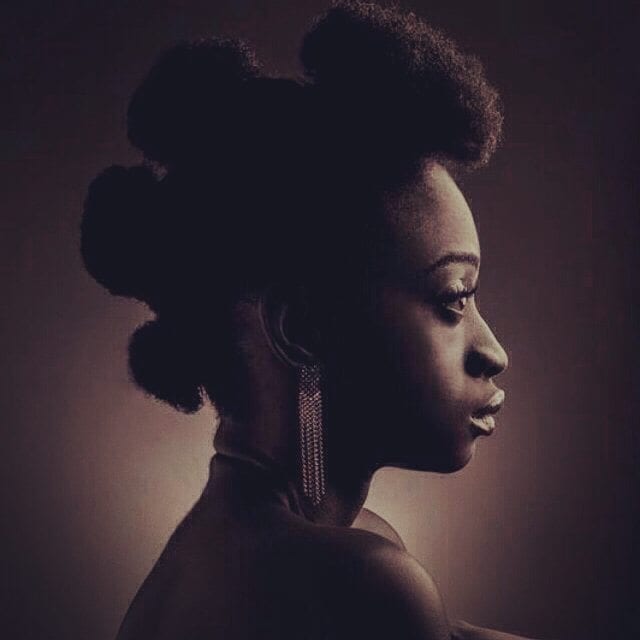
Adomaa is a Ghanaian fast rising afro-jazz singer who is known for her distinctive style of singing, insightful messages, and creative video concepts. This sensational artiste who believes that music is her drug has chosen to pursue a genre which is totally different from what people are used to. Though she faces disapproval from people who do not relate to her style of music, Adomaa still holds on to what she loves and believes afro-jazz is the next big thing. Judging from the recent Vodafone Ghana Music Awards show where she won the 2016 Unsung Artiste of the year, we believe Adomaa is underway to success. Why did you choose the afro-jazz music genre? I wouldn’t exactly say I chose the genre. It’s who I am and how I know best to express myself. I grew up on a lot of jazz, blues, and soul till it became part of me. When the decision came to pursue music as a career, it’s what came instinctively. Still staying true to my love for jazz, I wanted my Africanism to be represented in my music as well. So, I decided to fuse the Jazz sound with African rhythm, hence the name: Afro-jazz! What makes you think this genre is here to stay? When I started, I was truly stunned by the overwhelming response from the public. I didn’t think anyone cared about the type of music I did because it isn’t mainstream. The feedback though made me realize that there’s a huge market for Afro-jazz here! It’s still in its beginning stages but it’s catching on. It will soon become a staple! What would you do if this genre does not get and hold the attention and crowd you expect? I don’t think that will happen because like I said so far, the feedback has been massive. It can only grow and it is growing. Nonetheless, even if no one was ever interested, it’s still where I will be because quite frankly, it’s who I am. I can’t change who I am. How is Afro-jazz different from the other music genres? Why should we look out for this genre? Afro-jazz is simply a unique blend of jazz, blues, soul (basically vintage music) with an African rhythm or flavor to it. Jazz is not a popular genre of music in these parts and even outside, it’s still somewhat low key. The fusion is very different from what we are used to hearing. It’s music like you haven’t heard before. It’s a refreshing, fresh and unique. Who doesn’t want all that? Which other musicians are taking or have already taken the Afro-jazz route? It’s still fairly early days to say any artiste, in particular, has taken this route. But there’s this super talented singer, Cina Soul that has released some music along those lines. Also, I haven’t heard of anyone before me doing what I do. It’s a new wave of music that I’m proud to say I’m pioneering. Tell us Adomaa, is your type of music for everybody? What’s your target audience? Music is universal and Afro-jazz is no different but for now, I think it boils down to preferences. It will take sometime for some people to warm up to it but it will catch on eventually. A classic example is dancehall. Who ever thought it would be the most popular genre in Ghana? My target is everyone! For now, though, I’d say the people who appreciate it the most are the middle class to elite groups of people. Since you started singing, what has been your major challenge and how did you handle it? My biggest challenge since I started has definitely got to be my stage fright. I used to dread live performances and would have panic attacks and meltdowns but the best way to overcome an obstacle is to face it. There’s been a tremendous improvement over the months and it can only get better in the years to come. I love being on stage now. What is the worst thing anybody has said about your type of music? It’s boring and for old people. Oh, but that’s about to change. There were some rumours about how you did not deserve to win the Vodafone Ghana Music Awards unsung artiste of the year, how did you handle this issue? What provoked this rumour? Ha! This issue… Well, you know I started out with doing covers and recreating other people’s songs. It’s what put the spotlight on me and probably what most people still know me for. In the category I was in, the other nominees (Feli Nuna, Wan-O, Ebony, Nii Funny and Perez) were more deserving because they have put out original content. I have original content out as well but I guess the covers are more popular. Some people didn’t even know I had my own songs out there so there were questions about why I was nominated in the first place. For me, negative comments fuel me. It made me want to challenge myself even more to sell the genre till it becomes a household name. It’s my main goal now. How do you react and respond to criticisms? I listen, sieve through to see if there’s anything to learn, take the constructive ones, discard the chaff and move on with my life. Why do you think your type of music is critiqued? It’s different. It’s a change from the normal. People don’t welcome change easily. That’s normal. It takes a while to embrace what you don’t understand. The criticisms are to be expected when you decide to break away from the norm. Have you ever considered switching to another genre? I’ve explored a little. My EP, Afraba was solely for that. I tried pop, rock, highlife, classical music, etc. but my heart still belongs to Afro-jazz. Of course moving forward, I’ll still venture out some more but at the core, Afro-jazz is who I am and who I’ll always be. For our readers who have never heard
Planner, actor or innovator? Which public health role is for you?
Health improvement and making health better for all, is public health. Simple. But…we bet you knew that already. The first thing that came to mind when you heard ”public health” may have been masked figures a la the Ebola outbreak, but there’s much more to public health than just epidemics and diseases. Having established that, do you think a public health career is for you? Read on to find out more. Okay, imagine public health from the perspective of three groups. I call them, the planners, the actors, and the innovators. The Planners – Behind the scene Do you keep daily planners in your wallets or purses for your ”to-do” shopping lists? You do? Then, that suggests you have the ability to develop layouts on how to carry out activities! If you’re passionate about formulating and writing proposals, no matter how small, you are a planner. Oh yeah, it’s that simple. Do you enjoy working with numbers? Well, knowledge in statistics, data analysis, data management and business intelligence expertise is all you need to collect and analyze health information. It goes without say that without numbers or data, there would be no health intervention. More young women in industries that offer these skills set and expertise should consider taking their career prospects a notch higher within the public health arena. The Actors – Get on stage! Just like in every script, someone has to get on stage and act! Prevention and treatment as major tenets of public health offer a wide range of opportunities to allow for this. Okay, picture this, the hand-wash adverts on TV with the proud mother ensuring that her children’s hands are squeaky clean after a hard day’s job. This is public health too. Are you championing hand-washing and basic hygiene in your community? Or are you engaging with other young women on sexual and reproductive rights? Look no further, you are one of the ACTORS! If you love field work or outdoor activities, get on stage. Just remember that it doesn’t always come with the perks we read about in books or see in movies…but you may finally get that opportunity to travel and meet new people, as you literally try to save the world. The Innovators – Seize the opportunity I should say this is an exciting class to fall into, particularly, with the latest craze in I-TECH initiatives. Tech business is now a part of the world of health. Think of the mobile phone application that takes your heart rate and the menstrual cycle calendar on your device. And I can’t forget my personal favorite, the ‘calories burnt calculator’. Did you ever guess they were public health innovative tools? Well, they are. Take the drones now used in transporting medications. Think of entrepreneurial activities such as designing of health promotion wellness kits, including mother and baby care products and sanitary towels as practical tools in health promotion. The list is endless. Prepare to think outside the box! Be an innovator! Create! Public health is so not limited to those in the health field. It offers wonderful opportunities to everyone in their various chosen career paths. I believe there is a potential public health specialist in every young woman. And hey girl, if you’re a part of the public health sector, I’d love to hear about your experience and how you are changing healthcare in your country! Join us next week on the SLA platform for tips for graduates and young women joining the public health sector.
Stressed? 4 ingenuous habits that will make all the difference

Your head is aching, too many things to do in so little time… You had so much work at your desk and had to skip lunch… You can’t remember if you had water to drink all day… It’s Friday but you can’t say TGIF because your side hustle for the weekend still has some loose ends to be tied up. Therefore, no gym this weekend… Whew! So much stress, so little rest… Hey Motherland Mogul! We are all about your business and career success but we do not want you to pass out in the process…or develop poor health conditions. The beauty of your hard work today is being able to inspire the younger generation years down the line when you’re grey. If you’re not here or in good health, who will? We want to be a part of your success story and as such, your overall well-being is important to us. If you’re stressed, these daily habits could help. Your health doesn’t have to be a barrier to reaching that business goal. Always have breakfast no matter how little. Research has shown that breakfast is the most important meal of the day and prevents unnecessary snacking. Also, avoid skipping meals and eat right. Take it easy on the carbs whilst increasing fruit and vegetable intake. Then make sure you drink water, lots of it. Manage your time properly at work to boost effectiveness and reduce being stressed. This helps to boost effectiveness and reduce being stressed. Work time isn’t the time to engage in office gossip or be on social media so be warned. You should also always ensure that you finish one task before engaging in another All work and no play makes Jill a dull girl Engage in relaxing activities after work and during the weekend. Reading SLA articles perform the dual function of educating and entertaining you. Otherwise, you could go swimming, dancing, travelling or any other thing to take the edge off. Exercise regularly It does not have to be too intense, regular walks are good for reducing cholesterol levels. Take the stairs more and get involved in outdoor activities.
Aysha Tofa: No business idea scares me
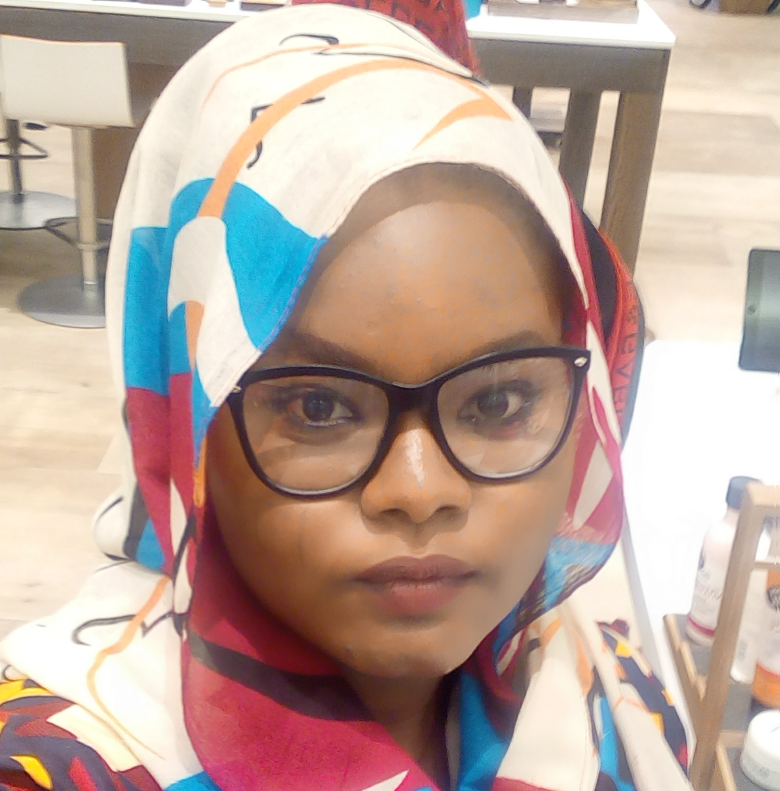
Aysha Tofa is a 24-year-old entrepreneur who is not afraid to try her hands on several, diverse business ideas. She discovered her passion for business as a young girl in college and even now, is an inspiration to many young women in Northern Nigeria, where she resides. Aysha shares with SLA her experience and the driving force behind her entrepreneurship. How did you become an entrepreneur? My first brush with the business world was in my 3rd year in college. I often bought clothes to sell to other students and my friends. However, my biggest and scariest opportunity was when a friend was getting married. I had assured her I could supply 400 pieces of fabric for family and friends even though I had no idea how. Fortunately, things panned out; I made good of my word and some good money too. That first big opportunity opened up more business doors as I invested the profit in other ventures. At the time I was done with school, I was already a known name -an entrepreneur in her own right! You are an entrepreneur involved in a lot of things. Tell us about them. Yes, I am involved in a lot of businesses. My scope covers just about everything – textiles, traditional caps, electronics, properties, food, fashion, etc. I also own an advertising company called Waves Advertising Limited. I am, in fact what they call a hustler in the Nigerian parlance. I believe that for any business idea, no matter how novel, a detailed research would tell me exactly what to do. Away from business now, we understand you had a project called Pink Waves. Tell us about it. Pink Waves was another of my many projects. Our focus was on creating awareness on the cancer scourge, starting with northern Nigeria. Twice, we were on Voice Of America’s radio show, Yau da Gobe, to discuss the project. We reached out to influential people, government agencies and organizations soliciting support and sponsorship, but that never came through. It was a good project but sadly, it had to be put on hold. How are you inspired? I have a solid support system. My parents believe in me and that alone keeps me going. I want to keep making them proud. How do you keep yourself going as an entrepreneur? I read books on both successful and failed businesses. Through them, I have learned and mastered the act of taking risks. For someone who has tried her hands on many things, I believe failure in business can be a learning curve. The entrepreneurial route can be tough, but I try to be as focused and patient as possible. What is the business climate like in Northern Nigeria where you live? Are there challenges? How are you overcoming them? Around here, people are more amenable if you are able to convince them of a product’s usefulness. But of course, a prevalent preference for quantity over quality negatively affects sales. Also, due to religious and cultural beliefs, there’s the erroneous belief that successful women tend to be arrogant and may never find husbands. Notwithstanding, I never let these things stop me from reaching my dreams. I believe an empowered woman is not only a gift to her family but the society at large. What is your driving force? Through my various ventures, I want to inspire other women to reach heights they never thought possible. The ultimate goal is to add value to my society and I am taking it, one day at a time. If you’d like to share your story with She Leads Africa, let us know more about you and your story here.
What do stakeholders look for in an investment?

“If you invest nothing, the reward is worth little.” – Richelle E. Goodrich Presenting your idea to stakeholders and asking them to make an investment in your business is not an easy task. Good news is, the answer to this is being prepared. The first step to preparation is trying to see things from your stakeholders’ perspective. There’s more and we’ve got you covered. Here are the five most important things that any stakeholder wants to know before making the decision to invest in your idea. Is your idea profitable? Stakeholders’ main concern will be whether or not they can get back their investment with a profit. You need to approach investors with a sound financial plan that proves that your idea has excellent financial prospects. What are your potential sources of revenue? What other investors have shown interest in your idea? Do you have the numbers to back you up when you say that your business can generate the kind of returns you are proposing? If you can convince stakeholders that you have done your homework and present an airtight financial plan, they will be more willing to invest in your idea. Do you have the right background and experience? Personally, I would feel much more comfortable entrusting my money to someone who has shown me their expertise. Stakeholders think the same. You should be able to prove to stakeholders that your odds of success are high because you have the right background and necessary experience. Have you overcome many obstacles and challenges to get to where you are today? Has overcoming those challenges made you a better leader and entrepreneur? These are the kind of stories you need to be prepared to share with potential investors. When pitching your idea, your passion and commitment should be evident. This inspires confidence that you have what it takes to breathe life into your ideas and stay on track even when things get tough. Is your idea unique? You’re part of a stream of people trying to convince stakeholders to buy into your ideas and invest in your business. Every one of these entrepreneurs believes that their idea is worth the investment. To really capture the attention of stakeholders you must come to them with an idea that they have not encountered before. Even if the idea itself isn’t unique, your approach to it must be. Think about Uber and Airbnb. Their ideas aren’t so unique, people have always needed taxi and hotel services, but they turned the market upside down by coming up with innovative strategies. By being unique, you can prove to your stakeholders that your idea or business strategy will make their investment worthwhile. Do you have a sound business model? Your business will start to display its strategic value as soon as it begins to generate profit. When engaging with your stakeholders you must be able to present an innovative business model. This is what will guide you towards making your business profitable. To design a sound business model, think about what it is that you bring to the market and how you can do it in a way that is unique and will set you apart from the competition. Think about what kind of model you should employ to ensure that your business remains sustainable. It is important to note that different stakeholders will be drawn to different attributes of your business plan. So, do your homework first. Study your stakeholders and then customise your business plan to show how you plan to address the issues that are most important to them. Is there a sizeable market for your idea? At the end of the day, whatever your idea is, you must be able to prove to your stakeholders that there are people on the other end that are willing to pay for it. Your market research should show your stakeholders that the customer base for your business is not only significant but will remain stable or grow, over time. Stability and potential for growth are two key characteristics that stakeholders look for when deciding on what ideas to invest in. Show your investors that you know who your customers are, and that you know how to engage with them consistently and effectively. We really hope that with this information helps you prepare a successful pitch for potential investors. Are there any other tips you would like to share with your fellow Motherland Moguls? We would be happy to receive and share your feedback and comments on this article.
Who you’ll meet at SheHive London – Lausanne Kimbidima

As we continue our countdown to SheHive London, we talked with Lausanne Kimbidima, globe-trotter, all-round travel enthusiast and founder of Good Africa. Lausanne shared a bit about her initiative and why she’ll be attending SheHive London. Thanks for speaking with us. Can you please introduce yourself, tell us who you are and what you do? My name is Lausanne Kimbidima – my family is originally from Brazzaville, Congo, from which my parents moved to Paris in their twenties. I have always loved travel. I first left France at age 8 when my family decided to leave our small town, which was about a 45 minute drive from Paris. We moved to London, where I learnt English within 6 months, and years later, ended up studying for a Communications degree in the West Midlands. Is this where you thought you would end up? Growing up over 300 miles from the majority of my family, led me to travel often. I would train-travel on my own when I was as young as 15 years old. Later I travelled Europe with friends but I became mostly curious about experiencing Africa. Although I was working towards a career in Media & Communication (I had worked on projects for Disney, and British cinema film releases), I pursued my travel ambitions. Prior to my first trip to Senegal, people told me to observe and take notes so I could brainstorm enterprising initiatives to boost the economy. However, when I got there and submerged myself in the diverse city lifestyles, the wealth of culture was undeniable. So upon my return, I launched an Instagram page called @wearegoodafrica, to share this vision of contemporary Africa, and we now have over 3,000 followers. What’s your big idea that you’re looking to achieve in the next 5 years? We are building a curated platform dedicated to African lifestyle which will provide insight into the new travel habits of millennials, as well as the everyday lives of the locals. Good Africa will feature tips, guides and reviews from travellers worldwide. As Good Africa was born due to a lack of resources on authentic 360 African lifestyle —work, and travel included— we are also developing an inclusive programme, where travellers will be invited to a transformative travel experience. Good Africa is an advocate for freedom. We believe every moment you wake up and decide that you want to experience work and lifestyle anywhere else in the world, this should be possible. This is what drives our mission. What professional organisations are you associated with and in what ways? I am a School of Media, Birmingham City University Alumni, and a proud Good Africa ambassador! What made you want to attend SheHive London? Prior to moving into the next phase of Good Africa, I am excited to connect with other individuals in the travel sector and just anyone determined making their mark on the world. Who are you looking to network with and meet at SheHive London? I am 100% open to what this experience will bring – and look forward to insightful conversations with business owners to investors and travel enthusiasts. What skill are you most proud of that you believe can add value to another attendee at the event? I am bilingual! I’m also an eternal optimist. I hope to motivate and inspire other attendees to start their journey, and add value to others. Meet Lausanne at SheHive London! Buy your pass here!
We need to start teaching women about entrepreneurship early
As young girls, we may have thought that that success in the real world means success at a corporate job. Working towards this goal, you start first by making sure you do well in school, entering into a good university, passing at university and ultimately finding a prestigious job in the corporate world. It really is tempting to believe that success in the corporate world is the only success that matters. But when you get get exposed to different kinds of people and career paths, you realise it’s not. Especially when you encounter entrepreneurship, where one can control their own destiny. Then you realise that corporate is not the be all and end all, and there’s far more available to you than climbing the corporate ladder. In my own life, I’ve come to see that there’s a huge misconception about entrepreneurship among women and I’d like to debunk some myths. It’s not as daunting as you think To some women, just the thought of struggling or having to put their lives into something that isn’t guaranteed to last, can be daunting. There is more focus on the negative rather than the possibilities of making entrepreneurship work for you. It’s true that we all fear of the unknown. When you add unforeseen risk to that, staying in your comfort zone seems easier. But staying in comfort zones implies that you’re scared of what starting your own business might bring. Yet there’s always hope. I’ve learn a few things in the past two years. It comes from being exposed to what entrepreneurship is and meeting various people that have found their passion here. Most important to me is, the advantages of being familiar with entrepreneurship from an early age. Start young Girls graduating high school need to know that entrepreneurship is an option when it comes to career paths. Once girls understand what it is, and what they can contribute to this exciting career path, self-doubt will vanish. Here’s how it works. High School No, I’m not saying young girls need to start hustling from high school. I mean that the knowledge needs to be instilled from there. This way when girls head to university, they know have an option to study entrepreneurship further. During school career fairs, the concept of what entrepreneurship is and what it offers should be shared. The onus is also on the high schools to make entrepreneurship knowledge more reachable to students. University and onwards Though Africa has many good universities, we have limited options for entrepreneurship as a degree. I didn’t even know that you could study entrepreneurship formally. I recently found this out when my colleague told me about her daughter studying entrepreneurship in one of the universities in SA. I can’t lie, I was shocked. Most universities don’t offer a degree that isn’t related to a corporate field. Still, it makes sense when you consider that pursuing entrepreneurship doesn’t necessarily mean you are saying goodbye to the corporate world. There are many #MotherlandMoguls who are successfully climbing the corporate ladder, while running their own businesses. In my opinion, if you have the opportunity of doing both, then you should take it. Juggling the work load might be too much, but at the end of the day the results will be fruitful and worth it. Find a community This is not as easy as you may think. It may be hard finding a community of like minds at first but more women are creating organisations that allow women to come together. With these groups, you can freely share interests, passions and ideas. I think such communities should become available for young women from high school onwards. (Imagine entrepreneurship clubs in high school). This helps so young women won’t feel isolated in choosing this path. I’d like to see more communities for young women become a safe haven. This will help us relate to one another and create a trusted and supportive community.
Kate Mayeye: I’m the Kenyan designer who is inspired by Nigerian fashion
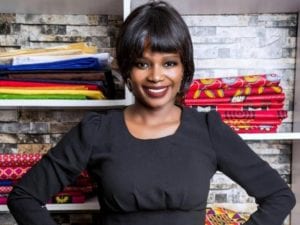
Kate Mayeye is a Kenyan fashion designer and the CEO of African Fabric & Designs Kenya Ltd. Kate is inspired by her love for unique African prints and, in particular, the Nigerian fashion industry. Recently, she had the rare chance of styling an award-winning Nigerian actress, Angela Okorie for three high profile, red carpet events. Kate shares with SLA her love for fashion, the opportunities it provides and how she is introducing a different fashion culture to Kenya. Why African Fabric & Designs Kenya Ltd? I love to stand out, and showcasing Africa’s unique culture has given me that opportunity. I am looking to place the African print on the world map. It would gladen my heart to see other people, not just Africans, embrace it. Why are you drawn to the Nigerian fashion industry and how did you come across it? I am married to a Nigerian. My husband and I love the impeccable finishing on designs made by Nigerians. I also wanted to introduce a different fashion culture in Kenya, and Nigeria has been the perfect reference as she is at the forefront of the African fashion market. Nigerians are the ‘who’ to watch for when it comes to fashion styles and trends in Africa. How did you get the chance to dress Angela Okorie? Were there any challenges? Angela Okorie was in Kenya a few months ago. The occasion was the pre-production of a dramatic comedy starring her, Mike Ezuruonye, Huddah Monroe and Mumbi Maina among others. Former Miss Kenya 2014, now actress and producer, Juliet Ochieng had approached me concerning the Nigeria-Kenya collaborated movie titled Brother Jekwe. I was the costume designer for the movie which Juliet also co-produced, my job was to provide outfits and accessories to support the narrative. The biggest challenge in dressing Angela was her busy filming schedules. Our fittings sessions were practically non-existent but I’m glad things turned out great. What would you say to a fashion designer whose dream is to dress celebrities? In dealing with celebrities, be cautious. Focus on what they want, but make suggestions on what best fits. Be sure to communicate what you can or can’t do. Simply, be honest. What do you look out for in selecting fabrics? When selecting a fabric, I look out for the uniqueness of the print, the thread count, colour-fast quality and the strength of the fabric. I don’t condone shrinkage or fading when it concerns my fabric. If you were on a deserted island and could only take one piece of clothing, what would it be? Well, let’s see. I would definitely take a Dera. It’s multipurpose. What challenges have you encountered in your business? Perfecting customer order has always been a challenge, especially when you have to depend on hired hands. But we learn and grow daily with every experience. The biggest challenge remains power blackouts. Traffic, courier clearance bottlenecks, and of course unforeseen circumstances are also issues we’ve had to deal with. What advice will you give to young African women looking to start a business? Every business owner requires a huge passion, commitment, and a strong support system. Be your own motivator, some days are going to be tougher than others but you can do it. With God on your side, it can only get better. 2 year plan? Tell us about it I’m working on business expansion, opening up more outlets to showcase our amazing designs. These designs would feature locally produced prints and materials that represent the different African cultures. What other projects are you involved with besides African Fabric and designs limited? I am a partner with an events and social media management company, DiMaye Media and also a one-third partner in a supplies and Maintenance firm- Tatu Dallas Supplies and Maintenance Ltd. Which celebrity did you love designing for? Every client is a star in my eyes. They are my celebrities. If you’d like to share your story with She Leads Africa, let us know more about you and your story here.
The art of dusting yourself off

What’s the difference between successful business people, and those who are less so? I’ve always wondered about this and for a while, I thought it boiled down to factors such as innovation, technical know-how and networks. I have since found that while these factors play a large role, a lot depends on your ability to self-motivate during the down times. It is easy to be focused when things are going your way, but this is not always the case when the reverse occurs. This partly explains why a majority of small, medium and micro-sized enterprises (SMMEs) do not get to year two of their existence. Running your own business means you are forgoing a predictable source of income for something that you have no guarantee will work. Yes, you go into it having done your homework and armed with a clear projection of your revenue. But, we know what they say about the best-laid plans. The reality is that business is tough. It is not for the faint of heart. I have come across a lot more ‘depressed’ business people than happy fulfilled ones. Hell, I have had more down moments in the space of a year and a half than I’d ever had in my entire professional career. When you are in the services business like some of us, the going can get a lot tougher than most. So, if the harshness of the entrepreneurship path is so prevalent, how come we hear very little about it? Human nature prohibits people from admitting that things aren’t what they thought they would be. It’s as if doing so makes you less human, better yet, less ‘entrepreneurial’. We walk around pretending the world of business is fine and all of us are making money and not spending sleepless nights wondering where payroll money will come from. You end up feeling discouraged and exhausted, sometimes even considering the attractiveness of a predictable income. When this moment hits, it’s easy to forget all the good things that attracted you into your business industry in the first place. You forget all about the well-laid strategies that you have developed over time and the urgency to generate cash becomes a dominant factor in your mind. At this point in the journey, it’s time to dig deep into your internal resources. No, I’m not talking about spirituality. Accessing your inner resources takes a clear understanding of the following: You are not unique Everyone goes through dips in every area of their lives. You are not unique. Don’t worry, you won’t die from it either. Understand that even the ones you admire today went through the struggles you are going through. It passes and it comes back again, get used to the cycle. If it comes easy, you’ll take it for granted I have learnt that when things are handed on a silver platter the amount of care we place on them is different to when you work for it yourself. Make sure success is important to you, that way you give things you work on all you’ve got. Dusting yourself off is a skill you learn Mental fitness does not just happen overnight, it is a skill that gets better with exercise. The more you use this skill, the better it becomes. All it takes is knowing what you want to achieve and knowing and believing that you have all you need to realise it. In addition, remembering that obstacles are part of the game and a chance sometimes to recalibrate. Get used to downtime We all go through down moments in every area of our lives, it’s even worse in the world of business. There are many businesses offering similar goods and services and it is always about reinventing yourself. Sometimes it goes your way, other times it doesn’t. Failure is also part of the journey and that is normal. How you move from the dips is what determines the level of impact you and your business will have for the next generation.