
Change: What businesses need to remain relevant

The story is told of the CEO who calls his CFO to authorise the travel and associated costs of an expensive training programme for some core members of his team. Aghast at the high cost for the programme, the CFO remarks, “We are spending all this money to train them. What if they leave our company even after we have spent all this money?” The CEO was calm and responded, “Ah, but what if we don’t train them and they stay?” Adaptive thinking, compelling yet versatile leadership, and the notion of a learning organisation are all concepts that are becoming critical in operating and growing a business. A business is an entity that provides a particular solution to the needs of a category of people within a society. How a business chooses to provide that solution can be what distinguishes and especially, profits the business. From the expertise and competencies of your team, to the detail of service delivery, to the form and content of leadership of a business. These should be adaptive. You need to be dynamic Businesses must be adaptive because societies are dynamic. The people that form societies, that is your clients, evolve. Thinking, wants and needs all adapt and as all of these adapt, businesses need to also adapt. Businesses need to make themselves relevant to the needs of that society. The what, why and how of your business needs to be constantly examined because of this dynamism. The biggest challenge is that whilst most businesses believe they understand this, they often fail to practice and actualise it. This is not surprising. Change is difficult and yet change is needed. To change what, how and why your business does what it does is first of all a lesson in humility. Secondly, it is a tremendous exercise in self-examination, and third it will mean an uncertain transition period. I think this is why there is so much resistance to change, it requires all of us to do things in ways that we are not familiar with. And we all know that unfamiliar territories are as daunting as they are risky. But nothing that will grow will do so without a transition period. Metamorphoses: the constant cycle of change Maybe what we need to do as businesses in seeking to apply change, is to simply view change as a growth path. Without change we run the risk of not growing. Even when we change and do not grow, it’s still important to try. We are more likely to grow if we do change because the status-quo is not giving us the result that we want. The problems of today are caused by the solutions of yesterday. And what many businesses continue to do is to provide the solutions of yesterday to today’s more advanced, stickier problems. To be relevant in business, we need to be more open to change, we need to be responsive to change, and we need to actually seek and want to change. This often requires new learning. It often requires bringing in a third party to support you in identifying and then structuring the business change that you need along your value chain. It will then require instituting new work processes, new ways and means –and ultimately it will begin a process of individual and organisational learning. Create your future It is this new learning that actually has the power and the potential to exponentially grow a business. The future is not a place we are going, it is a place we are creating. When a business takes a decision to really change and be more acutely responsive to the needs of their clients and stakeholders, that business has started a process of creating a new future. You don’t create new futures by doing the same thing the same old way. You create a new future from new learning out of an observation and real understanding of what society and our clientele needs from us. This goes further by taking a decision to work with that new learning through the development of better and more responsive products and/or services, ways of working, and systems and processes. The success of that change process is implicitly linked to the core leadership and management team understanding the need for change. Your team needs to desire and buy into change. You cannot play lip-service to change and expect to grow. This speaks to the wider notion of the ability of a leader to inspire her team to see the need for change, to want change, and to execute new change processes, thinking and doing as they daily execute their tasks. This ability to inspire, to motivate, and to support your team to see the positive externalities of the change you need is what stands you out a leader. The power to take people to a place they have not yet being, and getting them excited about arriving there.
5 Zambian women doing amazing work that Linton couldn’t be bothered to

Unless you have made a vow to stay off of social media and the news, you’ve surely come across of the hashtag #LintonLies. #LintonLies trended for a few days last month after actress and producer Louise Linton wrote her “How My Dream Gap Year in Africa Turned Into a Nightmare” piece. It was a recent addition to the White Savior trope and was filled with so much inaccuracies about Zambia that African twitter had to say something. The hashtag #LintonLies was created in response and forced Linton to remove her book from Amazon. While Louise was clawing her way through the jungle and chasing off humongous spiders in her mind, she could have simply picked up her cell phone and asked Zambian women to help her tell the real story. Write it, film it, market it. The reality though is that Zambian women aren’t waiting for their stories to be told for them to be deemed worthy. They have charge and are doing a darn good job of it. Even though more can be done to improve the lives of women in Zambia ( that’s another discussion for another day) those who stand up and make a change should be applauded. Here is a list of Zambian women that are engaging in entrepreneurial bombassery that likes of Linton could learn from. Zambian women aren’t known to simply sit and let things happen, they are the women that are running businesses and changing the entrepreneurial landscape of the country. Samba Yonga Founder of communications powerhouse Kuatenga media, Samba is a media communications specialist whose work has showcased Zambia to the world on various platforms, local and international. Kuatenga’s latest work is The Tikambe Natulande TV show , a youth-led program focusing on issues of sexual and reproductive health and rights (SRHR) in Zambia. The Tikambe Natulande show focuses on educating young Zambians without losing them, showcasing stories they can relate to and answering even the most embarrassing questions. Questions like: “What would you do if your religious leader asked you to sleep with him to solve a problem?” Known for her great style and her deep laugh, Samba is passionate about unearthing authentic Zambian stories. She does not shy away from stories no matter how uncomfortable. Samba also challenges challenging harmful beliefs and narratives respectfully while delving into preserving our languages and cultures. Quite a feat! If you are ever in Lusaka and hear of a cool cultural event, Samba has probably worked tirelessly behind the scenes. Yet she may also just be the lady at the market next to you buying finkubala. Monica Musonda Queen of entrepreneurship bombassery. This woman is revolutionizing the way young Zambians eat (cue the satisfied rumble of the stomachs of university students). She is the founder of Java foods whose main goal is to provide convenient, affordable and nutritious foods made from local products. This successful commercial lawyer set up the food processing company in Zambia in 2012. Since then, Monica has been pretty transparent about what it takes to be an entrepreneur on the Zambian scene. She is also open about leadership issues and often hands out solid advice. Monica and Java foods are all about churning out nutritional foods that tackle the problem of malnutrition in countries like Zambia (by producing a nutritious porridge consisting of sorghum, millet and soya, for example). Java foods engages with small-scale farmers to provide them with grains through a self-sustainable system. Monica encourages young women entrepreneurs to not be afraid of starting their journey. Do you have an idea? Get started, and don’t be afraid to ask for help along the way. MaFashio Sekayi and Tukiya are two stylish entrepreneurs from Zambia, styling and profiling with their blog MaFashio. The sisters are very popular and are good at putting together great outfits, interestingly enough via thrifting. Instead of making style out of reach by only wearing designer things that a young Zambian girl may likely not be able to afford, MaFashio show that thrifting is a great source of pieces waiting to be handpicked. They began with simple street style, but these two have fast become the go to for styling, makeup artistry and photography. They have also being a part of great social initiatives and looked good while doing it. From styling the techie guys at Tech Hub Bongo Hive, to sitting in at Zambia Fashion week, the MaFashio brand is growing. MaFashio showcases great Zambian talent but staying true to the reality of living in Lusaka. Now, Sekayi and Tukiya are not fashion airheads who only live and breath fashion. They are young women who are working on various projects behind the scenes (like finishing uni amongst other things. Congratulations!) Cathy Phiri If you scrambled to get the newest issue of Trendsetters when you were in high school in Zambia, then you probably know who Cathy Phiri is (especially if you also wore that sky blue and navy blue skirt daily to school, you know which one, Roma stand up!). Cathy Phiri has been in the Zambian media game for a long time, starting in 1995 when she and her sisters started up a non-governmental organization in Zambia called Youth Media which led to to the development of the award-winning newspaper (later magazine), Trendsetters. After years in the business, winning awards and working as Media 365 (the company at which she is managing director) Cathy has a new show called HerStory. HerStory helps Zambians look at various issues from different angles. Media 365 is a dynamic creative and communications agency that focuses on communication strategies, audio-visual campaigns, marketing, and research services for social change and development. Cathy has focused on educating the masses on HIV/AIDS but with HerStory she is diversifying. Now she’s diving into discussing the political situation in Zambia, the Blesser/Blessee phenomenon amongst other stories. The premise is that Zambian women can and will weigh in on what is happening in their society fearlessly. Having been a part of popular shows like the
What they don’t tell you about your first job
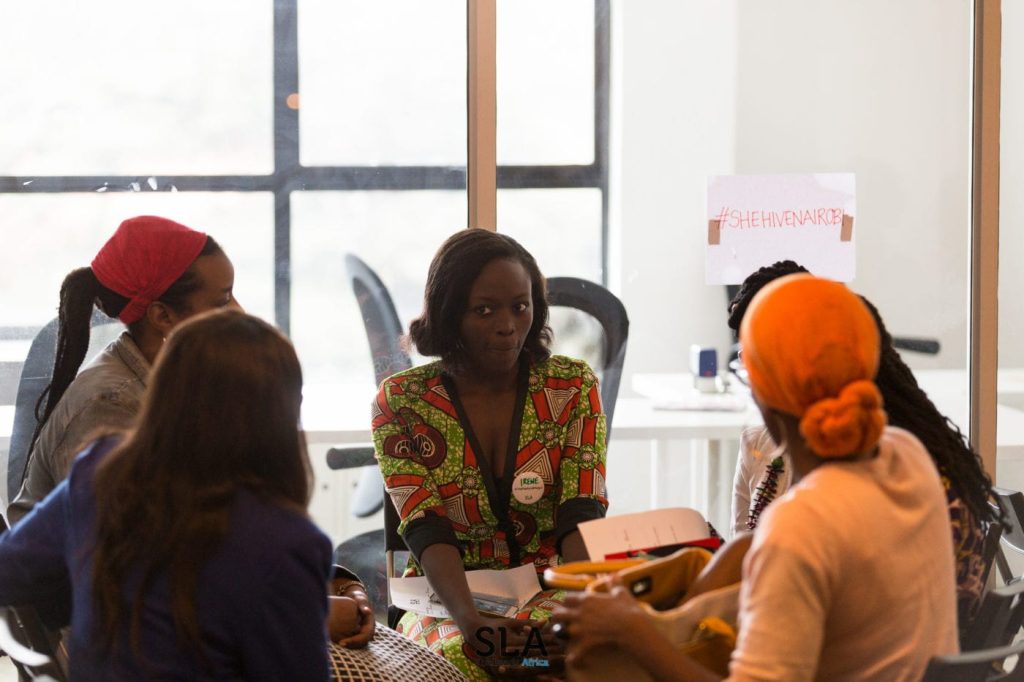
So, you’ve survived unemployment like a boss, and now you’ve landed your first job. For some, this is a positive, life-affirming experience. For the rest of us, we need a support group or at the very least a few tips on how to deal. Don’t worry girl, I’ve got you! The general reason why many people do not enjoy their first job is typically because it just wasn’t what they expected. So if you are feeling like you are failing at adulting, relax, you aren’t alone. Here are a few ideas on how to tackle seven typical first job challenges, and come out strong. 1. So…is this it? After the novelty of employment wears off, monotony can set in. You may find yourself a bit disillusioned with your job and asking yourself, is this it? The answer to this question will either prompt you to restart job hunting or help you to get your head back in the game. Either way, you can make the most of your time there. This is where you want to clarify your goals. What exactly is it that you ultimately want to do? Once you know that, decide how you can use the platform that your job provides to get closer to your goal. There are very few skills in our increasingly interconnected world that are not transferable. You aren’t there just for the job, but also for the networks, the exposure to opportunity, insight into the industry, seeing how a business is run and scaled, tapping into the experience of your co-workers (potential mentors?) and to establish your name in that space. In addition you can work to break the monotony of each day by: Volunteering to help other departments out and diversifying your experience Continually setting personal goals to excite you Using your evenings and weekends to do more than watch series. Pursue your other interests and invest in a side hustle 2. Maintain relationships The one thing many of us weren’t prepared for is just how much of succeeding in your first job revolves around your ability to work with people. It goes without saying, maintain a good attitude, don’t act like you know it all and avoid office politics. Your relationship with your boss, co-workers and clients all need to be managed as they each come with their own complexities. Have frank conversations to make sure you clearly understand the expectations that the people you work with have of you. Ensure you aren’t part of the problem by understanding your own strengths and weaknesses as a co-worker by soliciting feedback from your peers to help you uncover any blind spots. The bottom line is you will work with great people as well as the scum of the earth, be prepared for both. Even if you decide to leave, it is important not to burn any bridges. Stay professional until your very last day. 3. Speak up, take credit I totally agree with the saying, “Hard work speaks for itself” but that shouldn’t stop you from speaking for yourself too. Being consistently passed over for opportunities can create a lot of dissatisfaction in your first job. You want better client visits, you want to go to that conference, you want in on that project, that’s all great, but have you asked? Remember you are largely responsible for how much you will get out of your work experience and so take charge of it. Mindfulness Coach Jeena Cho puts it this way: “If I could encourage women to do one thing, it would be to ask for what you want. Stop overthinking every simple (and not so simple) request, and just ask! Ask without apology. Ask despite your inner critic. Ask when you fear you’ll be seen as pushy…Ask when you fear you don’t deserve it. Ask when you feel you do.” Another thing that will help all of your hard work ‘speak’ is actually being comfortable taking credit for your work. Keeping a record of your accomplishments will also help in pay negotiations and asking for promotions. 4. Skills versus titles So, you didn’t take the time to scan through the companies’ organogram before you signed the contract. Now you realise you are stuck in a dead-end job with no chance of advancement. This may not be a total waste of your time. You may not get a fancy title but you can still ensure that your CV looks attractive. Be deliberate about honing marketable skills. Each year many industries publish ‘hottest skills’ lists, take time to identify the skills that your job is helping you develop and indicate them clearly on your CV. 5. Calculate the cost of compromise Part of the anxiety you feel in your first job is when you settle in and begin to evaluate whether the job you took was worth the compromise you made. A survey done by PWC revealed that 72% of millenials made some form of compromise to get a job. Some of the compromises we make to get off of our relatives’ couches are probably harmless, like getting a job in a dodgy part of town or being hired by our second choice company. Others however, may have serious long term effects on the trajectory of your career. For example, not negotiating your pay could negatively affect long term earnings. Accepting a job you are overqualified for may be the most practical thing to do right now, but it may your impact career development. The question you want to ask is, will this have any serious long term effect on my ultimate goal? This should help you get over any petty hang-ups, or leave if necessary. 6. The diversity issue Depending on your industry, you may find yourself being the only woman or African or person of colour (or all of the above) in your workplace. This may mean you’ll need to speak up to represent a perspective your co-workers may not have thought of. Remember your delivery is just as important
Hayat Essakkati: I believe in Africans growing their own continent

Won’t it be great to have a one-stop shop where investors can be guided through establishing their businesses in foreign countries? Good news is there’s an organisation that provides such services for Morocco, Maroc4Invest (M4I). It’s principal/director Hayat Essakkati is passionate about women and Morocco’s development. Here she shares her insight on expanding internationally and how her work experience has shaped her as entrepreneur. When lead you to start Maroc4Invest? I started Maroc4Invest (M4I) in June 2015. When I was working for the International Finance Corporation in Morocco, I realized that foreign investors were increasingly interested by the Moroccan market. The market was/is faring very well, both economically and politically in contrast to its unstable neighbouring countries. On top of that, there has been an increase in the number of companies expanding their activities in Africa and a majority of them are changing their thinking in relation to doing business in Africa. They know the Africa-to-Africa business channel is more effective than Europe-Africa or US-Africa. Morocco has become the ideal location for doing business in Africa. This has lead me to start my company as I believe in Africans growing their own continent. What kind of services do you offer? Are they aligned with your academic background? Maroc4Invest enables foreign investors to penetrate the Moroccan market using a multitude of services. Our services are aimed at taking clients through the process from company registration to ultimately running their operations in Morocco. The idea behind the company is straightforward: to navigate the business world in Morocco, you need insider’s information and access. Maroc4Invest is a one-stop shop with the objective of making foreign investors feel at home by minimizing their risks. They’re aligned with my academic interests. My Master’s thesis is titled, ‘National Use of International Norms: Morocco’s Implementation of the IFI pressures’ and on top of that I’ve written numerous papers on Morocco’s sectors. I have always been interested in the impact of foreign entities on Morocco’s economy. You have offices in three continents, can you share tips on expanding a business internationally? What challenges did you face? The most important aspect of international business, in my perspective, is running your administration correctly. You can’t be in all 3 continents at the same time so making sure your processes run smoothly without a daily administrative to-do list will prove very useful in the long term. I prepared it adequately, talking with friends and people who’ve already went through the same process before opening the offices. I’d suggest choosing countries you know very well. Holland and the USA are countries I know very well, so it makes sense. How large is your team and how do you go about selecting members for it? Our team has been growing and we expect to reach 10 in-house consultants by the end of the year. We have also developed a group of experts I can tap into on any occasion. Tell us about your experience with the World Bank Group and the African Development bank. Have these shaped you as an entrepreneur? I started my own companies to fund my college from the time I was 18 years old to be able to pay my college and expenses. I also worked in international organizations. It was more out of a sense of urgency rather than wanting to penetrate a certain market. After my studies in the US, I started working with the World Bank on topics that interested me; strengthening youth civil society and entrepreneurship in the Arab region. I could keep my entrepreneurial spirit while working as I had the right managers. The same goes for when I was working for the International Finance Corporation. The key thing is to make sure to surround yourself with good managers/colleagues that know your strengths and understand how to tap in to them. What do you think the rest of Africa should know about Morocco? Morocco is fully reliant on its human wealth. It has no natural resources, making the country’s success depend completely on its men and women. If you’d like to share your story with She Leads Africa, let us know more about you and your story here.
Ask a Financial Advisor – Volume 2

Financial independence starts with careful planning. If you want to be a millionaire in the future, you have to do the work today. We’re excited to present the second installment of our Ask A Financial Advisor column. Financial experts from United Capital have once again taken questions from our community and answered with real advice. Volume 2 of Ask A Financial Advisor features advice on starting and maintaining a saving plan as well as saving for future goals. How can I start the process of investing my money? Right now, I know nothing and would like to educate myself before doing anything. What are some trusted sources and beginner tips? – Naome Jeanty It’s great that you want to educate yourself prior to getting on the investment ladder. There are loads of resources available to one on the internet, so please do as much research as you can. The best way to create a life that is not dependent on a paycheck is to start investing early in your life and these are our top three tips – 1) invest at least 20% of your savings on a consistent basis. 2) take calculated risks, especially when you are young 3) start investing for retirement as soon as you have a steady income from paid employment or an on-going business venture. I earn N134,000 and I look forward to getting a landed property and also a car by this time next year. How can I save to meet up with this target? Thank you. – Toyin As with starting any project, it’s important to define clear goals -which you’ve done already. You do however need to prioritize these goals such that you are able to differentiate between routine expenses, short term and long term savings goals. Use the SLA Savings calculator and remember that an emergency fund is key. This is where it comes in handy to set up a Private Investment Trust. And when you do need to borrow, let it be for investment purposes i.e. purchase of land etc. How do I start and MAINTAIN a savings plan. I currently live paycheck to paycheck when debts have been ignored. I want to put money aside, I’m currently paycheck to paycheck (bills paid, rent paid etc) but at the cost of ignoring some debts. (Owe family and friends money…I can’t afford to pay them back at the moment). – Gloria Determination here is the key, both to getting out of debt and maintaining a consistent savings plan. The first step is to determine what you can actually save after taking out your routine expenses, i.e. food, transportation etc. Then the next step is ensuring that you actually do save. A great way to going about this is to set up a direct debit order on your salary account or main business account which ensures that a designated sum is debited at regular intervals i.e. monthly, quarterly etc and moved into an investment vehicle such as a Private Investment Trust. If you’d like to get your questions answered by a financial advisor from United Capital, submit your questions by clicking here.
5 things you’ll miss if you’re not at SheHive London
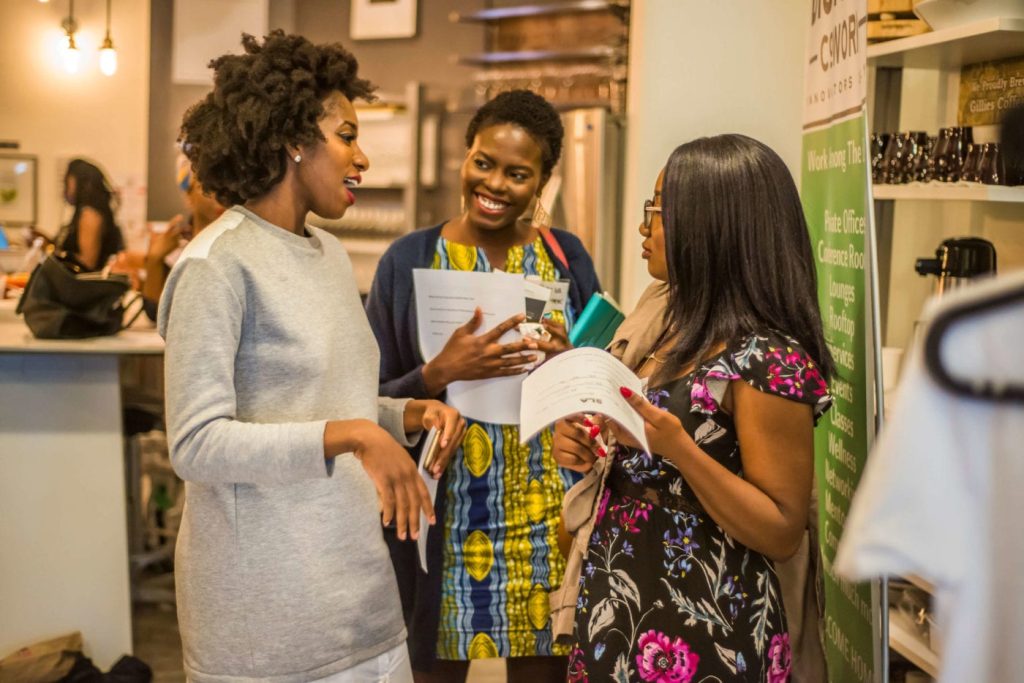
SheHive is coming to London! For 4 days, SLA is taking over Facebook HQ for a professional bootcamp. Between August 18 and 21, you’ll have the opportunity to interact with the coolest people in London. This will not only be a great experience for established entrepreneurs and professionals, but for aspiring career women of all ages. Now, you may have your own reasons to skip SheHive, but we have 5 solid reasons why missing it will be a bad idea . Renowned and inspirational speakers You definitely don’t want to miss out on this chance to hear and interact with some of the best and brightest minds out there including Imad Mesdoua, Charles Sekwalor and Ade Hassan. Get ready to learn from passionate and creative entrepreneurs, hear about their vast experiences and leave inspired. THE networking opportunity You’ll get an excuse to show off your networking skills, potentially make long-term connections with some dope people, get advice, raise your profile and increase your confidence. Meet and connect with some of the best and most talented young African entrepreneurs. Intimate sessions The intimate nature of our sessions means that you can get the most out of them and get exactly what you need. And if you splurge for an All Access Pass, you’ll have time to speak to the co-founders and other speakers directly. #SheHive is also a multicultural platform where you not only learn career skills but how to apply them. New friends You’ll have the chance to interact with new women and reconnect with old ones! Don’t miss out on the chance to meet some amazing, aspirational women like yourself who will motivate you. Motivation is contagious and the moment you interact with individuals who are cheerful and upbeat, you will catch the vibe too. The chance to grow your career and business in a clearly defined market Are you an entrepreneur? Our #ShopTheHive event is the best place to come and showcase your product to our community. Not only will this generate awareness for your brand, but you can additional revenue stream to your existing business. SheHive is where career success starts, so don’t miss out on your chance to hear amazing speakers, participate in hands-on workshops, network with amazing African women on a multicultural platform and don’t forget SHOPPING. Who would want to miss this? If you haven’t bought your pass yet, better hurry up and do it.
The why and how to being an inspirational leader
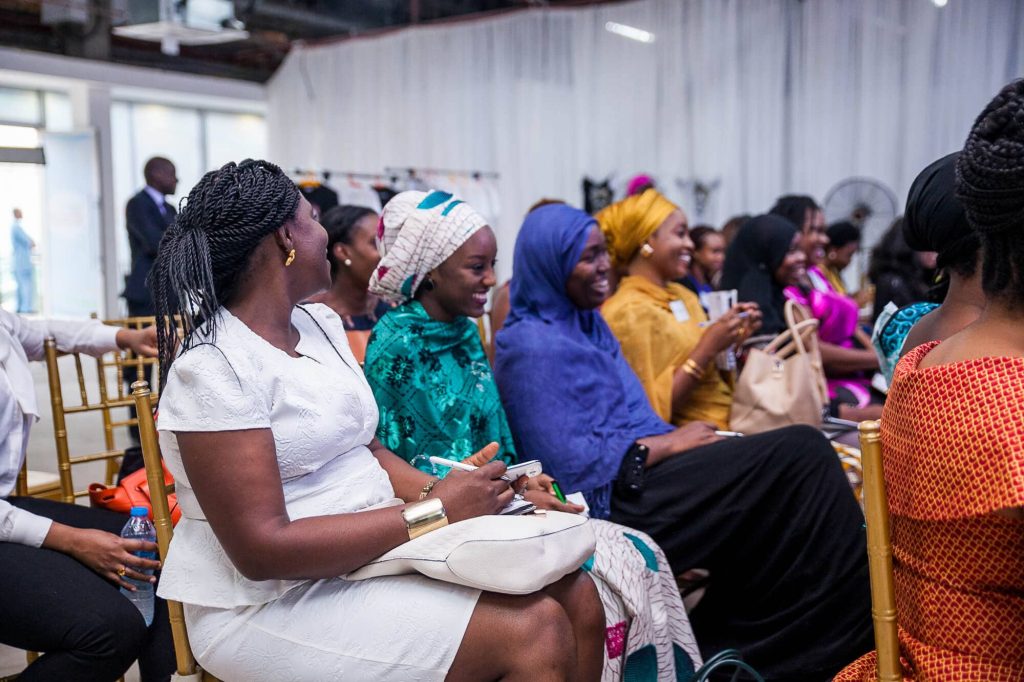
Let me start by telling you about Julia. After eight years of operations and more than 25 members of staff, Julia was frustrated and exasperation. She deemed that the business was just not viable and decided it was finally time to shut things down. Dwindling revenues and consistently spiraling costs were largely to blame. But it was all supposed to have been so easy. After graduating from University with a LLB, Julia decided that, having studied Law to please her parents, she could now start living her own dream. Julia got qualified and set up her own Montessori kindergarten. Soon enough through word of mouth and referrals, pupils came in. But year in and year out, pupil numbers were not growing as Julia had expected. Teachers too were not as inspired and motivated in their work as she needed them to be. Julia herself needed inspiration. Now, imagine a world where people wake up inspired to go to work. A world where your employees genuinely look forward to the start of business day. Where they look forward to interacting with their colleagues and leader daily. In this world, your employees are constantly and authentically excited about interacting with clients. They see themselves as relevant and are ready to offer premium solutions to the needs of clients with a listening ear and attentive heart. Imagine that. Wouldn’t it be really amazing? In my point of view, this would be seriously valuable. I think we should all seek to make our businesses and workplaces like that imagined one above. I am convinced that one of the ways you can do that is to lead with purpose and direction. You need to know your why of your business, live the why of your business in your operations, and inspire with the why of your business. The Why Let’s start with ‘why’. Why exactly are you in business? What is so distinctive about your business and your organization that it would potentially draw clients and employees to your door step? There are some organizations that people just fantasize working with. There are others that are the preferred service providers of many. There is a reason for this both employee and client deem these organisations to be especial service providers. They are seen as having a unique way of doing and serving. There is something distinctive about their brand and therefore their business. This isn’t something left to chance. The most sought after brands are relentless in their efforts to be responsive to client and employee needs and wants. They clearly understand why they are in business and who they are in business to serve. They are also equally obsessive about serving clientele effectively and efficiently according to their brand values, and doing so consistently and constantly. The How I wonder if Julia, the head of the school above, had thought deeply about the ‘why’ of her business. I also wonder if she had thought deeply about how she would have to operate her business to satisfy that why. Julia probably hadn’t thought deeply about what it takes to create the kind of school that she wanted. This list is lenghty, from organizational values and culture, to parent/school engagement, to away days for teachers, to school administrative policies, to continuous learning for herself and her teachers so that they become authorities in their field, to developing an executive presence for herself. In any business, there are vital peripherals which we must pay attention to. These are beyond the product and service that you sell. The decisive business leader ensures that their business operates at a place of inspired joint value for all its stakeholders. They ensure that their organization is a continuously learning, improving and responding. They ensure that their business is continually enhancing their capabilities, services and products -and inspiring and motivating staff as it does so . And that takes courage It takes courage to inspire, when you inspire you will suggest innovative ways of doing and thinking for the better. In presenting new ways of thinking and of doing, the business leader challenges the status quo. That is why leading effectively often requires courage. Most people will need tremendous inspiration to offer their best and effect an otherwise dormant potential. It will take courageous leadership to draw out that potential. It was TS Eliot who said that only those who will risk going too far can possibly find out how far they can go. The privilege and responsibility of business leadership is in taking calculated risks, within and in spite of your resource constraints, to see how you can more effectively serve and respond to your clients and your team’s needs. That takes courage. But courage is ineffectual without purpose and direction. This is why in business we must know our ‘why’, and gather the courage to demonstrate that why through our how.
How to organize an independent art/design exhibition

To artists and designers, exhibitions are very important. In fact, they are akin to gigs and appearances musicians make. Exhibitions are a good way to talk to people about your art, meet prospective buyers and patrons and generally reach more people. Now, most people think you need to have a gallery or art-house to have an exhibition. However, more and more independent art exhibitions are put together across the world. Three months ago, I had an exhibition titled, “The Philosopher’s Muse: An alternate art exhibition” in Lagos, Nigeria. I’d like to share firsthand how you can pull off a great event. Now, the first step is to have all your art works completed first. This way, you don’t run into any future troubles. Once you’ve done this, you’re ready to start. Build a committee The committee can be made up of people you have employed or friends and family. No matter what, always start with a committee. Tell as many people about your idea as possible to get their take and then have some of them help make your idea a reality. Create a budget With the help of your committee, you would need to decide on a budget for the event. Stick to it closely and don’t forget to factor in marketing costs. Get a space If you can get a gallery space, that would be amazing. If you can’t, there are tons of other types of spaces that can be used. Think of bars, garages and so on. If you’re in Lagos, you can reach out to Sao Café, Blue Mahogany, StrangerLagos, Ice cream factory, iamisigo store and Kia Motors. These are a few places in Lekki that seem to be game for such events. If you don’t want to go with them, you can get a garage, a white space, a store or a room to host your first exhibition. Invite other artists Always do this. Two heads are better than one and it’s a great idea to invite other artists to exhibit with you. This will require drawing up an arrangement with them. Publicise your event There are a number of blogs which would be happy to publicise your event for a small amount of money or for free depending on your agreement. Some of these blogs may not be powerhouses in the blogging world but they reach the right crowd. A number of examples are NTDIL, FOMO, The Sole Adventurer, UnravellingNigeria, Vunderkind, The Naked Convos , ArtsandAfrica.com, Afropunk.com. Also, getting your event on a free events platform may help the turnout of the event. Upload the details of the exhibition Having all the details of the exhibition on your Facebook page or website will cut the cost of publishing exhibition material. It will also get other people who may be unable to make it to the exhibition aware of the event. Entertainment Rent or loan a small set of speakers for music. Then organise caterers to provide small finger foods and drinks so your guests know you appreciate them for coming. Yellow Canopy is an affordable option for event catering. Send invites After publicizing the event, don’t forget to send out personal invites to people you want to see at the event. These could be influencers, mentors or others. Set up early Before the event, try to set up a day before. Have the name and titles of the works you’ll be exhibiting neatly placed near the pieces. Have a good time At this stage, you have done all you can. It’s time to have some fun. Enjoy it knowing that no matter what, you have taken the first step in your career. This is good news.
Dorinda Mawuenya Matey: It never started as a business, I was just sharing my passion

Dorinda Mawuenya Matey is a natural hair enthusiast and entrepreneur who turned her love for natural hair into her profession. She started the “We Naturals Team” as a Facebook page to share her discoveries and knowledge about her hair journey. In time as her followers grew, they needed more than just advice; they needed quality products to grow healthy hair. Dorinda saw this as an opportunity to turn her passion into a profession. Currently, her company is one of the leading hair products brand in Ghana and Nigeria. We Naturals has 19 employees and 68 retailers in Ghana, 39 in Nigeria and one in Cote d’Ivoire. What ignited the spark to start the We Naturals Team? When I started my natural hair journey in 2011, I was completely lost. I had no idea how to handle my hair and eventually relaxed it again. In 2013, I went back to natural hair, I realized it was much easier this time as I was reading a lot about my hair and experimenting with different hairstyles, products and regimen. On my first anniversary, I decided to start a Facebook page (We Naturals) to share all that I’m learning to help make the journey easier for others. It never started as a business; I was just sharing my passion. The business We Naturals came in after my followers on Facebook started asking about products. I saw an opportunity in there and started selling other brands until I started making my own products. How did your followers react when you started making hair products? They were excited and received it very well. We won’t be where we are today if it wasn’t for our very amazing followers and customers. Our very first sale was made on Facebook. What was unexpected when you started We Naturals? Well, I realized people will do anything to undermine others just to get ahead. You have to be diligent not to compromise on your integrity and focus on your goals to keep moving forward. What creative strategies did you use to acquire funds to start the business? I had funds from a 3 year life investment policy I started in 2011. Because I had this money, it was fairly easy for me to get going when I decided to start selling products. It wasn’t enough to do everything, but it was a good start. Did you get the products right on the first try or did you have to do more trial and errors? We often do a lot of trials until we are satisfied with the efficiency of the product, the consistency, scent, colour etc. We have a production team who make the products, they’re then sent to labeling and quality control before it moves to store. We experiment on employees, friends and family. We sometimes also request for product testers from social media who also serve as our final testing point before the product is introduced. Why do you focus on only natural hair products? Do you have plans on making products for relaxed hair? The company started off with my passion for natural hair, because of that the products were automatically perceived to work for only natural hair. However, most of our products can be used for all types of hair, though in some cases with slight difference in method. Have you had any formal education pertaining to your choice of career? Yes I have a certificate in Natural Products Formulation from the USA. I had to learn how to make the products from a credible institution to be able to make quality products. I have experience in business and marketing which come in handy. What do you enjoy most about what you do? I love reading positive feedback from our customers. Fortunately about 90% of all the feedback we receive is positive and they come in very often. Every single time I receive a positive feedback, I smile. It makes me really happy because that is one more person we have provided a solution to, not just sold a product. How did you distinguish yourself from your competitors? Our primary target groups are individuals on a healthy hair journey, mainly the natural hair journey and these are people who are looking for results. Our business is built on selling solutions, not just products. We solve hair problems and I believe this is what our credibility is built on. I am passionate about making the hair journey for all my customers a delight so I always go out of my way to help them find solutions. That is what automatically sets us apart, the genuine passion to make our customers happy always. Describe a typical day at work. No two days are ever the same with me. It depends on what needs my attention the most but generally I go over accounts with the sales team and allocate monies for various things that need to be taken care of. I then go into production, mainly supervising and sometime making products myself when necessary. I handle our social media platforms personally so I am on and off social media throughout the day responding to questions, sharing contents and taking orders. I also check for orders on our website and respond to emails. I go to our store to check on stock and bulk orders going out, as well as inspecting products especially labeling and responding to complaints and other issues. What difficulties did you face expanding to other African countries? What was surprisingly simple? The major difficulty we faced and are still facing in Nigeria, is the exchange rate. The Naira keeps falling and we end up losing money through exchange. With the Francophone countries, I will say the language barrier has slowed our efforts but we are taking necessary steps to resolve these issues. What was surprisingly easy was how quickly Nigerians accepted our products. What are your goals for the company? Our goal is to be the number one in Africa not just in product quality, market
Maphefo Ingrid Mashigo: I hated every minute of the corporate world

How many single mothers and divorced women do you know in the modeling industry? From that number, do you know any that will leave their stable job with guaranteed income to introduce young, unknown girls from the village into the world of modeling? Well, meet Maphefo Ingrid Mashigo. Maphefo is the young Limpopo-born woman who opened up Bokamoso Future Models to young women in rural areas. Maphefo doesn’t just discover models, she produces them. To Maphefo, models are her ‘rare, raw, rough diamonds’. When did you know modeling was in you? Modeling runs in my family, I was inspired by my aunts and uncles. They were models in the local scene and I got to love modelling because of them. Since I was a little girl, I’ve always loved the spotlight. I did a lot of drama and beauty pageants from the age of six. Like I have mentioned, my surrounding was a big influence. Tell us about Bokamoso Future Models. What have you achieved to date? With Bokamoso Future Models, I produce models from the rural areas who have never modeled before. I want to bring them to the international stage. For a company that is only eight months old, we have shaken the industry and are taking it by storm. Before people know it, they won’t know what hit them. I am so happy to announce that I have a model that is going to represent South Africa at the Miss Heritage International that will be taking place in India this December. I look up to the likes of Tyra Banks who has her own production company. I would want to be remembered as an icon. There are so many modeling agencies out there, what are you bringing that is different? Unlike any other agency, I don’t sign models, I produce them. That is a big difference. I spend a lot of time, until the wee hours of the morning hosting extensive trainings and workshops. I provide transport for my models to castings, auditions and shoots; they don’t have to pay for such services. More than anything else, I mentor them. In an industry that is clouded by a lot of negativity such drugs, alcohol and also anorexia, How do you guard yourself and your models against it all? Morals are something that were instilled in me by my grandparents from a very young age. I am personally not a huge fan of alcohol and my parents taught me those things are demonic. I have never forgot those lessons. The fact that I am a Christian and a huge believer helps and guides me in everything I do. How did you find the corporate world and when did you know it was time to leave? Corporate world? I hated every minute of it. I never looked forward to going to the office. The idea of working for someone else was slowly killing me daily as I’ve always wanted to be independent. The salary was good and it got me by, but I was never happy. The fear of living an unhappy life forever based on a good salary was not part of my plans. Maphefo had to come to life. Being a single mother and business owner in the shrewd modelling industry, how do you handle everything? We have an amazing father called God, through him, all things are possible. The father of my child does not support her in any form but we are surviving through the angels that God had sent through. I have amazing friends, business associates and parents who look out for us and assist me with anything I need. The world has so many ills, what calms you down? I am very family oriented and my daughter calms me down. You have a hoarse voice, have you ever been mistaken for a man on the phone? Hahahaha, no! I am instead encouraged to do radio presenting. I have such a deep, strong voice even if I can say so myself. Want to see women you know featured on SLA? Tell us what amazing things women are doing in your communities here.