
Leave or Remain? Lessons to take away from BREXIT

This year has been a huge year, politically. From the UK voting to leave the European Union to the US elections, we are in for a year on continued market volatility as a result. Through all the apparent doom and gloom, there are always lessons to learn! In this case, an interesting dynamic is emerging and all women must take note! Women are increasingly taking on dynamic political positions. As a politics student and resident of the UK, the Brexit week had me really in my feelings. The only positive thing I could take away from it was a better understanding of female leadership and the role we can play. What better way to look into this than to call out the top 4 women in the Saga? Let’s take a look at them closely, shall we! Ladies, a round of applause for Angela Merkel, Andrea Leadsom, Nicola Sturgeon and Theresa May. These women all have preference for short hair in common. (Sidebar- why do most women in politics have short hair??) Angela Merkel – She ain’t sorry ‘Madame-Non’ as she is known in France for her steely resolve and firm approach to politics, Angela Merkel is a woman who embodies the small but mighty leadership style. She is the Chancellor of Germany and the leader of the European Union in terms of GDP. Madame Merkel has been under a lot of scrutiny for her approach to Syrian migrants and her pro-EU stance and policies. Ladies, we can learn a lot from her. Through the Brexit debacle, Madame Merkel has said the same thing consistently: no entry into the single market if you will not uphold free movement of people. Her no is no and her yes, yes and she ain’t sorry! In other words, she is a principled woman who upholds the values she believes in without deviating from them. She is said to defend the four freedoms of the EU fiercely. She is also willing to allow the UK time to find its feet before making any drastic decisions. As a leader, Merkel shows us that you need to know what you stand for and defend it. Andrea Leadsom – Know when to fold Ms. Leadsom’s rise to the post-Brexit stage was incredibly unassuming. She emerged as the other top Brexiteers seemed to collapse. Gaining fame in her pro-Brexit role and making convincing speeches during the campaign, she seemed a natural choice for Prime Minister. Especially when both Boris Johnson and Michael Gove were engaged in a modern Shakespeare tragedy. It was almost as if she was the last (wo)man standing. She stood well for a couple of days but as time passed, she found herself putting her foot in her mouth a couple of times. Ms. Leadsom finally decided to graciously bow out of the race. Allowing someone with more experience take the role even when they were on opposite sides of the vote. In life and leadership, it is just as important to know when you cannot perform a role as it is to know when you absolutely can. Leadsom was smart, she understood very quickly that she was not equipped to shepherd the UK through a very difficult reality. And that if she could get overwhelmed by a simple scandal, there was no way she could live peacefully at No. 10, so she stepped down. Are you fighting for a position you are not certain you can handle? Perhaps you need to re-think this. You need to understand that leadership is just as much about stepping down as it is about stepping up. Nicola Sturgeon – Don’t just roll over Nicola Sturgeon became a headliner through the Brexit saga. She proactively denounced the results of the referendum and quickly went about the business of securing Scotland’s interests. Some of you may remember that there was a Scottish referendum in 2014, where Scotland voted to remain in the UK. The main reason they did so was to remain in the EU. UK politicians had threatened that Scotland could not hack the big EU outside of the safe UK. Well friends, two years later, Scotland has been dragged out and Nicola Sturgeon is doing everything in her power to ensure her people still have a voice. She proactively met with EU leaders post the vote. She gave an incredible speech encouraging her people that she would indeed lead in their interests. Ms. Sturgeon emerged a total bombass: proactive, clear and firmly defending her people. Sometimes leadership is about proactively having the difficult conversations. It’s about taking advantage of the moment to voice your concerns for your people! Theresa May – The patient dog indeed gets the biggest bone Of all the ladies discussed above, Madame Prime Minister Theresa May won BIG through the Brexit Saga. She emerged as the only stable choice for Prime Minister as it became clear that all other options were like ticking time bombs. Mrs. May remained very low-key throughout the Brexit campaign. A solid remainer, she was wise enough to hedge her bets and go underground. She remained largely silent until the cards started to crumble and she emerged as a dark horse. Mrs. May is very direct and straight talking and has established herself as an outsider to the rich boys club in the conservative party. Of all the politicians who were so vocal in the campaign, she remains sturdy and silent and this approach paid off heavily. She ended up being viewed as a steady pair of hands who could rationally lead the UK out of the EU. She definitely practiced waiting her turn and when the time was right, stepped up loud and clear. Leadership is sometimes about timing and Theresa May understands this very well. So there you have it Motherland Moguls, four examples to learn from. A time of crisis will show you who you really are. So much more than a time of calm ever will. How would you handle it?
What #MotherlandMoguls can learn from the Rio Olympics
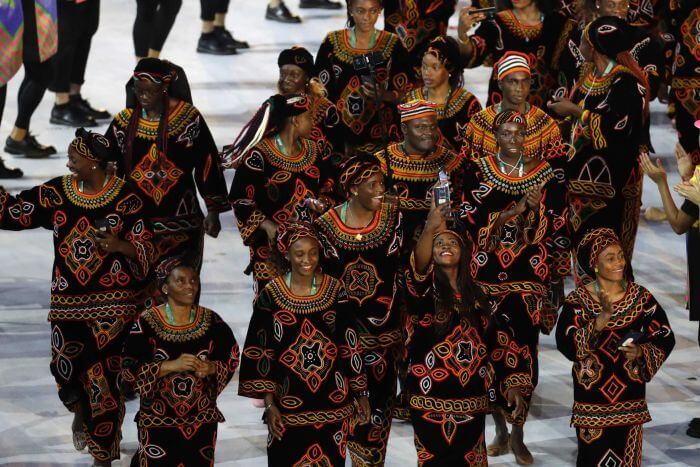
The Olympics this year had us glued to our seats, rooting for our countries and supporting our favorites for gold. You can’t deny the emotions and sheer excitement that came about this Olympic season. They had us distracted from our everyday hustle! If you’ve been following, you’ll know that there are some awe-inspiring stuff we can pick up from the recently ended Olympics. Do you! From Ibtihaj Muhmmed winning a medal in a hijab, to China’s Fu Yuanhui being candid about her menstrual cycle, it’s pretty clear that women aren’t really conforming to a set standard of doing things. Sometimes we get caught trying to fit in to a mold about what we can do or say. Women in #Rio2016 proved and shattering so many stereotypes and boundaries. They unified even in competition and showed strong bonds of sisterhood. So forget trying to be like someone else, own your hustle in your own way and people will definitely notice. You are never too old or too young to kick butt! What was really amazing to me was seeing that age is no limit to passion, determination and just being on fleek. Uzbekistani gymnast Oksana Chusovitina, is 41 years old and wowed us with her gutsy performances. Meanwhile, Simone Biles the 19 year old gymnast, was snatching edges and gold medals dominating the Olympics and winning hearts. Both women show that you have absolutely no reason put a limit to achieving your goals. Sometimes we get caught up looking at the impossibilities, but when you start looking past them and pushing for your goals, you unlock your ability to start slaying. Be different Seriously, you don’t have to fit in. If the Egypt vs Germany beach volleyball game taught me one thing, it’s that you don’t have to do the same thing the same way. Cookie cutter solutions in business or your career will not always work for you. You have to find something that is unique and that will ultimately help you grow your craft and dominate the grind. Shaunae Miller’s controversial dive for the 400 meter race shows that you won’t always win the usual way. Having out of the box ideas to accomplish your goals and targets is necessary to get you that gold. There might be times that it will be risky and you do have to look at the cost, but the payoff might also worth it. So, start thinking about those opportunities that might set you apart, look beyond the difficulties, and be your awesome self while at it!
Who you’ll meet at SheHive London – Charles Sekwalor

Charles Sekwalor is the founder of Movemeback, a members-only community that connects professionals with career and business opportunities in Africa. He’ll also be speaking at SheHive London this year. We spoke to Charles about moving back —what to expect, what to pack and how to deal with (reverse) culture shock. What do you think is driving the increase in diaspora moving back to Africa? I think that there are 4 factors here but it is a trend that has developed over time. Opportunity: In the last couple of years there has been a narrative about Africa rising. This is essentially a period of opportunity where people have become increasingly optimistic about Africa and the role its starting to play economically in the world. Challenges: There’s been a slowdown in the global economy and so we’ve seen multinationals making more and more of a play for Africa, the local expansion of markets, increasing press coverage and universities focusing on recruitment from Africa. Cultural changes: This new generation or millennials think slightly differently as to how they go about their careers. They are thinking 2-3 years at a time as opposed to long term careers like the generation before them. These people are far more open to try new things and experience work in different regions. Macro factor: Globalisation is also a big factor as we no longer live in countries with borders. Markets have become more accessible and so people have become more open to moving to other African countries different from their home country. What are the Top 5 things you need to pack with you when you’re moving back to Africa? Your personal escape – whether its music, a good book, hobby Your address book (or MMB login) – everything you do on the continent will most likely rely on the connections you have or will make in the future. Foreign currency – for emergencies Mobile phone – the minute you land, everything will be done with your phone. Make sure you already have plans to get a local sim. Guilty pleasures – luxuries that are difficult to come by in Africa such as special sweets or food. Big company vs startup? What is your opinion on the type of company to join when moving back to Africa? There’s no right answer here and there doesn’t have to be a single answer. It’s very much a personal decision and journey that everyone needs to go on depending on what they’re looking for. It can also be a transition from big company to your own startup. There are 5 questions everyone should ask themselves: What is this company aiming to do? What is my role and my ability to influence change in the broader sense? How does the cultural fit of the organization align with me? How much support and structure am I looking for at this stage? If you’re already moving back and it’s a new experience a start up environment can provide a little too much ambiguity and lack of structure. Then again, it depends on the individual What are my financial needs? How much financial stability do I need going forward? In theory, a corporate job should be offering a little more financial stability. What can people expect from their benefits package when they move to Africa? This varies massively by region, sector and level but there are 5 things to consider: Experience many people will take an absolute pay cut to maintain their quality of life. You should expect something that is locally competitive but will not seem so when compared internationally to cities like London and New York. This is for obvious reasons such as the cost of living being higher there. Expect to be paid in local currency and at the very least in the mid-term. Expect employers to be open to negotiating a small amount for your initial transition/move – e.g. initial plane ticket Finally, there is an opportunity for some potential perks such as housing allowance, drivers and health insurance packages. It’s also important to find out upfront if there are decent compensation options available however no one should expect significant increases in salary. What is a good way to face the cultural shock? The clue is in the name, ultimately it’s a shock – like a pothole in the road you can’t magic it away… Your objective is to dampen that sock in any shape or form. In engineering we do that through increasing the time over which a force acts -the shock absorber! Here are 5 points to keep in mind: Don’t have extreme expectations – be level headed… and expect ups and downs as the norm. Build your own support network before you go with people who have similar backgrounds and aspirations. Use resources such as MoveMeBack to find opportunities that are well suited to you and learn from the realistic experiences of others. Maximise for stability, sustainability and happiness first – you can almost always find something for you if you prepare – this will see you through toughest of days Be very clear on your ‘why’ – you need to know what it’s all in aid of and what your end goal is. This is necessary to keep you going when things are wavering. Come to SheHive London to hear Charles speak about moving back and answer all your questions! Buy your pass here now.
Who you’ll meet at SheHive London – Melba Mwanje
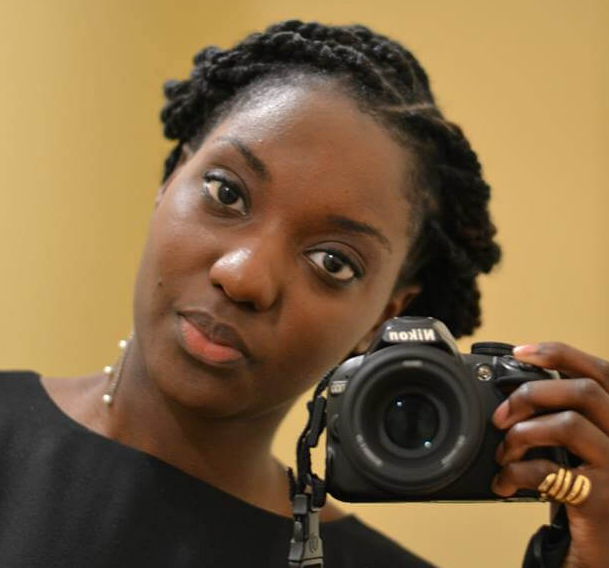
Believe it or not, SheHive London starts tomorrow! Melba Mwanje, Executive Finance Director for the Luanda International School in Angola and co-founder of SE1 United youth charity spoke to the SLA team about what she’s looking forward to at SheHive. Thanks for speaking with us. Can you please introduce yourself, tell us who you are and what you do? Hello, my name is Melba Mwanje. I am employed as the Executive Finance Director for Luanda International School in Angola. We are a leading school with over 700 students, a fantastic IB curriculum, and several multi-million dollar assets and investments. Before and after my work with the school, I volunteer as a life coach, careers advisor, and babysitter. I also provide creative consultancy services to companies around the world. In the United Kingdom, I am a Co-Founder and a Trustee of SE1 United youth charity. Is this where you thought you would end up? I haven’t finished yet… What’s your big idea that you’re looking to achieve in the next 5 years? Currently I have five big projects in development. Themes include poetry, human rights, storytelling, and coding. The idea that I am most excited about is the creation of an international online community of people with questions, answers, and ideas about random topics. Sounds vague for now! Watch this space. What made you want to attend SheHive London? To meet, talk, and laugh with interesting people who are interested in Africa. What skill are you most proud of that you believe can add value to another attendee at the event? Musical thinking. I like to invent unusual and fun solutions to challenges, and I have found that I am very good at it! My creativity tends to have a bias for song and dance, hence “musical thinking”. It is an unconventional approach to life that has brought me success and I hope it can inspire another attendee too. In any case, I am greatly looking forward to learning from and sharing with new friends at SheHive London. I am honoured to be a part of such a valuable network. Meet Melba at SheHive London! Buy your last minute pass here!
Who you’ll meet at SheHive London – Lausanne Kimbidima
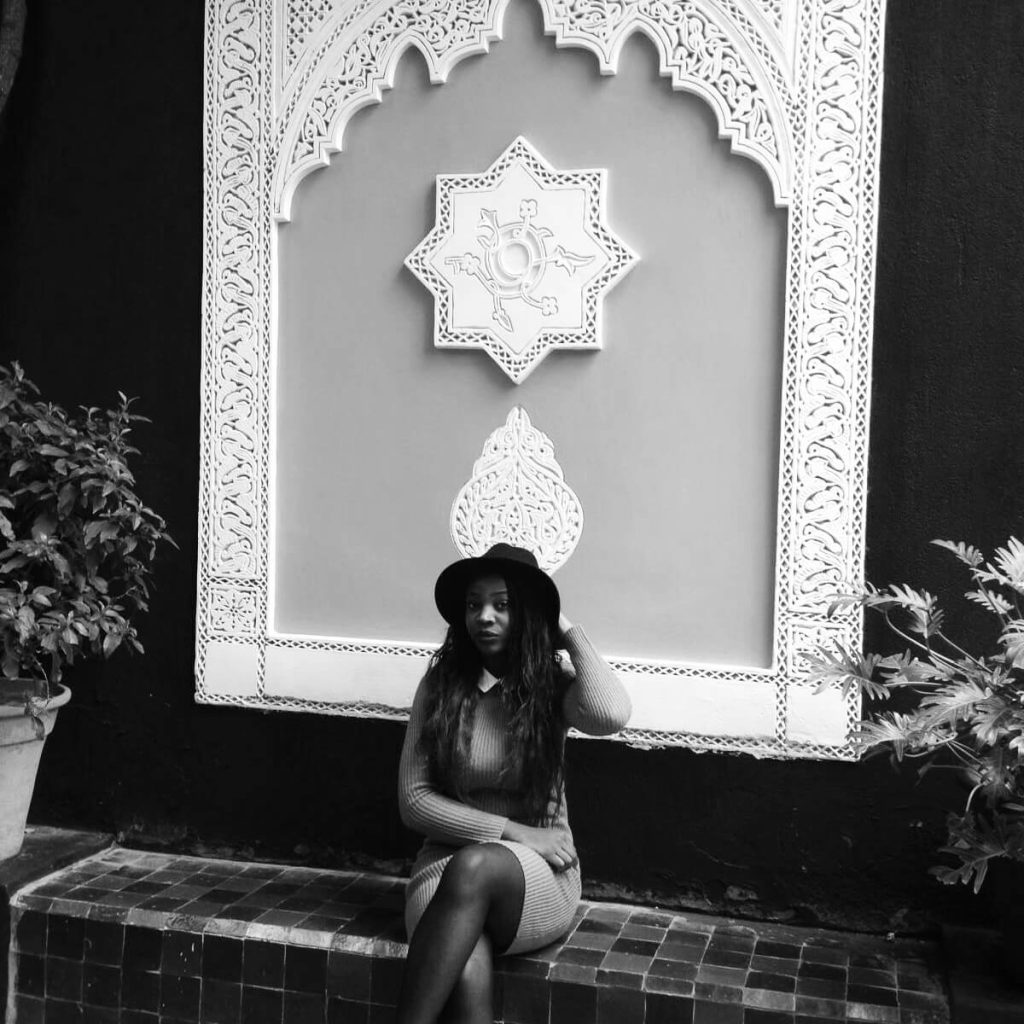
As we continue our countdown to SheHive London, we talked with Lausanne Kimbidima, globe-trotter, all-round travel enthusiast and founder of Good Africa. Lausanne shared a bit about her initiative and why she’ll be attending SheHive London. Thanks for speaking with us. Can you please introduce yourself, tell us who you are and what you do? My name is Lausanne Kimbidima – my family is originally from Brazzaville, Congo, from which my parents moved to Paris in their twenties. I have always loved travel. I first left France at age 8 when my family decided to leave our small town, which was about a 45 minute drive from Paris. We moved to London, where I learnt English within 6 months, and years later, ended up studying for a Communications degree in the West Midlands. Is this where you thought you would end up? Growing up over 300 miles from the majority of my family, led me to travel often. I would train-travel on my own when I was as young as 15 years old. Later I travelled Europe with friends but I became mostly curious about experiencing Africa. Although I was working towards a career in Media & Communication (I had worked on projects for Disney, and British cinema film releases), I pursued my travel ambitions. Prior to my first trip to Senegal, people told me to observe and take notes so I could brainstorm enterprising initiatives to boost the economy. However, when I got there and submerged myself in the diverse city lifestyles, the wealth of culture was undeniable. So upon my return, I launched an Instagram page called @wearegoodafrica, to share this vision of contemporary Africa, and we now have over 3,000 followers. What’s your big idea that you’re looking to achieve in the next 5 years? We are building a curated platform dedicated to African lifestyle which will provide insight into the new travel habits of millennials, as well as the everyday lives of the locals. Good Africa will feature tips, guides and reviews from travellers worldwide. As Good Africa was born due to a lack of resources on authentic 360 African lifestyle —work, and travel included— we are also developing an inclusive programme, where travellers will be invited to a transformative travel experience. Good Africa is an advocate for freedom. We believe every moment you wake up and decide that you want to experience work and lifestyle anywhere else in the world, this should be possible. This is what drives our mission. What professional organisations are you associated with and in what ways? I am a School of Media, Birmingham City University Alumni, and a proud Good Africa ambassador! What made you want to attend SheHive London? Prior to moving into the next phase of Good Africa, I am excited to connect with other individuals in the travel sector and just anyone determined making their mark on the world. Who are you looking to network with and meet at SheHive London? I am 100% open to what this experience will bring – and look forward to insightful conversations with business owners to investors and travel enthusiasts. What skill are you most proud of that you believe can add value to another attendee at the event? I am bilingual! I’m also an eternal optimist. I hope to motivate and inspire other attendees to start their journey, and add value to others. Meet Lausanne at SheHive London! Buy your pass here!
We need to start teaching women about entrepreneurship early
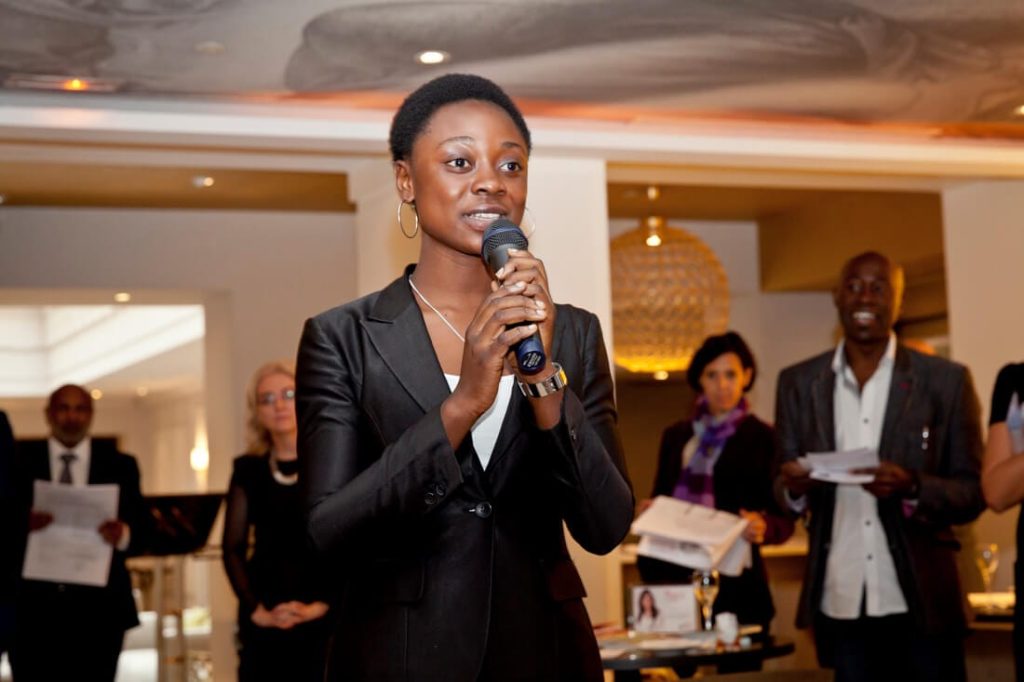
As young girls, we may have thought that that success in the real world means success at a corporate job. Working towards this goal, you start first by making sure you do well in school, entering into a good university, passing at university and ultimately finding a prestigious job in the corporate world. It really is tempting to believe that success in the corporate world is the only success that matters. But when you get get exposed to different kinds of people and career paths, you realise it’s not. Especially when you encounter entrepreneurship, where one can control their own destiny. Then you realise that corporate is not the be all and end all, and there’s far more available to you than climbing the corporate ladder. In my own life, I’ve come to see that there’s a huge misconception about entrepreneurship among women and I’d like to debunk some myths. It’s not as daunting as you think To some women, just the thought of struggling or having to put their lives into something that isn’t guaranteed to last, can be daunting. There is more focus on the negative rather than the possibilities of making entrepreneurship work for you. It’s true that we all fear of the unknown. When you add unforeseen risk to that, staying in your comfort zone seems easier. But staying in comfort zones implies that you’re scared of what starting your own business might bring. Yet there’s always hope. I’ve learn a few things in the past two years. It comes from being exposed to what entrepreneurship is and meeting various people that have found their passion here. Most important to me is, the advantages of being familiar with entrepreneurship from an early age. Start young Girls graduating high school need to know that entrepreneurship is an option when it comes to career paths. Once girls understand what it is, and what they can contribute to this exciting career path, self-doubt will vanish. Here’s how it works. High School No, I’m not saying young girls need to start hustling from high school. I mean that the knowledge needs to be instilled from there. This way when girls head to university, they know have an option to study entrepreneurship further. During school career fairs, the concept of what entrepreneurship is and what it offers should be shared. The onus is also on the high schools to make entrepreneurship knowledge more reachable to students. University and onwards Though Africa has many good universities, we have limited options for entrepreneurship as a degree. I didn’t even know that you could study entrepreneurship formally. I recently found this out when my colleague told me about her daughter studying entrepreneurship in one of the universities in SA. I can’t lie, I was shocked. Most universities don’t offer a degree that isn’t related to a corporate field. Still, it makes sense when you consider that pursuing entrepreneurship doesn’t necessarily mean you are saying goodbye to the corporate world. There are many #MotherlandMoguls who are successfully climbing the corporate ladder, while running their own businesses. In my opinion, if you have the opportunity of doing both, then you should take it. Juggling the work load might be too much, but at the end of the day the results will be fruitful and worth it. Find a community This is not as easy as you may think. It may be hard finding a community of like minds at first but more women are creating organisations that allow women to come together. With these groups, you can freely share interests, passions and ideas. I think such communities should become available for young women from high school onwards. (Imagine entrepreneurship clubs in high school). This helps so young women won’t feel isolated in choosing this path. I’d like to see more communities for young women become a safe haven. This will help us relate to one another and create a trusted and supportive community.
Who you’ll meet at SheHive London – Jessica Laditan
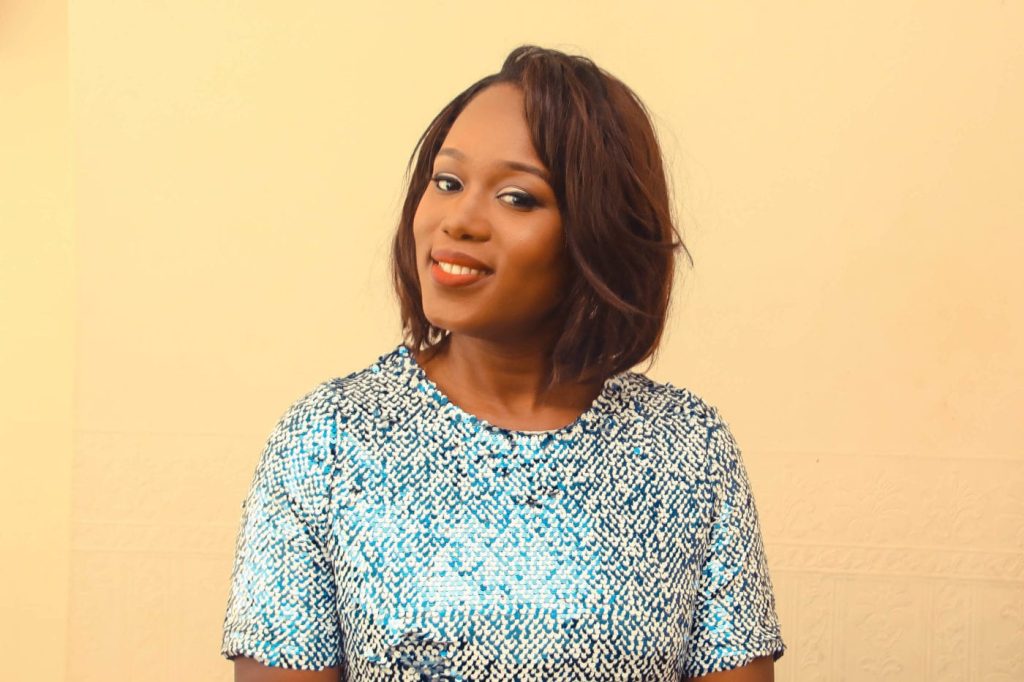
Jessica Laditan is the Founder and CEO of Pop Up Africa, a pop up events company that runs African-inspired events across London. She’ll be one of the many participants at SheHive London (which is now just 8 days away!). SLA intern, Lamin recently talked with Jessica about her work and her expectations for SheHive London. Thanks for speaking with us. Can you please introduce yourself, tell us who you are and what you do? Hey guys, my name is Jessica Laditan. I’m the Founder and CEO of Pop Up Africa. Pop Up Africa is an African inspired pop up events company. We curate and run African-inspired events across iconic spaces in London. The idea is to bring diversity to the space whilst celebrating culture and giving traders who sell African inspired goods a platform to promote their brand to a wider market. Our events vary from trade events, to street food markets, cultural festivals, private functions and networking seminars. I’ve been featured on the Women4Africa ‘100 Gold List’ 2016. Earlier this year I was a Judge in the ‘Next Star in African Food’ Initiative launched by Red Magazine in partnership with publishers Harper Collins. I also regularly share my knowledge and expertise on pop up retail for African brands at events, on radio, online and via print features. Is this where you thought you would end up? Haha no, definitely not where I thought I’d end up. In school I had dreams of becoming an actress until my dad quickly told me to think of a more serious career. I studied Marketing at University and wanted to go into Fashion PR. I dabbled in that for a bit until it quickly became apparent that I wanted to own my own business. Having my first child gave me that push that I needed and a few poor business ideas later I came up with Pop Up Africa and haven’t looked back since. What’s your big idea that you’re looking to achieve in the next 5 years? In the next 5 years, I’m praying that the business will grow to higher levels with an international presence. What professional organisations are you associated with and in what ways? Over the past few years, I have developed and worked in partnership with a few organisations including, Spitalfields Market, The Southbank Centre, Farm Africa, Red Magazine, Google Campus… What made you want to attend SheHive London? I’ve been tracking She Leads Africa and the SheHive events and couldn’t wait for it to come to London! The founders are inspirational and I love events where African women come together to empower each other so I decided that I definitely had to attend SheHiveLondon. Who are you looking to network with and meet at SheHive London? I’m open to networking and meeting anyone at the SheHiveLondon event. I’m looking forward forward to hearing and learning from others. Also to meeting anyone that’s interested in Pop Up Africa and the work that we do. What skill are you most proud of that you believe can add value to another attendee at the event? I’m most proud of my event management skills, my knowledge of the London pop up scene and my skills in helping brands raise their profile. Meet Jessica at SheHive London! Buy your pass here!
6 South African women killing it as we celebrate #WOMENSMONTH
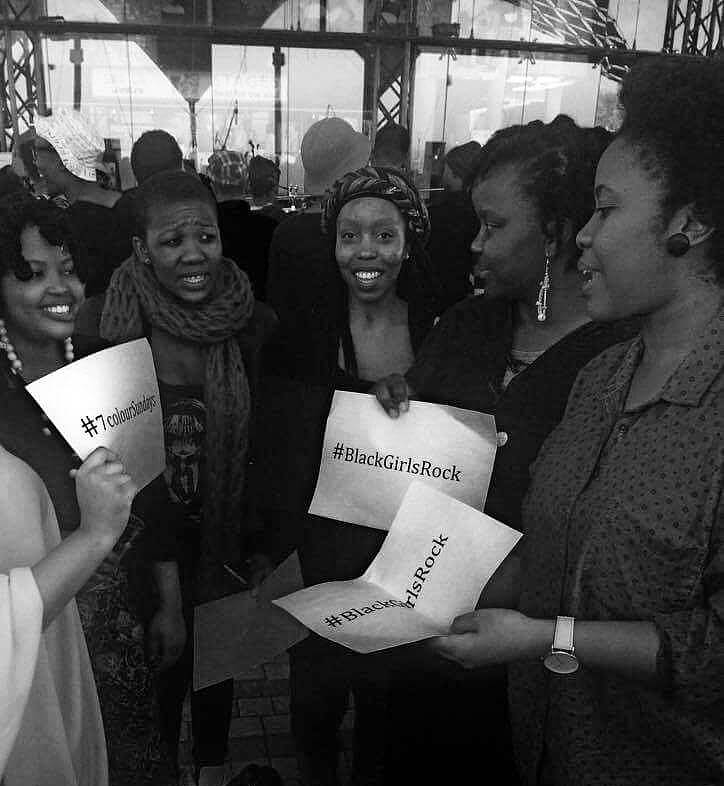
Gwa thinta abafazi, wa thinta imbokodo! This means, “You strike a woman, you strike a rock.” Currently, it’s women’s month in South Africa but I think the party shouldn’t start and end there. The month should celebrate and honour women in our entire continent, This should include women who are powerhouses and moguls, whether in communities and the business world. Let’s talk about some history. On August 9, 1956, thousands of women marched to Pretoria. It was to fight for their rights to freedom of movement without documentation, referred to as passes, along other segregation laws. In commemoration of women’s rights today, questions still remain debated over the role of women in society. This especially concerns women in positions of power. Six decades later, women continue to fight. This time, we fight a different fight. Evidently, we have MotherlandMoguls who carry a dumbbell with one hand and a mine of gold in the other. Today, we want to celebrate not just the woman in South Africa, but in Africa. She is an instinct-driven entrepreneur, who will be featured on Destiny Magazine, Forbes Africa, Forbes Woman and the likes. She is on her way to becoming the leading lady of a nation. She has a vision, creates networks and positively influences other young women. Now, let’s take a look at 6 young women killing it in South Africa: Mpho Khati Mpho Khati of Indlovukazi is a vibrant woman who celebrates herself through modelling. She invented the word ‘thick-thighing’ as a plus size model and is also an Instagram influencer. Mpho’s to watch for. Palesa Kgasane Palesa Kgasane is a young lady in her early twenties, born in cape town and raised in Bloemfontein. Amazingly, she’s the curator at Mzansimoodboard, a writer, and creative director. She also designs her own clothes. Khanya Mzongwana (aka Yulu Ishii) It is said that a woman’s place is in the kitchen and she makes it her business. Khanya, the foodie entrepreneur, is called the queen of pop-up restaurants. She’s the co-owner of Off The Wall pop-up restaurant. She is also a recipe developer and food stylist. Panashe Chigumadzi Panashe Chigumadzi is the author of Sweet Medicine. She’s also the founder and editor of Vanguard Magazine, a black feminist platform for young black women coming of age in post-apartheid South Africa. Also, Panashe is a storyteller interested in the narratives of black and African women. Tumelo Mothotoane As a television and radio broadcaster, Tumelo started locally with a woman’s programme called Sistas on Soweto TV. She moved to being a news anchor at the SABC. Now, she’s gracing the worldwide screens with being an international news anchor and correspondent for Russia today TV. Lumka Msibi Lumka Msibi is a 25-year-old qualified and international award–winning Aeronautical Engineer. She’s a global speaker and Entrepreneur from Soweto in South Africa. Regardless of the system in places that may hold women down, Lumka rises above limits. She creates the most compelling content, business industries, and communities. Commendably, this woman rises above societal pressure that dictates what a woman shouldn’t talk about. Here’s the thing A woman alone is success personified and she matters. She is not a statistic but she creates ground-breaking statistics. The stereotype that women are catty and always fight each other is old and needs to go. As women, we need to constantly remind ourselves that we’re flawless. We need to create circles of support platforms to generate a revolution of power among sisters. Now, Motherland Moguls, be your own kind of woman this month. Your career goals and strategies are valid. Start improving your business, and yourself! Kill it and make your entity your mark.
7 African Women to watch at #Rio2016

The stakes are high this time of the year as Rio2016 kick off. Lots of hopes and dreams are riding on this year’s wins. The national pride of certain countries is at stake at the sporting event as those of us living in African countries stayed up late to watch the opening ceremonies. Btw did you know that the Olympics started in 776 B.C. in Greece where the first Olympian, Coroebus won the single event, a 192-metre foot-race? In 2016, we’re all about the African women doing us proud at the Olympics. Out of this year’s lot, lets’ focus on seven African sportswomen who we’ll be keeping an eye on as the event unfolds. Yolande Mabika This 28-year-old judoka (a person who practices or is an expert in judo) is a refugee from the Democratic Republic of Congo. She’ll be participating in this year’s Olympics under that flag. There’s no shying away from it Yolande has suffered to get to where she is now. She’s slept on the street, and worked as a sweeper and at a textile mill. In 2013, she qualified for the World Judo Championships held in Brazil. She sought asylum in Brazil and started training at the Instituto Reação, a judo school founded by a former Olympic bronze medalist. She is aiming for gold at Rio2016 under the women’s 70kg category. #MotherlandMogul lesson: Nothing should hold you back the way nothing held Yolande back. We’ll be keeping our fingers crossed that she gets the gold she’s aiming for. Vivian Cheruiyot Known as ‘pocket rocket’ due to her short stature, Vivian is a Kenyan long-distance runner who specializes in track and cross country running. She has a massive track record under her belt but her most notable moments include how she lost 17kgs after giving birth. Vivian did this in order to compete in the 2013 International Association of Athletics Federations (IAAF) World Athletics Championships 10,000m gold medal in Beijing, China. She won that by the way. These aren’t Vivian’s first Olympics. She scooped 2nd and 3rd place in the 2012 Olympics for women’s 5000m and 10,000m respectively. She has also crowned Laureus World Sports Award for Sportswoman of the Year 2012. In Rio this year, she is doubling up in the women’s 5000m and 10000m. #MotherlandMogul lesson: There’s always room to do better and improve on your best. Vivian has pushed herself to do better and succeeded. She won and we can learn from her by pushing ourselves to win too. Hortence Vanessa Mballa Atangana Another judoka on the list, Vanessa has been flying the Cameroonian flag high since 2013 when she won the African Championships where she won a bronze medal in the women’s 78kg category. She also scooped third place in the Commonwealth games of 2014. In this year’s Olympics, she is going for gold in the same category. Margret Rumat Rumat Hassan Margret’s story is touching. The 19-year-old will be one of South Sudan’s two athletes to participate in the Olympics. She is from Wau, a South Sudan city, where, as recently as 2015, this world-class athlete didn’t even have access to a gym. Against all odds, she trained her way to the 2014 Youth Olympics in Nanjing, China. There she competed in the Women’s 400m as an Independent Olympic Athlete. This was even before South Sudan was recognized. She is aiming to be first or second at Rio2016 in the women’s 200m. #MotherlandMogul lesson: Margret forged a path where there was none before. Some people spend their lives training to be athletes in world-class gyms, Margret didn’t have access to that last year. And still, she stands. Blessing Okagbare Blessing also holds many feathers in her cap. This Nigerian track and field athlete specializes in long jumping and short sprints is an Olympic and World Championships medalist in the long jump. Blessing is also a world medalist in the 200 metres. She holds the Women’s 100 metres Commonwealth Games record for the fastest time at 10.85 seconds. Her 100m best of 10.79 made her the African record holder for the event until it was eclipsed by Murielle Ahoure in 2016. She was the African 100m and long jump champion in 2010. She has also won medals at the All-Africa Games, IAAF Continental Cup and World Relays. As a sign of her prowess, she is poised to take part in four events during Rio2016: women’s long jump, women’s 100m, women’s 200m and women’s 4x100m relay. Genzebe Dibaba This Ethiopian middle- and long-distance runner is destined for great things. Genzebe is the sister of three-time Olympic champion Tirunesh Dibaba and Olympic silver medalist Ejegayehu Dibaba, and the cousin of former Olympic champion Derartu Tulu. Her veins are literally flow with the blood of a winner. However, that’s not to say her own efforts are for nothing. Genzebe was the 2012 World Indoor Champion for the 1500m, and is the reigning 2014 World Indoor Champion and World Indoor Record Holder in the 3000m. She represented Ethiopia at the 2012 Summer Olympics and has twice competed at the World Championships in Athletics (2009 and 2011). Genzebe was named Laureus Sportswoman of the Year for the 2014 year and was 2015 IAAF World Athlete of the Year. She is the current world record holder for the 1500m (both indoor and outdoor), the indoor 3000m, the indoor 5000m, the indoor mile, and the indoor two miles. She is looking to win the women’s 1500 m track and field event at Rio2016. #MotherlandMogul lesson: We know we mentioned this before but…look at Genzebe’s family! The Dibaba family, aka the “world’s fastest family” are goals for how healthy families can reach their peaks and excel. They challenge us to ask, how can we work with our families to ensure that everyone stays winning? Caster Semenya A middle-distance runner, South African Caster Semenya’s track record is bright. It all started in the 2008 World Junior Championships, where she won the gold in the 800m at the 2008 Commonwealth Youth Games. In
5 Zambian women doing amazing work that Linton couldn’t be bothered to
Unless you have made a vow to stay off of social media and the news, you’ve surely come across of the hashtag #LintonLies. #LintonLies trended for a few days last month after actress and producer Louise Linton wrote her “How My Dream Gap Year in Africa Turned Into a Nightmare” piece. It was a recent addition to the White Savior trope and was filled with so much inaccuracies about Zambia that African twitter had to say something. The hashtag #LintonLies was created in response and forced Linton to remove her book from Amazon. While Louise was clawing her way through the jungle and chasing off humongous spiders in her mind, she could have simply picked up her cell phone and asked Zambian women to help her tell the real story. Write it, film it, market it. The reality though is that Zambian women aren’t waiting for their stories to be told for them to be deemed worthy. They have charge and are doing a darn good job of it. Even though more can be done to improve the lives of women in Zambia ( that’s another discussion for another day) those who stand up and make a change should be applauded. Here is a list of Zambian women that are engaging in entrepreneurial bombassery that likes of Linton could learn from. Zambian women aren’t known to simply sit and let things happen, they are the women that are running businesses and changing the entrepreneurial landscape of the country. Samba Yonga Founder of communications powerhouse Kuatenga media, Samba is a media communications specialist whose work has showcased Zambia to the world on various platforms, local and international. Kuatenga’s latest work is The Tikambe Natulande TV show , a youth-led program focusing on issues of sexual and reproductive health and rights (SRHR) in Zambia. The Tikambe Natulande show focuses on educating young Zambians without losing them, showcasing stories they can relate to and answering even the most embarrassing questions. Questions like: “What would you do if your religious leader asked you to sleep with him to solve a problem?” Known for her great style and her deep laugh, Samba is passionate about unearthing authentic Zambian stories. She does not shy away from stories no matter how uncomfortable. Samba also challenges challenging harmful beliefs and narratives respectfully while delving into preserving our languages and cultures. Quite a feat! If you are ever in Lusaka and hear of a cool cultural event, Samba has probably worked tirelessly behind the scenes. Yet she may also just be the lady at the market next to you buying finkubala. Monica Musonda Queen of entrepreneurship bombassery. This woman is revolutionizing the way young Zambians eat (cue the satisfied rumble of the stomachs of university students). She is the founder of Java foods whose main goal is to provide convenient, affordable and nutritious foods made from local products. This successful commercial lawyer set up the food processing company in Zambia in 2012. Since then, Monica has been pretty transparent about what it takes to be an entrepreneur on the Zambian scene. She is also open about leadership issues and often hands out solid advice. Monica and Java foods are all about churning out nutritional foods that tackle the problem of malnutrition in countries like Zambia (by producing a nutritious porridge consisting of sorghum, millet and soya, for example). Java foods engages with small-scale farmers to provide them with grains through a self-sustainable system. Monica encourages young women entrepreneurs to not be afraid of starting their journey. Do you have an idea? Get started, and don’t be afraid to ask for help along the way. MaFashio Sekayi and Tukiya are two stylish entrepreneurs from Zambia, styling and profiling with their blog MaFashio. The sisters are very popular and are good at putting together great outfits, interestingly enough via thrifting. Instead of making style out of reach by only wearing designer things that a young Zambian girl may likely not be able to afford, MaFashio show that thrifting is a great source of pieces waiting to be handpicked. They began with simple street style, but these two have fast become the go to for styling, makeup artistry and photography. They have also being a part of great social initiatives and looked good while doing it. From styling the techie guys at Tech Hub Bongo Hive, to sitting in at Zambia Fashion week, the MaFashio brand is growing. MaFashio showcases great Zambian talent but staying true to the reality of living in Lusaka. Now, Sekayi and Tukiya are not fashion airheads who only live and breath fashion. They are young women who are working on various projects behind the scenes (like finishing uni amongst other things. Congratulations!) Cathy Phiri If you scrambled to get the newest issue of Trendsetters when you were in high school in Zambia, then you probably know who Cathy Phiri is (especially if you also wore that sky blue and navy blue skirt daily to school, you know which one, Roma stand up!). Cathy Phiri has been in the Zambian media game for a long time, starting in 1995 when she and her sisters started up a non-governmental organization in Zambia called Youth Media which led to to the development of the award-winning newspaper (later magazine), Trendsetters. After years in the business, winning awards and working as Media 365 (the company at which she is managing director) Cathy has a new show called HerStory. HerStory helps Zambians look at various issues from different angles. Media 365 is a dynamic creative and communications agency that focuses on communication strategies, audio-visual campaigns, marketing, and research services for social change and development. Cathy has focused on educating the masses on HIV/AIDS but with HerStory she is diversifying. Now she’s diving into discussing the political situation in Zambia, the Blesser/Blessee phenomenon amongst other stories. The premise is that Zambian women can and will weigh in on what is happening in their society fearlessly. Having been a part of popular shows like the