
Best Ayiorwoth: Most communities have remained ignorant of women’s potential
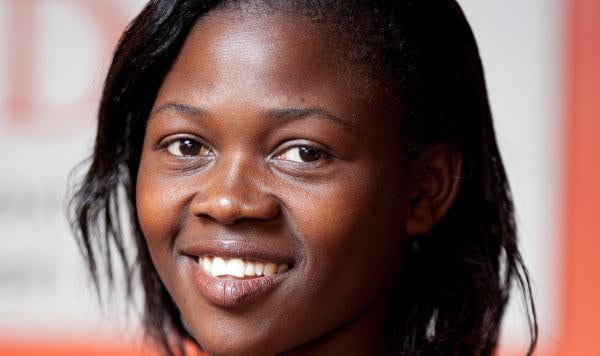
[bctt tweet=”I just focus on my goal and that really encourages me to continue with my work – Best Ayiorwoth” via=”no”] Best Ayiorwoth is the founder of Girls Power Micro-Lending Organisation (GIPOMO), an establishment that supports girl child education in Uganda, by giving microloans to women who make a commitment to grow businesses while keeping their girl children in school. Founded in 2011 when Best was only 19 years old, today GIPOMO has helped put more than 170 girl children in school and counting. We recently did an interview with Best to find out more about her story and the future of her remarkable organisation, GIPOMO. Tell us about yourself and your story that led to the creation of GIPOMO My names are Ayiorwoth Best, I am from the Northern part of Uganda (West Nile) Nebbi District. I come from a family of seven (four sisters and two brothers) but lost both my parents when I was between the ages of 8-13 years. That incident pushed me hard to become a social entrepreneur promoting girl child education by financially empowering mothers of girl children. With the purpose of starting or expanding existing businesses so as to provide a girl child’s educational needs efficiently. Hence I am the founder and CEO of Girl Power Micro-Lending Organization (GIPOMO). After the death of my dad, my mother had all the seven of us going to school. But as a single mother, she wasn’t able to pay for all of us and provide all the necessary needs for us at the same time. Unfortunately, she passed on when I was still in primary school and that decreased my chances of getting a higher education. Even though my elder sisters and brother tried hard to support me in reaching a certain level of education, they could only do so much despite their best efforts. I then joined a vocational institution and did a certificate in catering and started working in a restaurant. With the in-held pain I had about my education, I used my first salary to start up the above organization. Why do you value education and what does it mean to you? I value girl-child education especially because most communities have remained ignorant of women’s potential and women are often not given a chance to prove their capabilities. Granting girls a chance to receive adequate education gives them an opportunity to realize their potential to develop the country or transform the world. If a girl is taken to school, she will also take her daughter to school and together they will be able to contribute to the transformation of the nation. This way, the world will end up knowing the great potential in a woman. Have you been able to replicate the GIPOMO model in other regions? I would have really loved to do that but unfortunately that requires additional finance and currently, GIPOMO doesn’t receive any external funding. We haven’t been able to replicate it in other regions yet, but it is in our five-year plan. In the meantime, I have tried to sell this idea to people in other regions hoping they can implement it for broader results. What challenges have you faced as a young female social entrepreneur? Well, at first people in my community didn’t take me seriously, they looked down at me because of my age, young as I was. I’ve also struggled to secure funding for the organization being a sole founder with very limited funds. My determination and sincerity strengthened me during those difficult times otherwise I would’ve tumbled under the pressure of having to work doubly hard, taking a stand to convince men, local government and others about my ability as a young woman to start an organization like GIPOMO. [bctt tweet=”At first people in my community didn’t take me seriously because of my age” username=”SheLeadsAfrica”] What gives you strength to do the work that you do every day? I just focus on my goal and that really encourages me to continue with my work even when things aren’t going so well. What do you enjoy most about your work? Conversing with my clients (community) and having sessions with the girls where we discuss their challenges and achievements among other issues. Tell us about the Girl on Skills program and how it’s going so far. The Girl on Skills program is an additional project specifically rendered for the girl-child drop outs. We came to learn that we have many girls who would have loved to study but because of certain conditions are not in school. We register those girls, take them to vocational training schools and pay their full tuition. Their parents get to pay us back by installments with zero interest. This can enable a girl to be self-reliant or even take herself back to school with the money she is earning if she is still willing. This program is really going well, however, we do not have enough funds for it so we are just limited to a small number of girls every year. Right now, that number is 10 per year. What are your future plans for GIPOMO? We are planning to open up a vocational training institute so as to support the girls on skills program. Also, we plan to open a Sacco so that we can lend funds to parents who need to urgently clear their child’s school fees and this would then be paid back at a later. We have learnt that it is difficult sometimes for mothers to get immediate cash from their businesses to pay for their child’s schools fees, so this is a way to make that available to them in times of need. What do you enjoy doing in your spare time to unwind? Write story books. Sit and share with friends I love swimming Singing and playing Keyboard Wow, what a touching story. You are a remarkably strong woman Best. And we’re truly honoured here to be able to share your story with
Bwalya Maketo: You have the innate ability to actualize all that you can envision for yourself
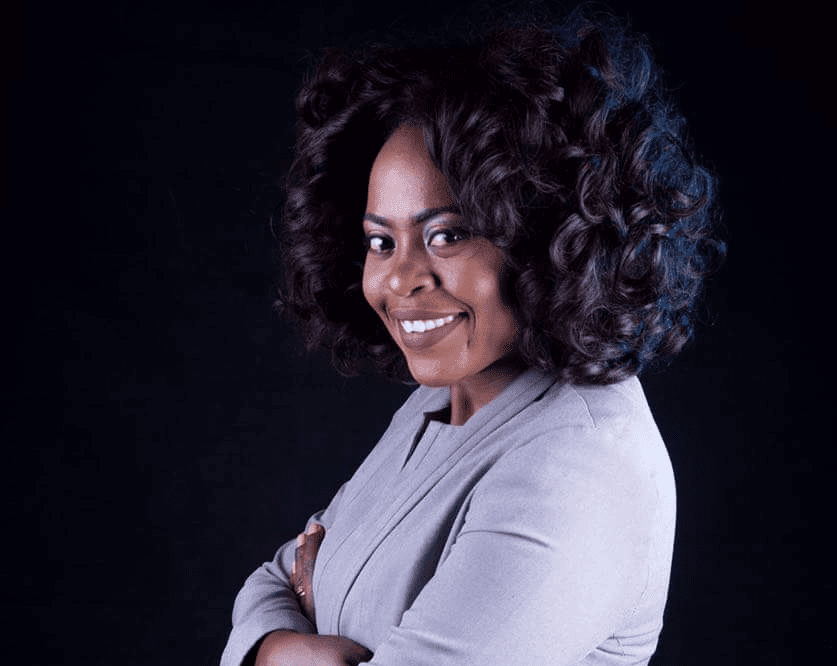
[bctt tweet=”As a woman, you are capable of achieving all your dreams no matter the hurdles ” username=”SheLeadsAfrica”] An English teacher based in Lusaka, Zambia, Bwalya Maketo is also the founder of the NGO, Zambian Women With Skills. ZWWS has a primary focus on equipping Zambian women with the necessary tools and resources needed to identify and harness practical skills and talents, thereby effectively translating them into sustainable streams of income. Bwalya holds a Bachelor’s Degree in Arts with Education from the University of Zambia and is passionate about women empowerment and entrepreneurship at various levels. She hopes that her efforts can contribute to mitigating the effects of rising unemployment in Zambia. SLA contributing writer Uloma Ogba caught up with Bwalya to learn more about her NGO and her plans for the future. In August 2016, you launched your NGO Zambian Women With Skills. Can you share with the readers what your organization’s mission is all about? When I initially set out to form this organisation, the underlying reason was the urgent need for the creation of a platform where local Zambian women could access the relevant resources needed to hone their God-given talents and practical skills. Through ZWWS, some of the skills women have chosen to harness include: baking, hairdressing, basket weaving, knitting, beading, public speaking, cosmetology, home management, home and event décor, flower arrangements, etc., which they can then use as vehicles of wealth creation. We currently have 30 officially registered affiliate members, of which 9 are serving as board members and two as provincial coordinators for Lusaka and Copperbelt province respectively. Our main service is the provision of skills identification and training to 3 kinds of women: (i) The educated/semi-educated woman who has a skill and is in formal employment but with no job fulfillment and would like a smooth transition into the business world by capitalising on her skill. She may also seek to create a balance between her formal job and a skills-based business on the side. (ii)The uneducated/semi-educated woman that has a tangible skill but no proper knowledge (technical or other) of how to translate that skill into a sustainable stream of income. (iii)The educated/ uneducated woman that has no idea what skill she has or which skill to harness. I like the idea of a subscription-based organization. In this day and age, it’s sometimes difficult to convince people to realize the benefit of and pay for services they may feel they should be able to access for free. How have you been able to hack this process and build a reliable membership base? At ZWWS, my role has been to make them understand this entire concept; it’s not so much about me, but about how each individual woman that seeks to join the organisation can capitalise on what we are proposing. The idea has been to make each woman see the platform as a stepping stone to actualising her own individual dreams and goals. We have two particular programs running which are specifically designed to benefit registered members. The first one is an in-house Legal Aid Clinic which gives members access to free legal advice except for court representation from our in-house lawyers as well as those that come through as volunteers. The second program is the Continuous Skills Development Program, which is specifically designed for affiliate members to stay abreast of changing trends in business (etiquette, advertising, customer care, personal/ business branding etc.). It also provides free knowledge intended for their benefit. The second program is the Continuous Skills Development Program, which is specifically designed for affiliate members to stay abreast of changing trends in business (etiquette, advertising, customer care, personal/ business branding etc.). It also provides free knowledge intended for their benefit. Basically, the idea has been to provide a range of enticing benefits that the women can only access by becoming registered members of ZWWS and so far that has worked in our favour. Can you tell us a bit more about the specific programs that Zambian Women With Skills offers and what level of impact you have achieved with these programs so far? In total, we have 8 active Programs running for the year 2017, namely: The Learn a Skill Program, The Learners Hub Program, The Mentorship Placement Program, Continuous Skills Development Program, Legal Aid Clinic, The Red Flame Initiative, The Fundraising Program as well as our Community Works Program. One of our most popular programs is, of course, the Learn a Skill Program. This program was specifically designed to offer a 3-4 weeks course on learning a specific skill which is designed to lean more on the practical aspect of the skill in question. The course also includes some theoretic components of the following: basic financial literacy, marketing, social media/general business branding, compliance, sources of capital etc. The practical information is usually concentrated within the last week of the training after the theoretic part of the course has been tackled. The overall objective is to accord an opportunity for learning to the vulnerable/poor woman who cannot afford to pay for a fully structured course. Facilitators are volunteers and “friends of the organisation” who work on a pro bono basis. So far we have had 20 women in Lusaka, that have successfully gone through this training with specific focus on cosmetology. You mentioned a mentorship program. Now, I personally think that mentorship should be a core part of every young woman’s life. There is so much we can gain from being mentors and from being mentored. Could you share with us how your mentorship program is organized, what types of issues you address and what the reception has been like among the target audience? Ok, so we have two mentorship programs that we are currently running. One is called the Mentorship Placement Program which has been designed in such a way that affiliate members, can access either short or long term mentorship to help them harness their specific skills. Our second mentorship program is our recently launched Red Flame
Leila Mohamed: Nurturing Africa’s brilliant young female leaders and living authentically
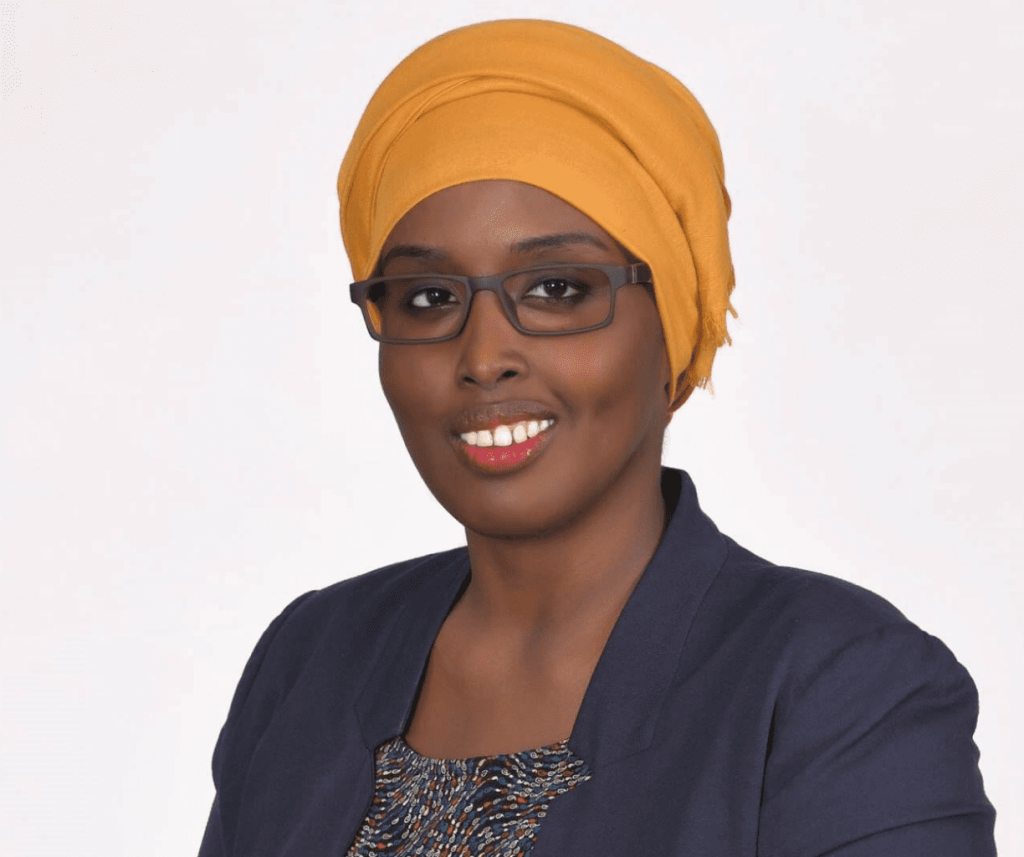
[bctt tweet=”I am unafraid of mistakes, I gauge my growth by how fast I make mistakes in a given week” username=”SheLeadsAfrica”] Leila Mohamed is a wordsmith, a loving soul and a force to reckon with in education, health care, and organizational leadership. She heads admissions and strategic partnerships for the Zawadi Africa Educational Fund; an organization that has sent brilliant African women to universities in the United States, across Africa and Europe for the past 15 years. Leila has interacted with ambassadors, and rubbed shoulders with top business and humanitarian leaders including the serial entrepreneur Dr. Chris Kirubi, Eva Muraya (CEO Brand Strategy and Design Group), Connie Nielsen (Actress and Co-Founder of The Human Needs Project), Diana Ofwona (UN Women Regional Director for West and Central Africa), just to name a few, in a bid to create networks to help Zawadi Africa in its commitment to its scholars. She graduated from St. Lawrence University and has a Master’s in Public Health Management from the University of Southern Maine in the United States. SLA contributor Kerubo Wall, also a Zawadi alumna, has known Leila for the past five years. She caught up with Leila to highlight the crucial work she does. Who is Leila Mohamed? I was born and raised in Mombasa, Kenya and I am the second born in a family of seven children. I enjoy running, creating value at work and for people I care about. Most importantly, I enjoy being authentic and braver every day. I spent a significant part of my life in the US for my Bachelor’s and Master’s degrees through the Zawadi Africa Educational Fund – an organization that secures full scholarships for African high school graduates with leadership potential and coaches them throughout their academic and professional journeys. What gets me out of bed every day is the allure of progress. Not only for personal and professional development but also for my immediate family, my Zawadi Africa family and the opportunity to be impacted by the powerful stories of the young girls we work with in our offices and in the high schools we visit. You head alumnae relations for Zawadi Africa, what are the greatest aspects of this job? What are your fondest experiences? Alumnae relations is a significant part of what I do at Zawadi Africa. We have an all women team running the program and my colleagues are passionate about women’s empowerment. I love to win, so it is exciting to work with other diligent women to create opportunities for our scholars. Shoutout to my colleagues, Eva Ntalami, Lilian Kwamboka, Hajara Musah and Rose Nyaondo. As a Zawadi Africa alumna, I feel a special connection to this transformational program as it directly impacted my life for the better. As the alumni relations lead, I support a team of Zawadi Scholars to organize our annual US leadership conferences. I enjoy this role because it involves paying attention to the needs of our scholars and finding ways to amalgamate those needs into a theme and list of speakers who would speak to their current needs. [bctt tweet=”As a Zawadi Africa alumna, I feel a special connection to this program as it impacted my life for the better” via=”no”] At our leadership conferences, our scholars are inspired to discover and use their strengths and passions to invest economically, socially and academically in Africa. The opportunity to spend time interacting with, and asking questions of key leaders in various industries is often life-changing for these young women, many of whom are the first to attend college in their families. Our past speakers have included Mr. John Pepper (Retired CEO of Procter and Gamble), Atsango Chesoni (Executive Director of the Kenya Human Rights Commission), PLO Lumumba (Former Kenya Anti-Corruption Commission Director), Patricia Ithau (Regional Director Stanford Seed – Stanford Graduate School of Business, Kenya), Suzan Kereere (Head of Global Merchant Client Group – Visa), and Peter Nduati (CEO – Resolution Health), just to name a few. This year, Zawadi Africa celebrates 15 years of giving the gift of higher education to more than 350 incredible young female leaders across Africa and mentoring over 20,000 high school girls. To celebrate this landmark, Zawadi Africa is stepping up its fundraising to reach higher heights and I would like to take this opportunity to highlight our GoFundMe page as a convenient means that friends can support us through. Please do consider helping our noble cause of creating a pipeline of Africa’s next generation of women leaders. To the people who have supported us, we thank you. You post a lot on your social media about authentic living. Could you speak to that? Most of what I talk about in my social media can be summarized by a quote by Oriah Mountain Dreamer, “… It doesn’t interest me where or what or with whom you have studied. I want to know what sustains you, from the inside, when all else falls away. I want to know if you can be alone with yourself and if you truly like the company you keep in the empty moments.” I am passionate about growth beyond the realities of our destruction -particularly the excellence an individual brings to their area of work and/or relationships. The Philosophy of Living intrigues me -how do we thrive despite life’s successes and turmoil. The separation of one’s worth from one’s gains or losses. Maintaining one’s sanctity of humanity and joy despite what it is you acquire or lose externally. Tough times shape us into stronger beings, and more importantly, the constant reflection and being connected to one’s own humanity helps us understand the ultra-complexity of people. The beginning and end of living an authentic life is not only practicing being true to oneself, which is a moment to moment agenda, but also being humble and being open to feedback. This is what I reflect mostly about on social media with my family and friends. The things I analyze are simple, from random conversations with family members, a
Pempho Chinkondenji: Do not let what you do not have stop you from pursing your dreams
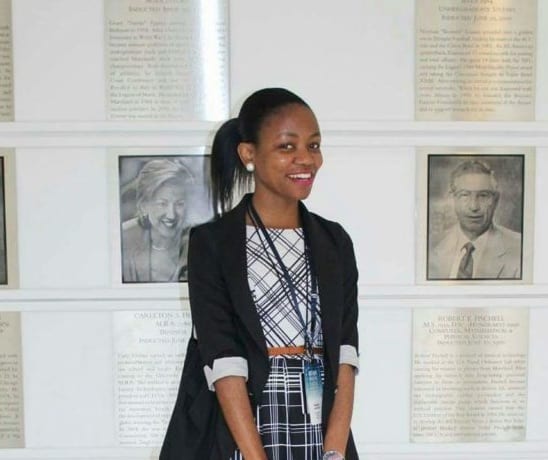
[bctt tweet=”Pempho Chinkondenji co-founded Loving Arms Malawi to create a safe space for girls/women” via=”no”] Co-founder of the Christian nonprofit Loving Arms Malawi, Pempho Chinkondenji is a bright and inspiring #MotherlandMogul committed to public service and to championing women’s rights. She is currently pursuing a Master of Arts in Cross-cultural and International education at Bowling Green State University. An avid volunteer, in May 2016, Pempho became a member of a non-profit organization known as the Pan-Pacific and South-East Women’s Association (PPSEAWA-USA). At the end of 2016, PPSEAWA USA appointed Pempho to be their youth delegate to the United Nations. SLA contributor Uloma Ogba caught up with Pempho to learn what ignited her passion for volunteering and social entrepreneurship. When most people finish university, their first thought is usually how to land that high-paying job, but you chose to start an NGO instead. Could you tell us what inspired you to do so and what your NGO is all about? I actually co-founded Loving Arms Malawi in July 2014, a year after I graduated from undergrad. I have two friends, Livinia and Sungani, who share the same passion and desire to reach out to girls in our communities. Together, we co-founded Loving Arms Malawi. As a first-generation college graduate, when I got to college I learned the importance of having educated female role models who I did not have when I was younger. Also, my friends and I grew up in communities where discussions about abuse were considered taboo. Yet a lot of girls were going through the experience and suffering in silence. After college, my friends and I started talking about the issue of girls lacking role models, and the need to deal with the problem. We also talked about the sexual and physical abuse happening in our communities right under our noses. In our country, the problem is not regarded as a health issue, hence the lack of counselling facilities to help the affected girls. After a lot of discussions, we decided to start Loving Arms, as a haven that provides free counselling, educational support, and spiritual mentoring to young people, especially girls that have been abused. We do outreach programs to boarding schools, communities, and churches to support adolescents who have been through these experiences, or just need support. We identify educated role models to speak to the young people and work with survivors of abuse to share their stories with the young people. How active are you currently in the leadership of Loving Arms Malawi? What lessons would you say you have learnt from running an NGO that you have been able to apply to other areas of your life? I currently serve as a Co-founder for Loving Arms and also as the Program Director for the educational support project. There are a lot of things that I have learned through my experiences at Loving Arms. I have learned how to be optimistic, how to build a good rapport with others, and how to develop a “go-getter” attitude. During our first outreach program, we were going to a boarding school that had over 800 girls and we were bringing them some cake for dessert. Since in boarding school, the food is not as great, and you do not get cake, we thought of giving them a treat. We had about 40 volunteers, and our church community was very supportive of in this program. But this was the first time I was going to present at such a big event with this audience. I was nervous. Not only about my speech, but was wondering if what we shared with the girls would make a difference in their lives. Also, I was worried about whether I would be able to connect with the girls and get them to open up about issues that they normally would remain silent about. To my surprise, the event was a great success. I could talk openly with the girls, and it was amazing to see how they responded and wanted to engage with us! You are now completing a Master of Arts in Cross-cultural and International education in the US. What led you to choose this major and how do you see it contributing to your future career goals? My interest in education developed because of my experience with Loving Arms. Since we seek to provide girls educational support and get them to realize the importance of education, I started to develop interest in this area. More specifically, my interests centered on female education and development. I was enrolled into the Master of Arts in Cross-cultural and International education where I learned a lot about educational policies and systems across the world. Because of my professional interests, I developed a self-designed cognate called Education Policy and Development. I have learned a lot about how the issues of gender, education and development interact. My goal is to develop a career in education policy, especially for developing countries in the Sub-Saharan African region. I hope that the skills and expertise that I attain will not only benefit Malawi, but I will be able to contribute to other parts of the world. [bctt tweet=”Pempho Chinkondenji’s goal is to develop a career in education policy for developing countries ” via=”no”] You are now an active member of the non-profit Pan-Pacific and South-East Women’s Association (PPSEAWA-USA). Could you tell us what this organization is all about and what role you play in the organization? I am an active member of PPSEAWA-USA. I currently serve as the Chapter President for our Toledo Chapter, and as one of the Youth Delegates to the United Nations. PPSEAWA is an international organization that strengthens peace by promoting better understanding in the Pacific and South-East Asia. It also promotes cooperation among women in these regions to the improvement of their social, economic, and cultural condition. For example, PPSEAWA-USA provides scholarships to girls in this region to enable them obtain an education. PPSEAWA USA recently appointed you to be their youth delegate to the
Idala Ogufere: I’m determined to enlighten many women
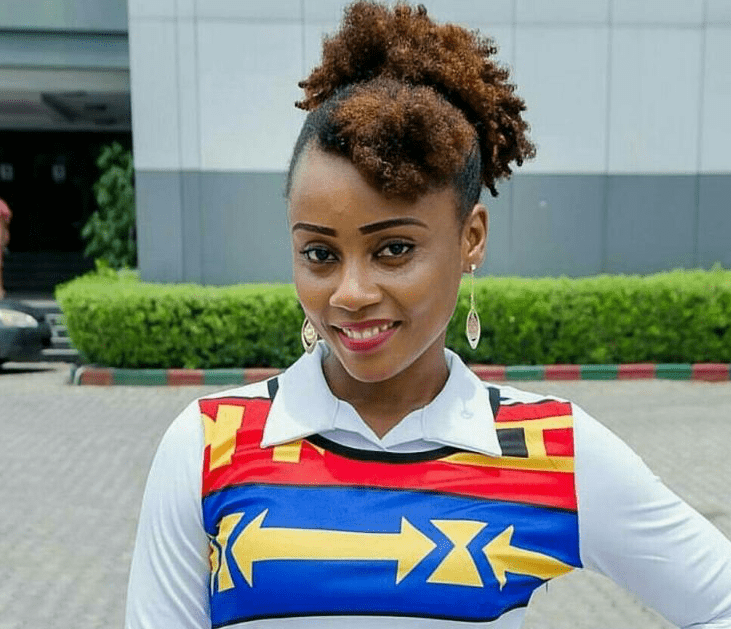
[bctt tweet=”Idala says ‘Don’t work out for the wrong reasons. Do it for your active 90 year old self.’” username=”SheLeadsAfrica”] Idala Ogufere is the go-to fat-burning, body-transforming FlexiMum Coach, she left her career as Chartered Accountant to serve and add value to young mums, grooming them spirit, soul, and body to live and maintain a sustainable healthy lifestyle. This dream was birthed after a near-death experience with eclampsia. Doctors say she’s a walking miracle, but it was for a greater call to help young mums see the importance of healthy living. Idala gives tips on her FlexiMums Facebook Community and Instagram page @IdalaOgufere showing how she shed her 30kg baby fat and stays toned after two boys. Have you always been a fitness enthusiast? Not exactly. Although I used to do lots of yoga stretches with my dad (I didn’t know it was yoga then, I just loved exploring my flexibility), my dad has always been the fitness enthusiast. I started taking fitness seriously after I gave birth to my first son (who’ll be 5 years old in June), but I would just workout and not eat right or I would starve myself, now I know better. When did you start taking fitness seriously? It was after the birth of my second son. His birth was very seamless even though he weighed 3.73kg. I was discharged two days later but when I got home, settling in was tough because I’d developed severe headaches and swollen feet. I thought it was just the normal postpartum stress but the headache became intense. My mum pleaded that I should see the doctor and so I went to the hospital to find that my blood pressure (BP) was outrageous! Here I was with BP reading 180/100, I’ve never had high BP before, so this was strange and ridiculous to me. I was tensed and had to be monitored for a while with ice packs in my head but there was no improvement. Eventually, they had to rush me to the ICU to stabilize my BP and I had seizures during the process. Honestly, how I survived that saga, is still a miracle. God kept me for this purpose, to preach the gospel of healthy living to all young mums I come across. It’s much more than work for me, it’s my ministry! So I take it your experience is why your ‘ministry’ is targeted at young mums? Yes, because obviously as a young mum I know and feel the pain of other mums. This feeling inspired my first business @MyBabyStoreNG which helps young busy moms to shop for their kids. I’ve always been endeared to the challenges young mums face. After my second son and a near-death experience with eclampsia, which was majorly due to my obesity, I felt the calling to enlighten more mums about it. There have been maternal deaths caused by eclampsia although it’s a small percentage, many women and even young ladies need to be aware of this deadly eclampsia. Choosing young mums/ladies was very deliberate as many in this category, haven’t “hung their boots” yet with regards to child-bearing. It’s thus important for them to embrace fitness and good nutrition so that they live healthy lives. [bctt tweet=”I’m impacting more people and that deserves all my time -Idala Ogufere” username=”SheLeadsAfrica”] Now I’m interested in this business, MybabystoreNG. Is it still up and running? Before I answer this let me give a brief story about how I started MyBabyStoreNG. About a year after I had my first son, I had no clue what to do. I loved shopping for my son and I kept putting up pictures of cute baby outfits I saw in the market, people liked it and boom! I saw a business opportunity. MyBabyStoreNG was birthed yet it still didn’t fulfill my desire to help young mums so I decided to help them work on their bodies through Wholly Groomed Academy. These mums that I had sold baby items to wanted to know how l lost so much weight in less than a year. I got more attention as a Fitness Coach and I began to impact them positively. I thought I could handle both businesses together, but it was impressed in my heart to hold off activities in MyBabyStoreNG. This was because it was becoming burdensome for only me to handle both as a sole proprietor. I still have great dreams for MyBabyStoreNG, she’s my first baby, but now Wholly Groomed Academy has taken the lead. I’m impacting more people and that for me is very fulfilling and deserves all my time. My target was busy mums because it was a relief for someone they trusted to help with shopping for their kids. They just gave me a list of what they wanted and I shopped it. More like a Personalised BabyShopper. My dream is to create a Made In Nigeria Showroom where all items are locally sourced and produced here in Nigeria for Nigerians with our cartoon-inspired stories! How easy/difficult was it to actually get MybabystoreNG properly functioning according to its purpose? It was easy when I started at first because I just loved helping mums shop for their kids’ outfits. It became very challenging at a point because I didn’t have enough stock to meet up customer’s demands. I was acting as a middleman and I couldn’t control their stock. As we began to grow, it became increasingly challenging. Then my dream to create my own line of Made In Nigeria Kiddies Line was birthed, it’s still in my dream box. I haven’t given up on it. When the time is right, it’ll manifest. Ok, let’s get back to workouts. Other #MotherlandMoguls might want to know the importance of a fit body, why is it important? I always say, man is a spirit, has a soul and lives in a body. These three elements need to be taken care of effectively to achieve wholeness. Most of us went to school to feed our mind (the soul, seat of our
Molepane Nkopodi: I had a lot to lose but I was not ready to lose it all.
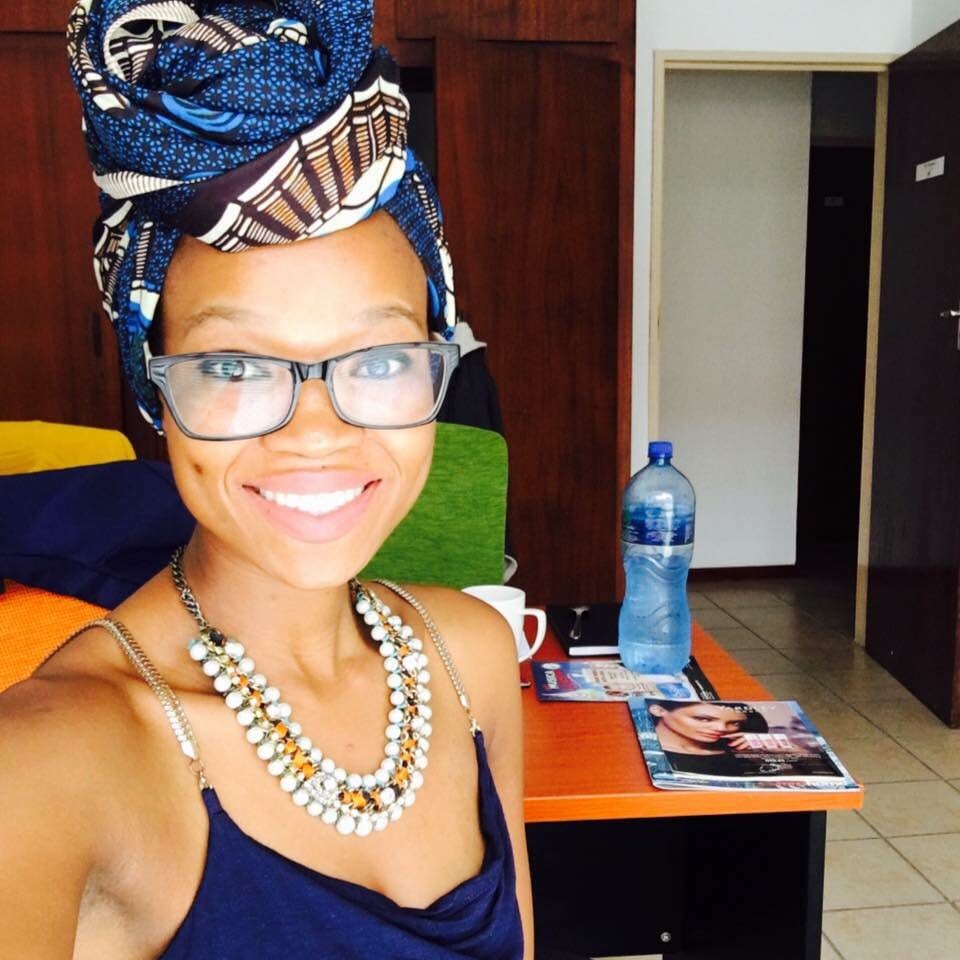
[bctt tweet=” Molepane Nkopodi, proving that young black women can win at being entrepreneurs” username=”SheLeadsAfrica”] Molepane Nkopodi, popularly known as Mo in both professional and social circles, was born in Glen Cowie, a village in Sekhukhune land and raised in various parts of Mpumalanga and Gauteng thus becoming “bundu girl wa le pantsula in surburgatory.” She is a Communications graduate from the University of Johannesburg and after five years of corporate and agency employment, she decided to face her fears and become a social entrepreneur. Mo is the founder and managing director of Darkie Communications, a start-up marketing communications agency that aims to provide tailor-made comprehensive and strategic integrated marketing solutions. She is also an ambassador for rural education and women development through the Kaelo Foundation. She says this about herself- “I have a thing for good food and wine and I’m working on my bank balance to match my wanderlust desires.” In an interview with SLA contributor Jeanette Nkwana, Molepane tells us all about herself, entrepreneurship and Darkie Communications. What does Darkie Communications mean, what desired effect did you mean for the name to have? Darkie Communications is a full house marketing communications boutique offering integrated, strategic comprehensive and tailor-made services to our clientele. The name Darkie came about after a cold call with a current client. I was operating informally with the name “Prodigal Child Concepts”. Upon our first meeting, he frankly said to me that he was “surprised” that I was black. When I asked why he said he “did not know many young darkie (black) women who could give a winning pitch over the phone”. Darkie is a 100% black owned company and we want to inspire the black child that they can dream it, they can work at it and achieve it. Especially considering that I am from a rural area where the majority of the people are poor and marginalized in terms of development. What were some of your biggest fears launching Darkie Communications and how did you overcome them? I resigned from a comfortable middle-management position because my bosses told me it was impossible for me to work for them and myself at the same time. They made me choose between working for them and running my own business, so I chose my business. I had a lot of fears, among these fears were how on earth am I going to launch a business without start-up capital. All I had were a tablet, cellphone, wifi router and lots of pen and paper. And also how was I going to pay my bills, I knew all too well that it would take a while until I sign my first client and my savings would only carry me a short distance… I survived through determination and resilience. I had a lot to lose but I was not ready to lose it all so I worked hard and chased clients for meetings. Also, I had a great support system made up of other entrepreneurs who guided me and connected me to people who would help me launch and operate Darkie Communications. Who do you look up to or follow in the communications industry and what are some of the lessons you’ve learnt from them that you can share? From the top of my head Khanyi Dhlomo of Ndalo Media; for me, she leveled the playground for young, black female entrepreneurs. She took a huge risk and regardless of the odds, she prospered. A young woman whom I see as big league player is Kealeboga Moremba of the Cyril Ramaphosa Foundation; she is young and her go-getter yet humble spirit reminds me of how much we are capable of regardless of where we come from. Like most industries, communications isn’t easy to break into. What are some of the challenges you faced and what strategies did you use to overcome them? This is definitely a “who do you know?” industry. I made it a point to attend every seminar/network session possible. Rejection was one of my biggest challenges but I learnt to not have rejection deter me from the main objective. Especially since I was starting out in Polokwane where the concept of marketing is not a huge priority. Of course, I am human and it’s cute to wallow in my misery but I never wallow for too long. I take my failure as guidance to what I may have done wrong and what I need to amend in order to break through. [bctt tweet=”‘Make sure your prospective clients understand clearly what you want to pitch to them’ -@sassy_mo” via=”no”] Funny thing is, after a few rejections, I came to realize that I was being rejected because the prospective client did not understand what I wanted to talk to them about. So I learnt that in my pitch, I would have to break down a lot of concepts (make them user-friendly because not everyone understands the new age integrated marketing concepts.) What are 3 tips you’d give to entrepreneurs trying to break into the communications industry? Network like your life depends on it- your network does contribute to your net worth Collaborate with other entrepreneurs- the comms industry is huge and you will not be the master of all aspects thereof (PR, Digital Marketing, Copywriting, Publishing, Advertising, BTL, TTL, ATL etc.) Challenge your fears, especially when it comes to putting a price on your services. Often people underestimate the amount of work that goes into marketing communications, they think we only come up for the nice PR photo shoots when it’s actually tough behind the scenes. [bctt tweet=”‘Collaborate with other entrepreneurs- the comms industry is huge & you won’t be the master of all’ -@sassy_mo” via=”no”] If you had to describe your entrepreneurial journey using a movie title, which would it be and why? It’s more of a series called Pitch. Share 3 communication/marketing strategic pointers startups can implement in their businesses. Identify your strengths, or better yet that old boring grade 8 SWOT analysis thing, do
Jackline Aseyo Kidaha: God gave me a beautiful mind to inspire others to dream bigger
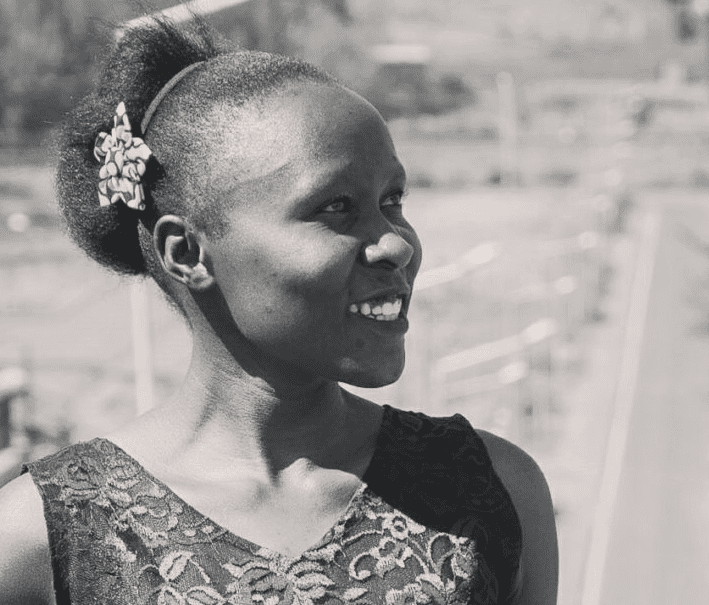
[bctt tweet=”I believe in touching one life at a time – Jackline Aseyo Kidaha” username=”SheLeadsAfrica”] Jackline Aseyo Kidaha is a Kenyan lady who founded Golden Hearts for the Vulnerable (GHV Initiative), a CBO in Kangemi, Nairobi. The 24-year-old is also the Program Coordinator at Edge Disability Mainstreaming Partners (EDMAP AGENCIES), an organisation that convenes disability mainstreaming training and workshops for government ministries and parastatals. As a young social entrepreneur still in her baby steps, Jackie believes in youth power as key actors to development and agents of positive change. Why do you say that youths are the best agents of change? Young people make up the largest population in Africa. The youth are growing up with high energy, creativity, innovativeness, and talents which I believe are key to the attainment of various Sustainable Development Goals. All this needs to be tapped into as it’s not only for individual benefit but also for the betterment of the African continent to bring up social and economic shifts. What are your expectations from this generation? Much sacrifice and aggressiveness in reaching this goal of restoring our mother continent to abundance, wealth, and diversity. The previous generation achieved the political emancipation but I expect the current youth of Africa to achieve the socio-economical emancipation. Thus this generation of young people needs to be more open-minded, proactive in identifying gaps and addressing them. Can you give SLA readers a sense of where GHV Initiative is at the moment and what plans you have for the future? GHV Initiative (Golden Hearts for the Vulnerable) in a glimpse is a registered community-based organization in an informal settlement called Kangemi (Nairobi). It was founded in March 2015 and was officially registered in March 2017. Our main goal being to empower the vulnerable groups in informal settlements with relevant information on life skills, talents and helping realize their rights as enshrined in various legal documents. This is to give them a voice to speak up, be their own decision-makers in life and be actors in development too. So far I can contently say that we are a notch higher compared to when we began as GHV Initiative. We are now equipped to challenge and ready to bridge the gaps identified in our community. More so I can frankly say that as the Founder I now have a more reliable, committed and dedicated team that I work with to ensure that we achieve the overall GHV vision. Our future plan as an initiative is setting up a centre which will compose of unique an art space; crafts making and a talent space to nurture the spirit of dancing. The centre will entail teaching crafting, dancing, communication and entrepreneurial skills to more groups. We are also strategizing on coming up with a charity clothing line/boutique within the centre where well-wishers can to donate. This will have clothes for both boys and girls from ages 5 to 16 to enhance decency and boost their self-esteem which is critical to many of them, especially those in their teenage years who are shy in relation to how they are dressed thus pulling down their self-confidence. [bctt tweet=”Our empowerment program doesn’t give fish but teaches target beneficiaries how to fish themselves ” username=”SheLeadsAfrica”] What programs do you provide and what are some of the setbacks you have faced? We have two programs so far. One is ‘Limited Edition’ which is a continuous life skill program for teenagers. It mainly seeks to equip young minds with knowledge of life, its challenges and how to overcome them by sticking to their principles. The program aims to reduce issues such as early pregnancies and unsafe sexual behaviour leading to school dropout as early as primary level. Being limited editions means that they are not easily swayed by things which will cost them their lives and not realize their dreams. The second one is ‘Nifunze Nijitegemee’ (meaning “teach me so that I can be independent”) which is a continuous empowerment program that seeks to teach practical skills. We believe in not giving the fish but teaching the target beneficiaries how to fish by themselves. This is to enable them to shift their talents and skills gained into profits thereby making them sustainable. Rolling out the programs at the beginning was a great challenge, as with any idea or innovation to be diffused both early adopters and laggards are present. Our target beneficiaries are diverse, have different mindsets, knowledge gap levels, lack of enough resources in terms of funds for facilitation and other logistics. What kind of response are you getting from the vulnerable groups you are empowering? From the activities conducted so far by GHV Initiative, we have received positive and overwhelming feedback. This has stimulated and motivated us to do more despite the challenges. We are constantly receiving calls and messages from the previous schools, children centers and hospital visited encouraging us to do these activities more often. How are you measuring the impact or effectiveness of GHV Initiative in your community? We utilize the theory of change in executing and evaluating our programs’ effectiveness. We have set a number of indicators and respective tools to measure that. For instance, in determining self-esteem among the teenagers we use the Rosenberg Self-Esteem scale which has ten brief questions that an individual is asked to respond to. After each activity conducted we monitor and evaluate the success and gaps to measure the impact of our programs. [bctt tweet=”Jackline Aseyo Kidaha is showing the world that something good can come out of the slum” via=”no”] Besides education, how else are you empowering the people of Kangemi? I personally make DIY things such as cards, hair accessories, bow ties, crocheted mats, scrapbooks and journals all with an African touch or theme. Art is cool. I believe in touching one life at a time thus teaching those around me who are still figuring out the next step in life how to make the above stuff and getting small markets for them too.
Unoma Okorafor: Invest in self-development. I have never met a great leader who is not a reader.
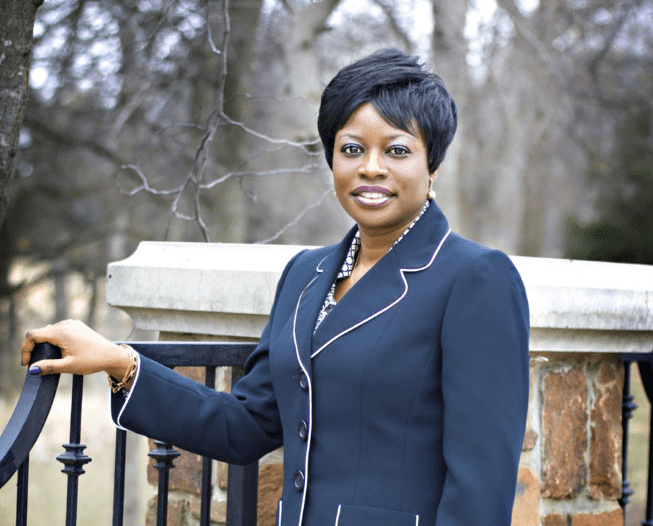
[bctt tweet=”Delete the words from your vocabulary that stop you from daring to take the next step ” username=”unondili”] Dr. Unoma Okorafor is the founder and CEO of Working to Advance STEM Education for African Women (WAAW) Foundation, a nonprofit dedicated to promoting Science, Technology, Engineering and Math (STEM) Education for African women, and working to ensure that talent is engaged in technology and innovation on the African continent. A serial and social entrepreneur, Dr. Okorafor is also founder and CEO of Herbal Papaya, a health and wellness company that manufactures organic health beverages and supplements. She is also co-founder of Radicube Technologies Inc, a Big Data Analytics company. Unoma has been a speaker and thought leader at several events including SXSW, WISE Conference, Women’s Forum and Ashoka Foundation Changemakers. She was a recipient of the 2013 Anita Borg Social Change Agent Award and was the 2016 winner of the GEM Tech Awards from ITU and UN Women. You founded Working to Advance African Women (WAAW) Foundation over a decade ago. What inspired you to take this bold step? Several factors inspired me to found WAAW Foundation in 2007 while I was completing my Ph.D. degree in Computer Engineering at Texas A & M University. At that time, I was the only woman of color in the program and my graduate education experience had been a very lonely one working mostly amongst men. I knew that I wanted to be an engineer and had the ability to be a great one, but I wished there were more women in STEM to support each other. Additionally, I saw the huge impact technology could have in lifting entire communities out of poverty. I could see the rapid technological advances that were in the pipeline. For instance, I saw the advent of Google, PayPal and Amazon and some of my research was around the technologies that powered these huge companies and the impact they had on e-commerce, telecommunications, and the financial industry. The images I saw in the media did not reflect the Africa I grew up in and the Africa I envisioned in the future and I realized at that point that if we could empower African women with education in Science and Technology and teach them to innovate and solve problems in their communities using technology, we could turn around the plight of our entire African continent. It was a huge dream considering that at the time I was still a graduate student with two young children. However, I decided it was better to start and even if we could only impact one girl in Africa it was better than doing nothing. It has been inspiring to see how WAAW Foundation has grown. In the last decade, what are some of the major milestones that WAAW has achieved? What impact would you say that WAAW has had on the way that STEM education is delivered in Nigeria and on the number of girls choosing to study STEM? Like I mentioned WAAW started as a dream while I was a graduate student with no substantial resources to invest and no experience with running a fully-fledged organization. The first year we launched our website, we offered to sponsor one $500 scholarship for an African girl studying a STEM-related discipline at a University in Africa. It was all my husband and I could afford from our meager graduate student stipend. But this experience opened my eyes to the huge need and the relatively small amount of resources and funds needed to bridge this gap. That first year we received over 400 applications. We were overwhelmed and I recruited my mother to assess the applications and select the one we felt was the most deserving. But there were so many who needed a small lift. Application after application, I shed tears as I read about AIDS orphans, child mothers, abandoned girls who were struggling to make it through school, doing well with excellent grades who just needed a little support. I was inspired to keep pushing. To date, WAAW has provided over 30 Scholarships to university girls in STEM, reached over 500 girls through our STEM residential camps, trained over 200 university-to-secondary mentors in 17 university chapters across 10 African countries and we impact almost 20,000 youth each year. In Nigeria, we have continued to engage with the community to push against societal norms that tell girls that a STEM education is not feminine. We have worked with government ministries, secondary school teachers, communities and especially parents of girls to educate them on the huge benefits of STEM education for girls. WAAW is looking to partner with Federal Ministries of Education, Science and Technology to re-invent what STEM education should be and retrain our teachers to incorporate hands on, locally available resources to promote innovation in the classrooms. For all the girls and young women currently on the fence about whether a career in STEM is the right choice for them, what advice would you give to them? First of all, let me say that we are not necessarily promoting the idea that a career in STEM is the right choice for every girl. Our broad message is that we are in the middle of a technological revolution where technology is pervasive in every facet of our lives and will be even more so in the future. Consider the recent research that states that 90% of jobs created in the next 20-30 years will require some sort of skill in STEM. That means that people who have STEM skills will have a huge advantage over those who don’t. Whether they are applying those skills in core technology or in healthcare, finance, agriculture, business, transportation. I think that girls should participate in creating those technologies so we can solve some of the critical issues facing us. [bctt tweet=”We’re in the middle of a technological revolution, people with STEM skills have a huge advantage” via=”no”] WAAW is currently partnering with African Women Engineering Leadership and Entrepreneurship (AWELE) Academy to
Kat and Lezita: Building a brand based on treating yourself
[bctt tweet=”One of THEE most important tools of success is simply staying true to yourself” via=”no”] Diving into the uncharted waters of starting a business is no easy task. But attempting to encourage women to treat themselves to self-love while you do it could be nearly impossible. However, the founders of the Unapologetically Single gift box, Kat and Lezita, managed to do so, and for that we needed to know how. Both founders who have backgrounds in fashion and retail, play a role in carefully selecting the items in the boxes to ensure the products align with their mission to make women feel great about themselves whether they’re single or in relationships. After scrolling through the Unapologetically Single market, it’s clear that Kat and Lezita created these gift boxes for a market that most retailers sleep on, literally. Give us an overview of Unapologeticallysingle.com. Kat: We want it to feel like a lifestyle destination where women can come and talk about love, life, and everything in between. We also have a market where we feature items lovingly curated with single women in mind. What drove you to create UnapologeticallySingle.com? Lezita: It was the end of August in 2016 and I was on the way to buy my 3rd baby shower gift and my 1st bridal shower gift of the year. As I was walking around the store looking at the gift registry, I immediately started to think, “I’m 29 years old and I’m not in a relationship nor am I interested in kids at the moment. What if no one ever celebrates me?” After I left the baby store, I immediately called Kat and we started to brainstorm. Six months later, Unapologetically Single was officially born. Kat: I was tired of being judged and feeling less than just because of a status. We graduated from college, have great jobs, take care of ourselves and people still feel they can knock you down by saying things like: “You still aren’t married yet?” “That’s why you’re single.” “Pretty, successful and single! You must be crazy.” Our site is not meant to bash men or relationships. We want to create a place to celebrate single women of color, and not continue to inundate them with tips on how to not be single or constantly tell them what they are doing wrong. We want to encourage them to live their lives unapologetically single and to enjoy the process. [bctt tweet=”Kat & Lezita push back against the pressure to ‘settle down’ with UnapologeticallySingle” via=”no”] What do you feel are the most successful tools you used to build your brand? Lezita: One of THEE most important tools of success to me is simply staying true to yourself and representing your brand how you want to. It’s so easy to look at what the next company or brand is doing and you may find yourself trying to compete. To me, that’s a losing battle and it’s exhausting. When you stay true to who you are and what you want your brand to be, people will gravitate towards that authenticity. Also, for the obvious reasons, never take rejection or negative opinions personal. A lot of times it’s so easy to feel slighted and hurt when someone doesn’t like your idea or they don’t necessarily want to work with you. I can’t tell you how many times I’ve shared my ideas with someone and their reaction was LACKLUSTER or downright rude to say the least lol. Everyone can’t see your vision and that’s ok. Rejection will never dictate your success AND/OR your worth. Always keep pushing. What resources would you recommend for Black woman who are self-employed? Kat: Honestly, it has been a real learning experience for me. I just try to follow a lot of small business accounts and bloggers who have been where we are and who are not afraid to share their struggles and how they’ve overcome them. One of my current favorite resources is the page Brand, Build and Launch with Arsha Jones. It’s a group with like-minded members that are supportive and freely share any tips that will help you build and grow a brand. It’s a really positive community and I’ve been inspired to keep pushing from the women there. Lezita: NETWORK LOCALLY! It’s so easy to want to reach out to your Instagram and Twitter favorites to network, however, always keep the local organizations in mind too. Go to that alumni meeting that you’d never normally attend or get involved in city events! You’d be surprised the people that can inspire you or even invest in you just by participating in local events. I’m a woman in my mid 20s who would love to create my own business but I have no idea where to start. What’s your best advice towards doing so? Kat: Like Nike says, “Just Do It.” Lezita and I have had so many great ideas but we could never seem to get started. Initially, it can be overwhelming and easier to just sink back into your normal routine or that cushy 9-5, but once you take that initial leap (create a website, buy product, etc.), it’ll be hard to turn around. Lezita: Start out by writing down your goals in pencil (because they will change) and from there set a timeline. There is no right starting point for anyone, but having a timeline will help to keep you on track and in line. Also, be extremely open to change. When Kat and I first started discussing what we thought our business should look like, it was nowhere near where it is today. What is your target audience and what challenges have you faced that are unique to your market? Lezita: Our target audience is women from the ages of 21 and up. The biggest challenge has been defining single. When some people see the words “Unapologetically Single”, they’re automatically off-put because they “got a good man at home” or because they don’t want to identify as being “ the lonely, single girl.” We’re constantly brainstorming ways to get the message across that “ Unapologetically Single” doesn’t
Mphela Yelane: The agriculture sector should be the highest paying employer in the continent
[bctt tweet=”We don’t think just being natural is enough. Products should deliver results – Mphela Yelane” via=”no”] “To me, it shifted from the mindset of being a policy maker to becoming an individual championing the comparative local development concept. Africa trades more in agriculture, the agriculture sector should be the highest paying employer in the continent I thought.” These were the thoughts of a 31-year-old Mphele Yelane while in Italy on a student exchange program that exposed her to the real context of local development. Born and raised in the African Eden (Limpopo province), “in our backyards you find plants for food and healing remedies. It’s natural for me to take advantage of the wealth in our soil. In Tzaneen my hometown, we produce oranges, lemon, nuts, avocadoes, litchis etc. I know in June I get avocado and orange for consumption and also apply as a face mask”. The cosmetic products started as a creative thing to do for Mphele, her sisters and friends started coming for more after trying her products. While doing her Masters it clicked to her that this should be a business, Mphele realised she could empower her neighbours by buying from them and producing organic products for profit. Hence Ezamazwe Skin Solution brand was conceived. Ezamazwe means “of the world” or “from the earth”. Tell me more about Ezamazwe Skin Solution. Ezamazwe Skin Solution is 100% organic skincare products. We source our ingredients from all over the African continent to ensure we only work with top quality products. A good example is our unrefined shea butter which comes from Ghana. Our passion is to source out pure products from local traders in order to produce products that are truly pure, environmentally friendly and have never been tested on animals for quality control. The fact that we do all our own research and development and produce all our products from start to finish in one location, ensures high quality every step of the way. Ezamazwe Skin Solution is proud to guarantee that we use the recommended dosages for all our actives. We don’t think just being natural is enough. Products should deliver results. Our product is completely organic, and healthy for the environment as it is for human skin. Starting its life as nuts, raw materials are carefully crafted into many useful products, including oil and butter. The beauty of shea butter is that it is infinitely recycled from plant to skin butter. Recycling nuts products therefore, contribute to the preservation of our planet. As a sustainable skin solution, it takes nothing away from the environment and leaves nothing behind. How did you get your idea or concept for the business? I am born in an entrepreneurial family, my parents own a tuck-shop, taxi business and are involved in community projects. I know more about business management than being an employee. When people started making regular orders I knew this must be formalized. What was your mission at the outset? My dream is to have Ezamazwe Skin Solution become one of the very few local organic skincare manufacturers in the South African cosmetic industry. When did you “charter” the business? The business started officially in 2007, now to celebrate 10 years I decided to register a formal business in 2017. The brand has grown and the market is ready to receive the Ezamazwe Skin Solution brand. [bctt tweet=”Mphele Yelane ran Ezamazwe Skin Solution for 10 years before formally registering it as a business” via=”no”] How do you advertise your business? I advertise my business mainly through word of mouth. I also utilise social media and am now ready to sponsor TV programs and beauty pageants. How long do you stick with an idea before giving up? I have a solid support system from my parents, my sisters (Olgah, Sharon and Lerato) and my husband. I run my ideas with them, if they buy it, I start doing research and officialise it. If they say it’s not viable I leave it there. Also, I never give up, I just postpone and re-focus my energy. Giving up is never an option if I am sold onto something. Describe/outline your typical day? I am still employed full-time and work on Ezamazwe Skin Solution as part-time. My husband is a hands-on father, a typical day starts with “morning ritual”; drop my son at school, off to work, during lunch I work on Ezamazwe Skin Solution. After work, driving back home I start planning my day as MD of Ezamazwe Concepts. Once I get home, I do house chores, then from 9pm to 2am I work on Ezamazwe Skin Solution; processing orders, delivery arrangement, and manufacturing process. How has being an entrepreneur affected your family life? It doesn’t, my husband is a businessman too and my mentor, we don’t know anything besides working smart as parents. What motivates you? I am motivated by the desire to be financially fit so that even if I don’t work for a year, my lifestyle don’t change. How do you generate new ideas? Ideas are not generated, they just come when one is content. When you are at peace with self, your mind starts working right and ideas start popping up. [bctt tweet=”Ideas are not generated, they just come when one is content – Mphele Yelane” username=”SheLeadsAfrica”] How far are you willing to go to succeed? I won’t rest until Ezamazwe Skin Solution becomes a household brand and number one skincare solution in Africa. What is your favourite aspect of being an entrepreneur? Changing people’s lives through employment is something that brings me joy as an entrepreneur. I also enjoy exploring new markets and take pride in producing Proundly SA brand. To what do you most attribute your success? What would say are the five key elements for starting and running a successful business? Wow! If I had to limit it to five elements, they would be, Know yourself in Christ Commit and focus on your plan Believe in yourself and stick to the plan Do