
Be good to yourself: The art of self-love

We were all born and celebrated as cute little bundles of joy. Then we blossom and the cuteness somewhat fades away. Then comes the bosses, colleagues, mates, boys, men, and friends. This is when the seed of self-love you’ve sowed is put to test. If you have learnt the art of self-love, then you will easily get through life. Loving yourself more is not being greedy, selfish or unfair. We are taught to be considerate and put others first but never how to love and prepare ourselves for the journey ahead. While you can be generous and kind, it shouldn’t be with a low self-esteem. Self-esteem, self-care, self-acceptance, self-awareness, self-empowerment, self-respect, self-compassion, self-expression and self-worth are characteristics that all women should have. Notice that these words all begin with “self”? We need to get over the fear of the unknown and understand our worth by simply practicing self-love. Self-love is not a one-time event but an endless, ongoing process. “To love oneself is the beginning of a life-long romance.” – Oscar Wilde Here, ladies, is what happens when you love yourself: You take ownership of your life and understand that it doesn’t matter what others think of you, but how you feel about yourself. You stop acting small and instead allow growth in. You let yourself live your purpose and see no need to compete, prove or compare yourself to others. Negotiations become easy because you know your value and will not settle for less. You accept your failures as learning curves and know your significance isn’t dependent on what you produce. You naturally attract peace and harmony in your day-to-day relationships. I’ve got some great self-love ideas for you. Honour and love yourself Think about what makes you happy and JUST DO IT! Put yourself first Act upon your own needs first, rather than on what others expect from you. Remember, other people’s needs are not your responsibility. Take care of yourself Exercise, eat healthy, pamper yourself and interact socially. Remember to treat your body like the temple it is and spend time doing things that enrich your soul. Set boundaries and maintain them Always let people know what you will and won’t tolerate. When you set boundaries, you avoid situations at work, in relationships, or in any activity that emotionally or physically damages you. Select the right friends Don’t waste time with people who won’t mind taking away your happiness. Spend more time with like-minded people or those that bring out the best in you. Do all it takes to be you Your purpose doesn’t have to be crystal clear but figure out what makes you feel good, and do it as often as you can. Feeling good is all the permission you need to do what you love. Acknowledge your imperfect self Stop judging and criticizing yourself. You don’t always have to win. Remember, it’s the effort that counts, no matter the results. Engage in spirituality By doing this, you will just learn to naturally fall in love with yourself. Improve your skills Look for opportunities capable of increasing your self-confidence, like making time to focus on what you are good at. This will boost your self-confidence and esteem. Identify a go-to place Find a place you can sit and embrace life without anything getting in your way. Forget about work deadlines and bills that need your attention. Have a moment to connect with just yourself. These suggestions will help you to develop a sense of accomplishment and pride in what you do and who you are. You will realize that you are worthy and talented and deserve to be loved. When you start experiencing the power of self-love, trust me, the effect will be magical and everything will simply fall into place. Life can actually feel really good.
Noluvuyo Cakwebe: There’s much more to fashion designing than fabric cutting

When thinking about a fashion degree, the popular career choice would be being a fashion designer or seamstress. But there are many more than that. Over the next few weeks, I’ll be unpicking this industry along with its various career options. I’ll be shedding a little light on each career option in this industry. I ‘e-met’ (met over email) Noluvuyo Cakwebe earlier this year when I was sourcing clothes and shoes for a photo-shoot. Her willingness to help, without knowing me from a bar of soap was amazing, I couldn’t simply forget her! Of course, when I started this journey of finding out more about this industry, I immediately thought of her! When Noluvuyo isn’t in the kitchen, (which she loves), cooking up something delicious to share with her friends and family, she tries to keep up with her love of running. She enters as many running events as she can. And in the few minutes she has for herself, she is always sewing up something for herself or her friends. My series of articles on fashion-related careers is aimed at educating people about the various career options they have with a fashion qualification. Would you say that someone who also has a National Diploma in Fashion has other options, besides being a Fashion Designer? Most definitely, most people think that fashion ends with being a fashion designer, pattern maker or fabric cutter, but it is broader than that. One can go into procurement —buying, sourcing, retail planning, retail–visual merchandising, sales, store management, personal shopper/stylist, editorial assistant, quality assurance and warehouse assistant/ manager. Yes! Being a fashion designer is not the only option! I understand that you’re a merchandise coordinator. Please tell the readers a little more about your position. I am the merchandise coordinator for the men’s fashion department, at Spitz. My role entails assisting the buyer with raising orders, liaising with suppliers and the marketing department. Also, I manage and receive department samples, compile trends and competitor reports, compile and analyze sales and month-end reports. And how did you get into this career? I studied a National Diploma in Fashion and further completed a certificate in Wholesale & Retail Buying & Planning. I studied at the University of Johannesburg and got my certificate in Wholesale & Retail Buying & Planning at EDCON under SETA. What does your typical day look like? It is nothing like a picture from the Devil Wears Prada! I come in every morning to catch up on emails relating to stock deliveries and due costing for the stock to arrive at the warehouse. Then, I ensure that we are receiving stock at a good margin and good price. I analyze daily sales by identifying good and best sellers (stock that’s selling well or badly) for my brands. Alright and how would you combat the poorly performing stock? How do help them perform better? As much as we try to buy styles based on fashion trends and sales history, it is sometimes hard to nail the sales we project. So we analyze what the possible reasons could be. For instance, it could be a certain style detail that could have been in fashion but doesn’t seem appealing to our target market. Other instances could be price-points. We may just be highly-priced compared to our competitors and need to reduce the price. Sometimes, we may have missed opportunities in allocating stock to the correct stores. So we move the styles to stores that are performing better. With our South African economy and unemployment looking very bleak, would you say that a career in fashion offers the possibility of entrepreneurship for graduates? Yes, I believe anyone can start any business with the use of their hands and minds. One could venture into making simple things such as handbags, accessories, clothing or curtains, to having a business that sources t-shirts, work wear, and small corporate gifts. Nowadays, most people are even making money from blogging in their spare time. Some sell a variety of products over social platforms, such as Instagram and Facebook. However, one should never underestimate the advantage of working for someone. That’s if you have a dream of starting your own business one day. You get to absorb a lot of skills and knowledge. Especially if you are intending on starting a business in the same industry. Experience can go a long way. What would your advice be to scholars who want to follow a fashion-related career? This might sound cliché, but I have always known I would end up in the fashion industry since I was a little girl. You need passion for the ever-changing trends, be creative and highly driven. Being able to work efficiently on your own, work smart and plan your week in order to make necessary deadlines are all important. A sharp eye for detail is required in ensuring that you don’t miss anything crucial. Breaking into the industry is tough and competitive. But if you have a vision of the future, your career journey will be enjoyable and fruitful. Have fun exploring other career paths that you could possibly have an interest in the near future. Never limit your abilities! Do you have any advice for the parents of the scholars wanting to follow a career in fashion? I have always appreciated how my mother supported me, from the day I told her what I wanted to study in varsity (fashion). There is a lot of pressure in delivering what is needed, especially when your child has more than 6 subjects in one semester. They will need support in advising them on how to manage their time, with school and their social life. Parents should prepare themselves for unforeseen expenses for projects and fabrics. With so many activities and promotions that are held on campus, they give your child an opportunity to make extra money. You can find Noluvuyo on LinkedIn as; Noluvuyo Cakwebe. Want to see women you know featured on SLA? Tell us what amazing things women are doing in your communities here.
Mallah Tabot: Openness around sexuality is still lacking
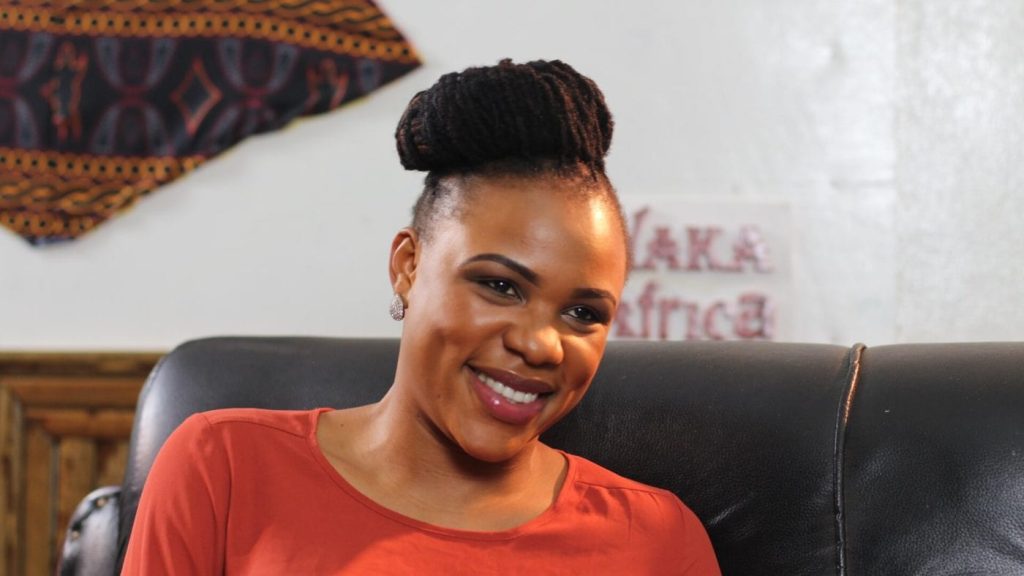
Imagine your parents talking to you about sex. Awkward right? Mallah Tabot believes the world will be a better place if parents start having open and honest conversations about sexuality with their children. We’re inclined to agree with her. Since 2012, Mallah has been working very hard to improve the lives of many young Cameroonian women, including those at risk of early and forced marriages. As a reproductive health activist and CEO of an NGO in Cameroon- United Vision, she fights against trends and tendencies that relegate women and girls to the background. SLA contributor Marriane spoke to Mallah on her recently launched sexual education app called Ndolo360, her challenges, and dream for an Africa where women, especially young girls can talk about sex without stigma. Sex is not something we talk about in Africa. Why the passion for a topic like that? I agree, sex is a sensitive topic in the African socio-cultural environment. This is as a result of a void in comprehensive sexual education in the educational curriculum. Also, most parents do not discuss sexuality with their children. Many of the kids resort to the Internet for pornography as opposed to educative sexual information. When these young ones don’t get the right information from the right sources, they tend to make wrong decisions. This has often resulted in unplanned pregnancies, STIs/HIV, unsafe abortion, and more. That is why I am interested in creating a platform where we can address this. I believe parents need to start having open and honest sexual talks with their kids. What challenges did you face while starting out? How did you overcome them? Initially, very few people believed in my idea and its potential to work. People questioned my judgement for choosing to tow this path as opposed to finding something more “stable” like a full-time job where my financial security would be guaranteed. With a clear sense of purpose, I’ve been able to deal with that. As a young woman, it was hard. You have to make the strategic calls and connections in a sub-environment dominated by men. We had to deal with not being taken seriously or being courted 9 out of 10 times. I think it was even more difficult, given that our area of expertise is sexual health. Men didn’t take us seriously but assumed we would be comfortable listening to their sexual fantasies of us and other women. Unfortunately, that’s the unfair world we live in. We’ve strategically dealt with it and we are succeeding. The pressure also continues to diminish as I gain more confidence and skills in my area of work. I now face such situations with strength as I grow older. Also, I had challenges with building personal capacity to raise funds, running our programs and convincing outsiders to have a vested interest in what we do. Every day remains a challenge, but I’m happy that with time, they feel less like challenges and more like opportunities for personal and organizational growth. You recently launched an app, Ndolo360. Tell us about it. In Cameroon, like in most of Africa, sex is a very difficult and sacred topic. Young people grow up knowing nothing about their own bodies and end up getting the wrong information from the wrong sources. This has resulted in them making uninformed decisions. Teenage pregnancy rates are up and 141 out of 1000 girls aged 15-19 in this country have been pregnant, at least once. I found this despicable and started thinking of ways to address this problem, using technology. Ndolo360 is the first ever mobile application in Cameroon to provide judgement-free education, information and services on sexual and reproductive health for teenagers, adolescents and young people. The app is available on Google Play and is free of charge. It comes with several amazing features which will transform young people’s knowledge about sexuality and sexual health. What do you plan on achieving by launching this app? A few days ago, a father emailed us to say he had asked his 16-year-old to download Ndolo360 to serve as a starting point to openly discussing sexual health. This is exactly one of the many results we aim to achieve. Teenagers are expected to guess issues concerning their sexuality and act accordingly. In fact, parents don’t even have the confidence to mention the word ‘sex’ to their kids. If this app can at least be a starting point for sex education between parents and their kids, the impact will be tremendous. Also, this would help curb the high rate of unsafe abortions and other dangerous practices. It would lower the risks of teenage pregnancy, create more awareness on safe sex and lower HIV infection rates among young people. More importantly, it would encourage a culture of openness when it comes to discussions around sexuality and sex. Young people should use the app for self-education and group discussions about the issues that affect them. What advice would you give young African women looking to make a change in their communities like you? I have learned to believe in myself and my capacity. Most importantly, to surround myself with people who love and believe in me. That’s how I’ve been able to carry on with all I’ve had to do. And trust me, it’s a lot and can be burdensome. I’m happy to have made the decision to cut off toxic people. This has helped me focus on my goals and remain positive. Want to see women you know featured on SLA? Tell us what amazing things women are doing in your communities here.
Unleashing the phenomenal woman in YOU!
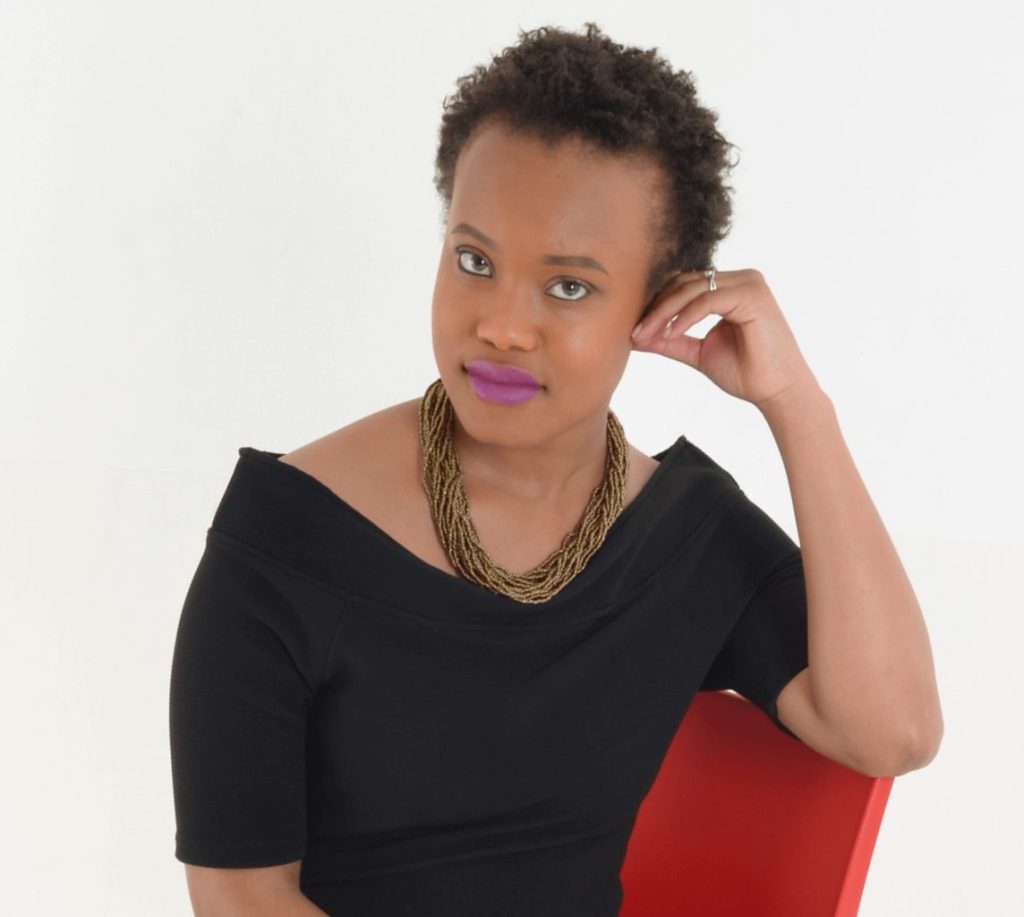
As a young girl I grew up around a family of strong, opinionated, yet very respectful women. I always saw my mother, aunts and grandmothers exhibit everything I wanted to be. They are pillars of strength in the family, they are wise and always have a comforting word. But one thing that stood out most was their resounding support for one another. This is a character trait they have passed down to all the girls in the family. It always bothered me that I could never fit in with most of the girls at school. I thought it was because I was not cool enough. I was too much of a nerd, I was too interested in sports, certainly something was wrong with me. Finding the right community That was until I started interacting with a group of “different” girls. Our conversations were never about another girl’s flaws. We were all about encouraging each other to study, helping one another with school work and constantly supporting each other. This was when I realised that what my mother always wanted for me was to be part of a group of girls who love each other and ultimately grow up to be part of a society of strong, independent women. When I started my company, Ziphora Events, I always knew it would be my platform to help women and the youth to realise and maximise their full potential. I am a strong believer in women working together to create a society of inspiring and driven individuals. For young people, I have done this by hosting a Young Leaders Dialogue in 2014 and a Game Changers Dialogue in 2016. Using Ziphora to spread my vision of community The main aim of these events was to bring ordinary young professionals in conversations with individuals who are striving in their industries. The result was idea sharing, collaborations & building a network of people who are also interested in making South Africa a better place. In July 2016, I hosted a Women in Lead High Tea in partnership with Divine Women Empowerment. The aim of the event was to bring women together in a relaxed environment, to discuss issues affecting us and contribute positively to society. Our speakers spoke about personal branding, seeking greatness, emotional de-cluttering and beauty. These are some of the things that make up a well-rounded woman. I believe that before we can even begin to influence society, we need to work on ourselves first. Soon, Ziphora Events will be launching The Phenomenal Women’s Dialogue. The theme will be “Unleashing the Phenomenal Woman in YOU.” The purpose of the Phenomenal Women’s Dialogue is to uplift and build a generation of vibrant women. These are women who know what they want in life and are able to position themselves for greatness. At each stage of life, women have a rich perspective and wealth of experience to share with one another. The Phenomenal Women’s Dialogue will give women a platform to share these experiences and perspectives. Ziphora Events is committed to the valuable leadership of women in every aspect of life. The Phenomenal Women’s Dialogue is one way in which we support that. This vision is aligned to one of the Africa 2063 Agenda aspirations, which is “an Africa whose development is people-driven, relying on the potential of African people, especially its women and youth.” What does a phenomenal woman look like to you? For me personally, a phenomenal woman is the ordinary woman we meet in our communities every day. From that working mother juggling building a career with building a loving home, to the housewife who puts her energy in taking care of her husband and kids. The local Pastor’s wife, the granny who the entire community looks to for advise, these are all phenomenal woman who play a big part in building our communities. As often as I can, I ask myself, “What am I doing to help someone realise and maximise their potential?” I am always honoured when after an event I have hosted, women come to me and tell me how attending the event turned out to be the most important thing they did on that day. It is an even greater honour when after some time, they contact me saying they are still working on themselves and have invited another lady in the journey of seeking greatness. This is indeed how we will build a society of phenomenal women and it is the legacy I want to leave behind. What will be your legacy?
4 genius business tricks to steal from Genevieve Nnaji
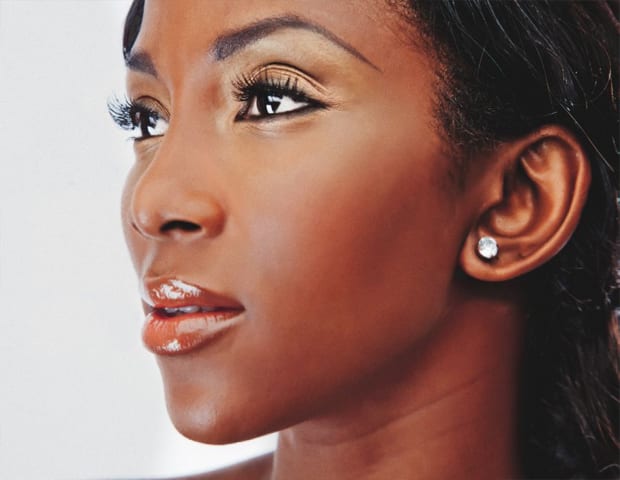
It’s obvious to every Nigerian it-girl and our African sisters that ignoring Genevieve Nnaji’s pristine and effortless beauty is a bad idea. This is regardless of whether or not you watch her movies! Luckily, there’s a lot to learn from her streamlined, hyper-organized disposition. Even if we never completely get it, as we’re mere mortals. Have fancy dinners with a view Yes, you heard right. Head to some trendy island, club or restaurant for dinner. It should have an amazing view and probably stocked with successful, inspiring, rich and maybe good-looking people too. The food might be a little pricey, but it’s the connections you’re paying for. It’s called networking, girl! Somehow, these celebrities seem immune to the business problems that the rest of us mortals are afflicted with. From me to you, there’s a shameless networking routine that they follow. Don’t head on starting that business without connecting with the people who are going to be instrumental to your success. Take it all off… the make-up I mean This is debatable, but it feels even better to take the make-up all off sometimes. This is especially useful when the Nigerian heat perpetually threatens to melt it all off anyway. Genevieve gives us the no-makeup look often enough to keep us envious and wanting for more. Being a celebrity or even the owner of that unique start-up may be a good reason to have flapping eyelashes, gold-toned smoky eyes, and perfectly done nails… you know for the optics. But how about you shake things up a bit and get us all confused by actually getting down to work? Like, if you’re not doing anything lucrative besides getting your face done, what are you even doing? Be authentic. It’s all that matters. I am really eager to know the stories behind movies with impossible titles —who decided that “Blackberry Babes” was a good name for a movie? Okay, my argument is —why spend much money scouring for classics when you can watch an affordable ‘sub-standard’ movie? Here’s the thing, as an aspiring or already established business woman, you’ve got to be authentic, otherwise, you’ll ruin your own magic in no time. You’ve got no business copying every new or trending business idea. Be real, girl! Be unique! Talk less, unless of course, you’re telling us about what you do Traumatic consequences aside, being a little secretive is a necessity . Especially, if you’re involved in ventures that don’t feature story-telling as a requirement for practical reasons (like being an OAP or writer). If your business is not one of those, the least you can do is choose to give us short, simple, or playful dozes of your life every other time, just to add a little charm to your image. Minimize that icky feeling that comes with people knowing too much, too often about your business. In summary, all you need is to devote yourself to learning/mastering your craft, tirelessly networking, being authentic and a little tight-lipped when necessary. It’s pretty simple and practical.
Acing your side hustle: the DJ Khaled example

Say what you want about DJ Khaled, but you can’t knock the major key to his success— his hustle. While the Miami mogul has been behind some of hip-hop’s hottest hits over the last decade, he’s also dabbled in various other ventures as a producer, executive, entrepreneur. And most recently, he’s the hottest social media phenomenon on the block. Even though being your own boss is appealing, don’t play yourself. Definitely, it’s no walk in the park. Setting your own hours and building your own product or service can help fulfill your passion and purpose. Yet, the grass isn’t always greener in the startup life. With growth comes staff management, customer acquisition and retention, and the dreaded mountain of paperwork. Start a side hustle. It’s a great way to earn some extra money or slowly grow your business. If you’re an aspiring #MotherlandMogul, establishing your side hustle is one of the first steps to building your empire. Evidently, pursuing a passion project while working a 9-to-5 is no easy task. It takes creativity, discipline, and a whole lot of grit. So here are a few keys to help you follow DJ Khaled’s lead and stay winning. Figure out what you’re good at In an ideal world, the thing we’re most interested in is the thing we do best. More often than not, that’s not the case. That doesn’t mean that you have to abandon things you’re passionate about. It just means you have to evaluate where your skillset overlaps with your interests. Okay, think back to your childhood years. Did you show an aptitude for something? Do you often receive compliments from others for something that comes innately? Do friends and colleagues repeatedly ask for your help with certain tasks? By honing in on what you’re good at, you can figure out if it can be translated into cash. Once you’ve established your talent, consider whether people need your services and, more importantly, how much they’re willing to pay for it. Use your network As the saying goes, “your network is your net worth.” If you’re launching a new service or product, do a test run or distribute samples to family and friends to get their feedback. Those who are closest to you are often the most likely to keep it real. Now, if you’re looking for financing, your network becomes particularly crucial. Family, friends, acquaintances, and colleagues—these are the low-hanging fruit that can get the ball rolling. People who are invested in you as a person will be more invested in your success. These are the folks who can speak passionately about your work and spread the word to help you secure more clients. The first step is asking. Be direct and personal whenever you can. Send individualized emails and notes, post on social media, and set up coffee dates where you discuss your side hustle clearly and succinctly, and outline concrete areas where you need to fill gaps. Manage your time well You have the same amount of hours in a day as everyone else. Admittedly, you might not have the staff or millions… but you do have the same power to decide how you spend your time. Time management is essential if you’re investing time in a side hustle in addition to full-time employment. We each have 1,440 minutes every single day. To make the most of them, fully commit to your goals by blocking time off each day to work on your project and making the most of that time. Set deadlines to hold yourself accountable. Believe in yourself Most importantly, if you want someone to buy into your idea or project, you have to first buy it into it yourself. It’s easy to get discouraged when trying something new, but remember that each failure is a lesson that prepares you for your next success. Entrepreneurship is a creative process. We learn what works by learning what doesn’t.
Jessica Layado: I had to tough up and take it like a woman
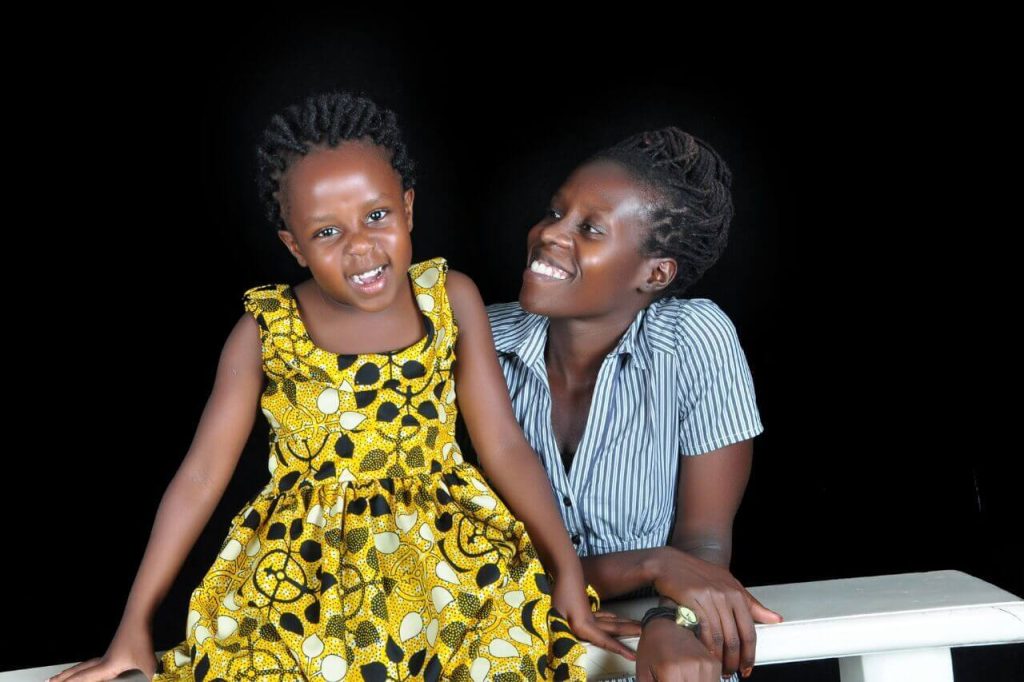
I was barely done with my secondary school education when I found out I was pregnant. I clearly had no business having sex. Yet there I was, at the start of my long holiday, finding out I was pregnant. My first stop on finding out, was the house of the responsible other party. I got the shock of my life when he frankly told me that he wanted no part in the drama of unexpected parenting. So, here I was, fresh out of secondary school with no idea what was next for me. Watching people parent was one thing but being a single, young parent was a whole other thing. I could either decide to be a child and cry about how unfair the world had been or tough it up and take it like a woman. I cannot dispute the fact that I was very scared but one of us had to be the grown up and seeing as this miracle was growing in my womb, that person had to be me. I found a job and started to plan for both of my baby and I. Fast forward to a few months after, my dear little princess was born. Working with Family Life Network After that, I decided that I wanted to work with NGOs that focused on family planning and sexual awareness. That was how I got started with the Family Life Network. Five years and so many workshops later, I cannot even begin to say how remarkable a journey it has been to impact the lives and choices of youth. We encourage kids to know and understand their individual worth at such a crucial stage that is often subject to peer pressure. It is very rewarding for young girls to look up to me for mentorship, guidance and counsel. It is such a big deal to have the kind of power to influence their choices for good, to cry with them in their hard times and assure them that despite the storm and the pressure, in a little while, they will be just fine. Moving on to Lamera Over time I realized that my circle of influence was growing and a lot of the would-be young girls had grown into fine young women in the work force. Now, my focus has also grown to helping them maximize their financial ability and as much as possible, learn to be independent. A year ago, I started Lamera, a project that seeks to empower young women with as many necessary skills as they need to survive in this era. Some of the practical skills include jewellery making, knitting, cooking skills particularly making and packaging peanut butter better known as odi in Northern Uganda. The essence of Lamera is to empower women to know that their worth is determined by them and the world will only value them based on how they value themselves. I strongly believe when a woman realizes this fact, the world then becomes her stage. She becomes a force to reckon with and can do pretty much anything that she sets her mind to! Balancing my initiatives with being a single mum Starting Lamera is a dream come true for me. My biggest challenge was and still is breaking through to the woman at the grassroots. A lot of the women that have zero access to these skills are hidden in rural Africa. To work my way around this, I am building relationships with churches and individuals who have access to these women so I can assess their needs in order to be relevant to each set of women. None of my passions were negatively affected when I chose to have Stephanie. If anything, being a mother awakened my creative juices causing them to flow much better and faster. I kid you not! Amazingly, Stephanie is the split image of me. She loves singing, dancing, reading and always actively participates in her school productions. She is such a brilliant child! She recently reached the finals in her class spelling bee competition and I cannot begin to tell you how proud of her I am. Never give up I reckon my work is cut out for me and I’m enjoying the thrill of the challenge. I have been told that I cannot be relevant to all women but I believe in starting one woman at a time and that ultimately is my strategy. To work with one woman at a time and knowing how much women like to share, the knowledge will spread one way or the other. My biggest belief is that to start a thing is more important than to say you want to start it. Sometimes you’ll be the only person who believes in what you’re doing but keep right at it. If one way doesn’t work, don’t quit! Try it another way and if that doesn’t work, try another way! Keep at it until you find your way to what works for you. Believe in yourself even on the bad days, especially on the bad days and keep your head up knowing that it only gets worse before it gets better and surround yourself with positive people.
Getting comfortable with feeling like a fraud

Ever found yourself in the middle of a great moment —a graduation, getting a promotion, being praised by someone you respect or creating something new— and caught yourself feeling like you shouldn’t be there? Not in a nice, ‘Is this really happening?!’ kind of way. More like a, ‘I don’t deserve this, and I hope no notices I’m a fraud’ kind of way. Ironically, it is because of your greatness that you are more likely to experience feelings of being a ‘fraud’. This is commonly referred to as the ‘impostor syndrome’. Basically, if you attribute your success to everything except the fact that you really are that good, keep on reading. Categorized as “the domain of the high achiever”, Clance and Imes first coined the phrase after a study they did of high achieving women. They described it as feelings of, “phoniness in people who believe that they are not intelligent, capable or creative despite evidence of high achievement”. Instead of crediting success to ability, they attributed it to circumstances or charm. If you’re not sure if this relates to you, here’s a short test you can take to get a sense of where you lie on the spectrum. The concept really hit home for me when I read a quote by Maya Angelou. She said: “I have written eleven books, but each time I think, ‘uh oh, they’re going to find out now. I’ve run a game on everybody, and they’re going to find me out.” Listen, if Maya-Freaking- Angelou can ‘fess up to feeling what I felt and still be great, then there is a way to succeed in spite of it. So why is impostor syndrome so harmful? There are a few ways that this subtle form of fear could be holding you back from achieving career/business greatness: You don’t shoot your shots, and if you do they are less than they could be In her book Lean In, Sheryl Sandberg noted that impostor syndrome made people evaluate their qualifications lower than they should. In the long run, you end up only taking low-risk opportunities, or worse not taking them at all. It affects how you communicate Have you ever ended a well thought-out point with something like, “Does that make sense?” Or worse, do you find yourself apologizing all the time? Seriously, why do you start with “Sorry…” or “I just…” when you speak in a meeting? In an attempt not to be outed as a fraud, you actually can come off sounding uncertain of yourself. It affects your presence In the words of Amy Cuddy, “Impostorism steals our power and suffocates our presence. If even you don’t believe you should be here, how will you convince anybody else?” As with all questions of our ability, there’s no silver bullet to getting past it, but there are ways to not let it hold you back. Accept that you actually are a fraud The only reason you are so aware of how much you fall short is because you are brilliant enough to calculate how much you lack. Be aware of the deficit, but act anyway. Apply anyway, pitch anyway, write anyway. Everyone, brilliant or not, puts their best foot forward and there is nothing wrong with faking it a little before you make it. In the words of Queen Beyonce, “I have accomplished nothing without a little taste of fear in my mouth.” Communicate power Even if you aren’t completely comfortable with feeling like a fraud, at the very least stop sounding like one. Tara Mohr, author of Playing Big says, “I keep meeting brilliant women like you, with powerful ideas to contribute, important businesses and organizations to build, provocative questions to share. But so often, the way they communicate fails to command power. They equivocate, apologize, and look away as they speak.” Be aware of how you communicate. While there is a lot I could add, my one piece of advice would be, watch your cadence and don’t present statements as questions. Focus on delivering value Understand the value that you can bring to the table. We often assume that the skills we really excel at come naturally to everyone because we do them so easily. This then allows us to focus on the things that we can’t do, as we don’t see our skill set as valuable. Keep track of your strengths using tools like LinkedIn. But if you haven’t got it together like that (no judgement, I’m with you!), listen carefully to the feedback you get from colleagues. “I DID that” These three magic words, when said every time you do something awesome, are certain to gain you the respect of the only critic that counts, YOU.
Adomaa Music: Dare to be different and unapologetically you
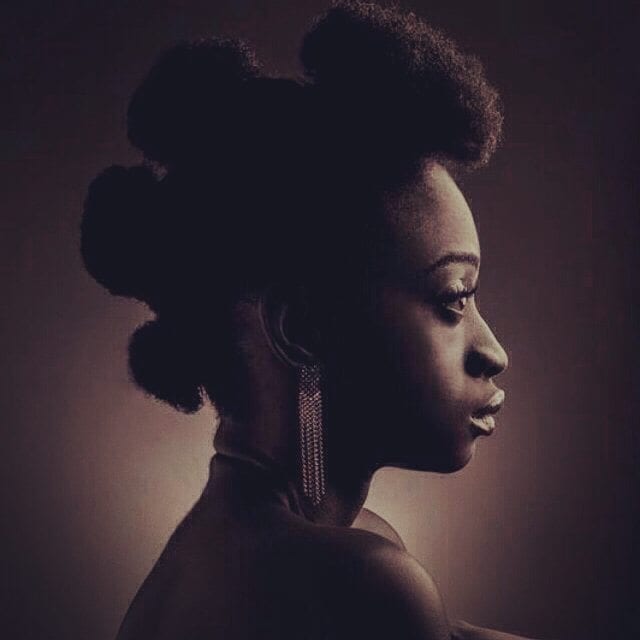
Adomaa is a Ghanaian fast rising afro-jazz singer who is known for her distinctive style of singing, insightful messages, and creative video concepts. This sensational artiste who believes that music is her drug has chosen to pursue a genre which is totally different from what people are used to. Though she faces disapproval from people who do not relate to her style of music, Adomaa still holds on to what she loves and believes afro-jazz is the next big thing. Judging from the recent Vodafone Ghana Music Awards show where she won the 2016 Unsung Artiste of the year, we believe Adomaa is underway to success. Why did you choose the afro-jazz music genre? I wouldn’t exactly say I chose the genre. It’s who I am and how I know best to express myself. I grew up on a lot of jazz, blues, and soul till it became part of me. When the decision came to pursue music as a career, it’s what came instinctively. Still staying true to my love for jazz, I wanted my Africanism to be represented in my music as well. So, I decided to fuse the Jazz sound with African rhythm, hence the name: Afro-jazz! What makes you think this genre is here to stay? When I started, I was truly stunned by the overwhelming response from the public. I didn’t think anyone cared about the type of music I did because it isn’t mainstream. The feedback though made me realize that there’s a huge market for Afro-jazz here! It’s still in its beginning stages but it’s catching on. It will soon become a staple! What would you do if this genre does not get and hold the attention and crowd you expect? I don’t think that will happen because like I said so far, the feedback has been massive. It can only grow and it is growing. Nonetheless, even if no one was ever interested, it’s still where I will be because quite frankly, it’s who I am. I can’t change who I am. How is Afro-jazz different from the other music genres? Why should we look out for this genre? Afro-jazz is simply a unique blend of jazz, blues, soul (basically vintage music) with an African rhythm or flavor to it. Jazz is not a popular genre of music in these parts and even outside, it’s still somewhat low key. The fusion is very different from what we are used to hearing. It’s music like you haven’t heard before. It’s a refreshing, fresh and unique. Who doesn’t want all that? Which other musicians are taking or have already taken the Afro-jazz route? It’s still fairly early days to say any artiste, in particular, has taken this route. But there’s this super talented singer, Cina Soul that has released some music along those lines. Also, I haven’t heard of anyone before me doing what I do. It’s a new wave of music that I’m proud to say I’m pioneering. Tell us Adomaa, is your type of music for everybody? What’s your target audience? Music is universal and Afro-jazz is no different but for now, I think it boils down to preferences. It will take sometime for some people to warm up to it but it will catch on eventually. A classic example is dancehall. Who ever thought it would be the most popular genre in Ghana? My target is everyone! For now, though, I’d say the people who appreciate it the most are the middle class to elite groups of people. Since you started singing, what has been your major challenge and how did you handle it? My biggest challenge since I started has definitely got to be my stage fright. I used to dread live performances and would have panic attacks and meltdowns but the best way to overcome an obstacle is to face it. There’s been a tremendous improvement over the months and it can only get better in the years to come. I love being on stage now. What is the worst thing anybody has said about your type of music? It’s boring and for old people. Oh, but that’s about to change. There were some rumours about how you did not deserve to win the Vodafone Ghana Music Awards unsung artiste of the year, how did you handle this issue? What provoked this rumour? Ha! This issue… Well, you know I started out with doing covers and recreating other people’s songs. It’s what put the spotlight on me and probably what most people still know me for. In the category I was in, the other nominees (Feli Nuna, Wan-O, Ebony, Nii Funny and Perez) were more deserving because they have put out original content. I have original content out as well but I guess the covers are more popular. Some people didn’t even know I had my own songs out there so there were questions about why I was nominated in the first place. For me, negative comments fuel me. It made me want to challenge myself even more to sell the genre till it becomes a household name. It’s my main goal now. How do you react and respond to criticisms? I listen, sieve through to see if there’s anything to learn, take the constructive ones, discard the chaff and move on with my life. Why do you think your type of music is critiqued? It’s different. It’s a change from the normal. People don’t welcome change easily. That’s normal. It takes a while to embrace what you don’t understand. The criticisms are to be expected when you decide to break away from the norm. Have you ever considered switching to another genre? I’ve explored a little. My EP, Afraba was solely for that. I tried pop, rock, highlife, classical music, etc. but my heart still belongs to Afro-jazz. Of course moving forward, I’ll still venture out some more but at the core, Afro-jazz is who I am and who I’ll always be. For our readers who have never heard
3 ways to connect with your dreams as a young African
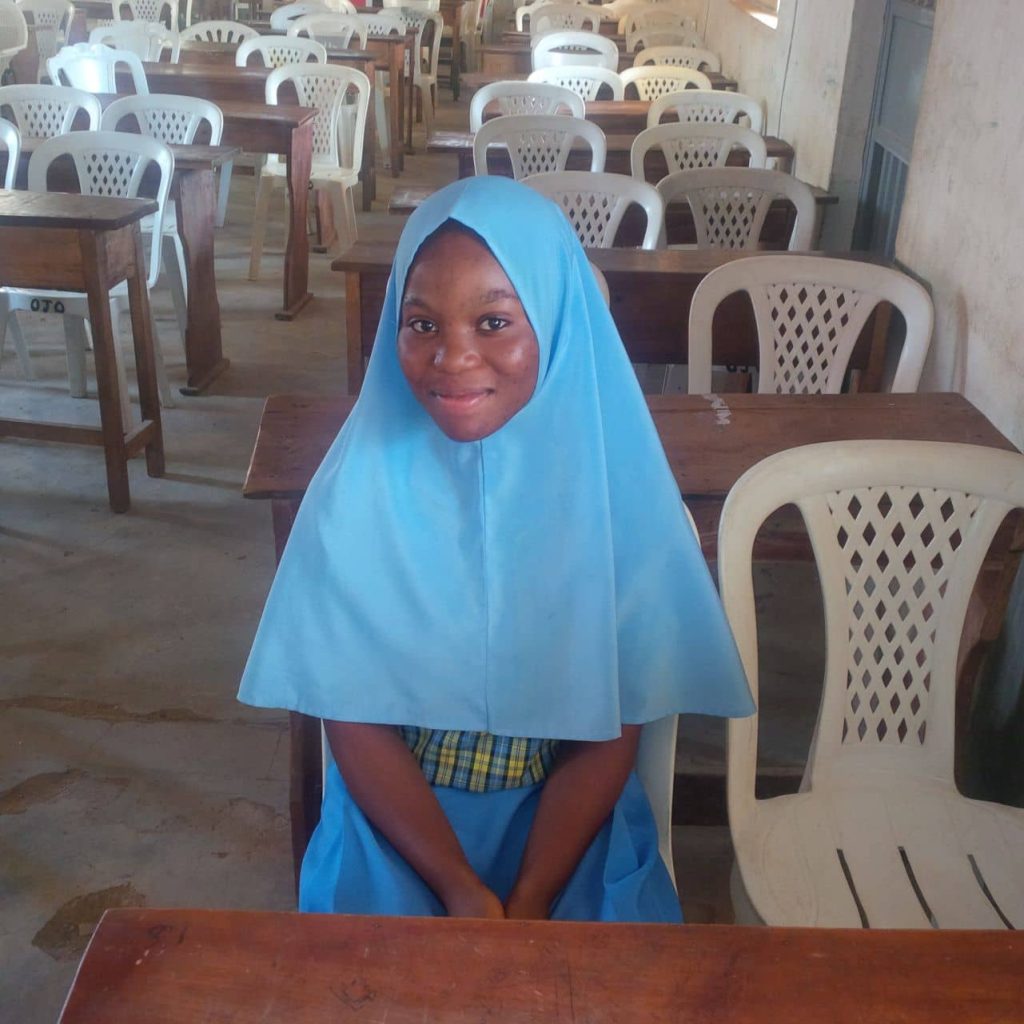
When I first talked to Khadijah Oyerinde, a 14-year-old high school student in Osun, southwestern Nigeria, I was able to see her dreams clearly. This was because of the confidence and passion with which she conveyed them to me. Within the first two minutes of our conversation, the young and inspiring Khadijah had mesmerized me. She’s got guts, no doubt! When I inquired about her greatest dream and the likely stumbling blocks, she gave me a sharp response. “I want to become a caterer that would be known all over Nigeria and Africa for excellence,” she said. “And only death can stop me. I cook well and I’m working on myself every day.” She was one of the participants at Leadnovation 2016, a flagship initiative of Hope Rising Foundation (HRF) Nigeria, a NGO I co-founded to raise responsible and innovative young leaders in Nigeria. Having been impressed by her clear vision, I quickly asked how she hopes to reach her destination. Khadijah stared at me with some discomfort, and said; “Well, I just know I’ll get there. I haven’t seen anyone on TV to look up to as far as my exact dreams are concerned. But I’ve just learnt from this leadership training that I can get help on social networks.” More often than not, I have come across many Khadijahs in Nigeria. I have met and interacted with numerous young Nigerians who are brilliant and ambitious. They are high school students, undergraduates, or even graduates eager to shape Africa with their lofty dreams. But as much as they are passionate about their dreams, connecting with them remains the big challenge. So as a young African, how can you connect with your dreams? Believe in your dreams In reality, no dream is too big to be realised as long as you have a “can-do” spirit. As a young person, it’s good to have a clear vision of what you hope to achieve, and start working towards it. You shouldn’t be discouraged by what other people say. People don’t really care about your dreams, they only care about results. Once you reach your destination, everyone will want to associate with you. So, get on the wheels and start driving into the kind of future you desire. “Don’t let the noise of others’ opinions drown out your own inner voice” These were the exact words of Steve Jobs, the legend who must have had YOU in mind when he was crafting this beautiful sentence. Take advantage of MOOCs Right now, education has moved beyond the walls of a classroom. And the effects are magical. That you don’t yet have the opportunity to receive lectures within the walls of your dream school shouldn’t deter you from working on your dreams. Start from where you are and with what you have. You can sit in your village, so far you are connected to the internet, and learn from the best professors in top universities in across the world at no cost. Yes really, at no cost! So far, I’ve taken over fifteen Massive Open Online Courses (MOOCs) from some of the world’s best universities in the last three years or so. There are a number of sites offering courses to help you get the expertise that would move you closer to realizing your big dreams. Get a laptop, tab or smartphone, connect to the internet and start learning.There are many MOOC websites available, including Future Learn and Harvard. Choose the course(s) that best fit the kind of skills you’d like to acquire. There you go! Use social networks effectively For me, social media remains the next greatest invention after the discovery of electricity in the 17th century. With the effective use of social media, you’re not only able to expand your network but also able to connect with the people that matter, as far as the realization of your dreams is concerned. Facebook, Twitter, Instagram, Skype, YouTube are fantastic social networks you can leverage to connect with your dreams. You should find role models and people who can help you believe more in your future, and then connect with them via these networks. It’s that simple. SheLeadsAfrica and a few other platforms also offer the unique opportunity to connect with mentors who can help you better navigate your life’s journey. What are you still waiting for? You can go the extra length to connect with your dreams by believing in yourself, taking advantage of MOOCs, and making effective use of the various social networks. No matter how short it is, just take a step. Keep moving! I have discussed just three of numerous useful tips. You can add one or two tips of your own in the comments section as well. I’ll be glad to hear from you.