
Carol Motolo: I want to be remembered as the person who helped others restore their faith in the Lord and themselves
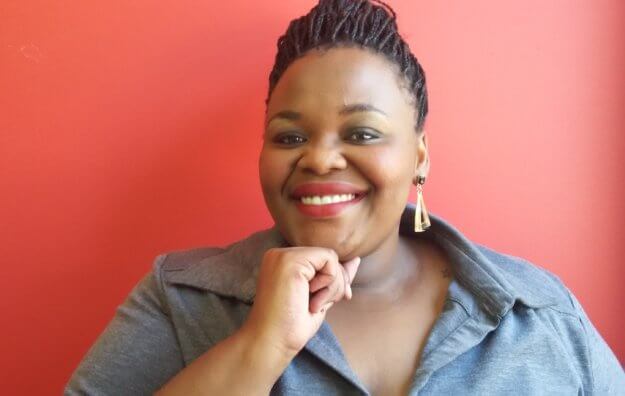
Carol Natasha Motolo is a young dynamic visionary who has a soft heart for young girls who have been raped, molested or assaulted. She is an author, motivational speaker, entrepreneur and a student of life. She is the founder of the Carol Motolo Foundation a non- profit, faith based, community developmental organization. Which aims to create a safe environment where rape, injustice and other societal ills against women will be a thing of the past. Carol spent years battling depression, abuse, making wrong decisions, and a preference for chaos and disaster. She did not have any tools to help her deal with her own emotions. But, a turning point in her life came when a few years ago she was able to let go of someone she thought she wouldn’t be able to live without. As a form of catharsis, Carol has been using a journaling technique since she was 10 years old. This inspired her to write a book came after living with the depression, being physically and emotionally abused,homeless, penniless, hopeless and giving birth to a premature baby. This was the ultimate test of her faith, but somehow, she Lived in Faith and overcame her battles, this led her to publish a self-help, personal development and motivational book titled Living in Faith. [bctt tweet=”It doesn’t matter who you used to be. All that matters is who you are willing to become” username=”SheLeadsAfrica”] Tell us about Carol Motolo Carol Motolo is an author, mother, photographer, entrepreneur and founder of the Carol Motolo Foundation. What were you working on before starting your brand? I was a full time mom and blogger. What are two breakthroughs that lead you to transform your life? My son getting out of hospital after being born premature and overcoming the trauma of being raped. What are three things you gained and lost in the process of creating Living in Faith? I lost a lot of friends. But i gained God’s love, grace, wisdom and to trust in God at all times. [bctt tweet=”I will walk by faith even when I can not see.” username=”SheLeadsAfrica”] What lead you to write Living in Faith? I went through a lot when my son was born premature. At that point I turned to God for help and as a result my faith grew and i was brought closer to God. When my son finally became well I felt it was time to combine all i had written ; including how i overcame being abused and raped. After these kind of incidents a lot of women struggle to overcome and fully live their lives. I therefore felt that God was using me as a tool to assist those that have walked the same path as I have. How did your journaling technique begin? There comes a time in ones life when you just want to let go of the pain and resentment. I had reached that stage . So I began to write my experiences down and gradually found ways to let go and be a better person each day. Thank God because as time went by the process became easier and easier. What keeps you going every day? God ‘s presence in my life and my family; their support and faith in me really keeps me going, even in the hardest of times. What projects are you currently working on under the Carol Motolo Foundation? We are currently seeking donations and sponsors for our programme: Pens for a girl child. We’re also in talks with the Ministry of Health to assist us with more access to health care practitioners for our rape and abuse victims. What was your inspiration to empower young girls? I was born in a country where a girl child is not regarded useful or important. Therefore, I felt the need to change that mentality and educate a girl child; to show her that through education she can be anything and everything she wants to be.We have the power to work hard and prepare for a better future. The girl child needs to know that they can be better, without relying on a man for their needs and a better future. What are your current career goals? I want to be one of the best authors and to change lives with my book. In addition to that I want to own a fragrance line. By God’s grace it will be out before end of the year. [bctt tweet=”Those who live passionately teach us how to love.Those who love passionately teach us how to live” username=”SheLeadsAfrica”] What’s the creative process like for you? Where do you go, and what do you Inspiration comes easy for me. My room is mostly the best place for me to go if I want to be in a creative space. My kids are also my inspiration. In one sentence, how would you like to be remembered? I want to be remembered as the person who helped others restore their faith in the Lord and themselves. Want to learn more about Carol Motolo’s journey? Buy Carol’s book here: http://www.carolnatashamotolo.com/ The book is also available for purchase on Amazon Facebook: Tasha Motolo Instagram: @Sj_motolo
Flo Awolaja: Don’t take your talent for granted
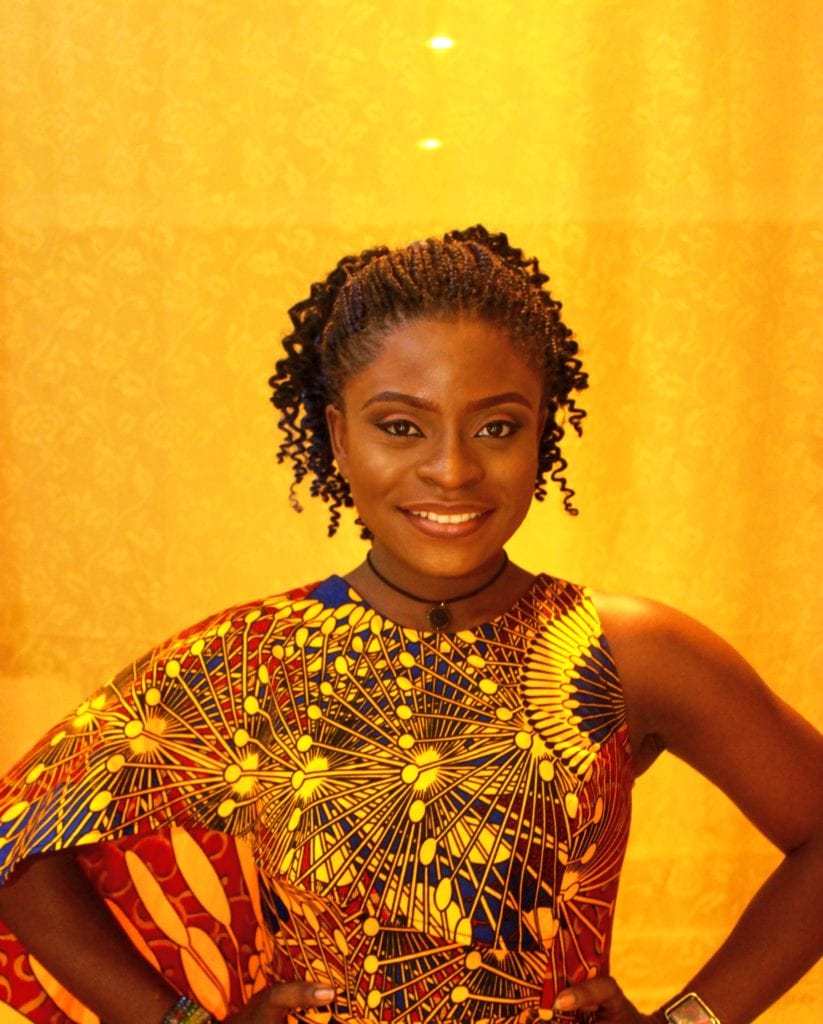
[bctt tweet=”Flo Awolaja represents a lot of things in one, as a writer, poet, and photographer” username=”SheLeadsAfrica”] Growing up in a household rich in colour, born to parents of Nigerian heritage and a culture that inspired her artistic talents, it’s no surprise that Flo Awolaja grew to become an incredible burst of creativity. Flo is a fun loving and exuberant personality that exudes a quiet confidence and steely determination to succeed in all things. She has been influenced by many of her mother’s collection of African fabrics, various painters, designers, textile artists, photographers and inspired by a plethora of contemporary Nigerian and African American artists in the likes of Chief Nike Davies-Okundaye, Abdoulaye Konaté, Peju Alatise, Victoria Udonian, Hayden Palmer, William H Johnson, Elizabeth Catlett, Romare Bearden et al. Flo Awolaja represents a lot of things in one, as a writer, poet, and photographer, she continues to take delight in all visual pleasures which stimulate the senses. She also has a successful career as a graphic designer and lecturer and has combined her passion for art, design, and photography with teaching, working to raise achievement in her learners by encouraging them, raising their self-esteem, and aspiring confidence in them. [bctt tweet=”The things that are random are not your calling, they are your passion” username=”SheLeadsAfrica”] Tell us about your work on African Arts. There is an expression that I have been carrying around with me for the best part of a year now. When I stumbled upon it, whilst surfing through social media, it was so profound that I have it permanently on my screen saver on the laptop to remind me to keep striving and designing, and how fortunate I am to be doing the things I like. The quote is, “The things that are random, are not your calling, they are your passion”. This is what essentially guides me, and I really do try not to take my talent for granted. Like most things, the body of work that I am now exploring happened by accident, (the best things usually do) it occurred whilst I was at home looking after my son, who had been in the hospital and was now convalescing at home. I had travelled to Ghana in 2013 and brought back a lot of batik fabrics. Not knowing what I wanted to do with them, they lay dormant, until 2015. Whilst looking after my son, I remembered that I had them, and had added to the collection by purchasing metre samples in all colours from friends who would travel to Nigeria and Ghana, gently asking them to bring me back whatever they could. In those moments as a designer, the light bulb goes on and you find yourself creating pieces, which is how the first few ideas transpired. Gradually one became two, and the pieces began to materialise, to the extent that I had about 20 small pieces which I had framed. Enter my son, who saw me spread them out on the floor and was marvelled at how I had managed to hide them around the house, out of the eyes of my mother. Quick as a flash he had photographed them and posted them onto his Instagram account, I still do not have one! From that moment the genie had been released and it was not going to go back into the bottle. It became a question of how to showcase the designs to a wider audience. Each opportunity has acted like a stepping stone, I have been most fortunate in the breaks that have come my way I tend to look at my work much in the way a painter starts with a blank canvas. No two pieces that I create will ever be the same. Whilst I am creating these textile paintings, I am only aware of the colours that I will use, but not the journey of the piece, each one has its own rhythm and story, that for me is what makes each one off piece unique. [bctt tweet=”The universe has a lovely way of conspiring to tell you something different – @Maverikartz” username=”SheLeadsAfrica”] What inspires your art works and exhibitions? Wow, that is a difficult question, but I can honestly say that I am inspired by many things, from listening to music, conversation, hearing and reading a line of poetry, along with photographs that just capture my imagination. I also think that being raised in a culture steeped in Yoruba tradition, has been instrumental in my journey as a designer. My mother was a printer and my father was a draughtsman, so design and the love of design have been instilled in me from an early age. I am inspired by anything that delights and tickles my visual senses. How would you compare the Western and African market in terms of values for art works? Like most things we have been constantly conditioned through no fault of our own to have the idea that African works of art are somewhat in inferior; that is certainly not my view, and anyone who knows me will tell you I am the most ardent and fervent champion of our African Ancestry and Heritage. The African market is far more exciting. The current resurgence and proliferation of African art is taking the art world by storm. Our trajectory of art has always been rising, however presently its stock has never been higher, why is this? Artists from Picasso to Hirst have made more than a passing reference to the art of Africa, even to the point of appropriating whole elements in the quest to claim works as their own. So why the sudden interest? What many curators were happy to call ‘tribal’, that somehow adding the word ‘tribal’ made it somewhat less authentic and therefore was not really valued. Fast forward, the last few years have seen a sudden surge of interest as new kids on the block enter. From photographers and sculptors to painters and textile designers, old and new now
Tope Hassan: Our team functions entirely on social media
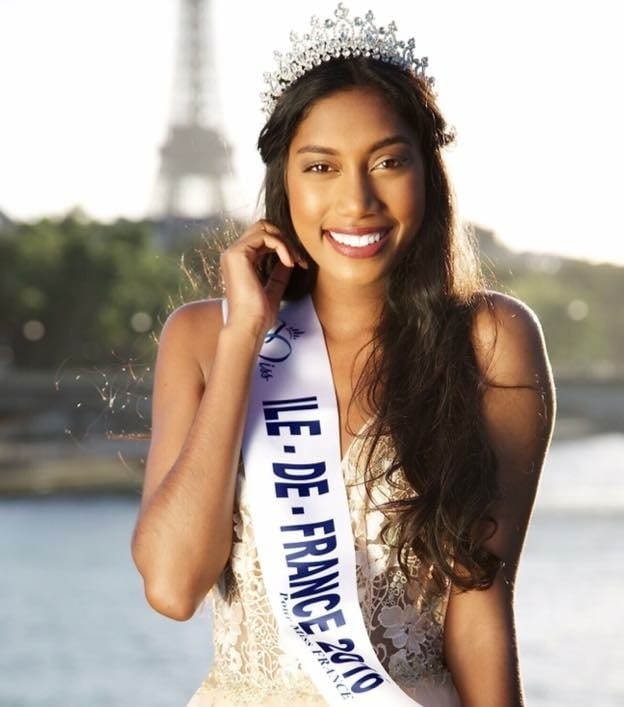
[bctt tweet=”We successfully created a diverse and a multi-networking hub for Africans to know about each other” via=”no”] Tope Hassan, the “Disruptive Diasporan”, is the founder of ISOKO Africa. She is a multi-lingual young African entrepreneur specializing in marketing, compliance, and media to create multi-dimensional business systems where start-ups and multi-national companies can operate fairly in a corrupt free environment and standardized economy. Tope is popularly known as an African Tourist, backpacking through African nations to discover African brands and entrepreneurs; a yoga teacher dedicated to health and well-being lifestyles of professionals and entrepreneurs; as an advocate for African brands helping them reach a wider market than their local communities; and a Media and Public Speaker sharing experiences of Africa, its brands, commerce and industry, healthy lifestyles, life lessons and inspiration. She also blogs at TopeHassan.com What inspired your decision to start ISOKO Africa? I am popularly known for my passion for Africa, which is not limited to Black girl magic, Ankara print, melanin skin and all the paraphernalia that comes with it. The commercial and inter-relations sectors of Africa pumps my passion from my lifestyle to my dreams so much that African brands in all sectors are my first option before seeking foreign brands. People get shocked when I show them products/services/apps/companies that beat global standards and wonder why they never knew about it. This made me the go-to person to recommend best options for African brands. So I decided that instead of responding to tons of calls and emails per day, how about if I created a platform for African brands to reach a global target market beyond their local communities? This platform would also to help them sell their brands globally thereby gaining the recognition and market they rightly deserve. ISOKO Africa is born out of the urgent need to eradicate the popular misconceptions and stereotypes around African brands and exposing them globally. It is geared towards repositioning minds of African entrepreneurs to build their companies as brands and not just a shop/business. ISOKO Africa, a media, and marketing organization is simply “African market” in the Swahili Language. How has social media been able to help increase your productivity? When I started out last year, my focus was to inform the world that Africa has a lot to offer commercially. It’s disturbing how Africa is patronized simply for two things: its human resource and raw materials. The social media publicizes Africa as either Black girl magic and talent or famine and war zone. Our commercial brands hardly make headlines. I started podcasting through iTunes, Soundcloud, Midas Radio and other media platforms and backpacked through African nations to discover and interview remarkable entrepreneurs and thought leaders. These podcasts were publicized through social media, reaching to a diverse audience beyond Africa. Not only that, it also encouraged more Africans to use and listen to podcasts. We successfully created a diverse and a multi-networking hub for Africans to know about each other which led to trans-national sales for entrepreneurs. This ecosystem further fostered partnerships between entrepreneurs, service providers, and customers. Gradually, ISOKO Africa developed communities in several countries where we formed teams that have become voices of Africa quietly on the search for African Brands. Our team functions entirely on social media through messaging and meeting apps that have helped us to build the vision together achieving pellets of the milestone at a time. [bctt tweet=”The best way for us to build an influential online presence is to foster communities-Tope Hassan” username=”SheLeadsAfrica”] What major social media campaign helped to increase your online presence? Kindly give details of the plan and how it worked. The campaigns that focused on community inclusion buffered our online presence. We advertised our tour of West African nations and this attracted a diverse audience and lots of entries. We asked our followers to recommend brands within their area for us to interview and received an overwhelming response. The messages recommended amazing brands interested in joining the experience of new Africa by either documenting, making videos, inviting us for a talk or simply to enjoy the trip and meeting entrepreneurs. It’s amazing to discover that Africans desire their friends and nations to be represented globally. This lead to our conclusion that the best way for us to build an influential online presence, is to foster communities. To achieve this, we Invested in awesome and relatable HD graphics and images: One of the greatest assets on our team is the graphic design and photography fellow. People are intrigued by appealing and great images. It’s easy to attract attention when they can relate to what you say. Defined our audience: Before publishing our posts, we ensure it would be appealing to our target audience. We also ensured to update our followers about each decision every step of the way. Fostered partner communities: We connected our vision online by engaging with our audience offline to build communities around our goal. We did this by partnering with similar event campaigns, communities, and movements. This helped to build trust, inclusion, and network and convert talk into action. It also got us a lot of feedback. [bctt tweet=”I use social media to showcase a positive side of Africa.- Tope Hassan” username=”SheLeadsAfrica”] Have you ever had any downside on social media? I have had to learn how to build everything we used on our platform from the website to recording and uploading podcasts. Our platform started its content through podcasting which is relatively an untapped market in Africa. Unfortunately, social media platforms do not have the capacity to run podcasts and our listenership on the website was very poor. We ran surveys to find out how best to reach our audience and discovered that majority of African youths prefer to listen or read media on their mobile phones. This meant hosting podcasts on the website would be less effective. We changed our methods and I quickly had to learn the tricks of uploading our podcasts on iTunes, podcasts for Android, Soundcloud, Stitcher and
Meggy Pyaneeandee: Miss Ile de France 2017 was never my dream
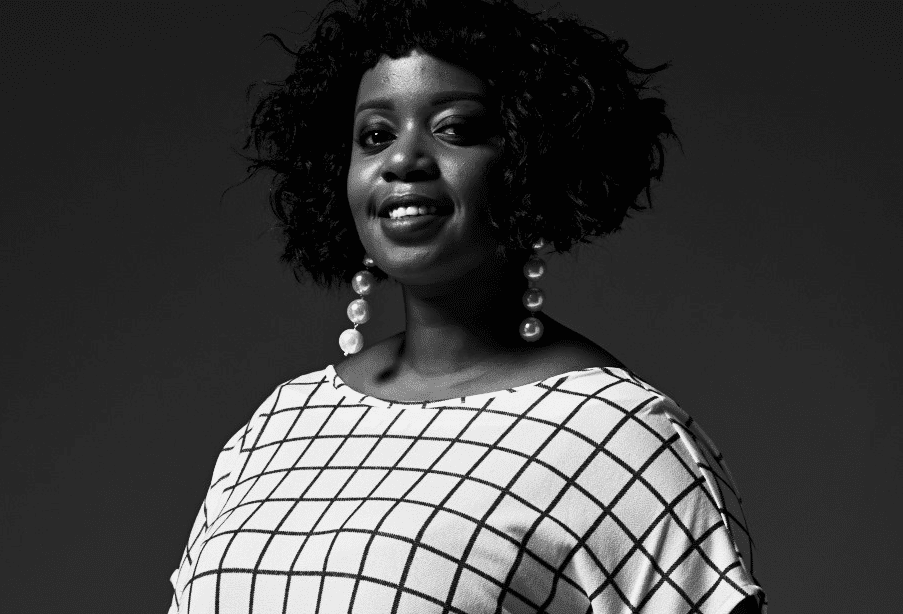
[bctt tweet=”Meggy was set on getting the best grades and never thought of contesting for a beauty pageant” via=”no”] “Miss Ile de France (region of Paris) was never my dream but it became one as I realized what it could mean for women of colour to represent beauty in a supposedly “white” region.” These were the words of Meggy Pyaneeandee when she spoke of her election as a representative for the region of Paris in Miss France 2017. Meggy, who grew up in the hood of Paris (in the suburb of Paris) has always had one dream and that is to get into a prestigious university, excel and help educate other children in the hood as she believes education is the only way out for people who are not part of the elite. Born to Mauritian immigrants who moved to Paris when they were just 20, Meggy witnessed firsthand the hardships of living in the hood and as her parents never got the opportunity for higher education, their dream was to get Meggy the best education they could. Meggy through ambition and positive action got into Sciences Po – one of the most prestigious universities in France which used to be restricted to the elite. This was the first step to reaching her goals as she got the opportunity to live and work in New York for a year which was on her dream board. With Meggy set on getting the best grades in the field of Marketing, she never thought of contesting for a beauty pageant. That was until she chanced upon French journalist, Francois Durpaire who made her understand that her personality would make a great difference as no one has a story like hers. Then Meggy realized that representing beauty for the region of Paris as a woman of colour would not only empower women like her but it would also encourage the children in the hood to dream bigger. How and why did you join Miss France 2017? I walked for a fashion show in March 2016 for a friend who needed models at the last minute. I didn’t know how to walk or anything but I did it to help her and that’s where I met a French journalist called Francois Durpaire. We had the opportunity to talk at the after party and when I told him I was in Sciences Po, he told me he was going to come for a conference in a week. I attended the conference and we talked again, that’s when he told me about being a member of the “Miss Ile de France” committee. I found it funny that a serious person like him would be a part of something superficial like a beauty pageant. When I shared this with him, he told me to just give it a try. I then spoke to my parents about this opportunity and my mom basically told me she wouldn’t speak to me if I don’t go for the casting. And so, it began. The reason I agreed to join was because I knew from the beginning that my participation was going to be different as I was different. Most of the girls in the contest had dreamt of this day while I had never thought of it. I never even thought I had a chance to compete because I didn’t think I was “beautiful enough”. But when Francois told me that I had my chances and that my personality would also make a difference, I realized how big this could be. There was something symbolic about representing beauty for the region of Paris because I am a woman of colour. Some would hardly call me black because I also look Indian but to me, my skin tone is dark, I am Mauritian and because of it I’m a mixed girl. I grew up with immigrants in the hood. I entered one of the most prestigious schools in France and I am still living in the hood. I knew there couldn’t be another girl like me in the contest with the same speech. From the beginning I knew my body would not be my chance to stand out. My speech would and I was right. [bctt tweet=”There was something symbolic about representing beauty for the region of Paris as I’m a woman of colour” via=”no”] What did being elected as Miss Ile de France mean to you? What kind of responses did you receive after the election from the community and other contestants? It was such an honor and a pride. I know I won thanks to my speech and it was empowering to people like me who come from the bottom and sometimes feel like it’s forbidden to dream. I just wanted to let everyone know that you can do whatever you want to do if you work and if you are well surrounded. With regards to the responses, I received all sorts. To be honest I mostly saw, in the beginning, nice comments. People were very surprised that I would be elected. Unconsciously, no one expects a non-white girl to be elected. I remember when I posted my official photo on Twitter, I had a lot of retweets and most of them were black people. But the show isn’t popular in my region so I wasn’t the girl everybody would hear about suddenly. The Mayor of my city got very excited and immediately asked to meet me and write about me on the journal. There were also the racist comments I would rather forget. I received very different responses from the contestants. We were 30 in number – some were indifferent, others adored me. I, however, got close to 3 girls during the entire month and we cheered each other. What was the criteria for your election? What preparations/sacrifices did you make towards both Miss Ile de France and Miss France? It was a beauty pageant contest so we needed to be at least 170cm tall, pretty, slim, mostly
Anisa Mpungwe: Now clothing brands are offering a lifestyle
[bctt tweet=”I am African so that aesthetic cannot disappear, it will always be there – Anisa Mpungwe” username=”SheLeadsAfrica”] Anisa Mpungwe is a Tanzanian born, South African raised fashion marvel. She started her career at age 19 working for various fashion houses, magazines, and apparel factories within Africa, America, and the UK. Not a stranger on international runways, Anisa has showcased her work in fashion weeks in South Africa, Mozambique, Angola, Italy, Sweden and New York. You might have spotted this Motherland Mogul’s garments on stars like Solange Knowles, Anele Mdoda, Lira, Simphiwe Dana, Amel Larrieux, Sharon Smith, and Yukimi Nagano from Little Dragon. The former US first lady Michelle Obama donned Anisa’s clothing on her first visit to Johannesburg. Anisa has won the African Fashion International Emerging Designer Award 2013 and was the MTV Transform Today Award nominee. She has collaborated with brands such as LG, SPREE, Samsung, Maserati, Converse, Nestle, BET and Bobbi Brown. You can find Anisa between Johannesburg, Pretoria and Dar es Salaam studios. SLA contributor, Kutlwano Mokgojwa, checks in with the humble and spirited Motherland Mogul to get the lowdown on celebrating 5 years in business, creating a lifestyle brand and shipping worldwide. It has been 5 years since you opened the door to your flagship store, what would you say you owe to still being in business today? I think consistency is important in any business and across everything that you do. There are certain things that you must always do and always take care of. Another important thing is having a good team. There are days when you will not feel so great and you do not want to deal with customers, you can always pass the responsibility along when you have a good team and in my experience, getting a good team together takes a while. Your brand is described as having a strong African influence, prints and modern tribal. Do you think this description limits the brand or does it open the right doors? I think it is all of the above. People always need to relate your brand to something, whether it is an experience in their lives or something they have seen. I am African so that aesthetic cannot disappear, it will always be there. Our aesthetic will always be around the African heritage but I am also really interested in sportswear for example. I have travelled and moved around a lot and because of that, I am able to come back and tell a story through the garments. The change in the design is not that I am trying to target a specific person but it is just where the LoinCloth and Ashes (LCA) story is. You have paired up with vibrant talk show host and radio personality Anele Mdoda as your brand ambassador, how does she embody the LCA brand? Anele is quite a complex woman and that is an LCA girl – somebody who is strong and vulnerable. Somebody who has something to say wants to elevate and fully enjoy her life. Anele is all those things and she is crazy too, she is completely nuts and I love her for that. I identify the LCA girl in her; she really aspires for better in all areas. You are known to feature on a lot of runways. How do you come up with inspiration for each collection? How do you incorporate your brands aesthetic to ensure your collections are true to the LCA brand whilst still being fresh and relevant? It has to do with what is happening for us at that time but also keeping in mind who our audience is. For example, if you do something like New York Fashion Week, what they would expect is a whole lot of bead work and when you show something else it creates a kind of shock wave. When you take African print somewhere like Stockholm where they are known for being minimalist you will blow their mind with so much colour. Same goes for Germany or Berlin. I know we have one of the biggest client bases in Berlin and they love the print because they don’t have that sort of thing there. So when we create collections it is about flying the flag but doing so in a manner that is relevant to the audience and to the brand. [bctt tweet=”When we create collections it is about flying the flag in a manner that is relevant to the audience” via=”no”] Since your establishment as a women’s wear brand, you have ventured into quite a number of things such as your junior wear, home décor, giving industry talks and consultations. What motivated you to head in that direction and how has that contributed to LCA being such a big brand in the fashion industry? There was a time when you went into a clothing store and it only offered clothing but now many brands are offering a lifestyle. So if I can’t afford the dress, I can maybe afford to buy a napkin or to buy my little baby a dress. I wanted LCA to also follow that suit because we don’t only talk about women’s wear when we are in the studio, we talk about everything else. I am not known to hide my experiences so that is where consulting and mentoring comes into play. [bctt tweet=”We are looking to celebrate feminism and rediscovering the word sexy – Anisa Mpungwe” username=”SheLeadsAfrica”] You have a new collection coming up, can you tell us more about that? Well, I cannot say much but it is a summer/spring collection. We are looking to celebrate feminism and rediscovering the word sexy. What does it mean for LCA? It means there will be lower necklines and high hems. You started shipping your clothes worldwide this February, how would you advise a small business owner who wants to extend their distribution in the same way? Firstly, I think it is important for one to evaluate their international client base. A lot
Chidinma Othuke-Okpokoro: Why I got into the education industry
[bctt tweet=”I wanted a job that will give me this satisfaction so opening a preschool was it for me” username=”SheLeadsAfrica”] Chidinma Othuke-Okpokoro is a wife, mother, and a Montessorian. Her love for kids and the family unit moved her to open an early years foundation centre – Olly’s Hive Montessori, located in the heart of Port-Harcourt, Nigeria. Her values are geared towards helping kids discover their full potential and abilities through work using the Montessori curriculum. A graduate of the University of Port Harcourt, she also holds a Diploma in Early Years Foundation stage with Modern Montessori International (MMI) London, UK. A chat with Chidinma about her startup gives us a deeper insight into the world of early years business education. How did you get into the education industry? I love children very much and enjoy their company. I have a very good relationship with kids and they are comfortable around me even if I have just met them. Then I had friends who would drop their kids with me and go about their daily routines and they urged me to look into turning it into a business venture. After I got married and lost my job, I had my son and I really wanted to be close to him and watch him grow. I have very strong family values and I desire a close knit one. I wanted a job that will give me this satisfaction so, opening a preschool was it for me. Finally, I set up one in September 2013. Did you decide to only focus on preschool? Why? When I started, I decided to run just the preschool for a while and be grounded in it. The early years period, also known as the sensitive period, is very crucial in the life of a child. We must take advantage of this period to aid them to reach their full potential. From 0-5 years, the child should be exposed to a prepared environment. The sensitive periods are blocks of time in the life of a child when he or she is absorbed with one characteristic of his environment to the exclusion of others. Education today is said to be expensive in Nigeria – why do you think that is? Yes, education is expensive and this is because of the resources (Montessori materials) that need to be put in place to aid the child in his development. These resources are incorporated into the fees. Montessori materials are the very best to use to help a child. A lot of funds must be made available to make this work. Does it mean schools that aren’t expensive lack basic educational tools for the child? Well, yes! Montessori schools need a lot of resources in place to help a child develop. Materials are usually sourced abroad. You have to be trained and constantly improve your personal skills to ensure you are up to date in line with the requirements. Getting teachers who are qualified to teach the Montessori method is a challenge because not everyone is exposed to it. You have to train these teachers to fully assist the child in their care. Not so many people are familiar with the Montessori method of education in Port Harcourt or Nigeria. A lot of people are used to the traditional method of teaching which is stressful and difficult for children to grasp. Traditional schools lack the tools needed to help the child develop and fit in properly into the environment they live in. Would you say we have a lot of young women like you in the education sector today? My answer to this would be yes. I know and have friends who are working so hard and succeeding in this area. These women have inspired me and keep pushing me to work hard. I see how passionate they are, how much time they spend giving of their energy to help kids and ensure they get the education they need to thrive in the society. [bctt tweet=”Children are the leaders of tomorrow and what better way to be a part if this than impacting the life of child?” via=”no”] What key things should we know about investing in a child? We all will reap the rewards of well-behaved children in the society. Raising good children means better societies, free from danger and crime. If we focus our energies on children, understand them, we should be able to provide for an educational system that will help solve problems faced by the world instead of going to wars. Is there a difference between schooling and educating? Please enlighten us. Yes, there is a big difference. Schooling is done in school. Education can happen anywhere. Education to me means something of high standard and schooling is whatever quality a school offers. Schooling is the teaching of students and hoping that they retain the knowledge and later learn to apply it in life. That’s where education comes in. [bctt tweet=”To have an education is proof that not only have we learned what knowledge was offered to us” via=”no”] Where there start-up challenges? Please kindly share them. Oh yes, as with every business, there were challenges. There were days I would come in to work and cry for so many hours praying to God to help me. I didn’t have the number of kids I dreamt of when I started and this was because of the location of the school. I set it up in an area where the market wasn’t favourable. Lesson learnt. It was difficult to get qualified teachers and pay them the fees that would make them stay. The ones I got didn’t really have my vision and I was constantly frustrated. There was the need for a school bus and I initially used my personal car to do school runs. This really pushed me to continue no matter what. Would you say that the education business is a profitable venture? Why? All businesses are profitable, I bet no one would venture into
How to choose a business name
[bctt tweet=”Many entrepreneurs have lost great opportunities from having the wrong business name” username=”SheLeadsAfrica”] While some entrepreneurs are lucky enough to choose the right names for their businesses on instinct and impulse, many have suffered great losses and lost great opportunities from having the wrong name. Today’s business space is crowded, it is therefore important that entrepreneurs take conscious decisions that set apart their businesses apart in the market place as well as protect it for the future. A business name is one of those decisions. In business, it’s important to choose a name that sets you apart, one that will last. Every business should have a name that is catchy, a name that sticks. Put some thought into the name choosing process for your business. Here are tips to guide you through the process of naming your business. [bctt tweet=”Every business should have a name that is catchy, a name that sticks” username=”SheLeadsAfrica”] Decide Decide on what you want the name of your business to communicate; you want your name to convey your objectives as a business. Choose Choose a name that not only appeals to you but your target audience, your business name should be meaningful to your target audience. Relate with your audience Pick a name that your target audience can relate to on an emotional level; a name that triggers an emotion in your target audience. Avoid unusual spellings Stay away from unusual spellings; new forms or spellings of existing words can make it difficult to locate you on the internet. Be mindful of translations If you decide to go with a quirky or abstract name; check to make sure it does not have a negative or unpleasant translation in any other parts of the world. [bctt tweet=”A good business name can quickly get you the right attention your business requires” username=”SheLeadsAfrica”] Think of the future Avoid names that can restrict the scope or expansion of your business in the future. For example, you might start out making dresses for the Lagos weather. Avoid names like ‘Lagos Dresses’ because as you grow and expand, you might decide to start making skirts, tops, trousers for people across the world. When that happens you do not want to confuse your audience/customers. Say no to long names Avoid names that are long and confusing, you want a name that is easy to spell, pronounce and remember. Be unique Go for a name that is unique to you. Depending on what’s relevant to your business, you might want to do a business name search, trademark search, simple web search, social media search to see if the name is available for use on these platforms. You do not want to start up a small business and when it’s time to go big, you realize there is a company somewhere with the legal rights to stop you from using the name, imagine what that can cost you. It’s better to go for a name that is available on dot com (.com), if you can afford to, you can buy the .net, .org, .info domain or any any other domain that can distract traffic from your website. Visualize it Try to visualize what your name will look /sound like in various adverts – print, radio, television. A good business name can quickly get you the right attention your business requires, implications of the wrong business name, however, can be fatal, from losing investment opportunities to litigation: so much can go wrong from a seemingly simple decision. If you are just starting out in business, you should consciously pick a business name. Depending on how far gone you are in business, repairing a wrong business name might have to involve re-branding This costs money and should be done with the help of a good branding expert as it can also go very wrong if not done gradually and with caution.
Diana Washe: Because I do what I like, my work and lifestyle are interlinked
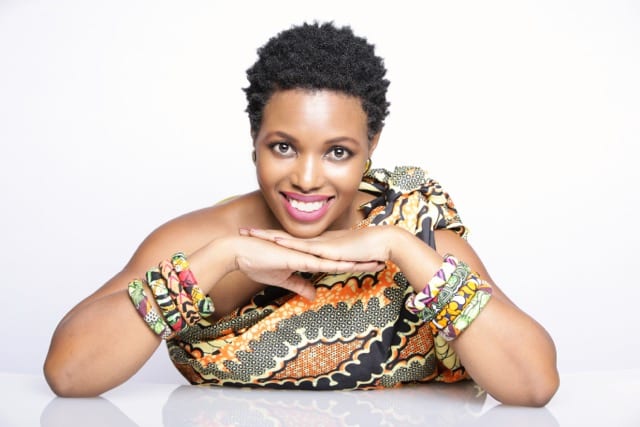
[bctt tweet=”I covered my shoe with African fabric, posted it on social media & the next thing I was getting orders” via=”no”] Diana Mano is a Digital Marketer for a direct marketing company, a blogger, a BA Communication Science graduate and a mother of two boys. Diana, known by most as Diana Washe, is the founder and creative designer of Shaina an African inspired accessory designing business based in Johannesburg, South Africa. Her products are handmade and fuse African fabrics with different textures to create unique handmade pieces. She named herself Washe a name which comes from her faith in the Lord meaning “of the Lord”. Tell us a bit about Shaina. Shaina started in 2014 when I was diagnosed with depression. I was in a dark place having lost someone very close to me. I started seeing a therapist and one of the things that she encouraged me to do was to look for a hobby in an effort to help me with the depression. So I went to YouTube and found a video on how to make crafts using the fabric. The first thing I did was cover my shoe with African fabric, posted it on my social media page and the next thing I was getting orders. I wasn’t keen on making this an income generating hobby but my therapist advised me otherwise. So I started with a few orders and boom, Shaina was born. I started with small things like accessories because if you can’t wear fabric, you can at least accessorize. With each year I get better at the craft. Shaina basically means shine. I named it Shaina because I don’t believe that people should just sit and wait for things to happen, they should flourish where they are planted. Shaina is an extension of my personal life, I am a lover of accessories. How would you describe your designs? I make contemporary African accessories which is a fusion of other fabrics and African print. I have in cooperated a combination of leather and African print into my line. Basically my brand is an affordable luxury brand. What inspires your designs? The different people I meet in African print either on the streets of Johannesburg, Harare or in magazines. If I see something I like, I am always thinking of ways to make it better. I love fashion and prints, I find them very vibrant but I also feel like a lot of people do not really appreciate print. [bctt tweet=”If I see something I like, I am always thinking of ways to make it better – Diana Washe” username=”SheLeadsAfrica”] Tell us a bit about Soweto Fashion week? Soweto Fashion Week (SFW) is a platform for upcoming fashion designers to show the world what they are made of. For me it was nerve-racking, exciting and a great eye opening experience. It was my first time showcasing at a fashion show but I feel I executed my work very well. It was a good place for me to be because of the media coverage, exposure and meeting new people. How has your educational background helped you in managing your business? So firstly, my work background as a Digital Marketer assists me in running my own pages as it includes a lot of social media, email marketing, web-page optimising. So because I do what I like, my work and lifestyle are interlinked. What are the challenges of running your own company? Time. One just never has enough time. I wear many hats, student, mom, blogger, digital marketer and my personal life, therefore, there is not enough time. Tell me a bit about your blog. My blog is called Parenting in Heels and it is a lifestyle parenting blog started in April 2017. A lot of people ask me how I manage to do what I do so I decided to share my everyday life and how I make it work. What is your advice to those aspiring to enter the fashion industry? Have a passion for it, determination, work hard and stay focused. What were the major start up challenges you faced? Trying to move Shaina from being a hobby to it being a business. Where would you like to see your brand in future? I am looking at expanding my brand into African Inspired interior design and a kids clothing line. I want to have a concept shop and also work with other designers. I would also like to see my products being recognised and available in shops and major fashion shows. [bctt tweet=”Diana Washe: I am self-taught and I am willing to help other women ” username=”SheLeadsAfrica”] What can we expect from Shaina in the next five years? A more solid brand that is found all over the world. Empowering and encouraging women especially single parents to be self-sustaining and use what they have. I am self-taught and I am willing to help other women. I believe the world is so abundant of things to work with. If you’d like to share your story with She Leads Africa, let us know more about you and your story here.
Meet Mbuetung Eyere the 26-year-old redefining pastoring as a career in Cameroon
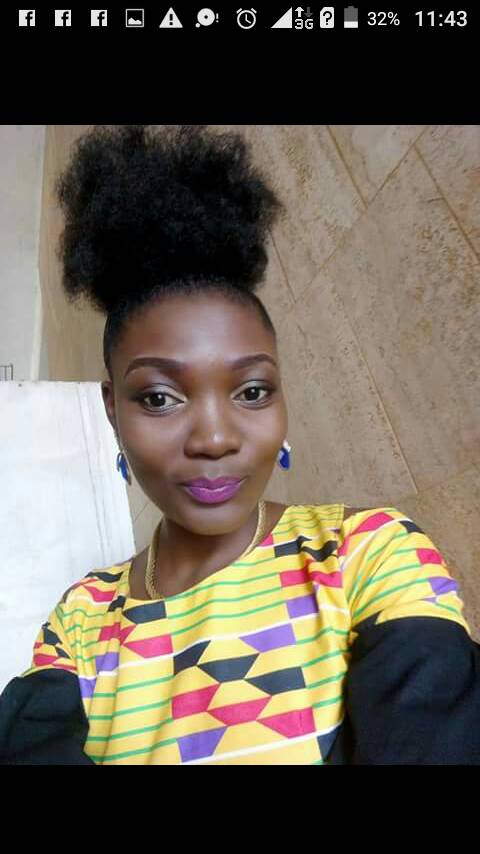
[bctt tweet=”You can only find satisfaction & profit when you’re working in line with the uniqueness of your purpose” via=”no”] Mbuetung Eyere is a young Cameroonian female pastor and entrepreneur. Contrary to the popular cliché which states that pastors are broke, Eyere believes it is profitable when it is your unique purpose. To her, being a pastor is call and anyone who wishes to take up pastoring as a career must make sure he/she has a genuine relationship with God. Eyere shepherds the Champions Faith Assembly in Yaounde, the capital of Cameroon and dreams of using her calling to bless and positively influence generations across Africa. Being a young woman, how did you get the idea/concept of becoming pastor? My idea stemmed from my search for my purpose here on earth. In the course of searching and walking with God, I discovered that God wanted me to know and serve Him more. So getting into the pastoral office was a discovery I made in course of my search for my purpose here on earth. What has been your biggest hurdle so far? Having to guide people spiritually and physically has a lot of stakes. One needs to put a lot of things together to aid people to understand the mind of God for their life. So being a leader spiritually and physically over God’s people is a challenge. But then again, I see all challenges as opportunities to grow. Has there ever been a time when you thought of giving up? What kept you going? Yes, of course. Like any other career, you get to a point where the challenges overwhelm you. But the spirit of God has been my strength. I just run to him in prayer. You know the Bible says, “Those who wait upon the Lord shall renew their strength. They will run and not faint.” What is your favourite thing about being a pastor? Watching baby Christians grow spiritually to where they can worship and know God for themselves. I am happy when I get to help people who are downcasted. Using the word of God to encourage them and help build spiritual giants who can intend help others. Will you encourage other young girls to take up pastoring as a career? Is it profitable? Being a pastor is a call. It’s part of a person’s purpose. Everyone cannot be a pastor and that is where the profit comes in. Pastoring can only be profitable to you if it is your unique destiny. You cannot find profit in another man’s destiny. You can only find satisfaction and profit when you are working in line with the uniqueness of your purpose. I will encourage any young girl who has discovered this to go for it. What practical tips can you give to girls who wish to take up pastoring as a career? What comes to mind is first of all the stability of her relationship with the Holy Spirit, because He will be her source of strength in and out of crisis and the challenges that come with the pastoral calling. Also, she must have a confirmation of it being her call. That is it being the purpose of God for her life, not just because she admires or wishes to become a female pastor. Again, she will need a source of finance to aid her in ministry. Else she may become a burden to her followers, which might, in the long run, make them disregard the anointing of God on her because she might be depending on them for financial support. Furthermore a young girl who desires to serve God in a pastoral office must have mastery of God’s vision for her life, to enable her to move from one level to another in God’s divine agenda for her life Also, she has to diligently work on any form of weakness in her character or attitude, for this will her help become an effective leader. If you’d like to share your story with She Leads Africa, let us know more about you and your story here.
Thabiso Mahlape: I want to grow the amount of South African black authors in the industry
[bctt tweet=”We chat to Thabiso Mahlape, about her publishing imprint, Blackbird Books” username=”SheLeadsAfrica”] Publishing aficionado, Thabiso Mahlape has been on our radar for quite some time now. Her publishing imprint, Blackbird Books has garnered a lot of success and already has memoirs and autobiographies by big names under its belt. Blackbird Books aims to bring stories by black authors to life, giving them a voice and a platform to grow and hone their skills as successful authors. Being the first black woman with her own publishing imprint has had its challenges, but Thabiso makes it known that she is doing an incredibly important job of making sure that our voices, stories, and talents are being seen and heard. Below, Thabiso tells us how she is exposing black talent, one paperback at a time. How did you get into the publishing industry? I got into the industry by chance. I had done engineering for about 4 years before deciding to study for my first love, journalism. I didn’t get in to do journalism but my guidance counselor suggested I try publishing. After studying I didn’t have a job for 3 years until I landed an internship at Jacana Media, and my career took off from there. Please tell us more about your brainchild, Blackbird Books? Blackbird Books is pretty much the extension of the work that I was doing at Jacana. I wanted to expose stories that are unapologetically black and written by black people. After I had my daughter in 2014, I decided to finally venture into developing Blackbird. Have you had any challenges as a woman, when it comes to making it in the industry? As the first black woman to have my own imprint I have been undermined by all men, black or white. I have even been undermined by black women. I was walking with one of my author’s one day and my white male colleague told him, “if you’re looking for a real publisher, come speak to her” pointing at a white woman. I’ve had all kind of backlash, but that’s not to say that I have not been embraced by those that love Blackbird. What are you currently reading? The Memory of Love by Aminatta Forna. [bctt tweet=”I wanted to expose stories that are unapologetically black and written by black people” via=”no”] What problematic issues have you picked up from being in the publishing industry, especially as a black person? The publishing industry is extremely white. It was definitely not representative of the majority of the country, but it is making progress as time goes by. More and more black authors are being exposed and the status quo is changing. What inspired the name, Blackbird? The name was suggested by a colleague of mine at Jacana. The name stems from the Nina Simone song called “Blackbird”. The song refers to the struggles of a black woman and how that woman wants to spread her wings but finds a lot of difficulty in this due to societal issues bringing her down. What future plans do you have for the publishing imprint? Some plans I can’t spill just yet but I want to see Blackbird grow and solidify it as a publishing house. I want it to be a platform for black people to find themselves and grow the amount of South African black authors in the industry. What advice do you have for young black women who want to break into the industry they love? Invest in your work, put in the time and work really hard at it. We live in this “Instagram” time where everything is seen and instant gratification is important. You cannot get anywhere without working really hard. Make sure you are doing the right thing, which is what you want and are most passionate about. If you’d like to share your story with She Leads Africa, let us know more about you and your story here.