
Olapeju Jolaoso: Social media is amazing for business
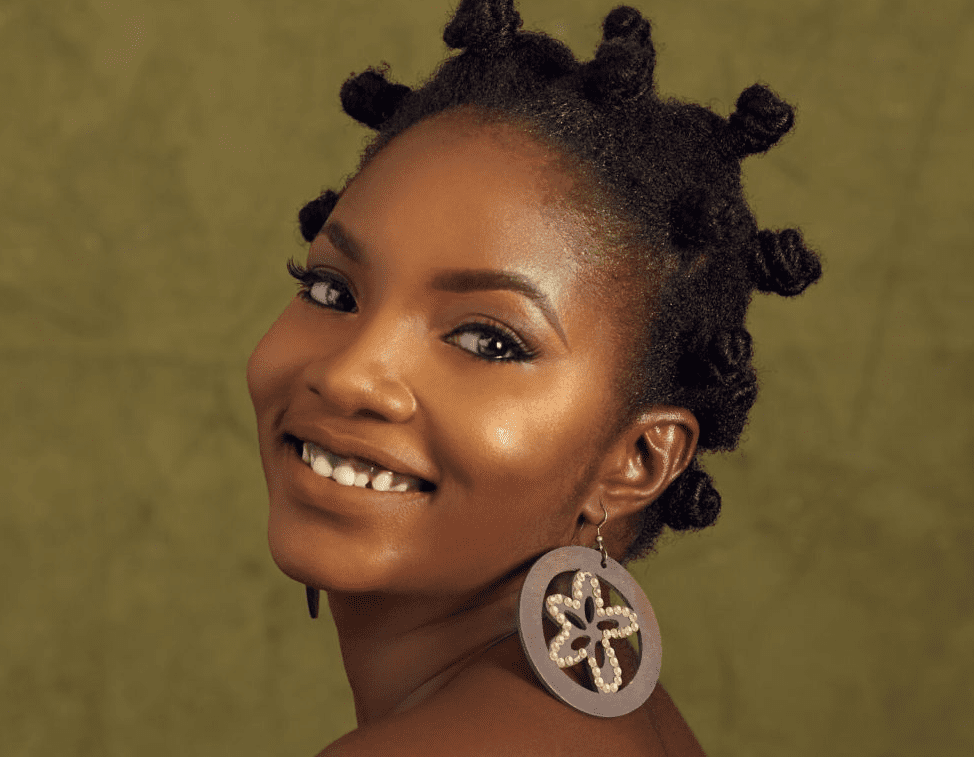
[bctt tweet=”Social media has been a wonderful tool for me and my business – Olapeju Omolade Jolaoso” username=”SheLeadsAfrica”] Olapeju Jolaoso is #MotherlandMogul goals. She is the founder of Abebi Organics which produces amazing organic and healthy handmade Shea Butter-based skin and hair care products. Her hope is to become the go-to person for organic skincare in Nigeria and the world in the nearest future. When she isn’t running Abebi Organics, Olapeju is in class. She is currently an undergraduate at the University of Ilorin where she is studying Geography and Environmental Management. Are your products handmade by you/your team or are you a retailer of another manufacturer? All my products, except coconut oil, are handmade by me. Due to my ongoing education, I have a separate manufacturer for the coconut oil because there is barely any time for me to make it. How have you been able to use social media to gather publicity for your brand? I got the inspiration for my business offline however, social media has helped in the growth and development by bringing customers, logistic services and so on. I use social media for free advertisement and it has really helped. People off social media have seen my ads, liked, retweeted, shared and also referred me off social media. It’s an amazing tool. How do you ensure that your product remains hassle-free from the point of order to point of delivery? Kindly explain how the sales chain works? Products going from point of order to point of delivery hassle free is actually very difficult. Most times the issue stems from logistics. You have to hope and pray that once you give the delivery person the orders, they don’t mess them, mix them up or deliver it to the customer late or even not at all. Sometimes, these things happen. You just have to keep communicating with the customer to ensure they have peace of mind and that you don’t lose them. The sales chain goes from me to the delivery personnel and from the delivery personnel to the customer or whoever is available to pick up on the customer’s behalf. [bctt tweet=”Twitter has been the most helpful social media network for my brand- Olapeju Omolade Jolaoso ” username=”SheLeadsAfrica”] What major social media channel do you make use of and how has it been beneficial to the brand? I make use of Twitter the most. It’s been the most helpful. We also use Instagram, Whatsapp, Facebook and WordPress but the major tool is Twitter. Twitter has a way of spreading your adverts. It doesn’t stay in one place. It goes from timeline to timeline. This ensures that other people who aren’t even following you see the posts and get curious thereby giving them a chance to send you a message. Also, twitter handlers can also direct their followers to your page and it’s amazing. It’s been super beneficial. We got the person who made our logo and the lawyer who registered us via Twitter. We hope to get investors via twitter too! That’ll be exciting. It’s a great marketing tool. Do you think social media alone is sufficient in helping your business gain more prominence? If yes/no, kindly share your reason. Although social media is a major tool, and mostly the best tool we have at hand right now to help our business and bring in customers, I don’t think social media alone is helping us gain more prominence. There are other channels that’ll be beneficial to us as much as social media has. We just haven’t explored them yet. Social media is amazing because we get to network with other businesses and we get a ton of customers from it. Social media is affordable, it doesn’t take too much but it gives back a lot. What challenges have you faced on social media? None really, and I hope it stays that way. But then, sometimes it’s like we aren’t reaching enough people. Sometimes I feel like we aren’t doing enough on social media to bring in a lot of customers. [bctt tweet=”I’d definitely advise anyone to use social media as a marketing tool. – Olapeju Omolade Jolaoso” username=”SheLeadsAfrica”] What would your response be to someone who is contemplating whether or not to use social media as a marketing tool? I will tell them to definitely go for it. Social media has been a wonderful tool for me and my business. I’d definitely advise them to use social media as a marketing tool. It’s amazing. If you’d like to share your story with She Leads Africa, let us know more about you and your story here.
“Don’t go into any business just because of money” – How Ifeyinwa Ojekwe built the brilliant AJALI skincare
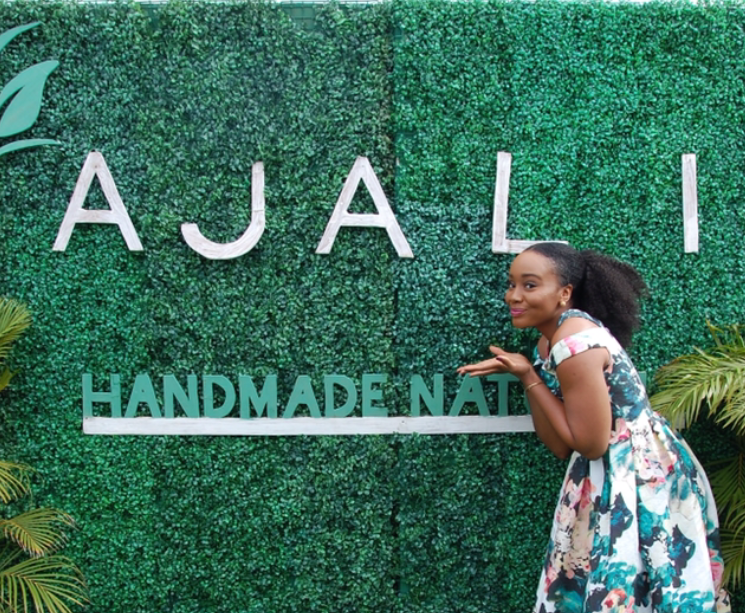
[bctt tweet=”Ifeyinwa Ojekwe: If I didn’t give it my all I’d never know how big it could be” username=”SheLeadsAfrica”] With businesses I admire I always wonder, how did they start? How did they figure out the right products and how the heck did they get a storefront so early? Catching up with Ifeyinwa Ojekwe, founder of AJALI answered these questions. AJALI is an all-natural, completely handmade cosmetics brand established in 2013 to promote local industry and create awareness for living a healthy life. I tried their products at She Hive London and fell in love, I’ve not looked back since. How did AJALI start? AJALI was founded in 2013. I got really sick when I moved back to Nigeria and made the decision to live a cleaner life. I went natural and started doing research into natural cosmetics. At the time, there was body shop in Nigeria, and when I did more research it wasn’t as natural as I expected, so I kept looking for an alternative but didn’t find something I liked, so I did some DIY. The first thing I tried to make was my body souffles, and my family started to ask about it. So I began making it for friends and family, and then my church had an exhibition and the rest was history. It started off really organic (no pun intended!), it started as a hobby and four years later here we are. How did you make the transition from employee to entrepreneur? I worked at Chevron and Ernst & Young when I moved back to Nigeria, and then I landed my dream job at Today’s Woman. I only quit my job in 2015 – 2 years after AJALI started. Throughout all those job changes, I found that AJALI was the only constant, the only passion throughout that time. If felt like if I didn’t give it my all I’d never know how big it could be. It got to a point where I couldn’t manage both, I couldn’t handle the business coming in. I was a one-person operation at that time, I was doing absolutely everything myself and I needed to give it 100%. Several times along the journey, I was frustrated and wanted to quit but I was surrounded by so many good people to encourage me and give me pep talks when I needed one. A major turning point for me was when I was on holiday in London and EbonyLife reached out and said they wanted to give me an award. I thought it was a scam – so I sent them to my mom’s office and a whole camera crew turned up! That was in 2014, I won the Best Nigeria Made Product of the Year and something told me to keep pushing on, to give it my best and keep on keeping on. At first, my family was sceptical, they questioned whether I really thought it through, especially with the recession in Nigeria. But I resolved that this was what I truly wanted to do, and I’d give it my best shot. What were your biggest investments in AJALI? When I decided to be full time, I decided that I needed a physical store to take me where I wanted to go. I had success with my online store and going to trade shows, but people really wanted to come and pick up our products. So I started looking for a space to make things look more professional. Luckily from my job at Today’s Woman, I had some media and press contacts so was able to get buzz around my the launch of my store on 1 November 2015. At the time, it was a 2 bedroom BQ (boy’s quarters) where I did everything – the office, production, and the selling. I hired a beautician to do treatments as I had some extra space and we were off. On the launch day, we had nearly 200 people and I sold more that night that I had sold in the two years prior. That was the first time I believe it could actually work. I hired my first sales assistant around December 2016. I’ve taken my time, it’s all privately funded by myself, family and friends along the way, so I have to be very careful with resources. Everything goes back to be being invested in the business. I also focused on improving the quality of the business, the logistics, the operations for shipping, and delivery. I’ve also expanded my product range as time went on and invested in serious marketing to legitimise the brand. Before I started, I took a year to educate myself on various ingredients and test products with real users, friends, and family. I’m always looking for new things we could do, and because my passion is living a naturally healthy life, it is second nature. [bctt tweet=”Do something that you are passionate about but make sure it makes business sense” via=”no”] What advice would you give to help someone build a successful business? 1. Do something that you are passionate about but make sure it makes business sense. You need to test whether you’re actually going to make money – is this something you’re going to live off of? If you’re going to have a sustainable business you need to have that research. 2. You don’t have to do everything yourself, though. I use freelance websites to make logos, improve my website and do other graphic design. Make sure you have mentors around you, people who can support you – someone you look up to who you can pick their brain and get their advice from. So try to build up your network, if you don’t know where to start, start in places like SLA and educate yourself 3. Be ready for the journey. Not everyone is meant to be an entrepreneur, be a risk taker, willing to work later, and pay less until you reach that sweet-spot in your enterprise. 4. Have a
Miyoba Buumba: Venture into areas that haven’t been explored
Miyoba is a designer, entrepreneur and environmental advocate with two years work experience with the nonprofit sector. She owns a Zambian design brand called Mwabonwa which makes African print beddings, Jewry, adult and children’s wear. Miyoba is also a youth leader of Echo Change Zambia which conducts environmental awareness activities in schools and communities and has spearheaded the planting of 33,571 trees in Monze District of Zambia from January to March 2017. She holds a Bachelor of Education with environmental education form the University of Zambia. Her main skills include capacity building, community mobilisation, advocacy and enterprenuaship. Miyoba plans to expand her brand and open a design school where she will teach young girls and boys entrepreneurship skills. What’s your strategy of being in the forefront as a young African entrepreneur? My strategy is venture into areas that have not yet been explored and capitalise on them. Unlike most fashion entrepreneurs who run either a small tailoring shop or a sales outlet, I plan to set up a clothes production factory and sales outlet that will have various sections which go above and beyond customer’s expectations. How long do you think it will take to kill the second hand clothing business? If more textiles industries are established, more designers begin to use local raw materials and local consumers see the value and begin to support locally made products, it will take 20 years or less. The second hand clothing business is so popular because it’s cheap. Do you think it will be cheaper when we produce ourselves? Absolutes yes. The reason why brand new clothes are expensive is because they are produced internationally and involve a lot costs from production to consumption. If we produce our own clothes using our local raw materials, we will not only making brand new clothes affordable but also creating employment from textile manufacturing, clothe production and later on sales and marketing. How are you planning on bridging the gap for those that are struggling to also sell better quality clothing? Miyoba can you share with us your environmental concerns? I have beliefs and values that guide me to protect the environment in my every day activities. The environment is our home where all life only thrives when it is safe. A defiled environment can not support life, businesses and economies. We have not done so much in protecting our environment in the past as the resulting impacts are threatening the very lives we are trying to improve and the very businesses or economies we are trying to build. What are some ways l can help the environment that l might not be aware of? One can help the environment by reducing the use of plastic bags when shopping, choosing to buy environmentally friendly products, use less water, recycling products, planting trees, growing organic products and generally speaking to friends about good environmental practices. If you were to be reborn, would you rather live at the beginning of the world or at the end? I would live at the beginning because I feel we have wronged the earth so much without realising and now that I know what damage we humans have done to the planet, I would love a second chance with mother earth, just to start all over again.
Annemarie Musawale: I took my power back

[bctt tweet=”Being a single mom, academic writing seemed the best option in order to be home for my son & earn a living” via=”no”] Annemarie Musawale was born and raised in Nairobi, Kenya and she says, she’s never actually stepped one foot out of East Africa. Growing up this self-publishing author almost always had a book in her hand. Needless to say, she made up stories of her own. By the time she went to high school, Annemarie had pretty much read every book her classmates were just beginning to discover. Annemarie went to the University of Nairobi to pursue a BSc. Degree in Botany, Zoology, and Chemistry. Two years into the course, she was accepted to Makerere University to do BPharm. Leaving work as an active Pharmaceutical Technologist, 2009 was the year Annemarie Musawale became a full-time academic writer. In her own words, ‘Being a single mom, it seemed the best option in order to be home for my son when he needed me, and still earn a living. SLA contributor Rumbidzai had an opportunity to interview her and Annemarie had all these interesting stories to tell. How long does it take you to write a book? Unfortunately for me, writing my own books is not my day job. So I can only write in my spare time, which is very scarce these days. So on average, it can take me anything from six months to two years to write a book. I’m working on making time no matter what, to write daily but so far, I’m not there yet. Looking at the books or pieces you have written what is your ultimate goal? When I wrote “Single Motherhood Unplugged” almost eight years ago, it was a catharsis for me. A way to get my baggage off my back and let it go. I put the book up for sale because once it was written; I could not just throw it away. There were life lessons to be learned, a way for someone else to learn from my experience. So I let it go out into the world and find its audience. It is my one non-fiction book and I call it my ‘step-child’ because of how much I do not market it. The goal therefore with that book was…help someone else who was looking for answers. My other books are fictional in nature. They were written with a lot of love and I guess their goal has been achieved. To have someone read them, and enjoy the words; perhaps be touched by it. My ultimate goal, of course, is to make the New York Times Bestseller lists. My role model in this business is Diana Gabaldon because our paths are remarkably similar. Background in the sciences, Diana started out writing (in her late thirties) just to ‘try it’. She ended up creating characters it is difficult to let go of. Twenty years later, Diana is where I want to be, twenty years from now. [bctt tweet=”My ultimate goal, of course, is to make the New York Times Bestseller lists – Annemarie Musawale ” username=”SheLeadsAfrica”] For the sake of some of our Motherland Moguls who haven’t read your book, “Single Motherhood, what can they expect from it? They can expect it to be raw, painful to read even and completely truthful on what it is really like to have a baby on your own. I called it ‘unplugged’ because it is like those musical performances where the singer has just a stool and a guitar and whatever talent they have in their bodies. They present it to you and let you judge them on the merit of their work. In the book, I let people into my head and lay it bare for them to do with, as they will. It was a very difficult thing to do, but from the feedback I have gotten, there are people out there who needed to read it. So have a look at it with my blessing. Now that’s interesting! In your line of work is there anything you find particularly challenging? Well, the business of writing has its challenges as many writers can tell you. The first is marketing. Getting enough people to hear of your books so that they want to go look for them. The market is crowded and getting noticed is hard. Add to that the fact that my books are not the typical ‘African writers’ type of book. One of my Kenyan readers put it this way; “This book could have been written by anyone, anywhere. It is not confined by time or space.” And while I agree that that is true, I think that nobody but me could have conceived of these books the way I did. It was my unique perspective brought about by living in the ‘global village’ but residing in Kenya. For that reason though, my books don’t have a readymade market. They have too many elements that are foreign to the African psyche, and yet if it were written by a Westerner, most Africans wouldn’t have a problem with it. But the combination of being an African, writing a global book is a new idea. The upside of this is, my audience is not confined to those around me but is truly global. When I see that people from as far away as Japan, Ukraine, Russia, America, and Brazil…have clicked on my links and looked at my books…it makes me feel warm and happy. However, it also makes hosting book signings a bit difficult. When I began in this business, I was traditionally published. However, my publisher was very stingy with information to do with my book. They expected me to do the lion’s share of marketing (as most authors are expected to) without giving me feedback on what was working, what sales figures were or even paying me royalties. So I took my power back, took my books back and went the self-publishing route. This way, I have complete control
Ntombizodwa Sibanda: Contentment is the realisation of how much you already have
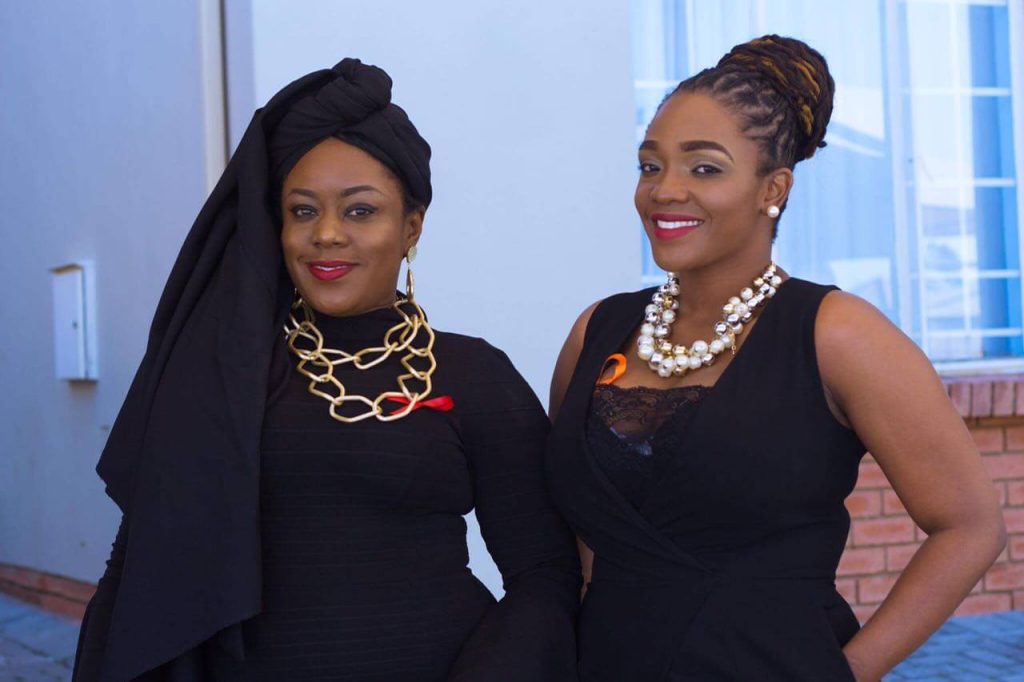
[bctt tweet=”Our ultimate goal is to holistically fulfil our guests @ZoeOmza co-founder of @TheHighTeaZA” via=”no”] Ntombizodwa Sibanda and Bonnie Chimanikire recently hosted a successful high tea event in Harare, Zimbabwe. The High Tea concept is an initiative that was co-founded by the two ladies, Ntombizodwa and Bonnie. They wanted the event to be an afternoon of encouragement, pampering and positive interaction for women. SLA contributor Makhosazana Ndlovu recently caught up with Ntombizodwa to learn more about the concept and discover their secrets to running a successful event. What inspired you to start The High Tea initiative? My partner, Bonnie and I had successfully run a campaign to assist displaced xenophobic victims in the Germiston area. After the campaign, Bonnie approached me about her vision to host a women-focused event. We agreed that we wanted the event not only to be informative, but to be an afternoon of encouragement, pampering, and positive interaction of women, which is contrary to the general negative narrative of the interaction of women. Empowerment, fashion, food. Why these themes specifically? Our ultimate goal is to holistically fulfil our guests. Our guests are encouraged to dress to the nines, we ensure that our menu and refreshments are fit for the palate of queens and carefully select our speakers with a simple mandate to encourage our women. No woman can ever get enough of these themes. How did you deal with the challenges that you faced when you first introduced the initiative? Determination: We knew what we wanted. We knew what had to be done to achieve it, and we set out to do it. Most importantly, we were prepared for the worst; which was very low numbers. But we knew that if we succeeded in executing the first one, we would have the most effective publicity (word of mouth) going forward. Support structure: We had friends and family who stood by us and gave us the necessary support and advice we needed. Prayer: Some situations were beyond us. Those are the ones we left to God to handle. And He pulled through for us… a lot of fasting and prayer comes into every edition of The High Tea. [bctt tweet=”We knew what we wanted. We knew what had to be done to achieve it, and we set out to do it” username=”SheLeadsAfrica”] Who do you work with to ensure that The High Tea events are a success? When we started, it was just Bonnie and I. However, as the vision grew, so did the need to incorporate much-needed help. The core team has grown by an extra four members, namely, Pam, Zihlobo, Gugu, and Sidumisile. We also have a large network of successful women who are originally from Zimbabwe but are resident in South Africa. They are affectionately known as the SQUAD and we rely on them for valuable advice and direction. I could never forget our friends and families who have all played various roles in assisting us to meet our goals. What impact does the events have on African women? The event is not limited to Zimbabwean women but attracts women from various African countries. This is also evident in our diverse speakers. We aim to encourage inter-dependence amongst African women. Our struggles are, after all similar, regardless of our different countries. This means that viable solutions can be found in positive interaction with each other. [bctt tweet=”We aim to encourage inter-dependence amongst African women @TheHighTeaZA” username=”SheLeadsAfrica”] What are your words of advice to young women who would like to start initiatives such as The High Tea? Regardless of how many times you have seen something being done, no one can ever do it like you. Identify your target market, identify a mentor, identify what and whom you will need to assist in bringing your vision to life, stalk them. It is possible. If you’d like to share your story with She Leads Africa, let us know more about you and your story here.
Tejumade Adefioye-Dairo: Social media helps me reach my target market
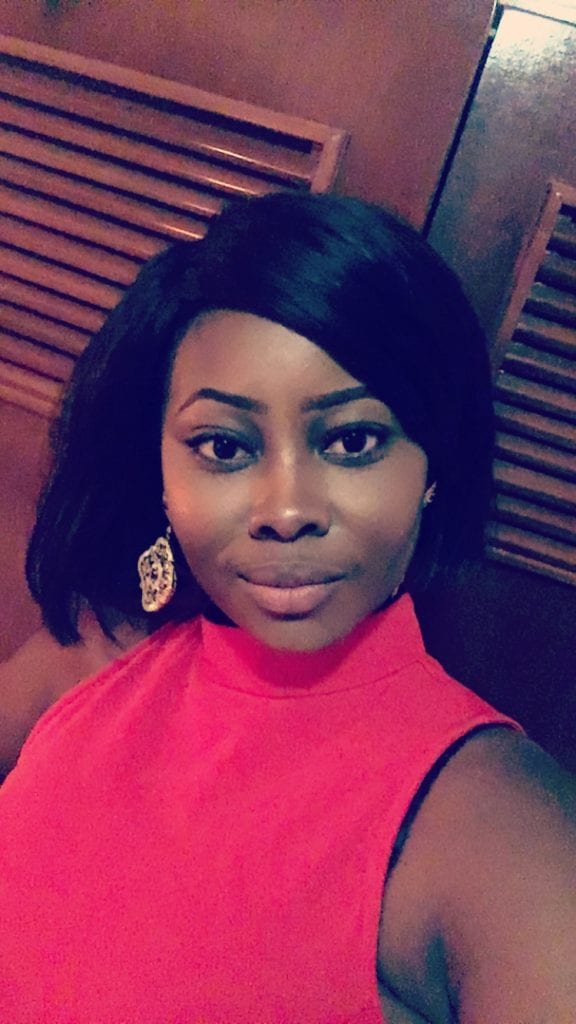
[bctt tweet=”Lazy sellers online are often competitive – Tejumade Adefioye-Dairo” username=”SheLeadsAfrica”] Tejumade Adefioye-Dairo is a graduate of Industrial Chemistry from Bowen University, Nigeria. She is also the founder of Haute Global company. Her brand, Haute Signatures specializes in the sale of handbags, shoes, jewelry, and sunglasses. When Tejumola is not thinking about new bag designs, she is looking for the next best fashion deals for her clients online. In this interview, she shares here growth from personal shopper to #MotherlandMogul and how she has used social media to grow her brand. What inspired you to start your brand? I started as a personal shopper but I got tired of traveling as a personal shopper. Also, I wanted to start a brand for Nigerians and sell at the same price or even more affordable than other international stores. How have you used social media to grow your brand’s publicity? I have profiles/pages on Instagram, Facebook, and Twitter. I put more concentration on Instagram because it gives me the opportunity to reach a larger audience and my target market is mainly on Instagram. [bctt tweet=”I have faced several challenges promoting my brand online- Tejumade Adefioye-Dairo” username=”SheLeadsAfrica”] What are some of the challenges you have faced online while trying to promote your brand? I have faced quite a number of challenges but the three biggest ones have been; Trust – Lots of Nigerians have been scammed online so they find it difficult to pay for items they have not seen. Competition from lazy people who just steal your pictures, brand it as theirs and try to rip off innocent people or buy from us and sell at ridiculous prices. Logistics problem in Nigeria. Fast delivery comes really expensive and people won’t want to buy a product of 500-5000 and have to pay as high as 2000 for delivery. Describe your product retail stages. How does your product move from your store to the final consumer after an online purchase? First, I think of and imagine a design, then I contact my manufacturer and we agree on a price. They produce the items and ship them to me. The last stage is marketing and sales. Which social media platform has been a better contribution to your sales? Instagram Are you satisfied with the current progress of your social media channels? Give reasons for your answer. No. There are still much more people who need to know of our brand. What advice would you give to someone who is intending to begin a social media business? Calm down and please keep investing your profit. If you’d like to share your story with She Leads Africa, let us know more about you and your story here.
Mary Njoki: Glowing from the inside out

[bctt tweet=”I had an idea of starting a company that embraced clear communication with its clients & employees” via=”no”] Mary Njoki is a young leader in the entrepreneurship industry in Kenya. Unemployment is a major challenge faced by Kenyan youth but Mary Njoki defied the odds and began her own company. Glass House PR was created with a starting capital of around Ksh. 6,000 (around $57). Having studied a different course work in college, she gained her first experience in the media when she interned with K Krew. Her internship ignited her love for Public Relations. Later, she secured a job with an Information Technology company that absorbed her as a marketer. In August 2012, she decided to begin her journey as an entrepreneur. Her contribution to the media industry has been impactful since then. She admits that starting the company was not an easy and a smooth road. The first year of business was rough because she could not make money. Mary realized that there was a lot of groundwork needed for her company to gain establishment in the industry. Presently, her company has worked with the big companies such as Google and Facebook. Her company is award winning in Kenya and Africa. Mary has won an award in South Africa as a young female entrepreneur. Who is Mary Njoki beyond Glass House PR? I am a young woman who is a sanguine-phlegmatic. I seek to serve others while finding fulfillment. My temperament enables me to be social with people and learn from them. I love prayer. I am a church leader and a sibling of one. Also, I am a leader of different associations in Africa in line with entrepreneurship like Africa Rise. My temperament comes in handy for her career because I able to be articulate and relatable to while addressing people on stage. How did you create the name of your company? When I planned to create my own company, I opted for expert opinion about my decision. I approached a brand manager who I told that I had an idea of starting a company that embraced clear communication with its clients and employees. I was asked by the brand manager what I had in mind and I said, “I wanted clarity and transparency”. This was because of my previous experience at work where I consistently saw this as a challenge. The manager wrote a list of names that brought out clarity and transparency. Once I saw Glass House PR I instantly realized that this would be the name I would work with. [bctt tweet=”The first year of Mary Njoki’s business was rough, she could not make money” username=”SheLeadsAfrica”] How have events impacted Glass House PR? I keep myself updated on the events that can develop the company. I also create events in line with marketing for our company which enables the company to grow. What is the most important aspect of your life? I think it is growth. I am actively seeking to grow mentally, physically and spiritually. Growth is key in developing a person holistically. What is your advice for young people? Always understand that life is about learning. This will help you grow. It is challenging to live in a world that is information centered. Our generation has a weakness of thinking that we know everything because there is a lot of information released for us. But learning to have an attitude of learning and interacting with people who can mentor you enables a person to grow. Also, understanding that we live from the inside out. We ought to be people who feed ourselves from the inside out. We cannot give what we do not have. However, learning how to live from the inside out by feeding our souls and spirits makes us live as complete human beings. [bctt tweet=”Our generation has a weakness of thinking that we know everything because there is a lot of information” via=”no”] How has Glass House PR impacted the society? Glass House PR has developed a hangout for young entrepreneurs dubbed a billion start-up. A billion startup is a network of 100 entrepreneurs which enables people to learn and interact with other entrepreneurs for development of their company. It has created a network for young entrepreneurs. Glass House PR is teaching young entrepreneurs on different levels without a fee. It is offering training for free for young entrepreneurs. What is the future of Glass House PR? Glass House PR will be the ultimate outlet for content in Africa. It will build more products to integrate the company as a content hub in Africa. I think that the world offers a platform for everyone to use their skills and improve the world. This gives everyone an audience of their own to become the best in their industry. If people will live a life on the inside out they will achieve satisfaction. It will make people live true to themselves and the world. The attitude of living a life from the inside out will make a person glow. It will make them glow genuinely without faking anything as opposed to the common belief in the society. This will make people live honest lives that reflect who they are from the inside out. If you’d like to share your story with She Leads Africa, let us know more about you and your story here.
Morongwa Maifo: You are never too old to learn or too young to teach
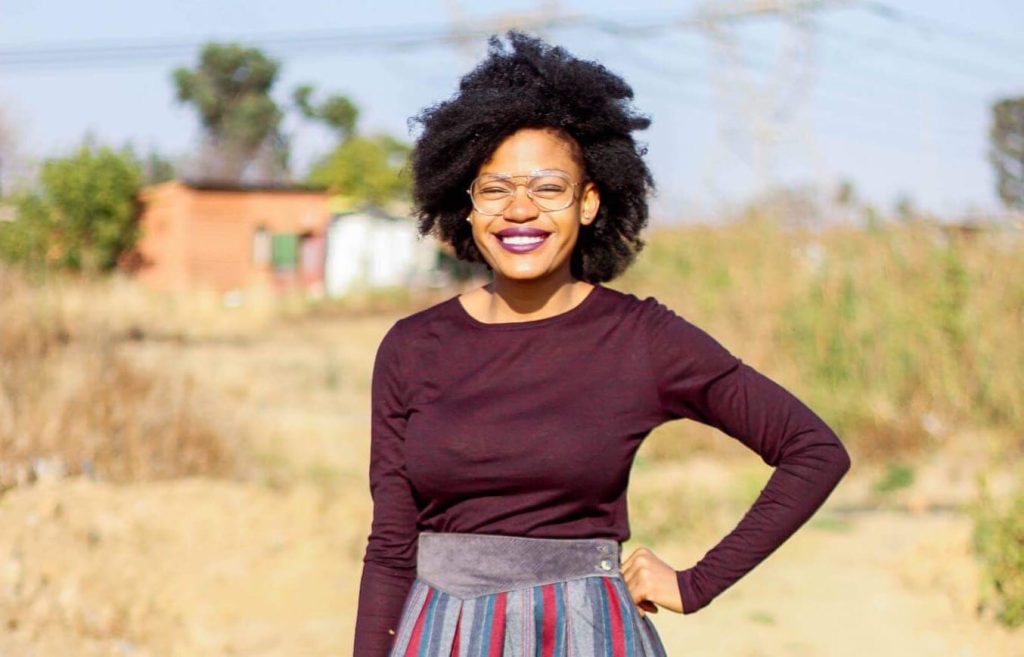
[bctt tweet=”Mo combines her love for chemistry, fashion, and literature in her daily life and hustles” username=”SheLeadsAfrica”] It is a public secret that the future of the Africa we envision lies solely in the hands of each and every young individual who dares to dream. The inclusion of women in various decision-making positions has better positioned and equipped young women to step up in their entrepreneur journey. Barriers are continuously being smashed, as the African girl dares to take over, below is an interview with Morongwa Maifo, the owner of VintageKlozet. Morongwa, aka Mo, is a young woman determined to let her passion become her success ladder. Hi Morongwa can you briefly tell us who you are and what you are currently up to? I’m a young dynamic phenomenal woman named Morongwa Nesly Maifo. I’m just an ordinary person who grew up in a normal background. My journey has been very challenging, especially not growing around parents. I spent most of my growing years with my brother, as my parents were at home in the village. I can say that I started learning responsibilities of doing things by myself at an early age. Growing up I had low self-confidence, I have always been that young girl who would do anything to buy a friendship or try harder to make sure people accept me. Nobody ever taught me it should start with you. But these happened for a purpose as it’s now revealing itself. I enrolled for my first degree at the University of Witwatersrand in Chemistry, am currently in the completion of my honors degree in Chemical engineering. I also obtained a certificate in sales and marketing with Unisa. All I’m up to right now is the new baby VintageKlozet and Club Readership. Chemistry, fashion, and literature are worlds apart, tell us how you manage the playing field you have occupied? In my growing up journey, I realized I get bored easily with routine. I’m an explorer, a huge fan of learning, and I’m more progressive when I learn various aspects of content. At the at the end, I noticed how everything is interconnected. I enrolled for Chemistry with Chemical Engineering because I have always been fascinated by science. I want to become an engineer. My most motivation in obtaining this degree is to contribute back to society by using the knowledge I have gained to solve daily problems. Growing up, I suffered a lack of confidence in speaking, reading, and writing, specifically in English. Because this bothered me a lot, I started reading books from high school, and slowly I found reading fascinating. This hobby continued until varsity, I started reading a lot, especially motivational books. I have always loved clothes, initially, I underestimated it because I thought it was just a women’s thing. It became unique when I would play with my mother’s wardrobe. That lead me to notice that I’m not a fan of trendy fashion, then I finally figured my sense of fashion is vintage. [bctt tweet=”I’m not a fan of trendy fashion, my sense of fashion is vintage – Morongwa Maifo ” username=”SheLeadsAfrica”] As VintageKlozet aptly describes, what motivated you to start your own vintage retailing business and how responsive has been your target market? I have always been motivated by Bonang Matheba especially when she said, “If you love something, get someone to pay you for loving that thing, then you will never work in your entire life”. I started VintageKlozet because of my passion and love for old style, and how I have found myself through this styling sense. As a final year student, I have never believed I was sent to college so I can work for someone else. I have always believed as African men and women, we all have the skills to start our own companies and improve our economic status as well as that of the future generation. As the business just recently started, the response has been good so far, most people seem to fall in love with the culture of vintage, how unique it is and how it tells the story. So far, I have got responses as far as Cape Town, and few people from Zimbabwe. How important has social media been to your business and what lessons can other aspiring fashion retailers get from you? I’m still in the journey of learning and exploring diverse ways to market the business and establish it. There is so much power in social media because so far 80% of sales VintageKlozet has made are from social media, particularly Facebook and Instagram. Obviously, there are many ways to advertise, but so far these have shown a positive response to the business. [bctt tweet=”I have never believed I was sent to college so I can work for someone else” username=”SheLeadsAfrica”] You mentioned that you are also CEO of Club Readership, briefly tell us what it is all about? Club Readership it’s a book club before everything. It is created for readership in Africa, focusing on African literature, of course by African authors. This is the institution that noticed a gap of reading outside academics in Africa and is determined to bring back the culture of reading in a fashionable manner. It believes we all have stories to tell and to embrace. It would like to improve and celebrate the culture of reading mainly in black communities. As it promotes this culture of reading, it ensures to produce relevant material for Africa, therefore it publishes books. Club Readership encourages people to write and makes it easy for them to publish, for more info, people can visit our website. How challenging have all your roles been? Honestly, challenges serve an opportunity to grow you as a person. I have found myself doing uncomfortable things but turned my being into effective. It is challenging, but it is the enthusiasm of learning that keeps me pressing forward each day, therefore I embrace challenges. Aspiring young business women out there are dying to know
Grace Ouendo: Promoting creativity and innovation in Africa
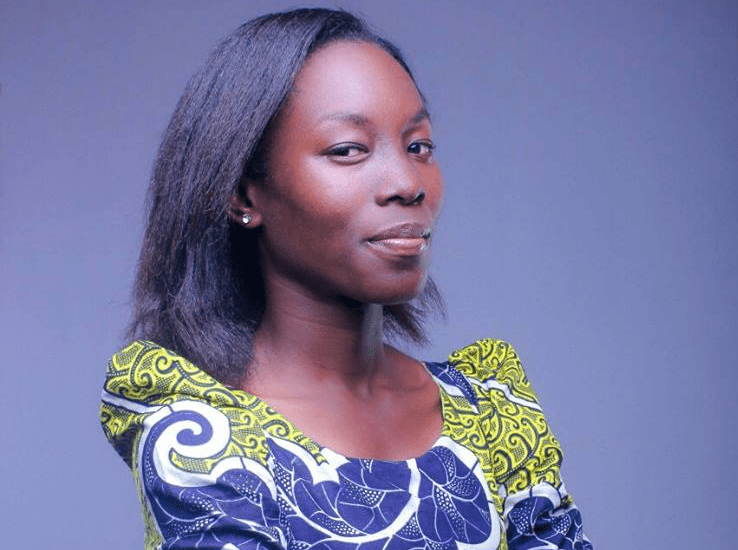
[bctt tweet=”To develop a unique voice, blog your passions – Grace Ouendo” username=”SheLeadsAfrica”] Beninese Grace Ouendo is very passionate about Blogging and Technology. When she founded the LadyGracious blog, her aim was to promote creativity and innovation in Africa. The plan was not just to have a blog but Grace also thought it would be life changing to enhance African girl’s tech skills. So this #MotherlandMogul is a Founding Member and Communications Manager of the NGO, Access to Computer for Every Girl. To top it off Grace Ouendo is also a community manager. Grace was interviewed recently and this is what she had to share with us… What do you find the most frustrating aspect of blogging? There are two things that are quite frustrating in blogging. One is generating ideas when your inspiration is gone but you still have to produce content for your website it is quite frustrating. The second thing is chasing your interviewees, when you have to get the information out of a resource person, sometimes you have to comply to the availability of your resource person and it gets frustrating when your meetup rendezvous is not working you just feel like giving up. What type of networking do you think is better to enhance your traffic to the LadyGracious website? To enhance traffic to the LadyGracious website it’s all about networking with the category of people who are passionate about the development of Africa in every domain, broad-mind people who like discovering things happening on the African continent, and there is currently a wave of proud African youths that are trying to make Africa proud. Can you tell me some of your strengths that really helped you in blogging? Reading: Having a journalism background, one thing I loved doing since childhood is reading. I read a lot about blogging on the internet. He who reads cannot run away from writing. So knowledge acquired from reading was translated in writing for the web. Curiosity: I single-handedly learnt how to start a blog, I have never received any training till today, just because curiosity is what is helping me come this far. Observation: I observe a lot my environment, my circle of friends and things around me, so I try to learn from others by observing and thinking through what they do and pick the good from it. [bctt tweet=”Grace says, ‘The best thing a blogger can give his/her audience is added value’” username=”SheLeadsAfrica”] What’s the best thing a blogger can give to their readers? The best thing a blogger can give his/her audience is added value. When your audience reads from you and goes back with new knowledge or information they will always come back because you give them value. I must say there are quite a lot of blogs these days showing almost the same thing, do you have any tips for the newbies on how to develop a unique voice? For the little I know, to develop a unique voice, blog your passions. In reading, readers will feel that this is something you love and are passionate about. Another, is to be creative, bring out something that is particular to you, by observing other blogs you can easily find something they don’t have that you can offer your audience. Great! So now moving on to the NGO, Access To Computer For Every Girl. How did it start and did you have a blueprint? It all started with a text message, a male friend had the idea and was like, ‘Lets do this together’ and I was like, ‘Why not’. With my knowledge in ICT, it’s the best way for me to share what I know. Yes, we did have a blueprint. Our blueprint is dynamic, we adjust it seasonally as we are growing in number, in years and in credibility. How is the organization funded? Currently, the NGO is funded by ourselves, family and friends. We are also actively applying for grants and funds offered by international structures. What’s a typical day like training the girls? It’s always exciting because we get to meet new faces. On a typical day the group of trainers assigned for that particular training go to the school to set-up the computers, there is a maximum of 4 trainers present. We roll out the lesson and then move to the practicals, whereby you have to monitor if the girls have understood the assignment given or not. [bctt tweet=”Grace Ouendo says, Women should level up and take their businesses international.” username=”SheLeadsAfrica”] With the future in mind, why do you think its important for women to embrace technology now? Technology is ruling the world, its a fact. To be successful, popular even professional you can’t get far without technology being involved. Therefore women have to level-up, because international business opportunities are online which I often published on my website. Any woman’s dream or business can go international with the right use of technology. Grace, what’s your vision for Access to Computer for Every girl for the next few years? The world of technology is quickly advancing and our aim is to break the digital divide by giving girls technology at a very young age. In the next few years we want to get to the level where we are able to give out free computers to schools, communities and more especially to girls leaving in remote villages. Basically with LadyGracious it’s just you and when it comes to the NGO, you are working with other people who are your co-founders. What do you find different working in both setups? With the website, I have a team as well, my chief-editor, graphic designer, photographer etc. The difference is that with the website you go and search for the information and deliver it to the world whereas with the NGO its more like giving out your knowledge to a group of people. When it comes to team work it’s always tough but the job gets done anyway. Tell us, would you rather
Evita Joseph Asare: Being a mechanical engineer gave me the confidence to start a makeup business
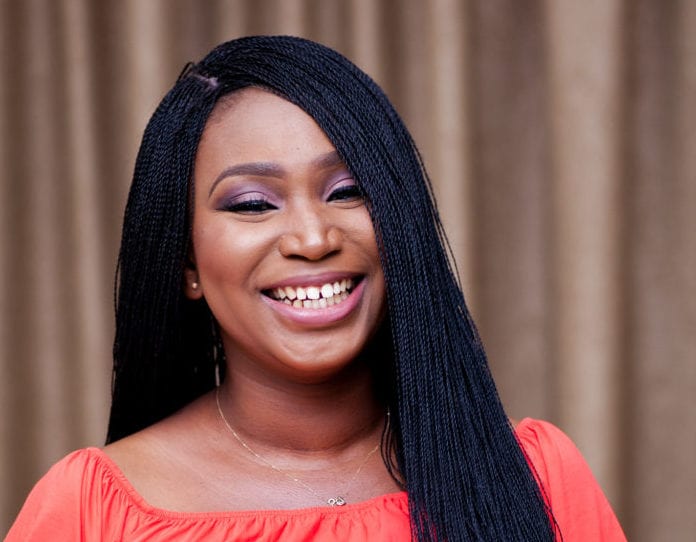
[bctt tweet=”The story of Evita Joseph Beauty Store begins with the story of Evita a mechanical engineer” via=”no”] Having received two awards as a pacesetter in online retailing of makeup products, the Evita Joseph Beauty Store continues to gain recognition in the Ghanaian beauty industry. The story of the brand begins with the story of Evita Joseph Asare, an erstwhile mechanical engineer whose one visit to Paris changed the course of her life. Starting from an engineering class of only 4 women in a class size of 126, Evita has channeled her passion for designing and building machinery to designing and producing makeup products to enhance the modern woman. SLA contributor, Emma Kwenu Smith, caught up with the CEO of EJ Makeup, Evita Joseph Asare, to share her business journey and some of the significant milestones all SLAyers can learn from. Mixing Mechanical Engineering and Makeup – how did the journey begin? As an active member of Women in Engineering (WINE), I got the opportunity to attend a 6 weeks course in France. There, I got indoctrinated into the world of beauty and makeup. My first experience with makeup was in a MAC Store where I was told I needed a concealer. Upon arrival to Ghana, I jokingly told all my colleagues in the office they needed concealers too. That trip gave me access to products and since, I have always been complimented on how I wear my makeup. Gradually, it dawned on me that this was a good opportunity to challenge myself to create a sustainable business in the beauty industry. I got some books from Bobbi Brown and Kevin Aucoin and I enrolled in a beauty school during my maternity leave. Right after, EJ Makeup was born. Additionally, what would you say is the innovative idea behind Evita Joseph Makeup? Our vision is to provide world-class beauty and makeup product that flatters the women of color, boosting their confidence to stand up and stand out. I started a blog to share my looks, products review and others. Through my blog, I was able to establish trust among my readers. Many people asked for product recommendation and these products were difficult to find locally, so I started my online beauty store – EJ Beauty Store. We focus on products that flatter skin tones and yet, are basic to work with. Most of the products are made for professionals, so we make sure that our products are easily available, are of good quality and also are competitively priced. [bctt tweet=”In 2014 and in 2016, we won the Best Beauty Retail Store in Ghana- Evita Joseph Asare” username=”SheLeadsAfrica”] How has your engineering background played a part in managing the Evita Joseph business? Engineering has dared me to be stronger– it gave me the confidence to try new things outside my scope. Looking at our past, engineering was not the forte of women. Gradually, we are bridging that disparity, but for a woman like me who found herself then in a male dominated industry, I was inspired and challenged to do more. And that has not changed. Through engineering, I have learnt to take up the daunting duties and I’m able to contextualize the tools of my profession. From conceptual product development stages to the production stage, I now understand the process of building and re-engineering concepts to meet customer needs. What skills do you draw from your background as useful in managing the EJ business? Critical thinking and analysis are the bedrock of every engineer. Since starting EJ Makeup, it has proved to be a very relevant skill. Also, contrary to popular opinion, engineers are also tasked with marketing their design ideas to stakeholders. With this background, my marketing, communication and networking skills have been honed since I have to convince others that EJ Store is the go-to place for all your makeup needs. How has the makeup space transformed over the years and what is the future of makeup and the beauty industry in Ghana and also globally? Globally, makeup is booming and Ghana is no exception. Every day, I wake up to a new social media page for a makeup artist in Ghana. The industry is growing and getting more competitive. MUAs of today are highly educated individuals -some having BSc and Masters degrees. The industry is no more for the less educated as it used to be. The future of makeup in Ghana is both promising and threatening. It provides a market for beauty brands like Evita Joseph who retail original local brands globally and strategically research, design and manufacture suitable products. Conversely, the challenge that we face is in controlling the influx of fake beauty products on the market aimed at taking advantage of vulnerable and unsuspecting users. The beauty industry is thriving, and many are being enticed to jump in and make money off this trend. What pointers will you give anyone who also wants to enter the industry? Well, start by having a mission and vision– it gives you a direction. Also, too many of us jump into a business without doing due diligence, so do your market research and do it well. This can be as simple as knowing your targeted clients or as complicated as understanding the very ingredients that are not suitable for specific skin types- the last thing you would want on your hands is using ingredients that are damaging to people’s faces. Remember to always leave room for feedback, this is how you will grow. [bctt tweet=”Finally, do not worry about starting small- good things take time- Evita Joseph Asare” username=”SheLeadsAfrica”] If you’d like to share your story with She Leads Africa, let us know more about you and your story here.