
Christine Kanana Mukira: Passion, the secret ingredient for a yogurt-making startup

Christine Kanana Mukira is a young entrepreneur with an academic background in law, business administration, and office management. Kanana quit her NGO job to start a yogurt-making business in Nairobi, Kenya. Maureen Murori, our SLA contributor paid a visit to an enthusiastic Kanana who shared her dream of having a one-stop shop for fresh, natural, products straight from the farm to her clients’ kitchens. It’s early Saturday morning. After beating the Nairobi traffic, I head to meet a lady whose yogurt business is gaining roots. She had promised to let me in on what keeps her going even when business goes south. Christine Kanana Mukira meets me at the entrance to an estate in Ngara. It is situated on the outskirts of Nairobi central business district. We sit outside her shop, which she co-owns with another business owner. While Kanana’s specialty is the production of natural yogurt, her friend makes fresh fruit juice. “I don’t think I’m an entrepreneur,” Kanana worriedly tells me as she settles into a chair opposite mine. After pleasantries and small talk to break the ice, she relaxes and takes me through her entrepreneurial journey. Kanana had always had an entrepreneurial spirit, way before her current yogurt business. Back in 2013, she used to own a poultry business but had to leave Nairobi when she got a job with an NGO. She worked in the social development world and enjoyed helping community members. But this was not to be for long, she wanted something different. “I needed a new challenge”, Kanana told me. After three years, she had had enough of being an employee. She quit and went back into running her own business. This time, it was yogurt making. Why yogurt? “After some research, I was concerned about the ingredients used in making yogurt, things easily found in supermarkets like milk powder, lots of sugars and flavours,” Kanana says. “I wanted to create a product that used purely natural milk and natural sugars.” According to Kanana, her yogurt is made of pure milk, natural vanilla plant, strawberries, and natural sugars. Her six-month-old business which started with just three litres of milk has since grown to over forty liters a week, and demand is still growing. ”To get to forty liters a week was not easy”, Kanana admits. She said were it not for her passion, she would have given up a long time ago. When she first started out, she was fortunate to not only find a reliable and affordable fresh milk vendor but also customers who believed in her new product. Without prior knowledge or skills, Kanana says she had to practically do everything from sourcing for milk, collection, producing yogurt, and even sales. However, she learned quickly how to get some of the workloads off her shoulders. With the increasing yogurt demands, she was able to convince her vendor to deliver milk at her shop once a week, or as demand increased. The challenges so far No sooner had she tackled the delivery challenge than another popped up. She realized that sometimes, customers did not drink as much yogurt as she had produced. Because she didn’t use preservatives, by the end of a week, she had to give out yogurt for free before it could go bad. The weather can also be a challenge for her business. “When it is cold, as it is now, not many customers drink yogurt. They prefer hot beverages,” Kanana said. She has since reduced the number of litres she makes per week especially during the rainy season in Nairobi. Is she seeking to become wealthy from the business? Although she acknowledges that capital can be a challenge for some entrepreneurs, she quips “a business idea is capital in itself.” “Wealth is the ultimate goal for every entrepreneur,” Kanana states, “but passion is the driving force, and love for the business makes it even easier and more enjoyable!” She cautions entrepreneurs not to be in haste to make profit from a startup. Business is a risk and stability usually begins between the sixth month and the first year, and for some, even longer. Eventually, only the passionate and patient remain strong enough to watch their business take shape. Future plans Kanana wants to expand to the sale of more natural products so she can encourage people to adopt healthy lifestyles. Since her business is located within an estate, she hopes to be the source of all natural products for homes within the locality. “My dream is to have a one-stop shop where I can sell fresh, natural, products straight from the farm to my client’s kitchen,” says the enthusiastic entrepreneur whose inspiration comes from her entrepreneurial parents. Kanana believes that natural products will help fight some of the nutrition-related chronic diseases such as obesity, diabetes, among others. Kanana says that customers often ask for fresh milk, and she is thinking of diversifying into that direction. Although many supermarkets have introduced milk dispensers, Kanana says this is not a challenge for her. After all, the stores specialize in skimmed milk, while she will go for whole milk which she says has more nutritional values for children, pregnant women and the elderly. Advice for other entrepreneurs Kanana urges upcoming entrepreneurs to ensure the right location for their businesses. This way, customers can easily access your product. And also, you’d enjoy proximity to raw materials needed for production. As for friends, the young entrepreneur says, “in business, you will lose or gain friends. Some will support you, and others will not even want to be associated with you.” How it all ended One good thing about interviewing entrepreneurs is that you get to taste their products or to take souvenirs home. I was in luck today. I was served some natural strawberry yogurt. It was thick, smooth, fruity and delicious! Tell us what amazing entrepreneurial things women are doing in your communities here.
Lillian Achom: Using technology to revolutionise report cards in Uganda
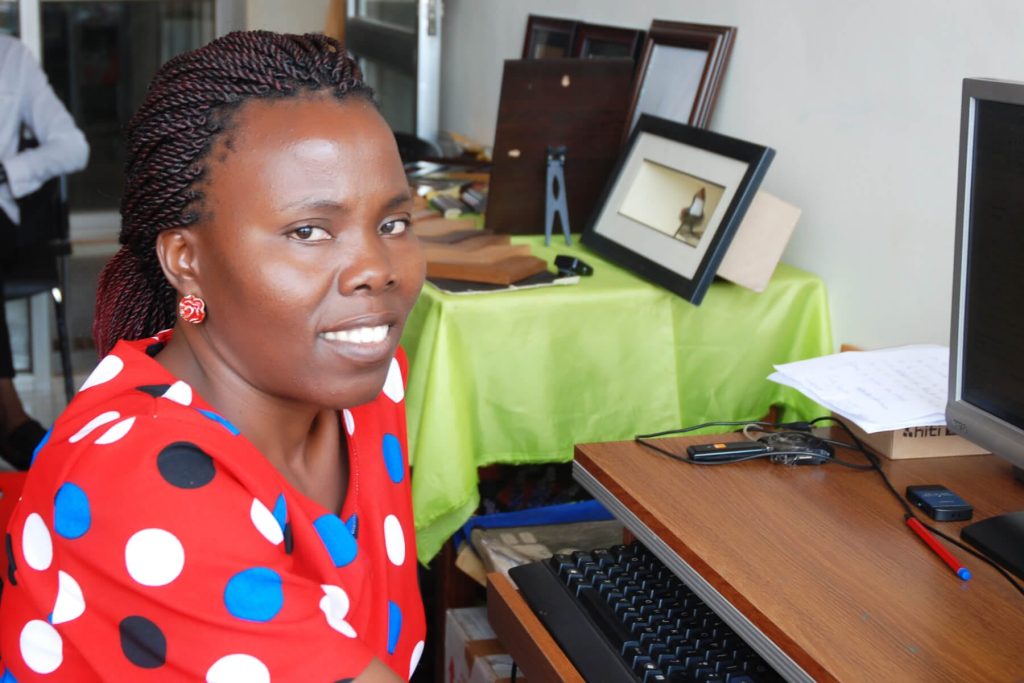
Say yes if you recall the days of paper report cards in primary and secondary school. It may not have been a big deal to some, but to Lillian Achom the inadequate procedures of schools cost her to enter university a year late. Information Systems was a new one for us. Yet there are even brilliant entrepreneurial ideas in the education sector. Lillian is one woman tapping into this is. Lillian is an Information Systems Professional that provides university information to students in and out of Uganda. Tell us about your startup. What societal challenges do you hope to address with it? Throughout my primary and high school, we used to be given hard-copy, class results to take to our parents. However, by end of the year two or even year one, there would be no records of all the previous results for comparisons with current results. As a result, it was difficult to rule out where my strengths and weaknesses were in the different subjects. When I joined Advanced Level, at the time for applying to join university, we were given information about the available universities courses, their entry requirements among others. I was seeing these for the first time so everything looked new to me. Besides, my performance in my subject combination at A level was way below the entry requirements I was seeing. The lack of prior knowledge of university entry requirements and poor choices I made affected my studies. I never got admitted in any university that year. However, I managed to join a tertiary institution one year later. What I experienced years back in my high school are what the majority of students are still experiencing today. Schools use manual systems to provide information about public universities to students. Students receive hard-copy performance results. Some students make changes and provide wrong results to their parents. Very few parents are able to keep track of the student’s results slips from previous years and monitor the child’s performance as the paper reports get misplaced. Some students or parents have to travel long distances to respective universities in order to access information on admissions to universities. After graduating with a Bachelor of Science in Computer Information System, I had the passion to startup something and put it out there for people. The above was what motivated me to focus on building an Information and Students Performance Evaluation Tool, GradeScore. What does GradeScore do? GradeScore is an online platform for evaluating high school students’ performance as they work towards joining university courses of their choice. It allows easy access to crucial information about all universities in one portal. Information such as minimum entry points for each course at university and subject requirements for each course at respective university. The platform is also aimed at providing an electronic version of students’ performance records. This is accessible privately by the student or his/her parent/guardian. Would you say you’re fulfilling your passion? Yes I am. To me, the input from users (teachers, students and parents) and the subscriptions are some of the indicators that there was indeed a gap and the product is much needed. How do you go about achieving your business goals? We involve the users, students, teachers and parents, who have greatly contributed to what the system is to-date. Also, we are in partnership with Education Secretariats who recommend our product to the schools. One of the challenges we have experienced in schools is where the teachers in charge of career guidance feel that the project will render them jobless. We managed to bring them on board when we explained that the system is for them to use. It actually simplifies the work guidance counsellors do, the existing manual system is tedious and time consuming. What has been the best moment of your career so far? When I got a scholarship to upgrade my Diploma in Information Technology to BSc Computer Information Systems at Africa University, Zimbabwe. You mentioned you volunteer. As a volunteer, what advice will you give other young women looking to start volunteering? Volunteering is not for people who place importance on financial gains. There are lots of passive benefits attached to it. It should not been seen or treated as if you are doing the organization a favor. Once you commit to volunteering your service somewhere, put in your whole because you just never know who is watching. What is your favourite life quote? This is one of them, “Keep away from people who try to belittle your dreams. Small people always do that, but the really great ones make you feel that you, too, can be great”. It’s from Mark Twain. Want to see women you know featured on SLA? Tell us what amazing things women are doing in your communities here.
Nontobeko Tshabalala: Working towards being a woman worth watching
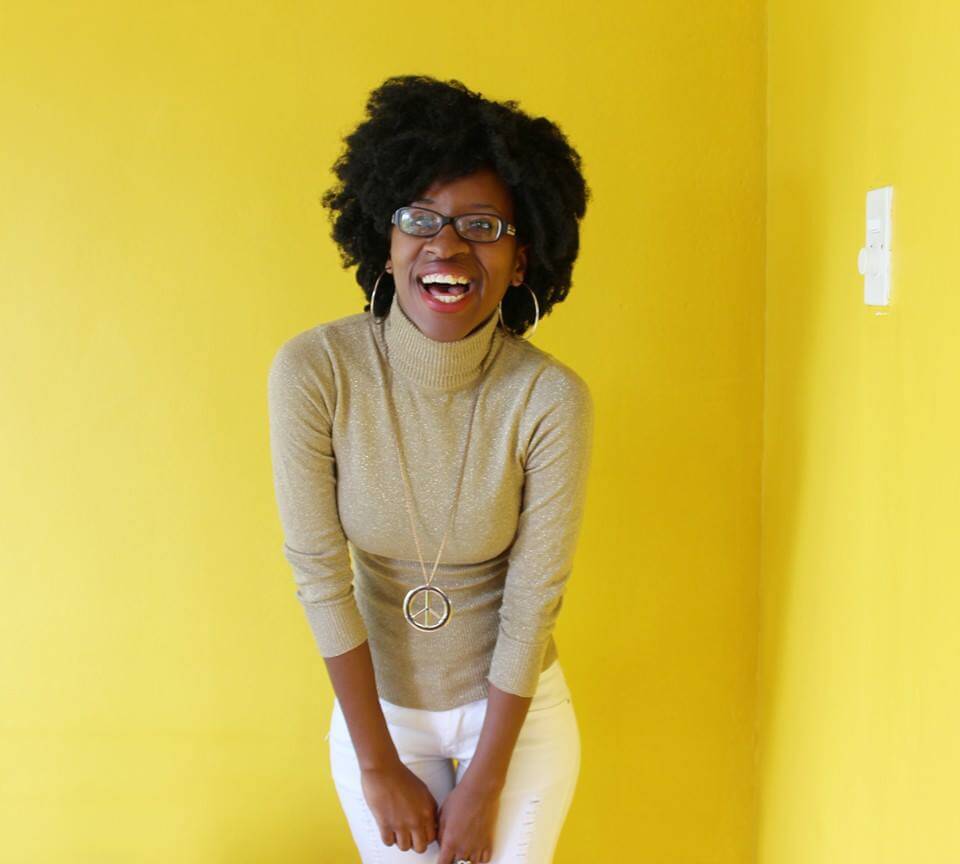
Young people hold the answers to achieving sustainable development in Africa. These wise words come from Nontobeko Tshabalala. Nontobeko is from Swaziland, she is a journalist, blogger and social media extrovert. She believes that good writing enhances the experience of life and is working towards fulfilling that. Nontobeko is passionate about the youth and their involvement in making worthwhile contributions to the discourse around issues such as gender disparity, Afrocentricity. Nontobeko talked with our SLA contributor, Itumeleng Mphure on becoming a woman worth watching. How did you get into journalism? For the longest time, I wanted to be a lawyer but when I got to grade 12 I didn’t think that I would be happy as a lawyer in 30 years’ time. Then I had a conversation with my father and he told me that there can only be satisfaction in a salary if there is job satisfaction. So I applied for journalism at the Durban University of Technology because I love reading and writing. I went to a Technikon where they teach practical skills. What lead me into journalism is actually the reason why I wanted to be a lawyer for the longest time. It is because I can make strong arguments and find evidence to back it up. Which publications have you written? Before I moved to Ethiopia I was working at the Swazi Times as features editor and I am still a weekly columnist for Swazi News. I have also worked at the Sunday Tribune (Durban) and Soul Magazine (South Africa). What’s the best you have written so far? Every time I write an article I write it as though it’s the best I will ever write. When Lupita Nyongo had just won an Oscar and received a lot of publicity I wrote a piece about how it’s important to see dark girls in the limelight so that girls who look like that know that it’s okay to be dark. I wrote this article because there was a big debate over Lupita’s dark skin. Makila James who is the US Ambassador to Swaziland took that article back home for her family to read because she felt that it resonated with every black person. It is time for Africans to accept their different tones of their skin colour. What are you most passionate about? I want to lend my voice to the continued liberation of women. I don’t have a definite plan of where exactly I see myself in the future but I know that my passion will lead me to a place where I can advocate for women. What’s currently on your mind? Furthering my studies. My professional experiences surpass my academic qualifications and that makes me feel uncomfortable. Right now I am at the African Union (AU) and the tables I am sitting at require me to further my studies. What lead you to joining the AU? I have the constant desire to be better and improve myself so when the call for the African Union Youth Volunteer Programme came, I applied and now I am serving as the Special Assistant to the Chairperson of the African Union Commission. I was chosen as one of the Media Institute of Southern Africa’s (MISA) Women to Watch in 2014 but I am constantly working towards being a woman worth watching. What’s your fondest beach side memory? It was in Mozambique. I went to apply for a visa to France and I had lunch by the sea side. It was a very stressful day but I eventually got my visa. I had lunch at the seaside and also took a walk. It was so calming and that’s what I remember most about it. Want to see women you know featured on SLA? Tell us what amazing things women are doing in your communities here.
Atti Worku: I wasn’t smarter than them, I just had more opportunity

Former Miss Ethiopia and Columbia University alumni, Atti Worku started Seeds of Africa Foundation (Seeds) as an afterschool program in the backyard of her childhood home in Adama, Ethiopia. Eight years later, the program has evolved into a full-time school which serves 114 children from poor families (with plans to serve over 150 students from September). Seeds’ model is a far cry from the traditional ‘chalk and talk’ methods in most Ethiopian schools with project-based learning forming the base for all learning. In addition, Seeds runs complementary community development programs including a microloans program for women to start or grow businesses, adult literacy training and health and gender workshops. Seeds of Africa plans to expand to a full pre-K to 12 program through its Dream School Campaign to purchase land and build a state-of-the-art education and community hub. SLA contributor, Liz Moran, who just so happens to be the Country Director of Seeds, recently chatted with Atti about Seeds’ origins and visions for the future. Where did the idea to start Seeds of Africa come from? You know, in the neighborhood where I grew up, most of the kids who lived nearby went to public school. I was lucky to attend a good private school. By middle school many of my neighbors were dropping out of school. Boys would drop out and work in the informal market while girls were getting pregnant. You could see all of the issues associated with poverty. I didn’t fully understand what it all meant at that time but as I got older I realized that I wasn’t smarter than them or anything. I just had more opportunity. Seeing these issues firsthand left a great impact. It was people I knew and grew up with and once I had that understanding I knew I wanted to do something. You started Seeds as an after-school program which later evolved into a full-time school. When you were laying out your plans for Seeds, how did you want it to be different from other schools in Ethiopia? When I was conceptualizing the program, I wanted to focus on quality. At that time elsewhere, there was a huge focus on numbers. The big push was to put kids in school rather than looking at what they were learning or the learning outcomes. I wanted to provide opportunity for students to reach their potential. I know this is cliché but I didn’t want kids to be limited by what was around them. I also wanted something that focused on the whole family rather than push kids away from homes. I knew I didn’t want a boarding school. Finally, I wanted to create a place where both boys and girls got the opportunity to learn together. We definitely need a push for girls’ education but I also believe that if boys and girls are in same space and learn to collaborate as children they can work better together as adults. I know that you recently returned to Ethiopia after several years abroad. How did it feel coming back and what changes have you seen in the country? The population growth is intense. You read about it but then in person you are confronted and think, “Holy cow, that is a lot of people!” The difficult thing is that the poverty is still there. The economy is growing but the population is growing even faster. On the positive side, the infrastructure has really improved which is necessary for development. Mostly, I was struck by how a lot of younger people are working now. People are very entrepreneurial. Growing up there was always a sense that people had lost hope. It just seemed insurmountable. People didn’t know where to start so they didn’t. I loved seeing the hustle of so many people –especially women– going to work in the mornings. With Seeds, seeing everything after so many years was really incredible. The kids are unbelievable. They are so smart, and inquisitive; so confident! When you think of the backgrounds they come from it is really a testament to the work of our team. They really understand why this work is important and treat the kids with a lot of love and respect. I also loved seeing the women whose businesses our microloans program has helped start or expand. It is actually changing the quality of people’s lives. I know this is probably hard but if you had to pick a favorite moment from your trip to Adama what would that be? So many but I really loved break time when the kids would all be jumping around. Everyday, I was secretly waiting until they’d come out of class. For me to be able to play the games I played when I was a kid with them was really great! I was also really touched when the mothers organized a coffee ceremony for me. They took initiative on their own. Oftentimes people think that if you’re poor, you’re helpless but that could not be further from the truth. They made that very clear when they collected their own money to have a get together and talked about wanting to give back to Seeds and contribute. They would say, ‘Tell us what more we can do.’ I really appreciated that! Looking towards the future, tell me a bit about the Dream School Campaign and Seeds’ plans for expansion. Currently, we have been renting facilities for our current campuses which is difficult. I believe that environment is a big part of learning. If you learn in a well-designed environment, you learn better and, more importantly, you see what is possible. I want to build something that our students and the community are proud of. In addition, the new facility will not only be a school but also a space that the community can take advantage of. We want to create a hub for other organizations to provide service and collaborate. We want to create the first public library in Adama and establish a model of how
Lornah Achieng: What it means to be a Christian fashion blogger
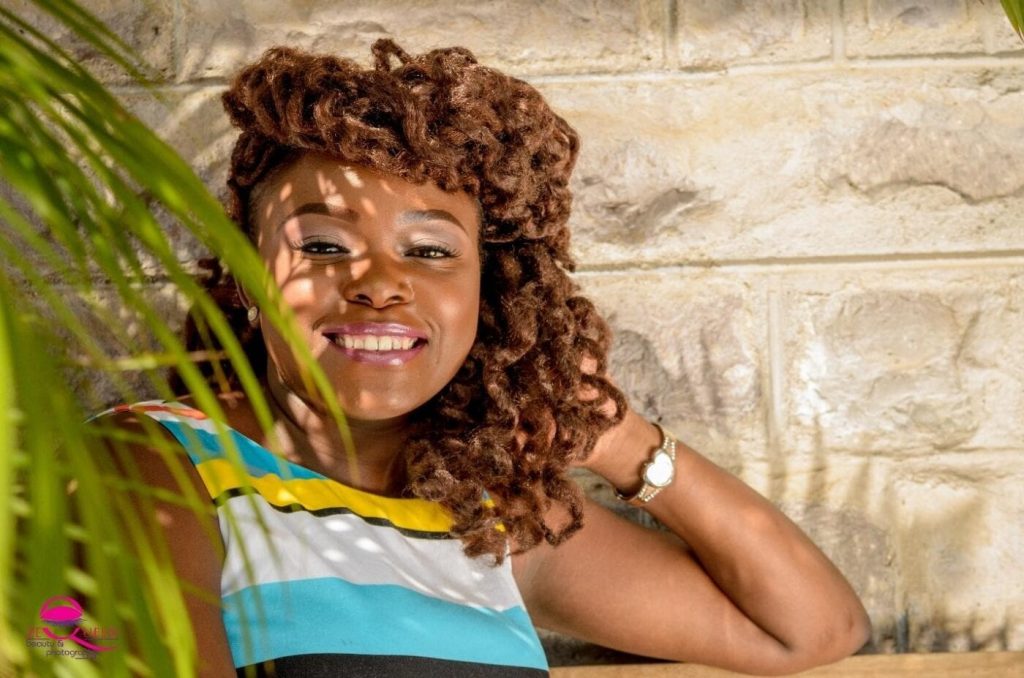
The faith industry is large and booming but it’s not limited to the pulpit. We have Christian books, a growing Christian movie industry and also Christian bloggers. Born and raised in Kenya, Lornah Achieng is a faith, fashion and lifestyle blogger. She says she started the platform to share life experiences and discoveries from the Bible -which she considers the core of her foundation. Through her blog, Lornah aims to inspire people to learn more about God, modest fashion, and inner beauty. SLA contributor Zipporah caught up with Lornah to uncover the inner workings of a faith blogger as well as other projects Lornah is involved in. Why the Cherries Vineyard blog? What inspired you to start? Cherries Vineyard was inspired from the book of John 15:1-8 which describes Jesus as the true vine. We are the branches and God is the vine-dresser. Actually the name came out when I was contemplating which blog title to use, and my mind landed on “Cherries Vineyard”. At first, I thought it was a captivating sweet name but through the years I’ve come to understand that it is a spiritual process. It was after that realization that I got the scripture, it is really amazing how God orchestrates things . When did your interest in fashion and blogging start? Honestly growing up, I was never keen on details and fashion per se. My sister is the one who made me realize the passion within. She used to correct me on the combination of clothes I wore and she still does once in a while. Through her, I was able to discover my love for fashion. What have been your greatest achievements? I can say being able to come out as a Christian blogger! Because I realized my passion is writing and being able to share the truth on my blog is quite daunting! You know people can at times be scared to speak the truth for fear of being rejected. Also through blogging, I have been able to grow spiritually. Like I said before, to me blogging is a spiritual process where I am able to learn more about being authentic. I can’t take people from where I have not been, I have to first be that which I encourage my readers to be. This has pushed me to mature and grow. To me that is an achievement. Tell us more about your interest in digital marketing I studied a Bachelor of Business and Information for my undergraduate and that is where my interest in marketing was cultivated. Currently, I do marketing and work with different brands offering them digital marketing strategies. What defines modest clothing to you? Personally, modest clothing is more than just a mere dress code. It not being religious or old-fashioned, rather, it is a way of expressing true love towards God by aligning ourselves to His standards –holiness. When we get to understand that our beauty doesn’t come from outward adornment of fine clothes but inner disposition of our heart, then dressing modestly becomes a matter of our relationship with God. With God there is purity and a renewed mind, this is automatically reflected in how we dress. Describe your style Simple, modest, elegant and classy if that is not mouthful. Who are your favorite icons that embody modesty? I’ll say the women of the past. First look at Peter 3:5 then, anyone whose modesty comes from within. Nash Amber of Set Apart style is also one among many inspiring bloggers who are ambassadors of true modesty. Do you have any future plans? My future plan is to impact lives with values and spread the truth about modesty. I want people to know that true modesty starts with the heart first before the clothing! Want to see women you know featured on SLA? Tell us what amazing things women are doing in your communities here.
Aina Fadina: I wanted to see a change in mainstream media

In a time where virtually anyone can discovering their production skills using their mobile phones, webseries have become a means to address the lack of diversity in mainstream media. I for Africa is one such series that features and celebrates African-inspired innovators across different industries. Its founder, entrepreneur, fashion model and creative director, Aina Fadina recently chatted with SLA about the series, which is now in its third season. What was the spark that leads you to create I for Africa? Living in NYC, I was surrounded by so many talented and innovative creatives, entrepreneurs, and innovative thinkers inspired by Africa, and I thought they needed to be celebrated. As I traveled around the world, I noticed the same examples. I realized there was something here. I felt that it was important to change the narrative of what mainstream media was reporting about Africans and immigrants. It’s important to change the narrative of our stories and the people telling African stories around the world. With so many web series, how do you stand out? The engagement with guests on the show is in a very relaxed format that draws the viewer in to the conversation. It is a conversation between two friends talking about what inspires them and motivates them to be pursuing their ventures. Additionally, the program highlights the transatlantic journey of people from different ports inspired by Africa. What defines someone inspired by the African continent? How do you brainstorm episodes and people to interview? Have you faced any difficulty finding personalities to talk to for the series? Someone inspired by Africa is in the manner in which they choose to celebrate the continent through their creative ideas. It’s the connection of the heart and soul to the continent. With coming up with episodes, I reflect on who I am inspired by personally and professionally. My finger is always on the pulse of what is happening, so it makes it quite easy to think about who to interview. Finding someone to interview is actually quite easy for me. I have a lot of friends who have recommended other creative friends. People have been very kind to say yes. There are so many dope people doing phenomenal things, so brainstorming is quite easy. An interview depends where I am, if I am able to connect to the people, and if they have a project coming out. Overall, coming up with a list of people isn’t challenging at all because there are so many creatives inspired by Africa. Did you have to learn any new skills to host a web series? I have experience modelling international. For modelling, I took commercial acting classes, which allowed me to transition to hosting. I have developed an acute understanding camera presence, engaging with people in the same space and how to engage with the camera. What has been the one I for Africa episode that stands out to you? They all stand out for me, every person I have interviewed has inspired me in so many ways. If I had to choose, perhaps it’ll be the first ones I shot in South by South West. Once we were done, I realized this is what I wanted to do. It also showed me that the path of content production wasn’t an easy one, but I wanted it. I wanted to see a change in mainstream media, rather than complain about it, I needed to create a solution. Taking that first step to create something is what stands out to me. Starting something isn’t hard; the challenge is how you chose to continue. As someone who travels a lot for work, which African city holds the most cheerful memories for you? Tough one…I have loved every African city for various reasons. Lagos fills the core of my existence. Cape Town challenged me the most from a psychological perspective. It was there that I met two friends —who became brothers— who welcomed me with open arms. Accra speaks to my soul. Cotonou brings beautiful childhood memories. If you’d like to share your story with She Leads Africa, let us know more about you and your story here.
How to be a teen coach when you have no money
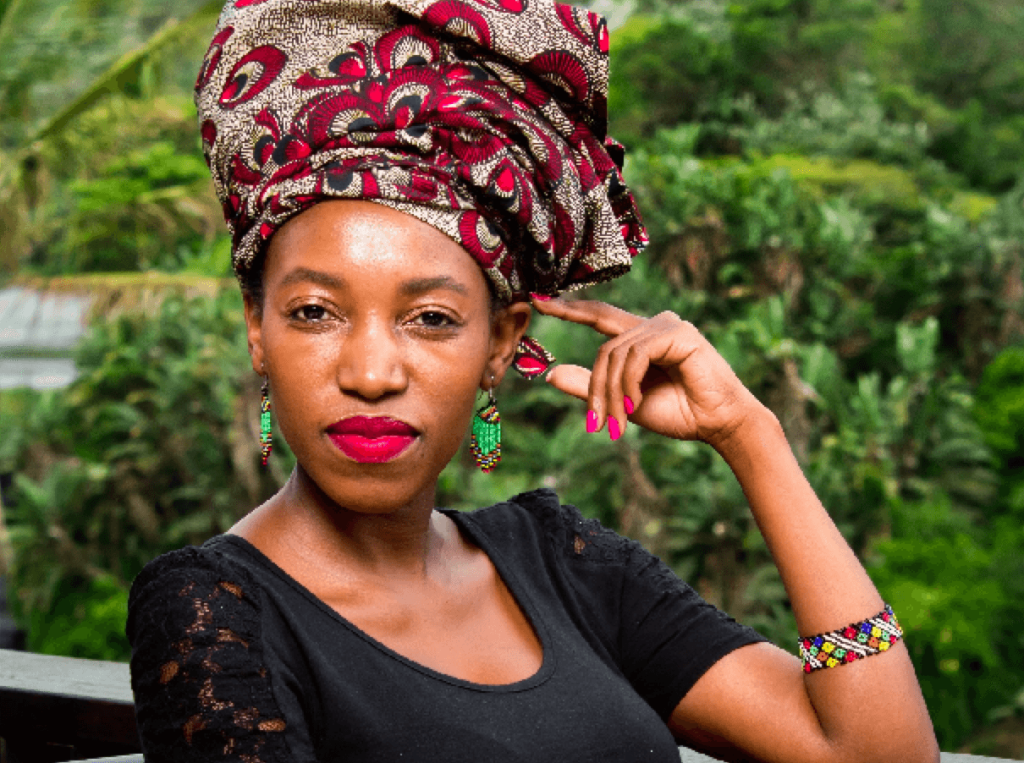
If you want to be a teen coach and you’re not sure where to start, you may want to pay attention to this. Nomveliso Mbanga is a teen coach and mentor. She is also a youth public speaker & facilitator, storyteller and the founder and managing director at Mayine Development Institute, a start-up based in South Africa. “I can identify with poverty but I identify more with defying the odds and creating your own legacy through hard work and patience.” Nomveliso says. SLA contributor Goistemang asked Nomveliso what advice she’d give to young women looking to start a business as a coach/mentor with little money and this is what Nomveliso had to say. Understand your skills First you need to know what you can do and what you are good at, plus any natural gifts. Choose an area that is of your passion and that you know very well. Build good relationships with people and follow good ethical practices. Don’t be afraid to learn new things What worked in starting Nomveliso’s own business was learning past experiences. She was willing to make mistakes. Personal development is key when you keep learning and trying out different methods. Easy and comfortable will usually give normal results and won’t give anything worth applauding. You need to know what you want to achieve. I want to create full transformation spaces for teenagers who will learn to understand that they are responsible for their personal growth and success in life. That made me come up with out of the ordinary methods to give me my desired results. I wanted to set up my business differently from other coaches. I didn’t exist before and I manage to create my own niche in the field. Cherish your network In my case, I started with no money only because I had already built a following in youth development work. Through them, I tested a few models that gave me results. So, it was easy to trust that I could do it on my own as I have done it all in corporate and community space before. Family and friends are also very important, they will uplift you in tough times. The biggest challenges come from self Self-doubt kicks a lot harder than challenges from others. One rejection can set you back and make you scared to approach new potential clients or partners. You need to know how to snap out of discouragement quickly. Know how to manage competition in a healthy way so you can keep improving your work instead of getting discouraged. Be true to yourself. Don’t try compete with anyone. Work in your own pace as long as you give your all. Keep learning and reading. Save, save, save! Another challenge is cash flow. You must always keep and save what you get as you’ll never know for sure when the next payments will come in.
Safaa Ouchen: You’re going to succeed over those trying to break you

With the rise of social entrepreneurship, more and more Motherland Moguls are using entrepreneurship to address economic and social problems. One of these women is Safaa Ouchen. In 2013, Safaa started Enactus ENA with her friends to address social and economic problems through entrepreneurial action. Here, Safaa clues us in on how she ventured into social entrepreneurship, how she plans to be part of Morocco’s solution and why the haters never matter. How did you get into social entrepreneurship? Social entrepreneurship is a passion I discovered when I was 17 years old through my work with Anoual Association. Anoual is a NGO in Kentira, Morocco that aims to develop our community in the field of education and to supports the development of social entrepreneurship. Since then, I’ve always been aware of the economic and social problems in Morocco. When things started to get worse -with rising unemployment and millions living below the poverty line- I knew I wanted to be part of the solution. In 2013, with an amazing team, I founded Enactus ENA (Ecole Nationale d’Architecture, French for National School of Architecture). Enactus ENA focuses on the power of community development and the entrepreneurial spirit. My work with Enactus has given me the chance to deepen my knowledge about social entrepreneurship in Morocco and how business skills can be used to improve lives. What is Enactus? How did it come about? Enactus is an international nonprofit organization dedicated to inspiring students to improve the world through entrepreneurial action. It represents a network of 36 countries around the world with more than 1,740 university programs, and works with more than 69,000 students. Enactus provides a platform for teams of outstanding university students to create community development projects that put ingenuity and talent at the center of improving their livelihoods. Guided by educators and supported by business leaders, students take the kind of entrepreneurial approach that empowers people to be part of their own success. We work on projects in three main fields: health and well being, architecture and tourism. Enactus was started with your friends, what steps have you personally taken to grow Enactus? It was during an internship on a construction site that I noticed workers didn’t have decent or respectful shelter to sleep in. What they had was made of lightweight material, which can cause serious health problems. Adding to that, their insufficient salary didn’t allow them afford the basic needs for themselves and their families. After analyzing this problem, I scheduled a meeting with four of my teammates. Then I shared my project idea; a hut made of cardboard. Cardboard is cheaper but resistant and can make sustainable lodging. Together, we brainstormed and came up with more ideas to make the project even better. Then I assigned my team to do more research on implementing the project. Tell us more about your cardboard housing initiative. My team responded positively to my idea of finding innovative solutions instead of waiting for others to take the first step. We then came up with more strategies to increase positive outcomes: Training workers to build these cardboard huts so they can work with us in order to increase their incomes. Selling these huts made of cardboard to construction companies. Establishing a production chain that will ensure both descent housing for the workers and a stable income for people who will build the booths. It’s been 10 months since I started working on this social venture. My team and I have been through a lot of challenges due to the lack of information concerning the cardboard. It was difficult coming up with a prototype, building it and fulfilling the goals we defined at the beginning. How has your background as an architect affected or helped you at Enactus? As an architect I learn that results don’t come quickly and it needs time. When I’m working on a social problem now, I have learned that complaining about the results that don’t come quickly never changes anything. So, I keep an eye out for a better way. I’m always on the lookout for new activities and new procedures, while keeping both short-term and long-range objectives in mind. What is the one thing you dream of reaching? How do you plan to get to it? I believe that I’ve never wanted to do just one thing. I wanted to do all the things! While growing up, I learned that most of the successful people succeed because their potential is concentrated on a specific thing. On the other hand, the people that failed did so because their potential was spread out in too many directions. One of my biggest passion and dreams is to launch my own business and create positive impact in my community. This is the reason I created my social business which aims to solve the problem of temporary housing for workers. My experience in social entrepreneurship and social work has been so helpful in developing my business. Now, I’m actively planning out how to achieve accomplish each task on my ‘dream plan’. What advice would you give young women looking to start an international NGO? Go ahead and start it. You might meet people who are going to try to break you and tell you that’s not going work. Don’t pay attention to them. You’re going to go over them and you’re going to succeed. My other piece of advice is, to forge connections with people inside and outside your communities. This is in order to build a network that going to connect you to different profiles. You’re probably going to need them while setting up the organization. Want to see women you know featured on SLA? Tell us what amazing things women are doing in your communities here.
Dzivhu Precious Tshiwalule: I know and understand my own purpose
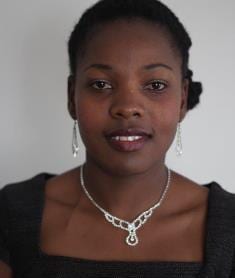
Dzivhu Precious Tshiwalule, a Dietician and co-founder of UPower Africa is one woman who makes being a superwoman seem easy. She attributes her balance in life to knowing and understanding her life’s purpose. As a wife and professional, she refuses to be limited by just her talent but strives to break new grounds. She is also the author of an informative book on eating right, ”Shaping your Attitude towards Healthy Eating.” Lerato Motshana, our SLA contributor had the chance to talk with this awesome and passionate woman. Tell us about UPower Africa UPower Africa is a youth development initiative focused on developing disadvantaged students, especially in remote rural areas. We help them gain access to basic information and education. So far, we have branches in Nigeria, Uganda, Rwanda, Kenya and Zambia. And in South Africa, every province has a UPower Africa manager. How did you become a part of UPower Africa? Co-incidentally, my husband is the founder of UPower while I am the co-founder. My husband grew up in poverty and so naturally, he feels obliged to help kids in rural areas who are going through what he had experienced first-hand. Aside being a co-founder, what are your other roles in UPower Africa? In addition to being a co-founder, I am also a member on the UPower Africa board. We are currently involved in a couple of projects, but I’ll mention a few. We donate computers, school shoes, online university applications and motivation to students in schools. I oversee these projects, liaise with provincial managers, and provide assistance where necessary. UPower Africa is not a typical NPO. How were you able to achieve that? I am inspired by the evident success and progression of those we’ve been able to help and motivate. Meanwhile, UPower Africa is just three years old but we’ve recorded successes in helping people get into universities. Let’s talk about your book, what’s it about? I wrote a book titled “Shaping your Attitude towards Healthy Eating”, and it extensively addresses the attendant health consequences of not eating right. The book is significant to me because as a first-year student in 2005, I was diagnosed with a brain tumour. As a Dietician and from the knowledge gathered, eating right contributes so much to good health. I never got to know the cause of the tumour but through research, I have come to believe there was a link to the kind of food I ate. So, I decided to write a book, highlighting the importance of healthy eating and how to keep chronic health conditions like cancer, high blood pressure, and diabetics at bay. Is healthy eating the ultimate solution to chronic health conditions? Evidently, food plays a huge factor but there are other factors like smoking and so on. Let’s move on to less serious stuff. What do you do for fun? I am usually so busy and actually don’t relax much. I do a lot of seminars on purpose discovery and the like. I am also involved in a lot of church activities, indoor exercises, and travelling. Obviously, I don’t engage in a lot of what people qualify as fun. UPower Africa, book-writing, being a Dietician, a mother, how are you inspired? I am excited and driven by my life experiences and the need to be of help to the next person. What would you say to an African young woman who views marriage as the ultimate life goal? Marriage can be beautiful if you are married to the right partner. My husband and I enjoy a unity of focus and that has helped our marriage. Notwithstanding, I don’t believe marriage is the ultimate life goal. A purpose-driven life should be the goal for everyone, man or woman. If you’d like to share your story with She Leads Africa, let us know more about you and your story here
Adedoyin Jaiyesimi: People tend to trivialise the writing process

Adedoyin Jaiyesimi writes and edits books, manages blogs and creates content for websites. Through her coaching and training platform, The Sparkle Writers Hub, she is helping other writers achieve their writing dreams. So far, some of her trainees have moved on to start successful blogs while others have been able to gain access to platforms to showcase their work. Adedoyin fills SLA in on not just the excitement of writing, but what she is doing about it, for herself and other writers. How can a writer turn her craft into a profitable business? Turning your writing craft into a business starts with having a plan. What kind of writer do you want to be? What range of services do you want to offer? Do your research and find the niche you can excel in. There are people who stop at editing and proof-reading while others take it further by writing web copy and coaching other writers. Once you identify the services you are able to offer, you should talk to an intellectual property lawyer to know the steps to take to protect the content you produce. You also need to think about how you will publicize yourself and your work in order to build your client base. Build the right structure and most importantly, get people to work with you. As you get more clients you will discover that you can’t do it all by yourself, especially if you want your business to grow. What are the right principles to turn a small idea into a profitable business? I would say the number one principle is passion. You need to be passionate about what you are doing otherwise, the business will fizzle out. Then there’s the part of creating value. For any business to be profitable there has to be some value that is being added. This is essentially the ‘why’ of your business and it goes beyond money. What need is the business meeting? How does it improve the lives of people? One thing I have learnt over the years is the importance of building a brand and not just a business. You must be able to connect with your clients and deliver on your brand promise. This involves going the extra mile. It also involves making the choice to be excellent in your delivery of service and be innovative. Have you faced any challenges that are unique to your trade as a writer? How did you overcome them? Yes, I have. They are so many, to be honest. One of the challenges writers face is managing writer’s block. When I first started out, I was a lazy writer and I used to write only when I was inspired. You can’t run a profitable business as a writer if you only write when you are inspired. So I had to discipline myself and learn how to come up with creative content whether I am inspired or not. It was tough, but I’m glad I went through that process. Another challenge I faced was putting the right price to the services that I offer. Something that I used to hear a lot when I started was, “Is it not just to edit the content on my website? Why are you charging this amount?” There is a way people tend to trivialize the writing process especially when you are able to deliver quickly. I did a lot of trial and error before I could find the price that I was comfortable with charging because there is no industry standard. Now, I have set prices for every service I offer. I’ll add one more because like I said, they are many. Putting the right structures in my business was challenging. Creative people don’t like structure. We just go with the flow. This will hinder the growth of your business. So I had to take the time to put the right structures in place. I registered my business name, Content Craft, opened a business account, set up a proper accounting system and so on. It’s not perfect yet but we have a process for most of the operations we carry out. Realistically, in what ways can an African woman live off writing? There are many ways an African woman can live off writing. Like I tell the writers that I coach, you just need to be creative and be able to identify the gaps that exist. When I started out, what I knew how to do best was to write articles and edit magazines. Now my expertise has grown to creating and editing books, managing blogs, writing web/ social media copy and creating content for social media. So the possibilities are endless. If you want to live off writing, you can become an editor, you can be a content creator, you can be a copywriter, you can write voice over scripts, you can write content for training materials and so on. As you improve your skill, you can also earn money from coaching other writers and organizing training sessions for businesses and individuals. How do you help other writers achieve their dreams? Is it through mentorship or any other means? I created a platform called The Sparkle Writers Hub and our main aim is to help everyone who has a desire to write to achieve their writing dreams. We work with all kinds of writers; the ones who have a nudging in their heart and those who have started writing but want to take their work to the next level. We offer a basic training program where we teach writers the basics of writing and how to attract readers. We also offer a more intensive coaching program where we work one on one with writers to achieve their goals. Since we started, some of our trainees have moved on to start successful blogs while others have been able to gain access to platforms to showcase their work. What will be the name of your first book and what will it be about? The