
Rutendo Chilenge: Our relationship with clients goes beyond the economic
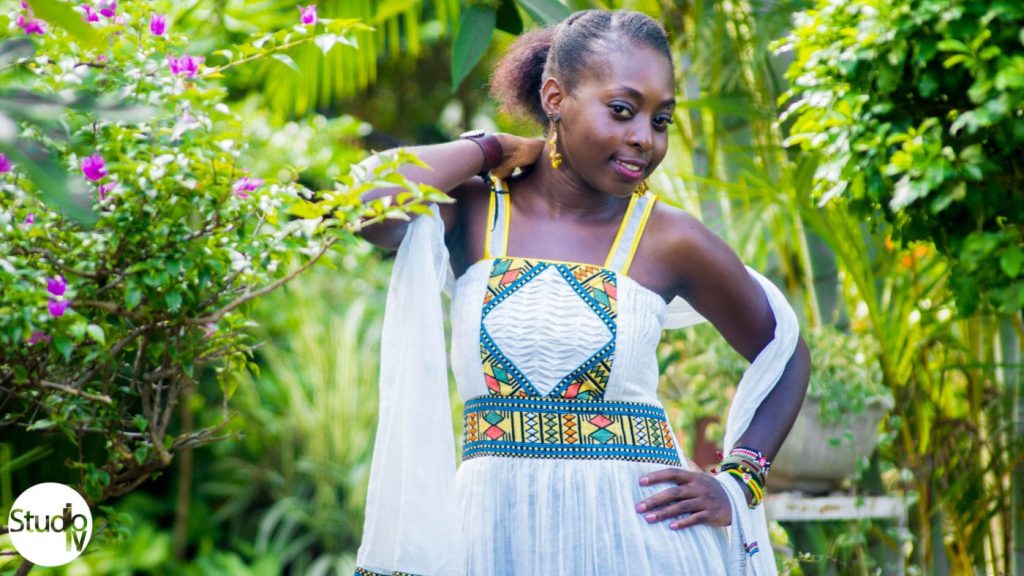
There can never be enough events management companies as we Africans love our events. Motherland Moguls in events management have added little bits to differentiate their brand. Take incorporating floristry and gardening into events, for example. Rutendo Chilenge is the founder of Majestic Gardens, a registered events company in Zambia. She is also the woman behind Chitenge and Wine, a chill picnic and live performance that has become a platform for indie artists and musicians. Rutendo shares with SLA contributor Itumeleng, her other ventures and how she got her start as a florist. Tell us, what business ventures have you gone into? For the past 6 years I have been running an events company which is legally registered in Zambia called Majestic Gardens. Majestic Gardens is an outdoor event venue hosting weddings, bridal parties, wedding photography, music video shoots and any events that require an outdoor venue. What was the attraction for you? Why go into events management? Majestic Garden’s first event was in 2012. At that time I was unemployed and took this as an entrepreneurial opportunity to change my life. For a long time in Zambia, halls -a more expensive option- were the only outdoor events venues available. At first, the attraction to entering events management for me was the love of gardening. I inherited this gift from my mother. Majestic Gardens has only grown and grown since I started it. Now, our venues have the capacity for between 250 to 400 people. What is the one thing that makes your events special? We get to know who the clients are, get one-on-one interactions which the clients and give a personal touch to the events. We build relationships based on trust and understanding with clients. This goes beyond the economical aspect of the business. Beyond the service, Majestic Gardens is also a memory. I try to give my clients the best regardless of who much they can afford. What is the most memorable event you have hosted? A bridesmaid was proposed to at a pre-wedding photo-shoot held in our gardens. She was not expecting her fiancé to sneak up on her from behind flowers. I love that I was a part of their happiness! Tell us about Chitenge and Wine. How did it come about? Chitenge and Wine is an Afrocentric picnic idea that my late brother and I adopted from Nairobi’s Blanket and Wine event. It was a novel idea in Zambia and so we grabbed it. It is centered around the Chitenge cloth and for every ticket, our guests get a bottle of wine and a chitenge. The concept is to encourage the combination of passion and the African spirit in young people. Our focus is to help young people, especially artists understand that they can reach any height even as Africans. Interestingly, most of our guests are budding artists and we provide a platform for their talent and passion. What’s the long term goals for your businesses? For Chitenge and Wine, I would like to see it go to different towns in Zambia. This is so that we can learn about different cultures in the country. I would like it to be a major tourist event, so that tourists coming to Zambia do not only visit Livingston. I see Chitenge and Wine as one of the events listed on tourist brochures in Zambia. I would like to see Majestic Gardens grow so big that it is moved to a larger venue that is able to host multiple events at the same time. I would also like to see Majestic Gardens grow into a floral culture resource centre that trains people on gardening. Gardening goes beyond sweeping. What is the biggest lesson that you have learned from being an entrepreneur? I have learned hard work and discipline. There are times that money does not come in and the only thing that propels you to continue is your passion. What drives you? I love to positively impact people in whatever it is I’m involved. And that’s a whole lot, you know. You currently live in Addis Ababa, Ethiopia, what is the one thing you appreciate about this country? It rains a lot in Addis. I love the potential that the country has to expand its floral culture. Ethiopia can grow and export so many exotic flowers that cannot be grown in other regions of Africa due to the climate. It is flora that we can only imagine in my home country. If you were to be given super powers, which powers would you want and why? I have lost loved ones to sickness and conflicts. So it’s definitely going to be healing powers. Also, If I could, I would help people through the pain and devastation of conflicts. Want to see women you know featured on SLA? Tell us what amazing things women are doing in your communities here.
Aysha Tofa: No business idea scares me
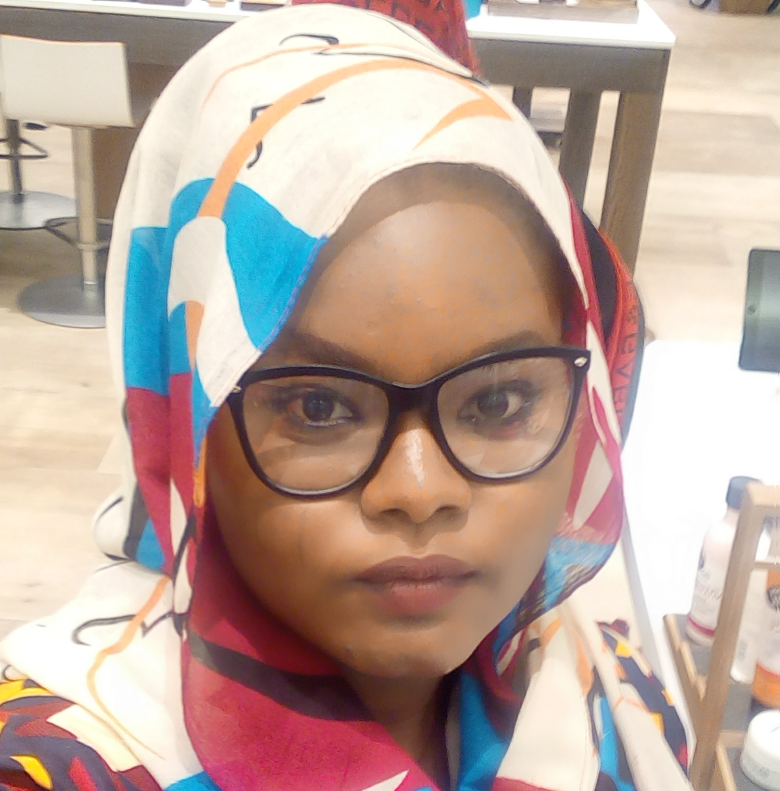
Aysha Tofa is a 24-year-old entrepreneur who is not afraid to try her hands on several, diverse business ideas. She discovered her passion for business as a young girl in college and even now, is an inspiration to many young women in Northern Nigeria, where she resides. Aysha shares with SLA her experience and the driving force behind her entrepreneurship. How did you become an entrepreneur? My first brush with the business world was in my 3rd year in college. I often bought clothes to sell to other students and my friends. However, my biggest and scariest opportunity was when a friend was getting married. I had assured her I could supply 400 pieces of fabric for family and friends even though I had no idea how. Fortunately, things panned out; I made good of my word and some good money too. That first big opportunity opened up more business doors as I invested the profit in other ventures. At the time I was done with school, I was already a known name -an entrepreneur in her own right! You are an entrepreneur involved in a lot of things. Tell us about them. Yes, I am involved in a lot of businesses. My scope covers just about everything – textiles, traditional caps, electronics, properties, food, fashion, etc. I also own an advertising company called Waves Advertising Limited. I am, in fact what they call a hustler in the Nigerian parlance. I believe that for any business idea, no matter how novel, a detailed research would tell me exactly what to do. Away from business now, we understand you had a project called Pink Waves. Tell us about it. Pink Waves was another of my many projects. Our focus was on creating awareness on the cancer scourge, starting with northern Nigeria. Twice, we were on Voice Of America’s radio show, Yau da Gobe, to discuss the project. We reached out to influential people, government agencies and organizations soliciting support and sponsorship, but that never came through. It was a good project but sadly, it had to be put on hold. How are you inspired? I have a solid support system. My parents believe in me and that alone keeps me going. I want to keep making them proud. How do you keep yourself going as an entrepreneur? I read books on both successful and failed businesses. Through them, I have learned and mastered the act of taking risks. For someone who has tried her hands on many things, I believe failure in business can be a learning curve. The entrepreneurial route can be tough, but I try to be as focused and patient as possible. What is the business climate like in Northern Nigeria where you live? Are there challenges? How are you overcoming them? Around here, people are more amenable if you are able to convince them of a product’s usefulness. But of course, a prevalent preference for quantity over quality negatively affects sales. Also, due to religious and cultural beliefs, there’s the erroneous belief that successful women tend to be arrogant and may never find husbands. Notwithstanding, I never let these things stop me from reaching my dreams. I believe an empowered woman is not only a gift to her family but the society at large. What is your driving force? Through my various ventures, I want to inspire other women to reach heights they never thought possible. The ultimate goal is to add value to my society and I am taking it, one day at a time. If you’d like to share your story with She Leads Africa, let us know more about you and your story here.
Kate Mayeye: I’m the Kenyan designer who is inspired by Nigerian fashion
Kate Mayeye is a Kenyan fashion designer and the CEO of African Fabric & Designs Kenya Ltd. Kate is inspired by her love for unique African prints and, in particular, the Nigerian fashion industry. Recently, she had the rare chance of styling an award-winning Nigerian actress, Angela Okorie for three high profile, red carpet events. Kate shares with SLA her love for fashion, the opportunities it provides and how she is introducing a different fashion culture to Kenya. Why African Fabric & Designs Kenya Ltd? I love to stand out, and showcasing Africa’s unique culture has given me that opportunity. I am looking to place the African print on the world map. It would gladen my heart to see other people, not just Africans, embrace it. Why are you drawn to the Nigerian fashion industry and how did you come across it? I am married to a Nigerian. My husband and I love the impeccable finishing on designs made by Nigerians. I also wanted to introduce a different fashion culture in Kenya, and Nigeria has been the perfect reference as she is at the forefront of the African fashion market. Nigerians are the ‘who’ to watch for when it comes to fashion styles and trends in Africa. How did you get the chance to dress Angela Okorie? Were there any challenges? Angela Okorie was in Kenya a few months ago. The occasion was the pre-production of a dramatic comedy starring her, Mike Ezuruonye, Huddah Monroe and Mumbi Maina among others. Former Miss Kenya 2014, now actress and producer, Juliet Ochieng had approached me concerning the Nigeria-Kenya collaborated movie titled Brother Jekwe. I was the costume designer for the movie which Juliet also co-produced, my job was to provide outfits and accessories to support the narrative. The biggest challenge in dressing Angela was her busy filming schedules. Our fittings sessions were practically non-existent but I’m glad things turned out great. What would you say to a fashion designer whose dream is to dress celebrities? In dealing with celebrities, be cautious. Focus on what they want, but make suggestions on what best fits. Be sure to communicate what you can or can’t do. Simply, be honest. What do you look out for in selecting fabrics? When selecting a fabric, I look out for the uniqueness of the print, the thread count, colour-fast quality and the strength of the fabric. I don’t condone shrinkage or fading when it concerns my fabric. If you were on a deserted island and could only take one piece of clothing, what would it be? Well, let’s see. I would definitely take a Dera. It’s multipurpose. What challenges have you encountered in your business? Perfecting customer order has always been a challenge, especially when you have to depend on hired hands. But we learn and grow daily with every experience. The biggest challenge remains power blackouts. Traffic, courier clearance bottlenecks, and of course unforeseen circumstances are also issues we’ve had to deal with. What advice will you give to young African women looking to start a business? Every business owner requires a huge passion, commitment, and a strong support system. Be your own motivator, some days are going to be tougher than others but you can do it. With God on your side, it can only get better. 2 year plan? Tell us about it I’m working on business expansion, opening up more outlets to showcase our amazing designs. These designs would feature locally produced prints and materials that represent the different African cultures. What other projects are you involved with besides African Fabric and designs limited? I am a partner with an events and social media management company, DiMaye Media and also a one-third partner in a supplies and Maintenance firm- Tatu Dallas Supplies and Maintenance Ltd. Which celebrity did you love designing for? Every client is a star in my eyes. They are my celebrities. If you’d like to share your story with She Leads Africa, let us know more about you and your story here.
Thembelihle Terry-Lynne Zulu: Every woman needs a big sister

The idea of women helping other women, benefits both parties and demonstrates just how powerful every woman can be with the right support. Thembelihle Terry-Lynne Zulu, through Girl Grandeur Zimbabwe which she co-founded, is going the extra mile to encourage women to pursue their dreams. Here is what she is doing to support other women. How have you used your personal challenges to inspire other young women? Women shouldn’t be shamed for sharing their pains, struggles and life experiences. No woman deserves to be slammed or termed ‘attention-seeking’ or ‘too sensitive’ for sharing her story. Our stories need to be told because in them is the hope for survival for every woman. My life’s journey epitomizes, to a great extent, the challenges faced by the African girl child. I have been through most of the issues plaguing young women, from abuse to pregnancy, and everything else in between. I once wrote on my personal blog, “I went through some mistakes so that you don’t have too.” Walking young women through their ordeals is a mutual healing process as it helps me as much as it does them. Tell us more about Girl Grandeur Zimbabwe, how did it come to be? As the first of five girls, I considered it my duty to help my sisters make the right life choices. Gradually, this mentoring circle grew to include their friends. Our goal is to help every woman, especially the young ones access safe and comfortable adult counsel. We need them to be able to do this without the fear of being judged or unduly reprimanded. To address this, Girl Grandeur Zimbabwe has a mentorship program for business newbies, as well as a Big Sister program for the little girls. In addition, to debunk the myth that women are naturally unable to work together, we created a platform that has some semblance of a sisterhood. Here, women come together in an informal setting to discuss issues relevant to them, share opportunities, advertise their businesses and have meaningful debates about womanhood in Zimbabwe. How does a social club in Zimbabwe function? Girl Grandeur Zimbabwe may not be the first social club for Zimbabwean women, but our approach is the first of its kind. We have branched out into various income generating programs and it’s a constant learning process. The club is accessible to every young woman in Zimbabwe, subscription fees are affordable and within reach. Our structure includes a board, a committee, and ordinary members. Our diversity reveals the implicit beauty of our differences and we are determined to do much more. How do you provide support when needed? Through our several social media platforms, we invite Girl Grandeur Zimbabwe members to contribute to planned projects or offer free services. For example, one of our members in Harare identified a pregnant homeless woman who needed help. To alleviate her plight, we brainstormed on possible support solutions. Our growing membership increases the need to incorporate a wide range of issues facing every woman. We work closely with other NGOs while monitoring progress through the appropriate authorities. As a co-founder, what advice will you give any woman looking to start a business with someone else? When starting out, it’s easy to go for people who are within your reach and that’s usually kith or kin. In getting the right hands, be drawn to people who are not only passionate about your vision but who have proved that they can deliver results. You won’t always end up with the ones you started out with and you need to be okay with that. Appreciate small beginnings and don’t mess with the growing process. Among other things, Girl Grandeur aspires to bridge the generational gap between mothers and daughters. How can young modern women overcome this gap? A friend once suffered vaginal thrush but couldn’t tell her mother for fear of receiving retribution. There’s no gainsaying the fact that mothers need to create more time for their daughters. These days, more women work as hard and long as most men. And so, inadvertently abandon the formative training of their children to maids, nannies, the media, peers and even Google. Some parents have been distracted by the cash-stretched times but good parenting isn’t just about money. Making time for your children is paramount – you can’t put a price tag on a thing like that. Tell us about your relationship with your mother, was there any tension? How was it resolved? When is there never any tension between mothers and daughters?! As a young girl, I didn’t understand half of the policies she’d put in place. As cliché as this sounds, as I grew older, I began to understand why she did what she did. Now, I understand that she didn’t ‘hate’ me but had to curb some of my rebellious tendencies. Open and honest communication is key to the mother-daughter relationship. I strongly believe that when a child understands the reason(s) for a reprimand or punishment, he/she is more unlikely to repeat offense. What do you love best about your mother? I consider my mother a warrior! A warrior who never let societal beliefs stop my sisters and I from finding our identities and flourishing in them. In retrospect, she understood that everything I did was in preparation for who I was to become. Never did she ask me to be who I was not. If you’d like to share your story with She Leads Africa, let us know more about you and your story here.
6 ways to turn your business dream into a reality

Chasing a business dream requires a deliberate and focused sense of concentration on set goals. Don’t you hate-love those successful people who make success seem so easy? Wouldn’t it be great if you could bring their magic to your own life? Imagine walking into a multi-million dollar event to a standing ovation. Everyone is clapping and the spotlight is on you, the bombass CEO of your own company. Sounds like a dream, right? Snap out of it! It’s time to live that dream. First, there’s the parody of that person who takes the giant step of starting her own business. Now, years have passed and the enthusiasm has dwindled because she’s held on to the same approach. Don’t be her. If you must make the leap, be sure the potential rewards are huge and satisfactory. Otherwise soon, you’ll be complaining like Jane who went into selling clothes because Maryann’s boutique was blossoming. It’s a simple, sad fact that the vast majority of entrepreneurs would rather invest in whatever business idea is currently trending than create their own dreams. Yes, we all need inspiration but success doesn’t come by pursuing someone else’s dream. You want to become the next Oprah Winfrey? Cool, but you need to learn to do what you love better, faster and more often. Where am I going with all of this? Simple. Define your dream Do you have a business idea? How big is your goal? Think back. How long have you nurtured this idea? How sure were you in it, when it was birthed in your mind? It’s so easy to look around at people who have achieved business success and say, “Oh she achieved that height because she’s special, it’s just the way she was made.” Okay, saying this may make you feel a bit better, but like Lupita Nyong’o once said, “Your dreams are valid too.” Yes girl, they are! Vision The idea, big or small, must be laid out in detail. Achieving your dreams does not have to be easy, but you need to be able to know, at any moment, where you are headed. Set goals with timelines. Here’s my example, by January 13th, 2017, I shall have set up a firm on the 14th floor of East Grove Towers with a portfolio of 120 clients. Time to werk. Get to work The nature of the idea must require an intense sense of concentration. An example would be a goal-driven SLA contributor. Ideally, she is a brilliant lady who is detailed, pays attention to research and is not afraid to be sassy. This is someone who can devote the energy required to get the work done. Now apply that to your business. Outsource expertise You must be willing to make the best of resources to get work done. If you have the innate abilities of a genius kid, beautiful! (Also, lucky you) Otherwise, leave the work to experts. This is especially important in sensitive areas like sales, finances or technical implementation. That dream of you wearing 20 hats and running everything yourself should remain in lala-land. You’re awesome but you’re not Super Woman. Send yourself future letters or emails This might sound crazy but stay with me. There are great websites and apps that allow you write yourself emails due to being delivered say, in three months. I love starting my letters this way, “Dear future me, by now you must have scored that East Grove Tower office and earned enough for a holiday in Maldives. Where are we at now?” See, not hard. Believe it or not, these letters are a great source of motivation and accountability. Share your dream with 5 people You need regular enough feedback from sincere people. This way, you can constantly adapt and make progress toward your goal. These people should call you out when you fail on your business plans. They should challenge you to be the best you can be. Choose the No BS’er friend who will taunt you to action. Finally, if you must be successful, you’ve got to work hard, very hard. The way you go about it is the difference between good and top-of-the-ladder great. While working hard, remain positive. Positivity is a virtue common to successful people. It’s that cultivated sense of success. We have Walt Disney to thank for this quote, “Dreams come true… only if we have the courage to pursue them.” What steps are you taking in achieving your business dreams?
Sibahle Khumalo: Balancing a baking business with my studies in Genetics

For some us, side hustles only became real when we started our careers. For others, it starts much earlier. Sibahle Khumalo is a university student and a #MotherlandMogul. Between studying to complete her degree in Genetics, she bakes and sells cakes. Sisi Lwandle recently caught up with Sibahle for a chat where she discovered what it takes to balance studies and entrepreneurship, and what Sibahle views as success. How did the idea for your baking business come about? It was actually my mother who had the idea of me starting a baking business. I learnt how to bake muffins and cupcakes from my mom and I had tried baking cookies and brownies before, but I had never baked a “big cake” as I called it. So, early last year I was feeling brave and I searched on the internet for a good chocolate cake recipe. To my surprise we had most of the ingredients I needed in the house. I just had to buy a round cake pan, after which I proceeded to bake my chocolate cake and decorate it. It was the best chocolate cake I’ve ever tasted and everybody in the house was so surprised to see that I could bake a delicious cake in just one try. My mother loved it so much she took it to work the next day to share with her colleagues and they loved it to. She then told me that I could actually start my own small baking business and from then I started modifying the recipe and practicing to bake it perfectly. After some time I started advertising my creations on Facebook and well one thing led to another and I found myself starting my own small business. Where did your capital funding come from? How were you able to start up? My capital funding came out of my pocket as I have a part-time job as a coach at a local high school. I used the little money that I had to buy equipment and even now I use some of the business’ profit to build the business. Slowly but surely my dream of having my own bakery is coming together. You’re studying a degree in Genetics. This is a complete contrast to the industry of your current business, where and how do they both fit into your future plans? That’s a very good question. I plan on continuing my studies and going into medicine as it has been my life long dream. At the same time, I plan on growing my bakery business to the extent where I don’t have to work myself but have staff working for me, I’m planning for it to become a passive form of income. As a full time student, how do you juggle academic responsibilities and the demands of your growing business? I won’t lie, it’s very tough. Sometimes I find myself having to turn down customers because of writing tests or exams. Other times, I find myself stressing and not having enough time to study. But with the help of my mom and aunt I get everything done in time, which usually means going to bed at midnight. How has being an entrepreneur and student affected your social life? I’m surprised it hasn’t affected it too drastically, I still have time for my friends and family. It just takes a lot of pre-planning for things to work. So now I actually have a use for calendar/journal. What advice would you give to other university students who wish to become entrepreneurs? Go for it! There’s nothing worse than just keeping business ideas in your head, start small and grow your business from the ground up. Understand that success isn’t something that happens overnight, but know that all the hard work will pay off soon. And also, be prepared to have to choose sometimes between your education and your business. If you won the lotto right now, what would you do? If I won the lotto I would open my own bakery/cafe. And I’d also treat myself to a long deserved holiday, baking can get really tough. What motivates Sibahle Khumalo? Making my customers happy, there’s nothing better than putting a smile on someone’s face. What is your favourite aspect about being an entrepreneur? Being able to say, “I have my own business” has to be my favourite part! But, what I love the most about being a black female entrepreneur is having the platform to inspire other people. How do you define success? Success is the result of an ongoing process of bettering yourself and working on your goals. Which company or business person inspires you? Buddy Valastro, the owner of Carlo’s Bakery, most commonly known as the Cake Boss. Want to see women you know featured on SLA? Tell us what amazing things women are doing in your communities here.
Didi Akinyelure: Success has no format

Didi Akinyelure is a producer and business news anchor who hosts the CNBC Africa morning show called “Open Exchange, West Africa”. She is also the 2016 winner of the prestigious BBC World News “Komla Dumor Awards”. Didi calls herself an accidental journalist since she never had any formal education in journalism. With a financial background, a passion for real estate and telling African stories, Didi wanted to be a media entrepreneur who makes and sells contents to news networks. Instead, she found herself on live television after being discovered by the Country Manager of CNBC Africa. Didi believes that success has no specific format and with passion, preparation, hard work and research, one can achieve anything. Tell us a brief history of your career before CNBC? Before CNBC, I worked with a financial advisory company in the UK to make some money since investment firms pay very well but my passion was real estate. I did not know where I developed the passion but I knew it was there so I started attending real estate investment seminars to learn more about it. After working for a while with the financial advisory company, I decided to branch out from financial planning to real estate. I then got a job at Barclays Wealth Management where I purchased two properties. After indulging in my passion for real estate, I became an investor and moved back to Nigeria to work with asset management division of investment bank, Oceanic Capital for slightly over two years. I then resigned from my position due to the financial crisis which made things difficult for the company. The capital side of the company got mixed with banking and most of us did not want that since this resulted in being paid less. My job became less interesting and exciting so I saw it as an opportunity to chase what I was passionate about. Thus, changing the perception of Africa by telling the African story through real estate and real estate investment. Why and how did you switch to journalism? What led you to work for CNBC? Journalism was never part of the plan. The plan was to pursue real estate investment in Nigeria. However, I found out that one needs lots of capital to be able to pursue this career. While in the UK, it is very easy for someone out of the university to get on the property market where you can buy property without much cash. In order to not let my passion die, I decided to make a documentary about real estate in Africa and sell it to any news network that will show an interest. I convinced my mother to accompany me to Cape Town where I filmed a documentary about real estate. I had never stood in front of a camera before and after 30 minutes, the production crew commented on a work well done. I tried marketing the pilot with the news network where I found out that the networks did not buy documentaries directly rather, I needed companies to sponsor my work. This proved very difficult since I had almost zero experience and it is not easy getting someone to sponsor your work. I then decided to go to CNBC Africa because I had seen their shows on the screen while I was working at Oceanic Capital. I had a meeting with Country manager who accepted my CD. He commended me a work well done and asked I asked me to join their team since I was a natural. I declined. The idea was to be a media entrepreneur who creates contents and sells it to interested buyers and not to work for anyone. So I went back to hustling and later decided to consider the CNBC offer. I had become a liability to my entire family who were wondering what I intended doing with my life. In just a couple of years, I had switched from banking to real estate to making documentaries. As much as they loved me, they did not understand the path I had chosen since there had not been any results. I thought I was going to be filming documentaries but rather, the job description was for live television. I decided to give it a shot as I had the financial background CNBC was looking for. Who was the biggest inspiration for your choice of career? This is a tough one since journalism was never my dream. It was somewhat thrust upon me so I refer to myself as the “accidental journalist”. I have always been inspired by Isha Sesay from CNN but I never for once thought about being a journalist or a news anchor. I didn’t even know that journalism was going to be a part of my life. So what I did was to learn from all anchors I met at CNBC and those I saw on television. What has been your personal key to success as an anchor on the CNBC? My personal key to success was learning to accept criticism and letting my passion shine through. The first 3 months at CNBC were very tough because journalism is very different from banking and asset management where you perform similar tasks each day. In journalism, each day comes with a different story so I had to keep up with news and conduct lots of research. I came to understand that on live TV, people are not that forgiving compared to other jobs where you are given a grace period of two or three months to be conversant with the work. Whenever I went off air, I was being told about the wrong things I did on set. This is when I had to be strong inside and accept the criticism and turn them into strengths. Also, what I’ve learnt from this career is that I was bored in my other life. I was doing the job for the paycheck while with this one, I am doing it because I love and enjoy
Starting and sustaining an NGO in Nigeria: 3 important things to consider
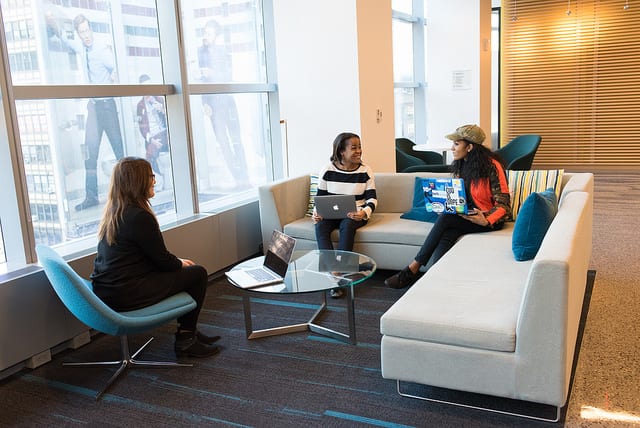
You can actually set up the next big NGO, and maybe win a Nobel prize for your wonderful contribution to the society. Isn’t that amazing? But wait! Before rehearsing your Nobel prize acceptance speech, have you given enough thought to the sine qua non of setting up and sustaining an NGO? No? It’s not too late. Let’s start with the basics. A Non-Governmental Organization (NGO), according to www.ngo.org, “is any non-profit, voluntary citizens’ group which is organized on a local, national or international level.” In Nigeria, they play important roles, often filling gaps which the government is unable to while complementing existing government activities. These organizations, small or large, work in the health, civil society and other sectors of society. Individuals and groups often set up NGOs with altruistic motives, with the intention of impacting positive societal change. Having worked for an NGO for several years, I know that most people assume that starting and sustaining one is a laid-back affair. On the contrary, it is in fact as critical as starting up a for-profit business. It really does not matter if it is on a small-scale basis, or whether you have vast amounts of cash, there are key guides to consider. Here’s what you need to know. Legal requirements A lot of times, enthusiastic newbies fail to consider the legal requirements of embarking on such a venture. Someone wakes up, scribbles an interesting name for a proposed NGO, then proceeds to print branded T-shirts. That’s not bad for effort, but you need a more structured process. For proper legal status, your NGO must be registered with the relevant body; the Corporate Affairs Commission (CAC). Take ownership of the process, and as much as possible, avoid using a proxy. That way, you will be in possession of all necessary documents and minimize the chances of a disaster. Now, you’ll need to establish the following: The legal obligations it will be subject to. Your goals and objectives. The problems you intend to solve. Equally important, you’ll need a lawyer during this process. Having a lawyer at your side will keep you updated on the rights and obligations of the registered NGO you’ll soon be running. Acquiring and sustaining funds When setting up an NGO, you must be very clear on the source and availability of funds. You can’t begin with the, ‘Well, I just started’ or ‘Let’s see how it goes’ attitude. Having said that, let’s see if you can answer these questions: Do I have funds for the activities I’d like my NGO to embark on? Are there government or other organizations’ grants I can apply for? Can the NGO sustain itself on a long-term basis? Do I have an efficient structure? What are my planned activities, and who will be responsible for each activity? Run your NGO like you would run a business. Look, I get it. The society seriously needs solutions and you’re revved up for the challenge. Your idea is the best, most unique and different one and you’re in line to becoming the next Mother Theresa. Listen though, other NGOs are profit-oriented and well, only focus on making profit. If you want your NGO to be around for a long time, you’ll need to integrate these profit-making elements to your operations: Have a defined strategy for hiring, operations and other organizational processes. Have a strong financial system. Have a target audience? A robust marketing strategy will cater to them. Have a marketing budget. Decide on what strategy to apply. Person-to-person? Social media? Flyers and posters? Or a mix of different strategies? How about record-keeping? Do you have a plan? How often would you produce reports? Bi-monthly, quarterly or annually? The above requirements are essential, especially if your NGO’s activities are grant-funded (which means you’ll have to submit regular reports to your handlers). The sad reality is not everyone gets grants at the start, but proper record-keeping would prove very helpful should you decide to apply for funds in the future. #MotherlandMoguls should know that NGOs are businesses too. Your profit is in the satisfaction of helping people in profound ways.
Carmen Attikossie: I want Cartik to contribute to a better Africa
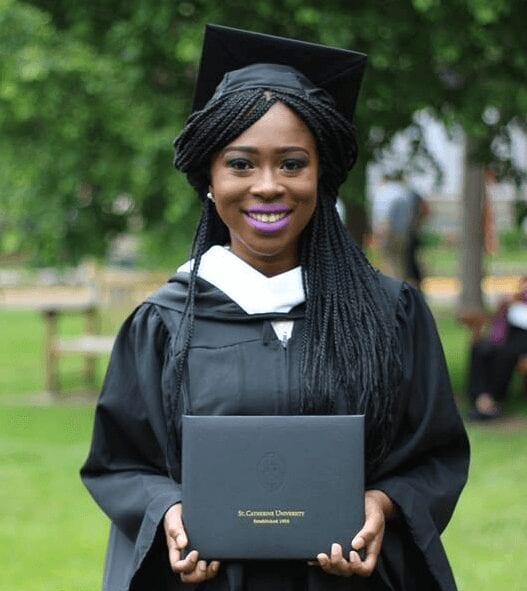
In these days of ubiquitous African wax prints, only a few businesses stand out. One of them is Cartik, a brand started by Carmen Attikossie. Carmen used her links to her homeland of Togo, along with new networks formed while studying in Ghana to start a fashion label that uses African wax print. Here, Carmen gives us insight into Cartik, explains why she plans to venture into agriculture and schools us on the Nana Benz. What sort of artisans does Cartik you work with? I work with artisans from all walks of life in Ghana and Togo. In Togo, there is an artisan village in the capital city Lomé and when I started Cartik, my aunt took me there. I met artisans who were shoemakers, leather-workers, jewelry-makers, etc. I took my time, picked the artisans I wanted to work with and went from there. In Ghana, I had the opportunity to travel to Kumasi, and I met some artisans at Bonwire, Kente village. Throughout the time I was Accra as a student, I took my time to search for individuals who were skilled in bag-making and were interested in making my designs. There was difficulty in finding these artisans and I spent weeks and months trying to find the right individuals to bring my designs to life. Most of the artisans I work with are people who have either left their countries due to conflict or lack of jobs and have settled in Ghana or Togo. They are young individuals who have graduated from university but due to lack of employment, they picked up artisan skills and are looking to have a steady income. I like working with these young individuals because I am young myself. As a university graduate, I understand the difficulty of receiving a degree and not finding work in your field or employment in general. Today, I work with a small group of artisans in Accra and in Lomé, I still work with artisans at the artisan village. What is the fashion scene in Togo like? Togo is a small country and the fashion industry is slowly gaining momentum with the likes of Grace Wallace. Grace is a Togolese-Nigerian fashion designer that is well known throughout Togo and in West Africa. Lomé, the capital city known to be a hub for African prints. Many people travel from Ghana, Cote d’Ivoire, Senegal and other countries just to buy prints at Assigame , the biggest market in Togo. Tell us about your experience studying in Ghana. I went to Ghana on a study abroad programme at my university. In Ghana, I stayed on campus at the University of Ghana and lived in the international student hostel. My experience there was phenomenal. I did not want to leave Ghana, I even asked my school if I could stay for another semester but I was not given the opportunity. Honestly, I felt comfortable in Ghana. I grew up in the USA so when I was there everyone thought I was from the USA. Many people were shocked to know that I’m from Togo. My classmates and professors were always surprised when I spoke Ewe, one of the languages spoken in Ghana and Togo. They couldn’t believe that after 15 years in the USA I can still speak Ewe so well. I made new friends, learned a little bit of Twi and experienced life as a student in an African country, something that I’ve always wanted to do. I also volunteered at Future Leaders, an organization that takes disadvantaged kids off the streets of Accra and provides them with the basic tools of education. I taught science to 5th and 6th graders in Teshie, Ghana. At Future Leaders, I helped initiate a plan for women and microfinance and got involved in many other aspects of the organization. As someone who has received scholarships, do you have any advice for other young African women looking to gain a scholarship? Google is your best friend, go to networking events if you can because you never know who might be there and what connections and networks they have. When writing scholarship essays or filling out grant applciations, start early and take your time. Also, make sure to have others look over it. Looking for a scholarship is a like looking for employment. You want to take time to research and plan how to write your scholarship essay. You mentioned that you want to venture into agriculture. Why agriculture? Once Cartik is out of its startup phase and is well established and known, I want to delve into agriculture. At the moment the only steps I’ve taken is to do more research on African agriculture. I became interested in agriculture after reading Africa Unchained by George Ayittey in college. That book taught me the importance of agriculture in Africa. The rural population in many African countries hold the wealth to Africa’s prosperity and that is agriculture. If we spend time investing and educating the rural population on better and efficient farming techniques, I believe would be on our way to alleviating some of the problems we have. From what I’ve learned in college, at times rural areas in African countries are neglected when it comes to development. If we provide rural populations with access to healthcare, education, development for women and children, the possibilities will be endless. Can you tell us a few things about Togo that other Africans don’t know? – Togo is home to the Nana Benz women. The Nana Benz are a group of women who began their journey as textile traders during the time of French colonization. These women came from nothing and rose to fame, power, and fortune because of the wax prints. They were ambitious, hardworking entrepreneurs and leaders who contributed greatly to the economic growth of Togo. The lives and stories of the Nana Benz women have been preserved in a book called Nanas Benz: Parcours de Vie. The English translation would be, “The lives of Nanas Benz”. The
Hayat Essakkati: I believe in Africans growing their own continent
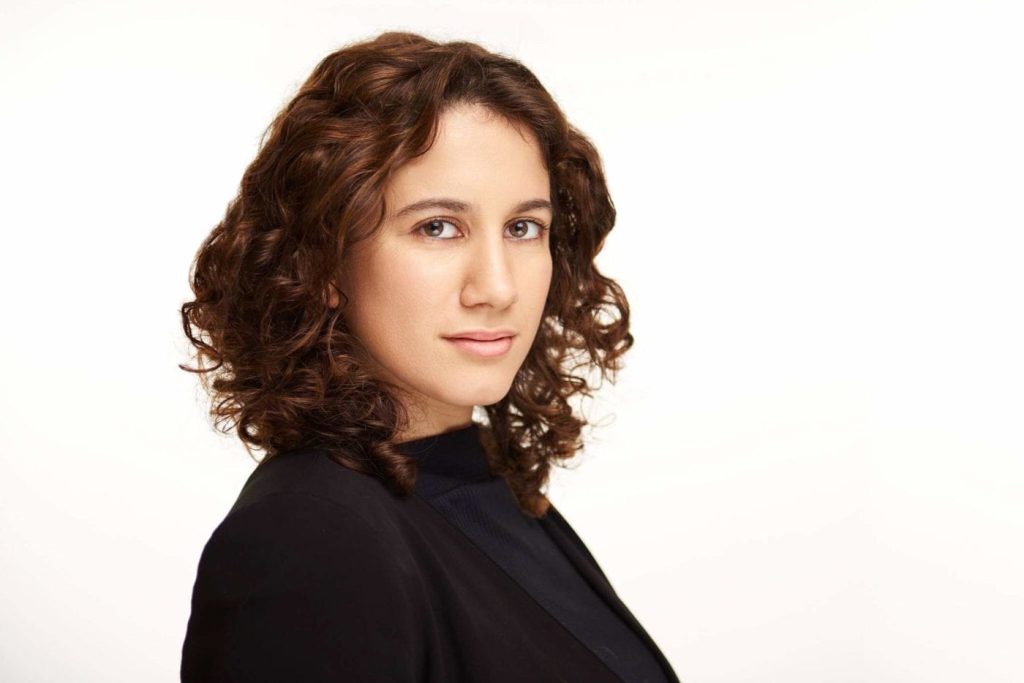
Won’t it be great to have a one-stop shop where investors can be guided through establishing their businesses in foreign countries? Good news is there’s an organisation that provides such services for Morocco, Maroc4Invest (M4I). It’s principal/director Hayat Essakkati is passionate about women and Morocco’s development. Here she shares her insight on expanding internationally and how her work experience has shaped her as entrepreneur. When lead you to start Maroc4Invest? I started Maroc4Invest (M4I) in June 2015. When I was working for the International Finance Corporation in Morocco, I realized that foreign investors were increasingly interested by the Moroccan market. The market was/is faring very well, both economically and politically in contrast to its unstable neighbouring countries. On top of that, there has been an increase in the number of companies expanding their activities in Africa and a majority of them are changing their thinking in relation to doing business in Africa. They know the Africa-to-Africa business channel is more effective than Europe-Africa or US-Africa. Morocco has become the ideal location for doing business in Africa. This has lead me to start my company as I believe in Africans growing their own continent. What kind of services do you offer? Are they aligned with your academic background? Maroc4Invest enables foreign investors to penetrate the Moroccan market using a multitude of services. Our services are aimed at taking clients through the process from company registration to ultimately running their operations in Morocco. The idea behind the company is straightforward: to navigate the business world in Morocco, you need insider’s information and access. Maroc4Invest is a one-stop shop with the objective of making foreign investors feel at home by minimizing their risks. They’re aligned with my academic interests. My Master’s thesis is titled, ‘National Use of International Norms: Morocco’s Implementation of the IFI pressures’ and on top of that I’ve written numerous papers on Morocco’s sectors. I have always been interested in the impact of foreign entities on Morocco’s economy. You have offices in three continents, can you share tips on expanding a business internationally? What challenges did you face? The most important aspect of international business, in my perspective, is running your administration correctly. You can’t be in all 3 continents at the same time so making sure your processes run smoothly without a daily administrative to-do list will prove very useful in the long term. I prepared it adequately, talking with friends and people who’ve already went through the same process before opening the offices. I’d suggest choosing countries you know very well. Holland and the USA are countries I know very well, so it makes sense. How large is your team and how do you go about selecting members for it? Our team has been growing and we expect to reach 10 in-house consultants by the end of the year. We have also developed a group of experts I can tap into on any occasion. Tell us about your experience with the World Bank Group and the African Development bank. Have these shaped you as an entrepreneur? I started my own companies to fund my college from the time I was 18 years old to be able to pay my college and expenses. I also worked in international organizations. It was more out of a sense of urgency rather than wanting to penetrate a certain market. After my studies in the US, I started working with the World Bank on topics that interested me; strengthening youth civil society and entrepreneurship in the Arab region. I could keep my entrepreneurial spirit while working as I had the right managers. The same goes for when I was working for the International Finance Corporation. The key thing is to make sure to surround yourself with good managers/colleagues that know your strengths and understand how to tap in to them. What do you think the rest of Africa should know about Morocco? Morocco is fully reliant on its human wealth. It has no natural resources, making the country’s success depend completely on its men and women. If you’d like to share your story with She Leads Africa, let us know more about you and your story here.