
Why African Women Entrepreneurs Are Undervalued by Investors — And How to Change the Narrative
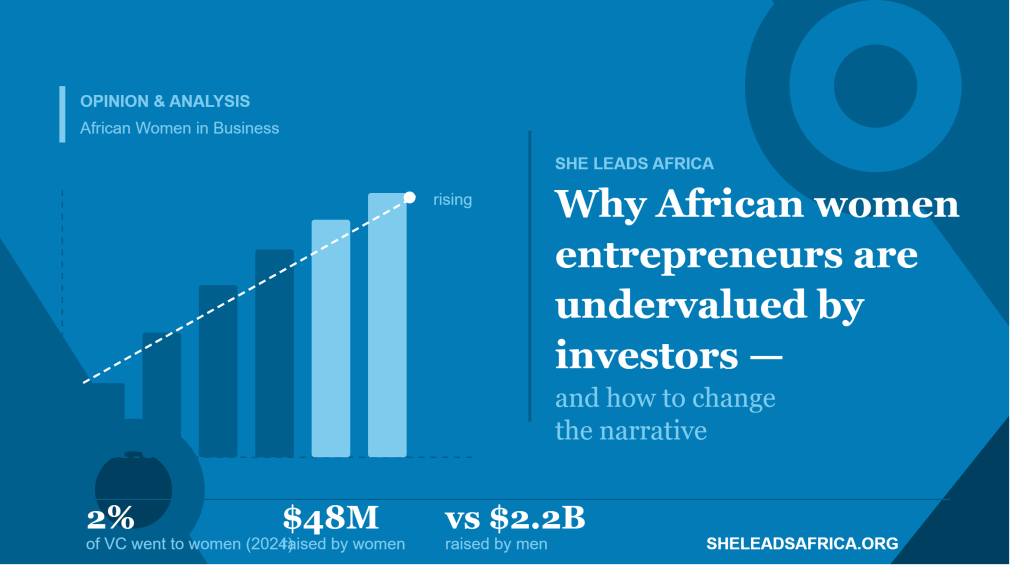
By She Leads Africa | 22nd June, 2026 Here is a number worth sitting with: in 2024, female-led startups across Africa raised just $48 million. Their male counterparts raised $2.2 billion. That’s not a gap. That’s a canyon. And it’s getting worse. Women-led startups received only 2% of total venture capital deployed across Africa in 2024 — the lowest share recorded since data collection began. A year later, despite a 40% rebound in overall African startup funding, the situation barely moved. Less than 10% of all venture funding in 2025 went to companies with even one female founder. If you are a woman building a business on this continent, these numbers are not news to you. You have felt this. In the rooms you weren’t invited into. In the pitch feedback that focused on your risk rather than your runway. In the investor who asked who else was backing you before deciding if he should. The question isn’t whether the gap is real. The question is: what do we do about it? First, let’s name what’s actually happening The funding gap is not an accident. It is the output of a system that was never designed with African women entrepreneurs in mind. Bias shows up before you even walk in the room. Research consistently shows that investors — the majority of whom are men — tend to back founders who look, sound, and network like them. This “homophily” effect means women-led ventures are evaluated through a narrower lens, often before a single slide is reviewed. The sectors women dominate are undervalued. Women-led startups are disproportionately concentrated in education, health, agriculture, and social impact — all sectors that attract lower valuations and smaller check sizes than fintech infrastructure or enterprise SaaS, where male founders dominate. It’s not that these sectors matter less. It’s that the ecosystem has decided to value them less. The “market potential” question is rigged. Women entrepreneurs frequently report being questioned about the size of their addressable market — even when they are explicitly serving African women consumers, one of the fastest-growing and most underserved economic groups on the continent. A $2.5 billion funding gap has accumulated over five years while investors simultaneously missed the explosive growth of women-driven markets in e-commerce, mobile finance, and agri-food. Grant dependency is a trap, not a solution. Women receive around 52% of Africa’s grant funding — which sounds like progress until you realise that grants don’t build the equity runway needed to scale. Overreliance on grants keeps businesses in a perpetual “startup” phase and reinforces the perception that women-led ventures need charity, not capital. What this costs all of us This is not only a women’s issue. It is an economic one. The McKinsey Global Institute estimates that closing the gender funding gap in Africa could unlock $316 billion in additional economic growth. The $42 billion financing gap for women entrepreneurs isn’t just a missed investment opportunity — it is economic value being left on the table, every single year. Women in Africa represent one of the highest rates of entrepreneurship in the world. They are already building. They are already selling — On the Jumia platform, over half of sellers in Kenya and Nigeria are women, according to IFC research, a signal of just how actively African women are driving digital commerce. They are already creating employment, driving household income, and sustaining local economies. The infrastructure of care, food, learning, and trade in this continent runs largely on women’s labour and ingenuity. Choosing not to fund them is not a neutral decision. It is a choice — and it has compounding consequences. What you can do — right now, as a woman entrepreneur If you’re building and you’re frustrated, you have every right to be. But here is what we know works. Get clear on what kind of capital you actually need. Not every business needs venture capital, and chasing VC before you’re ready — or when it’s the wrong structure for your model — can cost you equity and momentum. Revenue-based financing, development finance institutions (DFIs), blended finance instruments, and targeted grant programmes are growing. Know your options before you walk into any room. Build your evidence base obsessively. Investors claim to be data-driven. Give them data that’s hard to argue with — unit economics, retention metrics, market size research, customer testimonials. Don’t let anyone tell you your market is too niche when you can show them exactly who your customer is and how much she’s willing to pay. Invest in your investor network before you need it. The single biggest predictor of who gets funded is who already has warm introductions to the right people. This is unfair — and it is also true. Find the female angel networks, the gender-lens funds, the investors who have a track record of backing women founders. In Kenya, for example, a robust network of female angel investors has measurably increased funding rates for women entrepreneurs. That’s replicable. Document your story with precision. Your impact, your growth, your team, your vision — all of it needs to be articulable in three minutes and defensible in an hour. Work on your pitch the same way you work on your product. Ruthlessly. Find your community and stay in it. Isolation is the enemy of ambition. Connect with other women who are at the stage you’re trying to reach. They will open doors, share intelligence, challenge your assumptions, and remind you — when the ecosystem fails you — that the failure is not yours. What needs to change at the system level Individual preparation matters. But let’s be honest: the burden of fixing a structural problem should not fall entirely on the people being excluded by it. The ecosystem needs to move. Specifically: Gender-disaggregated data must become standard. You cannot address what you do not measure. Every fund, accelerator, and DFI operating in Africa should be required to track and publish funding flows by gender. More women need to be in investment decision-making roles.
What It Really Means to Lead: Growth and Influence with Rosemary Egabor-Afolahan
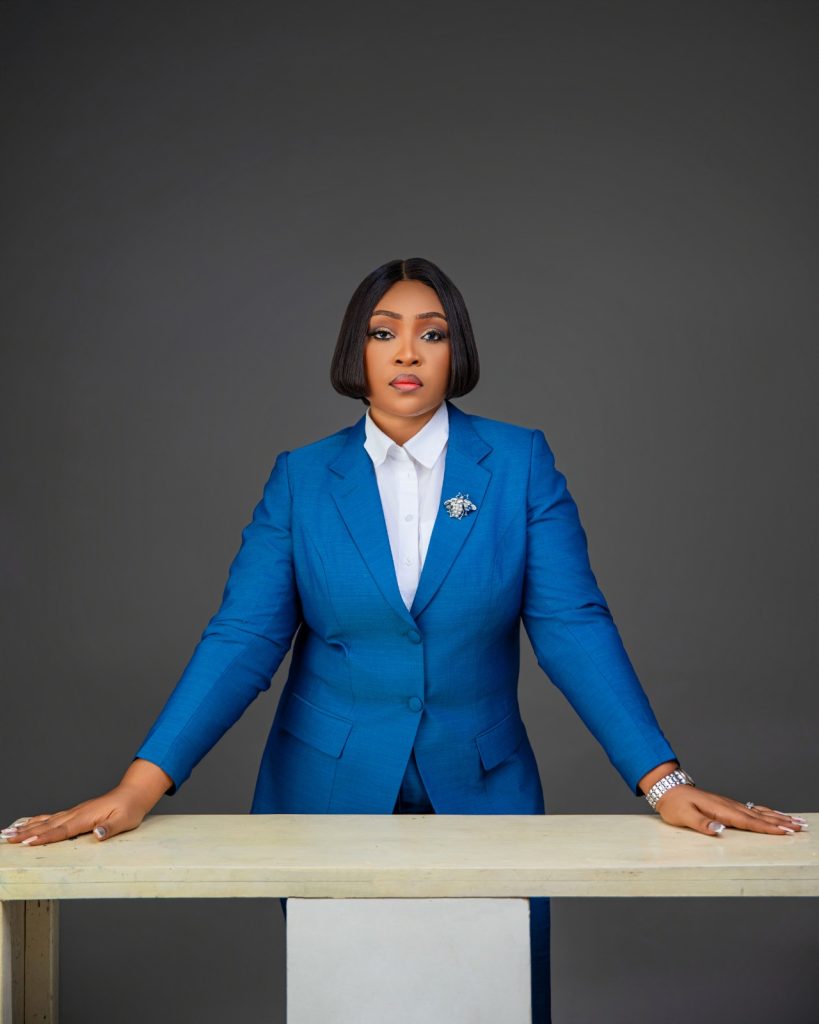
Leadership is often reduced to titles and visibility. For Rosemary Egabor-Afolahan, it is something far morepractical. It is about responsibility. It is about making decisions that carry weight. It is about showing upconsistently and doing the work that keeps an organisation moving forward. As Director of Commercial and Communications at News Central TV, Rosemary sits in a role that demandsboth strategy and execution. As a business Builder. She is responsible for driving growth, buildingpartnerships, and shaping how the organisation communicates with its audiences. It is a position that requiresclarity, discipline, and a deep understanding of how business and media intersect. Her journey into this space did not follow a straight line. Before moving into media, she built her career acrossbanking and the oil and gas sector. Those early experiences exposed her to structure, performanceexpectations, and the realities of operating in high-pressure environments. Over time, she developed a strongfoundation in business development and strategic thinking, skills that would later define her work incommunications. When she joined News Central in 2018, the organisation was just kicking off and still growing into its identity.There was an opportunity to build, but also a need for direction. In her role as Commercial Lead at the time,Rosemary focused on market growth, platform on-boarding, strengthening partnerships and positioning thebrand to attract both audiences and investors. That work paid off. The network expanded its reach, onboarded on satellite platforms, secured keypartnerships, and emerged as a more visible player in the African media space. Her eventual appointment asDirector of Commercial and Communications reflected that contribution. It was not just a title change. It was arecognition of consistent results. Beyond her direct company, Rosemary has also provided a platform for media practitioners and leadingcommunications professionals in Africa. Her initiative, the Media Hangout Network (also known as the MHNGnetwork), has been committed to national discussions on media development in Nigeria. Ahead of the 2023 elections, the MHNG Network drove conversations with media stakeholders, policymakers,and government representatives on the need for operational synergy leading up to the national event, as wellas the roles society needed to fulfill for development. In industries like media, that impact is even more visible. The stories told, the way they are told, and the voicesamplified all shape public understanding. Through her work at News Central, Rosemary has been part ofbuilding a platform that focuses on telling African stories with context and clarity. She has displayed that growth is not about hitting targets but building something that can last. That meansputting structures in place, creating clear processes, and making sure people have the tools they need to dotheir jobs well. It also means paying attention to people. Leadership, in her view, is not about control. It is about clarity and direction. People need to understand thegoal, but they also need the space to contribute. When that balance is right, teams perform better, their ideasimprove, and their results become more sustainable. This is also where impact begins to show. When women are given the opportunity to lead effectively, the effect goes beyond the organisation itself. Itchanges the way decisions are made. It introduces different perspectives. It creates room for others to stepforward. Staying effective in that space also requires continuous learning. The media landscape is changing quickly.Technology is shifting how audiences consume content. Expectations are evolving. What worked a few yearsago may not work today. For leaders, this means staying open. It means being willing to adjust, to rethink, and to keep learning.Rosemary’s time at Lagos Business School reflects that commitment to growth, not just in theory, but inpractice. In pursuit of her postgraduate degree in Media and Communications, she led activities in her classand, after graduation, obtained professional certifications in Strategy from the same institution. She sharedhow her time at the Lagos Business School stretched and refined her aspirations and her contributions to thedevelopment of the institution remain evident through alumni support, and continuous collaborations remainevident. For women building their careers, her journey offers a clear takeaway. There is no perfect path. There is nosingle formula. But there are habits that make a difference. Take your work seriously.Understand your environment.Build your skills deliberately.And being consistent. Because in the end, leadership is not defined by a single moment. It is built over time. Through decisions.Through effort. Through the ability to stay focused and keep going. For Rosemary Egabor-Afolahan, that is what leadership looks like in practice. Not just being in the room, butcontributing in a way that moves things forward.
The Confidence Gap Was Never the Problem
She Leads Africa, March 30th, 2026 For years, we’ve been told a convenient story: that African women just need more confidence. Lean in. Speak up. Take your seat at the table. But after working with thousands of women across industries, countries, and career stages, we can say this plainly: Confidence is not the problem. And it never was. At She Leads Africa, we’ve sat in rooms with women who are building businesses from scratch, leading teams under pressure, navigating male-dominated industries, and holding entire families and communities together. These women are not lacking belief in themselves. What they are navigating—daily—are systems that were never designed with them in mind. The Myth of the “Confidence Gap” The idea of a “confidence gap” became popular through leadership discourse that suggested women hold themselves back more than men do. But research paints a more complicated picture. Studies like those published in the Harvard Business Review show that women often underestimate their readiness for roles compared to men, but that’s not because they are inherently less confident—it’s because they are responding rationally to environments that penalize them differently. Another body of research from McKinsey’s Women in the Workplace reports consistently shows that women—especially in regions like Africa—face: In other words, what looks like a confidence issue is often a calculated response to structural barriers. If you know you’ll be judged more harshly, interrupted more often, or overlooked regardless of performance, caution is not a flaw—it’s strategy. What We’ve Seen Firsthand We’ve worked with women who: These are not women lacking confidence. They are women operating within systems that: So when we keep telling women to “be more confident,” we’re asking them to adapt to unfair conditions instead of questioning the conditions themselves. Let’s Name the Real Problem: The System Across many African contexts, structural barriers show up in subtle and overt ways: This is not about individual mindset. This is about power, access, and design. And until we address those, confidence training alone will always fall short. So What Can Women Do? While we continue pushing for systemic change (and we must), we also recognize that women still have to navigate these realities today. Here’s what we’ve seen work—not as a replacement for change, but as a way to move strategically within the system: 1. Build Strategic Visibility It’s not enough to do good work—you have to make sure it’s seen. Document your wins. Share your progress. Speak about your impact. Not because you lack confidence, but because visibility is currency in systems that don’t automatically reward you. 2. Find—and Use—Power Networks Mentorship is helpful, but sponsorship is transformative. Seek out people who will advocate for you in rooms you’re not in. And just as importantly, be intentional about the rooms you choose to enter. 3. Detach Worth from Recognition In biased systems, recognition is not always a reflection of value. Do not internalize delayed promotions, overlooked ideas, or unequal pay as personal failure. Often, they are symptoms of structural imbalance—not your inadequacy. 4. Negotiate with Data, Not Just Confidence Confidence alone doesn’t close gaps—information does. Research salary benchmarks, funding trends, and industry standards. Use data to back your asks. Systems may resist you, but data makes it harder to dismiss you. 5. Create Parallel Systems Where Possible Some of the most powerful shifts happen when women build their own tables. From women-led investment groups to community-driven platforms, African women are already creating alternative ecosystems that redistribute access and opportunity. That is not just navigation—that is transformation. A Call for a Better Conversation It’s easier to tell women to fix themselves than to fix systems. But we need to move beyond conversations that center confidence as the primary barrier. Because when we do, we risk ignoring the very real structural challenges that shape women’s experiences. African women are not lacking confidence. They are navigating complexity with intelligence, resilience, and strategy. The question is no longer, “How do we make women more confident?” It is: “How do we build systems that are finally worthy of their confidence?”
Why Networking Is Still the #1 Career Hack
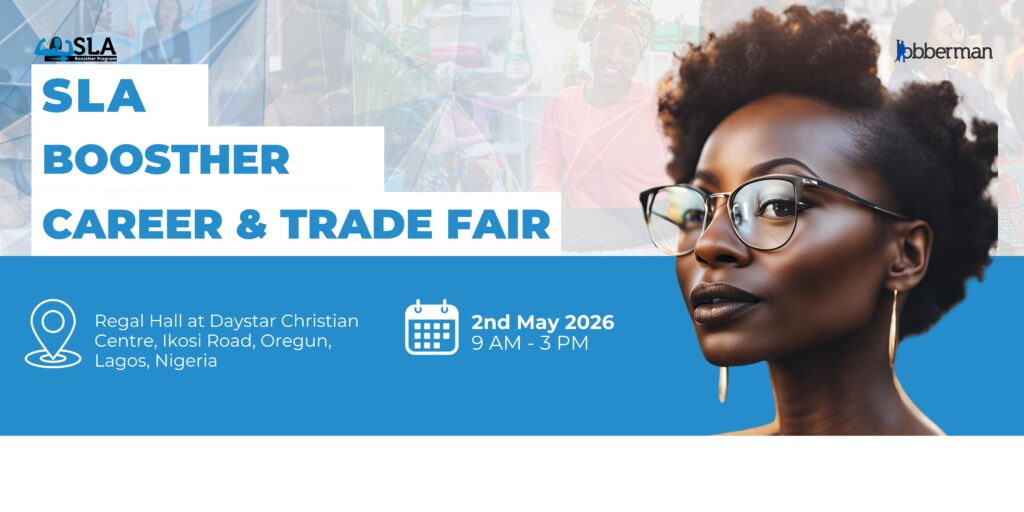
(And How to Do It Without Feeling Awkward) By She Leads Africa | 5 min read | Career Growth Let’s be honest. The moment someone says “go network”, something inside you probably cringes. Maybe it brings up images of stiff handshakes at awkward cocktail parties, rehearsed elevator pitches that feel nothing like how you actually talk, or the dreaded small talk that leads absolutely nowhere. If that’s you — you’re not alone, and you’re not wrong for feeling that way. But here’s what’s also true: the opportunities that have changed women’s careers — promotions, partnerships, investor introductions, job offers, mentorships — they rarely come from a cold application into the void. They come from people who know you, like you, and think of you when something important comes up. That’s networking. And it doesn’t have to feel like a performance. The Myth That’s Keeping You Stuck A lot of women — especially early in their careers — believe that hard work alone is enough. That if you put your head down, deliver excellent results, and be a team player, the right doors will open. And while hard work matters, here’s the uncomfortable truth: talent is rarely self-promoting. In most organizations and industries, the people who get seen, considered, and chosen are the ones who’ve built relationships that put them in the room when decisions are being made. This isn’t about being fake or strategic in a manipulative way. It’s about understanding that careers — like businesses — are built on relationships. And the sooner you embrace that, the faster things can move for you. What Real Networking Actually Looks Like Forget the image of the business card swap at a conference. Modern networking — especially for ambitious women — is so much more human than that. It looks like: reaching out to a woman you admire on LinkedIn just to say her work inspired you. Showing up consistently in a community where your industry peers hang out. Asking someone you respect for a 20-minute virtual coffee chat. Sharing someone else’s win without any expectation of return. Networking, at its core, is relationship-building. And relationship-building is something you already know how to do — you just need to start applying it intentionally to your career. “The best networking doesn’t feel like networking. It feels like meeting someone who gets it.” How to Network Without Feeling Fake: 6 Practical Tips 1. Lead with curiosity, not agenda. People can smell desperation from a mile away — but genuine curiosity? That’s magnetic. Instead of approaching someone thinking “what can I get from this?” walk in asking “what can I learn from this person?” Ask about their journey, their challenges, what they wish they’d known earlier. Let the conversation breathe. 2. Make it about them first. The fastest way to be remembered after an event is to make the other person feel genuinely seen. Compliment a specific piece of work they’ve done. Reference something real. Show you actually paid attention. People remember how you made them feel long after they’ve forgotten what you said. 3. Follow up — every single time. Most people make a connection and then let it disappear into the digital ether. Don’t be most people. Send a message within 48 hours of meeting someone. Reference something from your conversation. No lengthy paragraphs needed — a warm, specific note is more than enough to stand out. 4. Build before you need. Networking at its worst is transactional — and people can feel that. The women who’ve built the strongest networks didn’t reach out only when they needed something. They showed up, gave value, celebrated others, and contributed to communities long before they ever had a favour to ask. 5. Use your everyday spaces. Your next connection might be in your LinkedIn comments section, in a WhatsApp group, at your church, at the gym, or at an industry event. You don’t need a formal “networking event” to network. Every space is an opportunity to deepen a relationship — online and offline. 6. Let yourself be known. You can’t be connected if you’re invisible. Share your work. Talk about what you’re building. Post about what you’re learning. You don’t need a huge following — you need the right people to know what you’re about. Visibility creates luck. For the Introverts Reading This We see you. Networking culture tends to be designed for extroverts — loud rooms, fast conversations, constant stimulation. If that’s not your natural environment, it can feel exhausting before you’ve even walked through the door. Here’s what works for introverts: go in with a plan. Set a small, winnable goal — “I’m going to have three meaningful conversations today.” Not thirty. Three. Then honour your energy. It’s okay to step outside and reset. It’s okay to follow up digitally rather than work a room all night. Some of the most powerful networkers are introverts — because they listen deeply, ask thoughtful questions, and follow up brilliantly. That is an edge, not a limitation. “Three real conversations will always beat thirty forgettable ones.” Why BoostHer 2026 Is the Perfect Place to Start Whether you’re just starting to build your network or you’re looking to deepen the connections you already have, the BoostHer Career & Trade Fair 2026 is one of the best rooms you can be in this year. It’s not a generic event. It’s a space built specifically for women between 18 and 35 — women who are ambitious, purpose-driven, and actively investing in their futures. That shared context means conversations start from a place of understanding, not pretence. On the day, you’ll have access to career sessions where you can engage directly with industry leaders and recruiters who are actively looking for talent. You’ll sit in on hands-on workshops where you’ll learn alongside other women who are serious about growth. You’ll walk through a trade fair of women-owned businesses — connections that could become customers, collaborators, or champions of your work. And in the spaces between the sessions — in the hallways, over lunch, at
Your 2026 Reset: How African Women Can Plan Careers, Money, and Growth With Intention
With the start of a new year, many African women find themselves reflecting quietly. Not just on what they achieved, but on how they feel — tired, proud, uncertain, hopeful, or all of the above. A new year has a way of forcing honesty. It asks questions we often avoid during busy seasons: Am I growing? Am I fulfilled? Am I building something sustainable — or just surviving? Before jumping into new resolutions and ambitious goal lists, it may be more powerful to pause and reset. A reset doesn’t mean starting over. It means keeping what works, releasing what doesn’t, and moving forward with intention. Rethinking Career Growth Beyond Titles For many women, career planning has long been tied to job titles, promotions, or company names. But the realities of today’s work environment have made one thing clear: titles change, but skills create leverage. As you prepare for the year ahead, it’s worth reflecting on what truly moved your career forward this year. Which skills opened doors? Which responsibilities stretched you? Where did you feel underutilised or unseen? Growth in the coming year may not come from a new role, but from deepening your expertise, improving your leadership capacity, or positioning yourself more strategically within your industry. The question to carry into the new year is not just where you want to work, but who you want to become. Approaching Income and Business With Clarity Whether you run a business, manage a side hustle, or earn a salary, starting a new year offers an opportunity to look honestly at your income. Many women equate growth with doing more — more clients, more projects, more hours. But sustainable progress often comes from doing less, better. Which efforts actually paid off this year? Which drained your energy without meaningful returns? Where did you undervalue your time, skills, or ideas? The coming year is an opportunity to choose clarity over chaos. Simplifying your income streams, refining your offerings, and making intentional decisions about how you earn can create more stability than constant hustle ever will. Shifting From Money Survival to Money Strategy For many African women, money conversations are shaped by responsibility — supporting family, navigating uncertainty, and preparing for the unexpected. As a result, financial decisions are often reactive rather than strategic. Resetting your relationship with money begins with awareness. Understanding where your money goes, how it supports your goals, and where it limits your options is a form of self-leadership. As you plan for the year ahead, consider what financial security truly means to you. Is it an emergency fund? Investments? Freedom to make career choices without fear? Money is not just about comfort — it is about choice, agency, and long-term power. Leading Yourself With Boundaries and Intention Burnout has become so common that many women no longer recognise it as a warning sign. Instead, exhaustion is normalised, and rest is postponed for “later.” But growth that comes at the cost of your wellbeing is not sustainable. Resetting for the new year may require redefining what productivity looks like. It may mean saying no more often, protecting your time, and releasing the need to meet every expectation placed on you. Personal leadership is not only about how you show up for others, but how you honour your own capacity. Moving Forward With Purpose You do not need to have every detail of the coming year mapped out. You only need clarity about what matters, courage to make intentional choices, and the willingness to adjust as you grow. At She Leads Africa, we believe African women deserve the tools, community, and confidence to build lives and careers that reflect their values — not just external definitions of success. As the new year approaches, consider this your permission to reset, realign, and move forward on your own terms.
“READINESS IS NOT A DESTINATION”: BELLA DISU’S TEDx TALK INVITES US TO CONFRONT HESITATION AND BEGIN
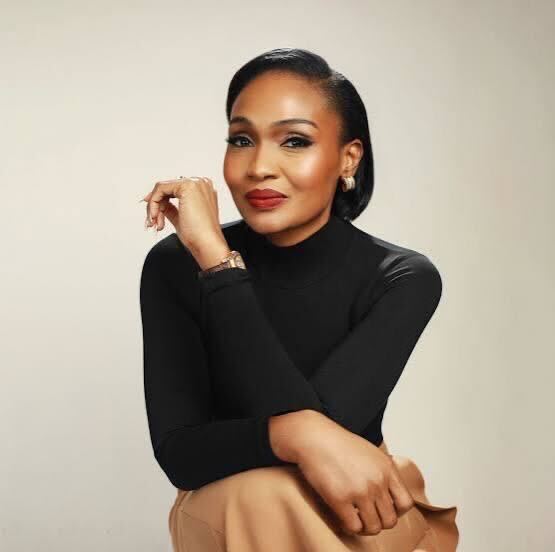
Bella Disu’s TEDx Ikoyi talk, “Say Yes Now: Why Readiness is a Myth,” is resonating widely for its clarity and emotional honesty — not because it targets one group, but because it speaks to something universal: we hesitate at the very moment we need to move. In the talk, she reflects on the quiet weight of waiting — the belief that one more milestone, one more qualification, or one perfect condition is needed before taking a step. Psychologists call this destination addiction: the belief that readiness lies somewhere ahead instead of here and now. Disu shared her own turning point at 38, when she finally met her “whole self” — the creative, the changemaker, the lifelong learner — not through perfect preparation, but through a simple act of courage: deciding to stop walking within the same walls. One of the most powerful lines in the talk underscores the ripple effect of choosing courage: “Saying yes never ends with you… each yes becomes a light for someone else.” Her message is both simple and liberating: • Readiness is not found in advance — it is formed in motion. • Growth begins not when we feel prepared, but when we choose to begin. Say yes once — even when inconvenient or imperfect — and everything begins to shift. Watch the TEDx Ikoyi talk here: Say Yes Now: Why Readiness is a Myth | Bella Disu | TEDxIkoyi
What No One Tells You About Raising Capital in Africa
Raising capital is a universal challenge for entrepreneurs, but in Africa, the journey has its own unique twists. From navigating investor skepticism to battling infrastructure gaps, founders often discover that the process is less about “closing rounds” and more about surviving a marathon of resilience, creativity, and relationship-building. Here’s what few people will tell you about the realities of raising capital in Africa. 1. It’s More About Relationships Than Pitch Decks In Silicon Valley, investors may write checks after a few calls and a polished pitch deck. In Africa, it often doesn’t work that way. Investors want to know you personally before committing. Many deals happen because of long-standing trust, introductions through networks, or personal credibility rather than slides or metrics. 2. Investors Are More Risk-Averse Than You Think Africa is often pitched as the “final frontier” of opportunity, but the truth is most investors are cautious. Many have had bad experiences or still view African startups through a lens of risk-first, opportunity-second. 3. Foreign Capital Still Dominates While local venture funds and angel networks are growing, foreign capital—especially from Europe and North America—still drives much of Africa’s startup funding. This creates its own set of challenges: 4. Infrastructure (and Regulation) Can Make or Break Deals Investors don’t just evaluate your business model—they evaluate the ecosystem around it. Payment bottlenecks, internet reliability, logistics, and bureaucracy all influence investor confidence. Being upfront about how you’ll work around infrastructure or policy challenges can increase credibility. 5. You’ll Spend More Time Fundraising Than Building Founders in Africa often report that raising capital can consume 6 to 12 months or more—sometimes longer than in mature markets. This extended cycle can drain energy and distract from execution. 6. Not All Capital Is “Smart Capital” In the rush to secure funding, many founders overlook the importance of aligned investors. Some investors may push for unrealistic growth timelines, unfamiliar with the slower adoption curves in many African markets. Others may lack the networks or insights to actually support your scale. 7. Storytelling Is as Critical as Metrics Yes, investors want traction. But in Africa, many early-stage startups operate in sectors where “hockey stick growth” isn’t immediate. The difference-maker is often the founder’s ability to tell a compelling, authentic story that connects market pain points with a credible vision for the future. 8. Grants and Development Funding Are a Double-Edged Sword Africa has no shortage of grant opportunities and impact-driven capital. While this can provide early runway, it can also skew incentives if founders build for grants rather than sustainable businesses. Smart founders use grants strategically—without letting them define their entire roadmap. 9. Raising Capital Is Just the Beginning Securing funding is not the finish line—it’s the starting point of a new set of challenges. Investors will expect rigorous reporting, governance structures, and accountability. The pressure to deliver quarterly numbers can be intense, especially in volatile markets. Grit & Growth | Raising Capital in Africa: It’s Not Just About the Money Raising capital in Africa is not just about money—it’s about navigating an intricate web of relationships, perceptions, and structural challenges. Founders who succeed often combine grit with storytelling, resilience with flexibility, and a long-term view with short-term adaptability. The best-kept secret? The process itself forces founders to become sharper, more resourceful, and more resilient leaders. And in Africa, that’s often the biggest competitive edge you can have.
IN MY CORNER : How Ivie Osula and Jokotade Shonowo Are Redefining Sisterhood Through Style, Storytelling & Sister Support

A feature from the “In My Corner” campaign a platform where real friendship becomes real power. There are friendships that text you when you’re down. And then there are friendships that pull up, uninvited but deeply needed, when the lights are off and the stage is empty. That’s the kind of bond Ivie Osula and Jokotade Shonowo share a powerful, creative sisterhood built on authenticity, shared vision and an unspoken “I’ve got you” that doesn’t need applause. At the heart of this year’s In My Corner campaign — an initiative spotlighting women who choose collaboration over competition their story unfolds not just in fashion and photographs, but in deep, mutual support. What Is “In My Corner”? In My Corner is more than a campaign, it’s a movement. A visual and storytelling experience created by women, for women, to celebrate the friendships and mentorships that anchor us. Through powerful portraits, honest conversations, and a lens focused on community, the campaign documents the real relationships behind success the ones that rarely make the headlines, but always shape the journey. Meet the Women Behind the Story Ivie Osula is the founder of @DWLonline, a luxury fashion brand reshaping the narrative around power dressing for modern African women. Her designs are intentional — every stitch a declaration of strength and softness, woven together. Jokotade Shonowo is the founder of @Poshclick, a creative studio capturing women and men as they are bold, vulnerable, regal. Her lens doesn’t just see beauty; it reveals truth. Together, they’re redefining what it means for women to be in each other’s corners not just in theory, but in action. More Than Just a Moment — It’s a Movement In an industry that often rewards rivalry, Ivie and Joko choose something different. They style each other’s dreams. Shoot each other’s visions. And stand side-by-side as they climb. Their friendship isn’t performative, it’s purposeful. Built in quiet moments. Sealed through trust. Strengthened by shared ambition and soft landings. Whether they’re working late on campaign visuals or sharing silent support between shoots, what they’ve built is a living example of what In My Corner champions: sisterhood as strategy, friendship as fuel. A Toast to the Real Ones This International Friendship Day, we celebrate the women who show up when the cameras aren’t rolling. Who hold the ladder while you climb. Who don’t compete with your light, they reflect it back at you. Because when you’ve got someone in your corner, you don’t just survive.You soar. To stay engaged with In My Corner, follow @InMyCornercampaign for the latest conversations. For Ivie’s work in fashion, visit @DWLonline and for Joko’s photography, explore @Poshclick. The journey continues, and In My Corner is here to remind us, every woman has a story worth telling.
Your ultimate guide to starting and ending the year strong in 2023!
It’s 2023! Whoo hoo… It is not a year to rest on your oars, not a year to be complacent because of the level of success you have achieved so far, it is a year for doing more. There is still much work to be done no matter what your life vocation is. This year is bringing you a new opportunity to start (if you are yet to join the moving train of achievers), and to get better at what we do for our best is yet to come. The following steps will set you on the path of getting more done this year. If you know what you want, you will get it easily: Brain Tracy quote aptly puts it this way, “People with clear, written goals, accomplish far more in a shorter period of time than people without them could ever imagine”. I will put the emphasis here on “clear”-you are very sure what it is you want to achieve, you are not indecisive, thus, when you spot an opportunity that links to what you desire, you grab it with your two hands. Focus: You might have given yourself a pat on the back for the various feats you accomplished last year and this year you have so many ideas and you just want to execute them all at once. This might not turn out well and will slow down your productivity. It is important to balance your creativity with wisdom. Not all your beautiful ideas will fly so focus on your competitive advantage (that which you do so well or makes you stand out). See Success as a journey rather than a destination: When you see success as a destination, not only will you be tempted to wait for it to happen instead of working towards its achievement, but there is also the danger of being complacent. After the achievement of one goal, there should be the desire to get another. So don’t spend all your time trying to achieve one thing. Get it done and move on. Stop procrastinating Most of us are guilty of this habit. We push off what we are supposed to do now to a later time, and before you know it, it’s the year 2024. You don’t want to wake up tomorrow and you are a 105 years old; that dream you had when you were fifteen is still in your heart unaccomplished and you will know you have not lived because you will not feel fulfilled. Start working on that dream now so you don’t have regrets tomorrow. Be accountable: Arese Ugwu the author of the smart money woman in the acknowledgment page of the book mentioned that Steve Harris played a huge part in helping her finish the book in time-he kept checking up on her to make sure she was committed to writing her book. I believe if she hadn’t been accountable to him, she would not have finished the book at the time she did. There is this thing about the right time. If the book had not been published at the time it was perhaps the doors she said the book opened for her would not have happened. Find someone you can be accountable to especially if you are not naturally self-motivated or goal-oriented. Stay close to your inspiration: Life is not a walk in the park so are your dreams or things you desire to achieve. You need to stay inspired to reach the finishing line. Read articles regularly here on SLA, you will find stories that will help you learn from other people’s experiences so you can navigate your world better. Attend seminars and conferences aimed at making you improve the way you do things, watch movies that will motivate you, and surround yourself with people who can talk you up just when you need it. Be flexible: You don’t have to stick to one thing or one strategy if things are not working as expected. This year is for getting things done so don’t get stuck, find a new way for life is full of options. Oprah Winfrey puts it this way “Do what you have to do until you can do what you want to do.” I look forward to a greater you this year 2023!
4 Bad Money Habits That Will Keep You Broke Forever
Bad money habits are kind of hard to break. We do them over and over without even realizing it. We all want to be rich. I mean, who doesn’t? But it’s one thing to fantasize about the many things you can do with a big paycheck and it’s another thing to muster the discipline you need to make it a reality. If you have bad money habits, you’ll get into a lot of financial trouble. For so long, I had no clear plan for my financial journey. All I knew was there was money and it had to be spent. Are you having issues saving? Do you feel like it’s a load of work putting some money down for the future? Well, I’ve got a couple of tips that can help you. Here are 4 bad money habits you need to quit this minute if you want to become more financially independent: Procrastination This is personal for me. I put off starting an investment plan for a later time. And I just kept pushing it farther. Not that I was super busy or anything, just plain laziness and a lack of self-discipline on my part.It wasn’t until I told myself the hard truth: that I can either continue pushing it later or just do it now and get organized. I realized that time was running out and that I had no clear financial goals. The Fix No one is coming to do it for you so you better get on with it. If you keep procrastinating, you’ll end up broke with lots of debts. Impulse Purchasing/Buying We’ve all been here. That urge to buy something. We give ourselves all the reasons why we need to have it. Impulse buying is all in the name. You see a bag and immediately want to buy it. You don’t even stop to consider the cost or whether you actually need it. You buy it before you stop to think whether you need it or can afford it. The Fix You need to first recognize this is a problem and keep track. Before you find yourself reaching for that candy or new pair of shoes, ask yourself if you have the resources and if you really need it. Don’t be in a rush; be certain you need it before you do. Not Budgeting A lot of people live on more than they make. If you don’t have a monthly budget, your money will disappear and you won’t know where it went.A budget allows you to see how much money you’re bringing in and where it’s all going. It enables you to make changes that help you save more money and avoid going into the red each month. Pro-tip It doesn’t have to be a big chore. It can start with only carrying a small amount of cash with you each day. You can also sign up with a money-saving app that automatically tracks your spending for you. Here’s an easy budget template for you. Love of Convenience Once a while, it’s okay to make a convenience purchase. These are purchases that are routine and take little thought when being bought. However, if you find yourself regularly making convenience purchases, it’ll cost you. Pro-tip You can start by cooking instead of buying fast food every day. Make a regular weekend event of preparing a dish that can be separated into freezer containers for future use. You can also stop getting that expensive breakfast on your way to work every morning and rather get up 5 minutes earlier to prepare something. I know waking up early might be hard for me so, I cook when I come home. At least I know lunch for the next day is sorted out. So, there you have it, 4 bad money habits that are keeping you from attaining financial independence. Which of them are you guilty of?