
Lisa Chiriseri: Some people get offended at my confidence in reaching goals
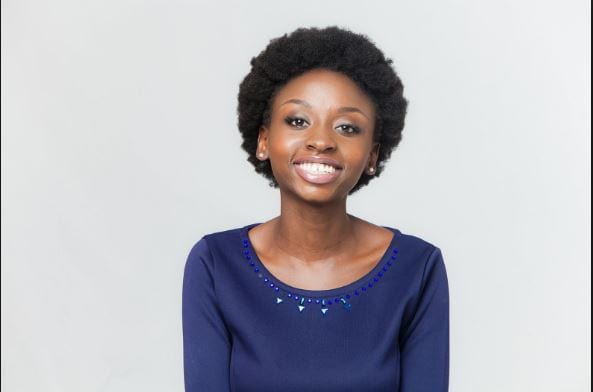
When you’re a young, black woman trying to make a change in the world, there will be people who don’t take you seriously. If you’re petite and are blessed with that strong melanin that makes you look ten years younger than you are, chances are you’ll be taken even less seriously. This is a problem Lisa Chiriseri has had to deal with often. Lisa is a Zimbabwean social entrepreneur who has run social initiatives since she was in university. Now back in Zimbabwe, she’s running several projects and a start-up. Here, Lisa tells us about her social initiative program – Street Exit Strategies and her energy project for women. Lisa also lets us know why women need to support each other and why she returned to her country to help in the re-building process. Most young Zimbabweans who study abroad don’t come back because of the issues at the homefront. Why did you come back? I had so many reasons to come back home. In my first year schooling abroad, I started a social initiative in Zimbabwe which I ran from school. But I always came home during the holidays to help the team on ground manage it. Secondly, though Zimbabwe wasn’t out of the woods economically at the time I graduated, there were prospects of improvements since we had just dollarized. The economy seemed to be stabilizing and we had the GNU (Government of National Unity). I was determined to be a part of my country’s rebuilding process and I’ve stuck it out for the past 5 years since I returned. How were you able to manage this social initiative in absentia? I believe in the indisputable synergy of a passionate team. When you have committed team members like I had, things tend to go well. Also, while away, with online communication, a good friend literally ran the initiative. Tell us about this social initiative. What was it about? It was called Street Exit Strategies, which is actually the name of my current registered trust, under which I run lots of other projects. It was basically a soup kitchen and rehabilitation centre. We focused on teens and young adults, especially those who were kicked out of homes and centres once they turned 16. So, we focused on rehabilitating them, reconciling them with their families and helping them continue with their O levels and tertiary education. We’ve got several inspiring stories to tell of our efforts. One of the guys we took off the streets and helped through O levels just completed his secondary education. Another is concluding his Master’s program at the University of Western Cape. And oh, there’s still another who just completed his degree in Political Science at the University of Zimbabwe. Do you still run the soup kitchen? We run it on a case by case basis because, in 2013, organizations running soup kitchens reached a collective decision to stop supporting people on the streets. More people just kept cropping up on the streets. Struggling people who had homes starting showing up on the streets looking for support and we needed to be more accountable. It felt like we were forcing people to go to school, forcing them to attend rehab sessions and peer mentorship programs. However, we continued with referrals to drug and alcohol rehabilitation centres and also providing family planning advice. What other projects are you currently involved with? I’m currently working on a gas-related project called Women in Energy. It’s a known fact that for a resource that’s mainly utilized by women, the energy sector is a rather male-dominated industry. Women need heat to cook, and some walk for kilometers to get firewood. Imagine the energy and time wasted! Exposure to fumes from unsafe firewood and paraffin also have adverse health implications. In the rural areas, you find women with gray films over their eyes, cancer of the lungs and other ailments that could have been avoided. I’m out to change that by providing clean, safe and affordable energy sources to these women. As a young girl, did you always know this was something you’d do? I’ve always been passionate about helping the disadvantaged. I didn’t know it was something I’ll be doing full-time. Actually, it only dawned on me recently, when I tried working a full-time consultancy job and I hated it. I realized it wasn’t for me, I simply couldn’t work at something that benefitted someone I didn’t even know, or whose objectives I knew nothing about. I always knew I wanted to help people and I’ve always had a way of balancing several projects at a time. What would you tell that young woman who’s involved in a career she’s not too keen on, but also afraid to venture out? I would say reach out, it’s really surprising how useful people can be if you tell them about your passion. Ask for pointers and referrals, but be very selective on who you talk to about your ideas. When you get the opportunity, introduce yourself and exactly what it is you want to do. Networking is also very important. Who you know is everything! The world has evolved and people are much more open to helping young women. There are organizations, groups, and activities making access to information and networking easy. Take your time, get as much information as possible then confidently step out. There’ll never be a perfect time so you’ve got to start anyway.
Dzivhu Precious Tshiwalule: I know and understand my own purpose
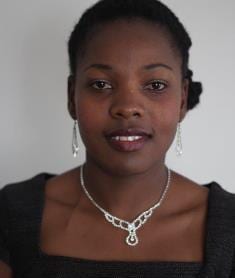
Dzivhu Precious Tshiwalule, a Dietician and co-founder of UPower Africa is one woman who makes being a superwoman seem easy. She attributes her balance in life to knowing and understanding her life’s purpose. As a wife and professional, she refuses to be limited by just her talent but strives to break new grounds. She is also the author of an informative book on eating right, ”Shaping your Attitude towards Healthy Eating.” Lerato Motshana, our SLA contributor had the chance to talk with this awesome and passionate woman. Tell us about UPower Africa UPower Africa is a youth development initiative focused on developing disadvantaged students, especially in remote rural areas. We help them gain access to basic information and education. So far, we have branches in Nigeria, Uganda, Rwanda, Kenya and Zambia. And in South Africa, every province has a UPower Africa manager. How did you become a part of UPower Africa? Co-incidentally, my husband is the founder of UPower while I am the co-founder. My husband grew up in poverty and so naturally, he feels obliged to help kids in rural areas who are going through what he had experienced first-hand. Aside being a co-founder, what are your other roles in UPower Africa? In addition to being a co-founder, I am also a member on the UPower Africa board. We are currently involved in a couple of projects, but I’ll mention a few. We donate computers, school shoes, online university applications and motivation to students in schools. I oversee these projects, liaise with provincial managers, and provide assistance where necessary. UPower Africa is not a typical NPO. How were you able to achieve that? I am inspired by the evident success and progression of those we’ve been able to help and motivate. Meanwhile, UPower Africa is just three years old but we’ve recorded successes in helping people get into universities. Let’s talk about your book, what’s it about? I wrote a book titled “Shaping your Attitude towards Healthy Eating”, and it extensively addresses the attendant health consequences of not eating right. The book is significant to me because as a first-year student in 2005, I was diagnosed with a brain tumour. As a Dietician and from the knowledge gathered, eating right contributes so much to good health. I never got to know the cause of the tumour but through research, I have come to believe there was a link to the kind of food I ate. So, I decided to write a book, highlighting the importance of healthy eating and how to keep chronic health conditions like cancer, high blood pressure, and diabetics at bay. Is healthy eating the ultimate solution to chronic health conditions? Evidently, food plays a huge factor but there are other factors like smoking and so on. Let’s move on to less serious stuff. What do you do for fun? I am usually so busy and actually don’t relax much. I do a lot of seminars on purpose discovery and the like. I am also involved in a lot of church activities, indoor exercises, and travelling. Obviously, I don’t engage in a lot of what people qualify as fun. UPower Africa, book-writing, being a Dietician, a mother, how are you inspired? I am excited and driven by my life experiences and the need to be of help to the next person. What would you say to an African young woman who views marriage as the ultimate life goal? Marriage can be beautiful if you are married to the right partner. My husband and I enjoy a unity of focus and that has helped our marriage. Notwithstanding, I don’t believe marriage is the ultimate life goal. A purpose-driven life should be the goal for everyone, man or woman. If you’d like to share your story with She Leads Africa, let us know more about you and your story here
Adedoyin Jaiyesimi: People tend to trivialise the writing process
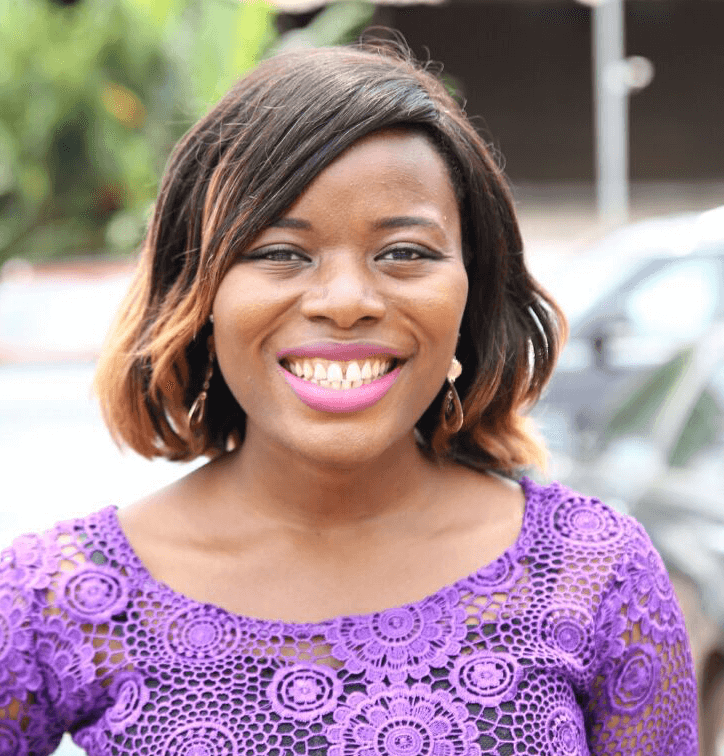
Adedoyin Jaiyesimi writes and edits books, manages blogs and creates content for websites. Through her coaching and training platform, The Sparkle Writers Hub, she is helping other writers achieve their writing dreams. So far, some of her trainees have moved on to start successful blogs while others have been able to gain access to platforms to showcase their work. Adedoyin fills SLA in on not just the excitement of writing, but what she is doing about it, for herself and other writers. How can a writer turn her craft into a profitable business? Turning your writing craft into a business starts with having a plan. What kind of writer do you want to be? What range of services do you want to offer? Do your research and find the niche you can excel in. There are people who stop at editing and proof-reading while others take it further by writing web copy and coaching other writers. Once you identify the services you are able to offer, you should talk to an intellectual property lawyer to know the steps to take to protect the content you produce. You also need to think about how you will publicize yourself and your work in order to build your client base. Build the right structure and most importantly, get people to work with you. As you get more clients you will discover that you can’t do it all by yourself, especially if you want your business to grow. What are the right principles to turn a small idea into a profitable business? I would say the number one principle is passion. You need to be passionate about what you are doing otherwise, the business will fizzle out. Then there’s the part of creating value. For any business to be profitable there has to be some value that is being added. This is essentially the ‘why’ of your business and it goes beyond money. What need is the business meeting? How does it improve the lives of people? One thing I have learnt over the years is the importance of building a brand and not just a business. You must be able to connect with your clients and deliver on your brand promise. This involves going the extra mile. It also involves making the choice to be excellent in your delivery of service and be innovative. Have you faced any challenges that are unique to your trade as a writer? How did you overcome them? Yes, I have. They are so many, to be honest. One of the challenges writers face is managing writer’s block. When I first started out, I was a lazy writer and I used to write only when I was inspired. You can’t run a profitable business as a writer if you only write when you are inspired. So I had to discipline myself and learn how to come up with creative content whether I am inspired or not. It was tough, but I’m glad I went through that process. Another challenge I faced was putting the right price to the services that I offer. Something that I used to hear a lot when I started was, “Is it not just to edit the content on my website? Why are you charging this amount?” There is a way people tend to trivialize the writing process especially when you are able to deliver quickly. I did a lot of trial and error before I could find the price that I was comfortable with charging because there is no industry standard. Now, I have set prices for every service I offer. I’ll add one more because like I said, they are many. Putting the right structures in my business was challenging. Creative people don’t like structure. We just go with the flow. This will hinder the growth of your business. So I had to take the time to put the right structures in place. I registered my business name, Content Craft, opened a business account, set up a proper accounting system and so on. It’s not perfect yet but we have a process for most of the operations we carry out. Realistically, in what ways can an African woman live off writing? There are many ways an African woman can live off writing. Like I tell the writers that I coach, you just need to be creative and be able to identify the gaps that exist. When I started out, what I knew how to do best was to write articles and edit magazines. Now my expertise has grown to creating and editing books, managing blogs, writing web/ social media copy and creating content for social media. So the possibilities are endless. If you want to live off writing, you can become an editor, you can be a content creator, you can be a copywriter, you can write voice over scripts, you can write content for training materials and so on. As you improve your skill, you can also earn money from coaching other writers and organizing training sessions for businesses and individuals. How do you help other writers achieve their dreams? Is it through mentorship or any other means? I created a platform called The Sparkle Writers Hub and our main aim is to help everyone who has a desire to write to achieve their writing dreams. We work with all kinds of writers; the ones who have a nudging in their heart and those who have started writing but want to take their work to the next level. We offer a basic training program where we teach writers the basics of writing and how to attract readers. We also offer a more intensive coaching program where we work one on one with writers to achieve their goals. Since we started, some of our trainees have moved on to start successful blogs while others have been able to gain access to platforms to showcase their work. What will be the name of your first book and what will it be about? The
Rutendo Chilenge: Our relationship with clients goes beyond the economic
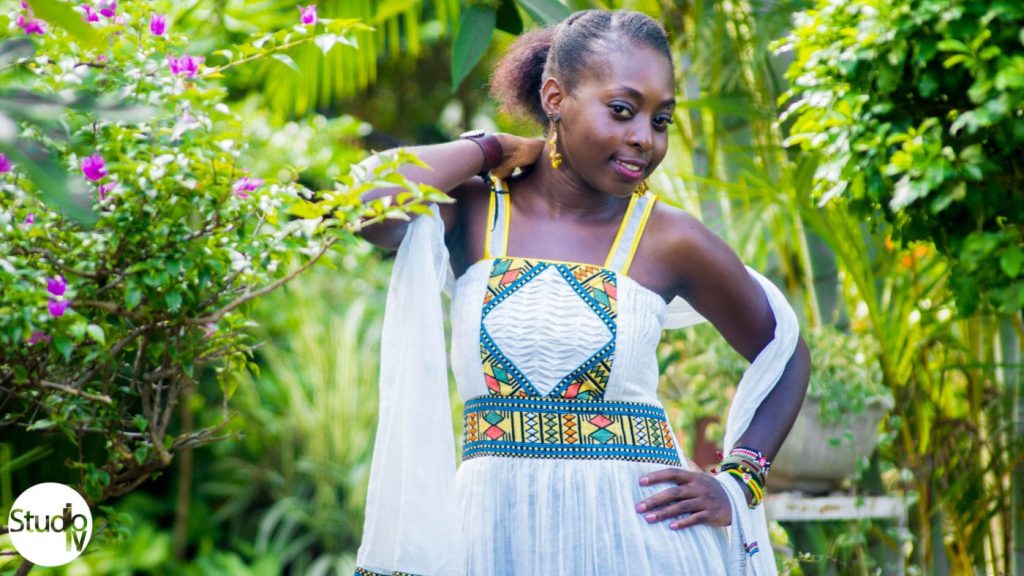
There can never be enough events management companies as we Africans love our events. Motherland Moguls in events management have added little bits to differentiate their brand. Take incorporating floristry and gardening into events, for example. Rutendo Chilenge is the founder of Majestic Gardens, a registered events company in Zambia. She is also the woman behind Chitenge and Wine, a chill picnic and live performance that has become a platform for indie artists and musicians. Rutendo shares with SLA contributor Itumeleng, her other ventures and how she got her start as a florist. Tell us, what business ventures have you gone into? For the past 6 years I have been running an events company which is legally registered in Zambia called Majestic Gardens. Majestic Gardens is an outdoor event venue hosting weddings, bridal parties, wedding photography, music video shoots and any events that require an outdoor venue. What was the attraction for you? Why go into events management? Majestic Garden’s first event was in 2012. At that time I was unemployed and took this as an entrepreneurial opportunity to change my life. For a long time in Zambia, halls -a more expensive option- were the only outdoor events venues available. At first, the attraction to entering events management for me was the love of gardening. I inherited this gift from my mother. Majestic Gardens has only grown and grown since I started it. Now, our venues have the capacity for between 250 to 400 people. What is the one thing that makes your events special? We get to know who the clients are, get one-on-one interactions which the clients and give a personal touch to the events. We build relationships based on trust and understanding with clients. This goes beyond the economical aspect of the business. Beyond the service, Majestic Gardens is also a memory. I try to give my clients the best regardless of who much they can afford. What is the most memorable event you have hosted? A bridesmaid was proposed to at a pre-wedding photo-shoot held in our gardens. She was not expecting her fiancé to sneak up on her from behind flowers. I love that I was a part of their happiness! Tell us about Chitenge and Wine. How did it come about? Chitenge and Wine is an Afrocentric picnic idea that my late brother and I adopted from Nairobi’s Blanket and Wine event. It was a novel idea in Zambia and so we grabbed it. It is centered around the Chitenge cloth and for every ticket, our guests get a bottle of wine and a chitenge. The concept is to encourage the combination of passion and the African spirit in young people. Our focus is to help young people, especially artists understand that they can reach any height even as Africans. Interestingly, most of our guests are budding artists and we provide a platform for their talent and passion. What’s the long term goals for your businesses? For Chitenge and Wine, I would like to see it go to different towns in Zambia. This is so that we can learn about different cultures in the country. I would like it to be a major tourist event, so that tourists coming to Zambia do not only visit Livingston. I see Chitenge and Wine as one of the events listed on tourist brochures in Zambia. I would like to see Majestic Gardens grow so big that it is moved to a larger venue that is able to host multiple events at the same time. I would also like to see Majestic Gardens grow into a floral culture resource centre that trains people on gardening. Gardening goes beyond sweeping. What is the biggest lesson that you have learned from being an entrepreneur? I have learned hard work and discipline. There are times that money does not come in and the only thing that propels you to continue is your passion. What drives you? I love to positively impact people in whatever it is I’m involved. And that’s a whole lot, you know. You currently live in Addis Ababa, Ethiopia, what is the one thing you appreciate about this country? It rains a lot in Addis. I love the potential that the country has to expand its floral culture. Ethiopia can grow and export so many exotic flowers that cannot be grown in other regions of Africa due to the climate. It is flora that we can only imagine in my home country. If you were to be given super powers, which powers would you want and why? I have lost loved ones to sickness and conflicts. So it’s definitely going to be healing powers. Also, If I could, I would help people through the pain and devastation of conflicts. Want to see women you know featured on SLA? Tell us what amazing things women are doing in your communities here.
Adomaa Music: Dare to be different and unapologetically you
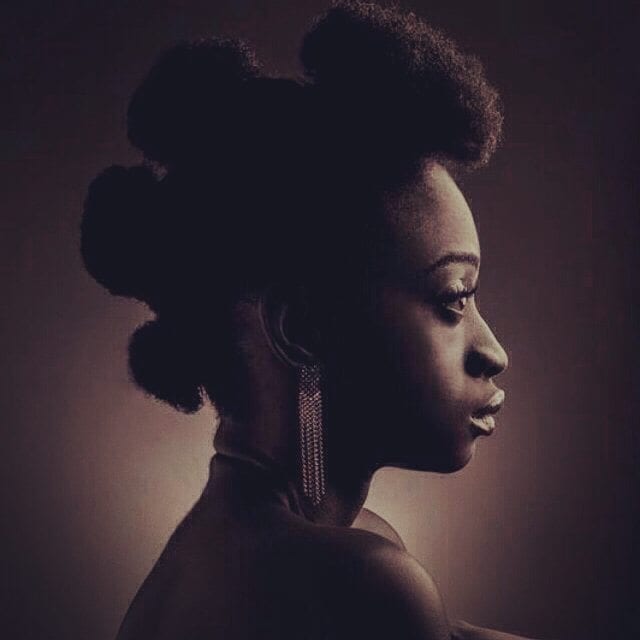
Adomaa is a Ghanaian fast rising afro-jazz singer who is known for her distinctive style of singing, insightful messages, and creative video concepts. This sensational artiste who believes that music is her drug has chosen to pursue a genre which is totally different from what people are used to. Though she faces disapproval from people who do not relate to her style of music, Adomaa still holds on to what she loves and believes afro-jazz is the next big thing. Judging from the recent Vodafone Ghana Music Awards show where she won the 2016 Unsung Artiste of the year, we believe Adomaa is underway to success. Why did you choose the afro-jazz music genre? I wouldn’t exactly say I chose the genre. It’s who I am and how I know best to express myself. I grew up on a lot of jazz, blues, and soul till it became part of me. When the decision came to pursue music as a career, it’s what came instinctively. Still staying true to my love for jazz, I wanted my Africanism to be represented in my music as well. So, I decided to fuse the Jazz sound with African rhythm, hence the name: Afro-jazz! What makes you think this genre is here to stay? When I started, I was truly stunned by the overwhelming response from the public. I didn’t think anyone cared about the type of music I did because it isn’t mainstream. The feedback though made me realize that there’s a huge market for Afro-jazz here! It’s still in its beginning stages but it’s catching on. It will soon become a staple! What would you do if this genre does not get and hold the attention and crowd you expect? I don’t think that will happen because like I said so far, the feedback has been massive. It can only grow and it is growing. Nonetheless, even if no one was ever interested, it’s still where I will be because quite frankly, it’s who I am. I can’t change who I am. How is Afro-jazz different from the other music genres? Why should we look out for this genre? Afro-jazz is simply a unique blend of jazz, blues, soul (basically vintage music) with an African rhythm or flavor to it. Jazz is not a popular genre of music in these parts and even outside, it’s still somewhat low key. The fusion is very different from what we are used to hearing. It’s music like you haven’t heard before. It’s a refreshing, fresh and unique. Who doesn’t want all that? Which other musicians are taking or have already taken the Afro-jazz route? It’s still fairly early days to say any artiste, in particular, has taken this route. But there’s this super talented singer, Cina Soul that has released some music along those lines. Also, I haven’t heard of anyone before me doing what I do. It’s a new wave of music that I’m proud to say I’m pioneering. Tell us Adomaa, is your type of music for everybody? What’s your target audience? Music is universal and Afro-jazz is no different but for now, I think it boils down to preferences. It will take sometime for some people to warm up to it but it will catch on eventually. A classic example is dancehall. Who ever thought it would be the most popular genre in Ghana? My target is everyone! For now, though, I’d say the people who appreciate it the most are the middle class to elite groups of people. Since you started singing, what has been your major challenge and how did you handle it? My biggest challenge since I started has definitely got to be my stage fright. I used to dread live performances and would have panic attacks and meltdowns but the best way to overcome an obstacle is to face it. There’s been a tremendous improvement over the months and it can only get better in the years to come. I love being on stage now. What is the worst thing anybody has said about your type of music? It’s boring and for old people. Oh, but that’s about to change. There were some rumours about how you did not deserve to win the Vodafone Ghana Music Awards unsung artiste of the year, how did you handle this issue? What provoked this rumour? Ha! This issue… Well, you know I started out with doing covers and recreating other people’s songs. It’s what put the spotlight on me and probably what most people still know me for. In the category I was in, the other nominees (Feli Nuna, Wan-O, Ebony, Nii Funny and Perez) were more deserving because they have put out original content. I have original content out as well but I guess the covers are more popular. Some people didn’t even know I had my own songs out there so there were questions about why I was nominated in the first place. For me, negative comments fuel me. It made me want to challenge myself even more to sell the genre till it becomes a household name. It’s my main goal now. How do you react and respond to criticisms? I listen, sieve through to see if there’s anything to learn, take the constructive ones, discard the chaff and move on with my life. Why do you think your type of music is critiqued? It’s different. It’s a change from the normal. People don’t welcome change easily. That’s normal. It takes a while to embrace what you don’t understand. The criticisms are to be expected when you decide to break away from the norm. Have you ever considered switching to another genre? I’ve explored a little. My EP, Afraba was solely for that. I tried pop, rock, highlife, classical music, etc. but my heart still belongs to Afro-jazz. Of course moving forward, I’ll still venture out some more but at the core, Afro-jazz is who I am and who I’ll always be. For our readers who have never heard
Kate Mayeye: I’m the Kenyan designer who is inspired by Nigerian fashion
Kate Mayeye is a Kenyan fashion designer and the CEO of African Fabric & Designs Kenya Ltd. Kate is inspired by her love for unique African prints and, in particular, the Nigerian fashion industry. Recently, she had the rare chance of styling an award-winning Nigerian actress, Angela Okorie for three high profile, red carpet events. Kate shares with SLA her love for fashion, the opportunities it provides and how she is introducing a different fashion culture to Kenya. Why African Fabric & Designs Kenya Ltd? I love to stand out, and showcasing Africa’s unique culture has given me that opportunity. I am looking to place the African print on the world map. It would gladen my heart to see other people, not just Africans, embrace it. Why are you drawn to the Nigerian fashion industry and how did you come across it? I am married to a Nigerian. My husband and I love the impeccable finishing on designs made by Nigerians. I also wanted to introduce a different fashion culture in Kenya, and Nigeria has been the perfect reference as she is at the forefront of the African fashion market. Nigerians are the ‘who’ to watch for when it comes to fashion styles and trends in Africa. How did you get the chance to dress Angela Okorie? Were there any challenges? Angela Okorie was in Kenya a few months ago. The occasion was the pre-production of a dramatic comedy starring her, Mike Ezuruonye, Huddah Monroe and Mumbi Maina among others. Former Miss Kenya 2014, now actress and producer, Juliet Ochieng had approached me concerning the Nigeria-Kenya collaborated movie titled Brother Jekwe. I was the costume designer for the movie which Juliet also co-produced, my job was to provide outfits and accessories to support the narrative. The biggest challenge in dressing Angela was her busy filming schedules. Our fittings sessions were practically non-existent but I’m glad things turned out great. What would you say to a fashion designer whose dream is to dress celebrities? In dealing with celebrities, be cautious. Focus on what they want, but make suggestions on what best fits. Be sure to communicate what you can or can’t do. Simply, be honest. What do you look out for in selecting fabrics? When selecting a fabric, I look out for the uniqueness of the print, the thread count, colour-fast quality and the strength of the fabric. I don’t condone shrinkage or fading when it concerns my fabric. If you were on a deserted island and could only take one piece of clothing, what would it be? Well, let’s see. I would definitely take a Dera. It’s multipurpose. What challenges have you encountered in your business? Perfecting customer order has always been a challenge, especially when you have to depend on hired hands. But we learn and grow daily with every experience. The biggest challenge remains power blackouts. Traffic, courier clearance bottlenecks, and of course unforeseen circumstances are also issues we’ve had to deal with. What advice will you give to young African women looking to start a business? Every business owner requires a huge passion, commitment, and a strong support system. Be your own motivator, some days are going to be tougher than others but you can do it. With God on your side, it can only get better. 2 year plan? Tell us about it I’m working on business expansion, opening up more outlets to showcase our amazing designs. These designs would feature locally produced prints and materials that represent the different African cultures. What other projects are you involved with besides African Fabric and designs limited? I am a partner with an events and social media management company, DiMaye Media and also a one-third partner in a supplies and Maintenance firm- Tatu Dallas Supplies and Maintenance Ltd. Which celebrity did you love designing for? Every client is a star in my eyes. They are my celebrities. If you’d like to share your story with She Leads Africa, let us know more about you and your story here.
6 South African women killing it as we celebrate #WOMENSMONTH
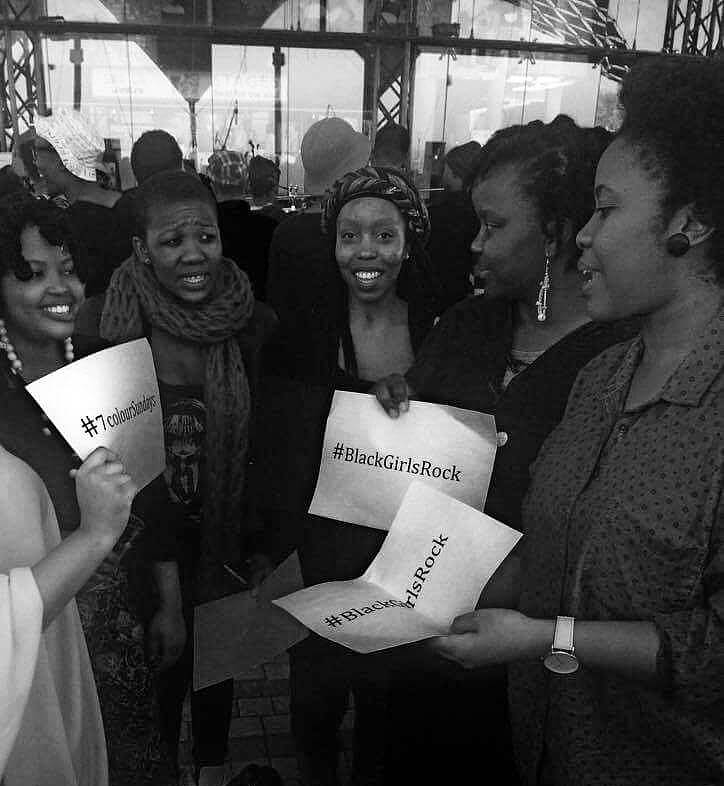
Gwa thinta abafazi, wa thinta imbokodo! This means, “You strike a woman, you strike a rock.” Currently, it’s women’s month in South Africa but I think the party shouldn’t start and end there. The month should celebrate and honour women in our entire continent, This should include women who are powerhouses and moguls, whether in communities and the business world. Let’s talk about some history. On August 9, 1956, thousands of women marched to Pretoria. It was to fight for their rights to freedom of movement without documentation, referred to as passes, along other segregation laws. In commemoration of women’s rights today, questions still remain debated over the role of women in society. This especially concerns women in positions of power. Six decades later, women continue to fight. This time, we fight a different fight. Evidently, we have MotherlandMoguls who carry a dumbbell with one hand and a mine of gold in the other. Today, we want to celebrate not just the woman in South Africa, but in Africa. She is an instinct-driven entrepreneur, who will be featured on Destiny Magazine, Forbes Africa, Forbes Woman and the likes. She is on her way to becoming the leading lady of a nation. She has a vision, creates networks and positively influences other young women. Now, let’s take a look at 6 young women killing it in South Africa: Mpho Khati Mpho Khati of Indlovukazi is a vibrant woman who celebrates herself through modelling. She invented the word ‘thick-thighing’ as a plus size model and is also an Instagram influencer. Mpho’s to watch for. Palesa Kgasane Palesa Kgasane is a young lady in her early twenties, born in cape town and raised in Bloemfontein. Amazingly, she’s the curator at Mzansimoodboard, a writer, and creative director. She also designs her own clothes. Khanya Mzongwana (aka Yulu Ishii) It is said that a woman’s place is in the kitchen and she makes it her business. Khanya, the foodie entrepreneur, is called the queen of pop-up restaurants. She’s the co-owner of Off The Wall pop-up restaurant. She is also a recipe developer and food stylist. Panashe Chigumadzi Panashe Chigumadzi is the author of Sweet Medicine. She’s also the founder and editor of Vanguard Magazine, a black feminist platform for young black women coming of age in post-apartheid South Africa. Also, Panashe is a storyteller interested in the narratives of black and African women. Tumelo Mothotoane As a television and radio broadcaster, Tumelo started locally with a woman’s programme called Sistas on Soweto TV. She moved to being a news anchor at the SABC. Now, she’s gracing the worldwide screens with being an international news anchor and correspondent for Russia today TV. Lumka Msibi Lumka Msibi is a 25-year-old qualified and international award–winning Aeronautical Engineer. She’s a global speaker and Entrepreneur from Soweto in South Africa. Regardless of the system in places that may hold women down, Lumka rises above limits. She creates the most compelling content, business industries, and communities. Commendably, this woman rises above societal pressure that dictates what a woman shouldn’t talk about. Here’s the thing A woman alone is success personified and she matters. She is not a statistic but she creates ground-breaking statistics. The stereotype that women are catty and always fight each other is old and needs to go. As women, we need to constantly remind ourselves that we’re flawless. We need to create circles of support platforms to generate a revolution of power among sisters. Now, Motherland Moguls, be your own kind of woman this month. Your career goals and strategies are valid. Start improving your business, and yourself! Kill it and make your entity your mark.
Top tips on human resources from two Sierra Leonean experts
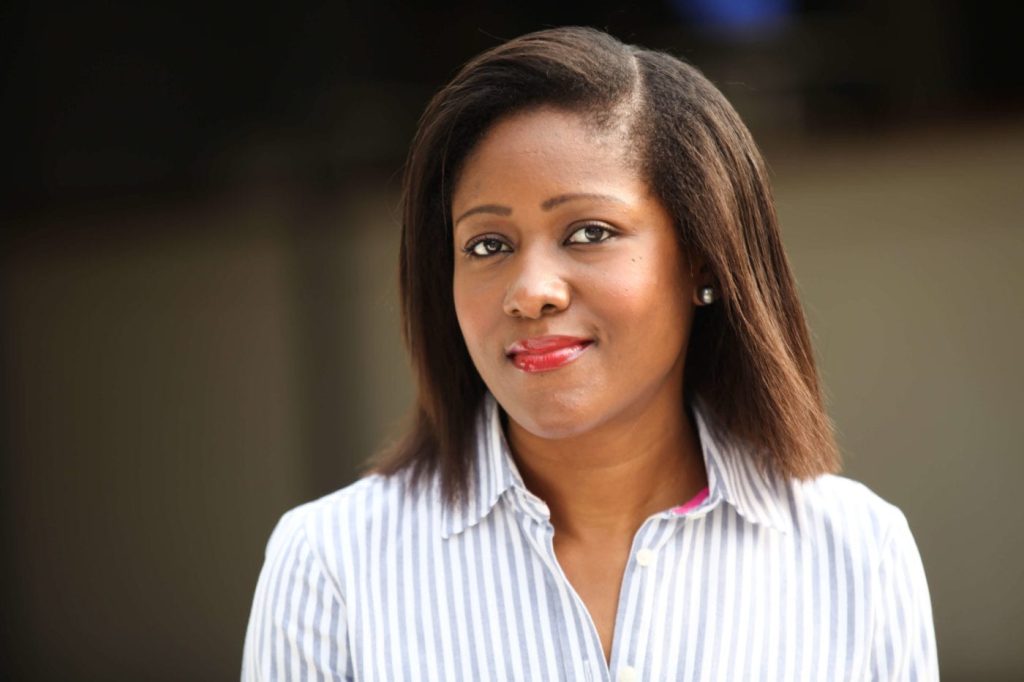
The Sierra Leonean economy is in dire need of a streamlined and engaging workforce. Edleen B. Elba and Fullah Musu Conteh are two professionals in the Human Resource field helping to develop, recruit and retain talent in various sectors for the Sierra Leonean workforce. Edleen is a Chartered Human Resources Analyst who owns JobSearch, a human resources management company while Fullah is co-founder and managing human capital consultant at human capital solutions firm TV-PG. In this article by Moiyattu Banya caught up with both ladies and got them to share some tips on building human capital for any business. It is a known but sad fact that the average job seeker in Africa is a young person. Add to this the African Development Bank’s prediction of a youth bulge on the continent. This just begs the question, how will African countries cope with the increase of young people who will far outweigh available opportunities? In post-conflict countries like Sierra Leone, that rate is even higher. According to the 2013 Status of Youth Report released in Sierra Leone, over 70 percent of young people live under a dollar a day. The country’s unemployment rate is at 60 percent and is one of the highest in West Africa. Ladies, how important is setting up an efficient team? What key attributes should young women possess for business? Edleen: Your team is critical. Hire employees with the right attitude. They may not be the most qualified or experienced but you can always train them. People with integrity and those who care about their personal development and business growth are likely to be more committed and therefore, more productive. Fullah: Be professional at all times with your team. When it comes to your team and standards, be professional. Culturally in Sierra Leone, the lines tend to blur between professional and personal relationships. This situation, if not well-handled, can diminish one’s image as a leader. Case in point, as a start-up, you may have set systems in place and your policies may be top-notch. However, consistent adherence can be a challenge when clear-cut boundaries are not set. Evaluate your leadership style, and ensure your team is in agreement with your expectations. Always check for non-compliance to policies and structures, address the culprits and help them improve on compliance. However, if they still don’t fit in, let them go, irrespective of who they are. What would you consider critical for a young woman setting up a business? Fullah : Understand your business market. Understand your competitors, know what the market needs, lacks or has in abundance – then strategically come in. To this end, you can create a niche that caters to your passion and also the market. Use that knowledge to find mentors who can help you reach your goals and potential customers/clients. Know when to take a step back and when to aggressively push with a service or product. While at it, align with international best practices and contribute to Africa’s consistent growth. It’s best to do away with the standard TIA aka “This is Africa’s way” by ensuring that you adapt to best business practices for your clients’ sake and personal prestige. The bar should be raised, always. Let’s talk about the dream team. How can one effectively manage a team without breaking it? Edleen: Share your vision! I would say, share your vision with your employees and give them responsibilities. If they are actively involved in the decision-making process, they are more likely to believe they are a vital part of the business. Also, it is important to have open communication channels. This is essential to any relationship. Be fair, give regular and effective feedback. How do we maintain personal control in the face of business expansion? Fullah: Know and understand your strengths and weakness. Once you do, find ways or people who can help close that gap. For example, I am a transformational person and monotony bores me to distraction. Owing to this, I do not consider myself a sales person as I am terrible at selling my organization’s new products and services. To address this weakness, I have a strong team consisting of a competent operations person and a passionate business development individual. I design products and services while the operations person follows through with implementation. The role of the business development individual is to get clients while I work quietly behind the scenes to make us all happy. Want to see women you know featured on SLA? Tell us what amazing things women are doing in your communities here.
Key steps to finding your voice

Like many girls and young women growing up in a patriarchal culture, I embodied this “less than” attitude as I grew up. While women are leaders in many regards, there is still a shadow that we live under. Women may have the education, the experience and the drive to successfully guide a team of people but still lack a well defined voice (and no, not “voice” as in Tenor and Bass). Voice in this case is an extension of the person. It’s their brand, their way of doing things, their expertise and how it is communicated. Those who show strong leadership skills have often developed this sense of voice throughout their careers. For those who haven’t, it may be time to examine it further. Determine your voice A women, we need to be familiar enough with our voices to know how we come across to peers, staff and clients. Our personal set of values is directly connected to this, what we stand for, our values, what people can learn from us. There is a need to be clear and concise about your voice, your stance and your ideas, and be sure that everything you do and say aligns with that. Look for inspiration There’s no shame in admiring the qualities of others, whether it’s a family member, a mentor, an industry leader, an iconic figure or a celebrity. Observe them closely. Have conversations with those you have access to. For those whom you don’t have access to, watch their public appearances and read their writing. Find them wherever they are, in business, politics, sports, TV and note down the characteristics that appeal to you. It is not enough to just admire someone, figure out what it is about them specifically that draws you in. Note their confidence, their ability to build relationships, their network, their charisma, their intense knowledge of a particular area. Identify what intrigues you and roll with it. There’s no need to reinvent the wheel. Experience matters All the important lessons learned throughout the beginning and progression of your career are a part of your professional voice. The decisions you’ve made, the wins and the losses, they help to make up who you are. One of the common mistakes women make is we feel that because we have a seat at the table and we say something, everything is good. It’s important for us to know that having a voice really means having a track record of success and accomplishments. That people want to listen to what you have to say because you’re saying something of value. So, use your voice and use it strategically. Experiment For those women leaders looking to evolve, especially those in the younger end of the workforce spectrum, it might be time for experimentation. Identify low-risk scenarios in which different approaches are feasible. For this experiment, try to make a decision with consensus, then in an authoritative tone and then one in the middle. After doing this, it will become clear what style fits you. You don’t have to do this in a high-risk client situation or in front of venture capitalists who will determine your funding future. Try making a plan with friends, getting your children to do what you need them to do, or sitting on a non-profit committee. Practice with your spouse, your friends, or your network. Just like building a business, this is a process. The earlier you are in your career, the more latitude you have to experiment. Your voice and leadership matters. When you begin to speak out for what you believe in and use your voice without apology, you not only empower yourself but all women and girls. You become a role model, and girls everywhere can begin to see themselves as leaders. You might not get it right in the first year, the first business, the first finance pitch, the first launch, or maybe even the second or third. But awareness is the first step.
Role models for the woman who doesn’t want kids

It’s time for a brutally honest conversation. Some women don’t want kids. Being a parent is just one of the many roles that women can play. I particularly feel angry when women are pushed into or forced to be parents when they have no intention, inclination or desire to be mothers. Parenting, including having kids, should be a matter of choice. A child does not want or need a reluctant or frustrated parent. As women, we are human beings first with desires, ambitions, talents, skills and purpose. For those of us who choose nurturing as their primary goal be the best you can be, it’s a choice! Personally I preferred to have my children in my 20s as they are important in my life path. However, we should all respect that women have a different paths through which to contribute to society. Sometimes this does not include having kids. If you’ve felt alone by not feeling any maternal desires, this list of prominent childless women will remind you that you are not. Rosa Parks, Civil-Rights Activist Rosa Parks is famous for refusing to give up her bus seat to a white passenger in Jim Crow era US. Her defiance lead her to became a symbol for the Civil Rights and she later received national recognition for her work as an activist. Oprah Winfrey, Media proprietor and philanthropist Oprah is undoubtedly the Queen of media. She doesn’t need an introduction, we know that she is the richest African American of our time and possibly the greatest black philanthropist in history. Roselyn Naliaka Nambuye, Kenyan High Court Judge The Court of Appeal judge with over 30 years experience in law, Roselyn was the chair of the Kenya Women Judges Association. She created scholarship for destitute children and is also known participate in communal activities like funerals and harambees. Billie Holiday, Singer and songwriter The iconic singer of the blues, Billie Holiday never had children. She pioneered new forms of singing and is known for her voice which captured her audience’s attention completely. Angela Merkel, Chancellor of Germany, 2005-now The number 1 most powerful woman in world this year, according to Forbes, Angela Merkel is the first woman leader of the Christian Democratic Union party and the first woman Chancellor of Germany. Condoleezza Rice, US Secretary of State 2005-2009 Condoleezza Rice was the first woman to serve as National Security Advisor and the first African-American woman to be Secretary of State. Condoleezza is also a professor of political sciene affiliated with Stanford University. For those who just don’t want to have children now, remember that child bearing can be deferred until even your forties. This can allow you to pursue any other ambitions you may have during the “prime” of you life (that is between the ages of 25 to 35) .