
How to know if you’re ready to be an entrepreneur

Are you feeling an itch to test your prowess as an entrepreneur? Do you think it’s time to get to some self-medication for this entrepreneurial fever? Don’t! There is no magic pill that catapults you from your office cubicle to the members-only entrepreneurs island. Your success lies in a tiny mustard seed that needs to be nurtured. It’s the streak of hope that your crazy idea might just work. The glimmering light that tells you that you can make it. Starting a business means you’re opening up to possibilities between immeasurable success and catastrophic failure. The difference between the two can leave you indecisive. There may not be a set time or perfect recipe to starting your business. However, there are hints to let you know that possess the qualities to be a successful entrepreneur. Unsatisfactory work… Your present job no longer fulfills you like in the good old days. Instead it drains your energy and sucks life out of you like a vampire. Or it could be that you’re stuck under the heels of a Devil wears Prada boss barking orders at you here and there. When you stop getting fulfilled by your work, your work efficiency and productivity goes down. Beware though, a few bad days doesn’t guarantee that you are ready to walk down the entrepreneurial road. You have to be extremely tired of working for someone. A burning passion We have all attended (or been dragged to) those business pitch talks that set our imagination wild with ideas on how business is the next-thing for us. I’m talking about those presentations done by shady-looking speakers with fascinating (fake) success stories of how cash was made within no time. As an entrepreneur you shouldn’t be carried away with the hype. Entrepreneurial passion is about the itch. It’s about a business idea that won’t let go. This itch stems from inside you; it irritates you to get it done. It’s that pounding thought that tortures your mind from months. Most businesses that flourish are those that are hobbies of the business owners. If you have guts to turn a hobby into business, then you are ready to fly. Understanding that 100% of your efforts could vanish By now, you understand that there are serious risks involved in entrepreneurship; it could be losing all capital investment, facing legal problems or accruing debts. Before starting a business, you should research on the risks involved and how to mitigate them. Talk to experts whose start-ups failed, you could learn a thing or two. Do you think and act like an entrepreneur? Entrepreneurs are fascinating people; they think and act in a certain way. They are never content with things the way they are. Entrepreneurs always seek alternative ways to improve existing ideas. They take risks and are thrilled with trying new things. They are motivated by control, problem solving and creativity. A new business will teach you more than you think. You get to acquire new skills, grow thick skin and face the challenges that confront your ego. Why? You’ve got to answer the question —why am I starting a business? Is it because my job is boring? Can I be a better boss? Can I create new ideas? Will I solve problems more effectively? Have I reached a ceiling in my career? The answers to this question may be varied but you need to be truthful to yourself Finally your attitude dictates it all. If you don’t give up, don’t take no for an answer and don’t take things personally, then you are set for setting out in the Motherland Mogul path.
How to start a media company with no money and no clients

If you’re ready to take the leap and start your own media and communications company, there’s no reason not to! Sometimes life requires you to take just jump and make your idea a reality. There must be some method to the madness though especially when you’re on a budget and have no clients upfront. We got some insider tips from Anne Mazimhaka, co-founder and creative director of Illume Creative Studio, a communications agency based in Kigali, Rwanda. Launch online There’s no need to launch your company with a cocktail party, bottles of champagne and a fancy guest list filled with big names that likely won’t show up. Go the easy way and start with a simple but good looking website. Like with Squarespace which offers solutions for easy websites that will be eye-catching enough to your future clients. Your website should clearly list the services you offer. Remember to keep things clear and direct, let people know what you’re offering from the word go. As a communications agency, you can start out offering services such as content development, creative consultancy, editorial roles and social media strategies which you can offer from the comfort of your home. Your contact details should also be well displayed for when people need to reach you. Make full use of your network This is something that you should start on before you take that leap. Build a network through attending events and rubbing shoulders with the change-makers in the industry. Save their business cards and contact details for when you’re ready to launch your company. As your launch date approaches send a newsletter announcing it through a service like MailChimp. The key is the leverage the power of your network, and when contacting them do so strategically. Emails easily get deleted but people do not mind receiving an email announcing a company if they can see what’s in it for them. This is why you should include an offer in your initial newsletter, such as 20% off for first-time clients. This is a great opportunity to attract clients. Invest wisely You’ll want to ensure any little money you have is spent wisely. Get business cards and postcard sized pamphlets printed out. These should again advertise your brand and the services you offer. Once your business cards and pamphlets are ready, you should reach out to people who you would target as clients and leave those behind with them. This way you’re doing your advertising yourself. By the time you snag your first couple clients you’ve set the ball rolling. When people see the value in what you have to offer, they will come flooding in.
How to succeed as an event planner

So, you’ve set up your events planning company but have hit a few snags along the way. You thought everything was in order and progressing well and aren’t sure why you’re not as successful as you projected. Don’t panic yet. Shit happens, don’t let that stop you from achieving your dreams though we’ve got your back. Here are some tips that’ll help you towards becoming the badass events planner you’ve always wanted to be. Be good at managing The first step in managing starts with you. It’s very easy to feel like you have wasted a whole day doing nothing when you haven’t properly managed your time. Once you’ve mastered the ability to coordinate yourself and work efficiently, you’ll find that you’re achieving more. Next, look at your team. How are you coordinating them? Are roles clearly defined? Are deliverables clearly set so your team is doing what they are supposed to? If not, time to step up your game. You’re the leader here, guide your team and lead them to success. Be resourceful Resourceful here means being creative when facing any problems. As an events planner you will undoubtedly face random problems that can emerge during events. If the electricity doesn’t trip up, there’s a toddler throwing a tantrum while someone is trying to give a speech. You need to sit yourself down for a one-to-one. How effective are you at thinking on your feet and using your gifts to problem-solve? To win you must be able to remain calm while the world burns around you. When something doesn’t go your way, think quick and sort things out resourcefully. Be good at communicating This is linked to teamwork as your team is integral to your success. Make sure your team is clear on your ideas and your vision. When communicating with your team, be respectful to everyone regardless of their role. Speak the same way to your decorators as you will to the catering team. When anyone on your team offers suggestion, listen. Accept criticism when necessary and be open to their ideas. Your team should run like a well-oiled machine. Every single person has their part to play in running an event smoothly. Be best friends with your vendors As an events planner, the most important relationships you’ll have outside your team is with your vendors. Vendors come in different flavours, they are the ones that make your events run without a hitch. The caterers, the rental companies, the hotels, the music band…maintain a good relationship with them. Study your vendors, learn about them by conducting interviews (formal or informal). When you have an established relationship with them, you stand a better chance at getting the discounts you ask for. Once your vendors become your bffs you’ll be able to reap rewards. They may even refer clients to you. Be mindful of your clients There is no set formula to ensure that all your clients are happy and content. The first step to growing your niche of customers who will always use your services and refer you to others is to do right in whatever you do. Listen to what your clients want and uncover their hidden needs. Then when you are creating their events, add that unique touch that only you can bring. This will make you stand out and is another step to achieving the success you deserve. Be passionate Remember the passion that you had when you started out as an events planner? Don’t lose it. Keep that passion burning. It should be the fire that never goes out. Passion for what you do will get you through any rough patches that you may encounter. Passion will also make it easier to run your business day-to-day. When you need to crack your whip to get things done, it’s your passion that’ll drive you.
10 priceless ways to motivate your team

If you’re in charge of a team or a boss to your employees, keeping your team motivated is definitely one of your major concerns. We know this already. Add to the fact that as a young African woman, chances are your team may not view you as experienced because of your age and gender. In such situations you may need to come up with new tricks to let your team know who’s boss while keeping them motivated. 1. Know your team personally If you don’t know your team one-on-one, you need to get on it. Talk to each member of your team personally, find out what they need from you as a boss. Ask them genuine questions to know if they are happy with work and listen to what they have to say. This makes your team feel like you really care and that is hugely motivational. It is also a great way to form an interpersonal relationship with your team and encourages trust. 2. Ditch the need to micromanage Micromanagement is the root of all evil. Seriously, a true leader knows when to step back and trusts her team members enough to deliver. If you’re sure you’ve made the right hiring choices, there’s no need to hover over your staff for fear that they make huge mistakes. Micromanaging is the easiest way to frustrate and alienate your team. 3. Encourage transparency There is nothing that makes your team feel more shut out of the organisation than, “You don’t need to know about this”. Don’t be afraid to show your team who you are, as a manager and as an organisation. Transparency builds trust between you and your team. It also creates a sense of belonging by letting your team know that you are not hiding anything from them. 4. Be agreeable Another way to motivate your team is to be the agreeable manager. Let your team know they can come up to discuss problems with you. If you don’t have the answer at hand, let them know. Don’t be the boss that has everyone quaking in their shoes when she walks into the office. The scary boss that uses fear to drive results is last year. Be as courteous as needed while maintaining your professionalism. 5. Encourage your team’s growth Pay attention to the personal growth and development of each member of your team. You will need to encourage your team, offer advice when asked and allow opportunities for them to develop their skill set. Understand that if your team grows, you will get to reap the benefits as well. 6. Say yes to flexibility Flexibility here means understanding that your team is comprised of different people with different personalities. Approaching the team as a whole in rigid manner may lead to your team feeling overlooked. To encourage motivation, you will need to lead each individual member of your team according to their personalities. Know when to hold hands and when to let go. 7. Show appreciation Your team desperately wants to be appreciated. Some consider appreciation to be a greater reward than money. So, let your team know that you appreciate the work they are doing. Show gratitude, celebrate their curiosity and successes more than you berate their failures. 8. Be supportive This is an easy one. A great way to motivate your team is to be a motivator yourself. You need to be right there with your team, encouraging them and mentoring them personally along the way. If your team looks up to you for guidance, it shows you are working towards creating a motivated team along the way. 9. Ensure a healthy workplace A healthy working environment is of utmost importance. Your team spends most of their week in the office, they should enjoy the time spent. When your team enjoys being at work, you won’t have to force them to do more. 10. Respect your team As a leader, you expect your team to respect you but respect should be reciprocal. When your team knows that their leader respects and values them, they can be more productive. Follow these steps and you may be surprised by the kind of passion that grows within your team. In what ways do you motivate your team? Let us know them by leaving a comment below.
Tshepy Matloga: Recognition is the best motivator
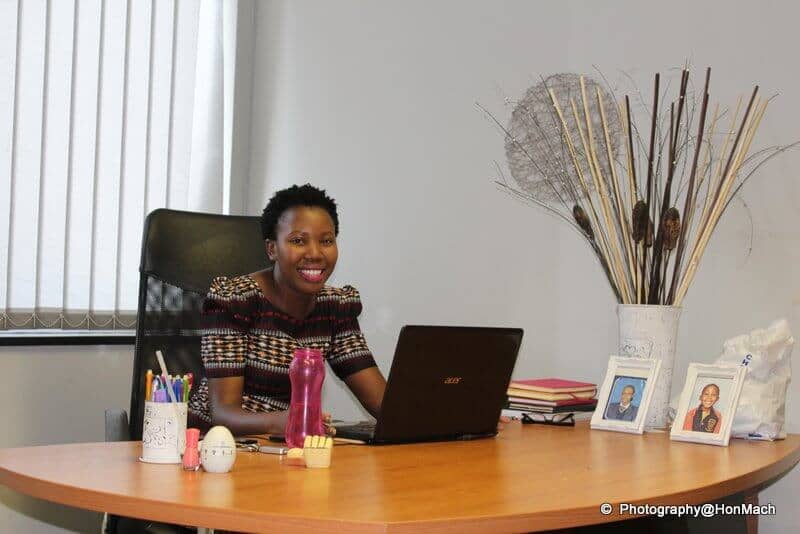
South African journalist Tshepy Matloga started making frequent visits to Malawi in 2014 when she noticed the lack of business magazines with Malawian content. Tshepy jumped at the chance to address this gap by launching Inde, a business and lifestyle magazine aimed at Malawian women. Here, Tshepy shares tips on setting up shop in another African country and speaks on being voted a top South African inspirational youth. You’re South African, why did you decide to start a publication in Malawi? More than a year ago I became a frequent visitor in Malawi. I was charmed by how serene and peaceful the country is compared to the hustle and bustle of South Africa. As a journalist by profession myself, some of the things I collect are magazines and it baffled me that I could not find a single publication that was about women and the business landscape in Malawi. Yes, there are so many publications in Malawian shops but they are all South African publications coming here packaged with South African content. I also met my partner here who happened to be in the media too. When I ran the idea past him, we both decided to bring to life Inde magazine in March 2016. “Inde” is a Chewa word meaning “yes”, Inde Magazine is Malawi’s only business and lifestyle magazine. What is the business climate/culture like in Malawi and how is it different compared to South Africa? The business landscape in Malawi is extremely different than the one in South Africa. I am used to a fast paced business environment and I have found Malawians to be very relaxed, there’s no hurry here whereas in South Africa time is money. With that said, I think my biggest challenge was having to slow down my normal work pace so that I didn’t become too overwhelming. I however like the Malawian walk-in policy, you can just rock up at a company with no appointment and request for a meeting and if the person is available they will make time to hear you out. That part has made things easier for me because I came here with no business contacts. What tools do you use to extend the reach of Inde magazine? Social media has been very helpful in this regard. Then, Malawians are generally friendly people and it being a small community, word of mouth also goes a long way. I have also been trying to partner with local events so that the brand is exposed even more What other projects do you engage in outside Inde? My public relations firm, Chronicles Media Group is present in both South Africa and Malawi. Outside Inde, Chronicles Media group also offers PR services such as corporate communications, social media management, brand management and events. Besides PR and the magazine, I blog for a South African organization called Leadership2020 where I write about my life journey, from growing up in the village of Botlokwa in the northern part of South Africa to running my own company. You recently made Youth Village’s list of the top most inspirational youth in South Africa, how does that feel? Recognition is the best motivator. To be young and know that in the few years that you have been on this earth you have impacted lives is a sign that you are going into the right direction. Everyone who knows me well knows that I have struggled to get to where I am today. From Botlokwa, packing my bags and going to university even though I knew very well my mother could not afford the fee; to struggling to find employment, and when I eventually did find one I did not like it; to starting my business with a few thousands I have saved from freelancing jobs. I have to admit it was a curvy road. So with that said, it is things like such recognition that remind me that the journey was and is worth it. What advice will you give to young African women looking to start a business in another African country? I’d say the beauty of venturing into another country is that you are new there so it makes it easier for you to identify gaps and thus fill them up. Africans are generally friendly people therefore making it easier for a new person to just get lost into the communities and be part of them. But, I have to say markets are not the same. In another country you might find yourself having to adjust your prices and make them lower to make your services/products affordable to the locals. If you’d like to share your story with She Leads Africa, let us know more about you and your story here.
Ogechi Okelu: Making traditional Nigerian snacks sexy

Ogechi Okelu’s love for food creativity led her from a career as a pharmacist to a desire to recreate indigenous Nigerian snacks. Many Nigerians grew up eating snacks which were only largely available in rural areas but Ogechi is repackaging local snacks in healthy and hygienic ways through her small scale food factory to help reach more people. She shared her thoughts with SLA on where traditional foods fit in with weight loss and on her journey so far. Why start a business with indigenous snacks? Nigeria has a wide variety of healthy and creative snacks and meals. These have been lost over time and are not in high demand among the urban and elite groups. This is mainly because of the preparation process and packaging but also due to Westernisation. I’m working on recreating some of these snacks in a healthier and more appealing way for the world to enjoy. Tell us a bit about Kozee My brand has been registered as a trademark and it’s called Kozee. My first product is my brand of kulikuli. Kulikuli is an indigenous snack made from groundnut paste that is quite popular in the northern part of Nigeria. I grew up eating this lovely snack. It is really versatile and can be eaten alone or in combination with other meals. Typically, people eat it broken into soaked garri but modern foodies use kulikuli as salad or parfait toppings, blended into smoothies and also to spice roasted beef or chicken. I am currently at the last stage of registration with NAFDAC, the Nigerian body that is responsible for the registration and quality control of food, drugs and cosmetics in Nigeria. They ensure that standard quality is maintained at all times and that standard operating procedures are adhered to by carrying out site inspections at factories and also running quality control tests on products at their labs. Where do indigenous and traditional foods fit in weight loss and healthy living? The main challenge with weight loss is portion control. We have a wide variety of traditional foods that are rich in fibre and minerals and are not over processed. A lot of our local foods however, have not been scientifically analysed, so we can’t be certain as to how many calories they contain or their nutritional value. This drives a lot of people who are particular about weight loss and healthy living to buy the imported products that have clear nutritional facts written on them. Researching on and repackaging our traditional foods will encourage more people to patronise Nigerian products and therefore boost the economy. How has your background as a pharmacist helped your hustle? As a pharmacist, I have learnt a lot about the importance of quality control and microbial contamination and this has helped me set high standards for myself, my factory and my product. Kulikuli has been made for centuries in the rural areas by hard working women who use a lot of manual processes from start to finish. This makes it difficult to produce large quantities of kulikuli in a healthy and hygienic way. I have been able to substitute a large part of the manual process using food grade machinery. I am also a pharmaceutical sales person, this has taught me a lot about sales, marketing and running a business. Where do you see Kozee in the next year? I currently deliver only in Abuja but am in talks to supply other major cities in Nigeria. I want my products to be available for purchase across Nigeria and hopefully abroad in the nearest future. What is your passion and how do you sustain it? I am a foodie who is also very passionate about healthy living. My passion for healthy food keeps me focused on coming up with creative ideas that I believe can help redefine our traditional and indigenous foods. If you’d like to share your story with She Leads Africa, let us know more about you and your story here.
Key steps to creating your business with Sharon Beason, Founder of Womeneur

Creating a business model can come with its challenges, it is not always easy and requires significant strategy. Womeneur is a platform for women to develop their businesses professionally. During She Hive NYC 2016, Womeneur Founder, Sharon Beason went over the initial steps needed to develop a business. In this workshop, attendees learned that paying attention to detail can make all the difference in the trajectory of a business. Here are some of Sharon’s strategies on developing a business professionally. It has to make sense Think about how viable your business is. No matter what business you are in, you are always in the business of solving problems. Ask yourself, am I solving a problem? Do your research and know who your competition is. You must see where your competition is slacking and solve the problems that they are not. For example, if they are not responding to customer phone calls make sure that you are. If they are low on merchandise, make sure that you are not. Aim high Within the industry that you are looking to get into, see who on a grand scale is doing what you aspire to do. For example, if you are looking to make handbags, look at who is currently the most successful at doing it. Study the strategies that the company uses. Have a well-defined niche and target that audience. Create a customer profile for that niche. Be as meticulous as possible when defining your target audience, this allows you to make better customer-centered decisions. Ask yourself, what do they look like? How do they speak? What are their interests? Listen to your audience You have to actively listen to your target audience’s needs and go where they are. For example, if most of your target audience uses Instagram to communicate go there and read about the discussions that they are having on that platform. Sharon explained that people’s commentaries give you a snapshot into their mindset. If you have a well-defined understanding of their problems, you can more readily provide solutions. Workshop participants went home with the key takeaway that if they set up their business models effectively, they can become agents for change within their respective industries. In order to become an agent for change you must listen to the people that you want to serve and always make it your priority to fulfill their needs.
You’re now a Motherland Mogul, have you thought about safety?

A light bulb just came on and you’re already smiling at the money you’d be making from the business idea… You just slammed a pitch and you’re already practicing the speech you’ll be giving other young people on how you made it… You’ve launched your website and have snagged a client or two, business is looking promising… Your business is expanding, income is rolling in, your reputation is soaring, you’re making impact… You are now a known brand… Pause. Hold up. Wait a minute. Have you given any thought to safety on the job? Chances are you haven’t thought about the safety of both yourself and your employees. Yet, whatever stage you are on your entrepreneurship journey, it is important to consider the health and safety of everyone involved in your operation and invest in it. A safety management system (SMS) is a proactive and systematic process of safety. It involves developing a safety culture that ensures your organisation/business remains safe from loss of any kind. There are numerous benefits to incorporating a SMS in your startup. It reduces business costs and increases efficiency. With a SMS in place, you won’t have to worry about spending limited resources addressing the fallout of accidents and other incidents such injury, loss of goods, damage to business property, even death. Financing Banks and investors are more likely to invest in a business that is set up on a right foundation. No one wants to lose hard-earned money to accidents that could have been averted. Employee morale In business, word of mouth travels faster than any advertising. Employees do not want to leave a job worse than when they got into it, broken bones, injuries or ill-health. A safety system boosts their morale and lets them know that their employer is interested in their overall well-being. This morale of staff is inadvertently manifest in improved client relations and that is a plus to a business. Business confidence Big companies in construction, aviation and oil and gas seek credible businesses with a safety culture to work with. This singular investment in a safety culture could set you apart from other business owners Legal compliance And of course, using SMS means you would be complying with relevant laws in your country of operation. They say, train a woman and you train a nation. Here is to building safer businesses and workplaces as we become Motherland moguls.
5 things all potential business partners must consider

Starting a business can seem very daunting. So, you’re not Chuck Norris. You have a great business idea or project plan and acknowledge that you have limitations. Well, that’s okay because sometimes, bringing in a business partner makes good math. A business partnership is a marriage of sorts. So before you seal that deal, take a moment… In my third year at university, a close friend and I decided to start up an entertainment company together. It seemed like a fantastic idea at the time and we had a lot of fun as well as learned a great deal about the industry. In hindsight however, it would have been preferable to define the parameters of our professional relationship and consider a lot of the points on this list: 1. Look out for someone who brings something different to the table It is important to approach a potential business partner who can complement you by bringing in something different whether it be financial power, business connections or a particular expertise. Be sure to delineate the roles and responsibilities. Speaking from experience, it is never fun when one person feels like they are doing all the work. It is extremely important to draw up a founder’s agreement devoid of personal sentiments early on in the process. There is no point bringing in someone who doesn’t have anything unique to offer. If the value proposition does not add up, ditch the thought. 2. You need to have a shared vision Though your goals may differ to a reasonable extent (not so much that you want different things out of it), your potential business partner must buy into the vision you’re selling. The last thing you want is a scenario where your partner is no longer passionate about the work or decides they have grown bored with the business. This is a risk that can actually happen to any business owner regardless of how pumped they are at the commencement of the venture. However generally speaking, it is less likely that partners part ways if they both solidly believe in the vision behind a business and are committed to making it work. 3. Study them in their work environment Seeing your potential partner in their professional element can help you better understand what it would be like working together. Do they have a good work ethic? Do you speak the same work language? Are you comfortable with their style and pace of work? The answers to these questions can help shape your decision when considering another for a partnership role. Afua and Yasmin, SLA co-founders weigh in on what makes their partnership work: “Since we came from the same company, we have a similar working style which makes being partners very easy. It’s great having someone to collaborate and brainstorm with on new challenges.” 4. How do they handle personal crises? Make the effort to get to know them not just on a professional level but on a personal one as well. How do they get along with friends? Are they petty and vindictive? How do they deal with the tough situations in their lives? The last thing you want on your hands is a partner that’s messy and doesn’t know how to manage stressful situations. 5. What’s their commitment level like? Startups are extremely tasking. In the incubation period, there’s a lot of conceptualization and planning going on. You need someone who is ready to give a 100% of themselves to the heart and soul of the business. Even if you are both unable to meet physically as often as you would like, they must be willing to keep the communication 110% just like you are. Virtual meetings, emails and instant messaging are available to compliment regular meetings. If you notice that this person always has an excuse for not getting work done, calling like they said they would or constantly need motivation to think positively, it’s a definite red flag. After going through this list, hopefully you feel more confident about your decision to take on a business partner. It’s a pretty exciting thing. If you have found however that you need to go back to the drawing board, that’s okay too. Like they say, better safe than sorry!
The 4 minute guide to SME marketing: Much ado about big budget

“Jennifer our business only has #xxxx and I can show you our account statement if you don’t believe me. I really would love to do marketing o, but If I spend that kind of money now, I would have nothing left to run my business.” This was a real statement from a friend of mine during a conversation we had about his recently launched platform. At some point during the conversation, I had to subtly remind him that if he does not market his platform, he wouldn’t have a business to run in another few months. I cannot say this enough, when it comes to getting your business out there, marketing is a big deal. As you think of your product you also have to think about how you will go to market with that product. Having worked with/and for startups and small businesses, I am all too familiar with the budget constraints. There is usually too little cash competing with too many business priorities. This, coupled with the fact that for a long time small business owners have been told that marketing (and subsequently advertising) is for the big players with big budgets, have made them shy away from it until it becomes an absolute necessity. The real questions are: Can you create buzz around your product or service without a killer budget? Yes! Can you get people to care about your brand and actually want to engage with your brand without having to dole out a shit load of money? A big yes! These things are very possible as long as you are committed to going through the marketing process in a creative and deliberate way. As we go further in this series, we will explore multiple strategies and tactics that you as a small business owner can deploy in growing your customer or client base. However, today, I would like to speak to 2 things that I consider very essential at the early/launch stage of your business that will cost you little or nothing to implement: Be approachable One of my favorite IG luxury fashion retailers once did a PSA that encouraged people to come into her store and window shop even though they might not be able to buy any of the items at that particular time. I thought that was really warm and inviting and it inspired my first interaction with her business. Truth is, your brand essence notwithstanding, if your business projects an image of being aloof or arrogant, people will probably have a difficult time connecting and interacting with it. Give something back Earlier this year I bought a pair of shoes from one of these online stores and inside the box was a voucher with a discount code for 20% off my next purchase. This was to thank me for choosing them and to encourage me to choose them again. I was quite pleased with both my purchase and the incentive and let’s just say before the end of the day I had redeemed my voucher. Make people feel appreciated for spending money on your business and you give them a powerful reason to want to spend more. More often than not superior marketing can beat a superior product. Coca Cola and Pepsi are fantastic in illustrating this because despite the fact that Pepsi typically wins in blind taste tests, Coca Cola still controls a huge chunk of the carbonated soft drinks market. However, superior marketing does not always imply superior marketing spend/budget. With a healthy dose of creativity, strategic marketing and sometimes just plain hustle you, with your little or no marketing budget, can achieve results that would rival that of an FMCG with their seeming infinite marketing spend.