
3 things to consider before changing jobs
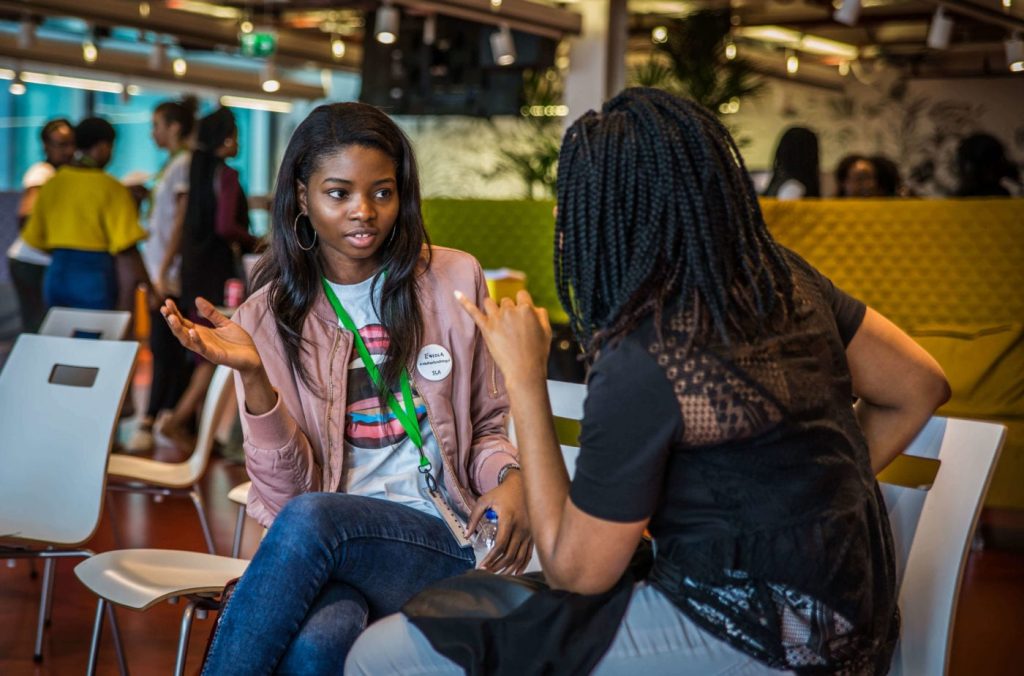
So, maybe your current employer is not bae or you have another suitor knocking at your door. Whichever the case, there are key elements you need to look at before jumping ship or looking for greener pastures. These elements might be in your best interests in the long run. 1. Is it in line with your future goals? Compensation and monetary benefits are always, most likely, our first motivating factor when looking for a job. However, once you do get a career that pays you more than peanuts, you might slowly realize you are not really cut out for it. Especially if you are not meant to be in that field. You will be comfortable for a few months but that itch to leave will come back sooner than you can say rands and nairas. When looking to changing jobs, you might want to look at what you really want to do with your career path. Think beyond your current needs. 5, 10 even 15 years from now is that better-paying job something you would still want to be doing then? Is it in line with your values and vision for your career? Have you even thought about your career beyond your current situation? Evaluate your career choice and what you want to do before putting cheddar first. 2. Is it flexible? Sure, it’s cool to occasionally spend an extra few hours at a job, finishing off a project. But you may never realize the time constraints of a new environment and new responsibilities. If you have aspirations of starting other side hustles, you have to give it a lot of thought. Will a new job allow you to be able to push the passion projects you have on the side? Beyond the obvious benefits of a new job and the fringe benefits, you need to consider your own development and growth. Will you have time to pursue a short course, start a business, read SLA articles or listen to a webinar? Your time is an asset that is more valuable than you think. Consider your current projects and if your new job would allow you to still fully commit to them and their success. You have to know what you value as important before making the big leap. 3. Will you grow? Yeah, you want a new job cause you get to work in a company your mom has actually heard about and will be able to tell her friends about without embarrassing you. However, some employers will not necessarily give you the growth opportunity you are looking for. You might not be able to flex your creative, innovative or strategic muscle if you are a small cog in a big machine, even if the machine isn’t that big. You want to be able to move to a career that will allow you experiment, learn and grow and hopefully apply your expertise. This is not always ideal or realistic. However, you do not want to end up feeling stunted and unappreciated which is bad for both you and your employer. Consider asking people who already work for that employer about their experience. Ask about the opportunities available for growth and if they consider employees an important asset. Thinking about it first and laying your options beforehand will definitely help you. You’d be able to make a more informed and prepared decision than if you had not. Happy job hunting.
6 top tips you need to crowd fund well!

When you’re ready to crowd fund, at first, it might seem like a lot of math and very little reward, but that is not always the case. After you read this, you will be one step closer to creating a campaign that will achieve great things. In this article, I will help you pin down some key tips you need to do well in this often techy, jargon-wrapped industry. 1. First, break it down! “What are you doing and who is doing what?” What exactly is your product? Many of us tend to think of the beautiful things we want to create but have no idea how to put pen to paper. And certainly, no idea on how to make it work in a format that fits the crowdfunding world. My suggestion is to break it down into bite size pieces. If you want to be the next JK Rowling, remember she started with just one book. Start with a bite-sized chunk and make sure it is something you are able to do. You have the knowledge and the connections to make it happen! That goes for the campaign as well. Make sure you have the right team around you; everyone has to know exactly what their job is and how that fits into the big picture. For the basic team structure, I recommend as follows: The administrative lead ensures that you get the most out of the chosen crowdfunding platform and keeping with their regulations. The creative director, depending on the platform, may need a campaign video, or snazzy graphics to make campaigns stand out). The logistics lead handles all the costing and shipping of rewards (more on this later). The marketing and communications lead should be two. One for press and influencer marketing, another for social media and community marketing. Yes, you should already have a supportive community of “fans” before you crowdfund. Successful campaigns are coordinated by successful teams. Remember that. 2. “Will your second favourite Aunty support your campaign?” This may seem like a no-brainer because you are passionate about this thing. But don’t forget, only your friends and family can primarily support your campaign. The first 30% of money raised will come from your close, first degree connections. The rest will come from second and third degree connections. If you are even remotely shy/embarrassed about talking about this to the people closest to you, or you know they will disapprove of your efforts, I suggest you save some money and start smaller than you planned to with crowd funding. Crowd funding isn’t for everyone. There isn’t an imaginary crowd living in the cloud somewhere. It is the people you see everyday —your work colleagues, your friends and your family that are going to make or break your campaign. 3. “Build it and they will come” doesn’t work here No matter how much people like you, they tend to like their money just a little bit more. Remember that friendliness counts. We live in a heavily-networked society, so you are going to have to go even further to encourage people to part with their money. Make phone calls, meet people for coffee, drop your product idea into these conversations. Make sure they can hear your voice and they can feel your passion when you are talking about what you want to do. Asking someone out of the blue to support your campaign to create a line of high quality stationery, when they haven’t spoken to you for three months is not smart. If someone did that to you, how likely would you be to support them? P articularly when they have never mentioned stationery in the history of your friendship? 4. Making your rewards count Depending on the type of crowd fund you are aiming for (donations with or without rewards, investment and equity based or debt based), and the platform you are have settled on, you may or may not need to think about rewards. If you are listing your campaign on a reward-based platform, please do your homework. There is a good amount of math involved in this so if that isn’t your strong suit, ask someone for help. There are number of things to consider —shipping costs, printing/manufacture costs, the admin and follow-up time, and whether or not what you are offering is what people want and are willing to part with their money for. Every type of product requires a type of reward that is unique. Try to keep your rewards cost under 15% of your fundraising amount —especially if you are shipping items (check the weight, plan your packaging, know your postage cost). At Do it Now Now, we have a universal perk system. That means we handle all the perks for all of our campaigns. We realised this was a major pitfall for members of the Diaspora in the UK when in came to crowd funding, so we decided to take it off their hands, releasing them to do what they are truly passionate about. 5. Have an open evening. Share your ideas! When we were starting on our journey with Do it Now Now, we had a mini-party that has turned into monthly open evenings. We invite potential advisors who have shown an interest in what we do to join us for coffee. They ask as many questions as they want about our plans, ideals and practices. I suggest you start doing this as early as possible. Invite people who are going to be a benefit to you on your business. Tell them what you are doing and what you think the pros and cons are. Invite them to have their say. Invite them on the journey. Make sure to invite people who have crowd funded before; their insight will be priceless. If you don’t know anyone who has been on this journey before, contact campaigns that are similar to what you want to do and ask to meet them for a coffee separately —most people will oblige you, especially if you are buying! 6. Identify your Mariahs in advance
“Do, Be, Give”: How three simple words sparked a quiet revolution in my life

Like most, I had heard of the book “Eat, Pray, Love” and found the concept intriguing. However, I had never had the inclination to read it up until a few months ago. I was catching up with a friend one afternoon when she told me about someone she knew who recently quit a corporate office job in New York and embarked on a 3-month journey to Europe and Africa to relax and regroup. What made her story even more interesting was that she had decided on a theme for her trip : “Do, Be, Give”, drawing inspiration from the life-story in the book. I was going through a turbulent time in my life. Unsatisfied with the way things were, hearing this story gave me the impetus to make a change. I decided to also read the book and later went on a 3-month journey of my own. I would like to share my experience with you. DO When I started my second Master’s degree in 2013, my goal was to land a job as a consultant at the end of the program. I applied to pretty much every consulting firm in the greater Amsterdam area and was met with either a rejection email, or —worse still, silence. Self-doubt began to creep in: maybe I was too old, maybe I lacked a business background, maybe I was handicapped because I didn’t speak the local language, maybe I had picked the wrong major. With every rejection came new forms of doubt. I landed a job as an analyst for a healthcare non-profit and for a while I got sidetracked from pursuing my original goal. My job was good enough, but I always had this nagging feeling that I wasn’t where I was supposed to be and I wasn’t doing what I ought to be doing. After I decided to act on the “Do, Be, Give” concept, I decided to step out of my comfort zone and resume applying for consulting jobs. One day, out of the blue, I got a text from a friend about a job with the United Nations. Though I felt like it was a long shot, I applied. A little over 3 months later, I am packing my bags for a two-year adventure as a consultant for the UN in Zambia. Challenge: What’s the one thing you’ve always dreamt of doing but haven’t gotten round to yet? Do you dream of starting a business, traveling the world or going back to school? What is stopping you? If money and time weren’t obstacles, what is the one thing you’d do with your life right now? Focus intently on your goal, let the attainment of it motivate you daily and have the courage to go for it. BE In a previous article, I talked briefly about my struggle with depression. For me, this disorder is like knowing the sun is shining but not feeling its warmth. It has not only affected my mental and emotional state but also my physical and social well-being. Alongside therapy and support from friends and family, I chose to start medication during an especially tough period last year. This helped for a while; I was able to get through the day but on the flip side, I felt like my life was on mute. I could finally see all the colours but I couldn’t hear the music. Even though I no longer felt sad, I didn’t feel happy either. For the “Do, Be, Give” challenge, I have made the decision to wean myself off of medication* because I feel I am at a place in life where I am stronger, both mentally and physically. I want to know how it feels to be free from medication: to eat and sleep “normally”. It was a huge, scary step. I kept asking myself; what if I failed? What if things became worse again? So many what-ifs. I prepared myself for the unknown and took a leap of faith. So far, so good. I feel free and some days, I am happy. Other days are still a struggle, but I’m getting to where I want to be. This experience has strengthened my self-confidence, and ability to think and act in my best interests. Challenge: Who are you are now, and who do you want to be in future? What do you need to do to become that person? Any limiting self-beliefs you need to let go of? What truths do you need to embrace to finally inhabit the state of being you have been dreaming of? GIVE For a long time, I toyed with the idea of starting a non-profit organisation. I wanted to help improve the lives of others in a meaningful and engaging way. I knew what I wanted to do, but couldn’t do it alone. A close friend got married this year and I had the privilege of being one of her bridesmaids. As fate would have it, one of us turned out to be a young doctor with a passion for non-profit and youth development. I went out on a limb and shared my vision with her of wanting to create an NGO based in Nigeria. She embraced the idea wholeheartedly and this is how, Give Girls A Chance was born. Our goal is to provide educational and mentorship opportunities to girls from disadvantaged backgrounds so that they too may enjoy access to and benefits of quality education. My working on this project has given me a new friend and a co-visionary: we are one inch closer to seeing the manifestation of our dream. Challenge: What change do you wish to see in your community and in the world? Are you willing to give up something to see this dream become a reality? Your turn If there is something you’ve been meaning to do, find the courage to do it. If there’s a state of being that you’ve been meaning to inhabit, find the fortitude to embrace it. If there’s a cause dear to
Twitter Chat with Evelyn Namara: Why we need women in tech

Missed this event? Make sure you don’t miss the next one by joining our community today. There is no reason for all of this emphasis on women in tech. If women aren’t good at math then they should study ‘easy’ subjects. If you’ve ever heard any of these disparaging statements and thought “that simply isn’t true,” then you don’t want to miss our upcoming twitter chat on Thursday Oct. 6th. We’ll be discussing ways to support young women in tech, looking past stereotypes and how to prepare for a career in tech. Technology isn’t just for men so let’s make sure women have access to the industry as well. Join us Thursday Oct. 6th for a twitter chat with Ugandan entrepreneur, Evelyn Namara, who is the founder and CTO of !nnovate Uganda. !nnovate Uganda uses technology to solve social problems and makes it easier to get development projects done. If you are a woman interested in the tech industry, then you don’t want to miss this chat. If you think the tech industry isn’t for women, then you DEFINITELY shouldn’t miss this chat. We need to set you straight. Follow She Leads Africa on twitter and use the hashtag #SLAChats to ask your questions and participate in the discussion. Topics that we’ll cover: What the tech industry is like for women in Africa Why the tech industry needs more women What you can do to support African women in technology How to prepare for a career in technology The steps you should take to start your technology business Twitter chat details Date: Thursday Oct. 6, 2016 Time: 12pm NYC // 5pm Lagos // 7pm Kampala Location: Follow She Leads Africa on twitter and use the hashtag #SLAChats About Evelyn Namara Evelyn is the Founder and CTO of !nnovate Uganda, a technology start-up that is implementing technology interventions for social and humanitarian programs. Their flagship product, an electronic voucher system has been used by over fifteen thousand small holder farmers to redeem seed crops under a USAID program implemented by MercyCorps. She’s also the vice chair of the ICT Association of Uganda. Evelyn has previously worked as Regional Manager – East Africa for Beyonic Limited that offers a SaaS platform for organizations to help them move beyond cash to using electronic payments. She’s also held a role of Country Director for Solar Sister, a social enterprise that empowers women with economic opportunity using the breakthrough potential of solar technology. Evelyn is passionate about tech innovations, entrepreneurship and women in technology.
4 life lessons you can learn from Kanye West

This is a women-focused platform, right? Now I’m pro-women, so I won’t pretend that the unfortunate misogynistic way Kanye West sometimes refers to women in his music doesn’t make me squirm. Still, I can say that Kanye is one of my favourite public personalities. Now, usually, when I tell people this, I immediately drop a bit on their respectability scale. I’m surprisingly okay with this. His creativity is the stuff of legends, and having watched him over the years, this visionary artist has given me a few good ideas about life. “Don’t tell me about being likeable” When this modern day philosopher appeared on The Ellen Show , he came ready to inspire. Kanye started off by lamenting the fact that so many great innovators are dead. Then he challenged the fascination people have with being ‘likeable’, as opposed to being great. Firstly let me say; I do believe that you should be able to read your audience. Not everyday do ‘The Most’. The message is just as important as the delivery. One of my favourites, Melody Hobson calls the art of doing this ‘making yourself small to win’. However, the way that my personality is set up…in my experience, assertive and aggressive are sometimes used interchangeably when describing women leaders. It’s an unfortunate way that my cultural context, personality, and #MotherlandMogul goals intersect. While some celebrate assertiveness in women, others are quick to throw out labels like ‘bossy’, ‘pushy’ and others that we probably can’t put up here. Sheryl Sandberg dedicated a whole chapter in her book Lean In to the negative association between success and likeability. Don’t let likeability be a millstone around your neck. Work on what needs to be worked on, but don’t fixate on what is outside of your control. Continuously seek growth like Kanye When the iconic Rockerfeller Records split, this maverick musician had to make a tough choice. Kanye had to decide whether he should continue working with either Jay-Z or Damon Dash, and he opted for the former. Why? Simple, he chose growth. Admitting that he related more to Damon Dash than he did to Jay-Z, he decided that he would stick with Mr. Beyonce because they were so different. I’ve learnt that comfort is the enemy of growth. Karin Sebelin says; “People who agree boost our confidence, but they don’t give us stuff to think about and to grow…We need healthy conflicts and differing perspectives to really become thoughtful and get seduced to think in a deeper way.” Be deliberate about finding people and spaces that help you grow. Conviction is King This is embodied by the hook from his song ‘Can’t Tell Me Nothing’. The rebel rapper sings; “Excuse me, is you saying something? Uh-uh you can’t tell me nothing!” This line highlights what we already know; Kanye West is not someone who is easily swayed. My journey so far has not been linear, and in order to survive periods of uncertainty I have had to learn how toxic doubt can be. I believe we all innately know the way to our own greatness. The key is trusting yourself enough to navigate toward it. Criticism and doubt from ourselves and others stifles this. Tech Entrepreneur Rapelang Rabana shares how her journey required her to have the utmost faith in her conviction. She says; “I had made the decision to start my business despite the confusion, turbulent thoughts and emotions, not knowing what life would hold. Now, the trust I placed in myself to chart my own path has reaped rewards I never could have conceived, all because I dared to listen to myself. Knowing the value of that choice 10 years on gave me great peace.” Learn to reflect and celebrate When I first heard the song ‘Last Call’ I really didn’t get why Kanye would spend over six minutes on an outro that just recounted his rise to success. SIX minutes fam? I now realise how crucial taking a second to remember and honour your journey is. It is about maintaining perspective: the more you are deliberate about keeping it, the more of it you will have. Let me let Oprah say it: “The more you praise and celebrate your life, the more there is in life to celebrate.” What would we do without Kanye West?!
Words of wisdom from Africa’s first lady of entertainment Bonang Matheba

There is nothing better than seeing our fellow African women killin’ it in the game. Bonang Matheba is a South African television host, radio personality, and business woman. From, hosting the red carpet for E!, being the brand ambassador for Revlon South Africa and mentoring South African girls. Bonang can be inspiration for all of us due to her passion for African women and woman empowerment. Here our some word of wisdom from Bonang that any #MotherlandMogul can apply to their lives. Cutting out the negativity “I’ve had to cut out a few acquaintances after realising that negative energy from people I associated myself with would weigh me down, letting go of such relations helped me focus on my career and self development.” As DJ Khaled affectionately put it, stay away from they. Negative people can take up your time and time is money. As the old saying goes you are who you surround yourself with. If you surround yourself with Negative Nancies and Debbie Downers soon enough you will find yourself becoming one of them. If you want to be fulfilled, successful, and career focused, make sure you constantly surround yourself with people who are the same. Be whatever you want to be “We live in a world where everyone has the ability to be whatever they wish to be no matter the circumstance or environment one comes from.” Sometimes we get into the habit of letting opportunities or great ideas we have pass due to our previous experiences or the situations that we are in. Your dreams are valid. Your circumstances don’t define your future. Never let go of an opportunity you believe in. Never doubt yourself or let where you’ve come from define you. Hold on to your confidence “Always be confident in your skin and your capabilities. I can’t tell you how many times people have told me, “No, you can’t do this. No, you can’t do that,” but I always remained confident in myself.” Don’t let a few no’s or failures tarnish your confidence. Bonang didn’t easily reach over a million Twitter followers or become one of the most influential people on the African continent. She isn’t an overnight success story. Bonang was turned down in at least 25 auditions before her first big break at YFM radio, she auditioned 9 times to be a presenter on Live Amp. Some of us would have threw in the towel after the first 3 rejections but Bonang didn’t take no for an answer. “Rise above, replace hate with love and pray, work hard, dress up and kill it.” “You need to grow so hard and so thick and so strong to a point where it doesn’t matter what people think, you need to do what makes you happy.” In others words, Hey South African #MotherlandMoguls, the SheHive will be landing in Johannesburg from November 3-6. Find out more here.
Celebrating small time business women: 5 lessons for the #MotherlandMogul

“Buy tomatoes!” “Buy your frozen fish!” Where I come from, the voices of women calling out to customers can be heard as early as 7 am. I believe that the local, small scale business woman has a lot to teach young women in cities looking to startup their businesses. Growing up, I took note of how these local business women conduct their businesses, and noticed some habits. Forget stereotypes, they are not weak, they do not whimper and they do not wait for men to feed or clothe them. These women have pull and sway and most of all, they do it to provide education for their children. Here are some of them that have sustained local business women over the years and that you can learn from. 1. Consistency and persistence At many warehouses, vegetable markets or cold rooms, it is not unusual to see women exhibiting highly skilled bargaining powers over produce to purchase at 5 am. Growing up, I had a neighbor who cooked food daily to sell to the early morning crowd. She was always up before 3:30 am. I am amazed at the tenacity, determination and savvy displayed by these small time business women, many of whom are uneducated. The “local” business woman, over the years, builds her customer base by being consistent and persistent even in the face of bad sales and weather. She is there, in the rain and in the sun. Small time business women never take holidays or breaks, even at Christmas! For those who trade in seasonal goods like green vegetables, they go far and wide to source for their goods off season, albeit at a higher cost. I’m not saying you don’t deserve a vacation, but you can learn to be as focused on your trade as the fruit seller at your local market. 2. Trustworthiness My grandmother never heard of a business plan or proposal. Yet, till her death at the ripe age of 103, people gave her money for safekeeping. What’s more, she sent my mother and her sisters to school up to university from the money she made selling farm produce. People came from far to trade with my grandmother asserting her honest dealings as reason. My mom followed in her foot steps, selling garri at the next village and buying dried fish from that village to sell in hers. During her diploma days in school, my mom would fly to Lagos and buy clothes and sell them at the secondary school where she worked. She is still running her business. Now she distributes well refined palm oil. My mom practices the honest business ethic of her mother. Even after changing businesses, she still retained the patronage of her clients. The most popular words about her are “Miss no dey cheat person and she no dey sell fake things”. That’s Nigerian pidgin for, “Miss is honest and sells high quality products.” 3. Customer care With sweet words, smiles and cajoling, local business women can change the minds of their customers. Talk about the art of seduction! (In a non-sexual context of course). Ladies, I am describing a specific woman here, delete the idea of the “market woman” you have in your mind and instead picture this woman. These women start out with greetings, calling the customers either “auntie”, “uncle” or by their names or children’s names and asking them personal questions based on details garnered over time from previous discussions. They listen and file away information for future use. This gives the customer a sense of importance. Some go as far as having the customer’s personal number and calling to just say “hi”. Imagine the lady that sells roasted plantains calling to check in on her customer. It happens! Some women even go out of their way to serve as personal shoppers for the customer if the need arises. Talk about diversification. The local business woma may have never read a book on the art of marketing, but she could probably sell ice to an Eskimo. They probably never heard of customer care, but the have loyal customers spanning years. 4. Sound investments These small time business women may not know of investments but they have savings and assets. They invest their money wisely, from saving in various forms of local thrift savings scheme to buying real gold with resale values. They are also usually involved in property, building and leasing out houses. Better still, majority of them own several houses which they rent out. And all this to ensure that they are investing in something more precious, their children’s education. It is not strange to see a woman whose children are engineers now based abroad, thanks to the money she made from selling akara (Bean cakes) every morning. 5. Information Any local business woman has her ears always open for news concerning her business. Whether it is increase in wholesale prices, new products in the market, fall in prices, customer’s most popular demand, etc. They make sure they’re always in the know. They form tight bonds with their wholesale traders who in turn keep them in the loop. In summary, the small scale business women are the women we should not forget to celebrate today. They are the women on whose backbones some of us have grown and excelled, whose examples we have unconsciously followed. These Motherland Moguls didn’t care to sit down and twiddle their thumbs. They did not let their degrees —or lack thereof, or their social standings or background hinder them. These women who have defined “The African Woman”. I personally celebrate my mother, wife, friend, sister and multi-entrepreneur Patience Irene Omoruyi. Who do you celebrate?
Ijeoma Oguegbu: The aim is to disrupt Africa’s informal learning industry
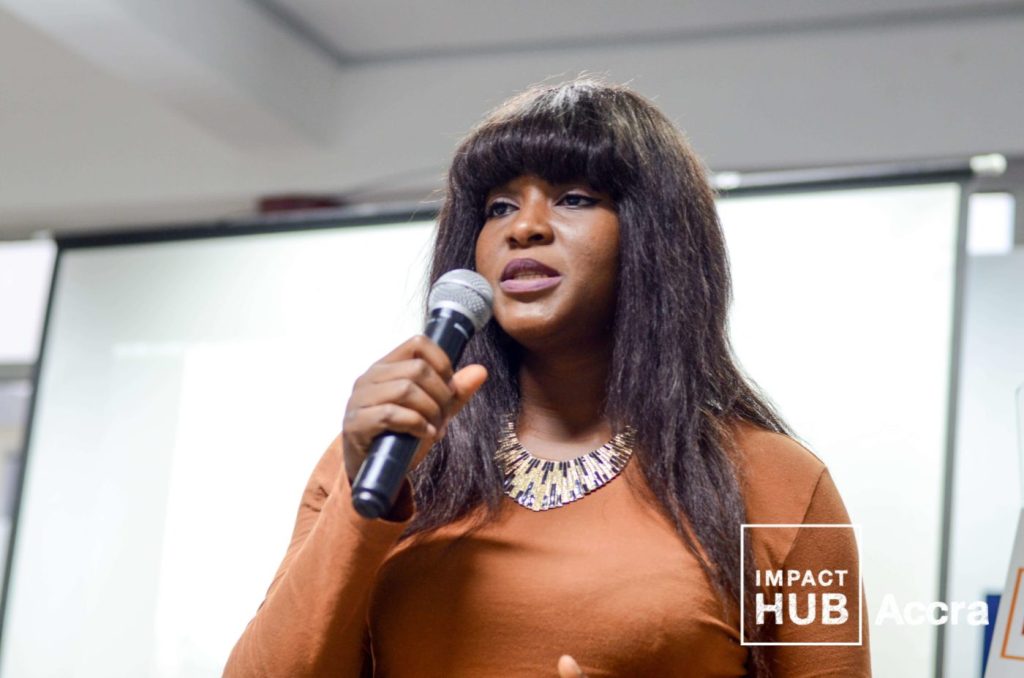
Experience is the best teacher, they say. For Ijeoma Oguegbu, not-so tasty pastries from a store lead her to think of ways to improve training and skill acquisitions in SMEs. From there, Ijeoma co-founded Beavly, an online marketplace connecting people to top professionals in their sector for knowledge-sharing. In this exclusive chat with SLA, Ijeoma shares her dream of African women tech investors and offersers her advice for other young women going into the tech sector. The keyword is patience and preparation. What gap were to trying to fill in the African market with Beavly? The idea came to me through an experience. I bought some terrible snacks from a recently opened pastry shop close to my house. Feeling deep concern and worry for the lady who had obviously made a huge investment into becoming a business owner, I pondered why she didn’t have the necessary skills or employees to make better pastries. This sparked my passion and interest. After further investigations, I discovered that despite the popularity of informal learning, people still experience pain and difficulty in discovering training offers from professionals. This is an age old tradition, yet problem is, offers are often publicized through ineffective ways such as social media, newspapers and classifieds. I got together with my co-founder and then we came up with a solution —Beavly. The aim? Disrupt the informal learning industry in Africa and facilitate skill acquisitions in small industries. How long did it take to build up and what was the process? I took us approximately 5 months to build and launch the first version of the platform. We went through a validation process, using interviews, survey and some cold calling to validate the problem hypothesized. Feedback after validation, encouraged us to go ahead and create a solution. Also, it greatly opened up huge insights into what kind of value we could create for both sides of our users —professionals and trainees. Not longer after, we were invited to take part in TheSFactory program in Chile; giving us access to $15,000 equity free grant. A startup accelerator focused on empowering female entrepreneurs; and powered by the renowned Start-up Chile. At the end of the program we launched Beavly, on February 6 in Nigeria. Beavly is an online marketplace that connects people to top professionals, to learn alongside them in their workplace. People get inspired, gain practical knowledge and hands-on experience; all through interacting physically with the professional . What challenges did you face initially? When we launched the platform, getting the first few users to sign up was tough. Our target users care about brand value, in relation to trust, satisfaction and quality of service. As we were just starting out we had to put in extra effort, to make the first few connections and build a reputation. Also, we were a team of two with a lot of tasks to handle and roles to fill. Nevertheless, we were able to scale through and maximise our capabilities. Sometimes you realize through experience that constraints often drive innovation. How receptive is the tech space in Africa to women in the sector? Through both my experiences at the MEST Africa program in Ghana and being an entrepreneur in Nigeria —I would say it has been supportive. With the recent hype to encourage women in technology, massive opportunities have opened up. It has made it easier to approach people and perhaps, shed just enough light for us to flourish. Though, I still get the typical reaction of awe when I introduce myself as a software developer. Admiration is being given to women who venture into this space. According to you, what needs changing in the tech scene in Africa?/ What can be done better? It would be great to see a rise of African female tech investors. I’m talking venture capitalists, angel investors, and huge investment funds managed by women. Raising investment for a startup is hard, but it’s even more challenging if you are a woman and from Africa. You have a lot more to prove. I love what Kathryn Finney is setting out to accomplish using Digitalundivided, after having a particularly interesting experience while raising investment. We need more people like this popping up in Africa; and a greater number of programs like the SLA Accelerator and TheSFactory for women to shine. I believe it will expand opportunities to raise funds and most importantly build relationships to share contextual knowledge particular to Africa. Also, I strongly feel there should be better support from the government to encourage tech innovation whether inform of partnerships, setting up more tech hubs or grants. Any advice for other women going into the sector? Be strong. Stay focused and undeterred towards your goals. Building a startup is hard work, most times you don’t start reaping real benefits for say 3-5 years. During this time you have to find ways to keep your passion and motivation alive; master the art of patience. Prepare for rejections and setbacks. Take a learning outlook, and utilize them to create hacks that work to improve yourself. Startup life is a rollercoaster, gender limitation or not, it depends on if you can hold on for the long haul and reap the great benefits. Want to see women you know featured on SLA? Tell us what amazing things women are doing in your communities here.
5 R’S to recovering from a career setback

Have you recently experienced a career setback? You are in good company. I sincerely believe setbacks are proof that you are alive and working at achieving your goals. Think about it, if you had no goals, no end in sight, how could you suffer a setback? Everyone has suffered a setback(s) at some point in their lives, but the ability to move on positively, is what differentiates one person from the other. I have suffered a number of setbacks as a professional (which I have bounced back from) and I would like to share with you my five practical R’s to recovering from a career setback. Relax Relax emotionally and physically. Cut yourself some slack by relaxing mentally and emotionally. We are often our own worst critic. You might have made a wrong decision, but you still have all the skills, talents and strengths you possessed before the career setback. Relax physically. Do something you love or something that gets you excited. Read a book, watch a movie or go for a leisurely walk. Pamper yourself. Go for a pedicure in a nail salon that is equipped with a massage chair. Tres relaxing! While you are at it, get your nails painted. I am pretty sure you will leave the salon relaxed and in a better emotional state. Reach out You may also need to draw strength and encouragement from your support team, which typically consists of family, peers, friends, mentors and coaches. So my question for you is: what kinds of support do you need right now? Are you at a point where you feel all hope is lost? Reach out to someone that can lend a shoulder to cry on, but still encourage you to move on. A little comic relief won’t hurt either. Are you confused and uncertain about how to proceed? Reach out to someone that has an analytical mind and can offer suggestions on how you can bounce back. Reflect You also need to take time to reflect on and learn from the setback. Could you have done things differently? What can you do to prevent or reduce the chances of a reoccurrence? Do you need to improve your skills or take a course? Try listening to or watching a TedTalk or Tedx Talk for inspiration or seeking advice from a mentor or coach, if you are drawing a blank. Resolve Resolve to do all within your power and reach to bounce back. I am in love with the rubber band person concept by John Maxwell. According to him, a rubber band person is someone who no matter what happens to them, always seems to bounce back. They are resilient people. Deciding to move on from a setback is a conscious decision or a series of conscious decisions. Resolve to be a rubber band woman, a resilient woman! Re-imagine Re-imagine your future, positively. Imagine sharing your story, after you have successfully bounced back, with start-ups, mentees or junior professionals in your community and inspiring them. Imagine giving a Tedx talk. Try to paint a positive mental picture of your desired future; it will inspire and strengthen you. Finally, remember, a setback is exactly what the term suggests; a temporary interruption or delay in progress. Don’t let a career setback define you, learn from it and move on stronger and wiser. Best of luck!
Twitter Chat with Patricia Kihoro: Building a career in entertainment
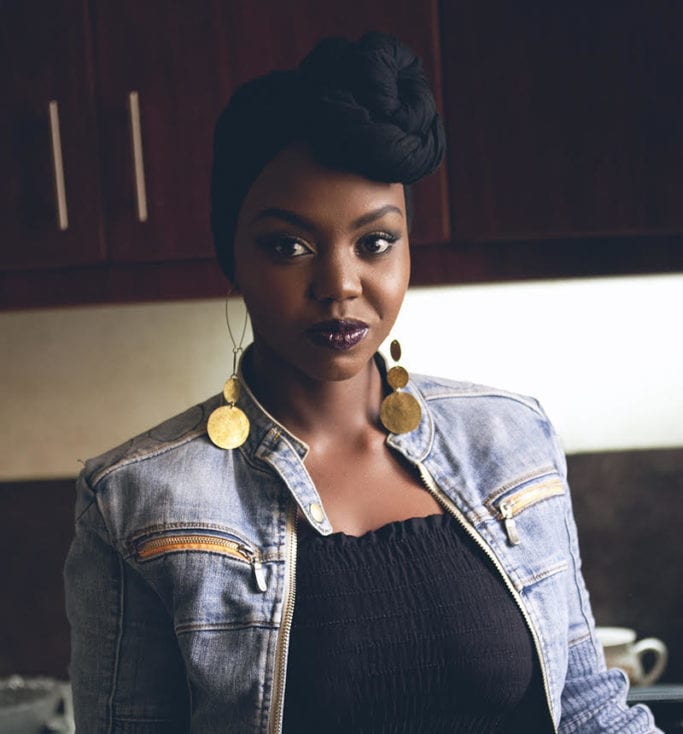
Don’t miss another event! Join our community and always stay informed. Do you have dreams of big lights and sold out concert halls? Are you trying to convince your parents your love and talent for singing is a viable career? Many people make a living as entertianers but it’s hard to know where or how to start. Join us Thursday Sept. 29th for a twitter chat with Kenyan singer, actress, radio presenter and improv comedian, Patricia Kihoro. If you have ever considered a career in the performing arts, then you don’t want to miss this chat. Follow She Leads Africa on twitter and use the hashtag #SLAChats to ask your questions and participate in the discussion. Topics that we’ll cover: How to decide your talent is marketable Making the right connections Your African parents and your career in entertainment Breaking out without selling out The fastest route to killing your career before it starts Twitter chat details Date: Thursday Sept. 27, 2016 Time: 7am NYC // 12pm Lagos // 2pm Nairobi Location: Follow She Leads Africa on twitter and use the hashtag #SLAChats About Patricia Kihoro Patricia Kihoro is a singer, actress, radio presenter, improv comedian and sporadic blogger from Nairobi, Kenya. She has dabbled in just about everything in the entertainment sphere. Soon after completing her Psychology degree in 2008, she joined a reggae band, and then participated in a regional televised singing competition where she emerged a finalist. She has since acted in numerous musical stage productions, as well as in a few TV series and a couple of award winning films. Patricia has written articles for magazines and websites, emceed at events, released radio singles, been in a few friends’ music videos, hosted a popular radio show, participated in a Nigerian reality series, anchored the news on radio, and shared a stage with musical artists such as Just A Band, Aaron Rimbui, Harry Kimani as well as American Jazz great, Gerald Albright. She has also been on tour in Europe, singing and dancing on stage 6 days a weeks for 3 months. Her biggest achievement so far has been writing, producing, directing and performing her own stage show, “Life In The Single Lane”, which was a surprising success, and sold out all six times she put it up. She currently is part of an improv comedy group, because You Said So, that puts up a show every two months at Nairobi’s popular Carnivore Restaurant. She is also currently a judge on a talent show to be screened on KISS TV. She’s not done yet, however, as she still has some albums to work on, a TV series to create, a book of short stories to write, and 12 children to bear. She will however, never go sky diving. Ever.