
Laura Eboa Songue: Social media made us
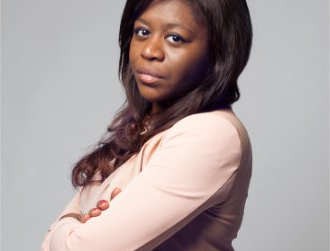
Sometimes, the most compelling reason for starting a media company is also the most simple: it’s a vision you just can’t give up. Since its launch in 2007, FASHIZBLACK has gone from just being a blog to an online community for Francophone Afropolitans. That’s rarely ever easy to pull off, but Laura Eboa Songue, the company’s co-founder did it by utilizing social media to its fullest potential. If you’ve ever thought about starting your own media company, there’s lessons from looking at what’s driving FASHIZBLACK, the journey so far, and the plans for the future. How did FASHIZBLACK come about? Originally, we created our media company out of a need for more representation. The idea started off in late 2007 with a blog. Street-style was starting to get momentum in Paris and out of all the cool blogs, there was nothing representing black people. That’s how the blog was launched. We went on to launch an official website in September 2008, a print magazine in 2012 and build a solid community online. How have you used social media to grow your audience? Social media made us, to be honest. It helped us understand our readership on a daily basis, connect with them, and have consistent feedback. We truly can say that we know our audience. Also, it helped us financially, since we raised $45,000 via Kickstarter during the summer 2011. Twitter and Facebook were the main reason for the campaign’s success. It’s really our foundation and we are thankful for our followers, they are our accountability partners. What is your vision for African fashion? The industry is still in its infancy, so the posibilities are endless. The structural challenges are amazing opportunities to grow and build an industry that fits our values and identities. Do you mind sharing with us the multiple projects you work on? Sure. Right now we are re-launching our premium print magazine so we are finalizing our contents production. My daily tasks can go from brainstorming about creative input like editorials and interviews, to corrections. I also work on partnerships, from influencers to affiliates and advertisers. On a personal level, I work with states, institutions & key-players in the fashion industry in France and Africa, via the AFRICAFRANCE foundation, to continue our actions structuring the industry. From market studies to training solutions, lobbying and trade shows, we try to push projects that will serve as strong basis for a more consistent industry. I also do speaking engagements here and there, when time allows it. I think it’s important to share my experience, not only to further our brand but to help out where I can. What trends can we expect to see in African fashion in the next three years? It’s definitely about growth and saturation. As governments and institutions (very) slowly realize how vital our cultures and know-how are core to our development as economies, the fashion industry will be provided will more efficient tools. I’m looking forward to the birth of more African brands, both commercial and creatively successful locally and/or abroad. How have you managed your relationship with your co-founder(s)? That’s an awesome question. First of all, I think I am blessed with incredibly talented, but most importantly, amazing human beings as my partners. Before being highly skilled, they have great (work) ethics, and strong values. So, it’s not hard to solve any conflict that could arise. We are pretty much always willing to learn and try not to get stuck in our own ways. Now, I’m not saying that everything is always perfect, but I can say that we are always trying our best. And we have the company’s best interest at heart, always. What advice would you give young African women looking to starting a career in the media? Just do it. We need so much more voices to speak volume for us, and to us. Starting a media is a very difficult task because it’s an extremely complex product to build and to sell, but if it’s your vision, you just can’t give up. One thing I wish I took more seriously, is getting a mentor. It would have saved me so much hassle and opened so many doors. We had nobody to show us the way, and made all the possible mistakes in the book. But hey, at least I can truly say now that I am a master at what I do and I know many different areas of business, media, fashion and self-development. Also, interning and training is key. Once again, I worked in luxury and fashion but we are 100% self-taught when it comes to media. So, if you can learn on someone else’s dime, please, do! Last but not least, be extra persistent, resilient, and stick to your vision no matter what. I believe in the law of attraction, so your vision is your reality. It’s going to happen for you! Want to see women you know featured on SLA? Tell us what amazing things women are doing in your communities here.
Hilma Ndinelago Moses: I want to be known as a selfless leader

If you believe education is key to changing the world, you can count your similarities with Nelson Mandela and Hilma Ndinelago Moses. Only familiar with one name? Well, you need to know Hilma. She is the creator of Nambian Opportunities, and co-founder of the Young Woman Arise Impact Project. Through these initiatives, Hilma strives for academic excellence for Namibians. SLA contributor Itumeleng caught up with Hilma who is living up to Mandela’s words in her own way. Her hopes and dreams for her country, Namibia is for everyone to have the opportunity to better themselves and their community through education. Hilda believes African education systems should be revised and is involved in other projects aimed at growing Namibia’s representation on the global stage. Why did you choose a career in law? Law is interesting and powerful. Most people who studied law are influential. You can’t change society if you are not involved in the process that regulates the very norms of society. We need people in Africa who are academically-orientated. I value the efforts of people going far to further their education whether it’s through TVET or short courses. It’s not just about university degrees but should be about acknowledging all those who make an effort to further their studies at different levels. We have to promote other avenues of learning beyond secondary education. You must have been involved in a lot of projects on campus? Tell us about them. I was the Vice President of the Student Representative Council (SRC). I am dedicated to transforming the overall student welfare of the University of Namibia by dealing with all issues that impede the affable atmosphere of academic credibility for all students. Having had the experience of being the secretary for Academic Affairs on the University of Namibia student body. My role required me to safeguard the general welfare of all students in relation to academic matters. This position allowed me to make evident lasting transformation in the academic environment of the University of Namibia. The difference that I have made in many students lives is remarkable. My office was the custodian of all students of the University with regard to academic matters. I also represented the students interests on the Senate body of the university. I represented student interest when exam results were declared null and void. When you represent students you don’t look at their nationality but what is best for them academically. Do you still plan on furthering your education? I see myself completing my PhD and becoming Dr. Hilma Moses. I also want to contribute in compiling academic literature from a Namibian’s perspective. What’s your opinion on the state of education in Africa? Africa is concentrating on providing free education but overlooks the quality of the education. It’s good to make education accessible but with accessibility should be quality. Therefore, the education systems should be revised. One of the problems with African education is academic victimization of students. Exam papers are leaked by those who are supposed to be protecting them. We need to promote and protect the right to education through Agenda 2063 and Sustainable Development Goals. What projects have you been involved in? I am the co-founder of Young Woman Arise Impact Project which was established through the University of Namibia Legal Aid clinic. We promote the rights of young women to health and sanitation. We distribute “care packages” consisting of soap, face cloth, toothpaste, tooth brush and sanitary towels. In 2015, we donated 500 care packages. We also have an initiative called “Donate a Bra” where we urge women to donate a bra to those in need. I also have an online platform called Namibian Opportunities. This is to expose Namibian youths to national and international opportunities. Namibia is under-represented in international organizations and I would like to see more people from my country in influential positions. What would you like to be known for in your country? I want to be known as an advocate for youth and opportunities for young people. I want to be known as a selfless leader. Someone who goes out of their way to create a path for others. When you are a leader you go out of your way to serve people and that’s what I strive to do. Most importantly, I would like to be remembered as a God-fearing woman. If you had the chance to prepare lunch for Namibia’s President, what would be on the menu? I would prepare Oshiwambo traditional food because it represents where I come from. Oshiwambo traditional food usually includes traditional chicken, omahangu porridge and evada (spinach). What 3 things are in your bucket list? Sky diving. Drag racing. Live in another African country, which I have achieved. ( I’ve lived in South Africa and currently live in Ethiopia) Want to see women you know featured on SLA? Tell us what amazing things women are doing in your communities here.
Ololade Oladipupo: My mother inspired me to start Esmadelle
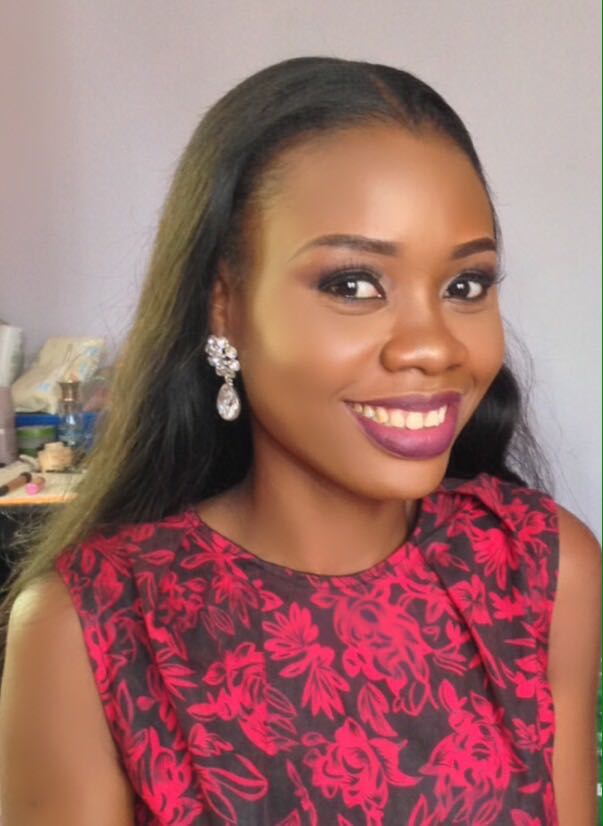
Mothers are so awesome, we don’t need to say that twice. Consider this, you’re young, creative and itching to earn your own income using your talents. Yet, you have little or no idea of what to do or how to get started. Ololade Oladipupo has been there and done that. As the creative designer of Esmadelle, Ololade was able to make strides in her Motherland Mogul journey thanks to the huge support from her mother. Recently, SLA contributor, Kofoworola Ayodeji tracked down Ololade for what turned out to be a heartwarming conversation. She shared with Kofoworola her inspiration, as well as the process of getting started with a fashion designing business and growing it into a profitable one, right from home. Not long ago, I attended a friend’s wedding in Lagos and it was real fun. Although there was more than enough to bite and chew and drink, I had to notice the wedding dress —it was simple yet very stylish and charming. Quickly, I inquired about the dress. And what I found was that the dress, which I had thought was from the “overseas” or perhaps from a big player in Africa’s fashion industry, was made by one young and aspiring fashion designer in Lagos. Tell us about yourself My name is Ololade Oladipupo. I’m the creative designer of Esmadelle, a female apparel clothing line. It’s a female apparel brand which started in 2012 and is focused on every woman of every age and way of life. How did you develop the courage and optimism to become an entrepreneur in a country where many young people have given up on their dreams because of a lack of opportunities? I am a lover of arts, and the big secret is: I might not have ended up as a fashion designer if not for my mum. She gave me the motivation. It was my mother who provided me with the first sewing machine with which I started my career, before expanding. She gave me the much needed courage to enter the fashion industry, thereby giving my dream a big lift. You’ve got quite an interesting startup story. How did it all begin? Even as a Microbiology graduate of Olabisi Onabanjo University (OOU), I started working from home as a tailor. I was mainly into casuals then. People loved my work and me, this helped with the much needed initial rise. Though Esmadelle started in 2012 as Lahdele, along the line, we had to change the brand name due to some circumstances. Now, we have expanded into making bridals too and also into training aspiring fashion designers. Your designs are stylish and charming. What inspires them? I am inspired by everything. I draw inspiration from a myriad of elements like nature, arts, and culture to create designs that are unique. Fashion is everywhere. We can’t deny that. And, I never felt I had a choice because it seemed natural to me to want to always translate my ideas into fashion. Everyone is looking for how to express themselves and show their personality. I think I am able to translate mine into fashion. Fashion designing, like all other ventures has its peculiar challenges. Tell us about your challenges so far Like many other aspiring entrepreneurs, the biggest challenge to expanding my business is finance. I hope to surmount that. What are your plans for Esmadelle? Especially in the areas of expansion and mentorship Even though my business is still evolving, my vision is global awareness for my brand. I want my creativity to stream through Africa to the rest of the world in a most unique style. We would also be moving into Esmadelle’s new workshop next month when it will be officially opened. Currently, I have two workers, and five students who are due for graduation later in September. How would you advise young women looking to being their own bosses? It doesn’t matter how small your business is in the beginning, just make sure you’re living your dreams. Let no obstacle stand in your way; chase your dreams vigorously and you will be making a difference in the world. Are you willing to share your thoughts? I’m eagerly waiting to hear from you.
Let’s pitch your business, shall we

A pitch is a 30 seconds monologue of what you do, why you do it, and how your work is innovative or unique. People have short attention spans and busy calendars, so you want to have a clear, brief, and enticing pitch prepared. Your pitch will ensure that you make the most of every opportunity, and present your commitment and yourself in the best light possible. You may be wondering what an elevator pitch is. An “elevator pitch” is a concise,carefully planned, and well-practiced description about your business that your grandmother should be able to understand in the time it would take to ride up an elevator from the 10th floor to the ground. Wherever you are networking; meeting with funders, writing a grant application, or riding an elevator with someone you want to impress, you should have a pitch prepared. To create a pitch, imagine this… You meet Glenda on the 10th floor. Glenda is a potential partner and she asks you about your business, describe it in a way that is unforgettable and stands out. Now, follow these steps. Condense Select 4-8 specific keywords that describe your business. When you select, be authentic and original. Don’t try to be who you are not or use words with unclear meanings. Organize The simpler the sentence, the better. How can you organize your keywords into an idea in the least number of words? Inspire The sentence should remain at the heart of your pitch. However, to effectively engage your audience, start with a brief description of why.This can be useful if the issue you are seeking to address is complicated, the listener will understand why as you explain what you do. Expand (a little) You can add several sentences to your pitch that answer who, what, when, where, why, and how, but remember to be concise. Practice The only way to ensure that your pitch goes smoothly is to practice (a lot). Record yourself while practicing to make sure you’re presenting yourself and your commitment well. Practice with friends, in the end they should be able to echo the key points. Think about the questions people may ask, and prepare your answers. Now, here’s what to do when delivering a pitch. Audience/Objective The first thing you need to do is figure out who you are talking to and what you want them to do for you. Are they potential funders, volunteers, or partners? This will guide your pitch. Problem statement The challenge you intend to address is important, but you shouldn’t dwell on it extensively. Quickly outline the issue, then explain what you are doing about it and why. Competitive advantage Explain the aspects of your commitment that differentiate you from everyone else. Address how your commitment is new, specific, and measurable, and why you are positioned to tackle the challenge your business addresses. A business needs to clarify what sets it apart; its own “purple cow”. Something that is unique in a crowded market. Storytelling Humanize your work. Pick an inspiring and engaging story that supports your pitch, steer clear of jargon, and demonstrate why your commitment matters. Always have stories ready when networking. Next steps You didn’t spend all this time preparing for nothing. Ask for a business card, a follow-up call, or an opportunity to send along more information. Think of a way to continue your engagement after the conversation ends. Always follow up promptly, within three days at most. In conclusion, determine what success looks like to your business and leverage the right communication tools. Small businesses often think they need to be on every social media platform to keep up. Businesses should first define what it considers to be its success; and then pick the tool that best tells this success story. This tool may be a monthly newsletter, a slideshow of impactful images on your website, or a blog post or narrative video that can be shared on Twitter and Facebook. Don’t be caught without your pitch ready!
4 reasons you should start that business
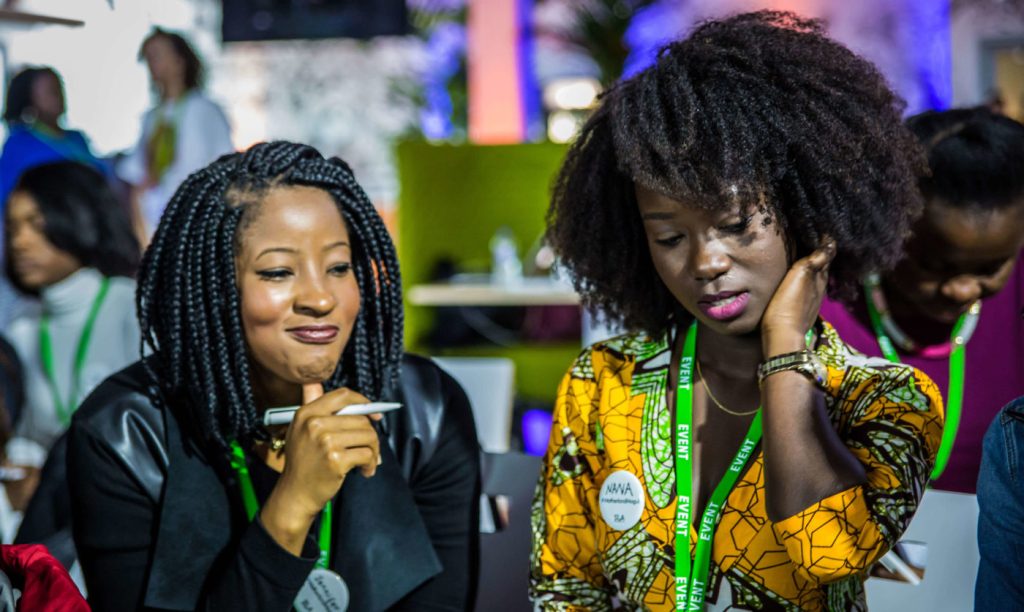
[bctt tweet=”There is never a perfect time to start a business and you may never have enough capital” username=”SheLeadsAfrica”] Traditional career paths aren’t just for everyone, neither is entrepreneurship. And you know what? That’s totally okay. Some are destined to be entrepreneurs but for others, it’s scary, intimidating and too demanding. It can be a terrifying journey but can also be fulfilling and rewarding. All it takes is preparation and a significant amount of effort to start that business. Mind you, there is never a perfect time to start a business. You may never have enough capital, enough experience or zero risks. And there are no guarantees that your business will either fail or succeed. But hopefully, the reasons below are enough to make you want to start that business you have been meaning to. Here are 4 reasons why you should start that business. 1. Flexibility in hours You are able to do whatever you want, spend more time with family and friends. And even get involved in your community. You can work from anywhere too. How cool is that! However, running your own business requires some serious organizational skills or else you may end up with a lot of wasted, unaccounted hours. 2. Creating your own environment You get to set the formality and culture of your organization or business. Everyday, new challenges will bring you new experiences and perspectives. This is not as easy as it sounds but these three points can assist you in creating that environment: Develop an individual and business strategic plan: The process of developing a strategic plan is a reflective process. It is as energizing as it is interesting. Linking your individual goal with your business plans works extraordinarily well. The effect ensures a cohesion of values and aspirations. Have a business personality: Write a concept note that aptly highlights the personality of your business. This is important because it summarizes what your business is all about and what it does. It is also a great way of sharpening fundraising skills as well as communicating why your business exists. Enroll in a class or online course: This will help to facilitate your personal and professional growth while strengthening your analytical skills. This can amazingly help you in articulating your business’s strategies. [bctt tweet=”Start your business if you want to create your own working environment, and more” username=”SheLeadsAfrica”] 3. Pursuing your passion You can do what makes you happy by creating something from scratch while learning the ropes of your industry. First-hand experiences and exposure to new cultures are great for business growth. 4. Creating jobs Improve the economy with new job opportunities and use your products and services to improve people’s lives.
Given Mnane: I started modelling to keep myself busy
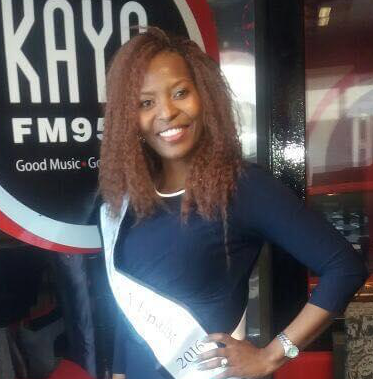
Every pageant entrant has a unique story to tell about the pursuit of taking home the crown. But what’s more interesting is the story of a married woman and mother who takes her shot at a dream. South African businesswoman Given Mnane is a mother, mentor and top 40 finalist for the Mrs. Africa Pageant. In this chat, she lets us know why she mentors girls from disadvantaged backgrounds, lets us see behind the scenes of pageantry. Given also shares why she hopes to win the Mrs. Africa title. Inspired yet? Keep reading, it gets better. Has it always been modelling for you or did it just happen? Honestly, it just happened. After my first child, I needed to keep myself busy so I entered my first Pageant, Mrs. Rustenburg in 2011 which I won and as they say, the rest is history. What did it take to make it to the semi-finals of Mrs. Africa. I had to fill in grilling questionnaires and send in my pictures. Being already involved in charity also helped me get considered as a finalist. All it took was my knowledge and love for my continent and my country. When you love someone or something it becomes easy for you to care, protect, grow, assist and to devote your time and attention to that. I’ve always loved Africa and for some weird reason, I was expecting to be in the top 100 at the very least but to my surprise, I made the top 40. Being here, for me, it means I can use this platform to bring the much needed change that the disadvantaged of my community need. I’m on a platform that allows me to change a young disadvantaged girl’s life through the Dignity Dreams Foundation —a foundation that provides girls with washable/reusable pads. Tell us about your motivational talks. First, I believe in human greatness and I always speak on issues that encourage people to find themselves and to establish who they really are. I believe everyone has a God-given purpose to fulfill and I try to assist whoever cares to listen find purpose and live life to the full. I’m very passionate about the development of women and girls and I largely speak on issues that affect or hinder women’s growth. I do corporate and private functions, MC jobs, conferences etc. Besides modelling, what do you do? I am the proud owner and director of a company called Onalekgato Consultancy Empire. This still-developing company offers a variety of services like life-coaching and image consultation. We are branching into home design & hopefully, Architecture. The aim is to give our clients a holistic and solid lifestyle – from their home to their looks. I’m also a lecturer at my local community college called Iphatlhose in Tlhabane, under the department of higher education. I teach Natural Sciences. I mentor Given’s Angels, a few young women from all walks of life. Given’s Angels is a social club aimed at assisting young ladies in becoming aware of life’s issues. We help them become exceptional and independent women. I’m a philanthropist, I do charity work around my city Rustenburg. I collect clothing and shoes then distribute them to the needy. I also do events to raise money for homes/shelters. Lately, I’m raising money to buy Dignity Dream packs for girls so they don’t miss school during their periods. How do you handle the pressure, especially as you are involved in a lot of projects? I have pastimes like seeing movies and baking. When I feel pressured, I do things for fun. This helps me get a clearer picture of what I should be doing. I believe one has to work hard but play just as hard. Soapie or drama? Nothing wrong with soapies I guess, but they are just not for me. I wasted too much time on soapies growing up, time that I can’t get back. I’m going to choose drama instead, even though I prefer documentaries. You’re also a mentor. When did you start mentoring? How do you pick your mentees? I started in 2012 with one girl and by 2014, my mentorship program had grown to 18 girls and 5 women. I always allow my mentees spread their wings. It’s easier that way to ascertain if they’ve learned anything and can stand on their own feet without me being their support. This year, I resorted to having a manageable number of 12 mentees and they are starting to flourish already. I always choose my girls based on their background. I prefer the girls from disadvantaged backgrounds, girls with low self esteem, those that feel hopeless and sidelined. What will winning Mrs. Africa mean to you? It will mean I can make my continent great by empowering African women. There’s a famous saying; ”Empower a man, you have empowered a community, empower a woman, you have empowered the entire nation.” Africa needs women who will rise up and make it great. Winning this title will break the barriers of the ‘no entry’ and ‘not adequate enough’ signs that have labeled me. I will be able to steer my continent towards the right direction. Want to see women you know featured on SLA? Tell us what amazing things women are doing in your communities here.
Double Dees: All women need to own lingerie
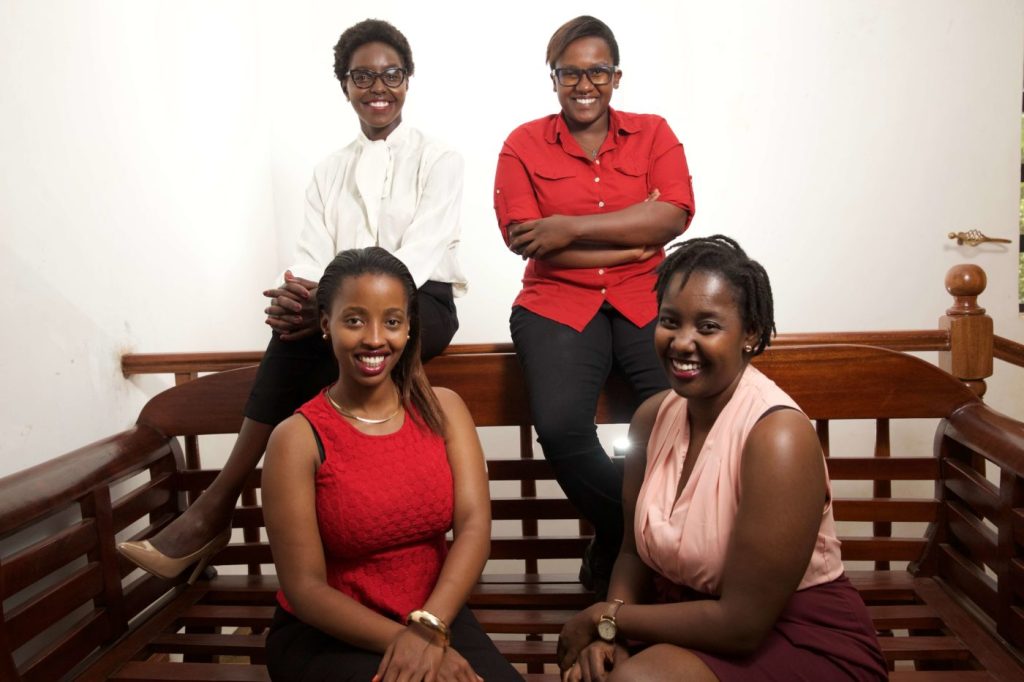
We have to admit, we’re kinda envious that Kenyan ladies get to enjoy first picks of the gorgeous lingerie from Double Dees. Double Dees is a Kenyan-based lingerie company that grew from the need to solve the problem of good underwear for busty gals. Double Dees exclusively focuses on providing high quality, alluring and affordable intimate apparel and swimwear for ladies with large busts. We’re talking DD+ cup size. The four friends behind the company; Charity Migwi, Constance Tipis, Stella Langat, and Wanjiru Njoroge are slowly changing African women’s view of underwear. Here, they debunk myths about underwear (did you know the initial reason behind thongs and G-strings?) and working with more than one co-founder. We’re now sold on why we shouldn’t be wearing mismatched underwear. We have to ask, what does the statement on your website ‘Hiyo size yako hatubebi’ or ‘Hiyo size yako hakunanga’ mean? This is Swahili for “We don’t carry that in your size”; a statement always made by bra vendors when you ask them for a bra that is DD+ cup size. What four things do African women get wrong when it comes to underwear? 1. Out of sight, out of mind! Our conservative African culture greatly influences African women’s view of underwear. At a young age, African girls are made to deprioritize underwear as just a piece of clothing that must remain concealed. Most carry this perspective into adulthood where the term “lingerie” becomes yet another abstract concept. 2. Does it work? Many African ladies wear underwear out of necessity. Their primary concern is that the panty conceals while the bra supports. This is unlike Western ladies who wear underwear as fashionable, statement pieces. 3. Classy vs. trashy war! Many African ladies are torn between the “classy vs. trashy war” when shopping for underwear. This emanated from misconceptions about specific types of underwear. For example, thongs and G-strings are regarded by most, as trashy underwear. While in essence, they were designed to help give women wearing light-fabric garments a seamless look. 4. The cost-benefit analysis! Why invest in a piece of clothing that is concealed 85% of the time? This is a universal problem. Many ladies are unable to think beyond the financial aspect when shopping for underwear. They fail to recognize the psychological benefits of wearing high-quality, alluring underwear. Let’s talk about #BraTales. Why did you start this? #BraTales is a platform we created for ladies with DD+ cup size to share their personal bra-shopping experiences. These stories capture humorous to heart-wrenching bra-shopping experiences that every busty lady can relate to. What are your favourite kinds of lingerie? What kind of lingerie should every woman have regardless of size? Do we really have to decide? We think every woman needs to own all of them. However, if we really had to choose, we would confine ourselves to these five basic styles: chemise (slip), babydoll, corset/bustier, garters, and matching bra-panty. Although, similar in appearance, chemises and babydolls differ in functionality. A chemise can be worn under regular clothing or as a nightwear whereas a babydoll serves a more sexy/flirtatious function. A corset (bustier) cinches one’s waist while garters hold up one’s thigh-high stockings. None of these competes with the regular old matching bra and panty set. We think Marylin Monroe’s popular phrase should have been, “Give a lady sexy lingerie, and she will rule the world.” A real lady knows not to leave the house wearing mismatched underwear ☺. There are four of you, how do you effectively manage your business? Any tips on working with more than one co-founder? We learnt earlier on that having and remaining true to a common goal was pertinent to managing our business effectively. We capitalize on each individual’s strengths, as these compensate for our unique weaknesses. Charity handles the company’s finances, Constance sales and marketing, Stella external affairs, while Ciru handles design and production. We have three tips; Respect is pivotal to acknowledging each person’s opinions, especially when these opinions contradict one’s own. Democracy in voting on any decision affecting the overall standing of the company. Demarcation of roles; splitting responsibilities ensures that each founder remains accountable for a specific function of the organization. Tell us about your Bra’nch. What was the process of starting that and how well was it received? We held our first Bra’nch on the 6th of August, 2016, as a way of showing appreciation to our repeat and new clients. We plan to make it a Double Dee’s tradition by hosting one every alternate month, as it was a hit with our clientele. Each Bra’nch will have a different twist, so be on the look out for us on October 1. Can you give us a sneak peek into your first exclusive collection? What can Kenyan ladies expect? “The Founder’s Collection” will feature pieces that reflect each founder’s personal style. Charity’s style embodies her work hard, play hard attitude, whereas Constance’s style reflects her flirty-adventurous persona. On the other hand, Stella’s style is playful yet elegant while Ciru’s style is more demure and functional. Want to see women you know featured on SLA? Tell us what amazing things women are doing in your communities here.
4 lessons Tiwa Savage taught us on comebacks
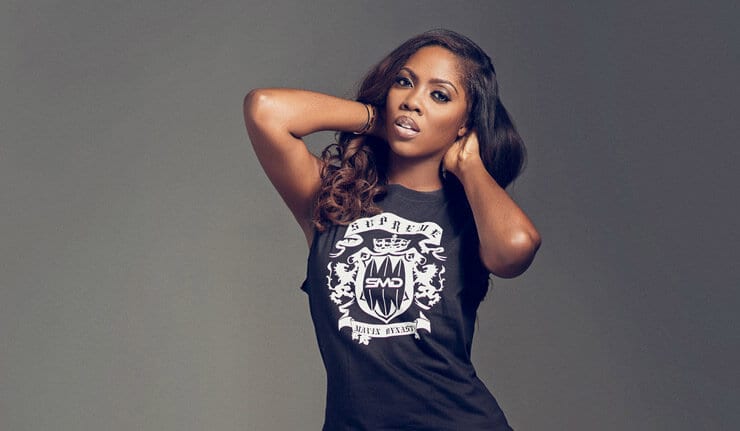
It now seems so long ago. Sometime in April, we woke up to a rather unexpected hot-button topic —the messy detail of troubles in Tiwa Savage’s marriage. There were mind-blowing accusations on social media by her estranged husband. A tell-all video from Tiwa was to follow the next day. We already knew the 36-year-old Nigerian pop diva could make any song sound heavenly. But for someone who seemed well put together, we didn’t exactly see this coming. In case you’re one of the handful who hasn’t realized yet, Tiwa has got her groove back and she’s clearly on her grind! I have gleaned from her setback and triumph, 4 hard-hitting truths. They are guaranteed to stick with you for a long time. Challenges have a way cooler purpose than you ever thought. This is probably relative but this attitude is the most important you can develop in life, business or marriage. Seriously, challenges can sneak up on you and make you feel like the worst person alive. The idea is to realize that though it might take a lot of courage to look pain in the eye, it’s best to trust that it is a learning opportunity. If you’ve never had to crack some tough nut, have you really lived? I don’t think so. Know when you’ve had enough… and start talking like Tiwa. Like the message in the ‘If I Start To Talk’ song, off her RED album, maybe it’s time you realized you’ve had enough and started talking. You’ve probably been silent for too long. You don’t have to talk to anyone but an extra set of ears can be very useful. You probably think no one would appreciate, understand or help your plight (I find that pretty rare), but it can be a lifesaver to have someone know your story. Dust yourself off Tiwa’s got some interesting deals and endorsements going on, right now. The most recent and coolest, of course, is her being signed to Jay Z-owned Roc Nation! That’s some great trick for moving on —deliberately re-enact your own story. It makes for good business and helps you avoid having to obsessively dwell on something you cannot help. You can always decide the turning point in your own narrative. It is that moment when everything changes or catalyzes. Play the stingy one if you must Maybe you’ve been doling out cash to that lazy business partner, spouse, friend, family member or people whose link to you, you can’t fathom. No sweat girl, the giver tag to your name is fine. But the broke, unappreciated and unhappy tag is not so fine. If you find yourself in a position to offer help, by all means, do but it should really be worth it.
Third wave feminism from a millennial’s perspective
I recently published an article in the Huffington Post about African feminists and received mixed reviews. While everyone agreed it was a good piece, many gave me the “so you are a feminist talk?” I responded in the affirmative and smiled when a friend remarked feminists were the opposite of alpha-males. In an attempt to end these conversations, I usually conclude with these words “Yes I am a feminist and I will get married.” Alas, this proclamation often leads to further discussions bordering on feminism and marriage. I insert a smiley face and reply “I fell in love with a good man”, before further explaining that marriage is a personal decision. I cite examples of married African feminists including author, Chimamanda Ngozi Adichie who is married to Ivana Esege, professor Amina Mama married to Nuruddin Farah and Bisi Fayemi married to Kayode Fayemi and the list goes on. Analyzing comments I received from my article, I came to the conclusion that there are many assumptions about what feminism is. Let me give a little education. Feminism speaks about equal opportunities for men and women in all spheres of life. It is not a gathering of men-hating and ambition-loving, unmarried women. Being a feminist doesn’t in any way mean I woke up one fine morning with ‘feminist’ imprinted on my forehead. It’s simply a result of having strong opinions on issues and tending to gravitate towards strong women characters in books, movies and real life. I truly didn’t know the word was feminism not until much later. Even as a person not inclined to appreciating labels, yet I do not mind being part of the third wave of a movement that seeks the well-being of humanity by promoting the cause of women. Third wave feminism and social media Feminism did not start with social media. It has always been and is now in its third wave. First wave feminism focused on the de-domestication of women. The second wave focused on the gender pay gap and the oppressive systems of acceptable standards of beauty. While with third wave feminism, millennials find themselves riding and focusing on the same issues as the second wave. This wave of feminism is strongly characterized by the use of communication especially social media to raise awareness on women issues. Remember #HeForShe? Being a third wave feminist, it is hilarious to see certain issues promoted by “topic inspired feminists” under the banner of feminism on social media. Honestly, not everything is a feminist topic. The Noble Igwe #WifeNotCook debacle was hilarious. When I was asked to comment on it, I was of the opinion that who gets to cook depends on what angle parties concerned view their relationship. It really is not a topic that calls for liberation from male domination. What are real third wave feminists discussing on social media? While I understand the goodwill attached to the promotion of certain matters under feminism, it is important we recognize what issues are being discussed in third wave feminism. For those who have feminist mothers, as third wave feminists, we are very much our mothers’ feminism. We still seek change and equality as found in the second wave. However, despite our similarities, our difference is borne out of our use of media, especially social media to start conversations online and offline. These conversations include discussions on equal opportunities including politically, socially and economically. We raise awareness and educate the public on sexism, calling for the inclusion of women in political spaces and sharing female success stories. Our discussions take this nature because many still see women as properties and ultimate block-heads. I once had a lecturer who openly admitted women where a burden fit for mostly house work and children. I have also come across a lot of educated men in the corporate sector; educated being they have more than a college degree, who dare their spouses to contradict them in any form. Marriage is not a partnership to them, it’s a place to flex their alpha-male egos. Marriage and the millennial I am of the opinion that marriage should be a partnership built on respect, love, and support for one another and I encourage people to see it at such. Healthy marriages lead to healthy homes filled with love and laughter. One would think with all the benefits of a partnership based marriage, educated men would embrace it. While social media is being used as a platform for discussions about women issues, conventional media is still stereotypical about women. Watching the Olympics, I noticed the commentary about women winners have been sexist, undercutting female achievements and turning the lens on their husbands. Yes, by all means, acknowledge the men but do not turn away the spotlight from the winners. I observed there was no commentary about the wives of male winners. While I respect freedom of perspective, the above category of people make me wonder. What kind of world would we live in if egoistic individuals had the power to map out destinies? The Olympics coverage, people I have met online and offline and other daily encounters are the reason why feminism is still relevant. Narratives about women need to change. The stories about women achievers should be told in its entirety as a success story without gender bias. As a millennial African feminist, I agree with Chimamanda Adichie that we should all be feminists and be proud of this label. There is totally nothing wrong in being part of something directed towards a greater good. I conclude this write up with a quote from Australian feminist scholar Dale Spencer’s book – Man Made Language; “Feminism has fought no wars. It has killed no opponents. It has set up no concentration camps, starved no enemies, practiced no cruelties. Its battles have been for education, for the vote, for better working conditions… for safety on the streets… for child care, for social welfare… for rape crisis centers, women’s refuges, reforms in the law. If someone says, “Oh, I’m not a feminist,” I ask, “Why, what’s your problem?”.
Walking away from pre-conceived notions
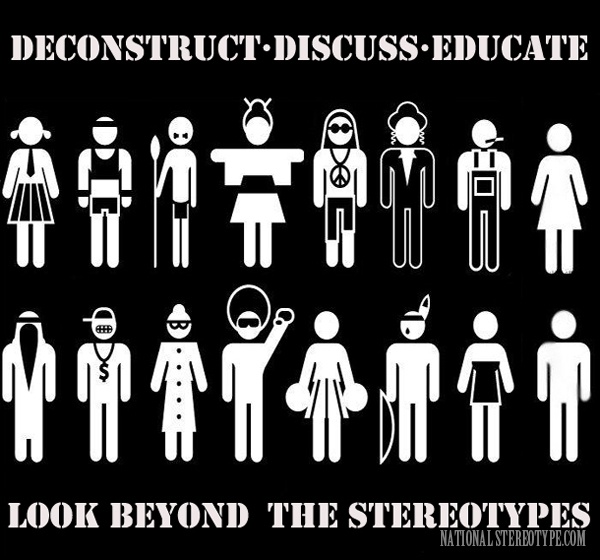
“You can take the boy out of the ghetto, but you can’t take the ghetto out of the boy”. That statement drives me mad and I get pleasure from proving it wrong. Why? Generalizations are not cool. I am from the Bini speaking part of Edo State, and if you’re Nigerian, you must have heard the popular saying; “Bini girls are loud, lousy, crazy, witches. They like going abroad to become commercial sex workers.” But you see, it’s not just common among Bini girls. There are pre-conceived notions associated with almost every ethnic group in Nigeria. “Ibo girls are money-hungry.” “Calabar girls are nymphos.” “Yoruba girls will do anything to keep a man”, so on and so forth. It’s even more annoying when educated people say these things. Let’s be real, this happens in Nigeria and I guess, other African countries too. I decided from an early age not to be defined by my ethnicity. Over the years, I have owned this resolve. Indie Arie’s “I am not my hair“ is my go-to song for kicking against convention and pre-concieved notions. I speak out against generalizations, whether in gender, colour, tribe, political or religious affiliations. I am not generic. I am specific, unique, and me! Unfortunately, some of us have allowed ourselves —and subsequently our families and businesses become products of these notions. Here’s a true confession: I secretly take pride in being an Aries. And the “Aries do not finish any project they start” statement is one of the biggest lies I ever heard. This belief shaped my life badly and for a long time, till I took control. I am tempted to just say “ walk baby, walk!” but it is not that simple. Here are my top suggestions to walking away from stereotypes. Define yourself Do not beat around the bush on this. I’ll be first to admit that I didn’t do this early on in life, and I wish I had. Taking self surveys and personality tests help to get a definitive self picture. A temperament analysis and if you are into it, your Zodiac sign can also help you get a clear picture. Filter In Nigeria, the statement “dem say, dem say” is used to define rumours. The prevalent view of your environment may not be normal at all. Don’t let it be. Filter what you hear and perceive. I’m not suggesting that you become oblivious. See, it’s important that you are aware of the workings of your area. Let go of dead-weights Please! This should be numero uno. Don’t go about dragging baggage and ideas that are probably as dead as the people who invented them . “Dreadlocks are evil” or “Girls should be quiet”. Ummm… no! Shed them faster than slimming teas shed fat. Re-brand As a follow-up to the previous tip, re-branding is simply psychological (let’s not talk about changing your wardrobe now). My mom calls it changing your OT (orientation). It is basically about changing your thinking process. I re-cultivated my mind on so many issues that were a part of my environment. Two major ways I did this were through books and the Bible. I read a lot about self-empowerment and growth and try to put what I read to practice. Positive re-enforcement You are so much more. Keep telling yourself that. I use sticky notes to write motivations to myself on my mirror. This way, I just can’t miss them. It’s scary thinking of how many people have followed uninformed predictions. Know that you can defy them. I don’t care what anyone says about Bini girls, that’s not me. I choose not to follow that notion and I do everything contrary to it. This is it, ladies, it doesn’t matter what people choose to believe about you, smile. Of course, we both know they know nada! So, walk away from generalizations and that “area” reputation. That’s clearly not you.