
Atti Worku: I wasn’t smarter than them, I just had more opportunity

Former Miss Ethiopia and Columbia University alumni, Atti Worku started Seeds of Africa Foundation (Seeds) as an afterschool program in the backyard of her childhood home in Adama, Ethiopia. Eight years later, the program has evolved into a full-time school which serves 114 children from poor families (with plans to serve over 150 students from September). Seeds’ model is a far cry from the traditional ‘chalk and talk’ methods in most Ethiopian schools with project-based learning forming the base for all learning. In addition, Seeds runs complementary community development programs including a microloans program for women to start or grow businesses, adult literacy training and health and gender workshops. Seeds of Africa plans to expand to a full pre-K to 12 program through its Dream School Campaign to purchase land and build a state-of-the-art education and community hub. SLA contributor, Liz Moran, who just so happens to be the Country Director of Seeds, recently chatted with Atti about Seeds’ origins and visions for the future. Where did the idea to start Seeds of Africa come from? You know, in the neighborhood where I grew up, most of the kids who lived nearby went to public school. I was lucky to attend a good private school. By middle school many of my neighbors were dropping out of school. Boys would drop out and work in the informal market while girls were getting pregnant. You could see all of the issues associated with poverty. I didn’t fully understand what it all meant at that time but as I got older I realized that I wasn’t smarter than them or anything. I just had more opportunity. Seeing these issues firsthand left a great impact. It was people I knew and grew up with and once I had that understanding I knew I wanted to do something. You started Seeds as an after-school program which later evolved into a full-time school. When you were laying out your plans for Seeds, how did you want it to be different from other schools in Ethiopia? When I was conceptualizing the program, I wanted to focus on quality. At that time elsewhere, there was a huge focus on numbers. The big push was to put kids in school rather than looking at what they were learning or the learning outcomes. I wanted to provide opportunity for students to reach their potential. I know this is cliché but I didn’t want kids to be limited by what was around them. I also wanted something that focused on the whole family rather than push kids away from homes. I knew I didn’t want a boarding school. Finally, I wanted to create a place where both boys and girls got the opportunity to learn together. We definitely need a push for girls’ education but I also believe that if boys and girls are in same space and learn to collaborate as children they can work better together as adults. I know that you recently returned to Ethiopia after several years abroad. How did it feel coming back and what changes have you seen in the country? The population growth is intense. You read about it but then in person you are confronted and think, “Holy cow, that is a lot of people!” The difficult thing is that the poverty is still there. The economy is growing but the population is growing even faster. On the positive side, the infrastructure has really improved which is necessary for development. Mostly, I was struck by how a lot of younger people are working now. People are very entrepreneurial. Growing up there was always a sense that people had lost hope. It just seemed insurmountable. People didn’t know where to start so they didn’t. I loved seeing the hustle of so many people –especially women– going to work in the mornings. With Seeds, seeing everything after so many years was really incredible. The kids are unbelievable. They are so smart, and inquisitive; so confident! When you think of the backgrounds they come from it is really a testament to the work of our team. They really understand why this work is important and treat the kids with a lot of love and respect. I also loved seeing the women whose businesses our microloans program has helped start or expand. It is actually changing the quality of people’s lives. I know this is probably hard but if you had to pick a favorite moment from your trip to Adama what would that be? So many but I really loved break time when the kids would all be jumping around. Everyday, I was secretly waiting until they’d come out of class. For me to be able to play the games I played when I was a kid with them was really great! I was also really touched when the mothers organized a coffee ceremony for me. They took initiative on their own. Oftentimes people think that if you’re poor, you’re helpless but that could not be further from the truth. They made that very clear when they collected their own money to have a get together and talked about wanting to give back to Seeds and contribute. They would say, ‘Tell us what more we can do.’ I really appreciated that! Looking towards the future, tell me a bit about the Dream School Campaign and Seeds’ plans for expansion. Currently, we have been renting facilities for our current campuses which is difficult. I believe that environment is a big part of learning. If you learn in a well-designed environment, you learn better and, more importantly, you see what is possible. I want to build something that our students and the community are proud of. In addition, the new facility will not only be a school but also a space that the community can take advantage of. We want to create a hub for other organizations to provide service and collaborate. We want to create the first public library in Adama and establish a model of how
Lornah Achieng: What it means to be a Christian fashion blogger

The faith industry is large and booming but it’s not limited to the pulpit. We have Christian books, a growing Christian movie industry and also Christian bloggers. Born and raised in Kenya, Lornah Achieng is a faith, fashion and lifestyle blogger. She says she started the platform to share life experiences and discoveries from the Bible -which she considers the core of her foundation. Through her blog, Lornah aims to inspire people to learn more about God, modest fashion, and inner beauty. SLA contributor Zipporah caught up with Lornah to uncover the inner workings of a faith blogger as well as other projects Lornah is involved in. Why the Cherries Vineyard blog? What inspired you to start? Cherries Vineyard was inspired from the book of John 15:1-8 which describes Jesus as the true vine. We are the branches and God is the vine-dresser. Actually the name came out when I was contemplating which blog title to use, and my mind landed on “Cherries Vineyard”. At first, I thought it was a captivating sweet name but through the years I’ve come to understand that it is a spiritual process. It was after that realization that I got the scripture, it is really amazing how God orchestrates things . When did your interest in fashion and blogging start? Honestly growing up, I was never keen on details and fashion per se. My sister is the one who made me realize the passion within. She used to correct me on the combination of clothes I wore and she still does once in a while. Through her, I was able to discover my love for fashion. What have been your greatest achievements? I can say being able to come out as a Christian blogger! Because I realized my passion is writing and being able to share the truth on my blog is quite daunting! You know people can at times be scared to speak the truth for fear of being rejected. Also through blogging, I have been able to grow spiritually. Like I said before, to me blogging is a spiritual process where I am able to learn more about being authentic. I can’t take people from where I have not been, I have to first be that which I encourage my readers to be. This has pushed me to mature and grow. To me that is an achievement. Tell us more about your interest in digital marketing I studied a Bachelor of Business and Information for my undergraduate and that is where my interest in marketing was cultivated. Currently, I do marketing and work with different brands offering them digital marketing strategies. What defines modest clothing to you? Personally, modest clothing is more than just a mere dress code. It not being religious or old-fashioned, rather, it is a way of expressing true love towards God by aligning ourselves to His standards –holiness. When we get to understand that our beauty doesn’t come from outward adornment of fine clothes but inner disposition of our heart, then dressing modestly becomes a matter of our relationship with God. With God there is purity and a renewed mind, this is automatically reflected in how we dress. Describe your style Simple, modest, elegant and classy if that is not mouthful. Who are your favorite icons that embody modesty? I’ll say the women of the past. First look at Peter 3:5 then, anyone whose modesty comes from within. Nash Amber of Set Apart style is also one among many inspiring bloggers who are ambassadors of true modesty. Do you have any future plans? My future plan is to impact lives with values and spread the truth about modesty. I want people to know that true modesty starts with the heart first before the clothing! Want to see women you know featured on SLA? Tell us what amazing things women are doing in your communities here.
Aina Fadina: I wanted to see a change in mainstream media

In a time where virtually anyone can discovering their production skills using their mobile phones, webseries have become a means to address the lack of diversity in mainstream media. I for Africa is one such series that features and celebrates African-inspired innovators across different industries. Its founder, entrepreneur, fashion model and creative director, Aina Fadina recently chatted with SLA about the series, which is now in its third season. What was the spark that leads you to create I for Africa? Living in NYC, I was surrounded by so many talented and innovative creatives, entrepreneurs, and innovative thinkers inspired by Africa, and I thought they needed to be celebrated. As I traveled around the world, I noticed the same examples. I realized there was something here. I felt that it was important to change the narrative of what mainstream media was reporting about Africans and immigrants. It’s important to change the narrative of our stories and the people telling African stories around the world. With so many web series, how do you stand out? The engagement with guests on the show is in a very relaxed format that draws the viewer in to the conversation. It is a conversation between two friends talking about what inspires them and motivates them to be pursuing their ventures. Additionally, the program highlights the transatlantic journey of people from different ports inspired by Africa. What defines someone inspired by the African continent? How do you brainstorm episodes and people to interview? Have you faced any difficulty finding personalities to talk to for the series? Someone inspired by Africa is in the manner in which they choose to celebrate the continent through their creative ideas. It’s the connection of the heart and soul to the continent. With coming up with episodes, I reflect on who I am inspired by personally and professionally. My finger is always on the pulse of what is happening, so it makes it quite easy to think about who to interview. Finding someone to interview is actually quite easy for me. I have a lot of friends who have recommended other creative friends. People have been very kind to say yes. There are so many dope people doing phenomenal things, so brainstorming is quite easy. An interview depends where I am, if I am able to connect to the people, and if they have a project coming out. Overall, coming up with a list of people isn’t challenging at all because there are so many creatives inspired by Africa. Did you have to learn any new skills to host a web series? I have experience modelling international. For modelling, I took commercial acting classes, which allowed me to transition to hosting. I have developed an acute understanding camera presence, engaging with people in the same space and how to engage with the camera. What has been the one I for Africa episode that stands out to you? They all stand out for me, every person I have interviewed has inspired me in so many ways. If I had to choose, perhaps it’ll be the first ones I shot in South by South West. Once we were done, I realized this is what I wanted to do. It also showed me that the path of content production wasn’t an easy one, but I wanted it. I wanted to see a change in mainstream media, rather than complain about it, I needed to create a solution. Taking that first step to create something is what stands out to me. Starting something isn’t hard; the challenge is how you chose to continue. As someone who travels a lot for work, which African city holds the most cheerful memories for you? Tough one…I have loved every African city for various reasons. Lagos fills the core of my existence. Cape Town challenged me the most from a psychological perspective. It was there that I met two friends —who became brothers— who welcomed me with open arms. Accra speaks to my soul. Cotonou brings beautiful childhood memories. If you’d like to share your story with She Leads Africa, let us know more about you and your story here.
Acting career tips from Cameroon’s Nsang Dilong

Nsang Dilong is Cameroon’s rising screen star. In this exclusive chat, she shares tips on starting an acting career, ways to improve an acting career and talks on the Cameroon film industry. “Always try to perfect your craft daily either by reading books on acting, watching other actors and also practicing. It takes constant hard work and determination.” Nsang Dilong says. Nsang is a beautiful young lady who is earning her right as one of Cameroon’s rising TV stars in the acting industry. She’s had the luxury of acting in many Cameroonian movies and series like Whispers, Tchanga and Inoma, Separate Lives, Rumble and Expression. She has also acted in a handful of Nigerian movies. Outside from her acting career, Nsang is a model and philanthropist. Her humanitarian works revolve around making sure more orphans and vulnerable kids go to school. It is proof of the impact and healing she brings to most Cameroonian local communities. Here, the Tchanga and Inoma actress spoke on how she navigated her path into the industry and challenges she faces as young actress. Nsang also offered advice to other young persons who wish to take up acting as a career. On how she navigated her path into the film industry; “Well I cannot say I have fully navigated my way around the film industry. I am still in the process. It takes constant hard work and determination. Always try to perfect your craft daily either by reading books on acting, watching other actors and also practice.” On what the Cameroon film industry is like; “The Cameroon film industry is growing in great strides, very great strides. Many people didn’t believe in it, but we are taking up the challenge as young women and it’s really evolving, considering the fact that our movies are now internationally recognised.” Her advice on starting an acting career – I will tell every person, especially young girls, who wish to take up acting as a career to get an education first. – Be sure you have the passion and talent for acting. When passion meets hard work, success is sure. – Don’t expect to be movie-stars overnight. Patience and consistency are key elements in this industry. – If you can afford it, go to film schools, attend film festivals and workshops as much as you can. Read books, there are a lot of good acting books out there. Get them and read. -A great deal of learning also happens on the field. By field I mean when you are acting. Accept criticisms, read and learn on how to rise above mistakes.
How to be a teen coach when you have no money
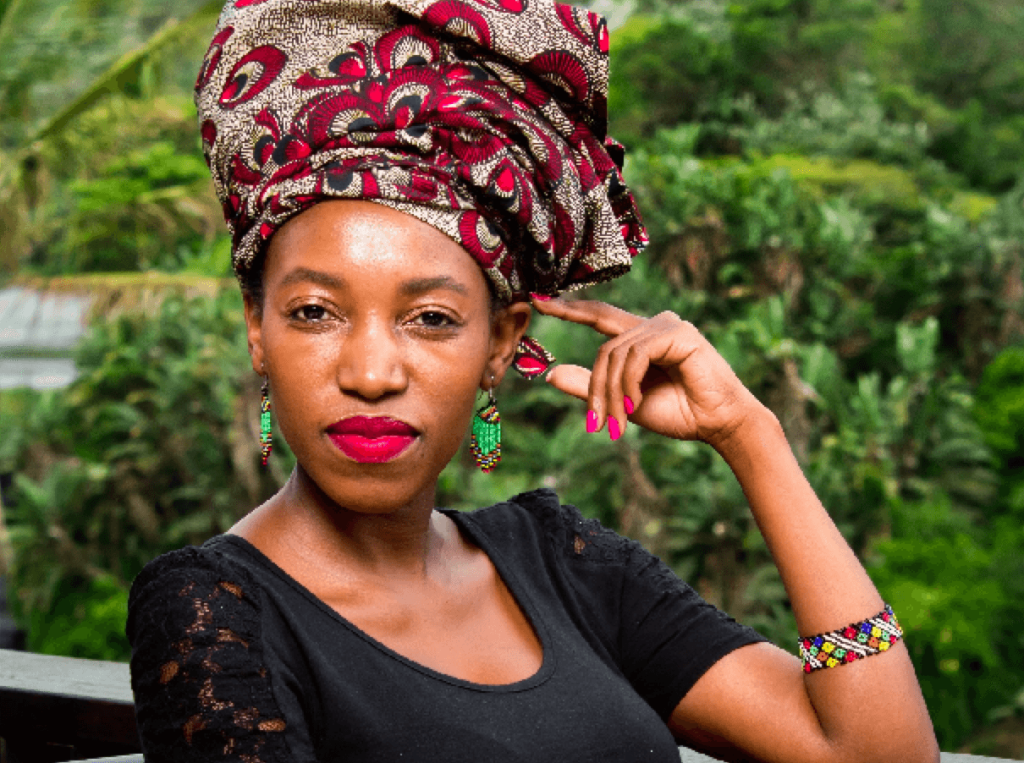
If you want to be a teen coach and you’re not sure where to start, you may want to pay attention to this. Nomveliso Mbanga is a teen coach and mentor. She is also a youth public speaker & facilitator, storyteller and the founder and managing director at Mayine Development Institute, a start-up based in South Africa. “I can identify with poverty but I identify more with defying the odds and creating your own legacy through hard work and patience.” Nomveliso says. SLA contributor Goistemang asked Nomveliso what advice she’d give to young women looking to start a business as a coach/mentor with little money and this is what Nomveliso had to say. Understand your skills First you need to know what you can do and what you are good at, plus any natural gifts. Choose an area that is of your passion and that you know very well. Build good relationships with people and follow good ethical practices. Don’t be afraid to learn new things What worked in starting Nomveliso’s own business was learning past experiences. She was willing to make mistakes. Personal development is key when you keep learning and trying out different methods. Easy and comfortable will usually give normal results and won’t give anything worth applauding. You need to know what you want to achieve. I want to create full transformation spaces for teenagers who will learn to understand that they are responsible for their personal growth and success in life. That made me come up with out of the ordinary methods to give me my desired results. I wanted to set up my business differently from other coaches. I didn’t exist before and I manage to create my own niche in the field. Cherish your network In my case, I started with no money only because I had already built a following in youth development work. Through them, I tested a few models that gave me results. So, it was easy to trust that I could do it on my own as I have done it all in corporate and community space before. Family and friends are also very important, they will uplift you in tough times. The biggest challenges come from self Self-doubt kicks a lot harder than challenges from others. One rejection can set you back and make you scared to approach new potential clients or partners. You need to know how to snap out of discouragement quickly. Know how to manage competition in a healthy way so you can keep improving your work instead of getting discouraged. Be true to yourself. Don’t try compete with anyone. Work in your own pace as long as you give your all. Keep learning and reading. Save, save, save! Another challenge is cash flow. You must always keep and save what you get as you’ll never know for sure when the next payments will come in.
Safaa Ouchen: You’re going to succeed over those trying to break you

With the rise of social entrepreneurship, more and more Motherland Moguls are using entrepreneurship to address economic and social problems. One of these women is Safaa Ouchen. In 2013, Safaa started Enactus ENA with her friends to address social and economic problems through entrepreneurial action. Here, Safaa clues us in on how she ventured into social entrepreneurship, how she plans to be part of Morocco’s solution and why the haters never matter. How did you get into social entrepreneurship? Social entrepreneurship is a passion I discovered when I was 17 years old through my work with Anoual Association. Anoual is a NGO in Kentira, Morocco that aims to develop our community in the field of education and to supports the development of social entrepreneurship. Since then, I’ve always been aware of the economic and social problems in Morocco. When things started to get worse -with rising unemployment and millions living below the poverty line- I knew I wanted to be part of the solution. In 2013, with an amazing team, I founded Enactus ENA (Ecole Nationale d’Architecture, French for National School of Architecture). Enactus ENA focuses on the power of community development and the entrepreneurial spirit. My work with Enactus has given me the chance to deepen my knowledge about social entrepreneurship in Morocco and how business skills can be used to improve lives. What is Enactus? How did it come about? Enactus is an international nonprofit organization dedicated to inspiring students to improve the world through entrepreneurial action. It represents a network of 36 countries around the world with more than 1,740 university programs, and works with more than 69,000 students. Enactus provides a platform for teams of outstanding university students to create community development projects that put ingenuity and talent at the center of improving their livelihoods. Guided by educators and supported by business leaders, students take the kind of entrepreneurial approach that empowers people to be part of their own success. We work on projects in three main fields: health and well being, architecture and tourism. Enactus was started with your friends, what steps have you personally taken to grow Enactus? It was during an internship on a construction site that I noticed workers didn’t have decent or respectful shelter to sleep in. What they had was made of lightweight material, which can cause serious health problems. Adding to that, their insufficient salary didn’t allow them afford the basic needs for themselves and their families. After analyzing this problem, I scheduled a meeting with four of my teammates. Then I shared my project idea; a hut made of cardboard. Cardboard is cheaper but resistant and can make sustainable lodging. Together, we brainstormed and came up with more ideas to make the project even better. Then I assigned my team to do more research on implementing the project. Tell us more about your cardboard housing initiative. My team responded positively to my idea of finding innovative solutions instead of waiting for others to take the first step. We then came up with more strategies to increase positive outcomes: Training workers to build these cardboard huts so they can work with us in order to increase their incomes. Selling these huts made of cardboard to construction companies. Establishing a production chain that will ensure both descent housing for the workers and a stable income for people who will build the booths. It’s been 10 months since I started working on this social venture. My team and I have been through a lot of challenges due to the lack of information concerning the cardboard. It was difficult coming up with a prototype, building it and fulfilling the goals we defined at the beginning. How has your background as an architect affected or helped you at Enactus? As an architect I learn that results don’t come quickly and it needs time. When I’m working on a social problem now, I have learned that complaining about the results that don’t come quickly never changes anything. So, I keep an eye out for a better way. I’m always on the lookout for new activities and new procedures, while keeping both short-term and long-range objectives in mind. What is the one thing you dream of reaching? How do you plan to get to it? I believe that I’ve never wanted to do just one thing. I wanted to do all the things! While growing up, I learned that most of the successful people succeed because their potential is concentrated on a specific thing. On the other hand, the people that failed did so because their potential was spread out in too many directions. One of my biggest passion and dreams is to launch my own business and create positive impact in my community. This is the reason I created my social business which aims to solve the problem of temporary housing for workers. My experience in social entrepreneurship and social work has been so helpful in developing my business. Now, I’m actively planning out how to achieve accomplish each task on my ‘dream plan’. What advice would you give young women looking to start an international NGO? Go ahead and start it. You might meet people who are going to try to break you and tell you that’s not going work. Don’t pay attention to them. You’re going to go over them and you’re going to succeed. My other piece of advice is, to forge connections with people inside and outside your communities. This is in order to build a network that going to connect you to different profiles. You’re probably going to need them while setting up the organization. Want to see women you know featured on SLA? Tell us what amazing things women are doing in your communities here.
Lisa Chiriseri: Some people get offended at my confidence in reaching goals

When you’re a young, black woman trying to make a change in the world, there will be people who don’t take you seriously. If you’re petite and are blessed with that strong melanin that makes you look ten years younger than you are, chances are you’ll be taken even less seriously. This is a problem Lisa Chiriseri has had to deal with often. Lisa is a Zimbabwean social entrepreneur who has run social initiatives since she was in university. Now back in Zimbabwe, she’s running several projects and a start-up. Here, Lisa tells us about her social initiative program – Street Exit Strategies and her energy project for women. Lisa also lets us know why women need to support each other and why she returned to her country to help in the re-building process. Most young Zimbabweans who study abroad don’t come back because of the issues at the homefront. Why did you come back? I had so many reasons to come back home. In my first year schooling abroad, I started a social initiative in Zimbabwe which I ran from school. But I always came home during the holidays to help the team on ground manage it. Secondly, though Zimbabwe wasn’t out of the woods economically at the time I graduated, there were prospects of improvements since we had just dollarized. The economy seemed to be stabilizing and we had the GNU (Government of National Unity). I was determined to be a part of my country’s rebuilding process and I’ve stuck it out for the past 5 years since I returned. How were you able to manage this social initiative in absentia? I believe in the indisputable synergy of a passionate team. When you have committed team members like I had, things tend to go well. Also, while away, with online communication, a good friend literally ran the initiative. Tell us about this social initiative. What was it about? It was called Street Exit Strategies, which is actually the name of my current registered trust, under which I run lots of other projects. It was basically a soup kitchen and rehabilitation centre. We focused on teens and young adults, especially those who were kicked out of homes and centres once they turned 16. So, we focused on rehabilitating them, reconciling them with their families and helping them continue with their O levels and tertiary education. We’ve got several inspiring stories to tell of our efforts. One of the guys we took off the streets and helped through O levels just completed his secondary education. Another is concluding his Master’s program at the University of Western Cape. And oh, there’s still another who just completed his degree in Political Science at the University of Zimbabwe. Do you still run the soup kitchen? We run it on a case by case basis because, in 2013, organizations running soup kitchens reached a collective decision to stop supporting people on the streets. More people just kept cropping up on the streets. Struggling people who had homes starting showing up on the streets looking for support and we needed to be more accountable. It felt like we were forcing people to go to school, forcing them to attend rehab sessions and peer mentorship programs. However, we continued with referrals to drug and alcohol rehabilitation centres and also providing family planning advice. What other projects are you currently involved with? I’m currently working on a gas-related project called Women in Energy. It’s a known fact that for a resource that’s mainly utilized by women, the energy sector is a rather male-dominated industry. Women need heat to cook, and some walk for kilometers to get firewood. Imagine the energy and time wasted! Exposure to fumes from unsafe firewood and paraffin also have adverse health implications. In the rural areas, you find women with gray films over their eyes, cancer of the lungs and other ailments that could have been avoided. I’m out to change that by providing clean, safe and affordable energy sources to these women. As a young girl, did you always know this was something you’d do? I’ve always been passionate about helping the disadvantaged. I didn’t know it was something I’ll be doing full-time. Actually, it only dawned on me recently, when I tried working a full-time consultancy job and I hated it. I realized it wasn’t for me, I simply couldn’t work at something that benefitted someone I didn’t even know, or whose objectives I knew nothing about. I always knew I wanted to help people and I’ve always had a way of balancing several projects at a time. What would you tell that young woman who’s involved in a career she’s not too keen on, but also afraid to venture out? I would say reach out, it’s really surprising how useful people can be if you tell them about your passion. Ask for pointers and referrals, but be very selective on who you talk to about your ideas. When you get the opportunity, introduce yourself and exactly what it is you want to do. Networking is also very important. Who you know is everything! The world has evolved and people are much more open to helping young women. There are organizations, groups, and activities making access to information and networking easy. Take your time, get as much information as possible then confidently step out. There’ll never be a perfect time so you’ve got to start anyway.
How to make money as an artist in Nigeria
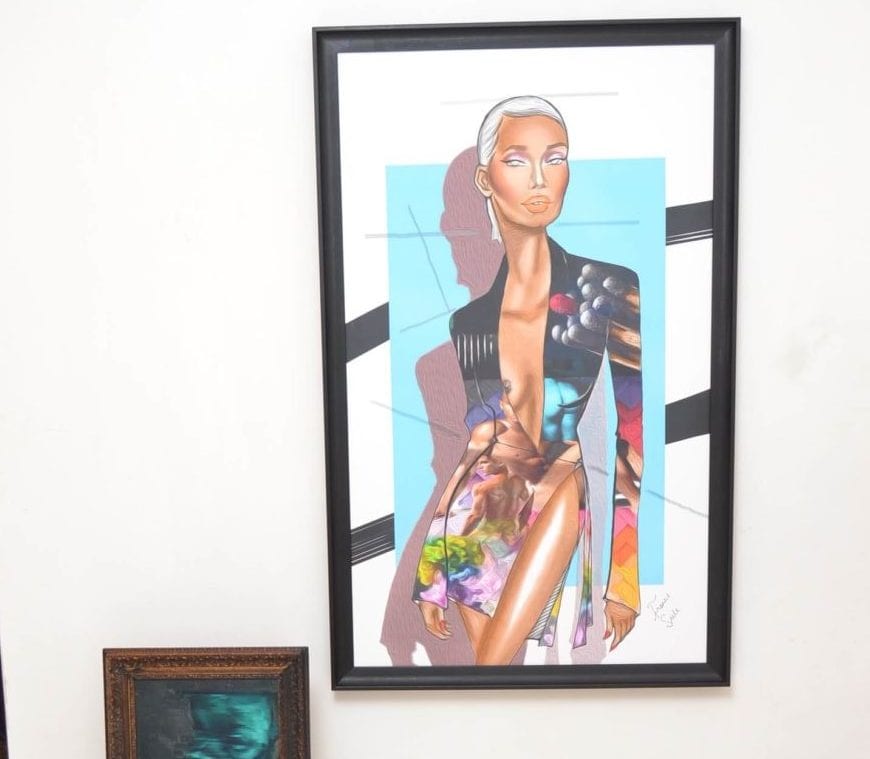
You must be familiar with the image of the starving artist in Nigeria who doesn’t get recognition until she dies. Were you discouraged from studying the arts because it was believed to be an unlucrative industry? Or maybe because you were a girl? Well, what if I told you they were wrong? You don’t agree? Here’s my argument – if you’re artistically inclined, why settle for broke when this image below could just be you? In many countries across the world, artists make their living from selling art. However in Nigeria, it is often difficult for artists to break into commercial success. If you are still not sure how this article can help, stay with me. I’ll show you how to start making that money while holding on to your creativity. Create a unique brand Your brand needs to have a selling factor that is personal to you as an artist, be it your style, your market, your subject. Check out Francis Sule for example, who uses a highly illustrative style in his work. Have a day job A lot of artists hole themselves up in their studios expecting their ‘dope’ work to speak for itself. You see girl, your work isn’t going to speak without you doing some talking. A day job that lets you meet people and maintain a flexible schedule is a good idea. I work as a graphics designer in a sports entertainment company and that helps me meet a lot of people. Another case in point is Stacey Okparevvo who works as a yoga instructor. Hire a talent manager/art agent. Most artists are not really business savvy, they’re just not very good at marketing their own work! Think about it, if they were to be left on their own, galleries would probably be making far less money. We hear of veteran artists with agents and managers taking care of business, but most new artists don’t care for such ‘luxuries’. The truth is it is not so difficult getting people do to do these things for you. David Oamen is one of the few people who does something along those lines in Nigeria. Sell affordable art There is actually nothing wrong with selling affordable art. A number of artists are creating and selling affordable stuff. For example, Art of ajet, Mode, and lawyartist are examples of artists who sell art, phone cases and so on, online. You can do phone cases, T-shirts, logos, mugs, book covers, snap backs, the possibilities are endless. Network network network Ah, yes, artists network. Are you serious about making commercial hits? Then you surely have to go out and meet people. Ayoola has a huge network across the world and is a friendly chap. AAF and ArtContemporary also artists who organise networking events for other artists. Collaborate outside your field Again this may feel a little too tasking, but you need to go outside your comfort zone to sell your art. Collaborating with fashion designers and musicians is a great way to make collaboration work for you and bring in constant work. Set up a store at Jakande Yes, I said Jakande! What were you expecting though? A lot of foreigners and Nigerians visit Jakande with the intention to buy art. And if your art is affordable and your brand amazing, you’re sure to find great customers there. If I were you, I’d get someone to handle sales, and may even sell my work myself. Contact galleries across the world Galleries worldwide are usually looking for new artists. Don’t rest on your oars girl, contact them, be at the top of your game. Art21, Omenka, and Rele are some of the galleries in Lagos. Finally, the arts business might be a tricky one. I’m not sure what the defining factors of a ‘good’ art piece are but I do know that for every work you create, you’ll need to be authentic and true to who you are. Strive to create pieces that you actually love. And make lots of money along the way.
Why you should network with your peers, not just your mentors

We have a tendency to approach a career as a “ladder” –always looking upward to the next promotion or raise. There’s no doubt that networking with advisers has benefits, but it shouldn’t simply be limited to your mentors or role models. When you’re young, “networking” often means meeting people more influential than you are. However, it’s not only important to cultivate relationships with people who are influential, but also to make connections with those who will become influential. The idea of networking with your peers isn’t a new one, but it’s astounding how few people do it. Networking is a word that makes many people groan, yet it is essential to thriving personally and professionally. But when done right, networking should be fun—relationships, both personal and professionals, should always be reciprocal, not transactional. Whether you’re 23 or 63, no one is superior or inferior to you. In cultivating these connections, recognize that we contribute equally not identically. By connecting with people at similar career stages, we can gain access to information and help hone each other’s skills. Lift as you climb. Here are a few tips to help you reap the benefits of networking with your fellow millennials: 1. Create a community network of peers When was the last time you went out with colleagues for lunch or coffee? How often do you reach out to your contacts? While we’re all inundated with emails and texts, we can always make the effort to reach out—even if it’s just a brief email or phone call. Keeping the lines of communication open means that you’re engaged and interested in someone’s personal and professional development, and more likely than not, they’ll also be interested in your own journey. Short on time, but want to maximize opportunities to re-connect with friends and colleagues or meet new people? Consider organizing a dinner party or coordinate an activity like a group fitness class or art exhibit. It’s an opportunity to have fun while you build trust through network. 2. Think aloud Millennials are the most adaptable, creative generation in history. Wisdom isn’t all about age. It would be foolish not to tap into this generation’s innovative spirit. When I’m looking for ideas, the first people I ask are my friends because they come from diverse perspectives. They’re artists, psychologists, policy analysts, financiers, and more. While we might not be in the same industries, hearing a range of opinions from different backgrounds helps me refine my own ideas and think outside the box. The best “aha” moments often come from the most unexpected sources. They also introduce me to opportunities that I might not otherwise come across if I’m thinking narrowly about my own field. 3. Ask questions You’ll never get what you don’t ask for. While your peers might not be in a hiring position, they might be able to offer valuable insights on everything from upcoming opportunities to the office environment. Looking for a job at a particular organization? Comb your peer networks to ask about the perspectives of any friends working there. Entry- or mid-level professionals might notice things that senior staff is oblivious to. 4. Stay grounded It’s easy to get star struck by people who’ve spent decades climbing to the top and have accrued a daunting list of achievements and accolades. Connecting with people your own age can help put life into perspective. That 22-year-old who just won a Pulitzer or got accepted into a major Ph.D. program? He or she can probably tell you about the many failures they’ve encountered on the road to success. Talking to your peers can keep you grounded by providing more realistic expectations of your progress in achieving your goals.
Who you’ll meet at SheHive London – Charles Sekwalor

Charles Sekwalor is the founder of Movemeback, a members-only community that connects professionals with career and business opportunities in Africa. He’ll also be speaking at SheHive London this year. We spoke to Charles about moving back —what to expect, what to pack and how to deal with (reverse) culture shock. What do you think is driving the increase in diaspora moving back to Africa? I think that there are 4 factors here but it is a trend that has developed over time. Opportunity: In the last couple of years there has been a narrative about Africa rising. This is essentially a period of opportunity where people have become increasingly optimistic about Africa and the role its starting to play economically in the world. Challenges: There’s been a slowdown in the global economy and so we’ve seen multinationals making more and more of a play for Africa, the local expansion of markets, increasing press coverage and universities focusing on recruitment from Africa. Cultural changes: This new generation or millennials think slightly differently as to how they go about their careers. They are thinking 2-3 years at a time as opposed to long term careers like the generation before them. These people are far more open to try new things and experience work in different regions. Macro factor: Globalisation is also a big factor as we no longer live in countries with borders. Markets have become more accessible and so people have become more open to moving to other African countries different from their home country. What are the Top 5 things you need to pack with you when you’re moving back to Africa? Your personal escape – whether its music, a good book, hobby Your address book (or MMB login) – everything you do on the continent will most likely rely on the connections you have or will make in the future. Foreign currency – for emergencies Mobile phone – the minute you land, everything will be done with your phone. Make sure you already have plans to get a local sim. Guilty pleasures – luxuries that are difficult to come by in Africa such as special sweets or food. Big company vs startup? What is your opinion on the type of company to join when moving back to Africa? There’s no right answer here and there doesn’t have to be a single answer. It’s very much a personal decision and journey that everyone needs to go on depending on what they’re looking for. It can also be a transition from big company to your own startup. There are 5 questions everyone should ask themselves: What is this company aiming to do? What is my role and my ability to influence change in the broader sense? How does the cultural fit of the organization align with me? How much support and structure am I looking for at this stage? If you’re already moving back and it’s a new experience a start up environment can provide a little too much ambiguity and lack of structure. Then again, it depends on the individual What are my financial needs? How much financial stability do I need going forward? In theory, a corporate job should be offering a little more financial stability. What can people expect from their benefits package when they move to Africa? This varies massively by region, sector and level but there are 5 things to consider: Experience many people will take an absolute pay cut to maintain their quality of life. You should expect something that is locally competitive but will not seem so when compared internationally to cities like London and New York. This is for obvious reasons such as the cost of living being higher there. Expect to be paid in local currency and at the very least in the mid-term. Expect employers to be open to negotiating a small amount for your initial transition/move – e.g. initial plane ticket Finally, there is an opportunity for some potential perks such as housing allowance, drivers and health insurance packages. It’s also important to find out upfront if there are decent compensation options available however no one should expect significant increases in salary. What is a good way to face the cultural shock? The clue is in the name, ultimately it’s a shock – like a pothole in the road you can’t magic it away… Your objective is to dampen that sock in any shape or form. In engineering we do that through increasing the time over which a force acts -the shock absorber! Here are 5 points to keep in mind: Don’t have extreme expectations – be level headed… and expect ups and downs as the norm. Build your own support network before you go with people who have similar backgrounds and aspirations. Use resources such as MoveMeBack to find opportunities that are well suited to you and learn from the realistic experiences of others. Maximise for stability, sustainability and happiness first – you can almost always find something for you if you prepare – this will see you through toughest of days Be very clear on your ‘why’ – you need to know what it’s all in aid of and what your end goal is. This is necessary to keep you going when things are wavering. Come to SheHive London to hear Charles speak about moving back and answer all your questions! Buy your pass here now.