
Efena Otobo: It is not how you get knocked down but whether you get back up
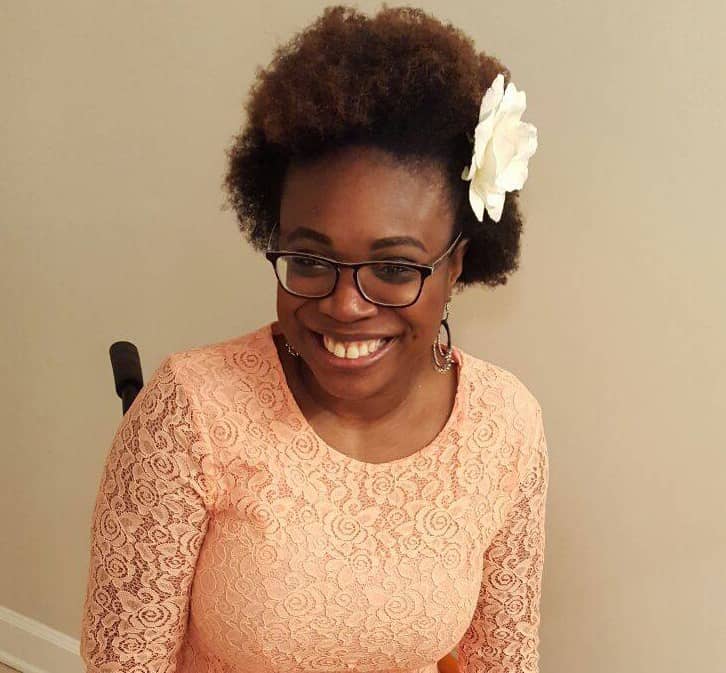
Perseverance. Determination. Willpower (PDW). To a person without struggle or strife these words are merely scribbles on a blank piece of paper or some abstract notion or a catchy mantra on the walls of a gym. However, when life suddenly takes an unexpected, drastic turn and plunges you into an abyss filled with mind-boggling agony, emotional turmoil and a seemingly bottomless pool of despair, one truly has a stark realization and a deep understanding of PDW. When you feel like you are drowning, trying to gasp for air as waves of struggle keeps pushing you below the surface – the challenges facing you, constant tides pulling you in all sorts of directions – the sheer force of will to swim against the current is the very definition of persevering. Setting the scenes Two years ago, one single moment caused a ripple effect and altered the course of my life in an unimaginable way. On the 21st of April 2014, Easter Monday, an unnecessary car accident in Yaba, Lagos, Nigeria involving two drivers and one passenger shifted my understanding of the world. Immediately after the crash, I looked down at my misshaped, lifeless legs and I knew that something had gone terribly wrong. In a matter of minutes, I was carefully lifted out of the car and placed on a little chair. Amid the chaos, voices and confusion, a scary feeling gnawed at my soul – life, as I knew it, was never going to be same. I spent the next five days flat on my back in excruciating pain, the kind of inexplicable agony that is difficult to comprehend, in four different local hospitals from Victoria Island to Igbobi to Ikeja. I was poked and prodded, underwent several medical tests, scans, endured sleepless nights, hunger, thirst and incompetent doctors. The knowledge and the hope that an ‘angel of mercy’, in the form of an air ambulance bound for London, England, would save me from the torrent of suffering gave me the determination to grit my teeth and survive the medical purgatory I was in. On Sunday, the 27th of April 2014, after a five hour back surgery, I found out I had sustained a complete T4 spinal cord injury caused by a T12/L1 fracture. In plain English, I had broken my lower back which rendered me paralysed from just below my chest all the way down to my toes and here’s the punchline – there was very little chance of ever walking again. The First Act Debilitating pain became the norm but I knew that finding strength through adversity was the only path to take. I had to summon every ounce of willpower to relearn how my ‘new’ body worked and moved. Imagine being taught the ‘art’ of rolling over in your late twenties, being instructed by an occupational therapist the best way to put your shirt over you head or how to sit up straight and balance so you can feed yourself. How undignified do you think I felt? How could I possibly survive and move forward? The answer is simple, yet complex – “The toughest steel is forged in the hottest fire” (Unknown, Chinese wisdom). With this new mindset, physiotherapy was not an obstacle but a challenge to build up muscular strength. Meetings with the neuropsychologist presented opportunities to equip myself to battle depression and emotional conflict; the confines of the hospital was not a prison but rather an avenue to foster positive relationships that enhanced my mental stability. The soul-crushing diagnosis from the doctors was a suggestion, not a declaration or conclusion. I knew without a shadow of a doubt that I was going to not only walk, but run, skip, jump and dance again. The Second Act Ask any young woman today to regale you with tales of her most trying times in life and how she emerged victorious, the replies will definitely have certain things in common. Rising like a phoenix from the ashes of struggle takes perseverance, determination and willpower. One has to harness the innate ability to utilize strength through adverse circumstances. It is not how you get knocked down but whether you get back up. Focusing on the light at the end of the tunnel culminates in what I like to call the Spirit of Invictus; in other words an unconquerable force to be reckoned with. Going to rehabilitation five times a week, in spite of the constant neuropathic pain in my legs and back – in order to build upper body strength, learning how to execute a safe multi level transfer from the wheelchair to the plinth and figuring out the best ways to manipulate my restricted mobility to achieve a desired result, required a level of perseverance beyond the ordinary. Enduring extreme discomfort became the ideal persevering tool I needed to succeed and excel, to rebuild what I lost and overcome the insurmountable challenges that lay before me. In essence, to achieve the extra-ordinary, one has to push beyond the realm of normalcy and endure the physical pain, mental torture, sleepless nights, financial struggles and emotional turmoil otherwise known as the uncomfortable and unwanted sacrifices that come with the territory associated with the extraordinary. Curtain Call In the face of all the anger, disappointment, agony, confusion and dismay, my faith and hope burned brighter than ever. I was determined to not allow the wheelchair define who I was. Living life to the fullest once again became a top priority. Wine tasting in the vineyards of Napa Valley, sitting in awe at the San Diego Comic Convention, appreciating the beauty of nature in Carlsbad, hoping to spot a celebrity in Beverly Hills, screeching with delight at the dolphins in Sea World, marveling at the millions of Christmas lights at the Atlanta Botanical Gardens, clutching my sides from laughing too hard at the jokes in The Book of Mormon production at the Fox Theatre on Atlanta’s Broadway, being gobsmacked at the wonder of ocean life at the Georgia Aquarium
8 new African kitchen traditions to reset this year
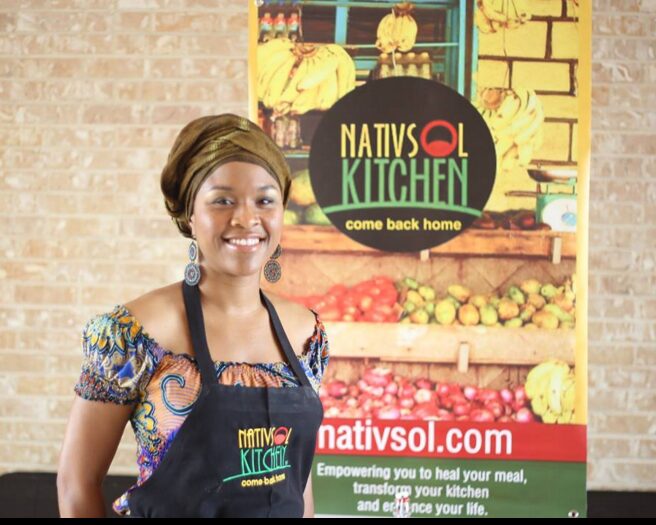
Every year for the past four years, I have hosted a vision board party with my friends. While I am busy cooking a meal with loving energy in the kitchen, we chat as they prepare their vision board with new hopes and wishes of love, health, travel and success. At times, I get so busy hosting that I delay preparing my vision board. So this year, I’ve decided to share my vision with you–my passion for healthy communities and my purpose of sharing the ancestral wisdom of wellness for a healthy Africa with new kitchen traditions. As I have traveled across the African continent speaking with students, meeting with health professionals and visiting farms, and preparing traditional dishes from West to East Africa, I thought about how ripe the time is for me and all of us to create and envision a healthy kitchen that nourishes Africa. My cooking classes through NativSol Kitchen are mostly attended by women who bring their mothers and children. And from them, I realized how “we are the ones we have been waiting for” to heal ourselves and our communities. We, as women, have been essential in the spiritual uplifting of our families and communities. And so, we have a rightful place of taking back our power in the kitchen to continue to uplift ourselves or we relinquish our power to people who don’t have our best interest at heart. I say this thinking of the many reports of food recalls and billboards promoting junk food as a quick fix to stress and depression. That’s not love and we can do better. I have seen it first hand: African Diasporans in America have become prey to the “convenience culture” resulting in, to no surprise, the booming rates of non-communicable diseases such as heart disease, diabetes, cancer, and kidney disease. Even I have fallen prey to fast-food drive throughs to feed my family and ready-to-eat meals while working at the desk for 8 or more hours at times. But as Africa changes, welcoming development and opportunity, so will the kitchens transform. But in what way? I wish to share 8 kitchen traditions with you, because I truly believe the kitchen is the sacred place providing the healing power and freedom that will make us better equipped to enjoy the fruits of a wealthy Africa. 1.Nourish and (re) new Food should be seen as energy that nourishes the body and soul. Think about how it grew, how it was prepared and reflect on food providing more than a full belly. but good nutrition – vitamins, minerals and fiber—for the body and soul. Remember the last time you ate junk food and wanted to sleep or be inactive, whereas eating colorful fresh fruits and vegetables made your body feel recharged to get up and go? That’s what it means to be renewed! 2. Authentically and African Food should be whole and alive, not “fake” and dead. Or my typical expression: “Not fried, dyed and laid to the side” unless that’s what you want to be too! Do we want “fake” people in our lives? So why do we eat fake food—filled with artificial color, flavors, perspectives wrapped in package like a coffin? Let’s be true to our food and culture as we want people to be with us. 3. Traditions Some habits are hard to break. So to create new traditions, try a quick litmus test of asking the question: Will it heal me or kill me? Perhaps it’s time to create new traditions of the life you want: A life with the career you dream of, the ability to travel easily around the world, a healthy pregnancy and to see your children grow. Then healthy eating habits must be a new tradition. 4. Intuition Ask any one mother and she may share how her intuition grew after having a baby. Women are innately intuitive. However, in the everyday hectic cycle of life, we may forget. We instinctively know what’s good for our body; that’s what it means to follow your gut—it’s your primal brain and the source of creation. 5. Values Creating a new set of values that are based on your beliefs, be it self-worth, sustainability, health, patience, or creativity, to navigate the course of your health and life. Shifting from a value system of pure economics—focusing on low cost and convenience—is powerful to having the life your deserve. 6. Spirituality and sustainable The spirit of our mothers and fathers who transformed the kitchen as a sacred place preparing meals reflects the magical creation like the act of planting a seed. We have a symbiotic relationship with the world like a child to a parent. Sustaining that relationship is key for our future and our children—that’s agape love at best. 7. Oneness and organic Giving reverence to the Creator through mindful eating with grace before meal or making a ‘spirit/ancestor’s plate’ speaks to abundance, optimism, appreciation, recognition of the source of all life. In the hustle and bustle of life, we can easily forget our power source and give our power to man, when God has the ultimate control. Also, equally important, is eating food that is organic, free of pesticide and toxins, that burden our bodies creating more imbalance in our health. 8. Love and local Cooking and eating with love versus fear is a powerful intention that transfers the energy of the cook into food as energy that our body receives, and how our families receive the food as nourishment. Sourcing our food locally is part supporting the local economy and preserving our heritage foods which promotes our African identity. What about you? What African traditions have you ingrained into your diet and kitchen? Which ones did we miss? Share them below.
10 things I learned about pitching to an investor
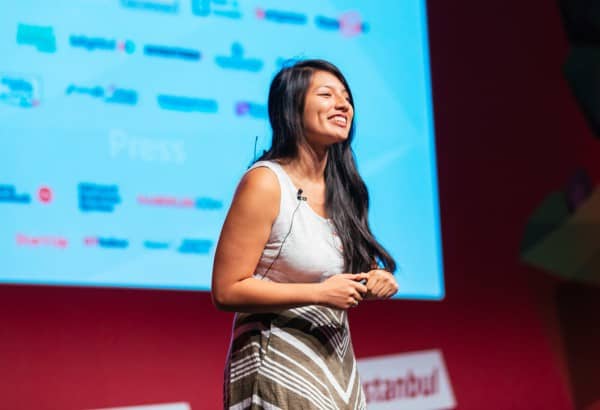
She Leads Africa recently had a free webinar session with Andrea Barrica on the fundamentals of pitching your business – The Do’s and Oh No She Didn’t of Investor Pitching. Andrea Barrica is a Venture Partner at 500 Startups, a global seed fund and accelerator for early stage startups based in Silicon Valley. She was previously co-founder at inDinero, an accounting and taxes software solution where she led the team to the first $1M in sales in 10 months. Here are ten things we learned from her. 1. Don’t try to pitch to all investors Most of the interactions that you have with investors are not investor pitches. Most of the interactions that you have with investors are about how you can get the right type of investor who wants to hear about your company and is willing to hear about your pitch. When you have an investor who is interested, it is then time to have the investor pitch. 2. Differentiate yourself, be clear, and don’t overly pitch Create a level of personal connection. People invest in people they like. Make it a conversation (never corner someone in a party). Keep it brief, and tell your story in 60 seconds or less. Understanding the market and asking questions and advice versus pitching the business is a great way to get investors interested. Be natural, authentic, and humble. 3. If you do not have an idea, investors will not be willing to invest Support your idea, prove it out Wait until you have traction and a great team Wait until you really need the money. However, when you really need the money the most, the investor has all of the leverage versus having a great team and traction without the desperation. 4. Use your resources, networks, and community to find investors Meet people — It’s better to meet investors when you’re not fundraising Standard networking — get introductions from other investors Go where investors hang out and then find the ones that you respect Write — start writing your own blog and content The key is running your business—it is important to build, go out there and get some traction. The first investors will be family and those you are close to. 5. When meeting investors, know who is going to be there, and how many people—know your audience! The important thing to know about a meeting is that, no one is as interested in you as you think they are. You must be brief. Think about how to you make your presentation interesting. How will you make it unique? 6. If you want to stand out, work the room, run the meeting, tell a story Make a personal connection, research the people in your room. Don’t make it to feel robotic; not too many slides. If people ask questions at the end and if what you presented was clear, that means that they are interested. Don’t leave asking: are you interested? Rather leave with: will you be willing in investing; how much will you be willing to invest? 7. The don’ts Pitching is a conflict between what we say, what we mean to say, and what the person actually hears. What we say and what we mean to say is not what the investors hear. Don’t: Create slides first This is a bad way to start a presentation. So don’t rely too much on your decks and your slides. Don’t: Be A 1 pitch pony. Don’t only have one pitch prepared Have more than one prepared. Prepare for the different types of investors and what they may care about most. Don’t: Forget the 20:1 rule For every one minute of a presentation, practice out loud. Make sure the delivery and confidence is there. 8. The do’s Do: Tell a strategic story Tell a story that will help the listener understand something about your story that they didn’t before. How does my story help me to achieve my goal? It is important to ground out the things that you want people to know about you in short stories. Do: Know your secret sauce How will you win when everyone else fails? It is your differentiation. Do: Know what is the most compelling thing about your business Use this cheat sheet: Traction Team- past experience and your background Product Vision Do: Pass the 60 seconds test You need to get someone interested about your company in 60 seconds, no matter what industry you are in. 9. If you want to get in touch with foreign investors, build a great business They will reach out to you. Make sure people know you. How so? Support local organizations. What are you doing? What problem are you solving? How do you understand the market? 10. You close deals A great pitch deck and a horrible pitch won’t do anything for you. So how can you improve? Get together a small group of other young entrepreneurs and force yourself to practice consistently. Go out to new events and networking opportunities and keep pitching. You won’t get good unless you do it. Take improv classes or acting classes. Have a few friends video tape you pitching and talk about ways to improve with your friends. The only way that you will improve is by giving and getting brutal advice—patting each other on the back, will not help. Want to watch the full webinar? Check out the video below:
6 career lessons from global superstar Lupita Nyong’o

Since her feature film debut in 2013, Mexican born Kenyan actress Lupita Nyong’o’s star has been lit and has remained that way ever since. With a beautiful smile, a boatload of talent and passionate voice she’s been winning hearts all over the globe. Proven to have many more film projects and theater shows up her sleeve, Lupita is the exact kind of career woman we will happily take future-improving advice from. 1. Doubt is part of the path Lupita has said in interviews that when director Steve McQueen had already asked her for a leading role in his screen picture Twelve Years A Slave, she still felt like he could call back any moment to tell her he had made an mistake. We love how open and honest Lupita has been about the impact of her career so far; living the example that doubt can be a useful instrument rather than a barrier that holds us back from developing ourselves. 2. Speak up for things that matter The fine art of supporting a cause and not becoming the center point of it – Lupita masters that. Whether it’s her ambassadorship for WildAid or the race and gender diversity discussion in Hollywood, Lupita’s pages include inspiring posts that explain her personal relation to the cause and encourage fans, readers, followers to get involved. 3. Be aware of what makes you happy Though she has won more awards in two years than lots of peers do in a decade, Lupita says her greatest satisfaction comes from being an inspiration to girls all over the globe, her native Kenya included. Validation and success can not always measured by money or prizes – your social footprint can play a big part in your happiness. 4. Support your environment Whether it’s her stylist Micaela or co-actress Danielle Brooks, Lupita is supportive of those around her by putting on for them publicly. Especially via social media, Lupita is very outspoken about her talented friends and coworkers. 5. Drastic change can make for growth and opportunity After attending different schools in Nairobi, Kenya, Lupita left for Mexico and the United States, where she went to college. Although it took her a while to appreciate this new environment, Lupita explains: “I was very indecisive about what I wanted to do. I knew that if I was in a more structured environment, I would end up not taking the risks I was raised to take.” Look at her now! 6. Value your surroundings When she won an Academy Award, her brother Junior Nyong’o was right by her side, and in other press, Lupita speaks lovingly of her family as well. She says honesty, dignity and integrity are some of the most important character traits she has learned from them. “All my conscious life, my father has fought for what he believed in, even when it was highly inconvenient.” Coming from a hard-working, well known and successful family, Lupita acknowledges the privileges she has been able to enjoy, and always shows gratitude for education. Any other career lessons you’ve learned from mega star, Lupita Nyong’o? Any other stars you would like for us to research and investigate?
3 ways to find your passion the African way

African education is said to be limiting in that it does not allow children to truly explore their passion, discover their creativity and hone in on their innovative capabilities. This by all accounts is true. Primary and Secondary education for the most part in African countries focus on passing a test. Post-university, if you are not a lawyer or a doctor, for many parents, you have failed. It is interesting how this poor conceptualization of success is still prevalent in many African homes today. This means that for the average African, average in ability and in aptitude, school isn’t where you will discover what it is that inspires and drives you to succeed. So the question becomes, as a young woman, how does one truly discover this thing called passion in an African context? 1. What comes naturally to you/what are you good at? The idea of what comes naturally to you in my opinion is very often limited to the ability of your hands or again your aptitude. Your personality and character a lot of the time is very closely aligned with what it is you are passionate about. So, while very obvious activities such as your love of maths or how well you make a pot of jollof may apply, it is essential that you consider the character that is within you. Focus on the little personality traits that many could miss, such as your affinity for children, or how people taking a liking to you, or better yet how helping people is engraved in your DNA. While each of these are applicable to a wide range of jobs, it provides you with a starting point for narrowing down what it is you will excel at doing. 2. What do you do in your spare time? What is that thing that you spend all your free time doing? Are you reading books, writing poems, drawing, singing, free styling, baking or cooking? Think about that one thing you always want to do in your leisure time, what you do to de-stress, what you gravitate towards doing when you are alone. If you can identify a trend, or the recurrence of a particular activity that isn’t sleep, then you are displaying persistent interest in that activity. Be sure you have found something you are passionate about. 3. What do you like to talk about ? What we are passionate about a lot of the time is evident in what we talk about. To discover your passion, reflect on all the conversations you are so eager to jump into. You may not yet have chalked it up to a passion, but it is apparent in how your heart feels conviction for the topic, how your opinions must be heard on the topic, how you must suddenly raise your voice and stand up to display just how much authority you have in said topic. It is true that we stand for what we are passionate about, especially when we must defend it. Finding your passion, if it isn’t an innate talent, is not easy, neither is it impossible. Give yourself time to find out what you are passionate about, get a journal and note your likes and dislikes. As time passes by, you will replace, delete and add more. Your passion may not be the status quo but if everyone on earth did the same thing, we will be boring species.
5 ways to out-hustle the competition like African market women

African women are naturally inventive, creative, and entrepreneurial – we aren’t the idle type. We work with our hands, minds, and wits. We find things we’re good at —even if it’s just a hobby. If you’ve been to Makola market, in Ghana, you’ve seen the endless rows of stalls, tables, kiosks and booths of market women selling everything from baby diapers to tomatoes. There are usually rows of women selling the exact same thing within yards of each other. It struck me how they made a reasonable living selling goods and produce in a market that’s saturated with other merchants selling the same things. Rather than dwell on the mysteries of Makola, I saw the poetry in their ways and learned a few lessons about business and life from these hardworking women. 1. Auntie Yaa shows up every single day Auntie Yaa knows she has severe competition, after all, there’s nothing new under the sun. But in a crowded marketplace, victory goes to the person dedicated enough to show up every single day. For many market women, like Auntie Yaa, that little stall of sundry provisions is all they have. Consistency is key. Their one chance of affording life’s bare necessities are contingent upon waking up earliest, showing up every day, and hustling like their lives depend on it. 2. Sisi Lola makes her presentation count Sisi Lola knows when it comes to drawing in customers, it’s all about presentation. In a crowded market, your brand presentation is everything! Make sure your brand is visually pleasing and effectively communicates your message, and not just the product or service you’re selling but yourself, too. Personal branding is very important in today’s global marketplace. The woman with the brightest Bubu, or the catchiest call, wins. 3. Learn to barter like Aminatta Aminatta knows the value of trading without money. Exchanging what you have or your services, for needed services from another, is a good way to get your business off the ground and build connections with other business women. Pay if you must, but barter if you can. 4. Mama Hajara keeps ‘em coming back with stellar customer service A market is a busy place and everywhere, vendors are harping, buyers are haggling, and traffic is passing. Mama Hajara can bank on daily success because she keeps her customers coming back for superb customer service. She goes beyond pleasantries and makes each one of her customers feel like a good friend. She knows their names, the names of their children, she may even know where they live. She stays in business by encouraging loyalty through friendliness. There’s no better way to ensure customer loyalty than stellar customer service. 5. Auntie Gloria keeps a Tight grip on her money belt If there’s one thing you know about successful market women, it’s that they use knots in their cloth to manage their money. Being able to put your money in buckets allows you to see how much money is coming in and budget for continued business success. Auntie Gloria keeps separate knots for covering costs, profit, savings, and business reinvestment and growth. Being financially savvy about your business is key to being a successful entrepreneur. So Motherland Moguls, which hustle tactic can you start using to grow your business? Have any additional lessons to share?
For young African women II: How to build wealth at every stage of your life

In Part One of How to Build Wealth at Every Stage, I discussed how to build wealth at the younger stages of life, from childhood to 19 years old. Here I discuss how to build on those stages. Stage 3: The Young African Woman This is known as the accumulation stage and is typically between ages 20-30/35. At this point, a person has just graduated or has started working and has some disposable income. Income is typically larger than expenses at this stage. Some may live with their parents while some may begin to consider getting their own accommodation. This is also a stage when people begin to think about settling down etc. This is the best time to begin to develop a personal financial system. The earlier you start the more time you have for your money to grow and enjoy the benefits of compounding. I love Albert Einsteins quote which says “Compound interest is the eighth wonder of the world. He who understands it, earns it…he who doesn’t pays it”. Basically, compounding interest simply means that the money you earn as interest is put back into your account or investment thereby allowing your money to grow faster. An individual at this stage should develop a savings and investment culture, learn and practice the principles of personal finance which is budgeting and also consider setting up an emergency fund. In terms of investing, this is a good time to invest in riskier assets and take advantage of long term growth opportunities. You can also begin to buy valuable jewelry like gold, which appreciates over time and can be sold when cash strapped. It is very important to withstand peer pressure at this stage. Focus on your vision and goal. Key things to consider at this stage include: Have a vision board Set financial goals Prepare monthly budgets Establish a savings culture Invest in the stock market Pay off any debts accumulated in University such as student loans, credit card debts etc Invest in yourself. Start a business Stage 4: The African Woman This is called the Consolidation stage and is typically between ages 30/35-55. At this stage your expenses are rising higher than your income. You may be married or starting a family. You may have moved out of your parents’ home and live on your own. Needs include education for kids, rent, mortgage, planning for retirement, higher education etc. Financial discipline is required at this stage. It is important to be strict with budgeting and not forfeiting savings and investments. In terms of investment it is also important to begin to diversify your portfolio. This is also a good time to take some risks depending on the side of the spectrum you fall on. Key things to consider at this stage include: Set up an education trust fund Buy land and or get a mortgage Health insurance Life insurance Build up your assets Plan for retirement Create multiple streams of income Invest in yourself It is also important to note that you are never too old to dream. Mrs Betty Irabor started her magazine at this stage. Mo Abudu started her tv station, Ebony Life TV in her late forties. Stage 5: The Older African Woman This is called the retirement stage and is age 55 and above. At this stage most individuals would be getting ready to retire or be retired. In most cases there is no steady income except from pension allowances. Needs include healthcare, retirement home, and vacation, maintaining a standard of living, estate planning and leaving a legacy. A woman who was financially intelligent in her younger years will enjoy this stage. She may have set-up a business that is running on its own and therefore be enjoying the fruits of hard work during her youth. This is also a time to ensure you are fulfilling purpose and at this stage you may even start a new business. Please note that these age ranges are just a generic template and not cast in stone. Individuals may past through these stages at different ages. Once you have determined the stage you are in your financial life cycle, it is important to set financial goals and to determine action steps required to achieve your goal. An important point is to ensure that you create a plan to achieve this goal and that your plans are as flexible as possible. For example you could have a goal to set-up an emergency fund of 6 months’ worth of living expenses by 30/12/16. Action Steps: ∙ Track spending ∙ Create a budget ∙ Pay-off all outstanding debts ∙ Reduce excess spending on eating-out and eat home-cooked food ∙ Reduce spending on aso-ebi ∙ Set up direct debit with bank What are some of your goals for your financial future? What phase of life do you find yourself in? Could you begin to implement some of these key elements now?
5 ways to support the ambitious African woman in your life

Women are going beyond traditional roles of stay-at-home moms and caretakers, and building careers outside teaching and nursing. Through legislation and promotion of gender equality at work (which still has a long way to go), women have been catapulted to an unprecedented level of success both financially and socially. A lot of women are venturing into the jungle of entrepreneurship, starting their own businesses in the pursuit of becoming Motherland Moguls. The men who love these women may either be intimidated by their drive or, are cool calling “shotgun” and letting their lady do her thing. If you are in the ‘shotgun’ group, here are 5 practical things to do to show your support for a Trap Queen in your life; things she probably wouldn’t ask you for but would appreciate. 1. Be her CEO Before you quit your day job know that I am talking about Chief Evangelical Officer. Spread the “gospel” of her business to your friends, family, colleagues, people in a queue at the bank. When you start up, there is usually not much of a budget for marketing so you rely a lot on word of mouth and referrals. Share links to her business on your social media, and have a couple of her business cards in your wallet and car. If you know someone in her field, hound that person until they meet with her. Recommend her business to supply a service to your employer. 2. Groceries When you start your own business, there is very little money for luxuries. We have all read about entrepreneurs living on bread and eggs or eating cereal with water. She is a Trap Queen so she will never ask and she has the basics covered. However, she will appreciate some of her favourite pre-hustle treats once in a while. I’m not suggesting that you go and fill a trolley because that would actually infuriate her. She doesn’t need to be rescued, but wouldn’t mind being spoiled. She may live at home with her folks so housing is not necessary, but you can fill her tank with gas so she can get to meetings. This is not a closed list. You know what your Queen needs. 3. Give her space. Lots of it. Being an entrepreneur is a lonely path and that’s how entrepreneurs actually prefer it. When its time to strategise, plan, and envision the future, please do not disturb. If things aren’t going well and we need to lick our wounds, we often retreat into our caves. Entrepreneurs do not work a 9-5, they work as the need arises: their laptop is their office, they work overnight and sleep during the day. Taking calls or replying texts can break focus or creativity, which entrepreneurs need. Don’t be upset when she doesn’t call or text back in 24 hours and under no circumstances is it ever acceptable to be needy or nag her. Realise and accept that if an opportunity comes along, she will need to invest time in it so you must never make her choose between you and it. 4. Be secure Networking is the lifeblood of entrepreneurship. You need to be known in your field because the playing fields aren’t equal. Owners of startups need to be beating the streets of the cities, pushing business cards into the hands that could later sign their cheques. It’s undeniable that men are the leaders of the business world therefore women will inevitably spend time with them for professional purposes. Most of these events take place after hours or on weekends so you need to be secure enough to let her go. Some weekends dates will have to be cancelled because she finally landed a networking opportunity with someone she has been trying to meet for ages. Alternatively, you may have to accompany her to a black tie event where she will leave you with a table of strangers so she can talk to her potential investors. In those instances, be a big boy and network for yourself! 5. Hold her hand As mentioned above, entrepreneurship can be a very lonely road and it does get very hard before it gets easier. Singer John Legend once said, “the world is beating you down, I’m around in every mood.” I don’t think that means PMS but times of fear, failure, joy, triumph, loss, betrayal, anxiety and insecurity. Holding her hand also means keeping her accountable because entrepreneurs are dreamers tend to be passionate about their project. But they can also get carried away with flighty thoughts. This why you need to reign her in sometimes. Finally, in case you haven’t figured it out it yet, her networking will also help you meet new people who can change your life too. So invest in your Trap Queen and watch her build the empire.
How integrity and soft skills keeps Lucy Quist at the tippy top of the corporate ladder
First of all, a big shout out to the SLA team for this empowering conference in Accra. If they are in your country, don’t snooze or you’ll lose out on the keys to success. Lucy Quist, MD of Airtel Ghana came through the SheHiveAccra and laid down nuggets for making it in corporate Ghana. While she highlighted teamwork, leadership skills and personal values, if I had to pick one word to remember from Lucy Quist’s session, it would be integrity. Integrity It was eye opening to hear Lucy Quist highlight the ways in which the lack of integrity in Ghana and Africa as a whole is culturally engrained. For her, it is this lack of integrity that holds Ghana back and I must say I agree with her 101 percent. Lack of integrity makes it hard to trust that any task delegated to subordinates or left to the system will be performed efficiently, which is a stark difference from the Western world. When you do not have integrity or do not hold yourself to a higher standard in developing economies, where people are constantly looking for ways to shortchange the system, it is impossible to reach your fullest potential and be excellent at what you do. This issue of integrity among the masses results in the creation of unnecessary problems that waste time and money. As African women in leadership, we must hold ourselves to a high standard. We can’t say one thing and behave another way. We must walk the talk and stay true to our values. It is the only way to preserve our integrity. It is when we show that we have integrity that we can inspire others to do the same. We must lead by example. Role Models Lucy also honed in on the fact that although women have a place at the table, the challenge facing Ghanaian women is the reluctance to push oneself up the ladder and the absence of female role models at the top to help pull others up. Because Lucy has had role models since she was 17, she stressed the importance of having people around you who support you and drive you to be the best version of yourself. Leadership Skills Another important point Lucy made was that in Africa, compared to the Western world, people openly state that they disagree with women in charge. While this may seem demoralizing, Lucy has shown leadership by sticking to her guns. As a leader, she doesn’t feel the need to justify herself to anyone or prove why she has her position. In simple words, you are in your position because you are doing something right, so keep going, stick to your instincts and lead your team to success. Lucy added that being a leader, however, does not mean that one should lose sight of their soft skills aka people skills. As you go further up the corporate ladder, your job slowly diverts into managing and influencing people. To succeed, you have to be able to create an environment within which people can shine. You have to be able to put yourself in their shoes and be willing to learn consistently. Be a leader that people respect and look up to, and you will lead a successful team. The A Team Finally, Lucy advised that you need an excellent team around you. You need the crème de la crème who filter and think things through before they present it to you. This group reduces the burden of micro managing and taking on extra work, their work. Lucy used the analogy of the captain of a ship for how she views her role and the support staff around her. As the leader, you must have people around you that do all the work under deck, to allow you the mental space to see ahead and steer the company for success. Say no to mediocrity. But also, give people room to succeed, learn and grow. Allow lessons and growth in the company. Hats off to Lucy Quist. After her session, I knew I had found myself another role model.
Scared of frauds? No wahala: 4 tips for conducting proper due diligence with global partners

A significant amount of entrepreneurs in South Africa are getting comfortable with the idea of doing business across borders, be it sourcing goods and services to even looking for strategic partnerships with foreign entities. The African continent has become more accessible and opportunities abound for entrepreneurs and small and medium enterprises. What’s more, African businesses have been partnering with the relatively unknown East. Social media exposes business owners to opportunities they would not otherwise have access to. This is exciting. Those who have done cross border business will tell you that in so much as the potential for business synergies is there, the risks are equally matched. Take for an example a recent case that came to my attention for assistance. A South African business owner (who we will call James to protect his identity) in the commercial real estate industry got the shock of his life when it turned out that the Chinese businessman he had an ‘in principle agreement’ with (which was later deleted from the email correspondence) was nothing but a fraud. Mind you, James had incurred large costs in setting up partnerships with other businesses and even going as far as paying for elements of the agreement. You might think, ‘that’s not smart!’ and I would have to agree with you. However, the need to acquire first mover advantage sometimes propels us to make an early commitment for fear that someone else may snatch the lucrative opportunity from us. In the process, we tend to skimp on due diligence with disastrous consequences for our livelihoods and credibility. Stories abound of orders that were never delivered or were of a cheaper variant. These occurrences are not unique to South Africans and Chinese businesses; they happen throughout the continent with potential partners across various regions. Like in any business relationship, proper due diligence is of paramount importance in conducting trade or investment relations. As more people take the entrepreneurship route, it is important to know that doing business across borders has inherent risks and one needs to be smart to avoid frustrations. Doing your homework can mitigate risks and help you make informed decisions. Below are some considerations I take into account when I’m dealing with prospective cross border relations: Seek out word of mouth referrals Nothing is more comforting than finding good partners/suppliers. Like with anything these days, word of mouth goes a long way and in most cases save you a lot of hassle. However, reviews by themselves cannot substitute for verification. Speak to those who have walked along the same path as you and where possible, speak to their associates as well. A traceable track record is key When you are in the early stages of your business, the last thing you need is to deal with amateurs who will promise you heaven and earth and deliver nothing. If you’re a novice, you need to ensure potential partner has a proven record for quality service. Invest time in establishing the authenticity of such a claimed record. It may be tedious, and possibly costly, but it will spare you losses further down the line. Courtship is the way to go Just as when you meet a prospective life partner, you need to take your time to get to know your business partner before committing. Don’t go on impulse, court first! Don’t be like James and fall prey to pressure tactics. Solidifying business relationships takes time so don’t rush things! Get samples beforehand and VISIT premises where possible Too many people have relied on assurances from a seller about the quality of their goods. Too many people have taken letterheads as proof of existence. You can make no bigger mistake as a small time buyer than to buy goods you have not sampled or not visiting the premises of your manufacturer. You would be amazed the things some conmen will do to dupe you into buying their non-existent goods from their non-existent premises. Nothing can ever substitute for checking out the premise yourself. If this is not physically possible, there are trade agents who can do the leg work on your behalf for a small fee. Do invest in your future success. Trust your gut (first listen to it) We all have that little voice that tells us from the moment we meet someone whether you can trust them or not. Most of the time we ignore this voice and many a times, we wish we had listened to our gut. I have dealt with a number of entrepreneurs who allude to feelings of ‘something not feeling right’ and yet go ahead and invest their time and money, blaming themselves when things fall apart. Learn to entertain your inner voice and debate with it a bit. It will serve you well. Trust me! Whether you are contemplating local partnerships or across borders, due diligence is key. Even more so for non-local partners due to the prohibitive costs of enforcing your rights. Do not be pressurized into early commitment as this may leave you occupying a reactive position and a trip down crisis management. And if you are not sure about cross border regulations that govern your business, ASK. The Department of Trade and Industry (The DTI) in South Africa (and relevant in-country departments that deal with trade and investment issues) can save you from making costly mistakes!