
Always be a dreamer: The story of Grace & other successful women
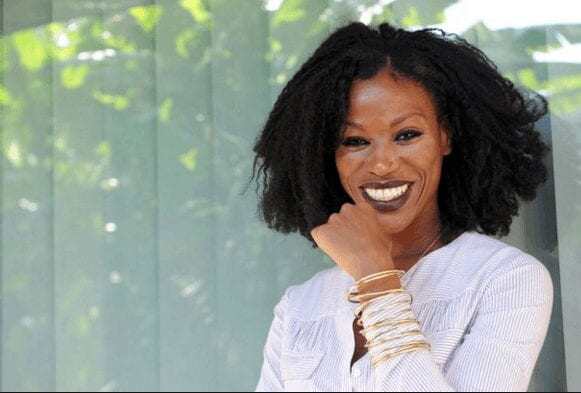
Grace is a seasoned banker with over 20 years on international banking experience in Europe as well as several countries in Africa. She boasts a successful career and a number of ‘firsts’ in her current bank. Though she at one time loved her job, the enthusiasm is waning as office politics thickens, even as she seeks a more fulfilling vocation. But Grace has another burning desire – to own her own executive events management and floral business. Having grown up in Nairobi, with her stay-home mother, being a keen gardener and floral enthusiast, Grace has a keen interest in flowers. She watched how the floral business flourished and prospered in Kenya –even at export level. Grace is also a good organizer and has a keen eye for events management, particularly corporate events. She has dreamed of having her own events management and floral business for many years – but to date, fear of financial insecurity and stepping leaving her banking job holds her back. She remains frustrated with her job and her life, yet dreams of stepping out into the world working in the area of her passion. Dreamers are daring people They dare to imagine. They dare to imagine a change; they dare to imagine a possibility. Where the audacity to dare becomes a limp hope is when the dreamer ceases to execute for lack of courage and for much of fear. But when we cease to dream and to execute our dreams, we make a folly of our hopes. Our dreams form the very essence of our desires and hope –and we owe it to ourselves, and perhaps even to the world at large, to have the audacity to execute. Ms Oprah Winfrey records that when she decided to move from Baltimore to Chicago as a Talk Show host, everyone thought she was insane, for she, a black woman, was going to the eye of the storm. Chicago was Phil Donahue land, and Phil Donahue was the king of talk show hosts. How and why on earth could Ms Winfrey do this to herself? Why would Chicago want to see a black woman hosting a talk show when they had Phil Donahue? Oh, but Ms Winfrey was a Dreamer. Ms Winfrey was not only a Dreamer but she was also a Doer. She dreamed about her tomorrow, envisioned her futurist self, and had the audacity of hope. She packed up and moved to Chicago. Her audacity delivered on to her – even far beyond what it did for Phil Donahue. Taiye Selasie’s example Let us bring it more home. I recently came across Ghana Must Go, a fascinating book by Taiye Selasie (in feature image). Reading her interviews and her book itself, I was reminded of what Selasie said in one of her interviews on the book: ‘I’m very willing to follow my imagination’. She recalls that the idea for Ghana Must Go came at a yoga retreat in Sweden and got typing. For her, the book was entirely realized. It was a book that she wanted to read, a book whose characters she had dreamt about and conceived, and a book she dared to write. She dared to dream, she dared to write, and the book has delivered much international acclaim. That’s the audacity of hope. Nicole Amarteifio’s example Some of you may have seen the web movie series An African City, created by the fabulous Nicole Amarteifio. The story goes that whilst at University, and having recently seen Sex in the City, Nicole was intrigued to imagine what an African story line may look like. The intrigue literally captivated her, and Ms Amarteifio began the journey of script writing. Research, research, research; script, script and yet more script and a few years down the line (even whilst working an international job), the final script was born. Still working a full time job, Nicole made time and used funds from her savings, friends, and family to gather actresses and all necessary resources to produce the movie, and now the rest is living history. From CNN and BBC interviews, to Forbes Africa Woman features to speaking at the Cambridge University Business School, and being contacted by numerous international TV channels for Season 2 of An African City. Small, deliberate steps. Yes, Oprah Winfrey, Taiye Selasie and Nicole Amarteifio could have fallen flat on their faces, like many others. Yet, the bottom line is that they took small, deliberate steps to actualize their dreams. Small, deliberate steps. They bring us nearer to our hopes and dreams. Images: 1. Oprah Winfrey. Fabrizio Ferri / Harpo Productions. 2. Writer, Producer, and Director Nicole Amarteifio with An African City stars Maame Adjei and Marie Humbert.
Career lessons from Ethiopian born business mogul, Mimi Alemayehou
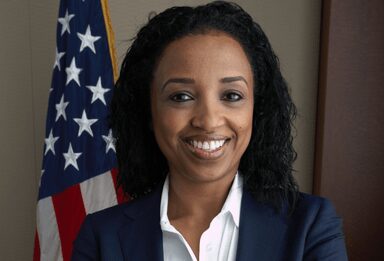
Ethiopian born, Kenya raised Mimi Alemayehou is a Managing Director at portfolio company Black Rhino Group, and Executive Advisor and Chair of Blackstone Africa Infrastructure LP. After studying International Law and International Business, Alemayehou found development consultancy firm Trade Link Holdings LLC. She has held major positions as Director of International Regulatory Affairs at WorldSpace Corporation and was United States Executive Director at the African Development Bank. The mother of two has also served as Executive Vice President of the Overseas Private Investment Corporation (OPIC). If you are like us, you will hold your breath after reading about Alemayehou’s career journey. Below, we share some insights from this African power lady. 1. Strive for your educational goals Mimi: The first successful entrepreneur I knew and looked up to was my grandmother. She could not read or write but she was one of the smartest women I have ever known. I often wonder how far she would have gone if she had been allowed to go to school by her parents, who chose only to send the boys to school. Although, the silver linings of your career may not shine through that window frame just yet, your education is a step towards reaching your career goals. Mimi agrees (higher) education is a huge part of the African growth story. 2. There is much more in your future After being asked whether she thought her position at OPIC was the climax of her career, Mimi replied: “I have always believed that life is a journey of learning; there is no end to it until you are no more.” Although, success can be comforting, that comfort shouldn’t stop us from going beyond our comfort zones. There is always a next move. “I don’t believe there is such a thing as a perfect position or a dead-end job. At every step, you learn. Life’s a journey of learning.” 3. Believe in your work ethic During her career at the African Development Bank, Mimi was the only woman working in the midst of 17 men. “I have never doubted myself in the things I pursued. Fortunately, I have had some amazing mentors in my life and in turn I try as much as I can to mentor as many people, particularly young women.” Confidence is key when it comes to directing your future. Feeling strong about what you do and what you want will minimize doubt. 4. There are ways to do it all “In terms of the balancing act of career and family, I believe mothers are natural multi-taskers”, is Mimi’s response to ‘how she does it’. And no matter how many exciting career moves she has made, she says “being a mother is my biggest accomplishment so far.” Mimi believes prioritizing and accepting the pros of cons of having to travel for work is key to combining career and motherhood. 5. Approach situations with an open mind “My most impressionable years were probably during my time in Kenya. I met so many people from many parts of the world for the first time in my life and that had a long term impact in my life as it made me more open-minded and gave me a greater appreciation for human diversity,” says Mimi. 6. Be picky with what advice you take Mimi’s powerful statement: “I got to where I am today partly because I did not always listen to the advice I got. For example, earlier in my career I was always interested in working on Capitol Hill but a lot of people, including some of my own family members told me that there was no way a member of Congress would hire someone who was not an American citizen. I pursued this dream anyway and was ultimately hired as legislative staffer on Capitol Hill. I have found it invaluable to question things and not necessarily take “no” for an answer.” Be aware of your possibilities, be thorough in how you approach them and follow through. If you’d like to share your story with She Leads Africa, let us know more about you and your story here
For young African women: How to build wealth at every stage of your life

This is part one. Read part two here. The Young African Woman – How to Build Wealth at Every Stage of Your Life I recently attended a seminar where one of the key speakers mentioned that there are three main categories that are forecasted to thrive and succeed in this season: Youths, Africans, and Women. It is therefore a good time to be a Young African Woman. In order to succeed as a Young African Woman and to ‘win’ in all areas of your life, you must be in control of your finances and build wealth. It is therefore important to understand the different stages of life i.e. the financial life cycle and how to build wealth at each stage. I would start from the girl child, in order to ensure that we also empower our children, sisters, students, mentees etc. This is the most important stage because if you get it right at the stage, you are likely to be wealthy. There are different theories on the number of stages in a financial life cycle, however, for simplicity they’ve been split into 5 stages. Stage 1: The African Girl Child This is typically between ages 0-12. At this stage, we begin to understand the value of money i.e. N200 can buy more sweets than N100. We begin to have conversations like Kid: “Mum, why can’t we buy a bicycle?” Mum: “Because we do not have enough money at the moment.” Kid: “But mum, what about the money in my piggy bank? I have a lot of money in my piggy bank.” Mum: “Honey, N500 is not enough to buy a bicycle.” Generally, we believe that money is to be used to buy junk food and also to buy toys. At this stage we receive pocket money. Financially intelligent parents would begin to teach their children the basics of savings via a piggy bank or a kids’ account. They would also learn the concept of earning money by being paid for household chores as well as through mini businesses such as making and selling lemonade or bracelets etc. I attended a conference where a speakers stated that when she was younger, her parents paid her whenever she did her household chores and that was how she learnt the value of hard work and earning money. My daughters started their first business at age 6 and 3. During their Christmas holiday, they made personalized bracelets from beads and with virtues such as love, faith etc, and sold them to their aunties, uncles and friends. Shortly after, they received an order to make personalized bracelets for a birthday party. Within two weeks, they made about N30, 000. I introduced the concept of a piggy bank and also taught them how to give as well. I also had a very proud moment the other day. My daughter had received some money as a gift from her uncle at Church to buy ice cream. A blind man came to ask for money and she heard me say I didn’t have any cash left. She then said to me “Mummy, he can have this money” and she gave him her ice cream money. At a very young age, I opened investment accounts for my daughters with a monthly direct debit in place. Warren Buffet began investing also at this stage. He has also created an online club for kids called the Secret Millionaires club where kids learn the basics of entrepreneurship and wealth management. This is a good place to start. Stage 2: The African Teenage Girl This is typically between ages 13-19. At this stage, we develop a better understanding of money. Our needs include buying top-up cards for mobile phones, shopping and entertainment etc. We understand that it is not everything you want that you can get. We also start earning money via jobs like baby-sitting, etc. In developed economies, at this stage, teenagers are sent to work in fast food restaurants or retail clothing stores to earn some money. Some teenagers are also required to work in companies as interns during holidays. Ty Bello, Nigeria’s renowned photographer started her hair styling business at age 15. One of Africa’s youngest billionaires Ashish Thakker started his first business at age 16. When you get to University, you begin to understand the importance of managing your finances. In University, you are also introduced to the concept of credit cards, over drafts etc. It is important to educate teenagers on the pros and cons of credit cards and overdrafts. A lot of students get it wrong and end up in a lot of debt once they graduate from university, and this affects their ability to build wealth in other stages of their life. Key things to consider at this stage include: Learn the value of hard work and earning money through internships, holiday jobs Start a business using your talents and gifts Start a savings and investing culture Be involved in the process of managing bank accounts and investing. Read books on personal finance How did you fare in these stages as a young person? If you have passed these 2 stages, you can still share them with a young person or a parent who might need it. In Part II, we discuss – stage 3: The Young African Woman, stage 4: The African Woman, and stage 5: The Older African Woman.
Top 5 quotable moments from our Twitter chat with Anita Erskine

On January 18th, we were lucky enough to spend our afternoon on Twitter discussing career breakthroughs and opportunities with Anita Erskine. If you didn’t catch our chat, you can get a full recap here. Anita Erskine is a woman of many talents. She is the host of three popular shows on DSTV, an oral narrator, producer and entrepreneur. Anita is also the founder of ReVerbGH, a strategic communications firm targeted at aiding small organizations and entrepreneurs fresh on the scene. In addition, she lends her support to social issues through her organization BrandWoman Africa, which promotes the advancement of African women through television. Here are the top 5 quotable moments from our chat with @TheAnitaErskine: 5. On the pressures facing African women in the media industry today @SheLeadsAfrica #Pressures : we DONT know / CANNOT accept who we are! So most Women are operating WITH someone else's Standards. #SLachats — Anita M.V. Erskine™ (@TheAnitaErskine) January 18, 2016 4. On the uphill battle faced by professional Ghanaian women @SheLeadsAfrica 2) Women are always fighting against what Ghanaian society EXPECTS them to do and that can be a challenge! #Slachats — Anita M.V. Erskine™ (@TheAnitaErskine) January 18, 2016 3. On encouraging healthy collaboration between men and women @keminni @SheLeadsAfrica believe in collaborations & partnerships both at home & work! I don't do it on my own! I ask for help! #Slachats — Anita M.V. Erskine™ (@TheAnitaErskine) January 18, 2016 2. On the importance of mentorship @SheLeadsAfrica 3) Not enough Mentors and Women in the field! So a lot of Women are doing what they "think' is right. Problematic #Slachats — Anita M.V. Erskine™ (@TheAnitaErskine) January 18, 2016 1. On turning dreams into reality @SheLeadsAfrica Finally, Dreams are just that. In order to live them, you HAVE to try!! It is POSSIBLE! #Slachats pic.twitter.com/m23mwnrq5R — Anita M.V. Erskine™ (@TheAnitaErskine) January 18, 2016 A huge thank you to all our #MotherlandMoguls who chimed in and to Anita Erskine for sharing her wisdom with us! If you want keep up to date with future events hosted by She Leads Africa, join our community and follow us on Twitter, Facebook and Instagram
Emi-Beth Quantson: There is still so much I want to do

[In picture above, Emi Beth Quantson at SheHive Accra 2016] As part of SheHive Accra 2016, I caught up with Emi-Beth Quantson, CEO and founder of Kawa Moka, after her talk on how she won Startup Cup Ghana. Kawa Moka is a “social enterprise coffee shop and creative space” that empowers underprivileged women through employment and mentorship. The Startup Cup competition provides opportunities for entrepreneurs to network and gain financial support, which were essential for Kawa Moka to thrive. What was your childhood like? I had a very happy childhood. I have two older brothers who used to bully me shamelessly. And as my parents always entertained, we had to serve. I think that is where the interest in hospitality came from because my parents were always throwing parties – entertaining, they told jokes. We used to have Christmases where all our cousins would come together and we will have nine lessons and carols and sing and do firecrackers. It was pretty cool. What dreams did you have growing up? A lot! I wanted to do so much. I still want to do so much. One of the things I wanted when I was in Ashesi [University] was to be the first woman governor of the Bank of Ghana. I still have not lost that ambition. I am just praying that nobody gets there first. I still want to go to grad school, maybe go back into corporate and do something finance, sort of setup Kawa Moka, and then afterwards have it run a little and do something else. I have a million and one ideas. We will see which ones get done and which ones do not. But there are a lot of things I want to do with my life. What would you say are some of the influences that have shaped you into the woman you are today? I come from a close knit family, and I would say my mum, aunt, and grandmother were my closest influences on my mum’s side. And on my dad’s side, there were also a lot of women – aunties and grandma. I guess each family sort of taught me different value sets and opened me up to different experiences. I remember my grandma was always concerned about me: she calls me Aku. She was always like, “Oh Aku, what are you doing again? You say you want to do this or you don’t want to this, ohh”. She is always concerned and finding ways to impart knowledge from way back, not try to necessarily put me down, but then she will use some nice way of telling you that, hey you should do this. And it was fun to have all those family gatherings so I think my family has probably been my largest influence. How was your transition from Ashesi University into the corporate world? Very easy. I worked part time in my final year of school. I worked part time for Ghana Home loans so I had some corporate experience. My final internship was at PWC so before I graduated, I already had a job and had already gained experience in that job. As such, it was a very easy transition for me – I did not have to send out a million CVs. You have a background in consulting. What would you say are some of the key skills that make you a successful consultant? Being able to think on your feet. Even though a lot of assignments have a lot of similarities, everything is unique in its own way. For every assignment, you need to think on your feet and find innovative solutions based on the parameters that you are given. I think that is a key skill. Another key skill is networking and just learning how to talk to clients and establish a relationship because a lot of the consulting assignments are based on relationships. They feel the connectivity because you give them the best solution and you do it with a smile and you do it nicely. So, I would say those are the two key skills, and of course the analytics is a given. You need to have the technical skills. A lot of which, if you are working with a multinational they will teach you, but you can also teach yourself. You are the CEO and founder of Kawa Moka as well as the CFO at Impact Hub. How do you juggle all these responsibilities? With Impact Hub, I am transitioning. We are hopefully going to put out a job description for finance manager so that at least I can have support in the sense of the day to day stuff. But I mean it has not been so hard. I have had a lot of support from the Impact Hub team so there are other team members who sort of put in data and do the rudimentary stuff as well so that helps me with balancing. But it has also not been easy because, of course, you have your peak seasons running your own business. I also do a bit of consulting on the side so that has been a challenge as well. Some days you wish there are more than 24 hours in a day, but I think one tool that helps with balancing is communication – just make sure you set realistic deadlines and then you work to make sure you accomplish them. I also take courses all the time on setting smart goals and managing time just to remind myself how to be efficient and plan things out properly. How has being an entrepreneur affected your personal life? My husband is really fantastic. He is like my number one fan. He is always like, “why are you not doing this?” So he is giving me that male aggression in my business. He always pushes me to make sure I get to the next level and stay honest with my goals and visions. So even though sometimes, I
Use these 3 Ps to land your dream job in Africa

It is not enough to show up for an interview having submitted a stellar resume. There are a few tips for blowing your interview out of the ballpark. At SheHive Accra 2016, Mrs. Florence Hutchful, Head of HR for West Africa at Standard Chartered Bank Ghana, summarized these tips into what she termed, the 3 Ps to acing your interview. Preparation It is important that you are able emulate the persona described and detailed in your resume. This means that you must come off knowledgeable and prepared for your interview. To be able to achieve a comprehensive understanding of the job, it is essential that you research the company. Read about the company online, spend time on their website and get to know the company. If you cannot find any valuable information online, go the extra mile and walk into the institution and ask questions. Furthermore, be ready to answer questions regarding your salary expectation. It is important to have a fair idea about salary brackets in any given institution. ALWAYS quote an expected salary; it shows that you know your worth and you are fully aware of the value of your time, skill and experience. Never compromise on preparation, it is what will make or break your presentation in an interview. Presentation Presentation in any interview begins with your physical appearance. Even before you speak, panelists will assess you based solely on what you are wearing and your demeanor – your posture and composure. It is imperative that you dress and appear smart and confident. Make sure your skirt is a good length, check the cut off your blouse and say no to overly elaborate jewelry, you must look professional. Confidence is always seen in the way you carry yourself, look up, straighten your shoulders and strut your stuff like the motherland mogul you are. Your ability to exhibit confidence in yourself through your outward appearance scores you several points even before you begin to speak. Adequate preparation will be key to ensuring that your spoken presentation is top notch. Remember to clearly articulate your views, present your ideas in concise and direct responses. Do not beat about the bush, exhibit clarity of thought and speak with authority. In the event you do not know the answer to a question, assess the panelists, are they attempting to evaluate your ability to think on your feet or is this a direct question? If it is the former, exhibit creativity and find a suitable answer, regardless of how far fetched it may be. But if it is the later, be candid and ask to get back to them later. Nothing beats honesty. Participation To get the job you must want the job. Remember that jobs aren’t just lying around for people to pick up. You have to demonstrate you are interested in the position, and mention the skills you can bring to the table and what the organisation will gain in return. Be keen for the job; don’t be passive. Engage panelists; look them in their eyes when you respond. Ask questions and show your excitement for the position. There is nothing better than an employee who is passionate about their job; this fuels engagement and the desire to succeed in any position. Your ability to show a keen interest in an interview may very well be what scores you the job. Hopefully, with these three Ps you are sure to ace any interview and land yourself that dream job. All it takes to win is preparation, which will fuel your presentation and your ability to participate.
4 simple ways to keep up on the digital inbound marketing trend

Are you interrupting your customers this year or are they on the hunt for you like a daily vitamin? As you are trying to peacefully creep through the pages of Bella Naija, I mean do important research on the latest happenings around your entrepreneurial purists, the last thing you need are those pesky ads interrupting your research. There are a few alternatives to those google ads and they call under the umbrella of inbound marketing. Inbound marketing practices have been taking over how we interact with users digitally. Inbound marketing is the ability to draw your customers to your site and products by creating highly engaging content. I emphasize to my clients – instead of interrupting users through traditional marketing methods, find other organic ways to flow into users’ day. . Inbound practices are not only friendly to the user but they are economically friendly to entrepreneurs as well. It allows you to connect naturally to your users without spending a fortune on ads. Below are 4 effective ways to bring customers in. 1. Opt-in Emails The lists built with care. Your users visit your site and sign up to be apart of the greatness you have brewing. It’s an opt-in because they chose and verified that they wanted to receive that information from you. It can be as simple as a “Sign up for our newsletter” box to the right or generously offering a free give away for signing up for your emailing list. For example, if you’re a branding extraordinaire you may offer a quick and easy digital workbook in exchange for their information. Positive: Anyone that signed up for this emailing list is looking to have you there. Difficulty: It takes time and strategic positioning to gather theses lists. You may have to form multiple partnerships with other entrepreneurs / businesses/ orgs to create visibility for yourself. 2. Thought Leadership Are you an expert in your field? Do you have a niche area that you can speak about better than anyone else? Are you the new technology expert that’s going to tell me how solar powered refrigerators are going to change my life? Thought leadership has become the ultimate trend for entrepreneurs willing to share the best and most up to date information about their field. Positive: Thought leadership opens doors for more speaking engagements and business opportunities because of your expertise. Difficulty: You. Must. Be. Consistent. To whom much is given, much is required. Taking the step to being a thought leader, especially in a very in-demand field, requires consistency to remain relevant. If those refrigerators can suddenly teleport, I’m looking to you first to tell me why. 3. Blogs A form of expressing the thought leadership are blogs! Start-ups to larger companies such as Price Water Coopers are utilizing the buzz. Potential customers, competitors and collaborators want to what you’re up to and where your interests lie. Fill them in. Positive: It’s a quick and easy way to get the information to people that are already following your work. Difficulty: There is a fine line between too little information and too much. People want to be engaged, educated and/ or entertained in a matter of a few minutes. One platform that I absolutely promote the utilization of is: Medium.com. A quick and easy platform that allows you to connect to fellow bloggers, business owners and politicians. 4. Community Building My favorite building trend. Yes, I am shamelessly biased to this form of marketing. When you create a community, you create a space for your customers/ readers to feel engaged,included and connected. This is the first market to sample that great item you have on display. As your continuously building that tribe of people who are invested in your product and expertise, they give you the right to infiltrate their inbox. What will you do with that power? Community building is also a great leverage when forming future partnerships. This community is your direct audience; this is a selling point when meeting with potential sponsors. Who can they really reach by working with you? In sum, goal setting and discipline are a few keys to success! Pick one that you haven’t started yet and add it to your already bubbling list of New Year resolutions. All of these items build on each other, but choosing one to focus on first will allow you to measure impact and what is and isn’t going well with how you engage your users.
10 inspirational quotes from women leaders for when the going gets tough

Starting and running a business, nonprofit, or working towards being in a position of leadership can be frustrating and onerous over time. We usually start out excited, ready to take on the next challenge of actualizing a vision, only to lose that spark over time. Besides getting external moral support, an important factor is learning how to constantly motivate yourself. If you’re finding it difficult to stay inspired and keep the vision alive, you are not alone! Read the following advice from these inspirational women that have made or are making waves in various fields of leadership that also understand your plight. 1. “The size of your dreams must always exceed your current capacity to achieve them. If your dreams do not scare you, they are not big enough”- Ellen Johnson Sirleaf. Sirleaf is the current president of Liberia and the first female head of state in Africa. After being forced into exile during the 1980 military coup, she returned to speak against the regime, then later contested for the presidency in 2005. In 2011, she was part of trio of inspirational women awarded a Nobel Peace Prize for her work with women’s safety and rights. 2. “Take criticism seriously, but not personally. If there is truth or merit in the criticism, try to learn from it. Otherwise, let it roll right off you” – Hillary Clinton. Clinton served as the 67th U.S. secretary of state in from 2009- 2013. She is the leading Democratic Presidential nominee for the upcoming American 2016 election. 3. “When we speak, we are afraid our words will not be heard or welcomed. But when we are silent, we are still afraid. So it is better to speak.” – Audre Lorde. Lorde was a Caribbean-American poet, civil rights activist, and feminist. Her writings addressed racial prejudices, homophobia, and male privilege, amongst other things. She empowered her readers to address prejudice they were faced with and also celebrate differences in race and class. 4. “Learn from the mistakes of others. You can’t live long enough to make them all yourself” – Eleanor Roosevelt. Roosevelt was the first chair of the UN Commission on Human Rights and played an active role in American politics as First lady. 5. “If you don’t like something, change it. If you can’t change it, change your attitude. Don’t complain” – Maya Angelou. Angelou is an award winning poet and author of seven published autobiographies, numerous essay collections and poetry. She is internationally acclaimed for her memoir, I Know Why The Caged Bird Sings. 6. “Normal is not something to aspire to, it’s something to get away from” – Jodie Foster. Foster is an American actor, director, and producer who has worked in films and on television. A recipient of several awards, she is often been cited as one of the best actresses of her generation. Her latest work involve directing episodes for Netflix original, Orange Is the New Black & House Of Cards. 7. “Don’t wait around for other people to be happy for you. Any happiness you get you’ve got to make yourself.” – Alice Walker. Walker is a Pulitzer Prize-winning American author and activist, she wrote the critically acclaimed novel The Color Purple. 8. “If you just set out to be liked, you would be prepared to compromise on anything at any time, and you would achieve nothing.” – Margaret Thatcher. Thatcher was Britain’s first female prime minister serving three consecutive terms in office. A dominant figure of conservative ideology during her time in her office, Thatcher created a conducive environment for entrepreneurs to thrive. By cutting taxes and regulation, she empowered people financially, and ultimately helped revitalize the British economy. 9. “You’re not obligated to win. You’re obligated to keep trying to do the best you can every day” – Marian Wright Edelman. Edelman is an American activist for children’s rights and is the president and founder of the Children’s Defense Fund. She has been an advocate for disadvantaged Americans her entire professional life advocating for causes like pregnancy prevention, parental responsibility for educational values, and reducing the level of violence presented to children etc. 10. “As a girl, you should not be someone who tries to fit into a glass slipper. You should shatter the glass ceiling” – Priyanka Chopra. Chopra is an Indian film actress, singer and a UNICEF Goodwill Ambassador amongst other things. A former Miss World (2000), she is has advanced tremendously in her acting career and is the first Bollywood actor to play a lead-role in an American TV show (Quantico). How about those words of inspiration? These Moguls clearly have things on lockdown – maybe not yet, as learning in life is a continual process. Nonetheless, they have been there, (or are still in the process) done that, and understand your plight, just as much. So pick yourself up, dust off the discouragement and take another shot at your goals. To be most effective, grab a post-it note, or whatever medium is most convenient and visibly write down the most essential quote for your current success roadblock. The key is to have this quote ingrained in your memory through repeated exposure instead of trying to retain all the information at a go. Repeat this as often as is needed and see it make a difference.
Five types of employees you want to fire immediately

We all have that one person in our squad or team that we could live without. They want the worst for you, but you want the best for them. You want a team as synchronized Travel Noire‘s, they want a mosh pit. You’re thinking savings, they’re thinking spending. In short, you two are on different pages. And so you fire them, which is what any reasonable person would do if they cared about saving their business venture. And if you have the below mentioned five employees on your team, please fire them all before they poison the well. 1. The Social Media Butterfly These are people who wake and sleep on social media. Give them a day to research five smoothie ingredients for a new flavour, and all they’ll come with are a bunch of IMDB tab sheets and a desktop background image of Idris Elba. 2. The Raver Everyone has a bad day, but that doesn’t mean we should scream like banshees at work. Home, yes. Work, no. No on wants to work with someone who stresses them all day, every day with strident remarks or caustic put-downs. 3. The Warlord These are career trouble makers, and all-around instigators. They’re ready to fight at the slightest perceived provocation, sowing seeds of discord in the office. If you dream of fostering a collaborative and friendly work environment, then caution them to cut it out, and if they don’t, give them the sack. 4. The Know-It-All Spews a never-ending stream of suggestions and unsolicited advice, but barely listens to second opinions nor take corrections. This kind of attitude breeds resentment and could spell trouble for your company if they’re their job requires them to liaise with clients. Encyclopedias are books, as in inanimate objects. So if your employee fancies themselves one, you have every right to be worried. And what do we do with worrisome employees? We fire them. That’s right, we fire them. 5. The Indecisive is afraid of mistakes and wants to run every full stop by you. They can’t take any initiative, and need constant reassurance and feedback. If you enjoy baby-sitting adults, keep them. If not, let them go or you’ll be doing their job and yours. Who else will you fire? Any personalities we didn’t mention? Care making a list?
Networking 101: 5 tips for your next networking event

Attending networking events may seem like an intimidating experience. But, it does not have to be, if you prepare in advance and follow the tips below. 1. Arrive on time This is especially important for networking events with no any speakers or program outline. You’ll more time to meet people as they arrive. 2. Name badge to the left When given a name badge, wear it on your left side so that it does not get crumpled or turned upside down as you shake with your right hand. You’re welcome! 3. Business cards at all times The most important tip! Having business cards on you is a must when attending networking events. Before you leave the house, repeat this mantra: keys, money, phone, business cards. You can easily print your own with blank business cards from the office supply store. Be sure it has your current industry or areas of focus on it. What’s more, you can even use your business cards to jot down the contact details of a person you wish to follow up on. 4. Conversations To begin, ask them how they are affiliated with the event ? Or, how they heard about the event? Make sure they’re open ended, so they’re are forced to make full sentences as opposed to yes or no answers. 5. Stand out Choose events that will increase your professional network, so attend industry events in your industry or in a field you wish you break into. If there are speakers are going to be in attendance, look them up online to prepare questions for the question and answer session. In a more informal setting, you can inquire about the speakers’ professional or educational background. Also note that it is important to highlight things you may have in common: If you attended the same school, or from the same city/state, mention it. Do your homework, and you’ll have a memorable networking experience.