
6 steps to building the confidence you need to bring your blog to the masses

Have you ever wanted to share something with the world, but you’ve hesitated? You ask yourself, ”can I really do this? Will people like what I produce?” I can relate. Putting yourself out there is daunting – the Internet can be a scary place. If anyone had told me a year ago that I’d be running my own website, www.abiola.me and sharing my thoughts on life and faith, I would have laughed in their face. Me? Faith? My experiences? It didn’t sound very glamorous and we all know it can be a touchy subject. After months of umm’ing and ahh’ing, I decided to take the plunge. Since then, I’ve found that the world of writing isn’t so big and scary after all. In fact, there’s a lot of good that can come from joining the conversation. Now I’m going to share 6 steps to help you to launch your blog with all the Naomi Campbell-level confidence you can muster. Step 1: Believe in your product and it’s purpose First of all, your product (or in the blogger’s case, content) should be something you’re passionate about and you think other people will enjoy. I didn’t start Abiola.me just cause I ‘wanted to have a blog’, that’s not enough to sustain you when the novelty wears off. From chatting to friends and strangers alike, I could sense that we were all looking for something ‘more’ in our lives, that missing piece. Personally, I had found something that had a huge impact on me, and I had a strong feeling that other people might find it useful too. In true Olivia Pope style, I decided to trust my gut. A strong belief in your product will eventually outweigh your self-doubt or fear of what people might say. Step 2: Your online voice is unique, believe in it, develop it Next, think about your tone of voice. This is one of the most important things as it helps people to buy into and believe in what you’re offering. I decided that I wanted my blog to be approachable and relatable, kind of like speaking to a wise, trusted friend. Each time I publish a blog post, I continue to ask myself, do I sound like that friend? Asking yourself these questions regularly will help bring your content to life. But I can’t write as well as some of the other people out there… I hear you say. Listen, no one becomes good at something without practice – don’t ever let that put you off. We all have to start somewhere, as long as you’ve got your spelling and grammar down, you’re good to go. If you need help, send a draft post to a friend for feedback – that’s what I did at the start and it worked like a dream. The key is to share it with people who are supportive but also comfortable with giving constructive criticism. Remember that this entire experience is a learning opportunity, and waiting until you’re ‘perfect’ is unrealistic (even the Chimamanda Adichie’s of this world have still got stuff to work on! We all do). Step 3: Take the plunge, spread the word The next thing to do is to tell people! It’s really that simple. When I first started my blog, I told no one except 4 or 5 close friends. Even worse, when I added new posts I didn’t tell anyone at all because I was too shy. This is where belief in your product and yourself becomes super helpful: I knew what I was creating was useful and I was putting in too much effort for it not to be shared. So I decided to finally put on my big girl pants and spread the word, what was the worst that could happen? Sharing wasn’t easy – the very first day I prepared my social media promo posts, I was nervous. I knew deep down that I would never feel 100% ready, I’d always find another excuse, so I just did it. Sometimes, you’ve just got to close your eyes and go for it. It’s like jumping into a pool, you’re hesitant at first but the adrenaline pushes you to do it anyway, and once you’re in you realise that it’s actually pretty fun! It also gets easier the second time, then the third time, and suddenly you’re 6 months down the line telling everyone about it. The best thing about sharing is that it’s infectious. If people like your product they will share it their friends without you even asking. I have had colleagues, old university mates and acquaintances tell me how much they enjoy reading my work. But it’s up to you to get the wheels turning; you are your first and biggest cheerleader, so never be afraid to lead the pack. Step 4: Be sponge, soak it all up Congrats, you’ve made it to Step 4 in one piece – not so bad is it? Next, absorb lessons from everyone (and everything) around you; articles, blogs, other people, celebrities – whatever. Inspiration comes from the most random places. So many things inspire the way I write, the images I use or my future plans. Also, never underestimate the power of your own story, even though learning from your peers and the gawds is important, don’t forget to get busy living. Be open to discussion, collaboration and feedback – there’s nothing like bouncing ideas around with people you respect, whether that’s friends, family, mentors, your readers or your peers in the writing game. What you choose to do with the feedback is totally your choice, but always be open to listening. Step 5: Your non-writing experience is relevant too Ever had a job or been in school, university or college? These experiences have helped you to develop the prioritisation and organisational skills you need to keep your blog alive. Developing content takes commitment, dedication and sometimes saying no to brunch (#tears) or staying awake for an extra hour. Being able to keep yourself accountable
Covert Allies: A tale of Nigeria’s secret feminists
As a Nigerian woman, I have a lot of things on my mind. Things such as the disappointment about the Nigerian Senate recently not passing the Gender Discrimination Bill. Or the daily panic that there would be a power cut as I’m putting on my makeup and getting ready for work. My mind is full. I now have to add the pressure of saying the words ‘I am a feminist‘ into the mix. The words are easy for me to utter, but often heavy for others to accept. The reactions are often disdain from a lot of men and suspicion from a lot of women. This surprises me greatly. What’s really wrong with demanding gender equality? It is surprising because to me, it is very evident that we Nigerians are all feminists – whether obvious or covert. Take, for instance, the working mum who says that feminists are unhappy spinsters who are angry with the world because they can not keep a man. This working mum is educated up to university level. She has a career where her salary is paid into her own bank account. She can post her thoughts on social media without her husband’s permission. She is a covert feminist, reaping the fruits of trailblazing feminists before her. But please, don’t let her know about it; that would spoil the secret. Actually, there are covert feminists! We definitely mustn’t forget the special variety of feminists which are the secret male feminists. They are often belligerent and patronizing to women who declare themselves to be feminists. Don’t you dare as a woman turn down the advances of the secret male feminist; he will ask you why you’re carrying this ‘feminist-thing’ on your head. His disdain for you would be oozing out of his pores. However, watch the secret male feminist talk with pride about his mother who worked several jobs against all odds to make sure that he got an education. Watch him puff out his chest when he announces that his wife has bagged a Masters Degree with distinction. Watch him talk with concern as he worries that the secondary school where his daughter is studying isn’t up to world-class standards, and therefore not allowing her to reach her full potential. Watch him talk with frustration about what to do his sister’s boss who sexually harasses her. Watch him look horrified when you call him a feminist. Who is then a feminist? To quote author Chimamanda Ngozi Adichie, ‘a feminist is a person who believes in the social, political and economic equality of the sexes’. That’s it. Feminism is not a cult for angry women; it is a movement which simply suggests that men and women should be treated with equal respect, consideration and dignity. When this is fully understood, bills which would protect the right of a woman to inherit her husband’s property would be passed into law. When this is fully understood, secret feminists-male and female-would come out of the dark shadows cast by misconceptions, and stand tall for equality. It would be one less burden to have on my mind as a Nigerian woman.
7 inspirational websites you need to follow
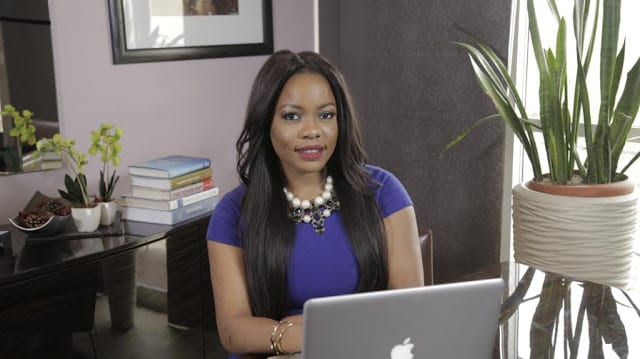
The most beautiful thing about being a young professional or career woman today is that your knowledge isn’t limited to what you can find in your neighbourhood or community. The digital world allows you to connect with experts and information from across the globe. Whatever issue you think you might have, there are probably 100 or so websites that can help you solve your problem. While there are over a too websites we love, here are 7 of our favourites that help us stay informed, motivated and ready for whatever life throws at us. 1. Smart Money Africa The Smart Money Movement is championed by financial guru Arese Ugwu. Her website provides a platform for young people to learn to manage their finances better by knowing their net worth and prioritizing the accumulation of assets over frivolous spending. In other words, being smart about your money. Keep an eye out for the blog, the Smart Money Workshops and the Smart Money Journal. They will literally change your life. You’re welcome. 2. Minding Her Business Young? Ambitious? Fabulous? Ready to move to the next level of all-round wellness? Then you need to be minding her business. Starting out as a series of motivational quotes on social media, MHB evolved into a practical guide for the modern woman in the form of an e-book covering financial success, self-confidence, love and relationships. Navigate the site to get inspired by Ivy’s story, keep afloat with the blog and to get acquainted with the book. 3. Ms Afropolitan If you’re searching for a space to address your feminist woes and reaffirm your womanhood in the African context, then this is your destination. Through its blog articles, this website dissects topical issues such as colonialism, race, politics and what it’s like living in Diaspora. It offers strong, powerful, relevant messages for women of colour. 4. Haute Fashion Africa Haute Fashion Africa is basically the fashion portfolio for the modern African woman. This website is on top of all that’s happening in the African fashion stratosphere. We’re talking all the fashion trends, the major fashion shows in different African cities, profiles on designers, stylists and models. 5. Food and the Fabulous This lifestyle website showcases cuisine and culture from all over the continent and the rest of the world. Award-winning South African journalist, Ishay Govender-Ypma takes you on a journey with the Food and the Fabulous Food tours introducing you to Cape Town’s mouth-watering dishes. Many of these recipes are available for you to try out. You can also gain travel inspiration and take a dig at current issues. 6. Travel Africa Story Sure you’ve heard the saying that one’s education is incomplete without the experience of travel. This inspirational site features travel experiences and highlights amazing travel destinations from across Africa. If you need ideas for your next vacation, check out ‘Travel Tips & Trips’. With several helpful articles and feature stories on travel etiquette and fun things to do on your trip, it’s an amazing travel guide. The best part? You have the opportunity to tell your own travel story and get featured on the site. 7. She Leads Africa (duh!) Did you think we were going to leave this out of the list? Think again. SLA is arguably the #1 go-to website for young African females with a focus on getting started or improving their careers and business. It’s a resource pool packed with power articles and insight from the co-founders and diverse team of editors and contributors. It also features practical tips and advice, webinars, access to career coaches and more. The SheHive events which bring together the SLA community and industry leaders are hosted in various cities around the world. Motherland Moguls, let’s get surfing! Share with us what some of your favorite websites are to check out. Besides us of course 😉
Isn’t it time we stopped following the rules?

When I began doing business and the chase for clients began, I think I probably felt every emotion there was to feel sometimes all at once. The need to maintain customers, rules of the business world, the attempts at adjusting or learning to adjust to the demands of each customer and even getting used to the word “customer” or “client’ and the wonder and satisfaction that I too had something like that. One day, a friend who also runs a business showed me a picture online that said “power of feminism” and another that said “I’m a strong, independent woman. I have a mind of my own”. I nodded in approval and said I was going to use it as my Whatsapp profile picture and she agreed distractedly but when I suggested she do the same, she gave me a very alarmed look saying; “Ah! Noooo! One has to be very careful in business, don’t forget my clients are also on Whatsapp, many of them are men and I might lose them”. I was instantly reminded of medieval women. Not just in Africa but in Greece and Rome too, I remember reading that women who worked were looked down on as the lowliest of women and were not allowed to earn more than a particular amount. Women could own anything including land but had no authority to give them away or sell them; even their dowry was not essentially theirs, it belonged to their husbands and in the event that the husband died it belonged to the son and in the event that there was no son, it belonged to the next male in the family. They had no inheritance, only dowry. Inheritance was for the sons and if there were no sons, fathers arranged to adopt one or arranged for a potential son-in-law to agree to adoption and drop all former familial ties. If the father made no such arrangements before dying then the daughter became an heiress and any man was free to make a bid and marry her. If she was already married, any man strong enough could force her to divorce her husband and marry him. The basic goal was for the woman to not be in charge of any wealth. I read that the famous Plato suggested that dowry be removed to “curb the arrogance of women” and some said that women could not act independently because of what was described as ‘lightness of the mind’. They had to be modest and restrained and possess a certain kind of sense of honour prescribed for them by society. What struck me though was reading that women had the choice to break out of such oppression —at a cost, yes— but they had the choice. They could have made a collective agreement with a firm mind assured in its own belief or they could have buoyed each other to action…but it never happened that way. It was always one woman springing up separately after the other. I sensed an age-old lack of assertion. Once I visited a potential sponsor for a project in the works and we began conversing in the way of two strangers attempting to build a bridge of familiarity. There was a patronizing superiority in the air as soon he began to talk about career women and what they really should be doing —not career. After minutes of hmms and head-shakes in an accommodating manner, I knew I didn’t agree. I didn’t agree at all…and I wanted to say exactly that. Then I remembered my friend from the other day and knew I could possibly be treading a risky path but after another couple of minutes, I took a good look at my company… This person who saw the importance of the matter at hand but didn’t quite take me seriously so found a way to veer off it into domestic topic, who did not know me but brazenly advised that instead of web design, I should have gone into food business because it was more suited for women, who even more brazenly asked how much I was being paid, who casually asked if I ever consulted a career counsellor. So I spilled. Smiling. I disagreed nicely. It suffices to say I didn’t get that sponsor. I wondered what would have happened if I had frowned… The need for the choice of bold assertion especially for women goes beyond the office, it encompasses every sphere of life because so far it’s been particularly tough for the female folk. What wins in the battle between our cautious conservative side and our radical side? When do we truly understand that although we might not be able to fly always, we’re certainly not as restricted as we fear or as we are told? With the times changing, it still seems as though many women persistently —some knowingly— kowtow to the past and the stubborn insistence of many to hold on to its traditions. We have reached several turning points but how many of us have really chosen to turn? What do I think? It’s simple. Put your resources together and construct a new platform that makes you proud. Follow an inspired feeling not a rule book. Society has never really known what women needed, what they are truly. The phrase “inner queen” may sound cliché but it is truth and we need to push it forward and assert our right to exist and be free in truth —not the existence and freedom grudgingly meted out by society. Stop the subdued success act! Be especially articulate about ideas, needs and desires And if it causes some drama? Don’t be afraid. Sometimes we need a little drama to motivate us to make changes and improvements to our lives
Top 10 best black girl magic moments of getting ‘WANDA’ in formation
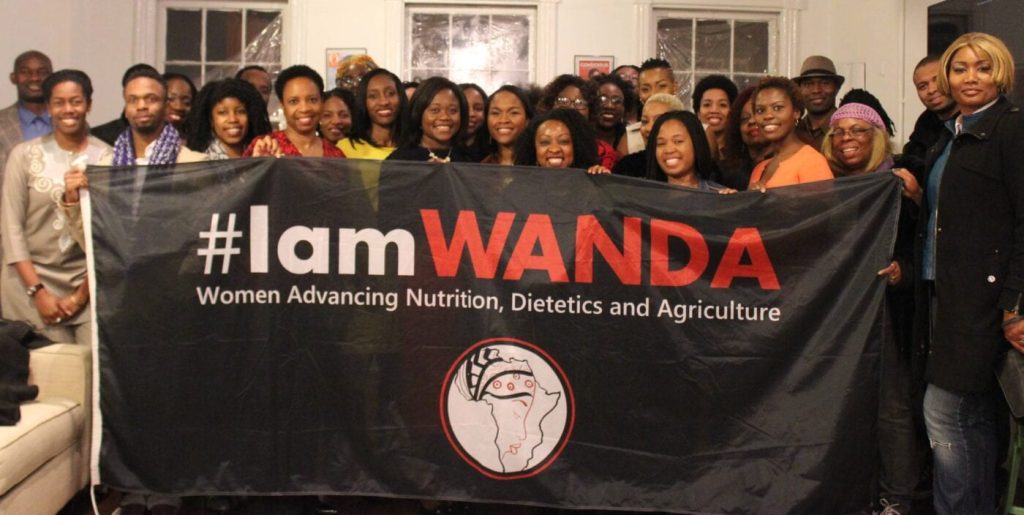
Earlier this month, I had the distinct pleasure of attending the launch of WANDA, a newly established nonprofit organization educating, empowering and advocating for women and girls of African decent to become leaders in the fields of nutrition, dietetics and agriculture. The launch, which took place on March 5th was held in honor of International Women’s Day and as such, featured a panel of innovative and groundbreaking social entrepreneurs in industries ranging from beauty and cosmetics, to television and entertainment. WANDA Founder, Tambra Raye Stevenson, groundbreaking in her own right as a National Geographic Traveler of the Year and founder of the DC-based NativSol Kitchen, describes WANDA (Women Advancing Nutrition, Dietetics, and Agriculture) as an initiative bringing together “sisters of the soil” to encourage all women, young and old, to lead in advancing the fields of nutrition and agriculture. “Women and girls are at the heart of transforming our communities through preserving our foodways, building vibrant economies and healthy communities,” she said. WANDA will also be launched in Abuja, Nigeria in May. As a Ghanaian-American woman just beginning her journey into the fields of agriculture and nutrition, I find WANDA’s mission intriguing. The organization promotes itself as a Pan-African initiative, which is hugely significant to me at this point in my career. Though most of my professional experience falls within the realm of international development, a heightened social awareness of racial injustice in the United States, underscored by the growth of the “Black Lives Matter” movement, has compelled me to offer whatever service I can to ensuring a healthy future for Africans AND African-Americans alike. Having shared this passion with colleagues and advisors, I have been told that I cannot have a successful career straddling both sides of the Atlantic – I would have to choose. The launch of this organization confirmed that I am not alone in my desire to protect and promote health throughout the African Diaspora. And for me WANDA is blazing a trail where there had been none before. If you missed the launch, check out my top 10 black girl magic moments that continue to resonate with me. 1. Getting in formation Inspired by the song that launched many a think piece, WANDA flexed its impressive marketing and social media muscle by borrowing from Beyonce’s celebrated and controversial song, “Formation” for the title of their event. Dubbing the launch, “Black Women Getting in Formation: Power of Media and the Arts to Advance Nutrition and Agricultural Advocacy,” WANDA brought attention to the convening power of a song some have identified as a call to arms for black women. In a recent interview with Black Enterprise, Stevenson shared that WANDA’s version of “getting in formation” means encouraging women and girls to pursue education and leadership roles in health and agriculture. For me, gathering under the backdrop of “Formation” and a national conversation about self-love and unapologetic blackness brought a palpable sense of pride and purpose to the launch. It was an environment that allowed participants to celebrate each others accomplishments, relate to each others struggles and commit to partnerships moving forward. A moment that stayed with me, however, was when panelist and WANDA honoree Rahama Wright, CEO of Shea Yeleen International reminded attendees that countless unnamed and unknown women have always and are still doing the work only recently championed by Beyonce. Way before the Super Bowl performance that stunned America, black women worked together to achieve success and independence. This moment from Wright reminded me that despite Beyonce’s undeniable contributions to the movement, the real heroes in the quest for justice and equality are in our midst and should not be overlooked. 2. Celebrating excellence in entrepreneurship Speaking of celebrating the heroes in our midst, WANDA set a great example by honoring four WANDA women leading the way in promoting positive images of blackness and black women. Along with Ms. Wright, WANDA honored Julian Kiganda, CEO of Bold and Fearless, DeShuna Spencer, Founder and CEO of KweliTV, and Mukami Kinoti Kimotho, Founder and CEO of Joodj. During the panel discussion, each honoree offered a unique perspective on the realities of being a black female entrepreneur. The most memorable moment for me was the vulnerability each woman shared in explaining that their successes were not won overnight. The panelists openly discussed the tendency in the black community to erase struggles from one’s personal narrative. By openly discussing the blood, sweat and tears that goes into growing an organization from the ground up, the panelists believe that more women may be encouraged to continue chasing their dreams even when they face hardship. It was a message that resonated with the audience who clapped in support of these personal and uplifting statements. 3. The food NativSol Kitchen provided the tasty, healthy and culturally relevant fare originating from different countries across the continent. Stevenson dazzled attendees with a Morroccan stew, West African rice dishes, savory black eyed peas, and my personal favorite from the event, bissap, or zobo as it is known in Nigeria. The drink is made from dried hibiscus leaves and is known for its tangy flavor and deep crimson color. NativSol spiced its version up with a touch of ginger, giving the beverage a kick that rounded out the meal. The message I took away from the impressive spread is that food from across the African continent and Diaspora is naturally delicious and healthy. Over time, departure from these foods and the uptake of the Western diet has left a staggering percentage of the Diaspora suffering from overweight, obesity, heart disease, hypertension, and diabetes. In the United States, over 75% of African Americans are overweight or obese, while in Africa nutrition related non-communicable disease will account for 40% of the disease burden on the continent by 2030. A part of WANDA’s mission is to reverse this trajectory and restore health to the Diaspora by embracing the heritage foods that characterize so many of its classic dishes. For more information about the link between culture, food and
5 TEDx Talks that remind us why failure is okay
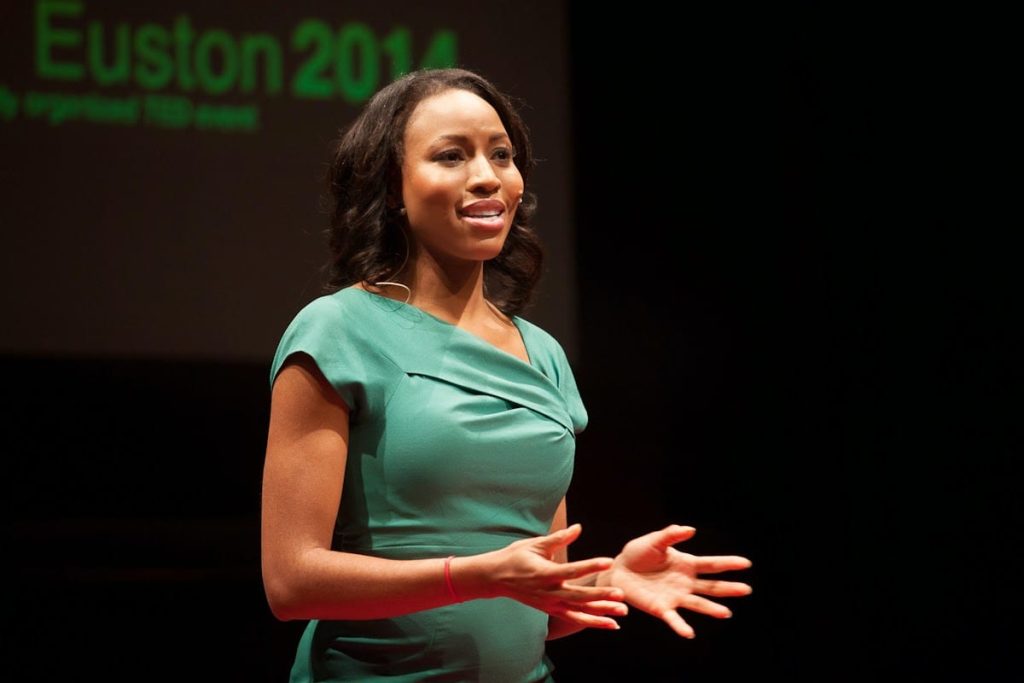
When your finances, relationship with bae, worklife and hair are on fleek, it can feel like you’re on top of the world. But the real challenge of growth comes when you get knocked down and everything seems to be going wrong. It takes courage to keep going when everything around you is saying stop. But don’t fret. The following TEDx Talks hit the nail on the head on why it’s okay to fail. Failing All the Way to Success | Jason Njoku “I was broke, I was living with my mom. But, I was still in the game” Jason Njoku dubs himself a “certified failure” after his 10 failed entrepreneurship ventures landed himself back on his mother’s couch. His TEDx talk chronicles how he eventually found a winning idea and became the CEO and founder of Iroko Partners, a leading online distribution company focused on the Nigerian entertainment industry. Trust your struggle | Zain Asher “But I think that having that competitive spirit and having the need for one upmanship and comparing yourself to other people again and again can actually bring out fears and insecurities that end up holding you back” Zain Asher was a receptionist in the US and no matter how hard she worked she wasn’t able to get a promotion. The company she was working at even began to look for external candidates for the position she was aiming for. Through that struggle, Zain realized that the learning process was worth it, and she is now a national business and personal finance correspondent at CNN International. Success is scarier than failure | Jemele Hill “If you ask me today what my fear is, it is success. It’s so much easier imagine failure, we do it all the time.” Jemele Hill first pursued writing because it was an outlet from her drug addicted parents. The negatives in her life were transformed into positives as she used that skill to become a celebrated sports columnist and television host for ESPN. Reprogramming your brain to overcome fear | Olympia LePoint “The truth is if we do not have a way to reprogram our minds to overcome fear. We will never be successful at our own specific missions in life.” Olympia LePoint failed algebra, geometry, chemistry and calculus in high school. Through her failures, Olympia learned to name and reject her fears. Olympia went from failing subjects in high school to becoming one of the top five graduates out of a 6500 graduating class with a degree in Mathematics. Olympia went on to get her Master’s degree in Applied Mathematics and is now an award winning rocket scientist who has helped launch 28 space shuttle missions to outer space. Perseverance and the power of not giving up | Christine Krzyzanowski “So many people have visions and dreams and they are put into uncomfortable situations then they quit and settle” Christine Krzyzanowsk thought she lost all glimpse of being successful when she quit her high paying job in New York City and moved to Texas. But through the lessons she learned from failed business ventures, she’s now become the co-founder and chief marketing officer for Xtreme Tilt, LLC., where she leads marketing for the gaming company worldwide. Sometimes we just see the end results of someone’s success but never get a glimpse of their journey. These TEDx Talks showcased the underlying theme of not letting failure hold you back from doing something you know within yourself that you are capable of accomplishing. Which one of these videos did you relate with the most?
Get these four mentoring elements right & reap the rewards
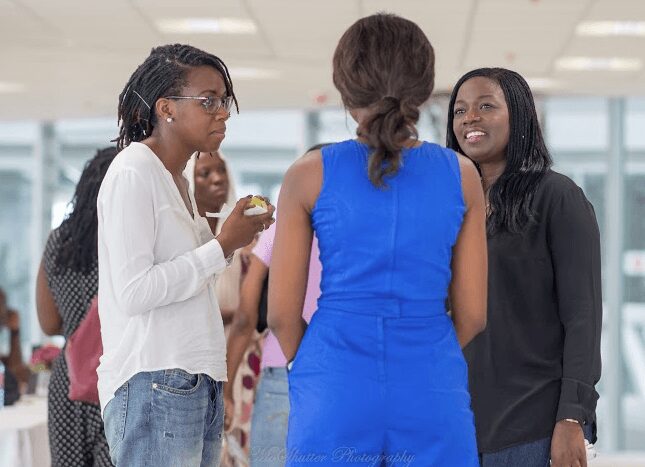
‘Get yourself a mentor!’ I bet most of you have heard this sentiment shared at one point or another during trying times in business or career. What always amazes me is the matter-of-fact way this is normally mentioned. When you get a chance to probe what precisely a mentoring relationship ought to look like, don’t be surprised to get a pair or two of blank stares. That’s the nature of buzzwords. Everyone throws them about but very few understand the process that one must follow to ensure a worthwhile mentoring relationship. When I started my business, I was told at the first business incubation meeting that no business succeeds without mentors. I bought into this; after all business advisors who have been in the game for some time said it. What they failed to mention though is the importance of structuring the relationship in a business-like manner to make it mutually responsive for both parties. ‘If it is not structured, it’s not going to work.’ Before we get some structure, let’s define what mentorship is. In its simplest form, mentorship is a relationship in which a more experienced or more knowledgeable person helps to guide a less experienced or less knowledgeable one. With this knowledge in mind, I went looking for a mentor and my criterion was simple: ‘experienced business owner who has made strides in the business world’. But guess what? The relationship never took off and I found it a tad bit contrived. Over the duration of my business, I have formed relationships with various mentors; some time-bound, others more regular and yet others sporadic based on need. I have also taken on mentees; some didn’t work out while others flourished. I have settled that structure makes or breaks a mentor/mentee relationship. Structure has been credited for the turnaround of Ford Motor Company when Allan Mulally, the former Chief Executive Officer (CEO) saved the company from bankruptcy. A structured approach to any intervention necessitates forward thinking. Without it, one is stuck in thinking in the now. Structure implies commitment and precision. And it is these two attributes that I found lacking in my previous relationships. I have, to my great dismay, found that lack of structure tends to be the norm in such relationships. Over the last two years, I have learnt that for a mentoring relationship to succeed, four elements need to be present. 1. Approach your potential mentor thoughtfully Check the mentors’ track record with prior mentees to ensure that they have added value to others. It also helps to have a specific request to approach them on and go there with a proposal on how you as the mentee hope to work with the mentor. 2. Have an agreement in place For some reason we think it’s okay to have written agreements for all other interventions but not for mentoring, which is why, in my opinion, these relationships do not work to their full potential. You need clear guidelines on time, boundaries and work plans. I have found that when you have it documented, both parties are held accountable to keep their end of the bargain. Most importantly, this enables you (and the mentor) to review the relationship periodically. 3. Understand your mentor beyond the surface Just as we are always advised to understand what makes our bosses tick, the same principle applies to mentors. Know what works best with them; do they prefer email communication, are they best called in the morning etc? Know what is important to them and how having you as a mentee is an added value to them. 4. You want the relationship, take charge of it The assumption is you wanted to have a mentor for a specific reason to ensure that you fulfill your goal. Doing so, requires you take control of the relationship. The mentor will not run after you, you need to do the running (until you’ve proven your value). Being timid will not get you anywhere neither will aggression. The trick is in striking a healthy balance. When you approach a mentoring relationship in the same structured way you would coaching or training, you force yourself and your mentor to put priority to the union. When your needs are clear, the mentor knows exactly how they can support you. The best part is both parties are accountable to each other, and with accountability comes measurement of impact and that is golden!
13 inspirational quotes to help you get through those devilish days
Some days can feel so terrible you think the entire world has some beef against you. You wake up to an empty generator tank, which means no hot bath for you, and while running late to work, your nice shoes get ruined in the rain. You make it to work, but at lunch time, just before it’s your turn, the canteen runs out of food. Then just before you’re about leaving for home, your boss gives you an assignment with a 3-hour deadline! You finally made it home but it’s not over. Your mother calls to say some girl in your secondary school class is getting married, and she’s wondering if she’ll be the last mother on earth with an unmarried daughter. On days like these when you just need a pick-me-up, you can be sure to count on She Leads Africa to swoop down and resuce you with some common sense. We’ve got 13 inspirational and motivational quotes to help you remember that today’s challenges won’t be there tomorrow. 1. Strive Masiyiwa – Founder of Econet Wireless “The opportunity is in the problem. The moment I see a problem, I immediately begin to think about the opportunities that can be created by trying to solve it.” 2. Teresa Mbagaya – Microsoft Education Lead, East & Southern Africa “On career, I’ve always remarked that absolutely no one but you is responsible for your career; as such, plan for your future. Ask for that promotion, ask to be included in strategic meetings, invest in your leadership and in your colleagues, ask to take lead of varied initiatives and best yet, bring your best self to world.” 3. Lupita Nyong’o – Actress “It’s only when you risk failure that you discover things. When you play it safe, you’re not expressing the utmost of your human experience.” 4. Kechi Okwuchi – Sosoliso plane crash survivor “I make decisions based on what I like – not what I look like.’’ 5. Kene Mkparu – MD / CEO at Filmhouse Cinemas “Consider what is in your hands, Africa needs your talent.” 6. Fred Swaniker – Founder of African Leadership Academy “Everywhere I went I experienced the wonderful beauty of our continent and saw the resilience and the spirit of our people, and at that time, I realized that I wanted to dedicate the rest of my life to making this continent great.” 7. Heshan de Silva – CEO of De Silva Group “You can never start a business based on what you like right now. Because what you liked 5 years ago, is not what you like today. So, have something deeper than what you like as a starting point.” 8. Uche Pedro – Founder of Bella Naija “Keep it simple, don’t try to do everything. Pick your lane and be the best at it.” 9. John Obidi – Social media strategist “It is not only important for you to become a superstar at what you do, it is necessary. There are people in your future counting on you to make it.” 10. Zain Asher – Anchor at CNN International “I don’t believe in competing for what I want, I believe in creating what I want.” 11. Nancy Kacungira – News Anchor “We need to begin a dialogue between ourselves… It’s time we start writing a new narrative that doesn’t focus on the struggle, but on progression.” 12. Aliko Dangote – Businessman “I built a conglomerate and emerged the richest black man in the world in 2008 but it didn’t happen overnight. It took me thirty years to get to where I am today. Youths of today aspire to be like me but they want to achieve it overnight. It’s not going to work. To build a successful business, you must start small and dream big. In the journey of entrepreneurship, tenacity of purpose is supreme.” 13. Chimamanda Adichie – Author “Of course I am not worried about intimidating men. The type of man who will be intimidated by me is exactly the type of man I have no interest in.”
#SisterhoodGoals: 2 things to learn from Lupita Nyong’o and Danai Gurira
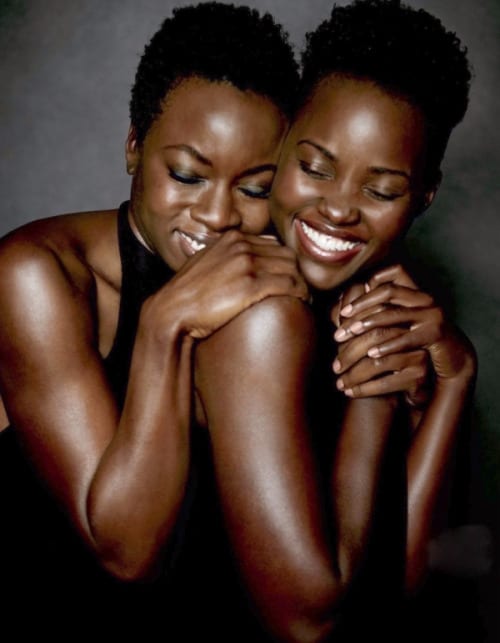
Lupita Nyong’o and Danai Gurira are history makers individually and now, collectively. Eclipsed, the play Danai wrote and Lupita stars in, is the first Broadway production that has a female playwright, a female director, and an all-female cast. The play which premiered last week has received incredible reviews, and we, of course, expected nothing less from these powerhouses. Here are 2 things we learned about sisterhood, friendship, and business from these Motherland Moguls. Keep your promises, even if it takes a couple of years When Lupita arrived at Yale, the first role she was assigned to was to be an understudy in Eclipsed (written by Danai). From then on Lupita promised herself that she would one day do this play. She even mentioned the play in her first Vogue cover story and after a run at the Public Theater in 2015, Lupita emailed Danai and told her “Let’s do Eclipsed” and the rest is history. Have you promised to take a look at your friends resume or give feedback on a new purse design? Stop procrastinating and follow through on your commitment. As friends and sisters, we need to lend each other a helping hand. Your passion can inspire others In Variety magazine Danai stated “It’s very clear to me what my drive is. I tell African women’s stories. It doesn’t mean I don’t do other things, but that’s my thing. It’s rooted in a passion for that, and it’s rooted in a rage because I feel that they are so under- and misrepresented. I’m trying to link these two places, and have Africa be seen by the West in a more multidimensional, complex and celebratory way.” For Lupita, when she was deciding where to go to drama school, she was nervous about only doing work that focused on the Eurocentric point of view. When she arrived in the States from Kenya, she was so grateful that the first play she received was written by an African woman and focused on powerful female characters. Danai followed her passion and created a play that has given other young African women the opportunity to shine. Lupita was inspired and motivated by the play at the beginning of her professional acting career. How many other young, African women have been inspired by Lupita’s acting and activism all across the globe? Are you genuinely following your passions or you just managing with what you can do? You never know the impact your business idea, non-profit or role in a company can have on others. By following your passion, you can inspire and motivate others to achieve their goals. It can be easy to lose yourself on the journey to success. Sisterhood can challenge us to become better versions of ourselves and help us remember what is truly important. Sisterhood in our communities connects all of us like a spider web. If one part of the web tears we all feel it. Think about what we could collectively accomplish if we all kept our promises and helped motivate others like Lupita and Danai.
Want to go to Harvard Business School? Here’s how these African women made it happen
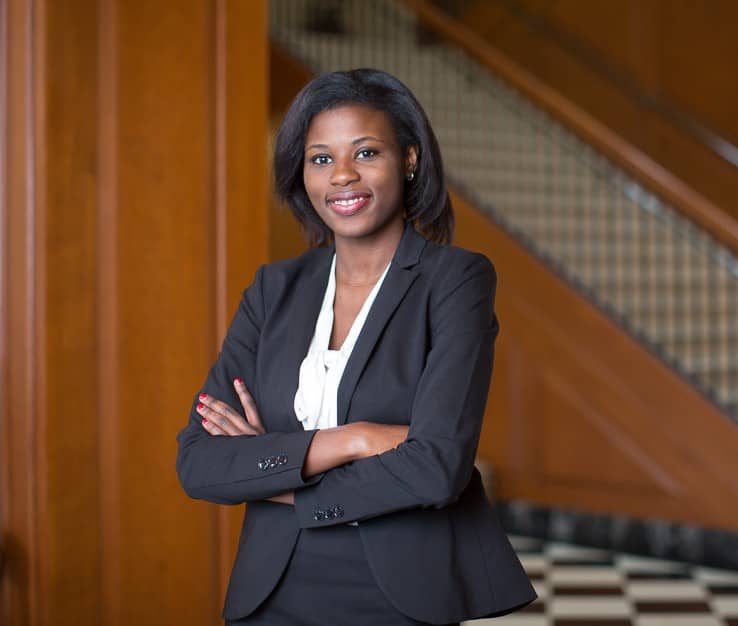
Harvard Business School is arguably the world’s most popular and influential institution of business education in the world. With alumni leading the globe’s most powerful companies, it’s no wonder that many Motherland Moguls have HBS at the top of their list for their MBAs. We’ve caught up with two HBS students to learn about why they chose the school, the strategy they used for their applications and their best resources during the application period. Maimouna Diakhaby MBA Class of 2016 Country of Origin: Guinea Pre-MBA Job: Business Analyst at Rio Tinto Favourite Class: Managing International Trade and Investment Why did you think an MBA was the right step for you in your professional journey and why did you think HBS was the best place for you? After 4 years of work experience, I knew it was time to round my analytical skills with leadership and management skills. I was also looking for an education that would give me a comprehensive understanding of how different parts of an organization fit together to create value. While there are amazing programs in the US for any aspiring student, my first choice was Harvard Business School for 2 keys reasons: First, the school’s leadership focus was not only used for promotional reasons but also embedded in the entire curriculum. At HBS, every case discussion puts you in the shoes of a leader (CEO, head of state…) and forces you to make a decision that could change the course of an organization. The school attracts, selects and shapes individuals who are striving for technical excellence and looking to have an impact and influence the environment they live in. The other reason I chose HBS relates to the school’s branding in Africa. As a woman looking to contribute to the continent’s development, I wanted to get a degree from a school with a strong reputation. In fact, women are too often relegated to more “feminine” roles and rarely taken seriously in some regions. The HBS network and reputation in Africa will hopefully allow me to break those barriers and focus on creating value. How did you stand out in your application and show the admissions committee what you could offer the school? It’s really hard to isolate what made me stand out. The admission office states that it looks for a well-rounded applicant and that all aspects of an application are equally important. In my application, I just tried to convey my story in a coherent and comprehensive way. I made sure to present all aspects of my background- strength and weaknesses included. I strongly believed that if HBS was truly a place where I would thrive, my true ambitions and flaws would be accepted. I also believe that showing that I was a “balanced” prospective student played an important role. The typical HBS student has had a successful career coupled with strong extra-curriculum involvement that truly reflects their passions. What area of your application did you spend the most time on and what was your strategy? I spent the most time crafting my essay. I must have read it a thousand times (no jokes). I really wanted to make sure that it was an accurate reflection of my personality and would effectively allow the admission team to assess the kind of leader I was aspiring to become. It is really important for prospective students to make sure their essay is coherent with the rest of their application. Also, use it as a platform to introduce yourself without exaggeration or disguise. What resources/websites/programs were helpful for you during your application process? GMAT Club is a fantastic resource. Most MBA students I know have referred to it at one point or another. People use it to ask questions, share information with other applicants or just learn useful tips on the gmat. The Manhattan GMAT preparation books were also my go-to reference while prepping for the test. READ MORE: Founder of MBA Mama shares with us her advice on successful family planning during your MBA Sola Olaniyan-Bright MBA Class of 2016 Country of origin: Nigeria Pre-MBA job: Adidas Group Finance, Germany Concentration at HBS: We don’t have official concentrations but I’ve had the most electives in the fields of Entrepreneurship and Start-up Finance. Favorite classes so far: Three come to mind: 1. Entrepreneurship and Global Capitalism: a business history course that studies the lives and journeys of successful businessmen and women from the 18th century till date. I loved this class because it challenged us to study different aspects of the world’s biggest entrepreneurs and to form our own opinions on the decisions they made from a financial, moral, and ethical standpoint which, of course, ended up being very personal for everyone who took the class. 2. Entrepreneurial Finance: We studied the mechanics of businesses, mostly start-ups, from idea to execution primarily through the lens of investing and other financing decisions. 3. Business, Government, and the International Economy (popularly known as BGIE): It’s macroeconomics in practice where we study a different country every class to understand the underlying drivers of their performance and sometimes predict the future of their economies over time. Why did you think an MBA was the right step for you in your professional journey and why did you think HBS was the best place for you? Pursuing a graduate degree is something I’d always known I wanted to do. Having studied Accounting at university and completed the ACCA exams (chartered accounting qualification), I was initially looking to do an MSc in Financial Engineering or something along the lines of strengthening my roots in finance. However, after 5 years in asset management and management consulting across various industries, I knew I wanted to go for a degree that would be much more than an academic exercise. I wanted a degree that would better equip me to be a rounded business leader by exposing me to as many different aspects of business as possible while keeping me globally competitive and this made an MBA a clear choice. I chose HBS for 3 reasons the brand, the learning style (case method), and the network. The brand is very strong especially on the African continent and of course beyond. The case method puts you in the driver’s seat of