
For young African women: How to build wealth at every stage of your life

This is part one. Read part two here. The Young African Woman – How to Build Wealth at Every Stage of Your Life I recently attended a seminar where one of the key speakers mentioned that there are three main categories that are forecasted to thrive and succeed in this season: Youths, Africans, and Women. It is therefore a good time to be a Young African Woman. In order to succeed as a Young African Woman and to ‘win’ in all areas of your life, you must be in control of your finances and build wealth. It is therefore important to understand the different stages of life i.e. the financial life cycle and how to build wealth at each stage. I would start from the girl child, in order to ensure that we also empower our children, sisters, students, mentees etc. This is the most important stage because if you get it right at the stage, you are likely to be wealthy. There are different theories on the number of stages in a financial life cycle, however, for simplicity they’ve been split into 5 stages. Stage 1: The African Girl Child This is typically between ages 0-12. At this stage, we begin to understand the value of money i.e. N200 can buy more sweets than N100. We begin to have conversations like Kid: “Mum, why can’t we buy a bicycle?” Mum: “Because we do not have enough money at the moment.” Kid: “But mum, what about the money in my piggy bank? I have a lot of money in my piggy bank.” Mum: “Honey, N500 is not enough to buy a bicycle.” Generally, we believe that money is to be used to buy junk food and also to buy toys. At this stage we receive pocket money. Financially intelligent parents would begin to teach their children the basics of savings via a piggy bank or a kids’ account. They would also learn the concept of earning money by being paid for household chores as well as through mini businesses such as making and selling lemonade or bracelets etc. I attended a conference where a speakers stated that when she was younger, her parents paid her whenever she did her household chores and that was how she learnt the value of hard work and earning money. My daughters started their first business at age 6 and 3. During their Christmas holiday, they made personalized bracelets from beads and with virtues such as love, faith etc, and sold them to their aunties, uncles and friends. Shortly after, they received an order to make personalized bracelets for a birthday party. Within two weeks, they made about N30, 000. I introduced the concept of a piggy bank and also taught them how to give as well. I also had a very proud moment the other day. My daughter had received some money as a gift from her uncle at Church to buy ice cream. A blind man came to ask for money and she heard me say I didn’t have any cash left. She then said to me “Mummy, he can have this money” and she gave him her ice cream money. At a very young age, I opened investment accounts for my daughters with a monthly direct debit in place. Warren Buffet began investing also at this stage. He has also created an online club for kids called the Secret Millionaires club where kids learn the basics of entrepreneurship and wealth management. This is a good place to start. Stage 2: The African Teenage Girl This is typically between ages 13-19. At this stage, we develop a better understanding of money. Our needs include buying top-up cards for mobile phones, shopping and entertainment etc. We understand that it is not everything you want that you can get. We also start earning money via jobs like baby-sitting, etc. In developed economies, at this stage, teenagers are sent to work in fast food restaurants or retail clothing stores to earn some money. Some teenagers are also required to work in companies as interns during holidays. Ty Bello, Nigeria’s renowned photographer started her hair styling business at age 15. One of Africa’s youngest billionaires Ashish Thakker started his first business at age 16. When you get to University, you begin to understand the importance of managing your finances. In University, you are also introduced to the concept of credit cards, over drafts etc. It is important to educate teenagers on the pros and cons of credit cards and overdrafts. A lot of students get it wrong and end up in a lot of debt once they graduate from university, and this affects their ability to build wealth in other stages of their life. Key things to consider at this stage include: Learn the value of hard work and earning money through internships, holiday jobs Start a business using your talents and gifts Start a savings and investing culture Be involved in the process of managing bank accounts and investing. Read books on personal finance How did you fare in these stages as a young person? If you have passed these 2 stages, you can still share them with a young person or a parent who might need it. In Part II, we discuss – stage 3: The Young African Woman, stage 4: The African Woman, and stage 5: The Older African Woman.
Top 5 quotable moments from our Twitter chat with Anita Erskine
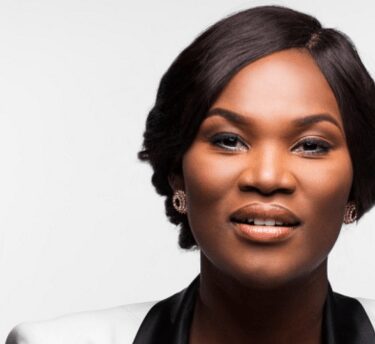
On January 18th, we were lucky enough to spend our afternoon on Twitter discussing career breakthroughs and opportunities with Anita Erskine. If you didn’t catch our chat, you can get a full recap here. Anita Erskine is a woman of many talents. She is the host of three popular shows on DSTV, an oral narrator, producer and entrepreneur. Anita is also the founder of ReVerbGH, a strategic communications firm targeted at aiding small organizations and entrepreneurs fresh on the scene. In addition, she lends her support to social issues through her organization BrandWoman Africa, which promotes the advancement of African women through television. Here are the top 5 quotable moments from our chat with @TheAnitaErskine: 5. On the pressures facing African women in the media industry today @SheLeadsAfrica #Pressures : we DONT know / CANNOT accept who we are! So most Women are operating WITH someone else's Standards. #SLachats — Anita M.V. Erskine™ (@TheAnitaErskine) January 18, 2016 4. On the uphill battle faced by professional Ghanaian women @SheLeadsAfrica 2) Women are always fighting against what Ghanaian society EXPECTS them to do and that can be a challenge! #Slachats — Anita M.V. Erskine™ (@TheAnitaErskine) January 18, 2016 3. On encouraging healthy collaboration between men and women @keminni @SheLeadsAfrica believe in collaborations & partnerships both at home & work! I don't do it on my own! I ask for help! #Slachats — Anita M.V. Erskine™ (@TheAnitaErskine) January 18, 2016 2. On the importance of mentorship @SheLeadsAfrica 3) Not enough Mentors and Women in the field! So a lot of Women are doing what they "think' is right. Problematic #Slachats — Anita M.V. Erskine™ (@TheAnitaErskine) January 18, 2016 1. On turning dreams into reality @SheLeadsAfrica Finally, Dreams are just that. In order to live them, you HAVE to try!! It is POSSIBLE! #Slachats pic.twitter.com/m23mwnrq5R — Anita M.V. Erskine™ (@TheAnitaErskine) January 18, 2016 A huge thank you to all our #MotherlandMoguls who chimed in and to Anita Erskine for sharing her wisdom with us! If you want keep up to date with future events hosted by She Leads Africa, join our community and follow us on Twitter, Facebook and Instagram
10 inspirational quotes from women leaders for when the going gets tough

Starting and running a business, nonprofit, or working towards being in a position of leadership can be frustrating and onerous over time. We usually start out excited, ready to take on the next challenge of actualizing a vision, only to lose that spark over time. Besides getting external moral support, an important factor is learning how to constantly motivate yourself. If you’re finding it difficult to stay inspired and keep the vision alive, you are not alone! Read the following advice from these inspirational women that have made or are making waves in various fields of leadership that also understand your plight. 1. “The size of your dreams must always exceed your current capacity to achieve them. If your dreams do not scare you, they are not big enough”- Ellen Johnson Sirleaf. Sirleaf is the current president of Liberia and the first female head of state in Africa. After being forced into exile during the 1980 military coup, she returned to speak against the regime, then later contested for the presidency in 2005. In 2011, she was part of trio of inspirational women awarded a Nobel Peace Prize for her work with women’s safety and rights. 2. “Take criticism seriously, but not personally. If there is truth or merit in the criticism, try to learn from it. Otherwise, let it roll right off you” – Hillary Clinton. Clinton served as the 67th U.S. secretary of state in from 2009- 2013. She is the leading Democratic Presidential nominee for the upcoming American 2016 election. 3. “When we speak, we are afraid our words will not be heard or welcomed. But when we are silent, we are still afraid. So it is better to speak.” – Audre Lorde. Lorde was a Caribbean-American poet, civil rights activist, and feminist. Her writings addressed racial prejudices, homophobia, and male privilege, amongst other things. She empowered her readers to address prejudice they were faced with and also celebrate differences in race and class. 4. “Learn from the mistakes of others. You can’t live long enough to make them all yourself” – Eleanor Roosevelt. Roosevelt was the first chair of the UN Commission on Human Rights and played an active role in American politics as First lady. 5. “If you don’t like something, change it. If you can’t change it, change your attitude. Don’t complain” – Maya Angelou. Angelou is an award winning poet and author of seven published autobiographies, numerous essay collections and poetry. She is internationally acclaimed for her memoir, I Know Why The Caged Bird Sings. 6. “Normal is not something to aspire to, it’s something to get away from” – Jodie Foster. Foster is an American actor, director, and producer who has worked in films and on television. A recipient of several awards, she is often been cited as one of the best actresses of her generation. Her latest work involve directing episodes for Netflix original, Orange Is the New Black & House Of Cards. 7. “Don’t wait around for other people to be happy for you. Any happiness you get you’ve got to make yourself.” – Alice Walker. Walker is a Pulitzer Prize-winning American author and activist, she wrote the critically acclaimed novel The Color Purple. 8. “If you just set out to be liked, you would be prepared to compromise on anything at any time, and you would achieve nothing.” – Margaret Thatcher. Thatcher was Britain’s first female prime minister serving three consecutive terms in office. A dominant figure of conservative ideology during her time in her office, Thatcher created a conducive environment for entrepreneurs to thrive. By cutting taxes and regulation, she empowered people financially, and ultimately helped revitalize the British economy. 9. “You’re not obligated to win. You’re obligated to keep trying to do the best you can every day” – Marian Wright Edelman. Edelman is an American activist for children’s rights and is the president and founder of the Children’s Defense Fund. She has been an advocate for disadvantaged Americans her entire professional life advocating for causes like pregnancy prevention, parental responsibility for educational values, and reducing the level of violence presented to children etc. 10. “As a girl, you should not be someone who tries to fit into a glass slipper. You should shatter the glass ceiling” – Priyanka Chopra. Chopra is an Indian film actress, singer and a UNICEF Goodwill Ambassador amongst other things. A former Miss World (2000), she is has advanced tremendously in her acting career and is the first Bollywood actor to play a lead-role in an American TV show (Quantico). How about those words of inspiration? These Moguls clearly have things on lockdown – maybe not yet, as learning in life is a continual process. Nonetheless, they have been there, (or are still in the process) done that, and understand your plight, just as much. So pick yourself up, dust off the discouragement and take another shot at your goals. To be most effective, grab a post-it note, or whatever medium is most convenient and visibly write down the most essential quote for your current success roadblock. The key is to have this quote ingrained in your memory through repeated exposure instead of trying to retain all the information at a go. Repeat this as often as is needed and see it make a difference.
6 ways to stay fit on the entrepreneurial hustle

The initial stages of starting up are always the hardest. You’re working tirelessly to lay business foundations, you’re probably not getting much sleep and you might be working another job. SLA founders managed 3-4 hours of sleep a night when starting the company as, they were both working full-time jobs at McKinsey. Becoming a Motherland Mogul means working hard, extremely hard, round the clock, so how does one stay fit when you have #nodaysoff? 1. Make it a priority This is just one of those harsh realities. If working out isn’t on your daily to-do list, you will always find some excuse not to. There’s no such thing as not having time to exercise. You have to make time. Just thinking about it also won’t get you anywhere. That burns about 0 calories. 2. Make it short You don’t have to run 10 miles every day. Chances are you don’t have the time. Unless you’re training for a marathon, you don’t actually need to. A thirty minute high-intensity interval training (HIIT) session four times a week should be sufficient. HIIT increases your metabolism and burns more calories than steady cardio and you don’t even need a gym to do this. Anything plyometric will get you well on your way. 3. Wakeup. Workout The early bird catches the worm. Beginning your day with a workout kick starts your metabolism and helps you burn more calories during the day than you normally would. You’ll be more alert and happier (rise and shine by releasing some endorphins), which is sure to help with building your empire. Morning exercise also frees up your day to focus on other things and you’re less likely to skip it if it’s the reason you get up. 4. Keep it fresh. Keep it clean The chances of any packaged food being healthier than a home cooked meal are slim to none. When you eat out or buy a packaged meal from the grocery store, you have no control over the quantity of butter, cream, or oil in it. Cooking your own meals affords you quality and quantity control. If pressed for time, cook enough food over weekend to take you through the week. Remember: Eat small meals through our the day to maintain your blood sugar levels. Salads and fruit are healthy. And your body will thank you if you eat lean protein. 5. Hydrate H2O is your best friend, especially after working out. Water helps vitalize your muscles so you don’t end up feeling weak after exercise. Also, drinking water before and after you eat makes you feel full. Substituting good old water for juice or soda is an easy way to cut back on those unnecessary calories. Water is also good for the skin. You’ll be a fine girl – no pimples. 6. R&R is a must Give yourself breaks for muscle recovery. Overexercising doesn’t give your body time to repair, and you’ll end up fatigued, too restless, or sore to be productive. Rest days reduce risks of injury and help you sleep better. What tips are you using to stay fit in your journey? Share them with us.
Craft the perfect email for everyone in your office

In part I of emailing like a boss, I provided a checklist with the correct structure to slay all of your professional emails. In part II, I discussed how to tweak your content to suit you reader, be it a colleague, employee, boss, or client/customer. Understanding your reader is essential to getting an effective response. You wouldn’t talk to your sister in the same way you talk to your father. That’s foolishness, especially in an African household. This same principle applies to your email. Knowing your reader is important as it establishes their position and affects the tone of your message. Let’s dissect workplace roles and how to tailor your email for each one. Colleagues: Teamwork makes the dream work Be a great team player, do your part, and communicate in a productive manner. Find ways to personalize each message even when sending generic emails. This way, you aren’t victim to the bystander effect, where no one responds because everyone got the email. Communicate to everyone one individually. Be open, driven, and progressive towards an equal compromise . Employees: People want to be led by a visionary A person with a clear vision and passion for success is the best person to work for. Whether you know this or not, people choose to work for you because they believe your vision can and will get them paid. If that isn’t trust, I don’t know what is. Try using words that indicate appreciation and urgency to get a task done. Upper Management, ie. Boss: Busy, Busy, Busy! One vital thing to know about the lives of your boss and upper management is that they are far too busy taking care of the company to waste time reading emails that beat around the bush. In fact, you have the subject line to capture their attention. As an employee sending an email to upper management, your email has to be exceptionally purposeful, brief, and relevant. Every word and sentence counts so no need to repeat or go too far with descriptions (unless that is the task at hand). You can find seven fabulous tips to help you send emails to your boss here. Remember, potential employers are even busier than the management you work for. Why? Because they do not know you. So give them a reason to want to know you. Clients / Customers: Great customer service leads to profit Let’s face it, we love our customers because we exist to cater to them. And this catering comes with a price: communicating personally with a clear purpose is key to sustaining and building your brand loyalty. Always use positive framing. Listen and respond to your customers in a timely fashion. Give your customers what they want, which is to be understood. Acknowledge their comment and respond directly to their words. Because remember, a business is nothing without its customers. Have you used any other tips to save you from the proverbial African disgrace when writing email? If so, feel free to share them with us.
10 TED talks by African women that will inspire you this year
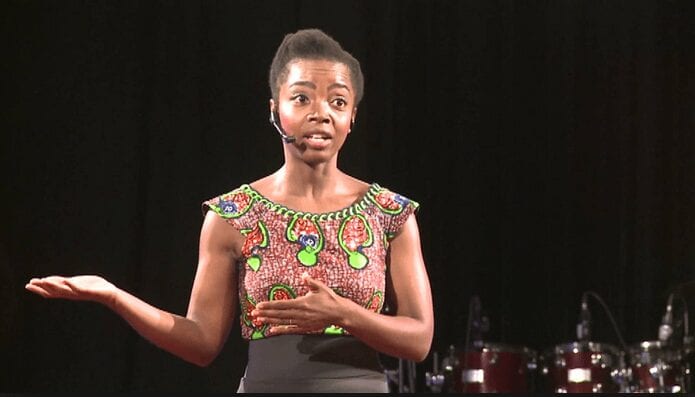
Chimamanda’s Danger of a Single Story remains the most popular TED Talk on Africa of all time. The talk boasts more than 9 million views on the TED website and 1 million+ views on YouTube. I researched other African women sharing great insight on the TED stage and found 10 of the best that was produced in 2015. Here are 10 African women who gave inspiring Ted Talks last year: Memory Banda At 18, I was most concerned with getting the latest Iphone. Memory Banda on the other hand, successfully influenced the Malawi parliament to raise the legal marriage from 15 to 18. After watching her sister get pregnant at 11, Memory vowed to defy the traditional practice of kusasafumbi, a practice in which young girls are forced into marriage once they begin menstruation. Now an avid girl’s rights activist, Memory shows a glimpse of her strength and resilience in this passionate speech about girls right to choose at the TEDWomen 2015 conference. Taiye Selasi Discounted by some as a “First World Problem”, Taiye’s Selasi asks the question, “Where are you from?” in reference to migration around the world. Taiye has lived in four continents, and her critically acclaimed book “Ghana Must Go,” details the complexity of human identity. MaameYaa Baofo Although Nollywood has established itself as an industry to be reckoned with in Africa, many African parents are still unlikely to be thrilled with a child actively choosing acting as a desired profession. MaameYaa Baofo, a New-York based Ghanaian actress, is also gifted orator. In this talk, she uses her experience of pursuing acting despite discouragement from others to discuss the importance of being your authentic self without apology. Zodidi Jewel Gaseb Zodidi is a Namibian woman who discusses the impacts of Western beauty ideals on women through her personal journey of wearing her hair natural. She was inspired to grow out her naturally kinky hair after she realized that her daughter perceived her long flowy extensions as the standard of beauty. She challenges negative stereotypes about black hair in this short but poignant video: Yawa Hansen-Quao “Your voice is your Power” is the key message of this inspiring video by Ghanaian born and US raised Yawa Hansen-Quao, the leader of the Leading Ladies Network (LLN). Her talk aligns with the ethos of the LLN, an organization dedicated to encouraging young women to participate in entrepreneurship and leadership. Mallence Bart-Williams Malence is the founder of Folorunsho, a Not-for-profit organization that she says is “not a charity”. Mallence believes charities in Africa foster the rhetoric of poverty and dependency on the West. She briefly explores the impact of post-colonialism on African countries as the impetus for her collective which connects a group of street boys aged 14 – 20 living in the slums of Freetown, Sierra Leone Lion Base and encourages them to be self-sufficient through creativity: Ola Orekunrin Becoming one of the youngest medical doctors in England at the age of 21 was just the tip of the iceberg for Ola Orekunrin’s promising career. She went on to create The Flying Doctors initiative, West Africa’s first emergency air ambulance service. The success of her initiative earned her a New Voices Fellow at the Apsen Institute and a Young Global Leader title by the World Economic Forum in 2013. In this TEDxTalk, she address the sexism women in business and positions of power experience, despite their noteworthy achievements. Afua Hirsch An experienced journalist, Afua Hirsch is the social affairs and education editor for Sky News. In this refreshingly honest video, Afua asserts that we do not live in a post-racial society as there are still several stereotypes associated with blackness. She refutes the popular “ I don’t see colour” rhetoric by explaining that we cannot transcend racial tension and microaggressions without having honest conversations about race. Ekua Armah Ekua was a senior at the University of Southern California majoring in health promotion and disease prevention students at the time of this speech. As a public and women’s health educator, Armah discusses using social media as a transformative tool to enhance women’s lives. Salima Visram Visram is the founder of the social enterprise, Solour Backpack. The problem: school children in certain rural areas in Kenya do not have access to lights and electricity to complete their school assignments, thus creating a vicious cycle of poverty. To address this issue, the backpack company leverages the power of the sun by outfitting their backpacks with solar panels which provides electricity to the school children at night. In this TedxTalk, Visram discusses children’s inability to stay in school and the work we can do to prevent this. What were some of your favourite speeches in 2015? Do you plan on giving a speech or TED Talk this year? Do share with the community.
We should all be feminists: The business case for women’s inclusion
Mao Zedong once said: “Women hold up half the sky”. While I wholeheartedly agree with this notion— I must add that in Africa, women not only hold up half the sky but also hold down the land and everything therein. Let’s examine the facts: According to ActionAid International, women make up more than half of African farmers and produce up to 90% of Africa’s food Women constitute over 50% of Africa’s growing population According to the McKinsey Global Institute, women represent 70% of Africa’s informal economy It is simply impossible to imagine Africa without its women. However, as Africa has rapidly progressed, there has been a lack of proportional representation of women. Women are often missing in the narrative of Africa’s growth and are clearly underrepresented in governance. The concepts of growth and governance are in many ways intertwined and key to a prosperous Africa. To drive growth, Africa needs leaders with diverse skills, talents and backgrounds. Given women’s make up over 50% of Africa’s human capital, Africa can’t achieve any milestones without them. There are clear benefits for integrating women into Africa’s growth story and dire consequences for excluding them. Economists estimate that Africa needs to grow at a rate of at least 7% per year to put a meaningful dent on poverty. While some countries are on track to meet this target, others are lagging behind. The Organization for Economic Cooperation and Development found that an increase in female labor force participation –or a reduction in the gap between women’s and men’s labor force participation—results in faster economic growth. Also, development economics expert Stephan Klasen found that gender inequality in employment negatively impacts growth in Sub-Saharan Africa— the continent directly suffers losses of 0.3% per year compared to East Asia due to this problem. Fundamentally, the principle of economics tells us there are 3 key ingredients for economic growth: land, capital and labor. Economic growth is maximized when all of these factors are fully tapped into and being utilized. There is no nation in the history of the world that has achieved meaningful economic growth without engaging its female population. Further, the Nike Foundation found that women reinvest 90% of their income back into the household, whereas men only reinvest 35-40%. Cross referenced, the data suggests that the path to sustainable growth for Africa is one that needs women at its forefront. Hence, governments, private sector firms and individuals need to make a conscious effort to promote female participation in building the kind of economy Africa deserves. That said, Africa needs visionary and ethical leaders. Since gaining independence from colonial powers, many African countries have been ruled by male leaders (often dictators), and in that time we have not made meaningful progress. According to the World Bank, East Asia managed to reduce extreme poverty from 78% in 1981 to 8% in 2011. In South Asia, the share of the population living in extreme poverty is now the lowest since 1981, dropping from 61% in 1981 to 25% in 2011. Sub-Saharan Africa on the other hand, has only reduced its rate of extreme poverty from 53% in 1981 to 47% in 2011. While one can argue that external factors have contributed to this reality, I emphasize that a large part of Africa’s failure to live up to its potential has been due to poor leadership. Numerous behavioral studies have found women to be more trustworthy and publicly spirited than men and particularly effective in honest governance. A study by the World Bank Development Research Group found that higher rates of female participation in government are associated with lower levels of corruption. One can argue that these studies are neither all-encompassing nor conclusive. However, given that our current modus operandi has largely failed, I suggest we employ another approach towards the leadership of our continent – one that has more female leaders at the table. The World Economic Forum Global Gender Gap Report shows Rwanda as being in the top 10 countries of gender equality globally. One area of particular strength is the political empowerment of Rwanda’s women. The country’s women hold 64% of parliament seats (highest in the world) and 39% of ministerial positions. Rwanda also holds the number 1 rank globally for female labor participation, where the country has more women than men contributing to the GDP (with a female to male ratio of 1.02). It is no surprise, then, that Rwanda’s economy grew by 7% in 2014 and is projected to grow by 7.5% in both 2015 and 2016 according to the African Economic Outlook. The success Rwanda has shown in engaging women in political leadership is a glimpse of what the rest of Africa can accomplish with more women at the table. The business case for aggressively engaging women in the development story of Africa is clear— we simply cannot achieve growth without them. While there have been some bright spots, leadership has been poor. To realize our potential across every sector, women need to be engaged women at all levels. Women will not solve all our problems, but leveraging our most talented people—both female and male—promises to be the only sustainable solution.
3 reasons you are your only competition
Every day, we are surrounded by images and individuals that remind us that we need more, need to have more and do more. In business, this pressure often comes from our competition. Sometimes our competition can be intimidating. They can make us feel as though our ideas are too small or that we will never be as good. However, it is not really our competition that is the issue here. It is our fear of reaching heights of greatness that we never thought of as possible. Over-analyzing our competition can distract us from what we should be doing and where we should be going. We become accustomed to the falsehood that because someone else is winning, we must be losing. Use competition to inspire and enlighten rather than disenchant yourself. Often those who see the most successful competitors in their industries as inspiration strive to do better in their own businesses. Use your competitors as catalysts for change and sources of motivation. They are not there to limit your success. There are enough opportunities to succeed for all of us. At the end of the day, you need to compete with yourself and here are three reasons why it’s important. 1. It will stop you from comparing yourself to others I think sometimes the anxiety that comes from seeing your competitors excel makes you question whether you are doing better than other people or not. What really matters is that you’re doing what’s best for you. Do you feel like you are succeeding? Have you determined what success means to you? 2. It will keep you focused on your goals If you stay focused on what you are doing, and your own journey, you will inevitably keep improving. Focus on your business goals will result in growing success. The minute you take your eyes off your goal, you lose sight of why you started it all in the first place! 3. It will give your business the attention it deserves Your competitors can be a great source of information. You can learn from them, but limit the time spent researching their movements and give your business your full attention. Treat it as you would a romantic partner. If you give it all your love and attention, you will reap the rewards of a great business life! Stay focused on what you want to accomplish in life, and strive to do better than the goals you have set for yourself. Be your own best competition.
From our founder’s mouth to your ears: 3 tips to light fire under your behind

Earlier, I wrote about how the devil was trying to drag me down with this curse they call inefficiency and being unproductive. As promised, I’m sharing three tricks I have used to get myself back on track. 1. To-do lists are wishlists if you don’t have deadlines We all love to-do lists and know how important they are for keeping us on track. Most importantly, you get to buy a cute notebook to put them in. However, there’s a catch – for a to-do list to be effective, each task needs a deadline. Deadlines are key. They help you prioritise. Tasks that have an earlier deadline should obviously be completed first. Writing that deadline in ink forces you to acknowledge this. This strategy is particularly effective in making sure you get through all those boring tasks that you don’t want to do and end up putting off for weeks. Deadlines create a sense of urgency which is exactly what you need when you move from a corporate setting to running your startup. Anyone who has made this transition knows that the first thing you’ll notice is all the freedom you have. Mmm…doesn’t that air smell sweet? #MotherlandMogul Tip: Unfortunately, freedom is a double-edged sword. The freedom to do whatever you want includes the freedom to wake up late, stay in your pajamas all day and generally chill a little too hard. Having firm and clear deadlines will help you avoid getting too relaxed and comfortable. 2. Delegation is the wurrrd Being productive requires energy. Having energy requires a fresh mind. There’s a little something known as Decision Fatigue. This is one of those psychological terms that you NEED to know about. In simple terms, decision fatigue refers to the idea that people make poor decisions after they’ve made a long series of decisions. Your ability to make good decisions is a lot like your willpower to say no to a tray of freshly baked cookies or fried puff-puff – it’s not an infinite resource. This is why leaders like Barack Obama and Mark Zuckerberg wear the same thing every day. They don’t want to waste precious decision making juice on something as non-essential as their daily outfit. What does this mean for you and your productivity? It means that to stay productive and get stuff done, you need to minimise the amount of decisions you make. This is where delegation comes in. If there’s something that someone else on your team can do – hand it over, step away and let Jesus take the wheel. (Okay, that’s a bit of a joke. You still need to provide oversight – abi the Big Man only helps those who help themselves). #MotherlandMogul Tip: Delegation allows you to free up all your juice for the stuff that really matters and focus on getting that done vs. doing a bunch of busy work, and then making yourself too tired to do the important stuff. 3. Find an accountability overlord The problem with working for yourself is that you are only accountable to yourself. We’re human beings so it is natural to be a little too nice to yourself. Missed that deadline – girl you had bad cramps, it’s aiight! Rescheduled that business development call – you’d already had two calls that day, you don tire sef! Missed your targets – um, if you don’t acknowledge it, it never happened, duh! You need to find someone who is going to keep you accountable, and unfortunately your co-founder or partner is not good enough, sorry. Afua and I tried this out but found that it didn’t work. An accountability overlord requires an element of shame. We know each other too well to be embarrassed if either of us dulls. Our accountability overlord is called Jan. He’s an Africa-focused investor and used to be my older sister’s friend until I stole him. We have check in calls with him once every 3 weeks. On those calls, we have a brief chat about what we’ve done over the last 3 weeks and compare it to what we said we would do in our last call. He also pushes us to make sure that all of the activities we’re doing are actually necessary and not just “busy work.” Because Afua and I have a modicum of shame, neither of us likes to look like dullards on those calls so we make sure we get our work done. The 3 week cycle is long enough to actually run the business but not too long as to allow us to hide from our responsibilities. For those of you who have investors or a board, this shouldn’t be too much of a problem – you’ve got enough hawks watching your back. So there you have it. Three simple tricks to force yourself into becoming a productivity beast.
Carpe Diem: Engaging Africans in the Diaspora for development
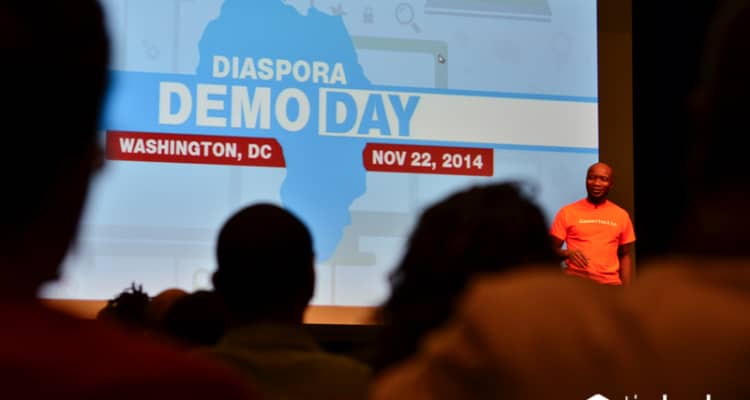
Every year, the Motherland loses some of its most brilliant minds to other parts of the globe. They leave for a number of reasons that include political instability, repression, conflict, and poverty, and do so in the hope of getting better education and job opportunities. They become a part of the diaspora, non-resident Africans who still feel a strong connection to their origins. According to the World Bank, there are 39 million Africans in North America, 113 million in Latin America, 13.6 million in the Caribbean, and 3.5 million in Europe. They are well-educated professionals and together they send over 40 billion US dollars in remittances to the Africa every year. Per The power of the diaspora lies in their duality. They identify with both cultures and act as a bridge to communicating the true African experience. Utilizing this duality can help in a number of areas. Fighting the negative imagery A number of Diasporans are young, talented and optimistic about the future. They’re also eager to return to help Africa progress. Having achieved success in their respective fields, they defy the perception of despairing poverty, corruption, and repression that often overshadow Africa’s success stories. The politics Our global representatives can also make changes in foreign policy. When it comes to negotiating interventions and support, diasporans can provide an authentic African voice to political discourse by communicating the needs, potential and realities of Africans. Sharing skills They can also apply their knowledge and talent to close the skills gap, which would help attract foreign investment. After all, the Motherland doesn’t lack intelligence. What Africa lacks are opportunities to apply and develop its talent. So how do we put this into practice? Almaz Negash, a respected business executive and non-profit leader, has a feasible solution. Negash was born and raised in Eritrea, and went on to study in the US. She now works to connect Africans on the continent with those in the Diaspora. Negash suggests using the African Diaspora Network (ADN), an online platform, to convert the $40 billion remittances into investments. This is easier said than done. The ADN solution requires reliable infrastructure and policies that are conducive to conducting functional businesses. These include enforcement of property rights and political stability. There are concerns over whether or not African governments have the capacity to enforce such policies or even comply with them themselves. The ADN must also figure out the best way to engage with the diaspora. Not all diasporans are Pan-Africans so some may focus more on their own countries than the entire continent. But, if successful, the creation of a diaspora database could work as a platform for the Diaspora to share their entrepreneurial capacity with those at home, and be a forum for Africans to seek investors and donors. This will allow Diasporans and resident Africans to form partnerships and invest in each other. ADN could also function as a space for nonprofits to connect with Africans and share ideas on how to best tackle development problems and create sustainable solutions. Over half a trillion dollars has been spent on aid to Africa since independence, and almost nothing has come of it. The ADN could be the missing link. Proof of Concept A similar model has worked in India. As a country that is dependent on remittances, the Indian government has made a conscious effort to engage with the Indian diaspora. Through liberalizing their trade policies, India has been able to attract its diaspora’s investment. They have also established the Ministry of Overseas Indian Affairs that connects to the diaspora through youth teaching, cultural education, and annual awards to revered Indians living abroad. So…what are we waiting for? Sadly, African governments aren’t doing the best they can to connect with Africans abroad. At least 32 African countries have set up specialized units or ministries to engage with diaspora, but these units tend to be under financed and understaffed. As a result, African governments are not engaged with their diasporans. But Ethiopia is making moves The country established an Ethiopian Diaspora Directorate in 2002. It now has a web portal with information for the diaspora about potential investment and trade opportunities, on-going development projects, and the Ethiopian diaspora policy. Ethiopians born outside of the country can get “yellow cards” allowing them to travel without a work permit or visa. The Ministry of Health also attracts professional diasporan doctors to work in their health sector. Ethiopia now has its first emergency response residency program. SLA also knows what’s up We too have recognized the need to harness diasporan potential. In November 2014, SLA co-produced and co-hosted Diaspora Demo Day, a social impact pitch competition. Diaspora Demo Day is the largest convention of African startups, entrepreneurs, and angel investors outside of the continent. SLA took seven African startups to the showcase where growing tech companies and social enterprises focused on Africa and the diaspora were presented. Demo Day took place in Washington DC and was attended by policymakers, impact investors, journalists, development professionals, and leaders of African enterprises. Participants gained media exposure from multiple outlets like Washington Post, BET.com, and AllAfrica.com to name a few. Carpe Diem 6 out of the 10 fastest emerging markets are in sub-Saharan Africa: Chad, the Democratic Republic of Congo, Ivory Coast, Mozambique, Ethiopia, and Sierra Leone. So now is time better to invest in Africa’s future.