
Chellie Clarkson-Brown: Designing for women of color and overcoming the #icebergsyndrome
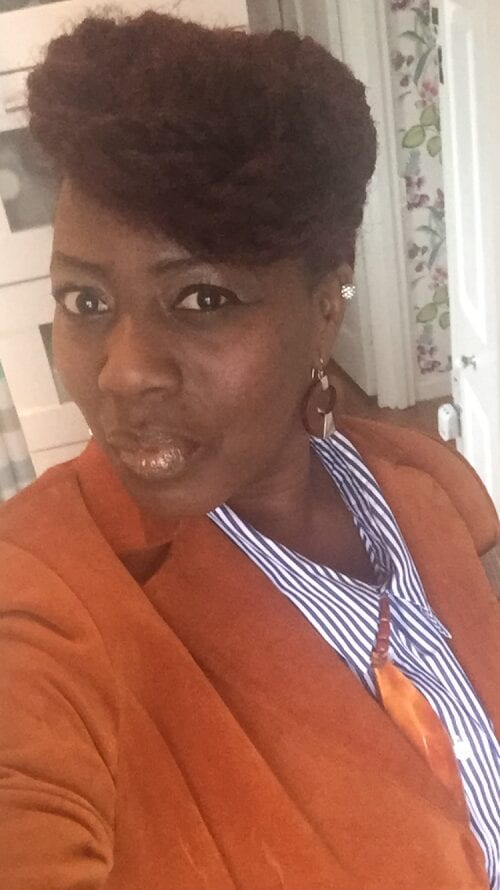
[bctt tweet=”Chellie Clarkson-Brown wants to make African-inspired apparel an everyday staple in Western Europe” via=”no”] No one ever tells you about the amount of work that goes on underneath the surface of the water- #icebergsyndrome… but keep keeping on and eventually the tip of your iceberg will emerge. Enter entrepreneur Chellie Clarkson-Brown the Founder and Creative Director of Afro Couture Designs LDN, a fashion brand focusing on sizes and designs for women of colour. With SLA contributor Neo Cheda, Chellie shares her entrepreneurship journey and what has pushed to her to success. Tell us about you and how Afro Couture Designs come about? I studied Pattern Cutting and Tailoring at London College of Fashion but left this to work within the retail industry. Well, it wasn’t for me so I returned to university at University College of the Arts. My time there was traumatic, to say the least. I was often denied the opportunity to express myself based on what I felt represented me. Everything I designed in reflection of my African heritage and life experiences, was, in my opinion, belittled and rubbished. I lost so much confidence in my abilities and myself, that I became depressed. To add insult to injury, I wasn’t even able to get any real retail therapy without having to break the bank. Come on now, we all know that the only way to make a girl feel good about herself in circumstances like these, is a good old shopping trip. The only items I could get on the high street were ill fitting for my body shape. As almost any woman of colour will know, it may fit everywhere else, but it “sho’ ain’t gone fit” around your hips, rear and thighs. Or you would go up or down a size to alleviate the problem above and guess what, it would fit everywhere else, but not your waist #BlackGirlIssues. So I did some extensive market research in order to collate a sizing criteria for women, particularly focusing on women of colour, as our primary target market. This has allowed us at Afro Couture Designs to create a more inclusive sizing range which is a better reflection of the modern day woman. Most importantly, it incorporates the proportions of women of colour too. As part of our initiative, we are committed to being environmentally friendly by being as sustainable as we are practical. Tell us about your vision for Western European Demographics. At Afro Couture Designs LDN, we design and create on trend contemporary African-inspired apparel and products and our intention is to make these products an everyday design staple within the Western European demographic. Our products are not intended to exclude or to be divisive, rather our products are primarily intended to celebrate and embrace all things African and showcase the beauty within the continent and how it can compliment European fashion trends. We use high end design techniques, pattern cutting, and production techniques and source the highest quality fabrics. At Afro Couture Designs LDN, we fuse and mix together an eclectic range of fabrics from the both the Western European and African Hemispheres to bring you our AfroEurocentric collections. The collections within these ranges are African inspired with a contemporary twist and are intended for those who not only think outside of the box but actually go one step further and throw it away altogether. Afro Couture Designs LDN, provides a multi-faceted design and production service from fashion, products, and interior design to delivering fashion workshops and property development. Afro Couture Designs LDN’s business objective, is to be the one-stop shop or boutique for all your design requirements. Akin to the likes of the Selfridges of London or Macy’s of New York- for all things Afrocentric. What accomplishments are you most proud of? Getting it all together again from being homeless after my home was repossessed and I lost my job. The struggle was harder as I was a single mother at the time. But all things are possible through God. “Everything is possible for one who believes” Mark 9:23. #Ifyoucanconceiveit- #youcanachiveit What challenges have you faced that are unique to your business? Trying to blend Afrocentric influences harmoniously with the Eurocentric to create the AfroEurocentric brand. Additionally, trying to secure financial support for such a new concept with the intention of making the brand available to the mass market. [bctt tweet=”Afro Couture Designs aims to give exposure to established & emerging African artisans” username=”SheLeadsAfrica”] Which 3 African women that inspire you and why? My Grandmother, the late great Madam Margaret Ntiamoah For her determination, her tenacity and most importantly how resourceful she was. I remember growing up in Ghana during the coup d’état of 1979. Food was rationed and money was tight. There were so many of us living in one room and my Nana, would create gourmet dishes for all of us from one tin of baked beans, or even crack 2 eggs in a spinach stew and manage to make that stretch around 6-8 of us, with some left over for the next day. On the days we had money for coal, in the morning before school, Nana would set the coals in the coal pot (which I’d fan) to make the morning porridge, the smouldering coals would then be put into a cast iron, hence the name, to iron our uniforms. After that, the hot cast iron would then be dipped into the cold bucket of water to warm it up for our morning baths. Talk about resourceful! She got up at the crack of dawn every morning well into her later years to go set up her market stall at Mokola market without fail. Her work ethic has stuck with me till this day. God rest her beautiful soul. Ghanaian designer, Christie Brown For being self-taught and still managing to make it into the mainstream fashion world. I’m inspired by her style and the fact that she has slowly over the years managed to place herself
8 markings of a strong #MotherlandMogul, as told by Mary J. Blige
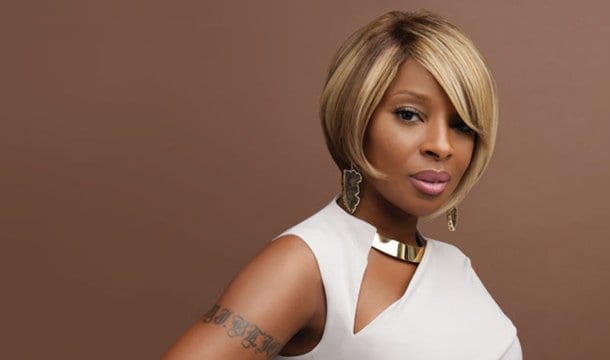
[bctt tweet=”Does Mary J Blige teach us that strong business women remain authentic? Find out how here” username=”SheLeadsAfrica”] I have been a fan of Mary J. Blige since my childhood in the early 90s and have taken great inspiration from watching the way that she has blazed trails, set trends and overcome adversity, both in her career and personal life, from then even up till now. This, in addition to the fact that her songs tend to surround themes such as female empowerment, make her a favourite. With a title like “The Strength of a Woman,” her upcoming album seems set to carry on this important discussion. So, to celebrate, I was inspired to share 8 markings of a strong business woman through some of my favourite Mary J. Blige lyrics: 1. “Take Me as I am or have nothing at all” There is a saying that goes “if you try to please everyone, you’ll end up pleasing no-one”. Although it can be tempting to make your business all encompassing, one of the things that Mary teaches us about strong business women, through songs such as “Take me as I am,” is that they remain authentic. When I say this, I mean that they are self-aware enough to know where their talents lie and who they can best serve. In other words they niche down. An example of this can be seen via the overlap and differences between She Leads Africa and my blog. Both cater to women but they have different niches- in that SLA caters to business women whereas my blog caters to Christian women. Some of the benefits of having a niche in this way are that: It allows you to play to your strengths It allows you to work with the kinds of people you like to, making your business a joy rather than something you dread It sets you up as an expert in your particular field, making you the “go to” person in your niche or specialism Being seen as an authority has a positive effect on profit margins 2. “All I really want is to be happy” Through songs like “Happy,” Mary shows us that part of the reason strong business women are able to be so authentic is because they know what makes them…well…happy! Not only that, these women have developed goals; so, they know what they want to achieve in future. They also honour their dreams by going for them. This knowledge of self may have been hard won- especially if it was something that they didn’t always have- but, once it’s developed, it is what guides their business practices. 3. “No more drama” In songs such as “No More Drama”, Mary is teaching us that strong business women refuse to tolerate negative entities. This is because they’ve battled through too much to make their businesses what they are today to let another person destroy it with negativity. They are, however, also wise enough to know when the “drama” is coming from within (through things like fear, self-doubt or negative self-talk) and so will do the inner work needed to shake those things off to progress as well. 4. “Hate it or love it the underdog’s on top and I’m gone shine, homie, until my heart stops” Sometimes it is not possible to eliminate negativity because it is coming from a family member or colleague, for example. Through songs such as her remix of 50 Cent’s “Hate it or Love It,” Mary teaches us that in such situations, we always get to choose how much we are willing to be affected by other people’s opinions or attitudes. We may not be able to control nay-sayers or “enemies of progress” (as we Nigerians would call them), but we can control our own reactions. Strong business women realise that, and so they refuse to slow down, give up or let anybody steal their “shine”. 5. “…As long as it’s you by my side, I’m stronger” In addition to breaking away from the negative sources in their lives, strong business women seek positive relationships and collaborations. According to another Mary song, this means relationships that make them “Stronger”. As already implied, this entails being around people that: Love you for you (only suggesting alterations be made to contribute to you growth and progress, rather than make you feel “less than”) Support your goals and dreams Are positive sources of influence. By the same token, strong business women are able to do and be the same for others (in the knowledge that a win for one sister is a win for us all and does not detract from them in any way). 6. “In each tear, there’s a lesson…” Through songs such as “With Each Tear” Mary shows us that strong business women are constantly learning, even if the teacher comes in the form of a mistake or failure. They roll with the punches, extract the lessons from that season and use it to become better rather than bitter. Tweet: Mary shows us that strong business women are constantly learning, even if the teacher comes in the form of a mistake or failure 7. “I can see in colour, the first sign of spring…” Mary demonstrates, through songs like “I Can See in Colour,” that strong business women lean towards such optimism because of a hope and faith in God, or another higher power, who means them good and not evil. This gives them a sense that everything, including bad things, happens for a reason; that even if the bright side of a situation is not immediately apparent- it will be. They also understand, in line with one of my favourite songs (Total Praise by Richard Smallwood) that, that higher power is the source of their strength in the first place. 8. “[I] put my life all up in these songs just so you can feel me; so you can get the real me” I’m going to end this ode to Mary J. Blige and strong business women with the song I began with- “Take Me As I Am”. In it Mary sings the words in the title of this 8th point. When we share these things with others, we let people who have the same challenges know that there is a light at
Mandy Shemuvalula: Youth development must be the starting point of all business models
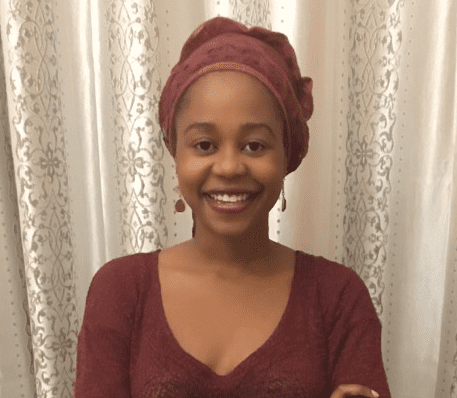
[bctt tweet=”Mandy Shemuvalula: the youth of the African continent are the most powerful demographic” username=”SheLeadsAfrica”] Mandy Shemuvalula is a 29-year-old Namibian who is a revolutionary at heart. After graduating in 2010 from Monash University in Malaysia with an Honors Bachelors’ degree in Business and Commerce (majoring in International Business), she knew the global business arena was where her heart laid. Mandy asserts that her life purpose is to challenge the status quo for the greater good. Having participated in reputable summits and interned with global brands, Mandy experienced a radical paradigm shift from her view of empowerment and philanthropy and how it can be closely tied to business growth. This greatly influenced her new journey to starting Youthia, which she is steadfastly building as a revolutionary youth economy and easing intra-continental youth trade in Africa. At what point did you decide empowering young Africans is what you want to do? It all started during a five-day trip to India in September 2014, as part of my internship at the World Headquarters of Coca-Cola in Atlanta, Georgia. The trip was a social media experiment by Coca-Cola called Women of the Web. We took eight influential American mom bloggers across five cities in India to expose them first-hand to Coca-Cola’s global women empowerment initiative, 5by20, running on the ground. During the trip, although short, I began to experience a paradigm shift observing how Coca-Cola was building its powerful business while simultaneously developing local communities. Almost instinctively, I knew this was how I needed to approach doing business moving forward. Not too long after my trip to India, I was off to Kenya for three months to do another internship with Microsoft. While in Nairobi, I engaged with the SME community and observed the stellar innovation coming out from the young people over there. I knew this was a breeding ground for more, coupled with the largest population segment on the continent, the youth. God was ordering my steps. It was definitely divine! Who is that one role model that fueled your drive for youth empowerment over the years and why? I wouldn’t say I was particularly passionate about youth empowerment growing up. In fact, it was something I just kind of stumbled into while in India. But I think the seeds began to be planted during my experience participating in the inaugural class of the Mandela Washington Fellowship of Young African Leaders in 2014. While attending the Presidential Summit in Washington DC with Barack and Michelle Obama, in a room full of progressive young Africans, a light bulb went on that the youth of the African continent will be the most powerful demographic. I think that’s when it officially clicked that young people in Africa are actually a big deal. The biggest deal. [bctt tweet=”Young people in Africa are actually a big deal. The biggest deal.” username=”SheLeadsAfrica”] What are some of the setbacks you faced starting up Youthia and how did you pull through? I knew that if I was to dedicate my life to Youthia, I had to shoot for a massively huge goal. I couldn’t and shouldn’t play small because I wanted to have monumental impact with my work. Because the vision is huge, it was incredibly hard to find the right talent who understood the mission and was able to commit to it for the long haul. I truly believe Youthia is from God so slowly but surely, the right people began to be directed to me in weird serendipitous ways. At first, I became a little frustrated at how slow things were moving but I had to trust the process and the right people continued to show up. Another big hurdle was definitely start-up capital. We are trying to do things that have not been done before so convincing funders and investors that this could work was and is challenging. But by being consistent and persistent, we were able to gradually win them over. The struggle continues. And lastly, our biggest challenge to date is trying to educate the public that youth economic development can no longer be an NGO, charity or philanthropic organization’s work. It will be a conscious, for-profit business industry and we need to lead the way. It has to be an actual youth economy that is contributing billions of dollars to African nations’ GDP. We want it to be as cool as the Apples, Googles, and Facebooks of this world. The world is changing and changing fast. Youth development can no longer be an afterthought but the starting point of all business models. An objective of Youthia is to empower one million youths by 2025, where do you see yourself also in 2025? Personally, I see myself living an extraordinary, fulfilled and peaceful life. [bctt tweet=”A wrong mindset and character are the biggest barriers for youth entrepreneurs.” username=”SheLeadsAfrica”] In your experience, where would you say most youths miss it in business? Undoubtedly, the wrong mindset and character. We often talk about youth lacking relevant skills or capital, little access to markets, amongst many others. These are legitimate hindrances. But the mind-set and character are the biggest barriers for youth entrepreneurs. They do not prioritize developing mental and emotional strength to weather the storms. They feel entitled. This holds them back. What do you think are the 3 attributes of an enterprising youth? Resilient, patient and self-aware. Oh, can I add one more? Resourceful. If you were made Minister for Youth Affairs in Namibia, what are the first two things you will do in office? Thank goodness this is theoretical as I don’t think I can survive in politics. I’m too radical and honest, lol. I would definitely push for better regulations governing youth entrepreneurship and youth job creation. And most importantly, I would prioritize developing a supportive entrepreneurial ecosystem that is driven and powered by youth. If you’d like to share your story with She Leads Africa, let us know more about you and your story here.
The Art of loyalty: How to build brand love and engagement with content marketing

[bctt tweet=”Few people are loyal to brands, here’s how to get people to love yours with content marketing” username=”SheLeadsAfrica”] What brand of seasoning cube was in your home growing up? Right now, if you took a random survey, odds are your respondents will tell you they saw only one brand of seasoning cube. When I surveyed my colleagues -mostly 90s kids- the results match up. Most remember seeing only just the Maggi seasoning cubes or the Knorr seasoning cubes. It used to be that people were faithful to brands because they have a history with their products and services. They bought only one brand of cars; one brand of toiletries or picked groceries from only one store. Lots of factors are responsible for this loyalty; top on the list being limited choices. But that’s beyond the scope of this article. The point simply is that people are buying differently than they did in the 90s or as early as the turn of the millennium. These days, few people are loyal to brands. According to Accenture, only 28% of customers are loyal to brands. When one considers that it costs up to 25x more to acquire new customers than it does to keep one, this trend provides a unique challenge for business owners. For small businesses, the way to level the playing field with tough deep-pocket competition is to build brand loyalty. Customers will return to you come rain or shine when your brand inspires loyalty. How do you solve this problem as a small business? Enter content marketing. Engaging positively and consistently with customers along their different purchase journeys will nurture brand loyalty. This is most true for millennials; 62% of whom feel that online content drives their loyalty to a brand. Triggering loyalty might just be the core of content marketing. What is content marketing? “Content marketing is a strategic marketing approach focused on creating and distributing valuable, relevant, and consistent content to attract and retain a clearly-defined audience — and, ultimately, to drive profitable customer action,” – Content Marketing Institute. If you received an e-mail update from your spin class instructor this morning, you’ve been exposed to a form of content marketing. If you’ve read a guide on “how to make Bantu Knots when your hair is only two inches long” – that’s content marketing. Combined with a top-class customer service, content marketing will create a community of rabid fans around your brand. [bctt tweet=”Customers will return to you come rain or shine when your brand inspires loyalty” username=”SheLeadsAfrica”] How do you begin? The first step is to outline your typical customer journey. There are many frameworks that explain the process from consumers’ awareness of your brand to transactional engagement with it. My favourite is Google’s “See, Think, Do, Care” framework. Understating this funnel helps you shape your message for the right customer in the right context. If you had a business selling lactation cookies, your communication at the “See” stage is to “all pregnant women.” At the “Think” stage, your communication is to “pregnant women or new mothers who are unable to lactate naturally.” At the “Do” stage, your communication is to “New mothers who want to buy lactation cookies right now”. Finally, at the “Care” stage, your communication is to “new mothers who bought and are taking lactation cookies from me.” At the last stage of the process, the goal is primarily to build loyalty. But nevermind this, elements that build loyalty should be baked into content at every stage. Shared value To consistently infuse brand loyalty triggers in your content is to develop and share content that is useful and conveys shared value. Shared value is about focusing more on people and their beliefs and less on your product. The focus on the product is why many contents from brands are ignored. According to a Corporate executive Board (CeB) study published in 2012, most consumers say that they were loyal “not to companies, but to beliefs.” From the text on your landing page to the call-to-actions on your ebook, your beliefs (and that of your audience) should shine through. [bctt tweet=”Content that engenders loyalty is more than a blog post, find out more here” username=”SheLeadsAfrica”] The types of content that engender loyalty Content that engenders loyalty is more than a blog post. Although those play a big role, loyalty-driven content marketing is driven by a deeper understanding of your customer motivations, their engagement behaviors, and your company goals. Some of the short examples I will proceed to share may not fit snugly with your brand, but you can deploy them based on your specific needs. 1. Culture blogs Culture blogs reveal the safe internal conversations of a company. For our example with our lactation cookie company, a culture blog could be “Why we keep our cookie cutter in the top drawer” or “What our new teammates taught us about cookie counting.” Or consider this super-honest culture blog from Buffer; “What We Got Wrong About Self-Management: Embracing Natural Hierarchy at Work.” The core idea of culture blogs is to put the culture, beliefs and thought processes of your company on full display. Culture blogs (like all other content types) can be deployed at every level of the customer journey but are suited for the “See” and “Think” stages. 2. Newsletters Newsletters are one of the most profitable pillars of content marketing. Emails have been known to provide an overall higher conversion rate when compared to other content channels. They can often provide functional purposes along every level of the consumer journey. You can use them to share product updates or nurture your leads. How ever you use them, ensure that you are helpful. 3. Product marketing kits What series of content will help your consumer live better, do their jobs better or increase their preferred variable of customer success? Combine them into one big digital folder (or ebook) and share with your audience. These kits are more instructional than sales-y. They have high production value
Zakithi Mncwango:I keep following the great yellow brick road of my career and trusting in my bliss.
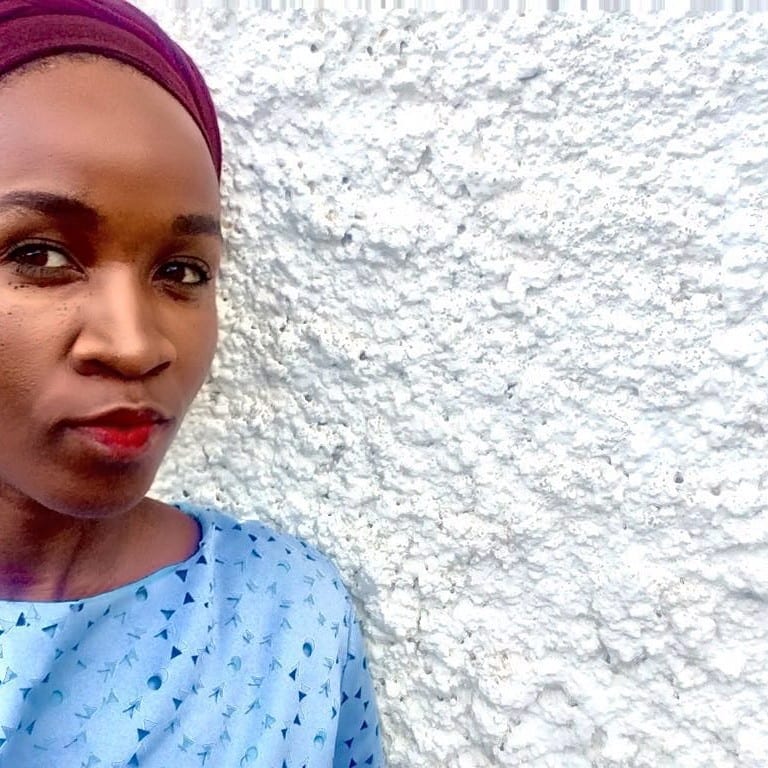
[bctt tweet=”The truest version of yourself as you make your way through your career will get you far” username=”SheLeadsAfrica”] In addition to being Stevie Wonder’s biggest fan, Zakithi Mncwango is also the Africa marketing manager of Safilo. Safilo is an Italian eyewear creator and distributor of global fashion and lifestyle brands such as Fendi, Jimmy Choo, Hugo Boss and Marc Jacobs to name a few. Zakithi is an economics graduate happily working with the world’s leading fashion brands. She is highly skilled and experienced in luxury brand marketing management across the continent, with an interest in luxury brand strategy. When she is not building brands, Zakithi mentors marketing graduates and enjoys lunches that turn into dinners with great friends. Walk us through your career journey to this point of Marketing Manager at Safilo? In a way, my career journey has been a series of decisions and moments of grace that have arisen as result of my decision to “follow my bliss”. I loved economics in school, the idea that I could have a contribution more meaningful than just an opinion on the workings of the world; lead me to the study in university. While at university I sort of wandered into marketing, and in the line of my life, I followed my curiosity and throughout the course of some years since I graduated I have been able to work on some of the world’s leading food and beverage, cosmetics and fashion brands. As a marketing manager, your days are truly never the same. Through the many industries I have worked in, I’ve been exposed to all kinds of wonderful and interesting consumers. Our team must find new ways to communicate our key brand messages in this dramatically changing digital connected age. Now, I work with the Italian company Safilo that distributes some of the world’s leading fashion and lifestyle eyewear brands. I consider myself to still be in the early stages of my career journey but I’m having fun, reveling in challenges that come and finding new ways to talk about some truly iconic brands. I keep following the great yellow brick road of my career and trusting in my bliss. Share with us two major lessons learnt climbing your career ladder? Be authentic. The truest and realest version of yourself as you make your way through your career will get you further than a put-on version of someone else. It’s wildly rewarding to feel valued for who you are, and I’ve learnt in time that it will probably get you further than anything else. Do the very best you can with what you have and BE YOURSELF. I’ve seen time and time again that as you build a circle of influence throughout your career, authentic connection is the primary quality that directs the power of the relationships you can build professionally. Secondly, decide. It’s a common state I think to always seek external counsel or opinion before you make any decision. Be it what you’ll have for lunch or whether you’ll take the red pair of shoes or the green pair and inevitably bigger professional decisions such as whether to re-shoot a big budget tv ad or change direction on a brand strategy. The point is, at one stage or another there will be no one to co-opt the decision making with. There’ll be no time. You may have a set of choices with various probable outcomes and not enough time to explore them all. Whichever stage in your career, don’t shy away from leading the decision-making process. It could all go wrong. Or it could all go wonderfully well. Either way, at the start of it, you must decide. So, decide. What do you enjoy most and least about what you do? I work with some of the world’s most beautiful and inspiring brands. I love this! Every day, our team must find new ways to keep these brands fresh and interesting, I love that challenge. Everyone wants to be at the top. It’s a constant process of having to re-invent and this is sometimes very difficult. The competition is fast, so we must be faster. A challenge we rise to! Working at Safilo gives you great exposure to luxury brands, are there times you get star struck or rather brand struck working with some huge brands and how do you manage to keep your cool? Yeah sure, working with global icons, of course, I get a secret thrill! This doesn’t go away I’m afraid, and I hope it never does. I think with time I have managed to gasp and shriek a little less loudly in the office environment. But to be honest I love the brands I work with so I really revel in the chance to talk excitedly about them. What would you say is your major goal for 2017 and how do you plan to achieve it? In 2017, I would like to get the “cobwebs and dust” off my French. For working purposes it’s fundamental to me as I travel. I’ve already signed up for a class so I’m looking forward to that. I’m also looking to grow my professional network as I think it’s vital to personal growth to be connected to people especially from all walks of life. The major 2017 goal though is to have fun. Lots of it! We know you love Alber Elbaz, which other designers do you fancy and why? I don’t think there are any additional accolades I could give to Ozwald Boateng that he hasn’t yet received. He is truly a pioneer. His design philosophy and how it continues to evolve is truly magic. I’m lucky to be alive in a world where I can witness that kind of genius. I used to have my own blog and in that time found the work of Aisha Obuobi’s Christie Brown. Her work is truly wonderful. It’s a contemporary African aesthetic that belongs all over the world. I continue to watch and marvel at her work!
Tabitha Tongoi: Authenticity matters

[bctt tweet=”Write from personal experience has helped @CravingYellow remain consistent” via=”no”] When a post on your blog clocks about 40,000 views in under 24 hours, I think it’s safe to call you a highly successful blogger. Tabitha Tongoi creator and owner of the Craving Yellow blog, still gets astounded to know that she reaches that many people with her effervescent nature and views on life’s ups and downs. The 26-year-old Kenyan, natural hair enthusiast and lover of all things yellow has been blogging for over two years now. Tabitha touches on everything hair, beauty, lifestyle and of course, finding yellow i.e. finding joy in life’s simple pleasures. She has lived, worked and studied in four continents, her current home being Melbourne, Australia. Tabitha is currently on holiday in Nairobi and SLA contributor Diana Odera caught up with her to get to know more about life as an African blogger in the diaspora. Who is Tabitha outside of the craving yellow moniker? Personally, I feel like I’m a thinker and I’m a writer. In my free time, I’m always thinking of new ideas, researching on creative projects etc. I love the mind space. I’m always engaging with my mind so I guess I’m a bit of an introvert; I spend a lot of time observing the world and people. When it comes to my extended life – I’m the last born of 3, I have an older sister and an older brother who just got married last year. Career wise – I am getting into the blogging space, I studied Political Science, which was never meant to bring me here but here I am. I’m a bit of a nerd, I love to read and study, I‘ve always loved school. I also love to give and I love to encourage others and see them succeed. How did the Craving Yellow movement begin? It started when I was in my last year of uni. I had just come back from England, which was an amazing experience that made me grow into myself, learn how to formulate my own ideas and be confident in myself. Once I was back in the US with that mindset, I took a class on the power of documentary photography in telling new stories that are untold. I had just finished reading Americanah and I was so inspired so I decided to turn the camera on myself and tell my story because I felt there weren’t enough women in the diaspora who’s stories were being told, if any. So I started off on that premise, I knew I loved hair and people would talk to me about hair so that was a constant conversation starter. Hair was the hook but I also wanted to talk about other things e.g. who are you? When you go home what type of conversations are you having with yourself as a young African woman living abroad? It gradually took on a life of its own from there on. I saw a lot of my friends get into depression, addiction and just losing themselves so it was also about touching on these types of conversations and experiences that women face. [bctt tweet=”I was so inspired so I decided to turn the camera on myself and tell my story” username=”SheLeadsAfrica”] Your blog focuses on your natural hair journey as well as beauty and lifestyle topics. How do you go about creating great content that is relatable and consistent? The premise has always been my hair because that is what I can teach people about as a skill I have. I haven’t been as regimented as I’d like to be because I have a full-time job and run the blog on the side. On average I make sure to release 2-3 youtube videos, mostly on hair and hair reviews. On the blog, I put out two posts a month on hair and for lifestyle topics. I think that because I write from my own personal experience, the type of content stays consistent. I don’t write what everyone else is writing about so it just comes to me naturally. When I’m not able to write, I don’t force myself at all just to appear like I’m writing. At any point, have you felt the pressure from trolls online or any negative feedback that you may get on your blog – pressure to make you change from your premise? In terms of hair care, in Kenya as compared to abroad, I have only felt pressured when I’m compared to fashion bloggers who have a very different production process and different content. Sometimes people blur the two. By default, because the hair blogging field here is very small, it’s easy to be compared to others. But I think in terms of my own journey, one thing I really appreciate is having lived abroad and having had to be in my own mind space and create this blog with no outside interruptions. I admire what people do but I’m very clear in what my message is and what my premise is, I’ve never been threatened or intimidated. Having lived in four continents, how have these diverse environments contributed to your personal growth, your professional and academic career? I’ve really had to learn who I am and to be fine with that. I always stand out everywhere I go, so I’ve been forced to really look into myself and ask myself internally – who am I and what do I stand for, what are my passions, what drives me? etc. As a whole, it’s allowed me to have a very clear vision of who I am as a young person, more than I would have if I had stayed in Kenya. I’ve learnt to be my own island. Adaptability has been another strength I’ve gained, great work ethic as well. What keeps you motivated? I think about young girls out there who are probably struggling with a lot and need just a bit to encourage them to push on and
10 tips for excellent customer service

[bctt tweet=”Customer care can make or break a business, here are 10 tips to win at customer service” username=”SheLeadsAfrica”] Do you remember the last time you had an unpleasant experience with a service or product? Of course, you do. As paying customers, we’re looking to get value for our money. Yet we may find that at times the service or product fails to live up to the sales pitch. Perhaps the company does not answer emails or phone calls, the staff is clueless and disinterested, or you are given the run around when you called to report a problem. It does not matter how low your prices are, if the customer service is poor you will still lose out on repeat business. When you have outstanding customer service; happy customers are more than willing to pay for quality and a pleasant experience! Excellent customer service is what will set your businesses apart and improve your sales figures. Here is how to improve customer service for your hustle. Get your staff trained It is important to ensure that your staff members are trained in how to interact with customers and how to solve problems in a professional manner. You may want to train your employees on the following; Greeting and interacting with customers Answering the phone Staying calm in a crisis Managing emotions in a difficult situation Solving problems in a professional manner. Capitalise in effective and reliable training tools and on-going refresher courses. When staff members are properly trained, they feel empowered and motivated to serve to the best of their ability. Create a welcoming environment Companies who create a personalised service not only attract new customers but are able to retain their customer base. Invest in friendly, patient and courteous staff. Sometimes it’s the little things that matter such as offering a cold glass of water on a hot day, comfortable seating in the waiting area or a children’s area with toys for example can go a long way towards winning them over. In order to make lasting connections with customers, it is very important that the staff exude an authentic personable feel as opposed to animated robotic performances which may come out as fake or acting and put off the customer. Know your products/services It is important that the staff know your products and services in and out, how they work and how they benefit the customer. Be aware of the most common questions customers ask, and know how to articulate the answers that will leave them satisfied. Keep your points clear, simple and leave nothing to doubt. This way you will also be in a position to assist them when they run into problems. Persuasion skills are also valuable in excellent customer service. This is the ability to convince interested customers that your products are right for them. It is also important to honour your commitments, do what you say you will do, for example if you offer a guarantee then you must honour it. A sure-fire way to ruin your relationship with a client is to go back on your word. Polish your internal organisational systems Set clear goals and expectations so there are no misunderstandings, regularly communicate with your staff and find out what challenges they experience. Rectify problems and maximise on your strengths. Have a clearly defined and uniform company culture. An organisation that is disjointed and at loggerheads with itself will soon show its cracks to the outsider and can never succeed. All involved must pull together to one direction. It is crucial to have a well-defined organisational structure for communication and decision-making purposes. [bctt tweet=”Build trust by focusing on customer relationships and not sales” username=”SheLeadsAfrica”] Know your customers Know your target market very well; what they look for in a product and what their buying habits are. This will put you in a great position to not only match their needs but exceed their expectations! Build trust by focusing on customer relationships and not sales. Think long term when dealing with customers. By keeping customers happy, they will be loyal and through word of mouth, will do the marketing for you. It is also very important to be able to read your customers, whether face to face, via email or over the phone. Apart from what the customer is saying out loud, some basic understanding of behavioural psychology helps you to look and listen for subtle clues about their non-verbal communication, what they are not saying, their current mood, patience level, personality etc. This will go far in keeping your customer interactions positive and fruitful. Get customer feedback and solve problems Remember the customer is always right. Invest in easy and swift communication channels such as a suggestion box, customer surveys and feedback forms. Besides asking them directly, you can do this by putting a suggestion box, customer surveys, feedback forms where customers can report back about your service and offer suggestions. Offer many different ways for your customers to contact you: like phone, email, and your business’s social media pages. Also ensure management is easily accessible and reachable to resolve any matters when the need arise. Use the feedback to create a better experience and improved service. Use social media wisely Capitalise in well run platforms such as Facebook, Twitter and Instagram where you can post about your current specials, discounts and new products around the clock. As much as social media can build your brand, posting recklessly can easily tarnish your image. Engage with customers responsibly, with great diplomacy and prudence. In the event of any complaint whether received publicly or privately, acknowledge the problem, apologize, even if you think you’re right, accept responsibility, adjust the situation with a negotiation to fix the problem and assure the customer that you will follow through. Your customers will appreciate this! [bctt tweet=”Treat employees as you would treat your customers & more tips to improve customer service” via=”no”] Look after your staff Treat employees as you would treat your customers. Employees take on
Nike Fagbule: Public Relations is an industry that is constantly evolving.

[bctt tweet=”We are not a one size fits all company because all clients are inherently different” username=”SheLeadsAfrica”] Nike Fagbule is a seasoned PR professional in Nigeria. In 2013, she founded Zebra Stripes Networks, an integrated marketing agency based in Lagos. Over the years, her company has been able to focus on delivering quality service as well as contributing to the development of different economic sectors. They also offer their quota to Corporate Social Responsibility. Nike’s triumph story is one that resonates round passion and commitment to what she does and she has inspired and empowered people along the line. How do you distinguish your brand from other PR labels? Zebra Stripes Networks (ZSN) is very hands on with client activities, especially those that relate to an interaction with their primary audience and the general public. We are not a one size fits all company because all clients, even if they do business in the same industry, are inherently different. At ZSN, we tailor make strategies and techniques for each client. What are some of the common issues/challenges in the PR industry? Like every other industry, sourcing for efficient employees is a major challenge; a lot of people come to this job with no understanding of what is expected of them as a public relations specialist. Public relations is very challenging and requires that you’re great at multi-tasking. It is also an industry that is constantly evolving. Some years ago, public relations in Nigeria was all about media relations -sending releases and monitoring media, but these days it has a lot to do with creating engaging stories and having your audience’s ear till you say I am done. It is no longer limited to traditional media. I’d need an entire interview simply dedicated to PR challenges. If you were not doing PR, what would have been your next option? I’d probably be a writer. It’s what I thought I’d be doing when I was a child. [bctt tweet=”Nike Fagbule: Working non-stop is counterproductive in the long term. ” username=”SheLeadsAfrica”] What sacrifice have you made for your company to exist today? Uncountable sleepless nights, a handful of friendships and conspicuous absences at family functions. In the early days of ZSN I did not have weekends to myself and it was a couple of years before I could go on a vacation. I had to take a step back because eventually working non-stop is counterproductive in the long term. Describe a day with Nike Fagbule. When I wake up in the morning, the first thing I do is to read a Bible and book chapter. Then I exercise, check my emails for client alerts and then I go into the office. I also watch a lot of American television so I find a way to infuse it into my day. Which celebrity would you like to work for and why? I’d like to just have a conversation with Shonda Rhimes and her publicist. Shonda is obviously not a celebrity so that probably doesn’t even count, but that would be goals for me. If you’d like to share your story with She Leads Africa, let us know more about you and your story here.
4 keys of personal leadership courtesy of Rachel Nyaradzo Adams
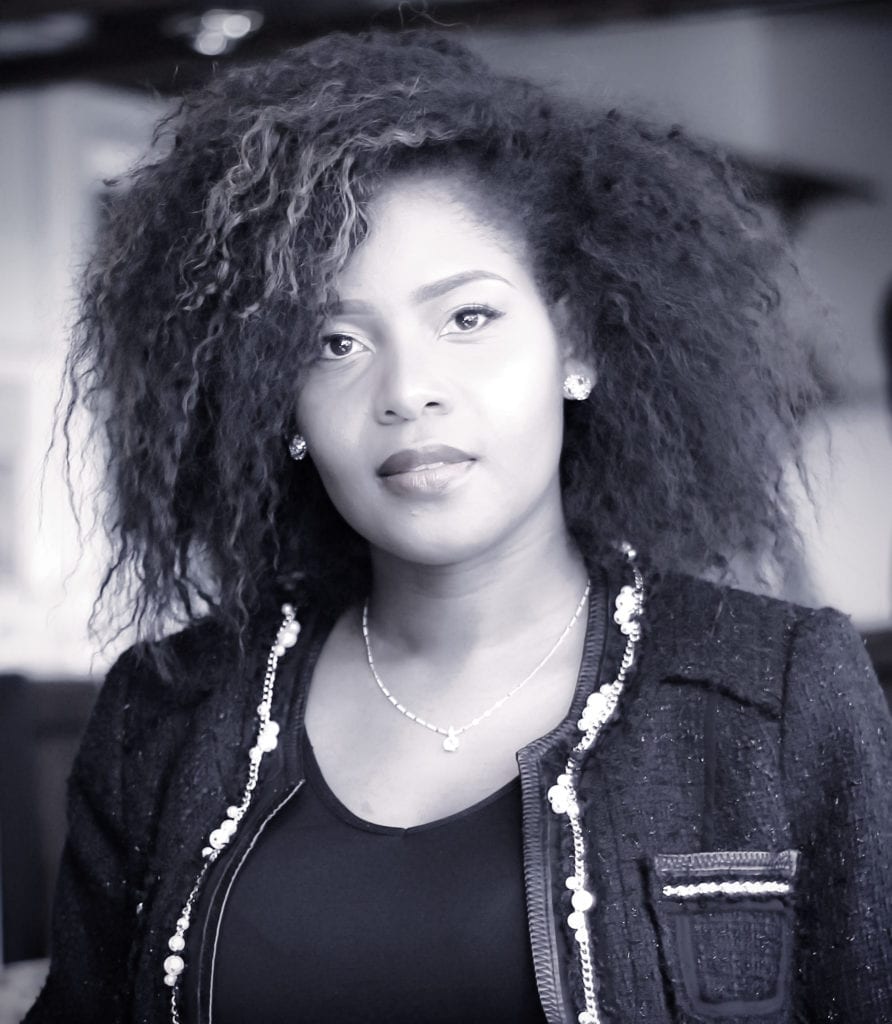
[bctt tweet=”Rachel Nyaradzo Adams wants to give people a Master’s degree in themselves @RachelNAdams” username=”SheLeadsAfrica”] “We all can get an education, but I want to give people a Master’s degree in themselves” These are the words of Zimbabwean leadership consultant Rachel Nyaradzo Adams. This dynamic entrepreneur has crafted leadership strategies for organisations such as Mckinsey & Company, Barack Obama’s Young African Leaders Initiative (YALI) program, and Yale University. She currently runs the leadership consultancy she founded called Narachi Leadership, which caters to high impact leaders across Africa. As soon as I heard the opening statement I knew I had to sit down with this remarkable woman. I wanted to find out more about her passion for African leaders, as well as get a few ideas on how you can elevate your consciousness as a leader. Before you moved back to Zimbabwe, you had an exciting job at Yale University in the office of international affairs. What prompted you to move back home and found Narachi? The seed was planted in me many years ago when I was selected as a Mandela Rhodes scholar. Our program director gathered all the scholars together and she gave us all a candle. She lit hers, and she asked that we light ours only if we were committed to being the change that Africa needs. For the first time in my life, I felt like I had been given permission to make a difference. I was also being given the tools to do so. Many years later while working at Yale University I looked back on that moment and began to question if what I was doing lived up to the commitment I had made. As Africans I believe we are far from creating a continent that gives dignity back to our people. I saw the need back home and knew I could do a better job of addressing it. I had spent my whole career working with leaders and entrepreneurs so starting Narachi was a way to have a more focused impact on the continent ‘one leader at a time’. I admire your commitment to nurturing leaders on the continent. All too often I have heard the phrase ‘Africa has no good leaders’. What is your message to the younger generation? I recently gave a TEDx talk where I shared my views on this. I believe Africa doesn’t have a leadership crisis, it just has a lack of a critical mass of courageous youth. It surprises me when I hear young people complaining about their ‘leaders’. People who are over 70 years of age realistically should have little say in our future. I need young people to question why they are comfortable delegating decision making around their future. Looking at our history, it has never been solely the “leaders” that have transformed this continent, it has been young people. The recently deceased anti-Apartheid activist Ahmed Kathrada was 12 years old when he started his activism, Nelson Mandela started in politics at 26 years old, and Aliko Dangote was 21 when he took a loan to start a business. Thomas Sankara was 33. We have to harness our courage and start building the Africa we deserve. There are some young people embracing that spirit of courage, Fred Swaniker would be a good example, but we need more. I would encourage young people to engage with the idea of what it means to put our lives on the line and sacrifice to see your continent as it should be. Doing the right thing won’t get you recognition, and you may not make it onto any prestigious lists for a while. It is however, part of the work that needs to get done. When it comes to making huge life decisions, for example picking a career, it is easy to get bogged down. What should we remember when making these decisions and make these moments of ‘leading ourselves’ easier? Getting bogged down by life is quite common. In my work with Narachi I have realised just how much people struggle to figure themselves out. I believe once people give themselves the permission to live authentically, they begin the journey to becoming better humans AND better leaders. Here are a few steps to getting there with examples from my own life: 1. It begins with ‘resonance’ Ask yourself ‘what resonates with me?’ You have to take time to listen to what has always been there. What are the things that you have always been drawn to or felt passionate about? The key to this is to guard against being seduced by the language of the time. For example, right now there is a lot of attention on entrepreneurship and technology. I therefore, find people trying to fit themselves under labels like ‘tech-entrepreneur’ when they have no business being in that space. Technology is a tool that you can use in service of who you really are. You don’t have to pretend to be good at something you will only be mediocre at because it isn’t a strength of yours. Create a list of topics that interest you and things you do well. If you can’t identify those on your own, ask people around you and colleagues who you work with for feedback on how they experience you. [bctt tweet=”You don’t have to pretend to be good at something you will only be mediocre at” username=”SheLeadsAfrica”] 2. Accept what resonates with you This is the reality: resonance isn’t always sexy. I often see people who are still afraid of not fitting into the current marketable language. Trying to do so could overshadow the value you bring to the table. When I worked at McKinsey I was surrounded by people who were number crunchers. In an environment like that, I could see the value of their strengths and so I began to doubt the value of mine. The irony is that I had been employed precisely because I was not a strict number cruncher. I had to accept that
Maxima Nsimenta: How to build a successful cosmetic brand

[bctt tweet=”Maxima Nsimenta is proving to herself & the world that quality can be made in Uganda” username=”SheLeadsAfrica”] Ironically, some young people are spending countless hours drafting and sending job application letters in search of white color jobs, while those employed, are quitting pursuing their passions in businesses. What’s more, the latter are not only becoming regional brands but also going ahead to create employment. With the ever eluding job opportunities and increasing cost of living, it is time young Africans started thinking of what “they can do to their countries” instead of the other way round. That said SLA contributor Maureen Murori caught up with a young entrepreneurial Ugandan lady, whose life’s motto is: “Why not?” Maxima Nsimenta is the CEO and managing partner at Livara, a cosmetics company dealing with natural skin and beauty products. The Steve Jobs inspirational quote: “Being the richest man in the cemetery doesn’t matter to me. Going to bed at night saying we’ve done something wonderful, that’s what matters to me,” is what keeps Maxima awake striving to do something different but wonderful! Maxima and Maureen spoke extensively about founding Livara and Maxima’s personal growth since the venture. Here is what Maxima shared: For some young people, starting and running a business is a challenging task that they would rather not take up. What was/is the inspiration behind your venture? While I was still employed as a Field Engineer at one of the world’s largest oil and gas service companies, I had the opportunity to travel vastly. During my travels, I noticed that some of the high-end cosmetics products used oils and ingredients from Africa. It is these oils that especially made the products that much more valuable. Whenever I’d return home, I’d notice that we weren’t adding value to these oils locally. This seriously perplexed me. In addition to this, after about one and a half years of employment, I stopped getting the fulfillment I initially had with the job. I felt empty and purposeless. It started becoming more of a mechanical aspect of my daily life. Yet, when I indulged myself in beauty and cosmetics, I felt content. I then proposed to build a company that would manufacture top quality natural and organic cosmetics that would compete with the international brands. However, I’d do it from my country, Uganda. I planned to prove to myself and the world that quality can be made in Uganda. It took me about a year to prepare for Livara; mentally, financially, structurally. Then when I had my minimums in place, I took the leap. When people are starting out a business, there are several things that they learn on the job. What are some of the things (positive or negative) that you learned about your business or self since starting your venture? Patience! Before I started out in business, I was used to getting what I wanted when I wanted and how I wanted it. In business, especially the manufacturing business, everything is based on processes and systems. Given that I’m building my company based on systems, it always hits me at home where it hurts. Not everything is instantaneous; perfection takes time and is worth the wait. I have learnt to respect people’s time and competencies a lot more. I have also come to understand and learn the value of teamwork from a front row seat, I cannot do everything alone. Business has taught me to learn to trust and rely on people to do their job, a lot more than I used to before. I have become addicted to knowledge acquisition. Nowadays, I read a lot more to be on top of my game. However, because of this, I realize that I have less time to build my other personal relationships -many of which have been affected. I hope it pays off eventually. Most importantly, I have become more spiritual than before. I have put my hope and trust in God, to guide and help me with the things that are beyond my control. There are several things that could have gone wrong but suddenly and unexplainably did not. For me, that is my God at work; leading me through this journey. [bctt tweet=”Not everything is instantaneous; perfection takes time and is worth the wait” username=”SheLeadsAfrica”] What skills did you acquire either through practice, work placement or learning institution to improve business? I’m not certain if research is a skill or a culture! But it is the most important thing that I picked up from my previous jobs. I only executed plans after more than adequate research had been carried out. Before my business, I had three jobs that were all scientific and research based. I’d literally spend nights up learning about different things related to one particular aspect of a bigger picture. It was my job to adequately understand the pros and cons and have a comprehensive yet conclusive position on any decision I made. This research-based decision making has been a fundamental skill for my business today. Presentation skills: Many may overlook this, but this is crucial. Although acquired and built over time since my university days, presentation skills have become a great acquisition that has helped me to negotiate better deals for myself and my business. Report writing: This includes writing project studies and reports. This is a skill that helped me write my business plan that won me incubation space at the Uganda Industrial Research Institute where we are based. Had I not known how to write a business plan and adequately present it, I do not know how far I would have come by now! Communication and interpersonal skills are other skills that keep on resurfacing and pushing me forward. The two keep evolving and changing with different circumstances. So, the basics molded me. And they continue to do so, even today. In the end, I’ve learned that it is always the relationships we have that help to either build us or break us in life. What is